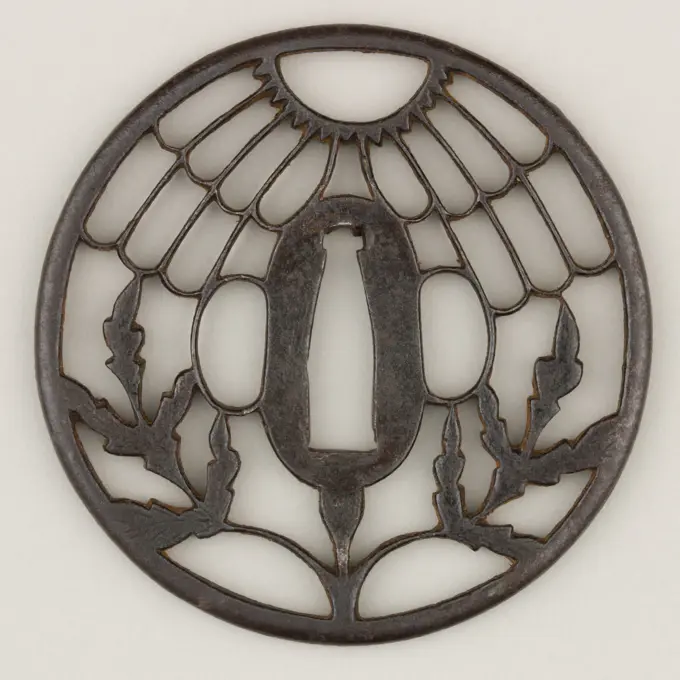
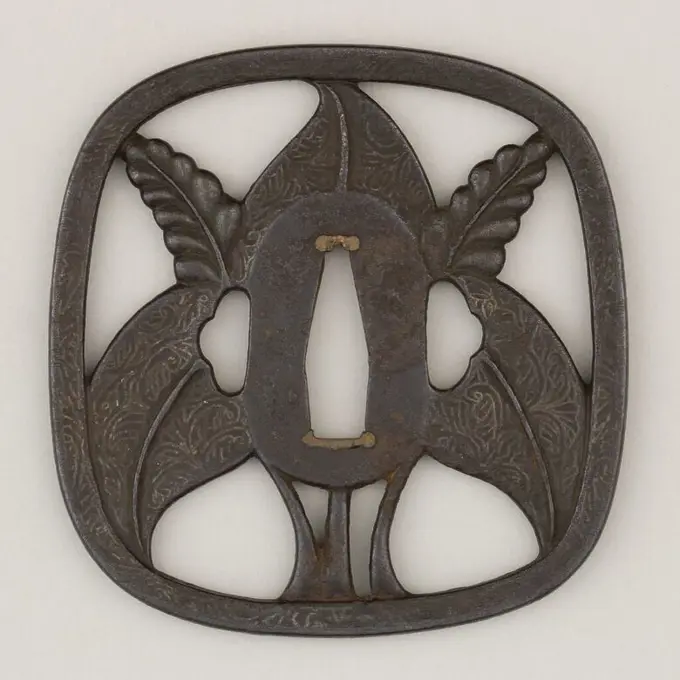
Japanese Sword Guards

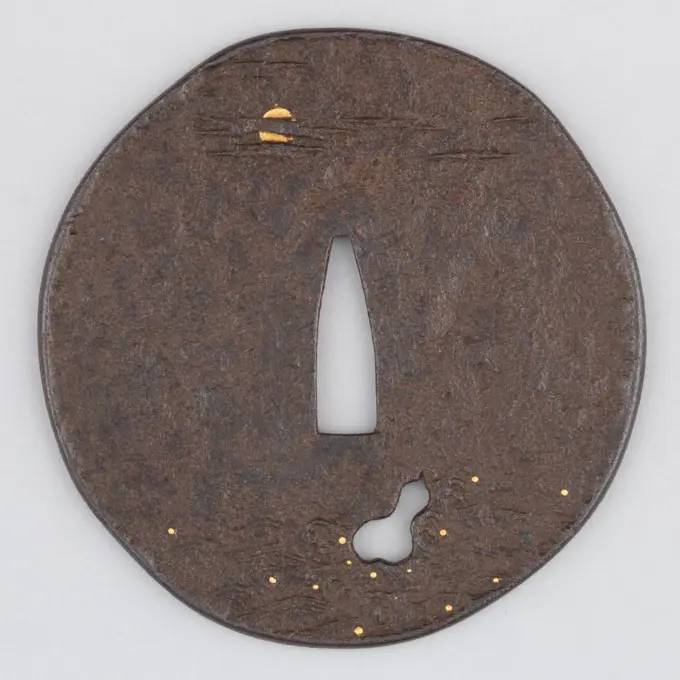
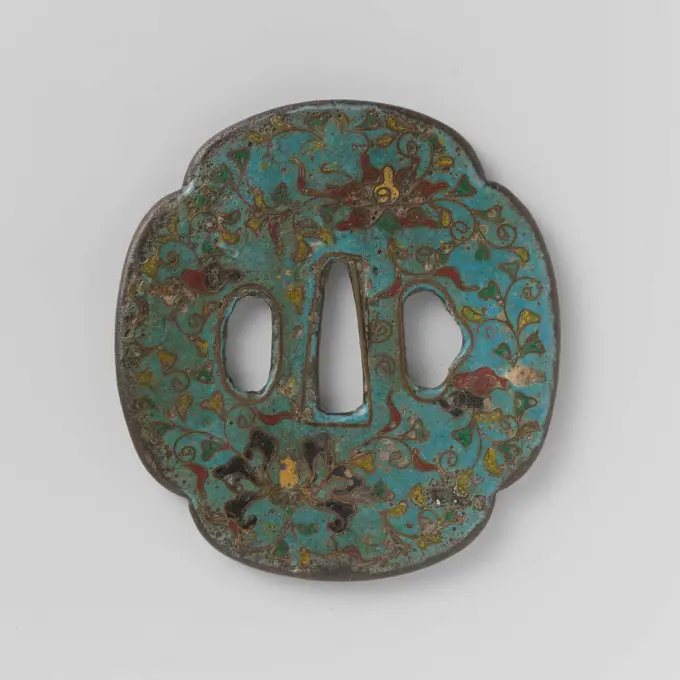
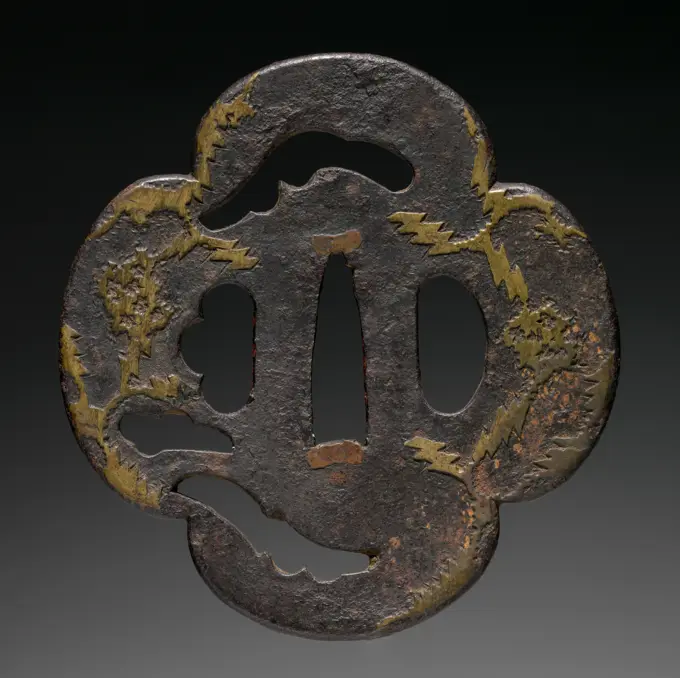
Displays intricate tsuba, or sword guards, from Japan, featuring detailed motifs and designs representing various historical elements.
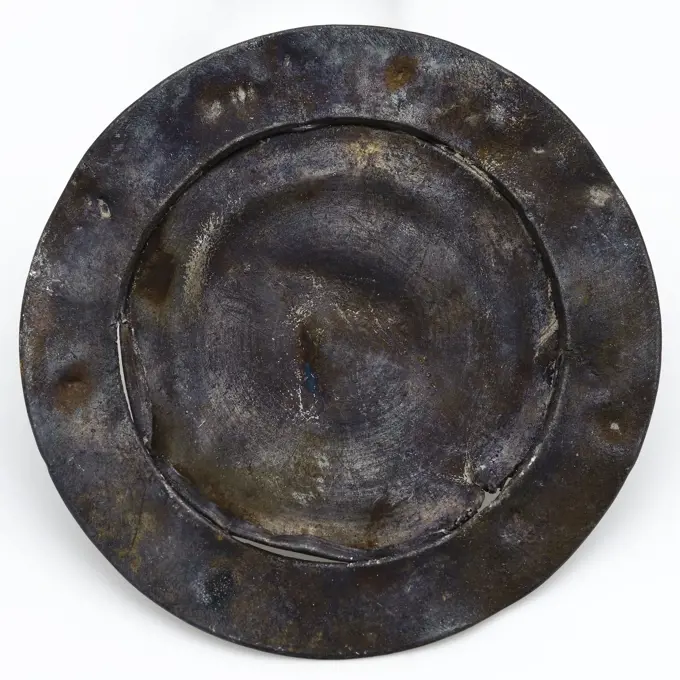
Hendrick van Duyveland, Tin toy plate with tin mark, plate crockery holder miniature toy relaxant soil find tin metal, cast tin plate. Toys Wide stand surface, short upright sidewall and flat flag. Turnings of the casting mold Inlaid tin mark on the underside tin mark: crowned Tudor rose with HVDP archeology Rotterdam rail tunnel indigenous tin child play child's play Soil discovery: railway tunnel Rotterdam.
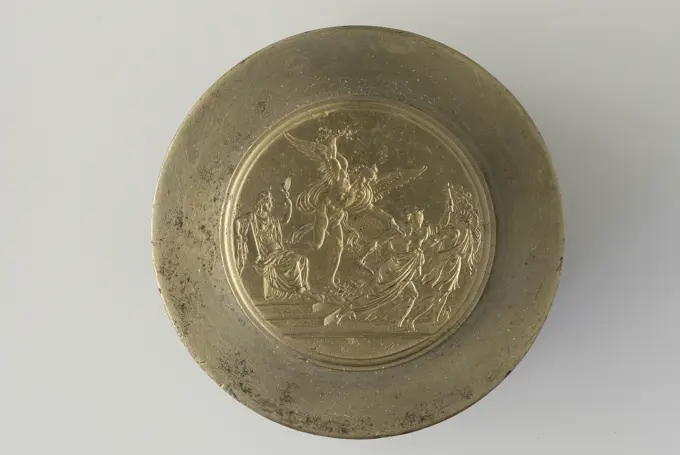
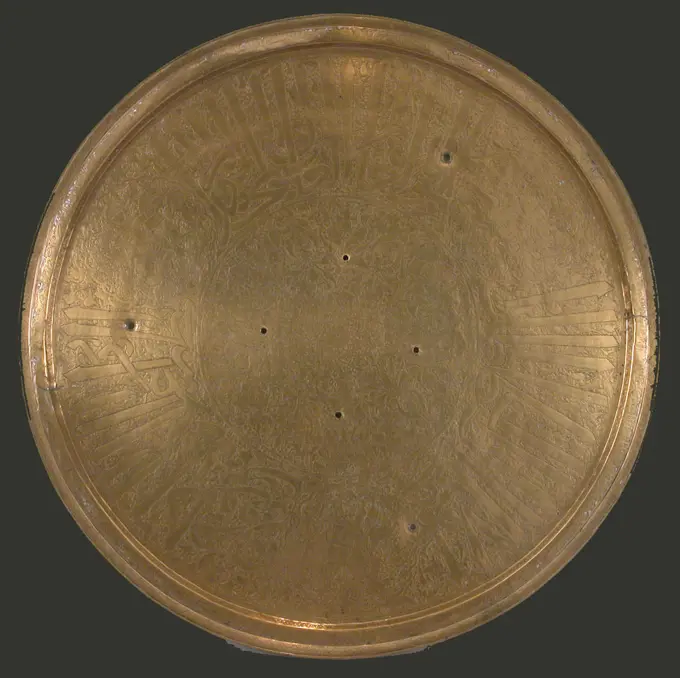
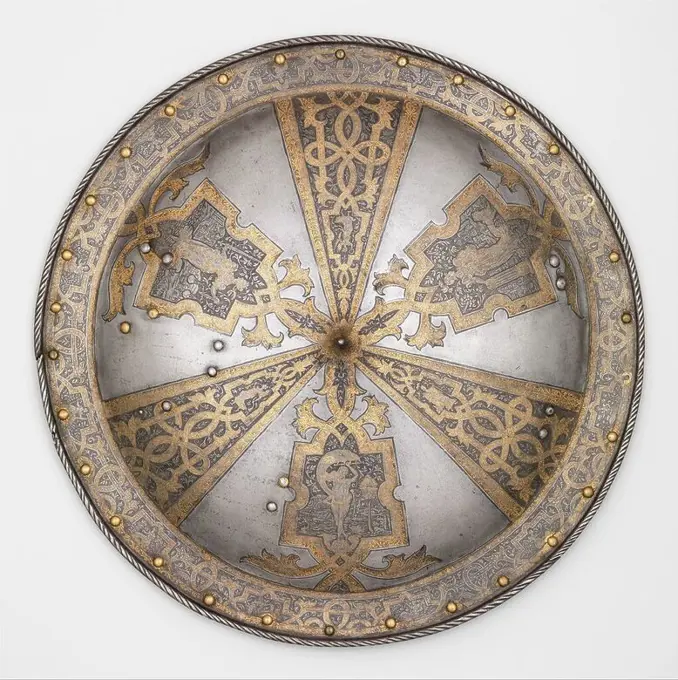
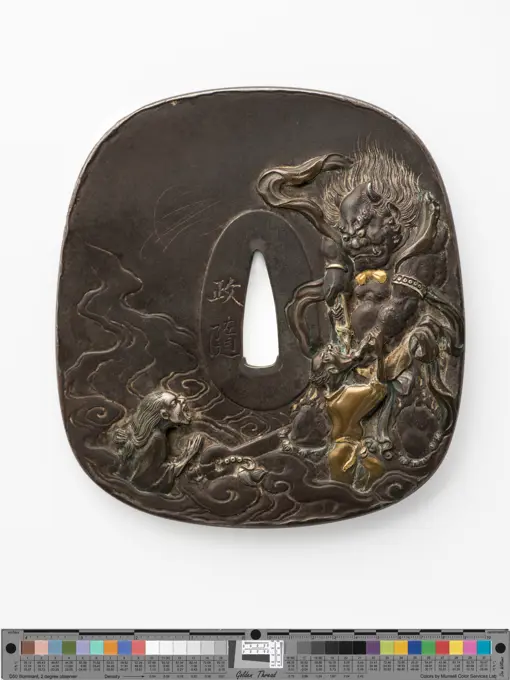
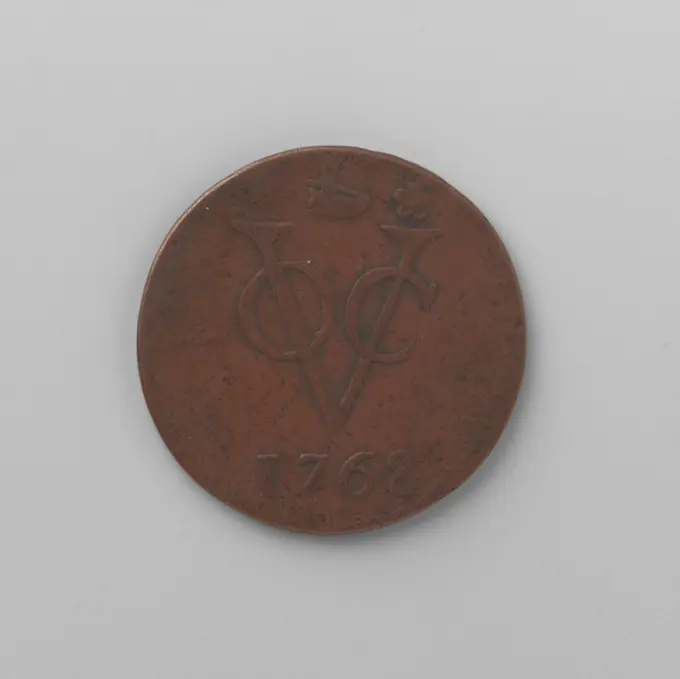
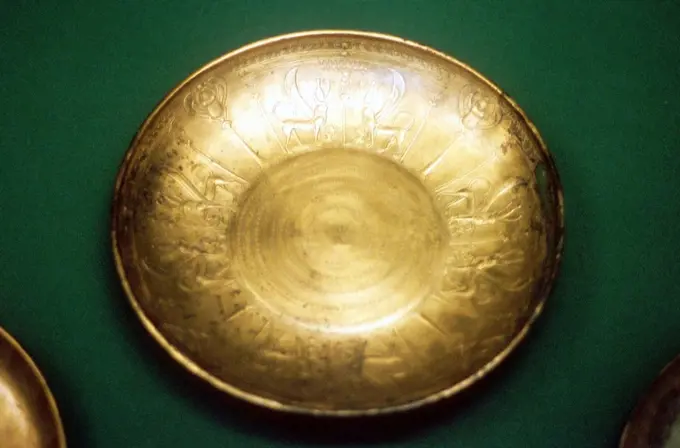
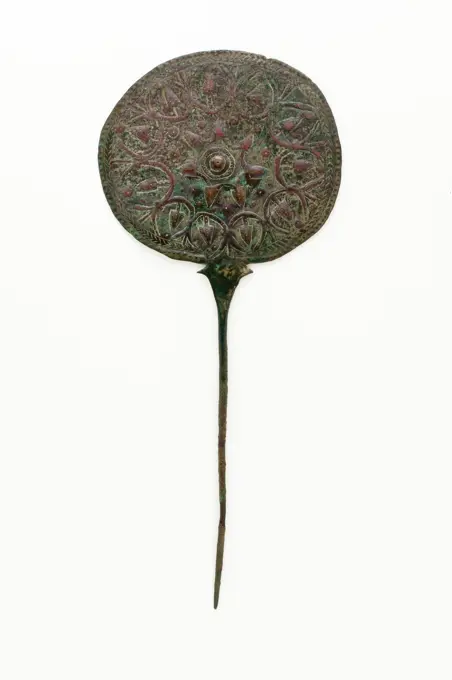
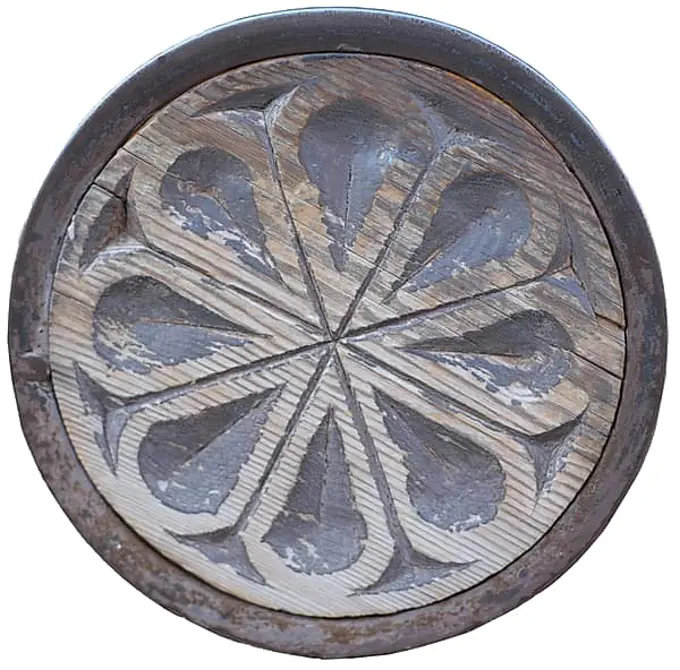
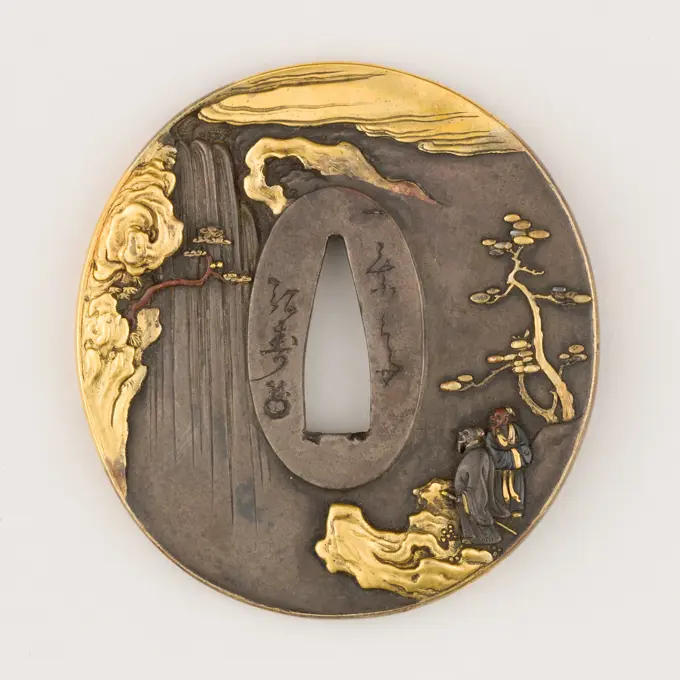
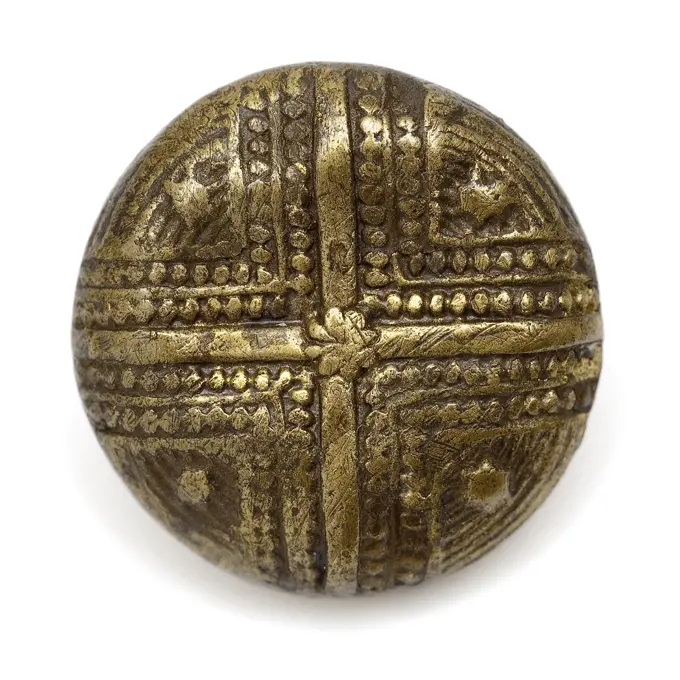
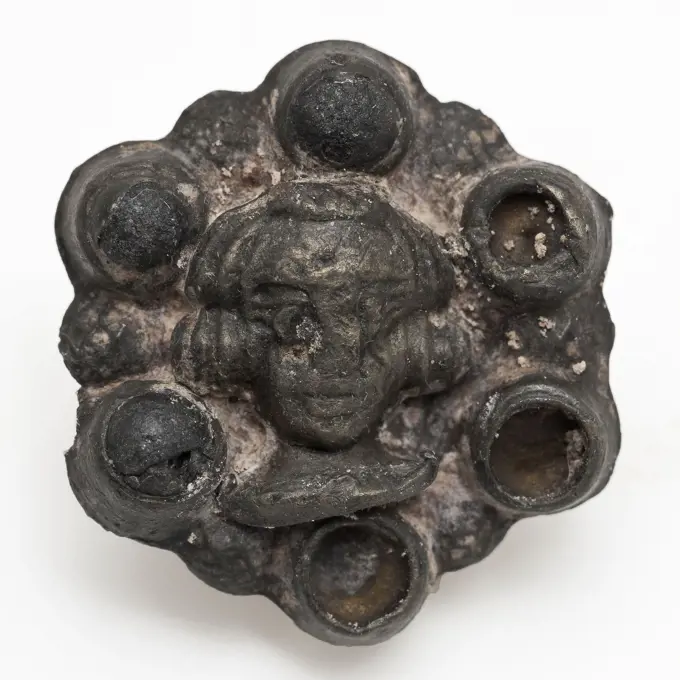
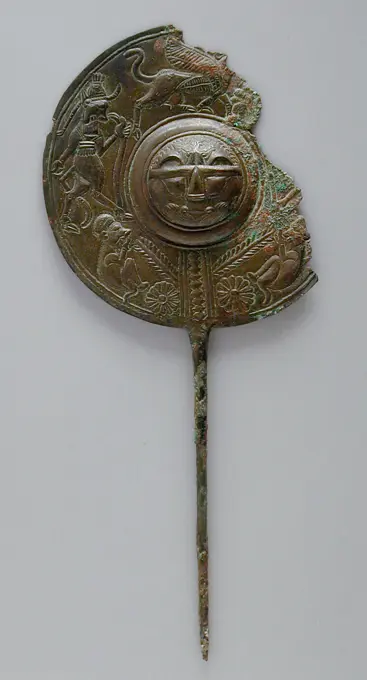
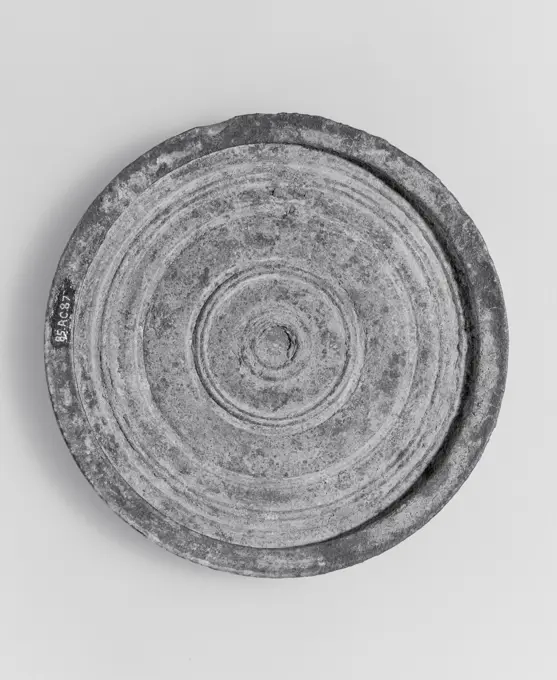
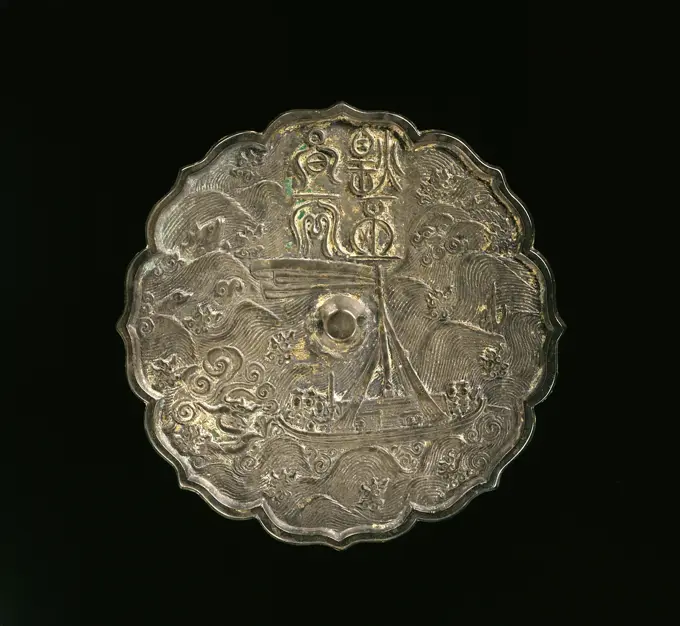
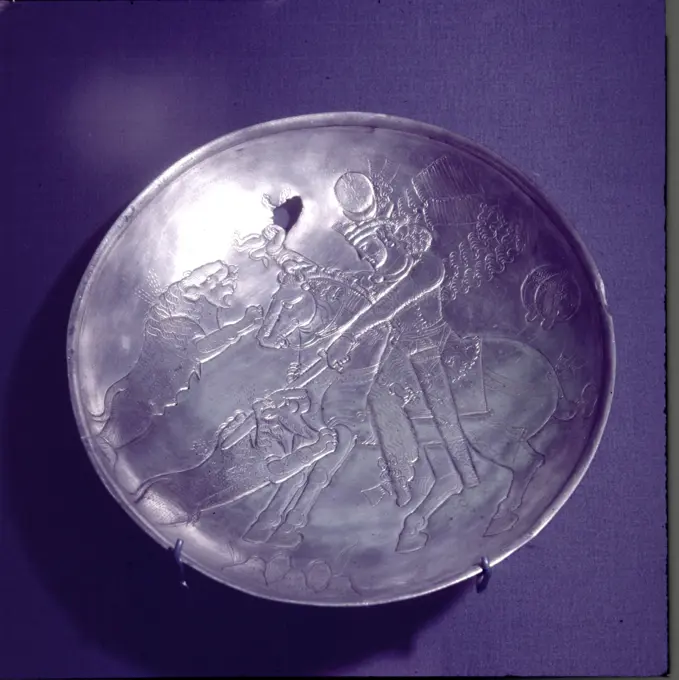
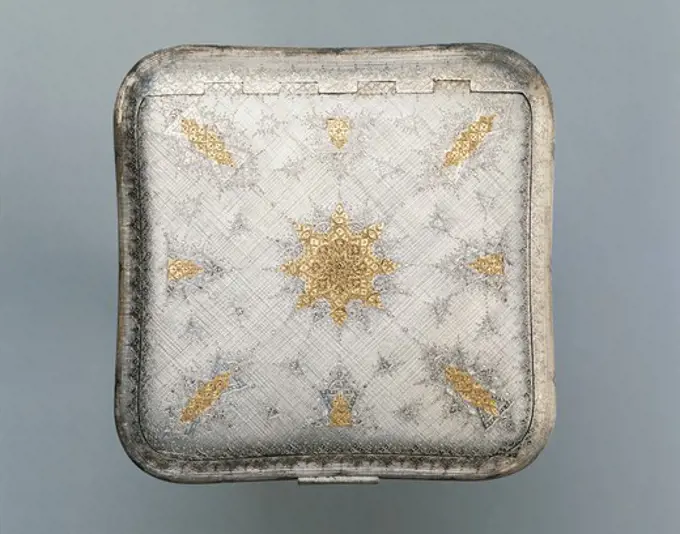
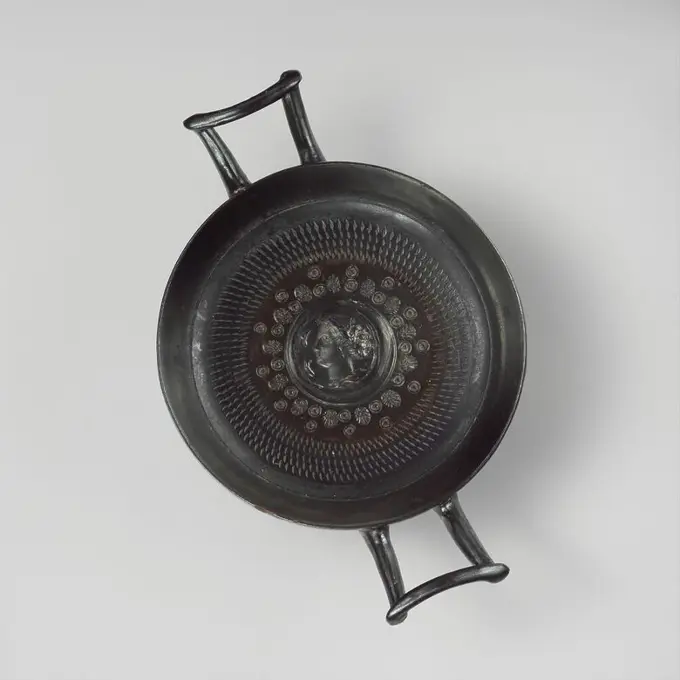
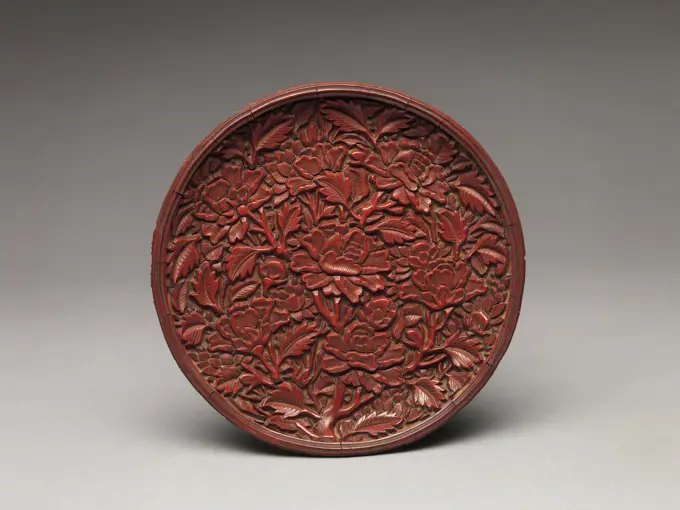
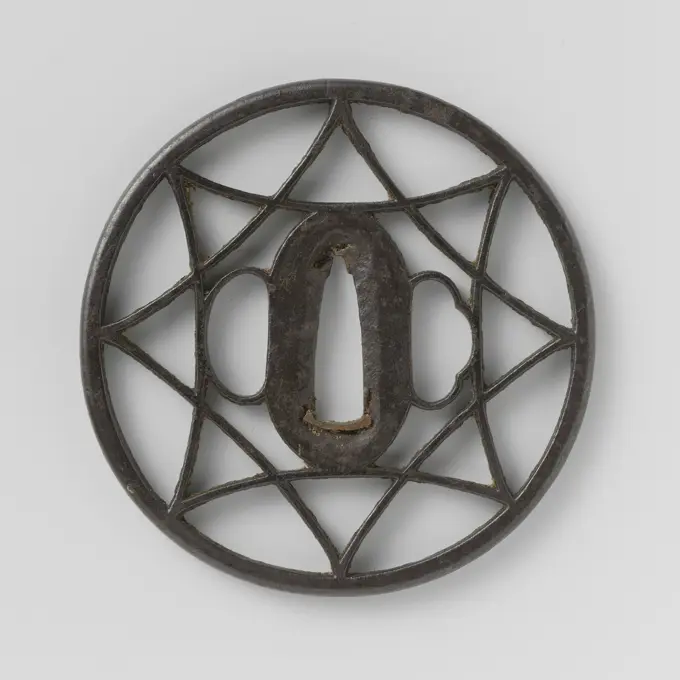
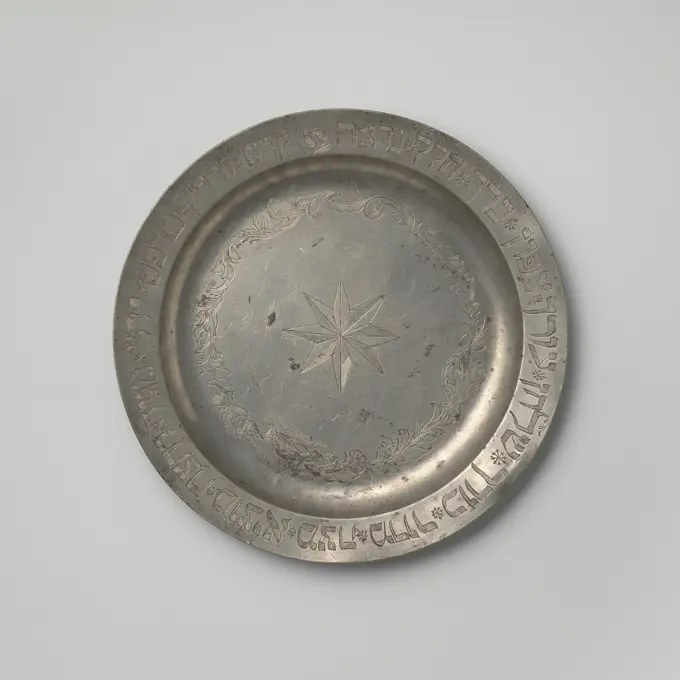
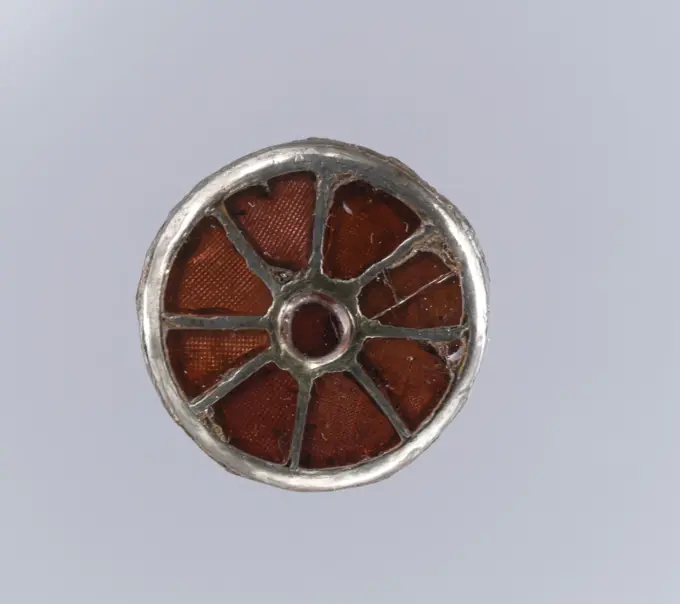
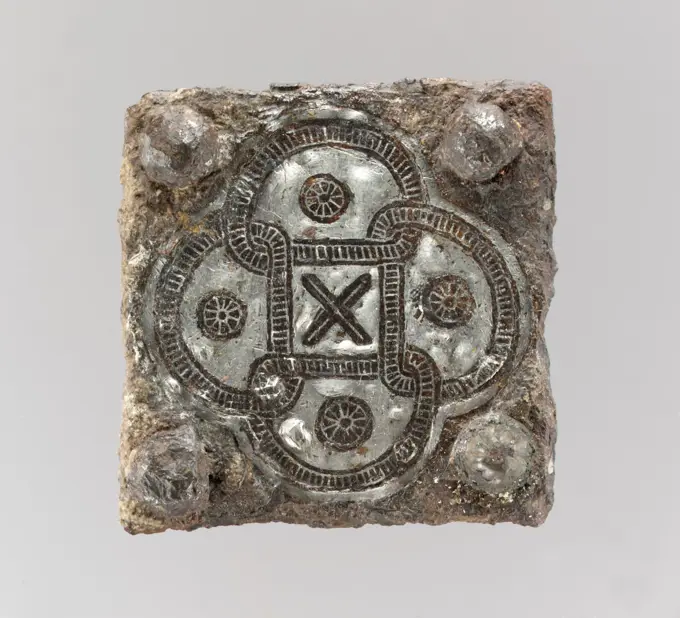
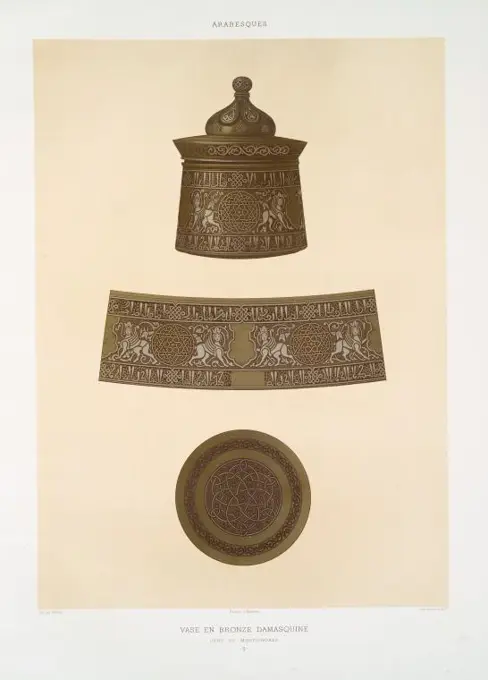
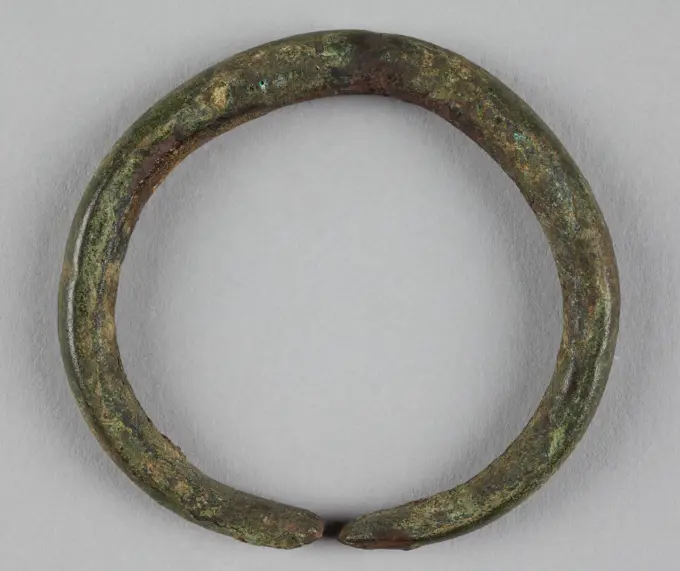
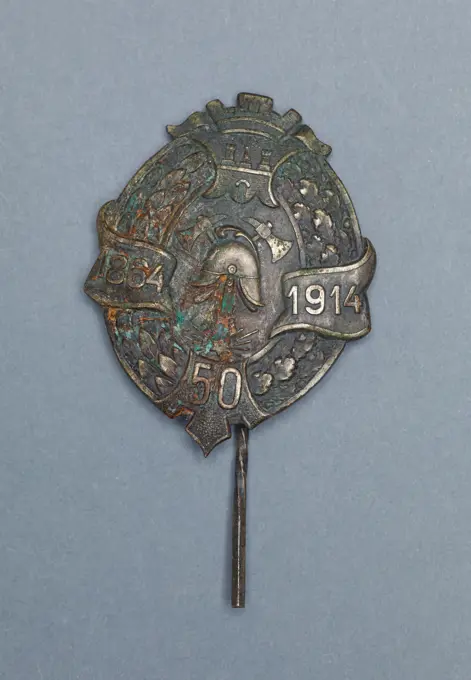
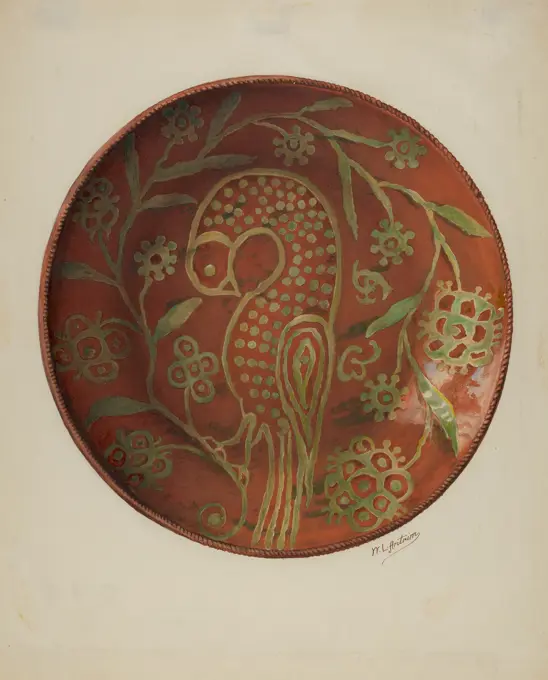
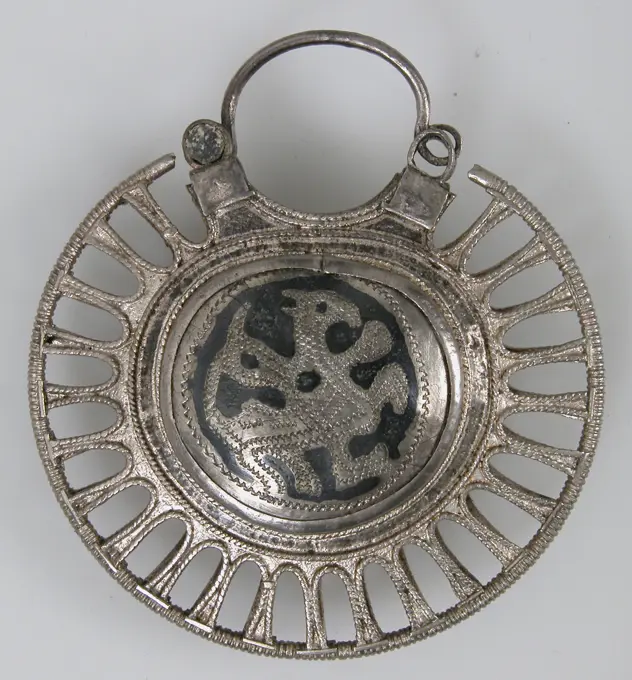
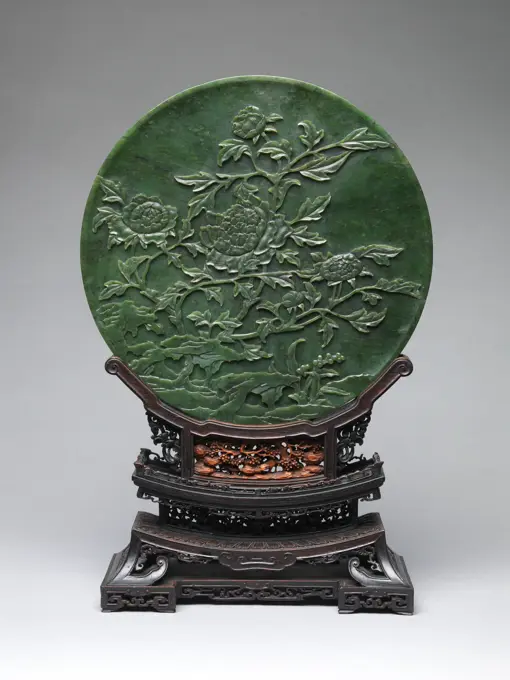
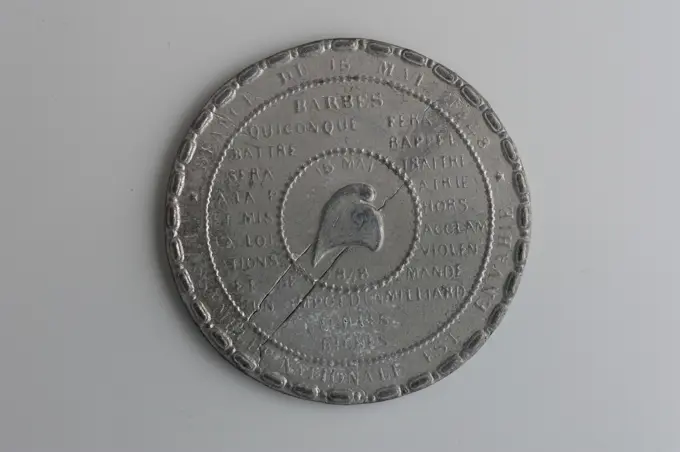
Bowl 10th century. Bowl 451044Bag of light blue silk, with silver wire embroidered, letters C P above which a crown, surrounded by ornaments. Bag of light blue silk, embroidered with silver wire. Letters C P above a crown, surrounded by ornaments. Lined with linen.Waist buckleGrahal-Manzara. Carnavalet 2013-2016 collection sites. Numismatics. Right The genius of France chasing discord and subversion (coup d'etat of 18 fructidor year V).Tray of Yemeni Sultan al-Mu'ayyad ibn Yusuf ca. 1296-1321 Ahmad ibn Husayn al-Mosuli The inscriptions on this tray are even more informative than usual. Not only do they document the objects commission for a Rasulid sultan of Yemen, they also include the signature of a metalworker whose name links him with the traditions of Mosul metalworking and, even more rare, the specific place of manufacture: Cairo.. Tray of Yemeni Sultan al-Mu'ayyad ibn Yusuf. ca. 1296-1321. Brass; inlaid with silver. Made in Egypt, Cairo. MetalShield of Sir John Smythe (1534-1607). Culture: German, Augsburg. Dimensions: Diam. 21 7/8 in. (55.6 cm); Wt. 7 lb. 15 oz. (3600 g). Date: ca. 1575-85.This beautifully decorated shield belonged to a small garniture made for the Elizabethan courtier Sir John Smythe (1534-1607). Most of the garniture appears to have been made in Augsburg, though additional pieces were made later in the English royal workshops at Greenwich. The interior of the shield is stamped with a mark consisting of the letter A within a pearled circle. Its extremely fine etched and gilt decoration includes large cartouches with allegorical figures representing Fortune, Justice, and Fortitude. Elements for a light cavalry armor and other portions of the Smythe garniture are preserved in the Royal Armouries, Leeds. Museum: Metropolitan Museum of Art, New York, USA.Tsuba (sword guard) with Design of Buddhist Hell and Paradise. Shozui (Japan, active mid-19th century). Japan, mid-19th century. Arms and Armor; tsuba. Mixed metal with inlay of gold, silver, copper, and shibuichiOne of a pair of boxes with elephants. Culture: China. Dimensions: H. 4 1/8 in. (10.5 cm); Diam. 8 1/8 in. (20.6 cm).Marks on the inside and bottom of these boxes indicate that they were produced in the imperial workshop and titled "Peaceful Boxes of Treasure" (shengping baohe). Each cover is decorated with two attendants and a caparisoned elephant bearing a basin of treasures. The facial features of the attendants indicate that they are non-Chinese people. This scene envisions the traditional Chinese fantasy of foreign countries bringing treasures to pay tribute in times of peace. As an exotic and auspicious animal, the elephant is always featured in this visual pun. Museum: Metropolitan Museum of Art, New York, USA.Clay filter with callegraphic design Made 1000-1200 Masr al-`Atiqah. Earthenware, carved and punched . IslamicAnimal Ornament 6th-7th century Moche (Loma Negra). Animal Ornament. Moche (Loma Negra). 6th-7th century. Copper. Peru. Metal-OrnamentsSword Guard (Tsuba) 16th century Japanese A tsuba is a sword guard and part of a sword mounting. It is mounted between the swords blade and grip to protect the users hands.. Sword Guard (Tsuba) 22413Plate 1830-45. Plate. 1830-45. Lacy pressed glassBowl with Eight-Pointed Star. Dimensions: H. 2 7/8 in. (7.3 cm)Diam. 7 1/16 in. (18 cm)Base: 3 1/2 in. (8.9 cm). Date: late 8th-9th century. Museum: Metropolitan Museum of Art, New York, USA.Sword Guard, late 1700s-early 1800s. Japan, Edo period (1615-1868). Iron; diameter: 8.4 cm (3 5/16 in.).Plate late 13th century Italian. Plate. Italian. late 13th century. Copper, traces of gilding, lacquer. Metalwork-CopperGold glass base of a beaker. Culture: Roman. Dimensions: Overall: 3 7/16 x 3 1/4 x 3/16 in. (8.8 x 8.2 x 0.5 cm). Date: 3rd century A.D..Colorless; gold foil; blue and black pigment.Fragment from bottom of vessel, comprising two layers: the lower base disk is thinner and folded down at edge to form a foot ring; the gold foil was applied to the upper surface with details added in colored paint or enamel; the upper paraison is thicker and slightly concave, fused onto the base disk, sealing in the decoration.The decoration is viewed from inside the vessel; roundel framed by a thick gold band, a charioteer stands in his quadriga, holding a victory wreath in his outstretched right hand; behind him is his blue-colored headdress; the horses wear plumes, partially in blue, black harnesses with ornaments in blue across their chests, and blue leg wraps; above to either side of charioteer in gold letters are the words DEMET - ER NICA; below the ground line a section of the disk is filled with Dang of the VOC from Westfriesland, 1768, United Oostindische Compagnie, 1768 coin Copper mint. Front: Crowned coat of arms of Westfriesland. Reverse: monogram of the VOC, above which mint masters and including year. Smooth edge. Enkhuizen copper (metal) striking (metalworking)Sword Guard (Tsuba). Culture: Japanese. Dimensions: H. 3 3/8 in. (8.6 cm); W. 3 1/4 in. (8.3 cm); thickness 3/16 in. (0.5 cm); Wt. 4.3 oz. (121.9 g). Date: late 17th century. Museum: Metropolitan Museum of Art, New York, USA.Scarab Scarab Beetle with Hieroglyphs (wedjat eyes, nfr-signs, nbw-sign) 2160 BCE-1773 BCE Egypt. Steatite, gold . Ancient EgyptianBronze bowl from Nimrud. 8th century BC. Phoenician.Sword Guard (Tsuba) 18th century Japanese A tsuba is a sword guard and part of a sword mounting. It is mounted between the swords blade and grip to protect the users hands.. Sword Guard (Tsuba) 26407. Mirror: in center brush-shaped bulge surrounded by four, double concentric circles. The handle is flat with openacted elongated ornamental pattern in the longitudinal direction.Sword Guard (Tsuba). Culture: Japanese. Dimensions: H. 2 7/8 in. (7.3 cm); W. 2 11/16 in. (6.8 cm); thickness 1/8 in. (0.3 cm); Wt. 4.8 oz. (136.1 g). Date: ca. 1615-1868. Museum: Metropolitan Museum of Art, New York, USA.Grahal-Manzara. Carnavalet 2013-2016 collection sites. Numismatics. Bust law of Louis XVII on the left.Sword Guard (Tsuba) with Camellia (Tsubaki), c. 1615-1868. Japan, possibly Edo period (1615-1868). Iron with brass inlay; average: 8.3 x 8.3 cm (3 1/4 x 3 1/4 in.).PATENA DEL CALIZ DE SAN SEGUNDO - SIGLO XIV - COBRE DORADO. Author: PETRUCCI ANDREA-ORFEBRE (SIGLO XIV). Location: CATEDRAL-INTERIOR. AVILA. SPAIN.Disc - headed Pin. Iran, Luristan, circa 1000-650 B.C.. Jewelry and Adornments; pins. Bronze, hammeredRound wooden medallion with ornamentGrahal-Manzara. Carnavalet 2013-2016 collection sites. Numismatics.Sword guard (Tsuba) With the Motif of Lǐ Bái Viewing a Waterfall (白観瀑図鐔) ca. 1615-1868 Japanese Motif of this lavishly gilded shibuichi tsuba is the Chinese poet Lǐ Bái (白, Japanese: Ri Haku) gazing at the waterfall at Mt. Lú (廬山). Lǐ later wrote a famous poem on him seeing the falls which turned into a popular motif in painting and the very place into a pilgrimage spot. The artist Hirotoshi (弘寿-弘壽) was the founder of the Mito-based Uchikoshi (打越) School. His real name was Konishi Bunshichi (小西文七) but which he changed later to Uchikoshi Enzō (打越円蔵), hence the name of his school. He had studied with the second master of the Tamagawa (玉川) School, Yoshinaga (吉長), but moved then to Edo. His year of birth and death are unknown but he was active around the eras Kyōwa (享和, 1801-1804) and Bunsei (文政, 1818-1830).. Sword guard (Tsuba) With the Motif of Lǐ Bái Viewing a Waterfall (白観瀑図鐔) 25714Intaglio with figure ofTritonConvex knot with wire eye, decorated with cross with studs and stars, knot clothing accessory clothing soil find copper brass metal, cast Bolt button with wire eye archeology Rotterdam City center Stadsdriehoek Oostplein New harbor confirm dressing close seal discovery: Oostplein end Nieuwe Haven 1985.Rosette-shaped batter with face in the middle, ornament batter ground find tin metal, cast Fittings in the form of rosette with high relief wreath of studs possibly inlaid around face archeology Rotterdam City Triangle Meent Market Binnenrotte adornment Soil discovery pit corner Meent Market (Binnenrotte ).Hand guard, Umetada, 1600 - 1800 Tsuba in the form of a Greek cross with three open worked petals between the arms; The four arms are decorated on both sides with characters in seals and symbols in flat insert work; Signed "umetada ko" (). Japan iron (metal). gold (metal). silver (metal) Tsuba in the form of a Greek cross with three open worked petals between the arms; The four arms are decorated on both sides with characters in seals and symbols in flat insert work; Signed "umetada ko" (). Japan iron (metal). gold (metal). silver (metal)Mirror with Twin Dragons and Lotus Blossoms, 1338. China, Shanxi province, Hezhong, Yuan dynasty (1271-1368). Bronze; diameter: 23.4 cm (9 3/16 in.); overall: 1.1 cm (7/16 in.); rim: 0.8 cm (5/16 in.).Mirror Stand: Detail of Saucer. Dated: c. 1938. Dimensions: overall: 33.7 x 24.2 cm (13 1/4 x 9 1/2 in.). Medium: watercolor and graphite on paperboard. Museum: National Gallery of Art, Washington DC. Author: Samuel O. Klein.Disc - headed Pin. Iran, Luristan, circa 1000-650 B.C.. Jewelry and Adornments; pins. Bronze, hammeredTLV Mirror with Eight Nipples, AD 300s-400s. Japan, Kofun period (c. AD 300-710). Bronze; diameter: 12.3 cm (4 13/16 in.); overall: 0.8 cm (5/16 in.); rim: 0.4 cm (3/16 in.).Project Graly-Manzag 2013-2016 Carnavalet Museum, Medals CollectionBox Mirror with Modern Relief Protome. Unknown Augustus P. Ready mirror 4th century B.C., relief protome 1930 Secondary Inscription: Signed by A.P. Ready beneath the relief protome.Eight-foiled Mirror with Inscription Hwang Bi Chang Cheon. Korea, Goryeo dynasty, 918-1392. Furnishings; Accessories. Cast bronzeBowl 12th century. Bowl 444482Glass spindle whorl. Culture: Roman. Dimensions: Height: 3/8 in. (1 cm)Diam.: 15/16 in. (2.4 cm). Date: 1st-4th century A.D..Colorless with yellow green tinge.Rough upper edge around hole; domed body; flat bottom; vertical hole larger on bottom.Intact; pinprick bubbles; dulling and iridescent weathering.Made by winding trail in a spiral around rod. Museum: Metropolitan Museum of Art, New York, USA.Sassanian Silver Dish, Lion Hunt of King Bahram V. IRAN.Goldsmith's art, Italy, 20th century. Mario Buccellati, Damascened silver and gold make-up case, 1950s.Terracotta stemless kylix (drinking cup). Culture: Greek, South Italian, Campanian, Calenian. Dimensions: H. 1 15/16 in. (5 cm); diameter 4 13/16 in. (12.3 cm); width with handles 7 1/8 in. (18.1 cm). Date: late 4th-3rd century B.C..In relief, head of Arethusa. Museum: Metropolitan Museum of Art, New York, USA.Sword Guard (Tsuba) 17th century Japanese A tsuba is a sword guard and part of a sword mounting. It is mounted between the swords blade and grip to protect the users hands.. Sword Guard (Tsuba) 34446Hand guard, anonymous, 1600 - 1699 Octagonal tsuba with some openwork geometric decorations; On both sides in Hon-Zogan flowers, leaves and shells that float in a stream; Red coppered edge; The Kogai-Hitsu -a-Oana is filled with Shakudo. Japan iron (metal). bronze (metal). copper (metal) Octagonal tsuba with some openwork geometric decorations; On both sides in Hon-Zogan flowers, leaves and shells that float in a stream; Red coppered edge; The Kogai-Hitsu -a-Oana is filled with Shakudo. Japan iron (metal). bronze (metal). copper (metal)Plate and Nail 15th-16th century European. Plate and Nail. European. 15th-16th century. Iron. Metalwork-IronHand guard, anonymous, 1600 - 1699 Almost round tsuba with a decoration of a vase in a positive silhouette. Japan iron (metal) Almost round tsuba with a decoration of a vase in a positive silhouette. Japan iron (metal)Armorial panel late 16th century German. Armorial panel. German. late 16th century. Stained glass. Glass-StainedSword Guard (Tsuba) 18th century Japanese A tsuba is a sword guard and part of a sword mounting. It is mounted between the swords blade and grip to protect the users hands.. Sword Guard (Tsuba) 30070Pair of dishes with peonies and lotuses late 14th century-15th century China Carved-lacquer dishes, such as these decorated using a laborious and expensive technique, were probably never meant for dining. Instead, they were displayed or used to offer guests items such as confections. The deep, dense carving of the lacquer shows an artistic combination of tree peonies and lotuses.. Pair of dishes with peonies and lotuses 40214Sword Guard (Tsuba). Culture: Japanese. Dimensions: H. 3 3/8 in. (8.6 cm); W. 3 3/16 in. (8.1 cm); thickness 3/16 in. (0.5 cm); Wt. 5.6 oz. (158.8 g). Date: 17th century. Museum: Metropolitan Museum of Art, New York, USA.Sword Guard (Tsuba) 18th century Japanese A tsuba is a sword guard and part of a sword mounting. It is mounted between the swords blade and grip to protect the users hands.. Sword Guard (Tsuba) 34434Reymond or Raymond, Pierre (n.1513 - D.1584), salt shakers decorated with hunting scenes at bear and deer; Women's and man busts (main title). Enamelled copper, enamels painted in greyness on a black background, ranges of red and gold. Colorless counter-email. Petit Palais, Museum of Fine Arts of the City of Paris.Fars that coin is coin, 5 ,False coin, IIthuanian shilIIng, Stephen Bathory (1571 1586)False Coin, Penny, 1013 1025, Mieszko II (1025 1031)Museum of Cluny, Basin of the ewer, vintage engraved illustration. Magasin Pittoresque 1852.Siege of Deventer, emergency minted from the council silver to payment of the war costs. Unilateral, diamond-shaped emergency. Front: two stamps: large, round stamp: crowned eagle; Below: Rectangular stamp with year. Downside: blank. Mokko-shaped tsuba with butterflies stylized in email cloisonné on both sides in the middle of tenders; On one side, pictures of Mon.Dinner plate. Korzec (manufaktura porcelany ; 1790-1832), factoryCarnavalet museum, tokens collectionDecorative plate; Radziwi , Micha Piotr (1853-1903); 1870 (1870-00-00-1880-00-00);Hand guard, anonymous, 1600 - 1699 Round tsuba with an openwork decoration of an eight -pointed star. Japan iron (metal) Round tsuba with an openwork decoration of an eight -pointed star. Japan iron (metal)Sword Guard (Tsuba), c. 1615-1868. Japan, possibly Edo period (1615-1868). Iron with brass inlay; average: 9 x 9.3 cm (3 9/16 x 3 11/16 in.).Tile 14th-15th century. Tile. 14th-15th century. Earthenware. Attributed to Egypt. Ceramics-TilesFragment talerza. warsztat nubijski, factorySiege of Deventer, emergency minted from the council silver to payment of the war costs. diamond. Front: two stamps: large, round stamp: crowned eagle; Below: Rectangular stamp with year. Downside: engraved inscription in Lauwerkrans: "DOOT PEACE WAER Do Blonck Here of Silver and giver gifts the French Swaert and Paps Violent is the shine in four candies. H. N. applies.Sword Guard (Tsuba). Culture: Japanese. Dimensions: H. 3 3/8 in. (8.6 cm); W. 3 1/8 in. (7.9 cm); thickness 3/16 in. (0.5 cm); Wt. 4.2 oz. (119.1 g). Date: ca. 1615-1868. Museum: Metropolitan Museum of Art, New York, USA.Seder dish of tin with Hebrew spells. Tin seder dish. In the middle on the flat one star and a floral drink with a bird, a lion and a deer. The edge has turned and contains Hebrew keywords for telling the Haggada during the seder meal.Button (France); copper, silver platedDisk Brooch 6th century Frankish. Disk Brooch 464845 Frankish, Disk Brooch, 6th century, Silver-gilt, garnets with patterned foil backings, iron base, Overall: 13/16 x 3/8 in. (2.1 x 0.9 cm). The Metropolitan Museum of Art, New York. Gift of J. Pierpont Morgan, 1917 (17.191.152)Back Plate from a Belt Buckle 7th century Frankish Belts were important features of early medieval dress. Not only did they serve the practical function of holding weapons and tools, but their fittings, which could vary in terms of material, decoration, and size, were also highly visible indicators of rank and status. Iron buckles, many imposing in size, were worn by both men and women. Their intricate decoration was achieved by squeezing narrow twisted strips of silver into patterns engraved on the surface of the prefabricated iron pieces. A complete belt would have consisted of a buckle, a counter plate that was placed opposite the buckle, and sometimes a rectangular plate placed in the middle of the belt at the back for decoration.. Back Plate from a Belt Buckle. Frankish. 7th century. Iron with silver inlay; one rivet a copper alloy (restoration) …. Metalwork-IronArabesques : vase en bronze damasquiné, orné de martichores : 0/0. Prisse d'Avennes, 1807-1879. Prisse d'Avennes, 1807-1879. Prints, Drawings. 1877. The Miriam and Ira D. Wallach Division of Art, Prints and Photographs: Art & Architecture Collection. Architecture, Islamic, Architecture , Egypt , Cairo, Art , Egypt , Cairo, Art, Islamic, Islamic decoration and ornament, Containers, Decorative arts, IslamicInk Cake, 19th Century. China, Qing dynasty (1644-1911). Ink cake; overall: 3.8 cm (1 1/2 in.).Open, massive round bracelet (title awarded). Bronze. Carnavalet museum, history of Paris.Astrolabe, used as an ancient astronomical computer. Dated 13th CenturyCommemorative badge of the 50th anniversary of the Lviv Fire BrigadeBowl 9th-10th century. Bowl 450188William L Antrim, Pa German Pie Dish, c 1936 Pa. German Pie DishHand guard, anonymous, c. 1600 - c. 1699 Round lobed tsuba in the form of a stylized chrysanthemum with 64 openwork leaves. Japan iron (metal) Round lobed tsuba in the form of a stylized chrysanthemum with 64 openwork leaves. Japan iron (metal)Temple Pendant with Filigree Border 11th-12th century Kievan Rus' These temple pendants are decorated on one side with griffins, mythical creatures popular in Byzantine art, and on the other with interlace patterns that may relate to the Viking traditions of the Rus founders.. Temple Pendant with Filigree Border 464581Anonymous burner-parfum or stove (Username), 1200. Bronze, cast iron. Cernuschi Museum, Asia Museum of Asia in the city of Paris.Ink Tablet with Thousand-Year Fungus Motif late 19th-early 20th century Workshop of Cheng Junfang Chinese. Ink Tablet with Thousand-Year Fungus Motif 40018Sword Guard (Tsuba) ca. 1615-1868 Japanese A tsuba is a sword guard and part of a sword mounting. It is mounted between the swords blade and grip to protect the users hands.. Sword Guard (Tsuba) 34363Mirror with phoenixes, birds, and flowers. Bronze with lacquer and gold and silver inlays. Height: 15.9 cm (6.2 in); Width: 15.9 cm (6.2 in). Author: Artist Unknown.CDK Unknown, Higo school, Hayashi from KasugaMayan ornament with birds in relief 9th century ADReverse of Fire Mark, 1805-1830.. Metal fire insurance mark or plaque affixed to the front of insured buildings as a guide to the insurance company's fire brigade. These identification marks were used in the eighteenth and nineteenth century in the days before municipal fire services were formed. .Table Screen with Tree Peonies 18th century China. Table Screen with Tree Peonies. China. 18th century. Jade (nephrite); rosewood stand. Qing dynasty (1644-1911). JadeSasanian bowk with a Simurgh and hunting scene. Silver; chasing, gilding. Iran. 6th-7th centuries. The State Hermitage Museum. Saint Petersburg. Russia.Bronze disc from v.O.c.-ship the 'white lion'. Bronze round disc or wheel with a round hole and 6 spokes in the middle. Probably intended for the large cover case and the part of the East India de Witte Leeuw. With this heavy hoist, the large RA, to which the mainsail was attached, could be lifted or lowered.Szarotka shaped badge unknown labelMirror. Northern Syria, 12th-13th century. Metal. Bronze, castOval gilt frame with cut ornaments on the day side, associated with the relief with the sacrifice to Ceres., Louis-Simon Boizot, 1766  Rome wood (plant material). gold leaf cutting / gilding  Rome wood (plant material). gold leaf cutting / gildingSword Guard (Tsuba) 17th century Japanese A tsuba is a sword guard and part of a sword mounting. It is mounted between the swords blade and grip to protect the users hands.. Sword Guard (Tsuba) 29988Carnavalet museum, medal collection Right bust of three-quarters to the right of Armand Barbès, on the left a cap and on the right a faith; Phrygian hat back at the center of two registered circles; Around, a rosary frieze.Sword Guard (Tsuba). Culture: Japanese. Dimensions: H. 2 1/8 in. (5.4 cm); W. 1 7/8 in. (4.8 cm); thickness 3/16 in. (0.5 cm); Wt. 2.3 oz. (65.2 g). Date: ca. 1615-1868. Museum: Metropolitan Museum of Art, New York, USA.