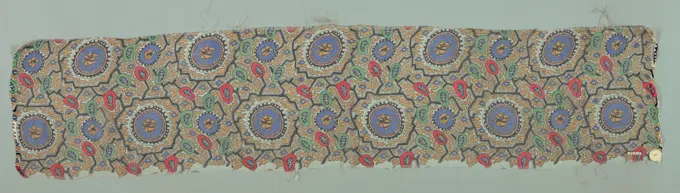
Japanese Textile Fragments

A collection of intricate silk textile fragments featuring floral and ornate designs, showcasing historical craftsmanship from Japan and Germany.
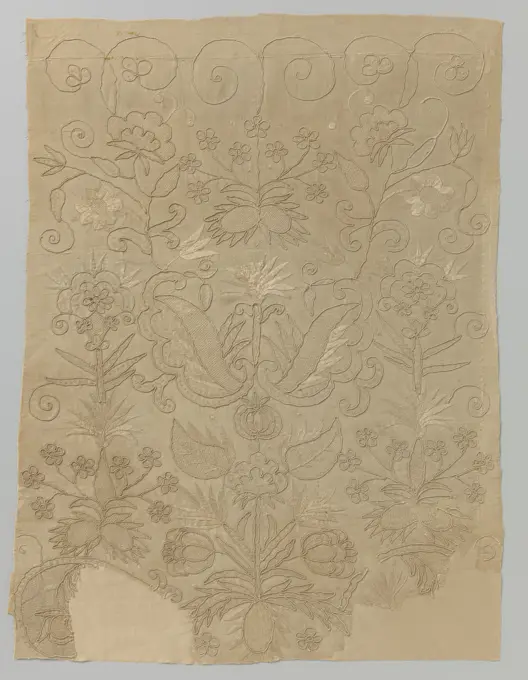
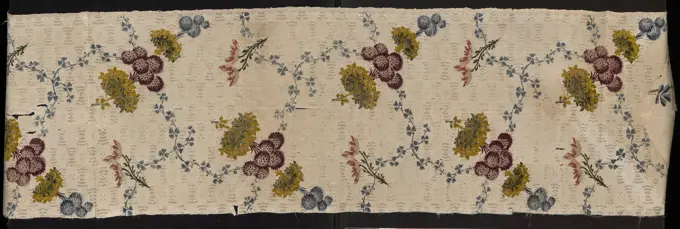
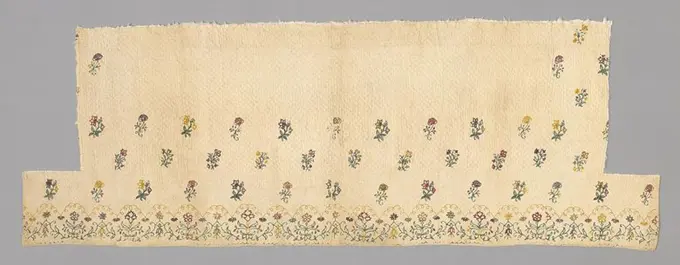
Fragment of a skirt of cream -colored silk embroidered with three -part symmetrical pattern with pomegranates, leaves, tulips, flowers and blossom branches, anonymous, c. 1690 - c. 1700 Fragment of embroidered skirt made of cream -colored silk on ditto taf side. Trading symmetrical pattern: branch with pomegranate, leaves and tulips; Rosette of leaves with branches and flowers; Blossom branch. In the lower corners of volute leaves with palmet on a stem. Above the whole three double spirals. France (possibly) silk. taffeta Fragment of embroidered skirt made of cream -colored silk on ditto taf side. Trading symmetrical pattern: branch with pomegranate, leaves and tulips; Rosette of leaves with branches and flowers; Blossom branch. In the lower corners of volute leaves with palmet on a stem. Above the whole three double spirals. France (possibly) silk. taffeta
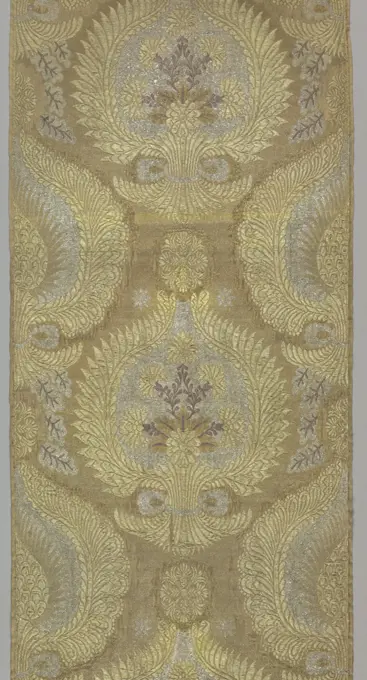
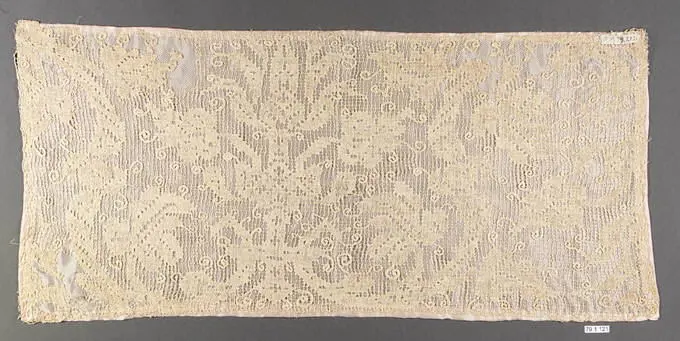
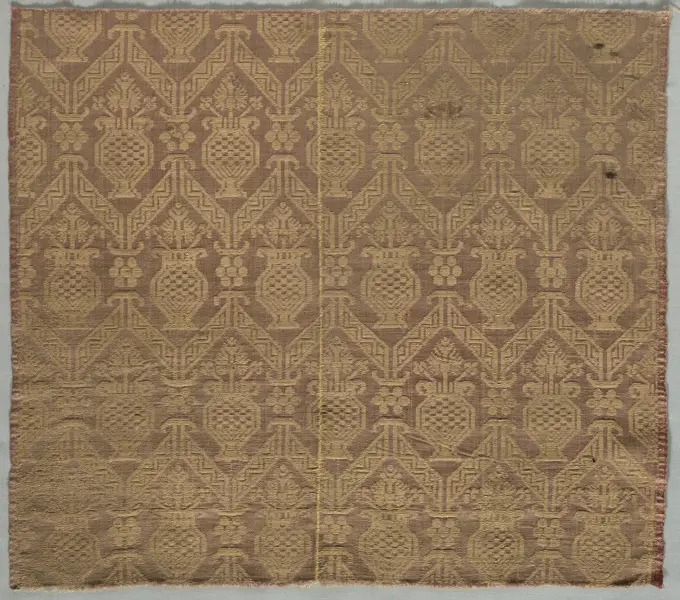
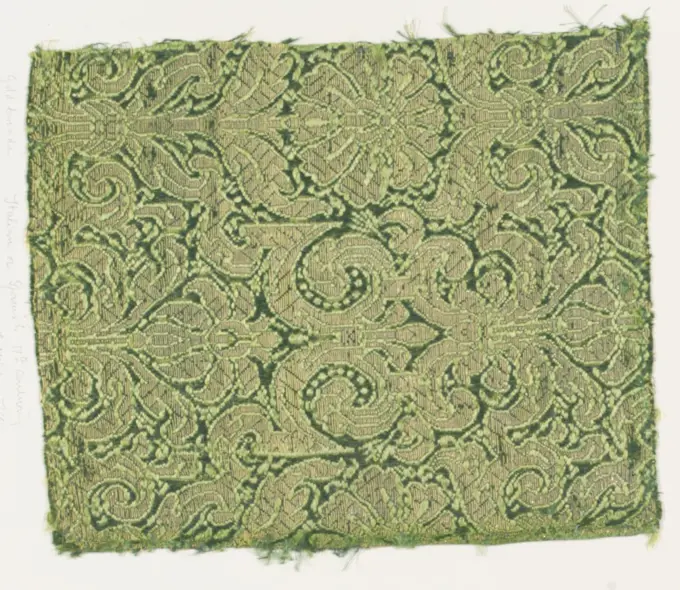
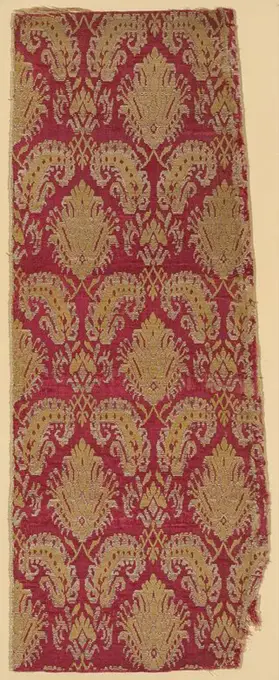
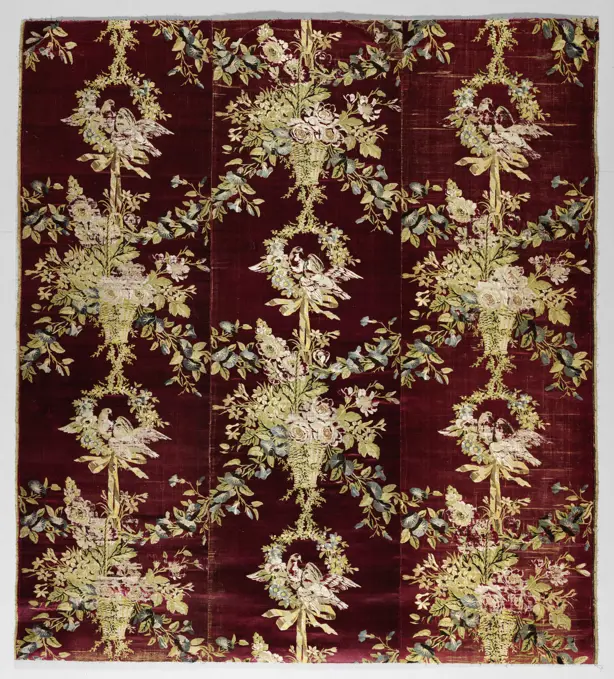
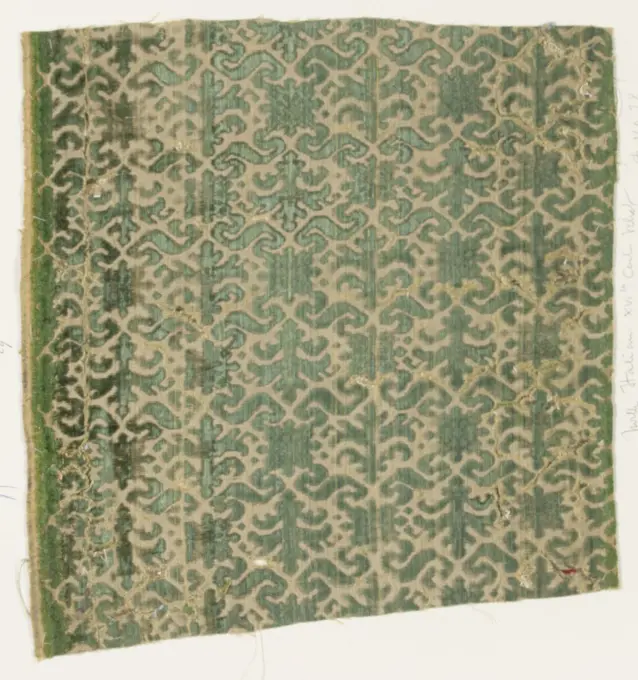
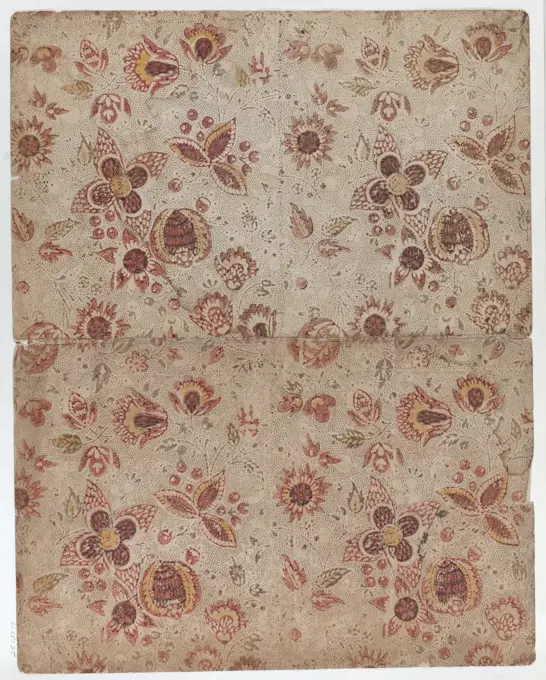
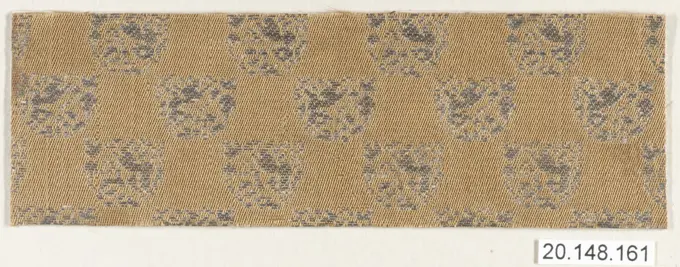
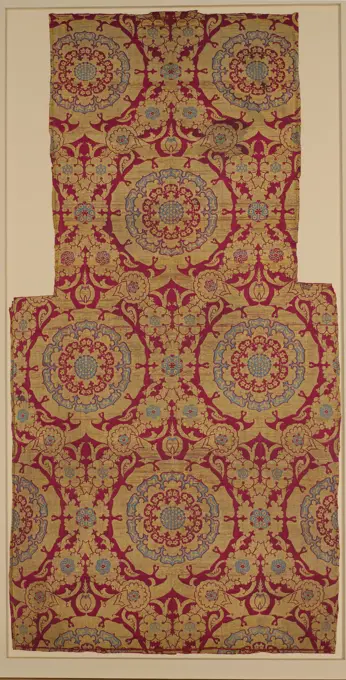
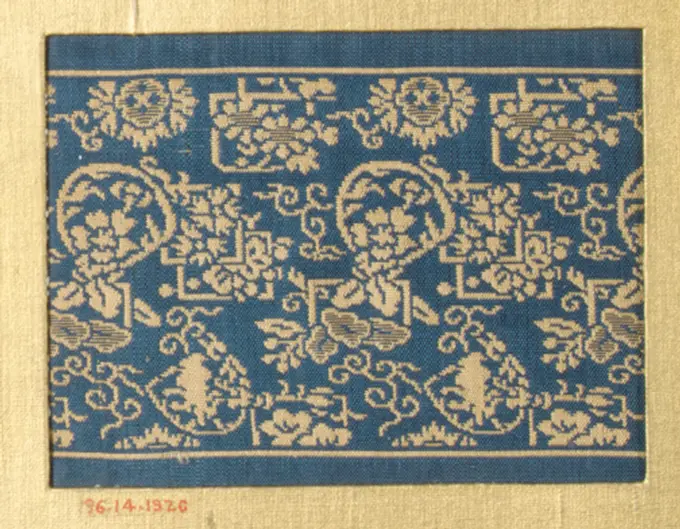
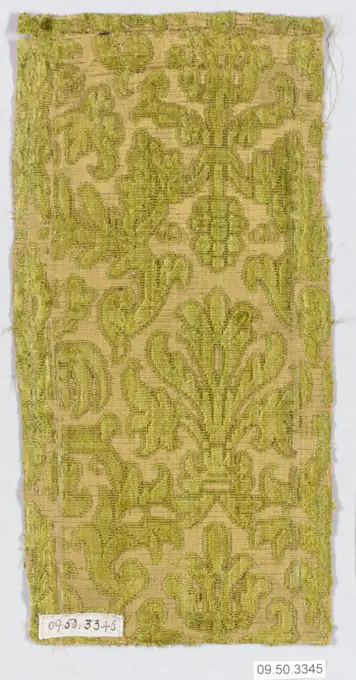
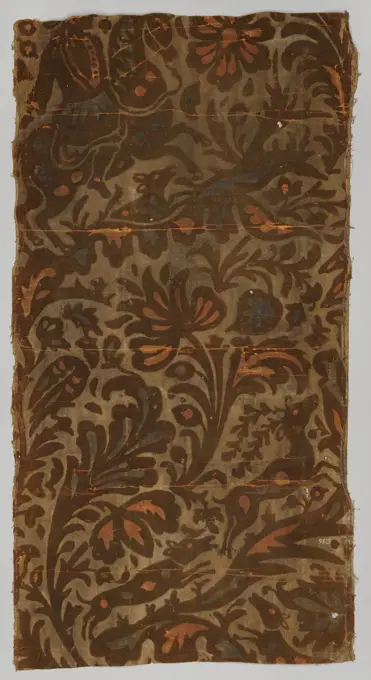
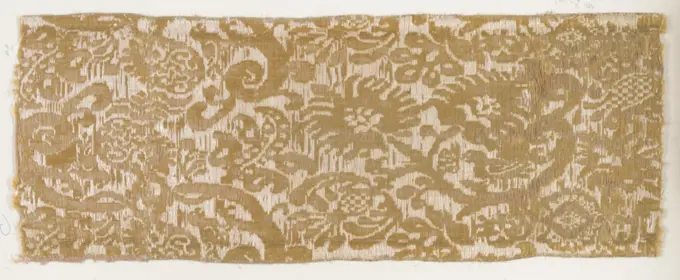
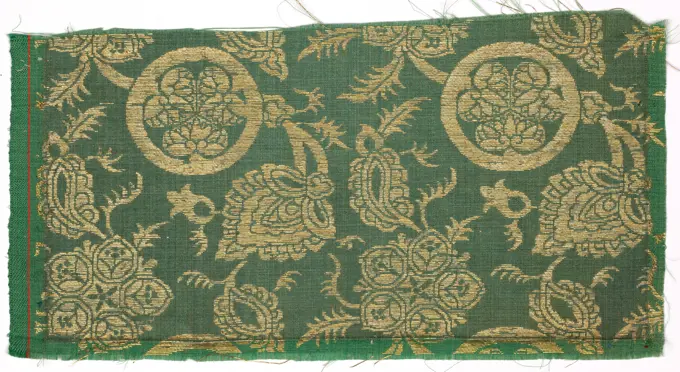
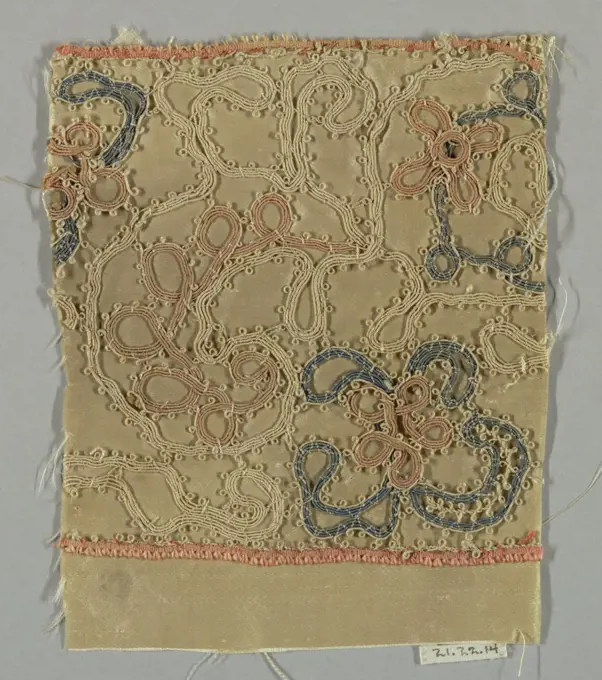
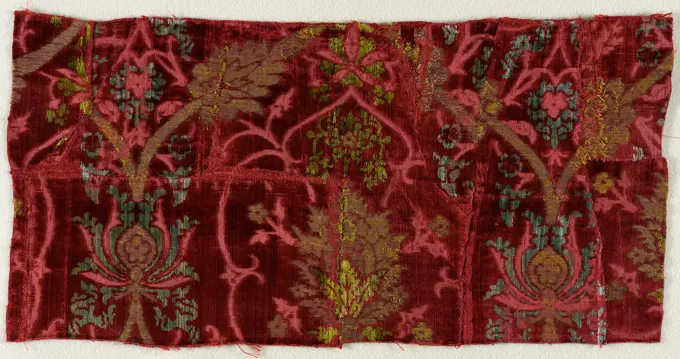
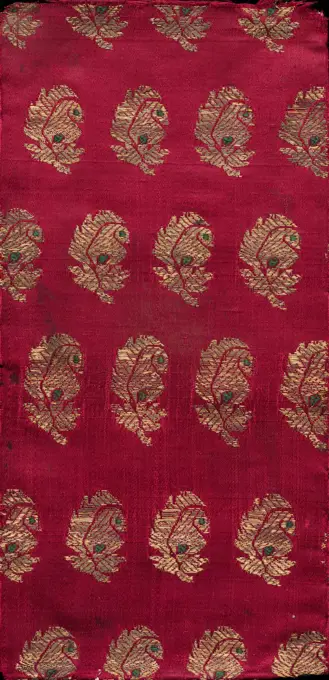
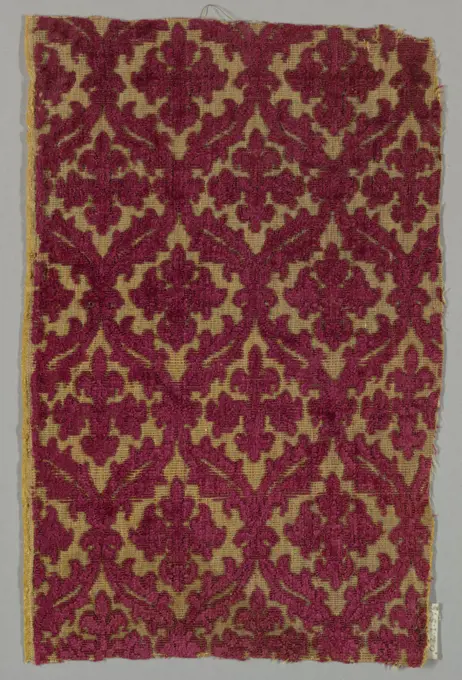
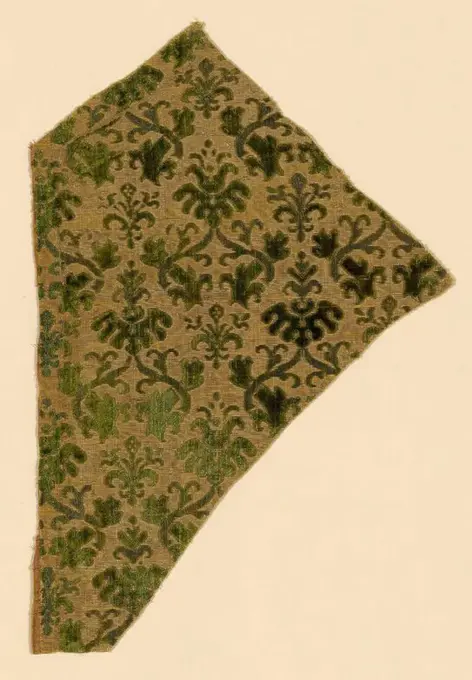
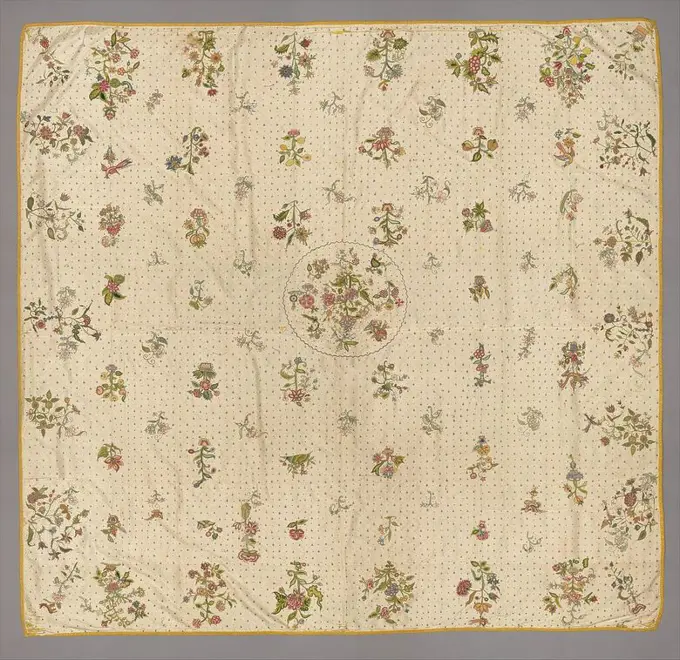
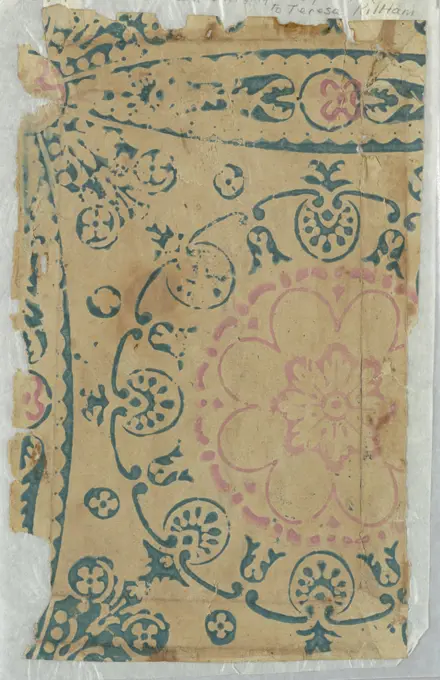
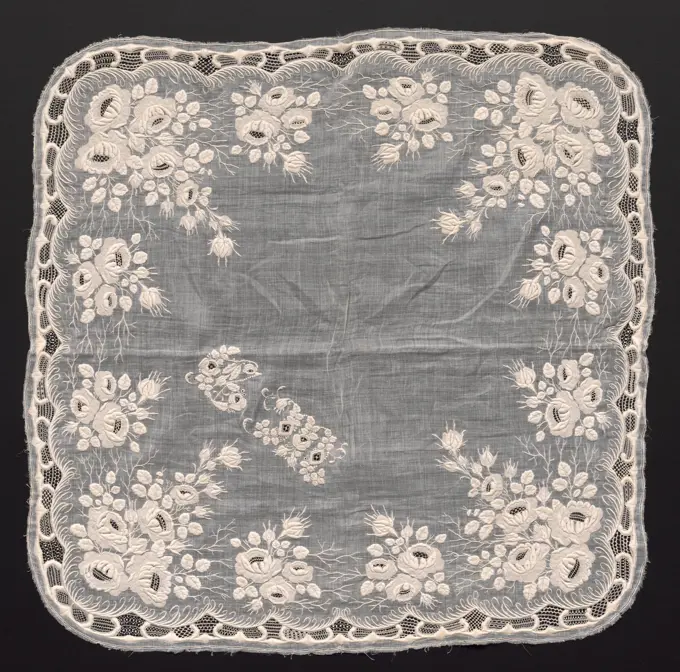
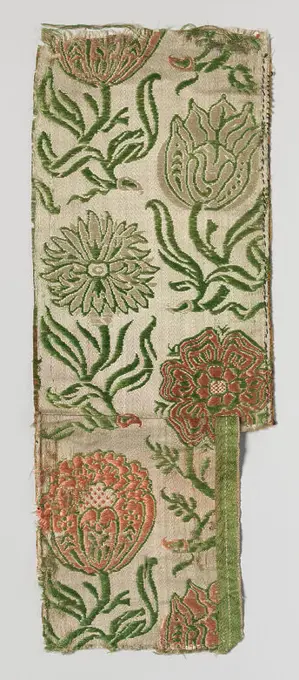
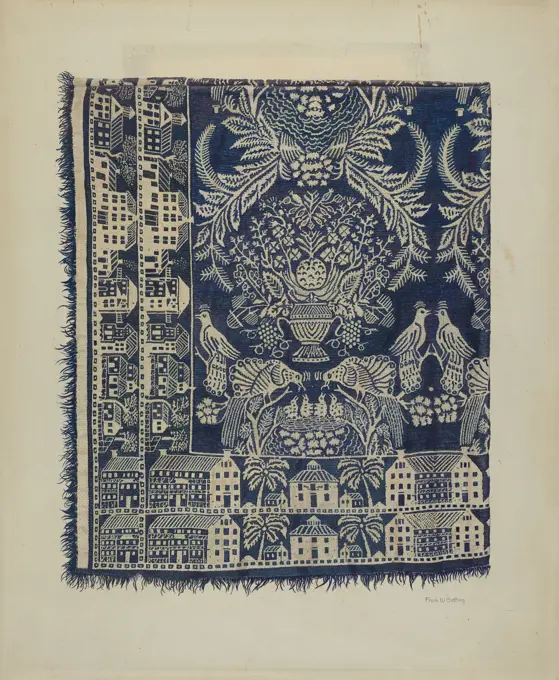
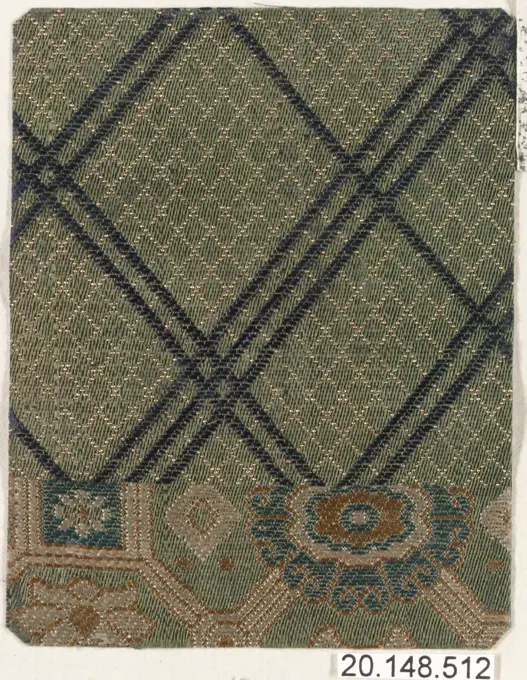
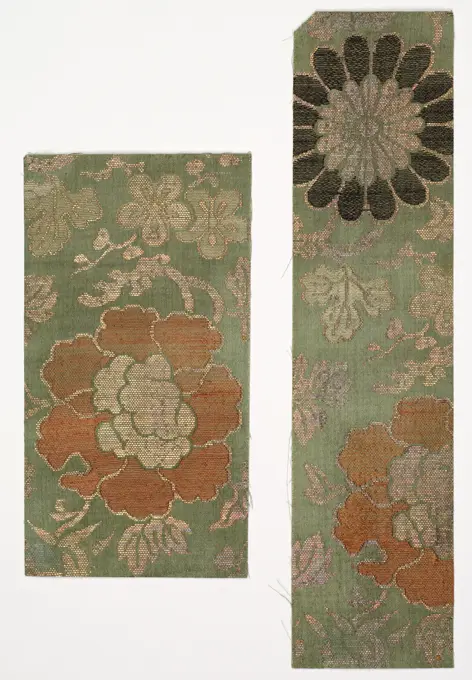
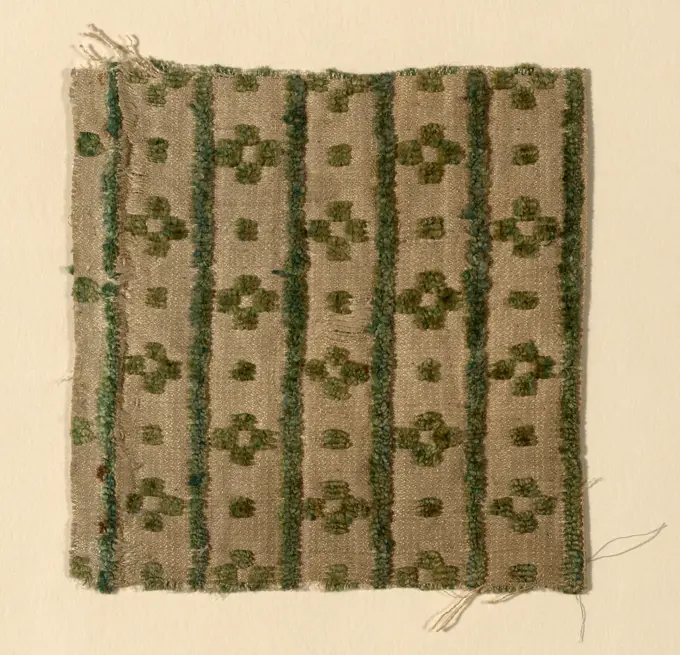
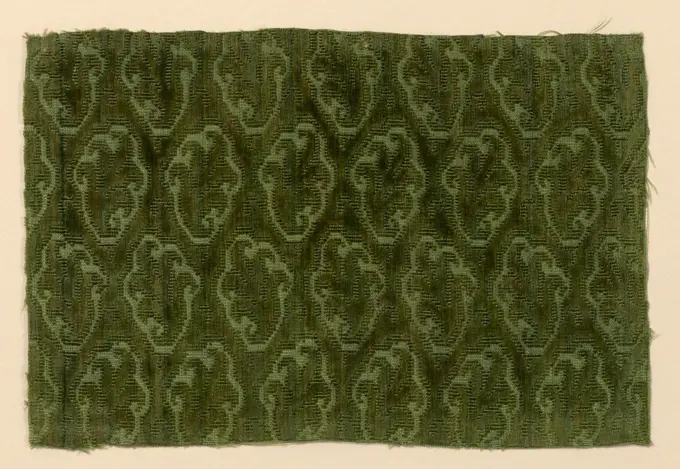
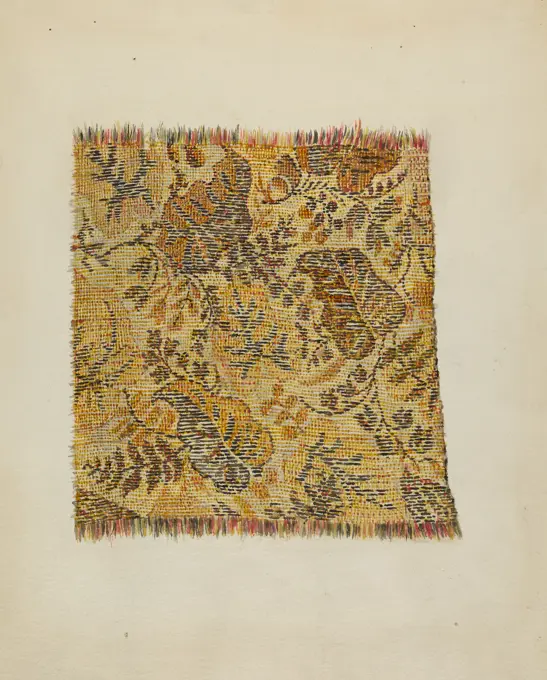
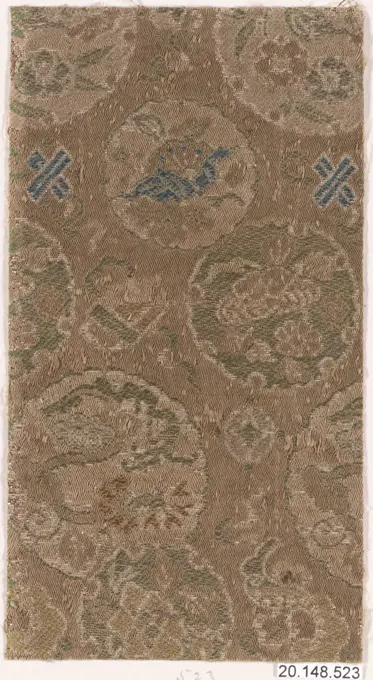
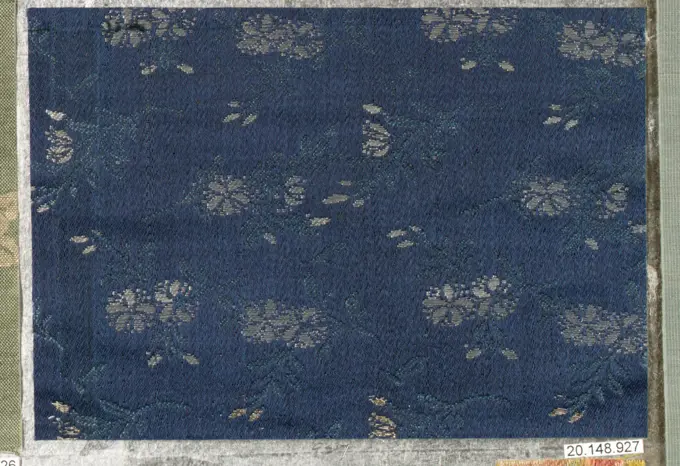
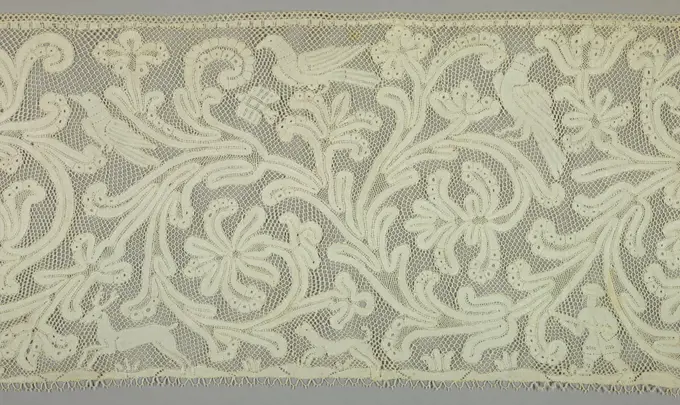
Fragment Made 1775-1825 Japan. Silk and gilded paper strip, twill weave with supplementary patterning wefts bound by secondary binding warps in twill interlacings .Fragment of red half -sides tissue with floral pattern, anonymous, c. 1600 - c. 1615 Fragment of red half -sides tissue with double red silk warp with white linen. Pattern: curved branches with a large flower, leaves and a seed ball on a red satin stock. Germany (possibly) Ketting: Silk. Entry: Linen (Material) twill Fragment of red half -sides tissue with double red silk warp with white linen. Pattern: curved branches with a large flower, leaves and a seed ball on a red satin stock. Germany (possibly) Ketting: Silk. Entry: Linen (Material) twillFragment; silk; 1953-162-78-a,bFragment Made 1690-1710 Italy. Silk and silvered-metal-strip-wrapped silk (frisÈ), warp-faced satin weave with supplementary brocading wefts and self-patterned by areas of plain weave .Piece 1690-1700 possibly Spanish. Piece 217014Panel, Medium: silk, cotton and metal Technique: There are two warps one yellow silk, one grey or ivory silk, and two wefts one yellow cotton, one ivory cotton. There is an interesting interplay between the ground fabric and the ground fabric and the various brocaded metal-wrapped yarns. The metal and red silk are brocaded. E.g.: gold with yellow cotton, silver with ivory cotton. Note: use of metal. E.g.: metal strips wrapped on silk yarn, flat metal strips, 'kinky' metal-wrapped yarn., Three lengths of fabric to form vestment. Floral branch contained in wreath-like ogee in silver, gold and red on a gold background in an 'ottoman style.', possibly Russia, 19th century, woven textiles, PanelFragment 16th century Italian. Fragment 230652Fragment of a skirt of cream -colored silk embroidered with three -part symmetrical pattern with pomegranates, leaves, tulips, flowers and blossom branches, anonymous, c. 1690 - c. 1700 Fragment of embroidered skirt made of cream -colored silk on ditto taf side. Trading symmetrical pattern: branch with pomegranate, leaves and tulips; Rosette of leaves with branches and flowers; Blossom branch. In the lower corners of volute leaves with palmet on a stem. Above the whole three double spirals. France (possibly) silk. taffeta Fragment of embroidered skirt made of cream -colored silk on ditto taf side. Trading symmetrical pattern: branch with pomegranate, leaves and tulips; Rosette of leaves with branches and flowers; Blossom branch. In the lower corners of volute leaves with palmet on a stem. Above the whole three double spirals. France (possibly) silk. taffetaFragment 16th century Italian. Fragment 212326Piece Japan 18th-19th centuryBrocade, 1700s - 1800s. India, Benares , 18th-19th century. Brocade, Kimkhwab; silk and gold; overall: 41.9 x 34.3 cm (16 1/2 x 13 1/2 in.).Fragments, Medium: silk and metal Technique: continuous and discontinuous supplementary in a plain weave foundation; only the metal wefts are bound to the front in a regular order, Two parallel curving branches with clusters of flowers on an ivory background. The pattern is achieved by horizontally turning every other minimum unit and placing all units one on top of the other., mid-18th century, woven textiles, FragmentsFragment Made 1701-1800 Japan. Plain compound satin, silk. .Textile Fragment early 19th century. Textile Fragment 443018Piece 15th century Italian Under a microscope, warps, wefts, and the pile of this velvet exhibit a smoothness and shine typical of cultivated silk. They were all well de-gummed, removing the sericin (gelatinous protein), which allowed dyes to penetrate the fibers, especially so in the case of the cleanest, most separated pile.. Piece. Italian. 15th century. Cut voided velvet on satin foundation weave (warp: silk dyed in dark blue, reeled, no twist/S plied, 9 per cm; warp pile: silk dyed in dark blue, reeled, no twist/no ply; weft: silk dyed in dark blue, reeled, no twist/no ply, 25-29 per cm). Textiles-VelvetsTextile, late 1500s. Italy, late 16th century. Damask; overall: 47 x 53.3 cm (18 1/2 x 21 in.).Cornelius Christoffels, Coverlet, c 1937 CoverletFragment zijdebrokaat, anonymous, c. 1800 - c. 1875 Fragment side brokat. On a white soil there is a gold -colored pattern in which the contours of vines are saved. Between the tenders, medallions have been saved within which bouquets with multicolored flowers. Germany (possibly) silk. metal thread Fragment side brokat. On a white soil there is a gold -colored pattern in which the contours of vines are saved. Between the tenders, medallions have been saved within which bouquets with multicolored flowers. Germany (possibly) silk. metal threadFragment 17th century Italian. Fragment 230088Fragment. Europe. Date: 1601-1700. Dimensions: 67.3 x 26.5 cm (26 1/2 x 10 3/8 in.). Silk, linen, and cotton, plain weave, tied and free double cloth with self-patterning ground wefts. Origin: Europe. Museum: The Chicago Art Institute, Chicago, USA.Lampas wall covering with lovebird pattern, c. 1770 - c. 1790 Wall extension, consisting of three lampas lanes. Lyon (possibly) lampas (textile material) Wall extension, consisting of three lampas lanes. Lyon (possibly) lampas (textile material)Fragment 16th century Northern Italian. Fragment 230495Book cover with overall floral and dot pattern 18th century Anonymous. Book cover with overall floral and dot pattern. Anonymous , 18th century. 18th century. Relief print (wood or metal). PrintsPiece 18th century Japan. Piece 65797Textile Fragment 18th century. Textile Fragment. 18th century. Silk and metallic thread; brocaded. Country of Origin India. Textiles-BrocadesPiece 18th century Japan. Piece 71149Silk Fragment with Circular Rosace-like Floriate Medallions first half 16th century. Silk Fragment with Circular Rosace-like Floriate Medallions 451098Panel Made 1725-1775 France. Cotton, plain weave; block printed; glazed .Fragment; silk, metallicFragment. Italy. Date: 1601-1700. Dimensions: 42 × 288.3 cm (16 1/2 × 11 1/4 in.)Warp repeat: 32.4 cm (12 3/4 in.). Silk, warp-faced plain weave with supplementary patterning wefts and supplementary brocading wefts. Origin: Italy. Museum: The Chicago Art Institute, Chicago, USA.Textile, Medium: silk, metallic thread, cotton (lining) Technique: plain compound satin, Gift cloth, or fukusa, with woven pattern of dragons in roundels and flowers arranged in horizontal bands on a fret ground. In shades of rose, blue, green, and gray with details in silvered paper. Lined with loosely woven cotton cloth., Japan, mid-19th century, woven textiles, TextileBorder (Spain); linen, silkPiece 18th-19th century Japan. Piece. Japan. 18th-19th century. Silk. Textiles-WovenTextile, Medium: linen Technique: block printed with resist paste, indigo dyed, plain weave, Fragment of resist-printed linen, with a pattern of left-facing bird with outstretched wings seated on baskets of flowers. Design in white on faded blue ground., Europe, possibly Russia, early 18th-early 19th century, printed, dyed & painted textiles, TextileFragment; silk; Bequest of Richard Cranch Greenleaf in memory of his mother, Adeline Emma Greenleaf; 1962-56-80Piece 17th century Italian. Piece 217912Baan veloutébehang, anonymous, c. 1700 - c. 1750 Baan Velouté wallpaper, which on a broken white stock shows a pattern in brown Velouté with red and green fillings. Jagers on horseback, deer and dogs can be seen between flower and leaf vines. See also: BK-NM-9825-A and c. Northern NetherlandsNetherlands wool. linen (material)   Amsterdam Baan Velouté wallpaper, which on a broken white stock shows a pattern in brown Velouté with red and green fillings. Jagers on horseback, deer and dogs can be seen between flower and leaf vines. See also: BK-NM-9825-A and c. Northern NetherlandsNetherlands wool. linen (material)   AmsterdamFragment late 16th century Italian. Fragment 230271Textile Fragment, 1800s. Japan, 19th century. Silk, metallic thread; average: 21.6 x 10.8 cm (8 1/2 x 4 1/4 in.).Fragment (probably France); linen; Bequest of Marian Hague; 1971-50-262Woven silk mid-17th century Italian or Spanish. Woven silk 216358Rug of oriental textile; with multicolored embroidery. Dress of multicolored chewy cotton, decorated with flower drinks and ornament, lined with cotton.Border fragment, Medium: silk on silk Technique: embroidery on satin weave and cording, Fragment of cream-colored satin embroidered in a floral pattern of blue, rose and cream. Edged top and bottom with narrow picot-edged rose ribbon., Italy, 17th century, embroidery & stitching, Border fragmentTextile Fragment. Italy or Turkey, 1475-1500. Textiles; fragments. Silk cut and voided velvet with metallic thread discontinuous supplementary weft patterning (brocade)Vestment Set Made 1896-1904 United States. Silk .Brocaded Book Cover, 1800s. India, 19th century. Brocade; overall: 29.2 x 14 cm (11 1/2 x 5 1/2 in.).Fragment; silkFragment, Medium: silk Technique: supplementary warp forming cut and uncut raised pile in plain weave foundation, Leaves forming cartuches which contain plant form in red on tan., 17th century, woven textiles, FragmentBand, Medium: linen Technique: bobbin made continuous tape with bars added, Potted plants with flowers and birds. Edging on all four sides probably added later., Italy, 17th century, lace, BandFragment early 17th century Italian. Fragment 230359Towel end, Medium: cotton, silk, metallic thread Technique: embroidered on plain weave, End crossed by two types of shrine forms () alternating in blue, green and pink silk silver thread with touches of brown and cream. Fret border in cream and silver across the bottom and short distance up the sides with stylized floral boarder above this. Much ribbed silver braid across end., Turkey, 19th century, embroidery & stitching, Towel endFragment Made 1595-1655 Italy. Silk, simple satin damask .Handkerchief, 1800s. France, 19th century. Embroidery: linen; overall: 46.3 x 46.3 cm (18 1/4 x 18 1/4 in.).Fragment. Italy. Date: 1625-1650. Dimensions: 31.3 × 22.9 cm (12 5/16 × 9 in.). Cisele voided cloth velvet. Origin: Italy. Museum: The Chicago Art Institute, Chicago, USA.Cravat end. Date/Period: Mid- 18th century. Cravat end. Medium: linen. Technique: bobbin lace. Author: UNKNOWN.Dress of Eastern textile with multi -colored embroidery ,, c. 1800 - c. 1899 Dress of multi -colored tambourized cotton, decorated with flower vines and ornament, lined with cotton. India cotton (textile). silk embroidering Dress of multi -colored tambourized cotton, decorated with flower vines and ornament, lined with cotton. India cotton (textile). silk embroideringFragment, Medium: silk Technique: cut and uncut supplementary warp pile (velvet), Italy, 16th-17th century, woven textiles, FragmentFragment, Medium: silk Technique: cut and uncut supplementary warp pile (velvet), Fragment in blue and white in a pattern of large-scale floral forms alternating with small-scale star form., Russia, 19th century, woven textiles, FragmentTextile; silk and metal thread; 1951-156-2Coverlet. Culture: British. Dimensions: H. 91 x W. 85 in. (231.1 x 215.9 cm). Date: first half 18th century. Museum: Metropolitan Museum of Art, New York, USA.Fragment, Medium; linen, silk, wool Technique: two fabric structures, plain weave patterned by plain weave, Flowers with four petals and diagonal leaves., 17th century, woven textiles, FragmentSidewall, Block-printed, On ungrounded paper (turned dark) is crudely printed a rosette in pink and dark greenish-blue. Stained, rubbed and torn. a) mounted on stiff paper with onion-skin cover; b) mounted on stiff paper., possibly USA, 1800-1825, Wallcoverings, SidewallTextile Fragment, 1700s. Italy, 18th century. Brocade (); silk and metal; overall: 43.2 x 24.1 cm (17 x 9 1/2 in.).Handkerchief; linenFragment; silk, metallic yarnsHandkerchief, 1800s. France, 19th century. Embroidered linen; overall: 47 x 47 cm (18 1/2 x 18 1/2 in.).Fragment, Medium: silk Technique: plain weave with supplementary wefts, Bands of pattern featuring small birds in green, purle and coral on white., 17th century, woven textiles, FragmentFloral silk satin fragment. Culture: French or Italian. Dimensions: H. 13 3/4 x W. 5 1/2 inches (34.9 x 14.0 cm). Date: 1660-80. Museum: Metropolitan Museum of Art, New York, USA.Length 1720s French. Length 229775Fragment white brochet side with multicolored flower branches. A fragment of white silk, with different colored flower branches.Carpet Fragment; linen, woolFrank Gutting, Blue and White Woolen Coverlet, c 1938 Blue and White Woolen CoverletTextile, Medium: silk Technique: compound weave, Large-scale flowers and fruit on curving ogival stems, in white on salmon pink weft-ribbed ground. Two plain selvages., England, 18th century, woven textiles, TextileFragment, Medium: crewel wool on cotton Technique: embroidered in chain stitch (needle-made), knots and satin stitch on 2/2 twill weave, Piece of crewel embroidery in colored wool yarns with scattered motifs in a grid arrangement. The motifs do not repeat in a regular manner but alternate a floral motif (eight different ones, sometimes facing in different directions) with an animal or bird motif (eight different ones). Different colors are used when a motif is repeated., France, 18th century, embroidery & stitching, FragmentTextile 1700-1899 Russian. Textile 173411Fragment (England); silkBrocaded velvet with chintamani design, late 1400s. Turkey, Bursa. Velvet, brocaded: silk and silver-metal thread; overall: 81.3 x 28.6 cm (32 x 11 1/4 in.); mounted: 91.4 x 39.4 cm (36 x 15 1/2 in.).Fragment, Medium: silk Technique: woven, Rows of 'botehs' in blue and tan, Iran, 18th century, woven textiles, FragmentTextile, Medium: silk Technique: plain weave with continuous supplementary weft bound on the front in 1/3 twill, Vertically symmetrical pattern of flowers and leaves in off-white on a green background., France, England, ca. 1730, woven textiles, TextilePiece 18th century Japan. Piece 71506Textile Fragments, 1800s. Japan, 19th century. Silk, metallic thread; average: 16.2 x 8.6 cm (6 3/8 x 3 3/8 in.).Fragment, Medium: silk Technique: supplementary warp forming raised pile in plain weave foundation, Detached floral and candelabras forms in blue on deep tan., 17th century, woven textiles, FragmentFragment of the fabric;  18th century (1701-00-00-1800-00-00);Krzeszowice, UB, Krzeszowice, collection, fabricsPiece 18th century Japan. Piece 71896Sleeve (Philippines); piña fiber, cottonFragment Made 1750-1800 Italy. Silk and linen, twill weave with supplementary pile warps forming cut and uncut voided velvet .Fragment Made 1601-1625 Italy. Silk, plain weave with supplementary pile warps forming cut, uncut, and voided velvet .Marian Curtis Foster, Ingrain Carpet, c 1937 Ingrain CarpetPiece 18th century Japan. Piece. Japan. 18th century. Silk / Compound weave. Edo period (1615-1868). Textiles-WovenPiece 16th-17th century Italian. Piece 223400Piece 18th century Japan. Piece 71891Indian ornamentPiece 18th century Japan. Piece 71911Panel Made 1675-1725 Italy. Silk, plain weave with supplementary patterning wefts; tied by binding warps in plain weave .Fragments from a Bedcover made of Petticoat Borders. France. Date: 1775-1800. Dimensions: 87.8 × 246.5 cm (34 1/2 × 97 in.). Cotton, plain weave; embroidered with wool threads in chain stitch; quilted. Origin: France. Museum: The Chicago Art Institute, Chicago, USA.Piece 17th century China. Piece 71441Fragment, Medium: silk Technique: supplementary warp forming raised pile (velvet), Design based on a coat-of-arms. Lions on either side of a shield that is a double-headed eagle (shield may contain a crowned 'M') alternate with an angel or winged grotesque with an eschutcheon. In green velvet on deep tan., 16th century, woven textiles, FragmentPiece 16th-17th century Italian. Piece 223422Textile (France); printed; Anonymous bequest in memory of Albert and Rebecca Elsberg; 1938-82-1-bFlounce, Medium: linen Technique: bobbin made continuous tape with net added, The continuous tape-like pattern is the curving floral vine. Added to this are separately made birds, butterfly and animals plus the hunting scene at the bottom and all held in place by the background net., Italy, mid- 18th century, lace, Flounce