Japanese Tsuba Sword Guards

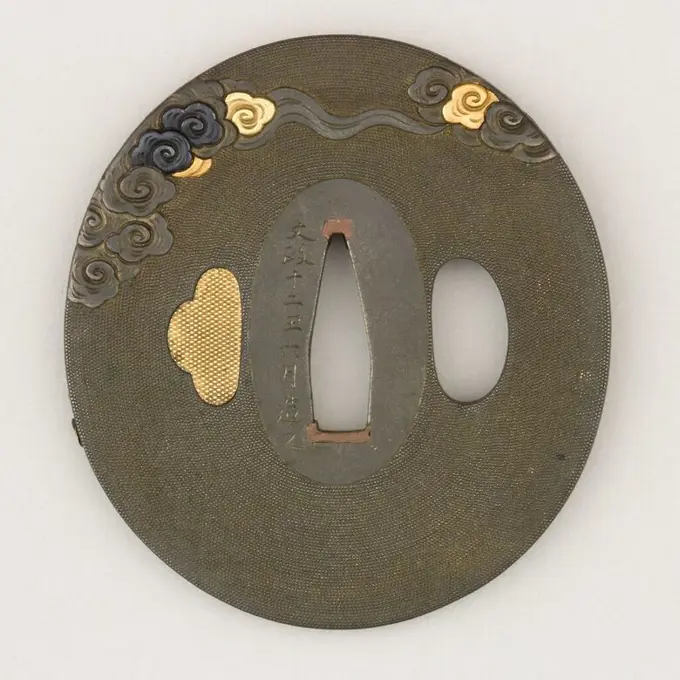
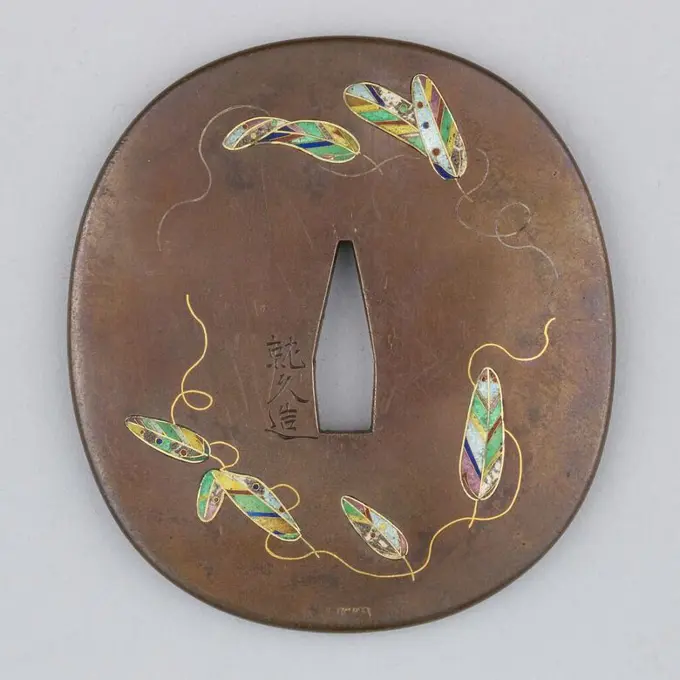
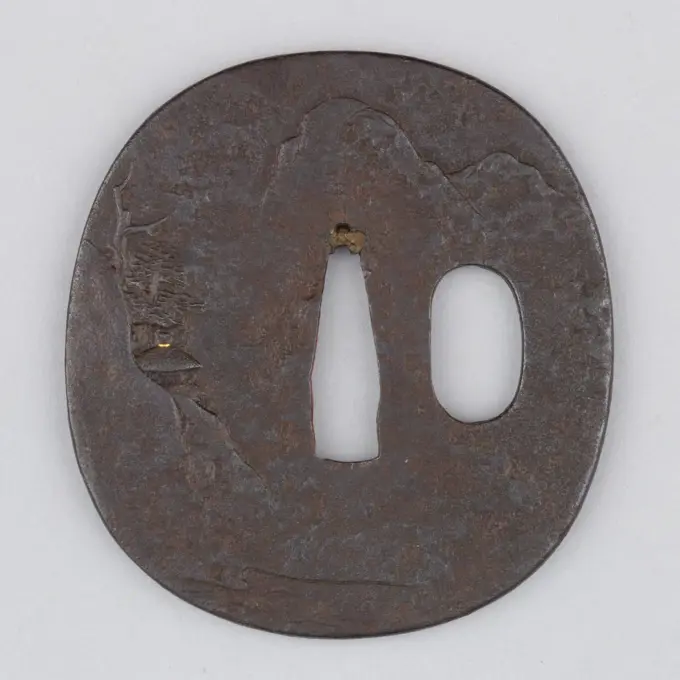
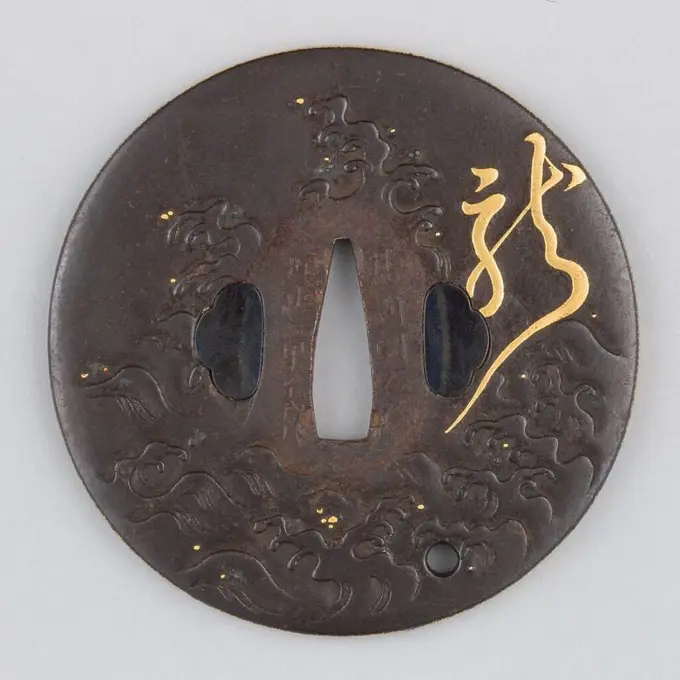
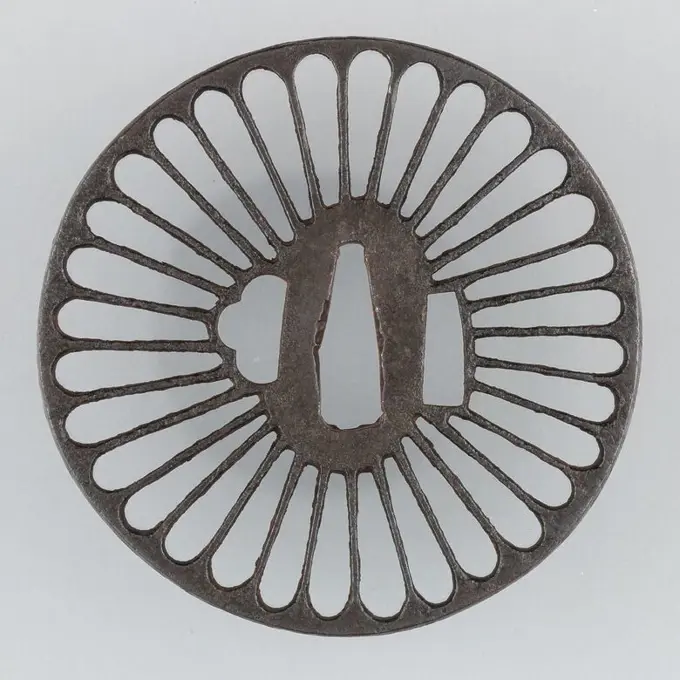
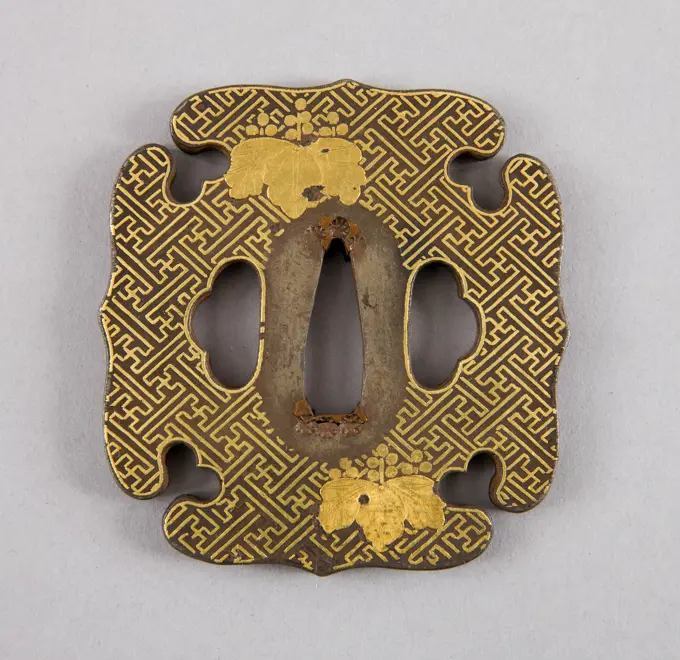
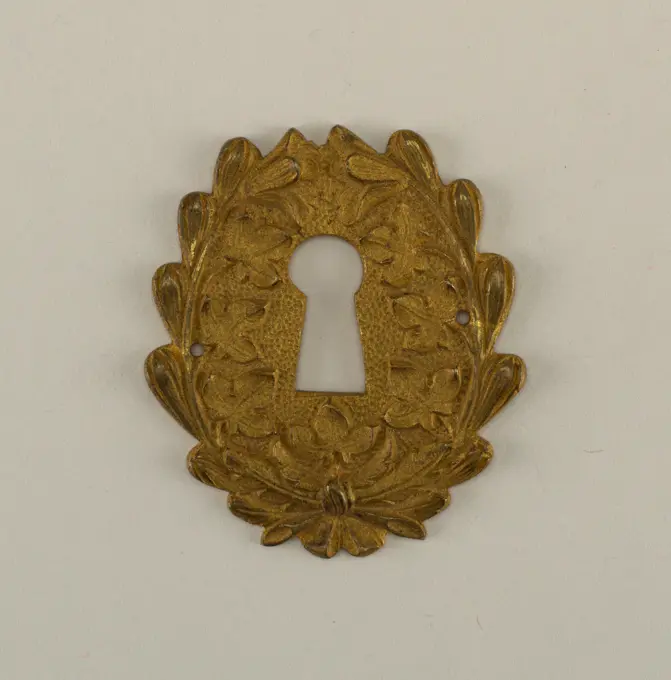
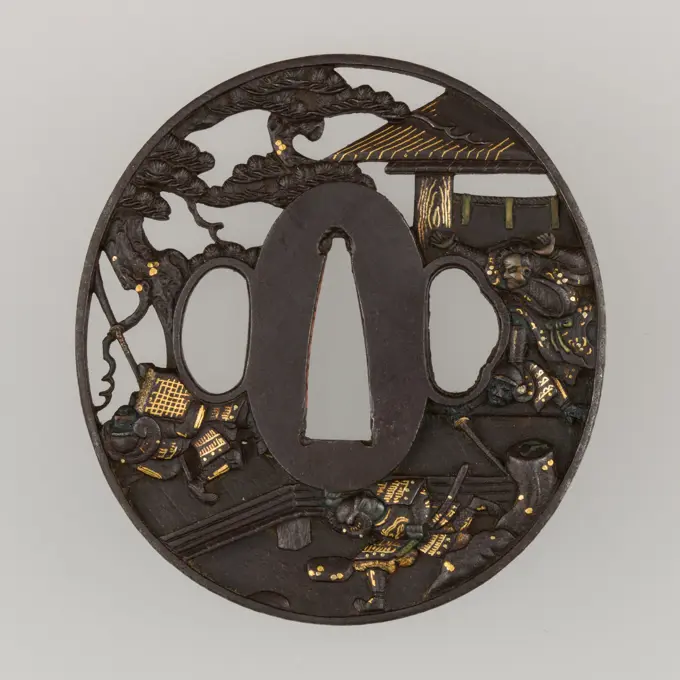
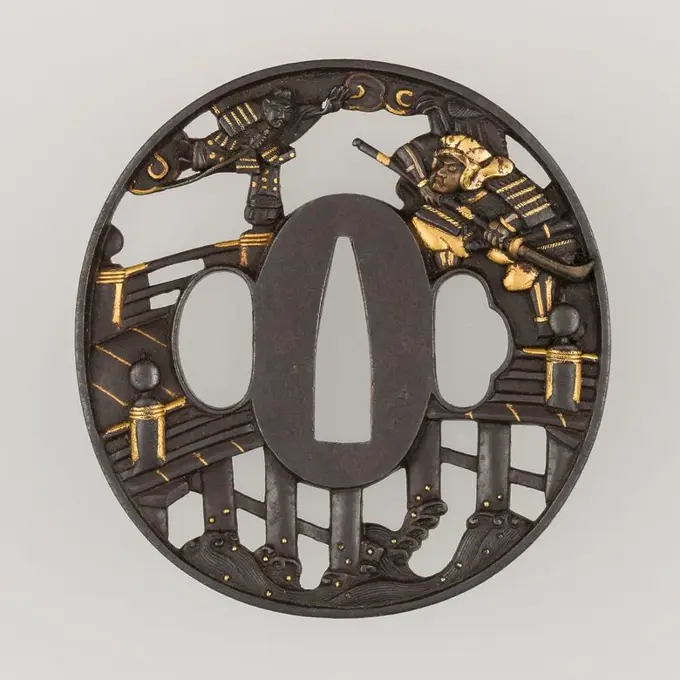
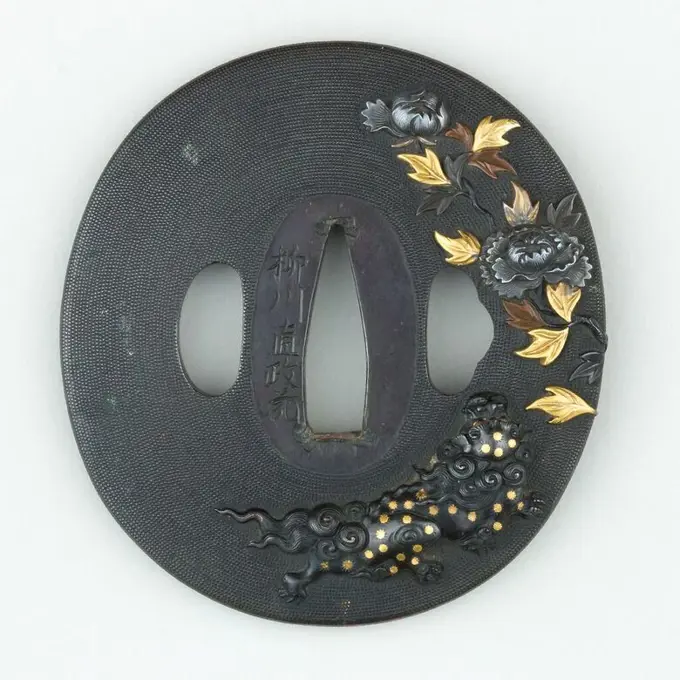
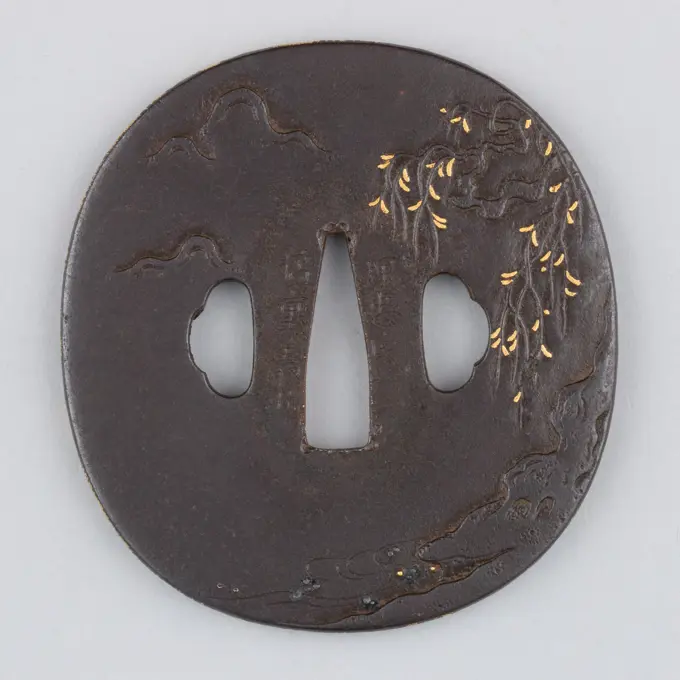
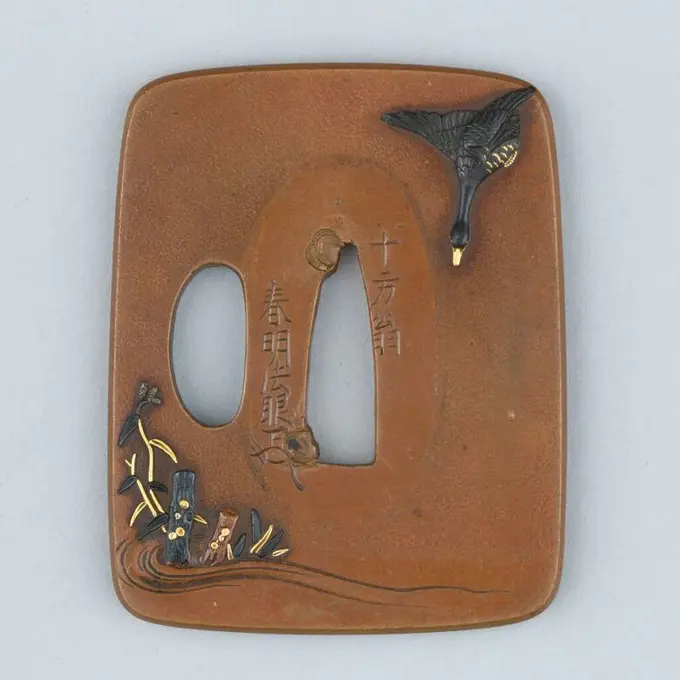
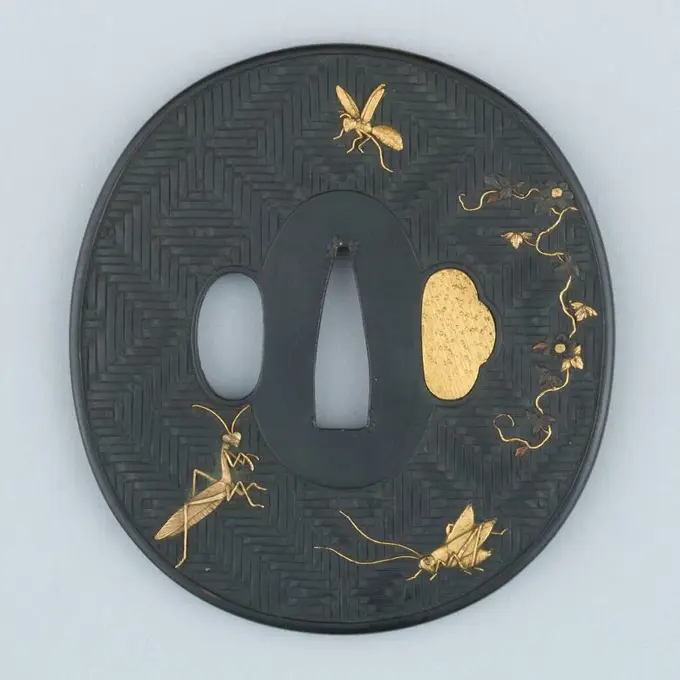
Artistic and intricately designed Japanese sword guards (tsuba) from the 18th and early 19th centuries, featuring detailed floral and wave motifs.
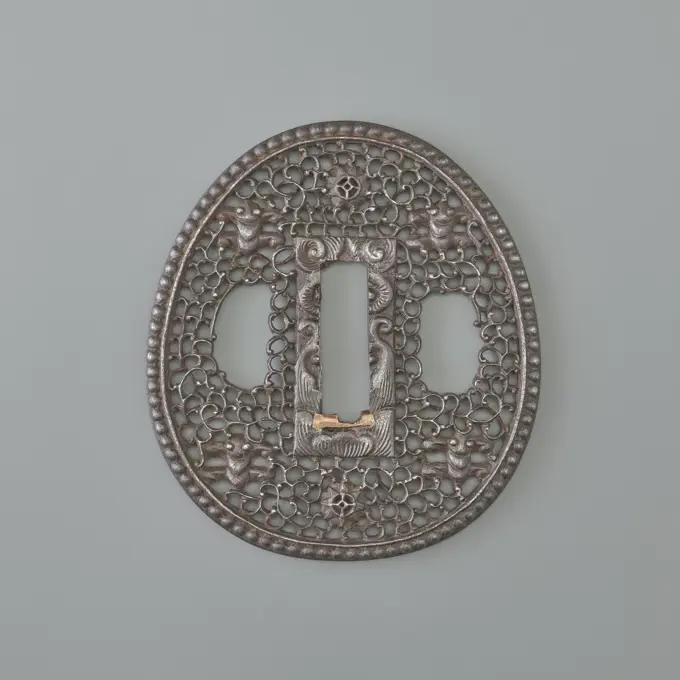
Jelec (Tsuba);  18th century (1701-00-00-1800-00-00);
Jelec (Tsuba); 18th century (1701-00-00-1800-00-00);
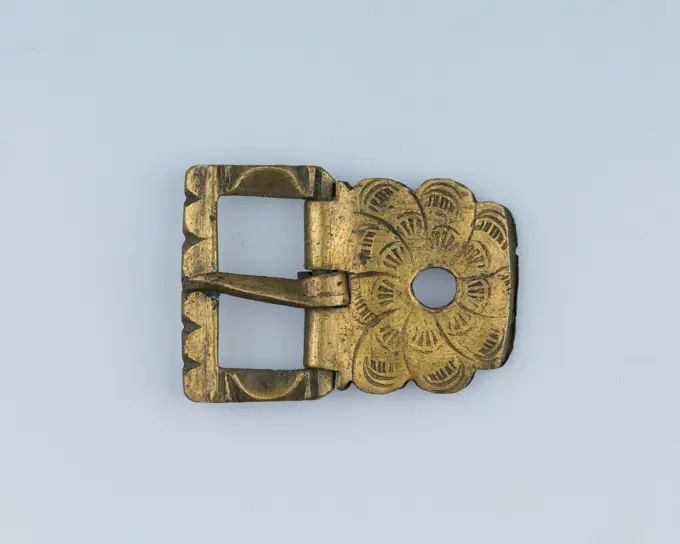
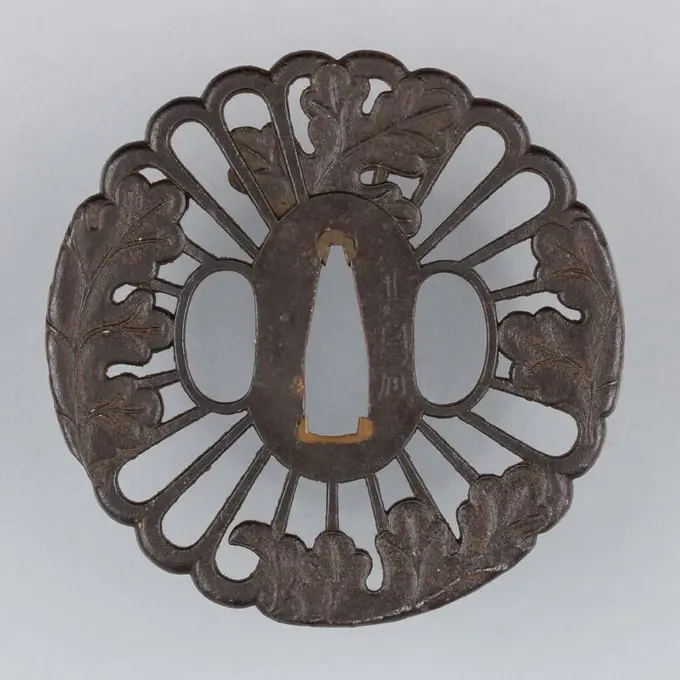
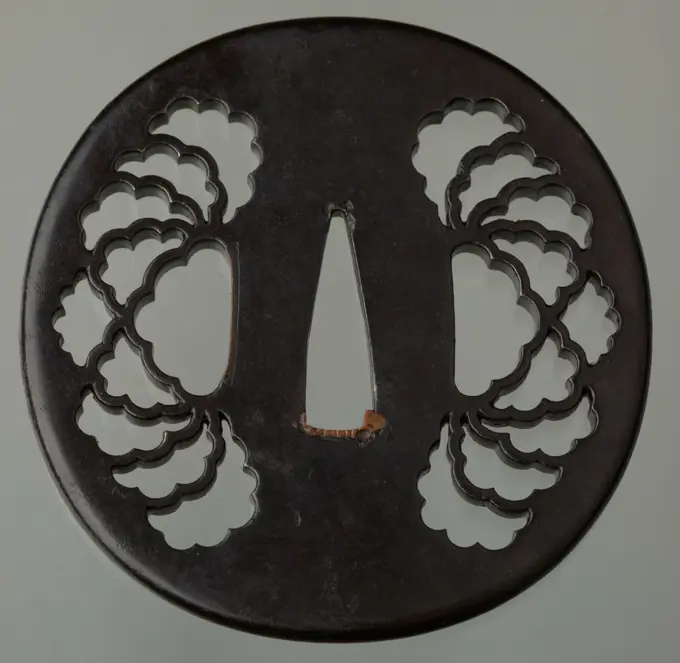
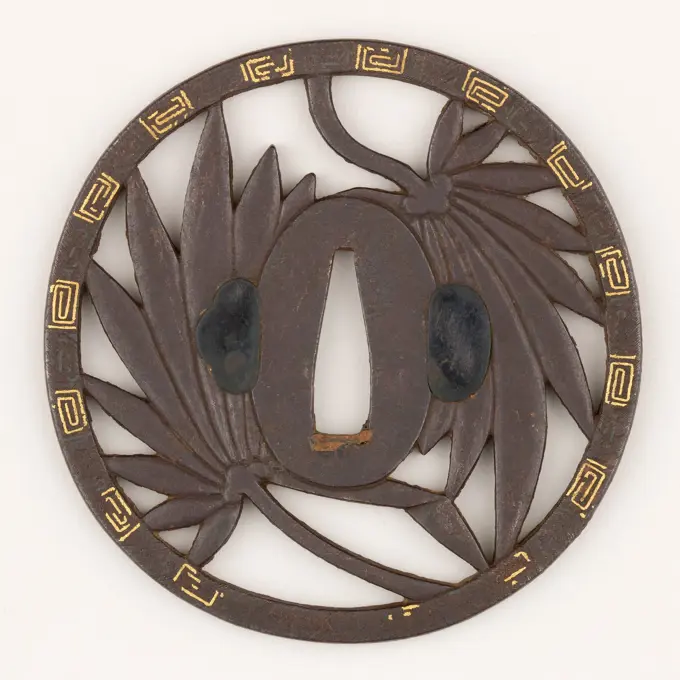
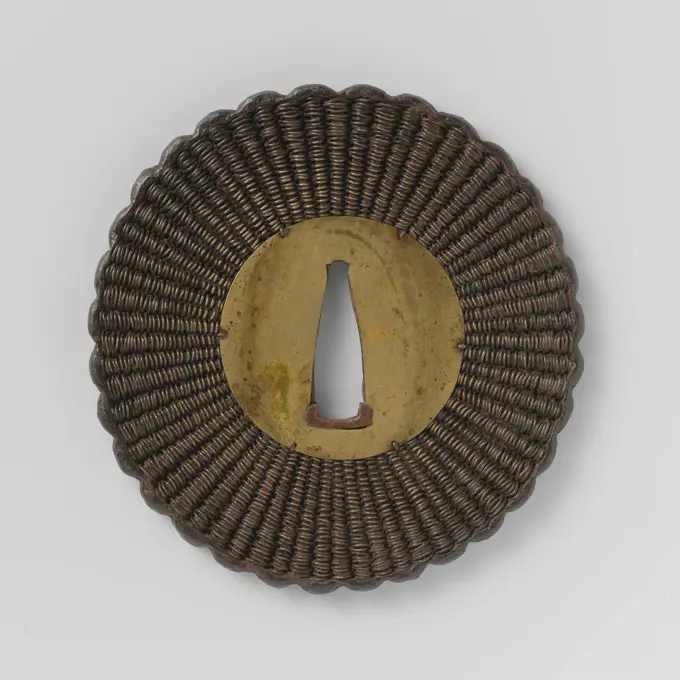
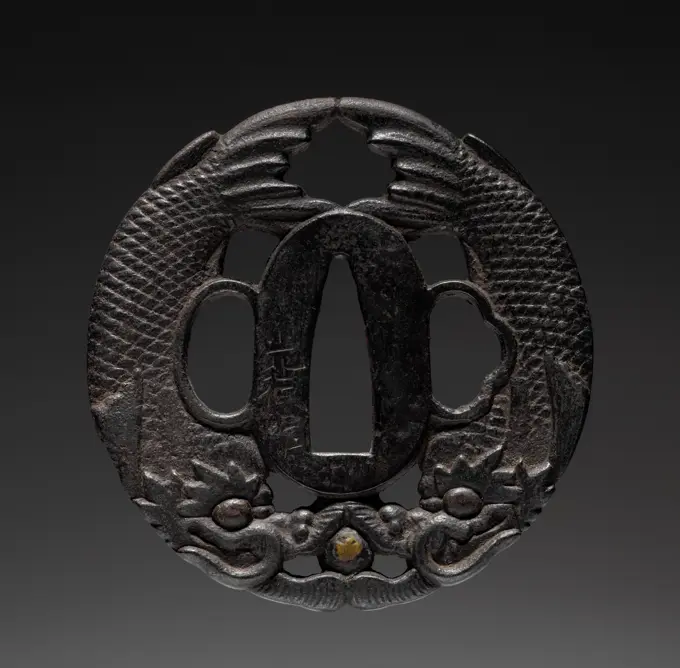
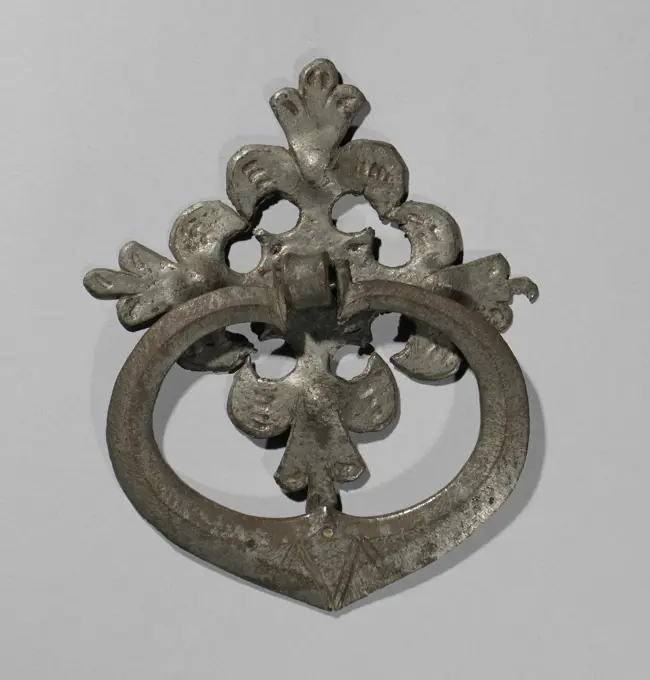
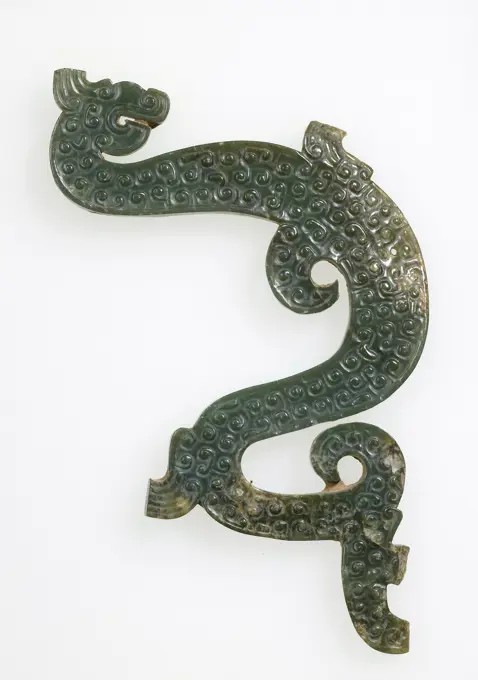
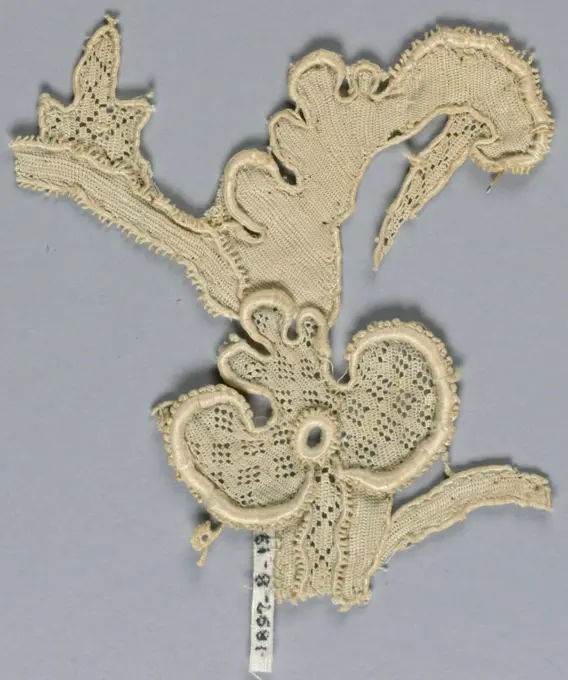
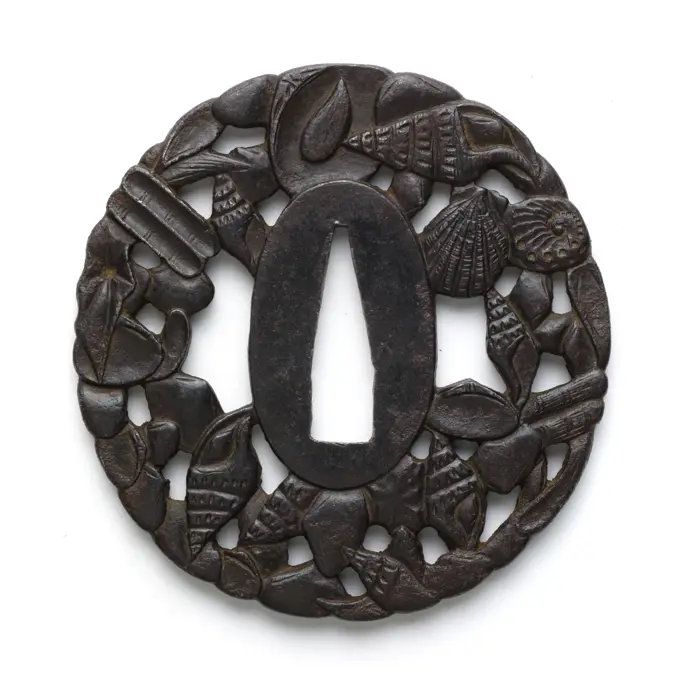
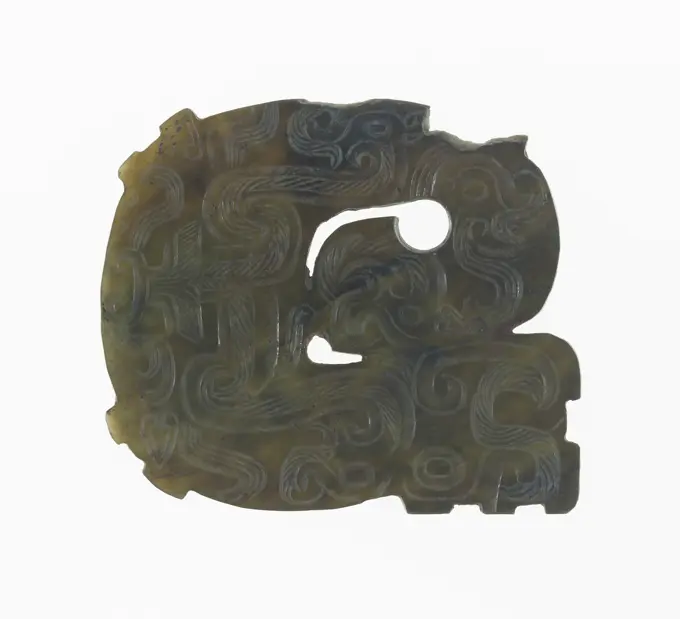
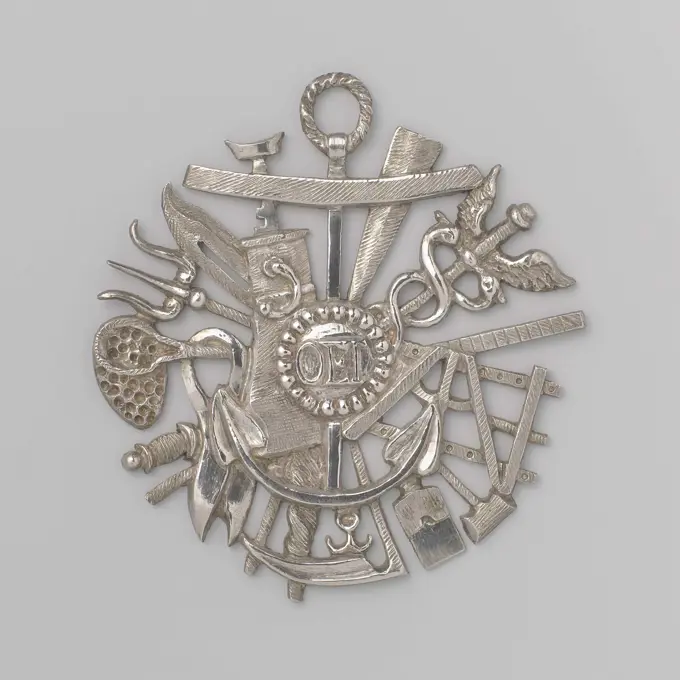
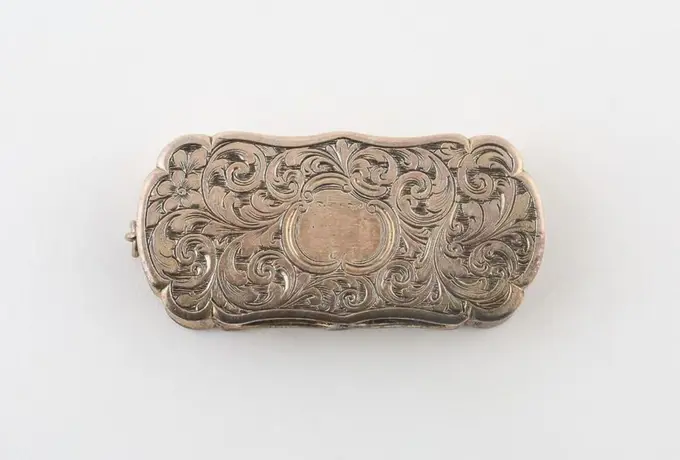
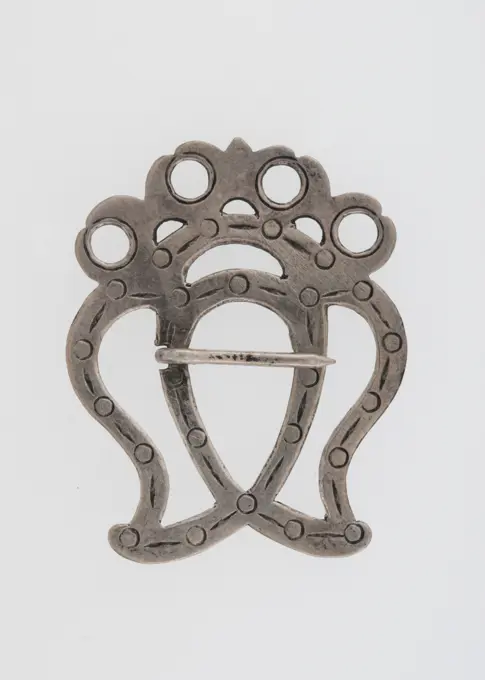
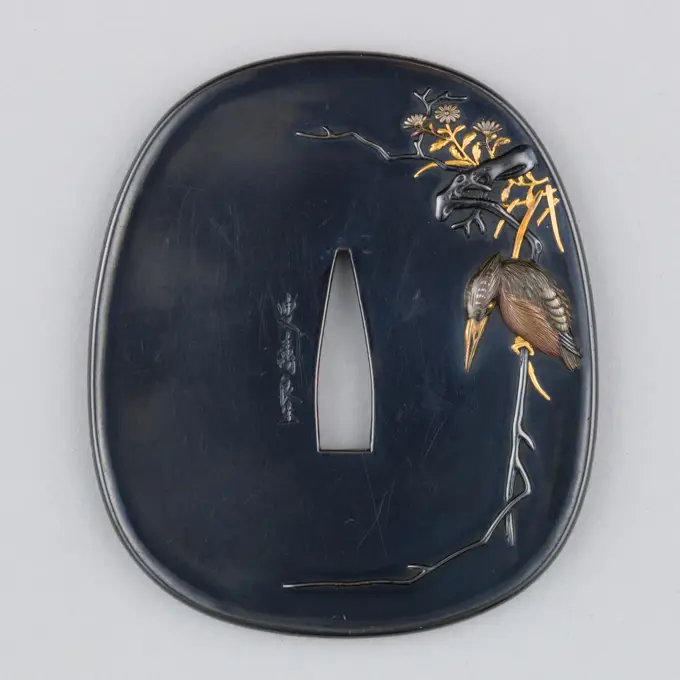
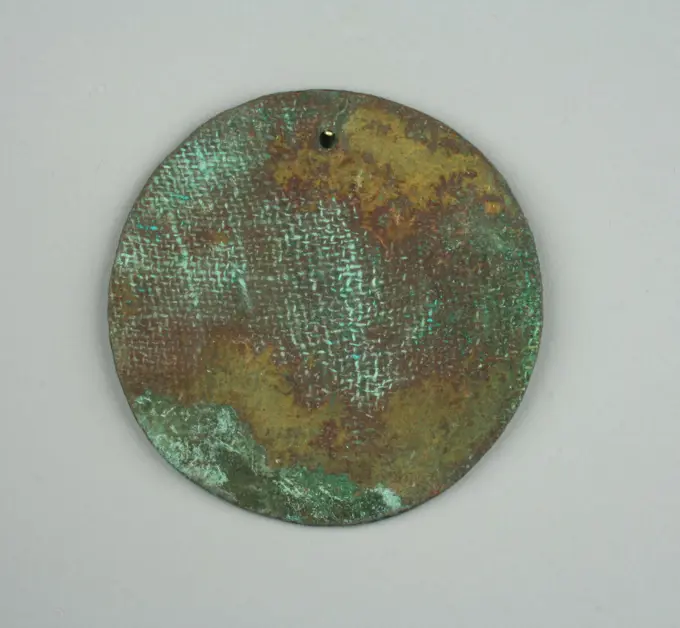
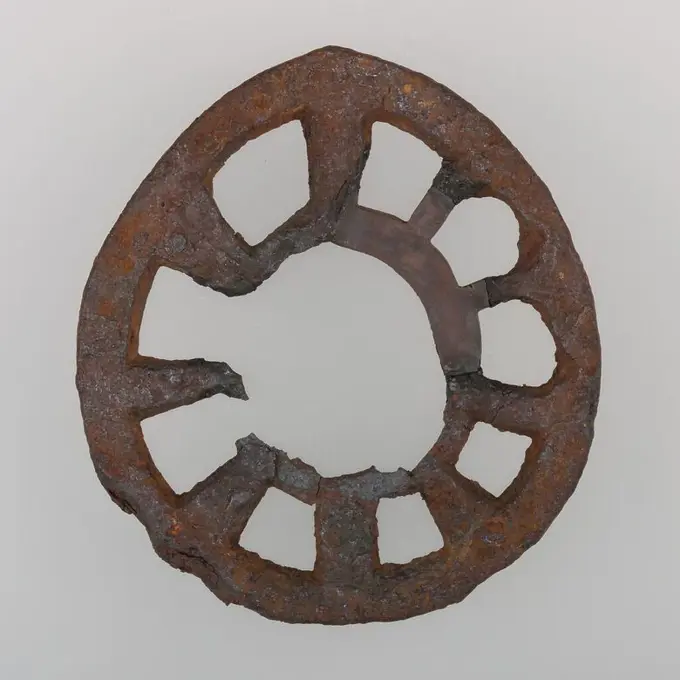
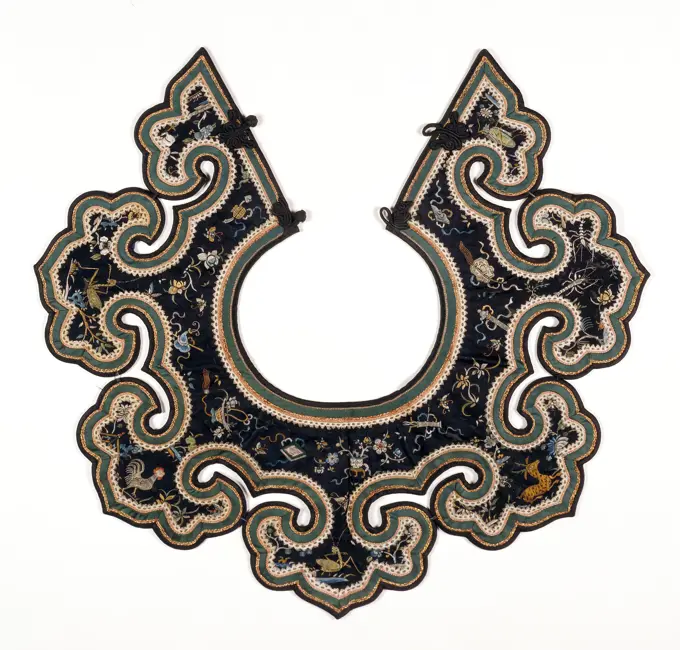
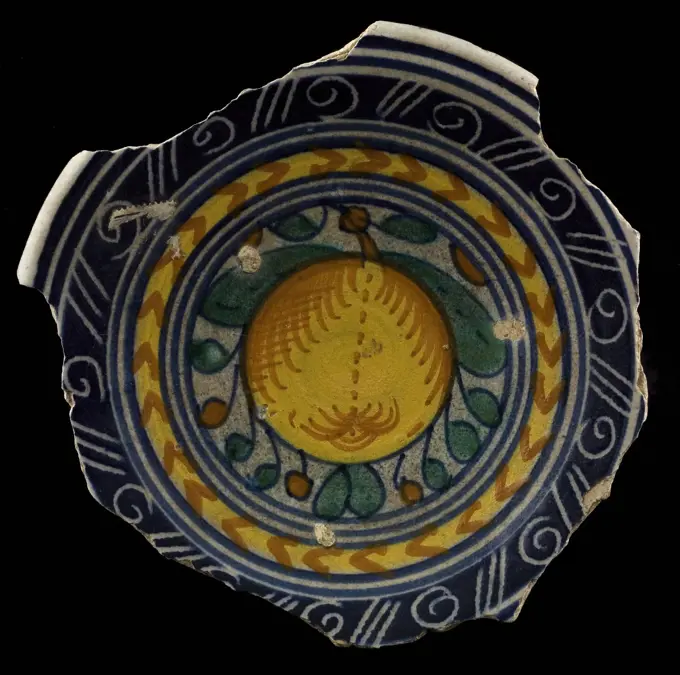
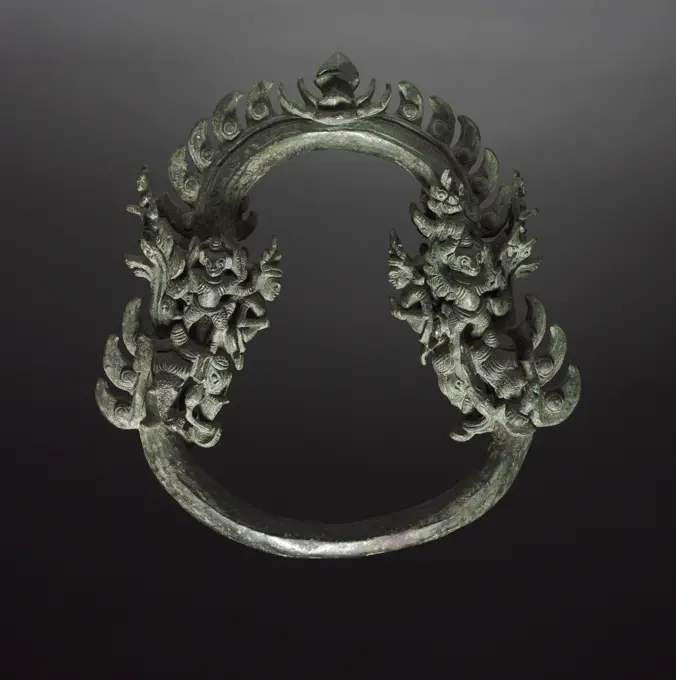
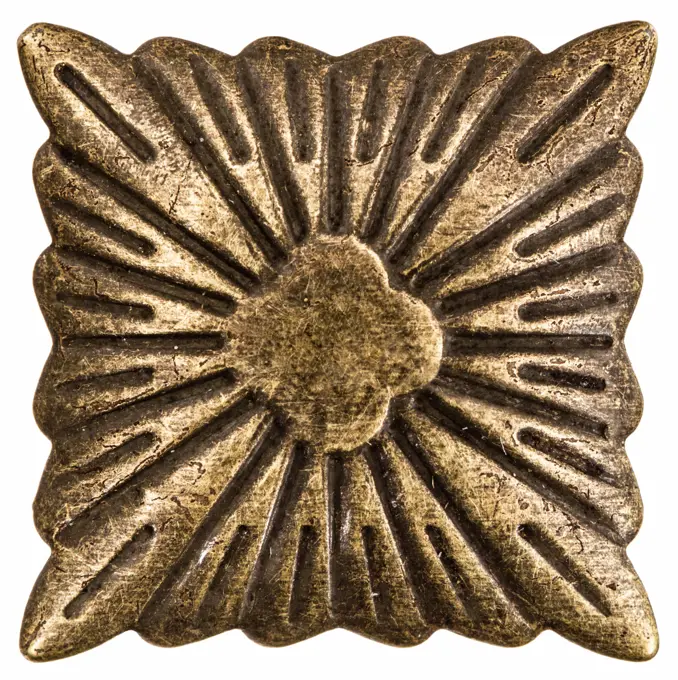
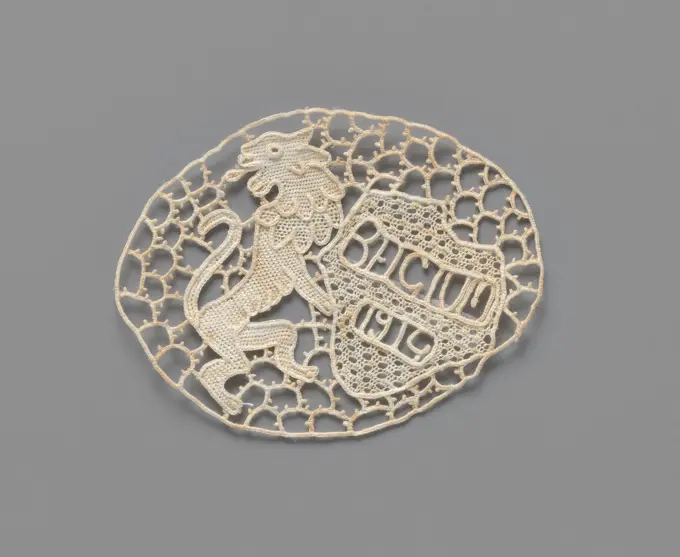
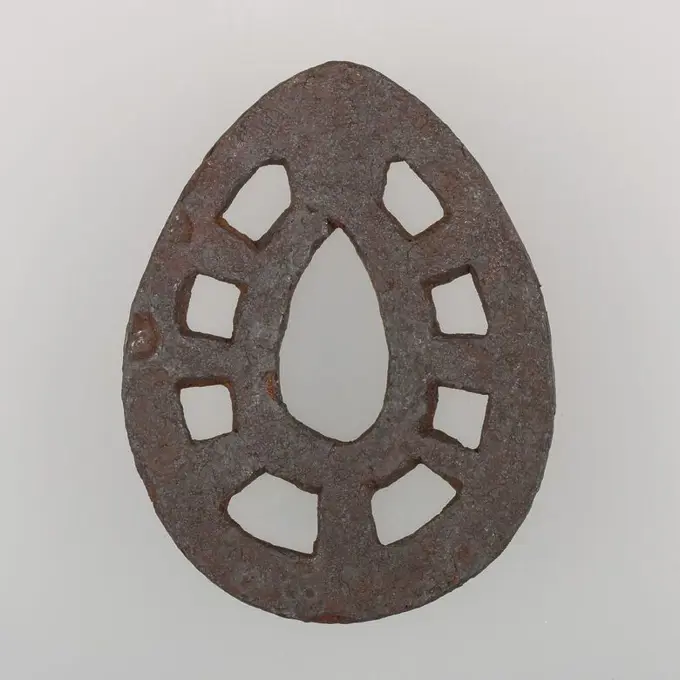
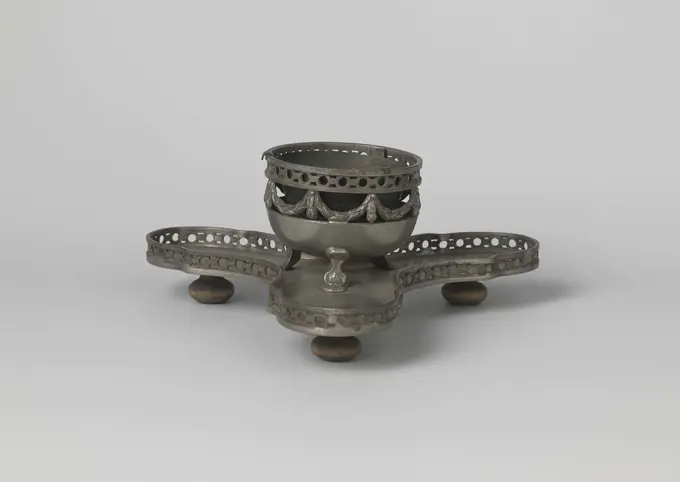
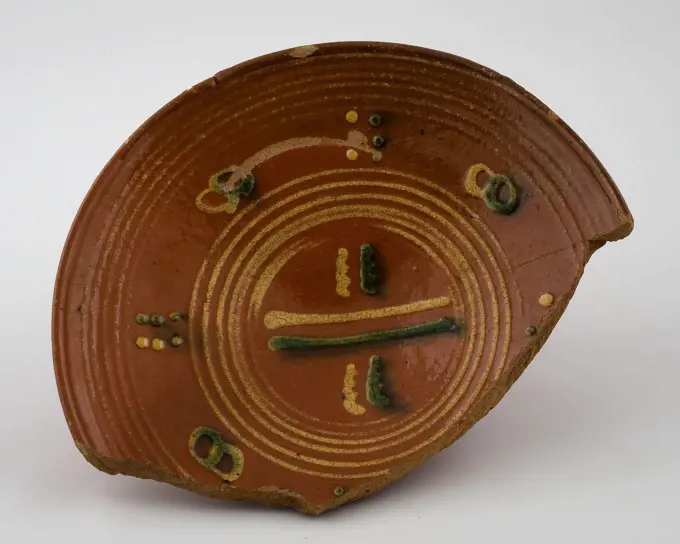
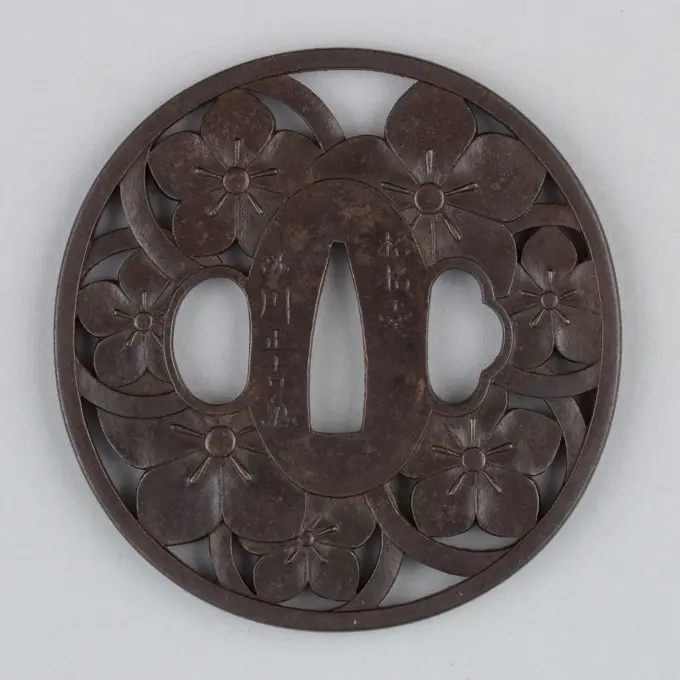
Sword Guard (Tsuba) early 19th century Japanese This iron tsuba shows seven Chinese bellflowers (kikyo) in openwork, with four of them interpreted in a circular enclosure designed to represent the Chinese bellflower family crest which was used, inter alia, by the Ōta (田) family. Masayoshi (正吉), real name Sunagawa Daisuke (砂川大助) and art name Shōhakudō (松柏堂), was the third and most skillful master of the Edo-based Sunagawa (砂川) School.. Sword Guard (Tsuba) 29520Jelec (Tsuba);  18th century (1701-00-00-1800-00-00);Sword Guard (Tsuba). Culture: Japanese. Dimensions: Diam. 3 1/4 in. (8.3 cm); thickness 3/16 in. (0.5 cm); Wt. 3 oz. (85 g). Date: possibly early 18th century. Museum: Metropolitan Museum of Art, New York, USA.Sword Guard (Tsuba) 18th century Japanese A tsuba is a sword guard and part of a sword mounting. It is mounted between the swords blade and grip to protect the users hands.. Sword Guard (Tsuba) 26345Buckle dated 1540 German. Buckle. German. dated 1540. Brass. Miscellaneous-Buckles & OrnamentSword Guard (Tsuba). Culture: Japanese. Dimensions: H. 3 3/16 in. (8.1 cm); W. 3 3/16 in. (8.1 cm); thickness 3/16 in. (0.5 cm); Wt. 3.9 oz. (110.6 g). Date: late 17th century. Museum: Metropolitan Museum of Art, New York, USA.CDK Unknown, Higo school, HayashiSword Guard (Tsuba). Culture: Japanese. Dimensions: H. 2 13/16 in. (7.1 cm); W. 2 5/8 in. (6.7 cm); thickness 3/16 in. (0.5 cm); Wt. 2.9 oz. (82.2 g). Date: ca. 1615-1868. Museum: Metropolitan Museum of Art, New York, USA.Collar China. Collar 68979Sword Guard (Tsuba) Depicting (Chinese Windmill) Palm Branches (櫚透鐔) ca. 1615-1868 Japanese This tsuba shows two Chinese windmill palm (Japanese: shuro, 櫚) branches in openwork (ji-sukashi). The two openings for scabbard accessories (hitsu-ana) have been plugged with shakudō and the rim is decorated with an alternating Greek key motif of gold and silver (nunome-zōgan), although the silver parts have almost entirely come off.. Sword Guard (Tsuba) Depicting (Chinese Windmill) Palm Branches (櫚透鐔) 25672Ornament (Sweden); silver gilt. Almost round, lobed tsuba in the form of a chrysanthemum with 32 leaves whose sides are completely bred with copper wire; In the middle on both sides a round copper plate.Sword Guard (Tsuba). Culture: Japanese. Dimensions: H. 2 7/8 in. (7.3 cm); W. 2 5/8 in. (6.7 cm); thickness 1/4 in. (0.6 cm); Wt. 4.5 oz. (127.6 g). Date: 1829. Museum: Metropolitan Museum of Art, New York, USA.Luckenbooth brooch -Sword Guard (Tsuba) ca. 1690 Japanese A tsuba is a sword guard and part of a sword mounting. It is mounted between the swords blade and grip to protect the users hands.. Sword Guard (Tsuba) 30044Sword Guard (Tsuba). Culture: Japanese. Dimensions: H. 2 7/8 in. (7.3 cm); W. 2 5/8 in. (6.7 cm); thickness 3/16 in. (0.5 cm); Wt. 5.8 oz. (164.4 g). Date: 17th century. Museum: Metropolitan Museum of Art, New York, USA.Bit Boss first half 17th century probably Netherlandish The domed center of this ornamental boss is adorned with radiating ribs in openwork, circled by a scalloped rim.This object mimicks, in a lower quality, bosses belonging to a large group of cast bosses using a series of rims and centers combined in different ways. The exact center of production of these bosses is still unclear. If the motifs used are Italian, the scale of the production and the process of combining a series of rims and center recalls contemporary German practices. Some of them, however, are identical or very similar to bosses seen in several early 17th-century Netherlandish paintings, a likely origin for the manufacture of these objects.. Bit Boss. probably Netherlandish. first half 17th century. copper alloy, iron, gold. Equestrian Equipment-Bits. Round, openwork tsuba, in the form of branches with six oak leaves and three fucks.Sword Guard, mid-1800s. Japan, Edo period (1615-1868). Iron; diameter: 7 cm (2 3/4 in.).Sword Guard (Tsuba). Culture: Japanese. Dimensions: H. 3 in. (7.6 cm); W. 2 3/4 in. (7 cm). Date: 18th century. Museum: Metropolitan Museum of Art, New York, USA.Sword Guard (Tsuba) 18th century Japanese A tsuba is a sword guard and part of a sword mounting. It is mounted between the swords blade and grip to protect the users hands.. Sword Guard (Tsuba) 26243Sword Guard (Tsuba). Culture: Japanese. Dimensions: Diam. 3 1/4 in. (8.3 cm); thickness 3/16 in. (0.5 cm); Wt. 7.4 oz. (209.8 g). Date: 18th century. Museum: Metropolitan Museum of Art, New York, USA.. Oval tsuba with a Phoenix that flies above a pine forest in gold nunome-Zogan; A golden edge runs around the Ryo-Hitsu.Sword Guard (Tsuba). Culture: Japanese. Dimensions: Diam. 3 3/4 in. (9.5 cm); thickness 1/4 in. (0.6 cm); Wt. 4.3 oz. (121.9 g). Date: 16th century. Museum: Metropolitan Museum of Art, New York, USA.Sword Guard (Tsuba) 1795 Japanese A tsuba is a sword guard and part of a sword mounting. It is mounted between the swords blade and grip to protect the users hands.. Sword Guard (Tsuba) 26923Tsuba  Paulownia and the motif of meanders and swastika Unknown, schools and shoamiPendant late 15th century French. Pendant. French. late 15th century. Bronze. Miscellaneous-Buckles & OrnamentAmulet, eye, Udjati Egyptian. Amulet, eye, Udjati. Egyptian. Clay, glazed. Gold and SilverGlass Fragment French 12th centuryEscutcheonBadge or Harness Pendant 14th century Spanish Heraldry, or coat-of-arms, were vitally important in Europe throughout the Middle Ages and the Renaissance. Heraldic emblems were used to identify noble families, cities, regions, and even countries. In addition to being displayed on shields and flags, heraldry was incorporated into architectural decoration on the interior and the exterior of buildings, on furniture, works of art, clothing, and horse equipment. Harness pendants, like this example, would have been attached to a headstall, bridle, or other straps making up the tack of a horse ridden by a nobleman or noblewoman, or a member of their household. Many harness pendants also have decoration that is simply ornamental, or have symbols that are not specifically heraldic in nature.. Badge or Harness Pendant. Spanish. 14th century. Copper. Miscellaneous-BadgesSword Guard (Tsuba). Culture: Japanese. Dimensions: H. 3 in. (7.6 cm); W. 2 7/8 in. (7.3 cm); thickness 3/16 in. (0.5 cm); Wt. 4.9 oz. (138.9 g). Date: ca. 1615-1868. Museum: Metropolitan Museum of Art, New York, USA.Sword Guard (Tsuba) 18th century Japanese A tsuba is a sword guard and part of a sword mounting. It is mounted between the swords blade and grip to protect the users hands.. Sword Guard (Tsuba) 26339Sword Guard (Tsuba) ca. 1615-1868 Japanese A tsuba is a sword guard and part of a sword mounting. It is mounted between the swords blade and grip to protect the users hands.. Sword Guard (Tsuba) 33435Light arm of brass or bronze. Part of light arm of brass or bronze. Candle holder and fat catcher demolished.Bowl cover China. Bowl cover. China. Gilt bronze. Tang dynasty (618-907). MetalworkSword Guard (Tsuba). Culture: Japanese. Dimensions: H. 2 7/8 in. (7.3 cm); W. 2 3/4 in. (7 cm); thickness 1/4 in. (0.6 cm); Wt. 3.2 oz. (90.7 g). Date: 18th century. Museum: Metropolitan Museum of Art, New York, USA.Sword Guard (Tsuba) ca. 1615-1868 Japanese A tsuba is a sword guard and part of a sword mounting. It is mounted between the swords blade and grip to protect the users hands.. Sword Guard (Tsuba) 33469Sword Guard (Tsuba). Culture: Japanese. Dimensions: Diam. 3 3/16 in. (8.1 cm); thickness 3/16 in. (0.5 cm); Wt. 4.5 oz. (127.6 g). Date: late 17th century. Museum: Metropolitan Museum of Art, New York, USA.Clay filter with design of fish Made 1000-1200 Masr al-`Atiqah. Earthenware, carved and punched . IslamicEar plug ca. 1295-1070 B.C. New Kingdom, Ramesside. Ear plug 568368Door Knocker 15th-16th century European. Door Knocker. European. 15th-16th century. Iron. Metalwork-IronSword Guard (Tsuba) first third 19th century Japanese A tsuba is a sword guard and part of a sword mounting. It is mounted between the swords blade and grip to protect the users hands.. Sword Guard (Tsuba) 34992Door Knocker 15th-16th century European. Door Knocker. European. 15th-16th century. Iron. Metalwork-IronSword Guard (Tsuba) ca. 1700 Japanese A tsuba is a sword guard and part of a sword mounting. It is mounted between the swords blade and grip to protect the users hands.. Sword Guard (Tsuba) 35112Terracotta mold fragment ca. 2nd century A.D. Roman This fragment has all the salient characteristics of a mold used to manufacture a relief bowl: faint horizontal striations indicating it was wheel made; incised designs on a concave surface; and no trace of glaze.. Terracotta mold fragment 259142Navigation bus Tryndin, AbramPendant in the form of a Dragon, 206 BCE - 220 CE, 4 3/4 x 5 7/8 x 3/8 in. (12.1 x 14.9 x 0.9 cm), Jade, China, 3rd century BCE - 3rd century CEAlternate Set of Saddle Steels. Culture: Italian. Dimensions: 27.159.13a; H. 9 1/2 in. (24.1 cm); W. 12 1/2 in. (31.8 cm); Wt. 15 oz. (425 g); 27.159.13b; H. 7 1/4 in. (18.4 cm); W. 11 3/8 in. (28.9 cm); Wt. 12 oz. (340.2 g); 27.159.13c; H. 7 in. (17.8 cm); W. 12 in. (30.5 cm); Wt. 10 oz. (283.5 g); 27.159.13d; H. 7 1/2 in. (19.1 cm); W. 13 3/4 in. (34.9 cm); Wt. 1 lb. (452.6 g); 27.159.13e; H. 7 1/2 in. (19.1 cm); W. 14 1/4 in. (36.2 cm); Wt. 12.5 oz. (354.4 g). Date: ca. 1550 to 1575.This complete set of saddle steels is part of an unusually large armor garniture (acc. no. 27.159.1) from the armory of the Dos Aguas family in Valencia, Spain. The garniture contains pieces for use in battle and for the tilt in both the Italian and German fashions. The tilt was a tournament fought on horseback between two opponents armed with lances and separated by a lengthwise barrier.The armor as mounted is equipped with a helmet and vambraces (arm defenses) for the tournament. The buffe (chin defeDish (Pan) with Sword-Pommel Pattern. China, Yuan dynasty, 1279-1368. Furnishings; Serviceware. Carved black and red lacquer on wood core (tixi)Salver 1585-1600 and 19th century Outer plaques and mounts after a design by Reinhold Vasters German. Salver 193509Plate of ivory, sliced in the shape of a shell. Plate with a scalloped border with a meander band; Inside embossed a representation of prunus, bamboo and (very small) pine at a rock.Sword Guard (Tsuba). Culture: Japanese. Dimensions: H. 3 in. (7.6 cm); W. 2 3/4 in. (7 cm); thickness 3/16 in. (0.5 cm); Wt. 4 oz. (113.4 g). Date: ca. 1615-1868. Museum: Metropolitan Museum of Art, New York, USA.Fragment (Italy); linenBox with camellias 13th century China The lacquer body is built on a red-orange ground and has a thin layer of lacquer near the top that outlines the camellia blossoms and leaves in red, an allusion to the color of this flower that blooms around the Chinese New Year. As is typical of the thirteenth century, there is little overlapping of leaves and petals, and much of the ground is exposed. The lack of incisions to indicate the veins of the petals and leaves is another thirteenth-century characteristic.. Box with camellias 40209Basin and ewer, Andries Grill, 1649 dish Scale of silver. Decorated with driven lobby ornament. An alliance weapon is engraved in the middle of the scale: I = Fam. Meerman, II = unpretented. The Hague silver (metal)  auricular ornament, lobe style ~ ornamentTsuba. Japan. Fer. Paris, Muse Cernuschi. Assessment, armaments, Asian art, Japanese art, weapon custody, art object, metallic object, armament piece, tsubaSword Guard (Tsuba). Culture: Japanese. Dimensions: H. 3 in. (7.6 cm); W. 2 3/4 in. (7 cm); thickness 1/2 in. (1.3 cm); Wt. 6.2 oz. (175.8 g). Date: 1757. Museum: Metropolitan Museum of Art, New York, USA.Button, White metal, rhinestones, On Cooper Union Exhibition card 1, USA, 1900-10, costume & accessories, Decorative Arts, ButtonDragon Plaque 700 BCE-500 BCE China. Jade .Oconomic branch of the Hollandsche Maatschappij der Sciences, carrying mark of the chairman of the meetings. One-sided silver carrier sign, consisting of openwork images of different instruments: anchor on as a wreath decorated carrying ring; In the middle of anchor: pearl rest containing inscription; Here: Mercury Staff, Measuringlat, Fence, Hammer, Shovel, Zeis, Spin Rocks, Degen, Fishnet, Hay bark, Bleedkerschop and MullowVinaigrette. Edward Smith; Birmingham, England. Date: 1855-1866. Dimensions: 5.7 × .4 cm (2 1/4 × 1/8 in.). Silver and silver gilt. Origin: Birmingham. Museum: The Chicago Art Institute, Chicago, USA.Luckenbooth brooch -Sword Guard (Tsuba) late 17th century Japanese A tsuba is a sword guard and part of a sword mounting. It is mounted between the swords blade and grip to protect the users hands.. Sword Guard (Tsuba) 29939Sword Guard (Tsuba) ca. 1615-1868 Japanese A tsuba is a sword guard and part of a sword mounting. It is mounted between the swords blade and grip to protect the users hands.. Sword Guard (Tsuba) 25763end of the hinge to the chest;  XVII century (1601-00-00-1700-00-00);Coiled Animal Pendant 300 BCE-100 BCE China. Jade .Brooch -Sword Guard (Tsuba) 1776 Japanese A tsuba is a sword guard and part of a sword mounting. It is mounted between the swords blade and grip to protect the users hands.. Sword Guard (Tsuba) 34973Sword Guard (Tsuba). Culture: Japanese. Dimensions: H. 2 15/16 in. (7.5 cm); W. 2 5/8 in. (6.7 cm); thickness 3/16 in. (0.5 cm); Wt. 4.3 oz. (121.9 g). Date: ca. 1615-1868. Museum: Metropolitan Museum of Art, New York, USA.Saucer of yellow-baking earthenware, with blue glaze on the top and bottom, on which a painting of floral shapes on the flat and on the edge, and on the back a pattern of semi-circles in blue, anonymous, c. 1500 - c. 1699 fragment   earthenware. glazeBrooch -Sword Guard (Tsuba) mid-19th century Inscribed by Kanō Natsuo Japanese Kanō Natsuo, the last great maker of sword fittings, decorated the front; his co-worker Toshiyoshi decorated the reverse. The commissioner of the tsuba is identified as Shirase. It features a design of a kingfisher on a branch.. Sword Guard (Tsuba) 24626Hand guard, Masanori, 1700 - 1800 Oval tsuba with in positive silhouette the stylized character "kotobuki" (long life); Signed "kofu ju masanori". Japan iron (metal) Oval tsuba with in positive silhouette the stylized character "kotobuki" (long life); Signed "kofu ju masanori". Japan iron (metal)Round Plaque 3rd century B.C.-A.D. 2nd century Vicús. Round Plaque 315517Luckenbooth brooch -Sword Guard (Tsuba). Culture: Japanese. Dimensions: H. 3 7/8 in. (9.8 cm); W. 3 1/2 in. (8.9 cm); Wt. 3.3 oz. (93.6 g). Date: ca. 3rd century-710. Museum: Metropolitan Museum of Art, New York, USA.Collar, 19th century, W.15-3/8 in., silk, China, 19th centuryBuckle ca. 100 B.C.-ca. 500 A.D. Ibero-Roman. Buckle. Ibero-Roman. ca. 100 B.C.-ca. 500 A.D.. Bronze. Miscellaneous-Buckles & OrnamentSmall majolica dish, polychrome, in the middle of pomegranate, sgraffito over the rim, plate crockery holder soil find ceramic earthenware glaze, total, sgraffito baked underside covered with gray green lead glaze. Polychrome archeology Rotterdam decorate serving food archaeological find in the soil Rotterdam 1941.MountSword Guard (Tsuba) late 18th century Japanese A tsuba is a sword guard and part of a sword mounting. It is mounted between the swords blade and grip to protect the users hands.. Sword Guard (Tsuba) 29519Palanquin Ring, 1100s-1200s. Cambodia, Angkor Wat/Bayon period, 12th-13th century. Bronze; overall: 24.1 x 23 x 6.5 cm (9 1/2 x 9 1/16 x 2 9/16 in.). When members of the royal family or priesthood traveled in a public festival procession or to a temple like Banteay Chhmar to make offerings or participate in a ceremony, they would be carried in a palanquin, or a covered litter. Portable objects of veneration, such as bronze images or a sacred fire, were also carried on palanquins. The palanquins had wooden poles, hanging seats or raised platforms, and bronze fittings cast in intricate forms and gilt, lending the palanquins a sumptuous quality. This ring, which supported a suspended seat, would have hung on a hook attached to a wooden pole. The body of the ring is shaped in the form of a pair of nagas, or serpents. The flanges, or protrusions, on the top and sides are stylized spines of the serpents body, and the heads rear up on either side. In a richly textured cluster of separately Filigree in the form of a square, decorative element for manual work, isolated on white background Filigree in the form of a square, decorative element for manual work, isolated on white background Copyright: xZoonar.com/OleksandrxKostiuchenkox 11632321Needle's motif with surrounding lion and the text 'Belgium 1914', Anonymous, in or after 1914 - Before 1916  Motif of natural needle side: War Lace. Oval model with surrounding lion and the text 'Belgium 1914'. The oval shape consists of a founded hexagonal mesh soil with picots. The lion and the text are built with feston stitches and are accented by relief contours. A decorative land has been applied around the text. The oval is finished all around with a founded edge. Belgium cotton (textile)Sword Guard (Tsuba). Culture: Japanese. Dimensions: H. 2 1/4 in. (5.7 cm); W. 1 3/4 in. (4.5 cm); thickness 3/16 in. (0.5 cm); Wt. 2.8 oz. (79.4 g). Date: 1786-1859. Museum: Metropolitan Museum of Art, New York, USA.Batter of a mission tire. Ten fitting parts of a mission tape, from brass. The ten parts are cut from copper plate, driven, engraved and sponately edited. A copper button with seven facets is riveted on each of them. They are equipped with holes on the corners or along the edge to be able to turn nails, with which they were constituted on the book band. Four corner pieces have a rear edged on two sides. The remaining four have that only at the top or bottom (these were placed against the back of the book). Two sides have been deposited with an open edge of cross flowers from each corner piece. The field in the middle is taken by three-dialed tendrils. The ornament on the middle parts exists on the corners from a plant with three leaves and two flowers in a pot. The four parts in between are taken by fantasy decreases.Loop.Buckler. Italian or Spanish. Date: 1630-1650. Dimensions: Diam. 57.1 cm (22 1/2 in.)Wt. 4 lb. 4 oz. Wood, iron, brass, gilding, silk velvet, and silk damask. Origin: Italy. Museum: The Chicago Art Institute, Chicago, USA.Jack Williamson, Footstool, c 1941 FootstoolBuckle ca. 50 B.C.-ca. 500 A.D. Gallo-Roman. Buckle. Gallo-Roman. ca. 50 B.C.-ca. 500 A.D.. Bronze. Miscellaneous-Buckles & OrnamentScale. Round wooden bowl with a trim in relief of a branch with two leaves and an eggplant, on which a grasshopper is sitting. Signed "Yutokusai".Sword Guard (Tsuba). Culture: Japanese. Dimensions: H. 3 11/16 in. (9.4 cm); W. 2 13/16 in. (7.1 cm); thickness 1/4 in. (0.6 cm); Wt. 4.3 oz. (121.9 g). Date: ca. 3rd century-710. Museum: Metropolitan Museum of Art, New York, USA.One gear wheel from metal closeup, isolated on white background One gear wheel from metal closeup, isolated on white background Copyright: xZoonar.com/OleksandrxKostiuchenkox 9816688Sword Guard (Tsuba) ca. 1615-1868 Japanese A tsuba is a sword guard and part of a sword mounting. It is mounted between the swords blade and grip to protect the users hands.. Sword Guard (Tsuba) 34451Mount of tin for tap jug. Tin sheet that serves as a chassis for the tap jug. There is a leaf with a raised, openwork band on the three wooden legs. On top of it is a komfoor on three legs. The top edge of the Comfoor is decorated with a wide-worked band with garlands.Sword Guard (Tsuba). Culture: Japanese. Dimensions: H. 3 1/16 in. (7.8 cm); W. 2 7/8 in. (7.3 cm); thickness 1/4 in. (0.6 cm); Wt. 5.9 oz. (167.3 g). Date: ca. 1615-1868. Museum: Metropolitan Museum of Art, New York, USA.Decorative Door Boss And Nail; wrought ironRed earthenware plate with simple silt decor of circles and stripes in yellow and green, plate dish crockery holder soil find ceramic earthenware glaze lead glaze clay, hand turned decorated glazed fried ring plate on stand. Red shard of hard-baked earthenware Top glazed In the mirror decoration of circles and lines. Lying eights and dots along the side wall. Used colors yellow and green Circles along the dish edge barely on color remained archaeology indigenous pottery import food serve serve tableDisk Brooch 6th century Frankish. Disk Brooch 464855 Frankish, Disk Brooch, 6th century, Silver, glass paste or garnet, cabochon, metal foil, gold wire, niello, Overall: 11/16 x 3/16 in. (1.8 x 0.5 cm). The Metropolitan Museum of Art, New York. Gift of J. Pierpont Morgan, 1917 (17.191.161)