Japanese Women in Traditional Art

Color woodblock prints depicting elegant women in traditional clothing, often interacting in serene natural settings or theatrical contexts, emphasizing cultural beauty.
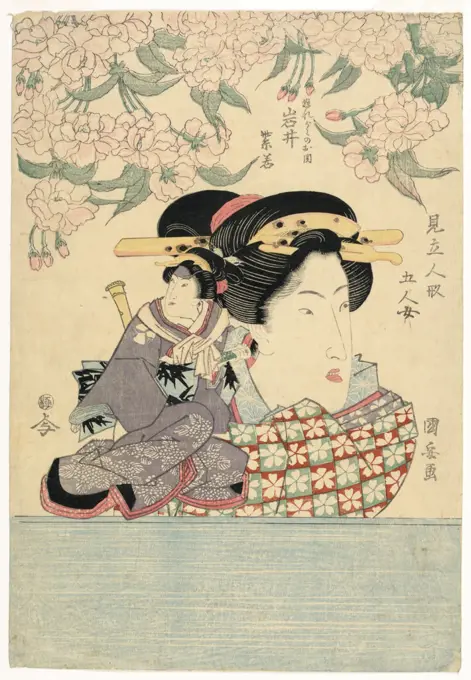
Pentaptych: Five girls with theater puppets, Utagawa Kuniyasu, Japanese, 1794 - 1832, Woodblock print (ukiyo-e) on mulberry paper (washi), ink with color, Japan, 1805-20, theater, Print, Print
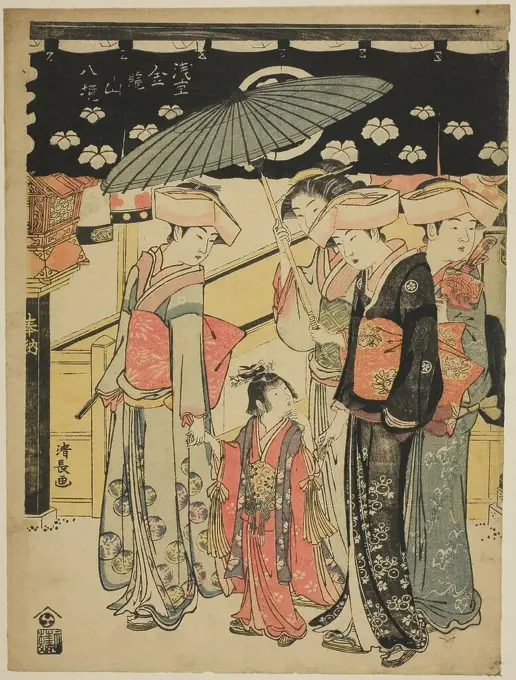
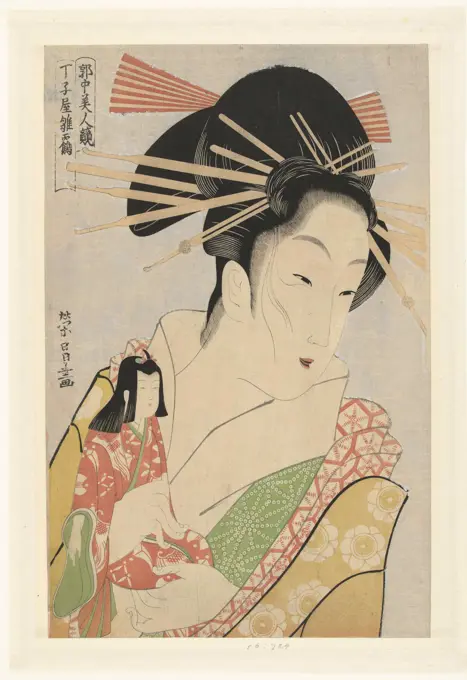
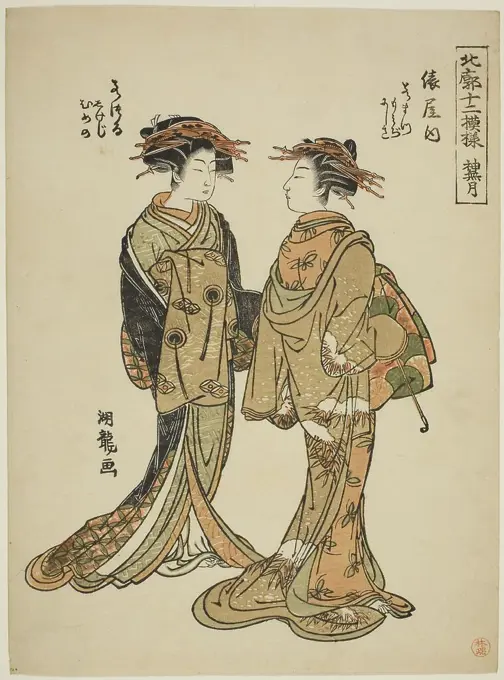
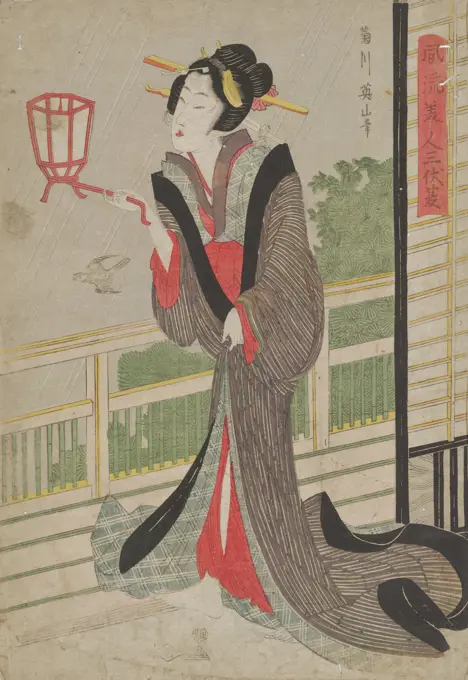
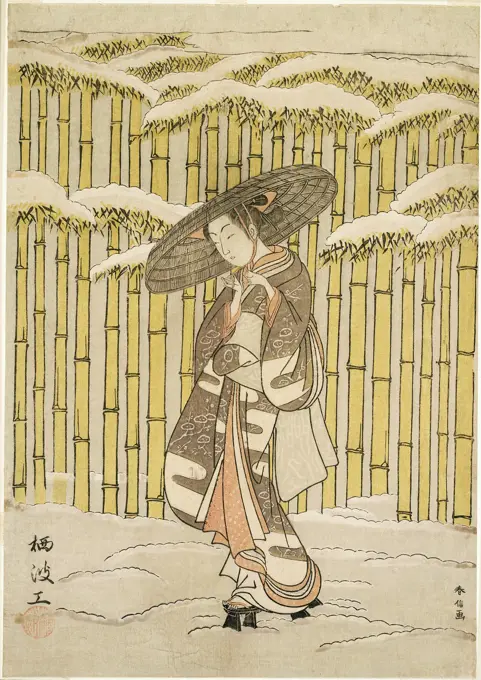
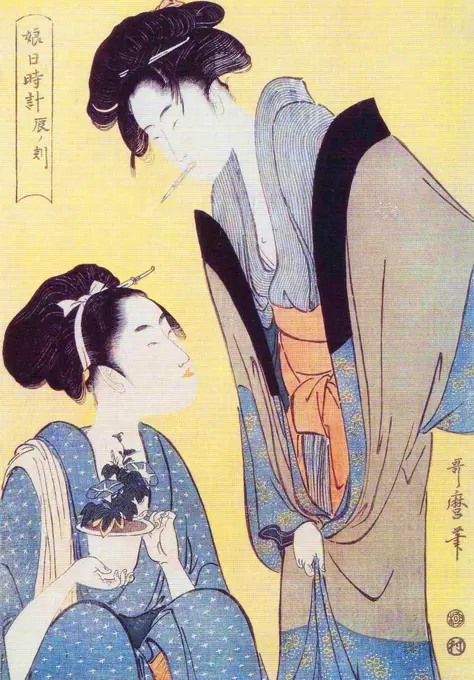
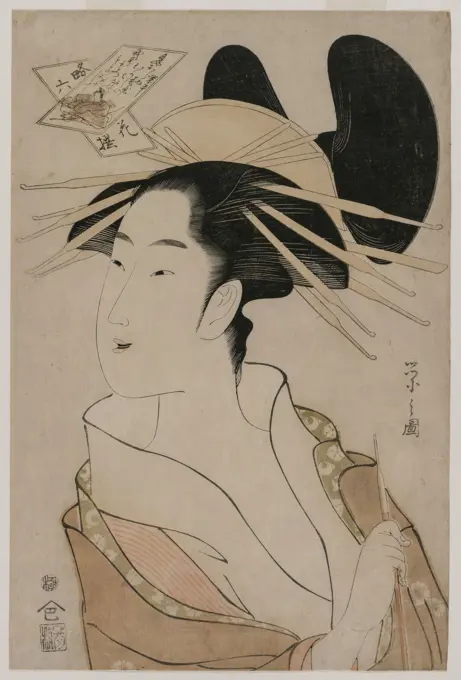
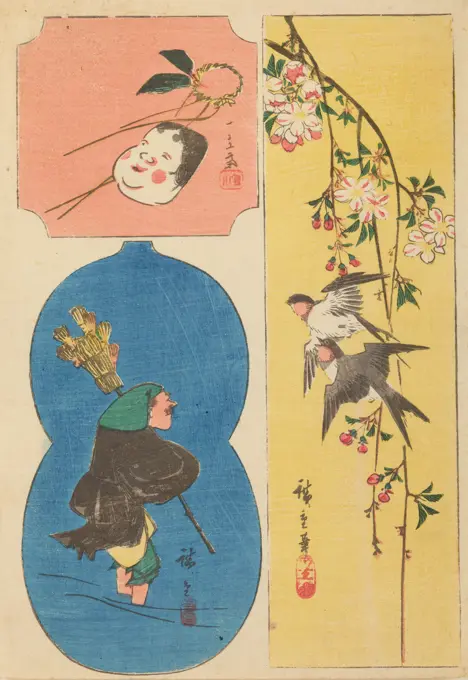
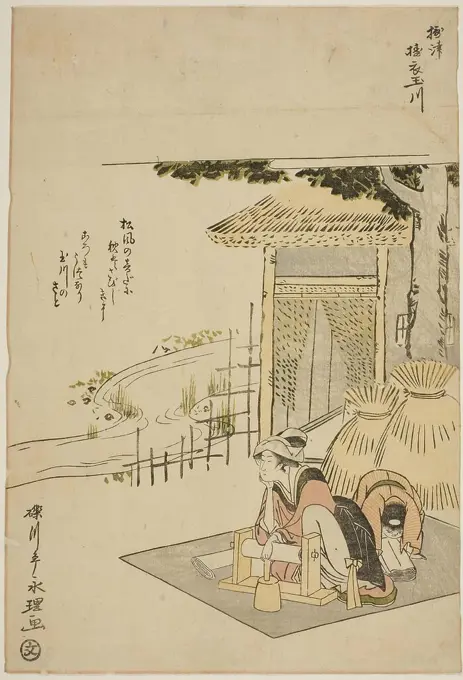
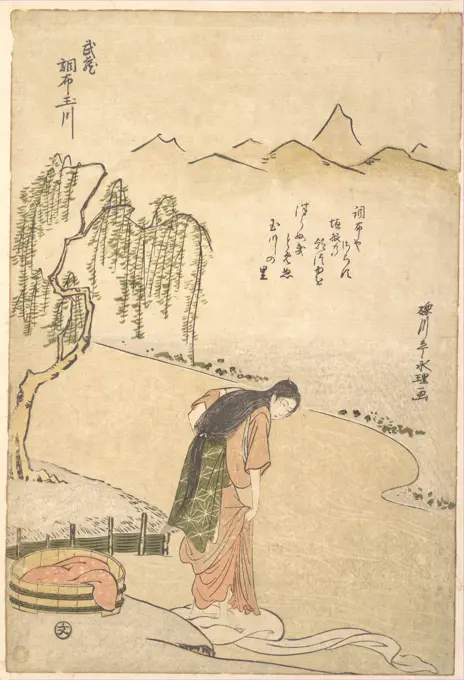
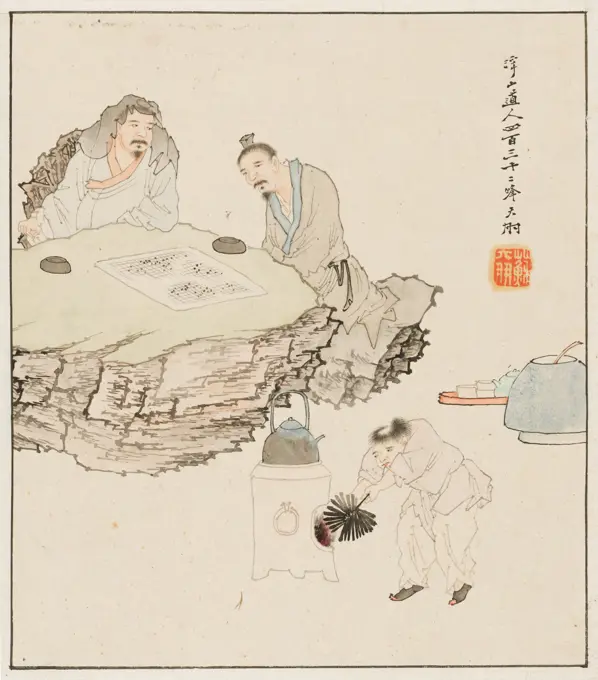
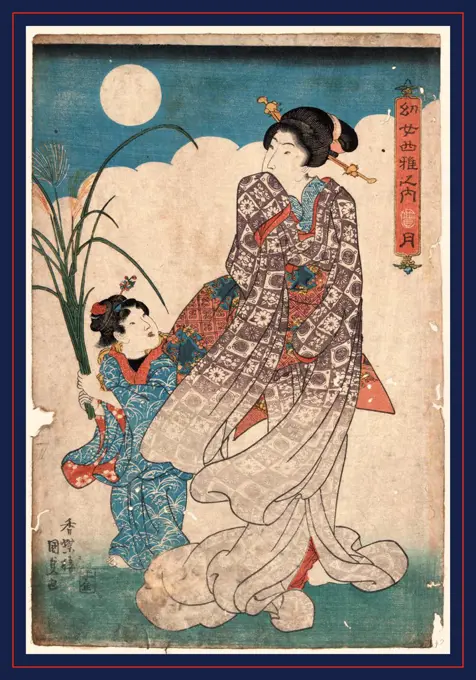
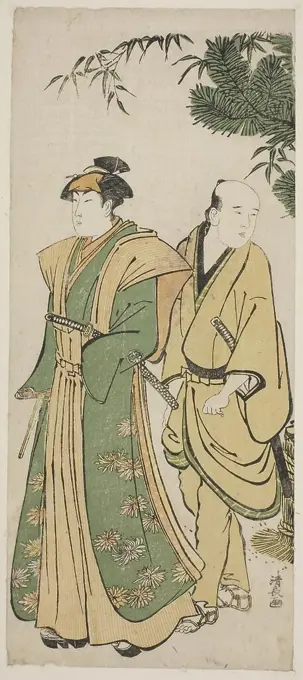
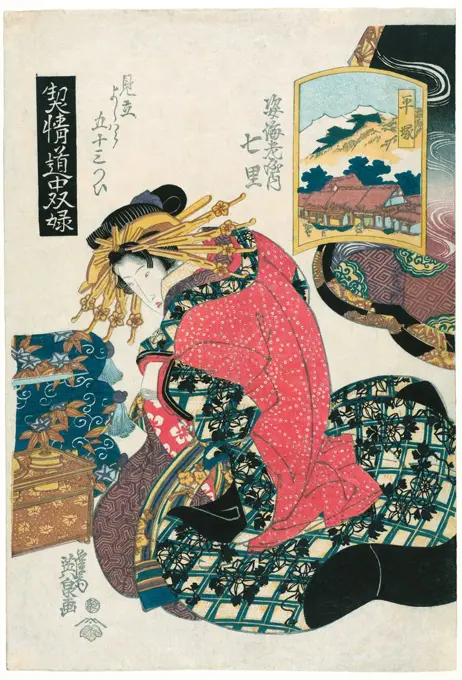
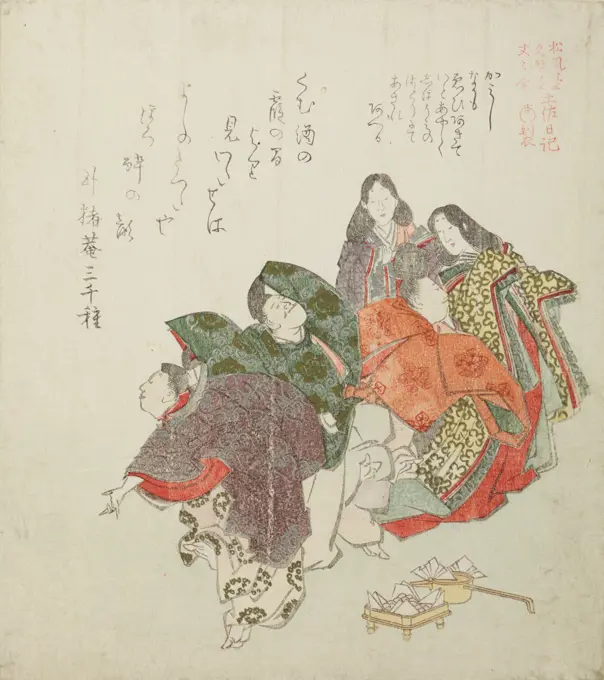
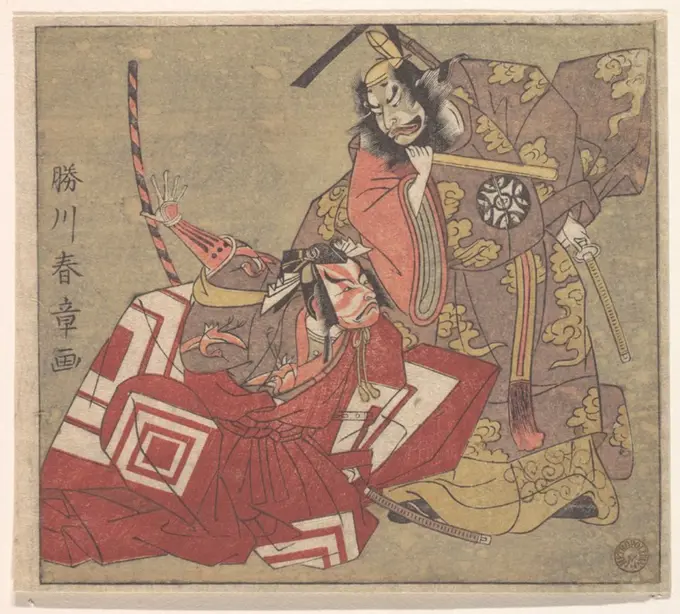
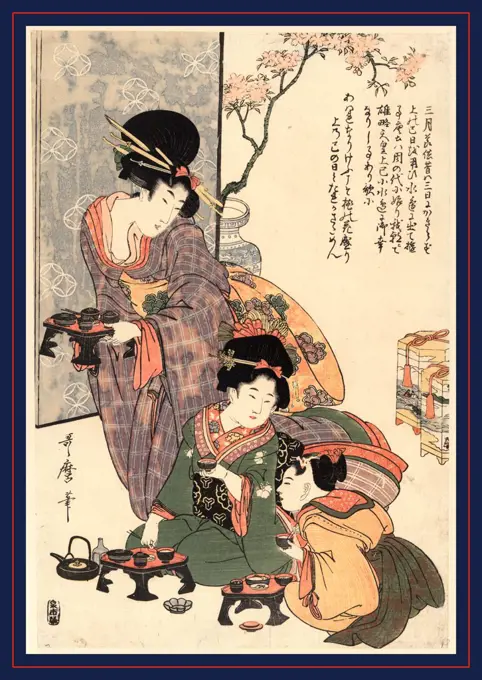
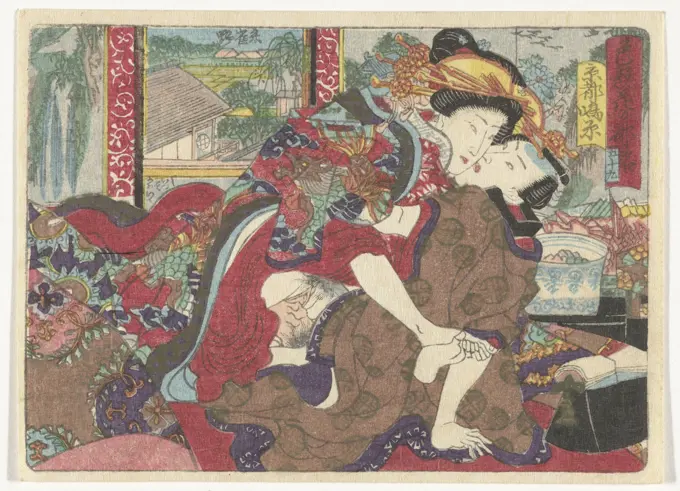
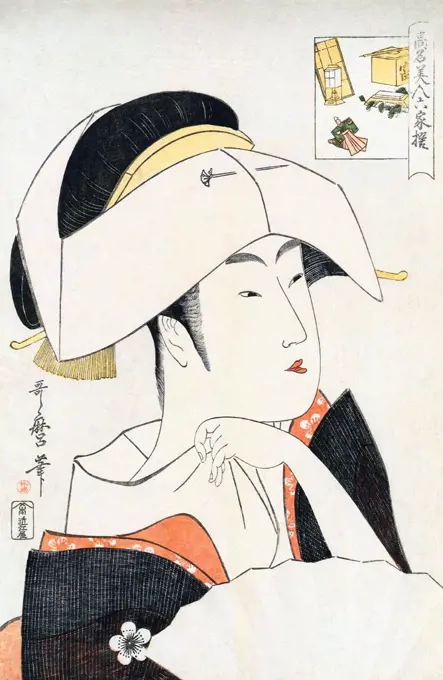
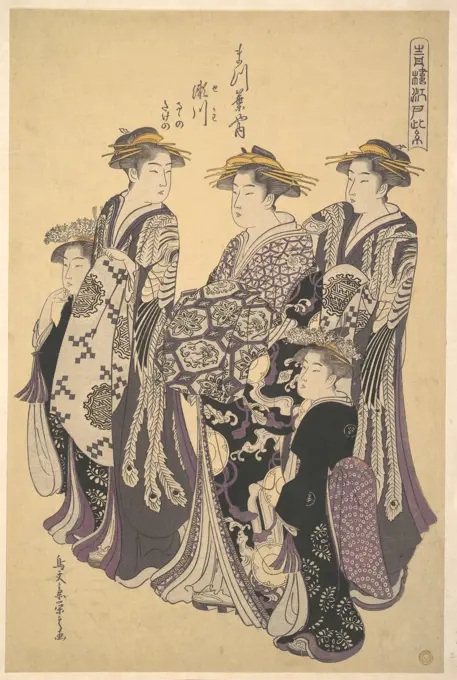
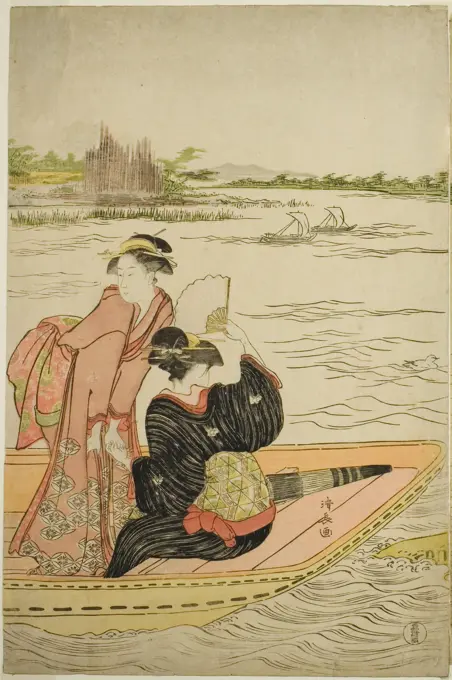
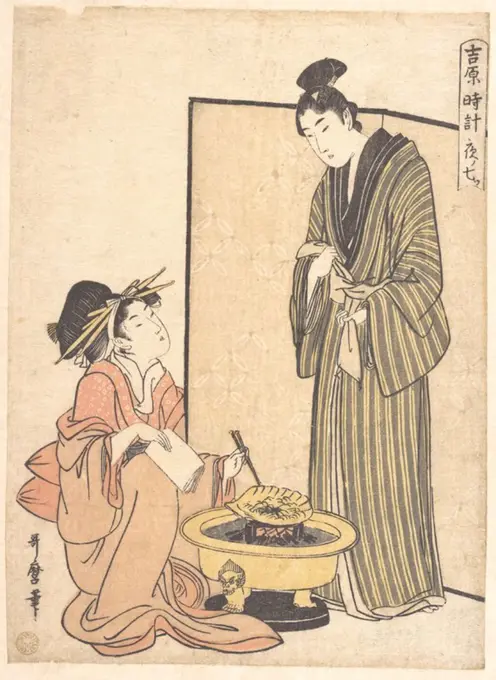
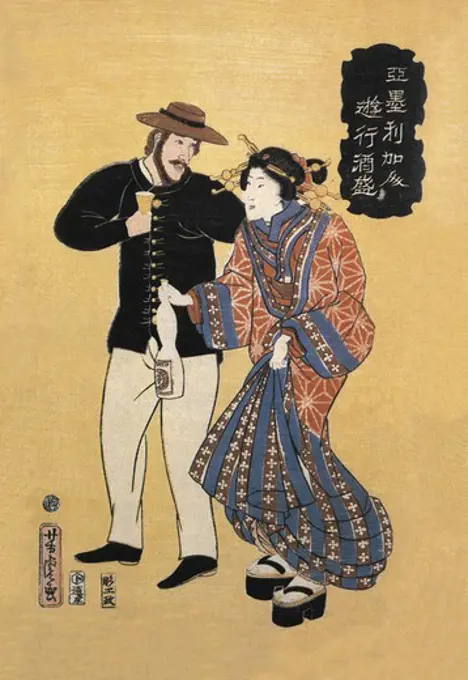
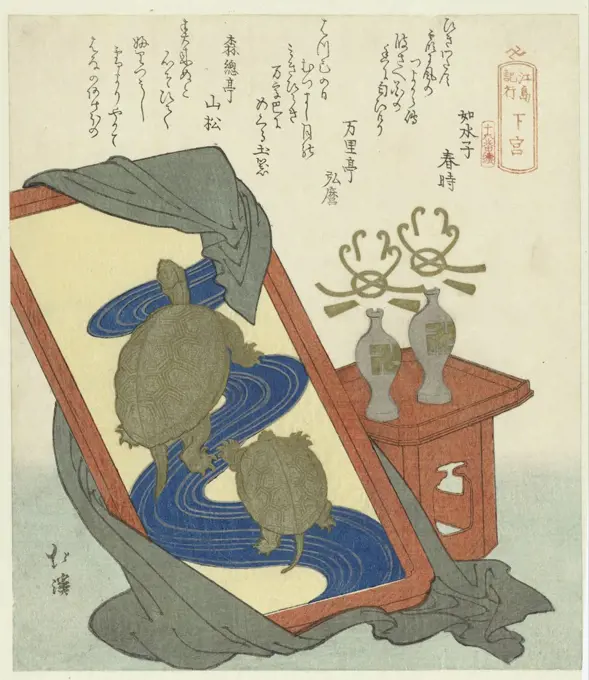
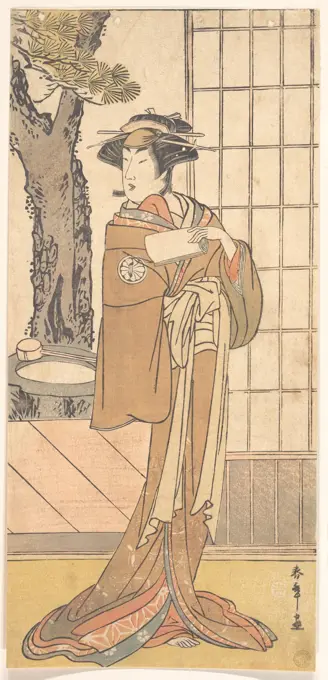
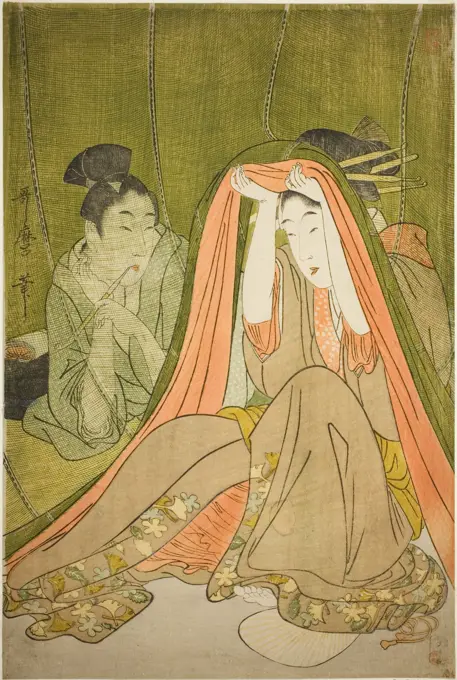
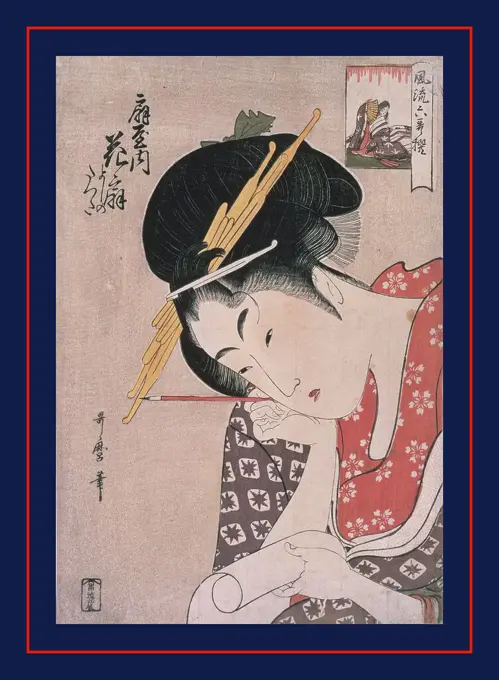
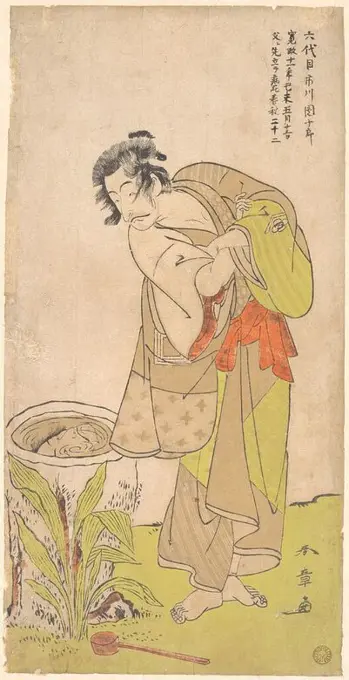
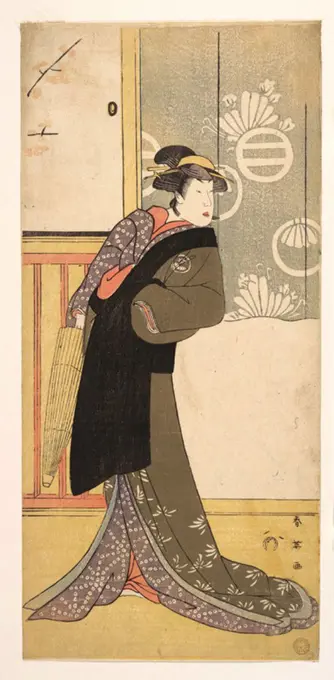
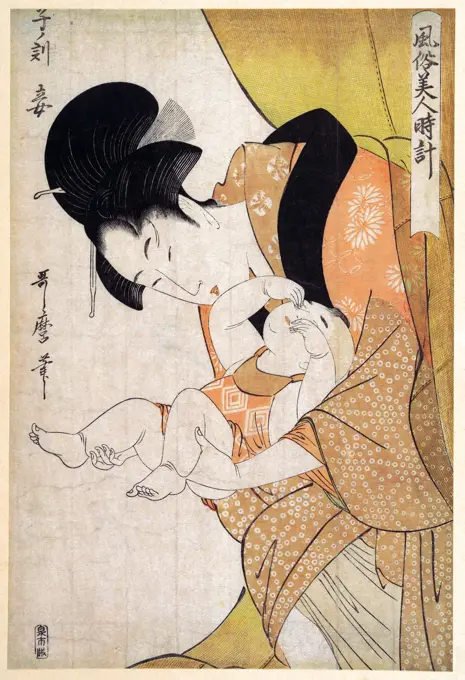
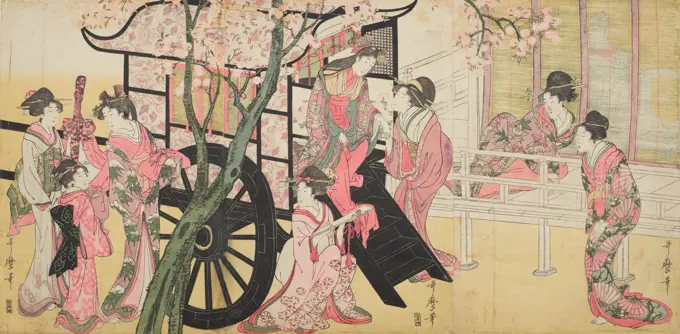
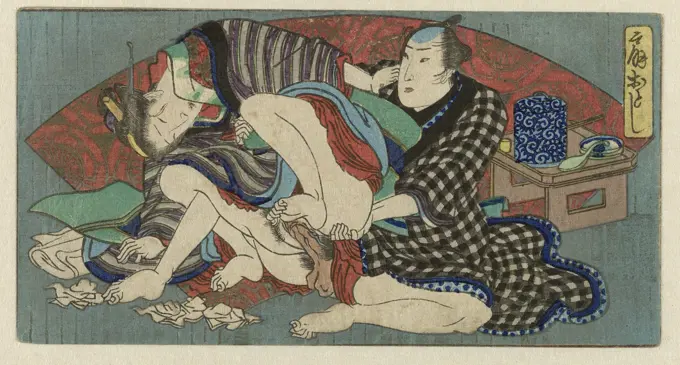
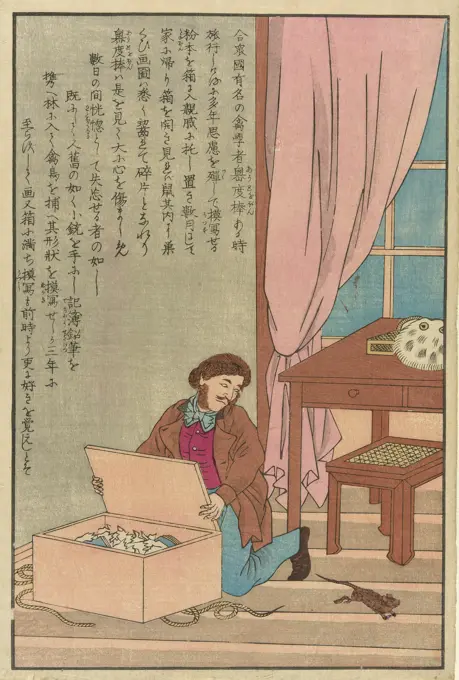
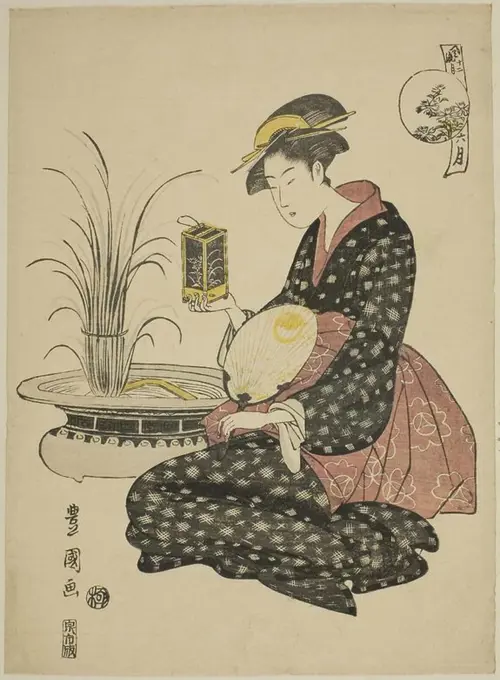
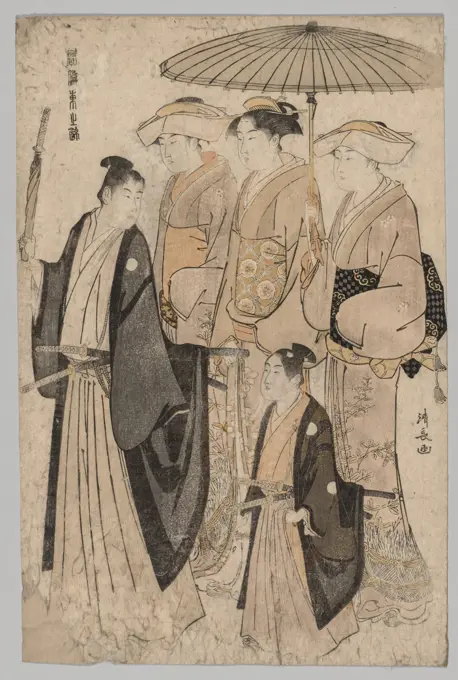
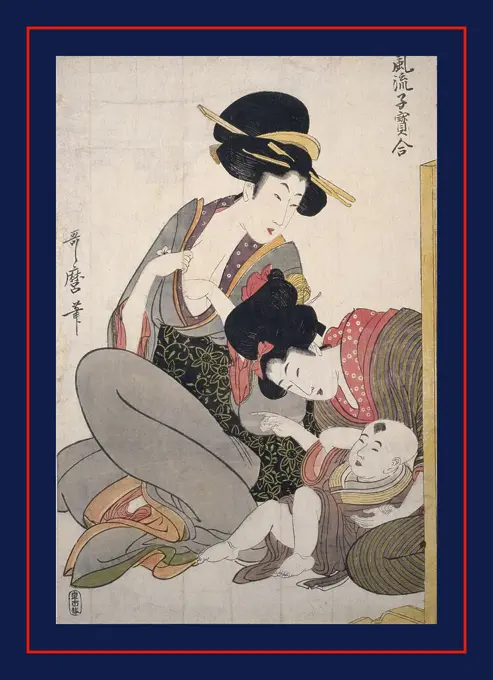
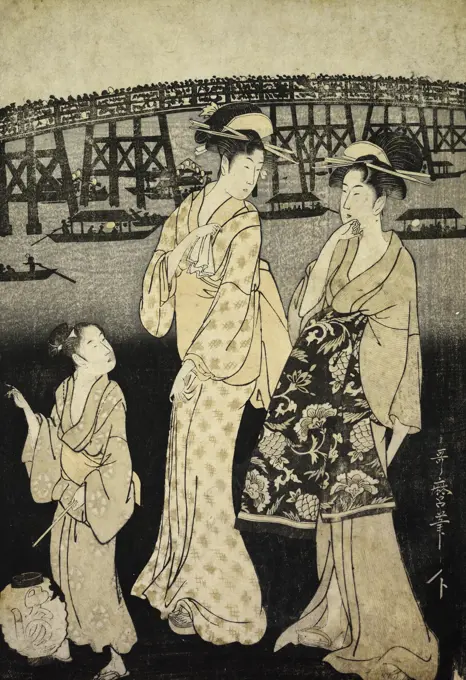
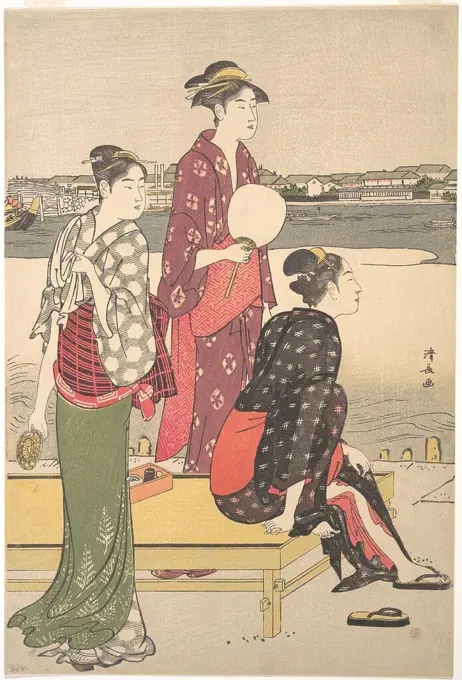
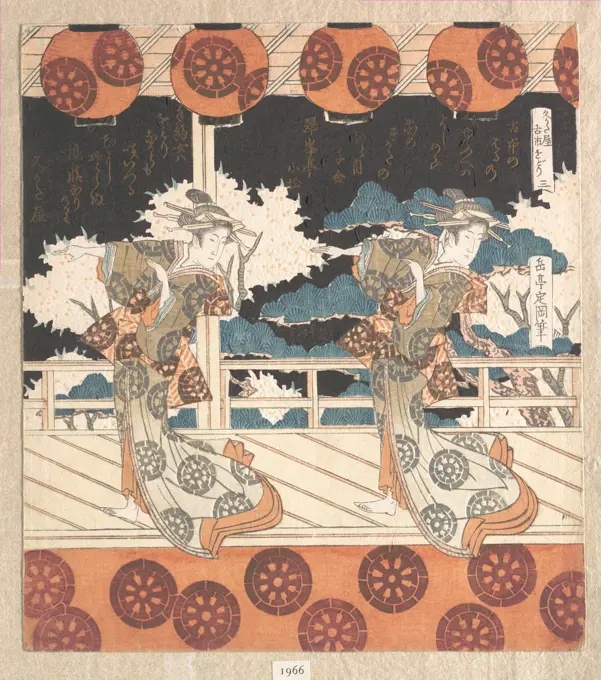
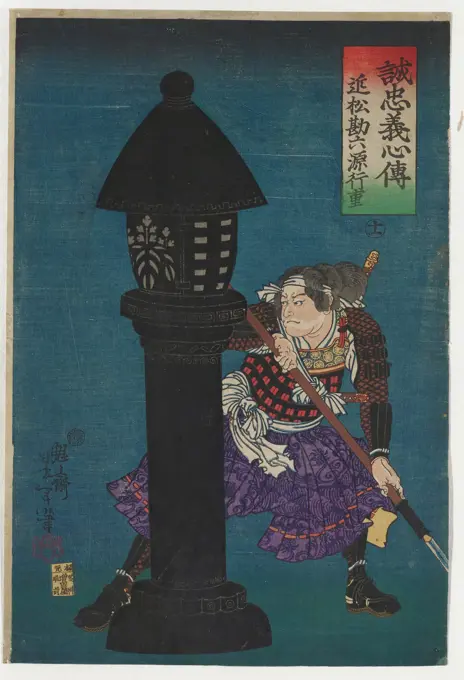
Man with a print in his hands, Utagawa Toyokuni (I), 1779 - 1825 print   paper color woodcut print, e.g.: engraving, etching, lithograph. art collector (+ graphic arts)The Nakamise Shopping Street, from the series "Eight Precincts of the Kinryuzan Temple in Asakusa (Asakusa Kinryuzan hakkei)". Torii Kiyonaga; Japanese, 1752-1815. Date: 1777-1787. Dimensions: 25.9 x 19.6 cm. Color woodblock print; chuban. Origin: Japan. Museum: The Chicago Art Institute, USA.Two Young Ladies at Shore; One Pointing. Artist: Katsushika Hokusai (Japanese, Tokyo (Edo) 1760-1849 Tokyo (Edo)). Culture: Japan. Dimensions: 7 7/8 x 7 1/4 in. (20 x 18.4 cm). Museum: Metropolitan Museum of Art, New York, USA.Admiring the plum blossom, Kunisada (II), Utagawa, c. 1850 print Prince Genji and two ladies, at night with a flourishing plum tree. Part of a triptych.  paper color woodcutTwo Chinese Women Examining Thread and a Spider's Web in a Box, from the series "Diptych for the Drum Group". Yashima Gakutei; Japanese, 1786 ()-1868. Date: 1816-1833. Dimensions: 21.3 x 19.0 cm. Color woodblock prints with metallic pigment; surimono shikishiban diptych. Origin: Japan. Museum: The Chicago Art Institute, Chicago, USA.Dancing woman at boat; Comparisons between beauties and flowers; Bijin Hana Kurabe. Woman with small drum in hands, dancing under tree, at boat.Courtisane Hinazuru from the Chojiya house.; Chojiya Hinazuru; A comparison of beauties from the quarters; Kakuchu Bijin Kurabe. Bust portrait of Courtisane in yellow kimono, a doll holding; against mica background. Possibly reproduction from c. 1940.Making Love, 1753-1806. Kitagawa Utamaro (Japanese, 1753-1806). Color woodblock print; sheet: 36 x 23.8 cm (14 3/16 x 9 3/8 in.).The Tenth Month (Kannazuki): Wakamatsu and Wakatsuru of the Tawaraya, from the series "Twelve Patterns in the Northern Quarter (Hokkaku juni moyo)". Isoda Koryusai; Japanese, 1735-1790. Date: 1771-1786. Dimensions: 10 3/8 x 7 5/8 in. Color woodblock print; chuban. Origin: Japan. Museum: The Chicago Art Institute, USA.Young woman at sunrise, Woman in striped kimono, standing by a water basin with a plant, looking over a vast expanse of water with the sun rising. The fukujuso plant, the water basin and the rising sun refer to New Year., Momokawa Chôki (mentioned on object), Tokyo, 1793 - 1797, paper, colour woodcut, h 367 mm × w 241 mmFisherman's Wife with a Net Unknown. , ca. 1845. Woodblock color print, Other (Sight): 13 5/8 x 8 11/16 in. (34.6 x 22.1 cm).   Asian Art ca. 1845A Young Woman in a Summer Shower 1765 Japan. Color woodblock print; chuban, surimono . Suzuki HarunobuFashionable Beauty in Midsummer, 1811-1814, Kikukawa Eizan; Publisher: Wakasaya Yoichi, Japanese, 1787 - 1867, 15 3/8 × 10 3/8 in. (39.05 × 26.35 cm) (image, sheet, ōban), Woodblock print (nishiki-e); ink and color on paper, Japan, 19th centuryDetail of an ukiyo-e depicting the Kabuki Theatre, with a couple in cermonial dress, 19th century, woodcut from the Kabuki Theatre series. Japanese civilization, Edo period (1603-1868).I Want to Go Abroad. Tsukioka Yoshitoshi (Japan, 1839-1892). Japan, circa 1878-1879. Prints; woodblocks. Color woodblock printPassing the Bamboo Grove 1766 Japan. Color woodblock print; chuban, surimono . Suzuki HarunobuKitagawa Utamaro (ca. 1753 - October 31, 1806) was a Japanese printmaker and painter, who is considered one of the greatest artists of woodblock prints (ukiyo-e). He is known especially for his masterfully composed studies of women, known as bijinga. He also produced nature studies, particularly illustrated books of insects.Waitresses in tea house Sôkaya. Three waitresses in a tea house. In the background an empty sword rack with a painting of a man moving on an ox above. On the lanterns that hang above the veranda is the name of the teahouse: Sôkaya. The print appears to advertise the teahouse Sôkaya Yasubei on the Yagobori Fudô-Mae, in Edo. With two poems.Three Beauties Chatting by a Veranda Made 1790-1800 Japan. Hanging scroll; ink and colors on silk . Katsukawa ShunshoWoman Holding a Tortoise-shell Hair-comb 1790-1801 Japan. Color woodblock print; oban . Kitagawa UtamaroTsukioka Yoshitoshi (1839 - 9 June 1892) one of the last great masters of the classical Japanese colour woodcut, here the work Like Reflections in the Rice PaddiesPortrait of a Courtesan Holding a Pipe (from the series The Six Immortal Poets in Modern Dress), mid 1790s. Chōbunsai Eishi (Japanese, 1756-1829). Color woodblock print; sheet: 38.2 x 25.8 cm (15 1/16 x 10 3/16 in.).Purple Trousers, Chapter 30 from The Tale ofGenji.  Artist, attributed to: Takashima Chiharu, Japanese, 1777-1859Three scenes on one board  two swallows and a flowering cherry tree, Okame mask, a man with a broom standing in water HIROSHIGE, Ichiryusai (1797 1858)The Cloth-fulling Jewel River in Settsu Province (Settsu Toi no Tamagawa), from an untitled series of Six Jewel Rivers. Rekisentei Eiri; Japanese, active c. 1781-1818. Date: 1780-1790. Dimensions: 22.1 x 32.4 cm (8 11/16 x 12 3/4 in.). Color woodblock print; aiban. Origin: Japan. Museum: The Chicago Art Institute, USA.Chofu Tamagawa, (Province of) Musashi ca. 1791 Rekisentei Eiri 川亭永理 Japanese. Chofu Tamagawa, (Province of) Musashi 37187Su Liupeng (1796-1862). "Eight album sheets". Ink and colors on paper. Paris, Cernuschi museum. ATRE, album, colour on paper, color on paper, ink, print, leaf, hearth, man, ink, game, play, play, poele, sheet, stove, teapot, theiere, color, fattening, fire, fire, game, manTsuki, Moon., Utagawa, Kunisada, 1823-1880, artist, 1843 or 1844, 1 print : woodcut, color ; 37.0 x 24.9 cm., Print shows a woman and a young girl looking at a full moon.The Actor Segawa Kikunojo III and his attendant making cermonial rounds at New Year's. Torii Kiyonaga; Japanese, 1752-1815. Date: 1778-1788. Dimensions: 33.2 x 14.5 cm. Color woodblock print; hosoban. Origin: Japan. Museum: The Chicago Art Institute, USA.Ono no Komachi at Seki Temple, from the series The Fashionable Seven Komachi (Furyu nana Komachi) 1783-1793 Japan. Color woodblock print; oban . Chôbunsai EishiThe Tamagawa River in The Yamashiro Provinces, From the Series: Six Views of the River (Named) Tamagawa /Mutsu Tamagawa No UchiKeisai Eisen (1790-1848), also known as Ikeda Eisen, was an early 19th century ukiyo-e artist. Born to the Ikeda family in Edo, he was apprenticed to Kano Hakkeisai, from whom he took the name Keisai. After his father's death he studied under Kikgawa Eizan, who would heavily influence his early works. Eisen's specialisation was in bijinga (pictures of beautiful women), but he also did landscapes, surimono (privately issued prints) and erotic prints. His bijinga prints portrayed women differently than earlier artists, giving them a worldly sensuality instead of the previous elegance and grace. His best works were the okubi-e (large head pictures) and were masterpieces of the 'decadent' Bunsei Period (1818-1830). He was also known as a prolific writer, under the pen name Ippitsuan, and produced biographies for the Forty-seven Ronin and for other ukiyo-e artists.Scene from Tosa Nikki  a group of courtiers and ladies in waiting unknownFukurokuju, from the series "The Seven Gods of Good Luck in the Floating World (Ukiyo Shichi Fukujin)". Suzuki Harunobu  ; Japanese, 1725 ()-1770. Date: 1764-1770. Dimensions: 11 × 8 in. Color woodblock print; chuban. Origin: Japan. Museum: The Chicago Art Institute, USA.The Ninth Month, from the series Twelve Months in the South (Minami juni ko) 1779-1789 Japan. Color woodblock print; oban . Torii KiyonagaJapanese women picnicing in a field outside Tokyo, 18th century. Women smoking a tobacco pipe while waiting for a soba-shop woman to bring a kettle and tray of noodles. Handcoloured ukiyo-e woodblock print by Toyokuni Utagawa from Shikitei Sanbas Ehon Imayo Sugata (Picture Book of the Modern Forms and Figures, Tokyo, 1916. Reprint of the original from 1802.The Seventh Hour of the Night ca. 1800 Kitagawa Utamaro Japanese. The Seventh Hour of the Night 54873Two Women in a Storm 1764-72 Suzuki Harunobu Japanese The two young women in Harunobu's print are on their way to a bathhouse in the rain. The woman in front carries a bathrobe and a towel, an important clue about where they are going. Harunobu often enhances the narrative quality of his work with such a humorous touch.. Two Women in a Storm 56791An Interrupted Embrace. Attributed to Sugimura Jihei; Japanese, active c. 1681-98. Date: 1680-1690. Dimensions: 10 5/8 x 14 7/8 in. Hand-colored woodblock print; oban, sumizuri-e. Origin: Japan. Museum: The Chicago Art Institute, USA.Kamioki, from the series A Brocade of Eastern Manners (Fuzoku Azuma no nishiki) 1778-1789 Japan. Color woodblock print; oban . Torii KiyonagaTsukioka Yoshitoshi (1839 - 9 June 1892) one of the last great masters of the classical Japanese colour woodcut, here the work Did I Ever Imagine ThatAn actor representing an official by a wasps' nest. Colour woodcut by Kunikazu, early 1860s.The Second Nakamura Sukegoro as an Old Man ca. 1788 Katsukawa Shunkō Japanese. The Second Nakamura Sukegoro as an Old Man 36752"Visiting," from the Series Seven Fashionable Komachi. Artist: Isoda Koryusai (Japanese, 1735-ca. 1790). Culture: Japan. Dimensions: H. 10 1/4 in. (26 cm); W. 7 3/4 in. (19.7 cm). Museum: Metropolitan Museum of Art, New York, USA.Narihira, from the series Six Immortal Poets (Rokkasen) 1784-1795 Japan. Color woodblock print; oban . Chôbunsai EishiAt the Ise-ya Tea-house ca. 1773 Isoda Koryūsai Japanese. At the Ise-ya Tea-house 54584Takanawa Coast, from the series: Famous views of Edo  summer landscapes HIROSHIGE, Ichiryusai (1797 1858)Scene from a Drama. Artist: Katsukawa Shunsho (Japanese, 1726-1792). Culture: Japan. Dimensions: H. 5 1/2 in. (14 cm); W. 6 3/16 in. (15.7 cm). Museum: Metropolitan Museum of Art, New York, USA.Print Utagawa Kunisada Japanese. Print 58228Hinamatsuri, Girl's festival (hinamatsuri)., Kitagawa, Utamaro, 1753-1806, artist, [between 1801 and 1804, 1 print : woodcut, color ; 37.2 x 24.7 cm., Print shows a woman and children at a tea party.De stopp Place Kyoto, 1835 - 1845 print Man and Geisha in chic, colorful Kimono, the love company in room with a view of landscape with houses.  paper. copper powder color woodcut coitus, cohabiting, sexual intercourseKitagawa Utamaro (ca. 1753 - October 31, 1806) was a Japanese printmaker and painter, who is considered one of the greatest artists of woodblock prints (ukiyo-e). He is known especially for his masterfully composed studies of women, known as bijinga. He also produced nature studies, particularly illustrated books of insects.Utagawa Kuniyoshi (January 1, 1798 - April 14, 1861) was one of the last great masters of the Japanese ukiyo-e style of woodblock prints and painting. He is associated with the Utagawa school. The range of Kuniyoshi's preferred subjects included many genres: landscapes, beautiful women, Kabuki actors, cats, and mythical animals. He is known for depictions of the battles of samurai and legendary heroes. His artwork was affected by Western influences in landscape painting and caricature.The Oiran Segawa of Matsubaya (the House of Pine) ca. 1788 Chōbunsai Eishi Japanese. The Oiran Segawa of Matsubaya (the House of Pine) 54833Erotic Scenes of the 12 Months, early 19th century, Teisai Hokuba, Japanese, 1771 - 1844, 1 3/4 × 15 × 11 13/16 in. (4.45 × 38.1 × 30 cm), Ink and color on silk, Japan, 19th centurySuzuki Harunobu (1724 July 7, 1770) was a Japanese woodblock print artist, one of the most famous in the Ukiyo-e style. He was an innovator, the first to produce full-color prints (nishiki-e) in 1765, rendering obsolete the former modes of two- and three-color prints. Harunobu used many special techniques, and depicted a wide variety of subjects, from classical poems to contemporary beauties (bijin, bijin-ga). Like many artists of his day, Harunobu also produced a number of shunga, or erotic images. During his lifetime and shortly afterwards, many artists imitated his style. A few, such as Harushige, even boasted of their ability to forge the work of the great master. Much about Harunobu's life is unknown.Vrouw stemt een Biwa, Yashima Gakutei, c. 1823 print Sitting woman votes a biwa (Japanese lute) under a flowering cherry tree. With two poems. Third leaf (VRNL) of a five -part. Japan paper color woodcut plants; vegetation (+ flowers, blossom, blossoming). string instruments (plucked)A Ferry on the Sumida River 1782-1792 Japan. Color woodblock print; center sheet of oban triptych . Torii KiyonagaThe Seventh Hour of the Night. Artist: Kitagawa Utamaro (Japanese, ca. 1754-1806). Culture: Japan. Dimensions: H. 9 1/4 in. (23.5 cm); W. 6 3/4 in. (17.1 cm). Date: ca. 1800. Museum: Metropolitan Museum of Art, New York, USA.The actor Nakamura Tomijūrō II as Kinshōjo. Collection Harold and Ingeborg Hartog. Double portrait of actor in striped kimono and an actor in woman role in kimono with pattern of plum blossom; scene from the Chushingura play; Against blue background.Nobleman Before His Carriage with a White Dog. Artist: Yashima Gakutei (Japanese, 1786-1868). Culture: Japan. Dimensions: 8 5/16 x 7 5/16 in. (21.1 x 18.6 cm). Date: ca. 1825. Museum: Metropolitan Museum of Art, New York, USA.American Drinking with Japanese Courtesan, Japanese Prints - Yokohama Namban - ForeignersThe stop Shitanomiya Shitanomiya (title on object) A report of a trip to Enoshima: a series of sixteen prints (series title) Enoshima kikô - Jûrokubantsuzuki (series title on object), A painting of two turtles standing next to a ceremonial sacrificial table with two metal vases. On Enoshima island lies one of the three largest shrines for the goddess Benten. The objects in this print are sacrifices for the goddess. With three poems, tortoises, turtles, Totoya Hokkei (mentioned on object), Japan, 1833, paper, colour woodcut, h 204 mm × w 179 mmMemorial Portrait of the Actor Ichikawa Ebizo V (Danjuro VII). Utagawa School; Japanese, 19th century. Date: 1859. Dimensions: . Color woodblock print; oban. Origin: Japan. Museum: The Chicago Art Institute, Chicago, USA.HOOFDSTUK 10, Utagawa Kunisada (I), 1847-1850 print Prince Genji on a veranda with two women. Presentation enclosed by brown edge in which Genji emblems. Print Maker: Japantokotokyopublisher: Tokyo paper color woodcut loggia, verandah, porch. princeThe Actor Segawa Kikunojo Third as an Oiran ca. 1780 Katsukawa Shunshō 川春章 Japanese. The Actor Segawa Kikunojo Third as an Oiran 36807Retired Emperor Sanjô; Ogura imitation of the one hundred poems. Hôkaibô rolls open the stolen painting of a carp while he stands at the top of the stairs to the Sumida River. Scene from a Kabukite team. Poem by the former Emperor Sanjô.Izumibun Restaurant at Minami Nabechō. Tsukioka Yoshitoshi (Japan, 1839-1892)Kanaki Toshikage (Japan, active early to mid-Meiji era, 1868-1892). Japan, 1871, 9th month. Prints; woodblocks. Color woodblock printEmerging from a Mosquito Net 1792-1805 Japan. Color woodblock print; oban . Kitagawa UtamaroOgiya Hanaí´gi = Hanaí´gi of the í”giya (picture riddle), Date Created: ca. 1793-ca.1804.The actor Arashi Sangoro II in a female part, by Katsukawa Shunsho (1726-1792), woodcut, Japan. Japanese Civilisation, 18th century.The Kabuki Actor Ichikawa Danjuro V. Artist: Katsukawa Shunsho (Japanese, 1726-1792). Culture: Japan. Dimensions: H. 11 3/8 in. (28.9 cm); W. 5 7/8 in. (14.9 cm). Date: ca. 1773.In this print, the fifth Ichikawa Danjuro strikes a serious pose and looks at his reflection in a water basin. The later handwritten inscription identifies the figure as Danjuro VI, who died at age twenty-two in May 1799, but most likely it is Danjuro V. Museum: Metropolitan Museum of Art, New York, USA.The Third Segawa Kikunojo in the Role of Maizuru. Artist: Katsukawa Shun'ei (Japanese, 1762-1819). Culture: Japan. Dimensions: 12 5/8 x 5 7/8 in. (32.1 x 14.9 cm). Date: 2nd month, 1789. Museum: Metropolitan Museum of Art, New York, USA.Japan: Midnight - Mother and Sleepy Child. Ukiyo-e woodblock print by Kitagawa Utamaro (c. 1753 - 31 October 1806), 1790.  Kitagawa Utamaro was a Japanese printmaker and painter, who is considered one of the greatest artists of woodblock prints (ukiyo-e). He is known especially for his masterfully composed studies of women, known as bijinga. He also produced nature studies, particularly illustrated books of insects. Female Daoist Figure in Landscape, early 1500s. Kōboku (Japanese). Hanging scroll; ink on paper; painting only: 27 x 44.4 cm (10 5/8 x 17 1/2 in.); including mounting: 44.5 x 27.9 cm (17 1/2 x 11 in.).Princess from the Tokugawa family gets out of the a carriage surrounded by the ladies KITAGAWA, UTAMARO (1753 1806)A Scholar and HisAttendant. Artist: Ren Yi, Chinese, 1840-1895A Group of Young Women Entering the Garden of a Horticulturist 1760-1849 Japan. Color woodblock print; surimono . Katsushika HokusaiKomachi at Sekidera (Sekidera Komachi), No 5 from the series Seven Komachi (Nana Komachi) 1711-1741 Japan. Hand-colored woodblock print; hosoban, beni-e . Nishimura ShigenagaActEUR SAWAMURA SOJURO III ALS OBOSHI YURANOSUKE, KATSUKAWA SHUNEI, 1795 print Actor in the role of Oboshi Yuranosuke, the leader of the 47 Ronin, with fan in the right hand; In the background a tree and the suggestion of the Ichiriki tea house. Tokyo paper color woodcut portrait of actor, actress. hacking and thrusting weapons: sword. fanOgiotoshi, The 'Werp Waaier', Anonymous, 1850 - 1860 print Woman is on the man who supports her buttocks. On the ground different papers - Hanagami - that indicate earlier erotic activities. Behind them a red fan.  paper color woodcut coitus, cohabiting, sexual intercourse. fanThe Cherry Blossom Scenery in Shin'yoshiwara, left sheet of a triptych. Date: c. 1815. Dimensions: 38 cm x 26 cm. Museum: Van Gogh Museum, Amsterdam. Author: UTAGAWA TOYOKUNI.John James Audubon discovering his drawings eaten by a rat 1870-1879 Japan. Color woodblock print; oban .PACY ORDERS DE LEIFE, 1825 - 1835 print A pair of love. His member has already penetrated in. The long and short months are probably indicated on the abacus.  paper color woodcut coitus, cohabiting, sexual intercourseThe Sixth Month (Roku gatsu), from the series "Fashionable Twelve Months (Furyu junikagetsu)". Utagawa Toyokuni I   ; Japanese, 1769-1825. Date: 1788-1798. Dimensions: 10 3/8 x 7 1/2 in. Color woodblock print; chuban. Origin: Japan. Museum: The Chicago Art Institute, Chicago, USA.Woman of the Yoshiwara and Attendants (from the series Brocades of the East in Fashion), 1752-1815. Torii Kiyonaga (Japanese, 1752-1815). Color woodblock print; sheet: 38.8 x 25.4 cm (15 1/4 x 10 in.).Russians (Oroshiajin) 1861 Japan. Color woodblock print; oban . Utagawa YoshikazuChichi = About to breastfeed, Kitagawa, Utamaro (1753?-1806), (Artist), Date Created: ca. 1793-ca.1804.The Rustic Pavilion ca. 1770 Isoda Koryūsai Japanese. The Rustic Pavilion 55133The insistent lover, from an untitled series of erotic prints. Sugimura Jihei; Japanese, active c. 1681-1698. Date: 1679-1703. Dimensions: 27.6 x 40.8 cm. Hand-colored woodblock print; oban, sumizuri-e. Origin: Japan. Museum: The Chicago Art Institute, Chicago, USA.Night scene at the River Festival at the opening of the summer season. Ryogoku Bridge across the Sumida River is shown at the left., 1796, Woodcuts, One sheet of a triptych, 15 x 10 in. (38.1 x 25.4 cm)Evening on the Banks of the Sumida River. Artist: Torii Kiyonaga (Japanese, 1752-1815). Culture: Japan. Dimensions: 15 1/8 × 10 1/8 in. (38.4 × 25.7 cm). Museum: Metropolitan Museum of Art, New York, USA.Iwai Kiyotaro as a Woman Standing under a Plum Tree ca. 1788 Katsukawa Shunkō Japanese. Iwai Kiyotaro as a Woman Standing under a Plum Tree 36767Artist: Rekisentei Eiri, Japanese, active ca. 1790-1800, Mitate Procession of Palace Attendants Arriving at aMansion, ca.1797, Polychrome woodblock prints; pentaptych, sheet: 15 × 50 in. (38.1 × 127cm), Japan, Japanese, Edo period(1615-1868), Works on Paper -PrintsThe actor Fujikawa Tomokichi II as Okaru, wife of Kanpei Japan. Color woodblock print; oban . Utagawa KuniyasuFuruichi Dance (No. 3 of a Set of Four) 19th century Yashima Gakutei Japanese. Furuichi Dance (No. 3 of a Set of Four) 54548Mr. Hanko; Hanko Shi; A series of ten prints of famous songs for the Katsushika poets' association; Katsushikaren Meisû Jûban. An old man hanko with long white beard and long hair, dressed in white, sitting on a rock, overlooking the sea. This man proposes Hanko, according to a Chinese legend, this was the first man on earth after it had been created. With two poems.11, Chikamatsu Kanroku Minamoto Yukishige, 1868, 6th lunar month, Tsukioka Yoshitoshi; Publisher: Masudaya Ginjirō, Japanese, 1839 - 1892, 14 3/16 × 9 5/8 in. (36.04 × 24.45 cm) (image, vertical ōban)14 7/16 × 9 3/4 in. (36.67 × 24.77 cm) (sheet), Woodblock print (nishiki-e); ink and color on paper, Japan, 19th centuryTwo Chinese Scholars Practicing Calligraphy in Their Studio ca. 1840 Unidentified artist. Two Chinese Scholars Practicing Calligraphy in Their Studio 73555