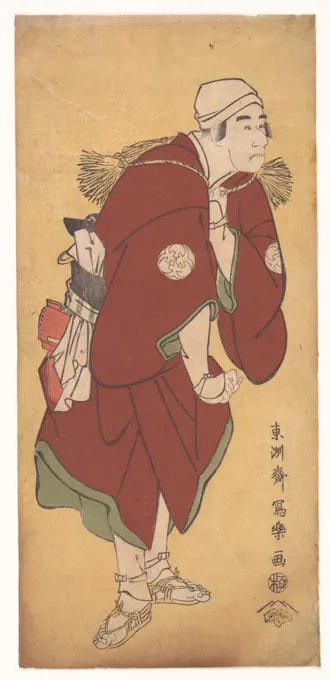
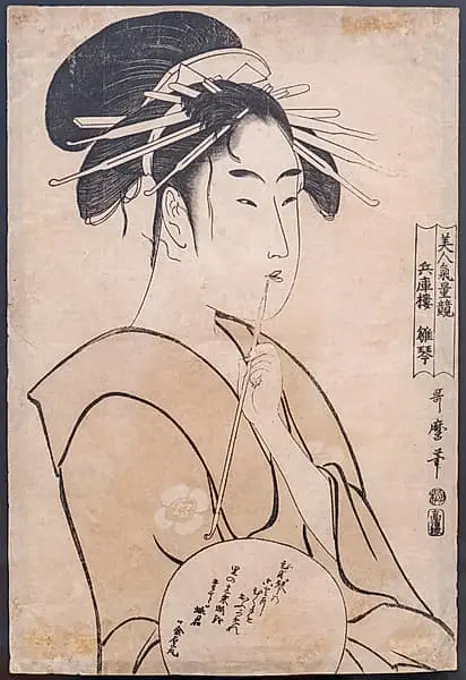
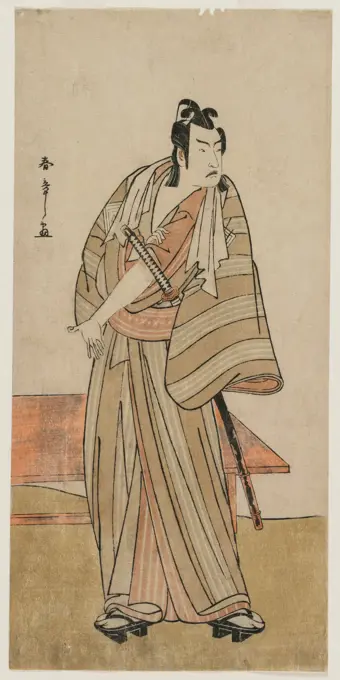
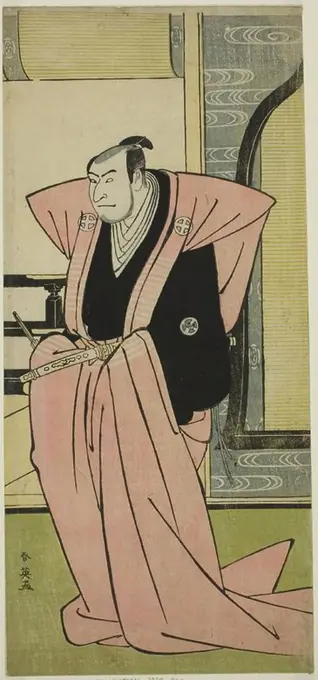
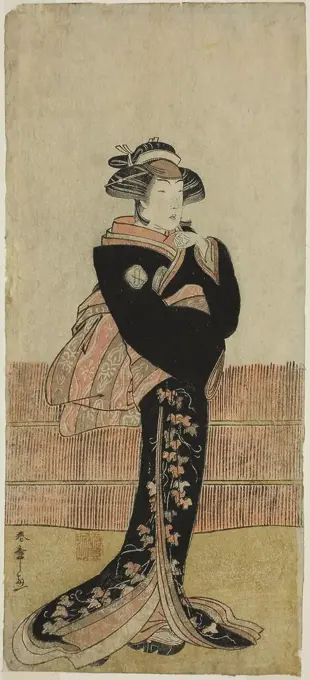
Japanese Woodblock Prints of Actors

A collection of vibrant Japanese woodblock prints depicting actors in traditional costumes, showcasing expressive poses and intricate designs, with various historical roles.

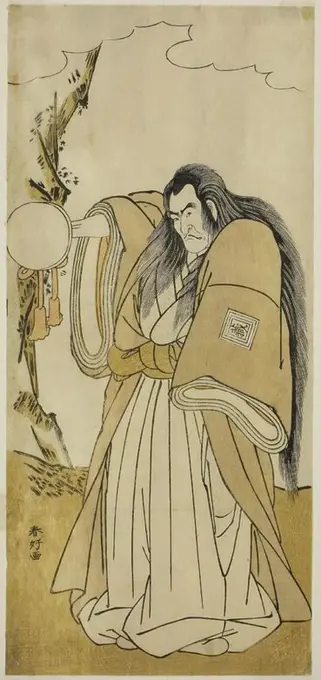
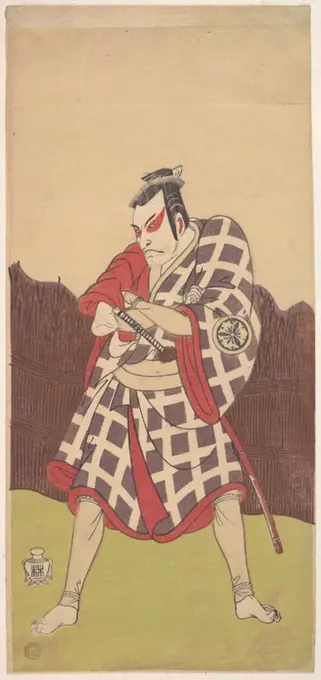
Nakamura Shikan II as Sukune Taro Sukune Taro Nakamura Shikan (title on object), The actor Nakamura Shikan II in the role of Sukune Taro, in blue robe, clouds in the background, Nakamura Utaemon IV, Utagawa Kuniyoshi (mentioned on object), Japan, 1830 - 1834, paper, colour woodcut, h 372 mm × w 249 mm
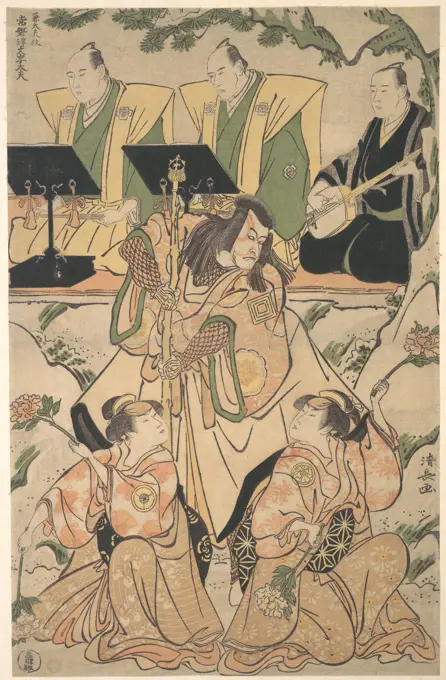
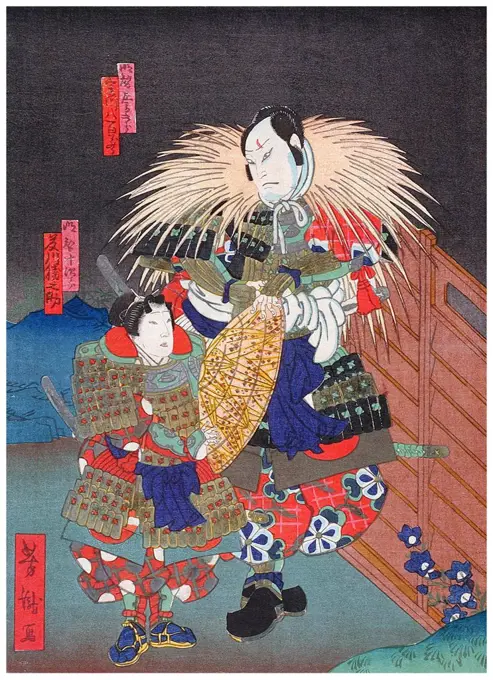
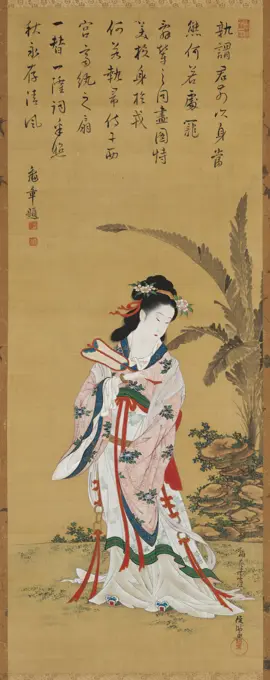
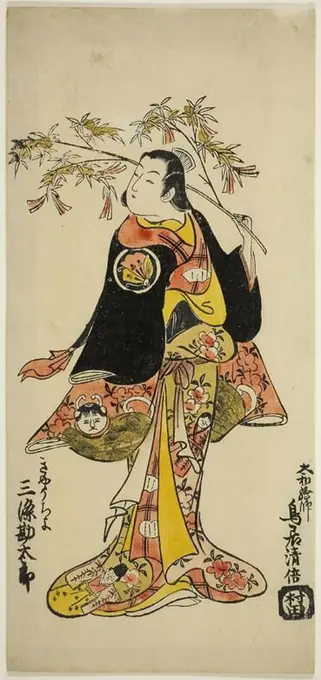
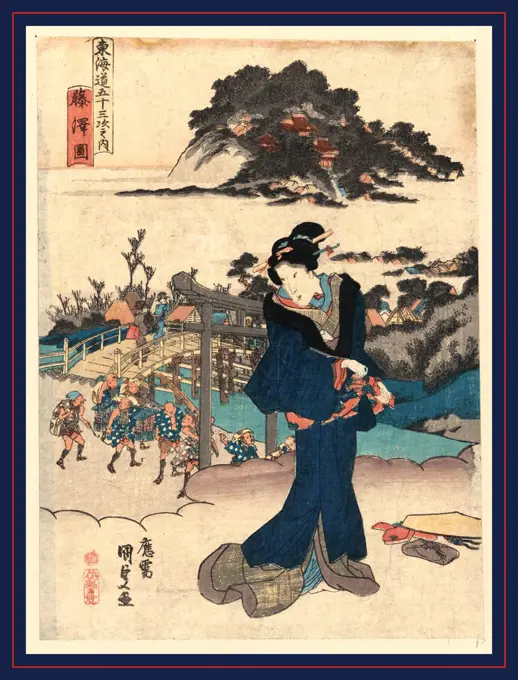
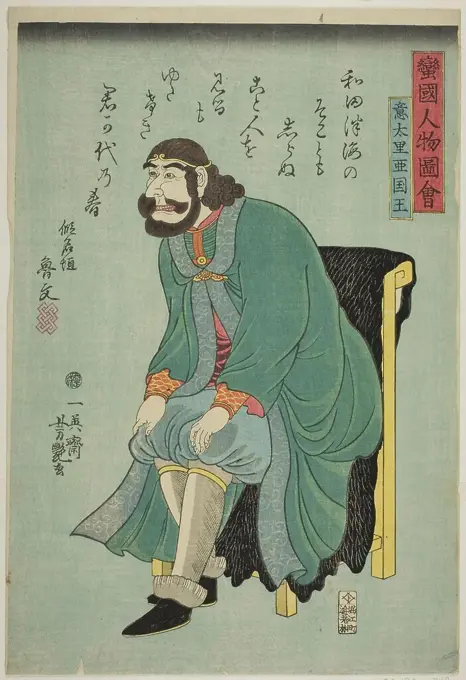
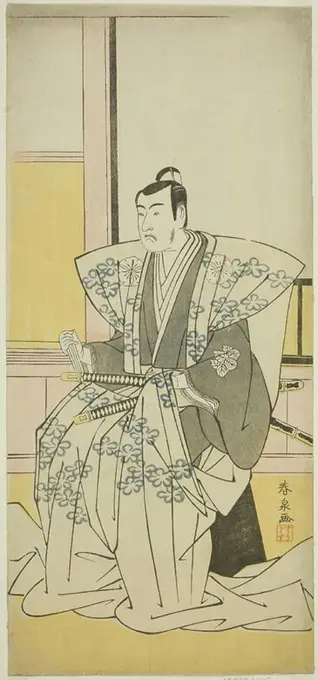
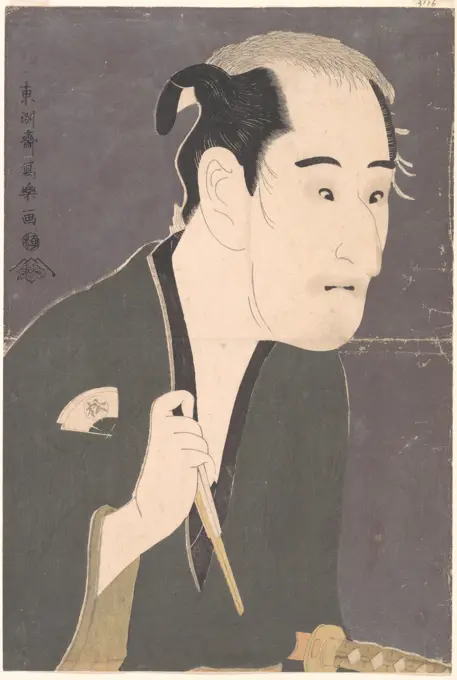
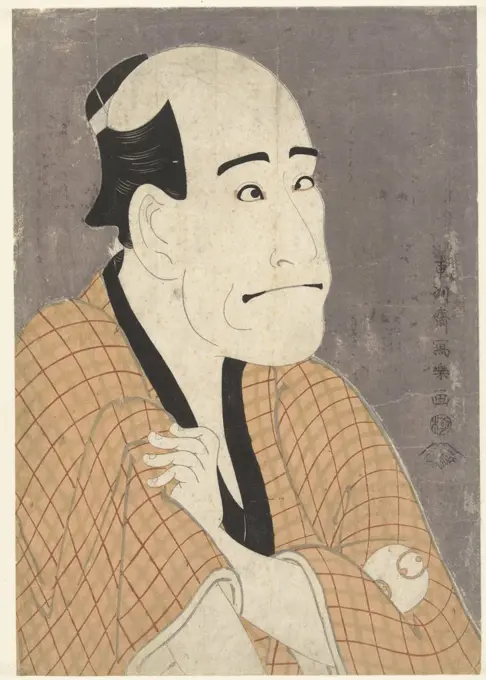
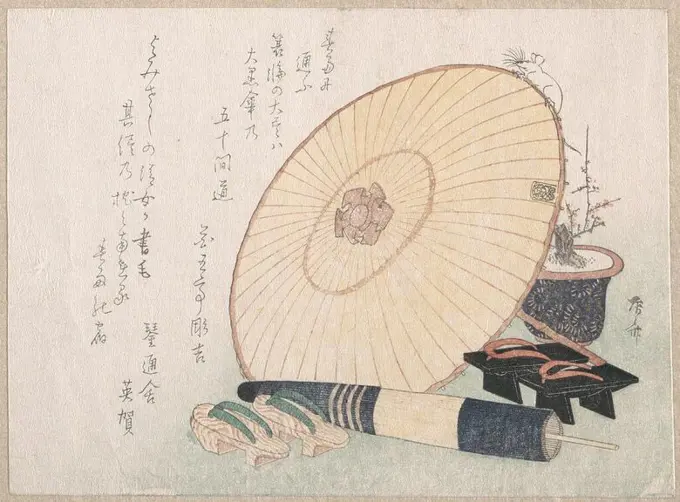
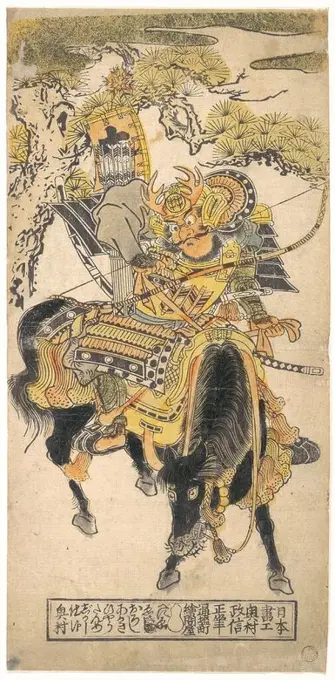
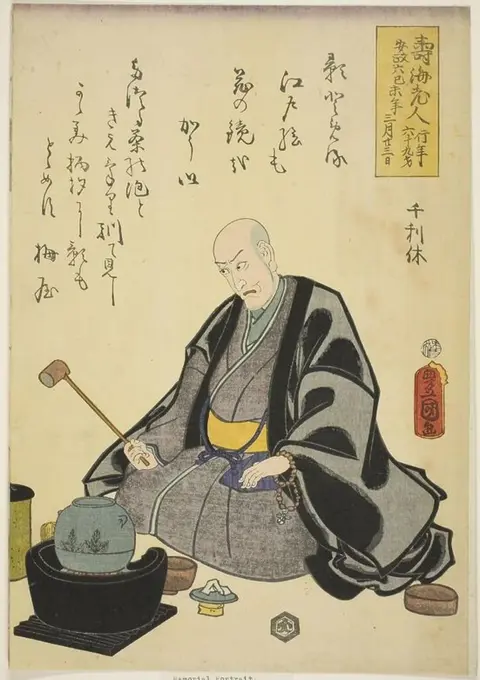
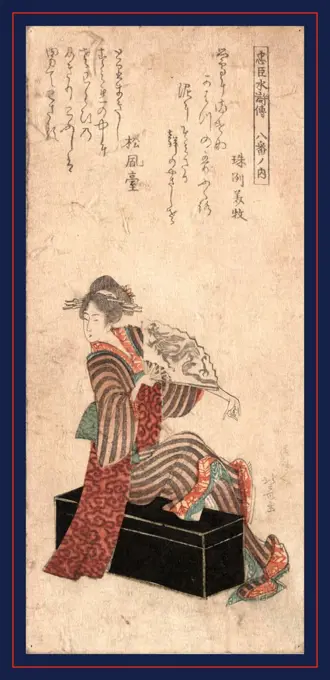
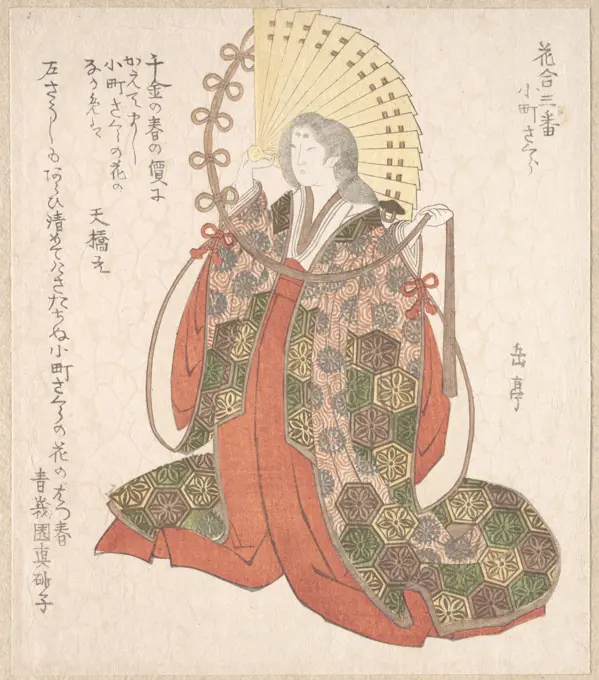
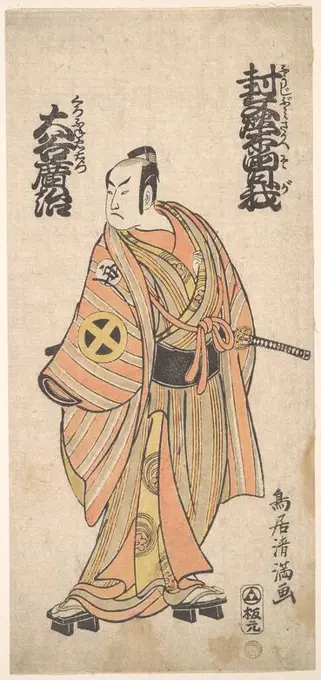
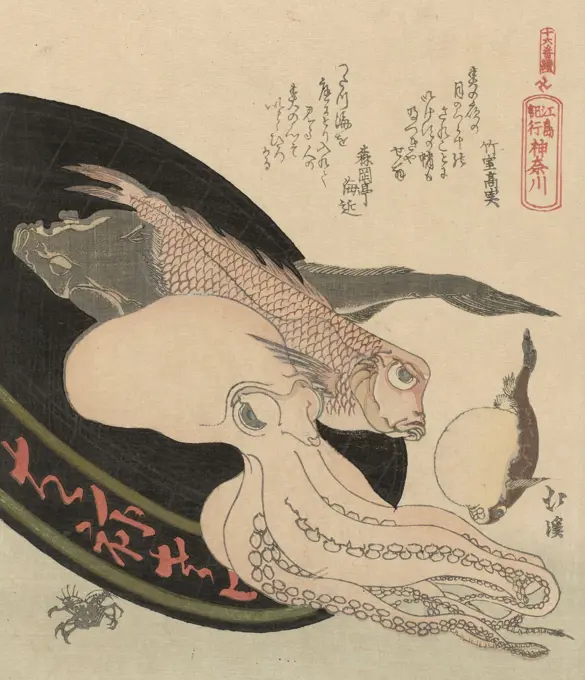
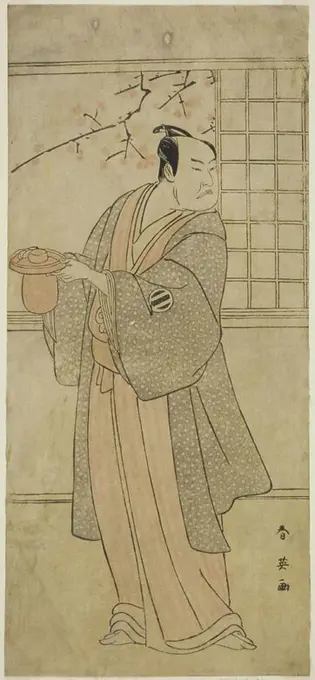
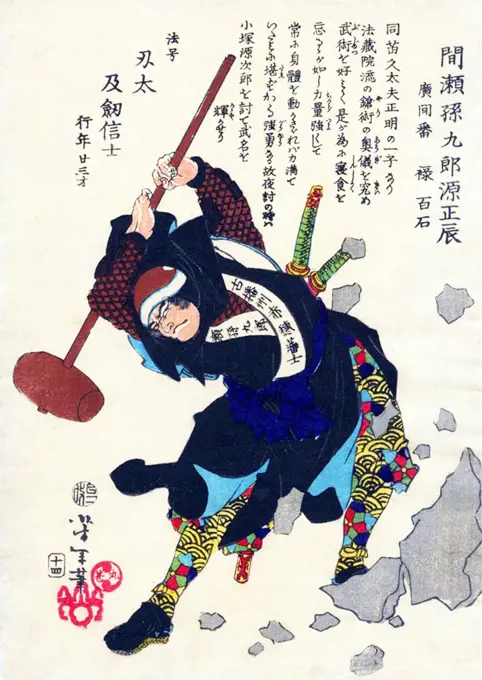
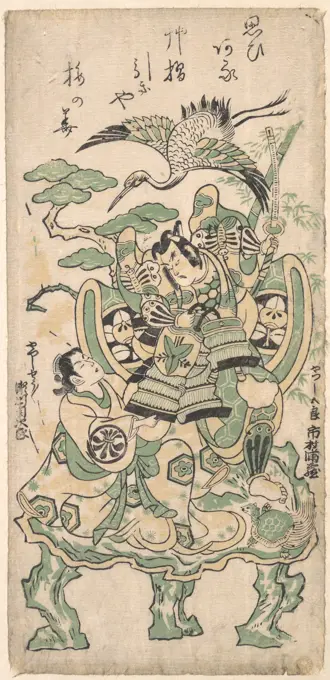
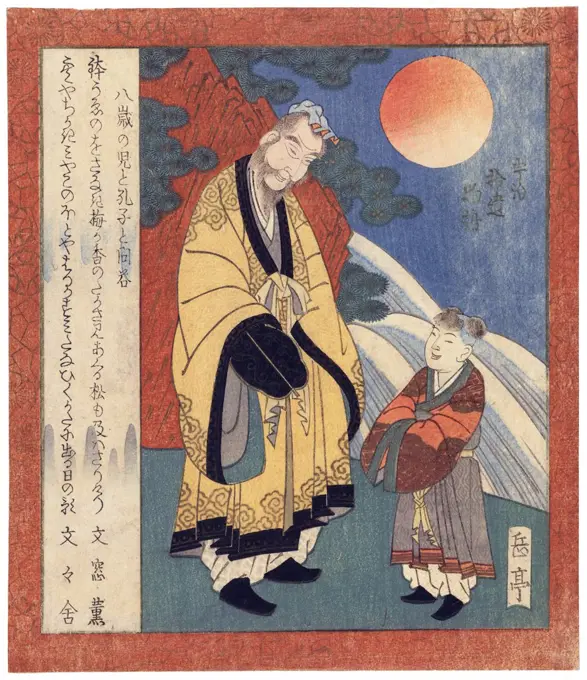
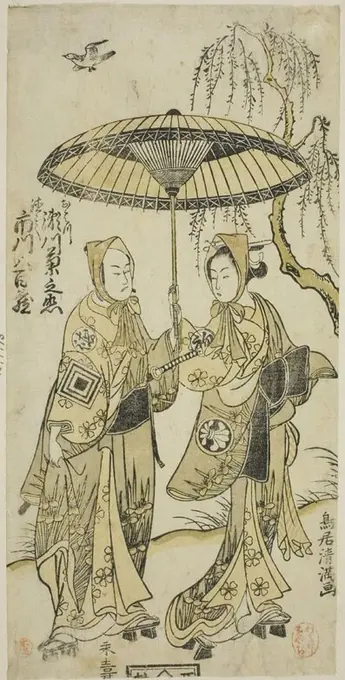
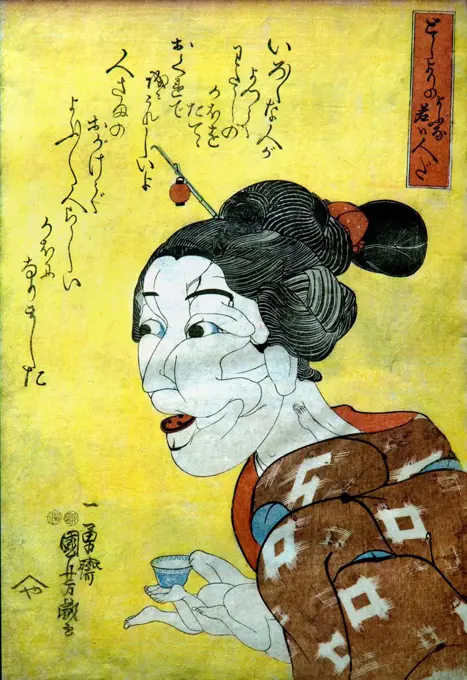
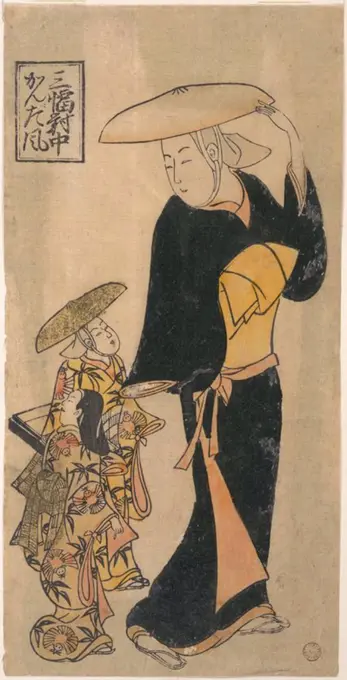
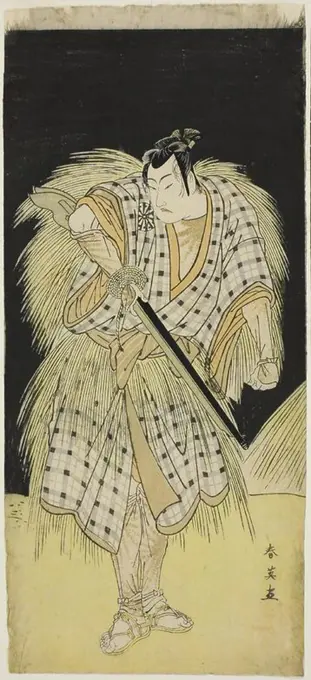
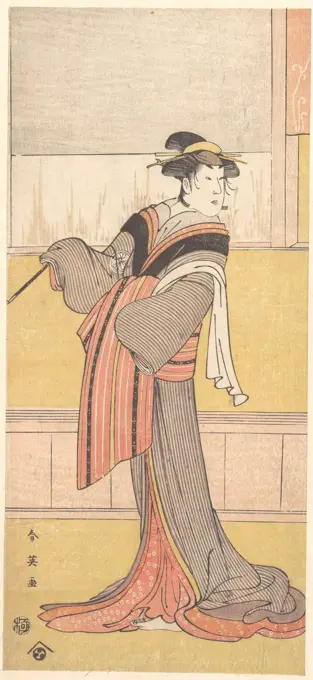
Yellow: Old Brocade from Famous Bits and Pieces (Ki: Kokiran meibutsu gire), from the series Five Colors of Tea Utensils (Chakigoshiki).  Artist: Kubo Shunman, Japanese, 1757-1820The Actor Ichikawa Danzo IV as Shutokuin in the Play Tokimekuya O-Edo no Hatsuyuki, Performed at the Morita Theater in the Eleventh Month, 1780. Katsukawa Shunko I; Japanese, 1743-1812. Date: 1775-1785. Dimensions: 32 x 14.7 cm (12 5/8 x 5 13/16 in.). Color woodblock print; hosoban. Origin: Japan. Museum: The Chicago Art Institute, Chicago, USA.Girl and a Hagoita (Japanese Battledore and Shuttlecock). Artist: Kubo Shunman (Japanese, 1757-1820) (). Culture: Japan. Dimensions: 7 15/16 x 7 1/4 in. (20.2 x 18.4 cm). Date: probably 1815. Museum: Metropolitan Museum of Art, New York, USA.Actors in a Shosa (Combination of Acting and Dancing) Performance ca. 1790 Torii Kiyonaga Japanese. Actors in a Shosa (Combination of Acting and Dancing) Performance 54667The Actor Ichimura Uzaemon IX as Araoka Hachiro in the Play Sakimasu ya Ume no Kachidoki, Performed at the Ichimura Theater in the Eleventh Month, 1778 1773-1783 Japan . Katsukawa Shunko IJapan: Two kabuki actors, Utagawa Yoshitaki (1841-1899), 1860sThe Actor Nakamura Nakazo as a Warrior 1716-1759 Torii Kiyoshige Japanese. The Actor Nakamura Nakazo as a Warrior. Torii Kiyoshige (Japanese, active ca. 1716-1759). Japan. 1716-1759. Woodblock print; ink and color on paper. Edo period (1615-1868). PrintsThe Poet Kisen Hoshi, from the series Six Immortal Poets (Rokkasen). Katsushika Hokusai  ; Japanese, 1760-1849. Date: 1805-1815. Dimensions: Approx. 38 x 26 cm. Color woodblock print; oban. Origin: Japan. Museum: The Chicago Art Institute, Chicago, USA.Momotaro holding a dumpling., 1810 - 1830 ., Woodcuts., SurimonoChinese Beauty, late 1700s-early 1800s. Kubo Shunman (Japanese, 1757-1820). Hanging scroll, ink and color on silk; image: 96 x 37 cm (37 13/16 x 14 9/16 in.); overall: 184.2 x 53.3 cm (72 1/2 x 21 in.).Courtisane Shichiri from the Sugata Ebiya House, compared to Hiratsuka station.; Sugata Ebiya Uchi Shichiri, Hiratsuka; Travel games with Courtisanes; The 53 stations of the Tokaido compared to the Yoshiwara.; Keisei Dochu Sugoroku, Mitate Yoshiwara Gojusan Tsui .. Kneeling Courtisane, looking at box with three stacked blue pillows with autumn leaf motif. Cartouche at the top right with face on stopping place in mountain landscape.Samoerai in de Regen, Utagawa Kunisada (i), 1825 print Nacht scene, with actor Onoe Kikugorô III (1784-1849) in the role of Soga No Jûrô Sukenari, in the rain with a sword in his hand. This scene comes from the Soga Nakamura play, staged in the Nakamura Theater in Edo in 1825. With one poem. Left leaf of Triptiek. Japan paper color woodcut portrait of actor, actress. hacking and thrusting weapons: sword. rainKarukaya Dōshin and his son ishido-Maru. Donation Gerhard SchackThe Actor Sanjo Kantaro II as a madwoman in the play "Kabuto Goban Tadanobu," performed at the Nakamura Theater in the eleventh month, 1728 (). Torii Kiyomasu II; Japanese, 1706 ()-1763 (). Date: 1723-1733. Dimensions: 34.0 x 15.9 cm. Hand-colored woodblock print; hosoban, urushi-e. Origin: Japan. Museum: The Chicago Art Institute, Chicago, USA.A Courtier Standing by a Man in a Boat, c. 1806 print Two NOH actors, one with a courtmate and fan in hand, one standing in a boat. With two poems.  paper color woodcut actor (on the stage). fan. sailing-ship, sailing-boatNo-kyogen figure, 1814, Woodcuts, SurimonoKunisada, Actor Ichikawa Danjuro VIII in the play Kanadeho chusingura (Faithful vassals), 1854, color woodblock print, graphicsMemorial Portrait of the Actor Iwai Hanshiro. Date: 1836. Dimensions: 38 cm x 26 cm. Museum: Van Gogh Museum, Amsterdam. Author: UTAGAWA KUNIYOSHI.Young woman with bird cage, Woman with hat and in kimono with pattern of large plum blossom, looking at bird cage hanging on stick which she carries over her right shoulder, in her left hand a fan, bird in a cage, Okumura Toshinobu (attributed to), Japan, 1720 - 1730, paper, copper powder, h 312 mm × w 151 mmKuwana: The actor Onoe Kikugorō III as Tokuzo, sheet 43 from the series: The 53 stations of the Tōkaido. .Fujisawa zu, View of Fujisawa., Utagawa, Toyokuni, 1786-1865, artist, between 1835 and 1838, 1 print : woodcut, color ; 25.7 x 18.9 cm., Print shows a woman standing on a cloud, watching pilgrims near a bridge and a torii at the 7th station on the Tokaido Road.Irises beauty arranging hair, from an untitled series of beauties and flowers 1812 Japan. Color woodblock print; oban . Utagawa Toyokuni IThe Sumiyoshi Dance 1697-1756 Japan. Hand-colored woodblock print; hosoban, urushi-e . Nishimura ShigenagaKing of Italy (Itaria kokuo), from the series "People of Barbarian Nations (Bankoku jinbutsu zue)". Ichieisai Yoshitsuya; Japanese, 1822-1866. Date: 1861. Dimensions: . Color woodblock print; oban. Origin: Japan. Museum: The Chicago Art Institute, USA.The Actor Segawa Kikunojo III as Okaru in the Play Kanadehon Chushingura, Performed at the Morita Theater in the Eighth Month, 1787 1782-1792 Japan. Color woodblock print; hosoban; left sheet of diptych ( ) . Katsukawa Shun'eiThe Actors the Fourth Matsumoto Koshiro and the Arashi Sangoro. Artist: Katsukawa Shunsho (Japanese, 1726-1792). Culture: Japan. Dimensions: H. 12 1/4 in. (31.1 cm); W. 11 1/2 in. (29.2 cm). Date: 1776. Museum: Metropolitan Museum of Art, New York, USA.Japan, Kanemori, Eisenan, Torikane, Haginoya, Utagaki Magao, Yomo no, Yomo urihajime kotobuki Soga - daiichibanme - Imayô shiki sanbasô Sengawa Kikunojô, The Auspicious Soga, which is sold everywhere - the first - the modern Sanbasô dance by Segawa Kikunojô, The actor Segawa Kikunojô III (1751-1810) dances the 'shiki sanbasô'. His name is misspelled in the print as Sengawa or Ôgigawa. Above the actor and on the kimono the guise of the actors' family. On his kimono the long and short months for the year 1797. On the fan the symbol of the Yomogawa and emblem of the Kasumiren. With three poems., print, surimono, egoyomi (calendar page), prints, Japan (collection), height 207 mm, width 156 mm, Japanese, print maker, printmaker, 1797 - 1797, fourth quarter 18th century, paper, colour woodcut, blind printing, 1753 - 1829, poetStill Life with a Gourd, yashima gakutei, 1822 print Still life with gold -colored gourd and a sake dish whose silver -colored inside decorated with a turtle that exudes the character for a long life 'kotobuki'. On the Kalebas the sign of the Gogawa Dichtersclub. With six poems.  Japanese paper (handmade paper) color woodcut fruits: gourd. tortoises, turtlesThe Actor Matsumoto Koshiro IV as Hatakeyama Shigetada in the Play Edo no Fuji Wakayagi Soga, Performed at the Nakamura Theater in the First Month, 1789. Katsukawa Shunsen; Japanese, active 1780s-early 1790s. Date: 1784-1794. Dimensions: 32 x 14.6 cm (12 5/8 x 5 3/4 in.). Color woodblock print; hosoban. Origin: Japan. Museum: The Chicago Art Institute, Chicago, USA.Guo Ju (Kaku Kyo), from the series Twenty-four Paragons of Filial Piety in China (Morokoshi nijushiko) 1843-1855 Japan. Color woodblock print; chuban . Utagawa KuniyoshiYakko Toraju, 1802, WoodcutsOnoe Matsusuke I as Matsushita Mikinojō in the Play "Katakiuchi noriyaibanashi" 1794 Tōshūsai Sharaku Japanese. Onoe Matsusuke I as Matsushita Mikinojō in the Play "Katakiuchi noriyaibanashi" 37370The Actor Iwai Hanshiro IV as Kiyohime in the Play Hidakagawa Iriai-zakura, Performed at the Morita Theater in the Ninth Month, 1770. Ippitsusai Buncho; Japanese, active c. 1755-90. Date: 1765-1775. Dimensions: 29.7 x 13.8 cm (11 11/16 x 5 7/16 in.). Color woodblock print; hosoban. Origin: Japan. Museum: The Chicago Art Institute, Chicago, USA.Arashi Ryuzo bust portrait, The actor Arashi Ryuzo in the role of the evil lender Ishibe no Kinkichi, in orange checkered kimono, rolling up his sleeve, against gray mica background. Scene from the play Hana ayame Bunroku Soga, performed in the Miyako-za in 1794, Arashi Ryuzo II, Toshusai Sharaku (mentioned on object), 1794, paper, colour woodcut, h 349 mm × w 243 mmUmbrellas and Geta (Japanese Wooden Sandals). Artist: Ryuryukyo Shinsai (Japanese, active ca. 1799-1823). Culture: Japan. Dimensions: 5 7/16 x 3 5/16 in. (13.8 x 8.4 cm). Date: probably 1816. Museum: Metropolitan Museum of Art, New York, USA.PAARDEN-SLIPPERS, KATSUSHIKA HOKUSAI, 1822  A still life of a Uzume mask, a kite with the image of a prancing horse, a semi -opened gold -colored fan, two wooden sandals and a wooden pestle with strips of paper. Uzume is the goddess of prosperity. The so-called 'horse slippers' (Komageta) are made from one piece of wood and worn by Maiko and Geisha. With two poems. Japan paper color woodcut (flying a) kiteChinese C18 woodcut: External medicine - Athlete's footIchikawa Danjûrô VII in the Shibaraku play. The actor Ichikaiwaw Danjûrô VII (1791-1859) in the play Shibaraku, while storming through a paper wall. The poem discusses the moment when the protagonist storms the house inside and "Shibaraku!" (Wait a minute!) Calls, one of the keywords of the show.The Actor Ichikawa Monnosuke II as Mori no Rammaru in "The Banquet," the Final Act in Part One of the Play Kanagaki Muromachi Bundan (Muromachi Chronicle in Kana Script), Performed at the Ichimura Theater from the First Day of the Eighth Month, 1791. Katsukawa Shun'ei; Japanese, 1762-1819. Date: 1786-1796. Dimensions: 32 x 14.4 cm (12 5/8 x 5 3/4 in.). Color woodblock print; right sheet of hosoban triptych (center: 1980.276a, left: 1980.276b). Origin: Japan. Museum: The Chicago Art Institute, Chicago, USA.The Actor Ichikawa Hakuen in a Kabuki Role Shigeharu (1803-1853). The Actor Ichikawa Hakuen in a Kabuki Role, ca. 1830. Color woodblock print on paper, 14 1/4 x 10 1/4 in. (36.2 x 26 cm).   Asian Art ca. 1830Kataoka Gadô II Als Ginpei, C. 1848 print   paper  actor (on the stage) OsakaScene from a Drama Unidentified artist. Scene from a Drama 55409The Actor Matsumoto Koshiro IV as Hatakeyama Shigetada in the Play Edo no Fuji Wakayagi Soga, Performed at the Nakamura Theater in the First Month, 1789 1784-1794 Japan. Color woodblock print; hosoban . Katsukawa ShunsenDong Ping, Sheet 4 from the series: The five tiger generals of the suicides. .Bandō Mitsugorō II as the Farmer Asakusa no Jirōsaku 1794-95 Tōshūsai Sharaku Japanese. Bandō Mitsugorō II as the Farmer Asakusa no Jirōsaku 37378Kitagawa Utamaro, Hyogoro/Hinakoto, the courtesan Hinakoto of the house of Hyogo, from the series comparison of the attractions of beautiful women, 1795, colour wood engraving, Museo de Bellas Artes, Bilbao, Spain, EuropeThe Soga Broeders, a story from the story of the Soga Broeders, Yashima Gakutei, c. 1821  The Soga Broeders in front of the tent of Kudo Suketsume in the Yoritomo hunting camp. The story of the Soga Broeders is about the revenge that the brothers take on the death of their father in 1193. With two poems. Japan paper color woodcutActor with his face made up with red streaks Kunisada, UTAGAWA (1786 1864)View of Kanbara. Utagawa Kunisada (Toyokuni III) (Japan, Edo, 1786-1865). Japan, circa 1833. Prints; woodblocks. Color woodblock printThe Sumo Wrestlers Uzugafuchi Kandayu and Takasaki Ichijuro 1778-1789 Japan. Color woodblock print; aiban . Katsushika HokusaiIchikawa Yaozo II as a Otokodate Standing by a Bench, c. 1780. Katsukawa Shunshō (Japanese, 1726-1792). Color woodblock print; sheet: 30.2 x 14.6 cm (11 7/8 x 5 3/4 in.).Three Actors. Artist: Torii Kiyomasu II (Japanese, 1706-1763). Culture: Japan. Dimensions: 12 x 6 1/4 in. (30.5 x 15.9 cm). Museum: Metropolitan Museum of Art, New York, USA.The Actor Otani Oniji III in an Unidentified Role in the Play Yukimi-zuki Eiga Hachi no Ki (), Performed at the Nakamura Theater () in the Eleventh Month, 1787 (). Katsukawa Shun'ei; Japanese, 1762-1819. Date: 1782-1792. Dimensions: 32 x 14.3 cm (12 5/8 x 5 5/8 in.). Color woodblock print; hosoban. Origin: Japan. Museum: The Chicago Art Institute, Chicago, USA.The Actor Nakamuro Tomijuro as a Mounted Warrior. Artist: Okumura Masanobu (Japanese, 1686-1764). Culture: Japan. Dimensions: 12 7/8 x 6 1/4 in. (32.7 x 15.9 cm). Date: 1740. Museum: Metropolitan Museum of Art, New York, USA.Memorial Portrait of the Actor Ichikawa Ebizo V (Ichikawa Danjuro VII). Utagawa Kunisada I (Toyokuni III); Japanese, 1786-1864. Date: 1859. Dimensions: 36.2 x 25.5 cm (14 1/4 x 10 in.). Color woodblock print; oban. Origin: Japan. Museum: The Chicago Art Institute, Chicago, USA.Yatsushi gyoja busho amakawaya gihei, Transformed Gyoja Busho Amagawaya Gihei., Katsushika, Hokusai, 1760-1849, artist, between 1801 and 1805, 1 print : woodcut, color ; 19.7 x 8.8 cm., Print shows a woman sitting on a trunk, holding a fan.Empress Jingū and Takeuchi no Sukune Fishing at Chikuzen. Tsukioka Yoshitoshi (Japan, 1839-1892). Japan, circa 1876. Prints; woodblocks. Color woodblock printLady Komachi 19th century Yashima Gakutei Japanese. Lady Komachi 55070Love couple and reading woman; Twelve faces on the refined edo; Furyu Edo Junikei. Reading lady at room screen, behind which a naked man lying on Futon, a woman embracing.Woman makes a sand painting, Utagawa Kunisada (I), 1820 print A sitting woman (actor Segawa Kikunojô V (1802-32) in an unknown women's role) makes a sand painting on a sheet of paintwork. Next to the painting there are two spoons a wooden spatula and a lacquer box on the left. The painting represents the mountain of Fuji, seen from the beach of Matsu No Shimabara. The cloud next to Fuji, in the form of a dragon, refers to the new year of the dragon. Making sand paintings was a beloved time disposal for women from the 1920s of the nineteenth century, perhaps before. With two poems. Japan paper color woodcut portrait of actor, actress. handicrafts ~ clay, sand, chalk. sitting figure - AA - female human figureOtani Hiroji as Kurofune Chiemon. Artist: Torii Kiyomitsu (Japanese, 1735-1785). Culture: Japan. Dimensions: H. 11 15/16 in. (30.3 cm); W. 5 1/2 in. (14 cm). Date: ca. 1760. Museum: Metropolitan Museum of Art, New York, USA.Japan, Hokkei, Totoya, Jûrokuban tsuzuki - Enoshima kikô, A series of sixteen prints of a journey to Enoshima, Kanagawa, Black lacquered dish with an octopus, sea bass and a black fish. On the right a puffer fish (fugu). The print is a b-copy., print, prent, surimono, prints, Japan (collection), height 210 mm, width 185 mm, Work conception, Japanese, 1790 - 1850, after print by, 1890 - 1900, paper, colour woodcutBamboescherm Schelp, Katsushika Hokusai, 1821  Three women make screens of bamboo (Sudare). One woman sorts the bamboo slats, the other puts the screen together and the third woman sews a fabric zoom around it. With two poems. The shell to which the title refers is depicted in the fan -shaped cartouche. Japan paper color woodcutYazama Kihei Mitsunobu, Leaf 43 from the series: History of Loyal Fools. Gift by Justus BrinckmannNakamura Uta Montoya Ls Ishikawa Geek. Nakamura Uta Montoya Ls Ishikawa Game Non T and Nei LS K 'Kin Monzo's Rui', Fee B Ruji 1822, Nakada Ao R.Kenreimon'in with a poem Chûnagon Atsutada, No. 43 from the series "Imitation of the collection from Ogura - one poem from one hundred poetsDembiński, Stanisław (1891-1940)-collection, decorative boards according to the anthology of a hundred poets, cycle, gift (provenance), Japanese (culture), Japanese art, ukiyo-eThe Red Curtain. Helen Hyde; American, 1868-1919. Date: 1907. Dimensions: 179 x 94 mm (image/block); 282 x 203 mm (sheet). Color woodcut on ivory Japanese paper. Origin: United States. Museum: The Chicago Art Institute, Chicago, USA.Liefdesgedicht VOORI KUMESABURO, UTAGAWA KUNIMASA, 1799 print Boste portrait of the actor Iwai Kumesaburo I, in women's role, as Courtisane in blue and red kimono, depicted under a love poem addressed to him. Leaf from the Japanese book Yakusha Gakuya TSU. Or paper color woodcut portrait of actor, actressThe actors Ichikawa Danjuro VII as Mongaku and Matsumoto Koshiro V as Fudo Myoo 1824-1837 Japan. Color woodblock print; vertical shikishiban diptych, surimono . Utagawa Kunisada I (Toyokuni III)Courtesan and Cherry Branch 1781-1791 Japan. Hanging scroll; ink, colors, and gold on silk . Toriyama SekienThe Actor Kataoka Nizaemon VII as Yoshidaya Kizaemon in the Play Edo Sunago Kichirei Soga, Performed at the Miyako Theater in the First Month, 1795. Katsukawa Shun'ei; Japanese, 1762-1819. Date: 1790-1800. Dimensions: 31.8 x 13.8 cm (12 1/2 x 5 7/16 in.). Color woodblock print; hosoban; left sheet of diptych (). Origin: Japan. Museum: The Chicago Art Institute, Chicago, USA.. Color woodblock print; hosoban; right sheet of diptych . Katsukawa Shunko IThe Maker of Court-caps, Hishikawa Sôri, 1802 print A court cap maker and a lady who holds a court cap (Eboshi) with both hands. The man has a golden court cap in a more simple style. With one poem.  paper color woodcut hatterThe Actor Ichikawa Monnosuke II as Hayano Kampei in the Play Kanadehon Chushin Najori no Kura, Performed at the Nakamura Theater in the Ninth Month, 1780. Katsukawa Shunko I; Japanese, 1743-1812. Date: 1775-1785. Dimensions: 32.8 x 15.2 cm (12 15/16 x 6 in.). Color woodblock print; hosoban. Origin: Japan. Museum: The Chicago Art Institute, Chicago, USA.Lady Tomoe (Tomoe jo), from the series Framed Pictures of Women for the Katsushika Circle (Katsushikaren gakumen fujin awase) 1817-1827 Japan. Color woodblock print; shikishiban, surimono . Yashima GakuteiThe revenge of the Forty-seven Ronin (Shi-ju-shichi-shi), also known as the Forty-seven Samurai, the Aki vendetta, or the Genroku Aki incident (Genroku aki jiken) took place in Japan at the start of the 18th century. One noted Japanese scholar described the tale as the country's 'national legend'. It recounts the most famous case involving the samurai code of honor, bushidi. The story tells of a group of samurai who were left leaderless (becoming ronin) after their daimyo (feudal lord) Asano Naganori was forced to commit seppuku (ritual suicide) for assaulting a court official named Kira Yoshinaka, whose title was Ki zuke no suke. The ronin avenged their master's honor after patiently waiting and planning for two years to kill Kira. In turn, the ronin were themselves ordered to commit seppuku for committing the crime of murder. With much embellishment, this true story was popularized in Japanese culture as emblematic of the loyalty, sacrifice, persistence, and honor that all good peoplInoue Gorobei the sword highlighted by a stone lantern, tsukioka yoshitoshi, 1868 - 1869 print Inoue Gorobei, in armor with lion motif, raises his sword with a stone lantern.  paper color woodcut lanternNakamura Noshio II in the Role of Imayo uta Bikuni. Artist: Katsukawa Shunkaku. Culture: Japan. Dimensions: 12 5/16 x 5 5/8 in. (31.3 x 14.3 cm). Date: 1796 (Kansei 8). Museum: Metropolitan Museum of Art, New York, USA.Ichimura Manzo as Yatsushi Goro and Segawa Kikujiro as Yatsushi Shosho ca. 1745 Torii Kiyomasu I Japanese. Ichimura Manzo as Yatsushi Goro and Segawa Kikujiro as Yatsushi Shosho. Torii Kiyomasu I (Japanese, active 1696-1716). Japan. ca. 1745. Woodblock print; ink and color on paper. Edo period (1615-1868). PrintsYashima Gakutei was a Japanese artist and poet who was a pupil of both Totoya Hokkei and Hokusai. Gakutei is best known for his kyoka poetry and surimono woodblock works.The Actors Segawa Kikunojo II as Ohatsu and Ichikawa Yaozo II as her lover Tokubei in the play "Yoni Osaka Nitsui no Meoto," performed at the Ichimura Theater in the second month, 1767. Torii Kiyomitsu I; Japanese, 1735-1785. Date: 1767. Dimensions: 12 1/4 x 5 1/2 in. Color woodblock print; hosoban, benizuri-e. Origin: Japan. Museum: The Chicago Art Institute, Chicago, USA.Utagawa Kuniyoshi 1798-1861. Young Woman Who Looks Like an Old Lady (Toshiyori no yona wakai hito da). about 1847. vertical Oban. 36.8 x 24.7. The Actor Matsumoto Koshiro 3rd as a Man who Stands with Arms Folded near a Brush Fence. Artist: Katsukawa Shunsho (Japanese, 1726-1792). Culture: Japan. Dimensions: H. 12 1/2 in. (31.8 cm); W. 5 13/16 in. (14.8 cm). Museum: Metropolitan Museum of Art, New York, USA.The Actors Kasaya Matakuro II as Nobuyori Disguised as the Yakko Gunnai (right), and Miyazaki Hachizo as the Lay Monk Hambyo Nyudo (left), in the Play Nue no Mori Ichiyo no Mato, Performed at the Nakamura Theater in the Eleventh Month, 1770. Katsukawa Shunsho  ; Japanese, 1726-1792. Date: 1767-1777. Dimensions: 17.7 x 13.9 cm (6 7/8 x 5 1/2 in.). Color woodblock print; from the illustrated book Yakusha Kuni no Hana (Prominent Actors of Japan). Origin: Japan. Museum: The Chicago Art Institute, USA.Yanagawa Shigenobu was a Japanese painter in the ukiyo-e style. He was active in Edo from the Bunka period onward. His Osaka period dated from 1822 to 1825. In Edo, he resided in Honjo Yanagawa-cho district. He was first the pupil, then son-in-law, and finally adopted son of the Edo master printmaker Katsushika Hokusai. He designed illustrated books, prints, and surimono. In Osaka, he worked with the gifted block cutter and printer Tani Seiko.Buddhist Nun Speaking to Two Little Girls who are Following Her. Artist: Kondo Katsunobu (Japanese, active 1716-1736). Culture: Japan. Dimensions: H. 11 3/4 in. (29.8 cm); W. 5 7/8 in. (14.9 cm). Date: ca. 1730. Museum: Metropolitan Museum of Art, New York, USA.Japan, Iwatoya Kisaburo, Shunei, Katsukawa, Actor's portrait of Sawamura Sojuro III in the role of Kakogawa Honzo, The actor Sawamura Sojuro III, full-length, in a green kimono with geometric pattern, rolling up his left sleeve. Scene from the play Kanadehon Chushingura, performed at the Miyakoza theater in the fourth month of 1795., print, prints, Japan (collection), height 365 mm, width 249 mm, Japanese, 1762 - 1819, print maker, printmaker, 1795 - 1795, fourth quarter 18th century, paper, colour woodcut, Publication (Event), Publication, publisherThe Actor Mimamsu Tokujiro I as Hayano Kampei, in Act Five of Kanadehon Chushingura (Treasury of the Forty-seven Loyal Retainers), Performed at the Nakamura Theater from the Eleventh Day of the Fifth Month, 1786. Katsukawa Shun'ei; Japanese, 1762-1819. Date: 1781-1791. Dimensions: 32.7 x 14.7 cm (12 3/8 x 5 3/4 in.). Color woodblock print; left sheet of hosoban diptych (right: 1940.1121). Origin: Japan. Museum: The Chicago Art Institute, Chicago, USA.The Courtesan Mitsunoto of the Hishiya House, from the series Sanjurokkasen (Thirty-six Flowers) 1767-1777 Japan. Color woodblock print; chuban . Ippitsusai BunchoSegawa Kikunojo III ca. 1791 Katsukawa Shun'ei  Japanese. Segawa Kikunojo III. Katsukawa Shun'ei  (Japanese, 1762-1819). Japan. ca. 1791. Woodblock print; ink and color on paper. Edo period (1615-1868). PrintsShunga is a Japanese term for erotic art. Most shunga are a type of ukiyo-e, usually executed in woodblock print format. While rare, there are extant erotic painted handscrolls which predate the Ukiyo-e movement. Translated literally, the Japanese word shunga means picture of spring; 'spring' is a common euphemism for sex. The ukiyo-e movement as a whole sought to express an idealisation of contemporary urban life. Following the aesthetics of everyday life, Edo period shunga sought to express the sexual mores in the widest variety of forms possible, and therefore depicted heterosexual and homosexual, old and young alike, as well as a wide range of fetishes.Scholars Meet to Look at Paintings, late 18th - early 19th century, Ki Baitei, Japanese, 1734 - 1810, 6 15/16 × 6 15/16 in. (17.62 × 17.62 cm), Ink on paper, Japan, 18th-19th centuryThe actor Bandō Mitsugorō IV. Donation Gerhard SchackTwo Kyōka poets: Kinkōsha Kadomichi; Fukujusō Shōmaru. Katsushika Hokusai (Japan, 1760-1849). circa 1796-1798. Prints; woodblocks. Color woodblock printA Group of Children atPlay.  Artist, attributed to: Su Hanchen, Chinese, active ca. 1131-ca. 1170The Actor Hayakawa Shinkatsu as a Woman Standing under Cherry Tree. Shoju; Japanese, 18th century. Date: 1719-1729. Dimensions: 12 1/8 x 5 3/4 in. Hand-colored woodblock print; hosoban, urushi-e. Origin: Japan. Museum: The Chicago Art Institute, Chicago, USA.An Actor as Sanbaso, from A Picture Book of Stage Fans (Ehon butai ogi) 1770 Japan. Color woodblock print; page from illustrated book . Katsukawa ShunshoThe last attack of the Kusunoki in Shijonawate, 1847 print Warrior of the Kusunoki Clan, an opponent killing with sword, during a arrow rain from the Ashikaga troops in ShijonaWate.  paper nishiki-e / color woodcut battleThe Actor Azuma Tozo III in an Unidentified Role. Katsukawa Shunsho  ; Japanese, 1726-1792. Date: 1780-1784. Dimensions: 32.2 x 14.5 cm (12 11/16 x 5 11/16 in.). Color woodblock print; hosoban. Origin: Japan. Museum: The Chicago Art Institute, USA.The Actor Arashi Ryz as the Moneylender Ishibe no Kinkichi, from the play The Iris Soga of the Bunroku Period.  Artist: Tshsai Sharaku, Japanese, active 1794-95