Japanese Woodblock Prints of Actors

A collection of vibrant Japanese woodblock prints depicting actors in traditional costumes, showcasing expressive poses and intricate designs, with various historical roles.

Nakamura Shikan II as Sukune Taro Sukune Taro Nakamura Shikan (title on object), The actor Nakamura Shikan II in the role of Sukune Taro, in blue robe, clouds in the background, Nakamura Utaemon IV, Utagawa Kuniyoshi (mentioned on object), Japan, 1830 - 1834, paper, colour woodcut, h 372 mm × w 249 mm
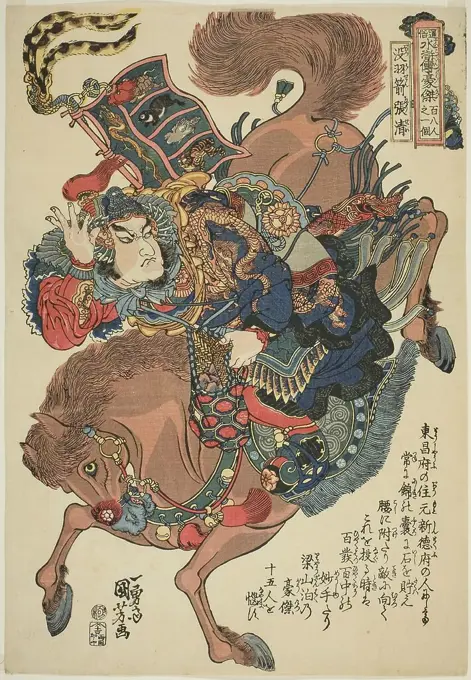
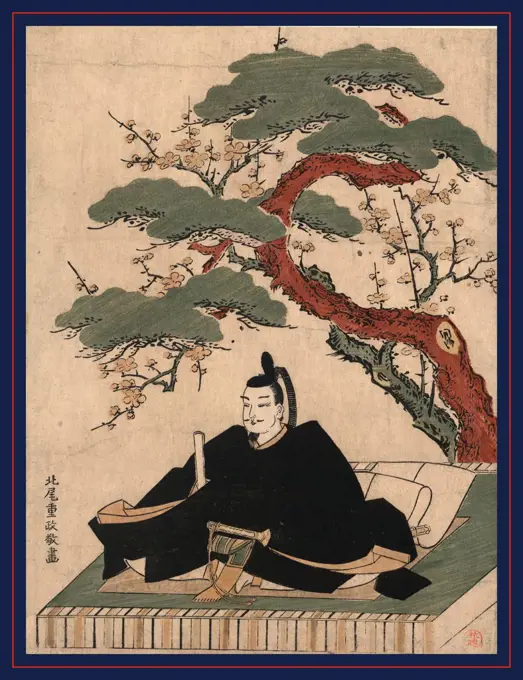
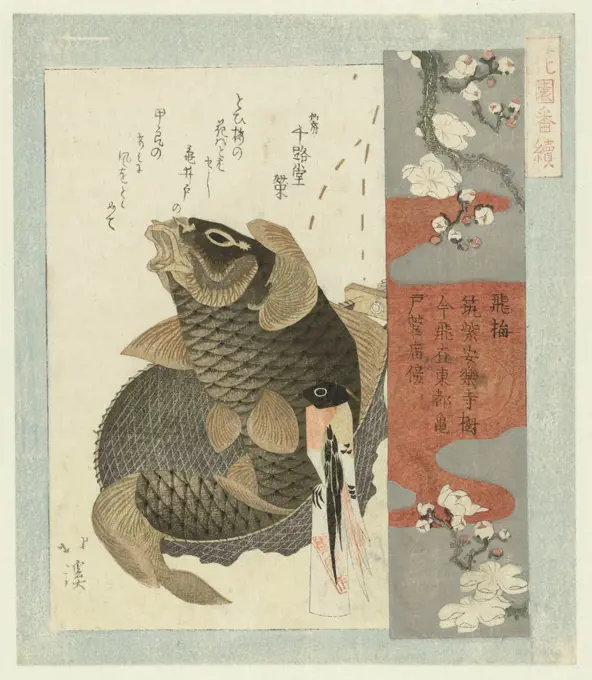
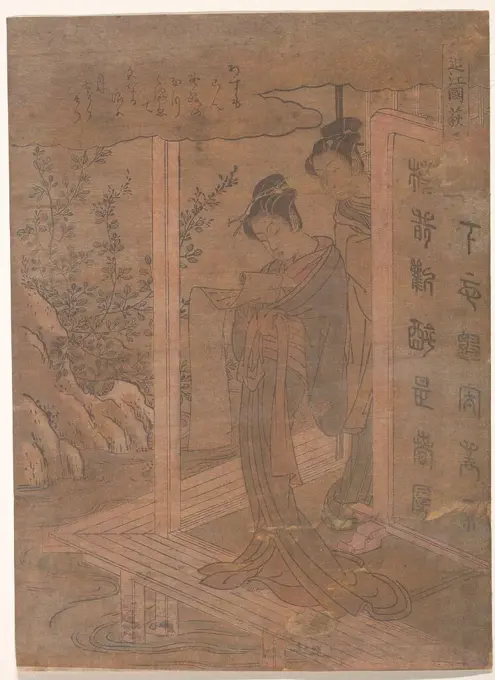
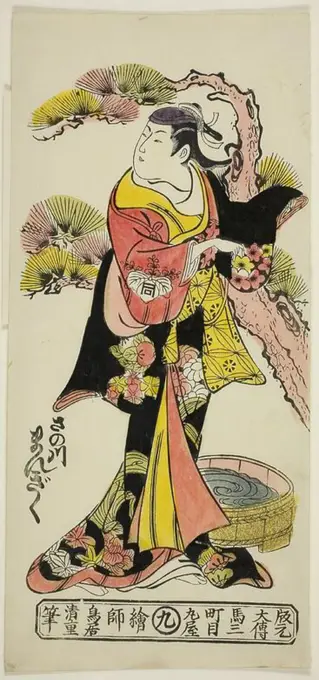
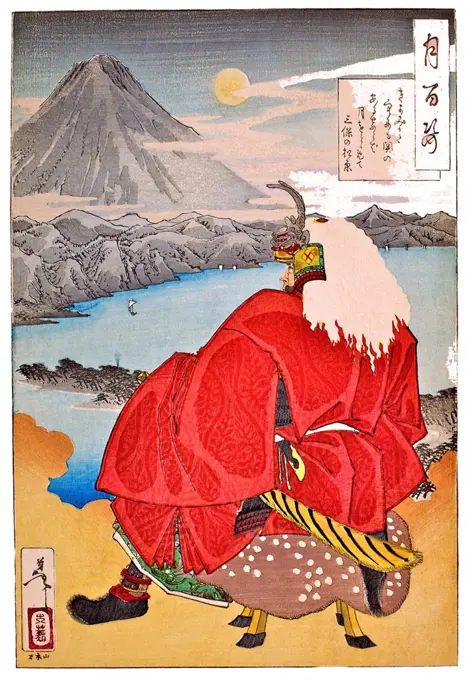
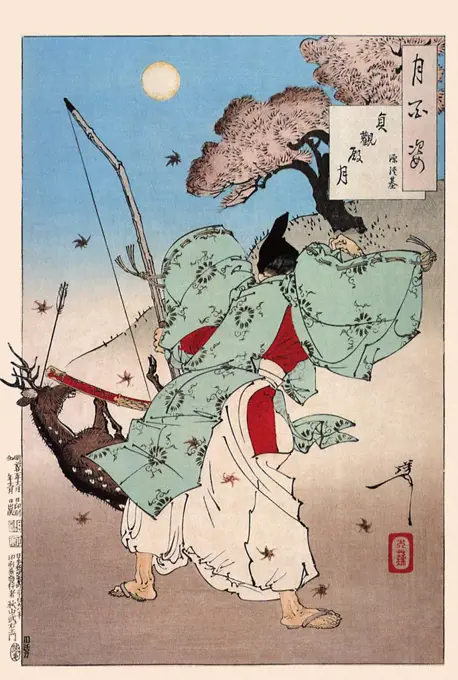
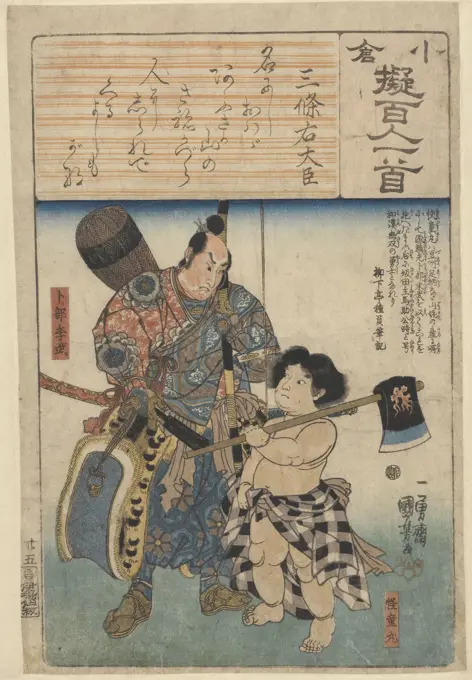
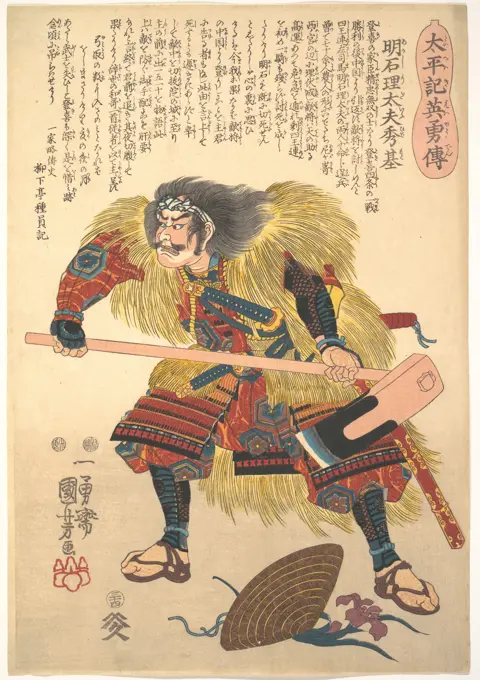
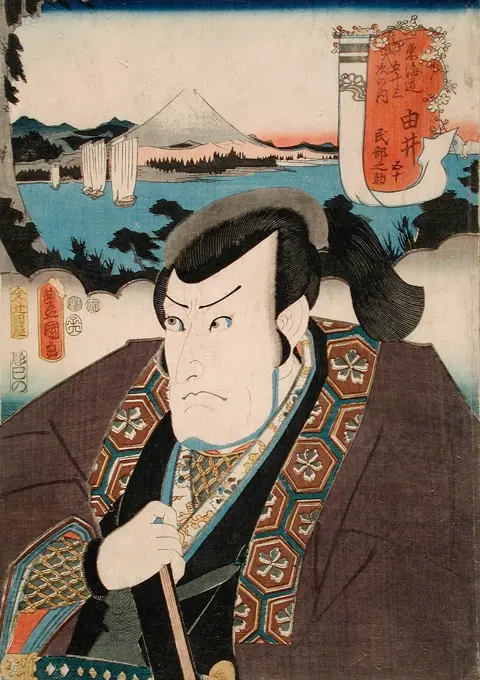
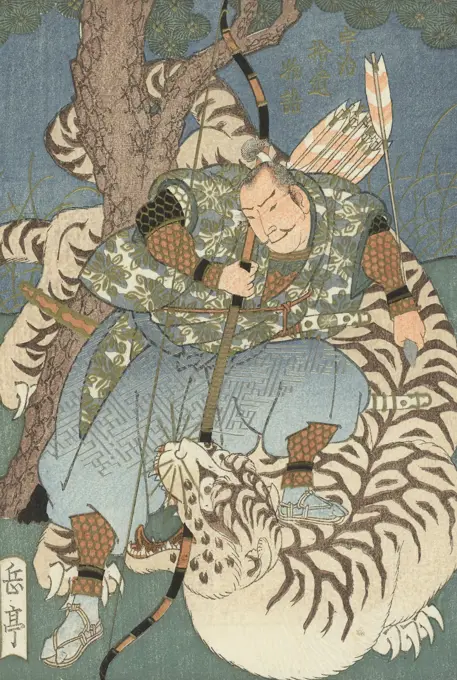
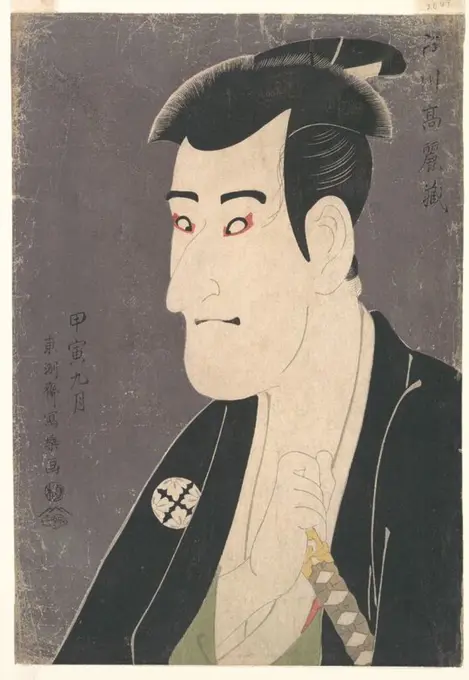
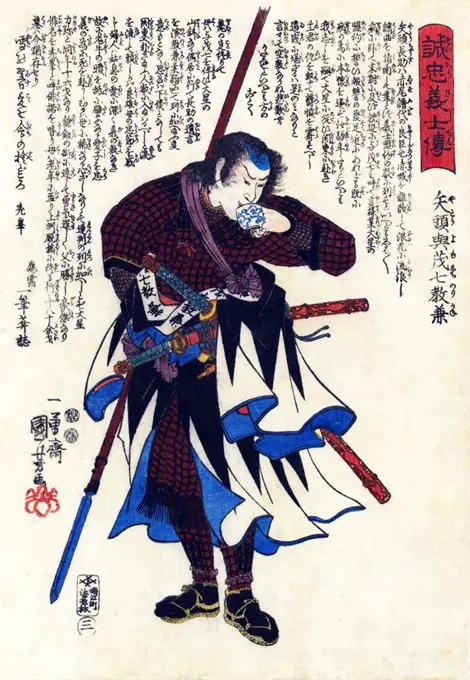
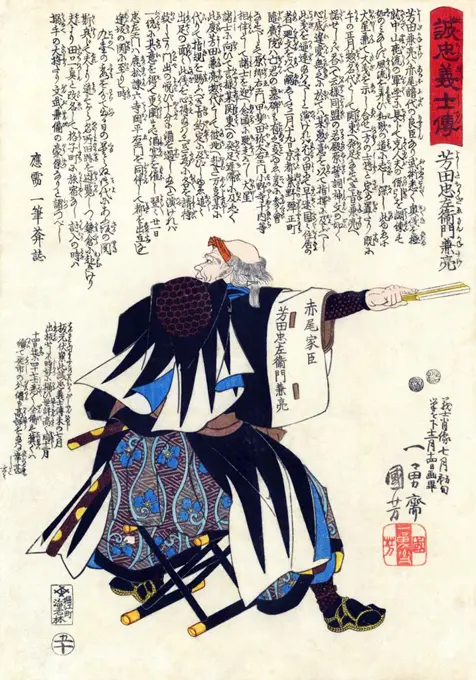
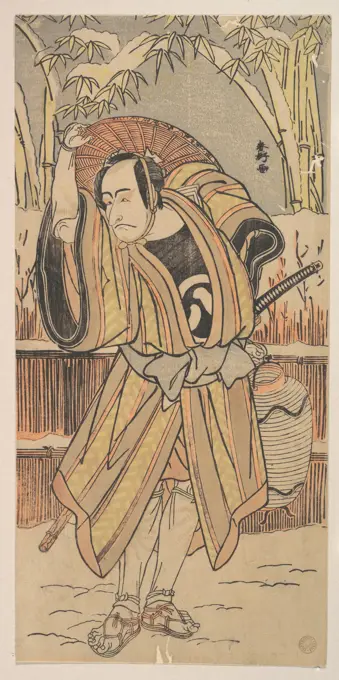
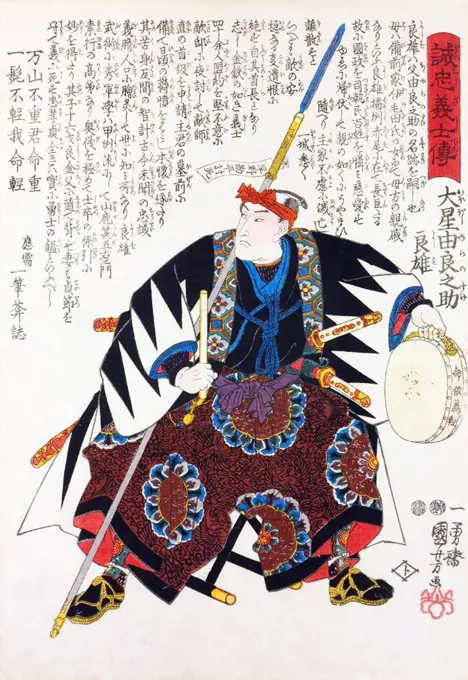
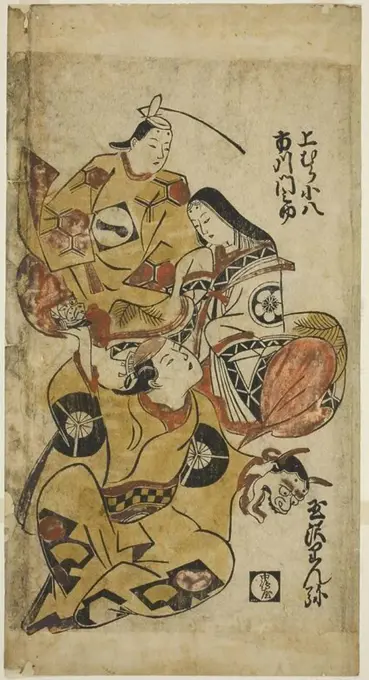
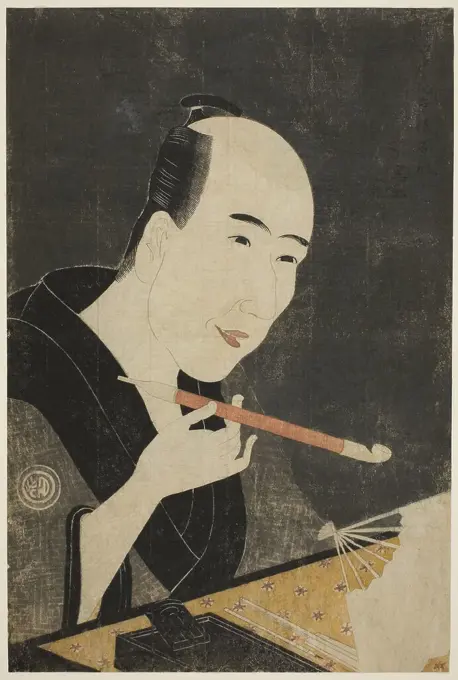
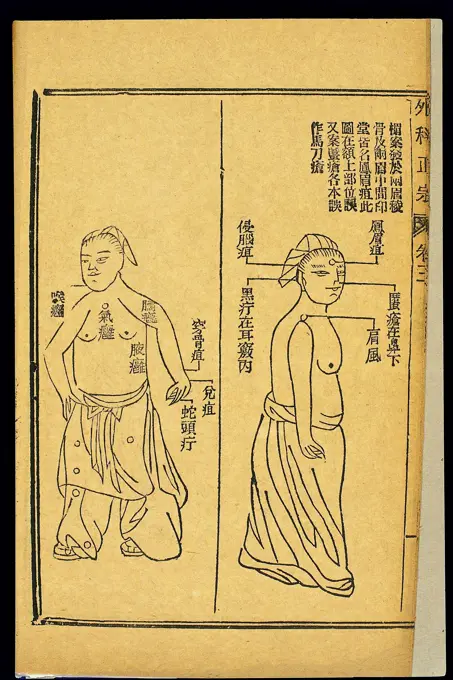
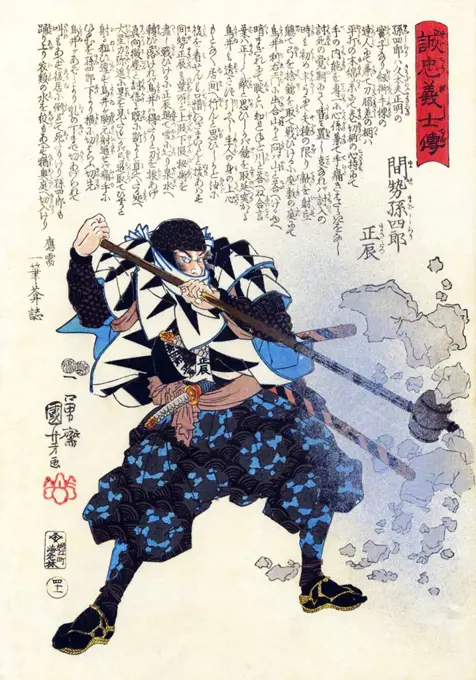
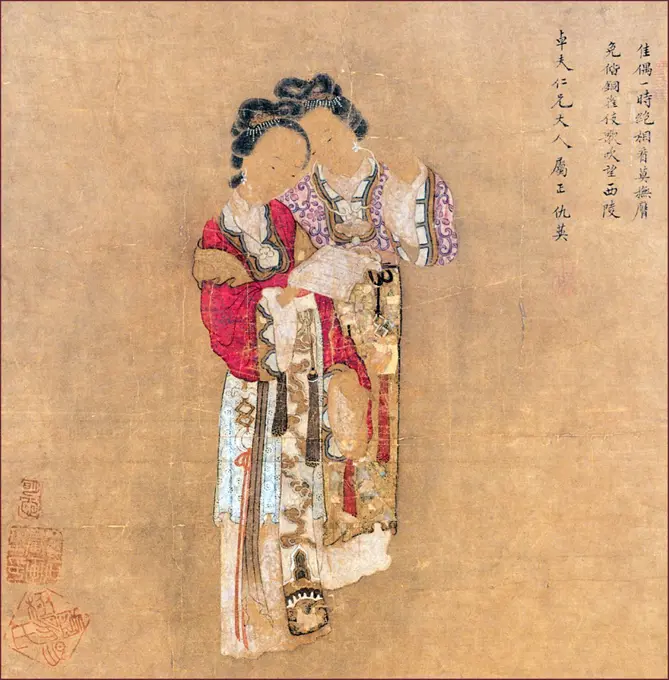
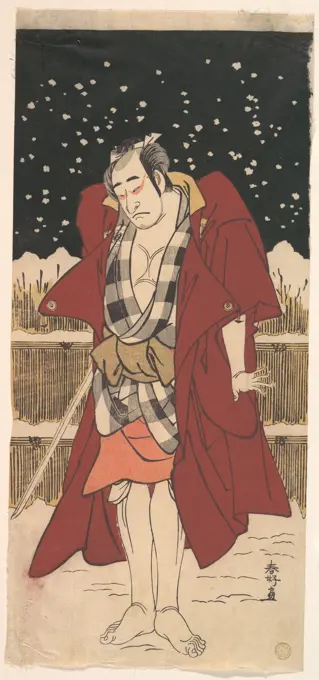
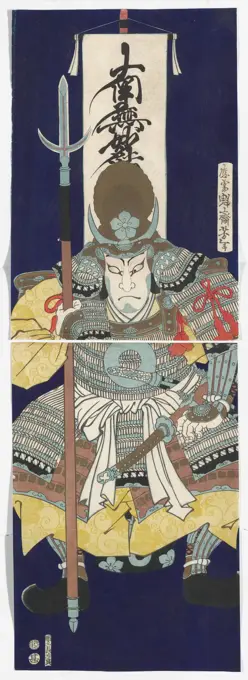
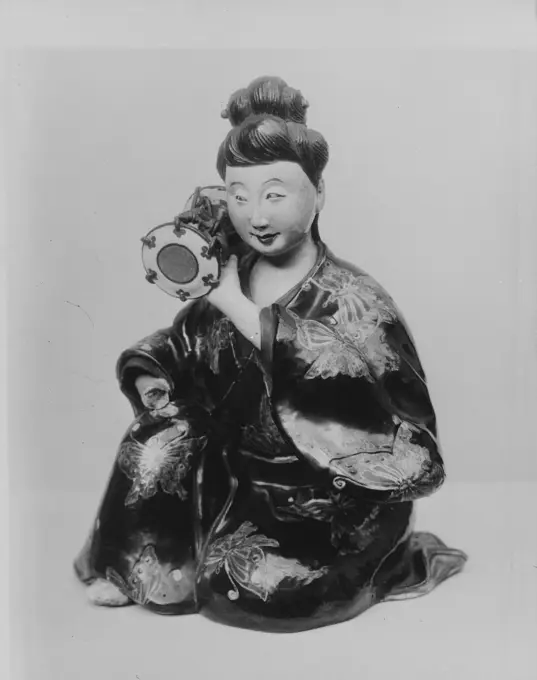
Portret Van Ichikawa Tomiemon, Toshusai Sharaku, 1794 print The actor Ichikawa Tomemon, in full, in the role of the rich farmer Inokuma Mombei, holding a large hoe behind his back; Against yellow background. Scene from the play Keisei Sanbon Karakasa, staged in the Miyako-Sza in 1794. print maker: Japanpublisher: Tokyo paper. nishiki-e / color woodcut portrait of actor, actressThe Koya River in the Kii province, from the series: Six views of the river (named) Tamagawa /Mutsu Tamagawa no uchiZhang Qing (Botu'usen Chosei), from the series "One Hundred and Eight Heroes of the Popular Water Margin (Tsuzoku Suikoden goketsu hyakuhachinin no hitori)". Utagawa Kuniyoshi; Japanese, 1797-1861. Date: 1822-1835. Dimensions: 38.9 x 26.7 cm (15 5/16 x 10 1/2 in.). Color woodblock print; oban. Origin: Japan. Museum: The Chicago Art Institute, USA.Sugawara no michizane, Kitao, Shigemasa, 1739-1820, artist, between 1769 and 1772, 1 print : woodcut, color ; 25.7 x 19.2 cm., Print shows Sugawara no Michizane, an actor, sitting on a platform beneath pine and plum trees.Flying plum Tobiume (title on object) A series for the Hanazono poetry association (series title) Hanazono bantsuzuki (series title on object), A carp in a fishing net and a wooden statue of a bird. Next to it plum blossom against a silver-red background. The title of the print refers to the plum tree in the garden of Sugawara no Michizane (845-903), which he cared for so well that the tree would have followed him when Michizane was banished. With one poem, bony fishes: carp, Totoya Hokkei (mentioned on object), Japan, 1820 - 1825, paper, colour woodcut, h 210 mm × w 181 mmBush Clover in Province of Omi. Artist: Isoda Koryusai (Japanese, 1735-ca. 1790). Culture: Japan. Dimensions: H. 10 1/4 in. (26 cm); W. 7 5/8 in. (19.4 cm). Museum: Metropolitan Museum of Art, New York, USA.Ukiyo-e, or ukiyo-ye ('pictures of the floating world'), is a genre of woodblock prints and paintings that flourished in Japan from the 17th through 19th centuries. It was aimed at the prosperous merchant class in the urbanizing Edo period (1603-1867). Amongst the popular themes were depictions of beautiful women; kabuki actors and sumo wrestlers; scenes from history and folk tales; travel scenes and landscapes; flora and fauna; and erotica.  Edo (modern Tokyo) became the seat of government for the military dictatorship in the early 17th century. The merchant class at the bottom of the social order found themselves the greatest beneficiaries of the city's rapid economic growth. Many indulged in the entertainments of kabuki theatre, courtesans, and geisha of the pleasure districts. The term ukiyo ('floating world') came to describe this hedonistic lifestyle. Printed or painted 'ukiyo-e' images of this environment emerged in the late 17th century; they were popular with the merchant clasKong Ming, Japanese name, Motosei Komei, throttling a sentry under the wall of Peking / Beijing Castle. The Water Margin (known in Chinese as Shuihu Zhuan, sometimes abbreviated to Shuihu), known as Suikoden in Japanese, as well as Outlaws of the Marsh, Tale of the Marshes, All Men Are Brothers, Men of the Marshes, or The Marshes of Mount Liang in English, is a 14th century novel and one of the Four Great Classical Novels of Chinese literature. Attributed to Shi Nai'an and written in vernacular Chinese, the story, set in the Song Dynasty, tells of how a group of 108 outlaws gathered at Mount Liang (or Liangshan Marsh) to form a sizable army before they are eventually granted amnesty by the government and sent on campaigns to resist foreign invaders and suppress rebel forces. In 1827, Japanese publisher Kagaya Kichibei commissioned Utagawa Kuniyoshi to produce a series of woodblock prints illustrating the 108 heroes of the Suikoden. The 1827-1830 series, called '108 Heroes of the Water Memorial Portrait of the Actor Onoe Kikugoro V 1903 Japan. Color woodblock print; oban . Utagawa Kunisada III (Kunimasa IV, Toyokuni V)Kusatsu  52. stop. Tawar knight Tōda Hideso and Woman Smok / Kusatsu, from the series: Comparison with fifty three stages of the Tōkaidō / Tōkaidō Gojūsan Tsui road Utagawa, kuniyoshi (1797 1861)The Actor Sanogawa Mangiku I. Torii Kiyoshige; Japanese, active c. 1728-1763. Date: 1726-1736. Dimensions: 33.8 x 15.5 cm (13 1/4 x 6 in.). Hand-colored woodblock print; hosoban, urushi-e. Origin: Japan. Museum: The Chicago Art Institute, Chicago, USA.Woman Writing, 1753-1806. Kitagawa Utamaro (Japanese, 1753-1806). Color woodblock print; sheet: 36.6 x 24.8 cm (14 7/16 x 9 3/4 in.).Horibe Yahei Kanamaru, from the series: pictures of the sincere loyal warriors. .Chinese C18 woodcut: External medicine - 'Wandering wind'First Division Engineering Private First Class Onoguchi Takuji, 1895, Woodcuts, Color, Paper / Sheet 14 1/4 x 9 5/16 in. (36.2 x 23.6 cm)Portrait of Tao Yuanming 1647-1709 China. Hanging scroll; ink and color on paper . Yu ZhidingGhost of Yasukata, Utagawa Kunisada (I), 1852 print Kabuki actor Onoe Kikugorô III as the ghost Yasukata with blood over his shoulders and colored sticks in his hands. The blue makeup around his eyes, his confused hair and the flames next to him, indicate that a ghost is depicted here.  paper color woodcut actor (on the stage). spirit, ghostFarmer on a Horse, 1790, Yokoi Kinkoku, Japanese, 1761 - 1832, 39 × 14 1/8 in. (99.06 × 35.88 cm) (image)68 9/16 × 19 7/16 in. (174.15 × 49.37 cm) (mount, without roller), Ink and light colors on paper, Japan, 18th centuryTsukioka Yoshitoshi (30 April 1839 9 June 1892, also named Taiso Yoshitoshi) was a Japanese artist. He is widely recognized as the last great master of Ukiyo-e, a type of Japanese woodblock printing. He is additionally regarded as one of the form's greatest innovators. His career spanned two eras the last years of Edo period Japan, and the first years of modern Japan following the Meiji Restoration. Like many Japanese, Yoshitoshi was interested in new things from the rest of the world, but over time he became increasingly concerned with the loss of many aspects of traditional Japanese culture, among them traditional woodblock printing.Six blind masseurs on a bridge .. six blind men with sticks, a wooden bridge crossing; Blooming red chrysanthemums on the shore. Humorous print based on the double meaning of the Japanese words 'Mizu' ('water' and 'not see') and 'kiku' ('hear' and 'chrysanthemum').Joganden Moon, Yoshitoshi, TsukiokaIchikawa Danjuro V in the Role of Shiromasu-baba. Artist: Katsukawa Shunsho (Japanese, 1726-1792). Culture: Japan. Dimensions: 12 7/32 x 5 1/2 in. (31.1 x 14.0 cm). Date: 12th month, 1786.Ichikawa Danjuro V, in the role of the old woman Shiromasu-baba, wears a straw raincoat and a very wide straw hat slung across his back. He leans upon a staff and carries a bamboo basket of young fronds of bracken. Following this scene, the actor made a quick costume change and reappeared, dressed in a gaudy robe, as Hojo Tokimasa bearing the head of Shiromasu, whom he has just killed. Museum: Metropolitan Museum of Art, New York, USA.The actors Ichikawa Sadanji I as Imagawa Yoshimoto and Onoe Kikugoro V as Mori Shinsuke 1884 Japan. Color woodblock print; oban triptych . Toyohara KunichikaKaidomaru and Urabe Suetake; poem by Sanjo-no Udaijin (Fujiwara-no Sadakata); print 25 from the series: Ogura nazorae hyakunin isshu (Imitations of one hundred poems by one hundred poets). Utagawa, Kuniyoshi (1798-1861), graphic artistKatsuyama of the Yotsumeya, from the series Modern Customs of the Pleasure Quarters Isoda Koryusai (Japanese, ca. 1766-1788). Katsuyama of the Yotsumeya, from the series Modern Customs of the Pleasure Quarters, ca. 1775. Color woodblock print on paper, 8 1/2 x 6 1/4 in. (21.6 x 15.9 cm).   Asian Art ca. 1775The Sumo Wrestler, Koyanagi Tsunekichi, Utagawa Kunisada, Japanese, 1786 - 1864, Joshuya Kinzo, Colored woodcut in yellow, blue, red, and black ink on mulberry paper, Full length figure of a sumo wrestler, wearing a horizontally striped skirt with fringe edge., Japan, ca. 1840, theater, Print, PrintAkashi Ridayu Hidemoto ca. 1848 Utagawa Kuniyoshi Japanese In this series, all the characters figured in the civil wars of the sixteenth century, an era that was uncomfortably close to the Edo period's Tokugawa shogunate. Thus, all are disguised as figures in the Taiheiki (Chronicle of Great Peace), a history of the wars of royalists against the Ashikaga warlords during the second quarter of the fourteenth century. However, the names of the heroes in the series have been changed, and it is difficult to identify the actual historical figures.This print portrays Akashi Ridayū Hidemoto wearing a straw rain cloak over his armor and armed with two swords and a hoe. A straw hat and blooming iris lie on the ground at his feet. He stands firmly with tightly closed lips and brandishes the hoe in a threatening manner.. Akashi Ridayu Hidemoto 63364The Chinese sennin Ch'en Nan (Japanese "Chinnan") ca. 1722 Nishimura Shigenaga Japanese. The Chinese sennin Ch'en Nan (Japanese "Chinnan") 37263Yui: Ichikawa Danzō V in the Role of Minbunosuke. Utagawa Kunisada (Toyokuni III) (Japan, Edo, 1786-1865). Japan, 1852, 8th month. Prints; woodblocks. Color woodblock printKawarasaki Gonjuro Als Ichikawa Danjuro VII, Kuniaki (II), UTAGAWA, 1862 print The actor Kawarasaki Gonjuro in the role of the popular actor Ichikawa Danjuro VII, sitting with crossed legs, a blue checkered Kimono over his shoulders. Japan paper nishiki-e / color woodcut portrait of actor, actress. actor (on the stage). sitting figureThe Actor Nakamura Sukegoro II in an Unidentified Role. Katsukawa Shunko I; Japanese, 1743-1812. Date: 1774-1784. Dimensions: 30.3 x 14.8 cm (11 15/16 x 5 13/16 in.). Color woodblock print; hosoban. Origin: Japan. Museum: The Chicago Art Institute, Chicago, USA.Japan, Bunbunsha, Takeo, Bunsô, Gakutei, Yashima, Uji shûi Monogatari, Additional stories from Uji, Muneyuki ga rôtô tora wo iru, Muneyuki shoots a tiger, passe-partout, lower left - printed, Muneyuki fights a Korean tiger with a bow and arrow. He wrestles with the tiger that bites his bow. With two poems., surimono, prints, Japan (collection), verso - stamped, height 208 mm, width 183 mm, Japanese, 1786 - 1868, print maker, printmaker, 1829 - 1829, second quarter 19th century, paper, colour woodcut, blind stamping, poet, 1780 - 1837C19 Chinese paintings of famous physicians: Feng GangFumihiroge-no Kyojo, Mad woman unfolding a letter; poem by Kawara-no Sadaijin (court title: Minamoto-no Toru); print 14 from the series: Ogura nazorae hyakunin isshu (Imitations of one hundred poems by one hundred poets). Utagawa, Kuniyoshi (1798-1861), graphic artistKabuki Actor Ichikawa Komazo III as Shiga Daishichi in the Play A Medley of Tales of Revenge (Katakiuchi noriaibanashi). Artist: Toshusai Sharaku (Japanese, active 1794-95). Culture: Japan. Dimensions: 14 3/8 x 9 7/8 in. (36.5 x 25.1 cm). Date: 5th month, 1794. Museum: Metropolitan Museum of Art, New York, USA.Portrait of Okichi. Artist: Utagawa Yoshimori (Japanese, 1830-1884). Culture: Japan. Dimensions: Image: 14 3/4 x 9 3/4 in. (37.5 x 24.8 cm). Date: 4th month, 1860. Museum: Metropolitan Museum of Art, New York, USA.Children in the Sanno Festival ca. 1790 Kuwagata Keisai Japanese. Children in the Sanno Festival. Kuwagata Keisai (Japanese, 1764-1824). Japan. ca. 1790. Woodblock print; ink and color on paper. Edo period (1615-1868). PrintsSlaghout with portrait of Ichikawa Danjûrô VII and Langoustine. A hit wood with portrait of Ichikawa Danjurô VII (1791-1859) in the Kabuki Play Shibaraku, in addition a langoustine and fern herb. With two poems.Ono no Komachi, from the series Framed Pictures of Women for the Katsushika Circle (Katsushikaren gakumen fujin awase) 1817-1827 Japan. Color woodblock print; shikishiban, surimono . Yashima GakuteiPaintings after Ancient Masters: A Lohan after Kuan-hsiu, 1598-1652. Chen Hongshou (Chinese, 1598/99-1652). Album leaf, ink and color on silk; overall: 30.2 x 26.7 cm (11 7/8 x 10 1/2 in.).Zenkai, from the series Pictures of No Performances (Nogaku Zue) 1893-1903 Japan. Color woodblock print . Tsukioka KôgyoHives with Wasps, and a Box with a Spoon for Honey. Artist: Kubo Shunman (Japanese, 1757-1820) (). Culture: Japan. Dimensions: 8 x 7 3/16 in. (20.3 x 18.3 cm). Date: 19th century. Museum: Metropolitan Museum of Art, New York, USA.Chinese Servant and Frenchman 2nd month, 1861 Utagawa Yoshiiku Japanese. Chinese Servant and Frenchman 73519Sakata Kintoki Wrestling with a Tengu. Torii Kiyomasu I; Japanese, active c. 1704-18 (). Date: 1710-1718. Dimensions: 68.8 x 32.8 cm (26 3/4 x 13 in.). Hand-colored woodblock print; o-oban, tan-e. Origin: Japan. Museum: The Chicago Art Institute, Chicago, USA.The revenge of the Forty-seven Ronin (Shi-ju-shichi-shi), also known as the Forty-seven Samurai, the Aki vendetta, or the Genroku Aki incident (Genroku aki jiken) took place in Japan at the start of the 18th century. One noted Japanese scholar described the tale as the country's 'national legend'. It recounts the most famous case involving the samurai code of honor, bushidi. The story tells of a group of samurai who were left leaderless (becoming ronin) after their daimyo (feudal lord) Asano Naganori was forced to commit seppuku (ritual suicide) for assaulting a court official named Kira Yoshinaka, whose title was Ki zuke no suke. The ronin avenged their master's honor after patiently waiting and planning for two years to kill Kira. In turn, the ronin were themselves ordered to commit seppuku for committing the crime of murder. With much embellishment, this true story was popularized in Japanese culture as emblematic of the loyalty, sacrifice, persistence, and honor that all good peoplThe revenge of the Forty-seven Ronin (Shi-ju-shichi-shi), also known as the Forty-seven Samurai, the Aki vendetta, or the Genroku Aki incident (Genroku aki jiken) took place in Japan at the start of the 18th century. One noted Japanese scholar described the tale as the country's 'national legend'. It recounts the most famous case involving the samurai code of honor, bushidi. The story tells of a group of samurai who were left leaderless (becoming ronin) after their daimyo (feudal lord) Asano Naganori was forced to commit seppuku (ritual suicide) for assaulting a court official named Kira Yoshinaka, whose title was Ki zuke no suke. The ronin avenged their master's honor after patiently waiting and planning for two years to kill Kira. In turn, the ronin were themselves ordered to commit seppuku for committing the crime of murder. With much embellishment, this true story was popularized in Japanese culture as emblematic of the loyalty, sacrifice, persistence, and honor that all good peopl'Donator'. China, 10th century. Dimensions: 62,5x26,5 cm. Museum: State Hermitage, St. Petersburg.The Origin of Octopus with Potato (Imo-Dako no yurai). Katsushika Hokusai; Japanese, 1760-1849. Date: 1786-1796. Dimensions: 15.5 x 23 cm (6 1/8 x 9 in.). Woodblock-printed book; incomplete, mounted in 12 sheets. Origin: Japan. Museum: The Chicago Art Institute, Chicago, USA.The Fifth Ichikawa Danjuro as a Man in Winter Apparel dated 1788 Katsukawa Shunkō Japanese. The Fifth Ichikawa Danjuro as a Man in Winter Apparel 36646A Ichikawa actor with a heel ax and peonies; A series of ten prints for the Honchôren; Honchôren Jûbantsuzuki. An actor from the Ichikawa family holds a heel ax and peonies depicted in the lower square cartouche. With one poem.The revenge of the Forty-seven Ronin (Shi-ju-shichi-shi), also known as the Forty-seven Samurai, the Aki vendetta, or the Genroku Aki incident (Genroku aki jiken) took place in Japan at the start of the 18th century. One noted Japanese scholar described the tale as the country's 'national legend'. It recounts the most famous case involving the samurai code of honor, bushidi. The story tells of a group of samurai who were left leaderless (becoming ronin) after their daimyo (feudal lord) Asano Naganori was forced to commit seppuku (ritual suicide) for assaulting a court official named Kira Yoshinaka, whose title was Ki zuke no suke. The ronin avenged their master's honor after patiently waiting and planning for two years to kill Kira. In turn, the ronin were themselves ordered to commit seppuku for committing the crime of murder. With much embellishment, this true story was popularized in Japanese culture as emblematic of the loyalty, sacrifice, persistence, and honor that all good peoplKataoka Ichizô I Als Daroku, C. 1848 print y link to Haadadefle tatlet. Akekina Stisis I Calo He I Cucking "Wona know "Ameber , TARan ON ON 1848.  paper color woodcut actor (on the stage)Tsukioka Yoshitoshi (1839 - 9 June 1892) one of the last great masters of the classical Japanese colour woodcut, here the work I Listen to the Sound of ClothAn Ichikawa actor with a hatchet and peonies A series of ten prints for the Honchôren (series title) Honchôren jûbantsuzuki (series title on object), An actor from the Ichikawa family holding a chopper and in Peonies are depicted in the lower square cartouche. With one poem, actor (on the stage), plants and herbs: peony, Yashima Gakutei (mentioned on object), Japan, c. 1822, paper, colour woodcut, h 206 mm × w 182 mmThe Actors Tamazawa Rinya, Uemura Kohachi, and Ichikawa Monnosuke. Attributed to Torii Kiyonobu I; Japanese, 1664-1729. Date: 1710-1720. Dimensions: 31 x 16.4 cm (12 3/16 x 6 7/16 in.). Hand-colored woodblock print; hosoban, tan-e. Origin: Japan. Museum: The Chicago Art Institute, Chicago, USA.NAKAMURA UTAEMON IV ALS Hôjô Tokiyori of ALS TAIRA KIYOMORI, UTAGAWA SADAMASU, 1837-1840 print NAKAMURA UTAEMON IV ALS Hôjô TOKIYORI OF ALS TAIRA KIYOMORI.  paper  portrait of actor, actressThe Actor Onoe Matsusuke I as Baramon no Kichi in the Play Hatsumombi Kuruwa Soga, Performed at the Nakamura Theater in the First Month, 1780 1775-1785 Japan. Color woodblock print; hosoban; right sheet of diptych . Katsukawa ShunshoMounted Russian 5th month, 1861 Utagawa Yoshitora Japanese. Mounted Russian 73493Portrait of Santo Kyoden, the Master of Kyobashi (Edo hana Kyobashi natori). Rekisentei Eiri; Japanese, active c. 1781-1818. Date: 1790-1800. Dimensions: 38.3 x 25.5 cm. Color woodblock print, oban. Origin: Japan. Museum: The Chicago Art Institute, USA. Author: Rekisentei Eiri.Chinese woodcut: Abscesses -- fengmei and qinnao abscessesTsukioka Yoshitoshi (1839 - 9 June 1892) one of the last great masters of the classical Japanese colour woodcut, here the work Moon of EnlightenmentActor Mimasu Daigoro IV in the role of Gojogun Kanki; Brocade prints of famous actors; Hana Kurabe Nishiki Utsushi e. Portrait of the actor Mimasu Daigoro IV in the role of the bearded General Gojogun Kanki, in Chinese clothing with dragon and crane motifs.Woodcut from the Twenty-four qualities Imperial Japan series, by Tsukioka Yoshitoshi (1839-1892) and Kato Kiyomasa (1893-1895). Japanese civilization, Meiji period (1868-1912).Still Life with Fish, Scallions and Large Knife Totoya Hokkei (Japanese, 1780-1850). , ca. 1830. Woodblock print, shikishiban format; deluxe printing, 7 3/4 x 7 9/16 in. (19.7 x 19.2 cm).   Asian Art ca. 1830Wrestler The wrestler Tamagaki Kakunosuke standing back on one legTsukioka Yoshitoshi (30 April 1839 9 June 1892, also named Taiso Yoshitoshi) was a Japanese artist. He is widely recognized as the last great master of Ukiyo-e, a type of Japanese woodblock printing. He is additionally regarded as one of the form's greatest innovators. His career spanned two eras the last years of Edo period Japan, and the first years of modern Japan following the Meiji Restoration. Like many Japanese, Yoshitoshi was interested in new things from the rest of the world, but over time he became increasingly concerned with the loss of many aspects of traditional Japanese culture, among them traditional woodblock printing. Eimei nijuhasshuku (28 Famous Murders with Verse), also known as the 'Bloody Prints', is a collection of Japanese ukiyo-e from the 1860s, which depicted gruesome acts of murder or torture based on historical events or scenes in Kabuki plays. Although most of the works are solely violent by nature, it is perhaps the first known example of ero guro or the The revenge of the Forty-seven Ronin (Shi-ju-shichi-shi), also known as the Forty-seven Samurai, the Aki vendetta, or the Genroku Aki incident (Genroku aki jiken) took place in Japan at the start of the 18th century. One noted Japanese scholar described the tale as the country's 'national legend'. It recounts the most famous case involving the samurai code of honor, bushidi. The story tells of a group of samurai who were left leaderless (becoming ronin) after their daimyo (feudal lord) Asano Naganori was forced to commit seppuku (ritual suicide) for assaulting a court official named Kira Yoshinaka, whose title was Ki zuke no suke. The ronin avenged their master's honor after patiently waiting and planning for two years to kill Kira. In turn, the ronin were themselves ordered to commit seppuku for committing the crime of murder. With much embellishment, this true story was popularized in Japanese culture as emblematic of the loyalty, sacrifice, persistence, and honor that all good peoplDream of the Red Chamber (pinyin: Hóng Lóu Mèng; Wade-Giles: Hung Lou Meng), composed by Cao Xueqin, is one of China's Four Great Classical Novels. It was composed sometime in the middle of the 18th century during the Qing Dynasty. It is a masterpiece of Chinese vernacular literature and is generally acknowledged to be the pinnacle of classical Chinese novels. Red Chamber is believed to be semi-autobiographical, mirroring the fortunes of author Cao Xueqin's own family. As the author details in the first chapter, it is intended to be a memorial to the women he knew in his youth: friends, relatives and servants. The novel is remarkable not only for its huge cast of characters and psychological scope, but also for its precise and detailed observation of the life and social structures typical of 18th-century Chinese aristocracy.Maan in Rook, TSUKIOKA YOSHITOSHI, 1886 print Firefighter with banner, standing in fierce fire; In the background the silhouette of a second firefighter with banner, standing on the ridge of a house of which two men remove the roofing to prevent spreading the fire.  paper color woodcut fire-fighting. standing figureOnoe Matsusuke as Man Armed with a Sword, Standing in Snow before a Fence 1786 Katsukawa Shunkō Japanese. Onoe Matsusuke as Man Armed with a Sword, Standing in Snow before a Fence 55309The actor Nakamura Utaemon in the role of Raiden, the god of thunder Kunisada, UTAGAWA (1786 1864)Falcon, c1790 (1886). Artist: Wilhelm GreveRondrijdende Hollander, Utagawa YOSHIFUJI, 1861 print Dutchman on horseback, followed by a servant, on foot, with black parasol; Against yellow background. (Yokohama-e) Japan paper color woodcut riding a horse, ass, or mule; rider, horseman. house personnel, servants. umbrellaUtagawa Kuniyoshi (January 1, 1798 - April 14, 1861) was one of the last great masters of the Japanese ukiyo-e style of woodblock prints and painting. He is associated with the Utagawa school. The range of Kuniyoshi's preferred subjects included many genres: landscapes, beautiful women, Kabuki actors, cats, and mythical animals. He is known for depictions of the battles of samurai and legendary heroes. His artwork was affected by Western influences in landscape painting and caricature.Yadaijin by Matsui , Silk Labels - JapaneseActor Nakamura Shikan IV as Satō Masakiyo, 1867, 8th lunar month, Tsukioka Yoshitoshi; Publisher: Maruya Jinpachi; Carver: Katada Chōjirō, Japanese, 27 1/4 × 9 3/8 in. (69.22 × 23.81 cm) (overall, approx., Vertical ōban, upright diptych), Woodblock print (nishiki-e); ink and color on paper, Japan, 19th century, This is not a warrior print, but it is the portrait of a Kabuki actor in the role of a general. It shows Nakamura Shikan IV (1831-1899), one of the most popular actors at that time, in the role of Satō Masakiyo in the play Kachidoki kachidoki shichiji no hatairo, performed in 1867.Tsukioka Yoshitoshi (30 April 1839 - 9 June 1892) was a Japanese artist and Ukiyo-e woodblock print master. He is widely recognized as the last great master of Ukiyo-e, a type of Japanese woodblock printing. He is additionally regarded as one of the form's greatest innovators. His career spanned two eras - the last years of Edo period Japan, and the first years of modern Japan following the Meiji Restoration. Like many Japanese, Yoshitoshi was interested in new things from the rest of the world, but over time he became increasingly concerned with the loss of many aspects of traditional Japanese culture, among them traditional woodblock printing. By the end of his career, Yoshitoshi was in an almost single-handed struggle against time and technology. As he worked on in the old manner, Japan was adopting Western mass reproduction methods like photography and lithography. Nonetheless, in a Japan that was turning away from its own past, he almost singlehandedly managed to push the traditioEssays over laziness, Totoya Hokkei, c. 1822 print A still life of a fish and an iris with a porcelain bowl decorated with two Chinese boys (Karako). Essays over laziness (tsurezuregusa) are loose notes and observations of the writer and poet Yoshida Kenkô, written around 1320. With one poem. Japan paper color woodcut fishesDumai (Governor Vessel), C17/18 Chinese book artEngland (Igirisu), from the Countries of Europe (Yoroppa-shu no uchi). Utagawa Yoshikazu; Japanese, active c. 1850-70. Date: 1861. Dimensions: . Color woodblock print; oban. Origin: Japan. Museum: The Chicago Art Institute, Chicago, USA.Figure of Girl playing Tsuzumi 1870 Japan. Figure of Girl playing Tsuzumi. Japan. 1870. Porcelain decorated with colored enamels (Hizen ware, Kutani type). Meiji period (1868-1912). Ceramics