Japanese Woodblock Prints of Actors

Color woodblock prints showcasing Kabuki actors in traditional attire, engaged in dramatic poses and performances, highlighting historic theatrical works.

Yorikane with lure hair from his beloved, utagawa kuniyoshi, c. 1846 print Sakingo Yorikane depicted on a moon -lit night, with locks hair of his loved one and Takao murdered by him. Yorikane was in love with the Courtisane Takao and bought her free by paying her weight in gold. After Takao told that love is not mutual, Yorikane killed her.  paper color woodcut lock of hair. adult man. full moon
Yorikane with lure hair from his beloved, utagawa kuniyoshi, c. 1846 print Sakingo Yorikane depicted on a moon -lit night, with locks hair of his loved one and Takao murdered by him. Yorikane was in love with the Courtisane Takao and bought her free by paying her weight in gold. After Takao told that love is not mutual, Yorikane killed her. paper color woodcut lock of hair. adult man. full moon
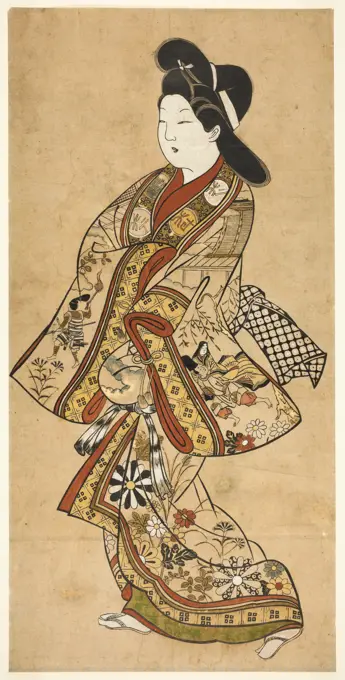
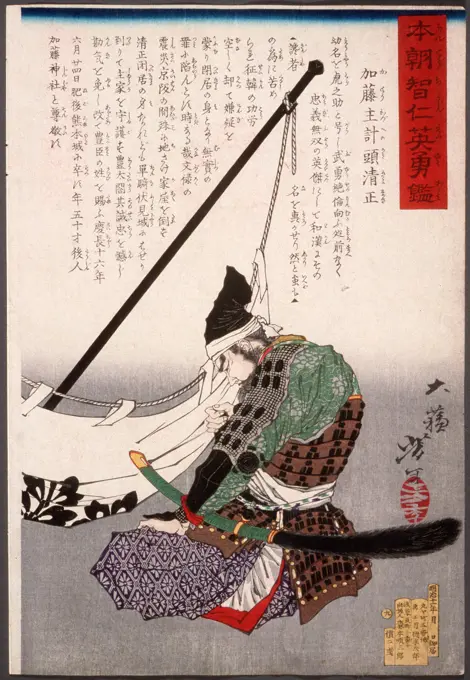
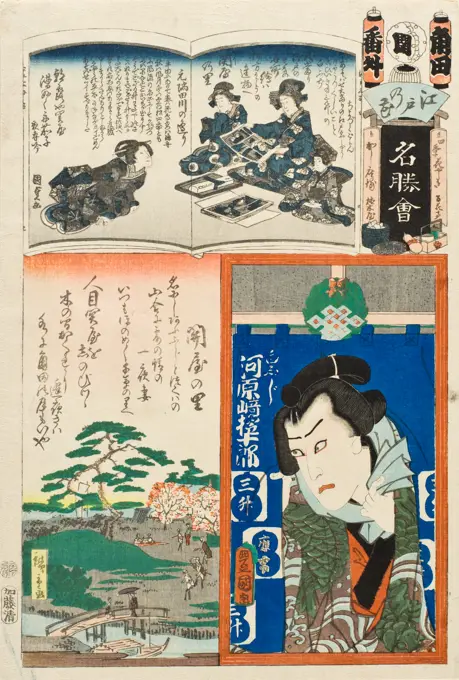
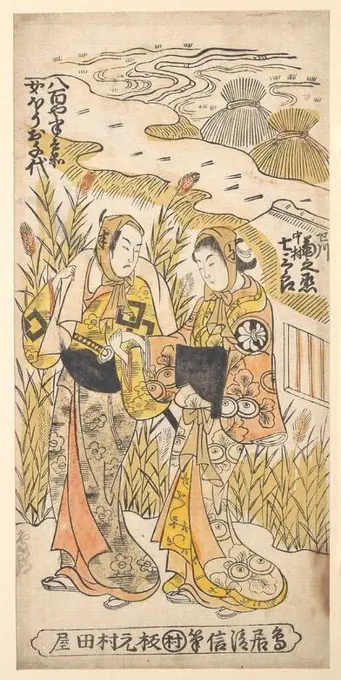
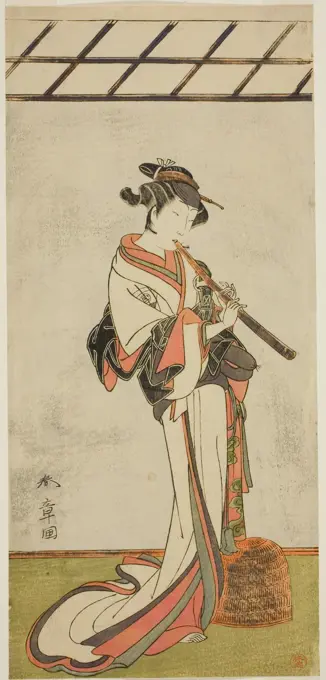
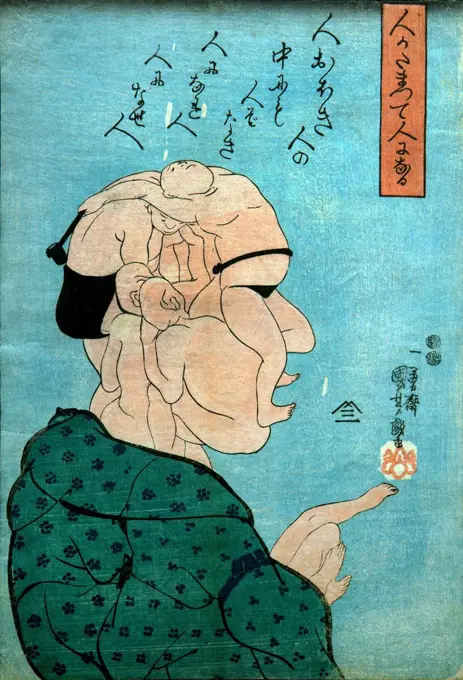
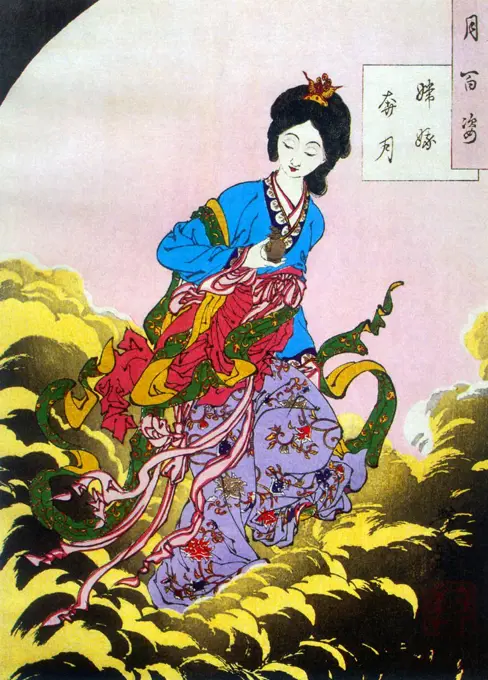
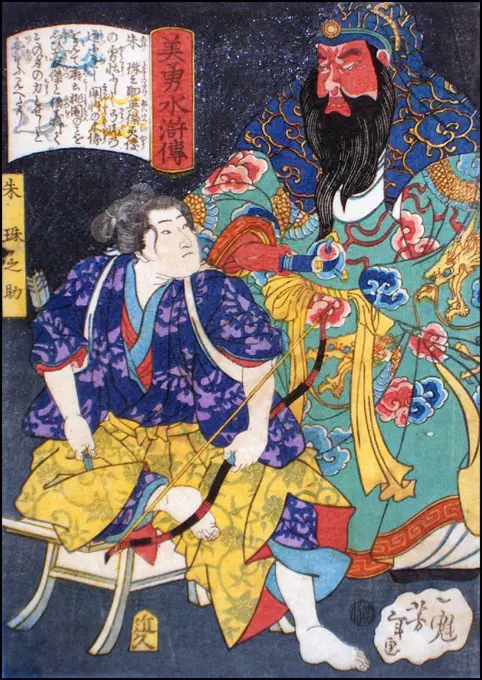
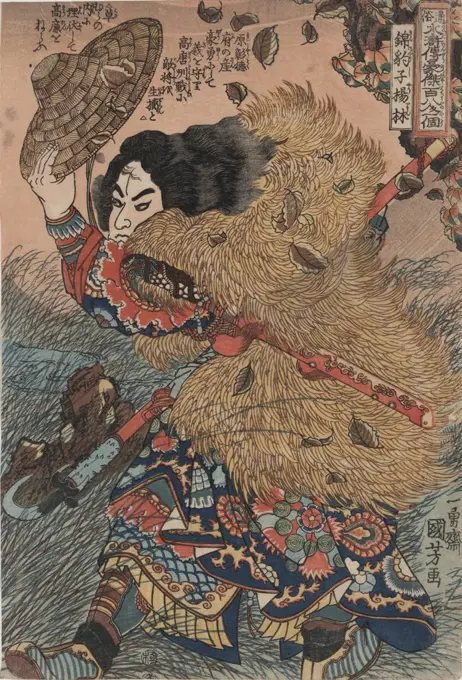
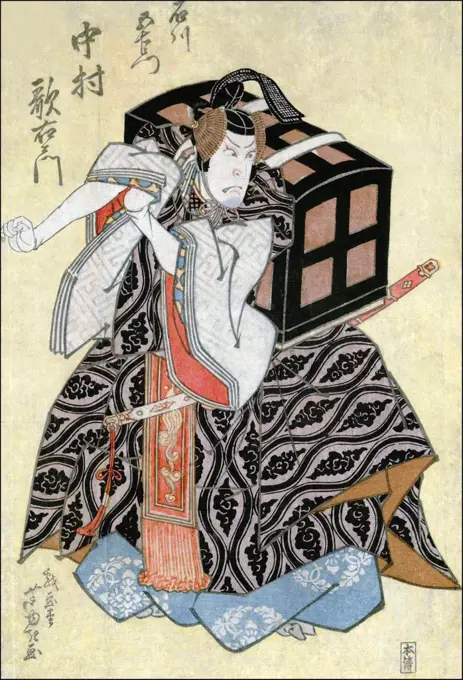
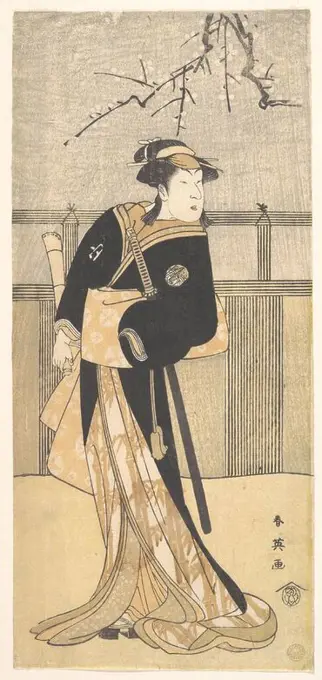
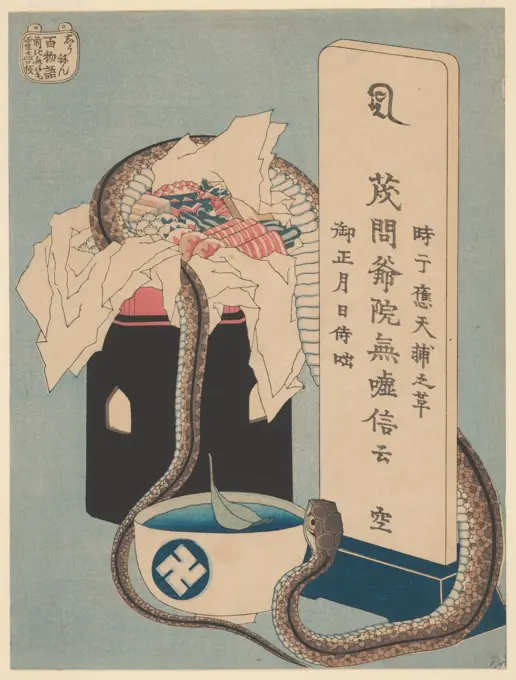
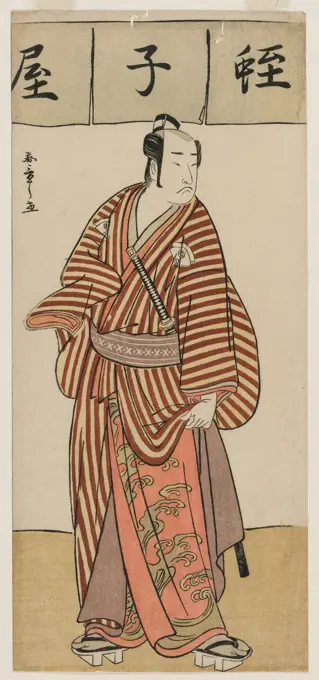
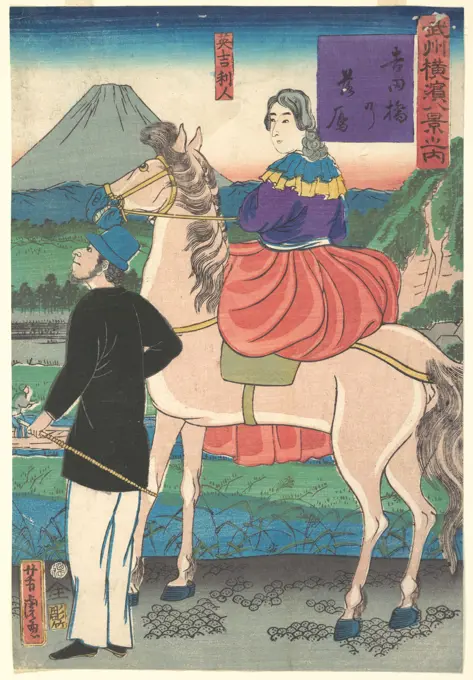
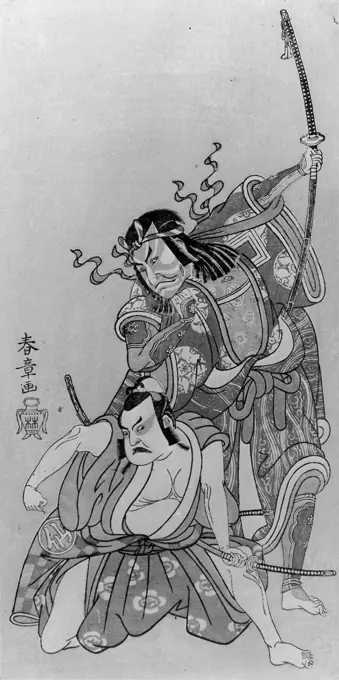
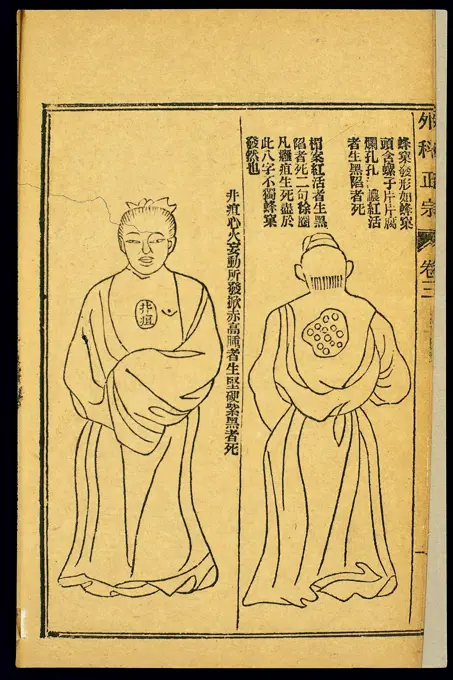
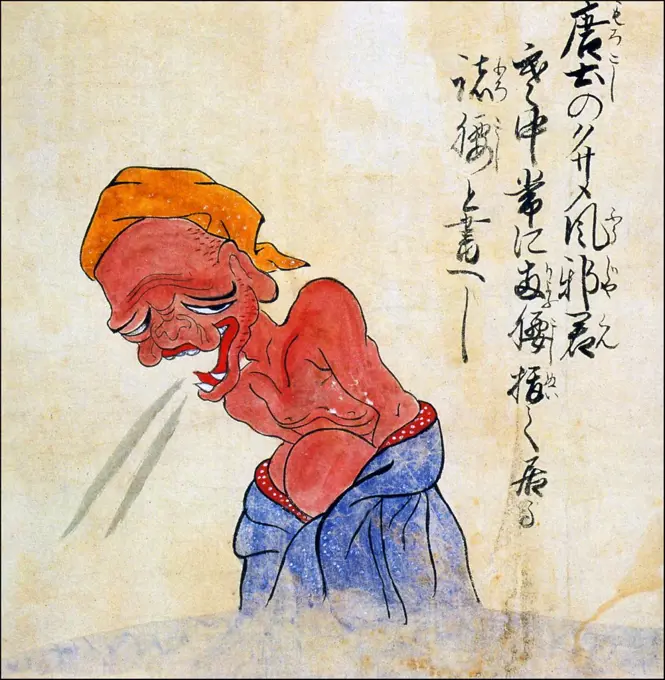
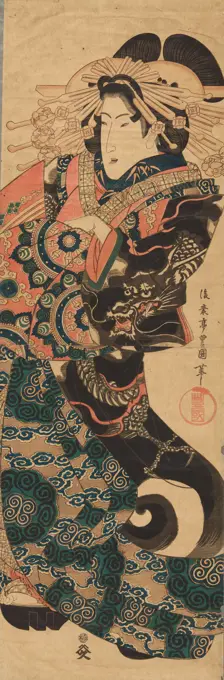
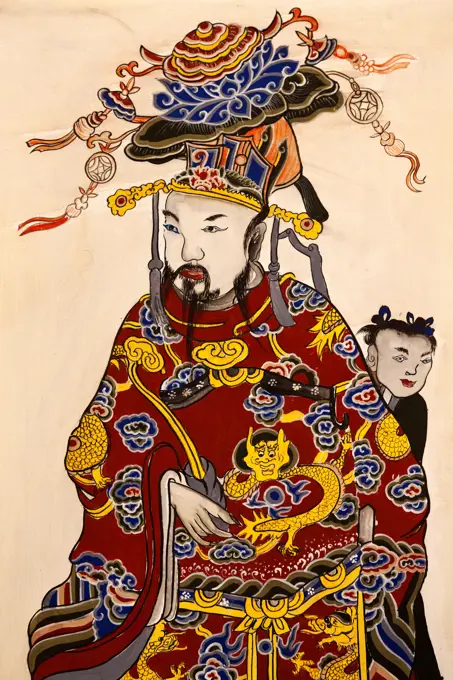
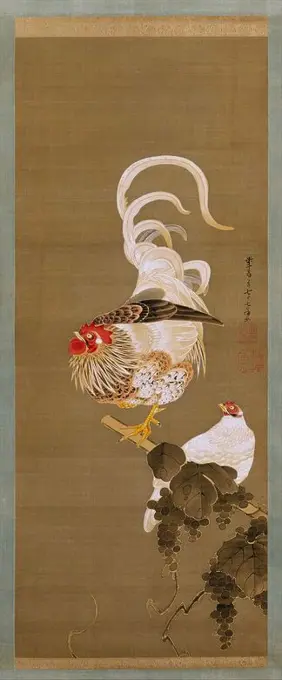
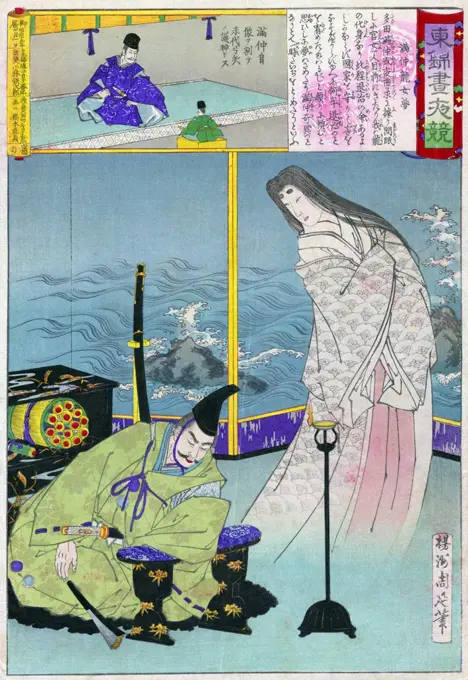
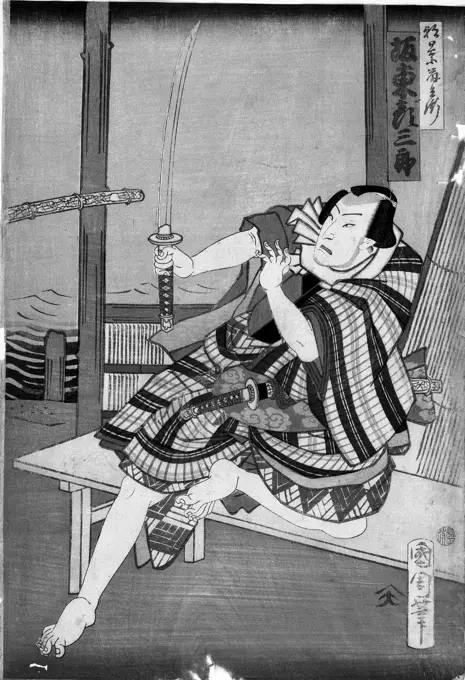
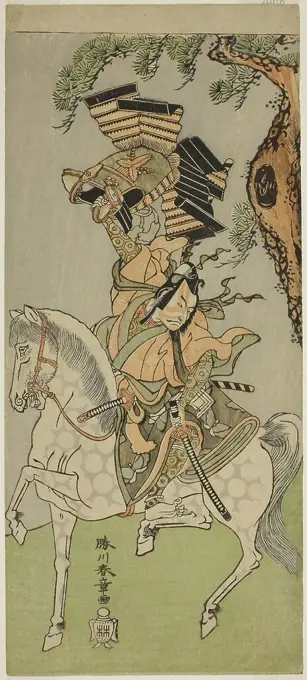
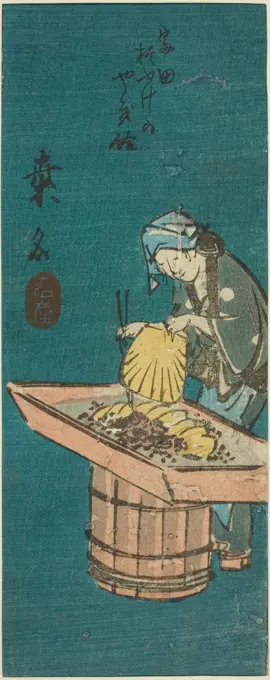
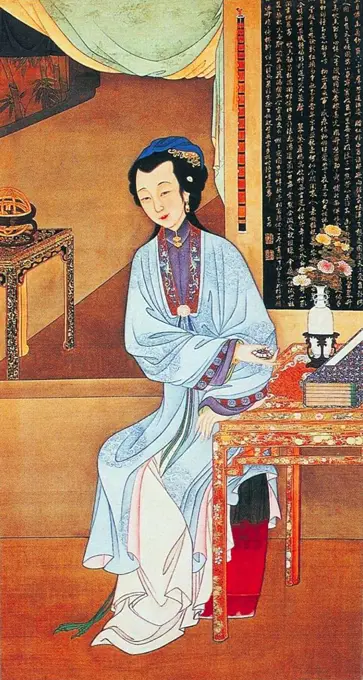
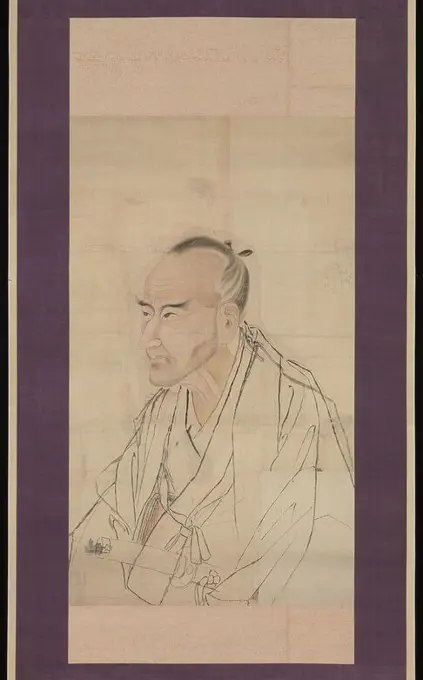
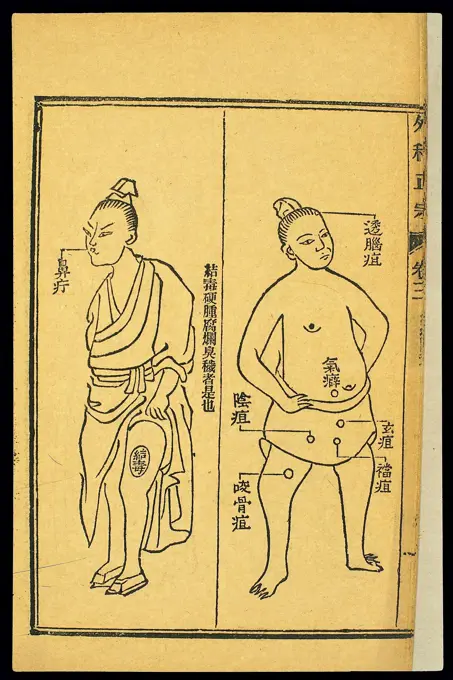
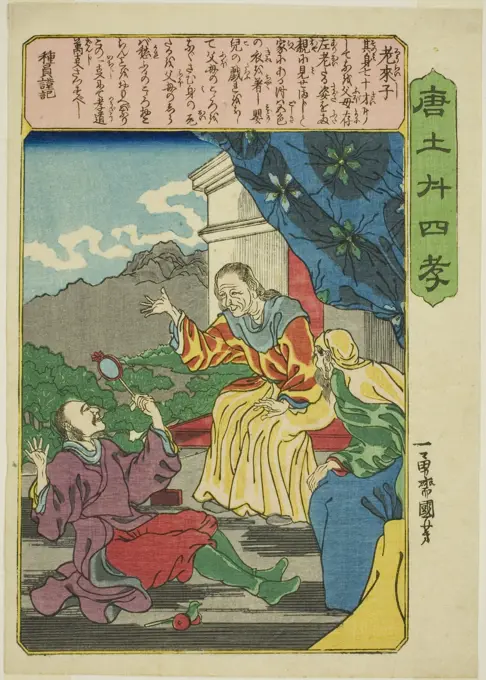
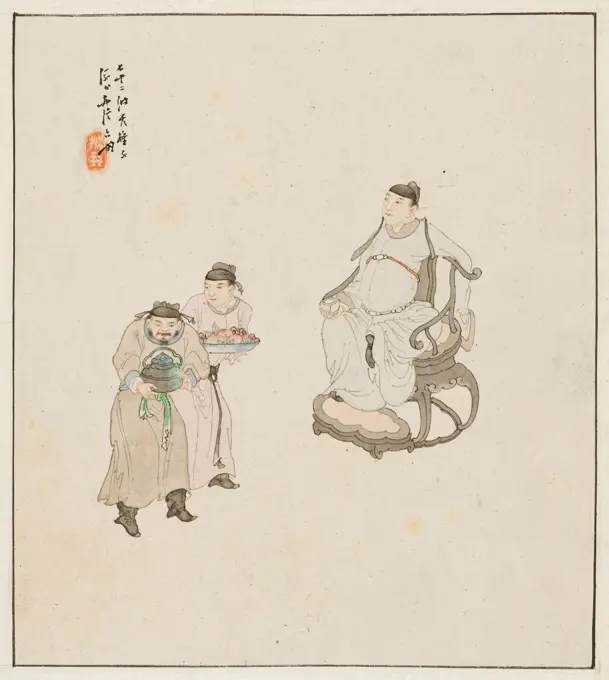
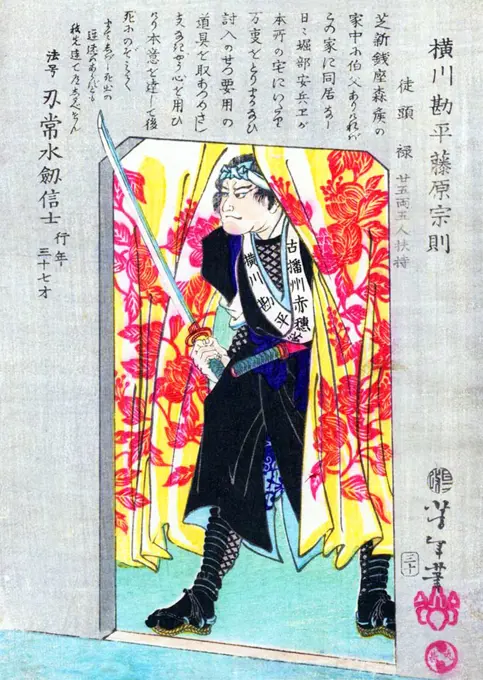
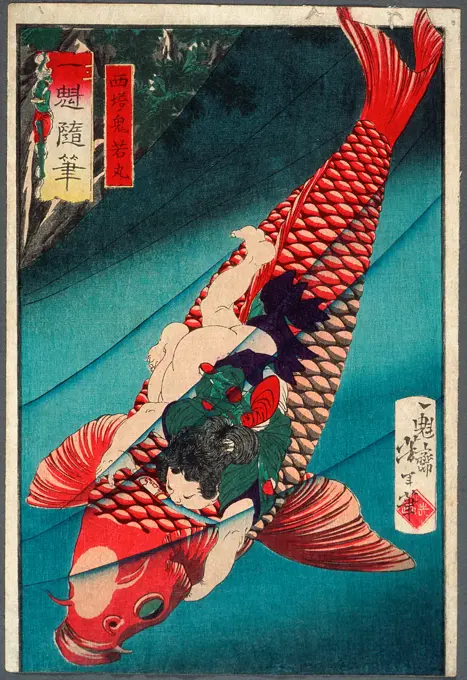
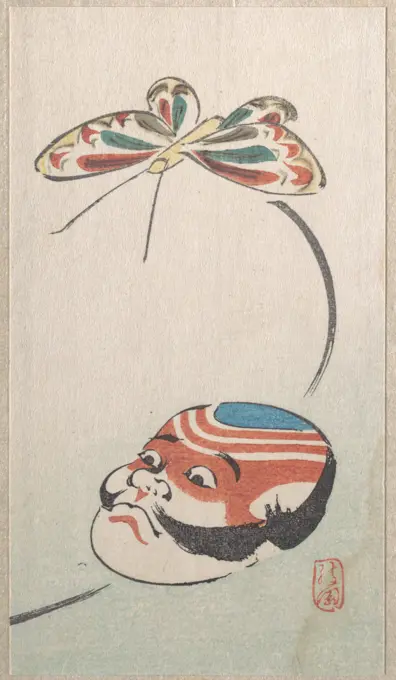
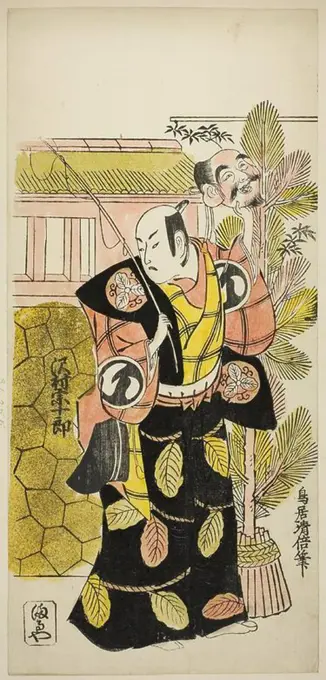
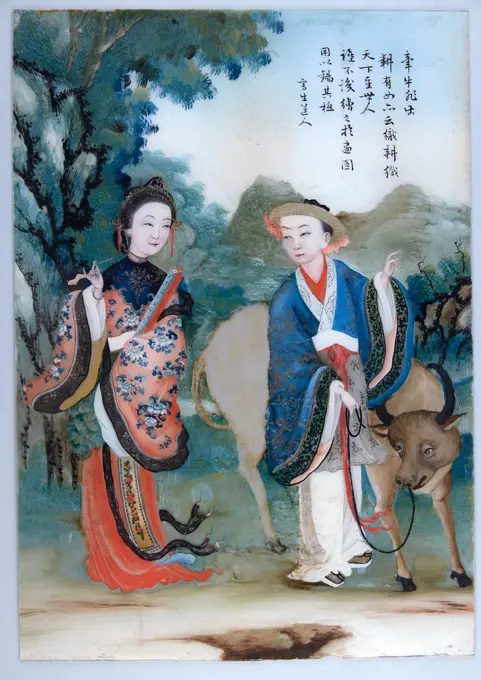
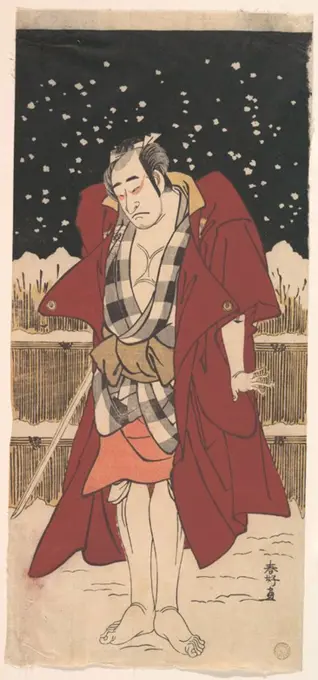
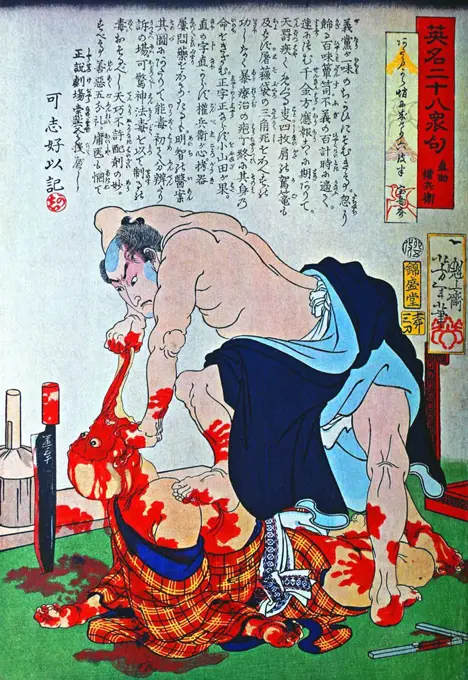
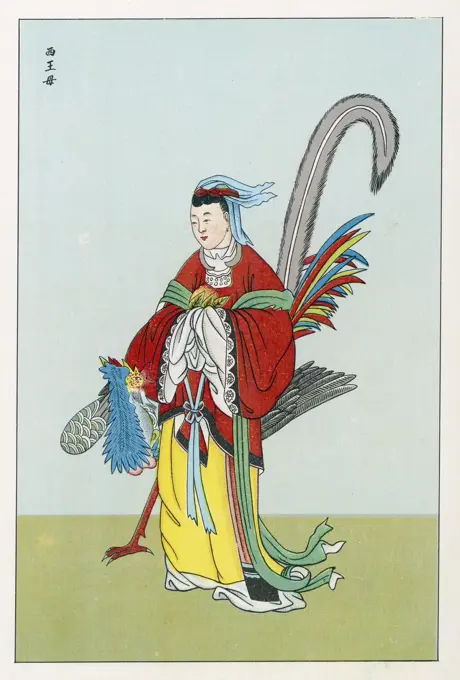
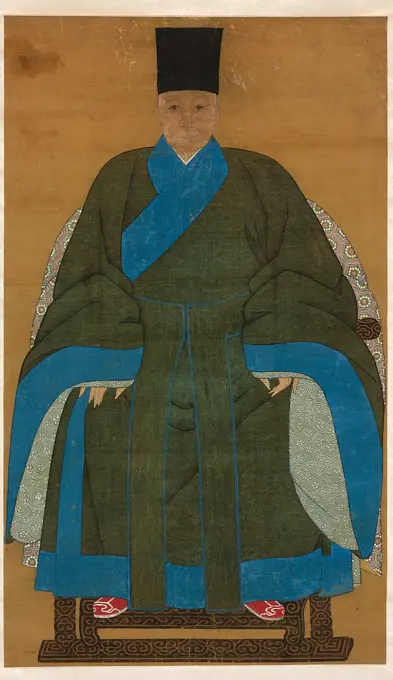
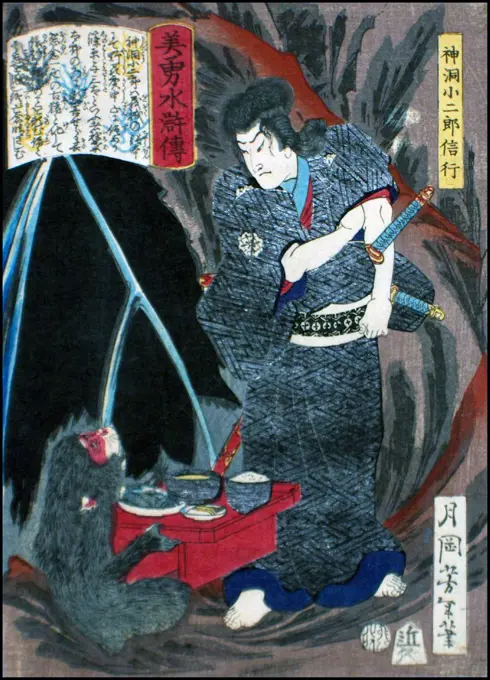
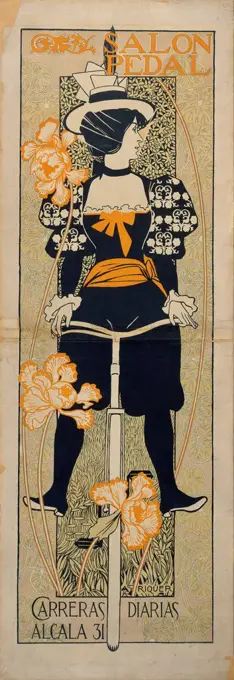
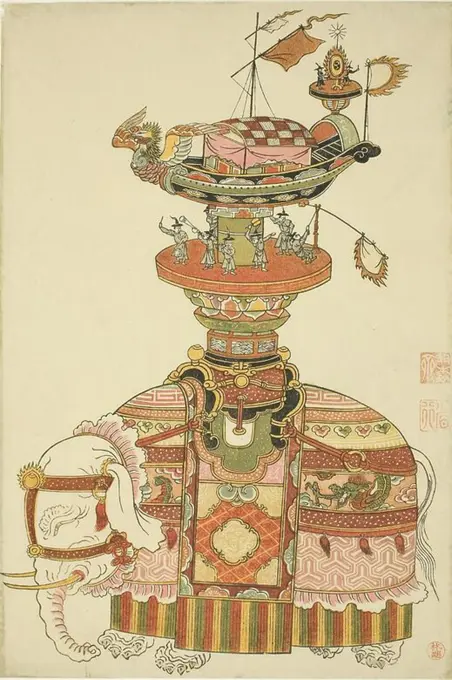
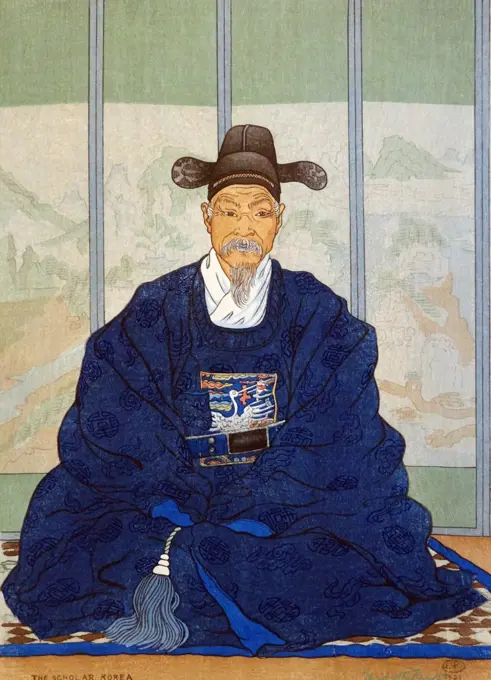
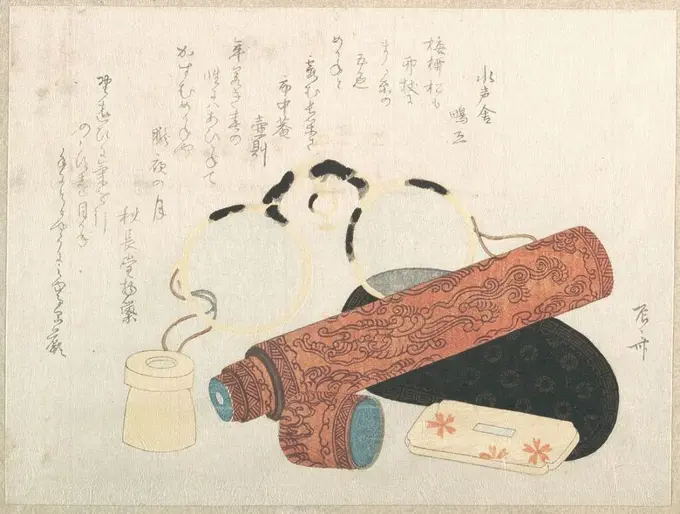
Spectacles and Telescope with Cases. Artist: Ryuryukyo Shinsai (Japanese, active ca. 1799-1823). Culture: Japan. Dimensions: 5 7/16 x 7 5/16 in. (13.8 x 18.6 cm). Date: 19th century. Museum: Metropolitan Museum of Art, New York, USA.A Beauty Walking 1600-1699 Japan. Hand-colored woodblock print; o-oban, sumizuri-e . Sugimura JiheiKabuki Actor Utagawa Kunisada (Toyokuni III) (Japanese, 1786-1865). Kabuki Actor, ca. 1850. Color woodblock print, 14 x 9 1/2 in. (35.6 x 24.1 cm).   Asian Art ca. 1850Katō Kazue no kami Kiyomasa Kneeling by a Banner. Tsukioka Yoshitoshi (Japan, 1839-1892). Japan, 1878. Prints; woodblocks. Color woodblock printKakuta Brigade, Extra (Bangai), Sekiya no sato: Actor Kawarazaki Gonjūrō I as Shirafuji. Utagawa Kunisada (Toyokuni III) (Japan, Edo, 1786-1865)Utagawa Hiroshige II (Japan, 1826-1869)Utagawa Kunisada II (Japan, 1823-1880). eighth month, 1863. Prints; woodblocks. Color woodblock printAn Actor With a Rack of Wigs Okumura Toshinobu Japanese. An Actor With a Rack of Wigs 55598Chinese C18 woodcut: External medicine - ScrofulaSAKUGAWA YOZAEMON EN de JOSHICHI RIVIEROEVER, UTAGAWA KUNISADA (I), 1852 print Actor in the role of Sakugawa Yozaemon, with sword raised and a huge carp; Cartouche with a view of snowy river landscape. The actor is a design by Kunisada, the landscape of Hiroshige. Japan paper nishiki-e / color woodcut portrait of actor, actress. bony fishes: carp. hacking and thrusting weapons: swordThe Suetsumuhana Chapter from "The Tale of Genji" (Genji Suetsumuhana), from a series of Genji parodies. Okumura Masanobu; Japanese, 1686-1764. Date: 1705-1715. Dimensions: 27.3 x 38.1 cm. Woodblock print; oban, sumizuri-e. Origin: Japan. Museum: The Chicago Art Institute, Chicago, USA.Scene from a Drama. Artist: Torii Kiyonobu II (Japanese, ca. 1702-1752). Culture: Japan. Dimensions: 12 1/8 x 5 3/4 in. (30.8 x 14.6 cm). Date: 1735 or 1736. Museum: Metropolitan Museum of Art, New York, USA.The Actor Onoe Tamizo I as Oiso no Tora or Kewaizaka no Shosho, Disguised as a Female Komusu ( ), in the Play Yui Kanoko Date-zome Soga ( ), Performed at the Ichimura Theater ( ) in the First Month, 1774 ( ) 1769-1779 Japan. Color woodblock print; hosoban; from a multisheet composition ( ) . Katsukawa ShunshoThe Actor Segawa Kikunojo III in an Unidentified Role. Katsukawa Shunko I; Japanese, 1743-1812. Date: 1774-1784. Dimensions: 30.7 x 14.7 cm (12 1/16 x 5 13/16 in.). Color woodblock print; hosoban. Origin: Japan. Museum: The Chicago Art Institute, Chicago, USA.Utagawa Kuniyoshi 1798-1861. Men Come Togheter and Make a Man (Hito katamatte hito ni naru). about 1847. vertical Oban. 36.4 x 25.0. Usually I Dislike a Cloudy Sky, Yoshitoshi, TsukiokaHatchōtsubute Kiheiji's Wife Yatsushiro with a Dog. Tsukioka Yoshitoshi (Japan, 1839-1892). Japan, 1866, 12th month. Prints; woodblocks. Color woodblock printJapan: 'Chang'e flees to the moon', woodblock painting by Tsukioka Yoshitoshi (1839-1892), 1885. Actor, sitting with impeller and sword, in room with gold-colored room screen with painting of pine trees.Rycerz botsu usen chosei pędząCY na koniu / botsu usen chosei, z serii: stu ośmiu bohaterów Suikoden / tsuzoku suiketsu hyakuhachi nin net. Utagawa, kuniyoshi (1797 1861)Tsukioka Yoshitoshi (1839 - June 9, 1892), also named Taiso Yoshitoshi, was a Japanese artist. He is widely recognized as the last great master of Ukiyo-e, a type of Japanese woodblock printing. He is additionally regarded as one of the form's greatest innovators. His career spanned two eras - the last years of feudal Japan, and the first years of modern Japan following the Meiji Restoration. Like many Japanese, Yoshitoshi was interested in new things from the rest of the world, but over time he became increasingly concerned with the loss of many outstanding aspects of traditional Japanese culture, among them traditional woodblock printing.Gidôsanshi's mother, 1843 - 1846 print Otawa cuts her husband's hair, sumo wrestler Inagawa Jirôkichi. Scene from a kabukitis piece. Poem by the mother of Gidôsanshi.  paper color woodcut care of the hair. couple of lovers. athletics, gymnasticsStanding Beauty in Blue Kimono 1706-1721 Japan. Hanging scroll; ink and color on paper . Kaigetsudo Doshu. .Portrait of samurai by Utagawa Kuniyoshi, color woodcut, 1797-1861, Washington, Library of Congress, 36x24, 7Gigado Ashiyuki was a designer of ukiyo-e style Japanese woodblock prints in Osaka, who was active from about 1813 to 1833. He was a pupil of Asayama Ashikuni, and was also a haiku poet. Ashiyuki is best known for his oban sized (about 14 x 10 inches or 36 x 25 centimeters), prints of kabuki actors, although he also illustrated books.Nakayama Tomisaburo in the role of An no Oyasu. Artist: Katsukawa Shun'ei (Japanese, 1762-1819). Culture: Japan. Dimensions: 12 11/32 x 5 5/8 in. (31.4 x 14.3 cm). Date: 2nd month, 1792. Museum: Metropolitan Museum of Art, New York, USA.Tombstone, from the series: Stories told at a hundred candle wicks /Hyaku monogatari Katsushika, hokusai (1760 1849)China: Portrait of Cao Cao (155-15 March 220 CE), from a Qing Dynasty edition of 'Romance of the Three Kingdoms', released as Zengxiang quantu Sanguo yanyiOnoe Matsusuke as a Townsman in a Striped Robe, c. 1780. Katsukawa Shunshō (Japanese, 1726-1792). Color woodblock print; sheet: 31.5 x 14 cm (12 3/8 x 5 1/2 in.).Sumo Wrestler Asashio Tarō I , 1901. Color woodblock print on paper, 14 5/8 x 9 1/2 in. (37.1 x 24.1 cm).   Asian Art 1901Hidaymara Templeman Bishomong. Hidaymara Templeman, ca.1820. Woodblock print, 8 1/4 x 5 in. (21 x 12.7 cm).   Asian Art ca.1820Twilight, Looking at Wild Geese Flying Down Toward Yoshida Bridge January 1861 Utagawa Yoshitora Japanese. Twilight, Looking at Wild Geese Flying Down Toward Yoshida Bridge 55422Scene from the Drama "Soga Aigo Wakamatsu" Katsukawa Shunshō 川春章 Japanese 1769Tsukioka Yoshitoshi (1839 - 9 June 1892) one of the last great masters of the classical Japanese colour woodcut, here the work Moon at High TideChinese C18 woodcut: External medicine - 'Millet rash'Chinese woodcut: 'Bee's nest' and 'Well' abscessesBan Danemon Naoyuki Conquers the Old Raccoon Dog at Fukushima's Mansion. Tsukioka Yoshitoshi (Japan, 1839-1892). Japan, 1866. Prints; woodblocks. Triptych; color woodblock prints (oban format)The revenge of the Forty-seven Ronin (Shi-ju-shichi-shi), also known as the Forty-seven Samurai, the Aki vendetta, or the Genroku Aki incident (Genroku aki jiken) took place in Japan at the start of the 18th century. One noted Japanese scholar described the tale as the country's 'national legend'. It recounts the most famous case involving the samurai code of honor, bushidi. The story tells of a group of samurai who were left leaderless (becoming ronin) after their daimyo (feudal lord) Asano Naganori was forced to commit seppuku (ritual suicide) for assaulting a court official named Kira Yoshinaka, whose title was Ki zuke no suke. The ronin avenged their master's honor after patiently waiting and planning for two years to kill Kira. In turn, the ronin were themselves ordered to commit seppuku for committing the crime of murder. With much embellishment, this true story was popularized in Japanese culture as emblematic of the loyalty, sacrifice, persistence, and honor that all good peoplThis creature resembles a half-naked, cold-ridden Chinese man and is thought to be a caricature of Qing China, which had fallen prey to Western colonial powers - a kind of 'Sick Man of Asia'. The Kaikidan Ekotoba is a mid-19th century handscroll that profiles 33 legendary monsters and human oddities, mostly from the Kyushu region of Japan, but with several from other countries, including China, Russia and Korea. The document, whose author is unknown, is in the possession of the Fukuoka City Museum.Portrait of a woman in a colourful kimono TOYOKUNI II, UTAGAWA (1777 1835)China, Yunnan, Tuanshan. Painting on a door in Tuanshan village, built in the Qing Dynasty.A Sage with Tiger, 1661. Kano Tanyū (Japanese, 1602-1674). One of a triptych of hanging scrolls; ink and slight color on silk; painting only: 97.5 x 37.5 cm (38 3/8 x 14 3/4 in.); including mounting: 181.9 x 54 cm (71 5/8 x 21 1/4 in.).Memorial Portrait of Utagawa Hiroshige, 1858, 9th month, Utagawa Kunisada; Publisher: Sakanaya Eikichi; Carver: Yokogawa Takejirō, Japanese, 1786 - 1865, 14 3/8 × 9 3/4 in. (36.5 × 24.7 cm) (image, vertical ōban), Woodblock print (nishiki-e); ink and color on paper, Japan, 19th centuryThe Actor Nakajima Mihoemon II as Shujaku Tenno in the Play Masakado Kammuri no Hatsuyuki, Performed at the Nakamura Theater in the Eleventh Month, 1777. Katsukawa Shunsho  ; Japanese, 1726-1792. Date: 1772-1782. Dimensions: 31.8 x 14.9 cm (12 1/2 x 5 7/8 in.). Color woodblock print; hosoban; from a multisheet composition. Origin: Japan. Museum: The Chicago Art Institute, USA.Chinese C18 woodcut: External medicine - Tumour on the neckHen and Rooster with Grapevine. Artist: Ito Jakuchu (Japanese, 1716-1800). Culture: Japan. Dimensions: Image: 40 1/8 x 16 1/4 in. (101.9 x 41.3 cm)Overall with mounting: 72 3/4 x 21 3/8 in. (184.8 x 54.3 cm)Overall with knobs: 72 3/4 x 23 3/4 in. (184.8 x 60.3 cm). Date: 1792.Barnyard fowl of every variety were among Jakuchu 's favorite subjects. Here, the heroic rooster directs his piercing gaze upward while standing on one foot, lifting his flamboyant tail; a hen, waiting for him to crow, admires his gallant figure. Jakuchu , who devoted his entire life exclusively to painting, was known as one of the "Three Eccentrics" (san kijin) of eighteenth-century Kyoto. He and his fellow Eccentrics, Nagasawa Rosetsu (1754-1799) and Soga Shohaku (1730-1781), were also known for their flamboyant social lives. Museum: Metropolitan Museum of Art, New York, USA.Seated Scholar Seated Scholar, late 19th century. Brush sketch, ink on paper, Image: 11 3/8 x 10 3/8 in. (28.9 x 26.4 cm).   Asian Art late 19th centuryIn a dream, the Daughter of the Dragon King appeared to Minamoto Mitsunaka (912-997), father of Yorimitsu and founder of the Tada Genji lineage (1886). Toyohara Chikanobu () (1838-1912), better known to his contemporaries as Yoshu Chikanobu (), was a prolific woodblock artist of Japan's Meiji period. His works capture the transition from the age of the samurai to Meiji modernity. In 1875 (Meiji 8), he decided to try to make a living as an artist. He travelled to Tokyo. He found work as an artist for the Kaishin Shimbun. In addition, he produced nishiki-e artworks. In his younger days, he had studied the Kano school of painting; but his interest was drawn to ukiyo-e. Like many ukiyo-e artists, Chikanobu turned his attention towards a great variety of subjects. His work ranged from Japanese mythology to depictions of the battlefields of his lifetime to women's fashions. As well as a number of the other artists of this period, he too portrayed kabuki actors in character, and is weWater Margin (known in Chinese as Shuihu Zhuan, sometimes abbreviated to Shuihu), also known as Suikoden in Japanese, as well as Outlaws of the Marsh, Tale of the Marshes, All Men Are Brothers, Men of the Marshes, or The Marshes of Mount Liang, is a 14th century novel and one of the Four Great Classical Novels of Chinese literature. Attributed to Shi Nai'an and written in vernacular Chinese, the story, set in the Song Dynasty, tells of how a group of 108 outlaws gathered at Mount Liang (or Liangshan Marsh) to form a sizable army before they are eventually granted amnesty by the government and sent on campaigns to resist foreign invaders and suppress rebel forces. In 1827, Japanese publisher Kagaya Kichibei commissioned Utagawa Kuniyoshi to produce a series of woodblock prints illustrating the 108 heroes of the Suikoden. The 1827-1830 series, called '108 Heroes of the Water Margin' or 'Tsuzoku Suikoden goketsu hyakuhachinin no hitori', made Utagawa Kuniyoshi's famous.The Kabuki Actor Bando Hikusaburo V (1832-1877) Toyohara Kunichika (Japanese, 1835-1900). The Kabuki Actor Bando Hikusaburo V (1832-1877), 1866 first month. Woodblock print; one leaf of a triptych, 14 x 9 5/8 in. (35.6 x 24.4 cm).   Asian Art 1866 first monthThe Actor Ichikawa Danjuro V as Soga no Goro Tokimune in the Play Sakai-cho Soga Nendaiki, Performed at the Nakamura Theater in the First Month, 1771. Katsukawa Shunsho  ; Japanese, 1726-1792. Date: 1766-1776. Dimensions: 32.7 x 14.5 cm (12 7/8 x 5 11/16 in.). Color woodblock print; hosoban. Origin: Japan. Museum: The Chicago Art Institute, USA.Chinese woodcut, Famous medical figures: Wang ShuheKuwana, section of sheet no 10 from the series Cutout Pictures of the Tokaido (Tokaido harimaze zue) 1842-1857 Japan. Color woodblock print; section of harimaze sheet . Utagawa HiroshigeChina: 'Sitting Beside Chrysanthemums and Holding a Pocket Watch', from the Yongzheng shier meiren tu or 'Twelve Beauties of Prince Yong', Qing Dynasty court painting, early 18th centurySketch for the Portrait of Tachihara Suiken. Artist: Watanabe Kazan (Japanese, 1793-1841). Culture: Japan. Dimensions: 29 1/8 x 17 in. (74 x 43.2 cm). Date: 19th century.Tachihara Suiken was the father of a close friend of Kazan's. The completed work is now lost, but several surviving sketches reveal that the artist rejected the concealment of physical defects in favor of a sympathetic realism. In this sketch, the only embellishments that refer to the subject's social status are his sword and the book tucked into his robe. His shriveled mouth and unshaven chin, adroitly captured by the Western technique of chiaroscuro--which Kazan had studied--enhance the impression of intense self-determination made by this eighty-one-year-old samurai. Museum: Metropolitan Museum of Art, New York, USA.Chinese woodcut: Various abscessesLao Laizi (Ro Raishi), from the series Twenty-four Paragons of Filial Piety in China (Morokoshi nijushiko) 1843-1855 Japan. Color woodblock print; chuban . Utagawa KuniyoshiSu Liupeng (1796-1862). "Eight album sheets". Ink and colors on paper. Paris, Cernuschi museum. Album, color on paper, cook, color on paper, cooking, disht, ink, print, leaf, man, ink, servant, servant, sheet, color, angling, man, dishThe revenge of the Forty-seven Ronin (Shi-ju-shichi-shi), also known as the Forty-seven Samurai, the Aki vendetta, or the Genroku Aki incident (Genroku aki jiken) took place in Japan at the start of the 18th century. One noted Japanese scholar described the tale as the country's 'national legend'. It recounts the most famous case involving the samurai code of honor, bushidi. The story tells of a group of samurai who were left leaderless (becoming ronin) after their daimyo (feudal lord) Asano Naganori was forced to commit seppuku (ritual suicide) for assaulting a court official named Kira Yoshinaka, whose title was Ki zuke no suke. The ronin avenged their master's honor after patiently waiting and planning for two years to kill Kira. In turn, the ronin were themselves ordered to commit seppuku for committing the crime of murder. With much embellishment, this true story was popularized in Japanese culture as emblematic of the loyalty, sacrifice, persistence, and honor that all good peoplJapan: Traditional crafts and trades of the 18th century from a hand-painted album by an anonymous artist. Folio 26: (left)fine arts, Beardsley, Aubrey (1872 - 1898), print, ""The Journalist"", satirical drawing, published in the magazine ""The Savoy"", January 1896, private collection,Saitō Oniwakamaru on a Carp. Tsukioka Yoshitoshi (Japan, 1839-1892). Japan, 1873, April. Prints; woodblocks. Color woodblock printButterfly and Mask of Yakko (the footman of a samurai) 18th-19th century Ayaoka Japanese. Butterfly and Mask of Yakko (the footman of a samurai). Ayaoka (Japanese, 18th-19th century). Japan. 18th-19th century. Part of an album of woodblock prints (surimono); ink and color on paper. PrintsWater Margin (known in Chinese as Shuihu Zhuan, sometimes abbreviated to Shuihu), also known as Suikoden in Japanese, as well as Outlaws of the Marsh, Tale of the Marshes, All Men Are Brothers, Men of the Marshes, or The Marshes of Mount Liang, is a 14th century novel and one of the Four Great Classical Novels of Chinese literature. Attributed to Shi Nai'an and written in vernacular Chinese, the story, set in the Song Dynasty, tells of how a group of 108 outlaws gathered at Mount Liang (or Liangshan Marsh) to form a sizable army before they are eventually granted amnesty by the government and sent on campaigns to resist foreign invaders and suppress rebel forces. In 1827, Japanese publisher Kagaya Kichibei commissioned Utagawa Kuniyoshi to produce a series of woodblock prints illustrating the 108 heroes of the Suikoden. The 1827-1830 series, called '108 Heroes of the Water Margin' or 'Tsuzoku Suikoden goketsu hyakuhachinin no hitori', made Utagawa Kuniyoshi's famous.A knight standing with a sword on the fire of muskets Utagawa, kuniyoshi (1797 1861)Tsukioka Yoshitoshi (30 April 1839 - 9 June 1892) was a Japanese artist and Ukiyo-e woodblock print master. He is widely recognized as the last great master of Ukiyo-e, a type of Japanese woodblock printing. He is additionally regarded as one of the form's greatest innovators. His career spanned two eras - the last years of Edo period Japan, and the first years of modern Japan following the Meiji Restoration. Like many Japanese, Yoshitoshi was interested in new things from the rest of the world, but over time he became increasingly concerned with the loss of many aspects of traditional Japanese culture, among them traditional woodblock printing. By the end of his career, Yoshitoshi was in an almost single-handed struggle against time and technology. As he worked on in the old manner, Japan was adopting Western mass reproduction methods like photography and lithography. Nonetheless, in a Japan that was turning away from its own past, he almost singlehandedly managed to push the traditioThe Actor Sawamura Sojuro I as Ebisu in the play "Suehiro Eho Soga," performed at the Nakamura Theater in the first month, 1729. Torii Kiyomasu II; Japanese, 1706 ()-1763 (). Date: 1729. Dimensions: 13 1/4 x 6 1/8 in. Hand-colored woodblock print; hosoban, urushi-e. Origin: Japan. Museum: The Chicago Art Institute, Chicago, USA.Painting on glass  a standing woman and a man holding a bull unknownPortrait of Qianlong Emperor As a Young Man. Artist: Unidentified Artist Chinese, 19th century. Culture: China. Dimensions: Image: 63 1/2 x 30 1/2 in. (161.3 x 77.5 cm)Overall with mounting: 96 7/8 x 39 1/2 in. (246.1 x 100.3 cm)Overall with knobs: 96 7/8 x 43 1/8 in. (246.1 x 109.5 cm). Date: 19th century. Museum: Metropolitan Museum of Art, New York, USA. Author: Unidentified Artist Chinese, 19th century.Onoe Matsusuke as Man Armed with a Sword, Standing in Snow before a Fence. Artist: Katsukawa Shunko (Japanese, 1743-1812). Culture: Japan. Dimensions: H. 12 5/8 in. (32.1 cm); W. 5 3/4 in. (14.6 cm). Date: 1786. Museum: Metropolitan Museum of Art, New York, USA.Carpenter's New Specimen book, 1836, WoodcutsPortrait of Shotoku Taishi and his daughters. 8th century. Japanese art. Painting. JAPAN. HONSHU. Tokyo. Tokyo National Museum.Tsukioka Yoshitoshi (30 April 1839 9 June 1892, also named Taiso Yoshitoshi) was a Japanese artist. He is widely recognized as the last great master of Ukiyo-e, a type of Japanese woodblock printing. He is additionally regarded as one of the form's greatest innovators. His career spanned two eras the last years of Edo period Japan, and the first years of modern Japan following the Meiji Restoration. Like many Japanese, Yoshitoshi was interested in new things from the rest of the world, but over time he became increasingly concerned with the loss of many aspects of traditional Japanese culture, among them traditional woodblock printing. Eimei nijuhasshuku (28 Famous Murders with Verse), also known as the 'Bloody Prints', is a collection of Japanese ukiyo-e from the 1860s, which depicted gruesome acts of murder or torture based on historical events or scenes in Kabuki plays. Although most of the works are solely violent by nature, it is perhaps the first known example of ero guro or the SI WANG-MOU the Golden Mother of the  Tortoise, the female creative  force of the Universe       Date: 1915Portrait of Mingowski may;  Qing era (1644-1911) (1911-00-00-1911-00-00);coil painting, portraits, Chinese art, scrolls, vertical gangliaHero The hero Watanabe no Tsuna binding the a dragonTsukioka Yoshitoshi (1839 - June 9, 1892), also named Taiso Yoshitoshi, was a Japanese artist. He is widely recognized as the last great master of Ukiyo-e, a type of Japanese woodblock printing. He is additionally regarded as one of the form's greatest innovators. His career spanned two eras - the last years of feudal Japan, and the first years of modern Japan following the Meiji Restoration. Like many Japanese, Yoshitoshi was interested in new things from the rest of the world, but over time he became increasingly concerned with the loss of many outstanding aspects of traditional Japanese culture, among them traditional woodblock printing.Korea: Hong Daeyong (1731 - 1783), philosopher, astronomer and mathematician during the late Joseon Kingdom (1392 - 1897). Also known as Damheon, Hong was an early promoter of Korean industrialization and the development of trade by using Western technologies.Watercolor of musician playing sona late 18th century Chinese. Watercolor of musician playing sona 506091Two Noblemen Two Noblemen, 19th-20th century. Brush sketch, ink on paper, Image: 9 3/4 x 14 1/2 in. (24.8 x 36.8 cm).   Asian Art 19th-20th centuryJapan: Hikifuda advertising poster depicting a gorgeously clad lady giving another a New Year present of cash in a red envelope. Late Meiji (1868-1912) periodSalon Pedal (Advertising Poster) by Riquer Inglada, Alejandro de (1856-1920) Museu Nacional d'Art de Catalunya, Barcelona 1897 Colour lithograph 139,4x48,5 Spain Art Nouveau Poster and Graphic design PosterMechanical Elephant with Festival Barge and Korean Musicians. Attributed to Komatsuya Hyakki; Japanese, 1720-1793 (). Date: 1760-1770. Dimensions: 28.2 x 19.0 cm (11 1/8 x 7 1/2 in.). Color woodblock print; chuban. Origin: Japan. Museum: The Chicago Art Institute, Chicago, USA.Thomas Carlyle, from the series Lives of Great People of the Occident Unknown. , ca. 1870. Color woodblock print on paper, 14 1/4 x 9 1/2 in. (36.2 x 24.1 cm).   Asian Art ca. 1870Colour woodcut titled 'The Scholar'. By Elizabeth Keith (1887-1956) Scottish, self-taught artist making watercolours and drawings. Dated 1921Ryūtei Tanehiko ( 亭 种 彦? ) (July 11, 1783, Edo - August 24, 1842) was a Japanese writer and literary figure. Born into a samurai family of lower rank , he grew up in a relatively humble environment. He began his literary career as a writer of poems Kyōka on Ota Nampo model. His teacher was Karagoromo Kisshu and after the death of the latter in 1802, Shikatsube Magao. 1805 he met Masamochi Ishikawa who was also among his mentors. In 1807 Tanehiko published the first of a series of novels, leading to literary success among his contemporaries. His literary fame is largely based on the illustrated serial 'Nise Murasaki inaka Genji' (An impostor Murasaki and rustic Genji), which ran for fourteen years from 1828 - Japan's first national bestseller.Print 19th century Utagawa Kunisada Japanese. Print 58031Japanese artist depicted in a western cartoon of 1910From the five countries: the Dutchman; Gokakoku no e uchi orandajin; Hollander with Indian clerk. Dutchman in uniform, followed by Indian clerk with black umbrella. The text on the yellow background gives (in Japanese) the Dutch emissions for different words that include family, such as 'mother' and 'man' and natural phenomena, such as 'snow' and 'wind'. (Yokohama-e)Du Fu was a prominent Chinese poet of the Tang Dynasty. Along with Li Bai (Li Bo), he is frequently called the greatest of the Chinese poets. His greatest ambition was to serve his country as a successful civil servant, but he proved unable to make the necessary accommodations. His life, like the whole country, was devastated by the An Lushan Rebellion of 755, and his last 15 years were a time of almost constant unrest. Although initially he was little known to other writers, his works came to be hugely influential in both Chinese and Japanese literary culture. Of his poetic writing, nearly fifteen hundred poems have been preserved. He has been called the 'Poet-Historian' and the 'Poet-Sage' by Chinese critics, while the range of his work has allowed him to be introduced to Western readers as 'the Chinese Virgil, Horace, Ovid, Shakespeare, Milton, Burns, Wordsworth, Béranger, Hugo or Baudelaire'.The revenge of the Forty-seven Ronin (Shi-ju-shichi-shi), also known as the Forty-seven Samurai, the Aki vendetta, or the Genroku Aki incident (Genroku aki jiken) took place in Japan at the start of the 18th century. One noted Japanese scholar described the tale as the country's 'national legend'. It recounts the most famous case involving the samurai code of honor, bushidi. The story tells of a group of samurai who were left leaderless (becoming ronin) after their daimyo (feudal lord) Asano Naganori was forced to commit seppuku (ritual suicide) for assaulting a court official named Kira Yoshinaka, whose title was Ki zuke no suke. The ronin avenged their master's honor after patiently waiting and planning for two years to kill Kira. In turn, the ronin were themselves ordered to commit seppuku for committing the crime of murder. With much embellishment, this true story was popularized in Japanese culture as emblematic of the loyalty, sacrifice, persistence, and honor that all good peoplNew Year Picture of Civil Door God with Five Children (paired with CP 377, right) early 20th century Unidentified artist(s). New Year Picture of Civil Door God with Five Children (paired with CP 377, right). Unidentified artist(s) , Chinese, early 20th century. China. early 20th century. Polychrome woodblock print; ink and color on paper. Republic period (191249). PrintsDaruma. Tōrei Enji (Japan, 1721-1792). no date. Paintings; scrolls. Hanging scroll; ink on silkQin Shi Huangdi (259 BC   210 BC), king of the Chinese State of Qin from 246 BC to 221 BC during the Warring States Period.  Emperor of China 221 to 210 BC.  He undertook projects, including the first version of the Great Wall of China and a massive national road system.Portrait of a civil servant. unknown, painterOne of the Sanjurokkasen, Album Leaf Painting One of the Sanjurokkasen, Album Leaf Painting, 19th century. Album leaf, ink and color on paper, 11 3/8 x 14 1/8 in. (28.9 x 35.9 cm).   Asian Art 19th centuryMan on a Raft. Artist: Katsushika Hokusai (Japanese, Tokyo (Edo) 1760-1849 Tokyo (Edo)). Culture: Japan. Dimensions: H. 13 1/16 in. (33.2 cm); W. 9 3/8 in. (23.8 cm). Museum: Metropolitan Museum of Art, New York, USA.Portrait of Gaofeng Yuanmiao Gao Yongxian. Portrait of Gaofeng Yuanmiao, 1590. Ink and color on silk, With mount: 42 5/8 x 29 3/8 in. (108.3 x 74.6 cm).   Asian Art 1590Englishmen 1861 Utagawa Yoshikazu Japanese. Englishmen 55533IgirisujinEnglishmen. Artist: Utagawa Yoshikazu (Japanese, active ca. 1850-1870). Culture: Japan. Dimensions: 14 3/8 x 9 7/8 in. (36.5 x 25.1 cm). Date: 1861. Museum: Metropolitan Museum of Art, New York, USA.Woman seated at table, playing a shimianluo. Paintings. 1800 - 1899. The Miriam and Ira D. Wallach Division of Art, Prints and Photographs: Art & Architecture Collection. Musical instruments , China, Furniture , China, Clothing and dress, Pottery , China