Japanese Woodblock Prints of Actors

Color woodblock prints showcasing Kabuki actors in traditional attire, engaged in dramatic poses and performances, highlighting historic theatrical works.

Yorikane with lure hair from his beloved, utagawa kuniyoshi, c. 1846 print Sakingo Yorikane depicted on a moon -lit night, with locks hair of his loved one and Takao murdered by him. Yorikane was in love with the Courtisane Takao and bought her free by paying her weight in gold. After Takao told that love is not mutual, Yorikane killed her.  paper color woodcut lock of hair. adult man. full moon
Yorikane with lure hair from his beloved, utagawa kuniyoshi, c. 1846 print Sakingo Yorikane depicted on a moon -lit night, with locks hair of his loved one and Takao murdered by him. Yorikane was in love with the Courtisane Takao and bought her free by paying her weight in gold. After Takao told that love is not mutual, Yorikane killed her. paper color woodcut lock of hair. adult man. full moon
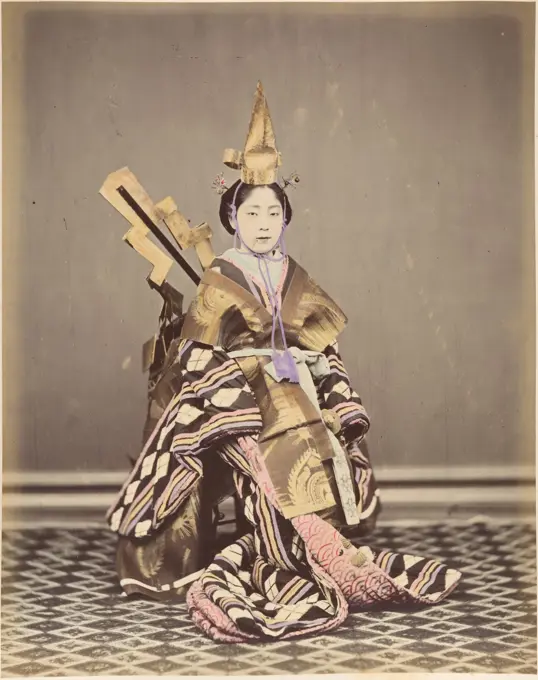
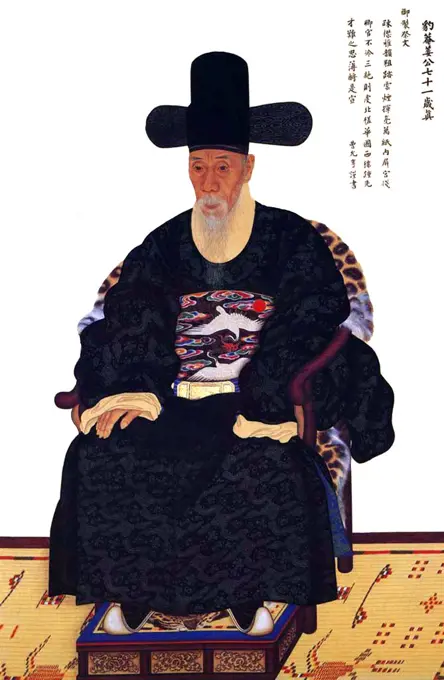
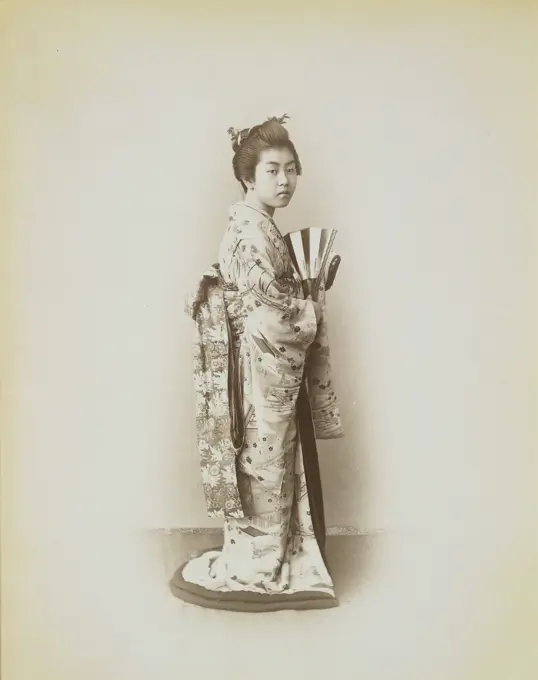
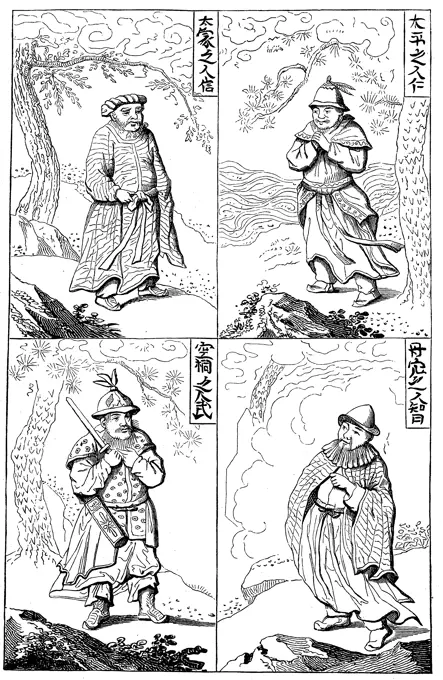
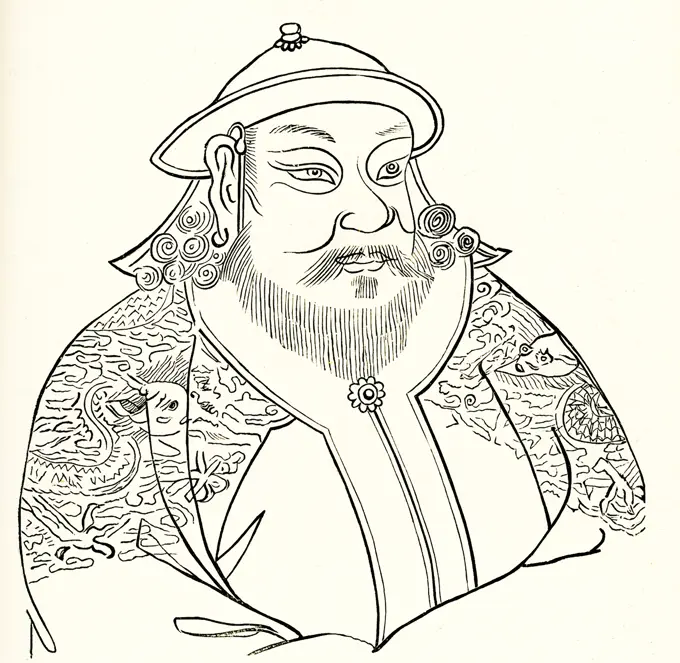
USA: 'The Cat and the Cherub'. White wove tissue paper etching by Helen Hyde (1868-1919), 1897. Helen Hyde (April 6, 1868 - May 13, 1919) was an American engraver and etcher. Born in Lima, New York, she became well known for her colour etching process, as well as her woodblock prints of Japanese children and women.Osaki Kioto illegible dancer Suzuki Shin'ichi Japanese 1870sGang Se-hwang (1713-1791) was not only a high government official but also a painter, calligrapher and art critic of the mid-Joseon period. He was born in Jinju, Gyeongsangnam-do, the son of Kang Hyeon. He entered royal service when more than sixty years old. Gang established and practised the 'munhwa' style of painting.Ogedei Khan (1186-1241)England (Igirisu), from the Countries of Europe (Yoroppa-shu no uchi) 1861 Japan. Color woodblock print; oban . Utagawa YoshikazuSketch Katsushika Hokusai (Japanese, 1760-1849). Sketch, 1760-1849. Ink on paper, image: 11 3/16 x 13 1/4 in. (28.4 x 33.7 cm).   Asian Art 1760-1849from a photography album with images of Japan, 19th-20th century, 9 1/4 x 7 1/2 in. (23.5 x 19.05 cm) (sheet)9 x 13 x 1 1/2 in. (22.9 x 33 x 3.8 cm) (album, closed), Gelatin silver print, Japan, 19th-20th centuryCangjie (Ts'ang-chieh) is a very important figure in ancient China (c. 2650 BC), held to be the official historian of the Yellow Emperor and the inventor of Chinese characters. Legend has it that he had four eyes and four pupils, and that when he invented the characters, the deities and ghosts cried and the sky rained millet. He is considered a legendary figure rather than a historical figure.Peoples from ancient China, Han Dynasty, about 200 BC  /   Völker aus dem alten China, Han Dynastie, ca 200 v.Chr, Historisch, historical, digital improved reproduction of an original from the 19th century / digitale Reproduktion einer Originalvorlage aus dem 19. Jahrhundert,. The caption for this map from The Travels of Marco Polo Vol I as translated by Henry Yule reads: Portrait pf Kublai Khan. From a Chinese engraving). Kublai Khan, also known by his regnal name Setsen Khan, was the founder of the Yuan dynasty of China and the fifth khagan-emperor of the Mongol Empire from 1260 to 1294, although after the division of the empire this was a nominal position. Marco Polo was a Venetian traveler who left Venice, Italy, with his father Niccolo and uncle Maffeo in 1271. He arrived in China in 1275 where Kublai Khan had his court, and returned home in 1294. Note that the city of Kinsai, the so-called 'Heavenly City,' was called by Marco Polo Coromoran. Kanbaliq is Turkic for what is today Beijing. Polo called it Cambaluc. Siam is present-day Cambodia. Polo dictated his adventures to Rustichello. These writings, written in French, were titled Books of the Marvels of the World, but are better known in English as The Travels of Marco Polo..Japan: Vintage Art Deco poster featuring a 'moga' or 'modern girl', 1920s