Japanese Woodblock Prints of Women

Delicate woodblock prints depicting Japanese women in traditional attire, engaged in various activities, highlighting cultural elegance and floral motifs.

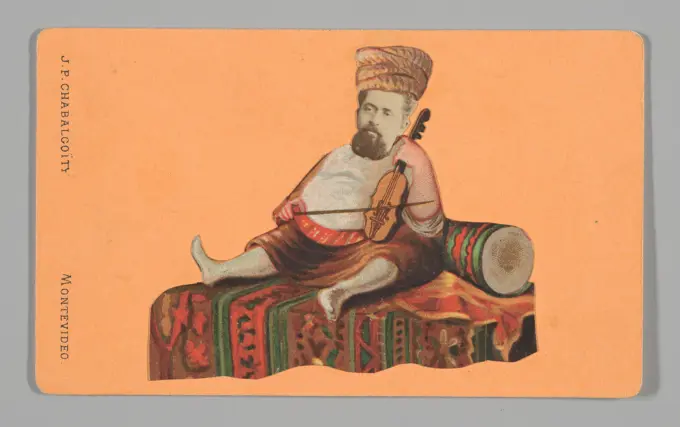
Sanokawa Mangiku, Nakamura Gentaro and Takashima Onoe Sanokawa Mangiku, Nakamura Gentaro and Takashima Onoe (title on object), Three actors in women's roles, two seated and one standing with the right arm raised, anonymous, Japan, 1718, paper, h 265 mm w 148 mm
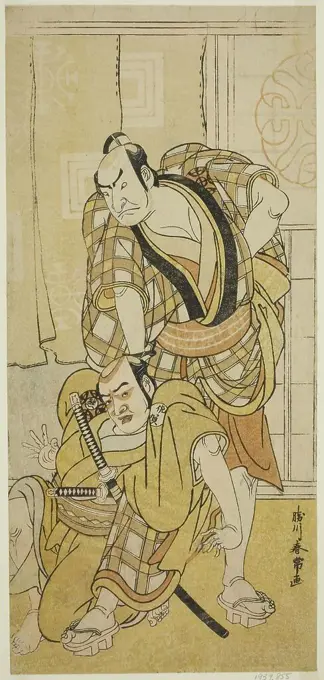
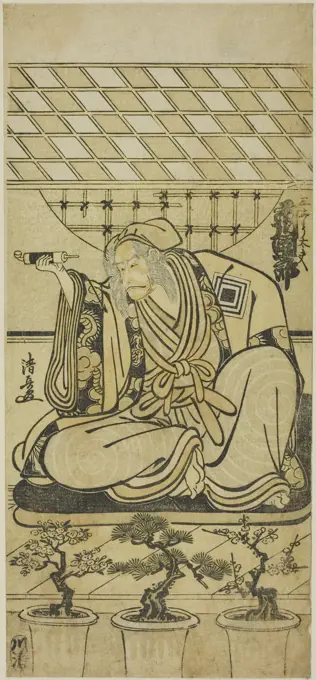
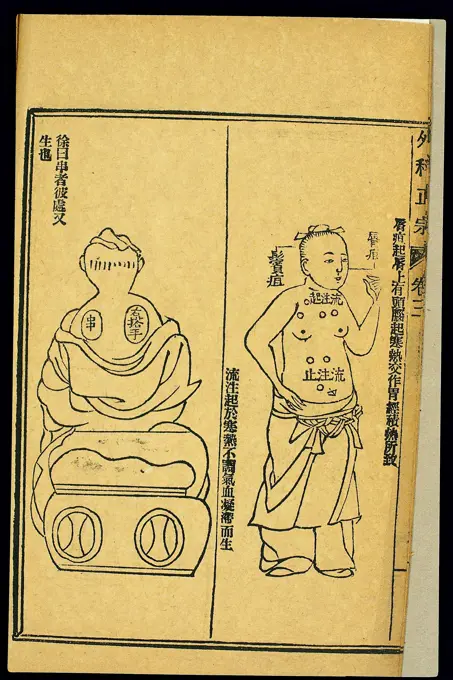
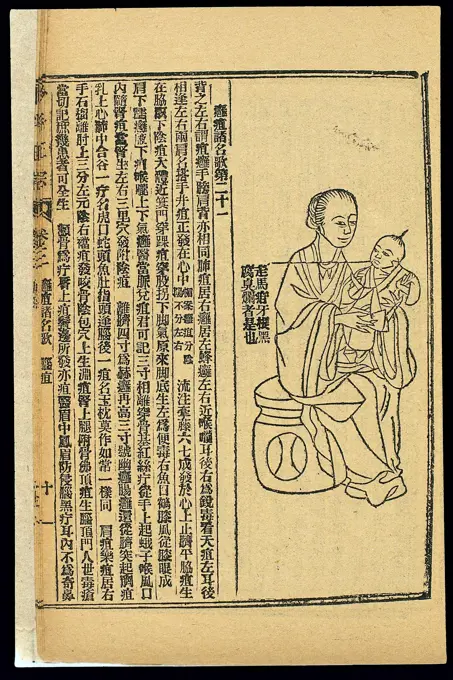
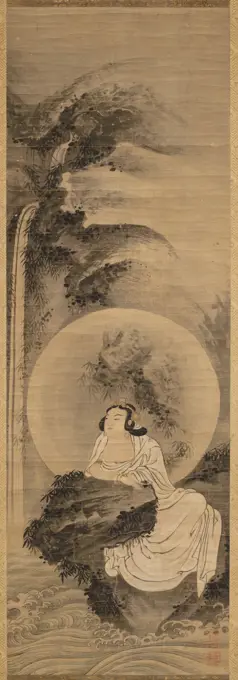
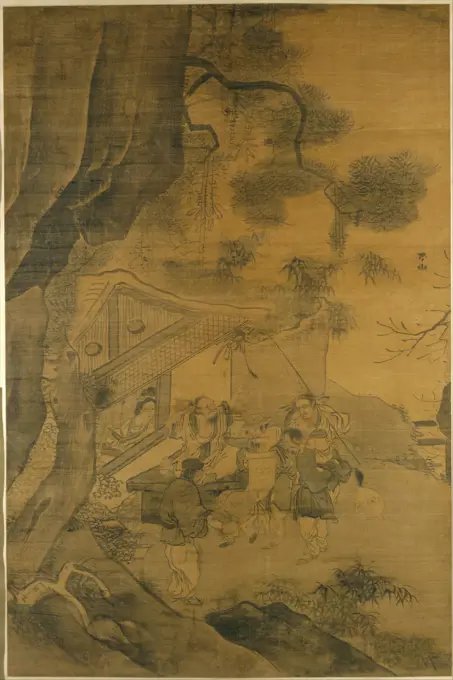
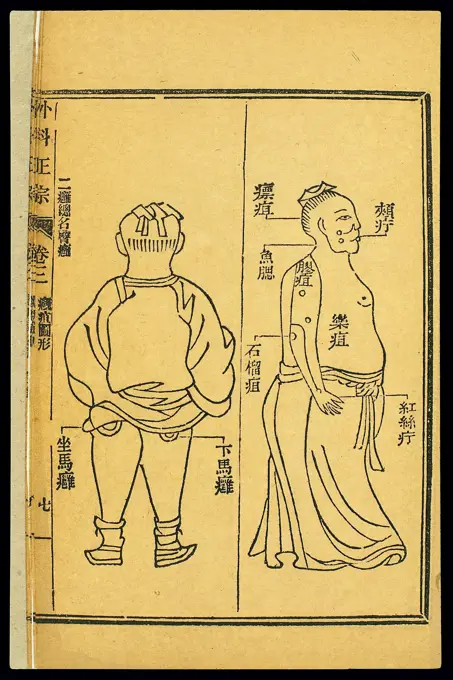
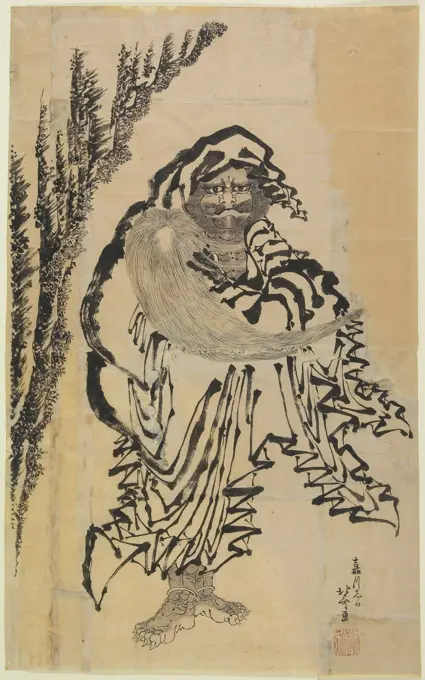
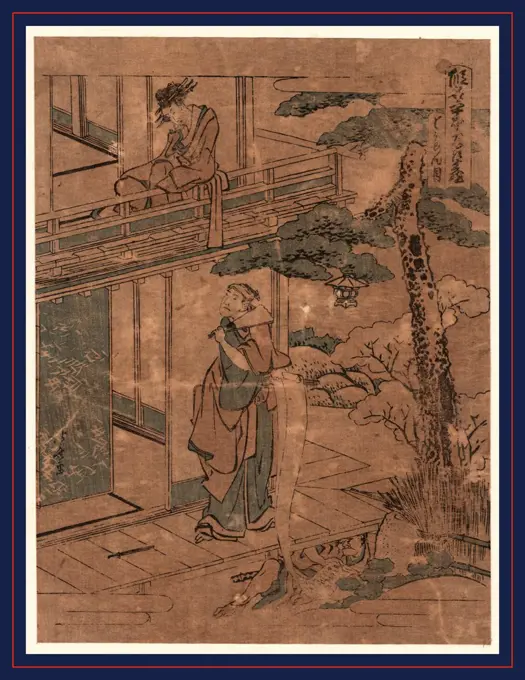
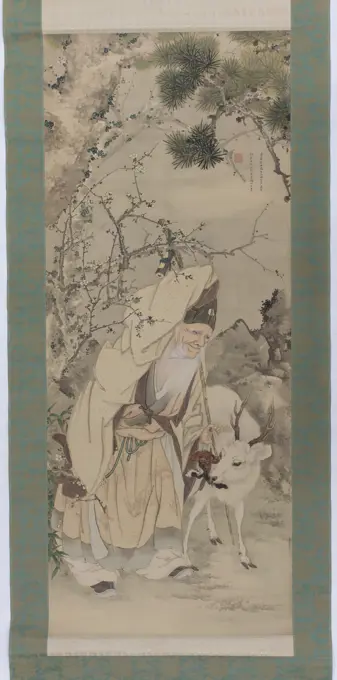
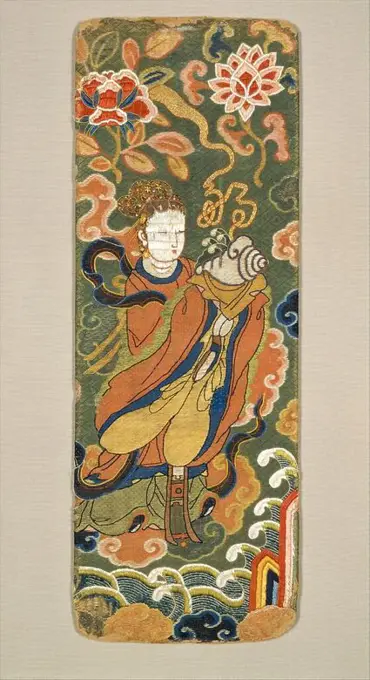
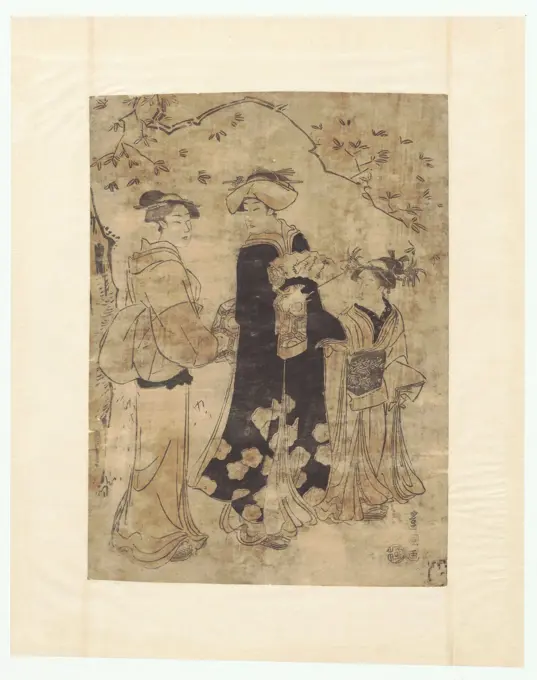
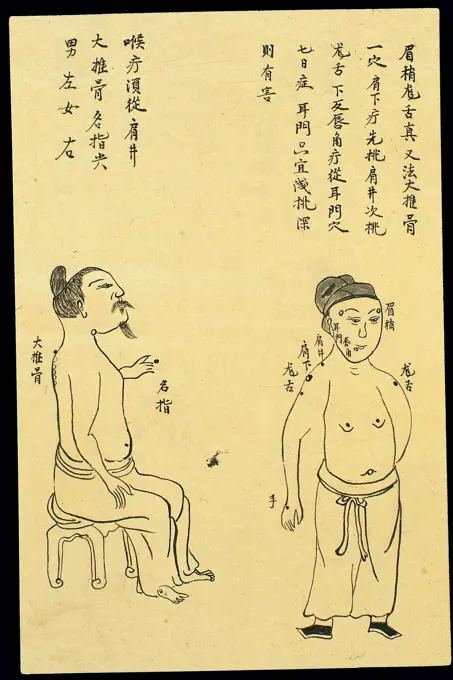
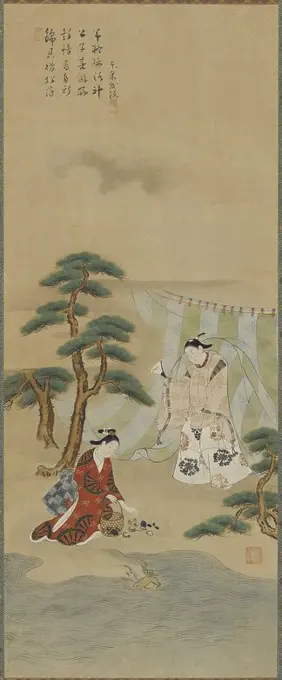
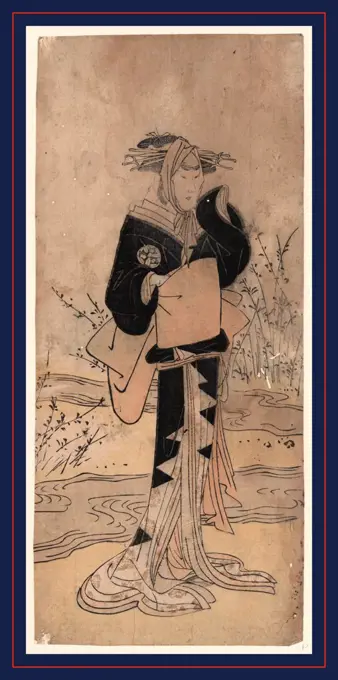
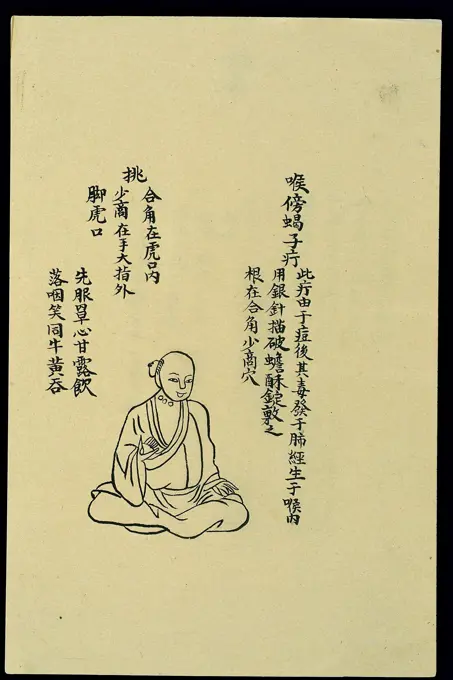
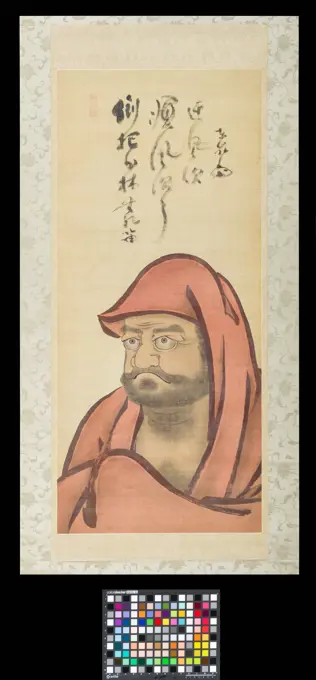
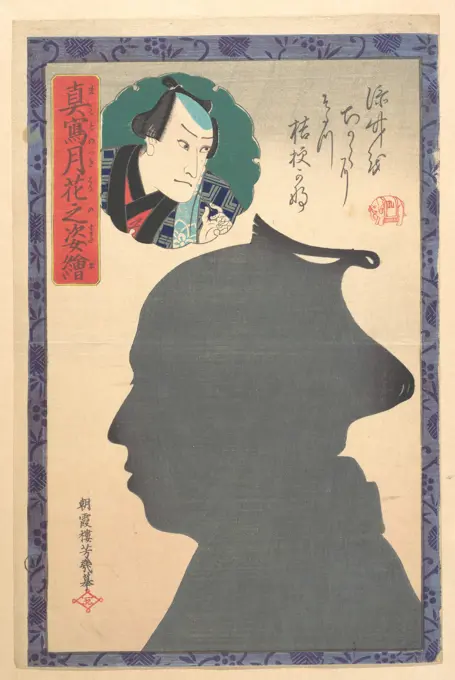
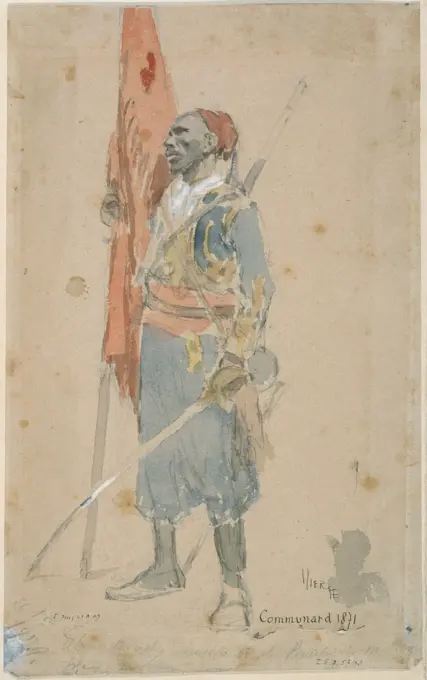
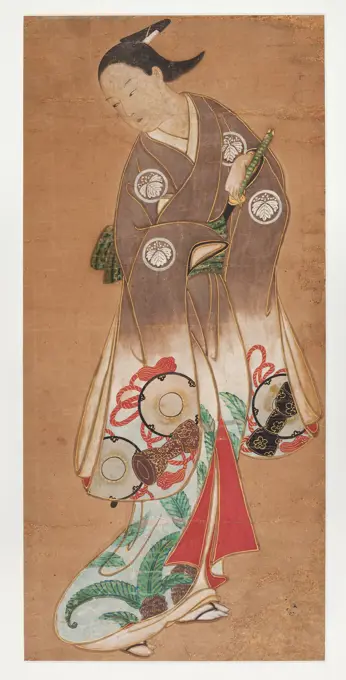
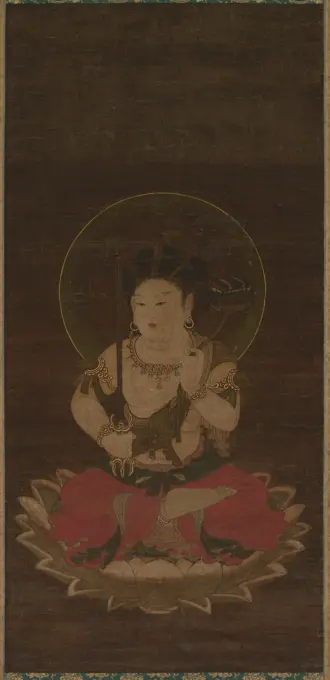
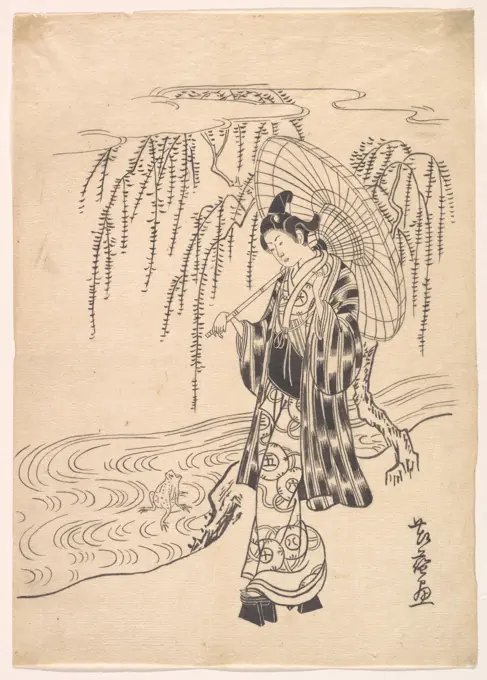
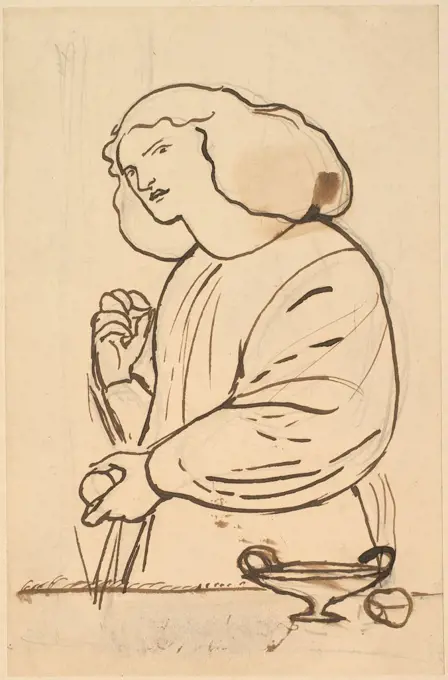
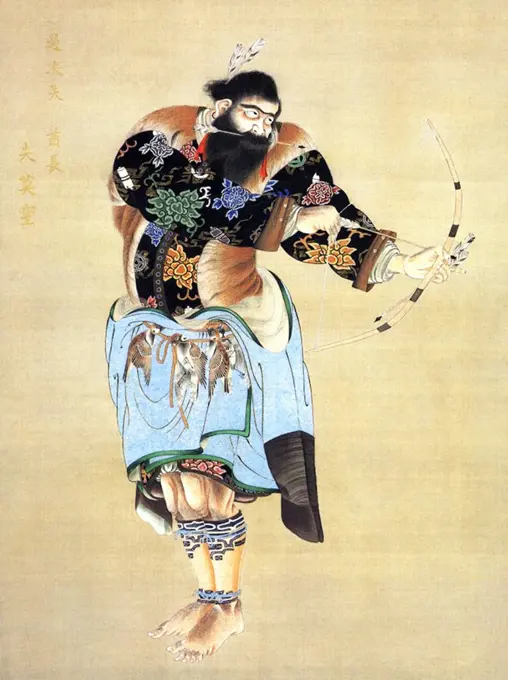
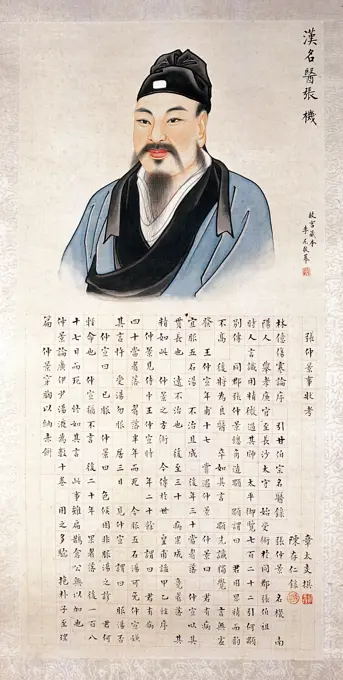
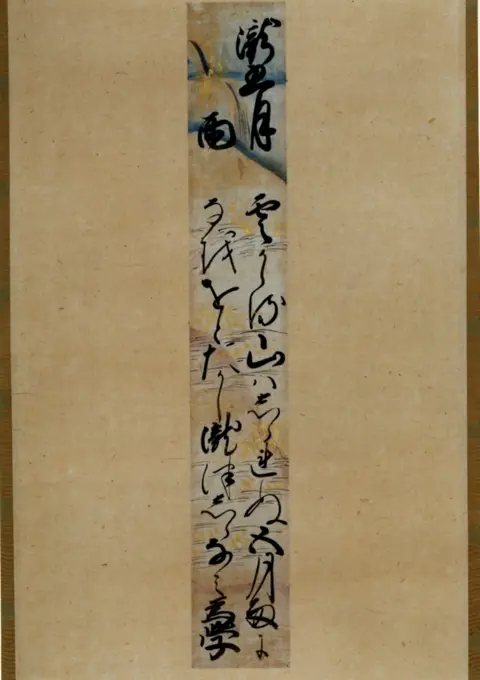
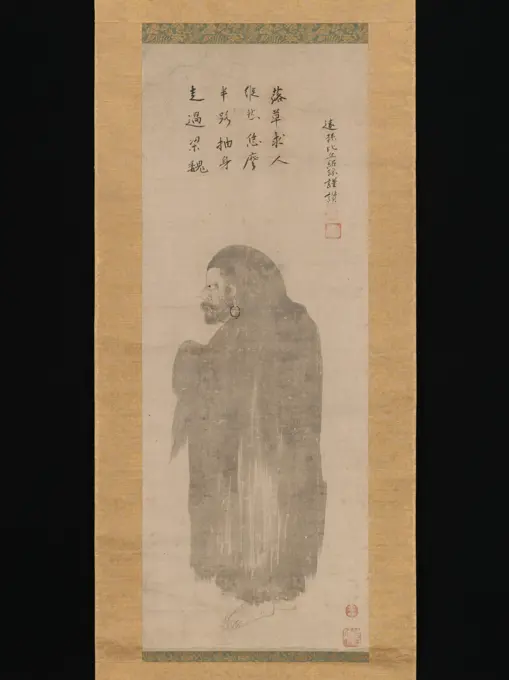
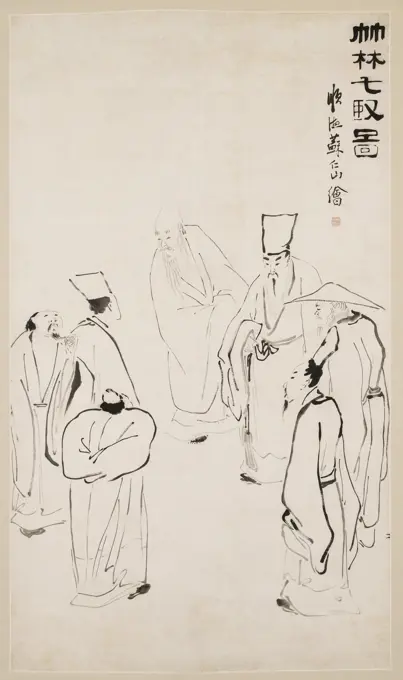
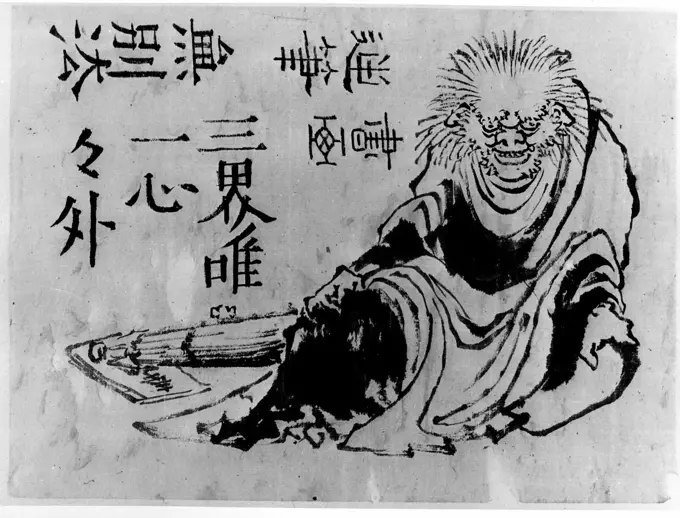
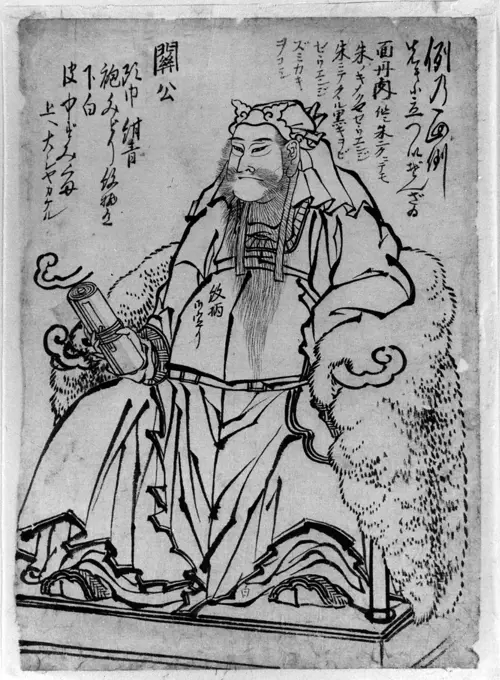
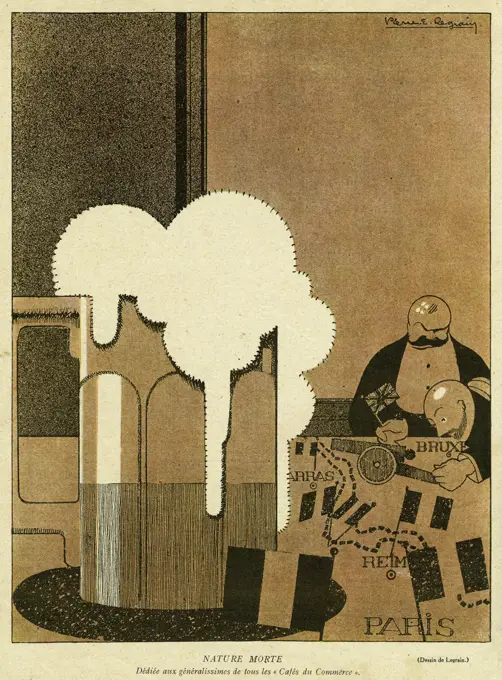
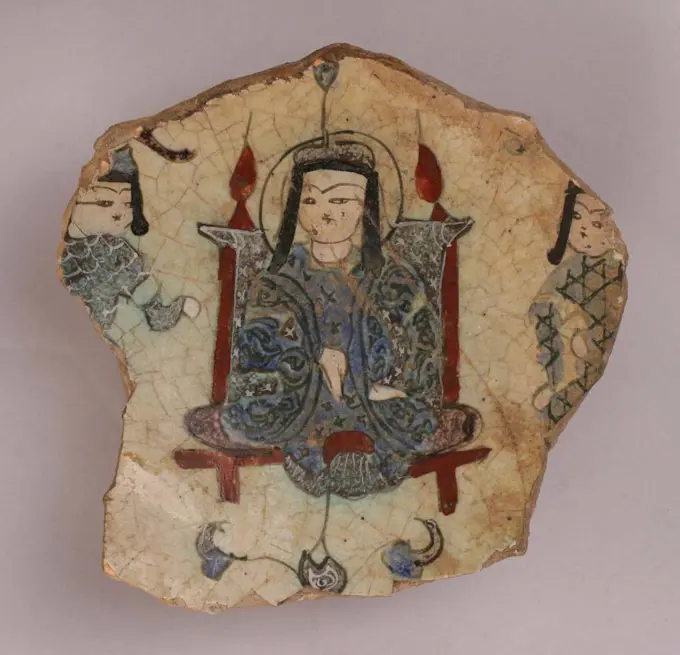
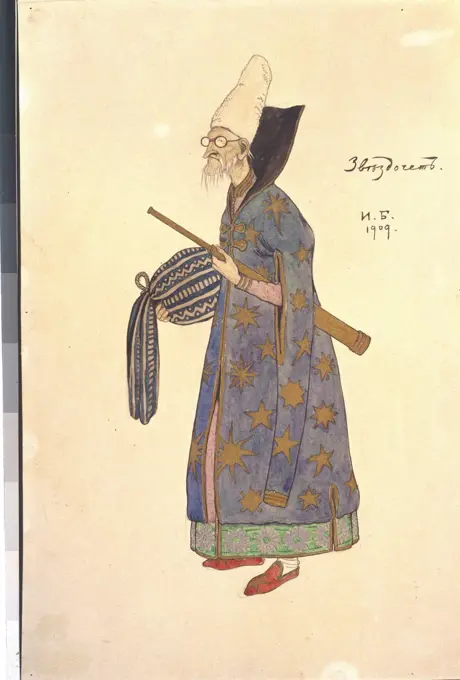
Yang Guifei Playing a Flute 17th-18th century Kano Tsunenobu Japanese Academic painters in the Edo period also sought to represent beauties in their paintings, but drew on a continental figure painting tradition instead of using the demimond directly as their subject. Yang Guifei, ill-fated concubine of the Tang emperor at the time of the An Lushan rebellion and most likely first known through a poem by Bai Luodian (772-846), was a metaphor for womanly beauty from very early times. There are references to her in the eleventh-century Tale of Genji Genji Monogatari and in the slightly earlier Pillow Book Makura sōshi. By the seventeenth century, her perosnification of fleshly beauty was so pervasive it was used to sell skin-whitening cream, a product described in a short vignette in The Mirror of Townsmen in our Land Honcho chōnin kagami, a collection of merchant tales written by the novelist Saikaku (1642-1693) and published a year after his death.. Yang Guifei Playing a Flute 45The Actors Nakamura Nakazo I as Tenjiku Tokubei () (right) and Bando Kumajuro as the Shopman Dempachi () (left), in the Play Keisei Katabira ga Tsuji (), Performed at the Ichimura Theater () in the Eighth Month, 1783 (). Katsukawa Shunjo; Japanese, died 1787. Date: 1778-1788. Dimensions: 30.2 x 14.1 cm (11 7/8 x 5 9/16 in.). Color woodblock print; hosoban. Origin: Japan. Museum: The Chicago Art Institute, USA.The Actor Ichikawa Danjuro V as Sansho Dayu ( ) 1775-1785 Japan. Color woodblock print; hosoban . Torii KiyonagaChinese woodcut: Various abscessesChinese woodcut: Abscesses -- zouma gan (galloping sore)Piece 18th century Japan. Piece 71999White-robed Kannon, late 15th century, attributed to Kenkō Shōkei, Japanese, active before 1478-ca. 1523, 38 1/4 × 12 13/16 in. (97.16 × 32.54 cm) (image)68 1/2 × 17 3/8 in. (173.99 × 44.13 cm) (mount, without roller), Ink and color on paper, Japan, 15th century, Buddhist monks, particularly those of the Zen school, were devoted landscape painters. Like calligraphy, painting was considered part of the spiritual training necessary for enlightenment. Zen monks favored monochrome ink painting due to its simplicity and straightforwardness. The priest Kenkō Shōkei, who served as secretary at Kenchōji Temple in Kamakura, studied Chinese paintings from the Song and Yuan dynasties and became a key figure in the ink-painting circles of Japan.Portrait of a dignitary in an official costume;  19th/20th century (1644-00-00-1900-00-00);Chinese (culture), coil painting, men, portraits, Chinese art, officials, scrolls, vertical gangliaKingfisher flying over anIris.  Artist: Utagawa Hiroshige, Japanese, 1797-1858Studying a Painting 16th century Zhang Lu Chinese Zhang Lu was an aristocrat born into a wealthy family and educated with princes of the imperial family. He attained great success as a professional painter but lived very simply, almost as a hermit. He began his study of painting by emulating the leading court painter, Wang E (act. ca. 1490-after 1541), but quickly turned from the academy to other models and masters, most notably Wu Wei (1459-1508). This painting parodies the theme of the literary gathering. A group of rustics congregates around a hanging scroll as a man seated on a stone table holds forth on its virtues. A woman seated at her loom cranes her neck for a better view, a fisherman skeptically strokes his whiskers, a child darts underneath the scroll for a closer look, and the barefoot man unrolling the scroll squints critically at the imagea hawk pursuing a rabbitwhich is a well-known composition by Zhang Lu himself. Listen to experts illuminate this artwork's story ListBliżej Kultury unknownChinese woodcut: Abscesses -- whitlow, etc.Dharma, 18th-19th century, Attributed to Katsushika Hokusai, Japanese, 1760 - 1849, image, sheet: 18 3/4 x 11 3/4 in. (47.6 x 29.8 cm)22 1/16 x 18 1/16 in. (56 x 45.8 cm) (mat), Ink on paper, Japan, 18th-19th centuryShichidanme, Act seven of the Kanadehon Chushingura., Katsushika, Hokusai, 1760-1849, artist, between 1804 and 1812, 1 print : woodcut, color ; 22.7 x 17 cm., Print shows Yuranosuke reading a long letter without noticing that Okaru, Kampei's lover, seated on a railing above, and Kudayu, one of Morono's retainers, hiding under the veranda, surreptitiously read the letter. Scene from act seven of the play Chushingura or revenge of the 47 Ronin.Jurjin 1838 Gan Ku (Kishi Ganku) Jurjin, one of the Seven Gods of Good Fortune, depicted wearing a tall cap and leaning on a bamboo staff, is accompanied by a deer, who holds a magical fungus in its mouth. A rolled up scroll tied to the end of the deity’s bamboo staff seems to be tangled in the branches above. Kishi Ganku, who studied paintings of the Maruyama-Shij school and others when he was in his twenties, later established his own artistic lineage, whose members endeavored to meld Japanese painting styles with elements of Western realism. While his handling of the trees and rocks follows a standard Japanese approach to landscape, his treatment of Jurjin’s facial features exhibits a characteristic interest in naturalism.. Jurjin. Gan Ku (Kishi Ganku) (Japanese, 1749-1838). Japan. 1838. Hanging scroll; ink and color on silk. Edo period (1615-1868). PaintingsDesigns for applied art - part Acht, 1890 - 1900 book. magazine Part eight; Pink cover with various emblems and image of a vase on which title; 10 magazines: one leaf, text; eight sheets, black and white designs; Last sheet, Colophon.  paperKwannon. ink on paper. Origin: Japan. Period: Edo period. Date: 1615-1868. Museum: Freer Gallery of Art and Arthur M. Sackler Gallery.Book or Sutra Cover with Lady Bearing a Conch. Culture: China. Dimensions: Overall: 14 1/4 x 5 1/4 in. (36.2 x 13.3 cm). Date: 16th century.The lady in this embroidered textile holds a conch shell from which rise the auspicious characters hao () and shi ("auspicious events"). The technique is typical of Ming-dynasty embroidery on gauze. Museum: Metropolitan Museum of Art, New York, USA.China: 'Scratching Zhong Kui's Back' by Qi Baishi (1864 - 1957). Ink and colours on paper, Beijing Fine Art Academy (1957). Qi Baishi was a Chinese artist whose subject matter included almost everything, animals, scenery, figures, toys, and vegetables.Sutra Cover with Alternating Motifs of Coiled Dragons and Clouds 16th century China Sutra cover with repeating pattern of alternating motifs of coiled dragons and clouds; shades of blue, green, red, purple, and yellow on a tan background, with gold metallic thread for outlines and details. Proper right edge of piece has pattern edge. Silk satin with supplementary-weft patterning in silk and metallic thread.. Sutra Cover with Alternating Motifs of Coiled Dragons and Clouds. China. 16th century. Silk and metallic thread. Ming dynasty (1368-1644). Textiles-WovenKobiety ze służącą na spacerze. Toyokuni, Utagawa (1769-1825), graphic artist'Ho Tsai-sheng'. China, late 19th - early 20th century. Dimensions: 41,2x48 cm. Museum: State Hermitage, St. Petersburg.C19 Chinese ink drawing: Location of various boilsBóg Bogactwa. unknown, graphic artistA Standing Youth in a Landscape, His Short Coat Reversed Across His ChestImage of Grand Master Jigen Daishi (Tenkai). Date/Period: Edo - Meiji period, 19th century. Painting. Author: UNKNOWN ARTIST.Young man and a young woman on the seashore. Origin: Japan. Period: Edo period. Date: 1615-1868. Color on paper. Museum: Freer Gallery of Art and Arthur M. Sackler Gallery.An elderly man, seen from behind, bathing in a wooden tub, between 1750 and 1850, 1 drawing : color.Nidaime yamashita kinsaku, The actor Yamashita Kinsaku II., between 1781 and 1789, 1 print : woodcut, color ; 31.9 x 14.2 cm., Print shows the actor Yamashita Kinsaku II, full-length portrait, standing, facing right, in an onnagata role.Rakkan (Arhat), 1300s. Japan, Kamakura period (1185-1333) to Nanbokuchō period (1336-92). Hanging scroll; ink, color, and cut gold (kirikane) on silk; overall: 95.7 x 40 cm (37 11/16 x 15 3/4 in.).Evening Snow on White Hair (Shiraga bosetsu), from the series Personal Encounters from Eight Performances (Omi hakkei) 1842-1857 Japan. Color woodblock print; oban . Utagawa KuniyoshiBelt Vessel (daimai), Chinese woodcut, 1817C19 Chinese ink drawing: Boils - scorpion boil in the throatPortrait of a young official. Weng, Pu (fl. 1701-1800), painterSelf portrait Katsushika, hokusai (1760 1849)Chinese C18 woodcut: External medicine - 'White patch' rashOctober 1906, 1906 book. magazine Number 1 of volume 10 (October 1906) of the literary monthly magazine Hototogisu: cover with image of winged horse against white background; Inside: frontispies of man with string instrument; Back, image of river landscape with fisherman on bank.  paper color woodcutBishamonten, the Guardian of the North, with his Retinue. Date/Period: Late 12th century - early 13th century. Painting. Panel; ink, color, gold, and silver on silk. Height: 2,070 mm (81.49 in); Width: 914 mm (35.98 in). Author: UNKNOWN.Man in a long robe with a hood on his head and a child depicted from the back. Scholtz, Julius (1825-1893), draughtsman, cartoonistThe Actor Nakamura Utaemon I, from A Picture Book of Stage Fans (Ehon butai ogi) 1770 Japan. Color woodblock print; page from illustrated book . Katsukawa ShunshoDaruma. Tōrei Enji (Japan, 1721-1792). no date. Paintings; scrolls. Hanging scroll; ink on silkLuohan, after a set attributed to Guanxiu stone carved in 1757; rubbing 18th or 19th century Unidentified Of the many luohan painters throughout Chinese history, none was more influential than the Buddhist monk Guanxiu (832-912), whose wild caricatures inspired generations of artists to depict luohans as exotic, superhuman beings. Guanxiu’s paintings were already considered rare in 1757, when the Qianlong emperor encountered what he believed to be an authentic set in a monastery in Hangzhou. To preserve their appearance, the emperor commissioned copies and had them carved in stone so that rubbings like these could be made. The original paintings are now lost, making these copies some of the most important surviving evidence of Guanxiu’s style.. Luohan, after a set attributed to Guanxiu. Unidentified artist, possibly Ding Guanpeng (active 1726-71). China. stone carved in 1757; rubbing 18th or 19th century. Ink on paper. Qing dynasty (1644-1911). RubbingIga, section of sheet no 3 from the series Cutout Pictures of the Provinces (Kunizukushi harimaze zue) 1852 Japan. Color woodblock print; section of harimaze sheet . Utagawa HiroshigeSutra Cover with Floral Roundels of Four Different Flowers 16th century China Sutra cover with repeating pattern of offset rows of small floral roundels of four different flowers, two of the four alternating in each row; gold metallic thread on a red background. Silk satin with supplementary-weft patterning in metallic thread.. Sutra Cover with Floral Roundels of Four Different Flowers 76617Silhouette Image of Kabuki Actor 19th century Utagawa Yoshiiku Japanese. Silhouette Image of Kabuki Actor 58265Chinese woodcut: Life-prolonging nine revolutions, 1Standing woman. Draughtsman: Gerrit Willem Dijsselhof. Dating: 1876 - 1901. Measurements: h 203 mm × w 156 mm. Museum: Rijksmuseum, Amsterdam.Sketch of a High-Ranking Officer's Portrait, from the Great United States of America (Kita Amerika dai gasshukokujin, Jokan shozo no utsushi 1854 Japan. Woodblock print; oban .Communard (NEGRE Flag Holder in Zouave Costume) - 1871. Daniel Virgin (Urrabieta Ortiz, said, 1851-1904). The Communard (Negro Flag Holder in Zouave Costume), 1871. Watercolor with gouache rehaught on tinted paper.Kataoka Ichizô i ALS Daroku. Linker Blad Van Diptiek.New Year Picture of Door God of Fortune, Emolument, and Longevity (left one of a pair) early 20th century Unidentified artist(s). New Year Picture of Door God of Fortune, Emolument, and Longevity (left one of a pair). Unidentified artist(s) , Chinese, early 20th century. China. early 20th century. Polychrome woodblock print; ink and color on paper. Republic period (191249). PrintsSeated Official, 1700s. Japan, Edo period (1615-1868). Album painting; ink and color on paper; overall: 20.2 x 17.5 cm (7 15/16 x 6 7/8 in.).Wakashu with a sword, 17th century, Unknown Japanese, 21 1/4 × 10 1/4 in. (53.98 × 26.04 cm) (image), Polychrome, ink and gold on paper, Japan, 17th centuryThe Bakemono Zukushi handscroll, painted in the Edo period (18th-19th century) by an unknown artist, depicts 24 traditional monsters that traditionally haunt people and localities in Japan.Japan, Nantô Hôryûji shozô shakugoromo narabi kotoji no zu, The cover for a scepter and koto bridges preserved in the Hôryûji in Nara, Still life with a cloth cover for a Japanese zither (koto). In the foreground a bridge for a koto., print, prent, surimono, prints, Japan (collection), height 195 mm, width 83 mm, print maker, printmaker, 1800 - 1805, fourth quarter 18th century, paper, colour woodcut, blind printingPhoto Collage: Man Reclining with Violin ca. 1875 Juan Pedro Chabalgoity The carte de visite, a format comprised of an approximately 2 x 4 inch photograph mounted to card stock, was perhaps the most ubiquitous of nineteenth-century photographs. The French studio portrait photographer André-Adolphe-Eugène Disdéri?first patented the carte in 1854. His innovation of exposing not just one but eight photographic images on the same glass plate negative enabled cartes to be made cheaply and reproduced on a mass scale. During the late 1850s and throughout the latter half of the century, these economical keepsakes depicting portraits of loved ones, celebrities, monarchs, and foreign types circulated en masse and spurred a veritable "cartomania." Collected in albums, traded among friends, and admired in drawing rooms, cartes put photography in the hands of virtually everyone, and thus offered a means of reflecting upon one’s own social standing in an ever-expanding world.. Photo Collage: Man Magu - goddess of flowers. unknown, painterMonju as a Child (Chigo Monju), early 1400s. Japan, Muromachi period (1392-1573). Hanging scroll; ink, color, and gold on silk; painting only: 75.8 x 36.2 cm (29 13/16 x 14 1/4 in.); including mounting: 170.2 x 55.3 cm (67 x 21 3/4 in.).Recueil de morceaux d'architecture et de divers fragmens de monumens antiques fait en Italie par Marie Joseph Peyre architecte du Roy ancien pensionnaire de Sa Majesté à Rome, Peyre, Marie-Joseph, 1730-1785, pencil, ink, pen, wash, black and red chalk, watercolor, 1786, Album of architectural drawings with sketches and some fully realized drawings includes drawings of architectural fragments and details (some with measurements), two views, ancient and Baroque sculpture, urns and coffers, and designs for fountains and buildings.Chen Wen-, KaiserThe Actor Nakamura Nakazo I as Hige no Ikyu in the Play Sakai-cho Soga Nendaiki, Performed at the Nakamura Theater in the Third Month, 1771 1766-1776 Japan. Color woodblock print; hosoban; from a multisheet composition . Katsukawa ShunshoThree HeavenlyAttendants. Artist: Munakata Shik?, Japanese, 1903-1975Ono no Dofu as a Young Man Watching a Frog Jumping at a Willow Branch Kitao Shigemasa Japanese. Ono no Dofu as a Young Man Watching a Frog Jumping at a Willow Branch 56120Proserpine, Figure Study By: Dante Gabriel Rossetti, Ink, Sketch, Pre-RaphaeliteMan fishing from a boat under a tree. Origin: China. Date: 1368-1644. Period: Possibly Ming dynasty. Ink and color on silk. Museum: Freer Gallery of Art and Arthur M. Sackler Gallery.Japan: 'Shimochi, Ainu chieftain of Akkeshi', Kakizaki Hakyo (1764-1826), 1790Figures in LandscapeThey kick when fired ... Date/Period: Ca. 1750. Painting. Hanging scroll, ink on paper. Height: 30 mm (1.18 in); Width: 89 mm (3.50 in). Author: Ekaku HAKUIN.A man or god. Watercolour painting by Chang Chong Ching.The Annoucement, page from A Picture Book of Stage Fans (Ehon butai ogi) 1770 Japan. Color woodblock print; page from illustrated book . Katsukawa ShunshoThe Rainy Season (Taki samidare) Gojo Tametaka. The Rainy Season (Taki samidare). Gojo Tametaka (Japanese, 1471-1543). Japan. Hanging scroll; ink on paper. Muromachi period (1392-1573). CalligraphySan li tu 1676 Chongyi Nie Lacking volume 3. San li tu. 1676. Tong zhi tang. Beijing, ChinaEmperor Shōmu (武天皇 Shōmu-tennō, 701 - June 4, 756) was the 45th emperor of Japan, according to the traditional order of succession. Shōmu's reign spanned the years 724 through 749. Before his ascension to the Chrysanthemum Throne, his personal name is not clearly known, but he was known as Oshi-hiraki Toyosakura-hiko-no-mikoto. Shōmu was the son of Emperor Mommu and Fujiwara no Miyako, a daughter of Fujiwara no Fuhito. Shōmu was still a child at the time of his father's death; thus, Empresses Gemmei and Gensho occupied the throne before he acceded. Shōmu is known as the first emperor whose consort was not born into the imperial household. His consort Kōmyō was a non-royal Fujiwara commoner. A ritsuryo office was created for the queen-consort, the Kogogushiki; and this bureaucratic innovation continued into the Heian period.Portraits of Three Scholars: Cheng Hao, Cheng Yi, and Zhu Xi. Origin: China. Date: 13th-14th century. Ink and color on silk. Period: Yuan dynasty. Museum: Freer Gallery of Art and Arthur M. Sackler Gallery.Egyptian sarcophagus surrounded by hieroglyphs, Israel Silvestre, 1631 - 1691 print   paper etching / engraving sarcophagus. Egyptian hieroglyphs. funerary ritual, ancestor cult ~ Egyptian religionBodhidharma late 16th-early 17th century Unkoku Tgan This imagined portrait depicts Daruma (Sanskrit: Bodhidharma), the monk credited with transmitting Chan (Japanese: Zen) Buddhism from India to China in the fifth century. Tgan began his artistic career in the studio of Kano Shei (1519-1592) before turning attention to the works of Sessh Ty (1420-1506). He later proclaimed himself the third generation in Sessh’s line of descendants, and became one of the most admired of Momoyama-period ink painters. As is usual, Daruma displays a distinctly “foreign” appearance, with his beard, bulging eyes and dangling earing.The inscription (read left to right, the reverse of the standard method of reading Chinese or Japanese) is by Gyokuho Js (1546-1613), 130th abbot of the Zen monastery Daitokuji in Kyoto. Speeding past Liang and Wei, He cut his trip short. And why did he do so He held back, for the sake of the unenlightened. —Trans. Aaron Rio. Bodhidharma. Unkoku Tgan (Japanese, 1547-1Chinese Materia Dietetica, Ming: YeastChinese woodcut: Life-prolonging nine revolutions, 4Ceremonial scene 981. Painting on silk. Chinese art. Painting. FRANCE. ëLE-DE-FRANCE. Paris. Guimet Museum. Proc: CHINA. NORTH WEST. Dunhuang.Worker in steel factory. Draughtsman: Pieter de Josselin de Jong. Dating: 1871 - 1906. Measurements: h 480 mm × w 317 mm. Museum: Rijksmuseum, Amsterdam.Jippensha Ikku was the pen name of Shigeta Sadakazu, a Japanese writer active during the late Edo period of Japan. He lived primarily in Edo (now known as Tokyo) in the service of samurai, but also spent some time in Osaka as a townsman. He was among the most prolific yellow-backed novel (kibyoshi) writers of the late Edo period  between 1795 and 1801 he wrote a minimum of twenty novels a year, and thereafter wrote sharebon, kokkeibon and over 360 illustrated stories (gokan). Jippensha was considered the Dickens of Japan. He began his adult life with three marriages of which two were quickly ended by fathers-in-law who could not understand his literary habits. He accepted poverty with good humor, and, having no furniture, hung his bare walls with paintings of the furniture he might have had. His masterpiece, Tokaidochu Hizakurige, was published in twelve parts between 1802 and 1822, and told a rollicking tale in the vein of 'The Posthumous Papers of the Pickwick Club'. It has been calThe Seven Sages of the Bamboo Grove, c. 1840, Su Renshan, Chinese, 1814 - 1850, 55 1/2 x 32 1/8 in. (140.97 x 81.6 cm) (image)89 3/8 x 40 1/4 in. (227.01 x 102.24 cm) (without roller), Ink on paper, China, 19th century, Although Su Renshan led a tragic life, he was one of the most modern, inspired, and unique artists of the nineteenth century. He broke the traditional mold of literati painting using completely new techniques, compositions, and visions. While precociously gifted in painting and calligraphy from youth, he failed the civil examinations twice, was anti-social, held violently anti-Manchu views, and was accused by his father of filial impiety, a serious charge that resulted in his being thrown out of his clan and imprisoned.Lace worker in 's Gravenmoer. Draughtsman: Jan Veth. Dating: 1874 - 1925. Measurements: h 322 mm × w 192 mm. Museum: Rijksmuseum, Amsterdam.Oni 19th century Hokusai School. Oni 57299Actor with drawn sword. Donation Gerhard SchackSonshō Mandala, 19th century, Unknown Japanese, 50 × 23 7/8 in. (127 × 60.64 cm) (image)63 × 25 3/4 in. (160.02 × 65.41 cm) (mount, without roller), Color, gofun, and gold on silk, Japan, 19th centuryGuan Yu Seated (Chinese God of War) 18th-19th century Attributed to Katsushika Hokusai Japanese. Guan Yu Seated (Chinese God of War). Attributed to Katsushika Hokusai (Japanese, Tokyo (Edo) 1760-1849 Tokyo (Edo)). Japan. 18th-19th century. Ink on paper. Edo period (1615-1868). PaintingsCartoon, Still Life, showing a foaming tankard of beer, with some saloon-bar strategists in the background.       Date: 1916Tsumori no Kisa was a Japanese envoy to the Tang Dynasty Court in 659-661 as representative of the Saimei Empress. This drawing is by the Japanese artist Kikuchi Yosai.Chinese woodcut: Jade Pillow abscessKatsushika Hokusai (October 31, 1760 May 10, 1849) was a Japanese artist, ukiyo-e painter and printmaker of the Edo period. He was influenced by such painters as Sesshu, and other styles of Chinese painting. Born in Edo (now Tokyo), Hokusai is best known as author of the woodblock print series Thirty-six Views of Mount Fuji (Fugaku Sanjuroku-kei, c. 1831) which includes the internationally recognized print, The Great Wave off Kanagawa, created during the 1820s. Hokusai created the 'Thirty-Six Views' both as a response to a domestic travel boom and as part of a personal obsession with Mount Fuji. It was this series, specifically The Great Wave print and Fuji in Clear Weather, that secured Hokusais fame both in Japan and overseas.'Little Princess', 1928. Creator: John Kettelwell.Smallpox illustration, Japanese manuscript, c. 1720New Year Picture of characters in the drama, Weishui He (The Wei River) early 20th century Unidentified artist(s). New Year Picture of characters in the drama, Weishui He (The Wei River). Unidentified artist(s) , early 20th century. China. early 20th century. Polychrome woodblock print; ink and color on paper. Republic period (191249). PrintsBattainago(?), between 1830 and 1844, Ikeda, Eisen, 1790-1848Fragment of a Mina'i Bowl 12th-13th century This fragment is overglaze-painted with an enthroned figure surrounded by attendants or companions with typical moon-shaped faces (mahruy) that were favored during this period. The painting technique, now called minai but historically referred to as haft rang (seven color), was a distinctive Iranian tradition employed on stonepaste, possibly transposed from glass enameling. Minai painted wares, however, share some stylistic features with coeval Syrian stonepaste vessels, including the moon-shaped faces of figures, that exemplify how a common visual language was adapted to and modified by local techniques, traditions, and tastes.The fragment came to the Museum in 1920, together with a large group of objects bequeathed from the collection of the antique dealer William Milne Grinnell.. Fragment of a Mina'i Bowl 447212Seated Official, Brush and watercolor on rice paper, A seated gentleman of elevated station, facing half-left, in an elaborately carved chair, wearing an embroidered robe and carrying a green sceptre., China, mid-19th century, figures, Painting, PaintingDrawing - Portrait of Chief Hiengwa, Earthquake of Kitwanga Village W. Langdon Kihn (1898-1957)Bilibin, Ivan Yakovlevich (1876-1942) State Museum of A.S. Pushkin, Moscow 1909 Watercolour on paper Location of the Four Flower Points, Chinese woodcut, 1443'