Keys And Security Artifacts

An array of historic keys and padlocks in various designs, showcasing metalwork craftsmanship from different periods and styles.

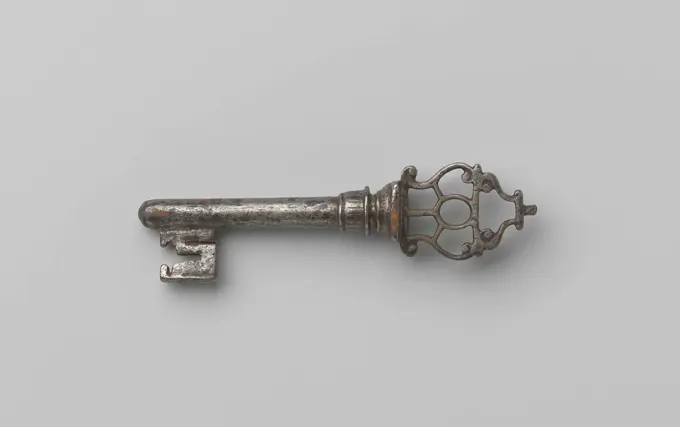
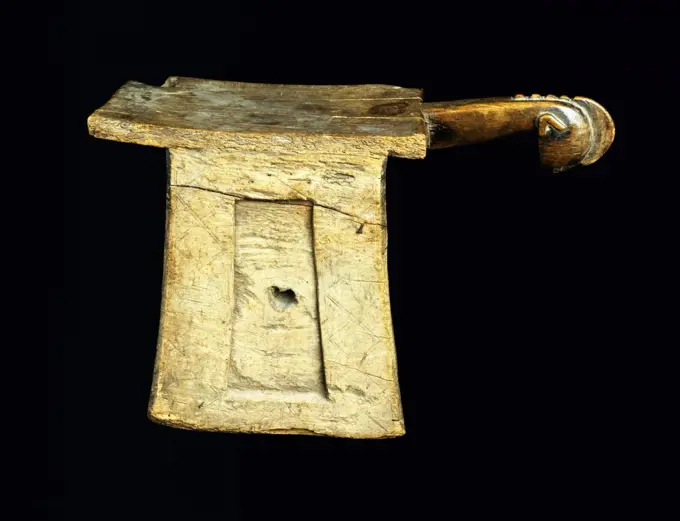
39 keys from the collection of Emmanuel Vita Israël, anonymous, c. 1600 - c. 1699 Pipe key whose handle consists of two leaf fillets from which two horses rise, under a bust and a crowned men's head. The capital consists of any discs decorated with pearl edge.  iron (metal) Pipe key whose handle consists of two leaf fillets from which two horses rise, under a bust and a crowned men's head. The capital consists of any discs decorated with pearl edge.  iron (metal)
39 keys from the collection of Emmanuel Vita Israël, anonymous, c. 1600 - c. 1699 Pipe key whose handle consists of two leaf fillets from which two horses rise, under a bust and a crowned men's head. The capital consists of any discs decorated with pearl edge. iron (metal) Pipe key whose handle consists of two leaf fillets from which two horses rise, under a bust and a crowned men's head. The capital consists of any discs decorated with pearl edge. iron (metal)
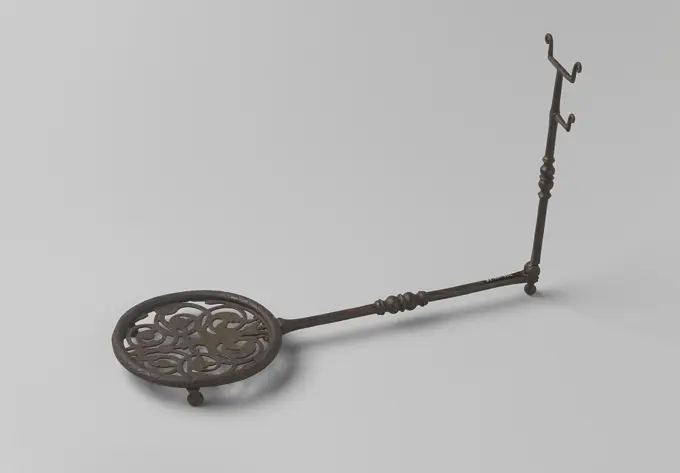
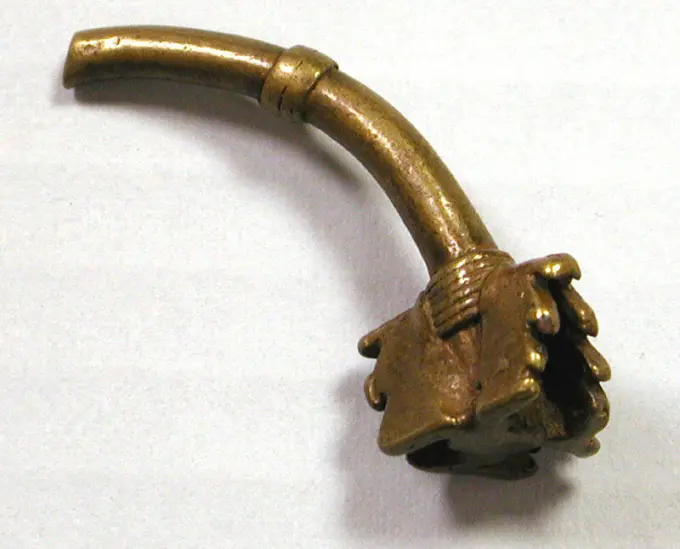
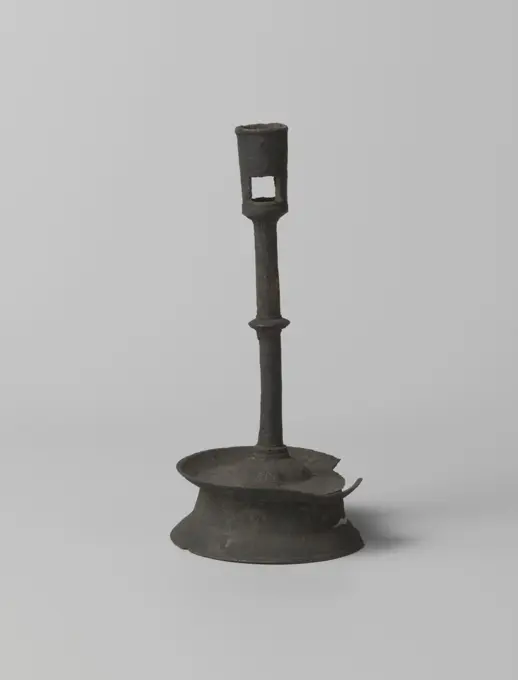
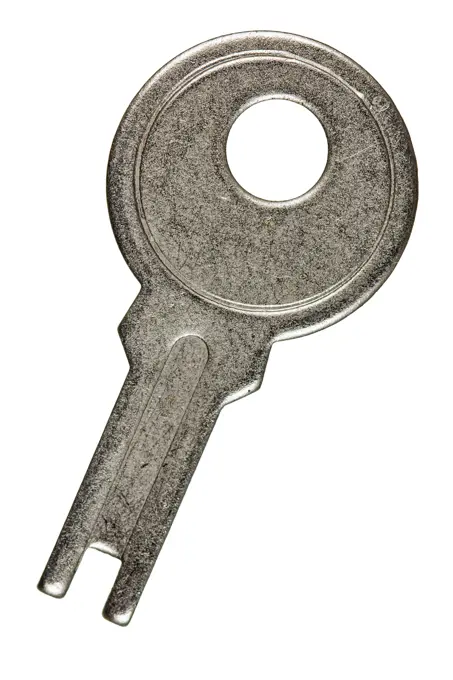
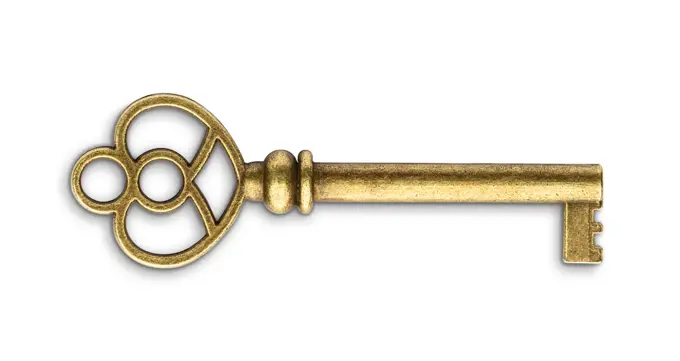
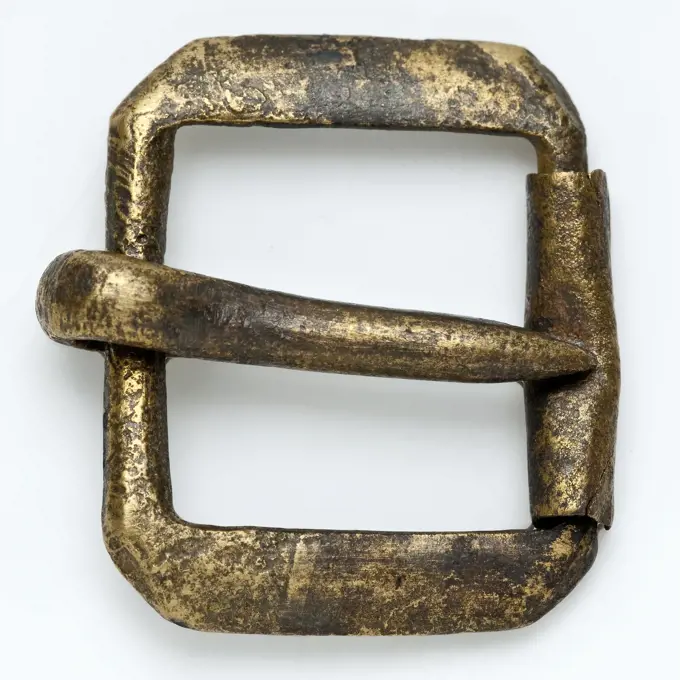
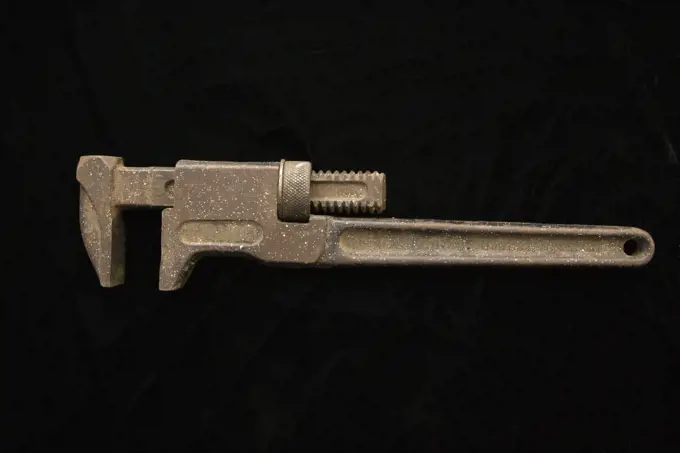
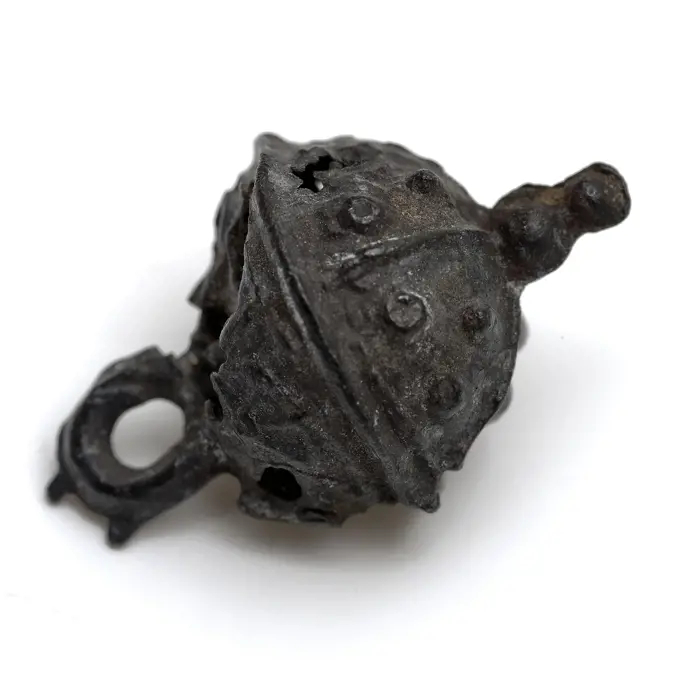
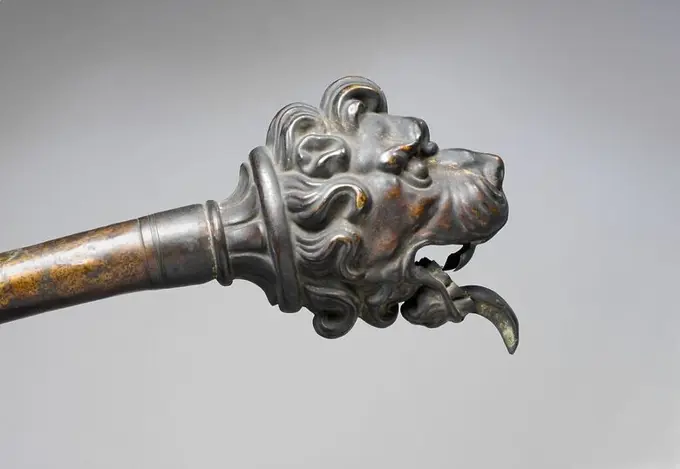
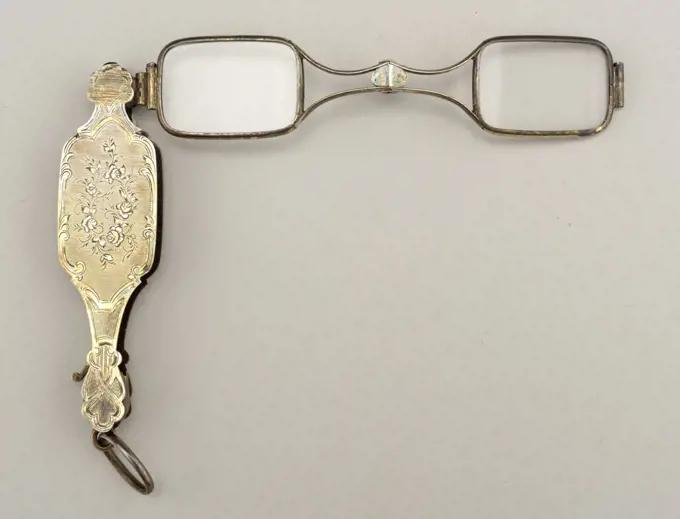
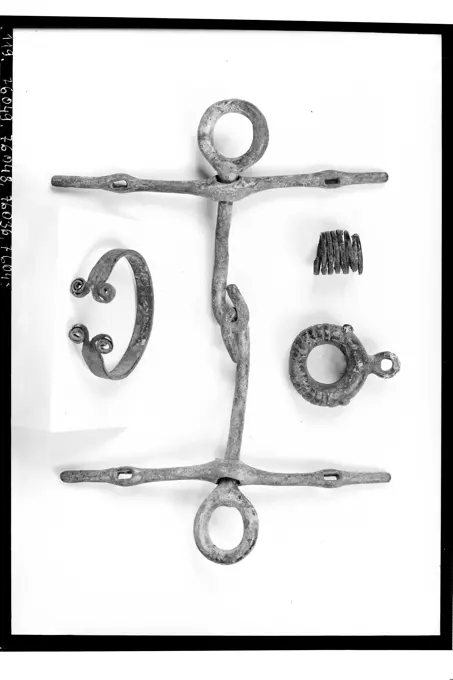
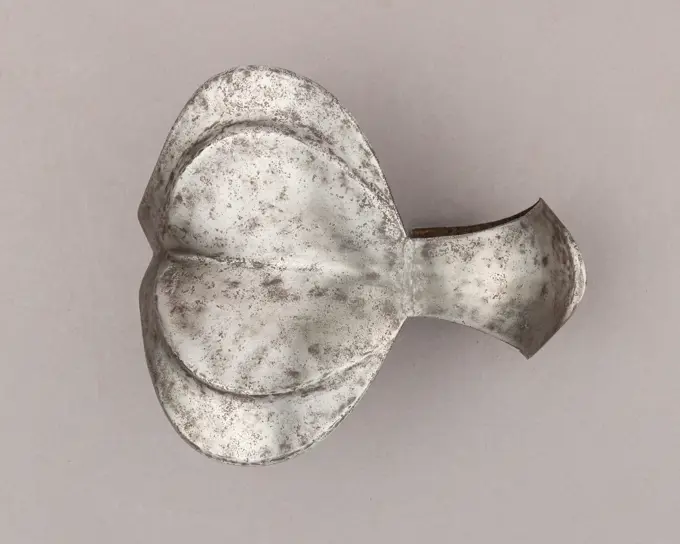
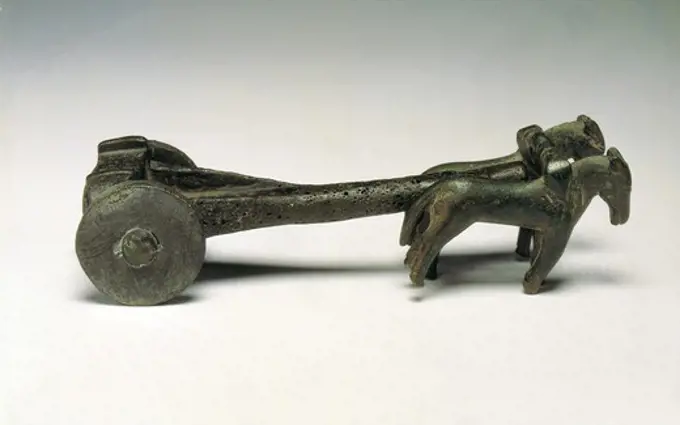
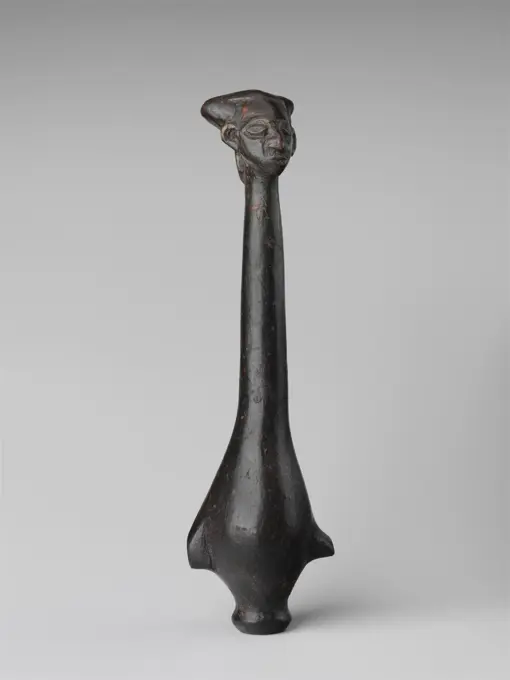
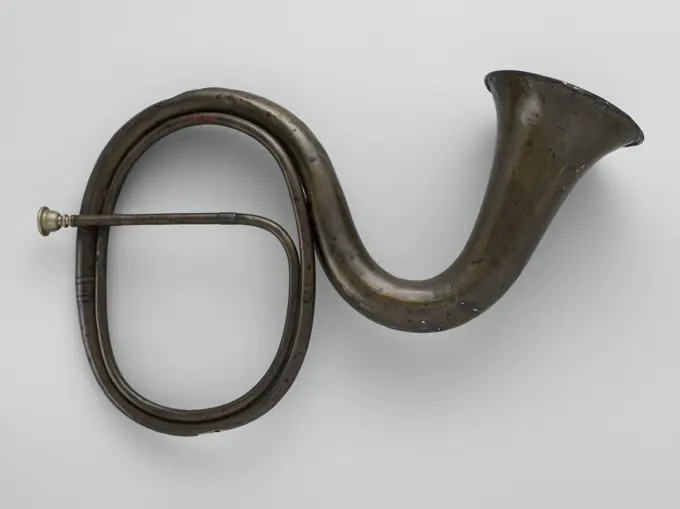
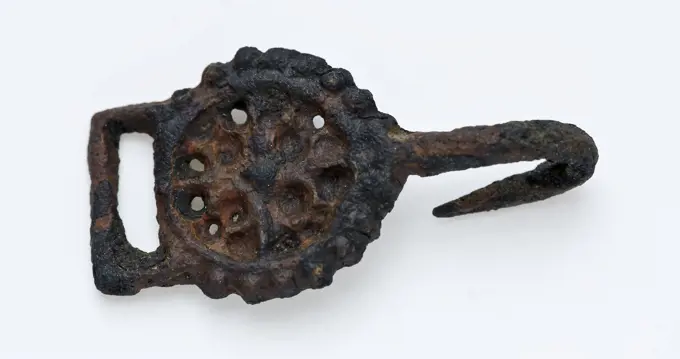
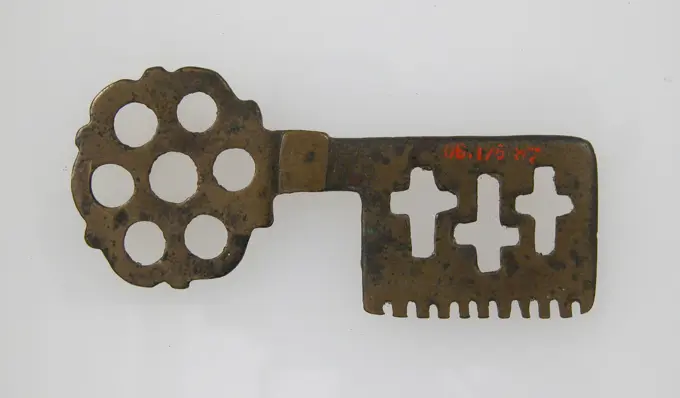
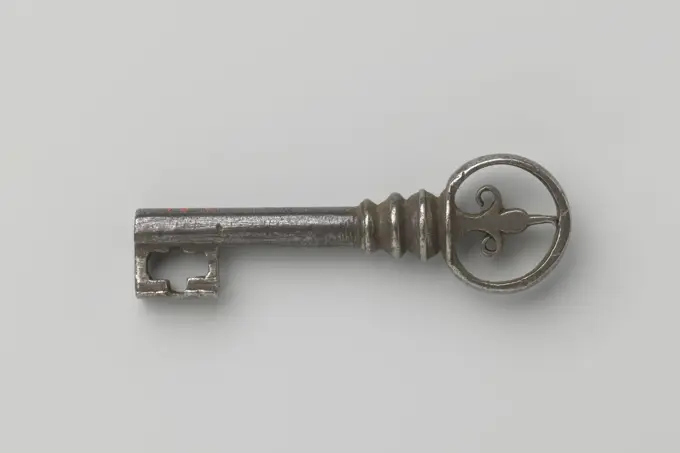
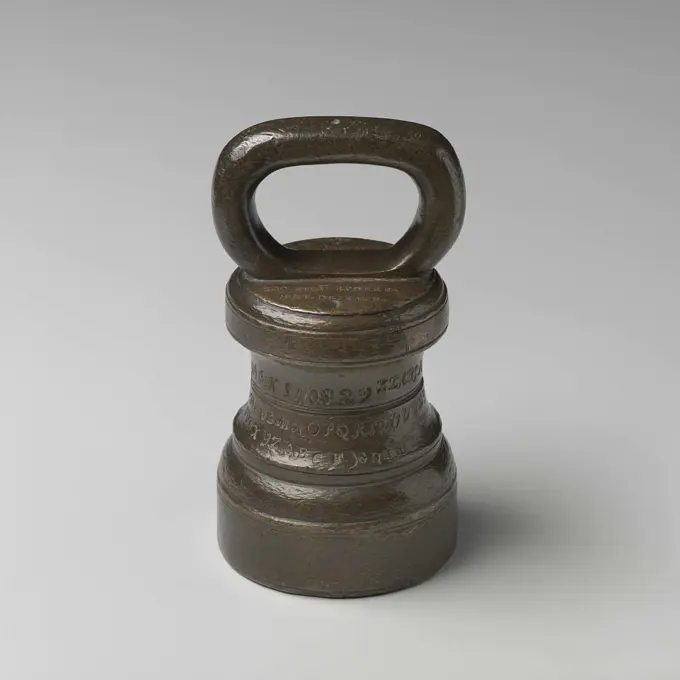
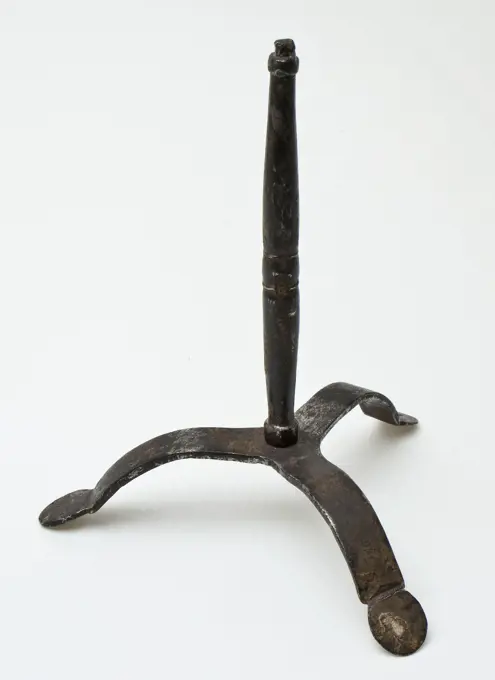
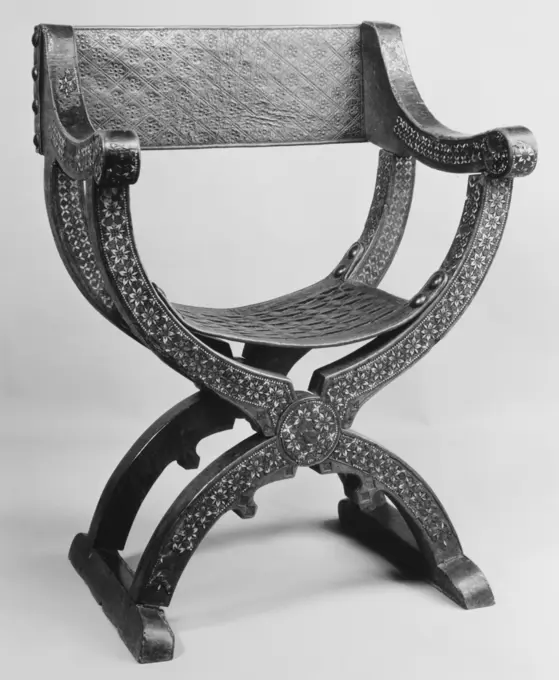
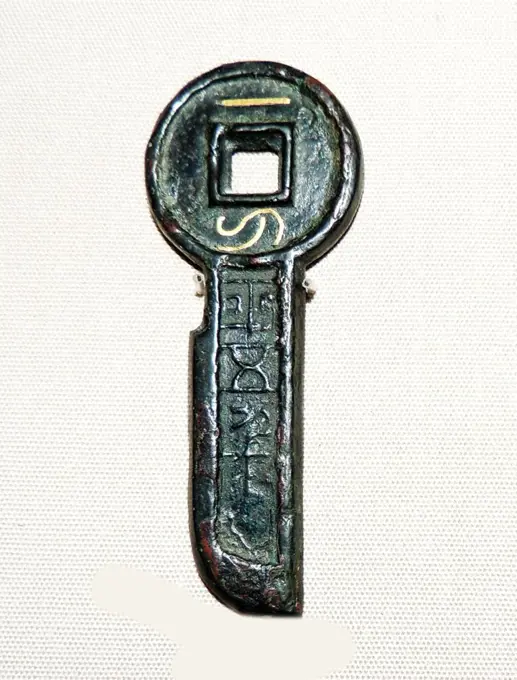
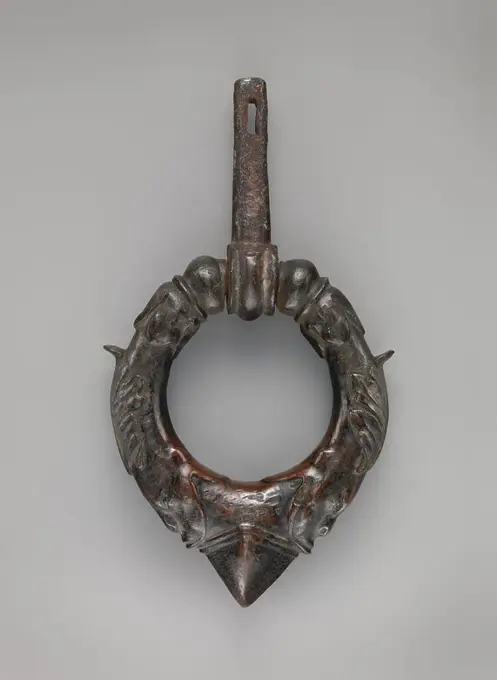
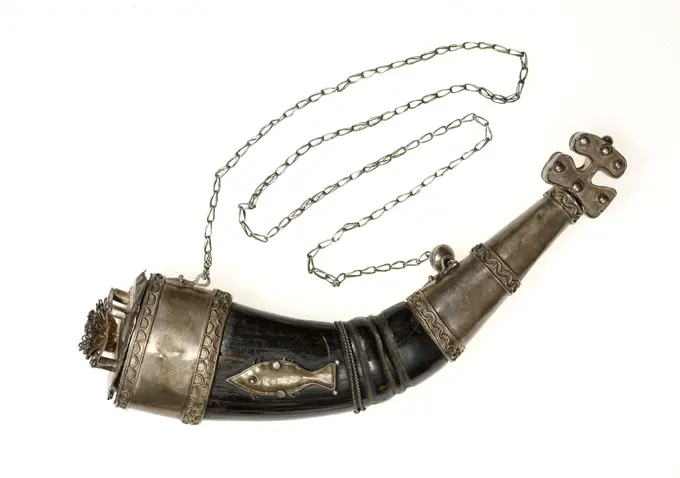
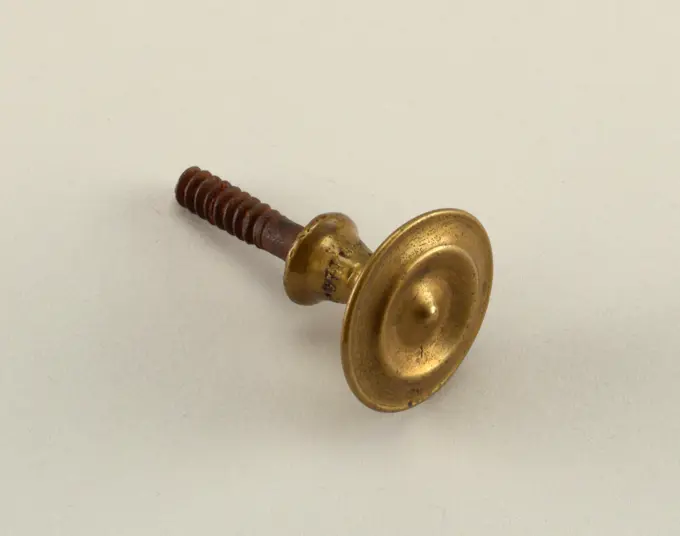
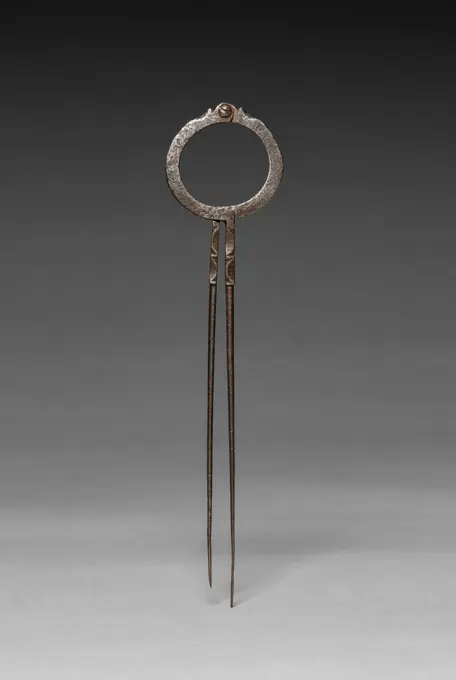
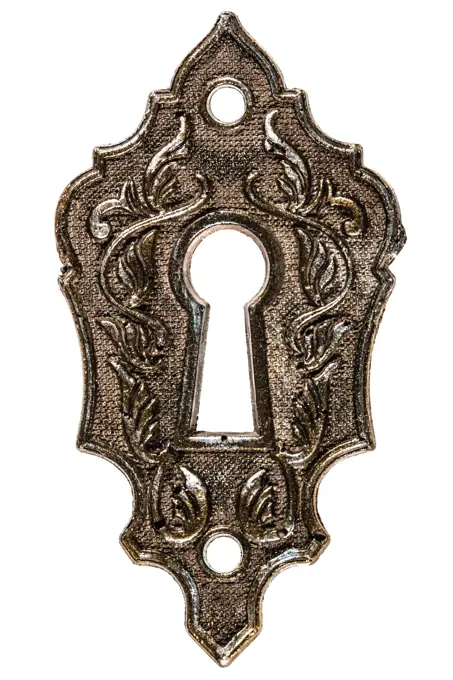
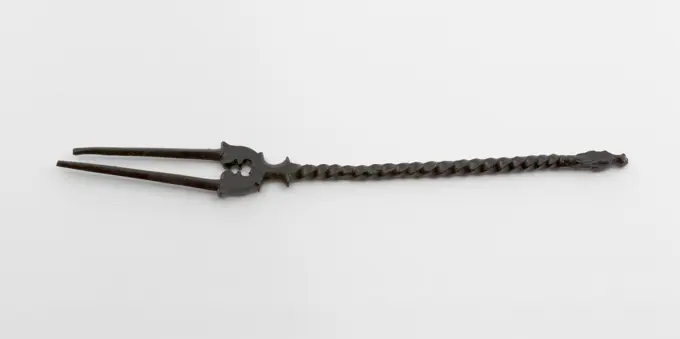
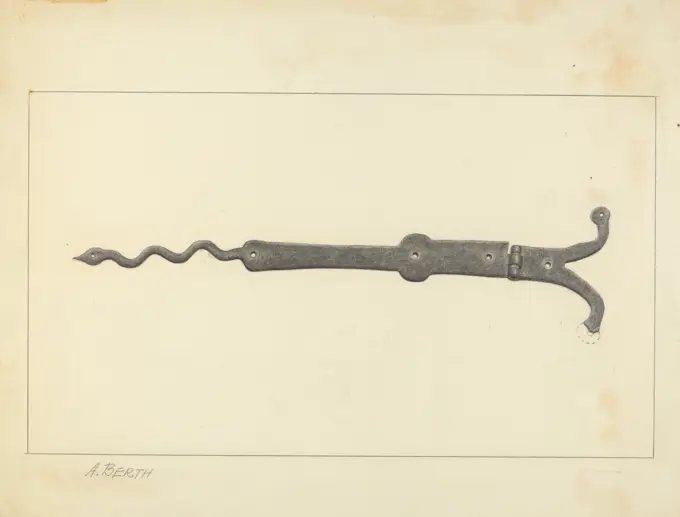
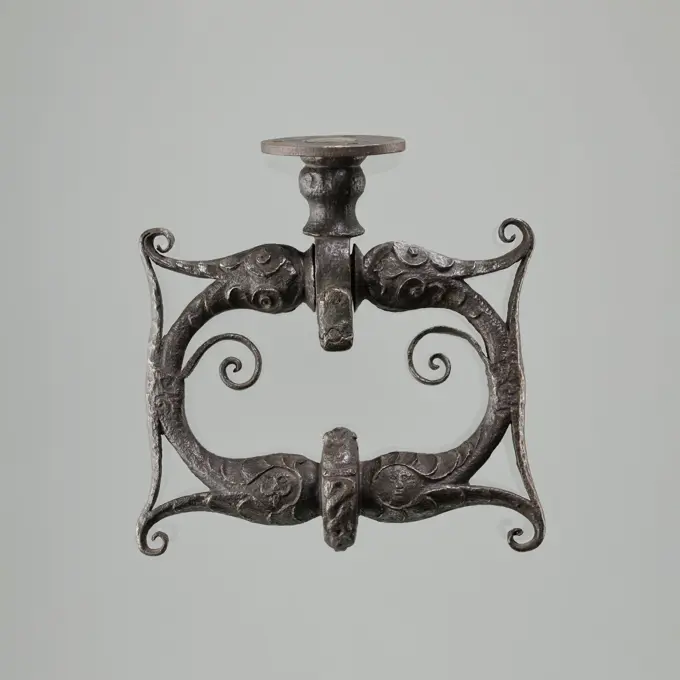
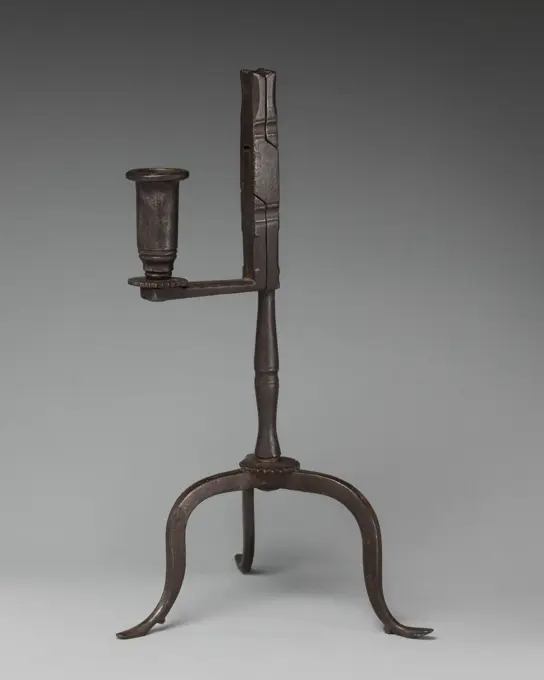
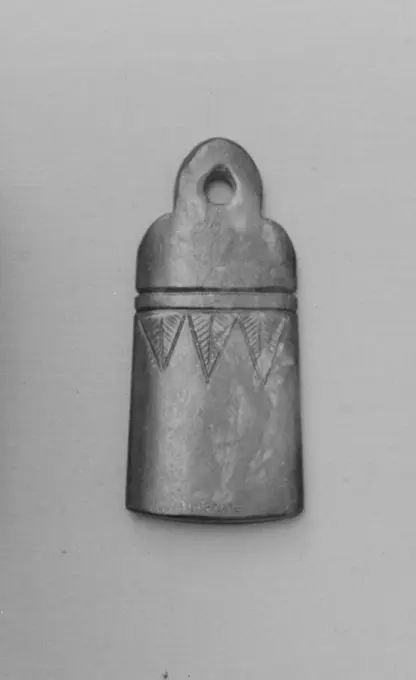
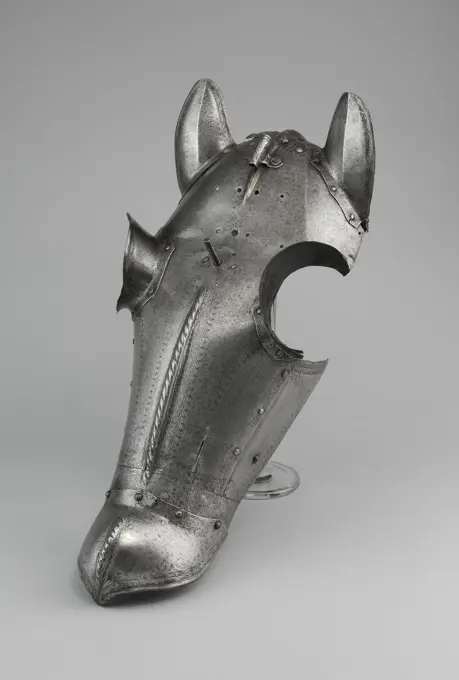
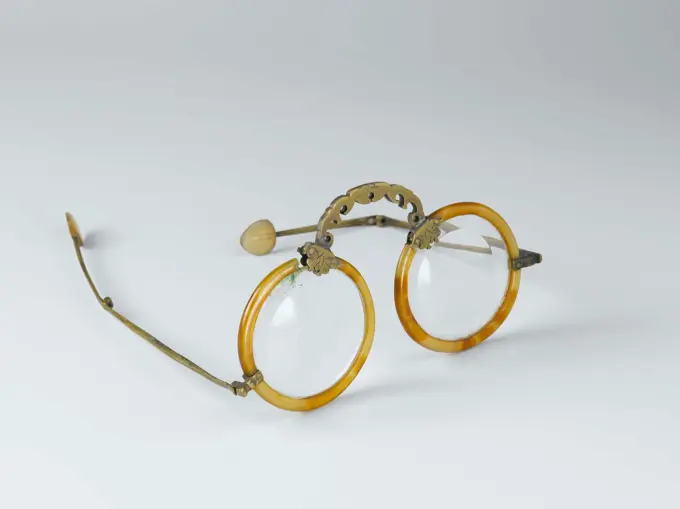
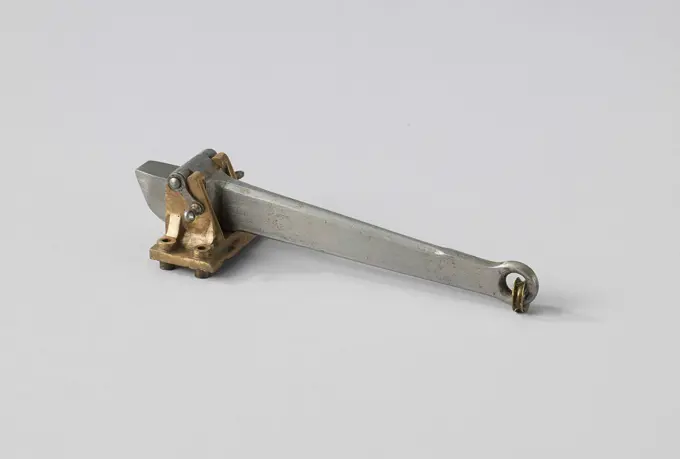
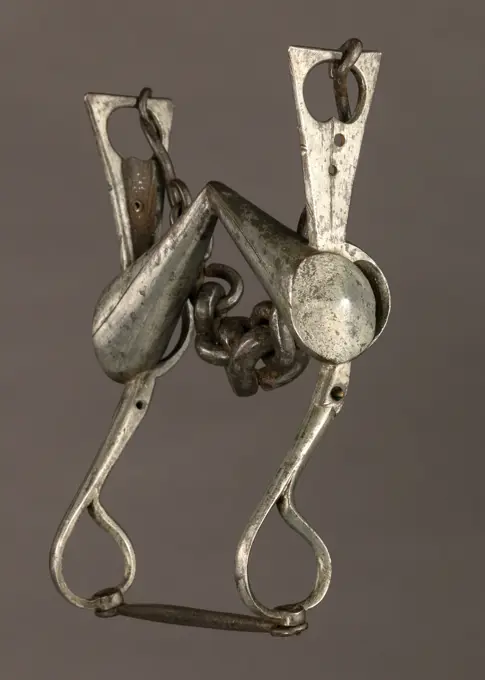
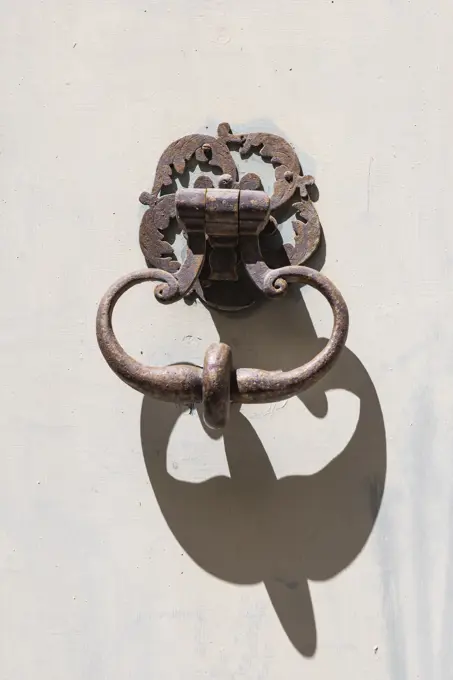
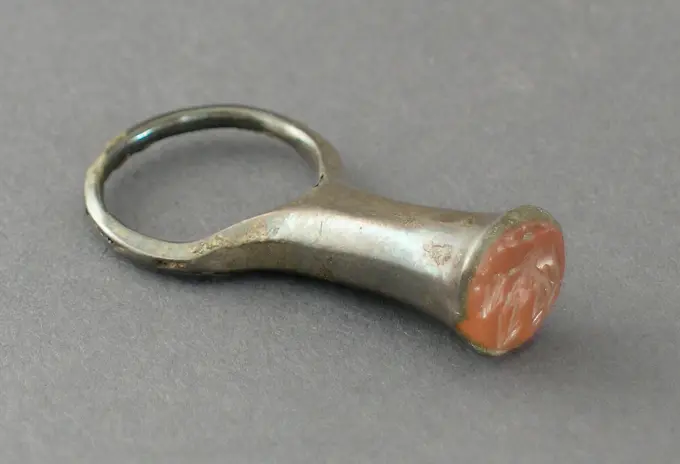
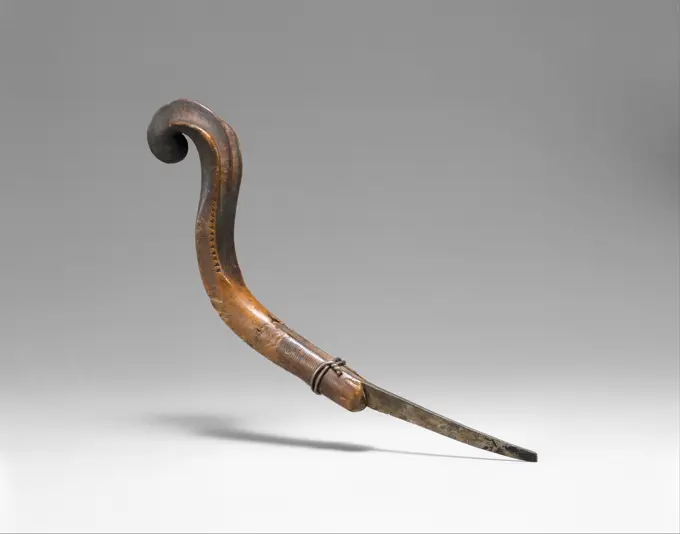
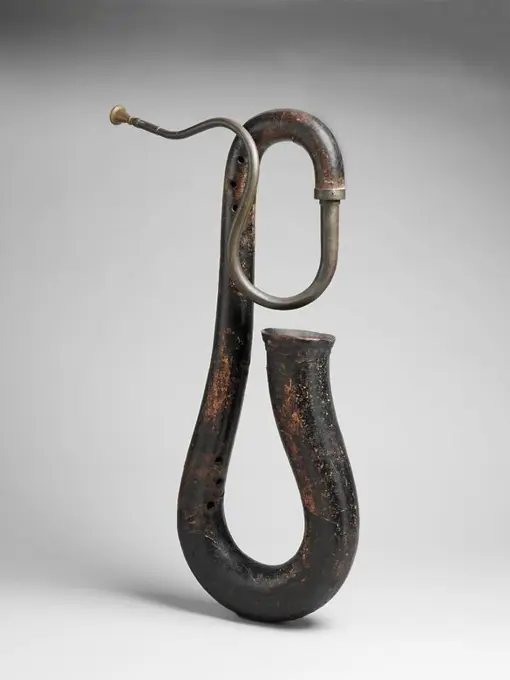
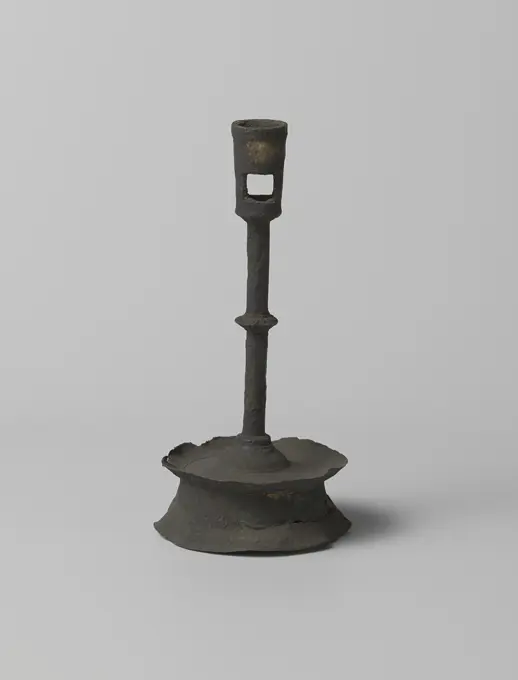
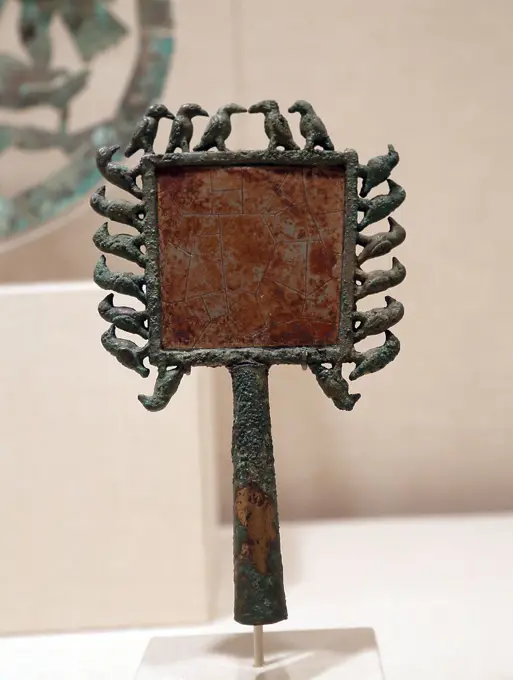
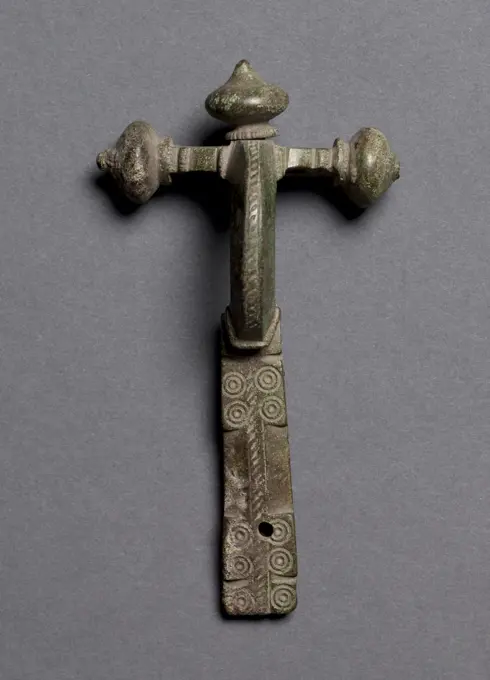
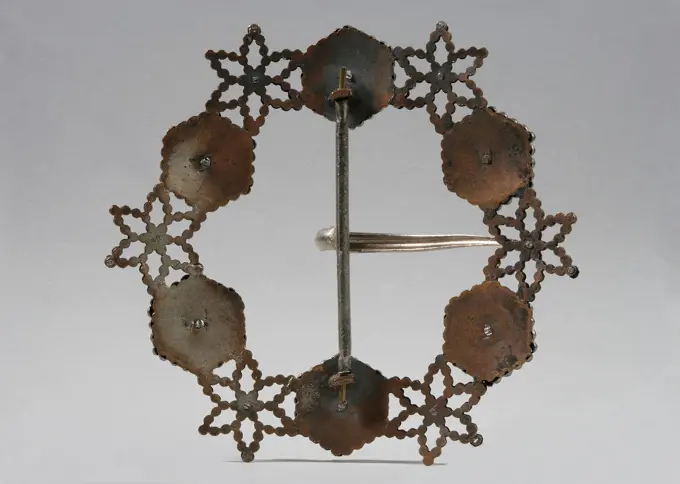
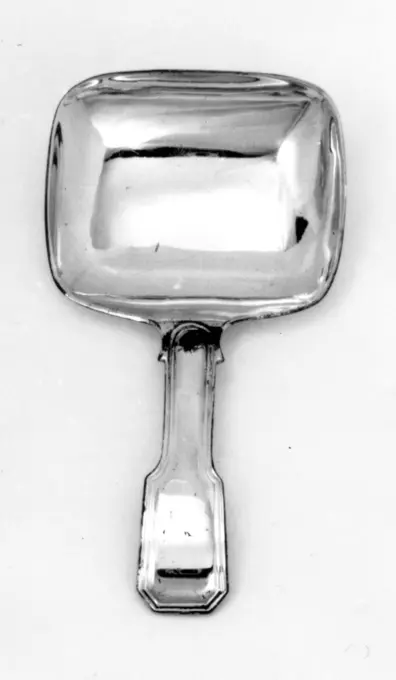
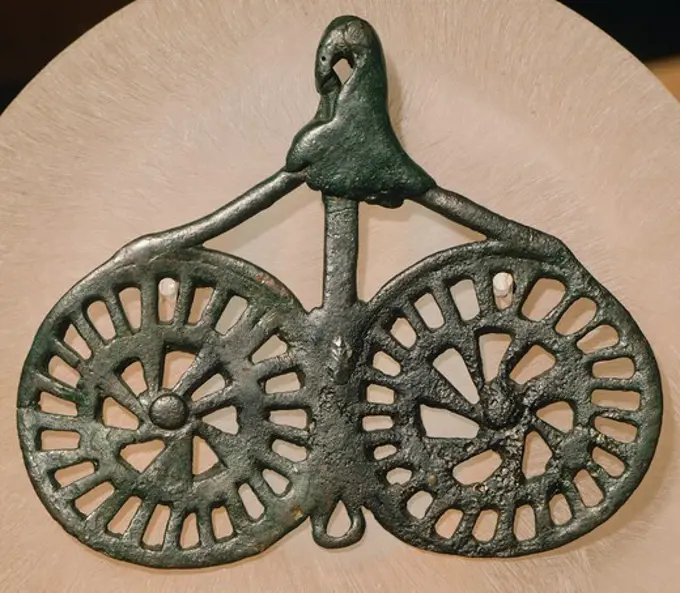
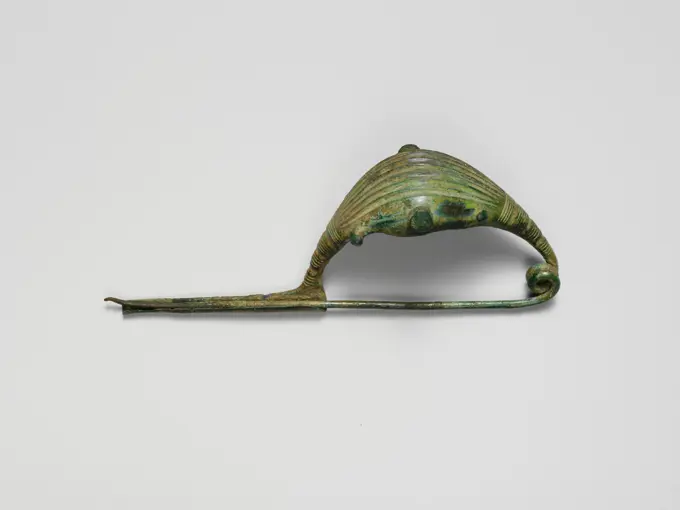
Metal belt buckle with three eyes, buckle belt clothing accessory clothing soil find brass bronze metal, w 2.2 cast Belt buckle with three eyes One elongated oval and curved hole with an inwardly curled frame at the top and two small eyes above it. Hardly decorated small lobe between the small eyes archeology Rotterdam railway tunnel fastening attaching fastening belt Soil discovery: trajectory rail tunnel Rotterdam.Pins from the wreck of the East Indiesman Hollandia. Tools and Instruments, Sewing and Sailmaking, PIN; Fragm Bows, ID. NG 1980-27H3265.Sleutel.Key whose handle consists of two S volutes, an oval in collaboration and that can be crowned together by a crossbar on which two small S-voltages cut diagonally and wear a closing piece with tip. The handle rests on a doric capital, which is a round capiteel with vertical grooved lines.Smallsword Carrier Made 1660-1700 Spain. Steel .. An iron lock with stimulator key.Mitten Gauntlet for Left Hand with Rondel (Manifer) ca. 1480-1500 Italian. Mitten Gauntlet for Left Hand with Rondel (Manifer). Italian. ca. 1480-1500. Steel. Armor Parts-GauntletsModel of a Slip Hook for Lifeboats, Petrus van der Loo, 1857 demonstration model Wooden model of a slip hook, painted gray, consisting of two parts: a Kram, which is fixed with an eye in the floor of the boat, and a key with an eye for the hoist of the davit and a thick end. This can be done through the opening of the Kram, which is reduced by a thicker leg of the Kram; But a bracket around the other leg reduces the opening even further and clamps the key. Only when the boat is in the water and the tension of the hoist is gone, this bracket falls due to its own weight and the key is released. Scale 1: 1. model maker: The Hagueafter design by: United States of America wood (plant material). paint (coating)Bronze handle with satyr andmaenadOld Iron Old metal iron on isolated studio white background Copyright: xZoonar.com/AndreyxSkatx 14291532Pins from the wreck of the East Indians Hollandia, Anonymous, 1700 - in Or Before 1743  Tools and instruments, sewing and sailmaking, pin; fragm bows, id. NG 1980-27H3265. Netherlands copper (metal)   SecondKey; 1908-25-75Trivet. Grate, rounded, decorated with paved rod.Gold Weight 18th-19th century Akan peoples. Gold Weight 317685Candlestick with long trunk and candle holder, anonymous, c. 1400 - c. 1450 The object is composed of two parts: the foot and the trunk with candle holder. They were cast and then turned. The foot, which also serves as a fat catcher, has a spherical elevation in the middle, on which the strain provided with one knot is sounded. This was then turned at the bottom. The almost cylindrical candle holder has two rectangular openings in the wall, which are extended in each other. Foot and trunk are decorated with profiles. The object, which is damaged at the foot, is a soil find. Northern Netherlands (possibly) brass (alloy) casting The object is composed of two parts: the foot and the trunk with candle holder. They were cast and then turned. The foot, which also serves as a fat catcher, has a spherical elevation in the middle, on which the strain provided with one knot is sounded. This was then turned at the bottom. The almost cylindrical candle holder has two rectangular openings in the waCandlestick with stabbed and engraved ornament, including an empty coat of arms, tendrils and animals. Customer from buyer. Equipped with inserted and engraved ornament, including an empty coat of arms, tendrils and animals.Old key from lock, isolated on white background Old key from lock, isolated on white background Copyright: xZoonar.com/OleksandrxKostiuchenkox 9750380Vintage golden skeleton key isolated on white backgroundStrap or batter plate with hook and decoration, belt tongue fittings clothing accessories clothing soil find tin copper brass textile metal, cast riveted Some fittings plate with hook. Belt tongue belonging to belt buckle or belt hanger. Decoration consists of large flower. Some openwork curls at the base of the hook. Remains of red woven textile belt archeology Rotterdam railway tunnel fastening attaching fastening carrying cargo Soil discovery: trajectory rail tunnel Rotterdam.Door handle and plate 1450-1500 German. Door handle and plate 468795Copper buckle with straight sides, sting and roll, buckle fastener part bottomfound brass metal, cast Rectangular copper clasp with angel and tube or roller. Beveled corners. Originating from horse harness archeology Rotterdam Kralingen-Crooswijk Kralingsche Bos Kralingse Plas fastening close rigging Soil discovery: collected in 1972 at the Kralingse Plas from dredging spoil: metal detector finds and sight finds.Metal pipe wrench.LeRoy Robinson, Cap and Ball Revolver, c 1937 Cap and Ball RevolverPewter bell, richly ornamented in relief, bell sounding device ground find tin metal h 2.2, cast soldered Ball-shaped pewter bell Embossed with rad shapes on the upper half below the fields with studs Excellent point at the bottom. Implanted eye poorly finished archeology Rotterdam rail tunnel communication sound bubbles rattling music infant play Soil discovery: trajectory rail tunnel Rotterdam.Serpon En Metallo. Culture: Italian. Dimensions: Height (From head to U-bend): 22 1/16 in. (56. cm)Diameter (Of bell at gargoyle mouth opening): 11 13/16 in. (30 cm). Maker: Attributed to Leopoldo Franciolini (Italian, Florence 1844-1920 Florence). Date: 19th century. Museum: Metropolitan Museum of Art, New York, USA.Luckenbooth brooch -Knife Coin. Culture: China. Dimensions: L. 7 1/4 in. (18.4 cm). Museum: Metropolitan Museum of Art, New York, USA.Lorgnette, Gold, glass, Lorgnette engraved, with case, has a catch which releases framed rectangular lenses with slight magnifying power on spring hinge., France or England, mid-19th century, jewelry, Decorative Arts, LorgnetteWędzidło z tręzlą łamaną. nieznany warsztat luristański, workshopRight Knee Defense (Poleyn) ca. 1460 and early 20th century Italian This is part of a large find of medieval armor discovered in 1840 in the ruins of the fortress of Chalcis, on the Greek island of Euboea (then a Venetian colony called Negroponte). The fortress had been captured and destroyed by the Turks in 1470. Now divided largely between the Ethnological Museum, Athens, and The Metropolitan Museum of Art, the Chalcis hoard contains many rare and unusual elements of fourteenth- and fifteenth-century armor. Of particular importance are the variety of headpieces and the many fragments of brigandines (armor for the torso constructed of small plates riveted to layers of fabric), some of which retain portions of their original velvet covering. The Chalcis armor provides a unique picture of the armament used in the Aegean, one of the easternmost military outposts of the Venetian empire.. Right Knee Defense (Poleyn). Italian. ca. 1460 and early 20th century. Steel. Armor Parts-Knee DefenseEx-voto chariot with horses. 3rd BC. Iberian art. Sculpture on bronze. SPAIN. MADRID (AUTONOMOUS COMMUNITY). Madrid. National Museum of Archaeology. Proc: SPAIN. ANDALUSIA. JAEN. Santa Elena. Sanctuary of Collado de los Jardines.Whistle mid-19th century Kuba Sub-Saharan whistles draw attention to special events like the arrival of a king and convey messages or signal during hunts. In ensembles, each whistle may sound at a specific time to form a melody. Whistles are crafted in traditional forms. Though the whistle's carved images are inverted when played, the depictions may add to its prestige.. Whistle 505581"Basso" second half of the 19th century Possibly Leopoldo Franciolini Italian. "Basso". Italian. second half of the 19th century. brass. Florence, Italy. Aerophone-Lip Vibrated-hornFragment of a Polycandelon 10th-12th century Byzantine. Fragment of a Polycandelon 467598Dragon-head Huang Plaque, 2nd-3rd century, 7 5/8 x 16 1/16 in. (19.37 x 40.8 cm), Gilt bronze, China, 2nd-3rd centuryCoat hook or coat closure, rosette with eye and hook, closure clothing accessory clothing ground find copper metal, cast Open worked flat metal object ending in bent point Open rectangle to confirm archeology Rotterdam rail tunnel confirm dressing close Soil discovery: trajectory rail tunnel Rotterdam.Key 1st-7th century Roman. Key 462976Slip Hook for Lifeboats. Iron slip hook with ring for the lifeboat. The slip hook consists of two opposite hooks, turning around the same axis; On the outside, both hooks have an eye that is attached to a ring upstairs with a chain link. In the crochet is a heavy iron ring, which should be attached to the rescue boat. The slip hook is designed so that when the weight of this heavy ring is achieved, the hooks open automatically, pulled sideways by the chain links to the upper ring.Pipe key, 1500 - 1600 Pipe key with lily in the round eye. The capital consists of four round disks placed on top of each other.  iron (metal) Pipe key with lily in the round eye. The capital consists of four round disks placed on top of each other.  iron (metal)Chains, 3 Cypriot. Chains, 3 244345Crank weight for 200 Silveren drivers in leather sack. Brass Kruitweight for 200 Silveren drivers in a leather pocket. Massing 6500 grams. Marked and titled. 107 annual letters have been released on the hull, covering the period between 1700 and 1819. On the ground plane holes in which lead.Three-legged iron candlestick, candle holder with curved wide legs, candleholder lighting medium bottomfound iron metal, d 13,0 forged Candle holder Three stand-out legs with bent rounded ends. Slightly curved pen with some grooves decorated in the middle. Possibly there was pen with teeth on top of archeology underground pit Rotterdam City Triangle Groenendaal candle lighting evening night Soil discovery underground pit Groenendaal June 1977.SugarCutters. Maker, possibly by: W. & C. Wynn, British, active ca. 1810 - 1820Maker, possibly by: R. Timmins & Sons, British, active ca. 1790 - c. 1845Key, Steel, 18th century, metalwork, Decorative Arts, KeyBishop Odalric's crook crozier, 12th cent. Reims. FRANCE.Folding chair ca. 1500 Spanish, Granada. Folding chair. Spanish, Granada. ca. 1500. Walnut, ivory, bone, mother-of-pearl,. Woodwork-FurnitureBronze knife coin, worth 5000 standard coins. Wang Mang (AD9-23).A double cut (undisturbed).Door knocker. Culture: Italian, Florence. Dimensions: Overall (confirmed): 11 7/8 × 6 1/2 × 2 in. (30.2 × 16.5 × 5.1 cm). Date: ca. 1500. Museum: Metropolitan Museum of Art, New York, USA.Double open end wrench isolated on a white background.. Double open end wrench isolated on a white backgroundHorn-shaped pendant with chain, 9 13/16 x 2 11/16 x 1 13/16 in. (24.92 x 6.83 x 4.6 cm) (without chain), Wood, silver, Sierra LeoneKnob Knob; brassDividers, 1600s. Europe, 17th century. overall: 18.1 x 4.5 cm (7 1/8 x 1 3/4 in.).The keyhole, decorative design element, isolated on white background The keyhole, decorative design element, isolated on white background Copyright: xZoonar.com/OleksandrxKostiuchenkox 11583049Forks ca. 6th-7th century A.D. Sasanian This bronze tool, or fork, has two long prongs and is attached to a twisted handle.The small town and fortress of Qasr-i Abu Nasr is located near Shiraz in southern Iran at a strategic point at the intersection of defensive mountains, available water sources, and along roads entering the Shiraz plain. The site was excavated by archaeologists from The Metropolitan Museum of Art for three seasons from 1932-1935. The town was occupied, at least intermittently, from the Parthian period (3rd century B.C.-3rd century A.D.) to the Muzaffarid period (13th-14th century A.D.). The major occupation, including the extensive fortress, dates to the Late Sasanian period (6th-7th century A.D.).The eastern part of Qasr-i Abu Nasr is a raised plateau of a roughly triangular shape. During the Sasanian period the plateau was fortified by a wall and densely occupied. Archaeological finds from the fortress show a wide range of defensive and administrative practices.. Alexander Berth, Hinge, c 1939 HingeModel of an Anchor, anonymous, 1845 demonstration model Model of a porter's stick cancer. The arms turn around an axle in the forked end of the shaft; The angle of the arms is smaller than usual and the hands are provided with a horn on the outside. The anchor stick can be slid through the hole of the shaft and parallel to the shaft. At the ends of the shaft there is a harp, a chain at the cross and a double scalm around the shaft. model maker: Netherlandsafter design by: United Kingdom (possibly) iron (metal)Glasses with copper and blond turtle or horn and round cut glasses, c. 1780 - c. 1800 Glasses with copper and blond turtle and round cut glasses. Model: The high and wide bridge is made up of a number of curls and ends in a symmetrical shape with two screws on the turtle edge. The symmetrical end also immediately as a connection between and closing the turtle edges that are open at the top. The legs are off from the glasses and have a hinge halfway. They end with round slices of blond turtle. Decoration: A butterfly-like representation is engraved in the symmetrical form. The glasses are equipped with a sharpened edge. China (possibly) frame: copper (metal). frame:. Glasses: Glass forging / cutting / grinding Glasses with copper and blond turtle and round cut glasses. Model: The high and wide bridge is made up of a number of curls and ends in a symmetrical shape with two screws on the turtle edge. The symmetrical end also immediately as a connection between and closing the turtle edgesBOKEK;  XVII (1601-00-00-1700-00-00);Candle snuiter, Abraham van der Hoeff (attributed to), c. 1704 - c. 1734 The Snuiter consists of scissors with bent ears and rectangular ends, the lower of which is surrounded with raised edges and ends in a point. The ends of the ears, the onset of the ears and the point are multiple profiled; This pattern is repeated in the contour of the outer part. Haarlem silver (metal) The Snuiter consists of scissors with bent ears and rectangular ends, the lower of which is surrounded with raised edges and ends in a point. The ends of the ears, the onset of the ears and the point are multiple profiled; This pattern is repeated in the contour of the outer part. Haarlem silver (metal)Candlestick and rushlight holder 18th century British. Candlestick and rushlight holder. British. 18th century. Iron. Metalwork-IronGirdle ornament China. Girdle ornament 61951Shaffron 1540-1570 Milan. Steel and leather .. Glasses with brunch of copper and blond turtle and round cut glass. Model: The high and wide bridge is made up of a number of curls and ends in a symmetrical shape with two screws on the turtle edge. The symmetrical end immediately as a connection between and closing of the turtle edges that are open at the top. The legs are from the glasses and have a hinge halfway. They end with round slices of blond turtle. Decoration: A butterfly-like show is engraved in the Symmetirsche form. The glasses are equipped with a cut edge around.Tag bracket of wrought iron. A wrought iron bracket from a double bracket bag or exhibition pending to a ditto los forged in the form of a conquets, cured leather belt, and with an eye connected to an eye that is attached to the middle bracket. The bracket is semi-circular and pivot at both ends on two side wings, which back which two engraved lines run.Model of An Iron Lever Fid. Model of an iron lever in a brass bedding, to replace the normal slot wood of a steam.BOKEK;  2 after. XVII century (1651-00-00-1700-00-00);Curb Bit 18th century possibly French This hard bit, with its mouthpiece consisting of non-articulated trumpet canons, was used for carriage horses. In the Encyclopédie of Diderot and D'Alembert, in the section on Eperonniers (spur-makers, published in 1752), this type of bit is called a 'cork-screw bit' (mors à tire-bouchon), because its shanks recall the handle of an 18th-century cork-screw.. Curb Bit. possibly French. 18th century. Iron alloy, tin, copper. Equestrian Equipment-BitsArles, Bouches-du-Rhone, Provence-Alpes-Cote d'Azur, France. Rusted iron door knocker in Provence.Block. A 26 cm tweex block according to the regulations of 1865, with iron wire nozzle with short splitting; The binding is leather and the block has an iron stocking and a parchment label with inscription.Silver Ring. Afghanistan, 11th-12th century. Jewelry and Adornments; rings. Fabricated from sheet and set with carnelianKnip, c. 1400 - c. 1950 A sorner single cut (telling).  iron (metal) A sorner single cut (telling).  iron (metal)Crooked Knife before 1870 Canada or New England. Crooked Knife 319136Uraeus headdress attachment 664-30 B.C. Late Period-Ptolemaic Period. Uraeus headdress attachment 552461Stool with small head Bobo,  USA,  Florida,  Jacksonville,  The Museum of Contemporary Art,  African Art CollectionSerpent. Culture: French. Dimensions: App. 91.4 x 61 x 30.5 cm (36 x 24 x 12 in.). Date: ca. 1810. Museum: Metropolitan Museum of Art, New York, USA.Object . Object  251911 Object , Bronze, Other: 9/16 x 2 3/8 in. (1.4 x 6 cm). The Metropolitan Museum of Art, New York. Fletcher Fund, 1925 (25.78.131)Key probably French 19th century View more. Key. probably French. 19th century. Cast iron. Metalwork-IronCrescent-shaped axe head ca. 2300-2000 B.C. Hattian. Crescent-shaped axe head 324446Loop.Bunch of old keys. Drawing water color pencils. Isolated, no shadows.Funnel, 19th century, 5 3/4 x 4 3/4 x 4 1/2in. (14.6 x 12.1 x 11.4cm), Pewter, England or United States, 19th centuryCandlestick with long tribe and candle holder. The object is composed of two parts: the foot and the trunk with candle holder. They are poured and then turned. The foot, which also serves as a fat catcher has a spherical increase in the middle, on which the trunk provided with one knot has riveted. This is then turned off at the bottom. The almost cylinder-shaped candle holder has two rectangular openings in the wall, which are extended in each other. Foot and trunk are decorated with profiles. The object, which is damaged at the foot, is a soil find.Loop.Ornament () 19th century Japan. Ornament () 62244Pliers, 1500s-1600s. Europe, 16th-17th century. overall: 15 x 3.2 cm (5 7/8 x 1 1/4 in.).steel door key for cylinder lock steel door key for cylinder lock isolated on white background Copyright: xZoonar.com/ValeryxVoennyyx 5660540Pocket gun with flint lock, c. 1775 - c. 1825 flintlock pistol Pocket gun with flint lock, iron round smooth run with iron lock plate and wooden flask. Bottom of the flask is smooth with a bred star and praise but has a ribbed top with star motifs. The lock plate is attached to the flask with an iron screw, Cupido is engraved in the plate. The other side is flat with praise on the edges. At the bottom of the loop is the name 'F.B. Heuseux engraved. The straight iron tractor can be folded. West-Europa Loop, Slotplaat, Haan, Tractor: Iron (Metal). Handle: Silver (Metal). Kolf: Wood (Plant Material) engraving / inlay (process)  NetherlandsAmerica. Peru. Moche culture. Mirror with birds. 2nd-7th century. Copper. Metropolitan Museum of Art. Ny. Usa.Idol. nieznany warsztat luristański, workshopPair of postilIIon spursJamb Hook 1750-65. Jamb Hook. 1750-65. Bell metal, possibly ironSmall Crossbow (Balestrino) probably 17th or 18th century, with later modifications Probably Italian. Small Crossbow (Balestrino) 27510Cross-bow Fibula, 1-200. Italy, Roman, 1st-2nd Century. Bronze; overall: 9.5 cm (3 3/4 in.).Cranequin 16th century Western European, probably Spanish. Cranequin 659387Copper buckle with brace-shaped sides, buckle fastener component ground find copper metal, Double-ellipse bracket with middle post Sides are equipped with recessed parts archeology Rotterdam rail tunnel confirm Soil discovery: trajectory rail tunnel Rotterdam.Loop. Very openwork loop with 6 bump patterns, small facet nails with large room in the middle, gathered by 6 very fine openwork flowers formed of small nails.Possibly Joseph Willmore, Caddy Spoon, 1818/19, silver.Bronze pendant, Armenia. Armenian Civilization, 10th-11th Century BC.. Shoe buckle of silver with unulatory decoration in relief.Bronze navicella-type fibula (safety pin) 8th-7th century B.C. Early Etruscan The people of ancient Italy used fibulae to fasten their garments and also to display wealth. Navicella (little boat) fibulae have arched bows and were used almost exclusively by females from the end of the ninth century B.C.. Bronze navicella-type fibula (safety pin) 251008 Early Etruscan, Bronze navicella-type fibula (safety pin), 8th7th century B.C., Bronze, length 6 1/8in. (15.6cm). The Metropolitan Museum of Art, New York. Rogers Fund, 1920 (20.260)