Keys And Security Artifacts

An array of historic keys and padlocks in various designs, showcasing metalwork craftsmanship from different periods and styles.

39 keys from the collection of Emmanuel Vita Israël, anonymous, c. 1600 - c. 1699 Pipe key whose handle consists of two leaf fillets from which two horses rise, under a bust and a crowned men's head. The capital consists of any discs decorated with pearl edge.  iron (metal) Pipe key whose handle consists of two leaf fillets from which two horses rise, under a bust and a crowned men's head. The capital consists of any discs decorated with pearl edge.  iron (metal)
39 keys from the collection of Emmanuel Vita Israël, anonymous, c. 1600 - c. 1699 Pipe key whose handle consists of two leaf fillets from which two horses rise, under a bust and a crowned men's head. The capital consists of any discs decorated with pearl edge. iron (metal) Pipe key whose handle consists of two leaf fillets from which two horses rise, under a bust and a crowned men's head. The capital consists of any discs decorated with pearl edge. iron (metal)
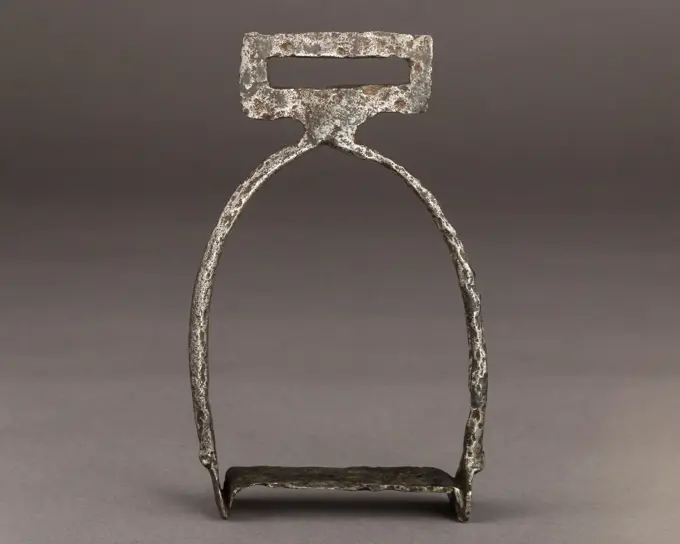
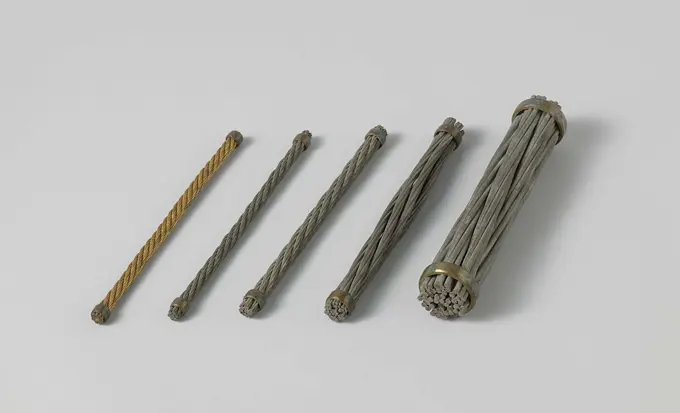
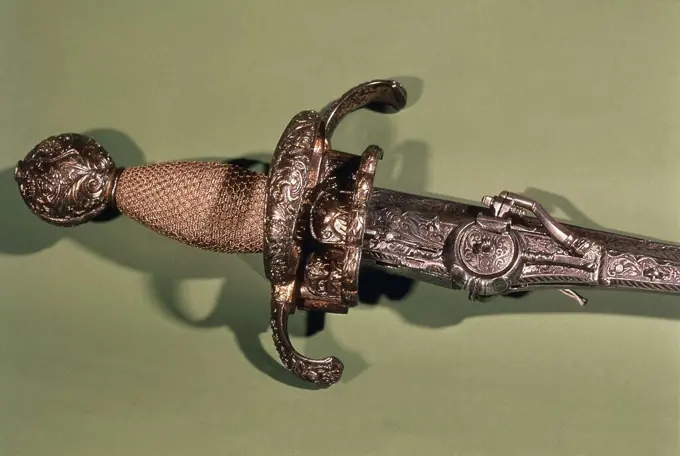
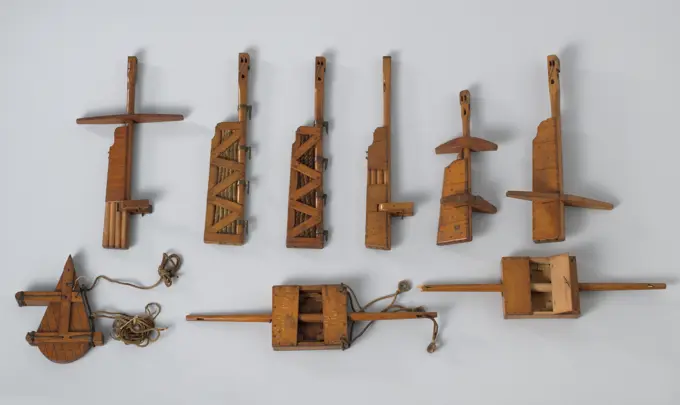
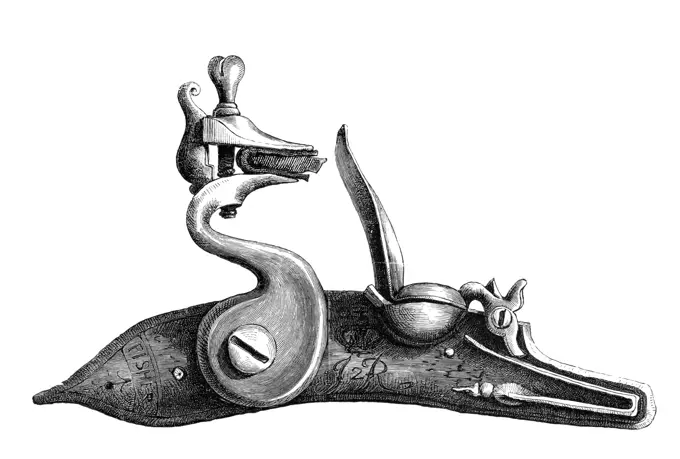
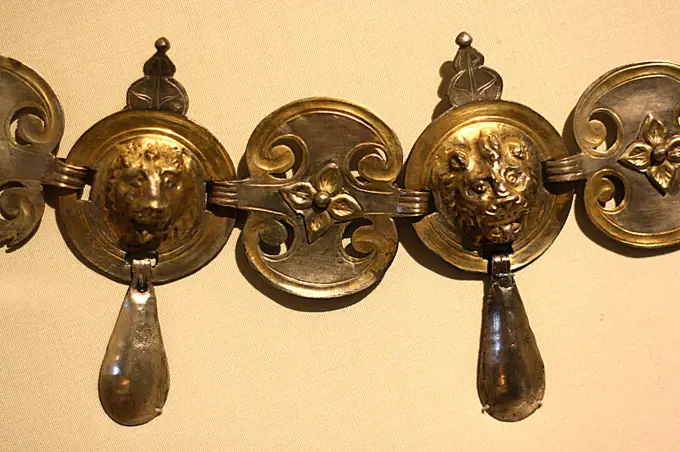
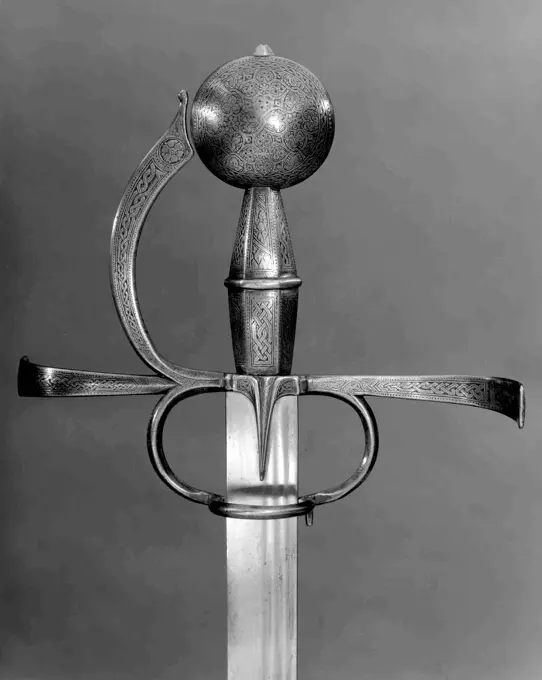
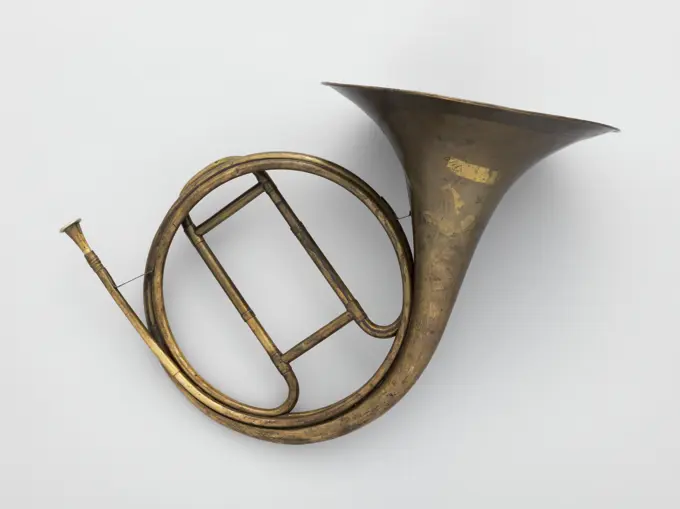
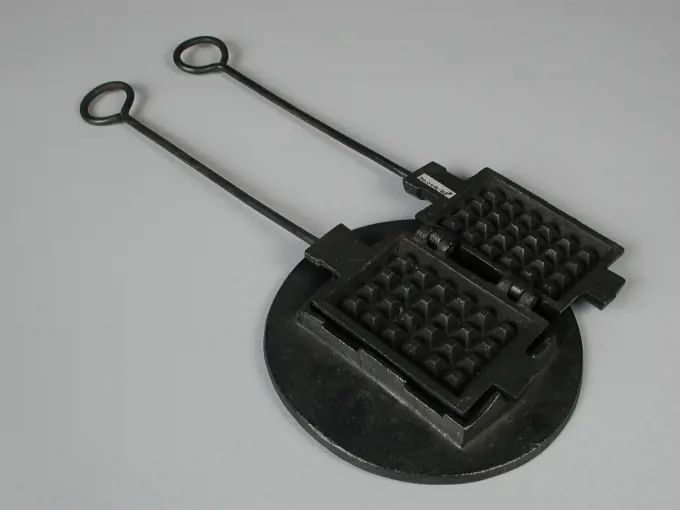
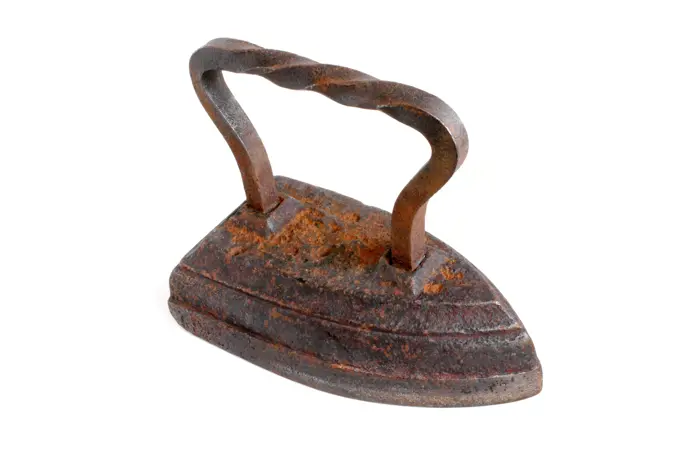
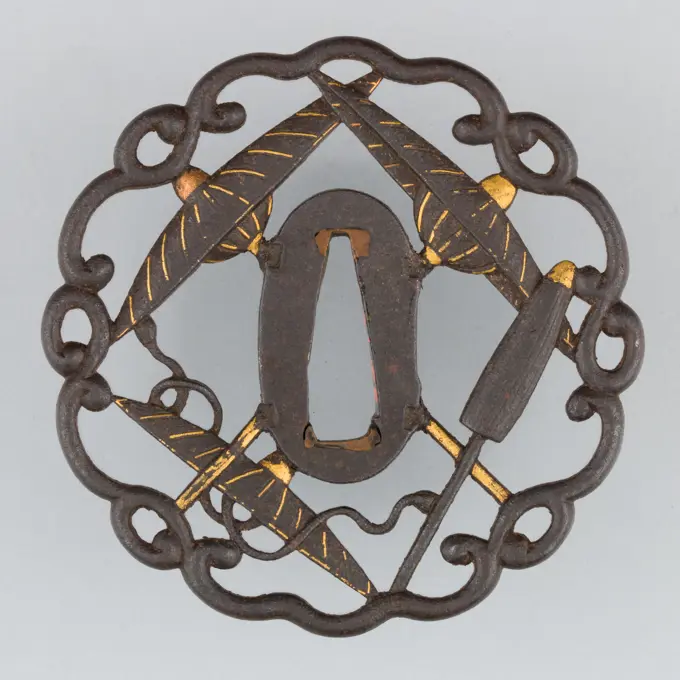
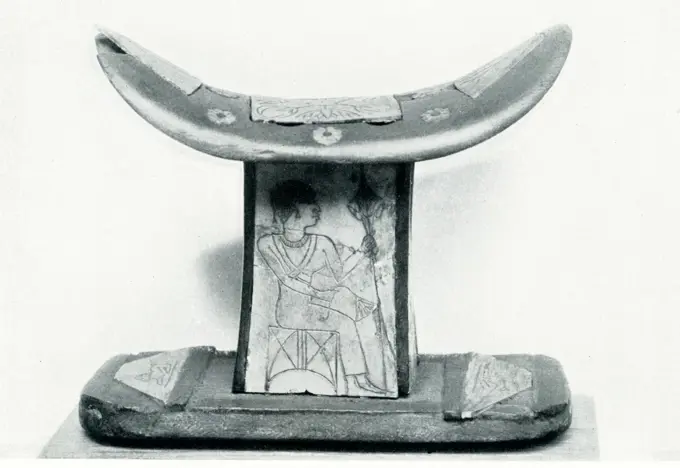
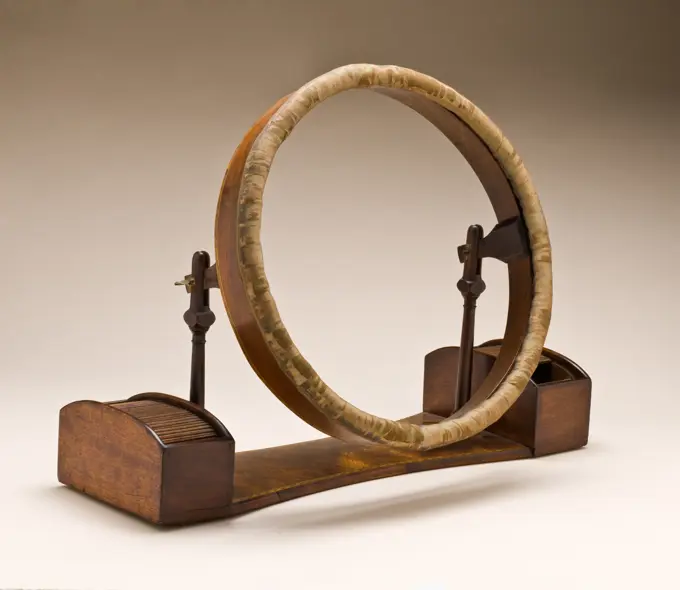
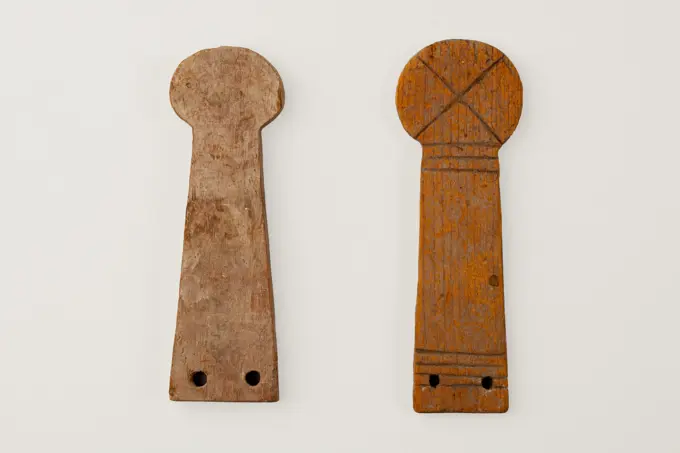
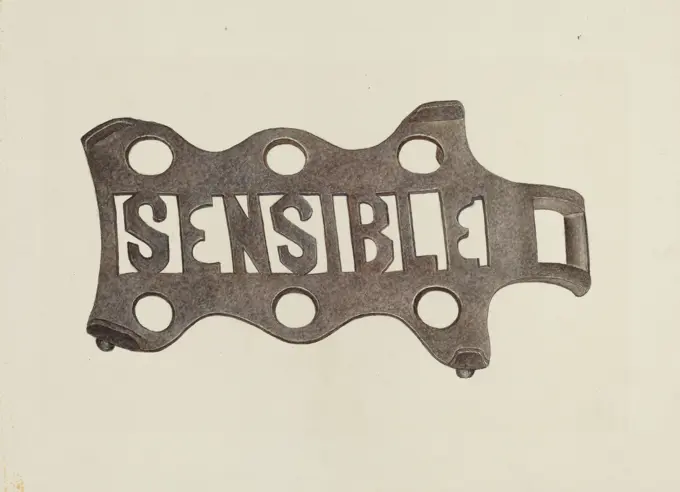
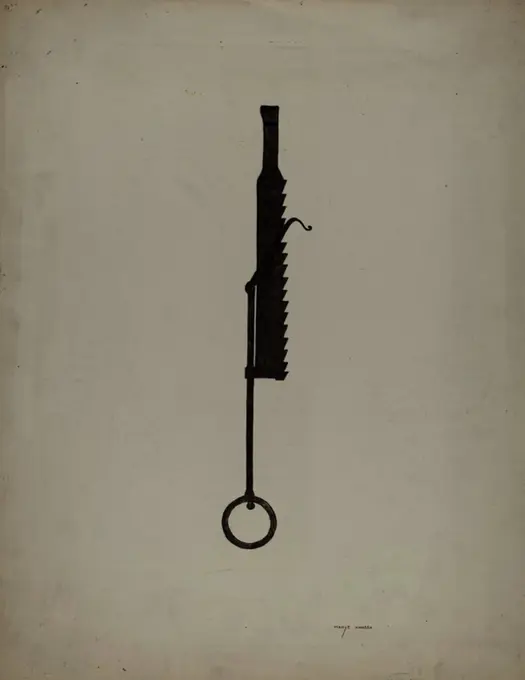
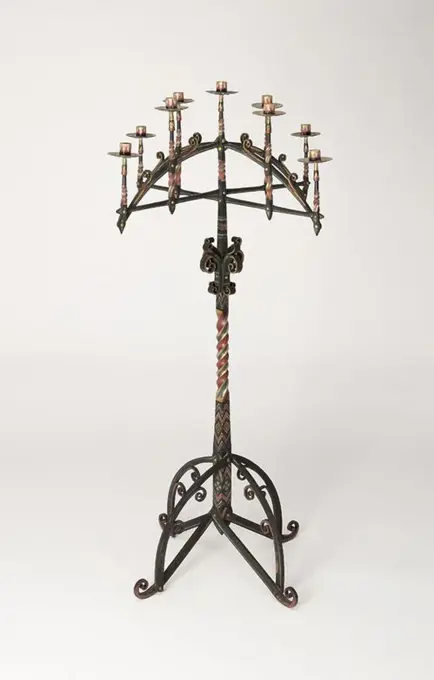
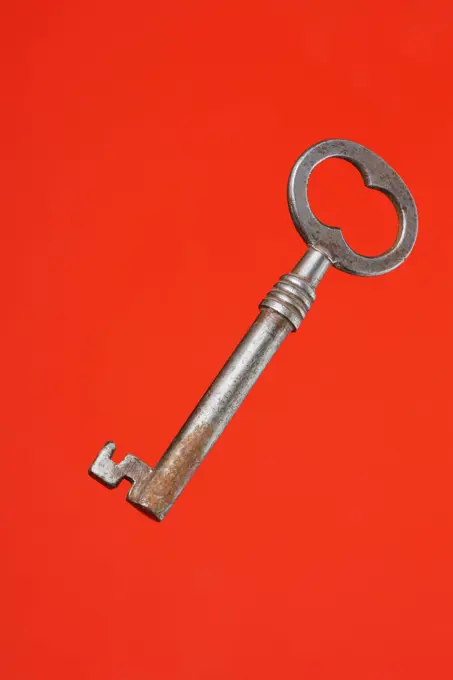
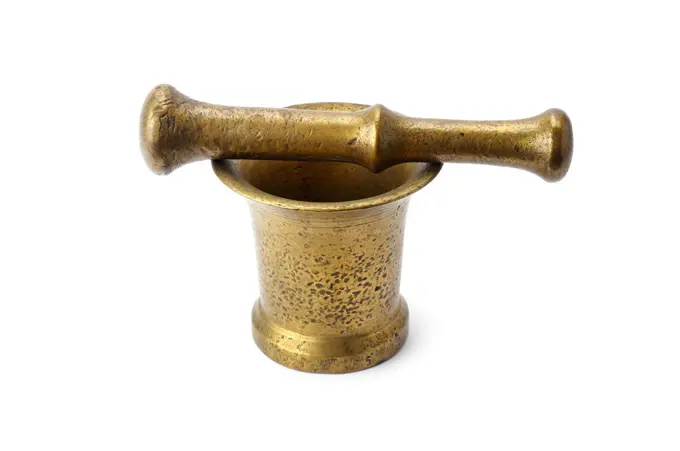
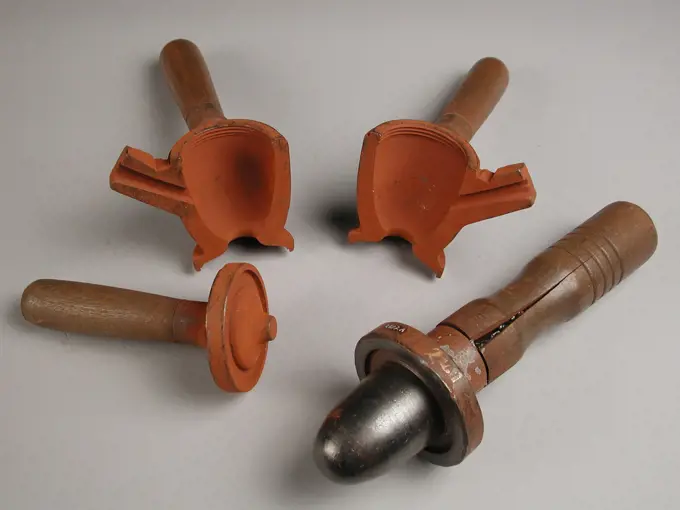
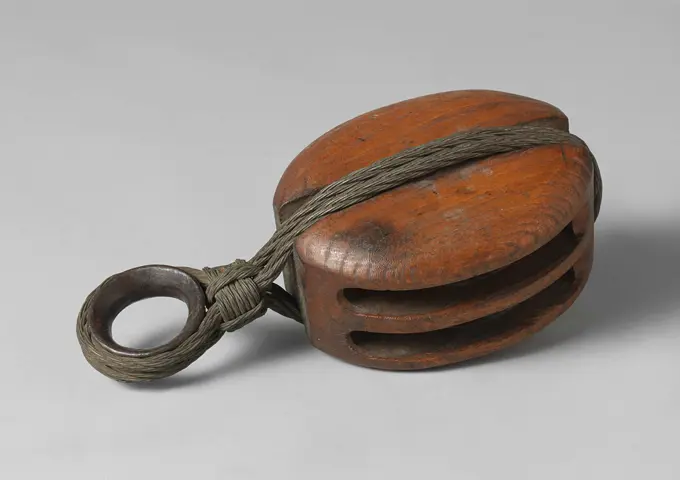
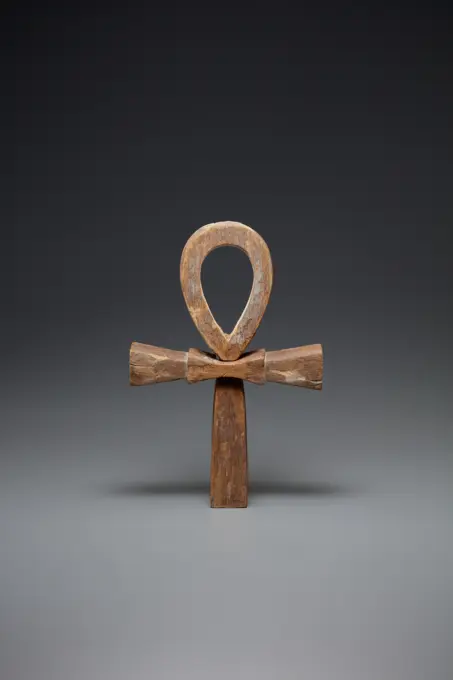
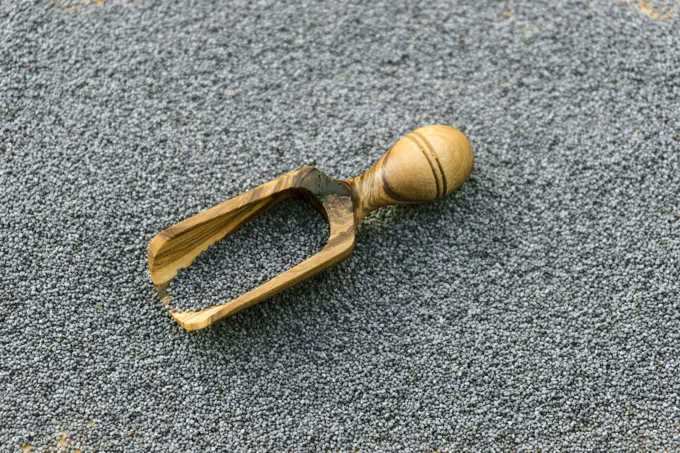
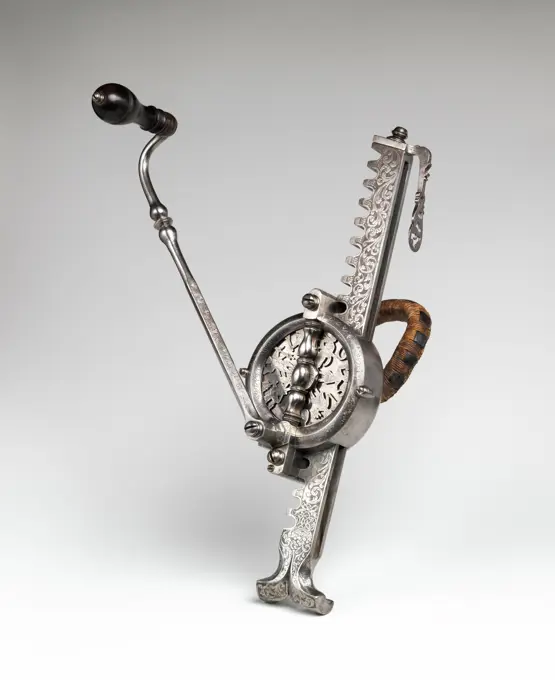
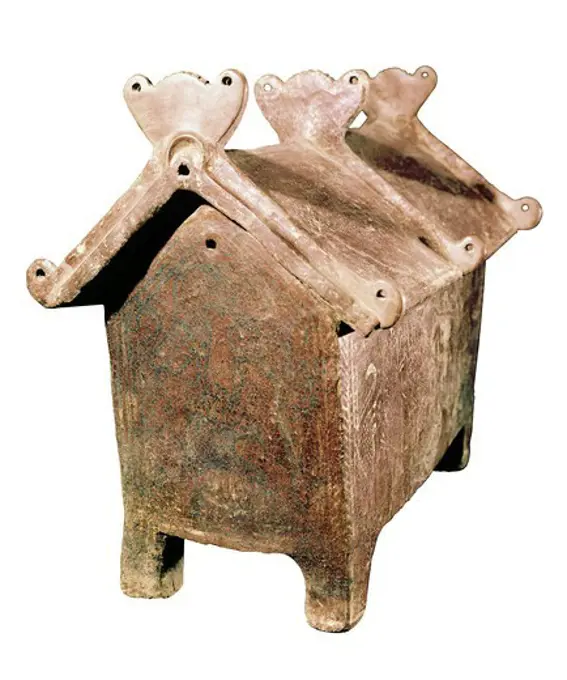
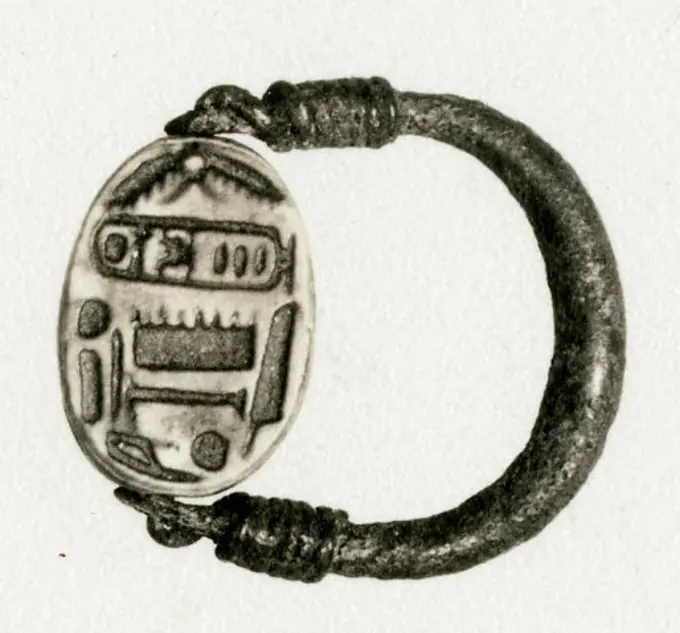
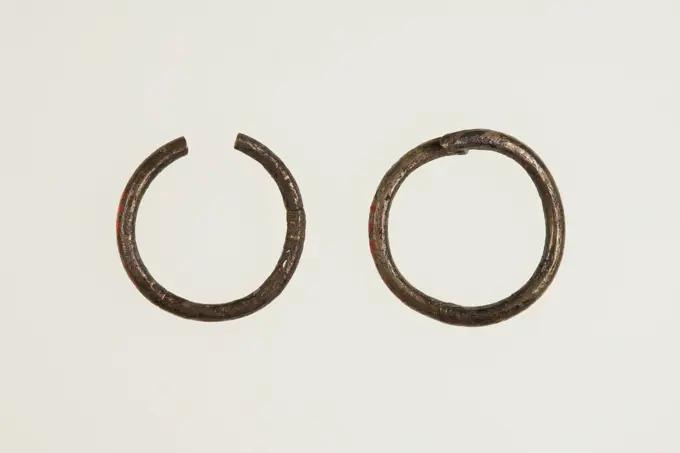
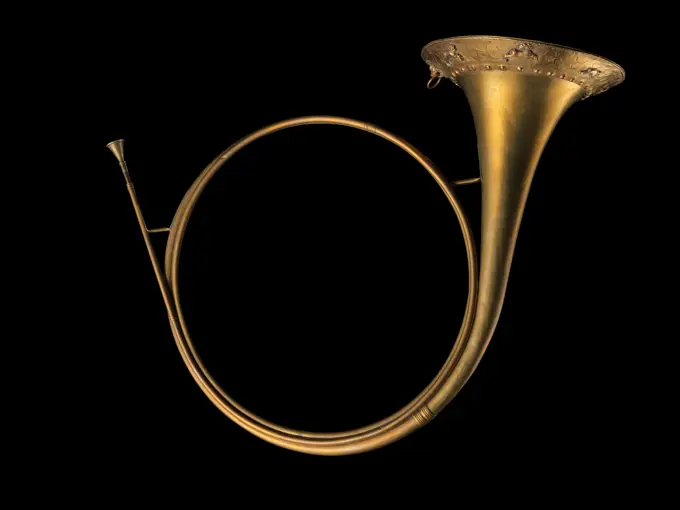
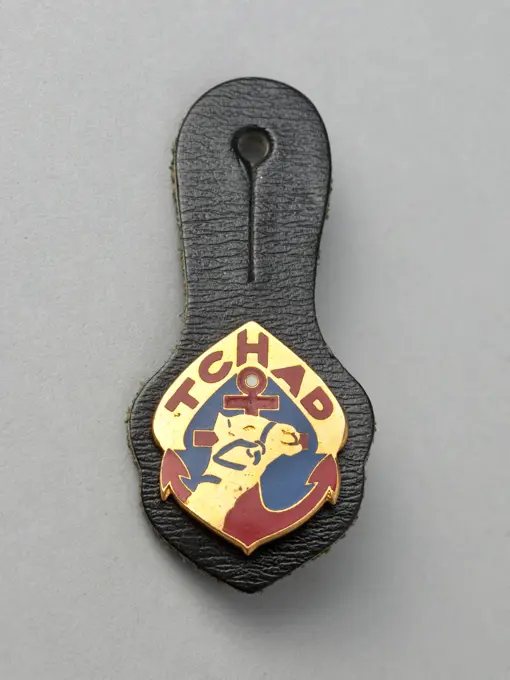
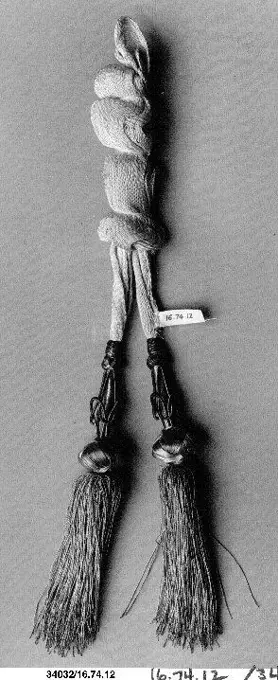
Low stool ca. 1981-1802 B.C. Middle Kingdom This low, four-legged stool had an openwork rush seat woven on a square wooden frame. Only a part of rush seat remains.. Low stool 544253Stirrup second half 10th century Germanic This type of stirrup, with its wide rectangular suspension eye and its flaring sides at the bottom, is characteristic of the Germanic (Viking) populations living around the Baltic and Northern Seas. It evolved from types used by the Avars in Eastern Europe in the 7th and 8th centuries and was brought to Central Europe through the migration of Eastern populations.If the Vikings are mostly known for being talented sailors, one may forget they were also horse riders, and as in all the Germanic cultures, horses had great importance in their society, in both its social and religious aspects. Equestrian equipment, like stirrups, spurs and bits, are regularly found in Viking burials, among the goods warriors wanted to bring with them to the afterlife. The elite would sometimes even be accompanied by sacrificed horses, a meaningful practice at that time, considering the high economic value of horses.This stirrup was found in East Prussia (today in nortSpiral candlestick. A spiral candlestick of wrought iron on three narrow legs, which are engraved with leaf decorations and having a hole on the end, thereby achieving a ring. On the three legs, the openwork, spiral stem is screwed with the shell-shaped fat catcher in between. In the trunk, the tubular candle holder is with a curled handle, so that the candle holder is height adjustable. At the top of the trunk is a handle.Five samples or Cable.vive cable samples, four of galvanized iron and one of the buyer; Allevive The samples are kept together at the ends by brass rings. The iron cables are all cable stroke, consisting of six cars around a heart, cargo and heart consisting of six mistrochars around a seventh. The copper cable is also cable, consisting of six mistakes of cards around a heart of rope; The kargelen also consist of six copper wires around a heart of rope.EMPUÑADURA DE UNA DAGA GERMANA - 1540. Location: VICTORIA AND ALBERT MUSEUM. LONDON. ENGLAND.Model of a Jury Rudder, anonymous, 1820 - 1870 demonstration model Model of an emergency rudder. The model has a steng as a stirring king and the rudder leaf is composed of round wooden with shelves covered. Around the king, the model has a donkey head as a stirring hook and the model has an anchor stick around the Roerkop, similar to model NG-MC-229 (Pakenham's emergency rudder). Netherlands (possibly) wood (plant material). brass (alloy). lead (metal). ropeModel of a Jury Rudder, anonymous, 1820 - 1870 demonstration model Model of an emergency rudder in which the steng as a roerk king and the Roerblad is composed of bunches that are held together by planks; This model has special brass stir -hooking. Netherlands (possibly) wood (plant material). brass (alloy)Regulation lock. flintlock. rifle from the 17th century. from the book The British Army. 1868. Historical. digitally restored reproduction from a 19th-century originalSilver-gilt horse trappings. Found in Rome, at the foot of the Esquiline Hill. Dated late AD 300s.Two-piece bronze mold for lid of jug, cast molding tool tools base metal bronze h 8.0, cast molded Two-piece bronze mold for casting lid with raised edge for jug top: 2834 199 Rotterdam tin foundry tinnegieter tin Meeuws Druy craft Molds are from from the originally 18th century Rotterdam tinnegieter J Druy. The large molds that were not signed or dated were the property of the tinker guild and were rented to the small tin caster.Padlock with key 18th century Russian. Padlock with key 191471Cylindrical helmet with a flat top and nose from the thirteenth century. excavated at Montgomery Castle in 1841. from the book The British Army. 1868. Historical. digitally restored reproduction from a 19th-century originalRight Cuisse with Poleyns (knee-cops), c.1550-1570. Germany, 16th century. Iron, steel, leather and brass rivets; overall: 34.5 x 20 x 31.2 cm (13 9/16 x 7 7/8 x 12 5/16 in.).Rapier ca. 1490 Italian Rapiers were developed in the late fifteenth century and became steadily more popular throughout the sixteenth century. This example is rare and important for its finely engraved decoration inspired by Middle Eastern ornament.. Rapier. Italian. ca. 1490. Steel, silver. SwordsOrchestral Horn Unknown ca. 1830 View more. Orchestral Horn. German. ca. 1830. brass. Markneukirchen or vicinity, Germany. Aerophone-Lip Vibrated-hornCast iron miniature waffle maker with stand, waffle maker kitchenware miniature toy relaxation device model iron 29.0, base 3.5 cast Waffle iron on frame two rectangular segments hinged on long side. Long handle with eye to end on each segment. Pattern waffle iron: four rows of six pyramid shapes. Round frame with rectangular recess 1868 Sibilla van Embden play food prepare baking kitchenLoop.Old flatiron Old flatiron on a white background Copyright: xZoonar.com/OlgaxPopovax 1570938Sword Guard (Tsuba) 18th century Japanese A tsuba is a sword guard and part of a sword mounting. It is mounted between the swords blade and grip to protect the users hands.. Sword Guard (Tsuba) 26223Ancient Egyptian Head Rest in British Museum. The ancient Egyptian equivalent of a pillow, the headrest (known to the ancient Egyptians as a weres) was used to support the head while sleeping. Broadly speaking, culturesboth ancient and modernwho use headrests share some characteristics that might make the use of this type of head support more practical. The use of headrests in climates that are hot is practice al as it lifts the head and neck above the sleeping surface, and air currents can flow under the head and cool the sleeper. Many have been found in tombs of ancient Egyptians.George Ridout, Whistle with Coral and Bells, c. 1750, gold and coral.Needlework Stand. United States, Massachusetts, Boston, 1790-1800. Furnishings; Accessories. Mahogany, birch, pine, various inlaysPart of a votive menat ca. 1479-1458 B.C. New Kingdom. Part of a votive menat. ca. 1479-1458 B.C.. Wood. New Kingdom. From Egypt, Upper Egypt, Thebes, Deir el-Bahri, Hatshepsut Hole, MMA excavations, 1923-24. Dynasty 18Scold's Bridle or brank, an alternative to the cucking stool, the bit was placed in the scold's mouth and the bridle fixed to her head until she showed humility: in use in 1680 Woodcut circa 1860.Violet Hartenstein, Trivet, c 1942 TrivetTrammel. Dated: c. 1939. Dimensions: overall: 45.7 x 35.5 cm (18 x 14 in.) Original IAD Object: 49" long; 4" wide. Medium: watercolor and graphite on paper. Museum: National Gallery of Art, Washington DC. Author: Mary Hansen.CINQUEDEA-ESPADA DE CARLOS V S XVI-ARTE VENECIANO.DET CARA DE EMPERADOR. Location: MUSEO LAZARO GALDIANO-COLECCION. MADRID. SPANIEN.BROCHE DE CINTURON VISIGODO-BRONCE. Location: MUSEO DE CACERES / PALACIO DE LAS VELETAS. CACERES. SPAIN.Candelabra (one of a pair). William White; English, 1825-1900. Date: 1855-1865. Dimensions: 137.2 × 73.7 × 72.4 cm (54 × 29 × 28 1/2 in.). Painted bronze. Origin: England. Museum: The Chicago Art Institute, Chicago, USA.Alter Schlüssel Old metallic key on red background Copyright: xZoonar.com/J.xSandvikx 1263448Metal mortar and pestle isolated on white background.Four-piece bronze mold for the bottom of spreader or mustard pot, cast molding tools tool base metal bronze wood iron, cast turned Four-piece bronze mold for casting bottom with foot of pepper spreader with screw thread Rotterdam tin foundry tin pewter Meeuws Druy craft Forms come from the originally 18th century Rotterdam tinnegieter J Druy. The large molds that were not signed or dated were the property of the tinker guild and were rented to the small tin caster.Block. TweeShiffs Goring Block According to the regulations of 1865, with double iron wire nozzle and iron wire binding and a round stocking; 16 cm Block.LLAVES DE LA CIUDAD. Location: CATEDRAL-INTERIOR. Sevilla. Seville. SPAIN.Model ankh ca. 1981-1802 B.C. Middle Kingdom The ankh was used as a hieroglyph to write the words "live," "alive," or "life." It also became a popular symbol for life in general.. Model ankh. ca. 1981-1802 B.C.. Wood. Middle Kingdom. From Egypt, Middle Egypt, Meir, Khashaba excavations, 1910-11; Probably from Tomb of Ukhhotep or Hapiankhtifi. Dynasty 12Elegant vintage skeleton keys sketches with bows, adorned by ornamental forged elements with curlicues. Medieval, history, embellishment, t-shirt print or pendant design usagePlaque. Mongolia or southern Siberia, 1st century B.C.. Sculpture; plaques. Gilt bronze, castBloemguirlande, 1600 - 1699 An iron flowerguirle.  iron (metal) An iron flowerguirle.  iron (metal)Seal made of silver, Korea, Joseon Dynasty (1392-1910)18th century baby walker (The baby would be placed in this device to develop their walking skills.Mohnsamen auf Holzschaeufelchen poppy seeds on a wooden scoop BLWS709978 *** Poppy seed at Holzschaeufelchen Poppy Seeds ON a Wooden Scoop BLWS709978 Copyright: xblickwinkel/SteidixCranequin (Crossbow Winder) dated 1727 German, probably Nuremberg The etched decoration on the rack includes the crowned monogram CLR, indicating that the original owner, as yet unidentified, was a nobleman.. Cranequin (Crossbow Winder). German, probably Nuremberg. dated 1727. Steel, horn (bovine), copper alloy, gold, hemp, leather. probably Nuremberg. Archery Equipmentold key isolated on white backgroundFunerary Urn. ca. 630 - 600 BC. Etruscan art. Ceramics. ITALY. LAZIO. ROME. Cerveteri. National Etruscan Museum of Archaeology.Ring, Amenhotep II ca. 1427-1400 B.C. New Kingdom. Ring, Amenhotep II. ca. 1427-1400 B.C.. Bronze or copper alloy, steatite. New Kingdom. From Egypt. Dynasty 18Boat steering wheel Decorative fake antiqued boat steering wheel isolated on white Copyright: xZoonar.com/J.xSandvikx 1308878Brushed aluminum shower faucet and detachable showerheadPair of Earrings (with 16.10.337) ca. 1635-1458 B.C. Second Intermediate Period-Early New Kingdom. Pair of Earrings (with 16.10.337) 546877Emblem branch of service kl, gardregiment hunters, right version. from 1963Escutcheon 16th century German. Escutcheon 186897 German, Escutcheon, 16th century, Iron, L. 4 1/2 in. (11.4 cm). The Metropolitan Museum of Art, New York. Gift of Henry G. Marquand, 1887 (87.11.299)Carnavalet museum, history of Paris.Jagdhorn in G ca. 1710-20 Jacob Schmidt Jacob Schmid (1642-1720) was the founder of a trumpet-making workshop in Nuremberg, which flourished under his son Johann Jacob and grandson Paulus for about a century. So far, six instruments by Jacob Schmid are known to have survived, one natural trumpet, two trombones, and three horns, of which two are in the Museum's collection. The present horn is in original condition and marked with the inscription "MACHT IACOB SCHMIDT IN NURNBERG" and the master's sign, a bird with the monogram JS. The instrument, pitched in A-flat, is furnished with a metal ring for a leather strap and decorated with cast game animals applied to the garland. Both features indicate that the instrument was designed as a hunting horn and/or as a horn to be used in a Jagdcorps (hunting choir), where it was played with oboes and bassoons. Horns of this kind and with a large 1-1/2 coil, came into fashion around 1680 in the regal hunt. About 1700, horns began to be included in War 1939-1945. General Leclerc Museum of Hauteclocque and the Liberation of Paris, Jean Moulin Museum. 75313-5 War 1939-1945, War 39-45, Object, Second World WarTassels late 19th century. Tassels 446853Box of Perry Pen Nibs. Manufacturer: Josiah Mason. Card box with lid, pen nib mounted on top with gold foil surround containing 50 pen nibs