Luxury Dagger Artifacts

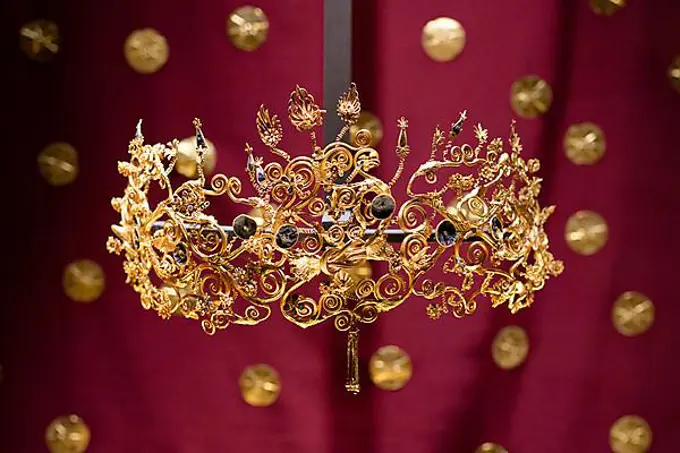
Ornate golden pieces from historical weapons and decorative arts, showcasing rich craftsmanship and intricate designs.

Gilded silver fibula with finger like projections and zoomorphic figures, Crimea. Gotho-Alanic Civilization, 4th-9th Century.
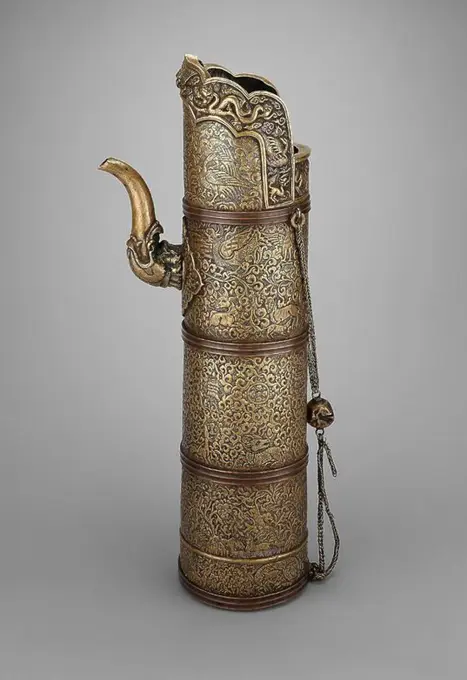
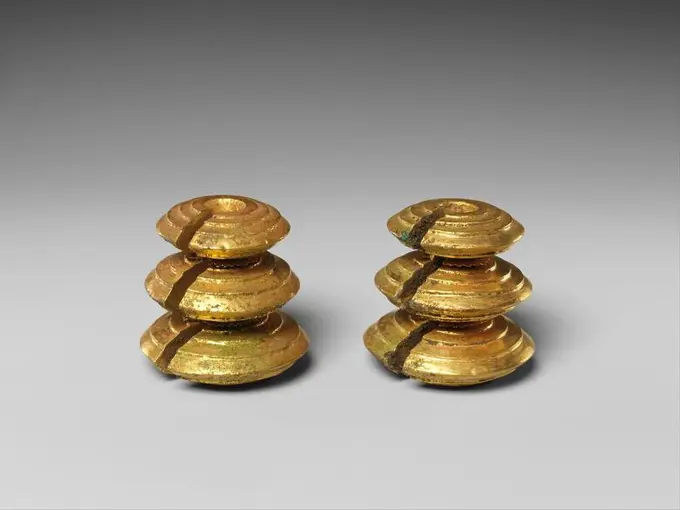
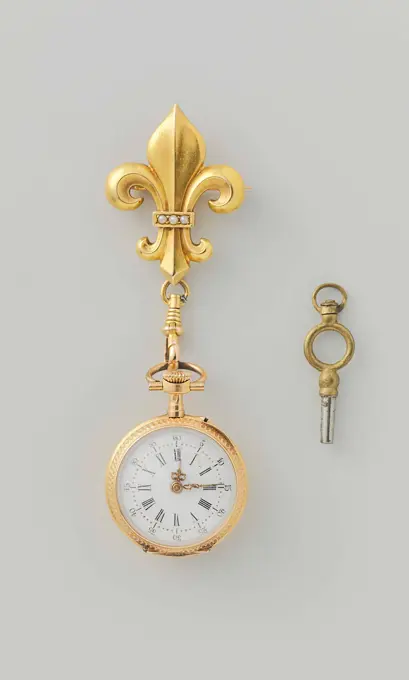
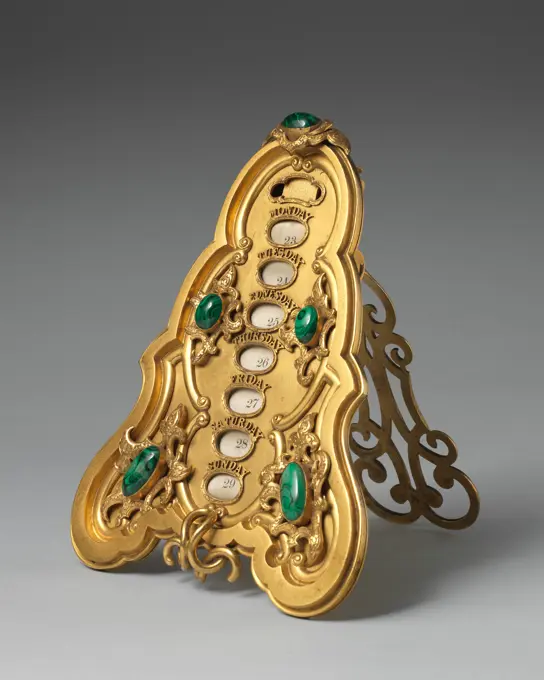
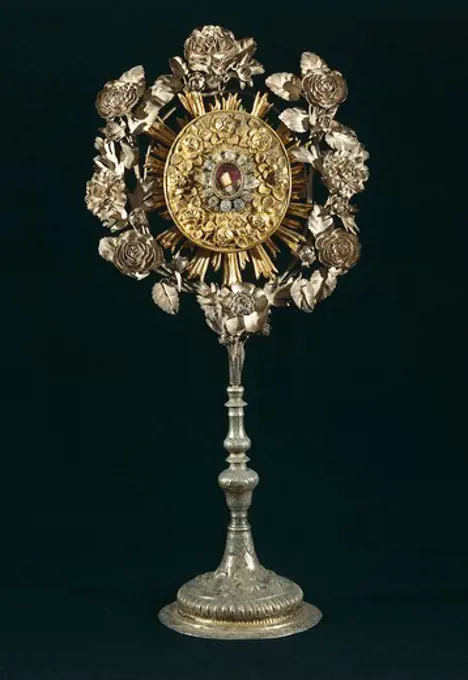
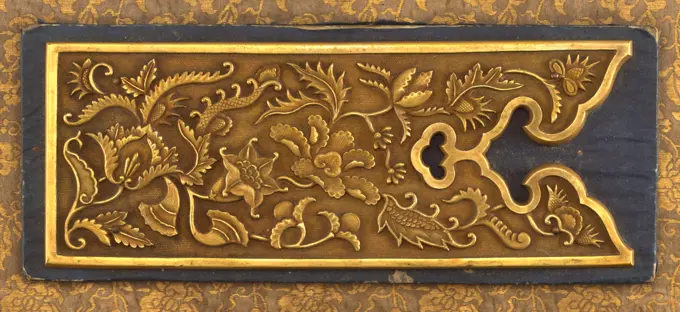
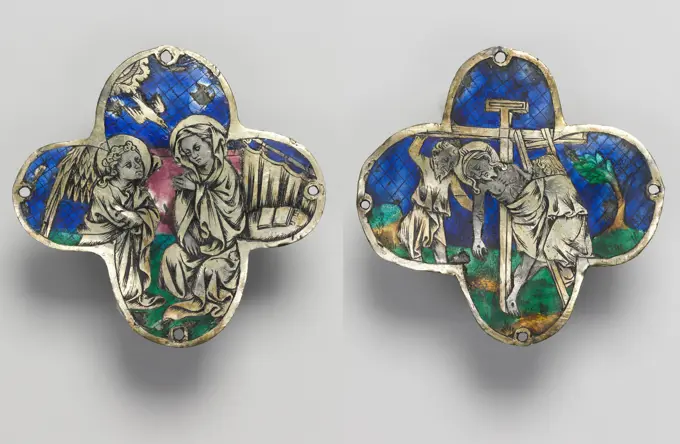
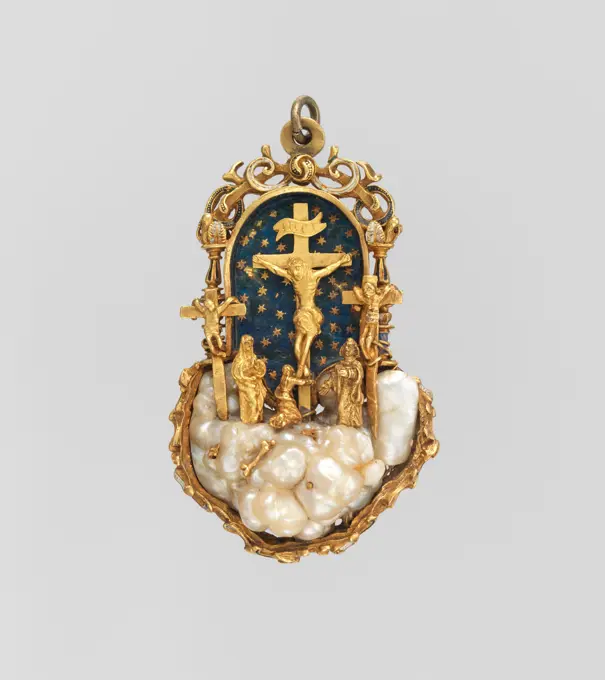
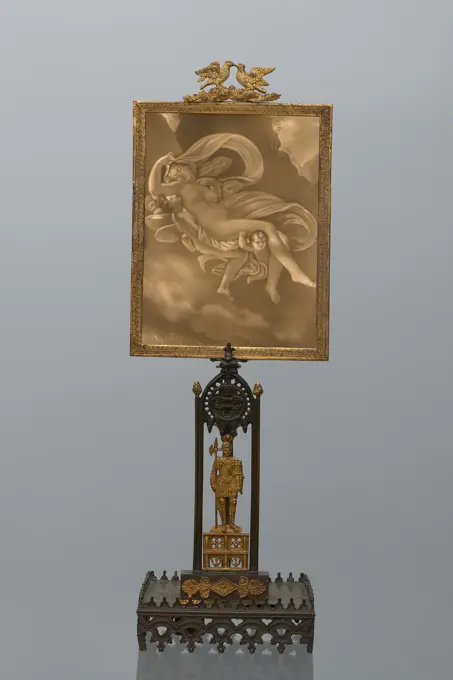
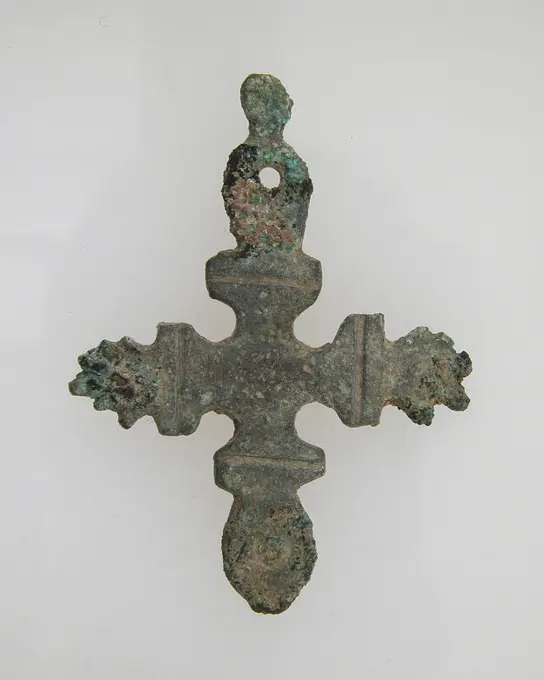
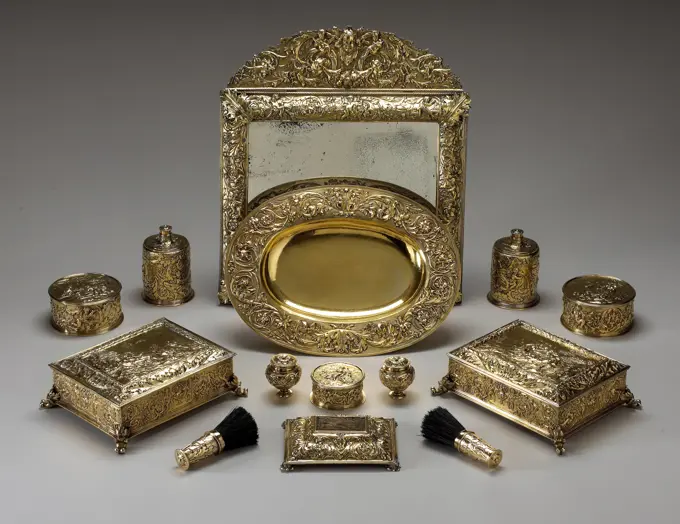
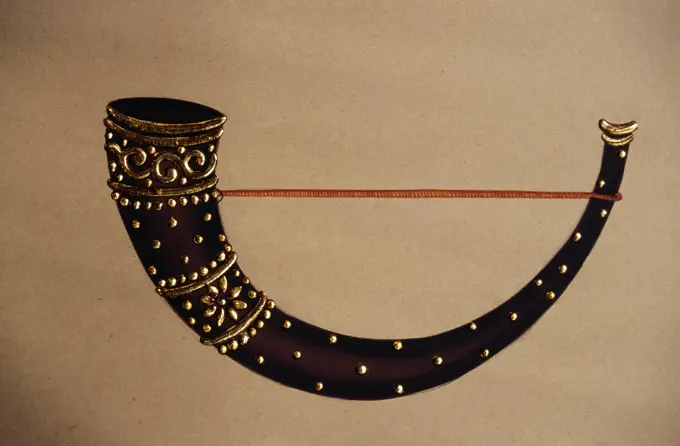
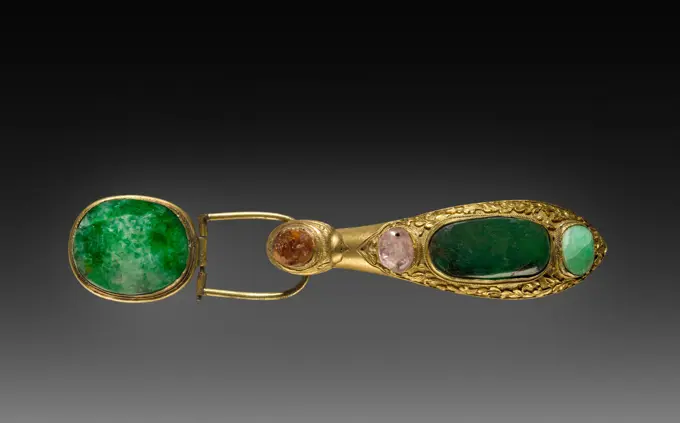
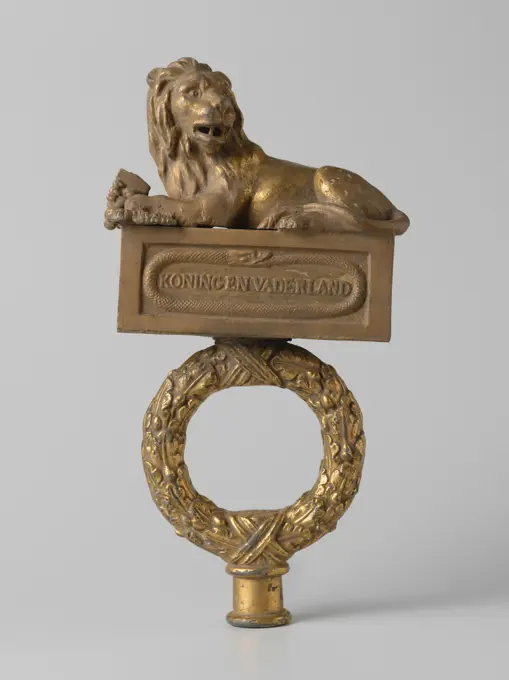
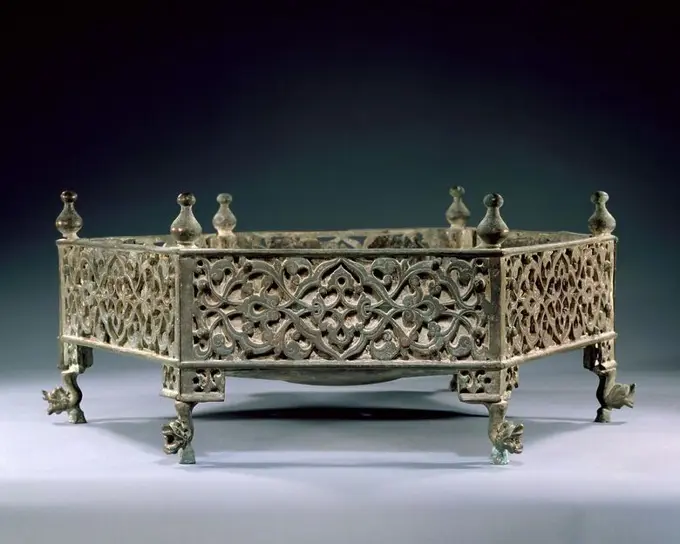
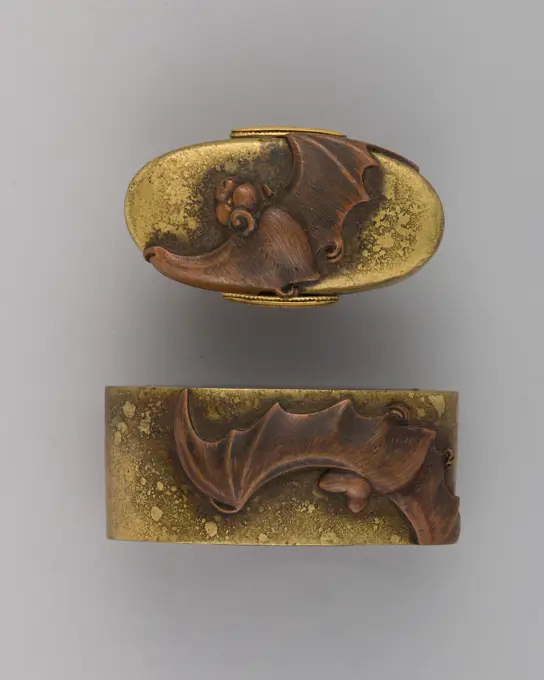
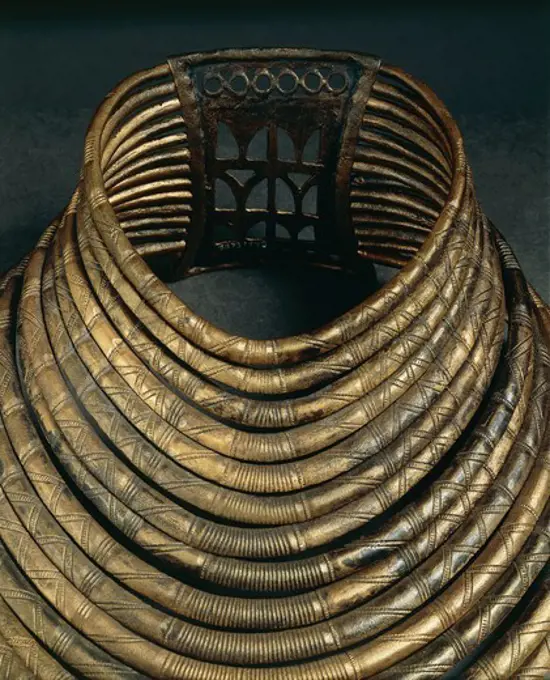
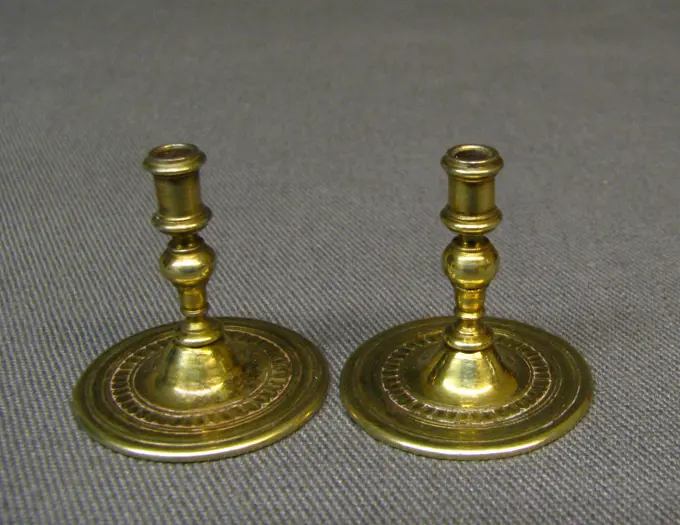
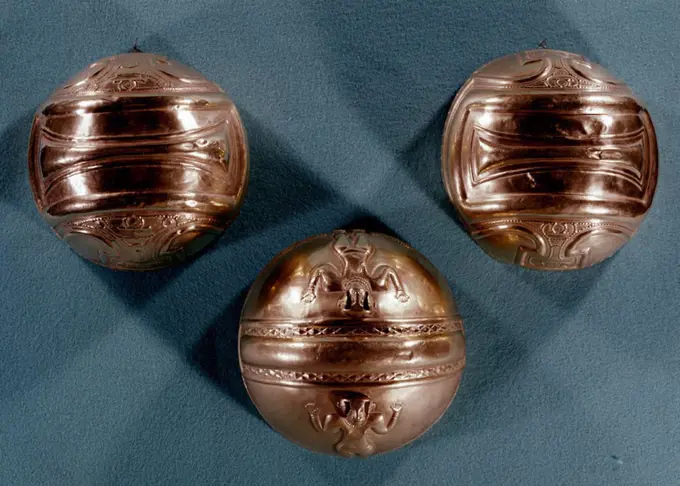
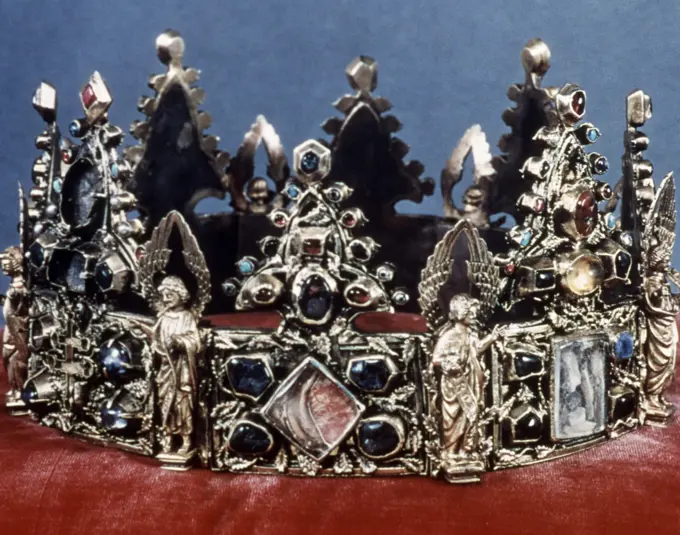
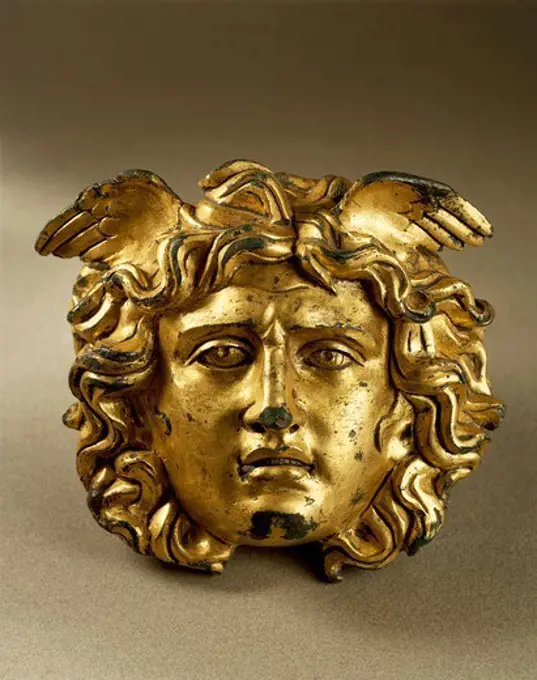
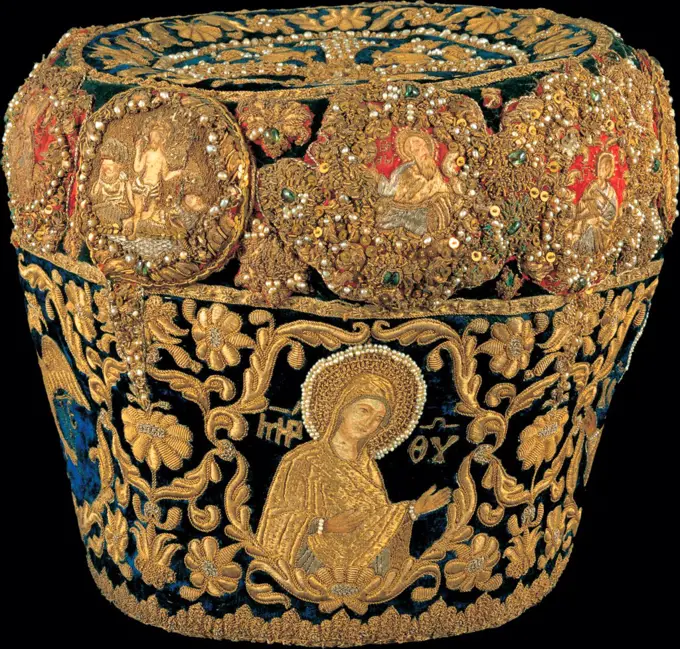
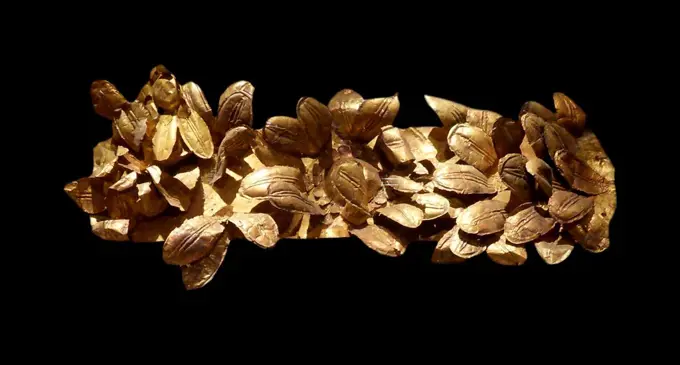
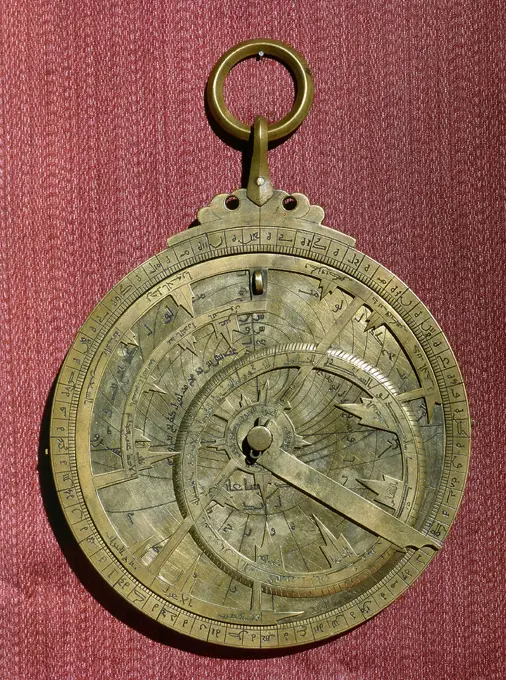
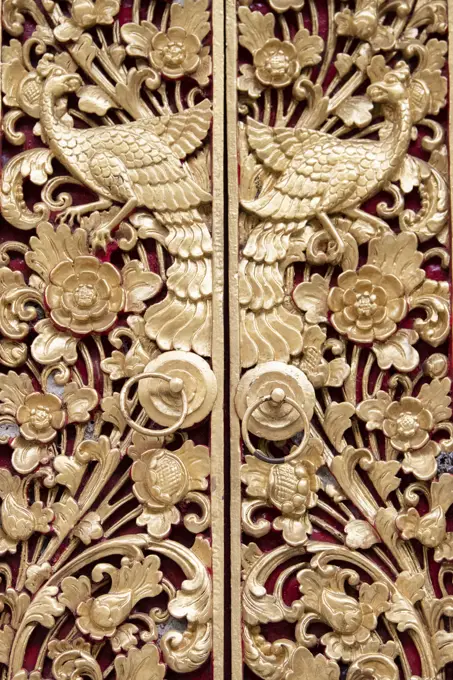
Indonesia, Bali. Traditional handicraft village of Ubud. Balinese carved wooden doors.Moon-Shaped Pendant 8th-early 9th century or earlier Indonesia (Java). Moon-Shaped Pendant. Indonesia (Java). 8th-early 9th century or earlier. Gold. Central Javanese period. JewelryBliżej Kultury Traveling, StanisławÌjsslee. .Kissing ice sleigh. .Gold torc from Snettisham. Celtic British.Cross of rock crystal. Venice, c. 1300-1310. Rock crystal, silver settings, gilded and punched wooden base. Museum Schnu_tgen. Cologne, Germany.Pair of sIIppers unknownBand early 13th century French. Band 467780Ewer with Crocodile (Makara) Spout. Eastern Tibet; Kham. Date: 1501-1600. Dimensions: 50.1 x 12.2 x 21.3 cm (19 3/4 x 4 13/16 x 8 3/8 in.). Brass with copper bands over bamboo core. Origin: Tibet. Museum: The Chicago Art Institute, Chicago, USA.Pair of Firedogs. Attributed to Charles Cressent (French, 1685 - 1768, master 1719)Stirrup-Shaped Ring with Fish Design 8th-early 10th century Indonesia (Java). Stirrup-Shaped Ring with Fish Design 50398Sword-Hilt Pommel (Kashira), 1700-1850. Japan, Edo period (1615-1868). Shakudo; average: 3.9 x 1.8 cm (1 9/16 x 11/16 in.).Figure, 1100-1299, 1 7/8 x 5/8 x 1/8 in. (4.76 x 1.59 x 0.32 cm), Gold, Colombia, 12th-13th centuryLabret 10th-16th century Tairona. Labret 319630Pair of Weighted Fasteners. Culture: Indonesia (Java). Dimensions: Overall (each): H. 1 9/16 in. (4 cm); Diam. 1 5/8 in. (4.1 cm). Date: 8th-early 10th century. Museum: Metropolitan Museum of Art, New York, USA.Broche met horloge in foedraal.Gold watch with key, hanging on a fleur-de-lis. Decorated with pearls. In a wine red case.Calendar (part of a set) 1851 Asprey British The set (1982.88.1-.8) was shown at the Crystal Palace exhibition in 1851. Except for the paper knife, each piece is engraved underneath with Asprey's name and address and the words Exhibition 1851. Listen to experts illuminate this artwork's story Listen Play or pause #417. The Great Exhibition Supported by Bloomberg Philanthropies We're sorry, the transcript for this audio track is not available at this time. We are working to make it available as soon as possible.. Calendar (part of a set). British, London. 1851. Gilt bronze, malachite. Metalwork-Gilt BronzeGoldsmith's art, Italy, 16th century. Reliquary of Saint Rosalia.Vase ornament 18th century French. Vase ornament. French. 18th century. Gilt bronze. Metalwork-Gilt BronzeDoor Plate; 1910-43-1FIBULA CON FIGURA MASCULINA FLANQUEADA POR CABALLOS. IBERICO JOYERIA. (DEPOSITO: MUSEO ARQUEOLOGICO NACIONAL).Pair of Hair Ringlets with Ram Head, c. 4th Century BC. Greece, Hellenistic period. Gold; overall: 3.5 cm (1 3/8 in.).Belt hook 5th-3rd century B.C. China. Belt hook 49479Bronze and enamel wheel-shaped fibula, Crimea. Gotho-Alanic Civilization, 3rd-4th Century.Collar with Medallions, 225 AD, Metropolitan Museum of Art, Manhattan, New York City, USA, North AmericaQuatrilobed Plaque (pair): The Annunciation and The Descent from the Cross, c. 1350-1400. Spain, Catalonia, 14th century. Translucent enamel (basse-taille) on silver; overall: 8.3 x 8.3 cm (3 1/4 x 3 1/4 in.). These plaques were probably originally placed at the end of the arms of a processional cross. They are decorated in an enameling technique called basse-taille in which colorful translucent enamel pastes are fused over an engraved and chased silver plaque.Enkolpion with the Crucifixion (front) and Saints Theodore and George (back), 1080-1120. Byzantium, Constantinople, Byzantine period, 11th-12th century. Silver gilt and cloisoné enamel; overall: 5.1 x 4.1 cm (2 x 1 5/8 in.).Fibula Fragment. UnknownFibula Fragment. UnknownCáliz de Galcera de Vilanova, 1390. Museu Diocesà d'Urgell.South German 16th Century, Door Pull in the Form of a Lion's Head, c 1500 Door Pull in the Form of a Lion's HeadThe Crucifixion 16th century Northern European The size of this jewel and related ones (see also 17.190.893; 32.100.298; 32.100.306; and 41.100.26) is such that only the closest viewer could appreciate their full beauty and dexterous execution; they represent the finest craftsmanship for the wealthiest patrons. Each combines gold with natural treasures, such as pearls and gemstones. Bulbous baroque pearls cleverly suggest the fluffy down of a swans underbelly or a cloudy mass supporting the Crucifixion. Tiny figures are enameled in the round. Melding the secular and the sacred, these jewels were made to be worn: pinned to garments or hanging close to their owners skin. The animals might be heraldic devices; the swan, for example, could symbolize the Society of the Virgin Mary, called the Order of the Swan, which was founded in mid-fifteenth-century Brandenburg in Germany.[Elizabeth Cleland, 2017. The Crucifixion. Northern European. 16th century. Gold, partly enameled, set with BaroqBiscuit candle screen. unknown, authorSmallsword. Culture: British, London. Dimensions: Sword (a); L. 39 in. (99.1 cm); box (c); L. 41 in. (104.1 cm); W. 6 3/16 in. (15.7 cm); D. 5 1/4 in. (13.3 cm). Enameler: Signed AT, probably for Simon Augustin Toussaint (British, London, active 1768-85). Goldsmith: Attributed to James Morisset (English, London, active 1768-1800). Date: ca. 1780-85.This hilt is closely related to a number of English snuffboxes and other small gold objects set with Neoclassical enamels in grisaille. The enamel with Hercules strangling the Nemean Lion (on the reverse of the grip) is signed AT, probably for Augustin Toussaint, a miniaturist and enameler. Toussaint was the nephew of the goldsmith James Morisset, who made two enameled presentation swords in the Metropolitan Museums' collection (26.145.315, 42.50.35). Unlike the presentation swords, however, this example is much freer in design and more lavish in ornament. The enamels are copied after English engravings of Classical cameos and gems. Museum:Armorial Roundel French 19th centuryEnkolpion with the Crucifixion (front) and Saints Theodore and George (back), 1080-1120. Byzantium, Constantinople, Byzantine period, 11th-12th century. Silver gilt and cloisoné enamel; overall: 5.1 x 4.1 cm (2 x 1 5/8 in.).Cross. Culture: Frankish. Dimensions: Overall: 1 9/16 x 1 3/16 x 1/16 in. (4 x 3 x 0.1 cm). Date: 500-600. Museum: Metropolitan Museum of Art, New York, USA.Silversmith's art, Poland, 12th century. Embossed silver reliquary of Saint Stanislaus.Christmas decoration, angel figureEnkolpion with the Crucifixion (front) and Saints Theodore and George (back), 1080-1120. Byzantium, Constantinople, Byzantine period, 11th-12th century. Silver gilt and cloisonné enamel; overall: 5.1 x 4.1 cm (2 x 1 5/8 in.).Bird Ring withGemsCasket, from a toilette service, 1683, William Fowle, English, 1658-1684, 3 3/4 x 10 3/4 x 8 7/16 in. (9.53 x 27.31 x 21.43 cm) (closed), Vermeil (gilt silver), England, 17th centuryMiniature Painting On Paper Indian classical Musical Instrument Turhi Copyright: xBhagwandasxRupani/DinodiaxPhotoxBuckle, 1900s. China, 20th century. Gilt brass, engraved and set with jade and quartz; overall: 13.8 cm (5 7/16 in.).Stabbing of a standard of the Dutch army at the time of the Belgian uprising. Metal decorations of a banner or standard consisting of and lion with sword on a block including an olive wreath. This copy is hollow and poured from a thin layer of copper. The lion is loose with an intact sword. Stand ornament.Brazier. Dimensions: H. 9 5/8 in. (24.4 cm)W. 25 in. (63.5 cm)D. 25 in. (63.5 cm). Date: probably 15th century.The interwoven and symmetrical organization of the scrolling stems and leaves of the side panels follows a gracious design common in Timurid objects and architecture and can also be seen in the tile panels and stuccowork of the buildings at Bidar. The auspicious dragon heads along the legs of this object are also part of a shared decorative vocabulary. Museum: Metropolitan Museum of Art, New York, USA.Insignia of the 7th Algerian tirailleurs regiment (RTA). Enamelled metal. 1946-1951. General Leclerc Museum of Hauteclocque and the Liberation of Paris, Jean Moulin Museum. Military badgeGolden pre-Columbian ritual jewellery, replica, sheet brass with semi-precious stones, souvenir, Cusco, Peru, South AmericaItems from the Lombok Treasure. A collection of jewels, precious stones and silver taken as war booty from the island of Lombok. Dated 1894Sword-Hilt Collar and Pommel (Fuchigashira) ca. 1615-1868 Japanese A fuchigashira is a pair of matching sword fittings comprising the fuchi (collar at the base of the grip of the sword hilt) and kashira (pommel cap at the end of a sword hilt).. Sword-Hilt Collar and Pommel (Fuchigashira). Japanese. ca. 1615-1868. Copper alloy (sentoku), copper. Sword Furniture-Fuchi-KashiraMount, Gilt bronze, One of three matching bracket pilaster mounts. Empire style with pendant tongues decorated with palmetto below a frieze of rosettes, USA, France, mid-late 19th century, metalwork, Decorative Arts, MountThe El Dorado ceremony. Figures on a raft, Muisca. COLUMBIA.Prehistory, Poland, Iron Age. Pomeranian culture. Bronze pectoral necklace, 6th-5th century b.C.Gold phiale or libation bowl. Greek 4th-3rd century BCHandCrossArgentina. Buenos Aires. San Telmo. Flea Market. Antiques stall.Chessmen (32) German 19th century View more. Chessmen (32). German. 19th century. Wood. Chess SetsMiniature candlestick 1690-1710 German, probably Augsburg. Miniature candlestick 202774Bird Beads, c. 900-1550. Colombia, Muisca style, 10th-16th century. Cast gold;Museum of the Royal Tombs of Aigai, interior view, Vergina, Greece, EuropeCASCOS DE ORO REPUJADOS DEL TESORO DE LOS QUIMBAYAS - COLOMBIA - 200-1000 DC. Location: MUSEO DE AMERICA-COLECCION. MADRID. SPAIN.Blue Bead BirdRingDress ornament. Culture: Scythian. Dimensions: H. 1 in. (2.54 cm). Date: ca. 5th century B.C..When the nomads of the Eurasian steppes entered the region bordering on the ancient Near East, they brought with them a highly mobile lifestyle, including a sophisticated horse-riding military and a tradition of wealth display in the form of gold ornaments for their clothing, equipment, and animal trappings. By the fifth century B.C., when this gold plaque was probably made, the art of the nomads was influenced by arts from nearby settled populations, including the Greeks and the Achaemenid Persians.This ornament, with a small loop on the back meant for attachment to clothing, is from a large group of gold plaques acquired by Western museums, including The Metropolitan Museum of Art, in the first decades of the twentieth century. They are thought to come from the area in the northern part of the Black Sea, reportedly from the site of Maikop in the Northern Caucasus. The plaques from this groSkull-shaped clock, by Jean Rousseau, silver and gilt brass, Geneva. Switzerland, 17th century.1270s RELIQUARY CROWN OF ST LOUIS IN THE LOUVRE PARIS FRANCEBox (USA); Manufactured by Gorham Manufacturing Company (United States); velvet, brocade, satin, wood, metal; L x W x D: 14.5 x 36.5 x 4 cm (5 11/16 x 14 3/8 x 1 9/16 in.) L x W x D (Open): 14.5 x 36.5 x 16 cm (5 11/16 x 14 3/8 x 6 5/16 in.)Bronze gilt Medusa head from the temple of Aesculapius at Ulpia Traiana Sarmizegetusa, Romania. Dacian-Roman Civilization, 2nd-3rd Century.The Mitre by Workshop of Constantinople  / Benaki Museum, Athens/ 1715/ Wool, silk, gold and silver threads/ Applied Arts/ H 20/ Bible,ObjectsShadow Puppet (Wayang Kulit) ofApiEtruscan gold wreath dating from the 4th -3rd century BCASTROLABIO DE ALFONSO X EL SABIO-AÑO 1002-DIAMETRO 162. Location: MUSEO NAVAL / MINISTERIO DE MARINA. MADRID. SPAIN.VotiveOfferingPilgrim's badge first half 17th century Spanish, probably Toledo This and a related pilgrim's badge (60.179.2) display the emblems commonly associated with devotion to the Immaculate Conception. One bears the monogram of the Virgin, while the other features an image of the monstrance of the Eucharist. Both probably framed devotional images like that of another venera (30.135.91) shown here as well.. Pilgrim's badge. Spanish, probably Toledo. first half 17th century. Champlevé enamel on brass, partly gilt. EnamelsThrone Chair of Tutankhamun with Footstool, Tutankhamun's Tomb Treasures, archaeological world sensation, replicas, Valley of the Kings, most famous burial site in the world, Luxor, Thebes West, Egypt, Luxor, Thebes, West, Egypt, Africa