Medieval Armor Artifacts

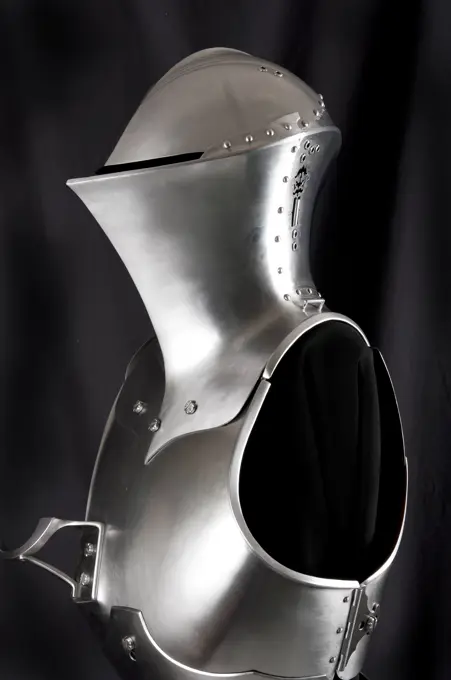
Display of historical armor pieces including bascinets, breastplates, and molds, showcasing the craftsmanship of medieval weaponry.

Old vintage iron Vintage electric ironing applicance Copyright: xZoonar.com/YannxPoirierx 8964204
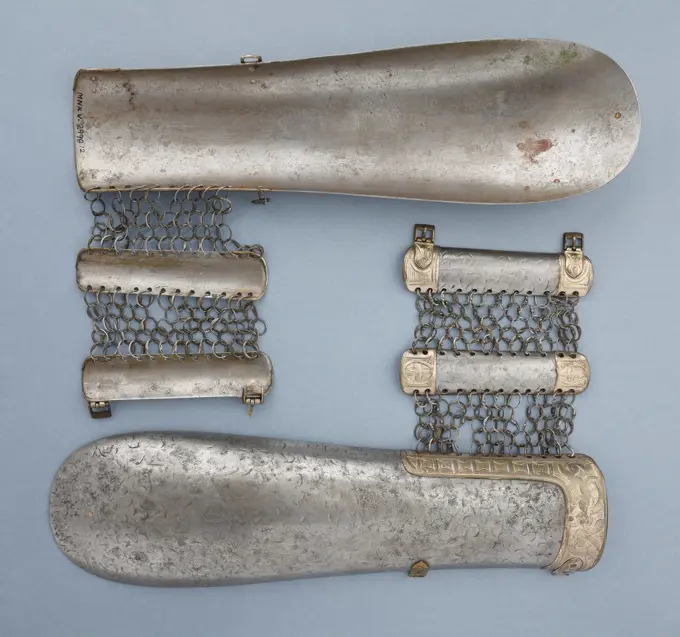
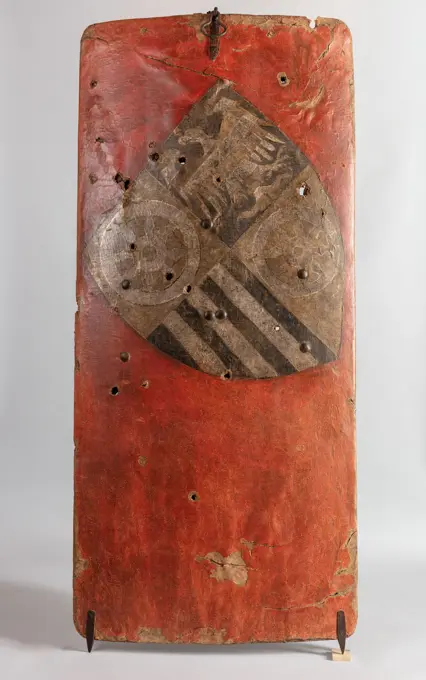
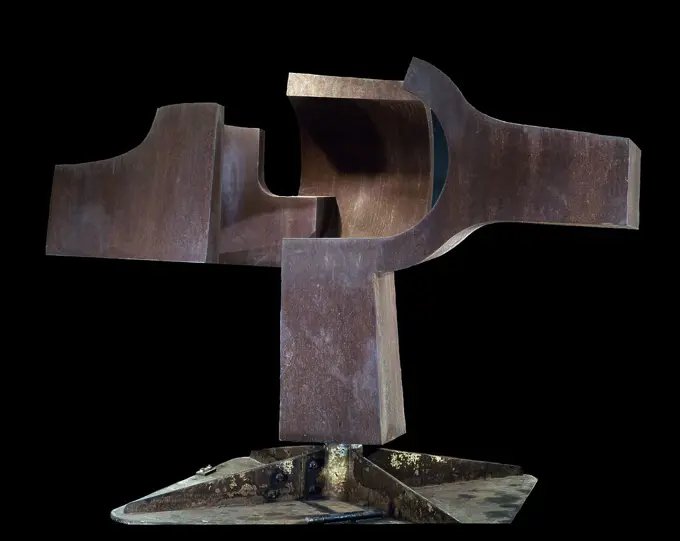
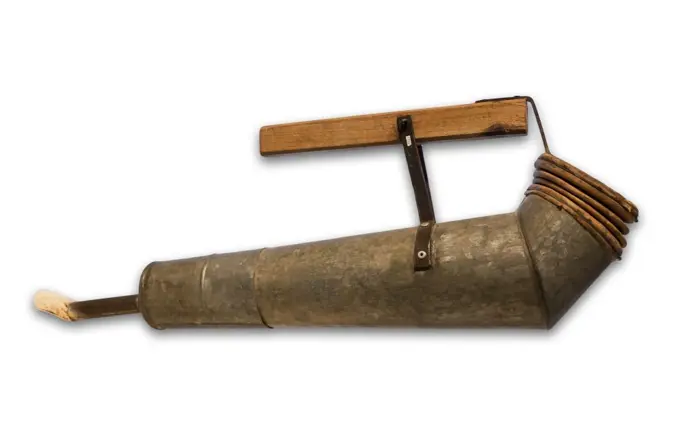
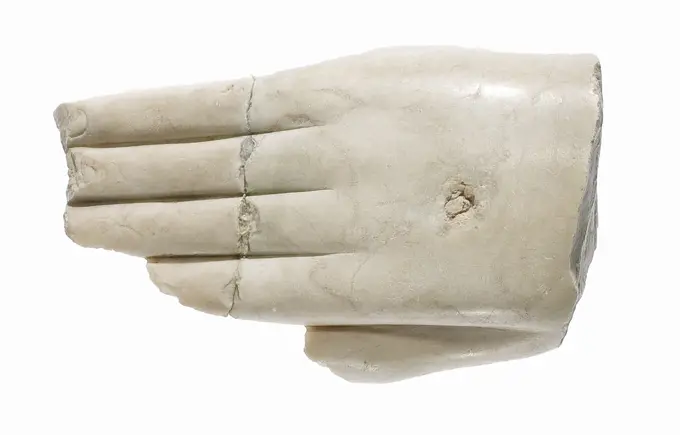
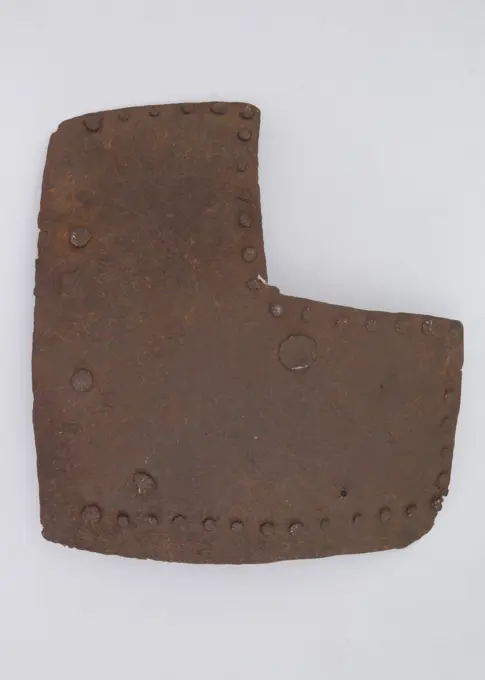
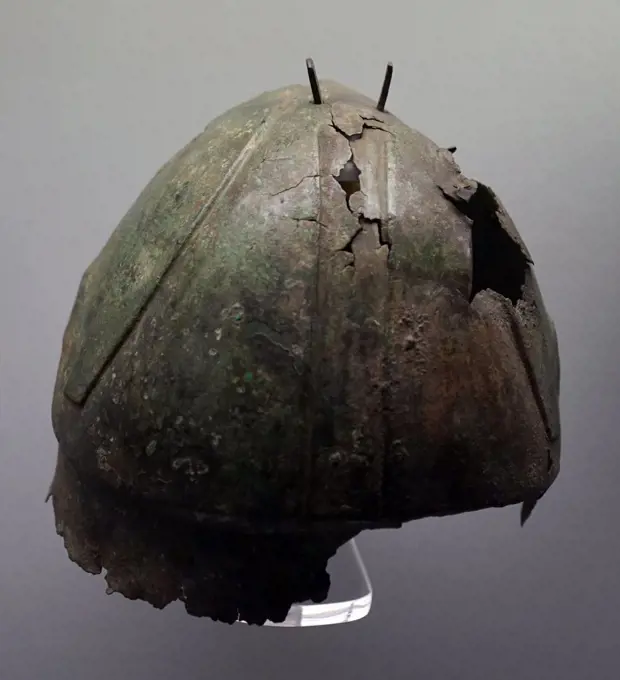
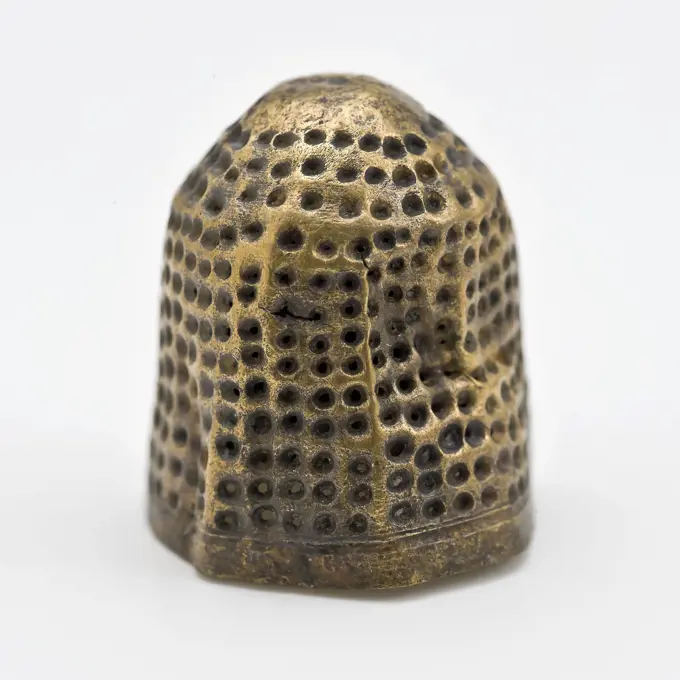
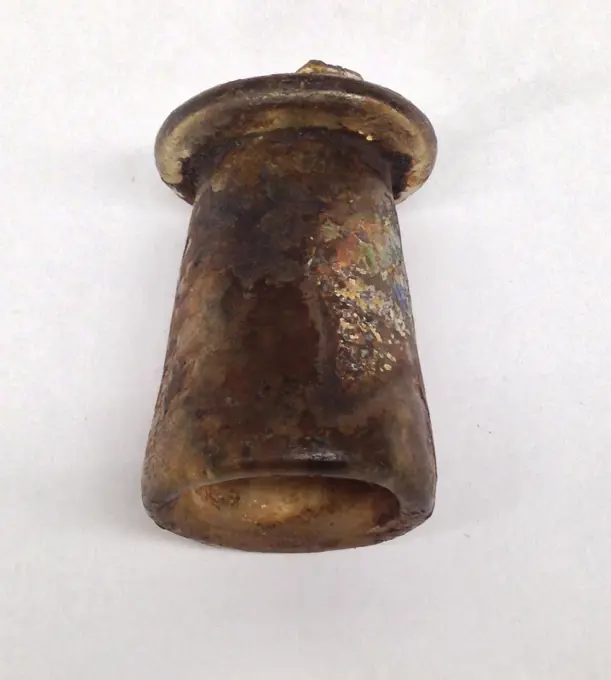
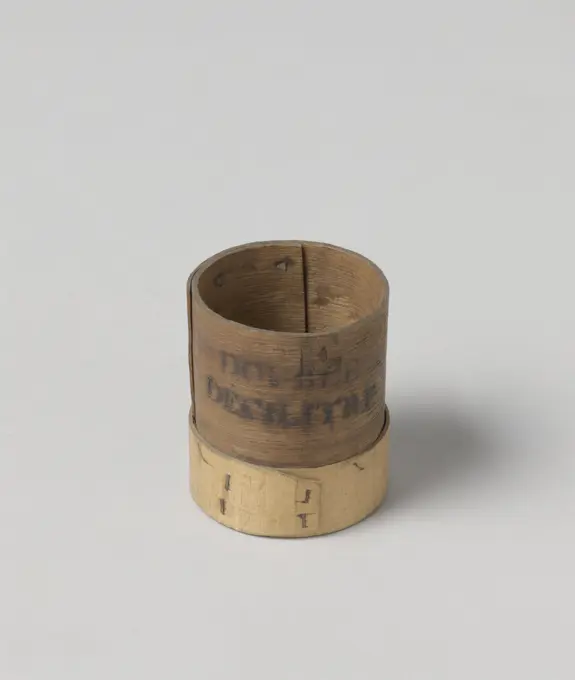
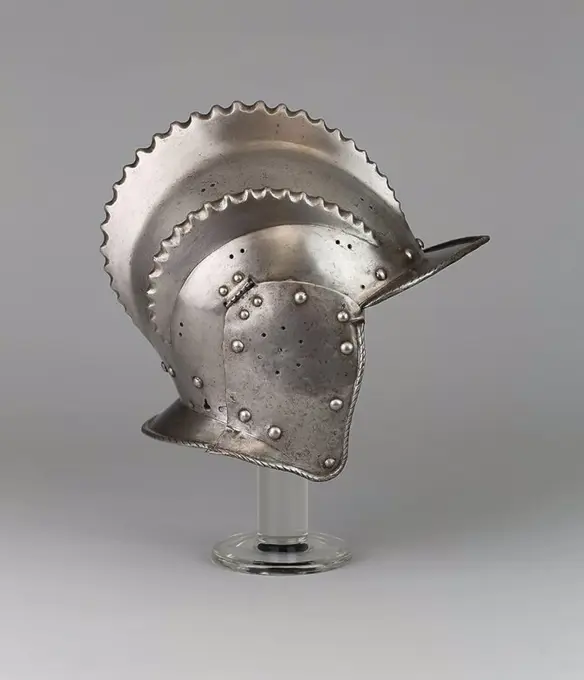
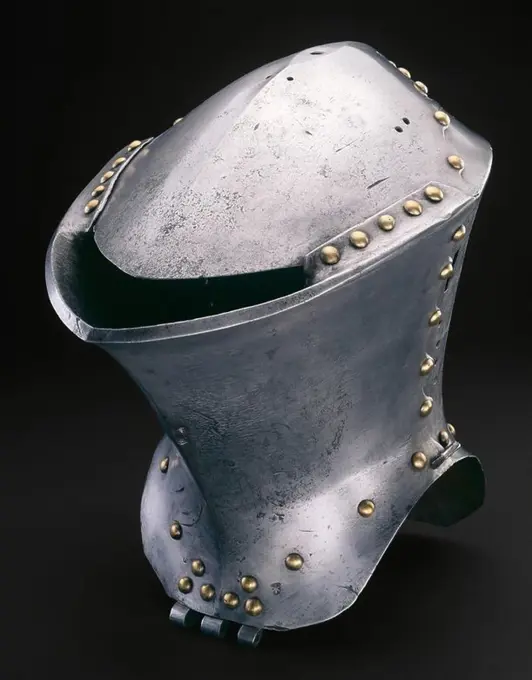
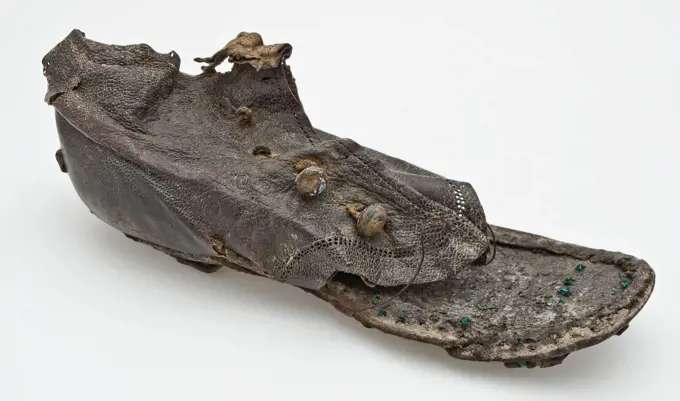
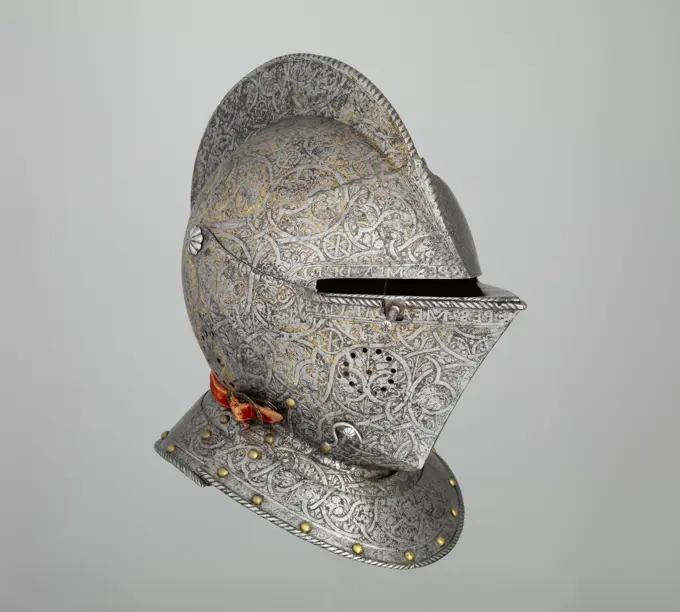
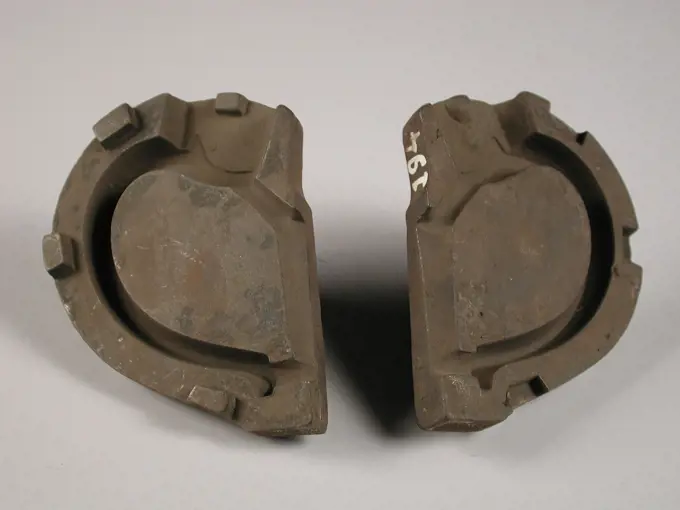
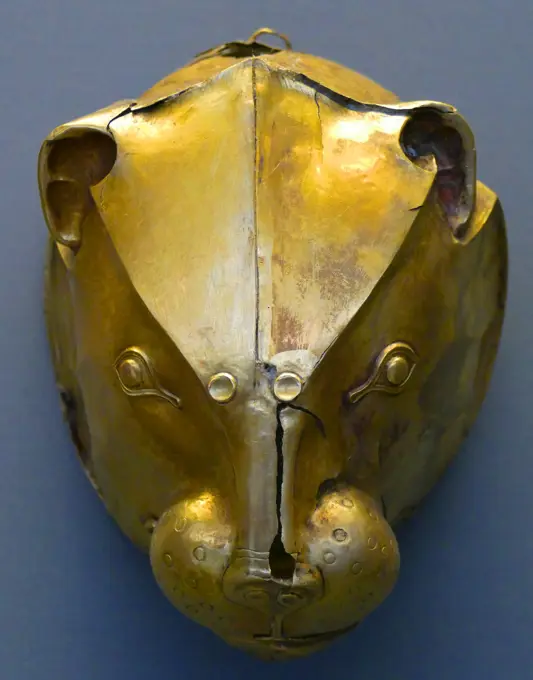
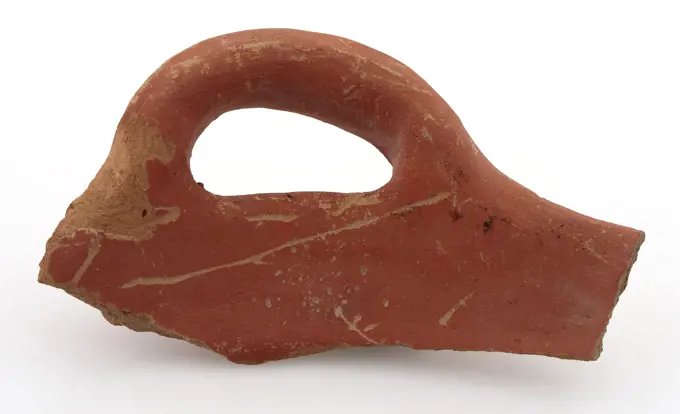
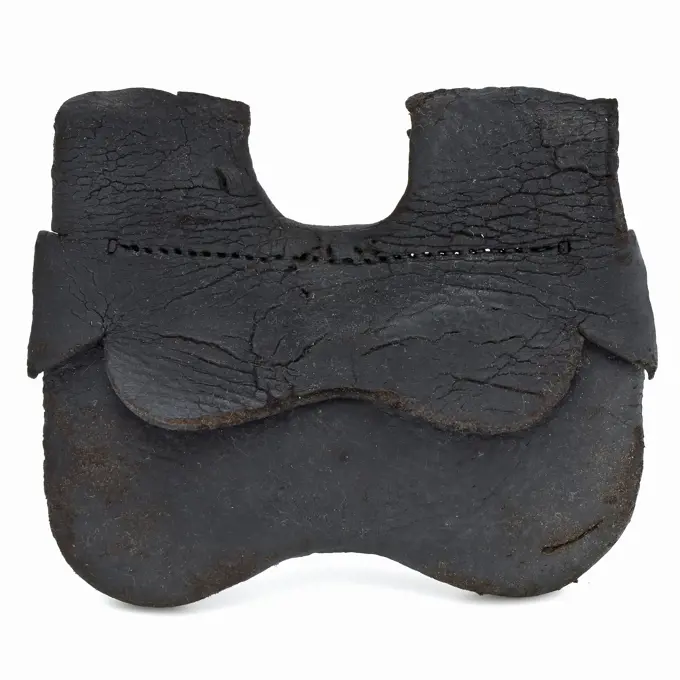
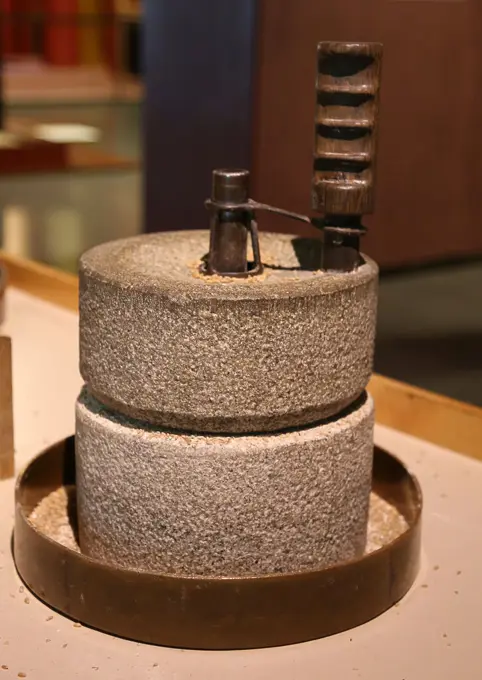
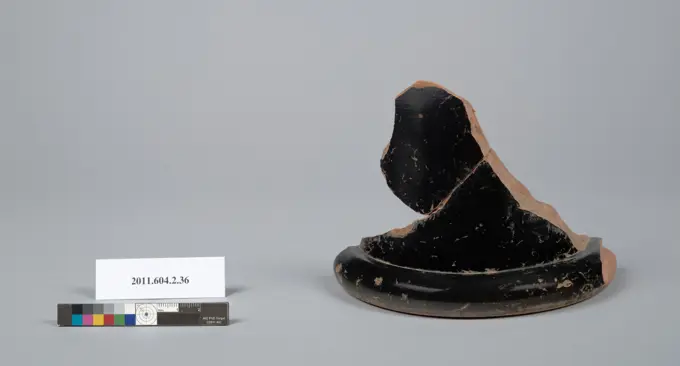
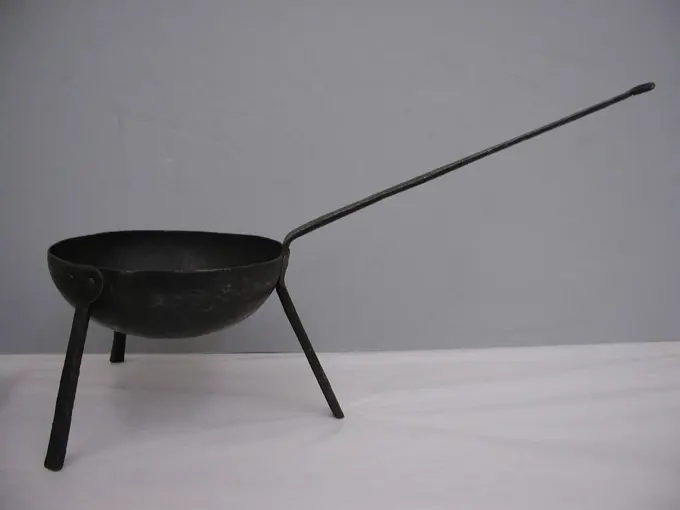
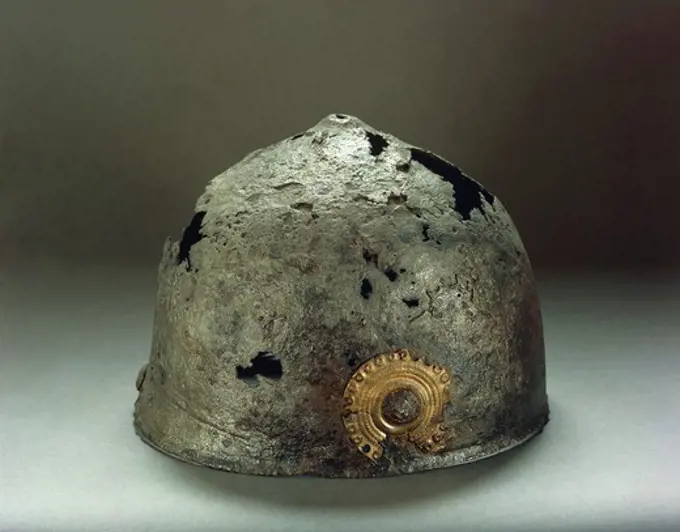
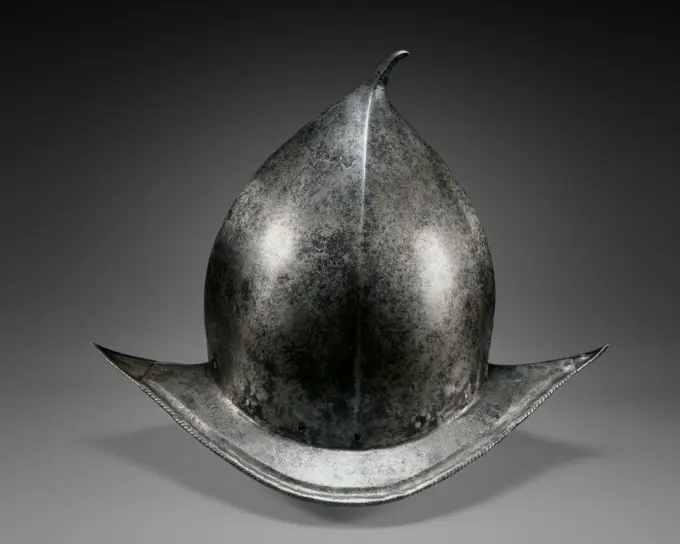
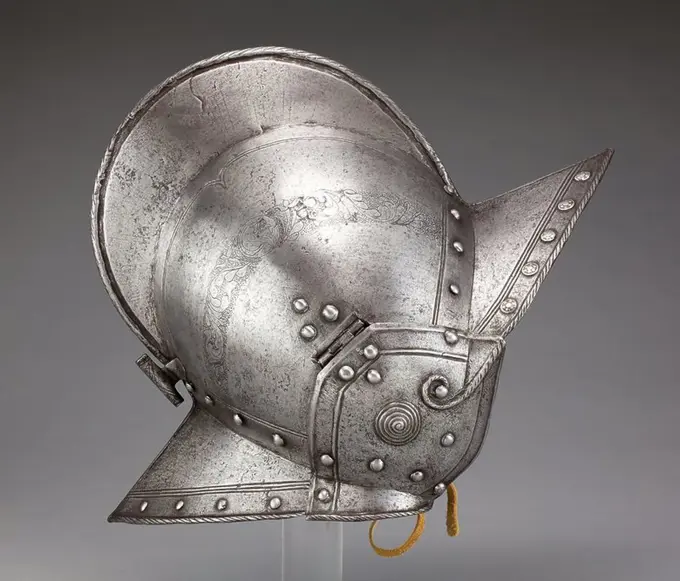
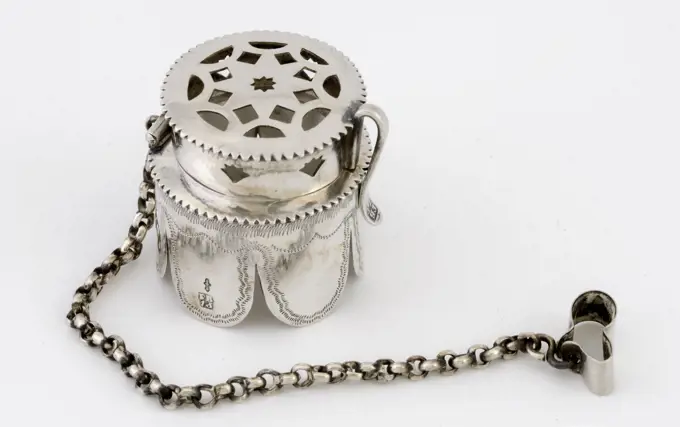
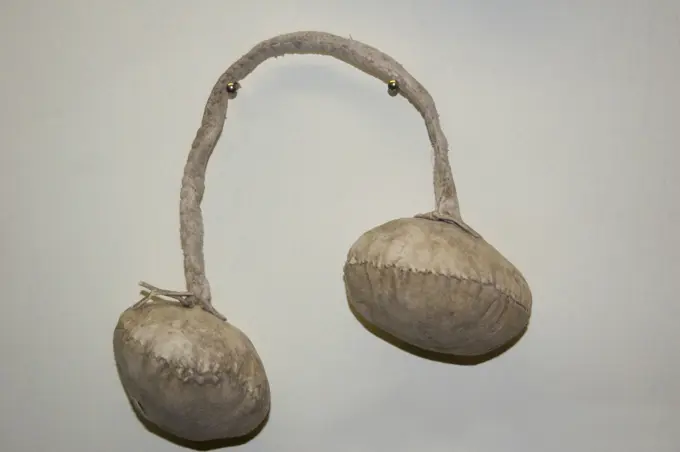
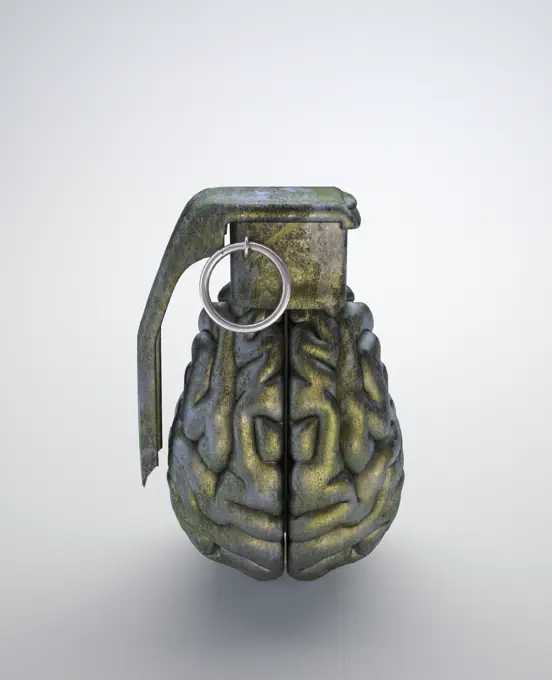
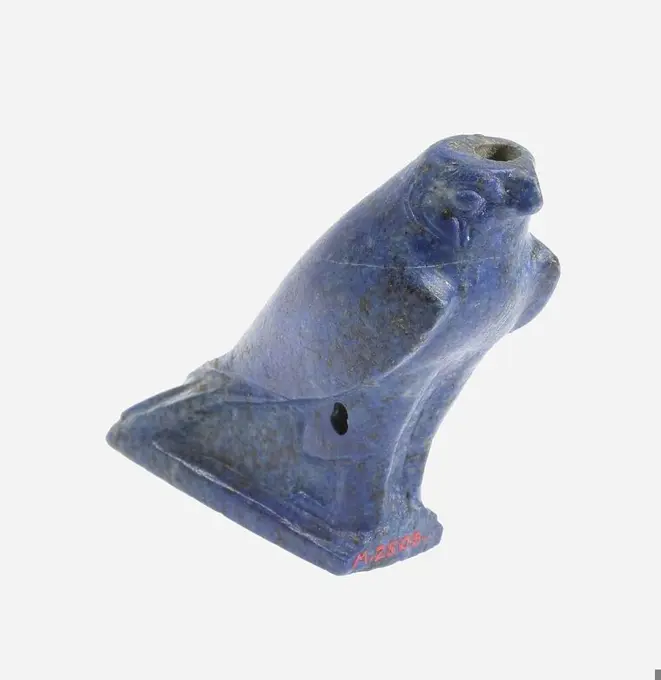
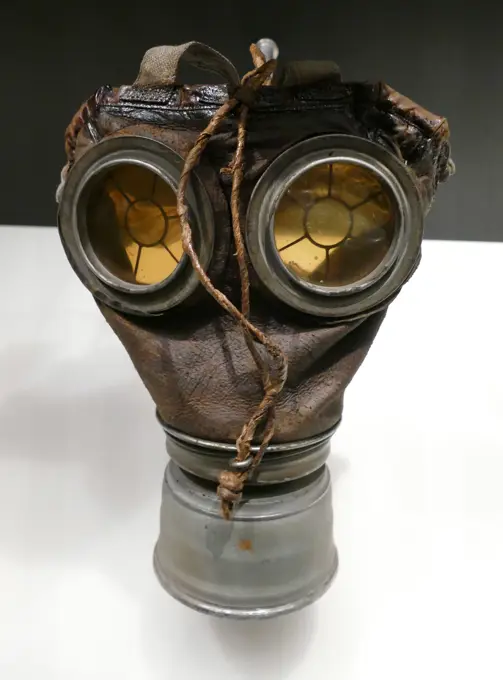
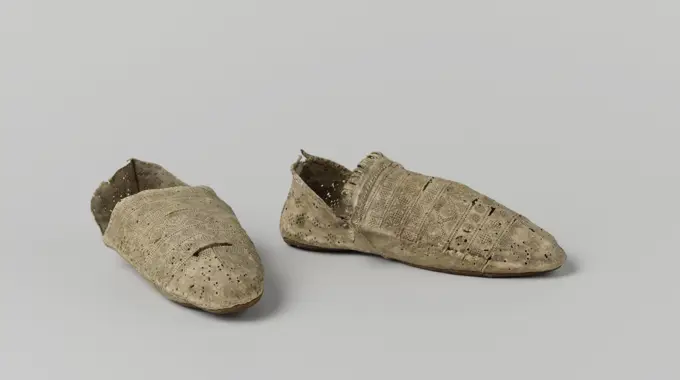
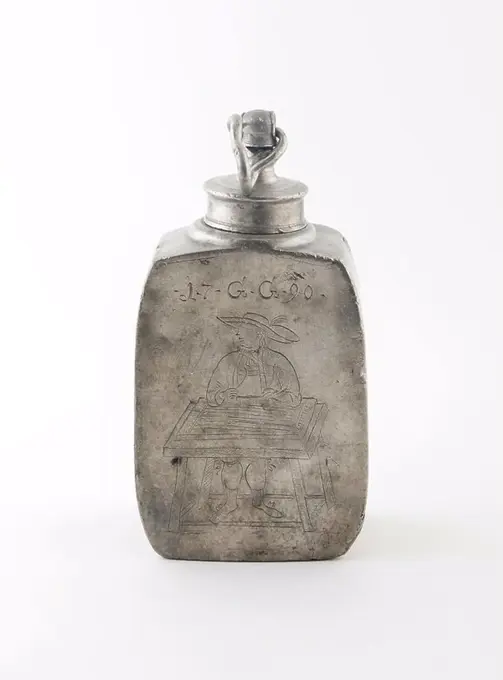
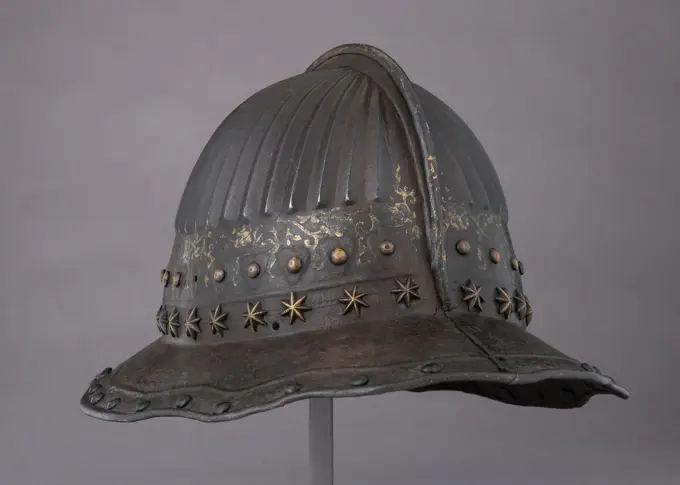
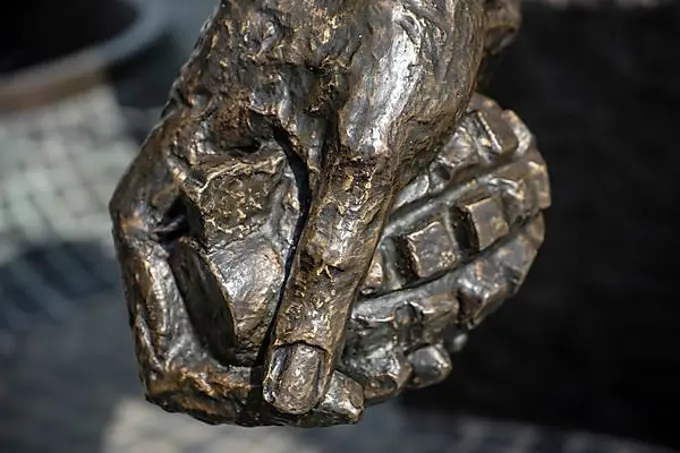
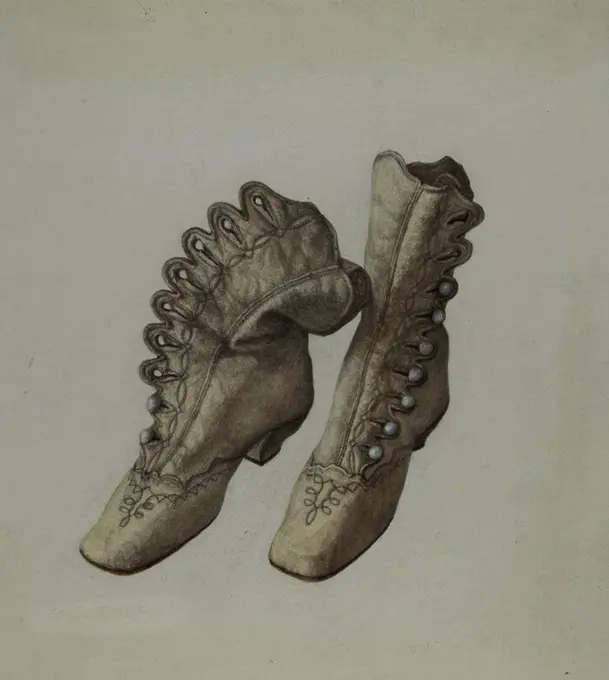
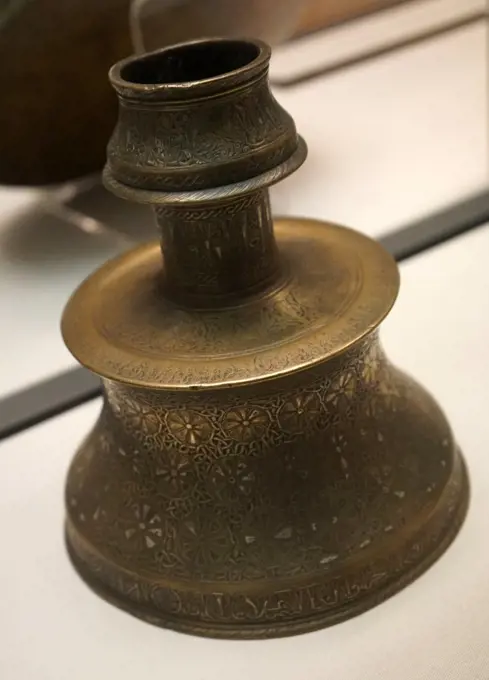
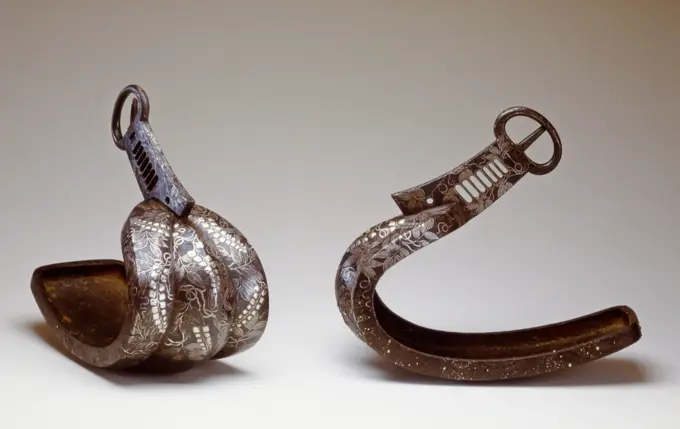
(War Stirrup, one of a pair), 17th century, Unknown Japanese, 10 1/4 x 10 1/8 in. (26.04 x 25.7 cm) (each), Iron, silver, Japan, 17th century, During the Edo period (1600-1868), only warriors of middle or high rank were permitted to own horses. Regional warlords and guards of Japans military government used riding equipment ornamented in a manner appropriate to their social position. This pair of deluxe stirrups features a design of blossoming wisteria made of inlaid silver. Inscriptions, also in silver inlay, on each of the buckle-brackets, give the name of the maker as a metalsmith named Kuniyuki, who is known to have worked in the town of Kanagawa in modern-day Ishikawa prefecture.Pair of Circassian bracersStanding Shield 1385-87 German, Erfurt Shields of this exceptionally large size and weight (50 lb. 23 kg) were propped on the ground to form a wall that protected archers and infantrymen. This shield comes from the arsenal of the town of Erfurt and is painted with the coat of arms of that city and its dependencies Vieselbach, Kapellendorf, and Vargula. It presumably was made after 1385, when the archbishop of Erfurt acquired suzerainty over the town of Vargula, but before 1387, when the coat of arms was again augmented. The holes in the surface were made by crossbow bolts and by bullets.. Standing Shield. German, Erfurt. 1385-87. Wood, leather, gesso, silver foil, gold lacquer, polychromy, iron. Erfurt. ShieldsESCULTURA-LUGAR DE ENCUENTROS II 1971. Author: EDUARDO CHILLIDA. Location: PRIVATE COLLECTION. MADRID. SPAIN.Iron helmet with silver inlaid, anonymous, 1600 - 1868 Iron helmet with silver inlaid, consisting of a forehead valve, an upper part that is divided into eight segments and a jealousy-shaped rear section. Japan iron (metal). silver (metal) Iron helmet with silver inlaid, consisting of a forehead valve, an upper part that is divided into eight segments and a jealousy-shaped rear section. Japan iron (metal). silver (metal)Old manual duster or Huron, used for the application of pesticides. Long time used for treatment in vineyardsDragonfly; Mappin & webb LTD (company Z Otnicz, Platernicza, seller; Fl. 1859-); 1901/02 (1901-00-00-1902-00-00);Hand ca. 1352-1336 B.C. New Kingdom, Amarna Period. Hand 549823Brigandine Plate 1400-1450 Italian This is part of a large find of medieval armor discovered in 1840 in the ruins of the fortress of Chalcis, on the Greek island of Euboea (then a Venetian colony called Negroponte). The fortress had been captured and destroyed by the Turks in 1470. Now divided largely between the Ethnological Museum, Athens, and The Metropolitan Museum of Art, the Chalcis hoard contains many rare and unusual elements of fourteenth- and fifteenth-century armor. Of particular importance are the variety of headpieces and the many fragments of brigandines (armor for the torso constructed of small plates riveted to layers of fabric), some of which retain portions of their original velvet covering. The Chalcis armor provides a unique picture of the armament used in the Aegean, one of the easternmost military outposts of the Venetian empire.. Brigandine Plate 27663An Aufidus bronze embossed helmet, which was once decorated with horsehair. Dated 6th Century BCBlowers from the wreck of the East Indians Hollandia, Anonymous, 1700 - in Or Before 1743  Pipe, bowl, heelmark: crowned 47; 2hsm3, 2hsm1,3. Netherlands pipe clay   SecondCopper hammered thimble, thimble sewing kit soil find copper metal, hammered Copper hammered thimble with blank convex top with punched pits passing into shaft with narrow blank board with groove archeology seamstress tailor sewing textile machining clothing needle and thread repairFragment of a bottle 13th century Syrian. Fragment of a bottle 729829Mate of 2 Deciliters, Anonymous, 1824  Spans contents of 2 deciliters (Double Decilitre) with wooden bottom edge. On the bottom of Orange paint stamp with inscription. V.z.v. brands and stamps. Netherlands wood (plant material)   NetherlandsTriple-Combed Burgonet. South German; Augsburg. Date: 1530-1565. Dimensions: 20.3 × 20.3 cm (8 × 8 in.)Wt. 4 lb. 10 oz. Steel. Origin: Augsburg. Museum: The Chicago Art Institute, Chicago, USA. Author: German school.Foot vase with sandal. Molded terracotta, black varnish ceramic. Around 300 BC. AD Museum of Fine Arts of the City of Paris, Petit Palais. 76113-8 Greek antiquity, ancient art, Greek art, ceramic, pottery, sandal, terracottaJousting Helm (Stechhelm). Christian Spor (Austrian, 1464-1495); Innsbruck. Date: 1475-1500. Dimensions: 44.5 × 31.8 × 40.6 cm (17 1/2 × 12 1/2 × 16 in.). Steel, brass, and paint. Origin: Innsbruck. Museum: The Chicago Art Institute, Chicago, USA.Emilia-Romagna Ferrara Ferrara Museo Civico di Schifanoia98. Hutzel, Max 1960-1990 General Notes: INCOMPLETE RECORD--NEGATIVES PROCESSED, PRINTS FILED German-born photographer and scholar Max Hutzel (1911-1988) photographed in Italy from the early 1960s until his death. The result of this project, referred to by Hutzel as Foto Arte Minore, is thorough documentation of art historical development in Italy up to the 18th century, including objects of the Etruscans and the Romans, as well as early Medieval, Romanesque, Gothic, Renaissance and Baroque monuments. Images are organized by geographic region in Italy, then by province, city, site complex and monument.urn with painted decoration urn with painted decoration, 1st century BC, Cerro Maquiz, Iberian Museum of Jaén, Andalusia, Spain Copyright: xZoonar.com/BartomeuxBalaguerxRotgerx 21714898Horned British Celtic Bronze Helmet, 1st century BC.Fragment of high shoe or boot, small size, round buttons, boot footwear clothing soil find ceramics pottery glaze leadglaze, w 5.3 tanned cut stitched Small high shoe or boot Sole made of thick leather in several layers with marked wear marks Metal nails in the sole. On the instep row of round and metal buttons with round locking plates on the inside archeology indigenous leather work shoes walking footClose Helmet of Claude Gouffier (1501-1570) ca. 1555-60 French This is an excellent example of a French heavy cavalry helmet of the mid-sixteenth century. Its elaborate decoration includes the monogram of Claude Gouffier (1501-1570), Master of the Horse (Grand Écuyer) for Henry II and Charles IX. This monogram is also on a knee piece from the armor of Gouffier's in the Metropolitan Museum's collection (acc. no. 1994.390).. Close Helmet of Claude Gouffier (1501-1570). French. ca. 1555-60. Steel, gold, brass. HelmetsCuisse and Poleyn for the Left Leg. European. Date: 1500-1530. Dimensions: 49.5 × 20.3 cm (19 1/2 × 8 in.). Steel. Origin: Europe. Museum: The Chicago Art Institute, Chicago, USA.Helmet (Shokakutsuki Kabuto) probably ca. 8th century Japanese. Helmet (Shokakutsuki Kabuto) 22709Two parts of three-piece bronze mold for ear of pot or jug, mold casting tool tools equipment base metal bronze, cast Three-piece bronze mold for casting an ear for pot or can Rotterdam tin foundry tin stain tin Meeuws Druy craft Shapes are from the from origin 18th century Rotterdam tinnegieter J Druy. The large molds that were not signed or dated were the property of the tinker guild and were rented to the small tin caster.Ritualistic object from Mycenae gravesSlippers early 19th century American. Slippers 98057Ritter Armour of the medieval knight. Metal protection of the soldier against the weapon of the opponent Copyright: xZoonar.com/ValeryxxSibrikovx 3126681Shoes 17th century British. Shoes 101807Border fragment of red earthenware with large sausage ear, unglazed, bake pot holder kitchen utensils earthenware ceramics pottery, hand turned hand shaped baked edge fragment of large earthenware bowl. Lying sausage ear. Orange shard red glow Slanted sidewall. Ledge under the edge on the outside Unglazed archeology Rotterdam City center Stadsdriehoek Mariniersweg Hoogstraat indigenous earthenware archaeological find in the soil Hoogstraat Mariniersweg 1983.Leather purse or money bag with two belt loops, front flap and at least three compartments, money pouch holder soil found leather, tanned cut sewn Cash bag or money pouch for the belt with two wide belt loops archeology Rotterdam City Triangle underground pit Blaak transport store money coin storage Soil discovery underground pits Blaak Rotterdam.Łubie and the quilts Lviv manufactureBracelet. Northeastern Thailand, Ban Chiang culture, 300 B.C.-A.D. 150. Jewelry and Adornments; bracelets. StoneRoman Empire. Rotary mill. Museum of the History of Catalonia, Barcelona. Spain.Vintage atomic bomb isolated on white background. 3D illustration Vintage atomic bomb isolated on white background. 3D illustration. Copyright: xZoonar.com/CigdemxSimsekx 21209809Helmet (Kabuto). Culture: Japanese. Dimensions: 9 in. (22.9 cm) x 13 in. (33 cm).. Date: 18th century. Museum: Metropolitan Museum of Art, New York, USA.Terracotta fragment of a psykter (vase for cooling wine) late 6th century B.C./early 5th century B.C. Greek, Attic Part of the foot and base of a psykter. Terracotta fragment of a psykter (vase for cooling wine). Greek, Attic. late 6th century B.C./early 5th century B.C.. Terracotta; red-figure. Archaic. VasesThree-leggedSkilletSallet ca. 1450 German Despite heavy corrosion and damage by fire, this sallet is still notable for its deep helmet bowl and powerful form. A similar example, excavated from the old fortifications of Istanbul, is probably a remnant of the conquest of the city by Ottoman forces in 1453.. Sallet 26453Fourly belonging to a belt. A black oval case with golden print. Side broken.Fragment of tin grape with two standing ears, toys, pot holder miniature toy relaxant soil find tin metal, cast Pewter grape Two standing ears. Pear-shaped model Casting seam runs over the ears the ears are cast Toy archeology indigenous tin child child's play gameHauberk, 1400s. Europe, 15th century. Very fine rings; border of brass rings at bottom edge; diameter: 0.3 cm (1/8 in.); overall: 145.5 cm (57 5/16 in.).Stone Temple Model 1st-8th century Mezcala. Stone Temple Model 317492Celtic civilization, Italy, 6th century b.C. Helmet.Pear-Stalk Cabasset, c. 1580 - 1590. Italy. Steel; overall: 40.8 x 25.7 x 30.5 cm (16 1/16 x 10 1/8 x 12 in.).Burgonet. Northern German. Date: 1570-1600. Dimensions: H. 33 cm (13 in.). Steel. Origin: Northern Germany. Museum: The Chicago Art Institute, Chicago, USA.Shoe or Muil, with wooden soles in the bending of the foot hinges, lined up cover and heel with leather, heel band and buckles of copper.Shoe or Muil With Wooden Soles Pivot in the Bow of the Foot. Loosole and very with Leather Covered, Square Nose. Heel band and buckles or copper. Signature: 72. Children's modelFrans van Boven, Perforated fire basket on short chain, fire basket holder silver h 2,8, (basket) outside: fireShinny game balls on display at the Three Affiliated Tribes Museum on the Fort Berthold Indian Reservation, NDEmpty wooden cutting board with cracks and scuffs located on a dark concrete backgroundShip scene throws Shadow the close -up of a heavy ship bollard on the concrete shore that throws a shadow.Metal brain as grenadeAmulet, Falcon. Dimensions: H. 1-3/4 in.. Dynasty: Dynasty 27-30. Date: 525-332 B.C.. Museum: Metropolitan Museum of Art, New York, USA.Detail of the Basse-Yutz Flagons, Iron Age, c400 BC. Artist: UnknownFirst World War gas mask for a horse used to haul artillery or other loads in Belgium. Circa 1916Metallic shield of a fighter Metallic shield of a fighterFlat shoe from goats () Leather with decorated cover sheet in which rosettes, windows and waffle patterns are danced, anonymous, c. 1550 - c. 1574 Flat entry shoe. Model: consisting of three parts: the cover sheet, the heel and a single sole. The cover sheet and the heel are made of goats () Leather that is tanned with alum white. The sole has been tanned with ocher 'on its sea -on'. The sole is sewn on the upper leather with coarse stitches and thick rope. Decoration: The long cover is divided into six horizontal tires, in which varied rosettes, windows and waffle patterns are danced. The nose is unadorned and only provided with one narrow, incised vertical edge. The cover leaves end up on the instep with an angezette, cut double strip of leather, which forms a kind of loops. Missing one of the two shoes. The heel, which consists of two quarters, is decorated with a incised spreading motif. Northern Netherlands Prefled and Very: Goatskin. Zool: Goatskin die cutting / snipping Flat entHorse Armour. One of only three complete horse armours, this is one of the best preserved. Made from carbon steel, copper alloy and leather.Churchill ManitobaWine Can. Germany. Date: 1785-1795. Dimensions: 16.5 x 8.6 x 4.5 cm (6 1/2 x 3 3/8 x 1 3/4 in.). Pewter. Origin: Germany. Museum: The Chicago Art Institute, Chicago, USA.Pikeman's Helmet ca. 1610-20, later modified in Japan Dutch or Flemish, later modified in Japan The introduction of firearms into Japan in the sixteenth century resulted in the limited adoption of European helmets and breastplates, which provided more effective protection against gunfire than traditional Japanese armor. This finely made Dutch helmet, a type called a pot, was adapted for reuse in Japan during the mid- to late seventeenth century by the addition of a Japanese-style brow plate and lacquering of the interior and exterior surfaces. It was exhibited at the Metropolitan Museum in 1903 as part of Bashford Deans private collection, which the Museum purchased in 1904.. Pikeman's Helmet. Dutch or Flemish, later modified in Japan. ca. 1610-20, later modified in Japan. Steel, lacquer, gold, brass. HelmetsDetail from the Insurgents Memorial to Polish fighters of Warsaw uprising in Warsaw PolandBlack velvet equestrian helmet protective gear with leather whip - path includedAbruzzo Chieti Chieti Museo Nazionale di Antichita41. Hutzel, Max 1960-1990 Exterior views of part of the former Villa Frigeri, which along with a neighboring palazzo, houses the Museo Nazionale di Antichita. Views also of the gardens, fountain (17th century) and the restored interior. The so-called "Capestrano Warrior" (5th century B.C.) is found in the Antiquities core collection under Men, Youths, Warriors--Stone--Etruscan, Italic. Hutzel views include statues, funerary monuments, portrait busts and mosaics, many of which were excavated from Alba Fucens. Hutzel paid particular attention to the colossal statue of Hercules (late Hellenistic); the funerary temple reliefs of Lucius Storax; various nudes, torsos and heads, including the portrait bust of Agrippina Minore and the sepulchral portrait relief of Lucius Poditius (1st century A.D.); gravestones with inscriptions and bas-reliefs; Roman coins; bronze figurines (mainly warriors); and bronze vessels, utensils, helmets and ornamentsChild's Shoes. Dated: c. 1940. Dimensions: overall: 26.8 x 23.8 cm (10 9/16 x 9 3/8 in.). Medium: watercolor and graphite on paper. Museum: National Gallery of Art, Washington DC. Author: Stella Mosher.Military hat. Culture: American. Manufacturer: J.H. McKenney & Company. Date: 1860-64. Museum: Metropolitan Museum of Art, New York, USA.Brass candlesticks with an Arabic inscription blessing the owner. Dated 14th CenturyOld combat grenade isolated on a white background Old combat grenade isolated on a white background Copyright: xZoonar.com/OleksandrxKostiuchenkox 8905464USA, Alabama, Montgomery. Old Alabama Town, Shotgun House, typical dwelling of freed slaves after the US Civil War, interior detail, old irons.cowbell bell pattern texture in market shop golden colorAntique vintage rusty padlock on wooden background. Vintage antique rusty hinged closed lockIron helmet Iron helmet of the medieval knight. Very heavy headdress Copyright: xZoonar.com/ValeryxxSibrikovx 6496793Artifacts recovered from the wreck of USS Cumberland, a Union Navy sloop-of-war, are pictured here in careful storage at the Hampton Roads Naval Museums artifact storage facility onboard Naval Station Norfolk. USS Cumberland, a sloop-of-war in the Union Navy, sank on March 8, 1862 during a battle with the Confederate ironclad ram CSS Virginia. The museum is the repository for artifacts recovered from the Cumberland.Ancient Egyptian faience bowls and lamp base, New Kingdom1940S Man'S Hand Holding Out Uncle Sam Hat