Medieval Glass and Ceramic Fragments

Collection of ancient glass and ceramic fragments from Europe and the Middle East, showcasing historical craftsmanship and varied textures.
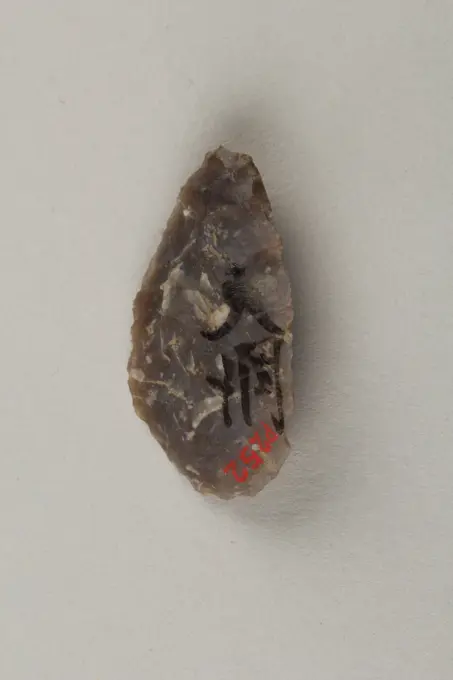
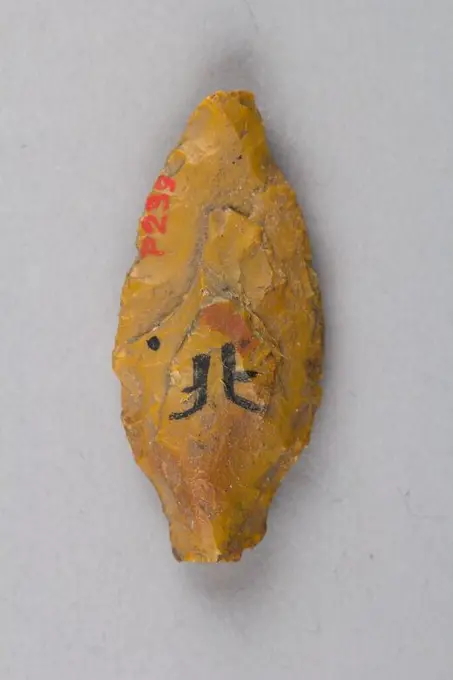
Arrowhead Japan. Arrowhead 62438
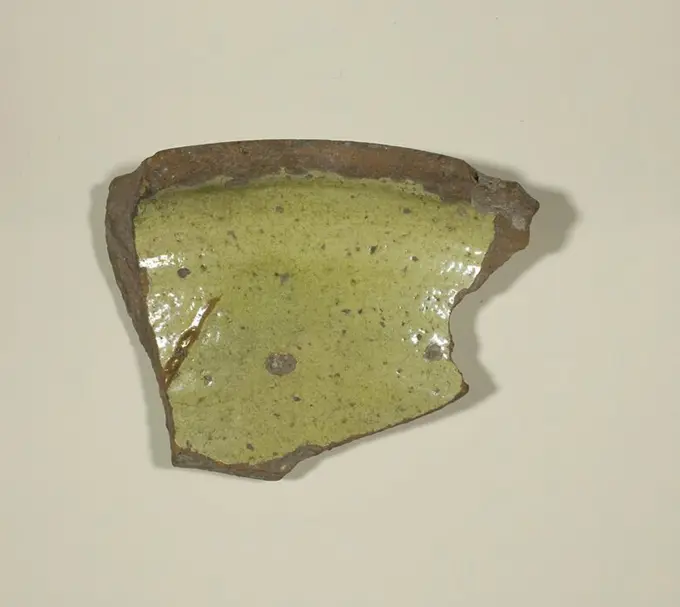
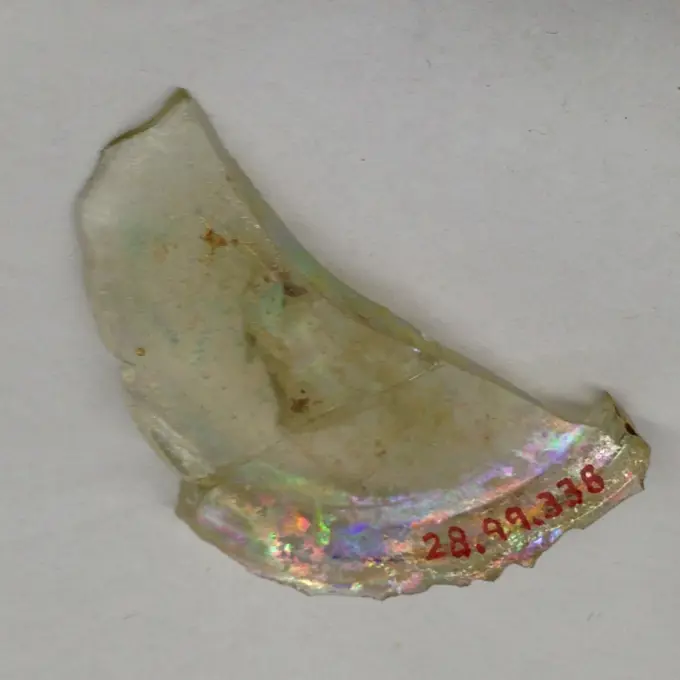
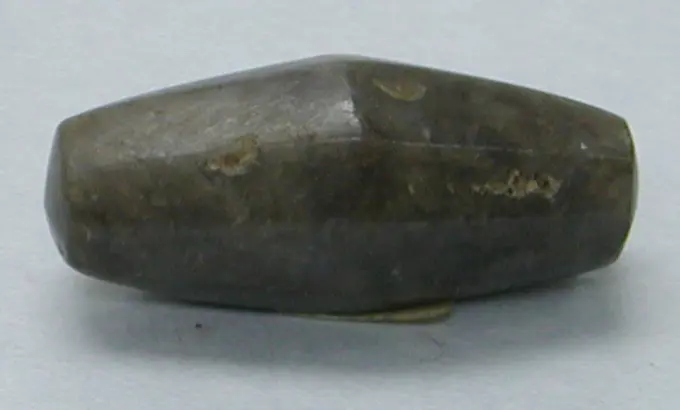
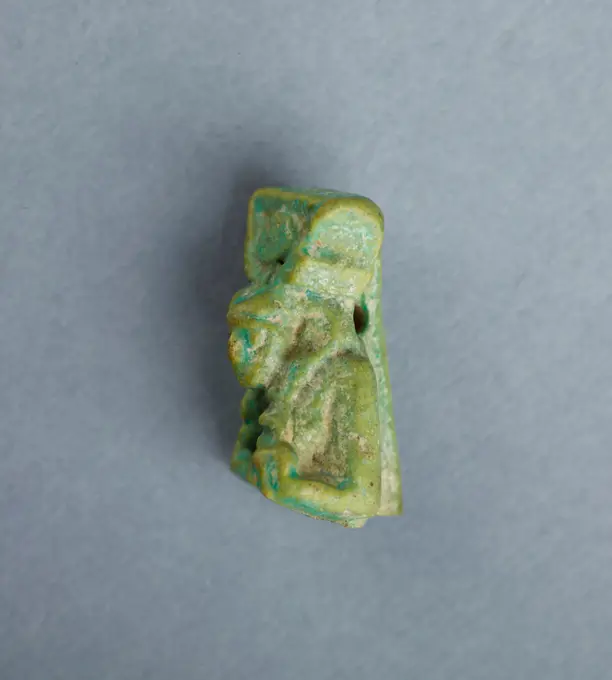
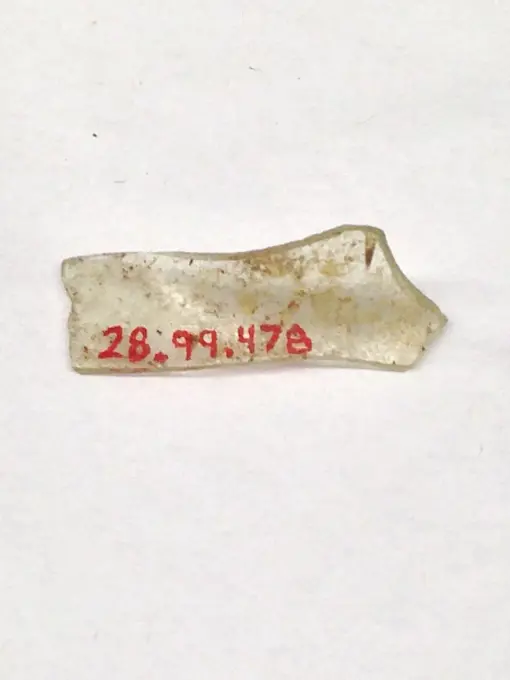
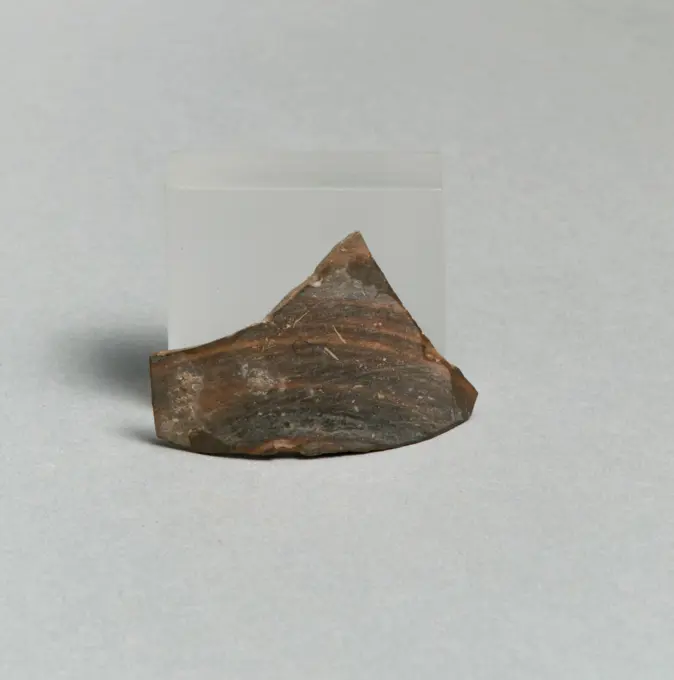
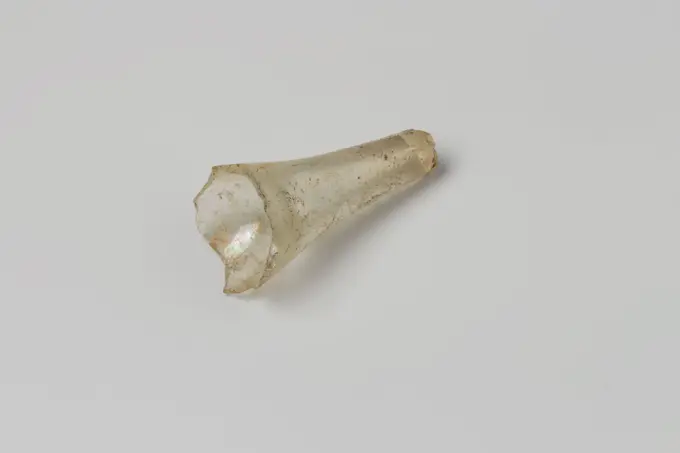
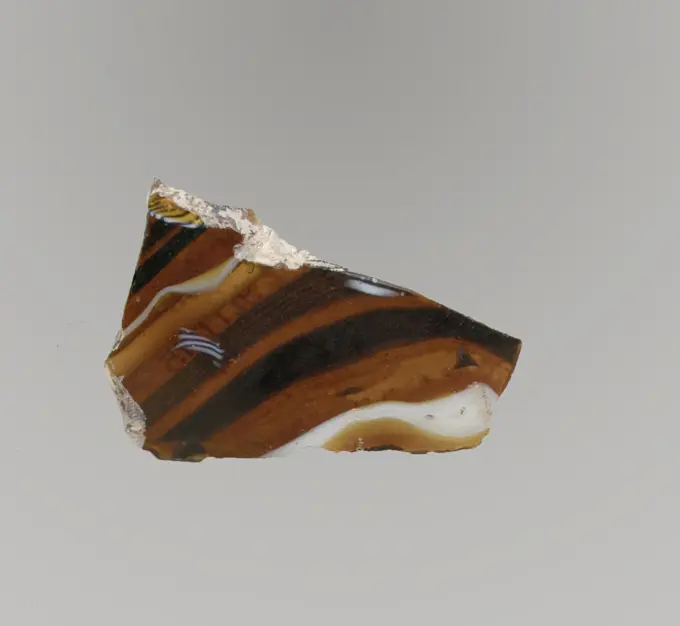
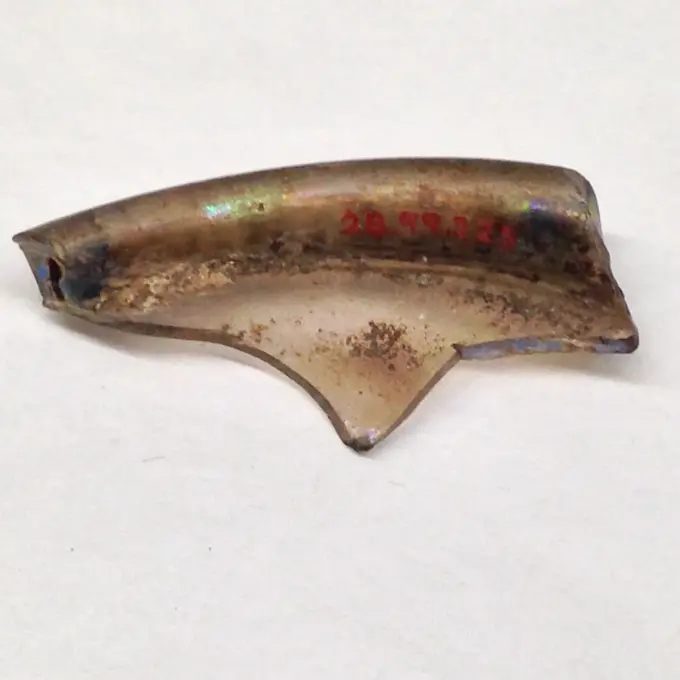
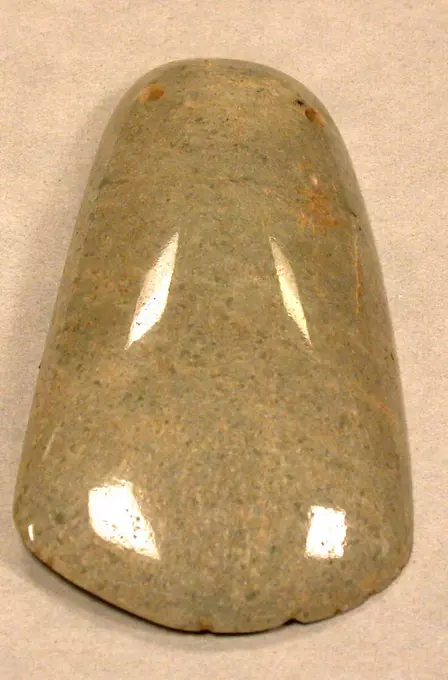
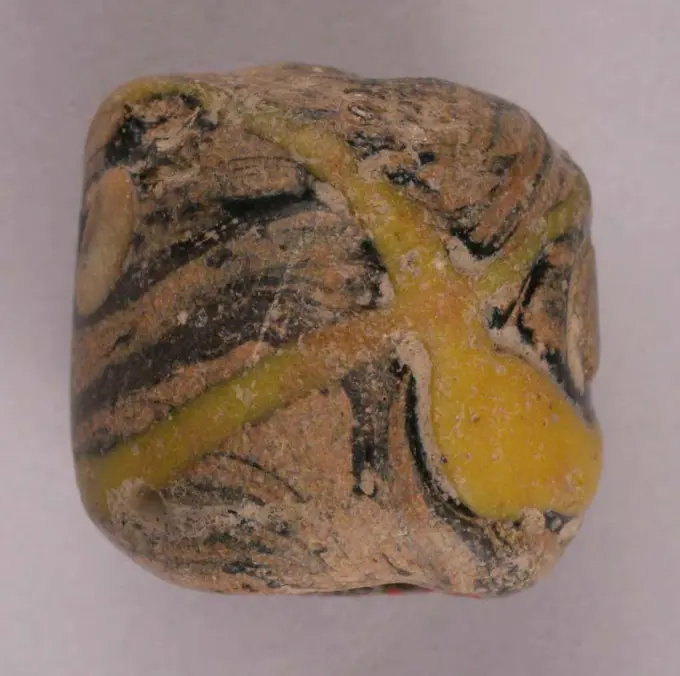
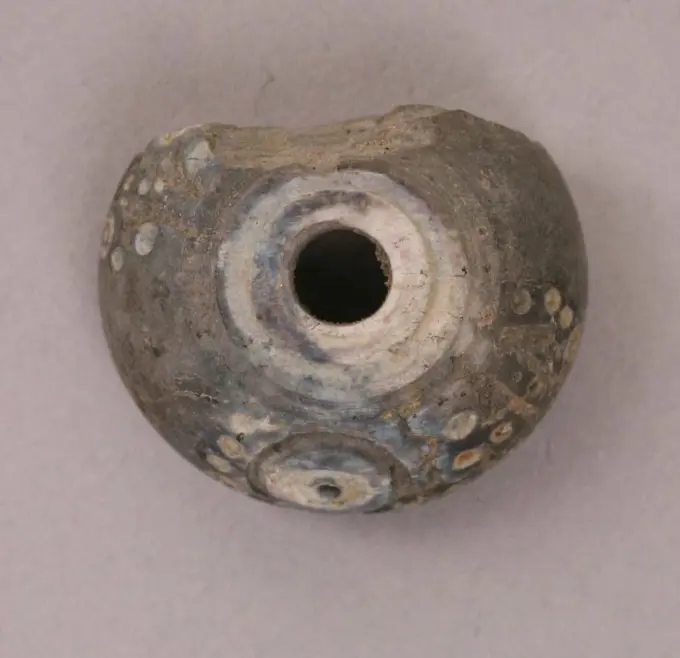
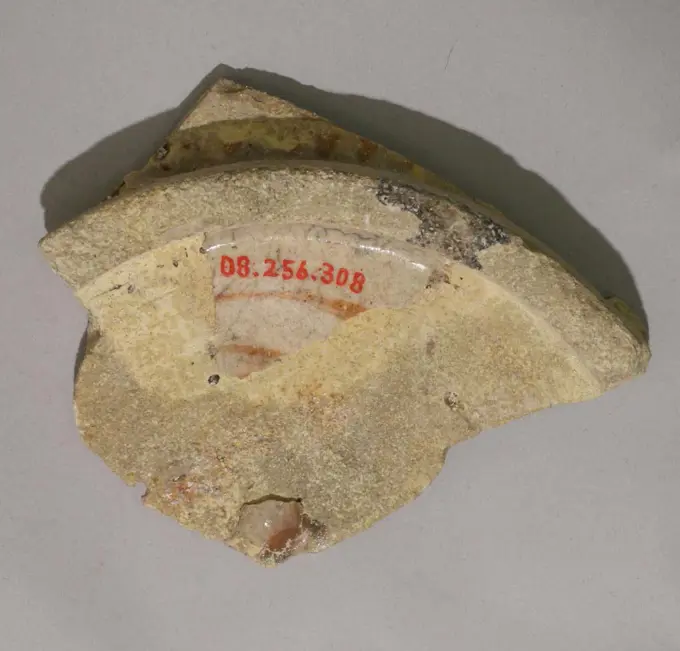
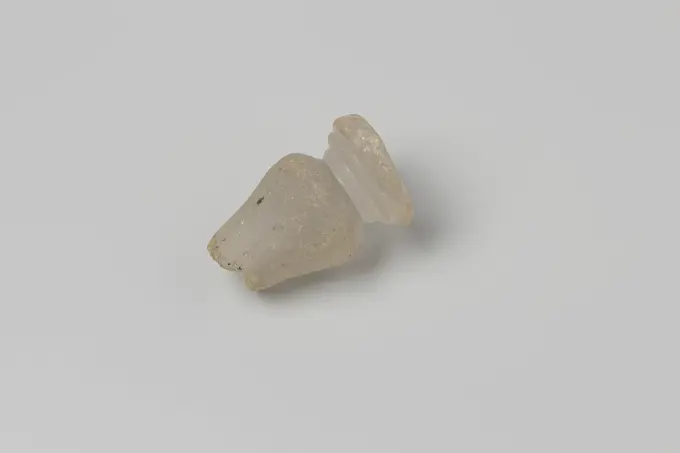
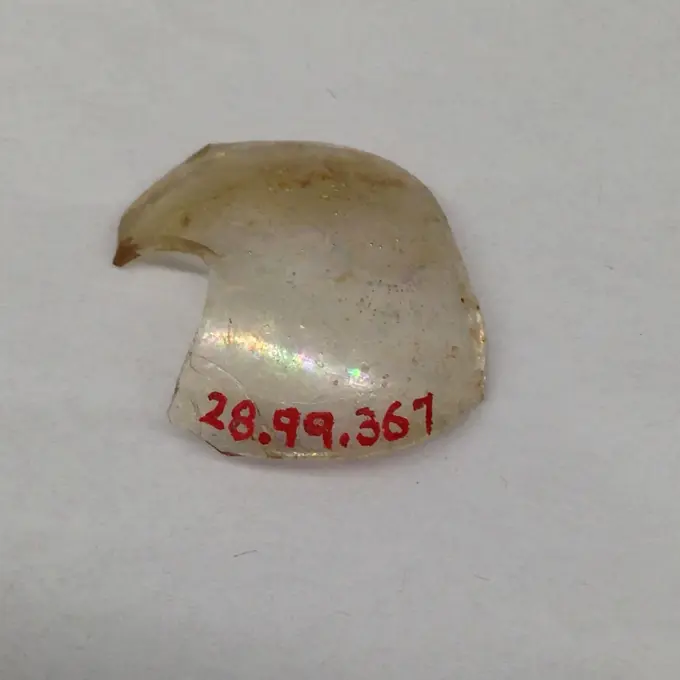
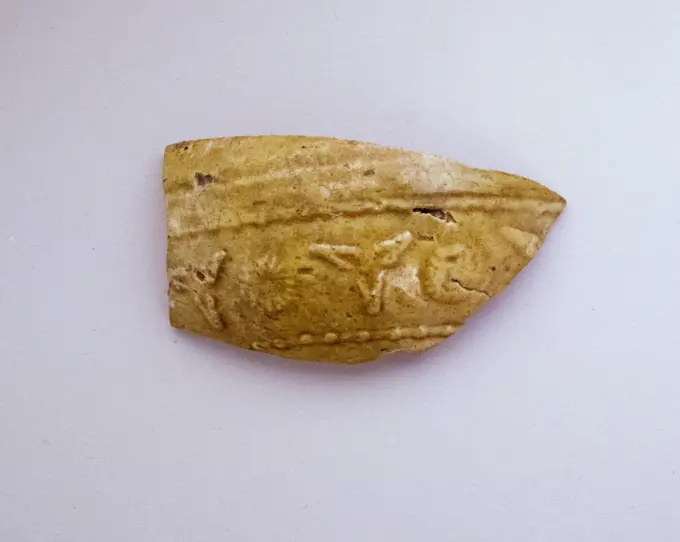
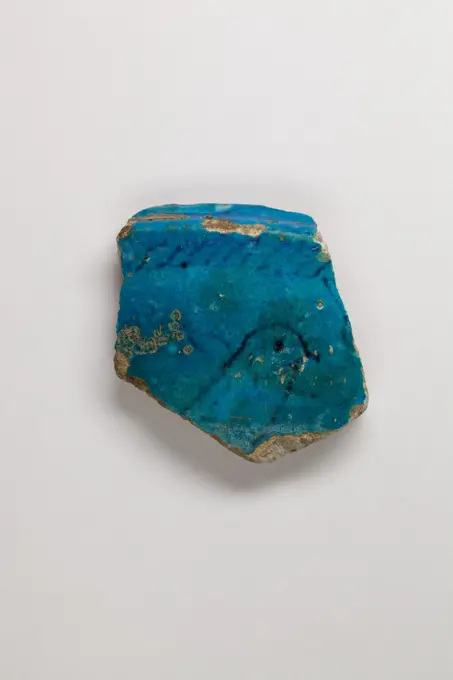
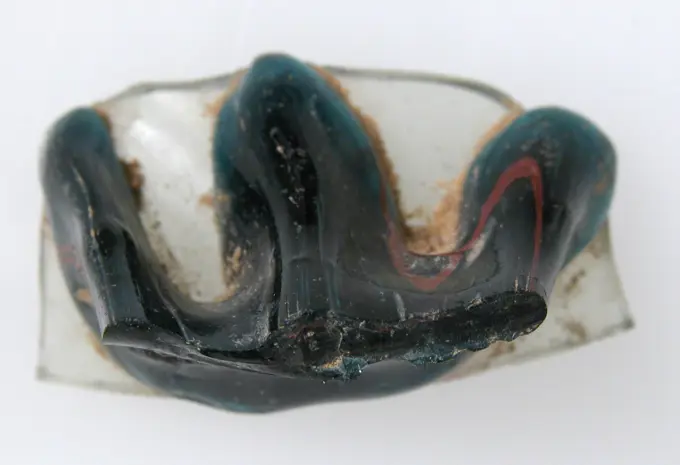
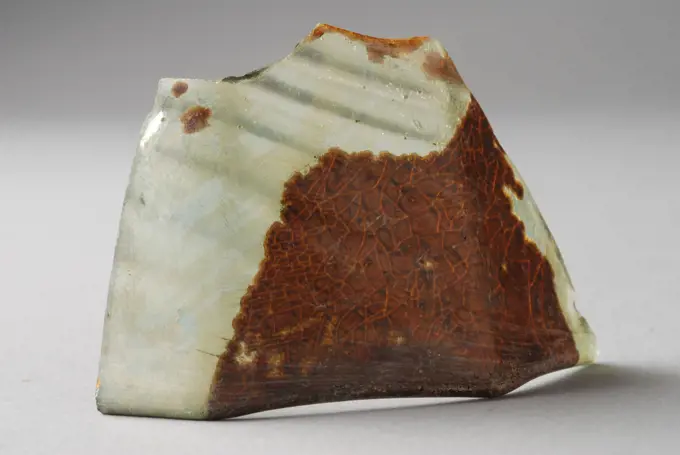
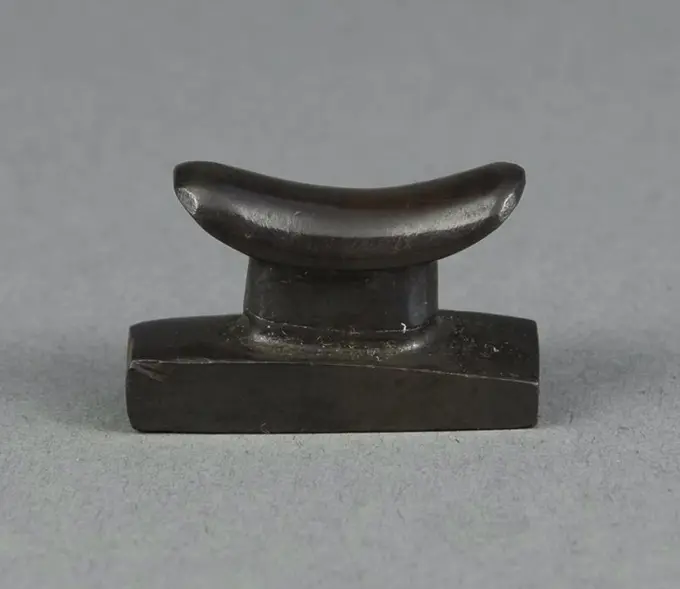
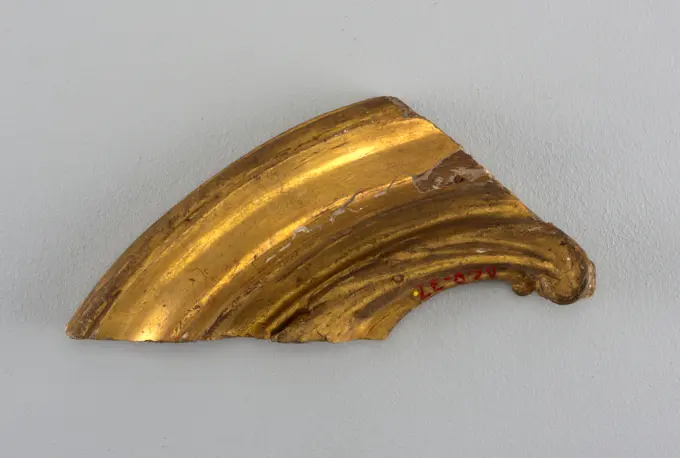
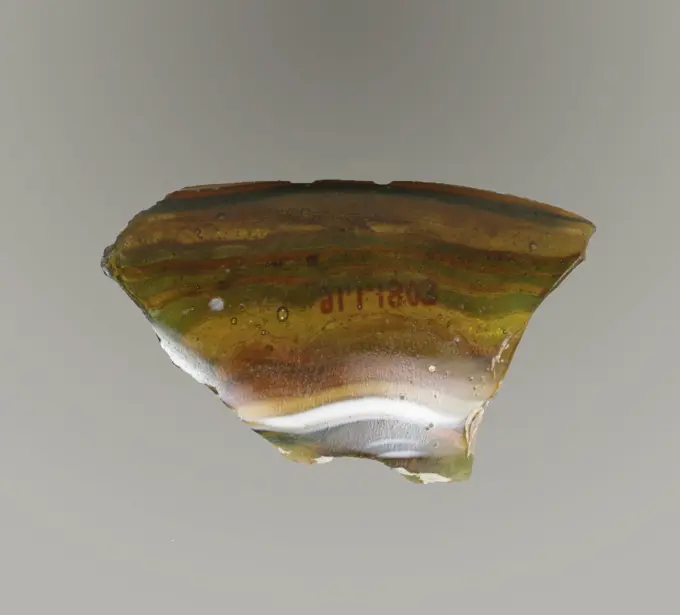
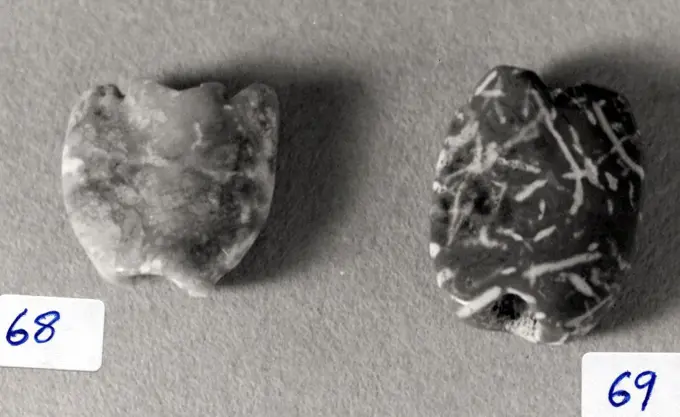
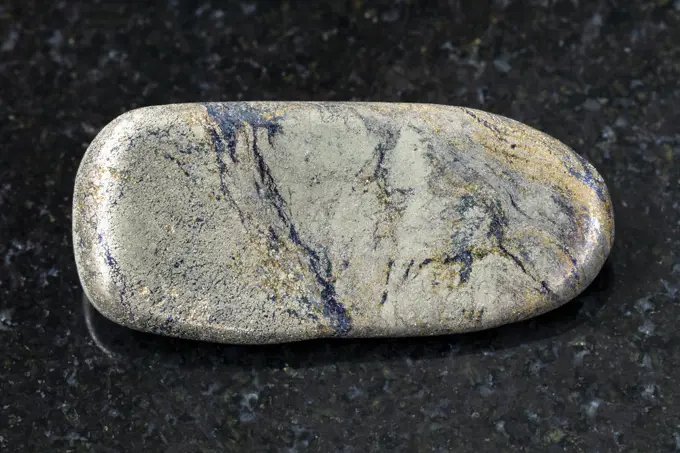
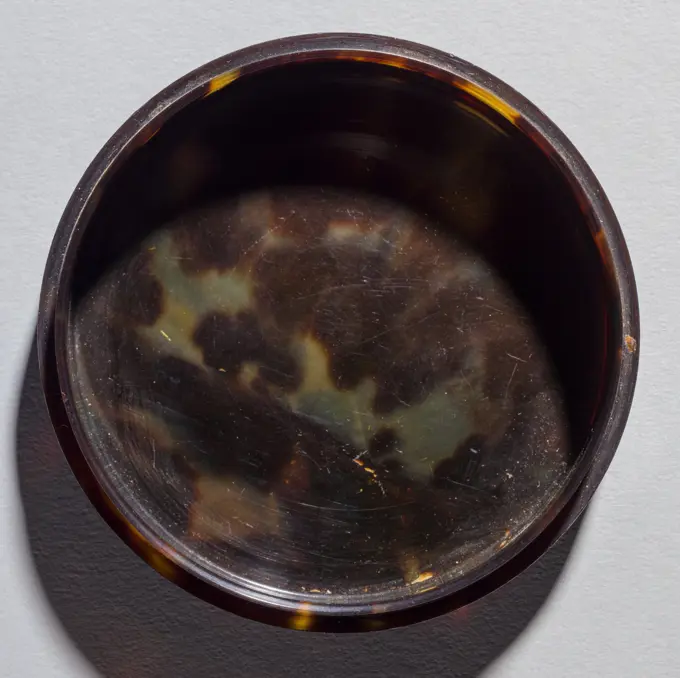
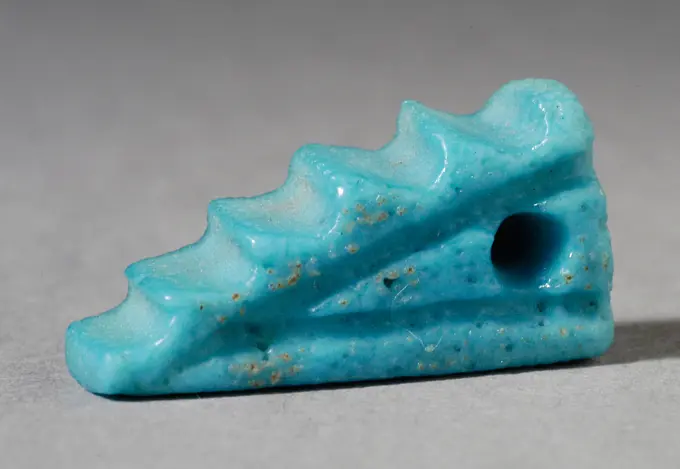
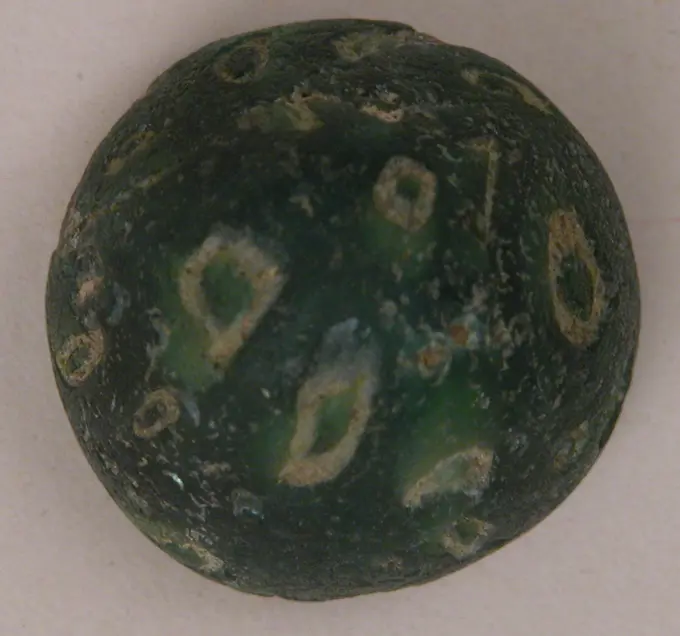
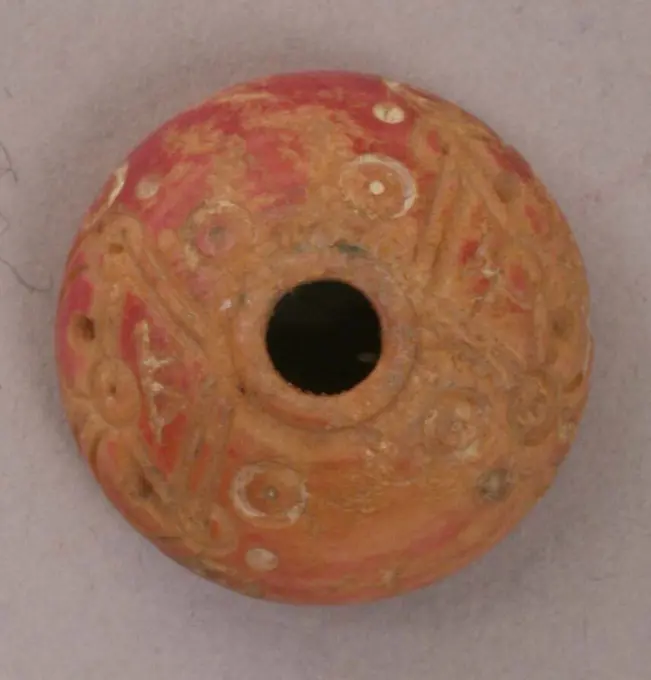
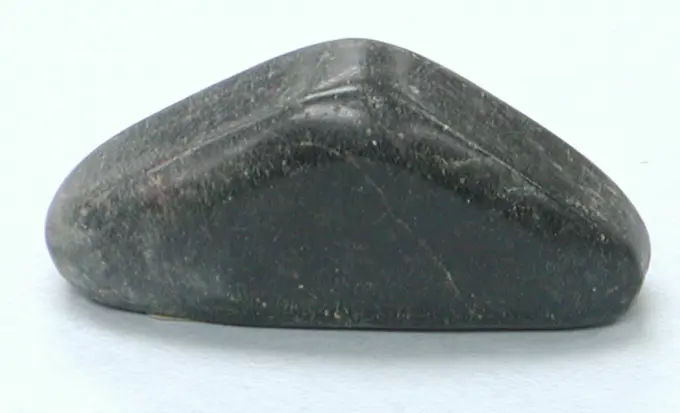
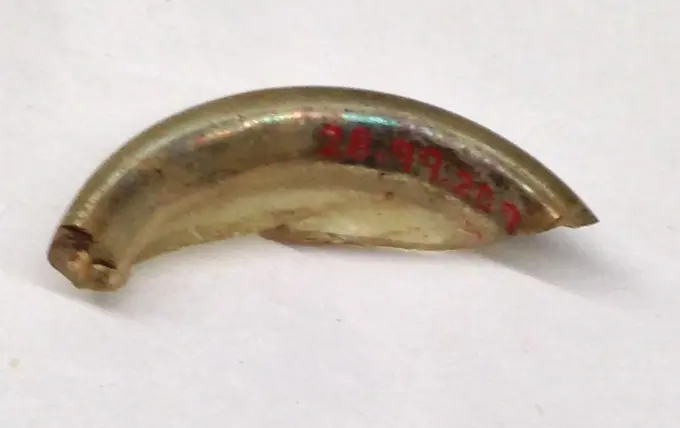
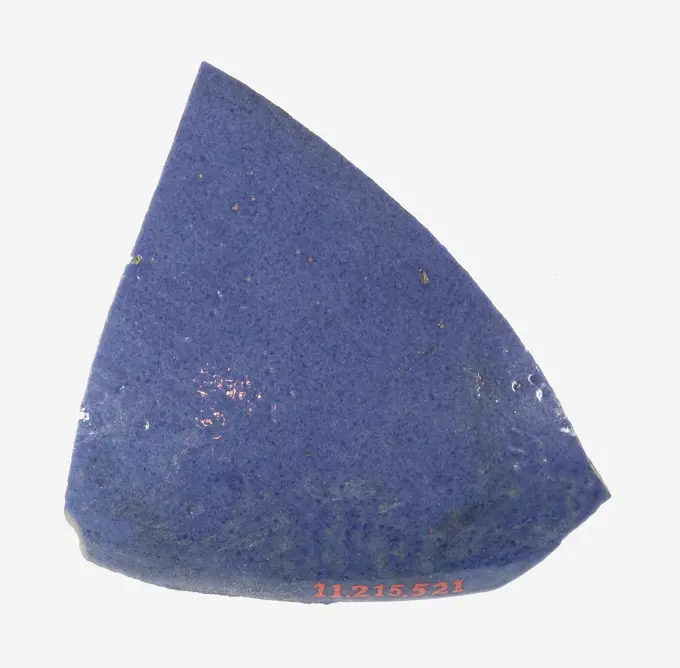
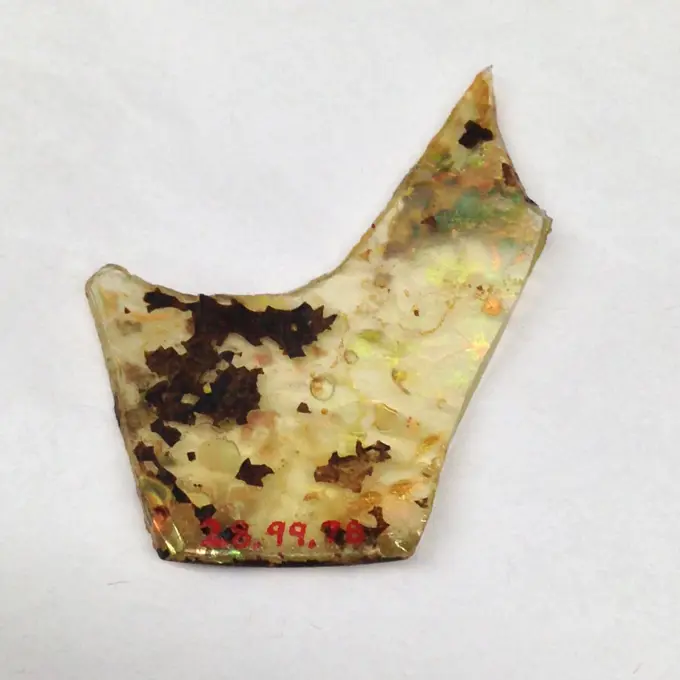
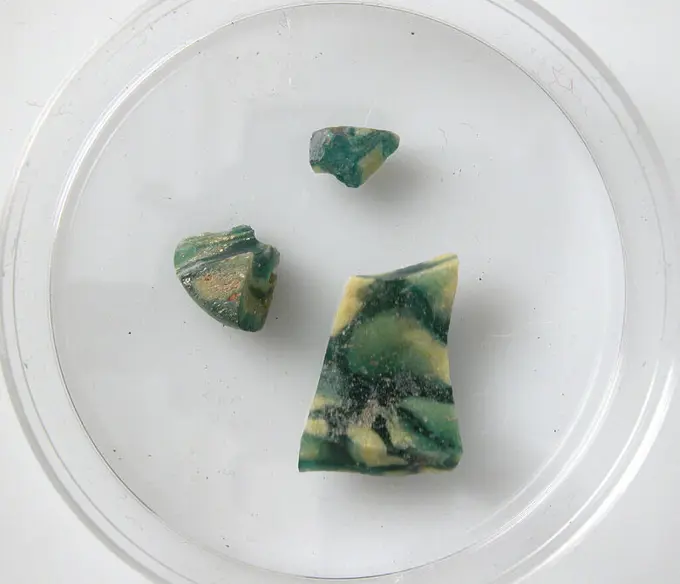
Fragment ca. 1150-ca. 1250 European or Middle Eastern. Fragment 694226Fragment. Culture: European or Middle Eastern. Dimensions: L. 1 3/4 in. (4.5 cm). Date: ca. 1150-ca. 1250. Museum: Metropolitan Museum of Art, New York, USA.Fragment of a Plate. Byzantine; Greece, Thessaloniki. Date: 1201-1400. Dimensions: 2.9 × 10.5 × 8.3 cm (1 1/8 × 4 1/8 × 3 1/4 in.). Ceramic. Origin: Istanbul. Museum: The Chicago Art Institute, Chicago, USA.Lamp Fragment 13th century Syrian or Crusader. Lamp Fragment 729811Fragment. Culture: European or Middle Eastern. Dimensions: L. 1 1/2 in. (3.8 cm). Date: ca. 1150-ca. 1250. Museum: Metropolitan Museum of Art, New York, USA.Fragment ca. 1150-ca. 1250 European or Middle Eastern. Fragment 695244Fragment. Culture: European or Middle Eastern. Dimensions: L. 1 5/8 in. (4.1 cm). Date: ca. 1150-ca. 1250. Museum: Metropolitan Museum of Art, New York, USA.Arrowhead Japan. Arrowhead 62438Fragment ca. 1150-ca. 1250 European or Middle Eastern. Fragment. European or Middle Eastern. ca. 1150-ca. 1250. Glass, ceramic. Glass-VesselsFragment ca. 1150-ca. 1250 European or Middle Eastern. Fragment. European or Middle Eastern. ca. 1150-ca. 1250. Glass, ceramic. Glass-VesselsArrowhead Japan. Arrowhead 62389Fragment 14th-15th century. Fragment. 14th-15th century. Stonepaste; underglaze painted. Attributed to Egypt. CeramicsFragment. Culture: European or Middle Eastern. Dimensions: L. 1 1/2 in. (3.8 cm). Date: ca. 1150-ca. 1250. Museum: Metropolitan Museum of Art, New York, USA.Stone Pulidor before 16th century Mexican. Stone Pulidor 317092Glass Fragment. Culture: Crusader. Dimensions: (b) L. 1 5/8 in. (4.1 cm). Date: 13th century. Museum: Metropolitan Museum of Art, New York, USA.Fragment of an Amulet - IsisFragments window from the wreck of the East Indians Hollandia, Anonymous, 1700 - in Or Before 1743  Varied parts or fragments, window glass; fragm, broken, flat. Netherlands glass   SecondAmulet - CrocodileVase fragment Minoan. Vase fragment 247680Fragment ca. 1150-ca. 1250 European or Middle Eastern. Fragment 696563Vase fragment East Greek/Sardis, Lydian. Vase fragment 252815 East Greek/Sardis, Lydian, Vase fragment, Terracotta, Overall: 1 5/8 x 1 1/8in. (4.1 x 2.8cm). The Metropolitan Museum of Art, New York. Gift of The American Society for the Excavation of Sardis, 1926 (26.199.248)Vase fragment ca. 625-600 B.C. Greek, Laconian Base of kylix with spiral lines and black glaze.. Vase fragment. Greek, Laconian. ca. 625-600 B.C.. Terracotta. Archaic. VasesStraight Steel of glass from the wreck of the East Indians Hollandia, Anonymous, 1700 - in Or Before 1743 drinking glass Glass, stem glass, stems, plain; fragm, id. NG 1980-27H798. Netherlands glass   SecondGlass mosaic bowl fragment late 1st century B.C.-early 1st century A.D. Roman Body fragment.Translucent honey brown, cobalt blue, and opaque white.Convex curving side.Ribbon mosaic pattern formed from sections of a single cane in brown ground with irregular wavy white and blue threads in parallel lines.Polished exterior; pitting of surface bubbles on exterior; dulling and creamy iridescent weathering on exterior and jagged and chipped edges.. Glass mosaic bowl fragment. Roman. late 1st century B.C.-early 1st century A.D.. Glass; cast. Early Imperial. GlassVessel Stamp 8th century. Vessel Stamp 453561Bottle 9th-10th century. Bottle 449502Costume Ornament. Culture: Peru; central coast (). Dimensions: L. 1 1/2 in. (3.8 cm). Date: 11th-12th century. Museum: Metropolitan Museum of Art, New York, USA.Fragment ca. 1150-ca. 1250 European or Middle Eastern. Fragment 694382Celt before 16th century Costa Rica. Celt 317296Fragment ca. 1150-ca. 1250 European or Middle Eastern. Fragment 696618MINERALS. NEOLITHIC AXES PIECES.Beads probably 8th-10th century This object was excavated at Nishapur.Nishapur was a vital city in the early and middle Islamic periods, located along one of the main trajectories that connected Iran and West Asia Islamic lands with Central Asia and China. These itineraries are often referred to by the term Silk routes’ but were in fact crucial to the movement of constellations of materials and objects, as well as people and ideas. The diverse population of Nishapur and its surroundings, from the better-researched elite groups of merchants, land-owning aristocracy, and literates, to the less-known artisans, farmers, miners, and servants, were instrumental in adapting global cultural trends to create their own distinctive visual languages. This is seen in the material remains of everyday life in medieval Nishapur - from pots and pans to lighting devices, inkwells, textiles and trimmings, jewelry, games and toys, talismanic devices, weapons, coins, and architectural fragments.Nishapur lButton or Bead 9th-10th century This object was excavated at Nishapur.Nishapur was a vital city in the early and middle Islamic periods, located along one of the main trajectories that connected Iran and West Asia Islamic lands with Central Asia and China. These itineraries are often referred to by the term Silk routes’ but were in fact crucial to the movement of constellations of materials and objects, as well as people and ideas. The diverse population of Nishapur and its surroundings, from the better-researched elite groups of merchants, land-owning aristocracy, and literates, to the less-known artisans, farmers, miners, and servants, were instrumental in adapting global cultural trends to create their own distinctive visual languages. This is seen in the material remains of everyday life in medieval Nishapur - from pots and pans to lighting devices, inkwells, textiles and trimmings, jewelry, games and toys, talismanic devices, weapons, coins, and architectural fragments.Nishapur lFragment 9th-13th century. Fragment 445585Mosaic glass fragment. The small glass fragment is strongly corroded, which is why the colors are poorly recognizable. It shows on light blue reason several flowers in millefiori technology. They consist of a large light blue core with violet and white border and small tramerum arranged yellow dots with black contour as petals. In Roman times, it used colored, ornamented glass for vessels, mosaics, wall decorations and furniture ornaments. For the production, different colored glasses were molded into tubes and rods. These were compressed and heated, causing a long bar. The glass sliced now had a wide variety of amorphous or floral patterns.Glass Fragment 4th-early 5th century Coptic. Glass Fragment 479144Fragment. Culture: European or Middle Eastern. Dimensions: L. 1 1/4 in. (3.2 cm). Date: ca. 1150-ca. 1250. Museum: Metropolitan Museum of Art, New York, USA.Cylinder Seal. Iran, Mesopotamia or Syria, Achaemenid period, circa 550-330 B.C.. Tools and Equipment; seals. Light yellow chalcedonyWeight () 3rd-1st millennium B.C.. Weight () 321520Small plate. Glass, China, Han dynasty (206 BC AP.J.-C.). Paris, Cernuschi museum. Asian art, Chinese art, han dynasty, glass, plateCounter 30 B.C.-A.D. 364. Counter 444848Stone Tooth Pendant 9th-15th century Costa Rica. Stone Tooth Pendant 315811Fragment. Culture: European or Middle Eastern. Dimensions: L. 1 7/8 in. (4.8 cm). Date: ca. 1150-ca. 1250. Museum: Metropolitan Museum of Art, New York, USA.Fragment. Culture: European or Middle Eastern. Dimensions: L. 2 in. (5.1 cm). Date: ca. 1150-ca. 1250. Museum: Metropolitan Museum of Art, New York, USA.Fragment faceted handle from a flute glass from the wreck of the East Indieschief Hollandia. Glass, voice glass, stem, faceted; Fragment, ID. NG 1980-27H711.Fragment 13th century. Fragment 445567Fragment ca. 1150-ca. 1250 European or Middle Eastern. Fragment 695299Vase fragment Roman Neck and part of shoulder of yellow enamelled vase with daisy and trefoil in raised pattern.. Vase fragment. Roman. Terracotta. VasesPendant 3rd-12th century. Pendant 446237Vase fragment ca. 1981-1640 B.C. Middle Kingdom. Vase fragment 560588Minature Hand in Vitarka Mudra Second half of the 8th-second half of the 10th century Indonesia (Java). Minature Hand in Vitarka Mudra. Indonesia (Java). Second half of the 8th-second half of the 10th century. Gold. Central Javanese period. MetalworkGlass Fragment 4th-early 5th century Coptic. Glass Fragment 477303Coin Weight 10th-12th century. Coin Weight 453511Fragment. Culture: European or Middle Eastern. Dimensions: L. 1 15/16 in. (4.9 cm). Date: ca. 1150-ca. 1250. Museum: Metropolitan Museum of Art, New York, USA.Conical Lamp 275 CE-300 CE Mediterranean Region. This lamp was meant to be suspended from polykandela, or chandeliers, which hung from the ceiling. The early Byzantines, like the Romans before them, typically burned olive oil for light. Lamps made from glass such as this were more expensive than the numerous surviving terracotta examples, and they were likely used to light the most important part of a church, such as, the altar or the nave. Keeping the lamps lit was costly, and generous donors gave endowments to churches to literally keep the lights on. Emperor Constantine, for example, donated the revenue from seven large estates specifically for the maintenance of 174 lamps, polykandela, and candlesticks in the Basilica of Saint John Lateran in Rome.. Glass . Ancient RomanFragment of wall and edge of octagonal pipe glass, drinking glass drinking utensils tableware holder soil find glass forest glass, free blown and shaped into blown Fragment of wall and edge of octagonal pipe glass in clear light green glass (forest glass). The wall has diagonally upwardly ribbed pattern of imposed and blown glass threads. octagonal shape is formed during manufacture by inserted octagonal (usually ceramic) mold. The edge is slightly thickened by fusion and has wavy line between the angles archeology underground pit Rotterdam City Triangle Groenendaal archaeological find in the soil Metrotunnelbouw Groenendaal.Amulet of a Headrest. Egyptian. Date: 664 BC-332 BC. Dimensions: 1.7 × 5.4 × 1 cm (11/16 × 5.4 × 1 in.). Hematite. Origin: Egypt. Museum: The Chicago Art Institute, Chicago, USA. Author: Ancient Egyptian.Arrowhead. Culture: Japan. Dimensions: W. 1/2 in. (1.3 cm); L. 1 1/4 in. (3.2 cm). Museum: Metropolitan Museum of Art, New York, USA.Open Bangle 300 B.C.-A.D. 300 Thailand. Open Bangle. Thailand. 300 B.C.-A.D. 300. Bronze. Bronze and Iron Age period. JewelryFragment, Frame; wood, gildedPanel 14th-15th century. Panel 445136Glass mosaic ribbed bowl fragment late 1st century B.C.-early 1st century A.D. Roman Rim fragment.Translucent honey brown, partially mixed with white and appearing opaque yellow, cobalt blue, and opaque white.Outsplayed rim with rounded lip; slightly convex curving side tapering downward.Ribbon mosaic pattern formed from lengths of one or more canes in a brown ground with wavy blue and white threads in parallel lines; on exterior, part of a broad vertical rib, with flattened and tooled top.Many bubbles; polished interior; pitting of surface bubbles; dulling and creamy iridescent weathering on exterior, lip of rim, and jagged edges.. Glass mosaic ribbed bowl fragment. Roman. late 1st century B.C.-early 1st century A.D.. Glass; cast and tooled. Early Imperial. GlassBead 7th-6th millennium B.C.. Bead 327174macro shooting of natural mineral rock specimen - polished Arsenopyrite stone on dark granite background from Transbaikalia (Zabaykalye), RussiaCopper Tumi Fragment with Figure 2nd-7th century Moche (). Copper Tumi Fragment with Figure 315246Portrait of the Artist's Children Emma and Paul (box), c. 1795. Jean-Antoine Laurent (French, 1763-1832). Watercolor on ivory, gold mount, set in the cover of a composition bonbonniere; diameter: 6.3 cm (2 1/2 in.).Fragment. Culture: European or Middle Eastern. Dimensions: L. 1 3/8 in. (3.5 cm). Date: ca. 1150-ca. 1250. Museum: Metropolitan Museum of Art, New York, USA.Food Model Amulet: Brace of Duck, 1295-1069 BC. Egypt, New Kingdom, Dynasties 19-20. Turquoise faience; overall: 2.6 cm (1 in.).Fragment of a Bowl or Cup 13th-16th century. Fragment of a Bowl or Cup 452426Inlay Modern. Inlay. Modern. Glass. GlassFish Ornament. Culture: Peru; central coast (). Dimensions: L. 1 1/2 in. (3.8 cm). Date: 11th-12th century. Museum: Metropolitan Museum of Art, New York, USA.Dish, found at V.O.C. ship Witte Leeuw, possibly from Zeelelie, 1775 - 1800  Incomplete dish, consisting of four glued fragments, found at V.O.C. ship De 'Witte Leeuw'. This object is 18th century and cannot therefore be from the freight of the Witte Leeuw. It is unclear whether the object will come from the site or whether it was mixed later, possibly with material from the Zeelelie. China porcelain   Sint-HelenaFragment 11th century. Fragment. 11th century. Earthenware; tin-enameled, luster-painted. Made in Egypt. CeramicsAmulet of a Staircase. Egypt, Saite Period (664 - 525 BCE) or later. Jewelry and Adornments; amulets. Blue faienceGaming Piece possibly 8th-12th century The dot-in-circle motif recalls designs presumed to be of magical significance, most likely an abstract eye to ward off the evil-eye, which serves an apotropaic function. Easily reproduced with a tool and visible in many cultures and times, this symbol may have lost its meaning, and become simply a decorative pattern, or may have one that we have not yet discovered.. Gaming Piece 452331Eye of Horus (Wedjat) Finger Ring 1325 BCE Egypt. Faience . Ancient EgyptianFragment ca. 1150-ca. 1250 European or Middle Eastern. Fragment 694316Floral plaque 100 BC-100 AD Ptolemaic Period-Roman Period This fragment was part of a glass floral plaque for wall or furniture inlay like 26.7.1249.. Floral plaque. 100 BC-100 AD. Glass. Ptolemaic Period-Roman Period. From EgyptAwl 5th millennium B.C. Iran. Awl 325541Fragment. Culture: European or Middle Eastern. Dimensions: L. 1 3/16 (3 cm). Date: ca. 1150-ca. 1250. Museum: Metropolitan Museum of Art, New York, USA.Button or Bead 9th-10th century The dot-in-circle motif recalls designs presumed to be of magical significance, most likely an abstract eye to ward off the evil-eye, which serves an apotropaic function. Easily reproduced with a tool and visible in many cultures and times, this symbol may have lost its meaning, and become simply a decorative pattern, or may have one that we have not yet discovered.. Button or Bead 450044Shards of a wine can be from V.O.C. ship De 'Witte Leeuw', Before 1613  Shards of a wine jug from V.O.C. ship the 'Witte Leeuw'. Jingdezhen porcelain   Sint-HelenaHatchet Switzerland. Hatchet. Switzerland. Jadeite (zoisite mixture). JadeAmulet of a Situla (Jar). Egyptian. Date: 1069 BC-656 BC. Dimensions: H. 1 cm (3/8 in.); diam. 0.6 cm (1/4 in.). Faience. Origin: Egypt. Museum: The Chicago Art Institute, Chicago, USA. Author: Ancient Egyptian.tumbled zoisite gemstone on dark background macro shooting of natural mineral rock specimen - tumbled zoisite gemstone on dark granite background Copyright: xZoonar.com/ValeryxVoennyyx 11392370Roman lamp. Early Christian. Symbolism. The Dove with cross. 4th century AD. Vatican Museums. Vatican city.Square Plaque 3rd century B.C.-A.D. 2nd century Vicús. Square Plaque 315599Stone Pulidor before 16th century Mexican. Stone Pulidor 317159Fragment ca. 1150-ca. 1250 European or Middle Eastern. Fragment 694192Fragment. Culture: European or Middle Eastern. Dimensions: L. 1 1/4 in. (3.2 cm). Date: ca. 1150-ca. 1250. Museum: Metropolitan Museum of Art, New York, USA.Fragment ca. 1150-ca. 1250 European or Middle Eastern. Fragment 694365Fragment ca. 1150-ca. 1250 European or Middle Eastern. Fragment 694246stoneware or fire aid, soil found ceramic stoneware, w 5.0 hand shaped baked Stoneware tablet glazed Has served as living room or fire aid in the oven archeology Rotterdam railway tunnel indigenous pottery import craft pottery Soil discovery: rail tunnel Rotterdam.Fragment of Toilet Dish ca. 1390-1353 B.C. New Kingdom. Fragment of Toilet Dish. ca. 1390-1353 B.C.. Faience. New Kingdom. From Egypt, Upper Egypt, Thebes, Malqata, Palace of Amenhotep III, MMA excavations, 1910-12. Dynasty 18Fish Ornament 11th-12th century Peru; central coast (). Fish Ornament 308812Fragment ca. 1150-ca. 1250 European or Middle Eastern. Fragment. European or Middle Eastern. ca. 1150-ca. 1250. Glass, ceramic. Glass-VesselsFragment ca. 1150-ca. 1250 European or Middle Eastern. Fragment 693895Cup Rim 6th-7th century Coptic. Cup Rim 464714Ojime 19th century Japan. Ojime. Japan. 19th century. Edo period (1615-1868). OjimeGlass Fragments. Culture: Coptic. Dimensions: Storage (petri dish diam.): 2 3/16 in. (5.5 cm). Date: 4th-7th century. Museum: Metropolitan Museum of Art, New York, USA.