Medieval Islamic Jewelry Pieces

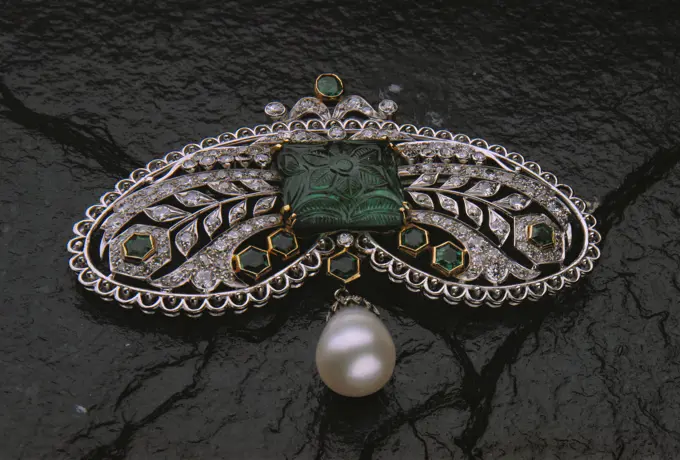
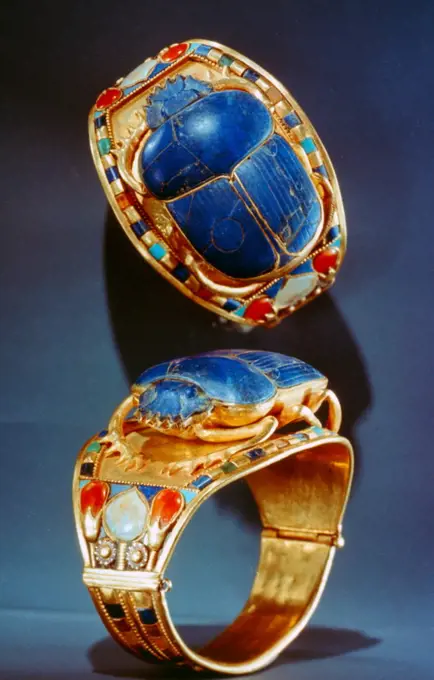
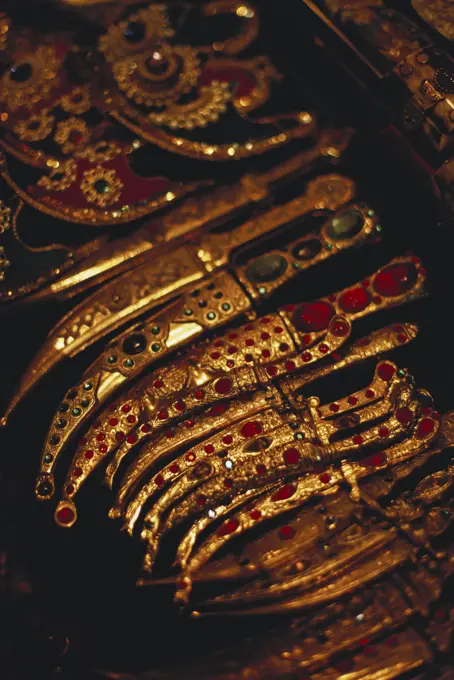
Intricate jewelry elements from the late 14th to 16th century, featuring elaborate designs and gemstones, showing influences from medieval Islamic artistic traditions.
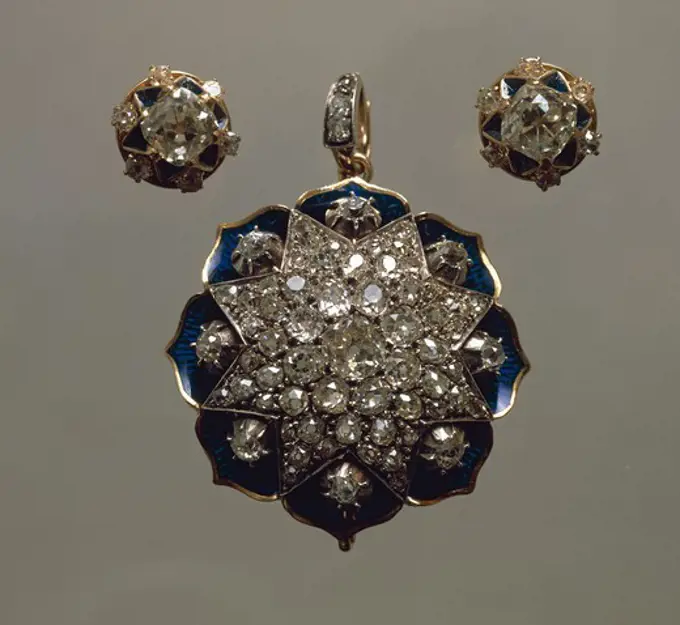
Goldsmith's art, England, late 18th century.  Blue enamel, diamonds and gold pendant and earrings.
Goldsmith's art, England, late 18th century. Blue enamel, diamonds and gold pendant and earrings.
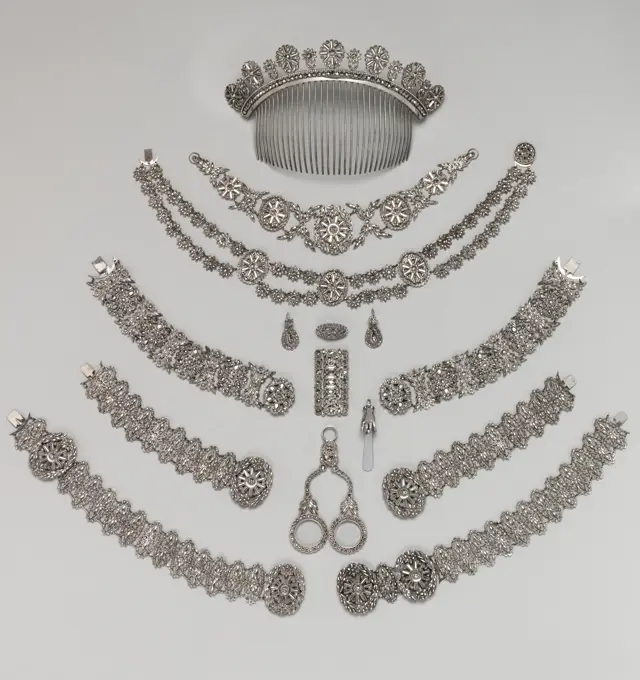
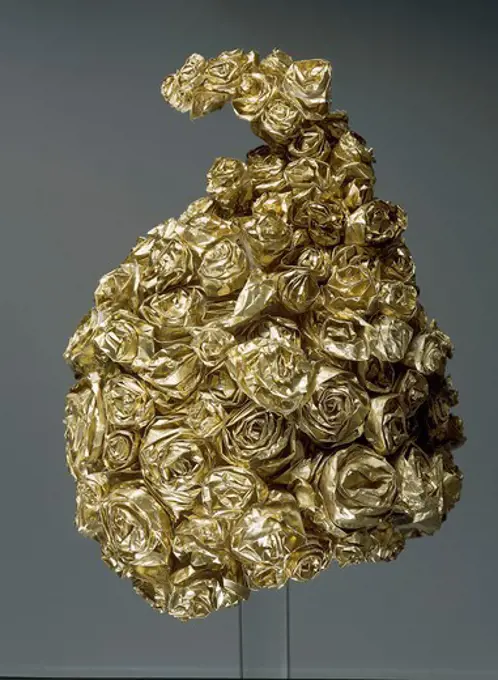
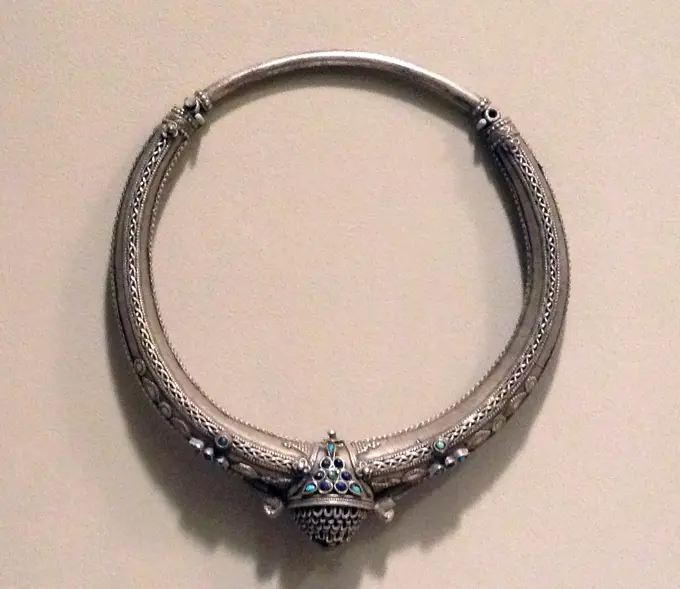
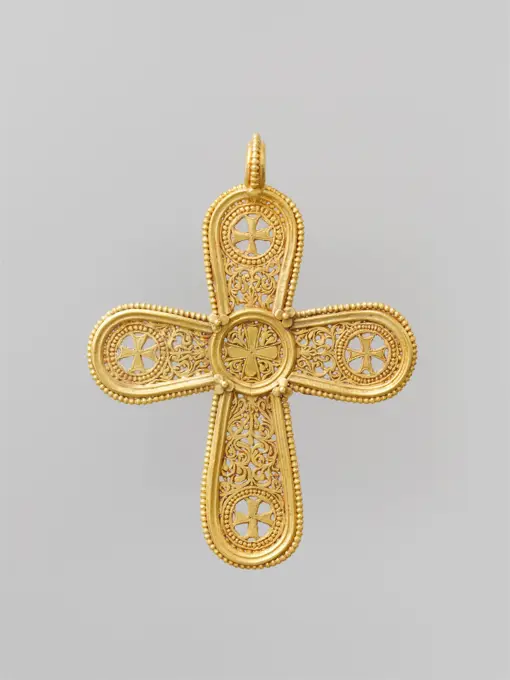
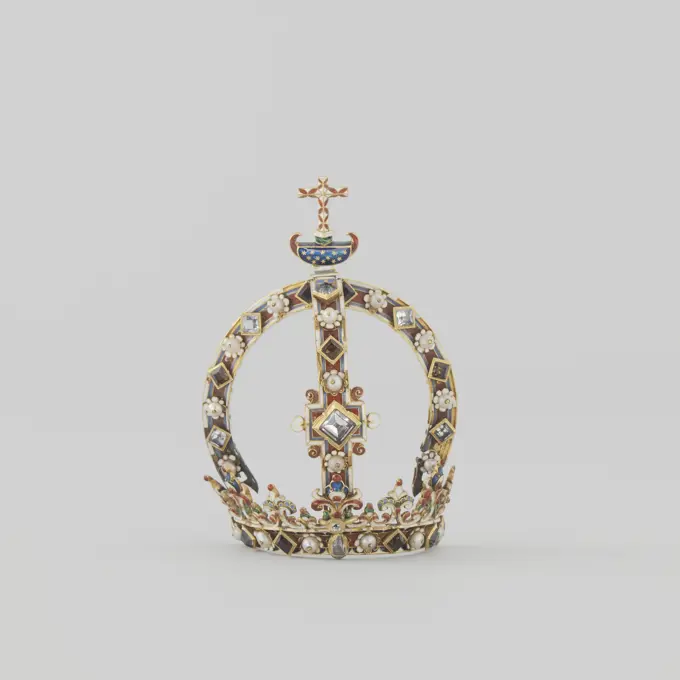
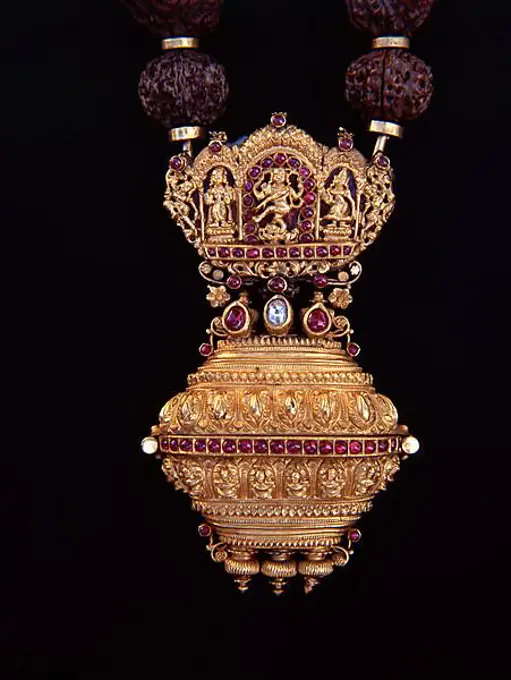
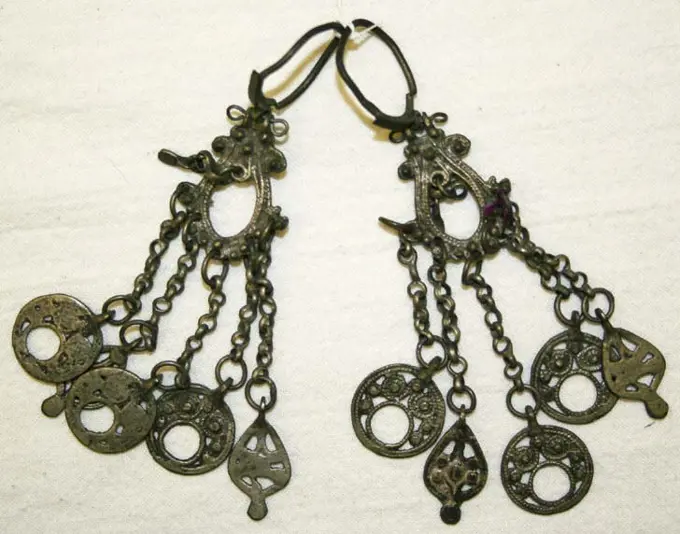
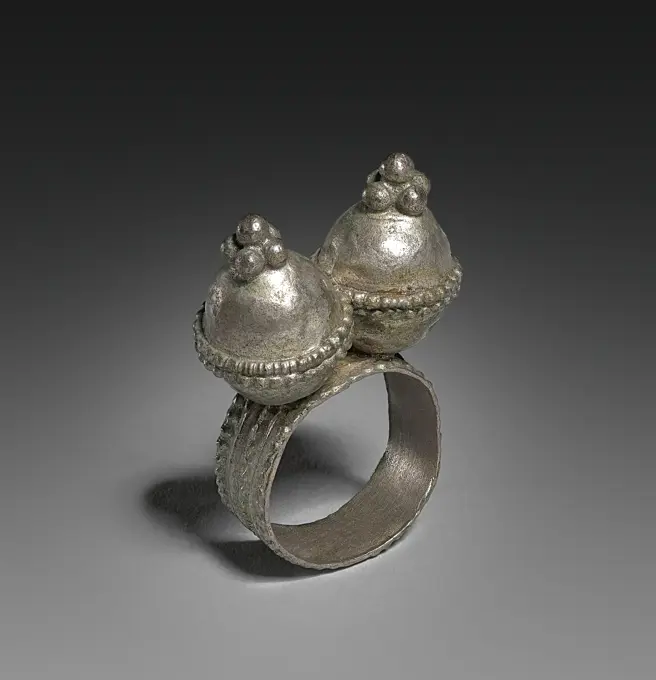
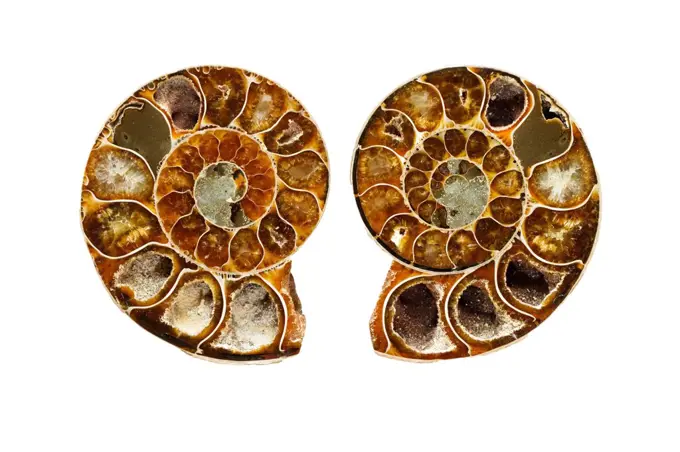
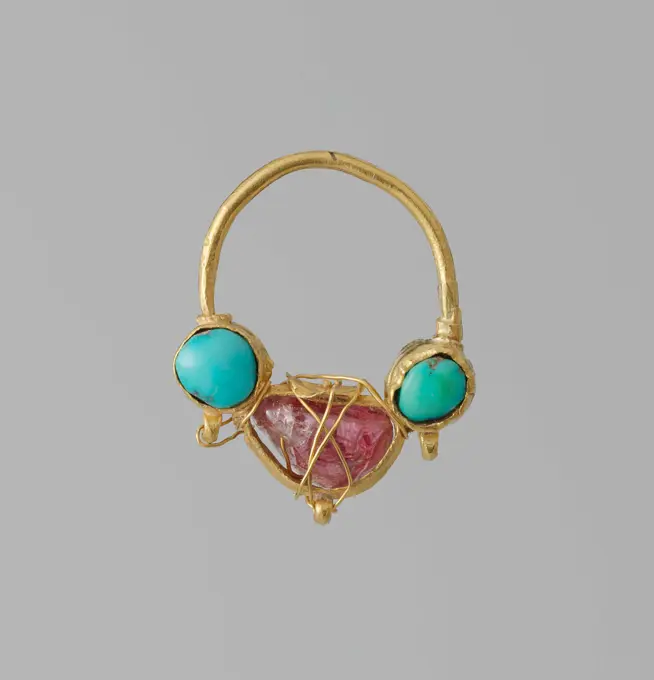
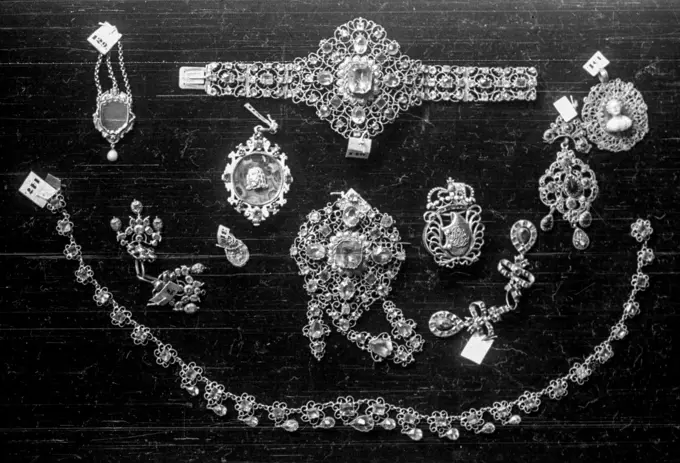
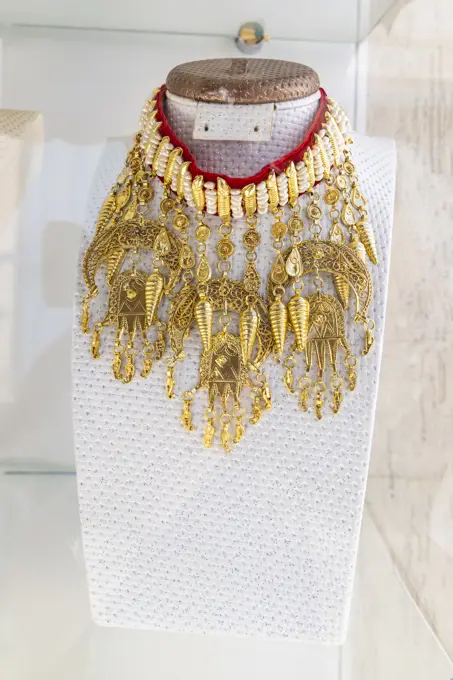
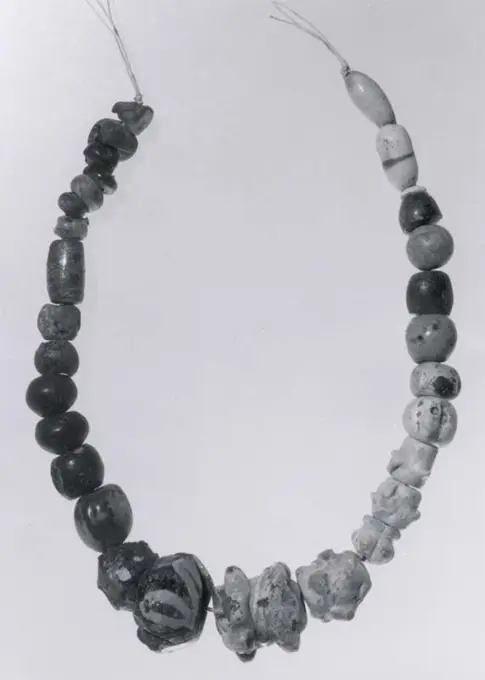
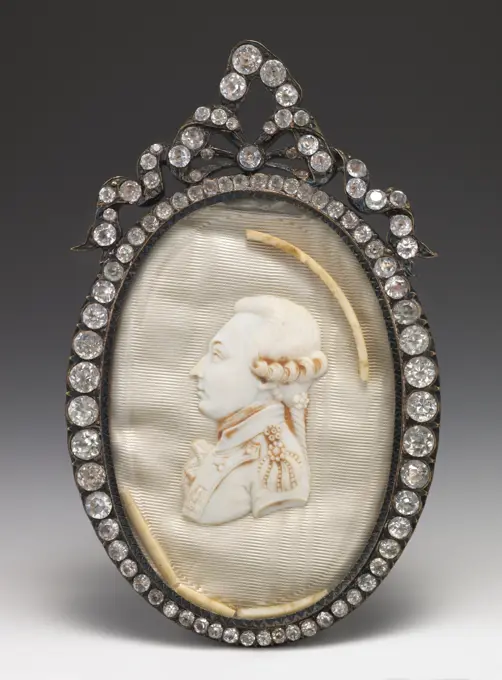
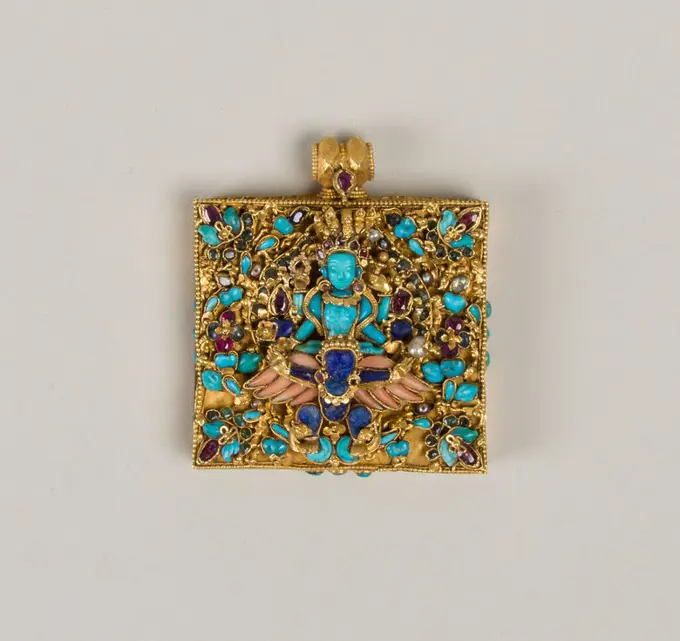
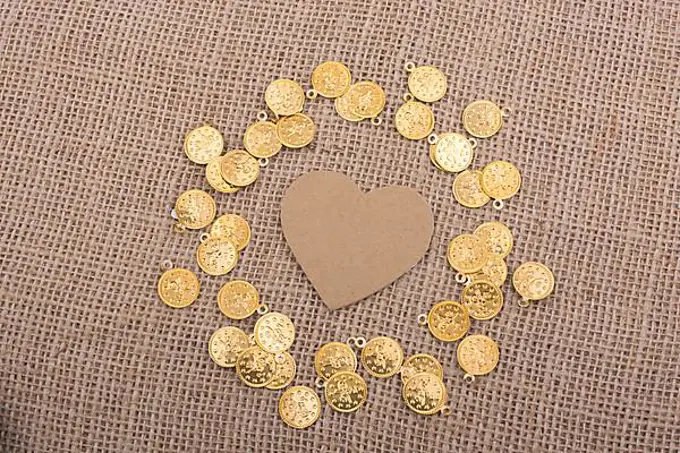
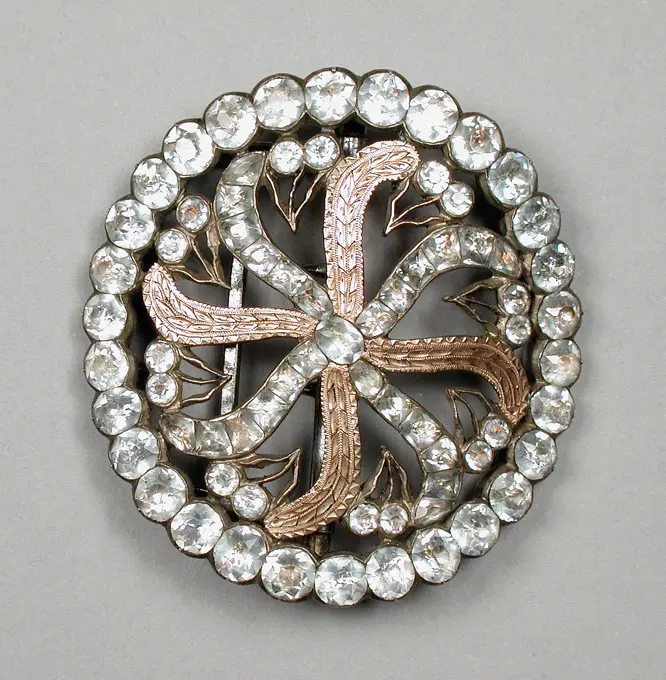
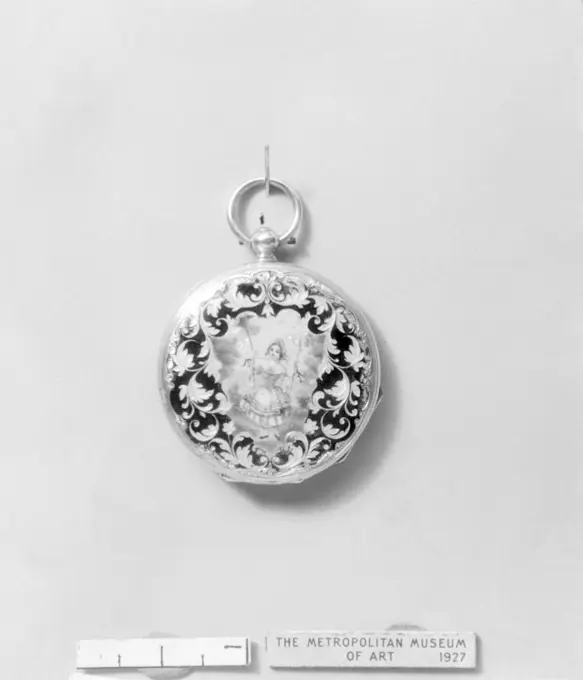
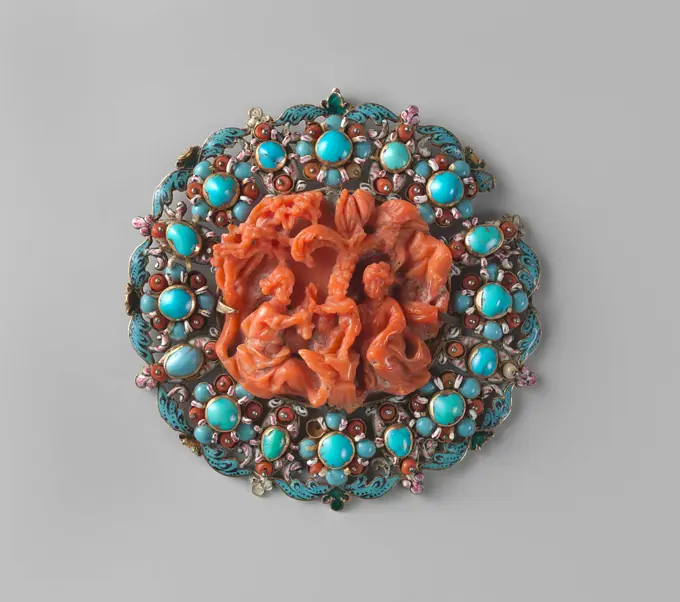
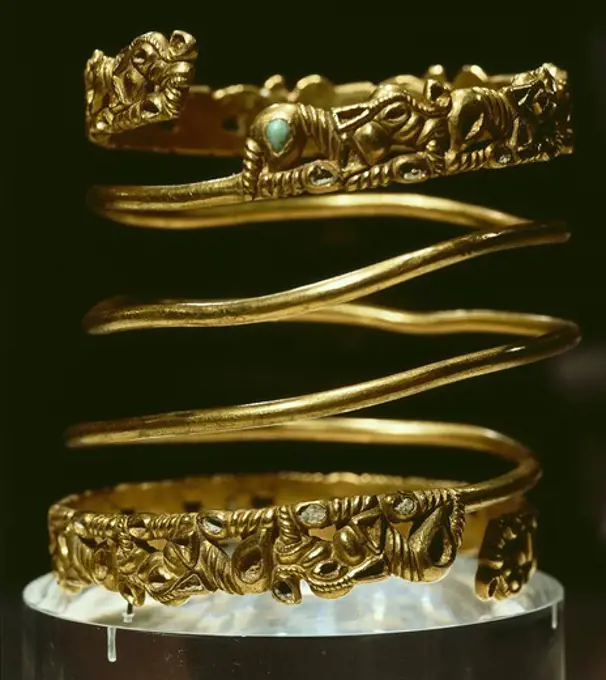
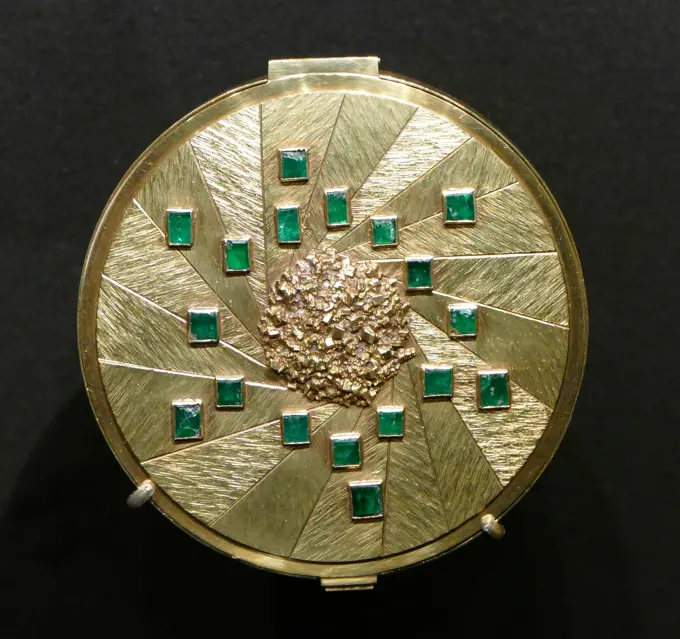
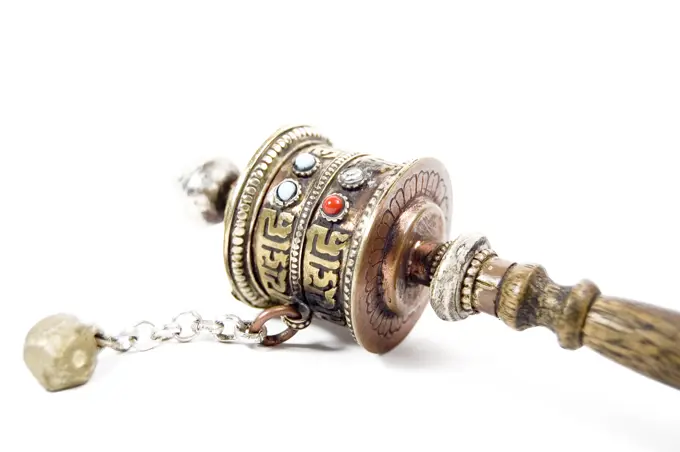
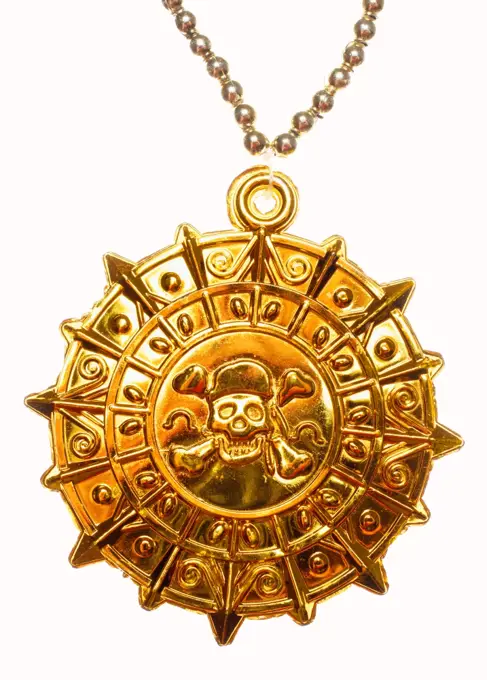
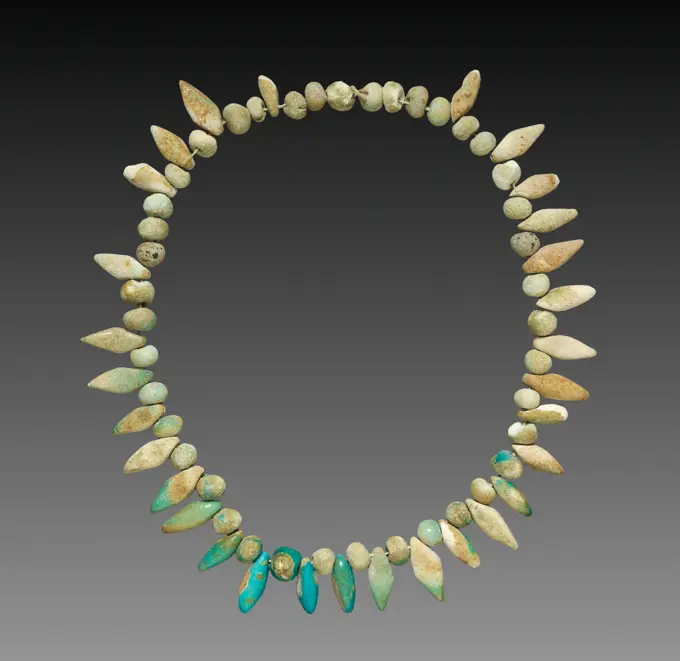
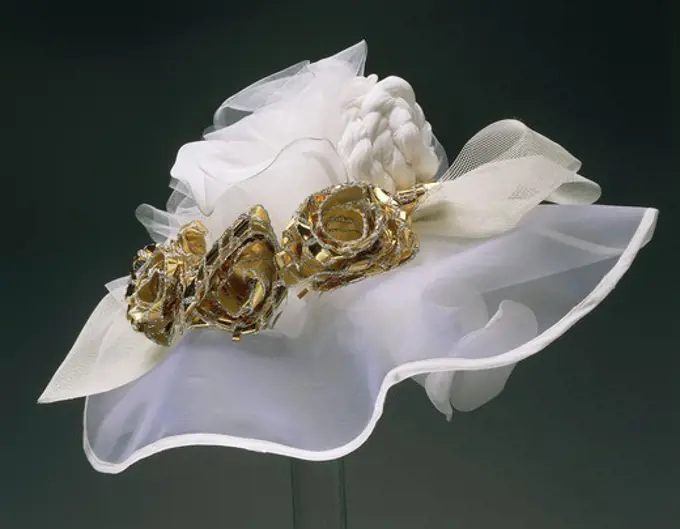
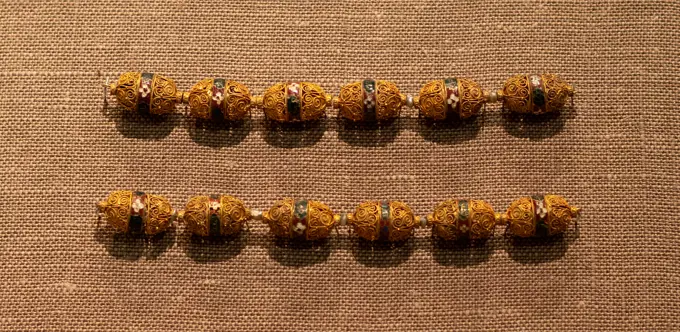
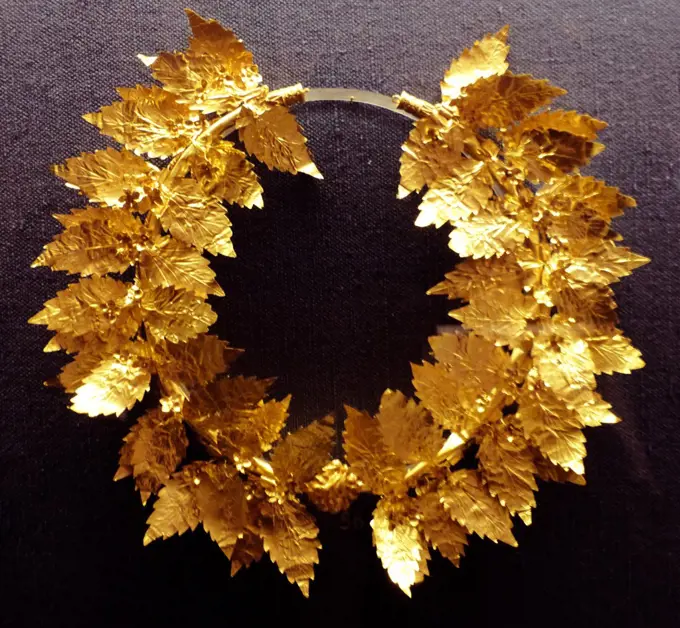
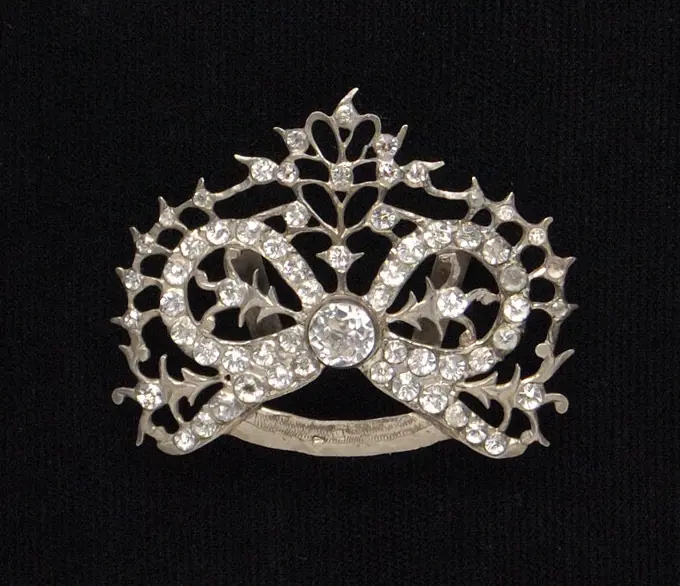
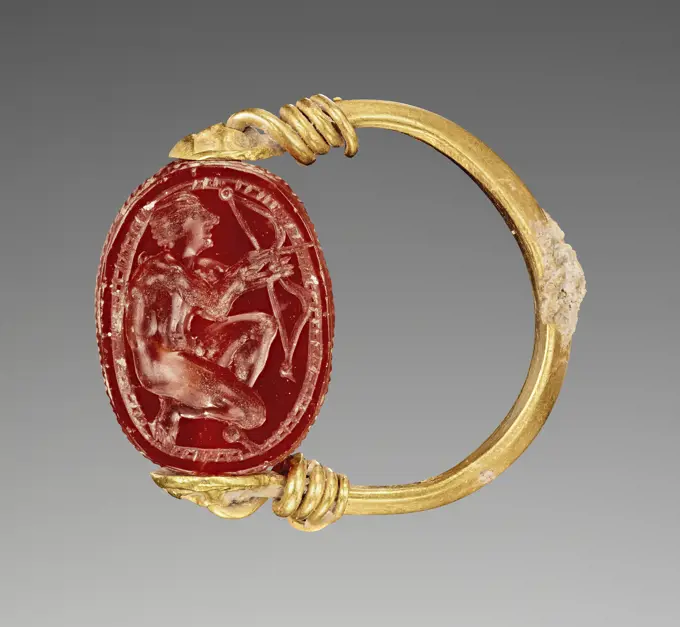
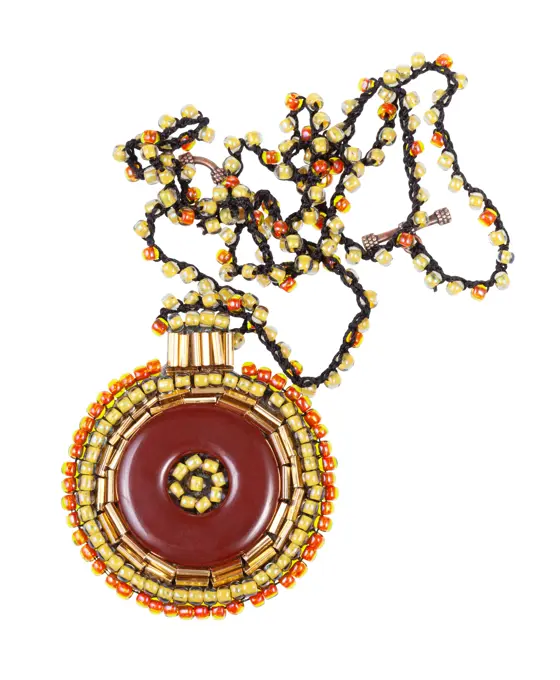
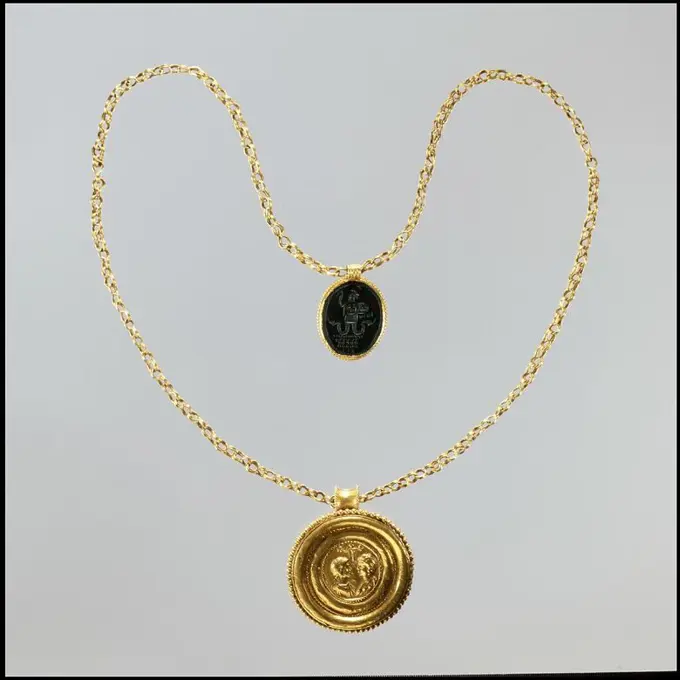
Shoe spur of Stras, set in a double oval silver -colored stray, anonymous, c. 1750 - c. 1900 Shoe spur of Stras, set in a double oval silver -colored stand. A vertical confirmation at the back. France (possibly) Basic: Metal. Stones: Paste (Glass) forging / grinding Shoe spur of Stras, set in a double oval silver -colored stand. A vertical confirmation at the back. France (possibly) Basic: Metal. Stones: Paste (Glass) forging / grindingNecklace isolated on the whiteGoldsmith's art, Italy, 16th century. Giacomo Anfossi, gold and enamel ring set with baroque pearls with hyacinth engraved on gem.Fifteen-piece parure in leather case ca. 1810 French This matching jewelry set, or parure, consists of seventeen different elements including a tiara, a necklace, two pairs of bracelets, a lorgnette, and a pair of earrings. The pieces are decorated with multifaceted and polished nails or studs that reflect the light, mimicking the appearance of sparkling diamonds. During the eighteenth and nineteenth centuries, cut steel was a fashionable but not necessarily less-expensive substitute for precious metals and gemstones in jewelry. Napoleon presented a cut-steel parure to his second wife, Archduchess Marie Louise of Austria, and King Louis XVIII acquired a similar set at the Paris Exposition des Produits de lIndustrie of 1823.. Fifteen-piece parure in leather case. French. ca. 1810. Cut steel; red moroccan leather, gilt stampedFashion, Italy, 20th century. Ceremonial tissue paper hat consisting of small intertwined golden roses.Torque, 19th century, 21 1/8 x 1 3/4 in. (53.66 x 4.45 cm), Chased and filigree silver set with lapis and turquoise, India, Rajput styleTwo Pairs of Earrings and Armbands, c. 1200 - c. 1400  Indonesia gold leaf rejected  Indonesia gold leaf rejectedGold Cross Pendant 500-700 Byzantine A wealthy person or a member of the clergy may have worn this elegant cross, the largest known to have been worked in opus interrasile. As Christianity became the dominant religion in Byzantine society, Christian imagery was increasingly found on jewelry. Crosses appear by the fifth century; the Virgin Mary, saints, angels, and other holy figures became popular in the sixth century. The images were thought to protect the wearer, aid in prayers, and even perform miracles.. Gold Cross Pendant. Byzantine. 500-700. Gold. Metalwork-GoldPair earrings isolated on a white backgroundChristuskroon, anonymous, c. 1550 - c. 1600 Half crown of a Christ statue, of gold and email, set with pearls and precious stones. Spain gold (metal). pearl. precious stone (material) Half crown of a Christ statue, of gold and email, set with pearls and precious stones. Spain gold (metal). pearl. precious stone (material)Nattukottai Chettiars Traditional Jewellery Called Gowri Sangam, 100 Years Old, Tamil Nadu, India. The Gowrisangam or Kevadu and is exquisitely iconed. In the days when Chettiar merchants went bare body only adorned with the sacred markings of worship, many a prosperous Nagarathar would wear an uthraksam (a sanctified seed from the rudraksha tree) clasped in gold and strung on a thick cord. This simple necklaPair of Curled EarOrnamentsCOLLAR DE CARACOLES DE RECLAU VIVER SERINYA (GERONA) - PALEOLITICO SUPERIOR. Location: MUSEO ARQUEOLOGICO DE CATALUÑA. Barcelona. SPAIN.Earrings 18th century-19th century European, Eastern. Earrings 90369America Owes Everything To These Jewels. These are the very jewels, according to authentic records held by Harold A. Brand, of the Brand Pittnos Syndicate of Atlantic City, that were pawned in 1492 by Queen Isabelle of Spain, so that Christopher Columbus, could outfit his fleet, for the trip to discover America. There are exactly 280 stones in the set and in their entirety they weigh 500 carats. The breast piece has seven large drops. The largest diamond weighing 54 carats. The total net weight of the diamonds in this piece is 400 carats although their historic worth cannot be estimated. Their worth in national currency has been put at half million dollars.Earring with pendants of female heads Greek or Roman. Earring with pendants of female heads. Greek or Roman. Gold. Hellenistic . Gold and SilverCollar of Psusennes I, 1054-1004 b.c.Ring, 20th Century. India. Silver; overall: 3.5 cm (1 3/8 in.).Cephalopod fossil split in halfEarring. Gold earring. At the bottom of the middle an unfinished amethyst between two turquoise, all three caught in golden tires.STRATY WOJENNE MNKDjerba, Medenine, Tunisia. Ornate golden necklace at the Houmt Souk.Earrings, Gilt, pearls, paste stones, A and B: Gilt earrings in the form of a human head wearing a turban set with paste diamonds and pearl earrings; at the bottom, a lead ornament set with red and green stones. Ring at the bottom suggests a part may be missing., France, 19th century, jewelry, Decorative Arts, EarringsBeads ca. 9th century B.C. Iran. Beads 325331Treasure of El Carambolo. Golden bracelets. Tartessian. Reproduction. Orientalizing Period. Late 7th-6th century BC. El Carambolo (Camas, province of Seville, Andalusia, Spain). National Archaeological Museum. Madrid. Spain.Pair of Lozenge Shaped EarOrnamentsRed Gem EarOrnamentJewellaryMarie-Joseph Paul Yves Roch Gilbert du Motier, Marquis de Lafayette (1757-1834) 18th century French. Marie-Joseph Paul Yves Roch Gilbert du Motier, Marquis de Lafayette (1757-1834). French. 18th century. Bust: ivory; background: white moiré silk; frame: silver with 90 brilliants. Sculpture-MiniatureAmulet case with Vishnu Riding Garuda. Culture: Nepal. Dimensions: H. 2 1/2 in. (6.4 cm); W. 2 1/4 in. (5.7 cm). Date: 17th-19th century.Amulet boxes had powerful talismanic functions, and their design often refers to divine realms. Here Vishnu travels in a cosmic sphere on his vehicle Garuda. Museum: Metropolitan Museum of Art, New York, USA.Goldsmith's art, 18th century. Gold and garnets demi parure.Fake gold coins around heart shape made of paperAssorted Jewels & Brooches Antiques Bonhams, London Woman's Belt Buckle. England, 1780-1790. Costumes; Accessories. Paste stones and metalFalse coin order granted to Lech KokocińskiPair of gold boat-shaped earrings. Culture: Roman. Dimensions: Other: 7/8 in. (2.2 cm). Date: 1st-2nd century A.D..Boat-shaped earrings with three balls attached at the fastening. Museum: Metropolitan Museum of Art, New York, USA.Necklace with Gold Marriage Medallion and Hematite Amulet. Culture: Byzantine. Dimensions: Length chain: 31in. (78.7cm)Medallion: 2 9/16 x 7/16 in. (6.5 x 1.1 cm)Hermatite: 1 11/16 x 1 3/16 x 1/4 in. (4.3 x 3 x 0.7 cm). Date: 400-450 (medallion); 100-200 (amulet).The marriage of the two figures on the gold pendant is blessed by Christ who holds wreaths over their heads, a Christian variation of a pagan motif. The hematite pendant with its solar deity was probably attached for its healing qualities.This work was part of a hoard found at the base of the Capitoline Hill, the center of commercial activity in Rome even after the transfer of the imperial capital to Constantinople. The jewelry was probably hidden during the sack of Rome by the Visigoths in 410 or the Vandals in 455. Museum: Metropolitan Museum of Art, New York, USA.Gold wall lamp shaped myrtle leaves and flowers, from the Royals Tombs at Vergina, GreeceWatch 1845-51 Watchmaker: Patek & Co.. Watch 195662Pendant with the break on the flight to Egypt. Hanger consisting of a carved medallion of blood coral, surrounded by a wide openwork golden list. The medallion states 'Rest on the flight to Egypt'. The list is covered with émail and occupied with turquoise and blood coral.Gold , agate and amber bead bracelet, Hamadan, 4th-6th cent. BC. Teheran Bastan Museum, IRAN.Lovers in a Boat, Gold, enamel, diamonds, sapphires, emeralds, rubies, pearls, Gold and enamel jeweled brooch in the Renaissance style in the form of a ship with two lovers in stern and two doves in the prow; with four button pearls, five half-pearls, six rubies, eleven emeralds, four sapphires, eleven rose diamonds., London, England, ca. 1880, jewelry, Decorative Arts, Brooch, BroochBadge of the winners of the Bastille Anonymous. Badge of the winners of the Bastille. Etain in a brass frame, 1789.Bracelet. 2nd c. BC. Gold and turquoises. From the Sarmatian tribes. Scythian Art. Jewelry. RUSSIA. SAINT PETERSBURG. Saint Petersburg. State Hermitage Museum.Roman period gold jewellery. Earring, Italy.Gold Earring. Dated: c. 1937. Dimensions: overall: 28 x 23.1 cm (11 x 9 1/8 in.). Medium: watercolor and graphite on paper. Museum: National Gallery of Art, Washington DC. Author: Tulita Westfall.Vanity case, Compaq, French, made in Paris, 1922. Gold, emeralds and platinumprayer wheels prayer wheels isolated in white Copyright: xZoonar.com/szefeix 4453681Tassel, Medium: silk, metal thread, wooden core, Skirt of white silk threads, partly covered with metal threads, all looped and each supporting a colored tassel. Collar of silk and metal threads. Head is vase-shaped and wrapped in silver and gilt threads. Loop of braided pink, blue, yellow and white threads., Spain, 18th century, trimmings, TasselShoe buckle of silver and stream. Shoe buckle of silver and stream. Bow model, in two layers concentrically doubled from silver, inlaid with rows of rhin. With a piece of leather in the buckle.Chain terminating in a leaf motif, and having a raised openwork clasp ornament A.D. 2nd century Roman Period Roman and Byzantine necklace centerpieces generally take a circular form. The convex openwork disk on this necklace is characteristic of a 2nd or 3rd century date.. Chain terminating in a leaf motif, and having a raised openwork clasp ornament 546082Scandinavia. Swords scabbard mount. 6th century. Norway. Historical Museum. Oslo. Norway.Gold medallion with skull and crossed bones isolatedNecklace, 2040-1648 BC. Egypt, Middle Kingdom. Faience; overall: 17.5 cm (6 7/8 in.).Jewelry from Indian Arts and Crafts Board displayTaschenuhr Taschenuhr Copyright: xZoonar.com/GerdxHerrmannx 8608338Fashion, Italy, 20th century. Ceremonial brim hat in white organza ornamented with three golden paper roses.Jewellery Diamond Pendant, India, Asia Copyright: xAnilxDave/DinodiaxPhotoxGyeongju is a coastal city in the far southeastern corner of North Gyeongsang Province in South Korea. Gyeongju was the capital of the ancient kingdom of Silla (57 BCE - 935 CE) which ruled about two-thirds of the Korean Peninsula between the 7th and 9th centuries. A great number of archaeological sites and cultural properties from this period remain in the city.Buckle, 1900s. China, 20th century. Silver gilt with filigree work, set with rose quartz;Collar -Gold scarab beetle, rings, worn by Tutankhamen. rom the tomb treasures of Tutankhamen, discovered in 1922. Tutankhamen was an Egyptian pharaoh of the 18th dynasty (ruled c. 1332-1323 BC). Now on display in the Cairo Museum.Turkey, Istanbul. Turkish souvenirs at covered bazaar. (Large format sizes available)Beads from a Necklace second half 15th century Cloisonné enamel designs were made by attaching flattened gold wire to a gold surface, creating separate compartments. Into each compartment, a paste of powdered enamel was inserted. The object was then fired in a kiln, vitrifying the paste and giving it a jewellike character. The enameled cartouches on these beads contain Arabic inscriptions saying "Glory is Gods alone.". Beads from a Necklace. second half 15th century. Gold, cloisonné enamel, pearls; filigree. Made in Spain. JewelryGold wreath of oak leaves and flowers. Possibly from Attica, late 2nd-early 1st century BC.Shoe buckles first quarter 19th century probably French. Shoe buckles 170581Pendant against colour gradient backgroundPair of gold earrings with cage and ball pendants 7th-6th century B.C. Phoenician This type of earring was widely distributed during the Archaic period. It probably originated in the Levant and is well represented in Cyprus. Thanks to Phoenicians traders, it is also common in the western Mediterranean.. Pair of gold earrings with cage and ball pendants. Phoenician. 7th-6th century B.C.. Gold. Archaic. Gold and SilverGem Engraved with an Archer, Possibly Odysseus; Etruria; 425-400 B.C; Carnelian and gold; 0.7 × 1.5 × 1.1 cm (1,4 × 9,16 × 7,16 in.)old concrete wall and frame made in 3D graphicsHeart shape with embroidery on velvetLluís Masriera / Colgante con rana, 1912. Colección privada. Author: LLUÍS MASRIERA I ROSÉS.Indian jewellery as pendant on leather strapnecklace with round brown leather pendant isolated handcrafted necklace with round brown leather pendant decorated by glass beads and bugles isolated on white background Copyright: xZoonar.com/ValeryxVoennyyx 14839689Tourmaline. minerals. Asia; IndiaScarab ca. 1479-1458 B.C. New Kingdom. Scarab. ca. 1479-1458 B.C.. Green steatite. New Kingdom. From Egypt, Upper Egypt, Thebes, Deir el-Bahri, Hatshepsut Hole, Hathor Shrine, MMA excavations, 1922-23. Dynasty 18Golden Lily Pond, Powder Compact by Charles Mallory. 2019