Metal Artifacts

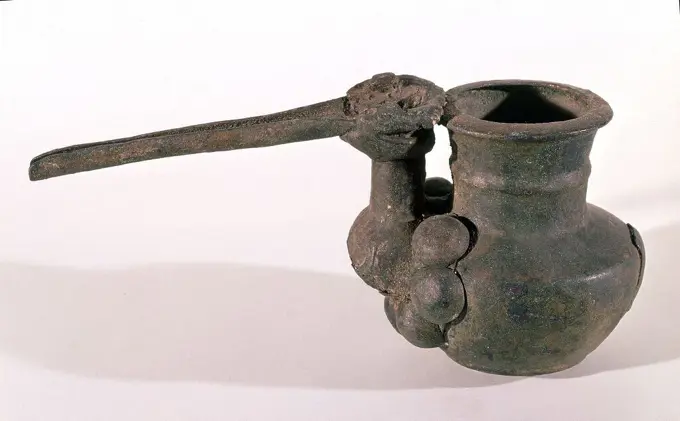
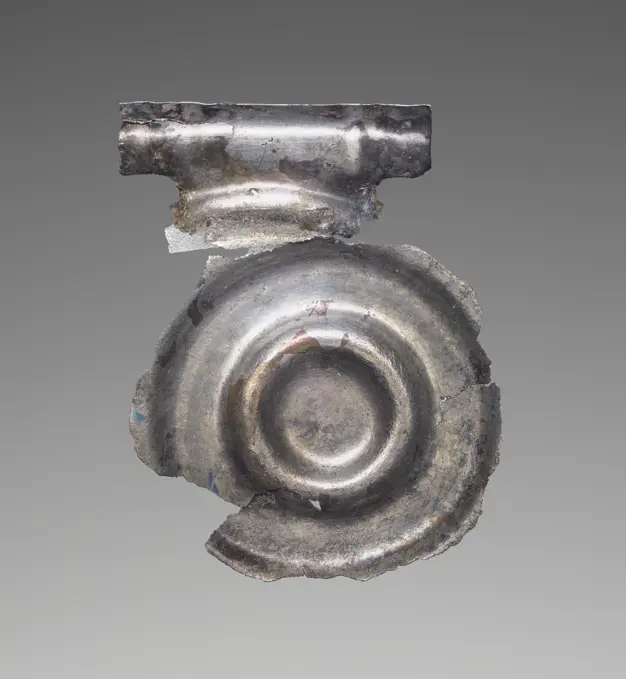
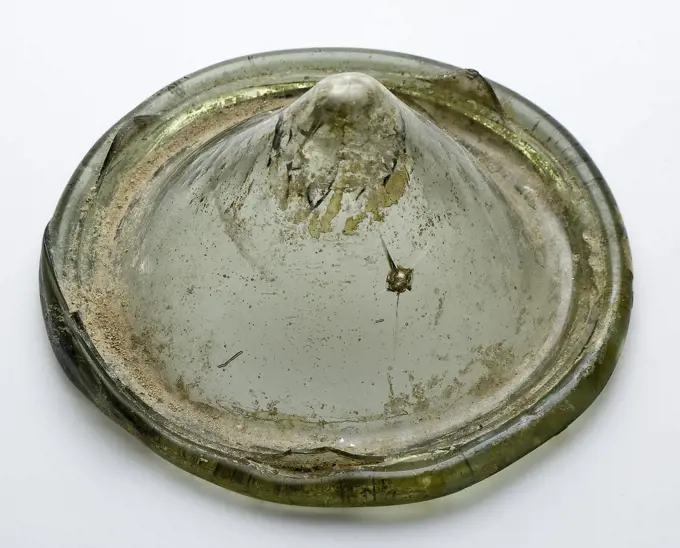
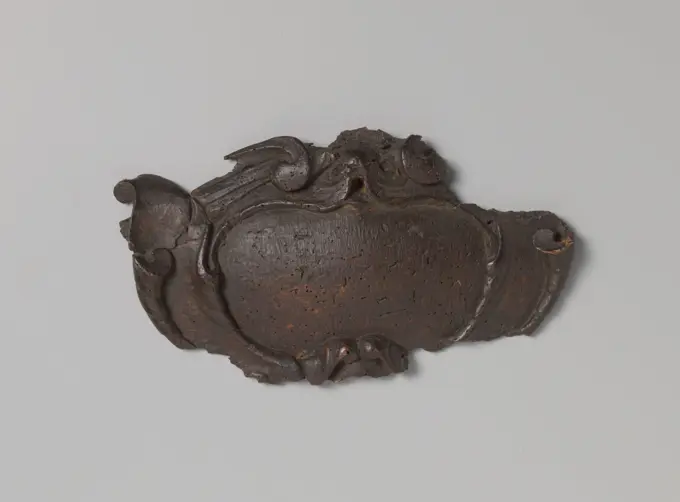
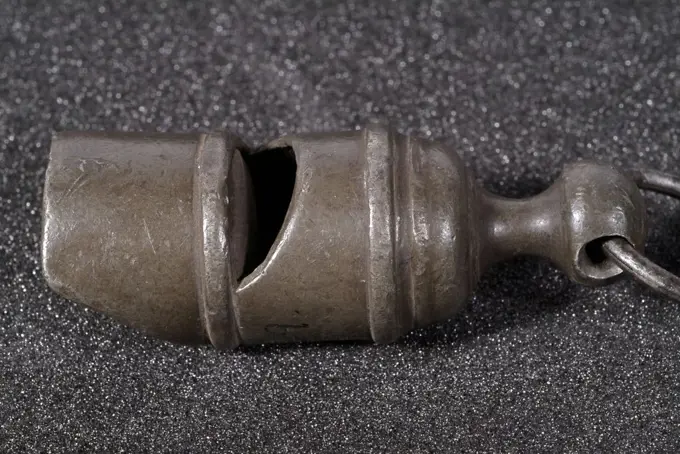
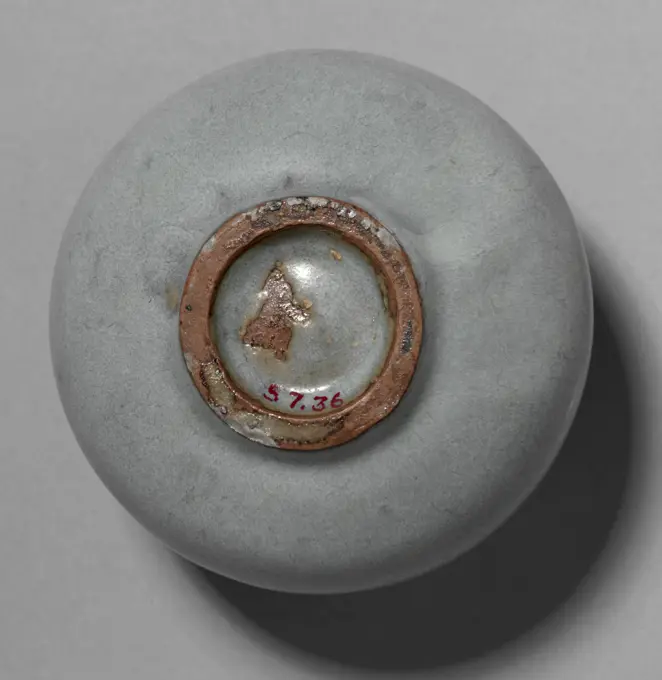
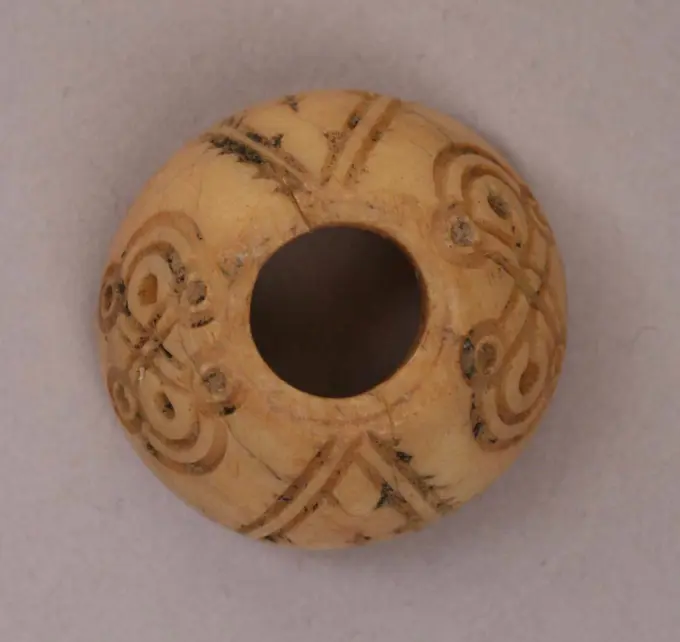
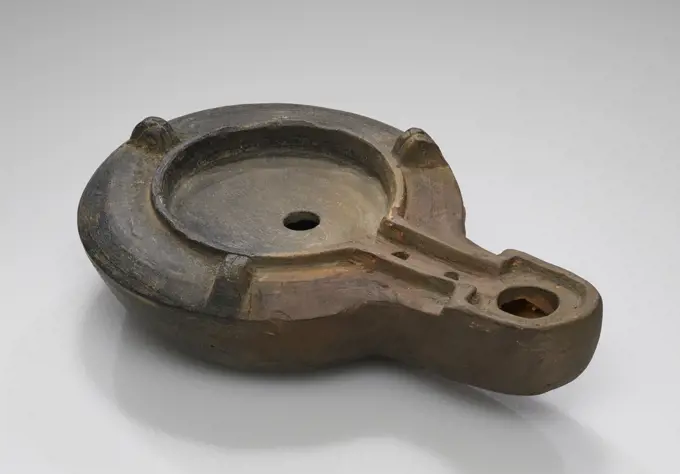
Detailed views of bronze and metal artifacts including a gun part, lead frame, and pottery pieces, showcasing ancient craftsmanship and archaeology.
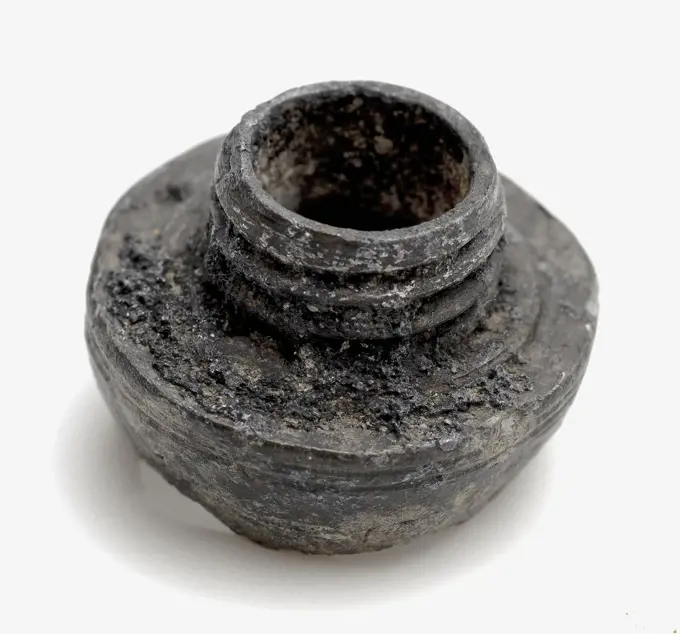
Lead frame of screw cap, cap closure part ground find lead metal, edge 2.2 cast Pewter neck with slightly sloping edge. Above the neck is thread for fastening screw cap archeology Rotterdam City triangle Oostplein packing transporting close storage Soil discovery: Oostplein Rotterdam.
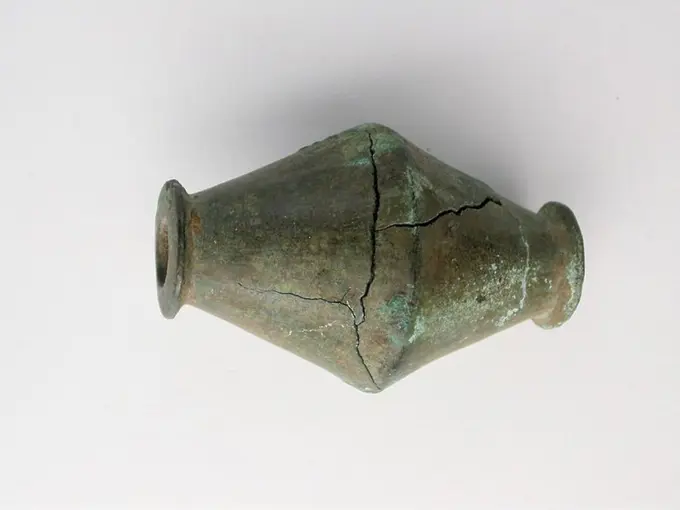
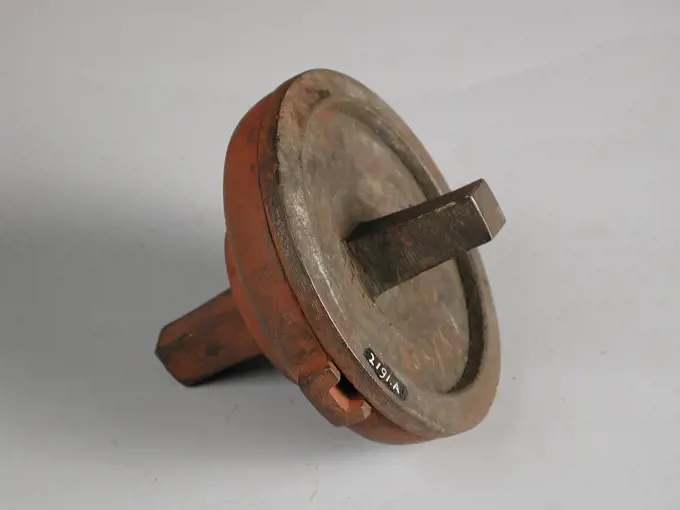
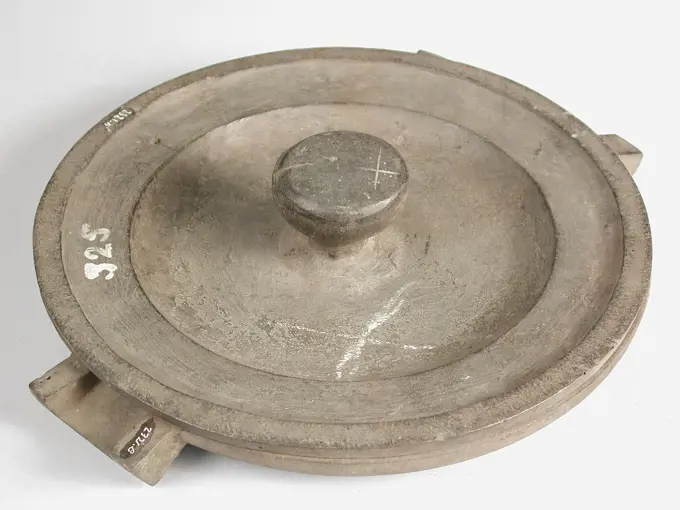
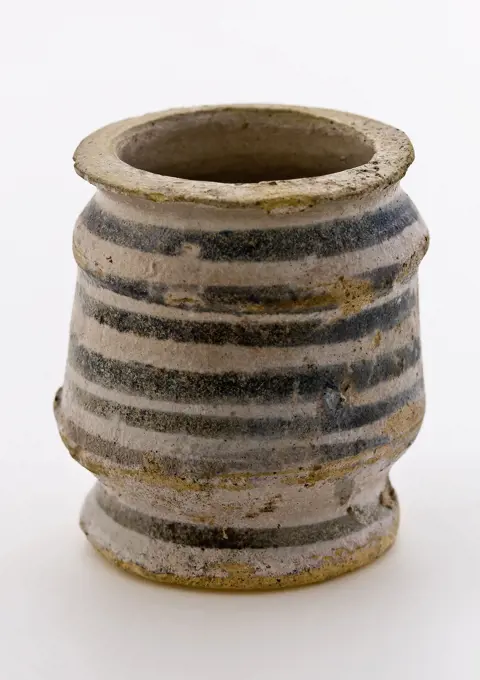
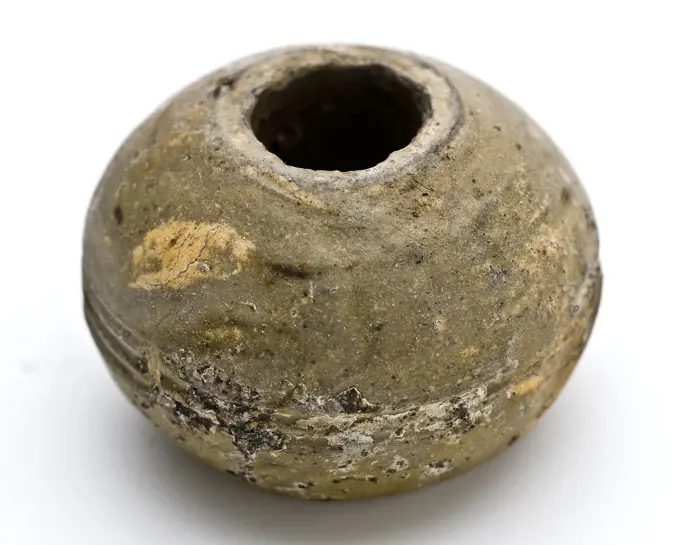
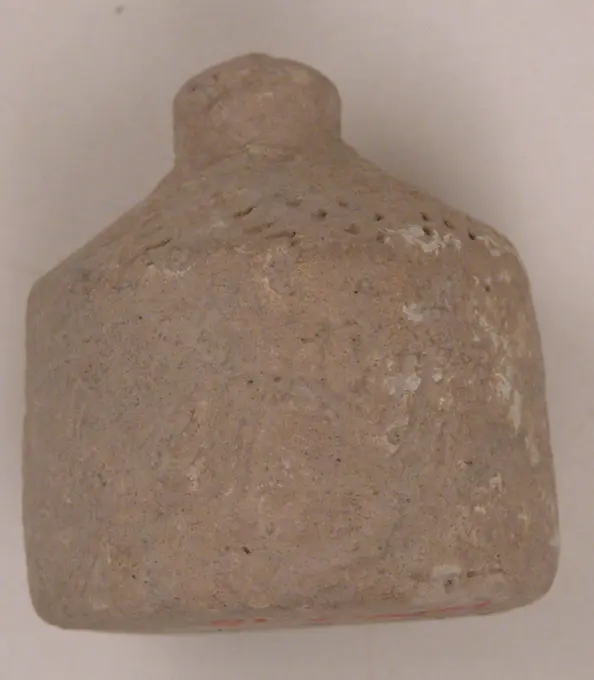
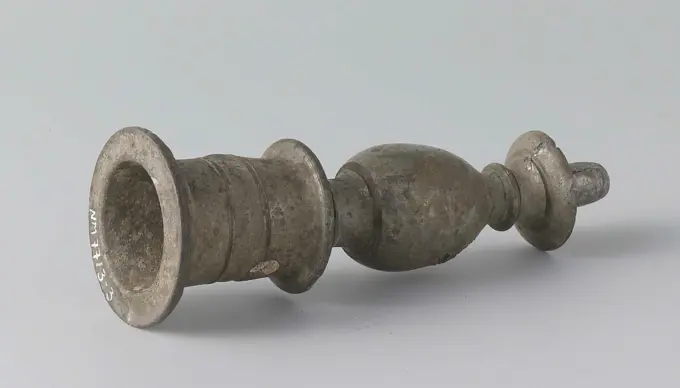
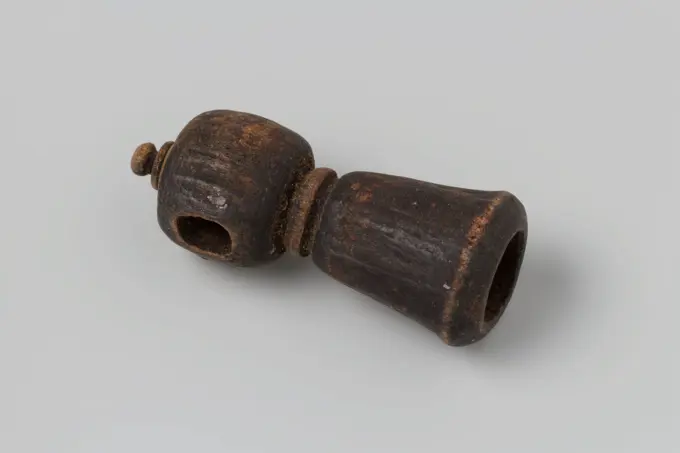
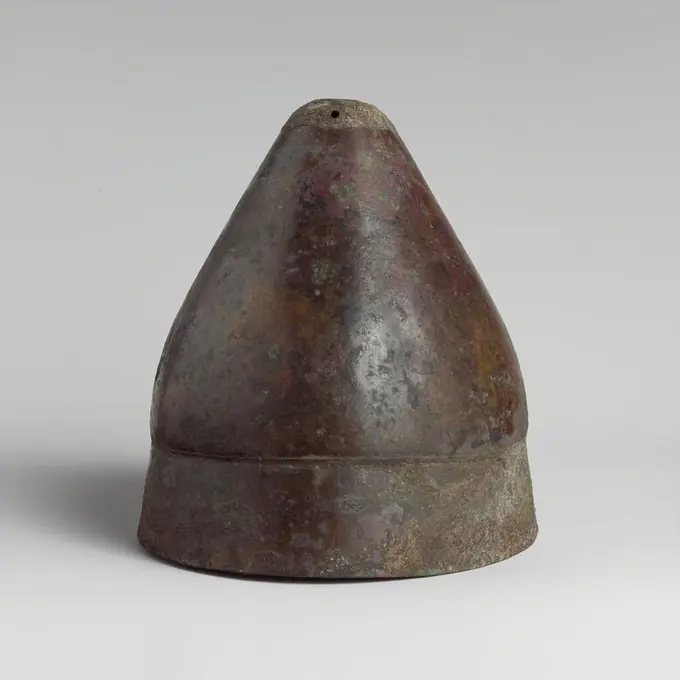
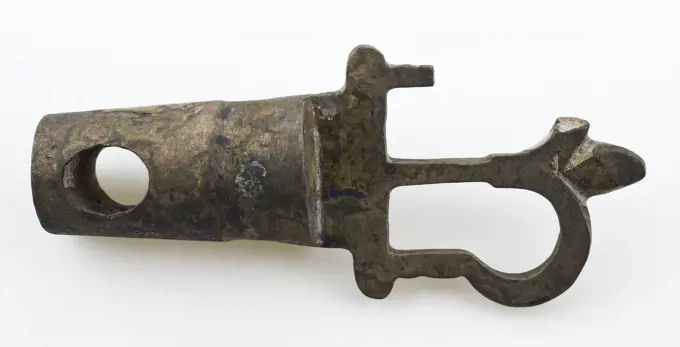
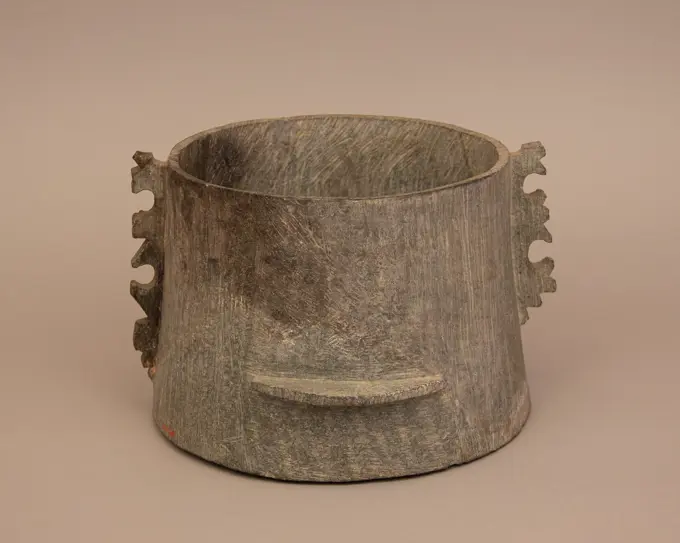
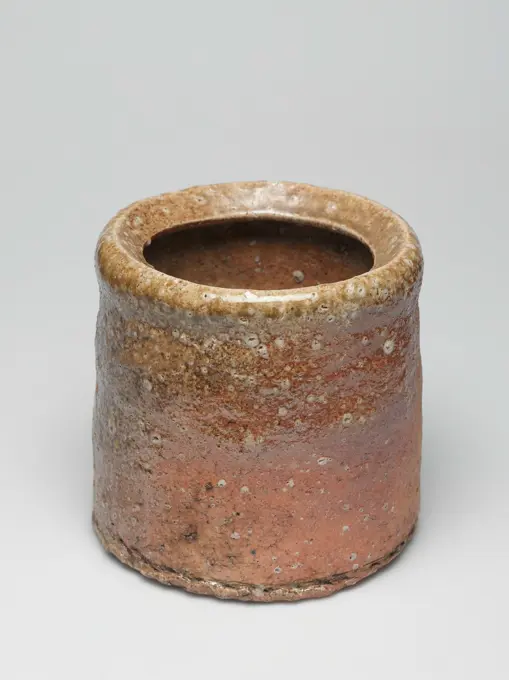
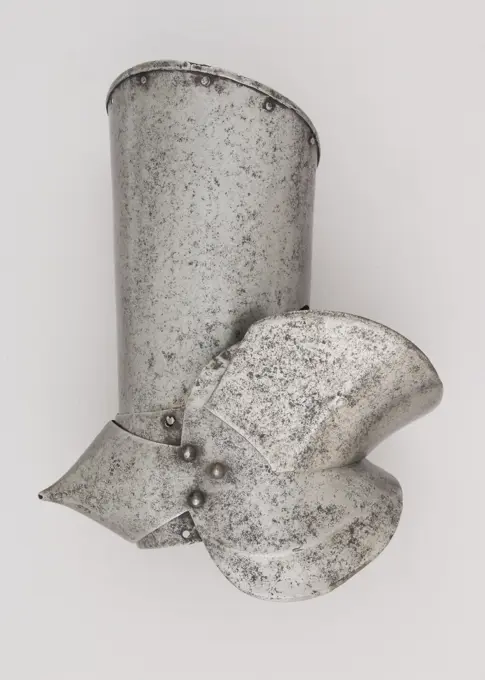
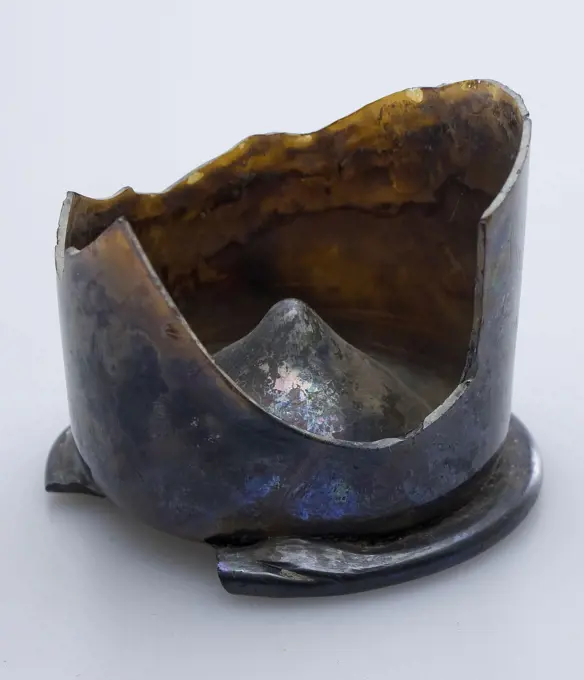
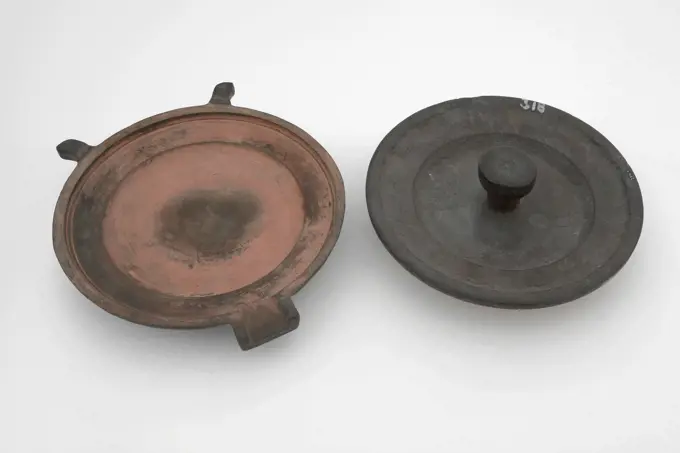
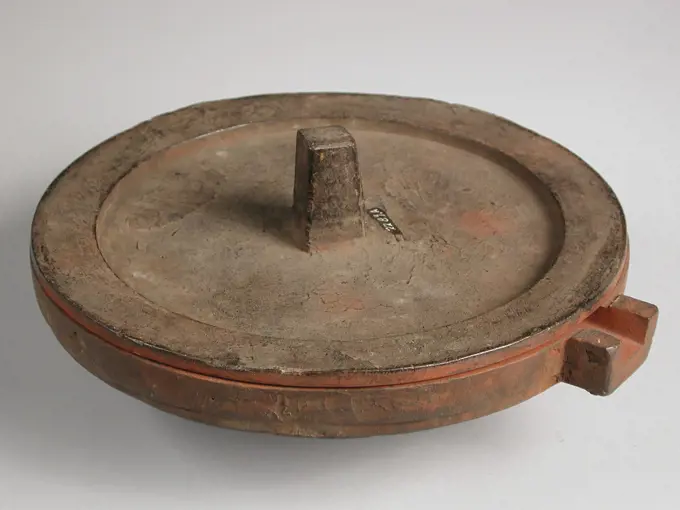
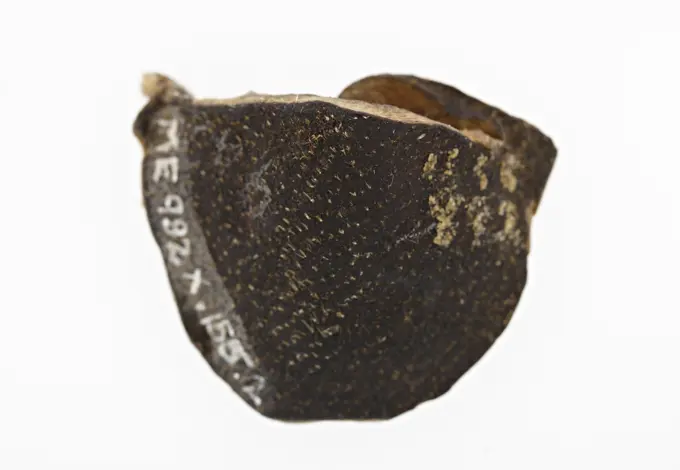
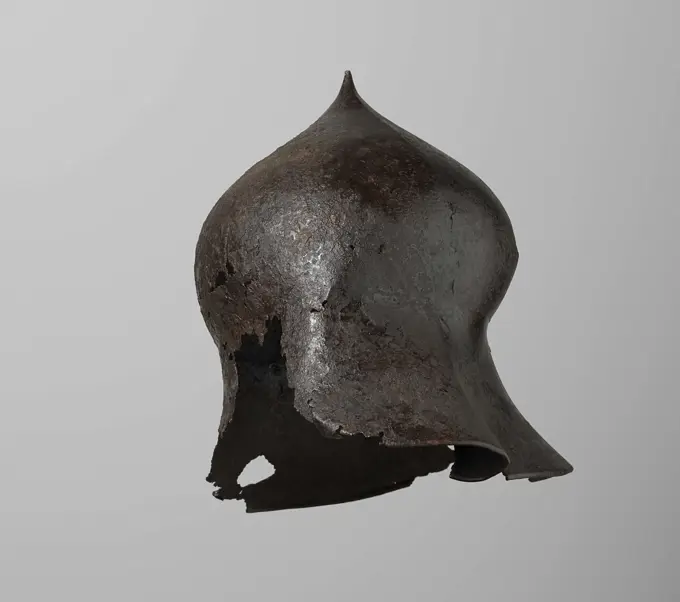
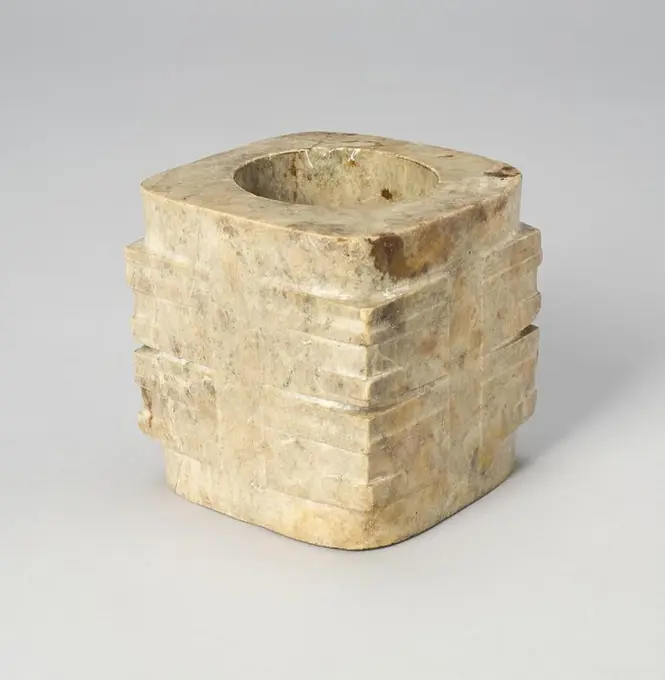
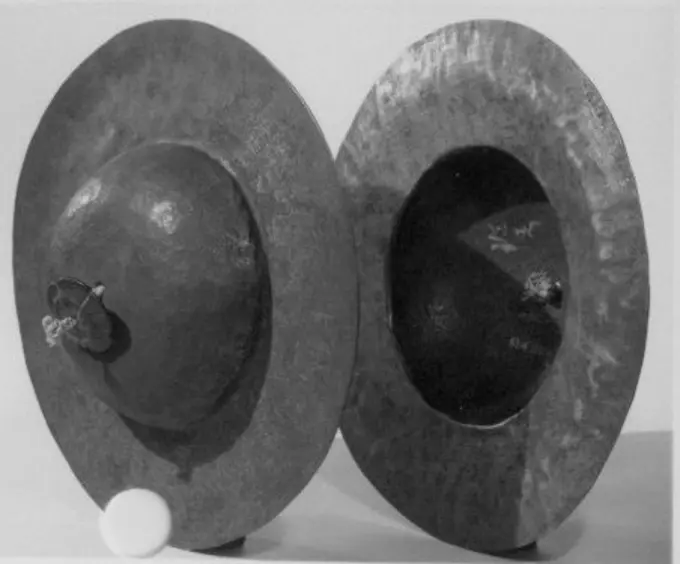
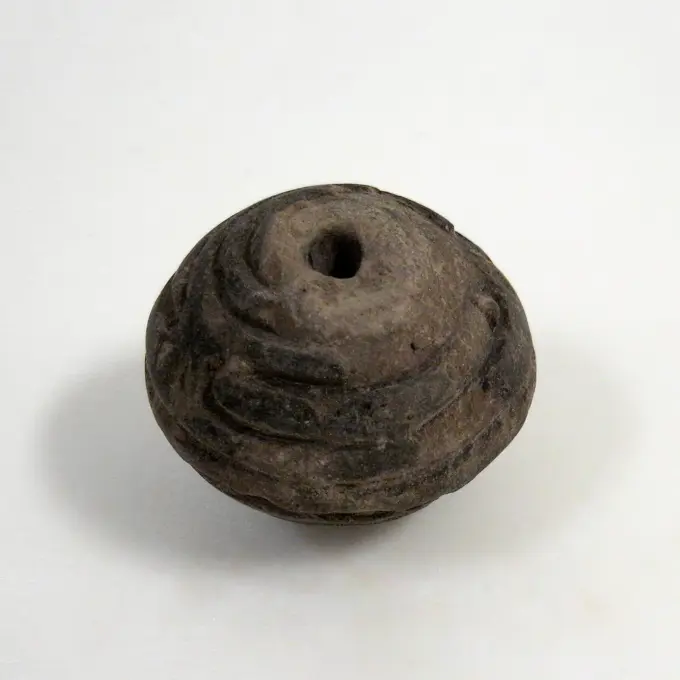
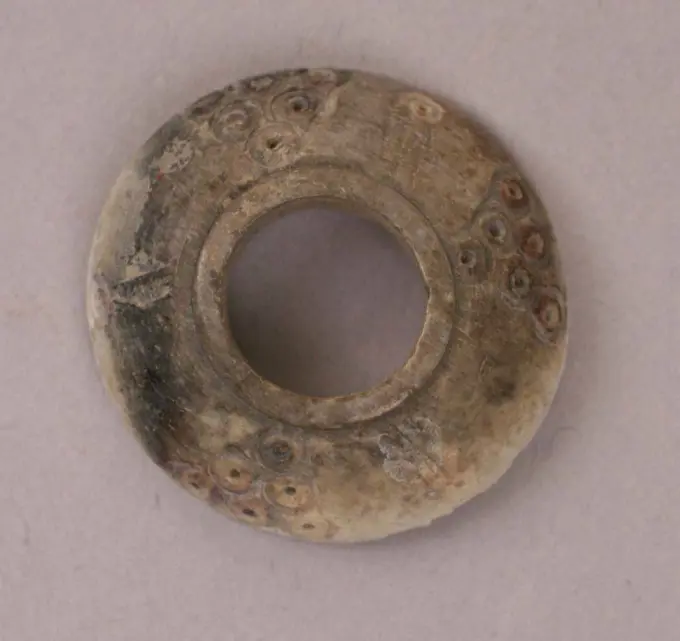
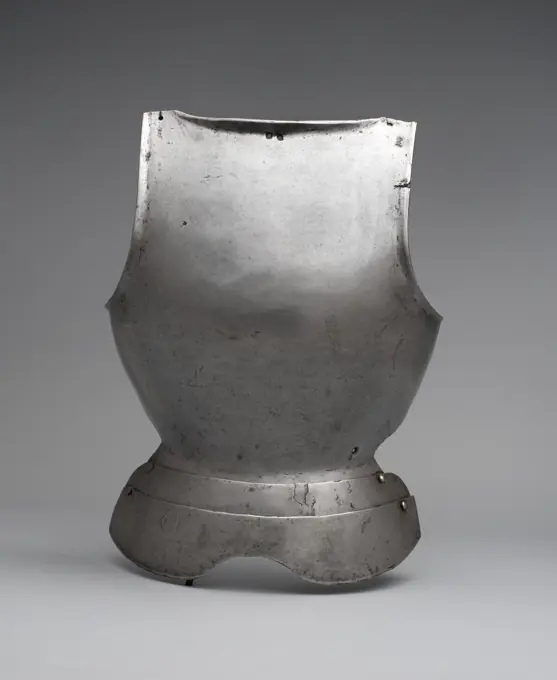
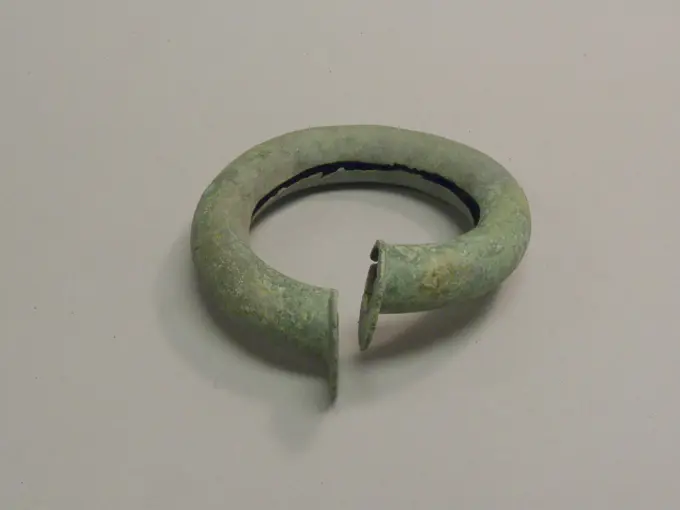
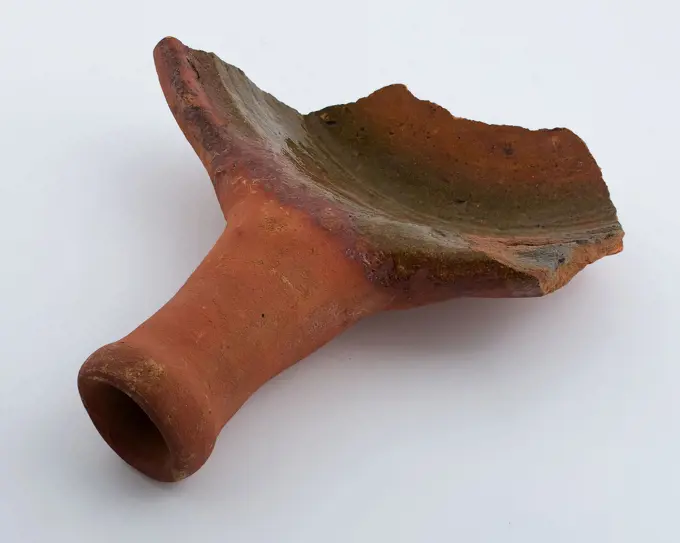
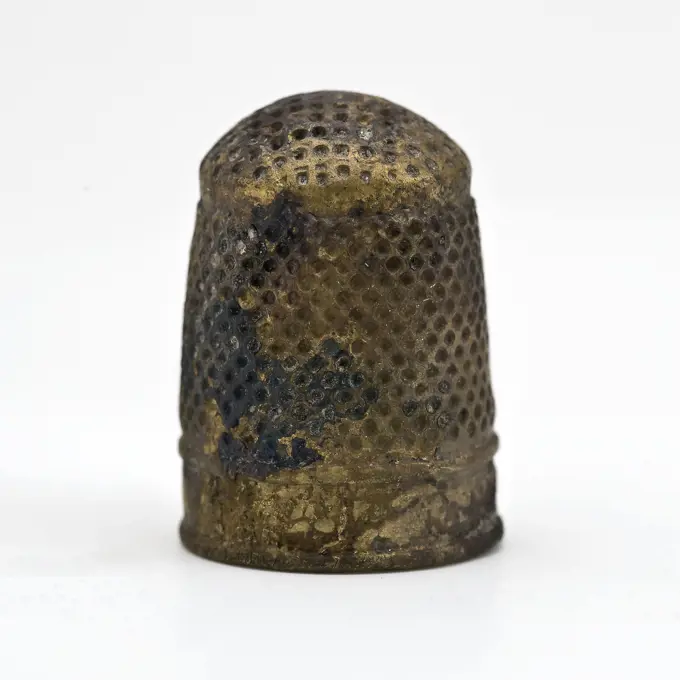
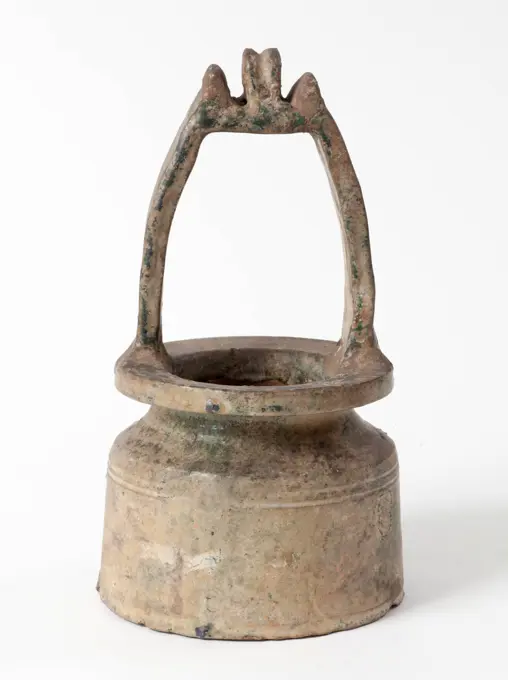
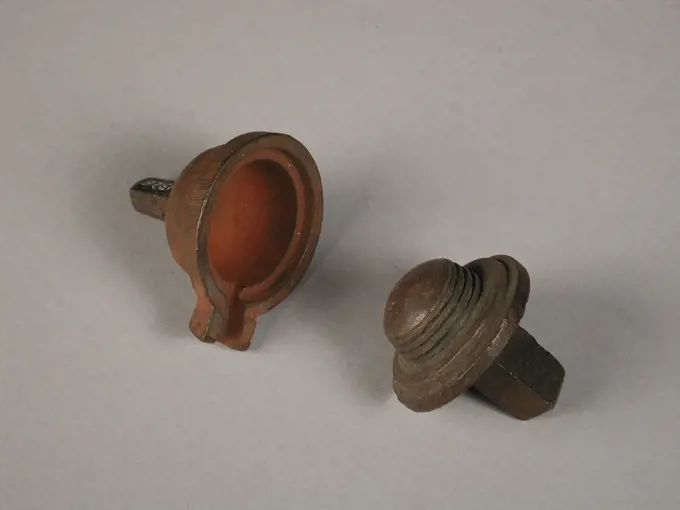
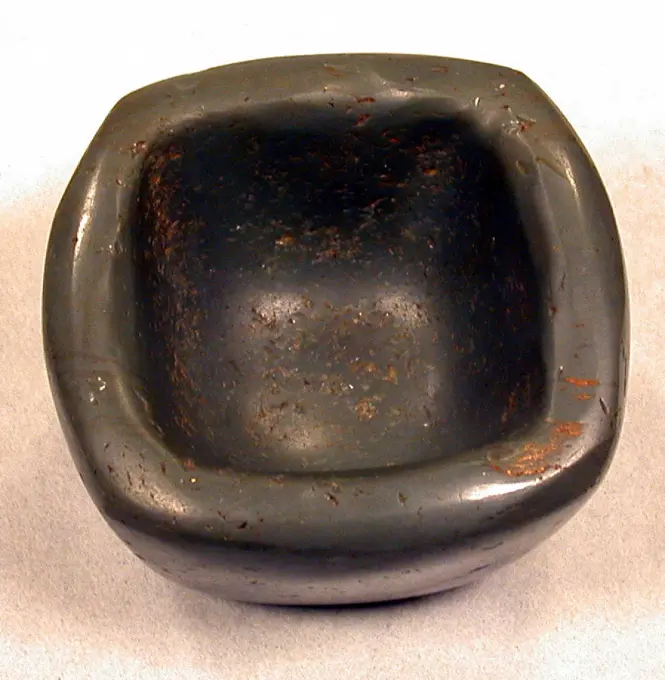
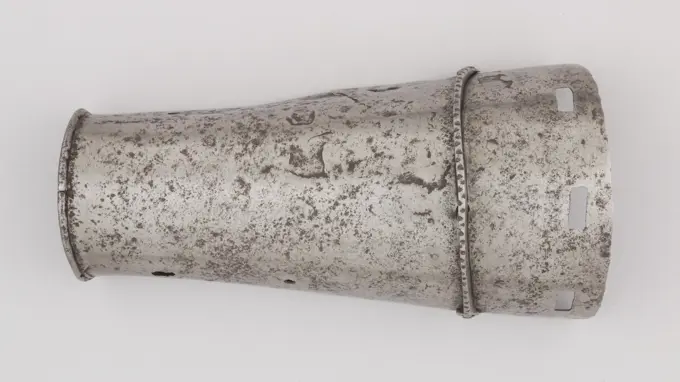
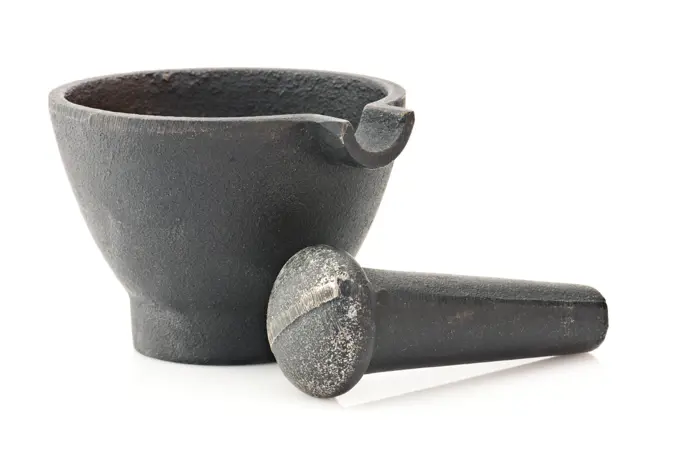
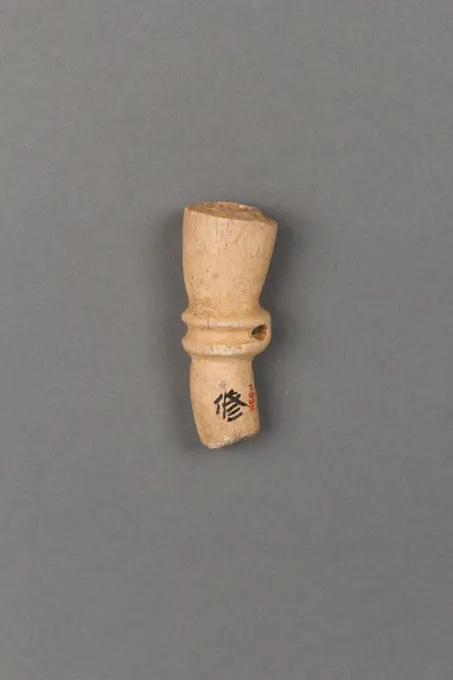
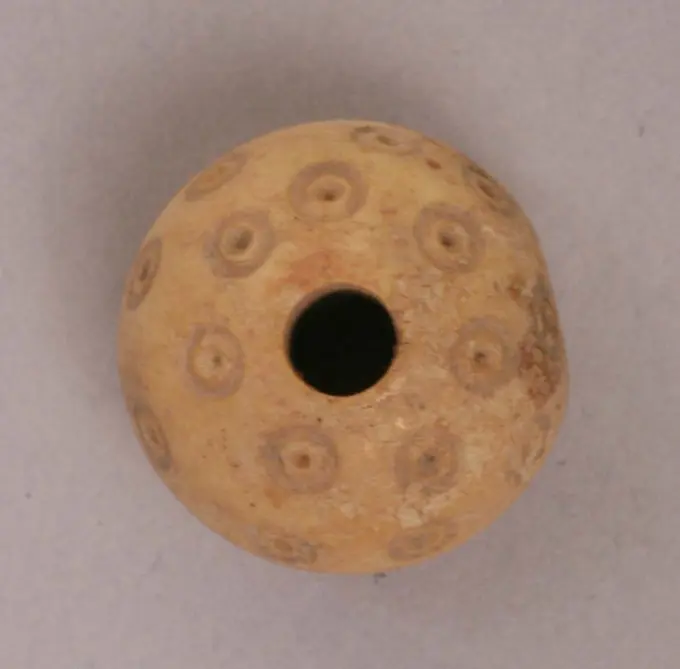
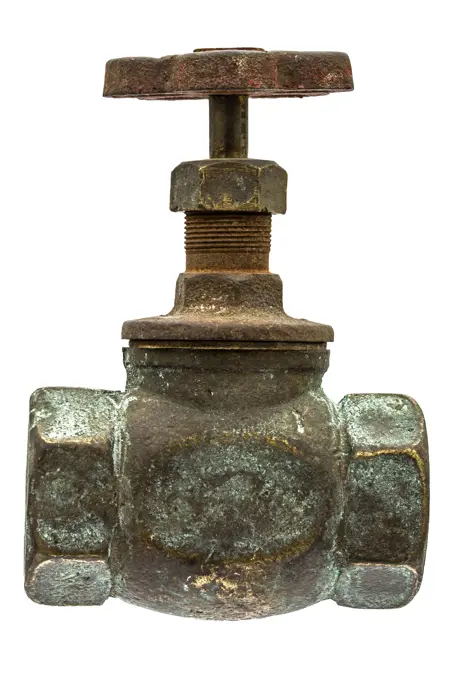
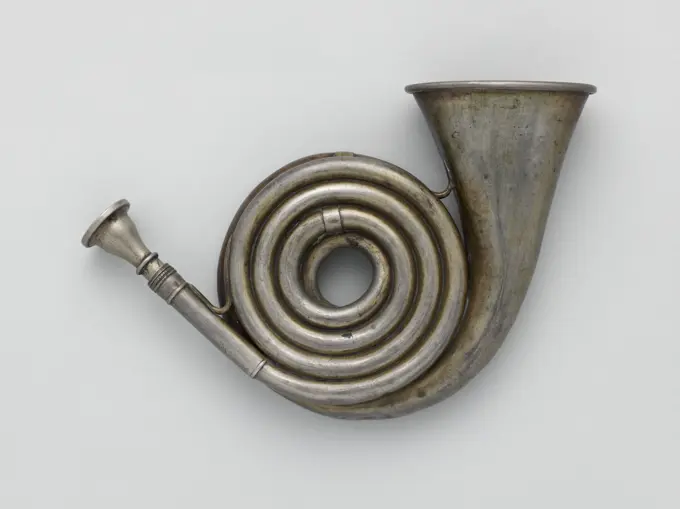
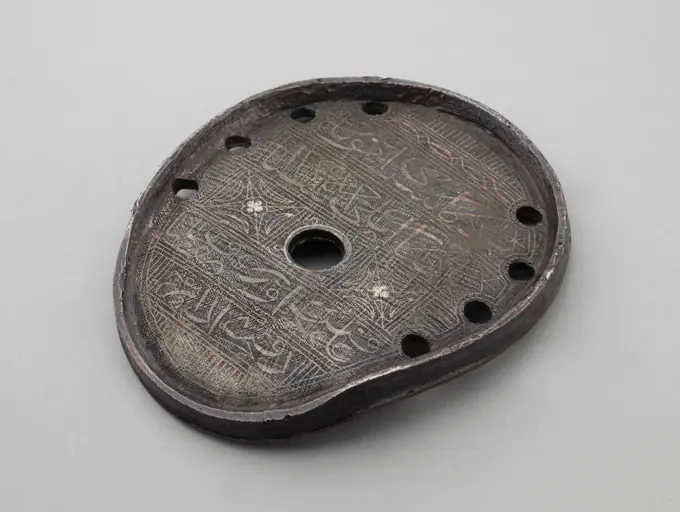
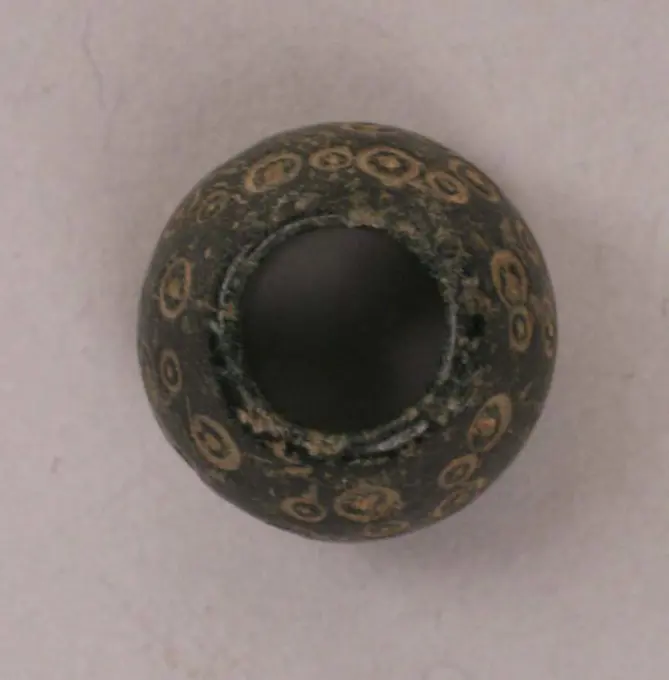
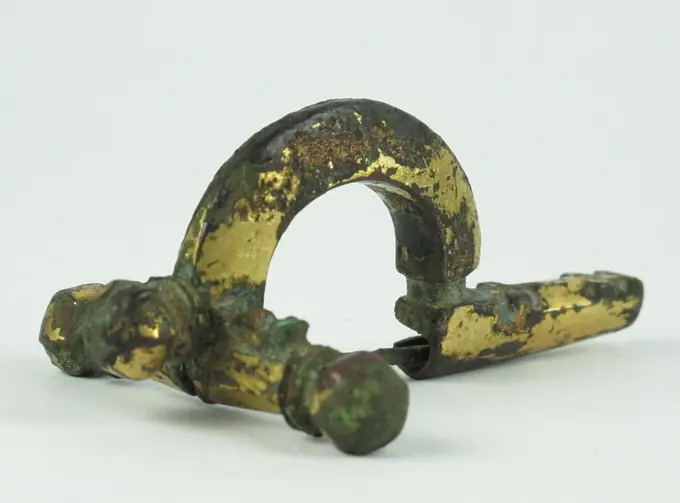
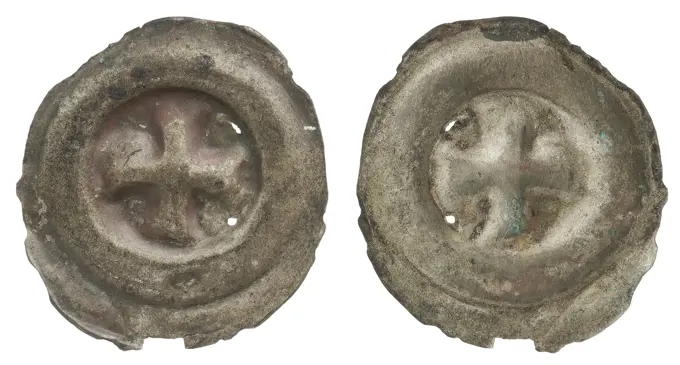
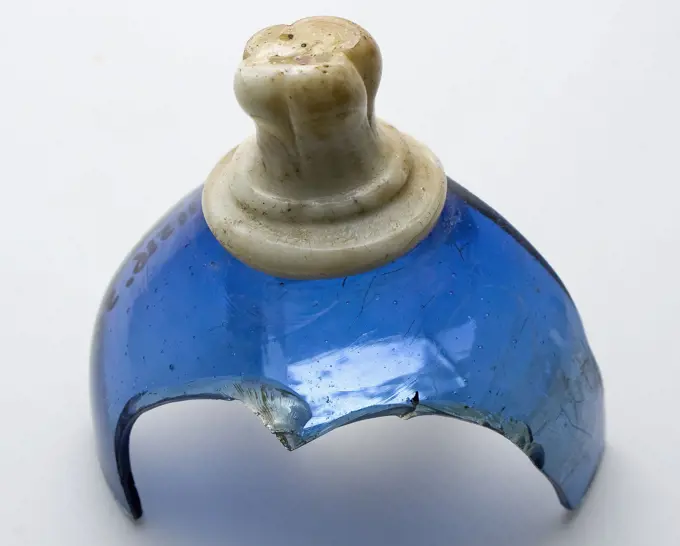
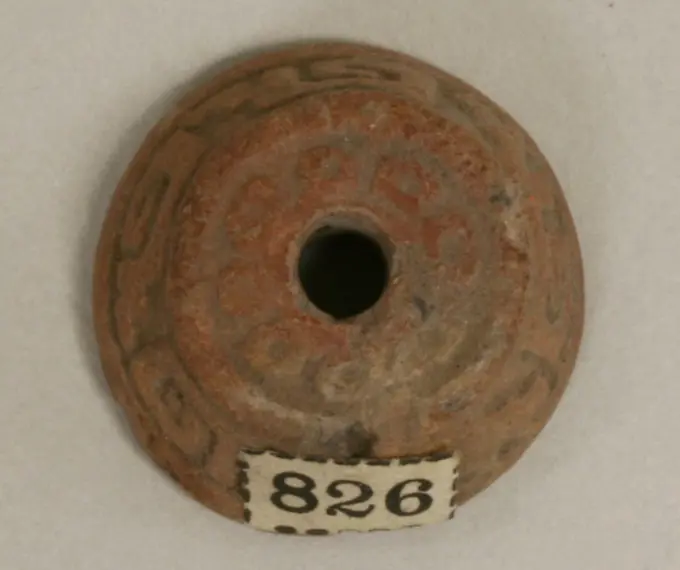
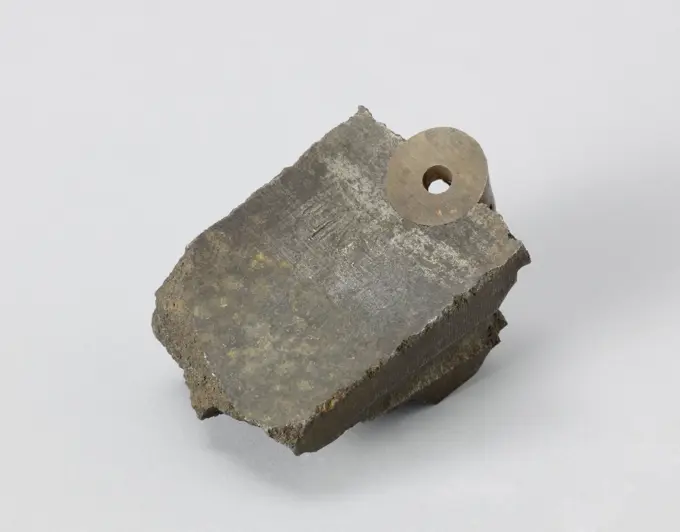
Copper Bush with Vent in Part of an Iron Gun, anonymous, c. 1860 - c. 1870 demonstration model Small part of the soul of a cannon, sawn and broken on different sides, to make the small, slightly conical copper bus visible, so that the Zundgat was drilled. Netherlands (possibly) iron (metal). copper (metal)Lead frame of screw cap, cap closure part ground find lead metal, edge 2.2 cast Pewter neck with slightly sloping edge. Above the neck is thread for fastening screw cap archeology Rotterdam City triangle Oostplein packing transporting close storage Soil discovery: Oostplein Rotterdam.Biconical Bead. Greek; Thessaly. Date: 800 BC-600 BC. Dimensions: 3.2 × 6.4 × 3.2 cm (1 1/4 × 2 1/2 × 1 1/4 in.). Bronze. Origin: Greece. Museum: The Chicago Art Institute, Chicago, USA. Author: ANCIENT GREEK.Two-piece bronze mold for lid of pot or jug, cast molding tool tools base metal bronze, cast turned Two-piece bronze mold for casting lid with thick ring on top and bottom top: 2834 59 Rotterdam tin casting tin tin Meeuws Druy craft Molds are from the originally 18th century Rotterdam tinnegieter J Druy. The large molds that were not signed or dated were the property of the tinker guild and were rented to the small tin caster.Vase fragment ca. 800-700 B.C. East Greek/Sardis, Lydian Basket pattern.. Vase fragment 252714 East Greek/Sardis, Lydian, Vase fragment, ca. 800700 B.C., Terracotta, Overall: 1 15/16 x 1 5/16in. (4.9 x 3.4cm). The Metropolitan Museum of Art, New York. Gift of The American Society for the Excavation of Sardis, 1926 (26.199.146)Dirck Messchaert II, Two-piece mold for plate, mold casting tool tools kit base metal bronze, and year 1737 Rotterdam tin tinker tin tin Meeuws Druy artisan Shapes are from the originally 18th century Rotterdam tinnegieter J Druy. The large molds that were not signed or dated were the property of the tinker guild and were rented to the small tin caster.Pottery ointment jar, faience with two constrictions, blue rings around the side wall, ointment jar holder soil found ceramic earthenware glaze tin glaze, hand turned baked glazed decorated baked Pottery ointment jar. Cylindrical model with two constrictions and ridge under the upper constriction. Pot is roughly shaped Yellow-orange shard entirely covered with tin-glaze except the bottom of the bottom Blue decor of rings across the sidewall Stand with traces of archaeology Rotterdam IJsselmonde health-care pottery packing ointment care medicine drug craft pharmacy Soil discovery: IJsselmonde Castle well 5 Rotterdam 1972.Stoneware spinklos with rings around belly, spinless tools kit soil find ceramic stoneware clay engobe, hand turned baked Gray Stoneware spinklos with conical hole through the middle and rings or grooves along the belly archeology Heenvliet Bernisse indigenous pottery import spinning textile processing wool wool edit clothing Soil discovery: Heenvliet Branderf ditch filling. Found 1971-06-21.Chess Piece, Pawn 8th-11th century. Chess Piece, Pawn 452359Kandelaar, vijfdelig.Candlestick, fifty-free with wide range of circular base decorated with two egg lists. The candlestick has a baluster-shaped shaft or strain with disk-shaped knot and a concave fat scale with egg list. The shaft is baluster-shaped and the candle holder cylindrical with two round leak holes and on top of egg list. The casting seams are visible over the egg lists.Wooden object from V.O.C. ship De 'Witte Leeuw', Before 1613 object Wooden object. Possibly button rod button. Consisting of a tapered part and a sphere with a button and a ball, connected by a ring, everything from one piece of wood turned. A hole on the bottom and a hole in the sphere.  wood (plant material)   Sint-HelenaBronze pilos (helmet of conical shape). Culture: Greek. Dimensions: 8 1/16in. (20.5cm). Date: 5th century B.C. or later.The type of helmet known as a pilos is derived from a felt cap of similar shape, often included in depictions of herdsmen and others who worked outdoors. Museum: Metropolitan Museum of Art, New York, USA.Copper stopper with handle in the form of stylized open crown, stop closure part soil find bronze metal, cast sawn Mottled black with yellow-metal stop Conical pin with borehole Handle in the shape of stylized crown with three legs archeology tap tap holder component barrel beer wineTin plate, small size, marked, plate crockery holder soil find tin metal, cast Small pewter plate Flat mirror in the middle circle Flat flag. Vague mark on the flag Unclear brand of crowned Tudorroos archeology Rotterdam food table Soil discovery: Rotterdam.Bottle with Lotus Pond first half of the 12th century Korea. Bottle with Lotus Pond 42266Cauldron 9th century The carving of utensils and other objects from soft stones is an extremely ancient art in the Near East. Steatite and other related talcs (the English word is of Persian origin) are easy to carve, relatively strong and non-brittle and are impervious to fire. Many of medieval Nishapur's stone utensils were, despite a lowly material and a utilitarian function, of very high artistic merit. They often have powerfully sculptural forms, and their silhouettes, from various angles, take the form of beautiful two-dimensional patterns. Some pieces were at least partially colored with pigment.. Cauldron. 9th century. Steatite; carved. Probably from Iran, Nishapur. StoneShigaraki Ware Mizusashi (Tea Ceremony Fresh Water Jar) Shigaraki Ware Mizusashi (Tea Ceremony Fresh Water Jar), ca. 1620. Buff stoneware with ash glaze, lacquer lid; Shigaraki ware, 6 x 6 1/2 in. (15.2 x 16.5 cm).  Whereas most potters take care to filter rocks out of their clay, the potters of the Shigaraki region understand that the texture created by rocky bits of quartz and feldspar adds tactile and visual interest to their wares. The artisans add only minimal glaze, letting the surface retain its graininess. Shigaraki, east of Kyōto, has been a kiln site for centuries, originally making utilitarian pieces such as storage jars and mortars. When the tea ceremony gained popularity in the sixteenth century, Shigaraki ceramicists were quick to adapt to the tea masters demands for rustic but engaging vessels, such as this deceptively simple water jar. Asian Art ca. 1620Spindle Whorl, 700s - 900s. Iran, early Islamic period, 8th - 10th century. Bone, incised; overall: 0.6 x 1.8 x 1.8 cm (1/4 x 11/16 x 11/16 in.).Vase fragment Greek, Laconian. Vase fragment 251293 Greek, Laconian, Vase fragment, Terracotta, 3 1/16 x 2 3/8in. (7.7 x 6cm). The Metropolitan Museum of Art, New York. Gift of A. J. B. Wace, 1923 (23.119.17)Upper Right Arm Defense (Vambrace) and Elbow Defense (Couter) ca. 1450-60 Italian, Milan This is part of a large find of medieval armor discovered in 1840 in the ruins of the fortress of Chalcis, on the Greek island of Euboea (then a Venetian colony called Negroponte). The fortress had been captured and destroyed by the Turks in 1470. Now divided largely between the Ethnological Museum, Athens, and The Metropolitan Museum of Art, the Chalcis hoard contains many rare and unusual elements of fourteenth- and fifteenth-century armor. Of particular importance are the variety of headpieces and the many fragments of brigandines (armor for the torso constructed of small plates riveted to layers of fabric), some of which retain portions of their original velvet covering. The Chalcis armor provides a unique picture of the armament used in the Aegean, one of the easternmost military outposts of the Venetian empire.. Upper Right Arm Defense (Vambrace) and Elbow Defense (Couter) 35849Vessel (). Culture: Edo peoples. Dimensions: Height 2-5/8 in.. Date: 16th-19th century. Museum: Metropolitan Museum of Art, New York, USA.Terracotta oil lamp. Culture: Roman. Dimensions: Overall: 1 x 3 3/4 in. (2.5 x 9.5 cm). Date: late 5th-6th century A.D.. Museum: Metropolitan Museum of Art, New York, USA.Four-piece bronze mold for handle of 1 dl size, cast molding tool tools kit base metal bronze, cast Four-piece bronze mold for handle of 1 dl. jug or buddy top: 2834 249 Rotterdam tin tinker tin tin Meeuws Druy artisan Shapes are from the originally 18th century Rotterdam tinnegieter J Druy. The large molds that were not signed or dated were the property of the tinker guild and were rented to the small tin caster.Base of a Votive Stupa. Sri Lanka, late Anuradhapura period, 8th-9th century. Sculpture. Copper alloySilver loop. Import plan from countries whose products are not subject to France to the same regime as similar French productsTwo-piece bronze mold for screw cap of baby bottle, mold casting tool tools equipment base metal bronze, cast turned Two-piece bronze mold for pouring screw cap with narrow drinking opening for feeding bottle with on the outside top and bottom two rings as decoration top: 2834 27 Rotterdam tin tinker tin tin tableware drinking equipment Meeuws Druy craft Forms come from the originally 18th century Rotterdam tinnegieter J Druy. The large molds that were not signed or dated were the property of the tinker guild and were rented to the small tin caster.Loden bead, spindle or line reinforcement, fishing lead, bead tool kit foundations lead metal, cast Not entirely round ball with hole in the middle Bead spinklos or line reinforcement Something oval of cross-section archeology Rotterdam Hillegersberg-Schiebroek Terwegge Stoopweg rail tunnel adorn fish fishing catch fishing spinning wool processing Soil discovery Rotterdam found on the Stoopweg in the dump the route of the rail tunnel.Lamp. UnknownARTE IRANI-JARRO DE BRONCE FUNDIDO. Location: MUSEO ARQUEOLOGICO NACIONAL-COLECCION. MADRID. SPAIN.Pendant. UnknownFragment of bottom, stand ring and smooth Beaker wall, drinking cup drinking utensil holder soil find glass, hand-blown glass application Fragment of bottom stand ring and very small part of wall of smooth Cup in clear very light green glass. Pontil mark under high raised soil (2.9 cm). Flat smooth glass wire as stand ring Some fragments of slightly bending upward wall archeology Rotterdam rail tunnel drink Soil discovery: rail tunnel Rotterdam.Stamp 8th-9th century. Stamp 442923Fragment of mechanical part from the crash of General Leclerc's plane. Aluminum, machined steel, 1939-1945. General Leclerc Museum of Hauteclocque and the Liberation of Paris, Jean Moulin Museum. 78984-31 War 1939-1945, War 39-45, Second World WarText cartouche in auricular style, anonymous, 1659  Central Fragment of Cartouche underright of cut and gilded Lindenhout. Netherlands linden. ink gildingFragment of smooth cup, goblet drinking glass drinking utensils tableware holder soil find glass h 4,6, free blown and formed glass application Fragment of bottom stand ring and part of wall of smooth beaker in clear colorless glass. Pontil mark under pointed (2.4 cm) bottom As stand ring applied around continuous convex glass wire of which about 3 cm is missing. Virtually vertical slippery wall (dm 5.5 cm) archeology Soil discovery: loose find collapses.Button or Bead or Spindle Whorl 8th-10th century The dot-in-circle motif recalls designs presumed to be of magical significance, most likely an abstract eye to ward off the evil-eye, which serves an apotropaic function. Easily reproduced with a tool and visible in many cultures and times, this symbol may have lost its meaning, and become simply a decorative pattern, or may have one that we have not yet discovered.. Button or Bead or Spindle Whorl 450051Dirck Messchaert II, Two-piece round bronze mold for plate, with, Rotterdam tin foundry tin pewter tin dinnerware food Meeuws Druy craft Forms come from the originally 18th century Rotterdam tinnegieter J Druy. The large molds that were not signed or dated were the property of the tinker guild and were rented to the small tin caster.Chinese bell. China, Western Han Dynasty, between the 2nd and the 1st century BC .. Bronze. Paris, Cernuschi museum. Chinese art, bestiary, bronze, bell, western han dynasty, extreme-corn, animalVessel 2494 BCE-2181 BCE Egypt. Calcite . Ancient EgyptianAndreas van Duyveland, Round two-piece bronze mold for bottom of jug with AVD 1765 with hand, mold casting tool tools equipment base metal bronze, cast Round two-piece bronze mold for bottom of jug. With pointing hand to AVD 1765. signed: AVD 1765 (Andreas van Duyveland) Rotterdam tin casting tin tin Meeuws Druy craft Shapes are from the originally 18th century Rotterdam tinnegieter J Druy. The large molds that were not signed or dated were the property of the tinker guild and were rented to the small tin caster.Anonymous. Imitation of a rifle ball, 1848 (obverse). Paris, Carnavalet museum. Medal, numismaticsThimble -Police Whistle, 1840, Made from pewter, possibly from Aston, Birmingham. May have been used during the Murphy Riots of 1867.Spindle Whorl 10th-early 16th century Mexican. Spindle Whorl 307694Button or Bead 9th-10th century. Button or Bead 450070Open Bracelet 300 B.C.-A.D. 400 Thailand. Open Bracelet. Thailand. 300 B.C.-A.D. 400. Bronze. Late period. JewelryKnife leftring from the wreck of the East Indiesman Hollandia. Knife-Handle, Ferrule; Broad Ring, Circular.Vase (liner), 1800s. Japan, Edo period (1615-1868) to Meiji period (1868-1912). Tin; overall: 19.7 x 9.8 cm (7 3/4 x 3 7/8 in.).Stone Bead before 16th century Mexican. Stone Bead 318654Bowl -Jar with Cover, 1100s. China, Henan province, Yuxian, Northern Song dynasty (960-1127) or Jin dynasty (1115-1234). Porcelaneous stoneware with blue glaze and splashes of purple, Jun ware; diameter: 12.1 cm (4 3/4 in.); overall: 9.5 cm (3 3/4 in.). The beauty of Jun ware lies in its spectacular glaze effects, which provide immediate visual appeal. The glaze that is thickly applied onto the heavily potted body also lends the vessel a sense of volume. As shown here, its glaze colors range from soft milky-blue to rose-purple. The purple suffusions are created by splashing or brushing copper-rich pigments onto the glaze before firing. The merging of purple splashes with opalescent blue glaze displays rich tonal variations, resembling purplish glows at sunset.Button or Bead or Spindle Whorl 9th-10th century This object was excavated at Nishapur.Nishapur was a vital city in the early and middle Islamic periods, located along one of the main trajectories that connected Iran and West Asia Islamic lands with Central Asia and China. These itineraries are often referred to by the term Silk routes’ but were in fact crucial to the movement of constellations of materials and objects, as well as people and ideas. The diverse population of Nishapur and its surroundings, from the better-researched elite groups of merchants, land-owning aristocracy, and literates, to the less-known artisans, farmers, miners, and servants, were instrumental in adapting global cultural trends to create their own distinctive visual languages. This is seen in the material remains of everyday life in medieval Nishapur - from pots and pans to lighting devices, inkwells, textiles and trimmings, jewelry, games and toys, talismanic devices, weapons, coins, and architectural fraLamp, North Africa (); 1st century; Terracotta; 2.8 x 8.5 x 12.4 cm (1 1,8 x 3 3,8 x 4 7,8 in.)Isenhut. Isenhut helmet, iron, black, made out of a plate. Helmet has a wide dependent valve. On the helmet bulb is a narrow edge in the longitudinal direction and walks out in a striker in the middle. At the base of the helmet globe a border is running around. The helmet is a soil find. On the valve a circular hole, this is probably a carrier hole.Cong. China. Date: 3000 BC-2000 BC. Dimensions: 7.5 × 7.1 × 7.1 cm (2 15/16 × 2 13/16 × 2 13/16 in.). Jade. Origin: China. Museum: The Chicago Art Institute, Chicago, USA.Batsu late 19th century Japanese. Batsu 501866Spindle Whorl, one of sixteen, 15th century, 1 1/4 x 1 1/2 in. (3.18 x 3.81 cm), Stone, Mexico, 15th centuryCharles Garjian, Pitch Pail, c 1940 Pitch PailButton or Bead 9th-10th century The dot-in-circle motif recalls designs presumed to be of magical significance, most likely an abstract eye to ward off the evil-eye, which serves an apotropaic function. Easily reproduced with a tool and visible in many cultures and times, this symbol may have lost its meaning, and become simply a decorative pattern, or may have one that we have not yet discovered.. Button or Bead 450072Cachet met portret Willem V, anonymous, c. 1750 - c. 1800 Cachet of copper with portrait of Willem V in Black Stone. Netherlands copper (metal). Cachet of copper with portrait of Willem V in Black Stone. Netherlands copper (metal).Clay pipe, marked, with smooth handle, clay pipe smoking equipment smoke floor foundry pottery, pressed finished baked Clay pipe marked with smooth handle. Heel mark. heel brand: Tudorroos archeology smoking tobaccoBreastplate ca. 1510 South German, Augsburg. Breastplate. South German, Augsburg. ca. 1510. Steel. Augsburg. Armor Parts-BreastplatesCylindrical Vessel(zhi)Fragment Tobacco Pipe, Gerrit Hollands/Hollander and widow Debora de Ruyter, 1750 - 1790 Fragment tobacco pipe with a crown and the letters g h l and n. Of the excavations on the Hofstede Arentsburg 1827-1831 under the supervision of Professor Reuvens. Schoonhoven pipe clay Fragment tobacco pipe with a crown and the letters g h l and n. Of the excavations on the Hofstede Arentsburg 1827-1831 under the supervision of Professor Reuvens. Schoonhoven pipe clayHollow Anklet with Flattened Ends 300 B.C.-A.D. 400 Thailand. Hollow Anklet with Flattened Ends 53362SnuffContainerFragment flat, earthenware baking pan with hollow handle, casserole dishes holder kitchen utensils earthenware ceramics earthenware glaze lead glaze, hand turned molded glazed baked Edge fragment of earthenware frying pan Angled upwards hollow handle. Red shard Internal glazed lead glaze. Oblique sidewall thick and round top edge archeology underground pit Rotterdam City center Stadsdriehoek Groenendaal indigenous earthenware baking frying food preparation kitchen Soil discovery: underground pit Groenendaal ± 4 meters - N..P - 1977.06.27.Copper molded thimble with groove at the top with waffle pattern, thimble sewing kit soil find copper metal, cast Copper molded thimble with square wells in lines the waffle pattern on the top and with wheel punch and groove transition to the shaft with blank board with two grooves archeology Rotterdam railway tunnel seamstress tailor sewing textile processing clothing needle and thread repair Soil discovery: railway tunnel Rotterdam.Wells ". Terracotta with green lead glaze. Han dynasty (206 BC-220 AD). Paris, Cernuschi museum. Chinese art, Chinese Ceramic, Han dynasty, Han time, well, terracottaFinger Ring. Culture: Frankish. Dimensions: Overall: 13/16 x 7/8 x 11/16 in. (2 x 2.3 x 1.7 cm)bezel: 11/16 x 1/8 in. (1.7 x 0.3 cm). Date: 500-550. Museum: Metropolitan Museum of Art, New York, USA.Two-piece bronze mold for screw cap, mold casting tool tools kit base metal bronze, cast Two-piece bronze mold for casting screw cap; nut with dense convex thin-walled top; function unknown on top: 2834 196 Rotterdam tin casting tin tin Meeuws Druy craft Shapes come from the originally 18th century Rotterdam tinnegieter J Druy. The large molds that were not signed or dated were the property of the tinker guild and were rented to the small tin caster.Key Handle 1st-2nd century Roman. Key Handle 462924Three vespiaries on dark groundSquare Obsidian Bowl before 16th century Mexican. Square Obsidian Bowl 317574Bliżej Kultury unknownBead China. Bead 43113Part of a Forearm Defense (Vambrace) ca. 1450-70 Italian This is part of a large find of medieval armor discovered in 1840 in the ruins of the fortress of Chalcis, on the Greek island of Euboea (then a Venetian colony called Negroponte). The fortress had been captured and destroyed by the Turks in 1470. Now divided largely between the Ethnological Museum, Athens, and The Metropolitan Museum of Art, the Chalcis hoard contains many rare and unusual elements of fourteenth- and fifteenth-century armor. Of particular importance are the variety of headpieces and the many fragments of brigandines (armor for the torso constructed of small plates riveted to layers of fabric), some of which retain portions of their original velvet covering. The Chalcis armor provides a unique picture of the armament used in the Aegean, one of the easternmost military outposts of the Venetian empire.. Part of a Forearm Defense (Vambrace) 23105Cast-iron mortar Cast-iron mortar with pestle over white Copyright: xZoonar.com/Lakhesisx 1969622Excerpts of a cardoSverkoker from the wreck of the East Indians Meresteijn, Anonymous, 1690 - 1702 cartridge canister Copper fragments of a cardoSper (powder pattern for a cannon). Two distorted pieces of copper. Fragment of a cartridge canister. Netherlands copper (metal)   Cape of Good HopeWooden object from v.O.C.-ship the 'white lion'. Wooden object. Possible button of curtain rod. Consisting of a tapered part and a sphere with a button and a ball, connected by a ring, everything from one piece. On the bottom a hole and in the sphere a hole.Nock of a bow Japan The Jmon period is the earliest period in Japanese history, lasting from roughly 14,000 to 300 BCE. This device, called a nock, would have held the string onto a bow, facilitating the use of the bow and arrow to hunt a wide variety of land animals which were key to the survival of the Jmon people’s hunter-gatherer society. Archaeological evidence indicates that the Jmon hunted over 60 species of mammal throughout the Japanese archipelago, including tanuki (Japanese raccoon dogs) and monkeys, both of which would likely be considered unpalatable in contemporary Japanese society.. Nock of a bow. Japan. Bone. Final Jmon period (ca. 1000-300 B.C.). BoneTobacco Pouch 18th century Japan. Tobacco Pouch 58512Button or Bead 9th-10th century This object was excavated at Nishapur.Nishapur was a vital city in the early and middle Islamic periods, located along one of the main trajectories that connected Iran and West Asia Islamic lands with Central Asia and China. These itineraries are often referred to by the term Silk routes’ but were in fact crucial to the movement of constellations of materials and objects, as well as people and ideas. The diverse population of Nishapur and its surroundings, from the better-researched elite groups of merchants, land-owning aristocracy, and literates, to the less-known artisans, farmers, miners, and servants, were instrumental in adapting global cultural trends to create their own distinctive visual languages. This is seen in the material remains of everyday life in medieval Nishapur - from pots and pans to lighting devices, inkwells, textiles and trimmings, jewelry, games and toys, talismanic devices, weapons, coins, and architectural fragments.Nishapur lPewter shoe buckle, oval with profiled perimeter, marked, buckle fastener component soil find tin metal, Rectangular oval bracket middle post with angel and bounce. Signature Logged in: N D in rectangular cartouche archeology Rotterdam rail tunnel confirm shoe Soil discovery: rail tunnel Rotterdam.Old water faucet, isolated on white background Old water faucet, isolated on white background Copyright: xZoonar.com/OleksandrxKostiuchenkox 8898043Pocket Post Horn in G ca. 1880 Giuseppe Pelitti Italian This horn is 5 ½ feet long, but its tightly coiled tubing and small, oval-shaped bell enabled it to be carried with ease in a pocket. This compact form of the horn was used for the "small hunt" of rabbits, squirrels and other small game pursued on foot.. Pocket Post Horn in G. Italian. ca. 1880. Nickel-silver. Milan, Italy. Aerophone-Lip Vibrated-hornCopper molded thimble with waffle pattern, thimble sewing kit soil find brass copper metal, cast Copper molded thimble with square wells in lines waffle pattern on the top and traversing with groove to the shaft with wheel punch and with blank board archeology seamstress tailor sewing textile edit clothing needle and thread repairBakje or NAP from V.O.C. ship De 'Witte Leeuw', Before 1613  Wooden container or NAP with stand ring from V.O.C. ship the 'Witte Leeuw'.  wood (plant material)   Sint-HelenaSaggers and Bowl Fragments: Jian ware, 960-1279. China, near Shui ch'i, Song dynasty (960-1279). Stoneware with "hare's fur" glaze; overall: 9.6 x 17.2 cm (3 3/4 x 6 3/4 in.).DonkeyshoeTibet: Singing Bowl.Meiping vase late 18th century China. Meiping vase. China. late 18th century. Porcelain with copper red glaze (Jingdezhen ware). Qing dynasty (1644-1911), Qianlong period (1736-95). CeramicsButton or Bead or Spindle Whorl 8th-10th century The dot-in-circle motif recalls designs presumed to be of magical significance, most likely an abstract eye to ward off the evil-eye, which serves an apotropaic function. Easily reproduced with a tool and visible in many cultures and times, this symbol may have lost its meaning, and become simply a decorative pattern, or may have one that we have not yet discovered.. Button or Bead or Spindle Whorl 450058Average diet warranty 1809-1819. Band decorated with squares adorned with a pearl in the Xcentre, 2 high and low midst patterns.Gilt bronze crossbow fibula. Culture: Roman. Dimensions: Other: 3 9/16 in. (9 cm). Date: 4th century A.D.. Museum: Metropolitan Museum of Art, New York, USA.Shoe buckles 1800 British. Shoe buckles. British. 1800. metalbracteate denarius. Zakon krzyżacki (1190-), issuerGlass eye bead. Glass eye bead. Glass. GlassFragment of glass bird cage basket or bird cage tray in clear blue and opaque white glass, trough container holder soil find glass, Fragment of bird cage trough or birdcage feeder in clear blue and opaque white glass Opaque white knob at bottom of chalice-shaped body in blue glass archeology Rotterdam railroad tunnel animal vogel archaeological find in the soil: rail tunnel Rotterdam.Spindle Whorl 10th-early 16th century Mexican. Spindle Whorl 307670