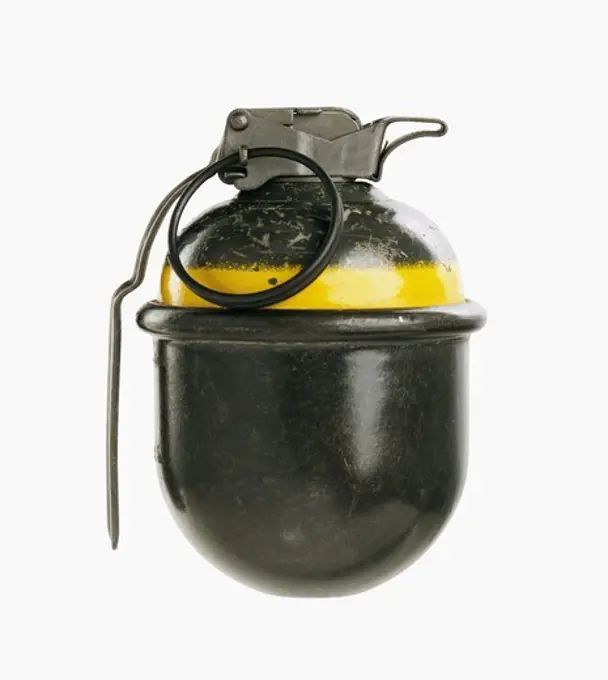
Metal Artifacts

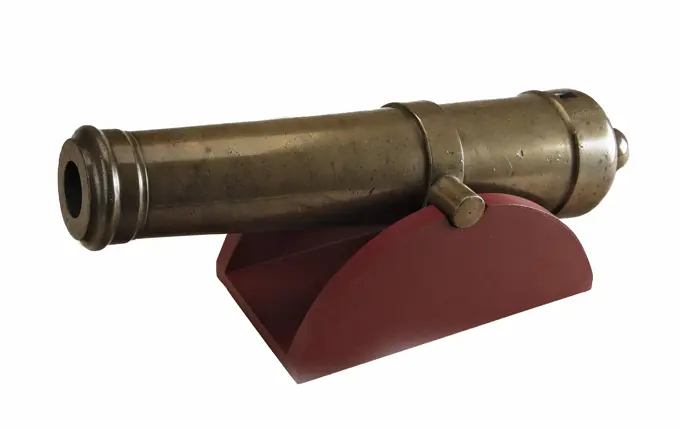
Detailed views of bronze and metal artifacts including a gun part, lead frame, and pottery pieces, showcasing ancient craftsmanship and archaeology.
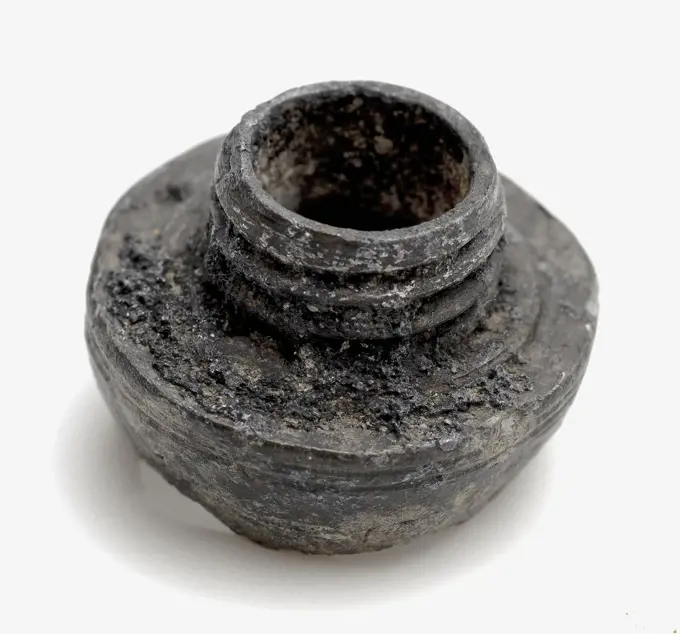
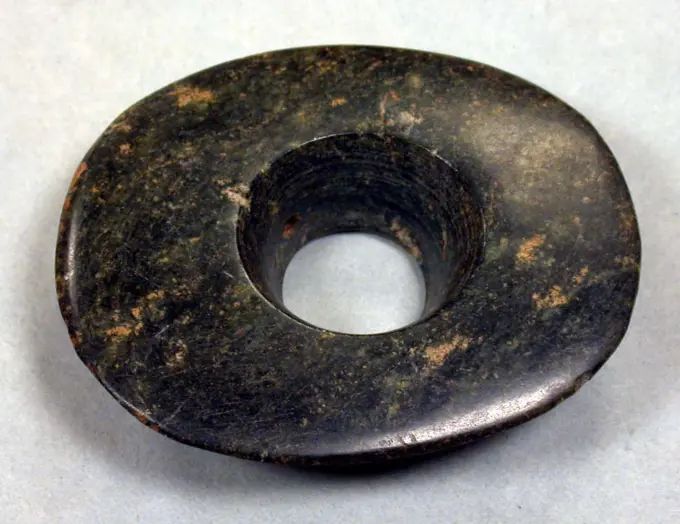
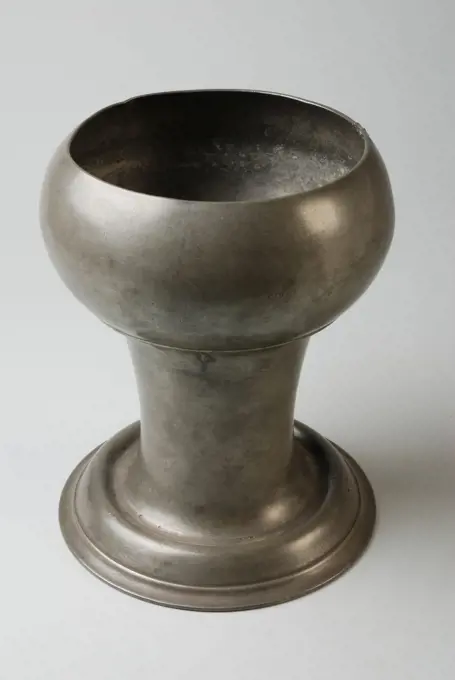
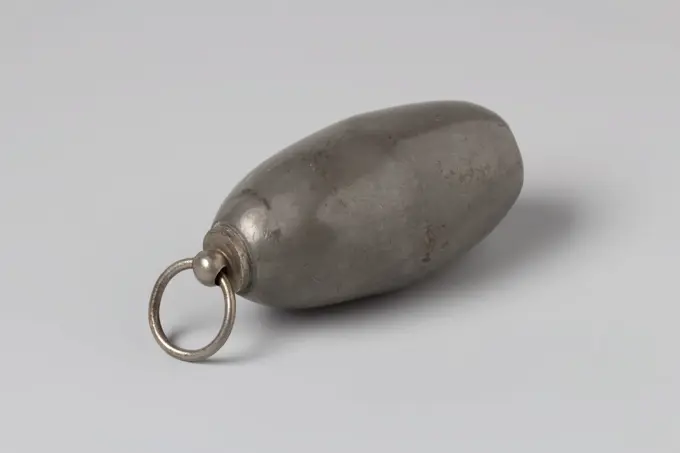
Lead frame of screw cap, cap closure part ground find lead metal, edge 2.2 cast Pewter neck with slightly sloping edge. Above the neck is thread for fastening screw cap archeology Rotterdam City triangle Oostplein packing transporting close storage Soil discovery: Oostplein Rotterdam.
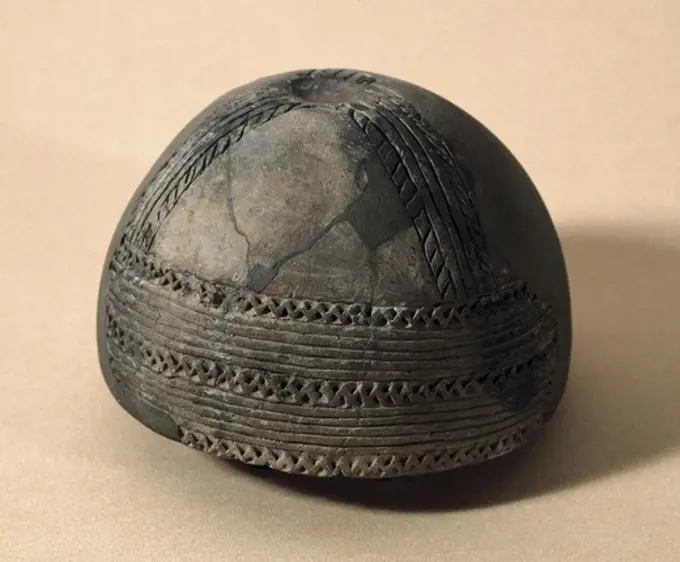
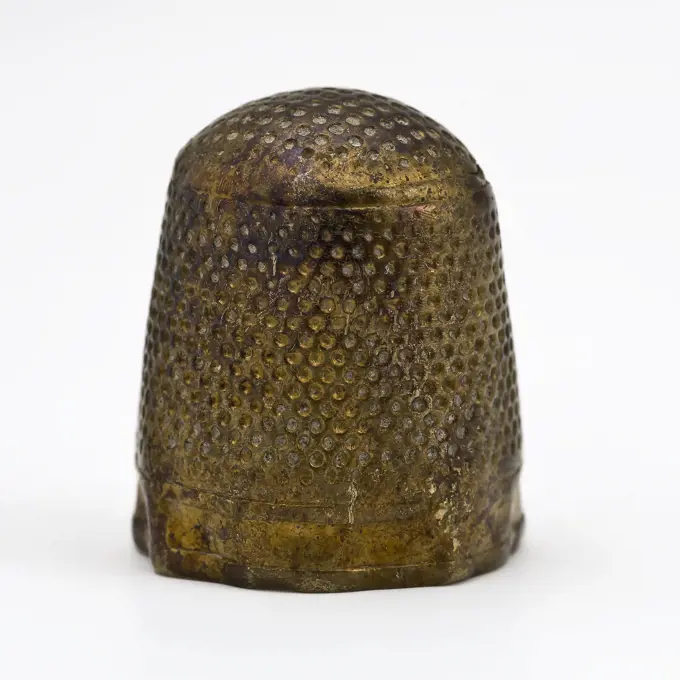
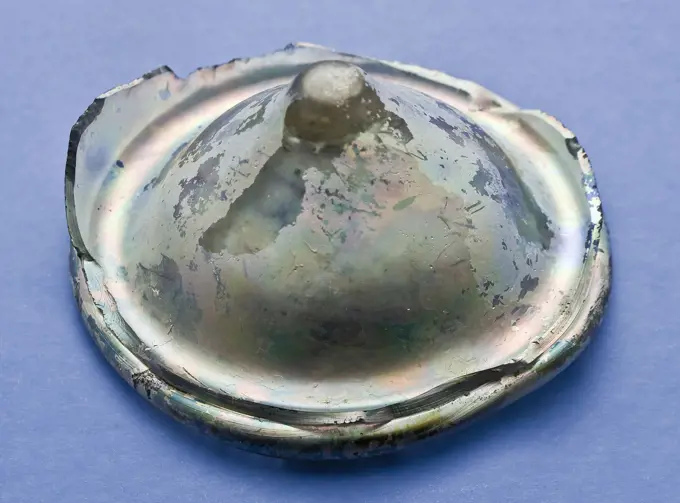
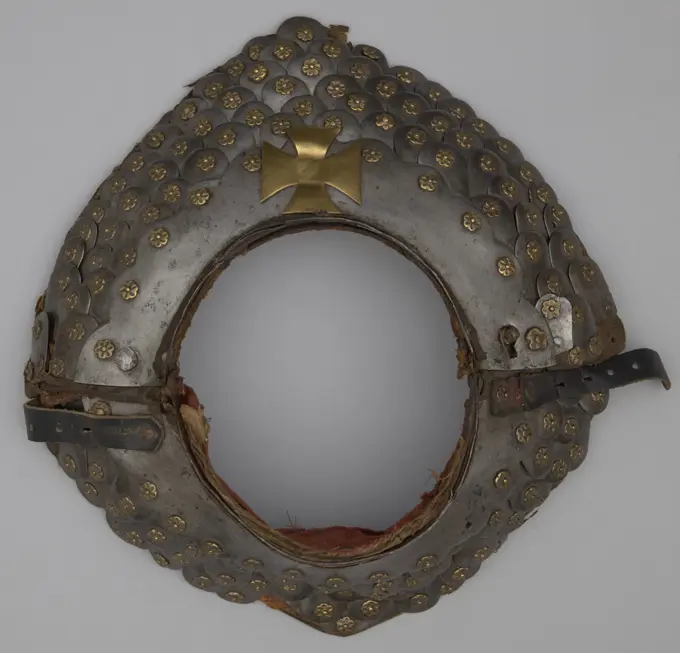
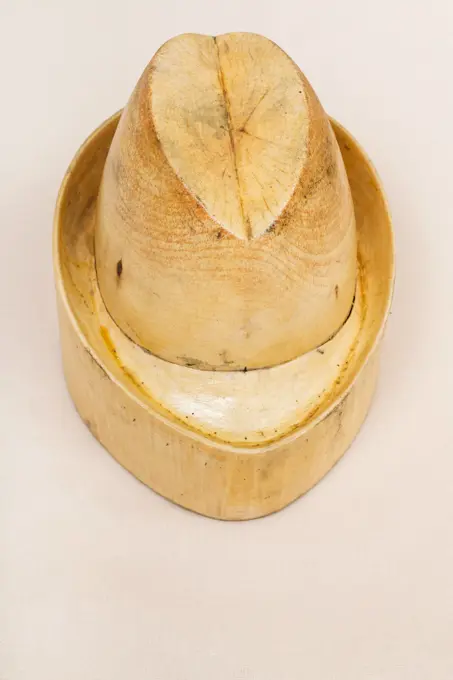
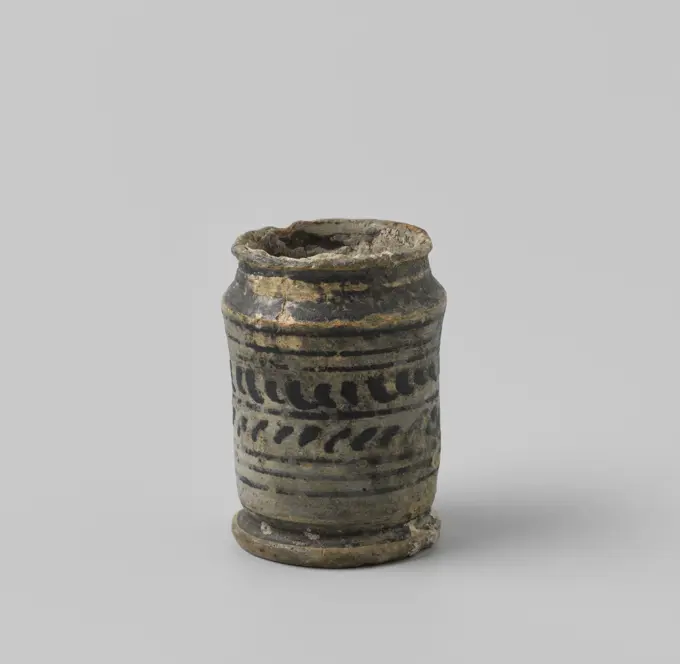
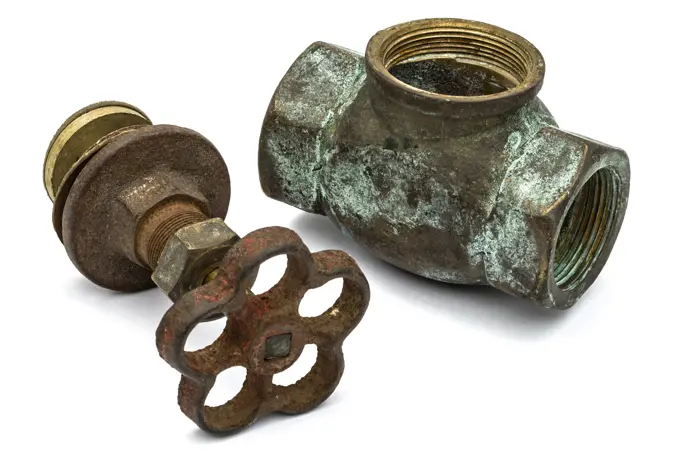
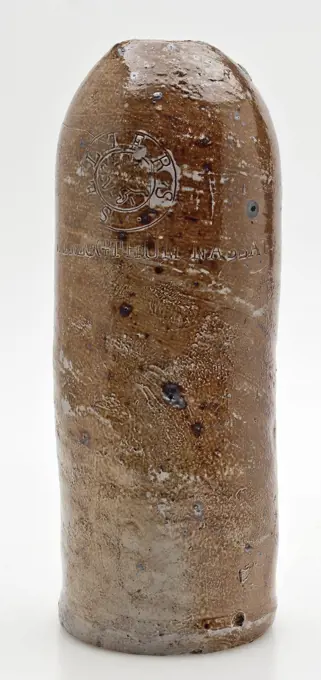
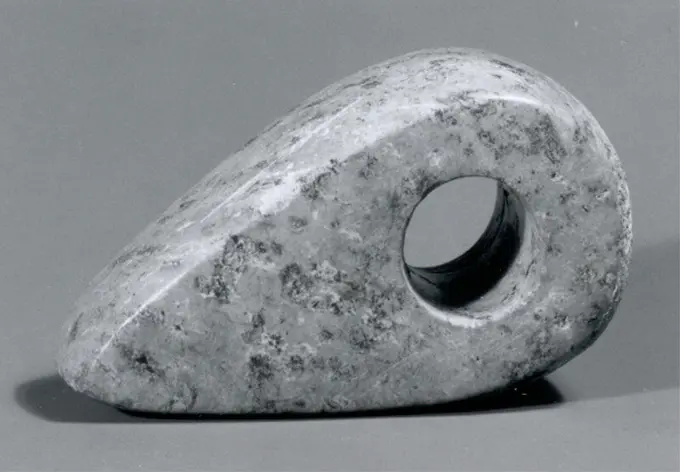
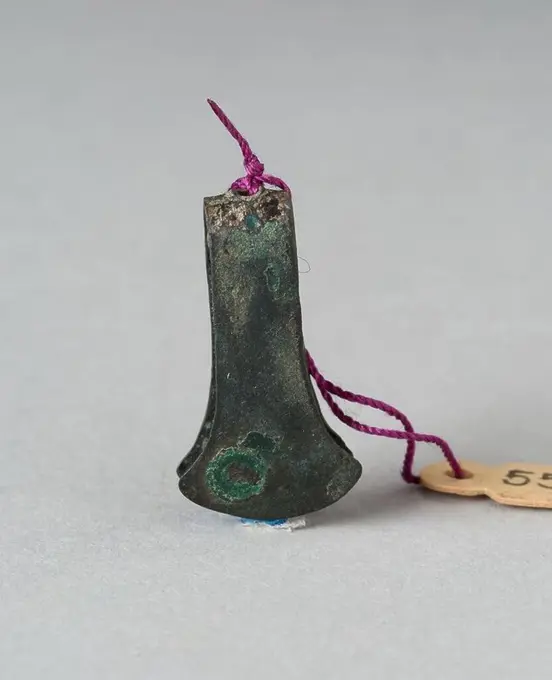
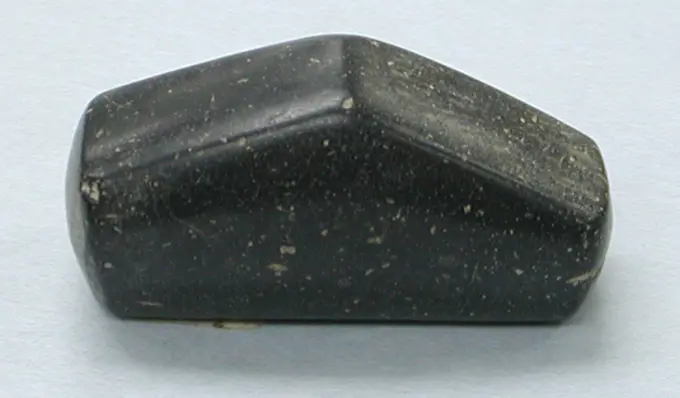
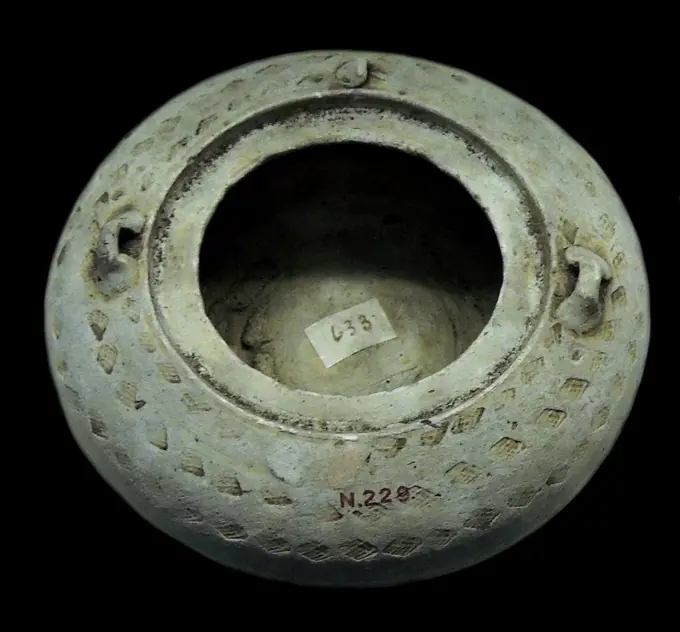
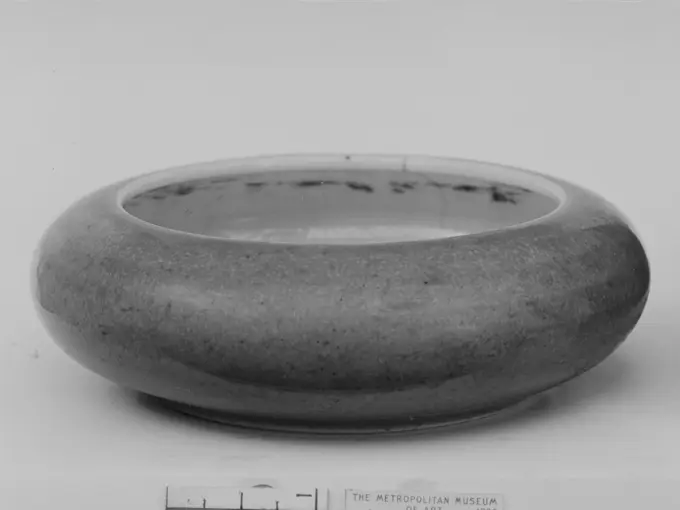
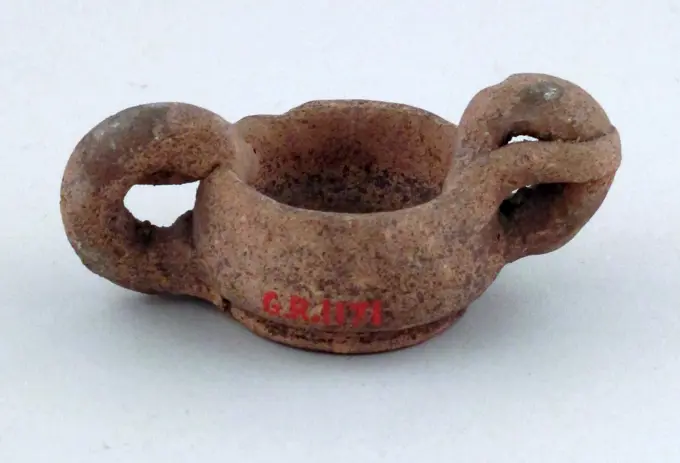
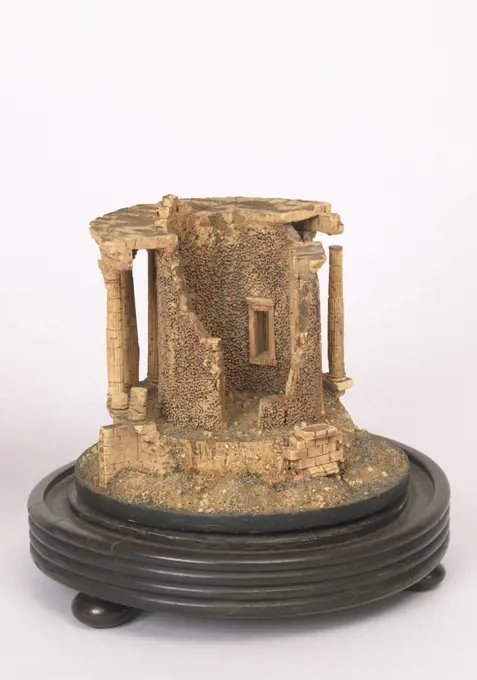
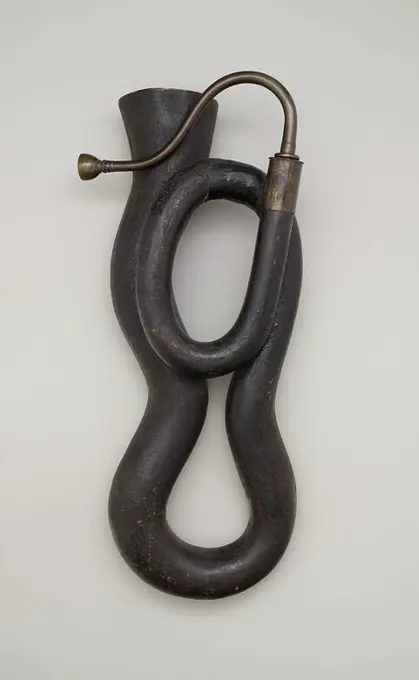
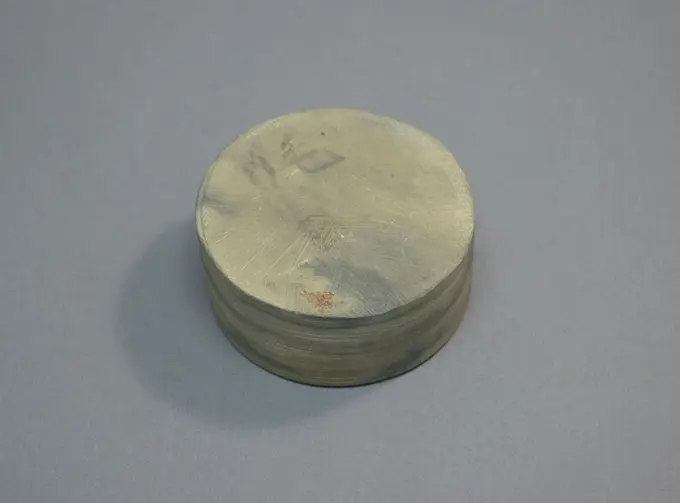
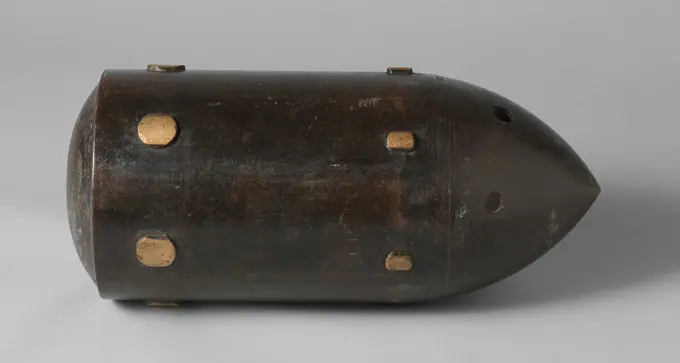
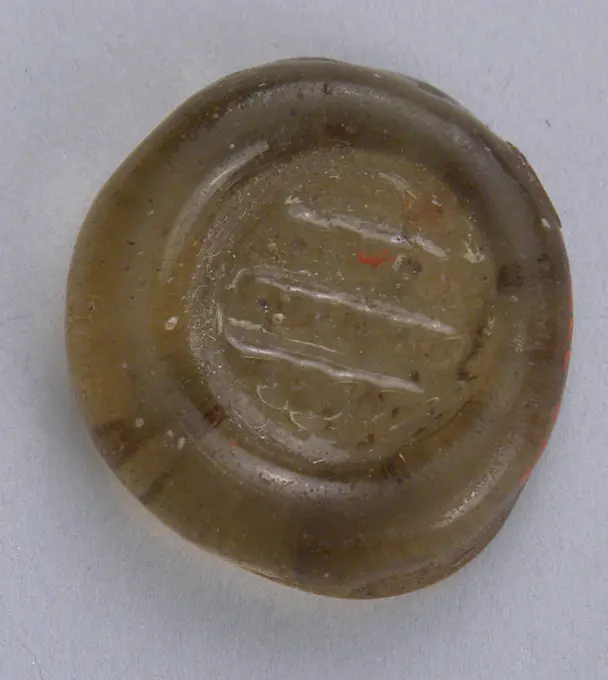
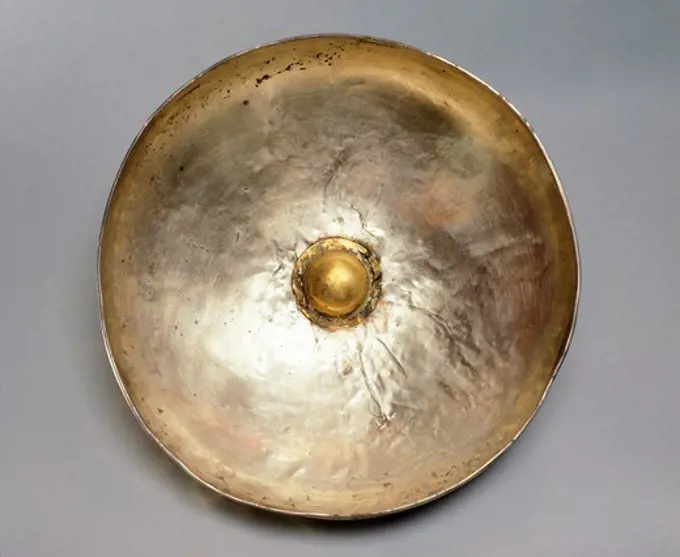
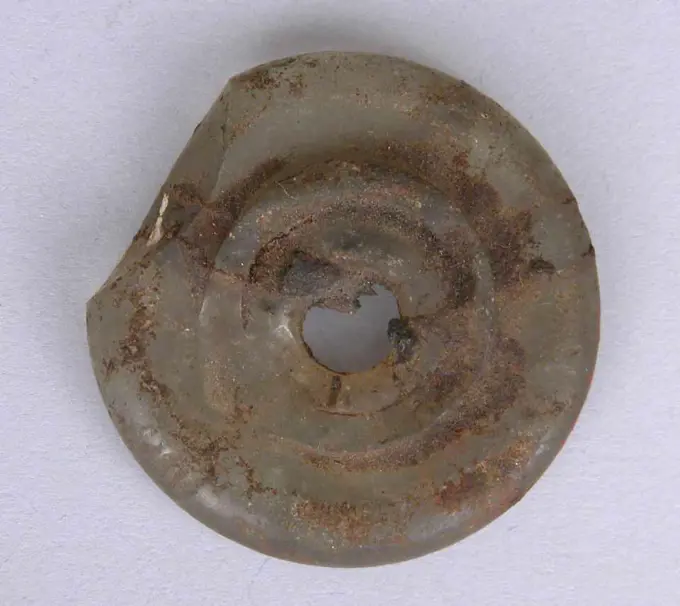
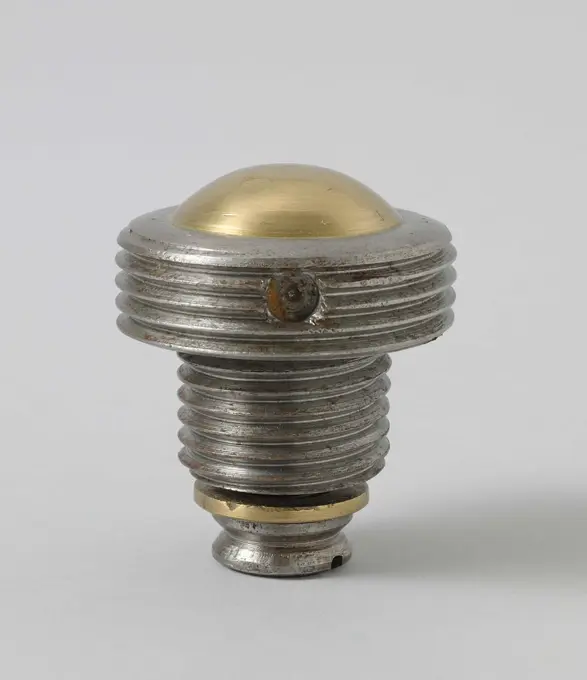
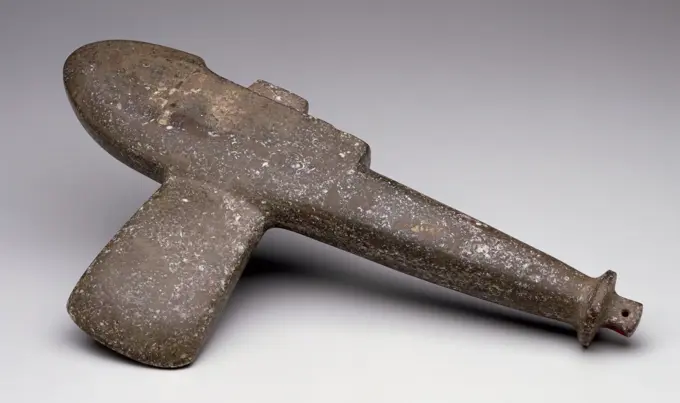
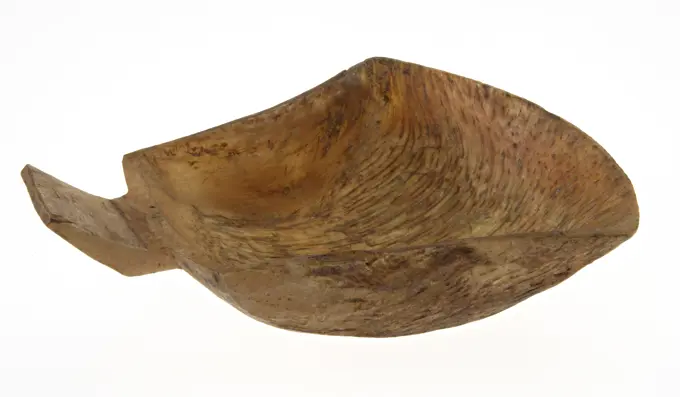
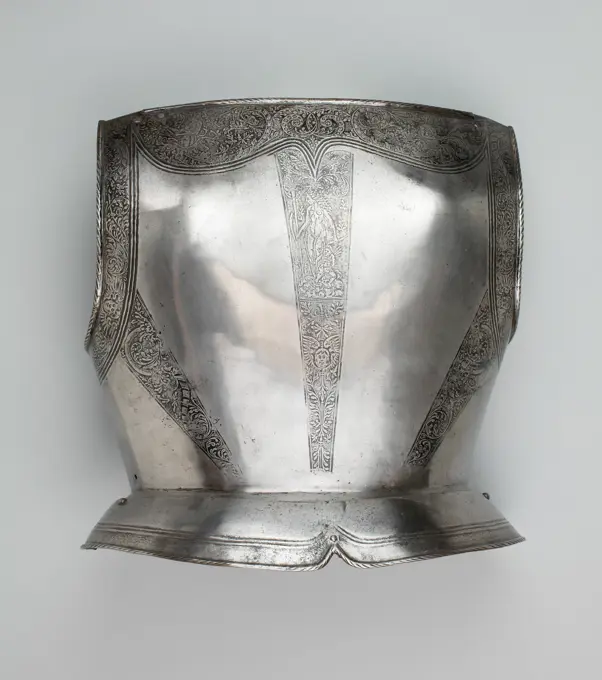
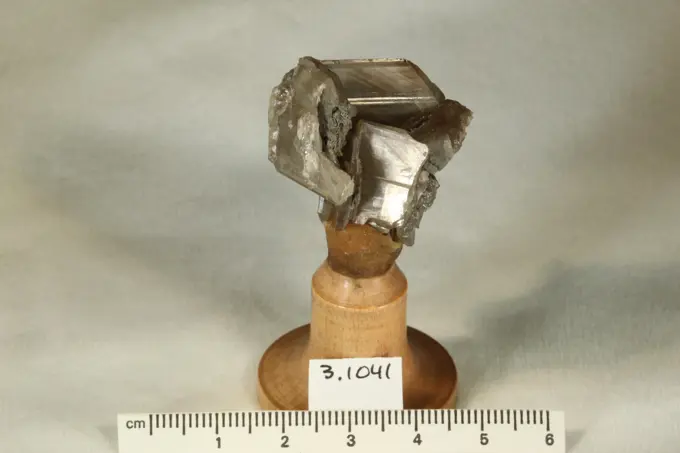
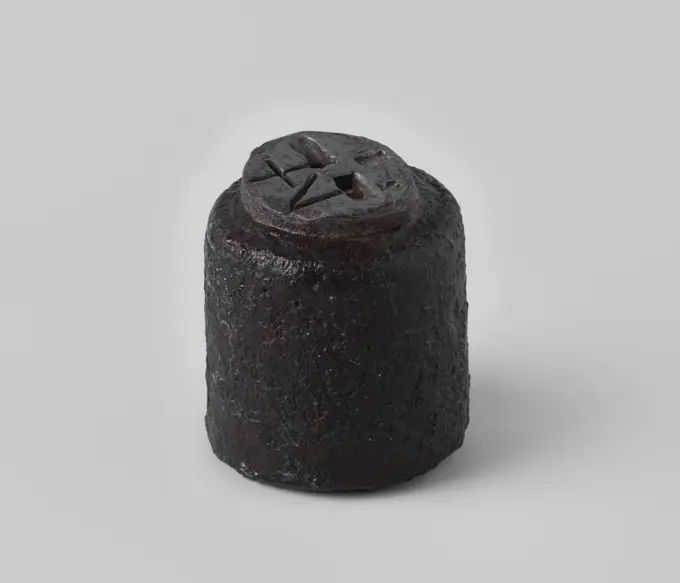
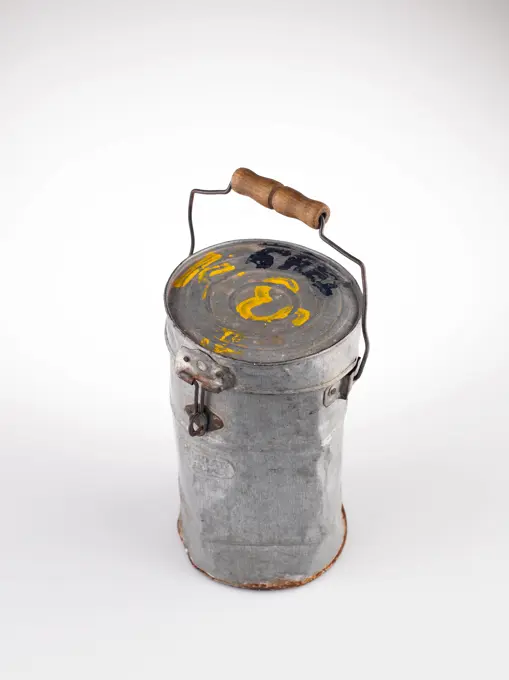
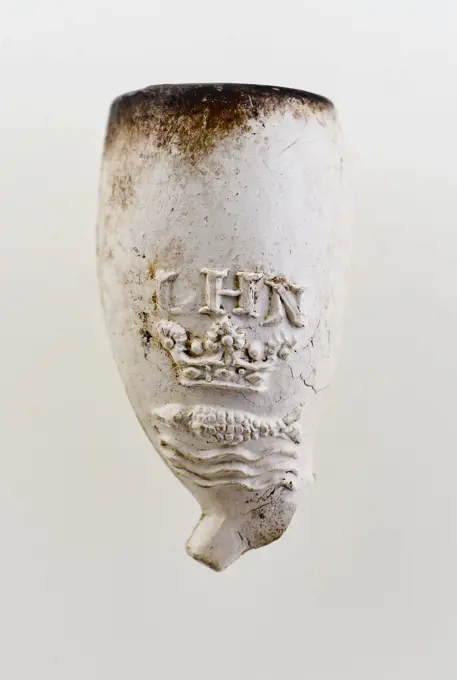
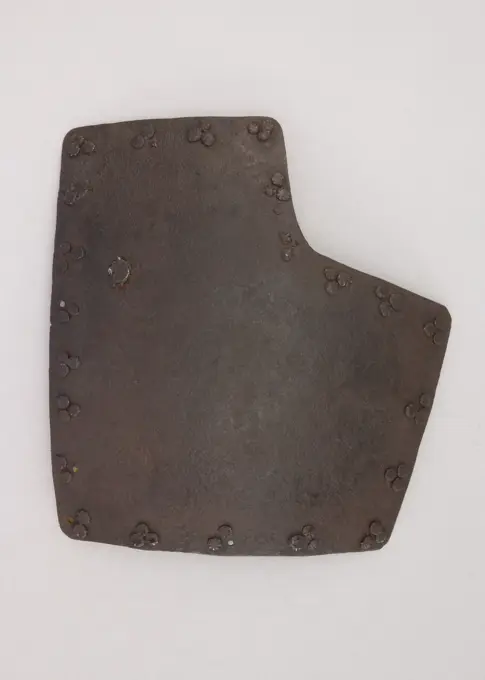
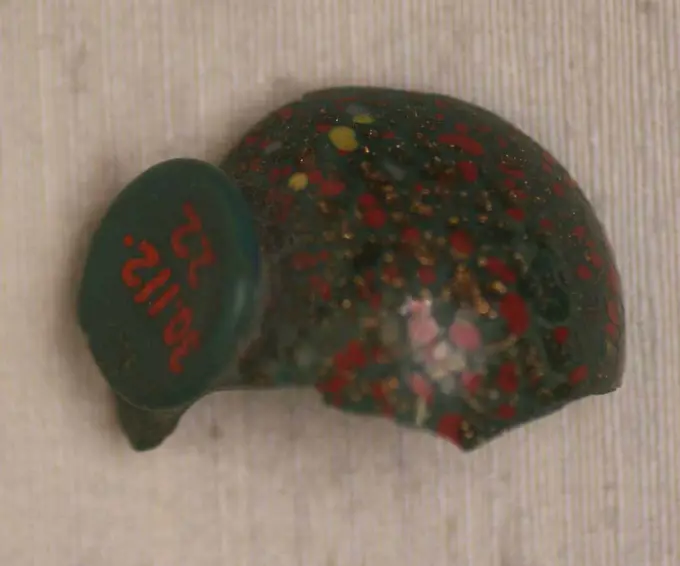
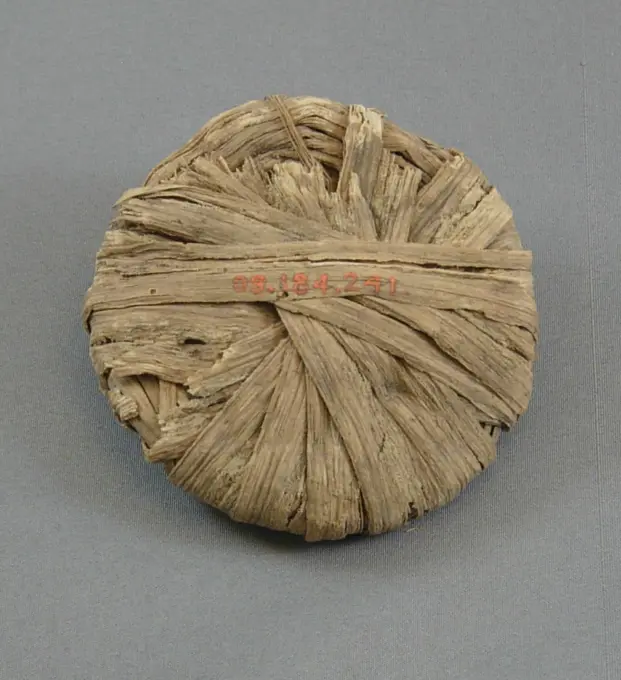
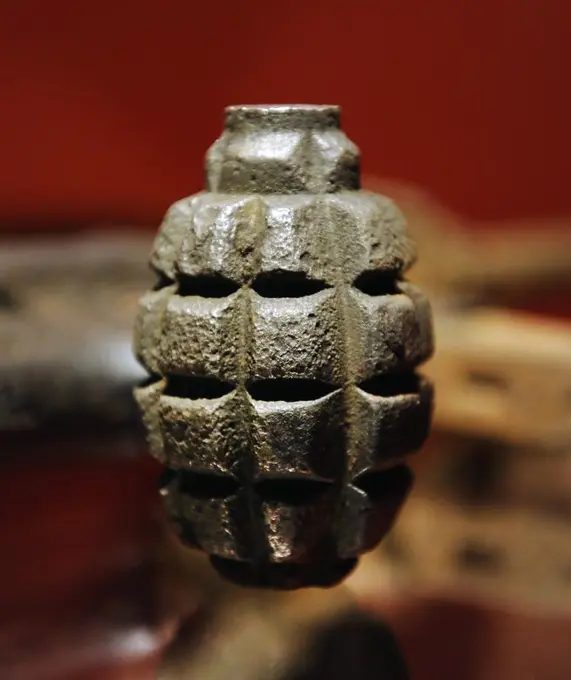
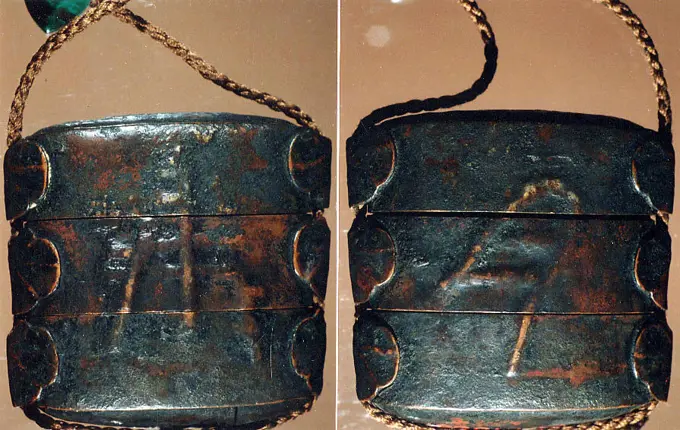
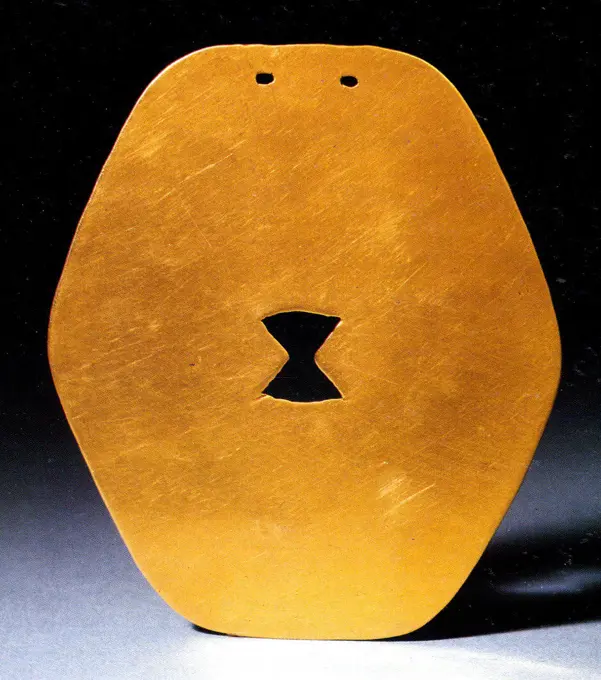
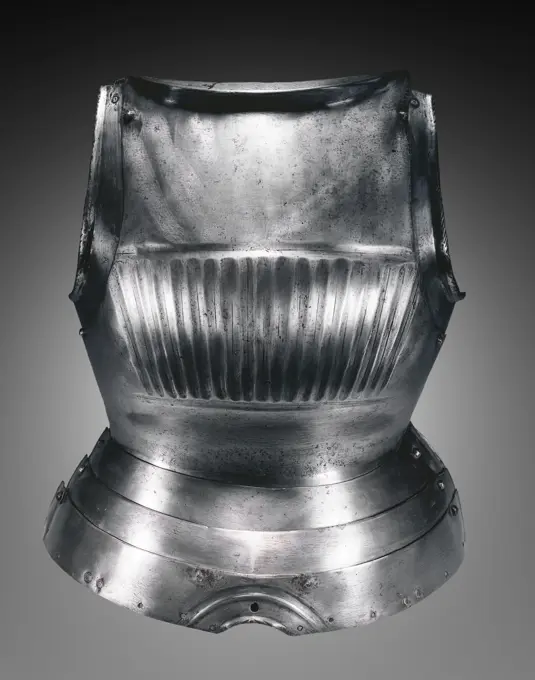
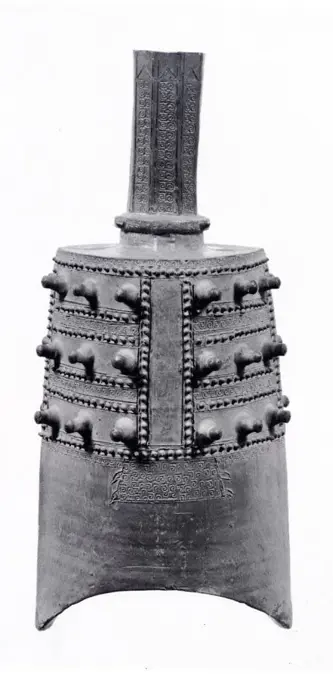
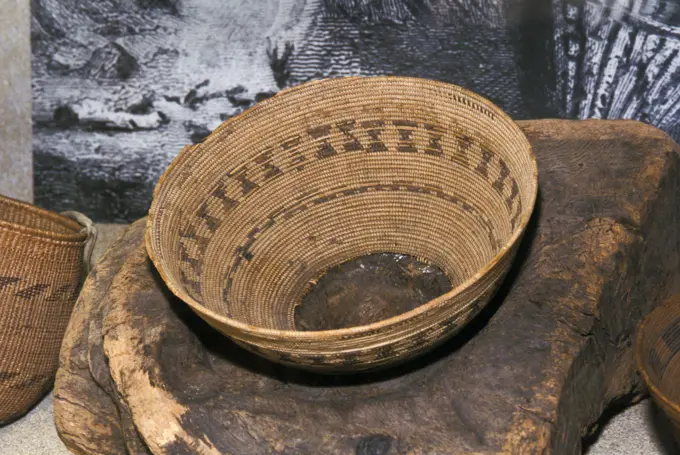
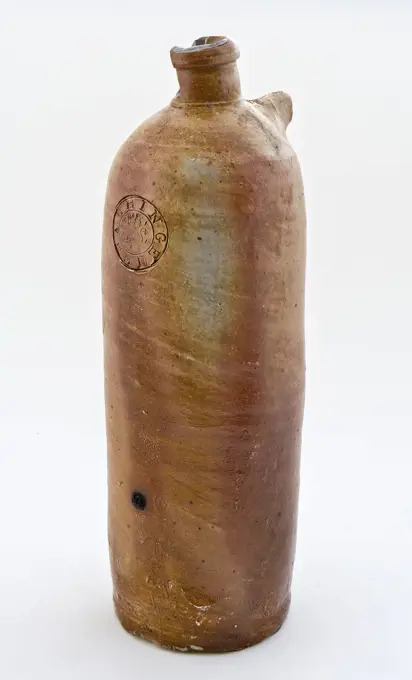
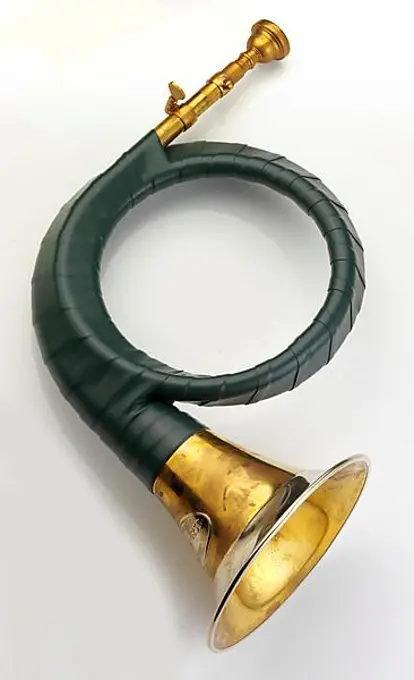
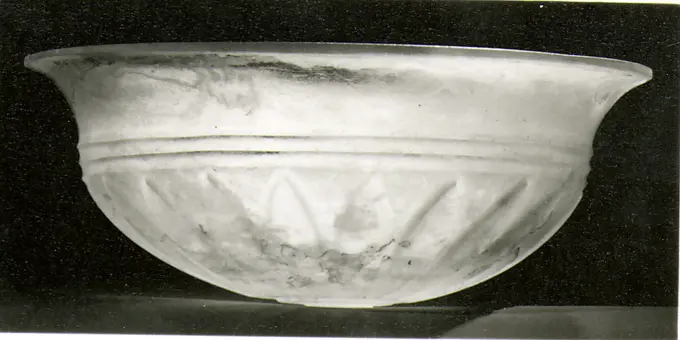
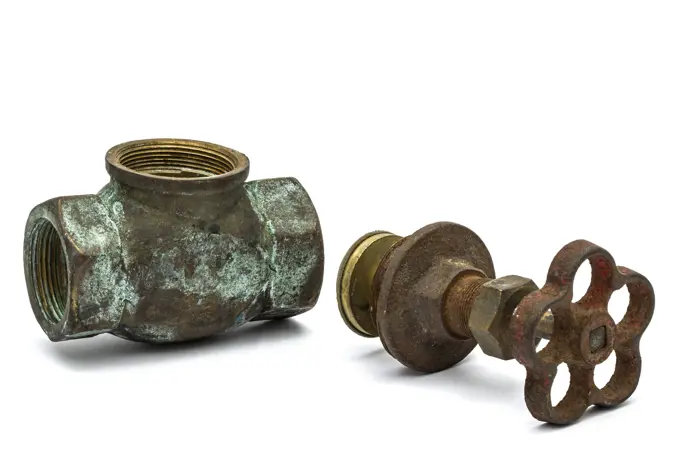
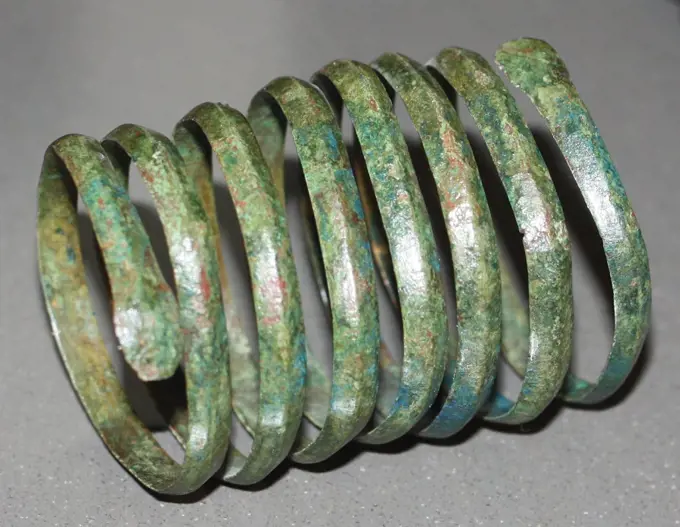
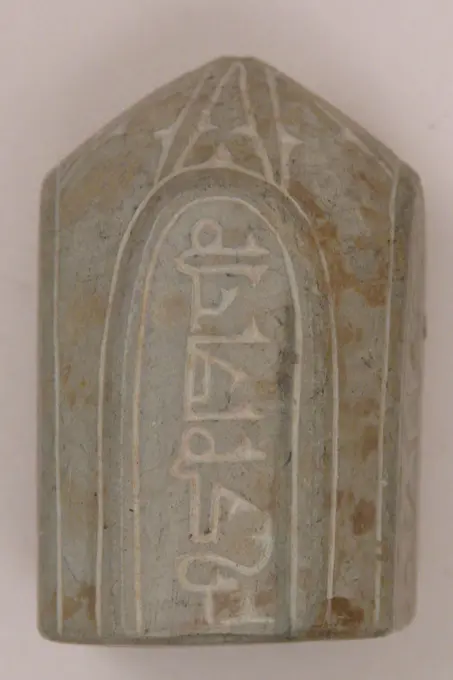
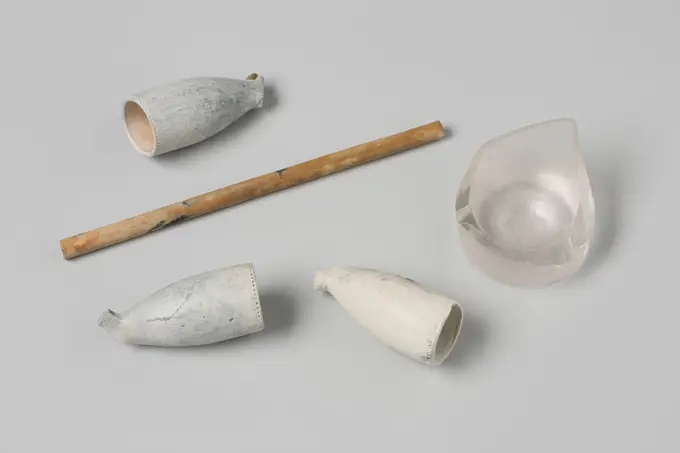
Earflare before 16th century Mexican. Earflare 317439Bell Shaped Vase from Cueva de Toralla. 2200 -1800 BC. Eneolithic. Ceramics. SPAIN. CATALONIA. BARCELONA. Barcelona. Archaeology Museum of Catalonia. Proc: SPAIN. CATALONIA. LLEIDA. La Pobla de Segur.Stool weight of 500 Ducaten Sack Sack, Jacob L'Admiral (II), c. 1700  Brass stool weight of 500 Ducaten Sonder Sack. Mass 1750 grams. Titled and marked. On the hull v.z.v. annual letters of which the first the Q of 1702 and the last the L of 1819. Amsterdam brass (alloy)   Amsterdambronze and handle of rod, cave of Santimamiñe, Kortezubi, Arkeologi Museoa, museum aqueologico, Bilbao, Bizkaia, Pais Vasco, Spain.Copper molded thimble with waffle pattern, thimble sewing kit soil find brass copper metal, cast Copper molded thimble with square wells in lines waffle pattern on the top and passing with groove to the shaft with wheel punch with two grooves on the board archeology seamstress tailor sewing textile edit clothing needle and thread repairFragment of soil, stand ring and part wall of drinking cup, goblet drinking glass drinking utensils tableware holder soil find glass, handblown glass application Fragment of bottom of stand ring and starter of wall of drinking cup in clear colorless glass. Pontil mark under pointed bottom (h 2.7 cm). As stand ring applied around smooth convex glass wire Various steps to wall light arching archeology Rotterdam rail tunnel drink Soil discovery: rail tunnel Rotterdam.Przeszo PrzyszociGame piece ca. 1981-1640 B.C. Middle Kingdom. Game piece. ca. 1981-1640 B.C.. Blue faience. Middle Kingdom. From Egypt, Memphite Region, Lisht North, Cemetery, MMA excavations, 1920-22. Dynasty 12-13Pitcher; unknown eastern workshop; II-III century AD (190-00-00-210-00-00);hat-block made for shaping of tyrolean hat workshop for alpine felt hat making - wooden hat-block made for shaping of tyrolean hat Copyright: xZoonar.com/ValeryxVoennyyx 8105235Sailor hat of trade fleet unknown labelFoot of a Vessel 4th century Coptic. Foot of a Vessel 479193Tube: Emblem of Earth China. Tube: Emblem of Earth 42827Ointmentpot from V.O.C. ship De 'Witte Leeuw', Before 1613  Ointmentpot from V.O.C. ship the 'Witte Leeuw', complete. The pot is cylinder -shaped, has a foot profile and has a constricted base and neck. The basis is roughly finished. The shard is gray. On the wall there are 2 rows with commoned reliefs enclosed by 3 tires in relief. Europe earthenware   Sint-HelenaDisassembled of old water faucet, isolated on white background Disassembled of old water faucet, isolated on white background Copyright: xZoonar.com/OleksandrxKostiuchenkox 8897959Stoneware mineral water pitcher, cylindrical with round shoulder, sausage ear and short neck, mineral water pitcher jar product packaging container soil find ceramic stoneware glaze salt glaze approx., hand turned glazed baked Stoneware mineral pitchers cylindrical with round shoulder short neck and sausage ear. Stand area with traces of deduction and soul. brown glazed. Marked under the ear and marked on the front with medallion and text. Chalkboard in medallion: SELTERS in the midfield leftwing claw lion archeology Rotterdam Kralingen-Crooswijk Struisenburg Oostmaaslaan Boslaan Buizengat advertising indigenous pottery import drinking water drinking medicine medicine packaging Soil discovery: Buizengat Oostmaaslaan Boslaan Rotterdam an old landfill of urban waste.Ear Spool 15th-early 16th century Aztec. Ear Spool 317401Axe head 3rd millennium B.C.. Axe head 325639Lazio Roma Grottaferrata Museo25. Hutzel, Max 1960-1990 German-born photographer and scholar Max Hutzel (1911-1988) photographed in Italy from the early 1960s until his death. The result of this project, referred to by Hutzel as Foto Arte Minore, is thorough documentation of art historical development in Italy up to the 18th century, including objects of the Etruscans and the Romans, as well as early Medieval, Romanesque, Gothic, Renaissance and Baroque monuments. Images are organized by geographic region in Italy, then by province, city, site complex and monument.Coin Weight 7th-9th century. Coin Weight. 7th-9th century. Glass. Attributed to Egypt. GlassTinsmith: Carel Isaak van Duyveland, Supper supper with cylindrical stem ending in spherical upper, liturgical cup liturgical vessel holder tin, molded Horizontal solder flat bottom with round ascending foot cylindrical stem ending in spherical upper part. Profile edges on the foot and between trunk and upper part underneath as brand: angel metal castor religion supper church Overschie protestantism adorn church eucharist religious ceremony ceremony Rotterdam Collection .O. from Kerkwijk.Half Model of a Jolly Boat, anonymous, c. 1780 - c. 1820 ship model. half model. builder's model Polychromed mold model (starboard) of a rowing boat. Flat mirror. De Zeeg rises to both ends. Peaked around. Netherlands wood (plant material)Celt-shaped Tweezers. Probably Chimú; North coast, Peru. Date: 1000-1400. Dimensions: W. 2 cm (3/4 in.). Copper alloy. Origin: Peru. Museum: The Chicago Art Institute, Chicago, USA.Gorget for Composite Boy's Armor for Foot Tournament at the Barriers Made 1580-1620 Augsburg. Steel, brass, and leather .Stone Pulidor before 16th century Mexican. Stone Pulidor. Mexican. before 16th century. Stone. Mexico, Mesoamerica. Stone-ImplementsFlat lugged bowl of hard dense pink earthenware with white slip, impressed lozenge decoration and slight traces of khaki glaze, probably from South China. circa 100 A.D.Tile with peonies in relief, celadon ceramic, from Kangjin, South Korea. Korean Civilisation, 12th century.Brush Washer ca. 1700-22 China. Brush Washer. China. ca. 1700-22. Porcelain with peachbloom glazes. Qing dynasty (1644-1911), Kangxi period (1662-1722). CeramicsSample of Iron with Galvanised Copper, Bernabé, c. 1866 - c. 1870 sample Solid iron rod covered with a layer of copper, which has turned on different places to demonstrate the purity and adhesiveness of the copper layer. Toulon iron (metal). copper (metal)Cup, miniature 3rd-2nd century B.C. Etruscan Yellow clay with two handles; no decoration.. Cup, miniature. Etruscan. 3rd-2nd century B.C.. Terracotta; achroma ware. Hellenistic. VasesFigure 13th-14th century. Figure 446150Castorium box -Temple of Vesta, Tivoli, Pressed, carved, and cut cork with wood base, depicting the temple in its semi-ruined state as visible in the 18th and early nineteenth centuries, showing the circular section building with columns ringing a central core, supporting an upper moulding, Rome or Naples, Italy, 1810-30, models and prototypes, Decorative Arts, Architectural Model, Architectural ModelSerpent in C. Culture: German. Dimensions: Length 67.1 cm, Length of tube ca. 197 cm without mouthpipe, Diameter of bell: oval 13.5 cm x 10.5 cm, Diameter of bore: 0.540 in. at mouthpiece socket, 0.875 in. mouthpiece socketFor complete measurements see departmental files.. Maker: W. Schmidt (German, active Mainz, early 19th century). Date: ca. 1805. Museum: Metropolitan Museum of Art, New York, USA.Incense container with oxcart-wheel motif, anonymous, 1700 - 1850 Round, flat incense box ( kōgō) of red earthenware with light milk -colored glaze, the lid with a relief decoration of a part of a wooden wheel of an ox cart. The underside marked with a stylized signature ( kaō).  raku earthenware. Japan earthenware. vitrification Round, flat incense box ( kōgō) of red earthenware with light milk -colored glaze, the lid with a relief decoration of a part of a wooden wheel of an ox cart. The underside marked with a stylized signature ( kaō).  raku earthenware. Japan earthenware. vitrificationEmpty wooden plate, knife, fork and cutting board Empty wooden plate, knife, fork and cutting board set on textured concrete background Copyright: xZoonar.com/TetianaxChernykovax 21413805Polishing wheel for jade. Culture: China. Dimensions: H. 1 1/4 in. (3.2 cm); Diam. 2 3/4 in. (7 cm). Date: 20th century.These wheels are made of soft materials and are used for polishing works of jade. They are first smeared with a paste made of fine abrasives and water, and then mounted on a spinning shaft driven by foot treadles. This setup frees both of the craftsman's hands to manipulate the jade. Museum: Metropolitan Museum of Art, New York, USA.23-cm Steel Shell.Pointed 23 cm of grenade. The grenade is 51.5 cm long and has a 226 mm caliber. It is made up of two parts, which are screwed together; For example, the grenade could be provided with its jumping charge. The grenade has two rings cams for a drawn loop with six towing fields, the bottom is globe. At the nose three shallow holes for the ammunition tap.Coin Weight second half 13th-14th century. Coin Weight 443187Bracelet 6th century or later. Bracelet 444942Umbilicate phiale in silver and gold from the Tomb of Vix in Burgundy, France. Greek civilization, 5th Century BC.Ring. Glass. Paris, Carnavalet museum. 51537-12 Ring, glassBrown earthenware lid with lying ear, glazed, lid closure soil found ceramic earthenware glaze lead glaze, hand turned set glazed baked lid red shard brown glaze one ear rings in the lower lid Low model with strong and lying sausage in the middle as handle Attachment ear with thumb impressions archeology Valckensteyn Poortugaal Albrandswaard indigenous pottery kitchen cooking nutrition food preparation close close Soil discovery: canal at kitchen castle Valckensteyn at Poortugaal now Albrandswaard 1961Pendant 3rd-12th century. Pendant 444851Leg with Shoe and Stocking Matchsafe; plated brass, leather; 5.6 x 2.6 x 1.4 cm (2 3/16 x 1 x 9/16 in. )Bourbon fuse. This type of detonator was screwed into round grenades to ensure they exploded at the appropriate moment. The purchase of this secret weapon’ by the Dutch government caused a parliamentary crisis in the Netherlands in 1849, due to its astronomical price. The device was sometimes referred to as the Bourbon fuse, because its inventor, Karl Wilhelm Naundorff, claimed to be Charles Louis de Bourbon, and heir to the French throne.Oval tobacco box with engraved monogram .C.D, 3-12-1860 on hinged lid, tobacco box holder copper brass, Oval round wall hinging lid inscription engraved on lid: .C.D. 18 3-12 60 tobacco snuff box to save smokingCeremonial Axe, 14th-16th century, 14 3/8 x 7 1/2 x 1 5/8 in. (36.5 x 19.1 x 4.1 cm), Limestone, United States, 14th-16th centuryIce strainer -Backplate with Associated Culet of One Lame 1550-1570 Northern Germany. Steel, etched .1 Schepel from Deventer. Chips and iron content sizes for dry goods with bridge and style of 1 Schepel, v.z.v. Stamps and labels.Cerussite. minerals. Europe; Germany; Rhineland-Palatinate; Rhein-Lahn-Kreis; Bad Ems, Frücht; Friedrichssegen mineOjime 19th century Japan. Ojime. Japan. 19th century. Edo period (1615-1868). OjimeStool weight from the wreck of the East Indies' t Vliegend Hart ,, 1725 - 1735  Cast iron and lead stool weight: Cylindrical block of metal with a collar of lead in which Ikk signs are applied on one side. The cast iron handles are missing. Netherlands lead (metal). cast ironCast ring with plain bezel A.D. 1st century Roman Period. Cast ring with plain bezel 547389Tiffin container on gray background Copyright: xVirenxDesai/DinodiaxPhotoxLeatherClay pipe with brand on boiler: IHN above crown, clay pipe smoking equipment smoke floor pottery ceramics pottery h 4,0, pressed finished baked Clay pipe with brand on kettle: IHN top crown including fish and wave lines Small heel mark on the kettle: crowned fish on corrugations above IHN archeology indigenous pottery smoking tobaccoLeft Breastplate from a Brigandine ca. 1450 Italian This is part of a large find of medieval armor discovered in 1840 in the ruins of the fortress of Chalcis, on the Greek island of Euboea (then a Venetian colony called Negroponte). The fortress had been captured and destroyed by the Turks in 1470. Now divided largely between the Ethnological Museum, Athens, and The Metropolitan Museum of Art, the Chalcis hoard contains many rare and unusual elements of fourteenth- and fifteenth-century armor. Of particular importance are the variety of headpieces and the many fragments of brigandines (armor for the torso constructed of small plates riveted to layers of fabric), some of which retain portions of their original velvet covering. The Chalcis armor provides a unique picture of the armament used in the Aegean, one of the easternmost military outposts of the Venetian empire.. Left Breastplate from a Brigandine 27686Fragment 11th century. Fragment 448516Belt. Stone. Taina culture (1000-1500 AD). Antilles. Museum of the Americas. Madrid, Spain. Papyrus Lid from Tutankhamun's Embalming Cache ca. 1336-1327 B.C. New Kingdom. Papyrus Lid from Tutankhamun's Embalming Cache. ca. 1336-1327 B.C.. Papyrus fiber. New Kingdom. From Egypt, Upper Egypt, Thebes, Valley of the Kings, Embalming Cache of Tutankhamun (KV 54), Davis/Ayrton excavations, 1907-08. Dynasty 18Hand Grenade used by the Latvian national partisans. Occupation Museum. Riga. Latvia.SZC 1491; Urbino; W³ochy; Patera ze scen¹ istoriato; po³. XVI w.; farby podszkliwne; fajans; 6,5x25 cmAltes Metall Wandwascgbecken in rot, weiss Farben *** Old Metal Wall-mounted washbasin in red, white Colours 1033902824Bronze disc from v.O.c.-ship the 'white lion'. Bronze round disc or wheel with a round hole and 6 spokes in the middle. Probably intended for the large cover case and the part of the East India de Witte Leeuw. With this heavy hoist, the large RA, to which the mainsail was attached, could be lifted or lowered.Metal button, brass ball with iron eye, knot clothing accessory clothing soil find copper brass iron metal, cast Metal knot brass sphere with iron loop at the back as eye archeology dress close adornWater Filter 10th-12th century. Water Filter 447441Mofruik or weight of lead, oval -shaped with a ring on one side, anonymous, c. 1885 - c. 1915 Mofruik or weight of lead, oval -shaped with an eye on one side, causing a ring. Netherlands (possibly) whole: Lead (metal) forging Mofruik or weight of lead, oval -shaped with an eye on one side, causing a ring. Netherlands (possibly) whole: Lead (metal) forgingStaurolite. minerals. North America; USA; Georgia; Fannin County; Early H Dye (Dey) field, Hardscrabble neighborhood, 9 miles E of Ducktown, TN, in hydromica schistCase (Inr) with Design of a Stylized Archaic Character in Relief Japan. Case (Inr) with Design of a Stylized Archaic Character in Relief. Japan. Lacquer, copper metal with dark patina, embossed relief, applied cord runners; Interior: black lacquer and metal. InrBell. golden and black bell  buttonCannon -Pipe bowl Malcz, Karol (1797 1867)Plaque 500 B.C.-A.D. 450 Condorhuasi Metalworkers hammered gold to make this plaque, which is part of the Condorhuasi tradition of Northwest Argentina. This tradition ranges from approximately 500 B.C. to A.D. 450. A person likely would have worn this plaque in burial. Objects like this one only may have been accessible to a few people. This is suggested by the emerging differences in materials with which people were buried at this time in Northwest Argentina. The plaque is approximately hexagonal, although it can be considered part of an assemblage usually referred to as "oval plaques" (see, for example, A. González 1992, 14). It displays a consistent thickness across its surface, and shows a very slight overall concavity, with the obverse side slightly raised. There are two elliptical holes at the top of the plaque. At the center, there is an hourglass-shaped area of metal that has been removed. Compared to the outer edges of the plaque, which are rounded and relatively smooth, the eBreastplate in the Maximilian Style, c.1510-30. Germany, Nuremberg(), early 16th century. Steel, brass rivets; overall: 48.3 x 40.3 x 16 cm (19 x 15 7/8 x 6 5/16 in.). Distinguished by its regularly fluted surfaces, armor in this style was popularized in South Germany during the early 1500s. The style is usually called "Maximilian," as it was introduced during the reign of Emperor Maximilian I (1493-1519). The style reflects male costume of the period and the shift to the new rounded forms of the Renaissance. Other examples of this armor style may be seen nearby.Bell Cardinal (Inscription: Glorie)  Zygmuntów Tower, Wawel Cathedral, Krakow B KOWSKI, J.Model of a bell (Yong Zhong) 5th century B.C. China During the Eastern Zhou period, graduated sets of bronze bells became an important adjunct to courtly ceremonies as well as a mark of elite status. This pottery imitation was undoubtedly part of a set intended for burial to provide the tomb occupant with music in the afterlife.. Model of a bell (Yong Zhong) 44519Baya. Culture: Indian. Dimensions: H. 21.6 cm (8-1/2 in.); Diam. of head 21.6 cm (9-1/2 in.). Date: late 19th century.The tabla, a cylindrical handdrum and baya, a kettle drum are performed together as a set of drums used to accompany the classical music and dance traditions of North India. Modern tabla sets usually feature smaller right-hand drums (tabla) made of wood and much larger left-hand drums (baya) made of clay or metal. During the nineteenth century the two drums were much closer in size than they are today. The development of the tabla in 18th and early 19th century corresponds with the development of the modern sitar and sarod and the gaining popularity of new genres of music and dance. Museum: Metropolitan Museum of Art, New York, USA.During the processing of acorns in a shallow grinding rock, a bottomless basket would be used by California tribes such as the Ohlone to keep the ground meal in one place.Acanthite; Argentite. minerals. Europe; Germany; Saxony; Freiberg; Himmelfahrt MineAbruzzo, L'Aquila, L'Aquila, Museo Nazionale d'Abruzzo, Italy, 20th century, photo, photography, EuropeNorthupite. minerals. North America; USA; California; San Bernardino County; Borax LakeStoneware mineral water pitcher, cylindrical with round shoulder, sausage ear and short neck, mineral water pitcher jar product packaging container soil find ceramic stoneware glaze salt glaze approx., hand turned glazed baked Stoneware mineral pitchers cylindrical with round shoulder short neck and sausage ear. Stand area with traces of deduction and soul. Glazed. Marked under the ear and marked on the front with medallion Medallion in the medallion: FACHINGEN in the midfield left clawing lion archeology Rotterdam Kralingen-Crooswijk Struisenburg Oostmaaslaan Boslaan Buizengat advertising indigenous pottery import drinking water drinking medicine packaging Soil discovery: Buizengat Oostmaaslaan Boslaan Rotterdam an old landfill of urban waste.Baby-feeder from Kameiros, Greece. Dated 400 BCHunting hornGlass phiale (libation bowl) late 5th-early 4th century B.C. Greek, Eastern Mediterranean Colorless with light greenish tinge.Outsplayed rim with rounded edge; top of side curving in, then a short raised, vertical band, and finally curving in to shallow convex bottom.On exterior, raised band carved into two broad grooves; on lower side, extending to bottom, a raised pattern of twenty elongated, pointed petals; on bottom, a raised circular disk with a further raised irregular boss carved with an eight-pointed rosette with rounded petals at center.Broken and repaired, with some fill in lower side and bottom; a few pinprick bubbles; dulling and patches of faint iridescent weathering.. Glass phiale (libation bowl) 255281Disassembled of old water faucet, isolated on white background Disassembled of old water faucet, isolated on white background Copyright: xZoonar.com/OleksandrxKostiuchenkox 8897739This is a very old stopcock. Everytime unhealthy. And this composition like city life indicator.Button or Bead 9th-10th century. Button or Bead 450019Oval brooch spiral ring, urn bronze.Anniversary of July 14, 1789 In Lyon, 1790 Anonymous. Anniversary of July 14, 1789 in Lyon, 1790. Bronze, 1790.Temple. Culture: Mezcala. Dimensions: H. 6 x W. 5 in. (15.2 x 12.7 cm). Date: 1st-8th century. Museum: Metropolitan Museum of Art, New York, USA.Hexagonal Socle with Arcaded Frieze, Fragment of a Saintly Figure, anonymous, c. 1425 - c. 1450 The hexagonal hollow base of pipe earth. The base contains six small arches ranging in size on both sides. There are two labels on the plinth. The underside contains an annotation, an opening for a pin and is light concave. Utrecht pipe clay The hexagonal hollow base of pipe earth. The base contains six small arches ranging in size on both sides. There are two labels on the plinth. The underside contains an annotation, an opening for a pin and is light concave. Utrecht pipe clayStudio shot of open can with sardinesChess Piece, Pawn 9th-11th century. Chess Piece, Pawn. 9th-11th century. Stone. Attributed to Western Islamic Lands. Gaming piecesFoot of a drinking glass, fragments of pipe cups and a pipes stem from the wreck of the East India Flying Heart. Foot of a round drinking glass of white matt glass with raised dot. Three cups of earthen golden pipes with gray-blue discolorations and a piece of blowjob with brown discolorations.Hand grenade, close-up.Viking art. Group of objects. Pitchfork on beech and tethering pegs, in the foreground. Offerings of the Tomb of the Oseberg Ship. 9th century. Viking Ship Museum. Oslo. Norway.Galvanic naval mine. Model 1876. Russia. Latvian War Museum. Riga. Latvia.