Moche Ceramics

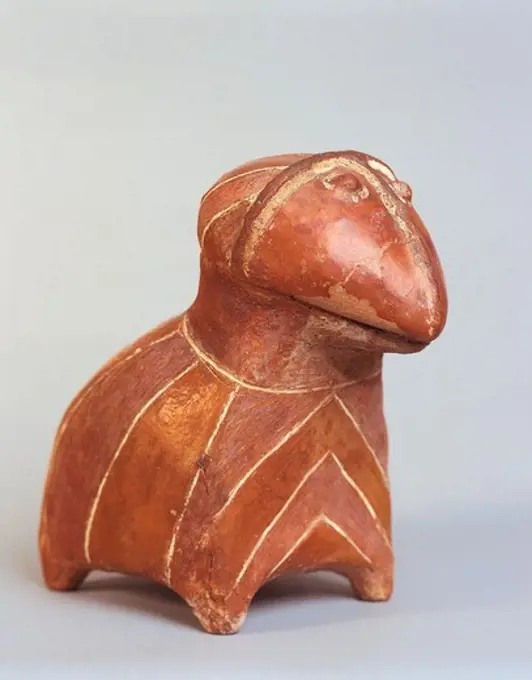
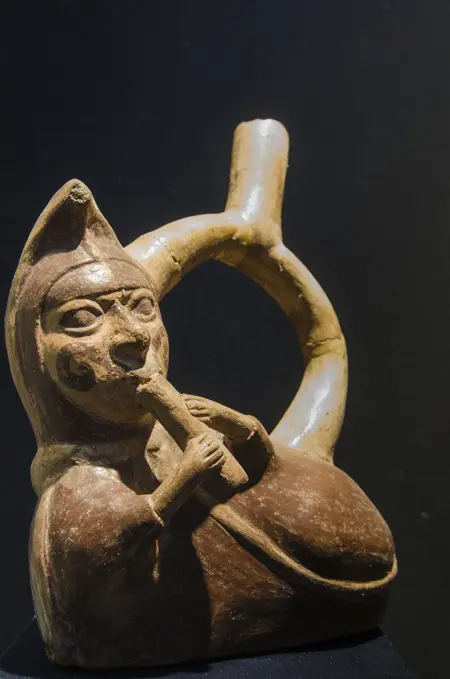
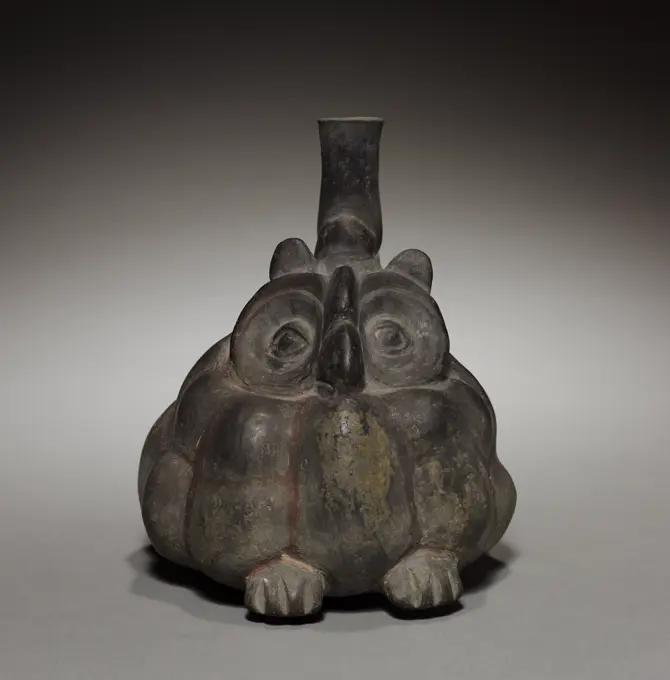
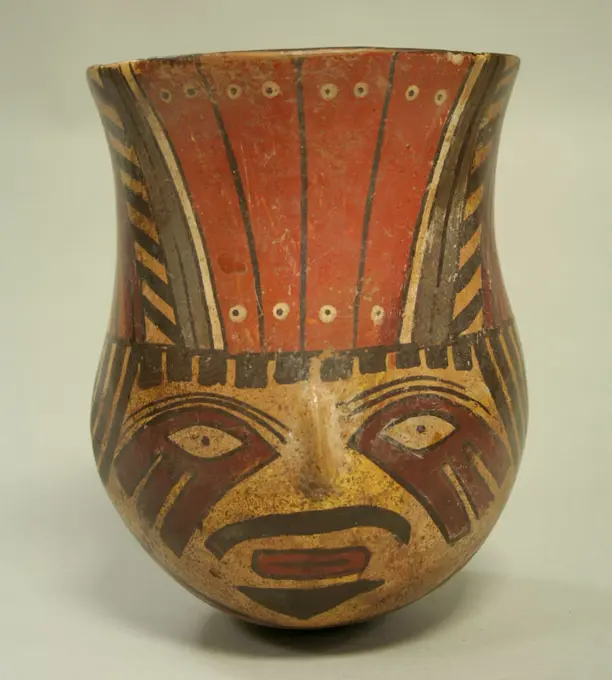
Anthropomorphic and figurative pottery pieces from the Moche culture, highlighting unique designs and craftsmanship from 3rd to 7th centuries.
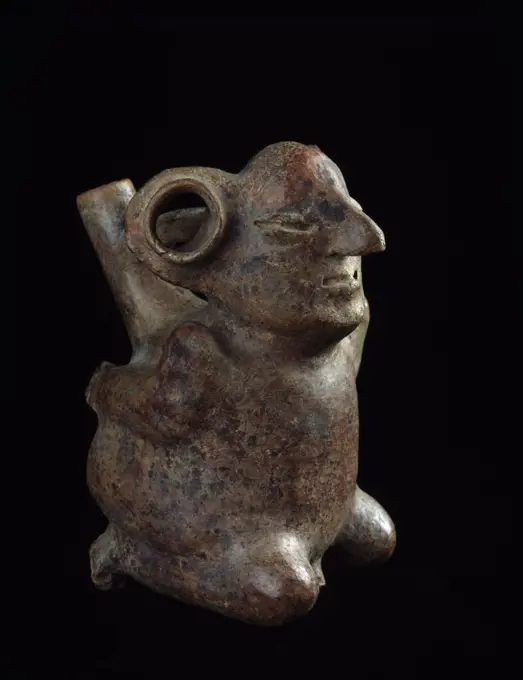
Bound prisoner spout vessel from Early Moche,  Peru,  USA,  Florida,  Jacksonville,  The Museum of Contemporary Art,  Pre-Columbia Ceramic Collection,  circa 400-100 B.C.
Bound prisoner spout vessel from Early Moche, Peru, USA, Florida, Jacksonville, The Museum of Contemporary Art, Pre-Columbia Ceramic Collection, circa 400-100 B.C.
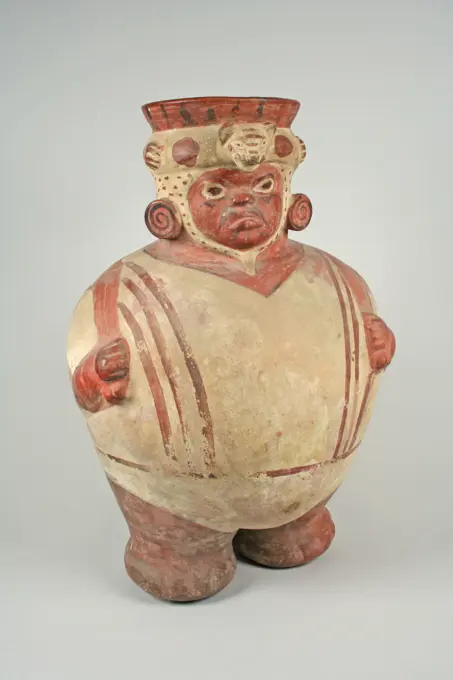
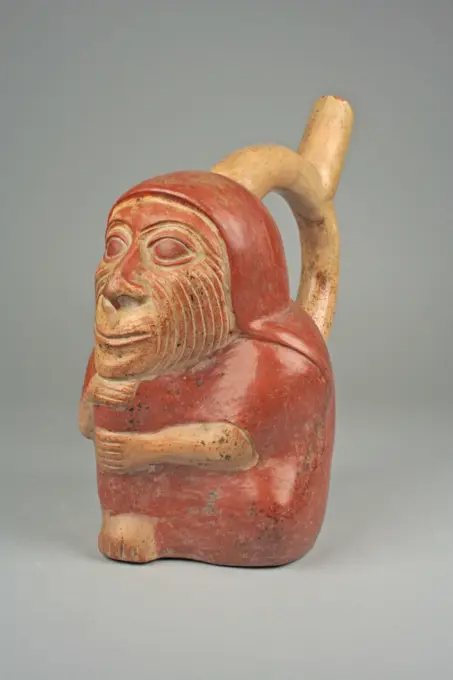
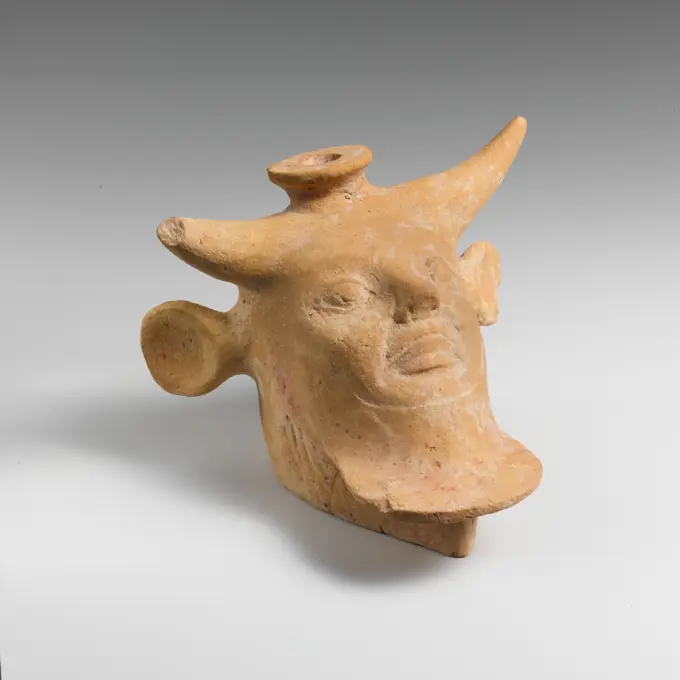
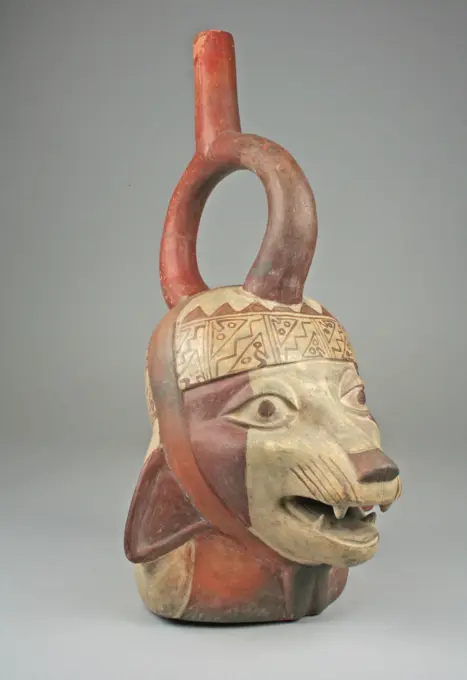
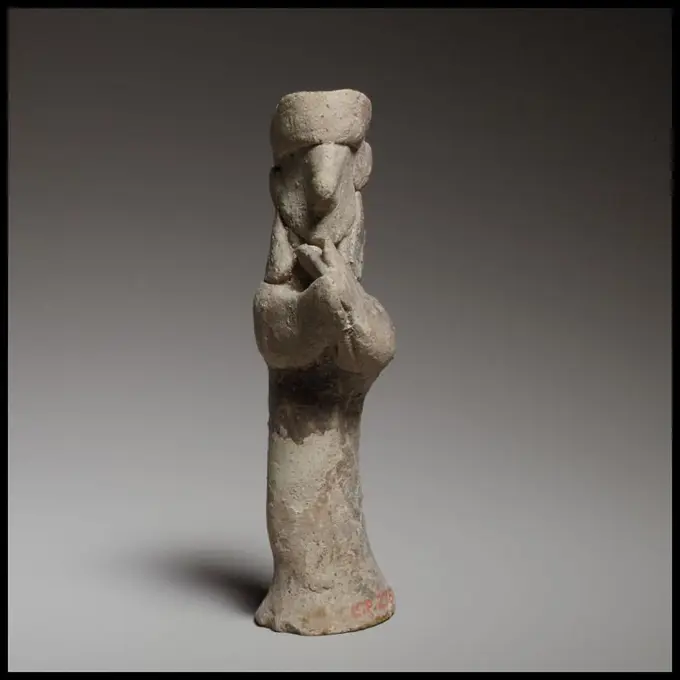
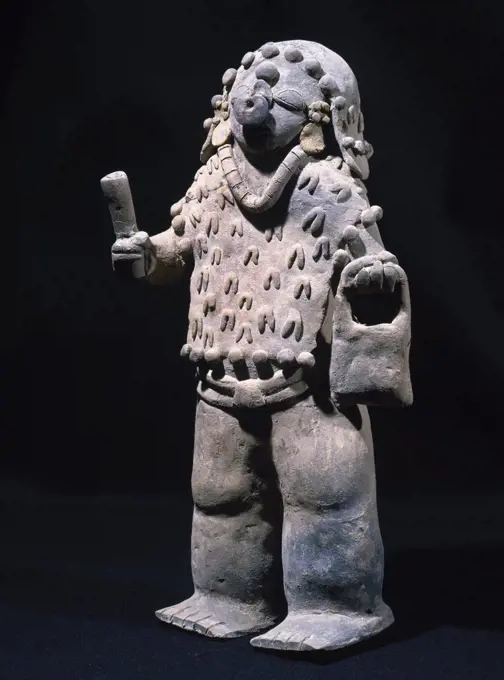
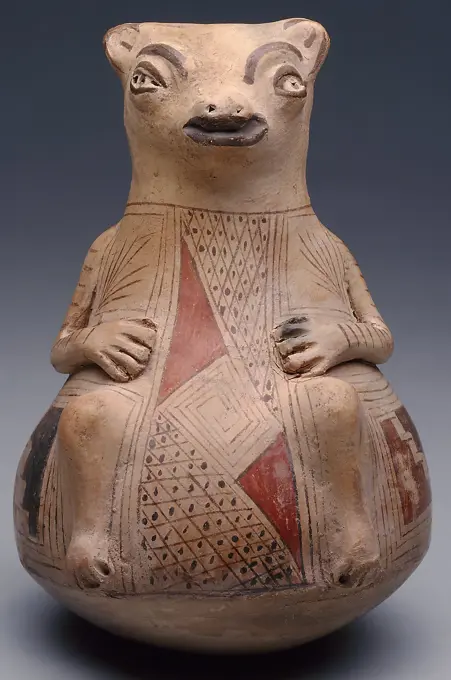
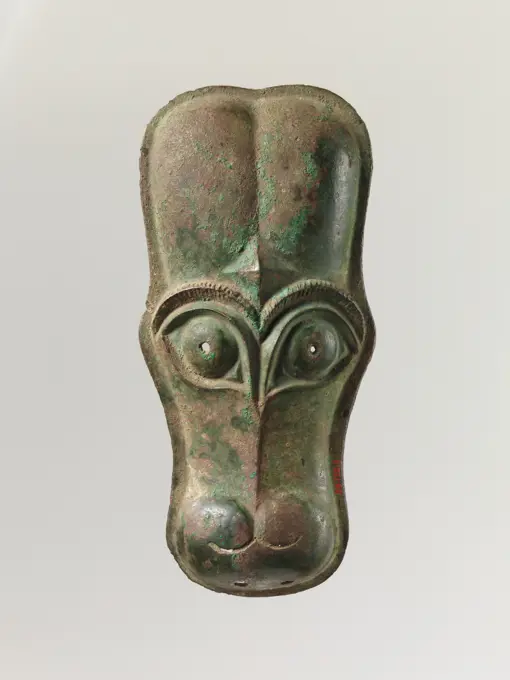
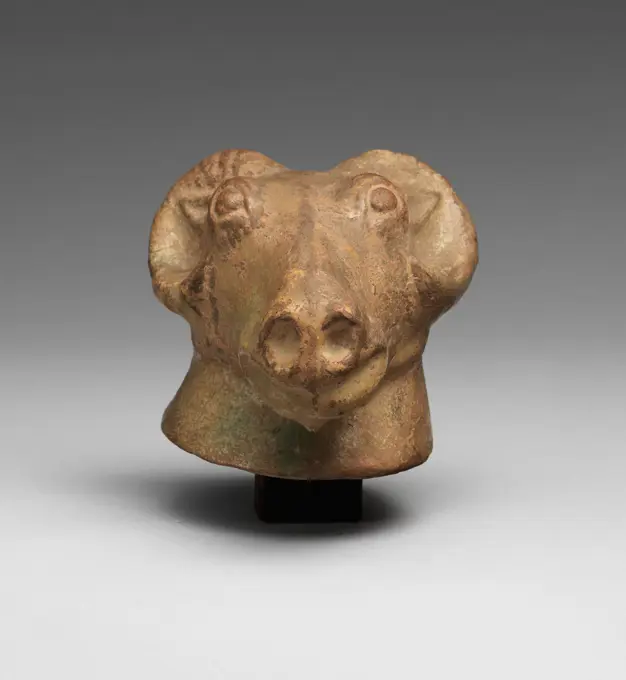
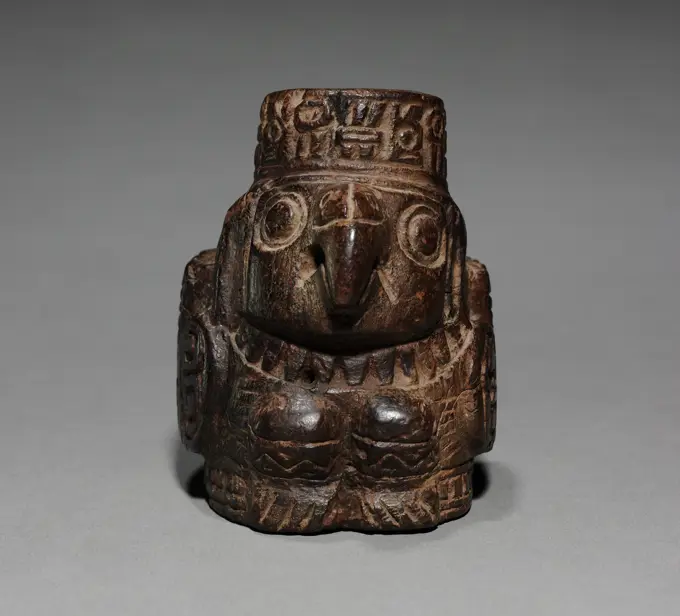
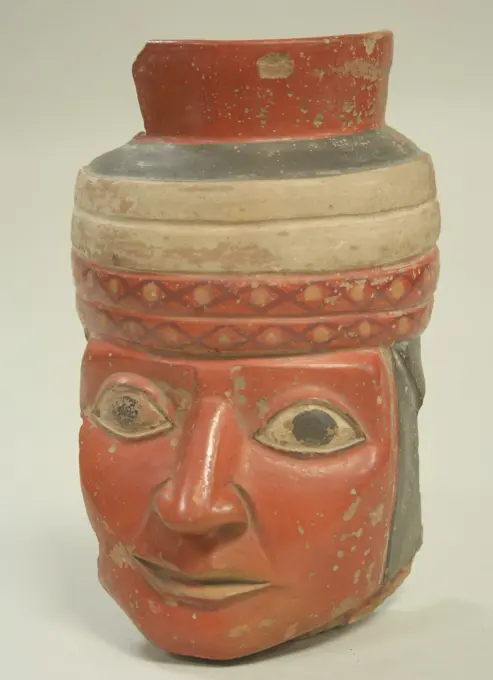
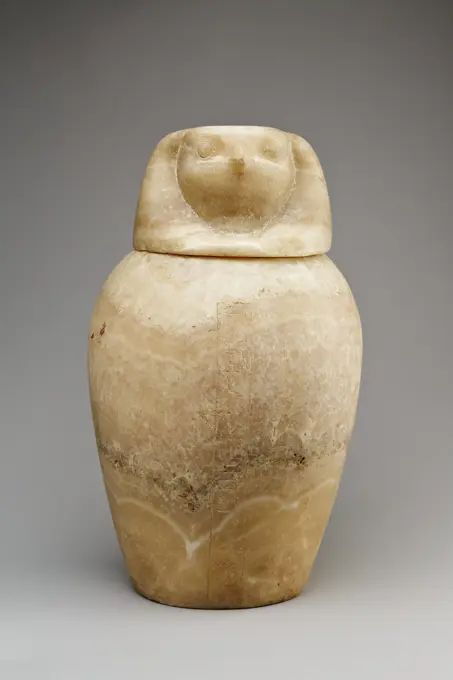
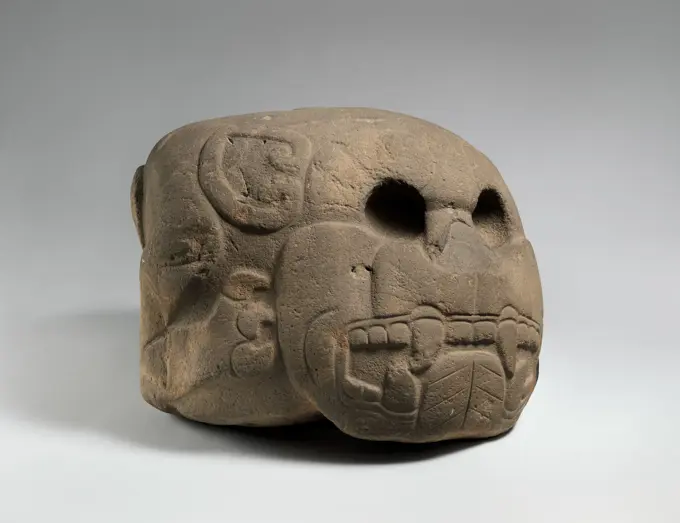
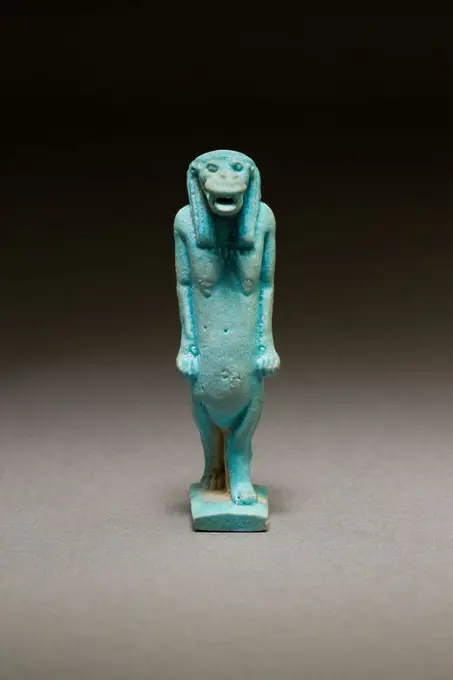
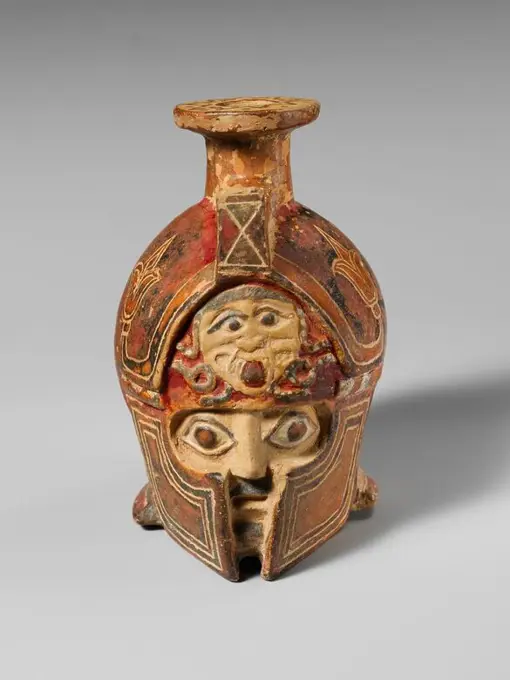
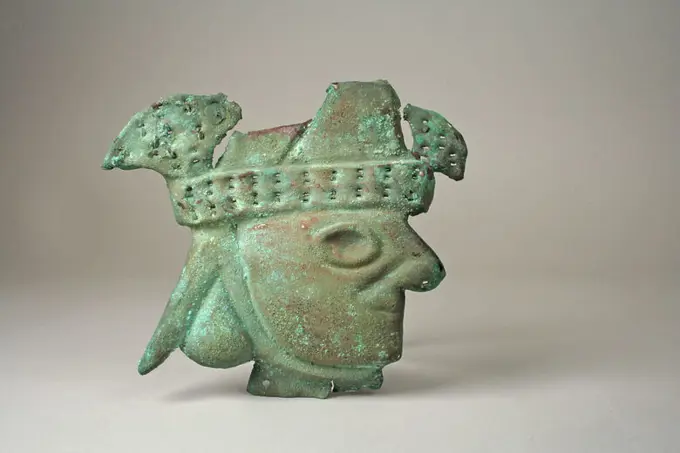
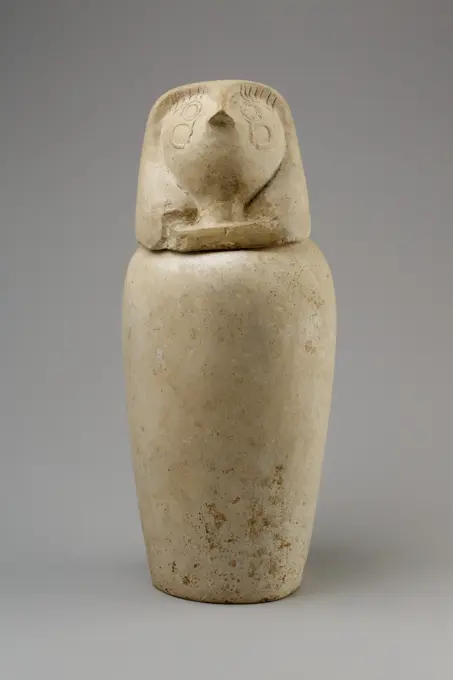
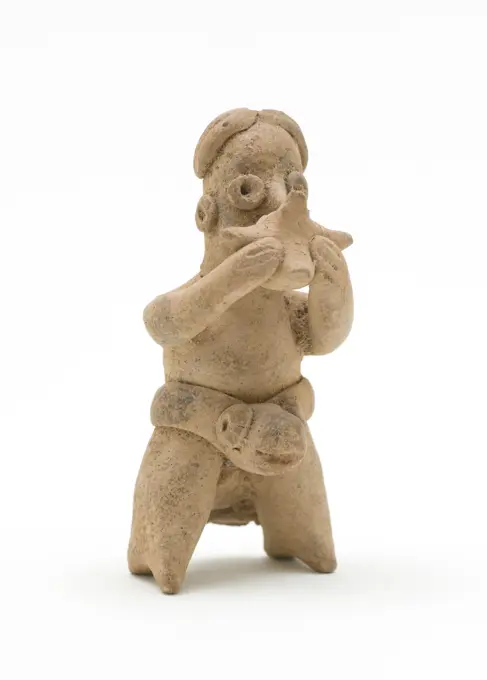
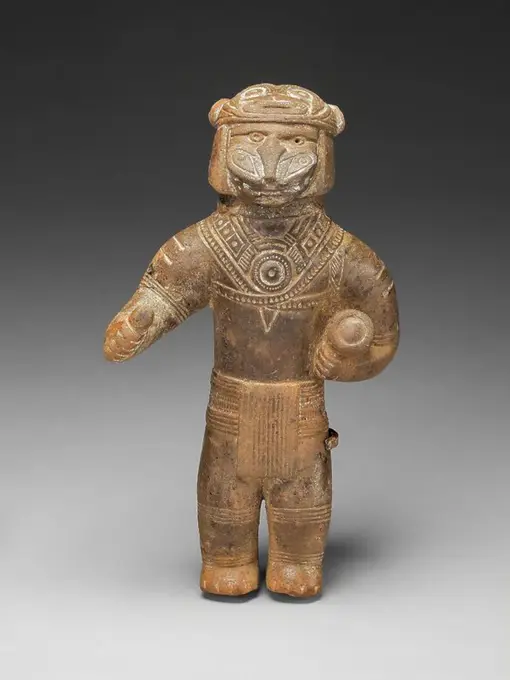
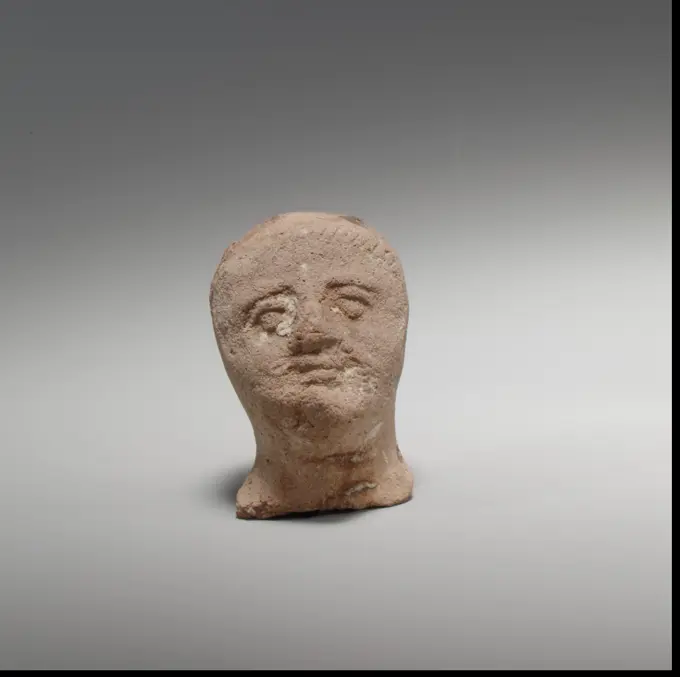
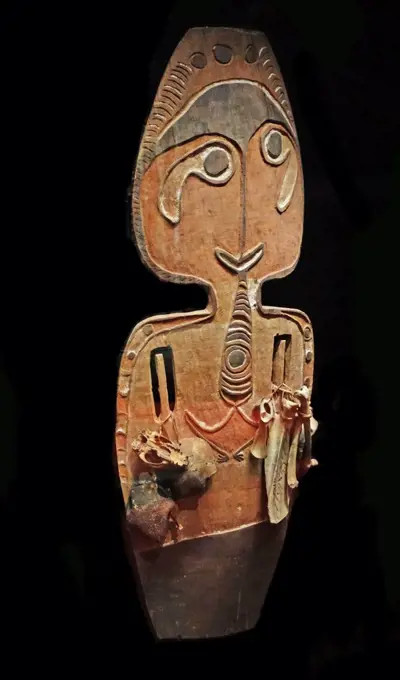
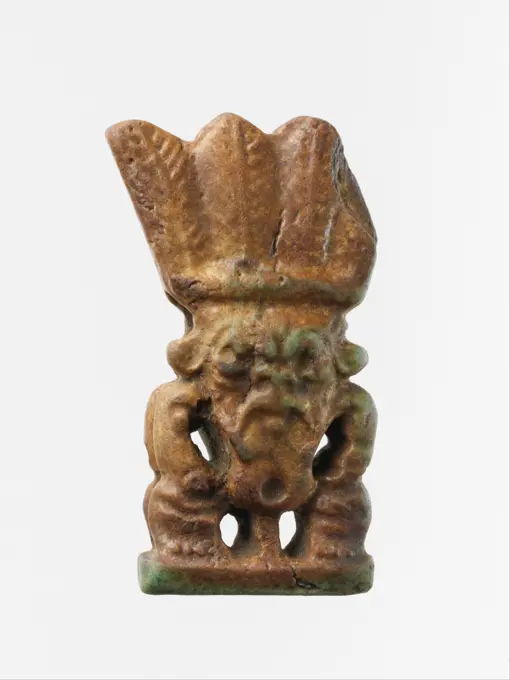
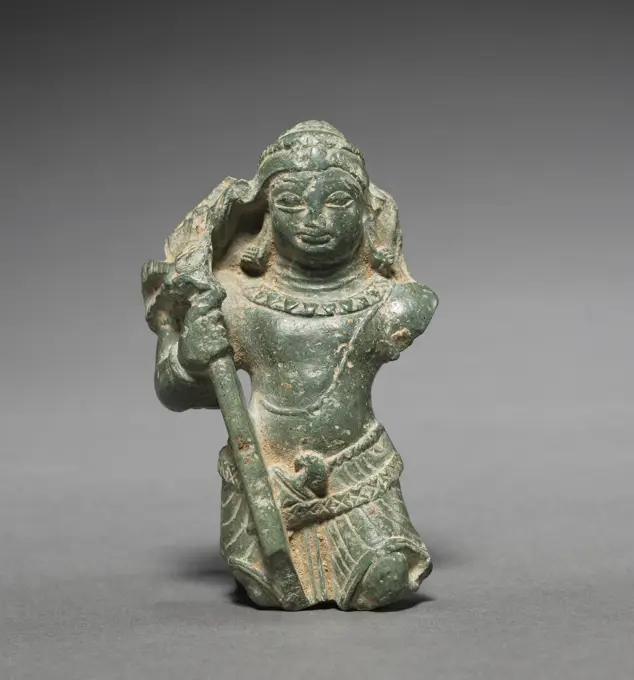
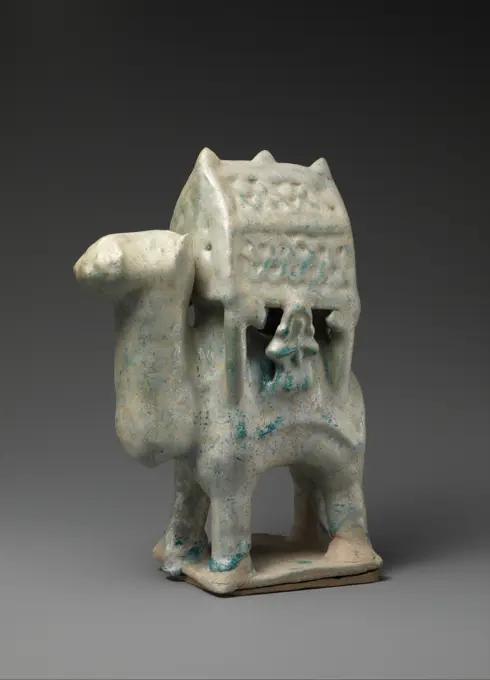
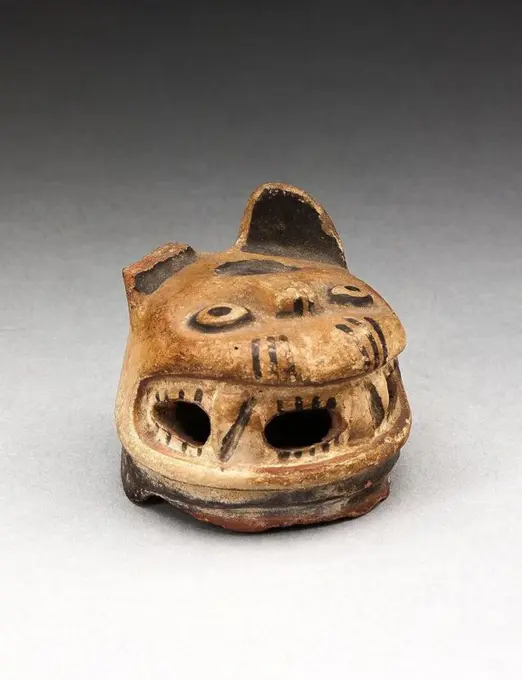
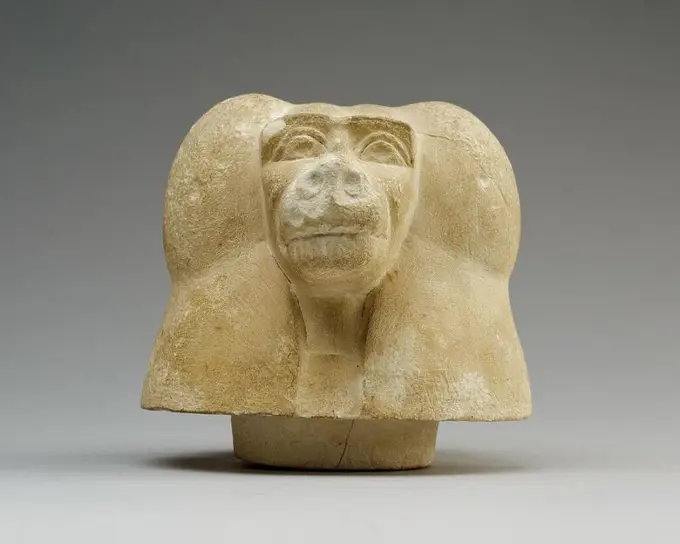
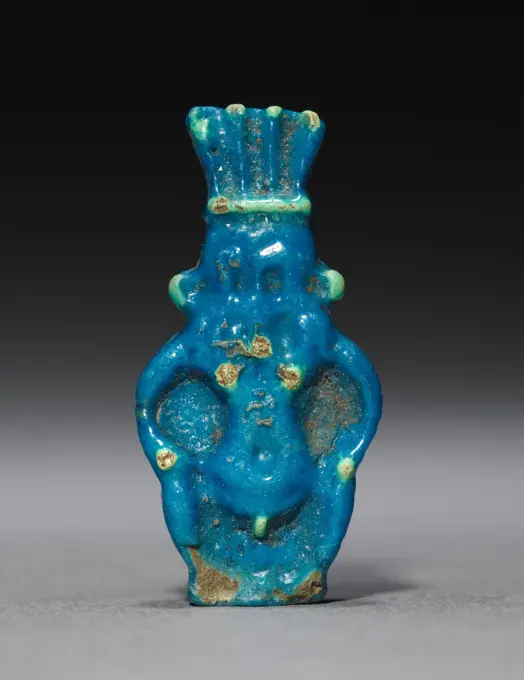
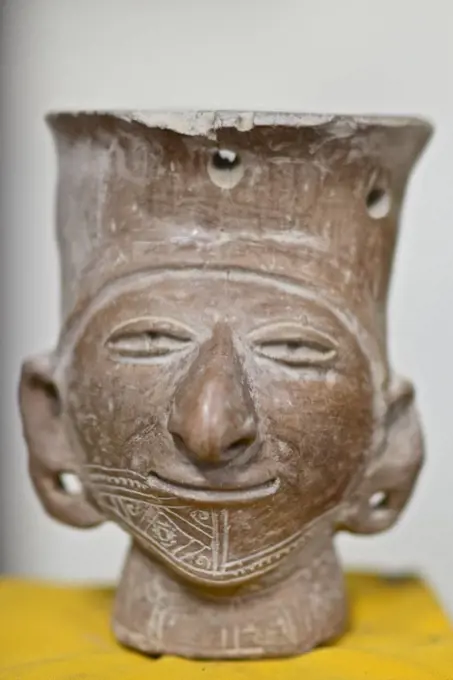
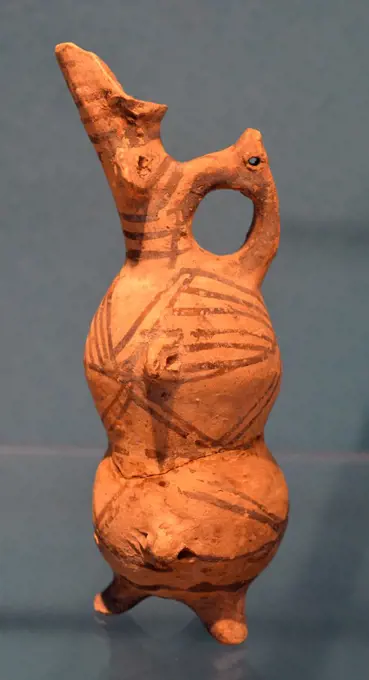
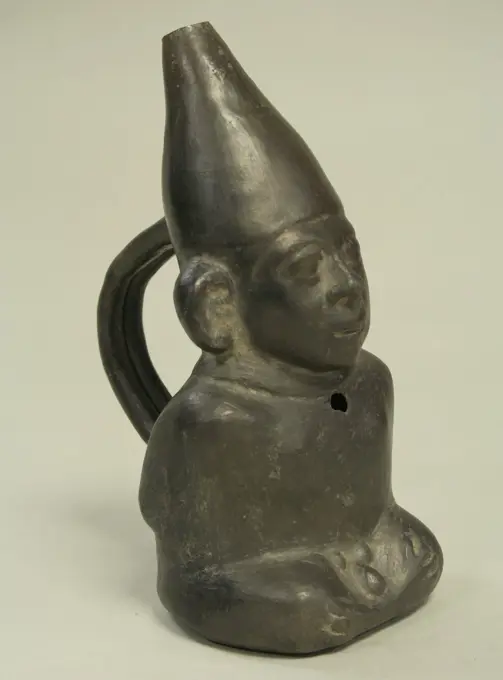
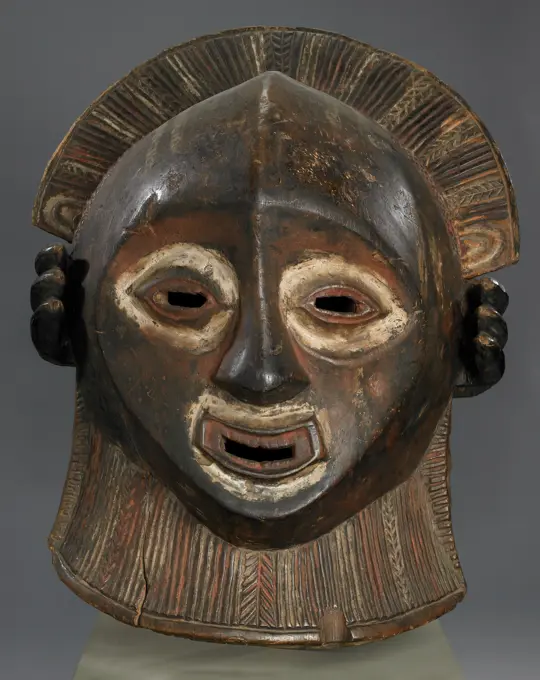
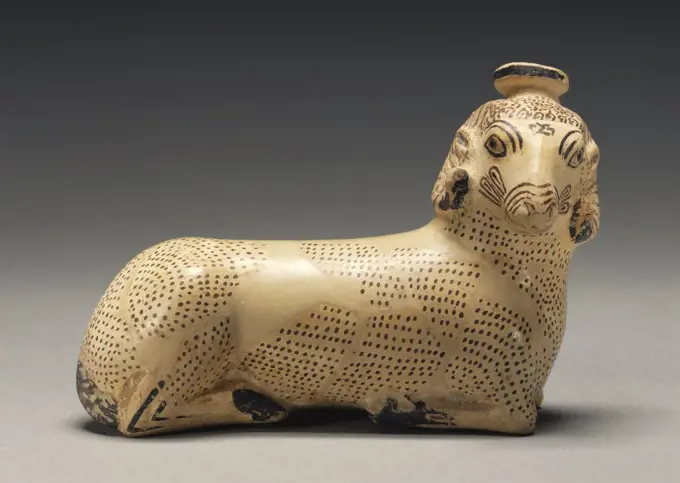
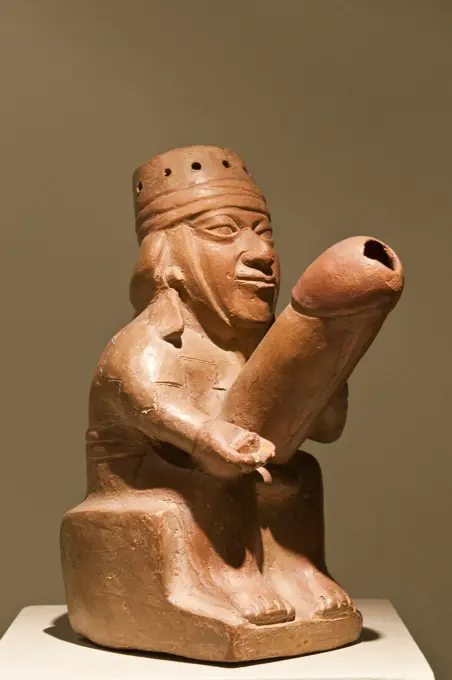
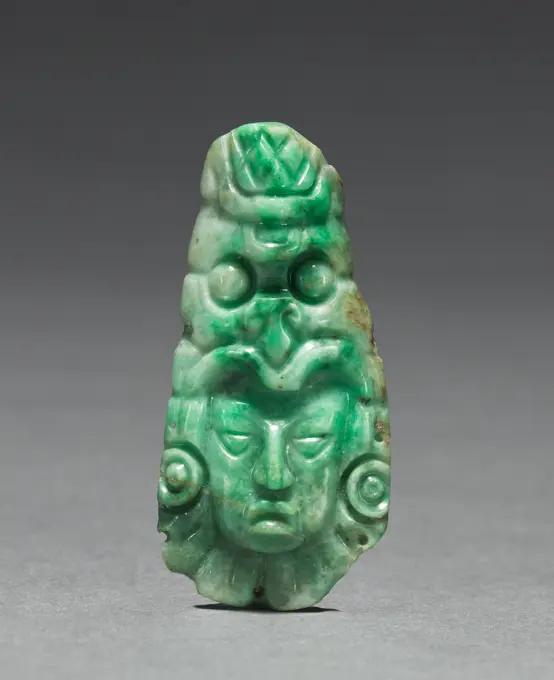
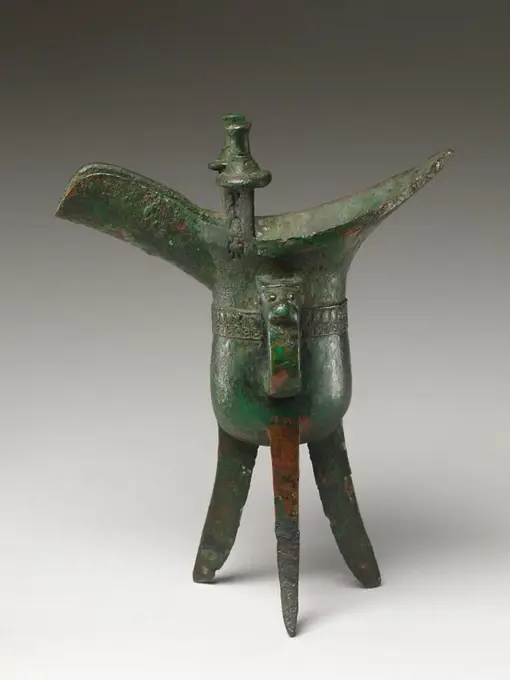
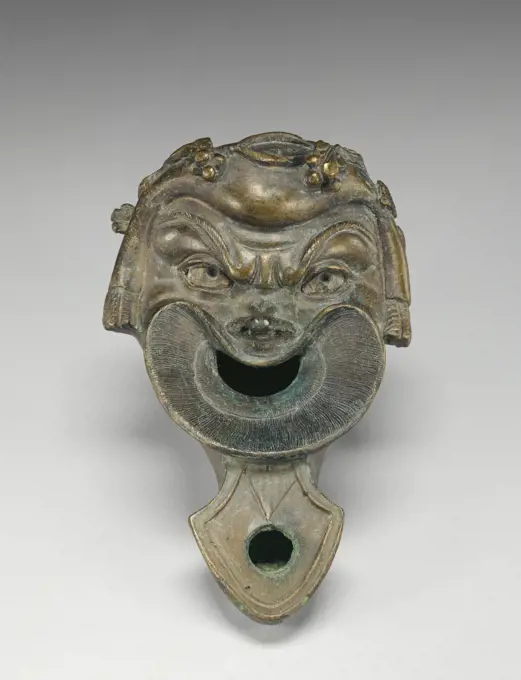
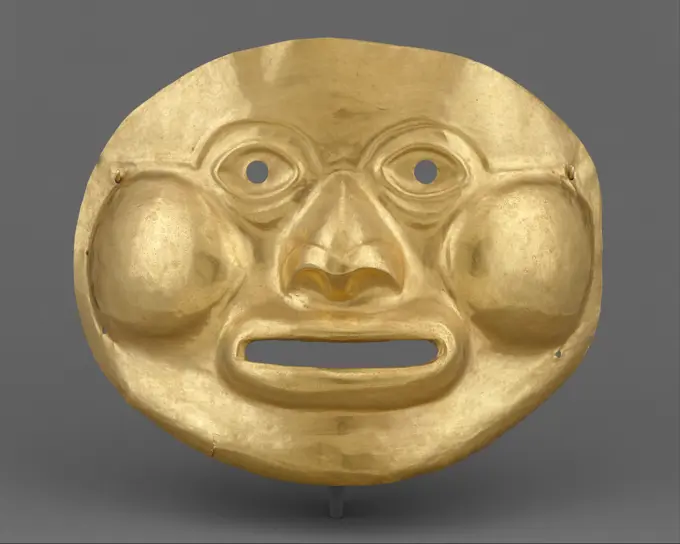
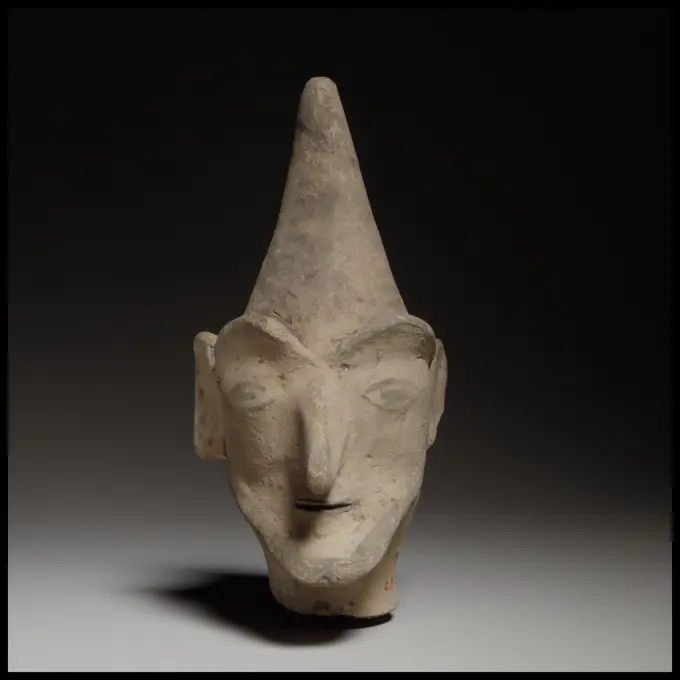
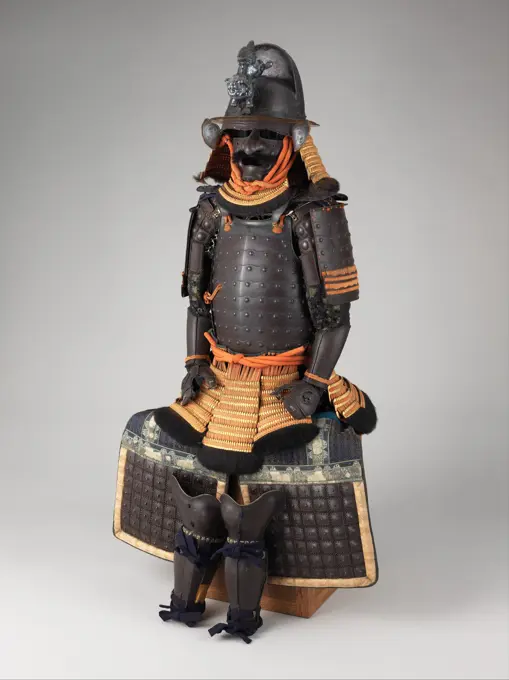
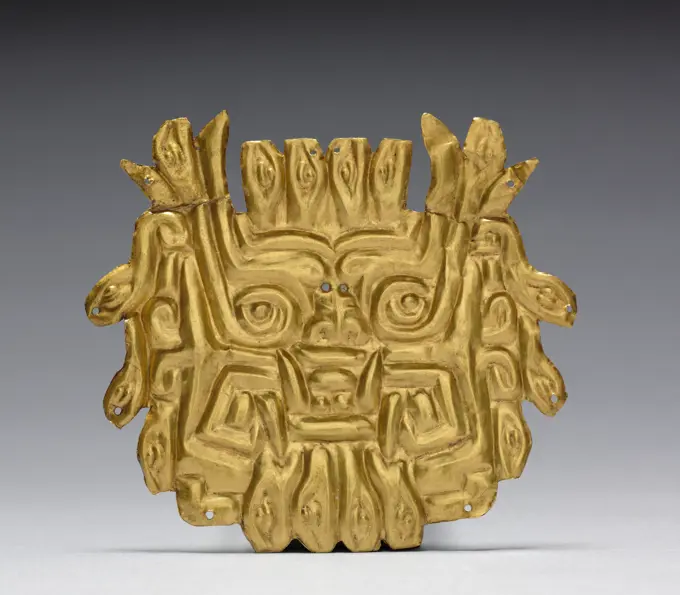
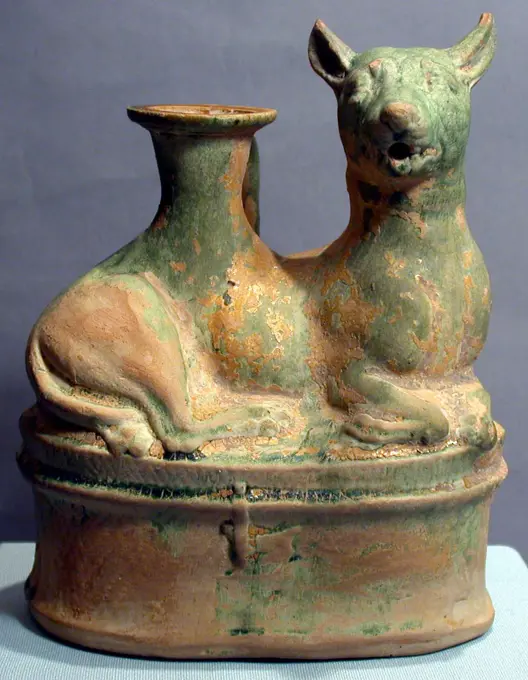
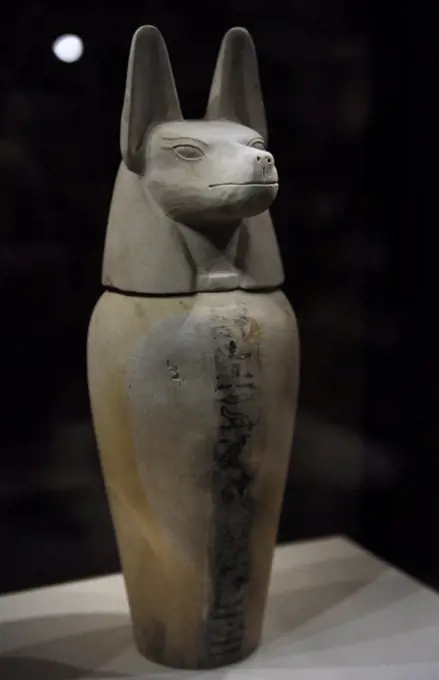
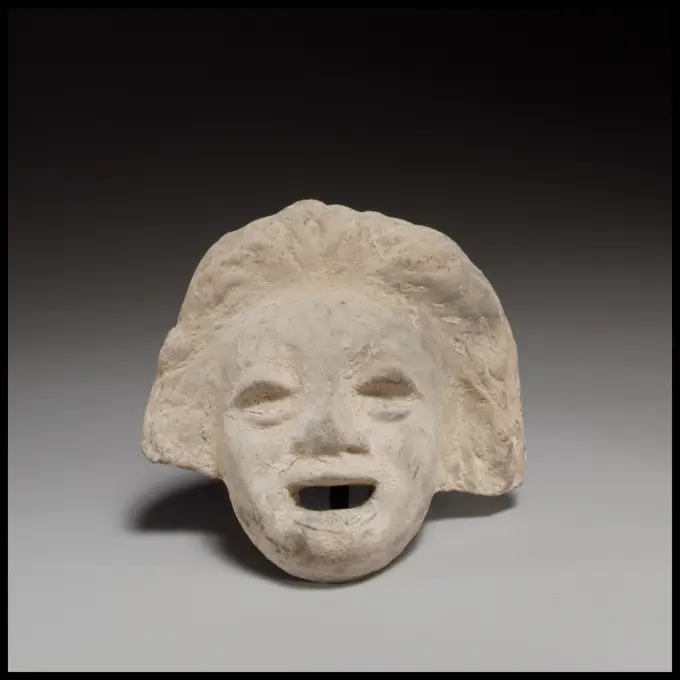
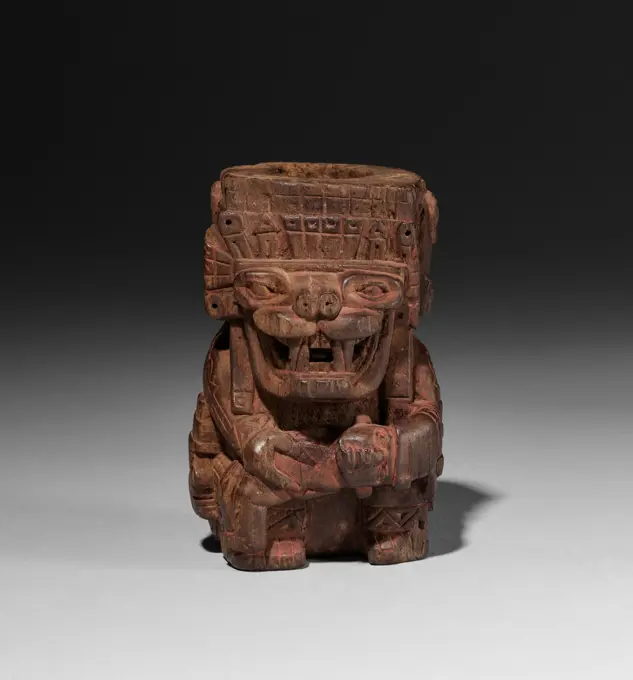
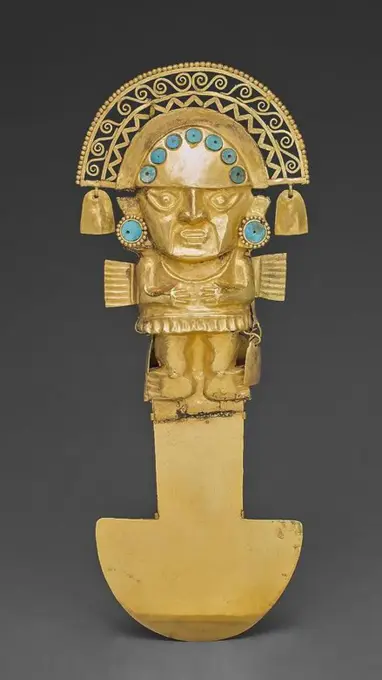
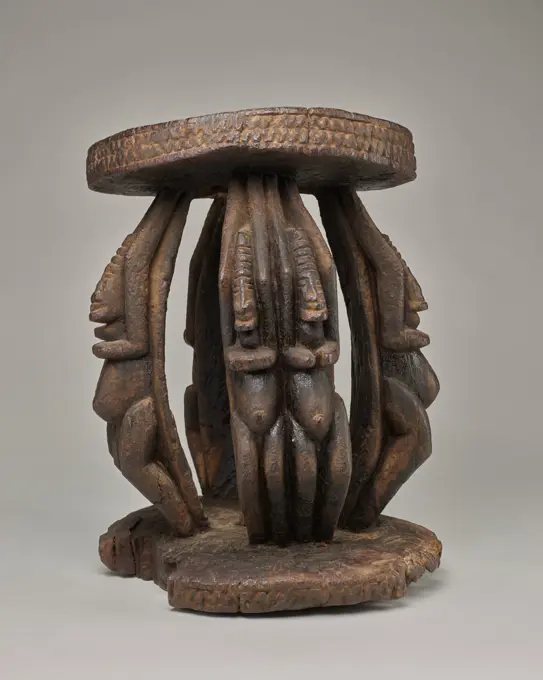
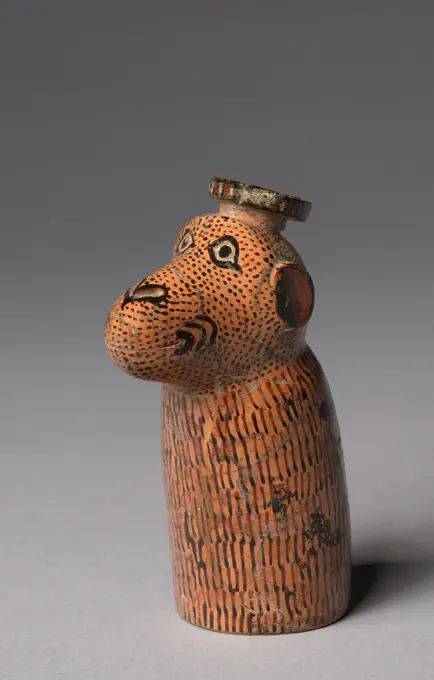
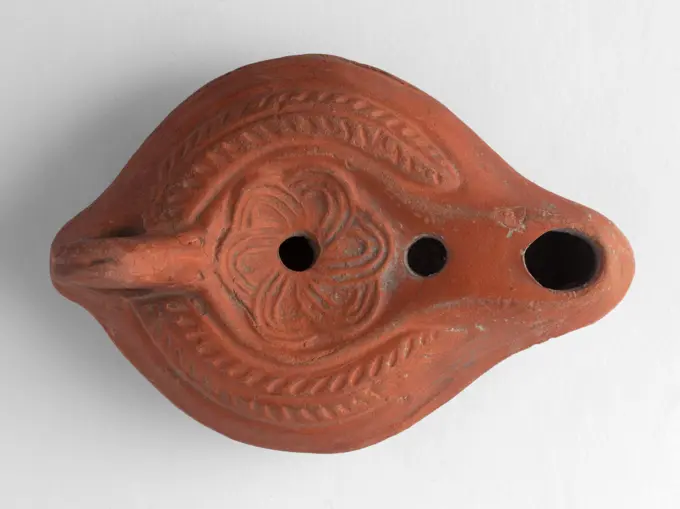
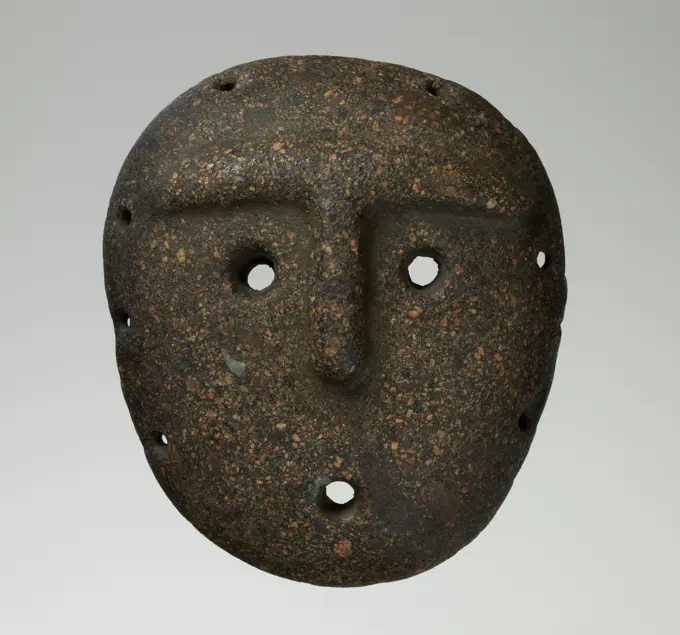
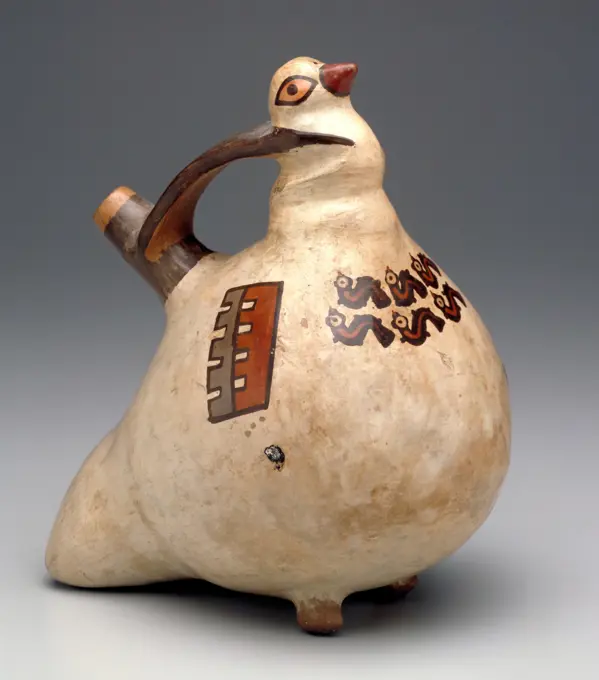
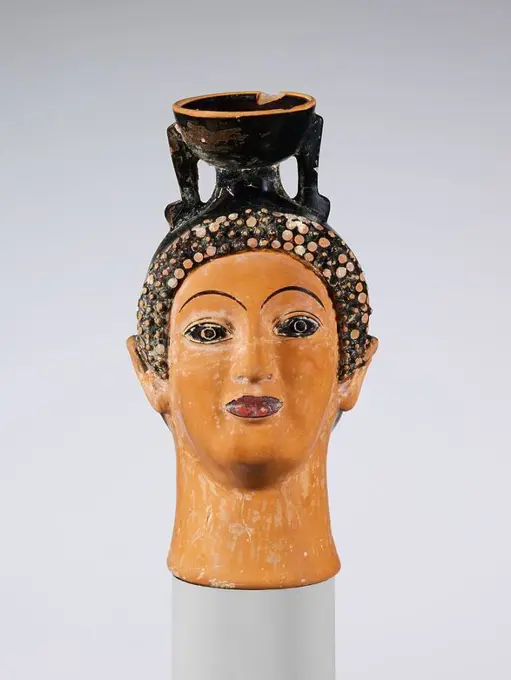
Jar, Anthropomorphic Fox 3rd-6th century Moche. Jar, Anthropomorphic Fox 310196Jar, Fat Figure 3rd-6th century Moche. Jar, Fat Figure 309494Stirrup Spout Bottle with Seated Figure. Culture: Moche. Dimensions: H x W: 7 1/4 x 4 5/8in. (18.4 x 11.8cm). Date: 6th-7th century. Museum: Metropolitan Museum of Art, New York, USA.Stirrup Spout Bottle with Wrinkled Face 3rd-5th century Moche. Stirrup Spout Bottle with Wrinkled Face 307873Stirrup Spout Bottle with Couple 4th-7th century Moche. Stirrup Spout Bottle with Couple 309356Bound prisoner spout vessel from Early Moche,  Peru,  USA,  Florida,  Jacksonville,  The Museum of Contemporary Art,  Pre-Columbia Ceramic Collection,  circa 400-100 B.C.Handle Spout Vessel in the Form of a Woman and Child Made 100 BCE-500 CE Peru. Ceramic and pigment . MocheStirrup Spout Bottle with Phallic Figure 3rd-6th century Moche. Stirrup Spout Bottle with Phallic Figure 309367AncestorCharmVase in the form of a head of Acheloos ca. 550-525 B.C. East Greek Acheloos was a river god who was able to transform himself into different shapes such as a bull or a serpent. This idea probably reflects the capacity of water to assume various forms and produce various sounds.. Vase in the form of a head of Acheloos 247206AncestorCharmFox Head Bottle 5th-7th century Moche This ceramic stirrup-spout bottle in the shape of a fox head dressed in a turban was made by artists of the Moche culture of Perus North Coast. The vessel is painted using red and white slip (a suspension of clay and/or other colorants in water). The fox wears a typical Moche turban that extends over the back of his neck and is held on by a band that goes over the top of the head and ties under the chin. The edge of the turban has a repeating, stylized catfish head design. The creatures face is painted with a broad, vertical white stripe in the center, flanked by two red stripes, emulating the type of face paint seen on ceramic portraits of human warriors. Anthropomorphic animals, including fox warriors, are often depicted in Moche ceramics—both modelled and painted (for other examples in the Mets collection see 82.1.29 and 1983.546.4)—as well as in mural painting (Donnan and McClelland, 1999; Trever, 2017). The significance of this type of reprStanding male lyre player. Culture: Cypriot. Dimensions: H. 4 1/4 in. (10.8 cm). Date: ca. 600-480 B.C..The irregular cylindrical body is handmade and solid, flaring to a concave base. Museum: Metropolitan Museum of Art, New York, USA.Pitcher (Oinochoe) in the Form of a Black African Male Head. Attributed to Class B bis: Class of Louvre H 62 (Greek (Attic))Pre-Columbian art. Pre-Incan. Jama-Coaque Culture. 500 BC-1531 AD. From Ecuador.  Male figurine. 36 x 16 cm (diamer). Stye chone. Private collection.Vessel with Head Neck 4th-6th century Moche. Vessel with Head Neck. Moche. 4th-6th century. Ceramic. Peru. Ceramics-ContainersHorse and rider ca. 750-600 B.C. Cypriot The figurine is handmade and solid. The rider sits, leaning backward, near the rump of the horse. He reaches out to touch the mane, which is very close to his body.. Horse and rider 241329Bear Effigy Pot, c. 1160-1260, 7 7/8 x 5 7/8 x 5 7/8 in. (20.0 x 14.9 x 14.9 cm), Earthenware clay, pigment, Mexico, 12th-13th centuryPipe Bowl, c. 1860, 2 1/4 x 1 3/8 x 2 15/16 in. (5.7 x 3.5 x 7.5 cm), Stone, United States, 19th century, The image of a bull elk with his outstrectched neck and antlers low on his shoulders is carved in shallow relief on the underside of this elbow-shaped pipe bowl. The circle or hoop near the animal's foreleg may associate this pipe bowl with the Elk Dreamer's Society. This pipe is displayed upside down.Stirrup Spout Bottle with Figure 5th-7th century Moche. Stirrup Spout Bottle with Figure 309335Frontlet China. Frontlet 61191Ram's Head China. Ram's Head. China. Pottery with green glaze. Han dynasty (206 B.C.-A.D. 220). Tomb PotteryStirrup Spout Bottle with Figure 4th-7th century Moche. Stirrup Spout Bottle with Figure. Moche. 4th-7th century. Ceramic, slip, pigment. Peru. Ceramics-ContainersBird-Shaped Container, 500-900. Peru, Wari style (500-900). Wood; overall: 8.4 cm (3 5/16 in.).Face from Bottle 6th-10th century Wari. Face from Bottle. Wari. 6th-10th century. Ceramic, pigment. Peru. Ceramics-ContainersHead of a Buddha, Anonymous, c. 1650 - c. 1950 Fragment (head) of a Buddha of an alabaster-like stone. Birma (possibly) . Fragment (head) of a Buddha of an alabaster-like stone. Birma (possibly) .Canopic jar with a falcon-headed lid (Qebehsenuef) 664-525 B.C. Late Period, Saite Canopic jars were made to contain the embalmed viscera removed from the body in the process of mummification. The organs were placed under the protection of the Four Sons of Horus, whose heads form the lids of the jars: Hapy (baboon-headed), Imsety (human-headed), Duamutef (jackal-headed), and Qebehsenuef (falcon-headed). In turn these gods were under the protection of the goddesses Nephthys, Isis, Neith, and Selket, respectively, as the inscriptions on the jars state.. Canopic jar with a falcon-headed lid (Qebehsenuef) 550884Feline Sculpture 7th-10th century Veracruz This large relief sculpture of a feline was carved from an irregular boulder of volcanic stone. It most likely depicts a jaguar or a puma, the two largest predators in the Americas. In this representation the feline lays back its ears and bares its claws as it seemingly jumps forward. Below the deep eye sockets is a mouth caught mid-snarl. The nose flares as the feline exposes its teeth and extends its ridged tongue. Sculptors carved such feline images in bas relief on large stones in what is now Veracruz, Mexico. A similar example is found in the Museo de Antropología de Xalapa (s/n 089), said to have been recovered at Nopiloa in 1950. The artist preserved as much of the stone as possible with shallow relief. The fact that the artist left most of the boulder in its natural state, that is, did not try to carve the feline in the round or make it symmetrical, underscores the importance of the stone itself as a material. Great lengths and effortsTaweret amulet. Dimensions: H. 6.4 × W. 1.6 × D. 2.1 cm (2 1/2 × 5/8 × 13/16 in.). Date: 664-30 B.C..The amulets 44.4.23-44.4.28 have a uniformity of size and detailing that constitutes a stylistic relationship. Possibly they were made in related workshops. Museum: Metropolitan Museum of Art, New York, USA.Terracotta aryballos in the form of a helmeted head. Culture: East Greek. Dimensions: H. 7.01 cm.. Date: ca. 600-575 B.C..A helmeted warrior's head makes up the body of this small mold-made terracotta aryballos, likely used to hold perfumed oil. The painted and incised surface is very well preserved, including a prominent gorgoneion on the metopon of the Ionian helmet. The warrior's wide eyes and dark beard are visible through the gaps in the helmet. Museum: Metropolitan Museum of Art, New York, USA.Profile Face. Culture: Moche (Loma Negra). Dimensions: H. 6 1/8 x W. 7 1/8 x D. 7/8 in. (15.5 x 18.1 x 2.2 cm). Date: 390-450. Museum: Metropolitan Museum of Art, New York, USA.Canopic jar with falcon head (Qebehsenuef) ca. 800-650 BC Third Intermediate Period This canopic is part of a set (13.180.1-.4) found in a Ptolemaic cemetery at Thebes. Use of canopics had gone out of fashion at that period, however, so these are certainly reused. Their style suggests they were originally created in the late Third Intermediate Period.. Canopic jar with falcon head (Qebehsenuef) 558317Stirrup Spout Bottle with Couple 3rd-6th century Moche. Stirrup Spout Bottle with Couple 309353Zoomorphic polychrome terracotta vessel in shape of flying hawk, Vicus culture, circa 100 B.C.Bottle, Death Scene () 3rd-6th century Moche. Bottle, Death Scene () 308557Small Conch Shell Trumpeter. Mexico, Colima, 200 BCE-500 CE. Ceramics. Buff ceramic with postfire applied paintFigurine Whistle of a Man in a Fox MaskBottle, Throne Scene 4th-7th century Moche. Bottle, Throne Scene 309504Bulgaria, Sofia, Natsionalen Istoritcheski Muzej, Zoomorphic red clay vase from KaranovoPre-Columbian pottery in the Museum of Archaeology, Trujillo, Peru, South AmericaMasked Figurine Holding a Drum, Possibly a Ocarina (Whistle). Tairona; Sierra Nevada de Santa Marta, Colombia. Date: 1200-1400. Dimensions: H. 12.7 cm (5 in.). Ceramic and pigment. Origin: Colombia. Museum: The Chicago Art Institute, Chicago, USA.Male head 1st century B.C. Cypriot The solid beardless head is probably from a chariot group. The face is mold-made.. Male head 241039Bottle, 900-1470. Peru, Chimú, 900-1470. Black ware; overall: 16 x 14.2 x 20.2 cm (6 5/16 x 5 9/16 x 7 15/16 in.).Mexico, Anthropoid ceramic vaseBamu tribe Papua New Guinea; Giant Large 'agiba' or 'skull hooks' were used to display trophy skulls within the men's ceremonial houses. Made from wood and vegetation. Early 20th centuryVessel, 900-1399, 8 9/16 x 6 x 4 1/8 in. (21.75 x 15.24 x 10.48 cm), Ceramic, Peru, 10th-14th centuryFaience amulet of Bes image ca. 1000-900 B.C. Egyptian Amulet, Bes.. Faience amulet of Bes image 243740SpoonKarttikeya, 400s. India, Kashmir, c. 5th Century. Stone; overall: 8.2 cm (3 1/4 in.).Figurine in the Form of a Camel Carrying a Palanquin and Two Riders 12th-early 13th century Camel-rearing traditions may explain their frequent appearance in twelfth-century arts and their praise in mystical poetry. It has been suggested that Turkmen tribes bred hybrids of one- and two-humped camels and their southward migration and foundation of the Great Seljuq state was prompted, beyond an unstable political situation, by a climate change unfavorable to this occupation.. Figurine in the Form of a Camel Carrying a Palanquin and Two Riders. 12th-early 13th century. Stonepaste; molded in sections, glazed in turquoise. Attributed to probably Iran or Iraq. CeramicsTrumpet ca. 450-800 Moche. Trumpet. Moche. ca. 450-800. Earthenware. Late Moche (Pre-Columbian). Peru. Aerophone-Lip Vibrated-trumpet / tromboneVessel Fragment in the Form of a Feline Head. Tiwanaku; South coast, Peru. Date: 600 AD-1000. Dimensions: 8.6 x 4.8 cm (2 3/8 x 1 7/8 in.). Ceramic and pigment. Origin: South Coast. Museum: The Chicago Art Institute, Chicago, USA.Head Jar 1st-6th century Nasca. Head Jar 310517Canopic jar lid with head of a baboon (Hapy). Dimensions: H. 12.5 (4 15/16 in.); w. 12.4 cm (4 7/8 in.); d. 14.9 cm (5 7/8 in.); foot diam. 6.5 cm (2 9/16 in.). Dynasty: Dynasty 21-30. Date: ca. 1070-332 B.C.. Museum: Metropolitan Museum of Art, New York, USA.Acetre de cerámica, recipiente para albergar agua bendita. Museu Català de les Arts i Tradicions Populars.Amulet of Bes, 30 BC-AD 395. Egypt, Greco-Roman Period, Roman Empire. Polychrome faience; average: 3.7 x 1.8 x 0.7 cm (1 7/16 x 11/16 x 1/4 in.).Fragment of a vase with modelled appliqué mask. Anthropomorphic crafts found in a ceremonial site. Agua Blanca. a commune in Machalilla Parish, Puerto López Canton, Manabí Province, Ecuador. It is east of the city of Puerto López.Bronze age red pottery from Cyprus, circa 1900-1600 BCSeated Prisoner Single Spout Bottle 6th-7th century Moche. Seated Prisoner Single Spout Bottle 308883Owl-Shaped Wine Vessel(Zun)Goddess Plaque, c. 1200-1519. Central Mexico, Aztec, 13th-16th century. Jadeite; overall: 7 x 3.5 cm (2 3/4 x 1 3/8 in.).Helmet mask, 19th century, 19 1/2 x 15 1/2 x 17 in. (49.5 x 39.4 x 43.2 cm), Wood, pigments, Democratic Republic of Congo, 19th century, This large mask, carved from a single piece of lightweight wood and colored black, white, and red, fit over a dancers head like a helmet. No information on its ceremonial usage was recorded when the mask was collected in the Democratic Republic of Congo, sometime in the early 1900s. The elaborate hairdo—three braids on either side of the face and a vertical, looped braid in back—is topped by a carved diadem, a headband-like crown of beaded raffia, characteristic of Luba chieftains.Anthropomorphic sculpture, central square museum, Chichicastenango, municipality of the department of El Quiché, Guatemala, Central America.Proto-Corinthian Aryballos in the Shape of a Recumbent Ram; Unknown; Greece (Corinth); 640 - 625 B.C.; Terracotta; Object: H: 9.1 x Diam. (spout): 2 x L: 14 cm (3 9/16 x 13/16 x 5 1/2 in.)MaskBridge and Spout Bottle with Figure on Throne 2nd century Viru. Bridge and Spout Bottle with Figure on Throne 312165Peru, Lima. Decorative Inca water jars at the National Museum of Archeoligy, Anthropology and History of Peru.Head Ornament, c. 600-900. Honduras, Copan, Maya, 7th-10th Century. Jade; overall: 7.7 x 3.8 cm (3 1/16 x 1 1/2 in.).Okorosia masquerade mask made of painted wood. Dated 1937Libation Cup (Jüe). Culture: China. Dimensions: H. 7 1/8 in. (18.1 cm); W. 3 3/8 in. (8.6 cm); D. 5 7/8 in. (14.9 cm). Museum: Metropolitan Museum of Art, New York, USA.Lamp in the Shape of a Comic Mask; Roman Empire; 75 - 125; Bronze; 6.9 × 12.5 cm (2 11,16 × 4 15,16 in.)Stirrup Spout Bottle with Figure. Culture: Moche. Dimensions: H. 9 7/8 x Diam. 5 13/16 in. (25.1 x 14.8 cm). Date: 3rd-6th century. Museum: Metropolitan Museum of Art, New York, USA.Falcon head, fitting from furniture or shrine ca. 712-343 B.C. Late Period This falcon head is an attachment that would have been part of a larger, more imposing piece of cult equipment, possibly part of a piece of furniture, a shrine... Falcon head, fitting from furniture or shrine 546126Figurine. UnknownFunerary Mask 5th-1st century B.C. Calima (Ilama) Lifesize hammered masks are the largest objects produced in gold in the ancient Americas. While most masks were presumably made as burial offerings, this example, with its pierced eyes, cutout mouth, and additional holes for tying at the sides, could have been worn by an individual during life in a ritual or ceremony before being placed with his material wealth in a tomb. The mask comes from the Calima River region in southwestern Colombia, where abundant alluvial gold deposits prompted a distinguished goldworking tradition that lasted for at least 2,000 years. Hammered from a single sheet of metal of high carat gold (its alloy contains 86 percent gold, 13 percent silver, and one percent copper), Calima masks of the Ilama era are often flat, with generic details of the human face. On this example, the features are individualized with puffy bags beneath the eyes, a broad nose with flared nostrils, big, round, bulging cheeks, and a fat-liMale head wearing a helmet ca. 600 B.C. Cypriot The head is handmade and hollow. He has a long, hooked and pointed nose, a prominent beard and prominently ridged eyebrows. He wears a high conical headdress with a pointed top.. Male head wearing a helmet. Cypriot. ca. 600 B.C.. Terracotta; hand-made. Cypro-Archaic. TerracottasArmor (Gusoku) 18th century Japanese This cuirass and shoulder guards (sode) formed of large iron plates rather than traditional lamellae (small, narror iron plates) reveal European influence and the concurrent introduction of firearms, which necessitated solid, bulletproof plates.. Armor (Gusoku) 639928Eating spoon -Plaque, c. 500-200 BC. Peru, North Coast, Chongoyape(), Chavín style (1000-200 BC). Hammered and cut gold; overall: 12.5 x 13.8 cm (4 15/16 x 5 7/16 in.).Substitute Doll. School of Masanao (Japan, late 18th-19th century). Japan, late 18th century. Costumes; Accessories. Ivory with staining, sumiTerracotta askos in the shape of a reclining dog 1st century A.D. Roman Askoi were used to store and dispense oil and were employed in a variety of domestic and sacro-religious contexts. This large example is extremely well preserved and will augment The Mets significant collection of Cypriot, Etruscan, and Greek askoi in the form of animals.. Terracotta askos in the shape of a reclining dog 329998Canopic jar with lid in the form of the head of a jackal: Duamutef. Third Intermediate Period. 21st-24th Dynasties. 10th-8th centuries BC. Neues Museum. Berlin. Germany.Ornament 9th-5th century B.C. Tembladera. Ornament 316819Mask 6th-7th century Moche (Loma Negra). Mask 313445Terracotta comic mask late 4th-early 3rd century B.C. Greek, Cypriot The mask corresponds to one of the types of a youth in so-called New Comedy at the end of the fourth century B.C. The two small holes at the top indicate that the piece was probably suspended.. Terracotta comic mask 241076Sacrificer Container, 770-890 (radiocarbon date, 95% probability). Central Andes, Wari style (600-1000). Wood and cinnabar; overall: 10.8 x 7 x 7.5 cm (4 1/4 x 2 3/4 x 2 15/16 in.). This container assumes the shape of a magnificent, feline-headed, supernatural sacrificer who draws a knife across the throat of the human it holds in its lap. Severed human heads hang from the feline's belt and dangle by the trachea at the back of its headdress. Sacrifice had a place in Wari religious practice, probably as an unusual and exceptionally precious offering made to entice the benevolence of cosmic forces. Indeed, colonial-period Andean people believed that death was a prerequisite for the renewal of the world.Made from a silver-copper alloy, this rearing cobra likely served as a uraeus, symbolizing royal or divine power in ancient Egypt. Its lowermost portion likely fit into the top of the head of a large sculpture, while its body and tail seem cut short, perhaps making room for a solar disk to rise up behind. The eyes are inlaid, and six cavities for additional inlay remain on the expanded hood, the lowermost still intact, the others likely once filled with brightly colored blue and red stone. Much of the remaining surface may once have been gilded, to judge from remaining traces of gold on the back. Uraeus (Rearing Cobra), 1307-1196 BCE. Egyptian, Late New Kingdom, probably Dynasty XIX (1307-1196 BCE). Silver-copper alloy with inlays (copper, feldspar, turquoise, obsidian) and gilding; height: 14.9 cm (5 7/8 in.).Bottle, Death Scene (). Culture: Moche. Dimensions: Overall: 6 1/2 x 4 3/8 in. (16.51 x 11.1 cm)Other: 4 3/8 in. (11.1 cm). Date: 3rd-6th century. Museum: Metropolitan Museum of Art, New York, USA.Ceremonial Knife (Tumi). Chimú; North coast, Peru. Date: 1100-1470. Dimensions: 34 × 12.7 cm (13 3/8 × 5 in.). Gold with turquoise inlay. Origin: North Coast. Museum: The Chicago Art Institute, Chicago, USA.Mask(Topeng)Backrest of a Litter, 1185-1275 (radiocarbon date, 95.4% probability). Central Andes, North Coast, Chimú people, Late Intermediate Period (AD 900 - 1470). Mixed media: wood, gold alloy, pigment, shell inlay; overall: 60.4 x 95 cm (23 3/4 x 37 3/8 in.).Prehistory, Italy, Bronze Age. Terramare culture. Molds. From Emilia Romagna Region.Stool, 16th-17th century, 17 3/16 × 13 5/16 × 13 in. (43.7 × 33.8 × 33 cm), Wood, Mali, 16th-17th century, The Dogon from Mali have a long artistic tradition, and some of their wooden artworks have survived over the centuries. This ceremonial stool is over 400 years old. Never meant to be sat upon, it combines sculptural elegance with cultural meaning. The seat seems to be supported by delicately carved figures, four pairs in total. They represent the nommos, male-female pairs of twins who are the founding ancestors of humankind and teachers of culture. The nommos join the sky, the seat, with the earth, the base of the stool. This is how the Dogon historically viewed the universe, made of two disks connected by a tree. If you carefully look between the figures, you can see the stools central post, which represents the cosmic tree.Animal Ornament 6th-7th century Moche (Loma Negra). Animal Ornament. Moche (Loma Negra). 6th-7th century. Gilded copper. Peru. Metal-OrnamentsMonkey-Shaped Aryballos (Oil Vessel), c. 580 BC. East Greek, probably Milesian. Ceramic; diameter of mouth: 2 cm (13/16 in.); overall: 9 cm (3 9/16 in.); diameter of base: 3.7 cm (1 7/16 in.). Perfume flasks in the form of a monkey are numerous, but few are as well made and preserved as this one. The flask was worn suspended from the wrist by a cord. Its owner would take it to the communal baths and anoint himself with its contents afterward. Such flasks have been found throughout the Mediterranean and Egypt, but this vessel was likely made at a Greek settlement on the west coast of Asia Minor.Kneeling with God Stake Bronze ca 2144-2124 BC.Lamp. Rue des Fossés-St-Jacques (1886), coll. MAGNE. Terracotta. Late Antiquity. Braided rosette decor framed with palms. Paris, Carnavalet museum. Late antiquity, decor, framed, lamp, palm, braid rosette, terracottaFunerary mask 500 B.C.-A.D. 500 Condorhuasi-Alamito This stone mask features an anthropomorphic face with pronounced brow ridge, angular nose, and drilled perforations with raised carved ridges indicating the eyes and mouth. Additional drill holes line the outer edge of the mask, presumably to affix it with fibers to an armature. The mask was most likely attached to a funerary bundle.The Condorhuasi-Alamito peoples were llama pastoralists in the area that is now the Catamarca province of Argentina. They were skilled artisans in a variety of media, including ceramic, metal, and stone. Archaeological evidence suggests that the Condorhuasi-Alamito peoples maintained extensive long-distance contacts with other regions, including the important site of Tiwanaku, near Lake Titicaca in what is now Bolivia.. Funerary mask. Condorhuasi-Alamito. 500 B.C.-A.D. 500. Stone. Argentina, Northwest Argentina. Stone SculptureVessel in the Form of a Bird, c. 100 BCE - 600 CE, 7 1/2 x 5 3/8 x 3 3/8 in. (19.05 x 13.65 x 8.57 cm), Clay, pigments, Peru, 1st century BCE - 7th century CETerracotta aryballos (perfume bottle) in the shape of a woman's head. Culture: Greek, Attic. Dimensions: H. 4 7/16 in. (11.3 cm). Date: ca. 500 B.C..In an object such as this one, the appurtenances related to its function are limited to the spout and small handles at the top. Thus, the demarcation between a vase, a terracotta, and a sculpture is narrow indeed. Museum: Metropolitan Museum of Art, New York, USA.