Moche Ceramics

Anthropomorphic and figurative pottery pieces from the Moche culture, highlighting unique designs and craftsmanship from 3rd to 7th centuries.
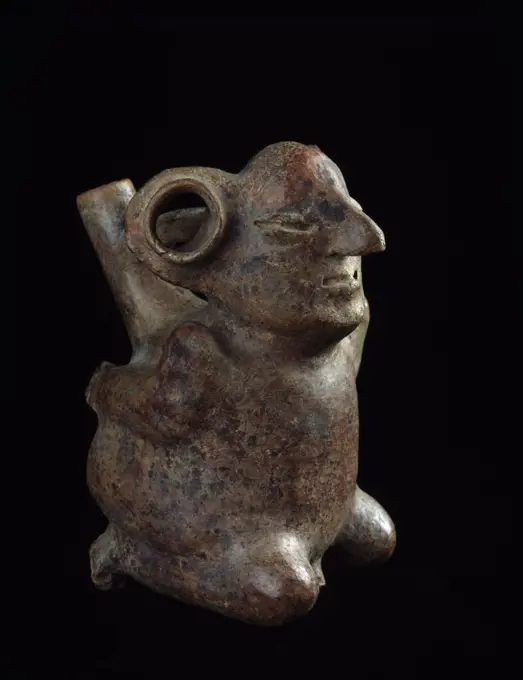
Bound prisoner spout vessel from Early Moche,  Peru,  USA,  Florida,  Jacksonville,  The Museum of Contemporary Art,  Pre-Columbia Ceramic Collection,  circa 400-100 B.C.
Bound prisoner spout vessel from Early Moche, Peru, USA, Florida, Jacksonville, The Museum of Contemporary Art, Pre-Columbia Ceramic Collection, circa 400-100 B.C.
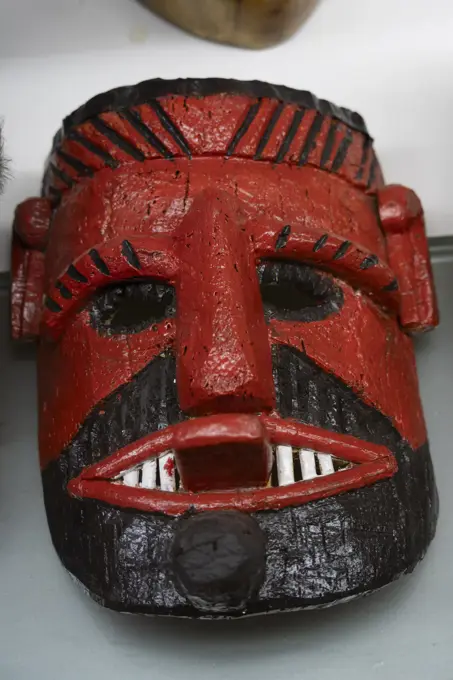
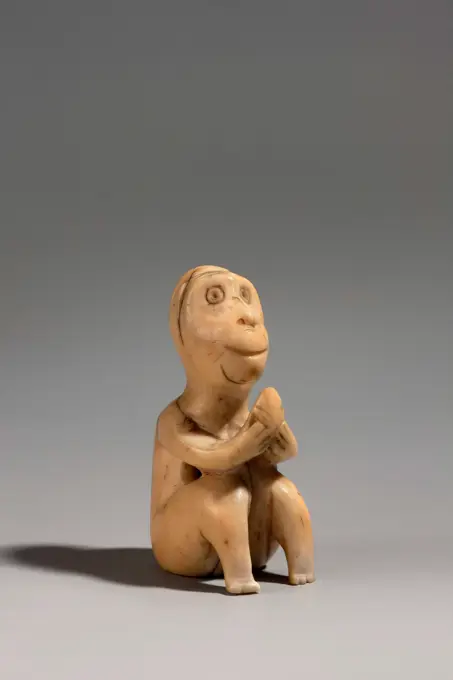
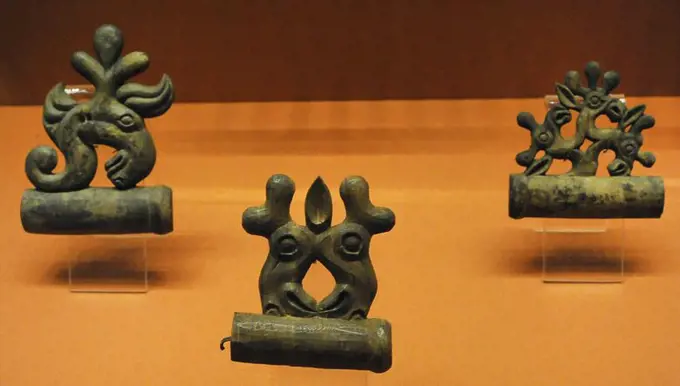
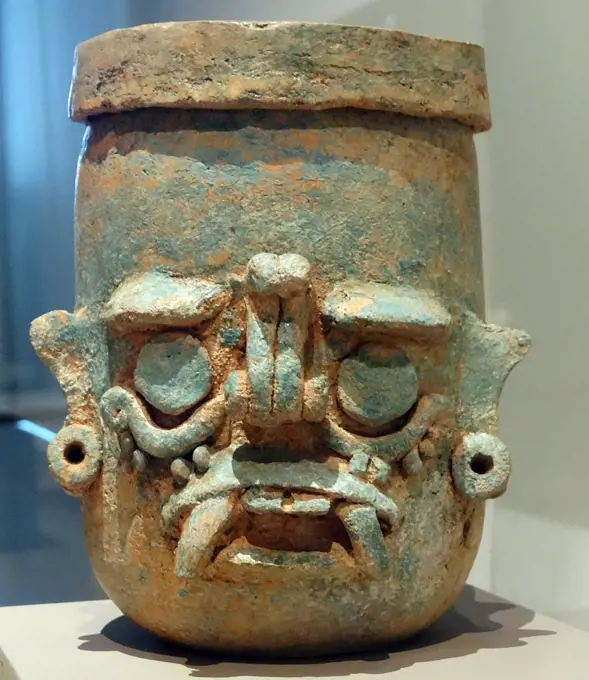
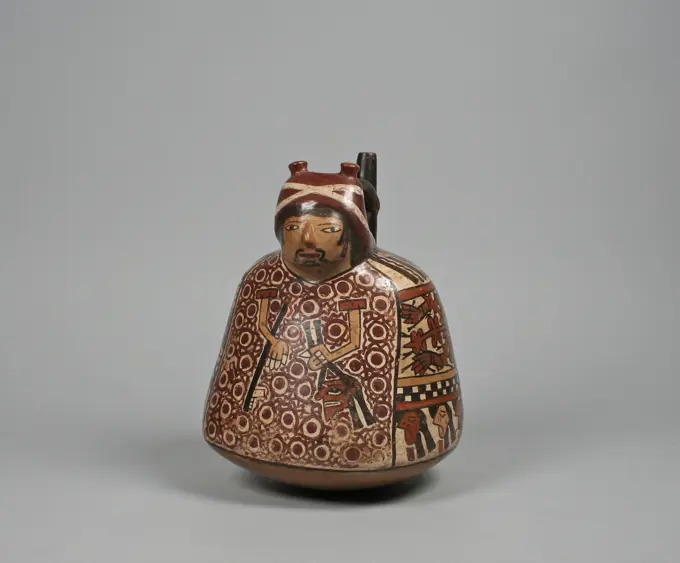
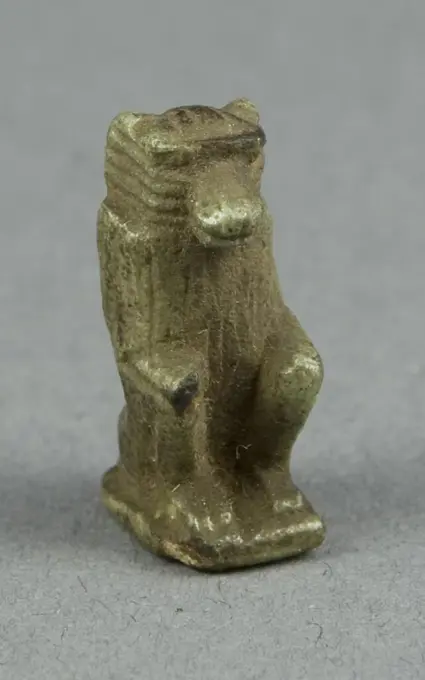
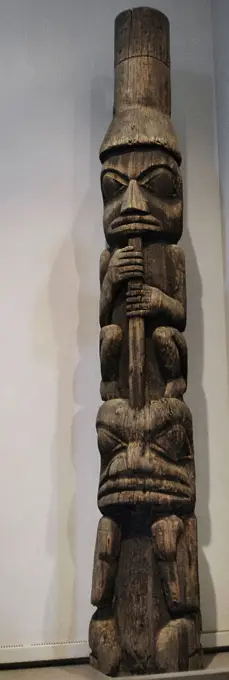
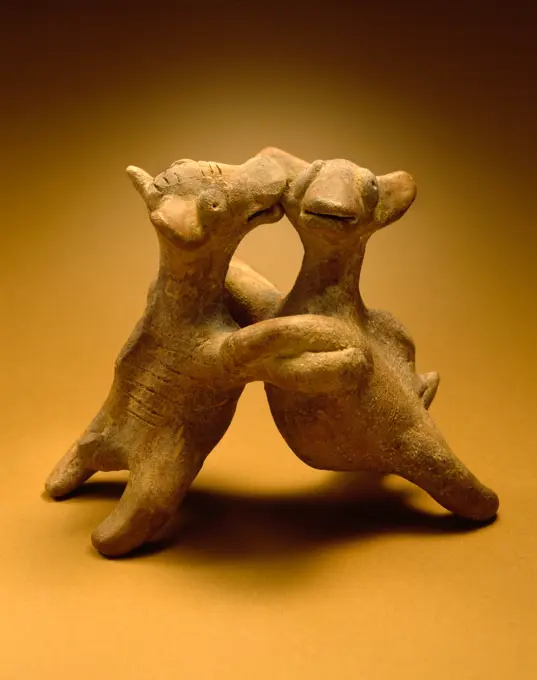
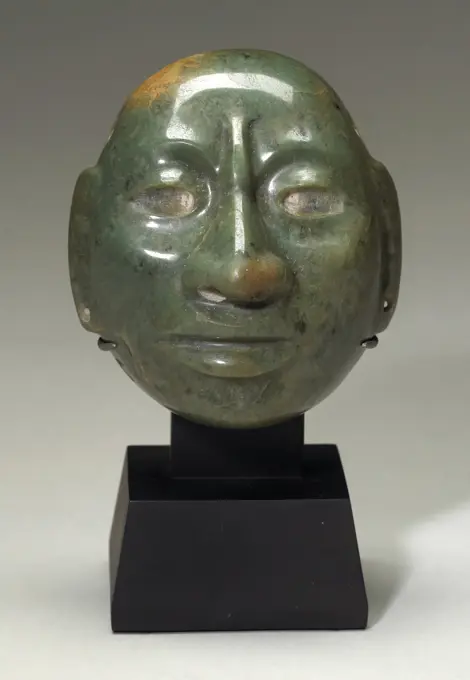
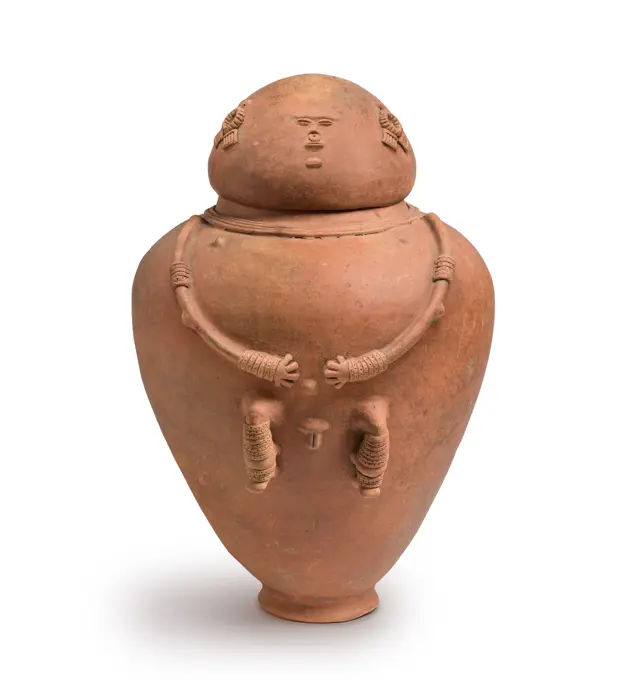
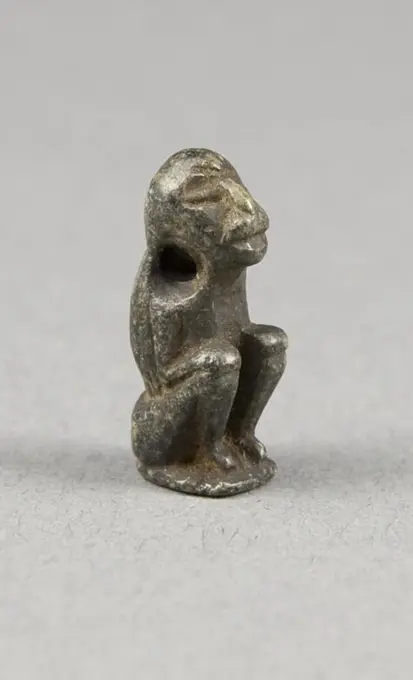
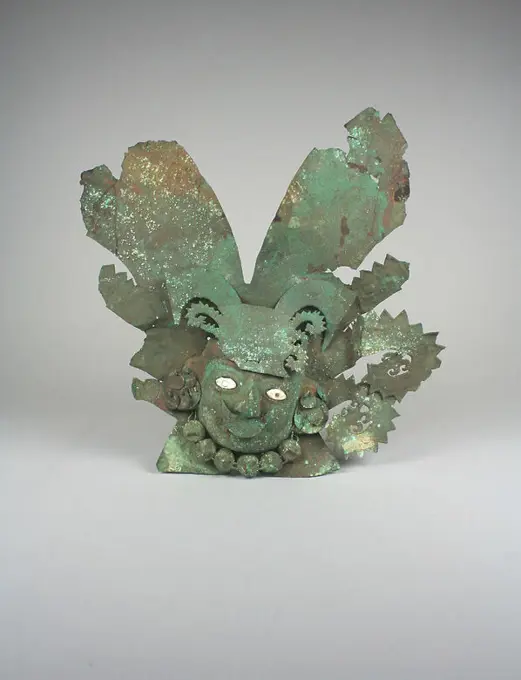
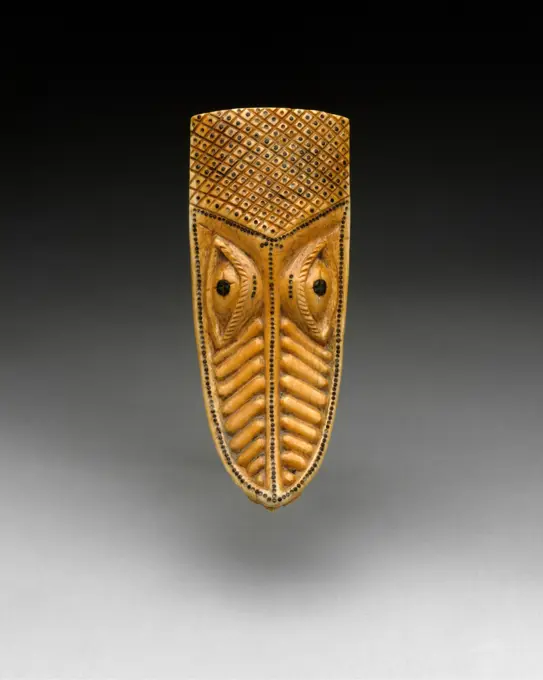
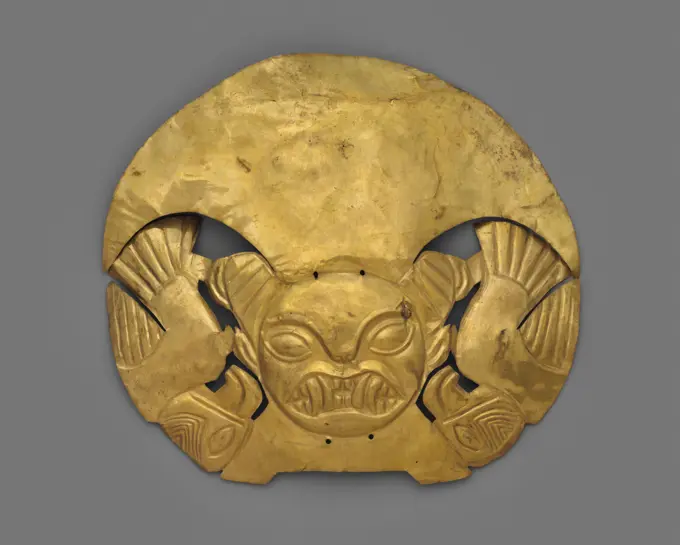
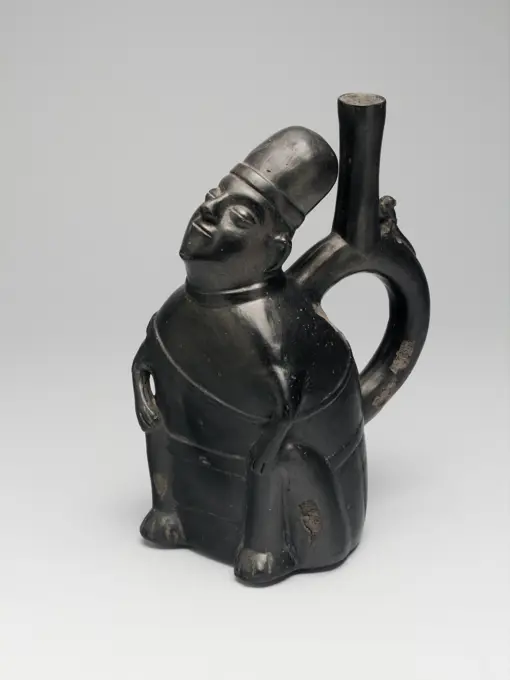
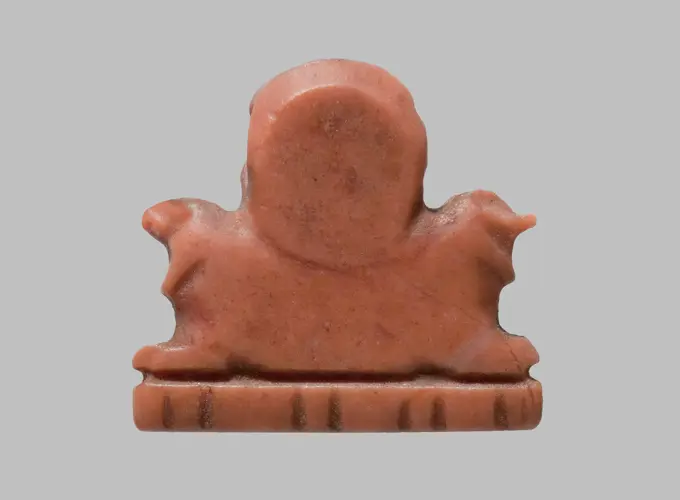
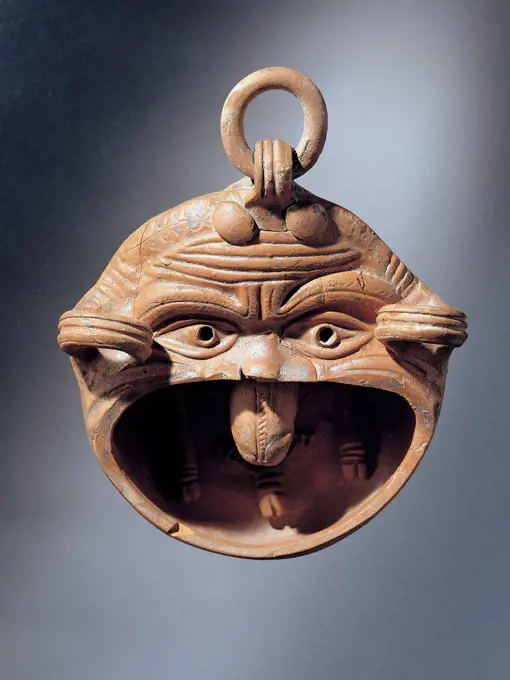
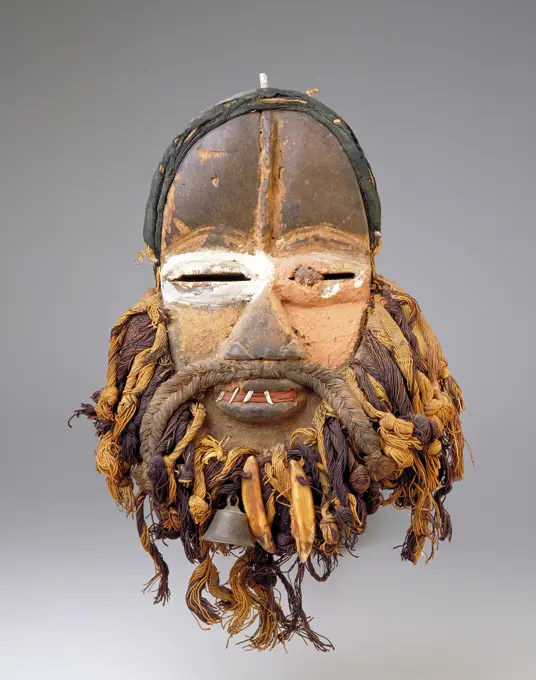
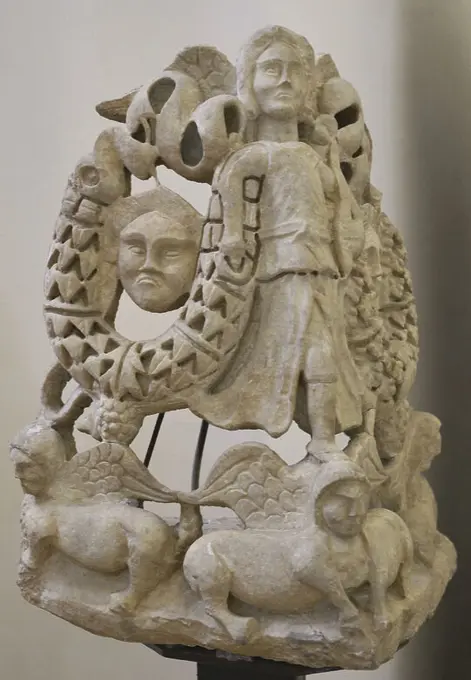
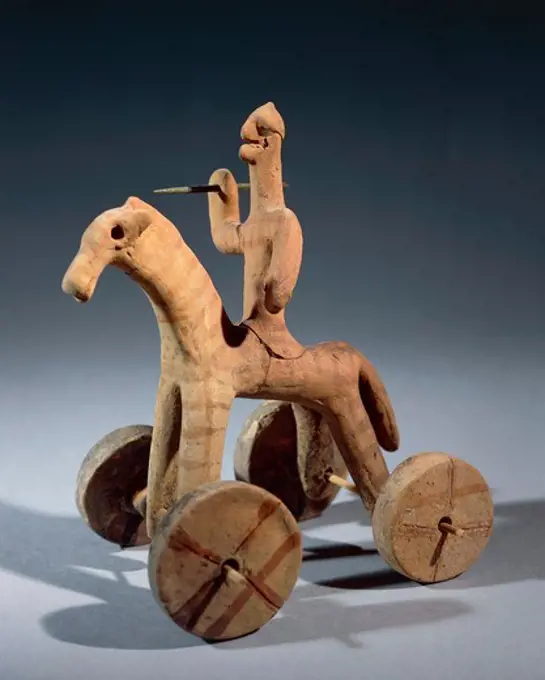
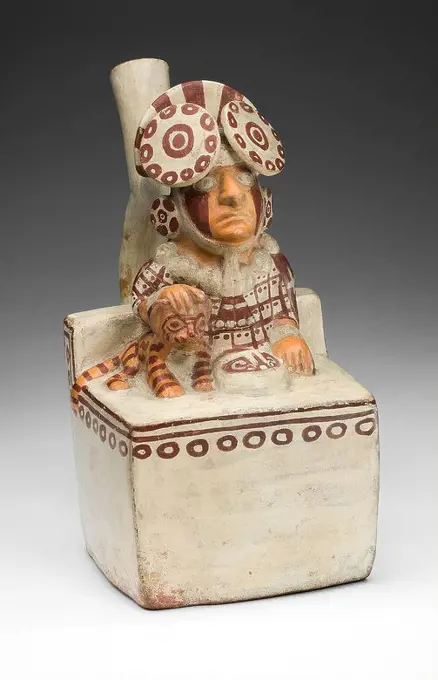
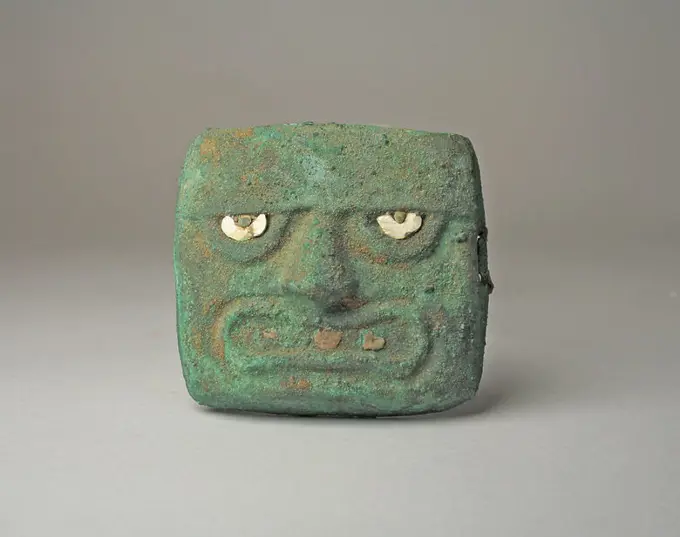
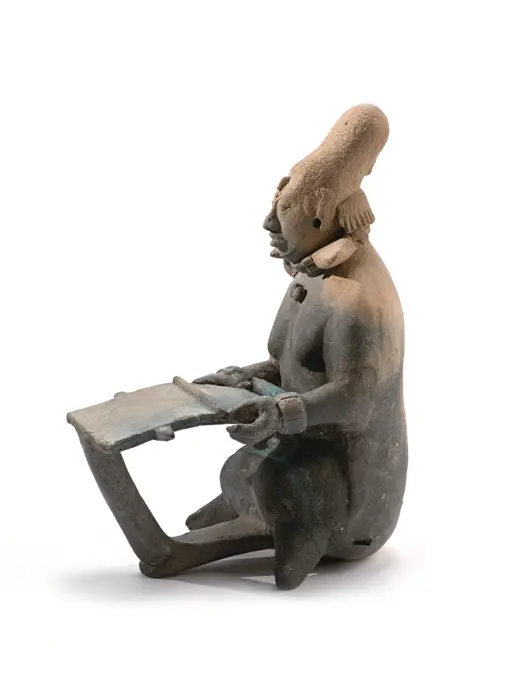
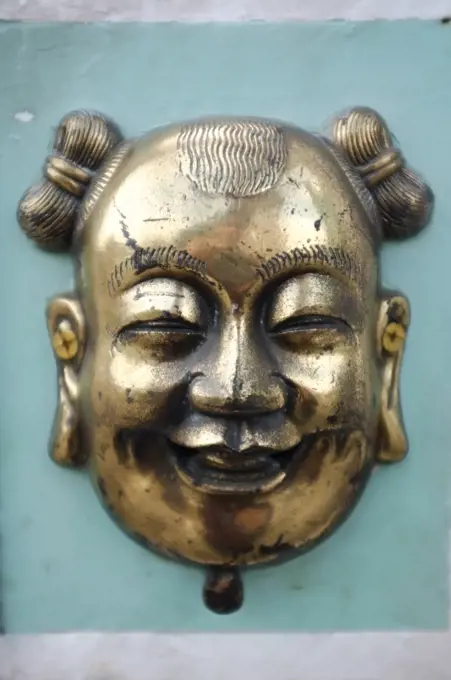
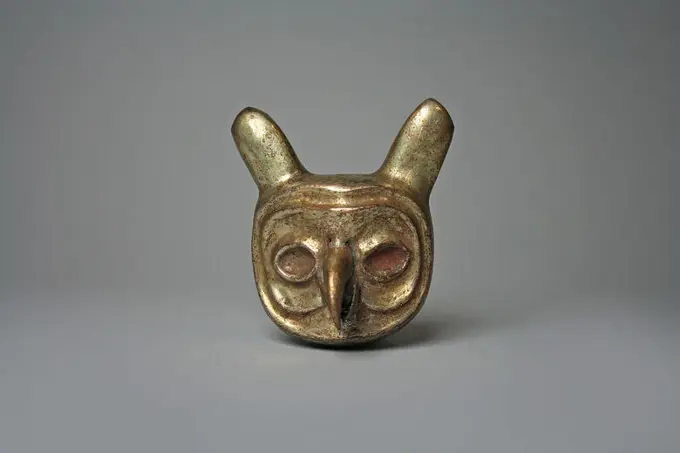
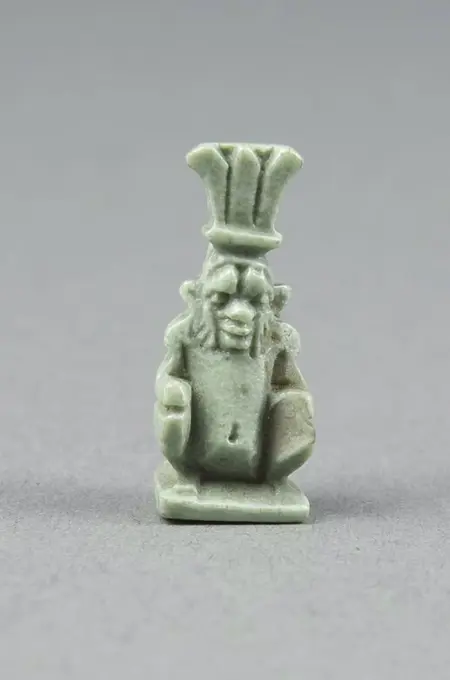
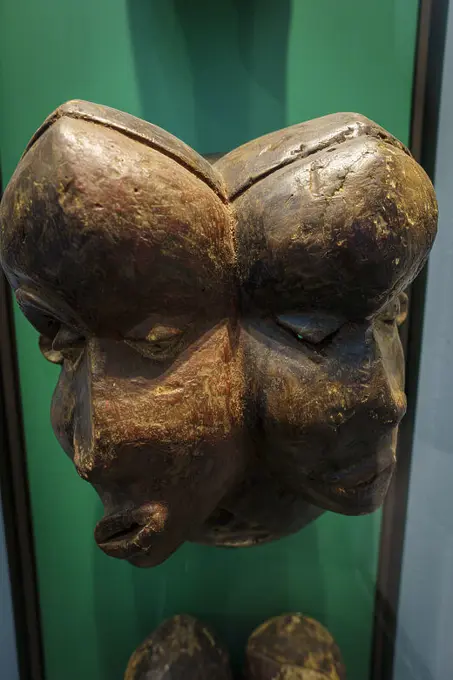
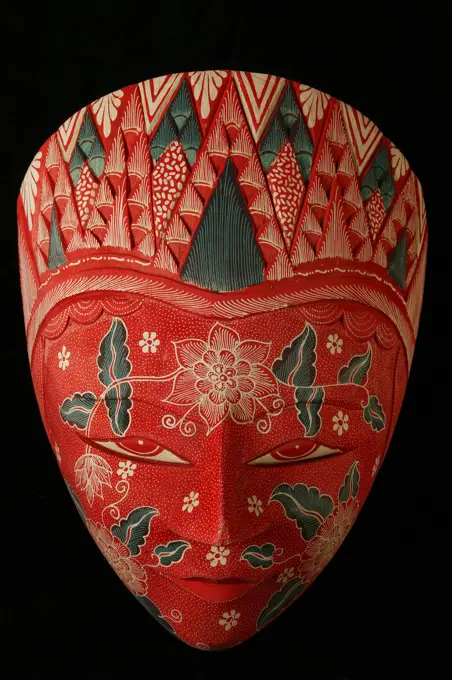
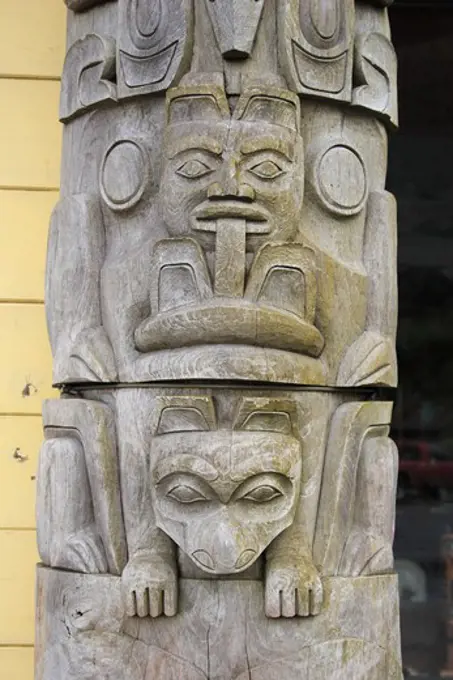
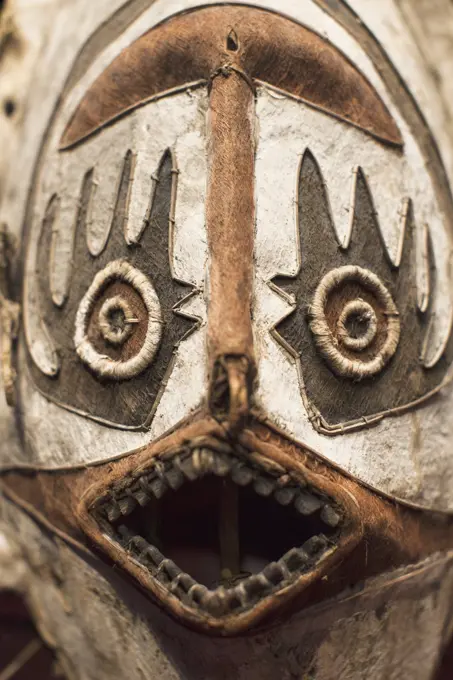
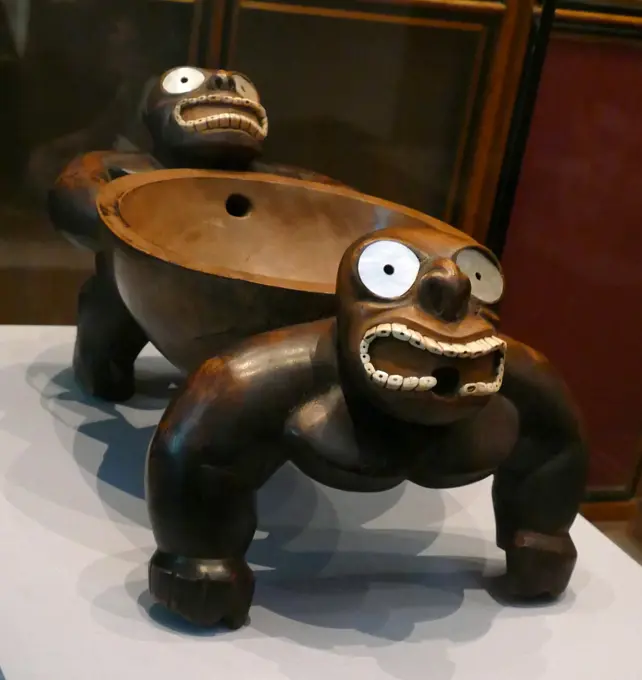
Ritual Food Vessel(Gui)Seated Figurine, AD 1-700 (Thermoluminescence date, AD 225-1055). Mexico, Gulf Coast, Huastec area (near Pánuco), 1st-8th Century. Earthenware; overall: 9 cm (3 9/16 in.).Jug late 14th-early 15th century Italian. Jug 463559Typical manual mask for a traditional mask festival typical manual mask for a traditional mask festivalHeaddress Frontlet 1880-90 Tsimshian (). Headdress Frontlet 312812Netsuke in the shape of seated monkey. unknown, sculptorNomadic peoples. Siberia. Pazyryk culture. Decorations: Stylized moose heads. Wood. 6th-5th c. BC. Tuekta burial site, barrow 1. The State Hermitage Museum. Saint Petersburg. Russia.Ceramic vase depicting the Mayan rain deity, Chaac, Yucatan, Mexico. Dated 1250-1550 AD.Figure Bottle 4th-6th century Nasca. Figure Bottle. Nasca. 4th-6th century. Ceramic. Peru. Ceramics-ContainersAmulet of the God Thoth as a Seated Baboon. Egyptian. Date: 664 BC-332 BC. Dimensions: 2 × 1 × 1 cm (3/4 × 3/8 × 3/8 in.). Faience. Origin: Egypt. Museum: The Chicago Art Institute, USA. Author: Ancient Egyptian.Headrest Tami Islands mid to late 19th century Linked by a complex maritime trade network in which ritual objects, designs, and ceremonies circulated alongside more mundane goods, the north coast of New Guinea and the islands off its shores gave rise to a series of closely-related art traditions. These traditions extended from Astrolabe Bay and the coastal Huon peninsula across the islands of the Vitiaz Strait to parts of southern New Britain. The Tami Islands, located off the eastern tip of the Huon Peninsula, comprised the most prolific and influential center of art production in the region. Tami objects and designs circulated widely, creating a shared aesthetic so pervasive that the regions artistic traditions are often called the Tami style. However, artists in each culture adapted this shared artistic vocabulary to create their own distinctive imagery. View more. Headrest. Tami Islands. mid to late 19th century. Wood, lime. Papua New Guinea, Tami Islands. Wood-FurnitureMemorial pole, ca. 1870. Unknown Haida artist. It depicts a grandmother who instructed the children of the clan. She holds a medicine man's cane, wearing a spruce-root hat. The lower figure is a frog. The old woman taught her grandchildren not to harm any living thing. The pole tells a story about how she cured a boy, who became ill because he made fun of the frogs. Wood. Dimensions; height: 678,1 cm; width: 93,9 cm; depth: 66 cm. Denver Art Museum. Denver, Colorado, United States.Figurine, 1-200. Parthian, 1st-2nd Century. Bone; overall: 8.6 cm (3 3/8 in.).Vessel in the Form of a Human Head, Probably a Trophy Head 180 BCE-500 CE Peru. Ceramic and pigment . NazcaKnife Handle 18th century Burma. Knife Handle 38553Dogs Playing. Mexico, Colima, Colima, 200 BCE-500 CE. Ceramics. Unslipped buff ceramic with incised decorationMaskette, c. 550 - 900, 4 x 3 1/2 x 2 in. (10.16 x 8.89 x 5.08 cm), Jade, Guatemala, 6th-10th centuryStatuette of a man with a stick. Statuette of a man with a stick 250803 Statuette of a man with a stick, Bronze, H.: 4 x 1 5/8 x 1 7/8 in. (10.2 x 4.1 x 4.8 cm). The Metropolitan Museum of Art, New York. Rogers Fund, 1919 (19.192.70)Karma Mirror on Lion-shaped Pedestal. Korea, Joseon (1392-1910), 19th century. Sculpture. Carved wood with pigmentsJar Stopper (GuriGuri)Lidded Female Figure Burial Urn. Colombia, Sierra Nevada de Santa Marta (La Mesa Ceramic Style), 900-1600 CE. Ceramics. CeramicAmulet of a Seated Ape. Egyptian. Date: 1700 BC. Dimensions: 1.9 × 0.6 × 0.6 cm (3/4 × 1/4 × 1/4 in.). Steatite. Origin: Egypt. Museum: The Chicago Art Institute, Chicago, USA. Author: Ancient Egyptian.Long-legged owl, mid-20th century, brass figure, Mumbai, India.Mask with Headdress. Culture: Moche (Loma Negra). Dimensions: Height 11-13/16 in. (30 cm). Date: 390-450. Museum: Metropolitan Museum of Art, New York, USA.Orufanran Costume Attachment: Crocodile Head 17th-19th century Yoruba peoples, Owo group The influence of Benin royal art is particularly apparent in Owo, a Yoruba kingdom that came under Benin control in the fifteenth century and again in the eighteenth. Located on the eastern edge of Yorubaland, Owo is almost equidistant from Benin and Ife, the Yoruba cultural and religious center from which the reigning dynasty in Benin traces its origin. Although some Owo artworks resemble the highly naturalistic brass and terracotta sculptures of Ife, the regalia of Owo's kings and chiefs is most like that of their counterparts in Benin. Owo is renowned for its ivory carving, and many of the ivory ornaments and cups made for Owo's rulers are similar in form or imagery to objects from Benin. The highest-ranking chiefs of Owo used ivory costume elements to demonstrate their exalted status.. Orufanran Costume Attachment: Crocodile Head 316593Pre-Incan. Mask. Chancay culture. Peru. 1000-1470 DC. Wood. Museum of Cultures of the World. Spain.Headdress Ornament A.D. 200-600 Moche Created by cutting and embossing sheet metal (in this case a gold-copper-silver alloy), this ornament would have been secured to a cloth turban-like headdress via the pairs of holes at the top and bottom of the central raised imagethe face of a snarling feline with prominent fangs. The feline is flanked by two downward-facing birds of prey, and the feline itself wears a crescent-shaped headdress, considered a marker of high, perhaps even divine, status by the Moche people of Peru’s North Coast. This headdress frontal, one of two nearly identical examples known (the other is in the Museo Larco in Lima, ML100770), is similar to a type of headdress seen on finely painted ceramic vessels made by Moche artisans. For example, on two vessels now in Lima, “ritual runners” are shown wearing headdresses that are surmounted by a disk with a feline face in the center, although those headdresses are encircled by a band of spherical beads (see Donnan 2004:71 anVessel with Abstract Feline and Falcon-Head Spout 650 BCE-150 BCE Ocucaje. Ceramic with resinous postfire paint . ParacasWolf and Whelp. Anonymous. Japan, 18th century. Costumes; Accessories. Ivory with staining, sumi, inlaysMexico, Oaxaca, Teotitlan del Valle, Pre-hispanic artifact, possibly Zapotec god.Sleeping Figure Bottle 12th-15th century Chimú. Sleeping Figure Bottle 314677Amulet - Aker or Ruti;  around 1550 1069 BC ; New PAAker (mitol.), Ruti (Mitol.), Scene.gal.Eg., Society of Zachęta Piękna Arts (Warsaw-1860-1940)-collection, Tyszkiewicz, Michał (1828-1897), Tyszkiewicz, Michał (1828-1897) - collections, gift (provenance)A lively wooden carving face on a totem pole by ancient native indian american, Victoria, British Columbia, Canada isolated on wMask-shaped vessel with mask with tilting phallus in the mouth, by Unknown artist, 1st Century, terracotta. Italy: Campania: Naples: National Archaeological Museum: 27859. Whole artwork. Bird drinking trough mask-shaped container with tilting phallus in the mouthMask, 20th century, 11 1/2 x 8 1/2 x 3 in. (29.2 x 21.6 x 7.6 cm), Wood, metal, thread, ivory, pigment, cloth, Liberia, 20th centuryLamp, Central Anatolia, Anatolia; 1st century; Terracotta; 17 × 16 × 7.6 cm (6 11,16 × 6 5,16 × 3 in.)Acroterion. 2nd century AD. From the Sanctuary of the Nymphs and Aphrodite. Kasnakovo, Haskovo region, Bulgaria. National Archaeological Museum. Sofia. Bulgaria.Oinochoe (Wine Jug) in the Form of a Woman's Head, c. 475-450 BC. Associated with Class N. Ceramic; overall: 15.8 cm (6 1/4 in.).Greek civilization, warrior on wheeled horse, statuetteEquestrian and Four Figures. Bankoni; Bougouni region, Mali; Northern Africa and the Sahel. Date: 1175-1500. Dimensions: Horse and Rider: 70 x 21 x 48.5 cm (27 1/2 x 8 1/4 x 19 in.); Figures: 28.5 x 14.6 x 19.3 cm (17 1/4 x 5 3/4 x 7 5/8 in.); 46 x 14.7 x 19 cm (18 x 5 7/8 x 7 1/2 in.); 44 x 10.2 x 18.5 cm (17 1/4 x 4 x 7 1/4 in.); 28.5 x 12.7 x 18.4 cm (17 3/8 x 5 x 7 1/4 in.). Terracotta. Origin: Mali. Museum: The Chicago Art Institute, Chicago, USA.Cheekpiece from a Horse Bit. Iran, Luristan, Luristan bronzes, circa 1000-650 B.C.. Tools and Equipment; horse trappings. Bronzesmall idol, Retortillo, pre-Roman, Museum of prehistory and archeology (MUPAC), Santander, Cantabria, SpainVessel in the Form of a Seated Ruler with a Pampas Cat. Moche; North coast, Peru. Date: 250 AD-550 AD. Dimensions: 19.4 × 19.1 cm (7 5/8 × 7 1/2 in.). Ceramic and pigment. Origin: North Coast. Museum: The Chicago Art Institute, Chicago, USA.Congolese mask in Bukavu, DRCBowl with Face 5th-4th century B.C. Paracas. Bowl with Face. Paracas. 5th-4th century B.C.. Ceramic, post-fired paint. Peru. Ceramics-ContainersFace Mask Ornament. Culture: Moche (Loma Negra). Dimensions: H. 3 1/8 x W. 3 9/16 in. (7.9 x 9 cm). Date: 390-450. Museum: Metropolitan Museum of Art, New York, USA.Figurine Whistle of a Woman with a Backstrap LoomBrass or bronze chinese mask on green cement wallBronze statuette of Sobek as a Crocodile, from Egypt. Dated 4th Century BCOwl Ornament. Culture: Moche (Loma Negra). Dimensions: H. 2 3/4 in. (7 cm). Date: 390-450. Museum: Metropolitan Museum of Art, New York, USA.Amulet of the God Bes. Egyptian. Date: 664 BC-332 BC. Dimensions: 2.25 × 1 × .75 cm (7/8 × 3/8 × 1/4 in.). Faience. Origin: Egypt. Museum: The Chicago Art Institute, Chicago, USA. Author: Ancient Egyptian.double African sick mask, Pende del Zaire ethnicity, 19th century,. polychrome wood, Bassa Blanca Museum (msbb). Yannick Vu and Ben Jakober , Alcudia, Majorca, Spain.Bag 7th century Nasca. Bag 310451Ornate Red Painted Tribal Maskmoldes y estampillas de alfarero, 425-100 a.C, Museo arqueológico de Ibiza y Formentera, Patrimonio de la Humanidad «Ibiza, biodiversidad y cultura», Ibiza, balearic islands, Spain.HUCHA CON FORMA DE BUHO-SIN VIDRIAR-CERAMICA POPULAR S XX. Location: ALFARERIA. JAEN. SPAIN.Close up detail of totem pole ; Ketchikan ; Alaska ; U.S.A. United States of AmericaTribal art, Billikens, Juneau Museum, Alaska, USA, 2011.Iroquois false-face mask which belonged to a member of the 'False Face Band'. Artist: UnknownPectorals from a tomb in Egypt, of the 20th Dynasty. Dated 13th Century BCFrance, Paris, Musee du Quai Branly museum, Aboriginal Mask, Torres Strait area, Australia, 19th centuryPunic statuettes,representing the goddess Tanit.Archaeological museum.Eivissa.Ibiza.Pitiusas Islands.Baleares.Spain.Bowl from the Hawaiian Islands, 1700. Used to serve 'awa, an intoxicating drink. The bowl is decorated with pearl shell, and sections of boars' tusk. A Hawaiian chief presented it to Captain Charles Clerke, during James Cook's third Pacific Voyage.Carving of a native American head, Joshua Tree, California, USA.Ancient Nutcracker.