Museum Artifacts and Medals

An assortment of historical medals and artifacts, including a dog's profile medallion and traditional Japanese inrō, showcasing cultural heritage.

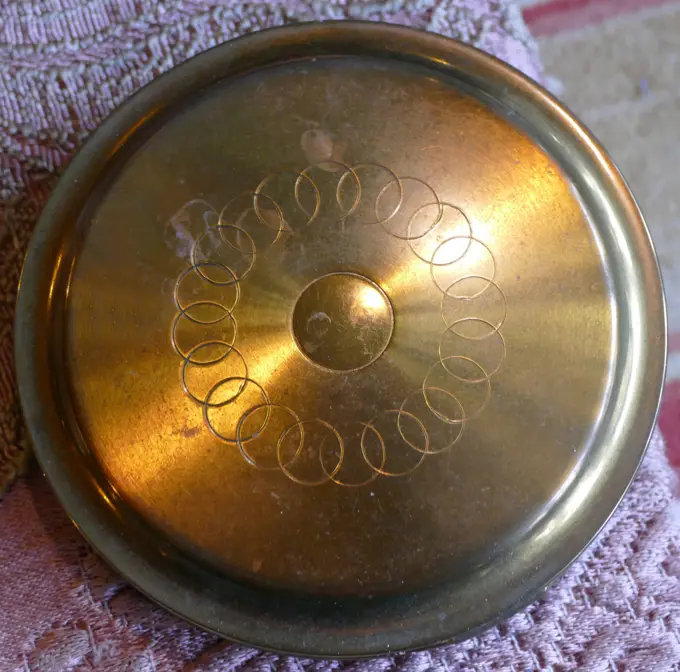
Saline from the initial of Tsar Aleksander III (without a lid); Manufaktura M.P.Radziwi  A in Nieborów; 1881-1886 (1881-00-00-1886-00-00);
Saline from the initial of Tsar Aleksander III (without a lid); Manufaktura M.P.Radziwi A in Nieborów; 1881-1886 (1881-00-00-1886-00-00);
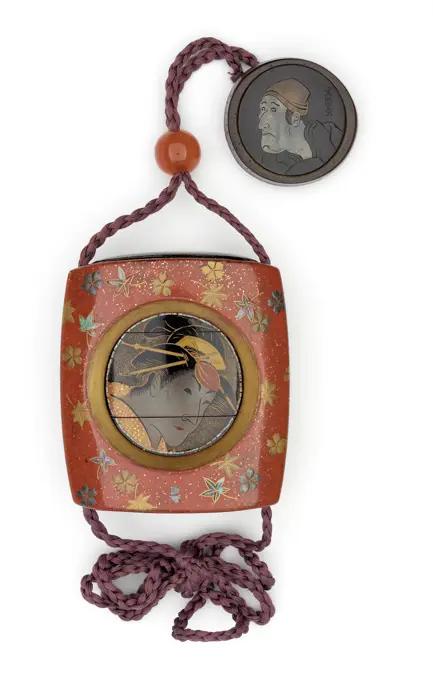
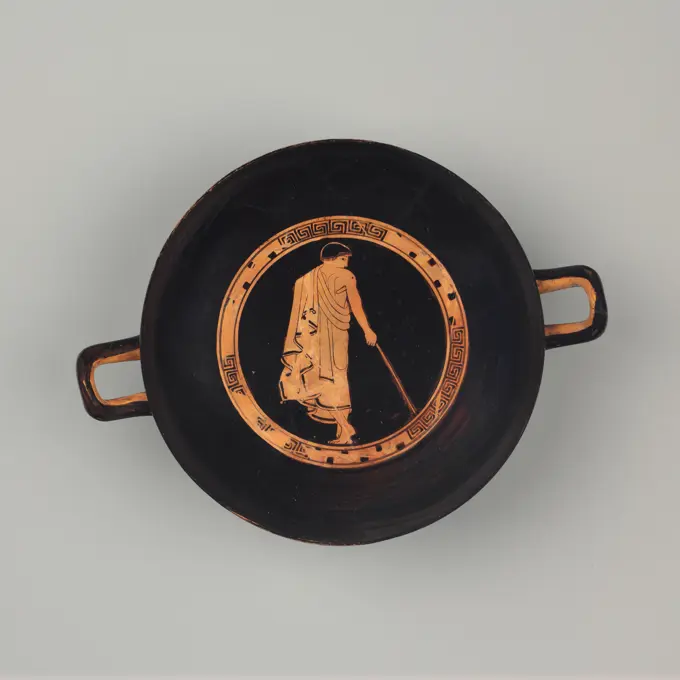
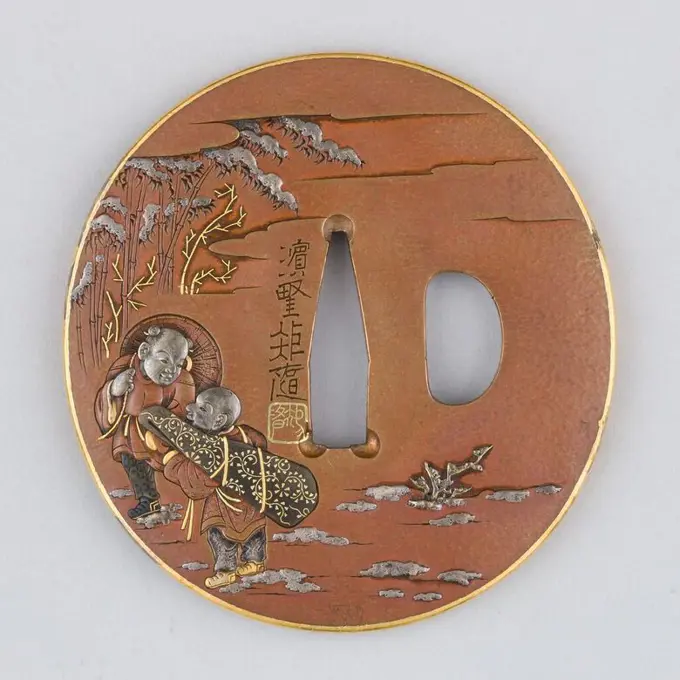
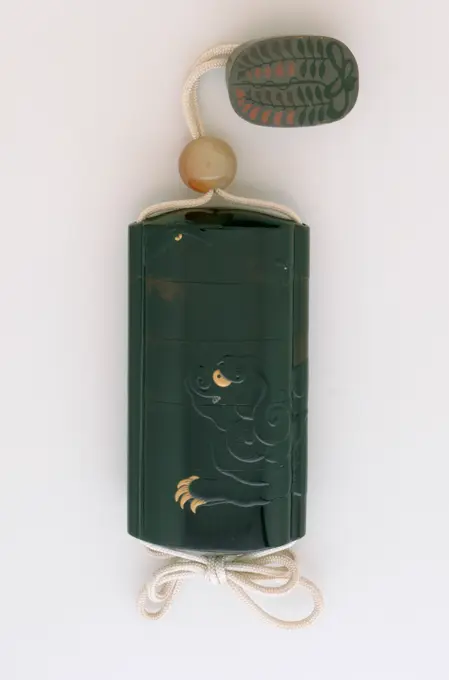
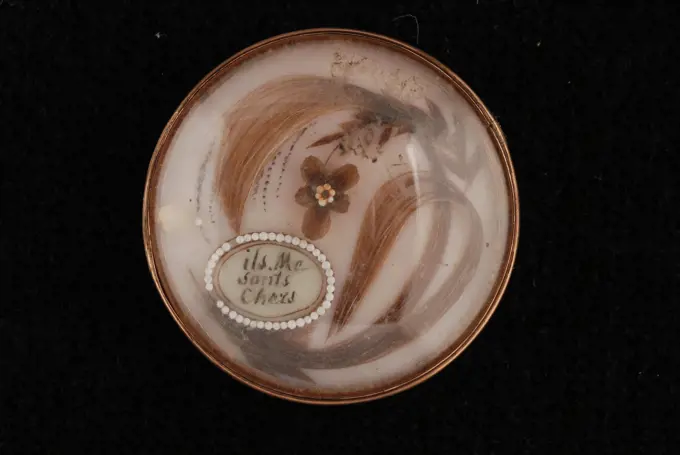
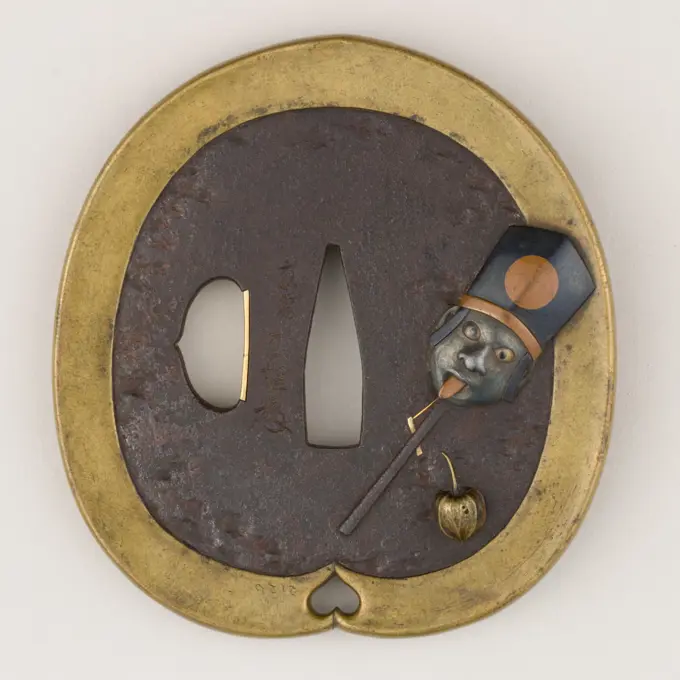
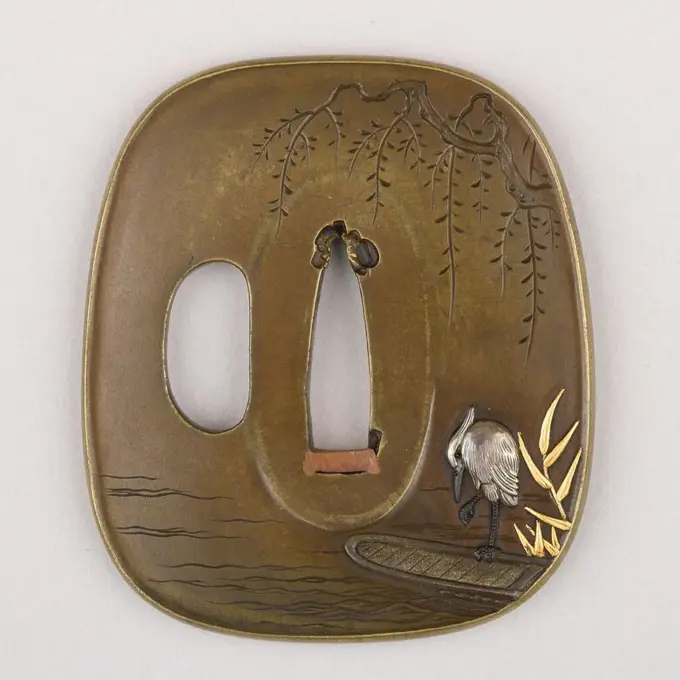
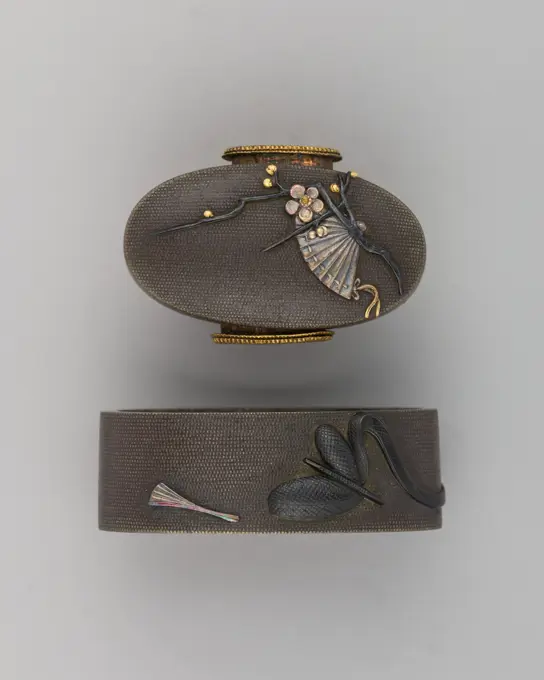
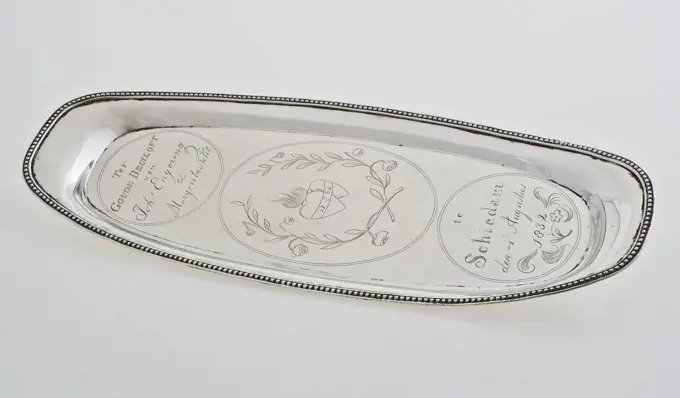
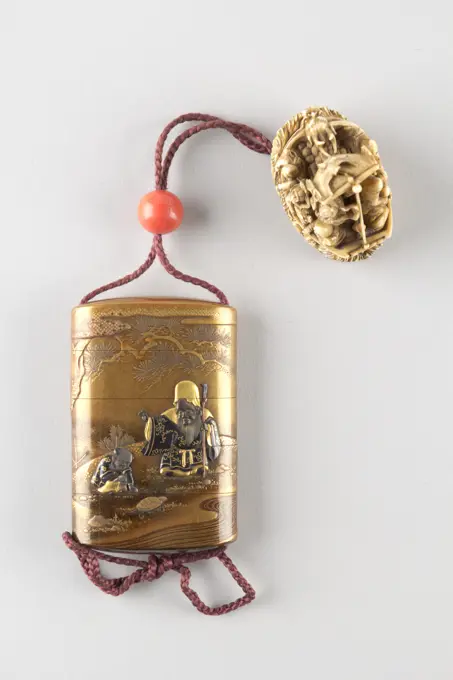
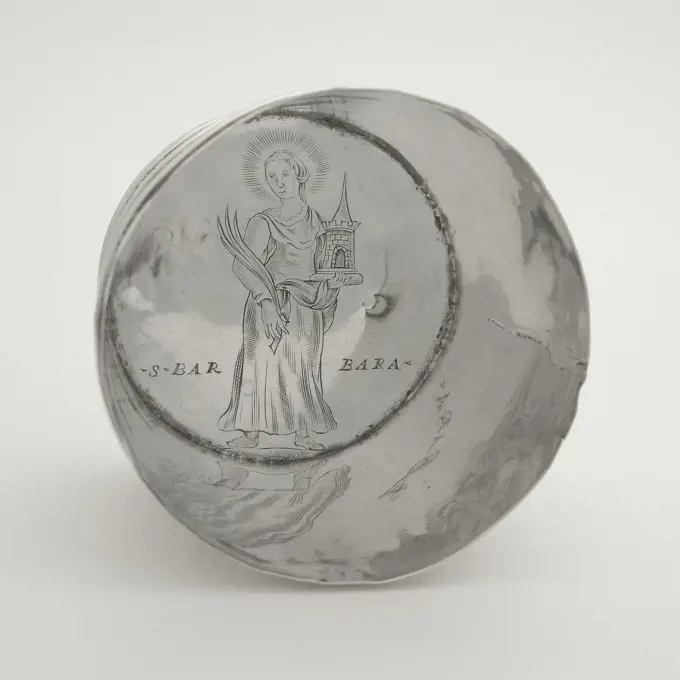
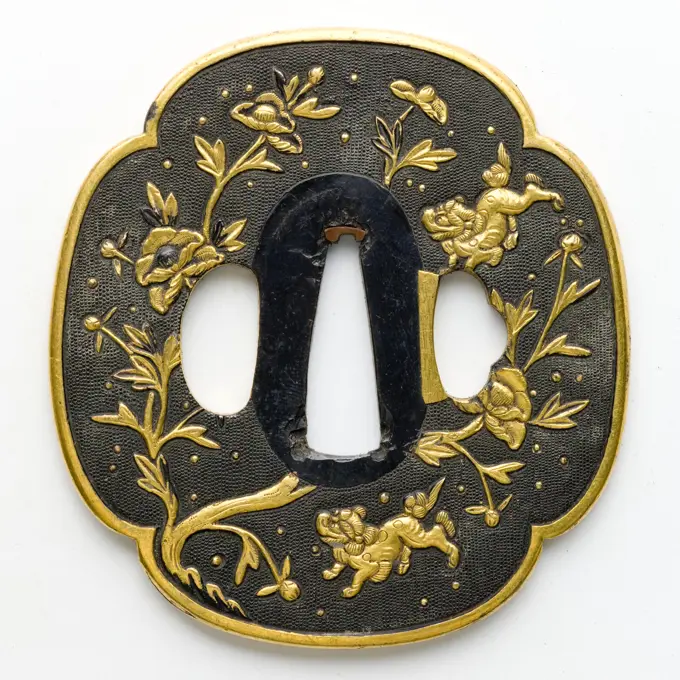
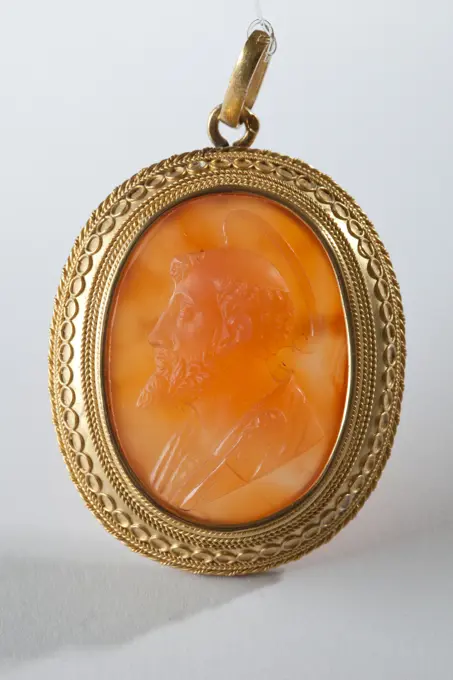
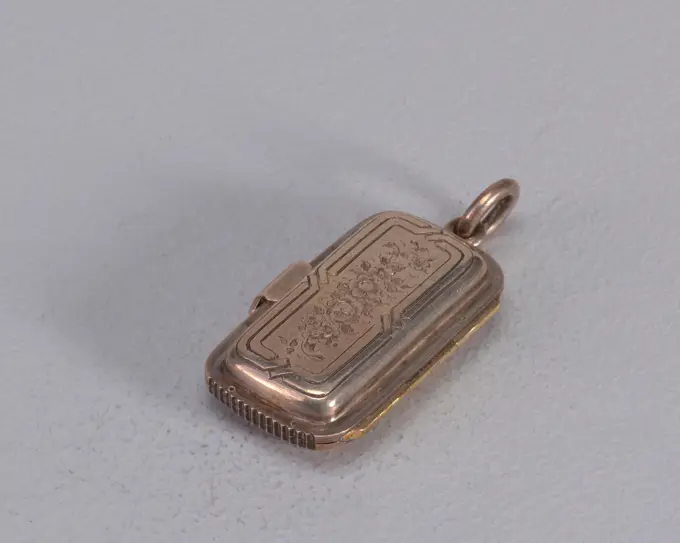
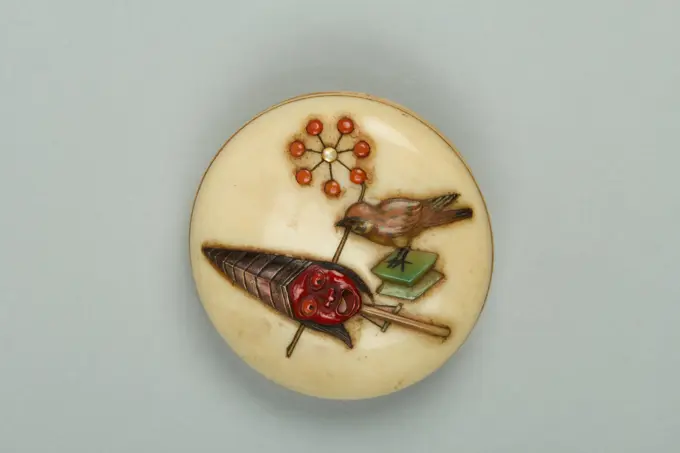
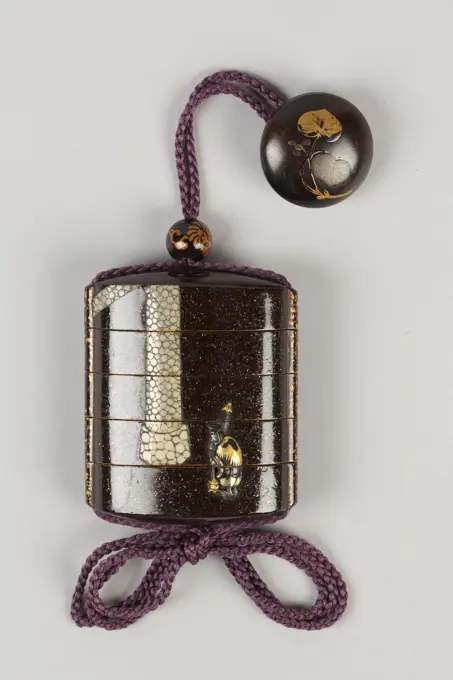
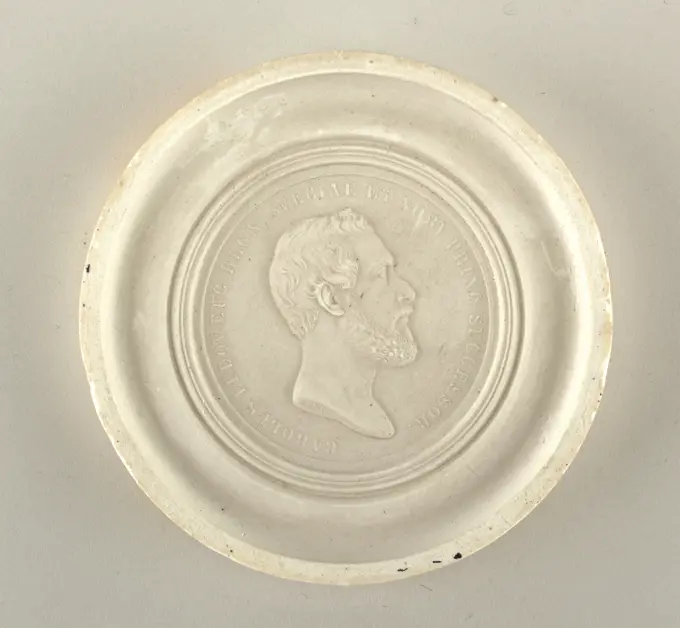
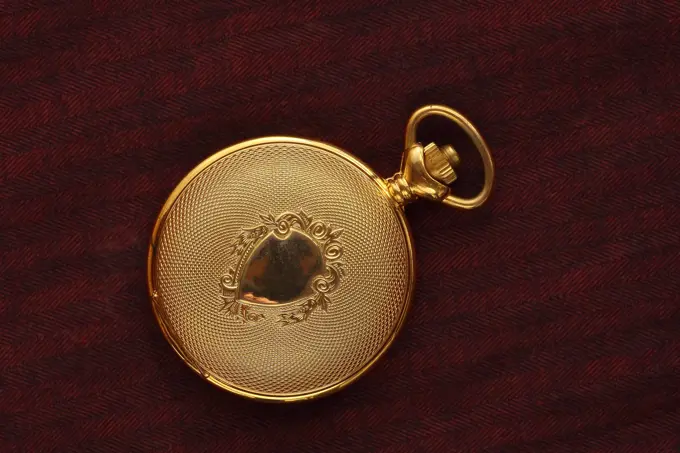
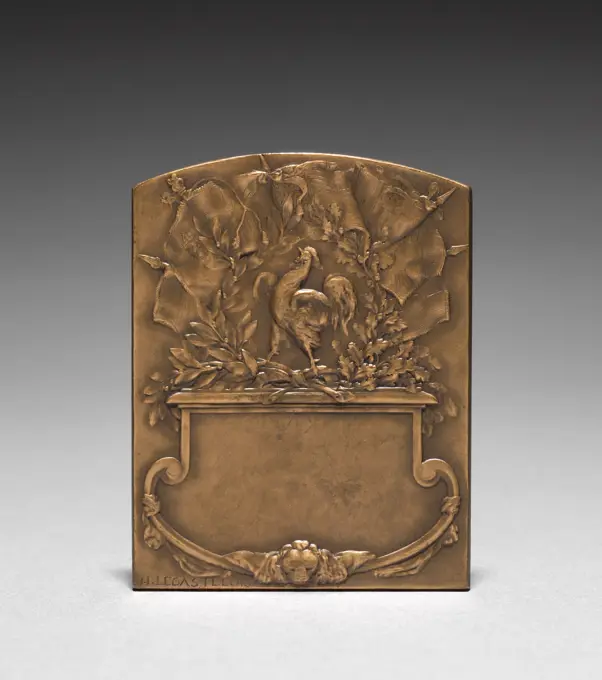
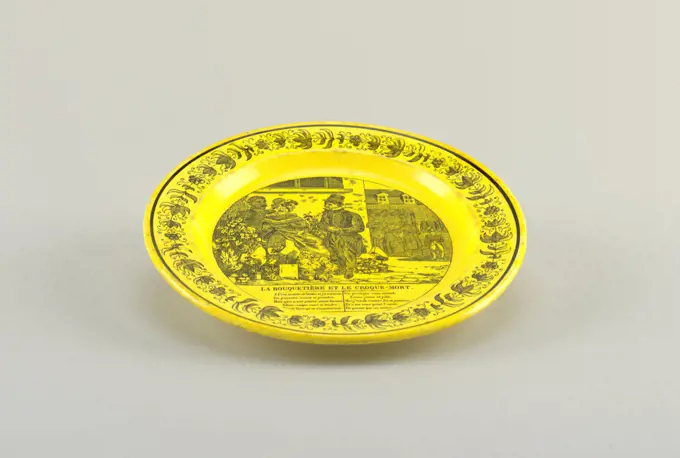
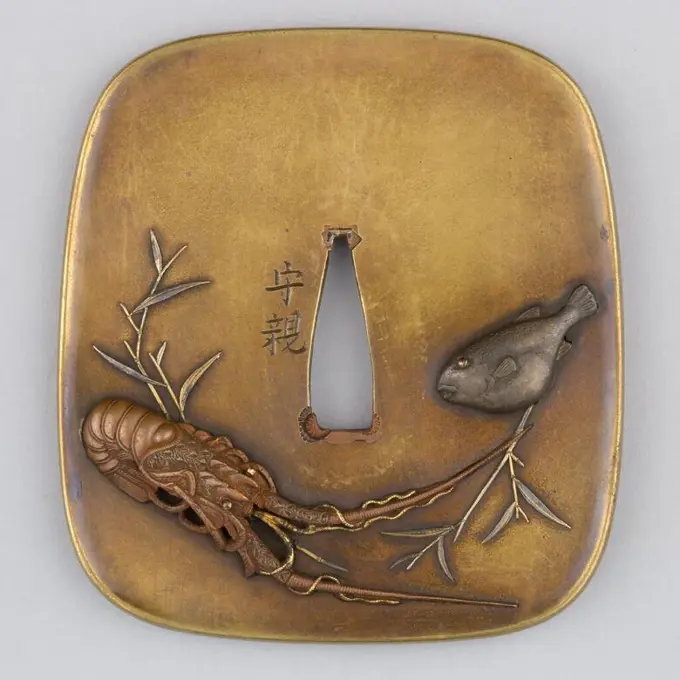
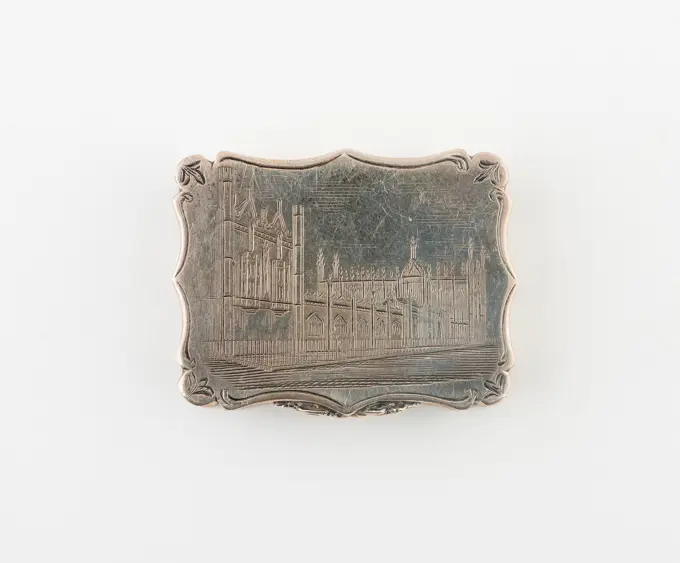
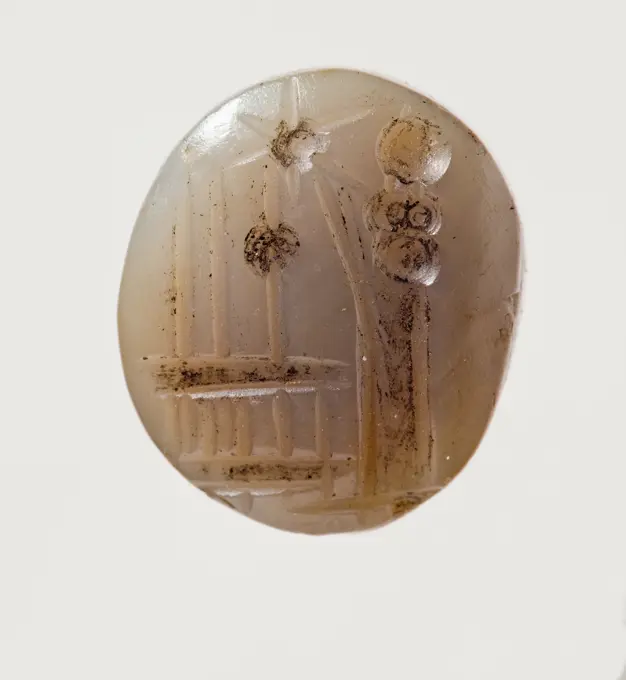
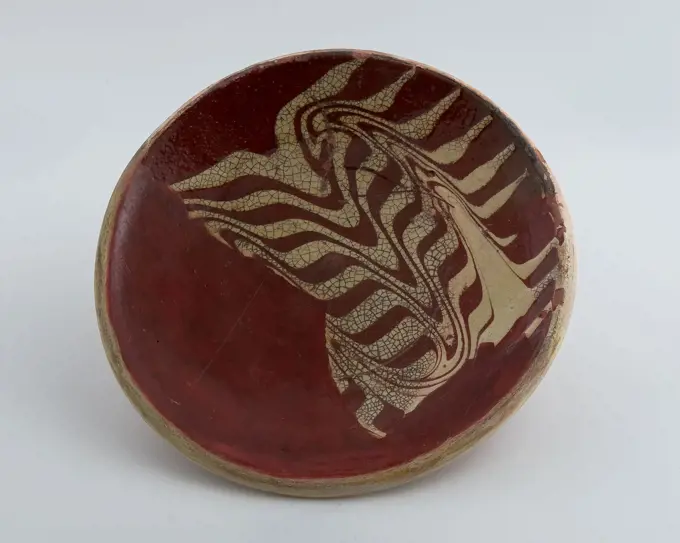
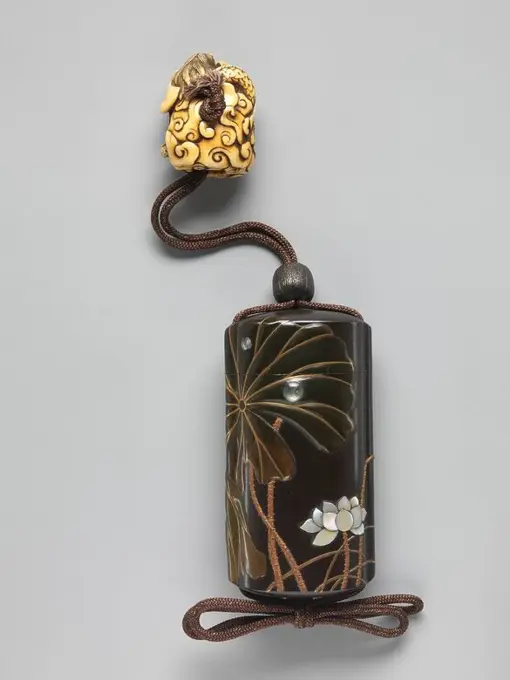
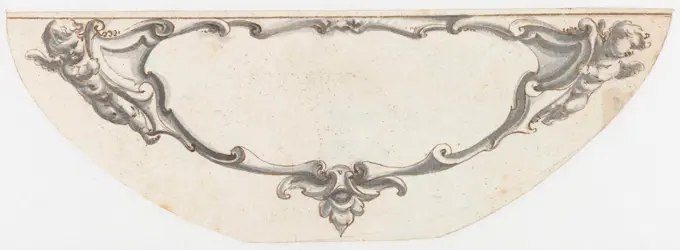
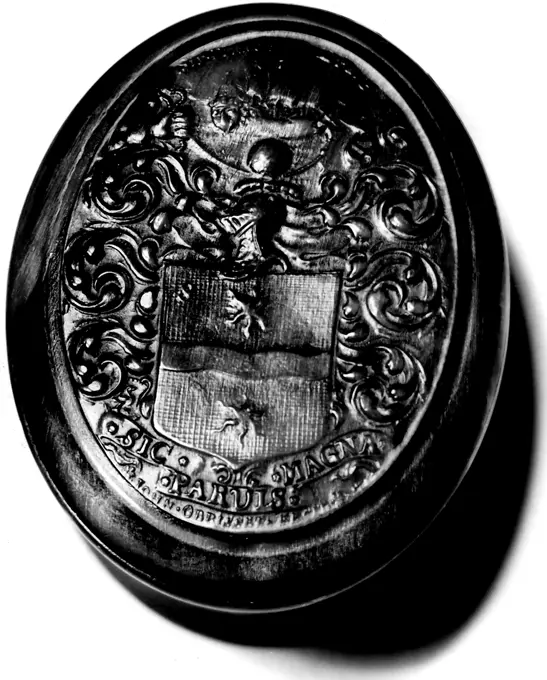
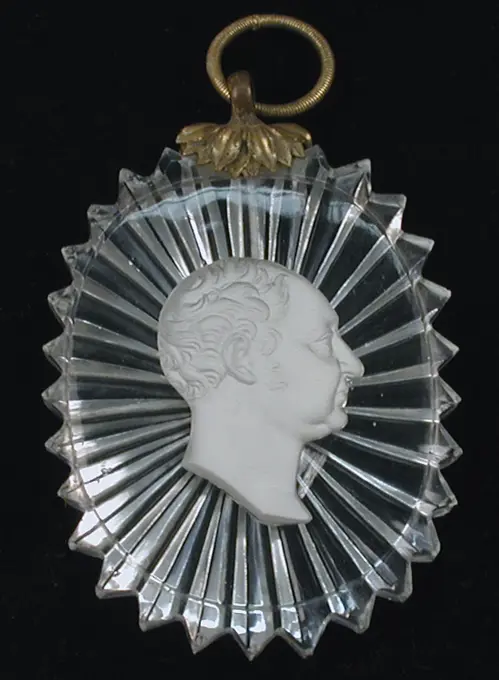
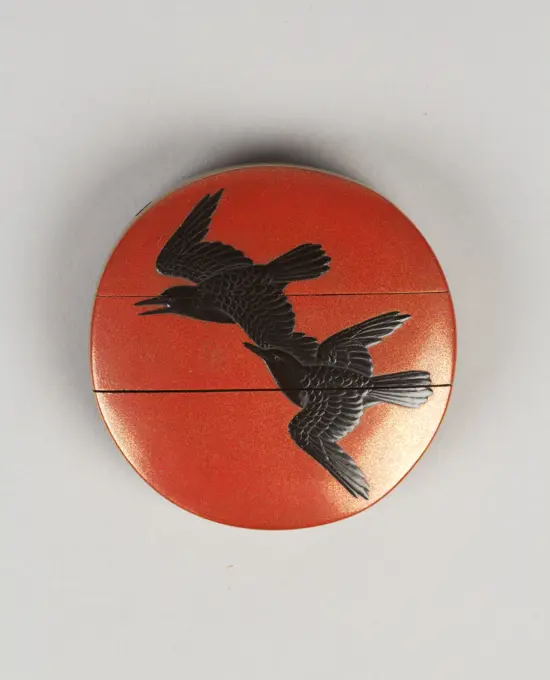
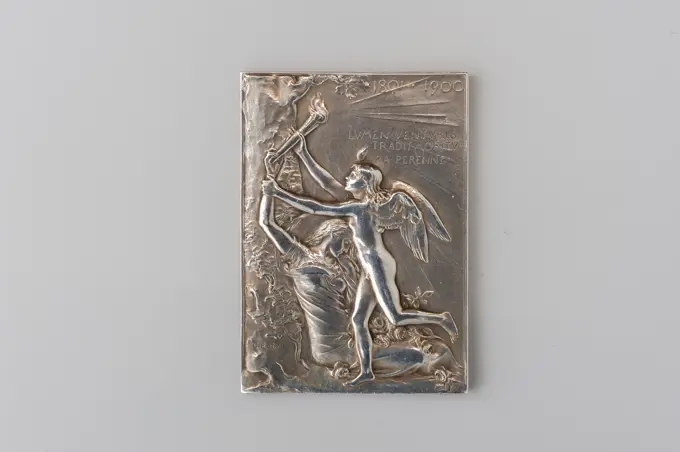
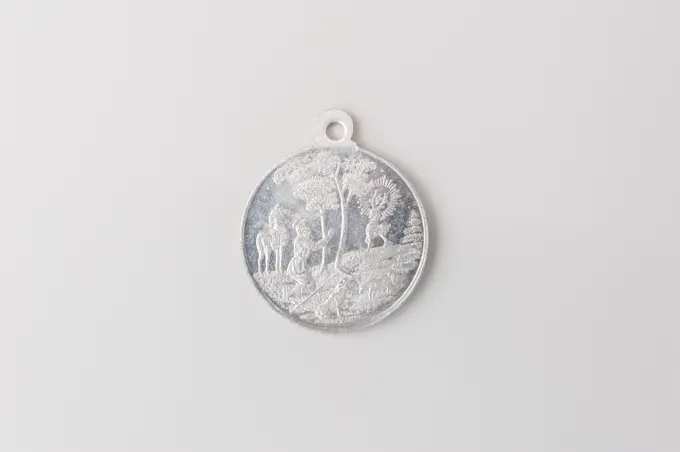
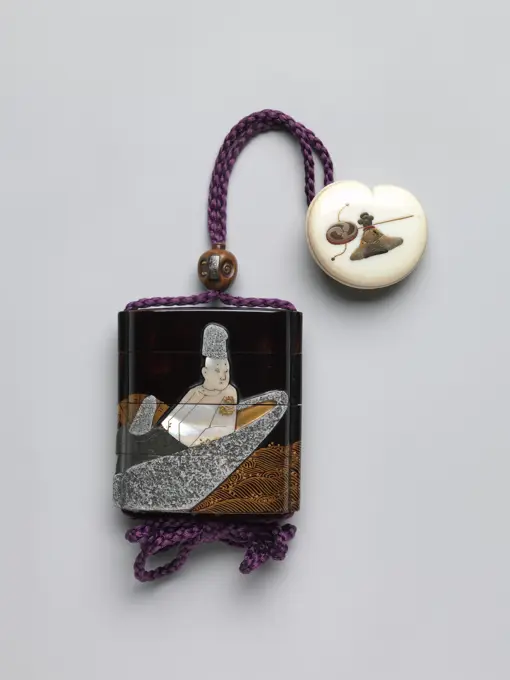
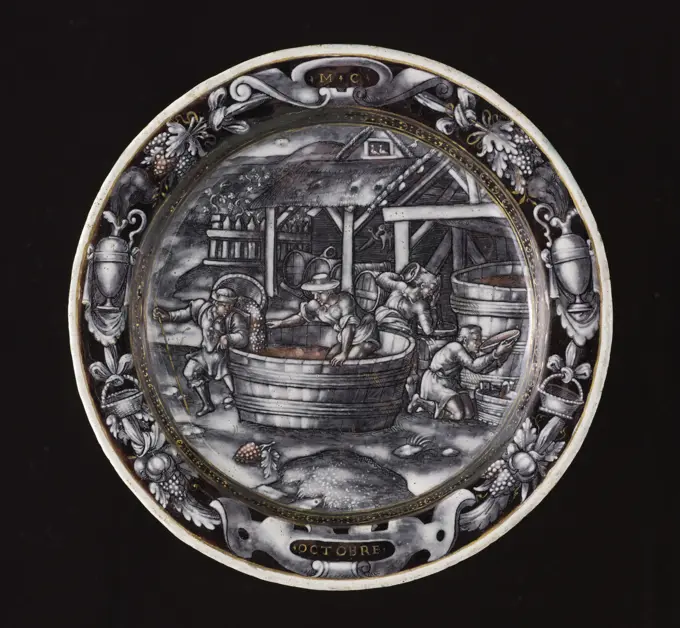
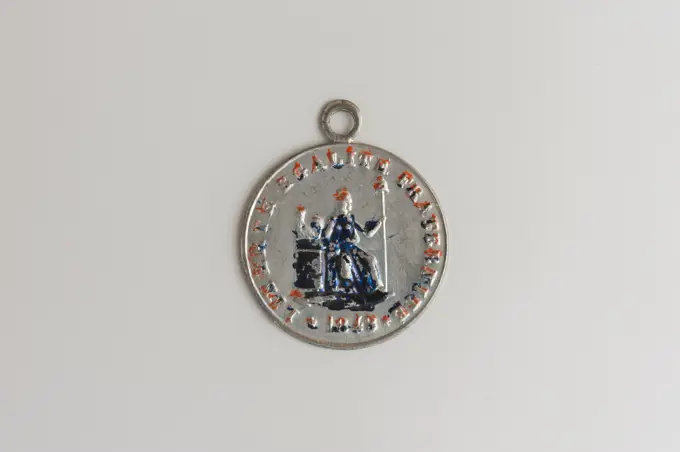
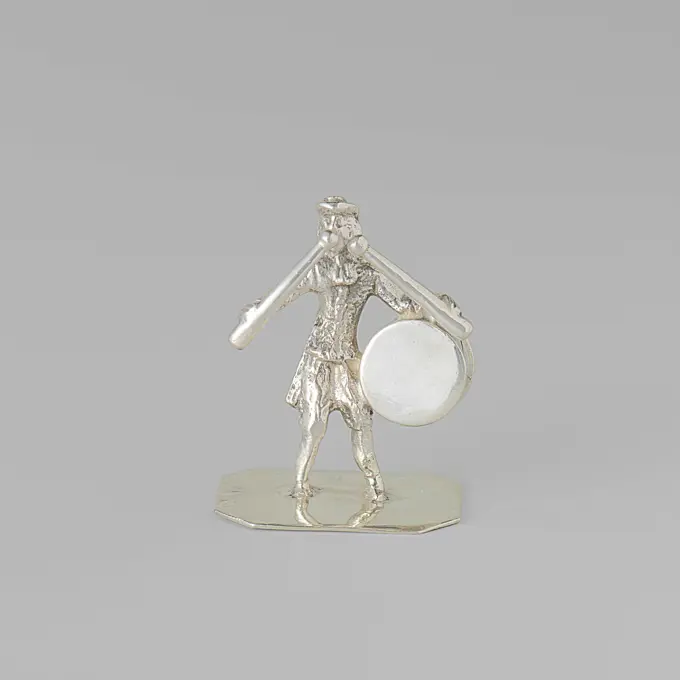
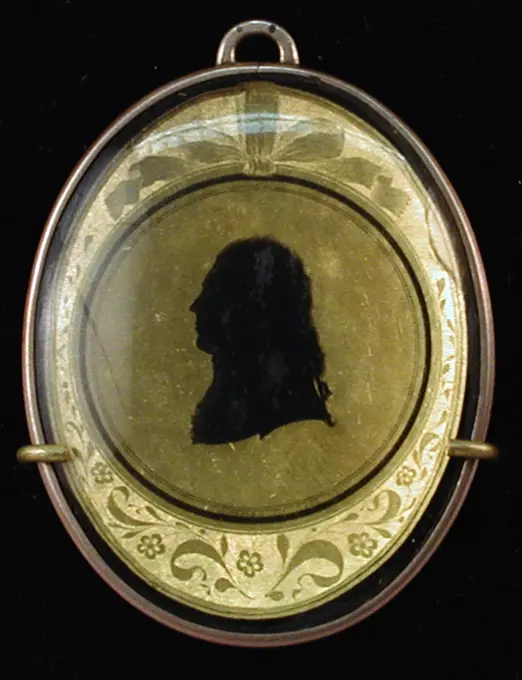
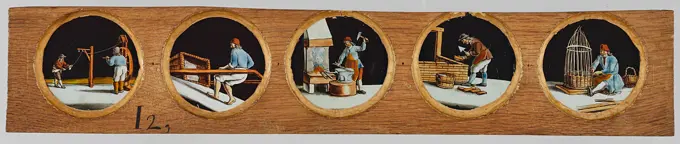
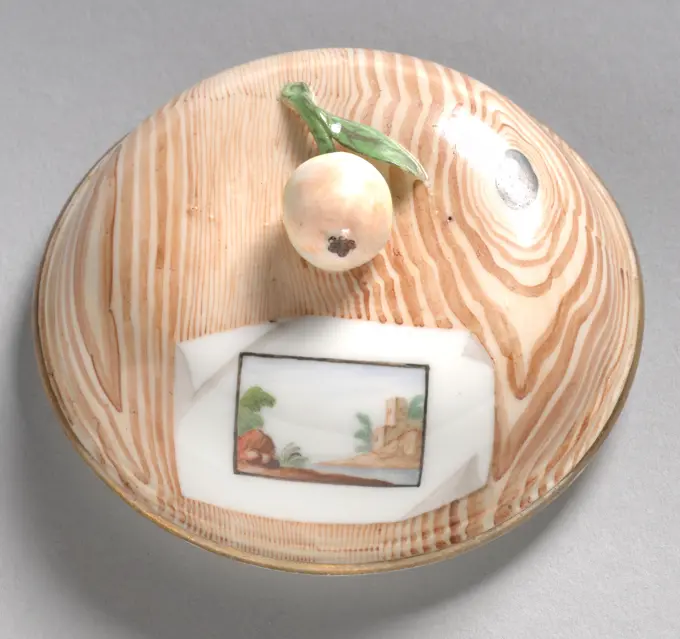
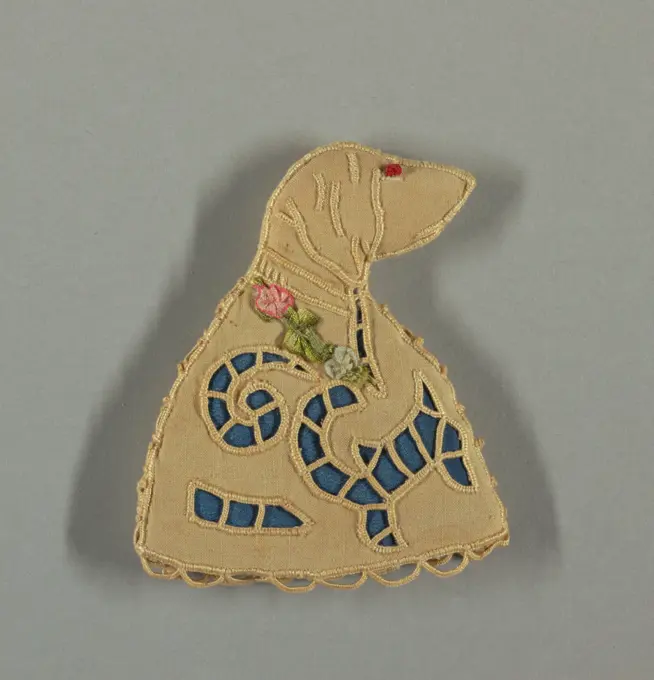
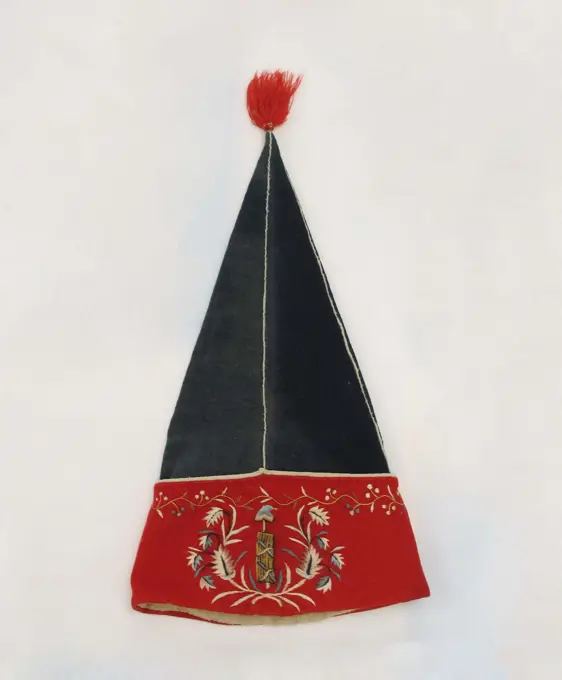
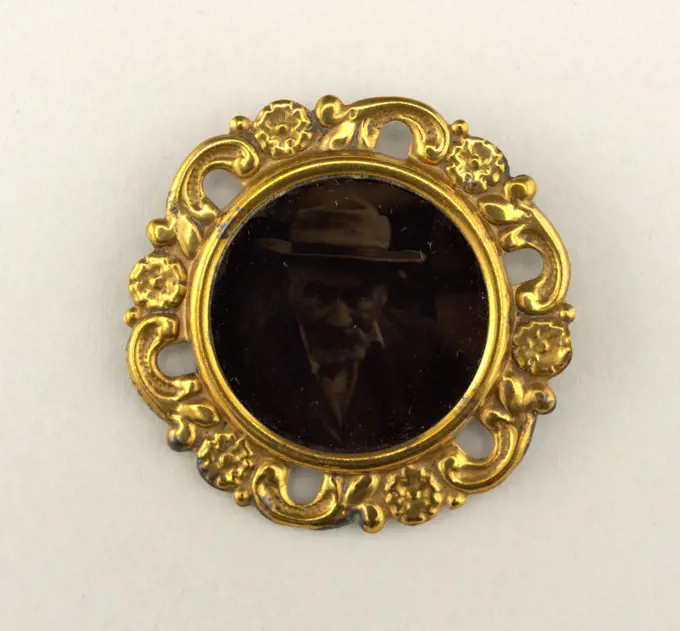
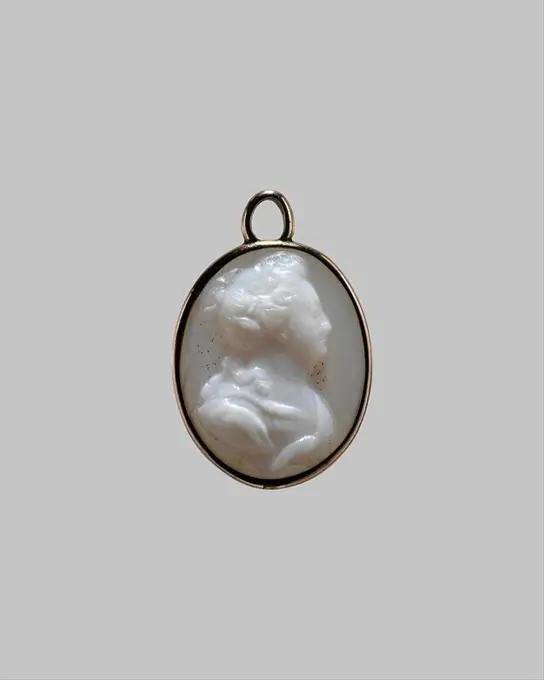
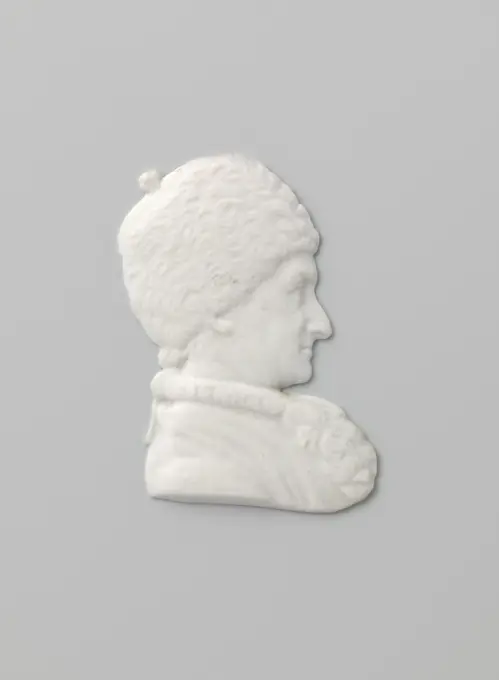
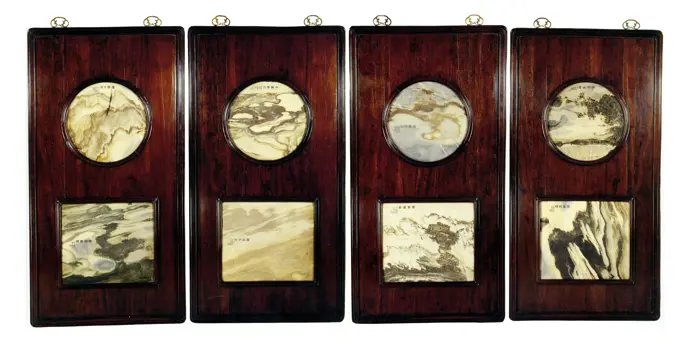
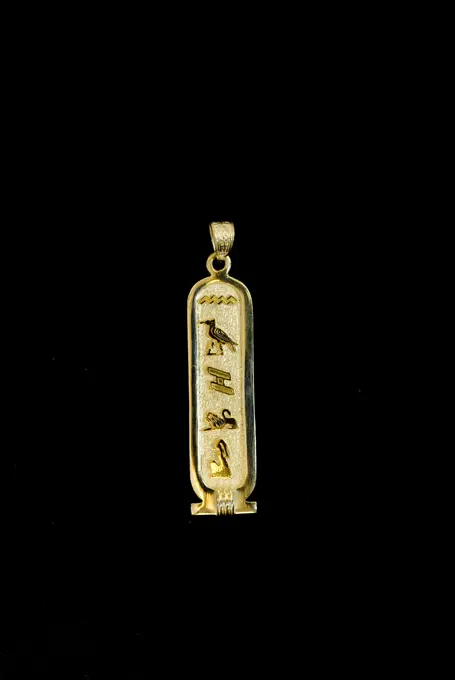
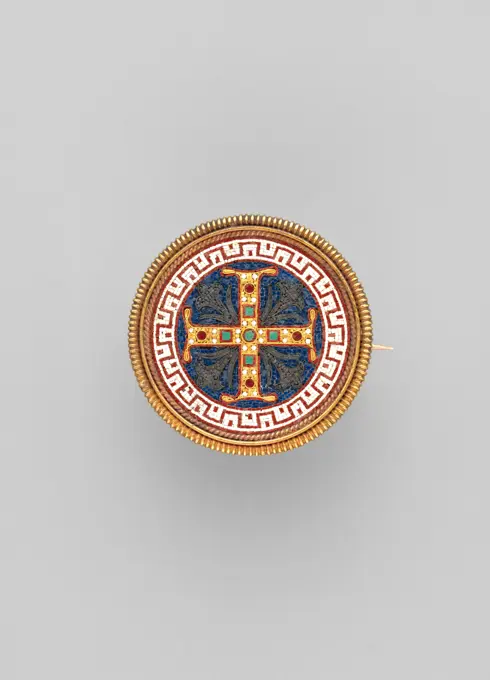
Carnavalet museum, medal collectionCarnavalet museum, medal collection Right medallion to the profile of a dog, on the left; Reverse crown of oak leaves and bay leaves.Planets-manager. Cornalet Collection Sites 2013-2016. Numismatic.Inrō, Ojime, Netsuke. Kajikawa School (Japan, active 17th to 19th centuries). Japan, 19th century. Costumes; Accessories. Inrō: lacquer on substrate, mixed metal flecks; Ojime: carnelian; Netsuke: shakudo disk, engraved and inlaid in silver and copper honzogan, bamboo bowl; kagamibuta type, Head of an Actor, signed Sharaku gaTerracotta kylix (drinking cup) ca. 500-475 B.C. Attributed to the Antiphon Painter Interior, youthExterior, obverse and reverse, athletesThe better preserved side of the exterior shows two youths cleaning their bodies with a strigil. Suspended in the background are a strigil, sandals, and a sponge.. Terracotta kylix (drinking cup). Greek, Attic. ca. 500-475 B.C.. Terracotta; red-figure. Late Archaic. VasesSword Guard (Tsuba). Culture: Japanese. Dimensions: H. 2 13/16 in. (7.1 cm); W. 2 11/16 in. (6.8 cm); thickness 3/16 in. (0.5 cm); Wt. 5.4 oz. (153.1 g). Date: 18th century. Museum: Metropolitan Museum of Art, New York, USA.Chinese Lion and Butterflies (Inrō/Ojime/Netsuke Ensemble). Japan, mid-18th century. Costumes; Accessories. inrō Black on black yamimakie with gold takamakie; ojime agate(?); netsuke red and black lacquerCarnavalet museum, medal collectionWashington Monument, Washington, D.C. Matchsafe; USA; brass; 6.6 x 4.3 x 1 cm (2 5/8 x 1 11/16 x 3/8 in. )Saline from the initial of Tsar Aleksander III (without a lid); Manufaktura M.P.Radziwi  A in Nieborów; 1881-1886 (1881-00-00-1886-00-00);Button, Blackened, silvered, and gilt tin, On card 43, France, 1820-30, costume & accessories, Decorative Arts, ButtonGrahal-Manzara. Carnavalet 2013-2016 collection sites. Numismatics.Two Roofers Working Atop a Building 1860s-80s Unknown. Two Roofers Working Atop a Building 291933Portrait of an unknown woman, leaning on the backrest of a chair, 1880 - 1900 photograph. frame   wood (plant material). glass. paper. cardboard. metal albumen print anonymous historical person portrayed - BB - woman. chairMedallion with hairwork, medallion hair-work hair-painting hair-glass, Round medallion copper-colored cupboard front with roller glass slide closed overside, Ils me sonts chers death mourningSword guard (Tsuba) Depicting Head on Stick Toy () 1860 (Ansei 7, 1st month) Japanese This iron tsuna is trimmed along its rim with a prominent brass fitting (fukurin) and depicts on its obverse a head-on-a-stick toy (kubi-ningy) and a Chinese lantern plant (hzuki) attached to it. The reverse is apart from a roly-poly Daruma doll (okiagari koboshi) undecorated.. Sword guard (Tsuba) Depicting Head on Stick Toy (). Japanese. 1860 (Ansei 7, 1st month). Iron, brass, gold, copper, copper-gold alloy (shakud). Sword Furniture-TsubaGrahal-Manzara. Carnavalet 2013-2016 collection sites. Numismatics.Matchsafe, Plated metal, Black Cat Cigarettes, after 1904, containers, Decorative Arts, MatchsafeSword Guard (Tsuba). Culture: Japanese. Dimensions: H. 3 5/16 in. (8.4 cm); W. 3 1/16 in. (7.8 cm); thickness 1/4 in. (0.6 cm); Wt. 6.7 oz. (189.9 g). Date: ca. 1615-1868. Museum: Metropolitan Museum of Art, New York, USA.Wilhelmina Frederica Louisa, Queen of the Netherlands, Leonhard Posch, 1815 - 1831  Plaquette on wear eye. Front: breastpiece woman with hat to right; Below that: signature. Reverse: inscription: "Koenigin v. Holland Berlin iron (metal) casting  Sint-PetersburgSword Guard (Tsuba). Culture: Japanese. Dimensions: H. 2 1/2 in. (6.4 cm); W. 2 3/16 in. (5.6 cm); thickness 1/4 in. (0.6 cm); Wt. 3.8 oz. (107.7 g). Date: late 18th-early 19th century. Museum: Metropolitan Museum of Art, New York, USA.Dish with medallions in which objects. Dish of porcelain, decorated with golden medallions in which objects on purple ground.Carnavalet museum, medal collectionRoberta Spicer, Paperweight, c 1940 PaperweightSword-Hilt Collar and Pommel (Fuchigashira) ca. 1615-1868 Japanese A fuchigashira is a pair of matching sword fittings comprising the fuchi (collar at the base of the grip of the sword hilt) and kashira (pommel cap at the end of a sword hilt).. Sword-Hilt Collar and Pommel (Fuchigashira). Japanese. ca. 1615-1868. Copper-silver alloy (shibuichi), gold, copper-gold alloy (shakud). Sword Furniture-Fuchi-KashiraFragment majolica dish, polychrome, jumping hare on the ground, plate dish crockery holder soil find ceramic pottery glaze, majolica baked underside covered with lead glaze. Polychrome Painting is professionally set up with fine brush. Orange shard scraped pottery. Depicted is jumping hare on green soil archeology decorate serving foodCarnavalet museum, medal collection Right the reward standing on the left, half -draped, the chest discovered, distributing a palm and the left hand with a bay crown; Smooth medallion backhand followed by an wrapped branch branch.Sword Guard (Tsuba). Culture: Japanese. Dimensions: H. 3 5/16 in. (8.4 cm); W. 3 1/4 in. (8.3 cm); thickness 3/16 in. (0.5 cm); Wt. 5.4 oz. (153.1 g). Date: ca. 1615-1868. Museum: Metropolitan Museum of Art, New York, USA.Silversmith: Jacobus Schalkwijk, Silver pen tray with engraved Ter Goude Wedding by Joh.S Engering & Margerita Nolet, in Schiedam on the 4th of August 1832, pen tray bowl holder silver, filigree engraved Boat shaped; elongated rectangular plane with rounded corners pivoting outward edge that rises slightly upwards at the narrow ends bottom underside (smashed) golden wedding 50th wedding marriage party Joh.s Engering Margerita Nolet Schiedam writingCase (Inr) with Design of God of Longevity (Jurjin) and a Small Boy with a Tortoise (obverse); Pine Tree by Stream (reverse) 19th century Kaksai Japanese. Case (Inr) with Design of God of Longevity (Jurjin) and a Small Boy with a Tortoise (obverse); Pine Tree by Stream (reverse). Kaksai. Japan. 19th century. Gold and nashiji ('pear skin') lacquer with metal inlay and gold, silver, and brown hiramakie sprinkled and polished lacquer; Interior: nashiji and fundame; Ojime: coral bead. Edo period (1615-1868). InrTray 17th century China. Tray 60947Silver pottery jar or masonry bucket with image H. Barbara, tub bowl model, hammered drawn engraved Round layer and slightly conical bowl wall outside (suggestive) bottom bottom (stamped): saint Barbara Sint Barbaragilde Mason Guild Guild 1689 Abraham Plemp Jan van der Call Abraham Ketelaar Goosse van der Graaft bricklayerTsuba. Japan. Fer. Paris, Musée Cernuschi. Assessment, armaments, Asian art, Japanese art, weapon custody, art object, metallic object, armament piece, tsubaAnonymous. Plate. Earthenware. Around 1789. Paris, Carnavalet museum. 70955-23 Weapon, Heart, Crown, Epee, Faience, Decorative Pattern, Revolutionary Periode, Crockery, PlateMedallionBicyclist Matchsafe; England; silver, enamel; 5 x 4.3 x 2.2 cm (1 15/16 x 1 11/16 x 7/8 in. )Netsuke 19th century Japan. Netsuke. Japan. 19th century. Ivory. Edo (1615-1868) or Meiji period (1868-1912). NetsukeCase (Inr) with Design of Person with Umbrella and Lantern Approaching Shrine Gate (Torii) 18th-19th century Japan. Case (Inr) with Design of Person with Umbrella and Lantern Approaching Shrine Gate (Torii). Japan. 18th-19th century. Lacquer, aogai nashiji, same, metal inlay, roiro and gold hiramakie; Interior: roiro and fundame. Edo period (1615-1868). InrGold hoop with glass pendant stamped disk late 4th-5th century A.D. Roman Pendant:Translucent greenish yellow.Oval disk with rounded edge and slightly uneven, flat underside; at top, rounded suspension tab pierced with hole sideways and flattened.Stamped with a lion springing to right with mane flowing behind his back.Intact; many pinprick bubbles; dulling, faint iridescence, and small patches of weathering.. Gold hoop with glass pendant stamped disk. Roman. late 4th-5th century A.D.. Gold, glass; stamped. Late ImperialMedallion (Netherlands); plasterTaschenuhr Taschenuhr Copyright: xZoonar.com/GerdxHerrmannx 8608088Medallion (reverse). Jules Prosper Legastelois (French, 1855-1931). Bronze; overall: 6.4 x 4.8 cm (2 1/2 x 1 7/8 in.).Mirror and a fragment of the documentPlate, en suite with C, France, 18th-mid-19th century, ceramics, Decorative Arts, PlateSword Guard (Tsuba). Culture: Japanese. Dimensions: H. 3 1/2 in. (8.9 cm); W. 2 7/8 in. (7.3 cm); thickness 7/16 in. (1.1 cm); Wt. 7 oz. (198.4 g). Date: ca. 1615-1868. Museum: Metropolitan Museum of Art, New York, USA.Hendrik Danielsz. Hooft, mayor of Amsterdam, Anonymous, 1787 - 1794  One -sided silver oval carrying sign with cable border on wing eye. Front: breastpiece man, above which hand from clouds holds a perpendicular to the bearing sign placed laurel wreath. Reverse: Blanco; Three nails are still visible on the downside, with which the front and downside are attached to each other Netherlands silver (metal) casting  AmsterdamVinaigrette with View of Kings College, Cambridge 1845-1846 Birmingham. Silver and silver gilt .Medallion with Woman and Dog 1775-1799 Burslem. Stoneware (jasperware) . Wedgwood Manufactory (Manufacturer)Stamp Seal. Assyria or Mesopotamia, Neo-Assyrian or neo-Babylonian (style), late 7th-6th century B.C.. Tools and Equipment; seals. Gray chalcedonyEarthenware dish, red shard, internally glazed, decoration in yellow, on stand, plate crockery holder soil find ceramic earthenware glaze lead glaze, hand-turned glazed decorated fried lemonade Pottery dish red shard internal glazed decoration in low-profile ring-down technique. Decoration consists of flowed lines in sludge technology Restoration is partly repainted archeology Rotterdam City center Stadsdriehoek Oudehaven indigenous pottery food kitchen serving table dinnerware Soil discovery Oude Haven Rotterdam.Case (Inro) with Design of Lotus (obverse); Lotus and Bird (reverse). Artist: Shibata Zeshin (Japanese, 1807-1891). Culture: Japan. Dimensions: H. 3 1/16 in. (9.4 cm); W. 1 7/8 in. (4.8 cm); D. 1 3/16 in. (3 cm). Date: 19th century. Museum: Metropolitan Museum of Art, New York, USA.Cartouche with two putti.design for a print.'Three-Day Battle of Krasnoye.1812'. Russia, First half of the 19th century. Dimensions: diam. 20,5 cm. Museum: State Hermitage, St. Petersburg.Tile with jumping deer. Majolica tile, painted in blue. In a circle a jumping deer.Brooch - Ancient Figures in Scenery Josiah Wedgwood Josiah WedgwoodPlaque 1885 James Priestman. Plaque 20736Faience plate on stand, with landscape in blue on white ground, plate dish crockery holder soil find ceramic earthenware glaze tin glaze, hand-turned baked 2x glazed Plate with landscape in blue on white fond Faience. Shallow board with wide flag shoulder only on the inside. In the shoulder double blue circle In the mirror farm six stylized birds in flight and three sailing ships Completely glazed. Stand with minimal soul. Restoration is not repainted in color archeology Rotterdam City center Stadsdriehoek Schielandshuis indigenous pottery food serving table serving room Soil discovery: Schielandshuis.. Fragment of a plate of pottery, painted in blue under the glaze with a cartouche, in which the text: I // comes on a // Vrient.(Below) an engraving of Francis Drake from the British Museum. March 13, 1949.Wallet with shields of ivory, on which at the front by means of a photographic () Process Procédé an image of a classic representation of three figures with a dog is depicted, the back is unadorned, soufflé of red leather, lined with Rode Moiré side, Anonymous, Anonymous , c. 1860 - c. 1880 Wallet with shields of ivory in the shape of a rectangle with round corners and a rounded top on which a copper cut closure. The ivory is contained in a copper edge. The back is unadorned; On the front by means of a photographic () Printing process an image with three figures: a standing man with a stick over the shoulder accompanied by a dog aims to a sitting woman with a child on her lap. The figures wear classic robes. The wallet has a lining of Rode Moirézijde and is divided into three courses. The double expansible fold (soufflé) is made of red leather. ivory carver: Italy (possibly)maker: West-Europa Exterior: Ivory. Rand: Copper (Metal). Closure: Copper (Metal). Soufflé: Leather. Lining: SilkSword Guard (Tsuba) possibly 18th-19th century Japanese A tsuba is a sword guard and part of a sword mounting. It is mounted between the swords blade and grip to protect the users hands.. Sword Guard (Tsuba) 34995Maximilian I Joseph of Bavaria (1756-1825, r. 1806-25) ca. 1815 Désprez. Maximilian I Joseph of Bavaria (1756-1825, r. 1806-25). French, Paris. ca. 1815. Glass, biscuit porcelain; gilt bronze. GlassMedallion (reverse). Jules Dupré (French, 1811-1889). Bronze; overall: 6.4 x 4.8 cm (2 1/2 x 1 7/8 in.).Cameo with Portrait of Benjamin Franklin 1775-1799 Burslem. Stoneware (jasperware) . Wedgwood Manufactory (Manufacturer)Cameo. James Tassie; Scottish, 1735-1799. Date: 1775-1799. Dimensions: H. 2.9 cm (1 1/8 in.). Stoneware (jasperware). Origin: Scotland. Museum: The Chicago Art Institute, Chicago, USA.Case (Inr) with Design of Crows in Flight and Birds on Branches 19th century Japan. Case (Inr) with Design of Crows in Flight and Birds on Branches. Japan. 19th century. Lacquer, red ground, silver ground, sumie togidashi; Interior: roiro and fundame. Edo period (1615-1868). InrPapyrus Fragment Inscribed in Demotic Papyrus Fragment Inscribed in Demotic, 305-30 B.C.E. Papyrus, ink, Glass: 6 5/16 x 7 1/2 in. (16 x 19 cm).   Egyptian, Classical, Ancient Near Eastern Art 305-30 B.C.E.Planets-manager. Cornalet Collection Sites 2013-2016. Numismatic.Carnavalet museum, medal collectionCarnavalet museum, tokens collectionCase (Inrō) with Design of Courtier and Lady in a Boat (from the Tale of Genji) 18th century After Ogata Kōrin Japanese. Case (Inrō) with Design of Courtier and Lady in a Boat (from the Tale of Genji) 45457Calendar Plate for October (Wine Making). Martial Courteys (France, Limoges, circa 1544-1592). France, Limoges, circa 1565-1575. Furnishings; Serviceware. Grisaille enamel, flesh tones, touches of color, and gold on copperRibbon ribbon, striped in black, light blue, ocher, fuchsia and lilac, in or before 1926 Ribbon on roll, striped in black, light blue, ocher, fuchsia and lilac. NijmegenFrance (possibly) textile materials. cardboard. paper Ribbon on roll, striped in black, light blue, ocher, fuchsia and lilac. NijmegenFrance (possibly) textile materials. cardboard. paperCarnavalet Museum, Medals CollectionStampGrahal-Manzara. Carnavalet 2013-2016 collection sites. Numismatics.Drumsid. Drumslager: On an elongated plate, a man with a drum is on his left thigh and under his left arm. In both hands the man has a stick. The image is labeled: STK. = Amsterdam and Mt. = Frederik from STRANT I.Cover, wood, possibly Japan, 1875-1900, Decorative Arts, CoverGame - Backgammon Draught. - 1600-1700. 1 of Set, In Original Cases. Social History - Pinto Collection. Purchased from Edward H Pinto, 1965.. Made in Eger, Bohemia (Southern Germany). This backgammon games piece is one of a set of 28 games pieces. The disc is turned from sycamore. The portrait of King Rudolphus on the face has been built up from pieces of wood which were glued together and then carved to make a relief marquetry known as Eger work. .Four professions to the Menselyk Bedryf, Anonymous, After Jan Luyken, c. 1700 - c. 1790  Four glasses in a wooden stress. On the far left: 'A bakery', standing with dough kneading and an oven behind him. To the right: 'A tailor', sitting on the table and busy sewing a jacket. To the right of that: 'A carpenter', sitting on a beam he edits with a hammer and chisel. On the far right: 'A bricklayer', with trowel kneeling at a low wall next to a bucket mortar, and in the background another man who supplies materials in a basket. Netherlands glass. wood (plant material). oak (wood). oil paint (paint)Pendant 1803 Tscherlizky. Pendant. Russian. 1803. Verre églomisé. Glass-Paintedbrass powder Compaq. English, 1955Bronze Plaquette from FranceHygiene. Artist: Georges-Henri Prud’homme, French, 1873-1947MONTANTE DE SANCHO DAVILA - DETALLE. Location: ALCAZAR / MUSEO DEL EJERCITO-COLECCIÓN, TOLEDO, SPAIN.Vijf beroepen naar Het menselyk bedryf.Five glasses with images of professions in a wooden mount. Extremely left: the rope worker on a line web. To the right: the glue maker continues a large basket. In the middle: the blacksmith with an anvil, next to him a fire. To the right: the bricklayer, with trowel and brick in hand bent over a low wall. Extremely right: a basket maker braid sitting a basket.Cover for a Bowl, c. 1780. Niderviller Factory (French). Porcelain; diameter: 9.1 x 8.4 cm (3 9/16 x 3 5/16 in.).Tile (Netherlands); earthenwareEgg Cosy (England); silk and linen on linen foundationStampCap ca. 1790 French During the French Revolution, headdresses played a vital role in marking political affiliation and national identity. Hats adorned with a tricolor ribbon cockade became symbols of patriotism, while the liberty cap or bonnet rouge, became a symbol of the Revolution. The bonnet rouge resembled a floppy woolen cap commonly worn by working men, but its shape was drawn from the ancient Roman pileus, a cap given to freed slaves to mark their liberation, and the Phrygian cap, a curved cap associated in antiquity with the people of Phrygia, located in present-day Turkey. This rare example of a revolutionary cap represents a type known as the bonnet de police worn by members of the National Guard, which was typically adorned with Revolutionary imagery. The band of this cap is embroidered with a Phrygian cap mounted on a pike, and fasces, or tied bundles of wooden rods, a symbol of unity and authority in ancient Rome.. Cap. French. ca. 1790. wool, cotton, linenBrooch, tintype/ferrotype, gilded metal, Circular; portrait of a man wearing hat (darkened); gilded metal frame of pierced flowers and scrolls., USA, ca. 1870, jewelry, Decorative Arts, BroochCrohin - La Fontaine Hours; Master of the Dresden Prayer Book (Flemish, active about 1480 - 1515), Master of the Dresden Prayer Book and workshop (Flemish, active about 1480 - 1515); Bruges, Belgium; about 1480 - 1485 ; Tempera colors, gold paint, and iron gall ink on parchment bound between pasteboard covered with brown calf; Leaf: 13.3 × 9.4 cm (5 1,4 × 3 11,16 in.)Catherine the Great of Russia (1729-1796). Culture: possibly German. Dimensions: Overall: 3/4 x 5/8 in. (1.9 x 1.5 cm); visible cameo (confirmed): 17.9 x 14.2 mm. Date: ca. 1790.In his catalogue of Weil's collection Ernst Kris suggested the Austrian archduchess and Holy Roman Empress Maria Theresa as the subject of this portrait, but the imposing countenance and ample bosom are those of Catherine the Great (1729-1796) in advanced age. She favored many foreign carvers with orders and also created imperial workshops in the provinces. This tiny oval could have been carved by a German in her employ. Museum: Metropolitan Museum of Art, New York, USA.Portrait of Jean-Jacques Rousseau, Manufacture de Sèvres, c. 1780 - C. 1795 Portrait of porcelain in Biscuit. The portrait shows Jean-Jacques Rousseau (1712-1778). Sèvres porcelain Portrait of porcelain in Biscuit. The portrait shows Jean-Jacques Rousseau (1712-1778). Sèvres porcelainDaguerreotype tableau of seventeen individual portraits arranged together, circa 1850.Wall panel with stone paintings 19th century China Inscribed, on the round slab: Autumn Mountains in Mist and Cloud. In the distance it looks like mist and cloud; as you get near you see that it is the void. From a Tang poem, [signed Zhushan”; on the rectangular slab: A Magical Tower after Snow. The snow-covered cliff in the sunset looks like a jade screen. From a Tang poem, [signed Yibai.”Inscribed, on the round slab: Morning Mist in a Spring Forest, inscribed by Zhushan jushi”; on the rectangular slab: Overhanging Cliff and Sheer Wall. Inscribed by Yibai shanren at Shenjiang (the Huangpu River in Shanghai).”. Wall panel with stone paintings. China. 19th century. Hardwood with veined marble and brass fittings. Qing dynasty (1644-1911). FurnitureEgypt. Egyptian hanidcrafts, gold & silver cartouches with Egyptian hieroglyphic text.Cameo brooch and bracelet, Carved shells, gold, cut velvet, One oval cameo (a) set as brooch. Six smaller oval cameos (b-g) with small connecting chains (one has slot for clasp). All seven with design of pairs of gods and goddesses with attributes; all mounted in gold. Ovals are sewn to a black velvet ribbon, brooch in center, flanked by three ovals from bracelet on either side., Italy, early 19th century, jewelry, Decorative Arts, Cameo brooch and braceletBrooch with Greek Cross ca. 1860 Firm of Castellani This object and the group to which it belongs (see also 2014.713.1-.10) reflect the keen interest in historical styles in nineteenth-century Europe. Artists and designers looked to various artistic periods for forms and motifs. There was also an interest in reproducing works of art from earlier epochs with historical accuracyan approach that is particularly evident in the taste for so-called archaeological jewelry (jewelry based on excavated examples from antiquity), which reached its zenith in the middle of the century.The jewelry made during this period encompassed Etruscan, ancient Roman, early Christian, Byzantine, and medieval styles. The firm of Castellani in Rome both pioneered and dominated the production of archaeological jewelry. Founded by Fortunato Pio Castellani in 1814, the company was run by three generations of the family before closing in 1927. Castellani jewelry achieved enormous popularity in the highest circles ofBust of a boy