Musical Instruments Display

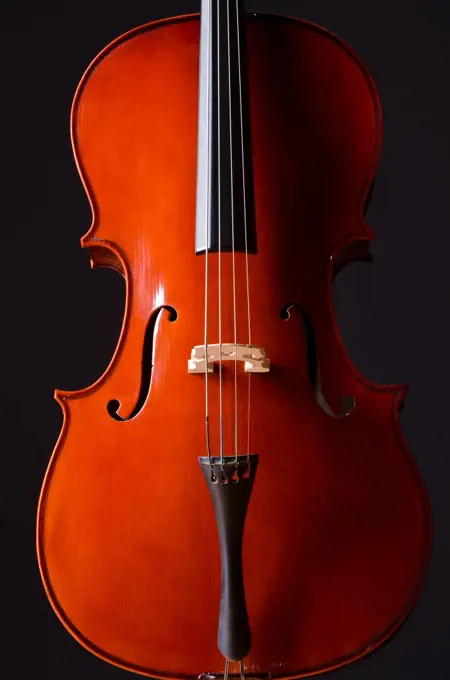
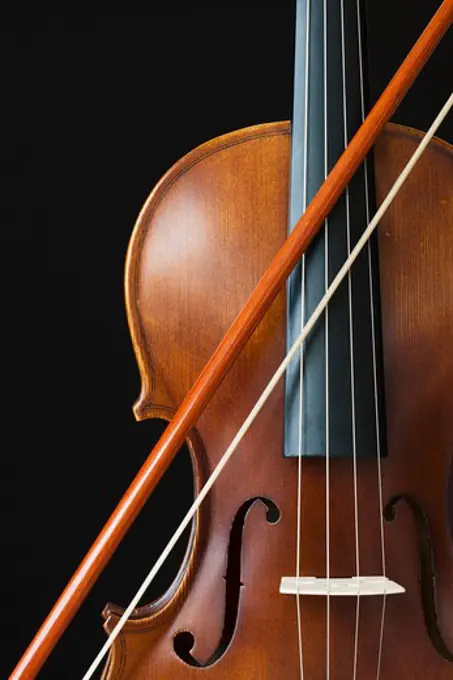
Elegant close-up shots of violins and cellos set against dark and colorful backgrounds, showcasing their craftsmanship and beauty.
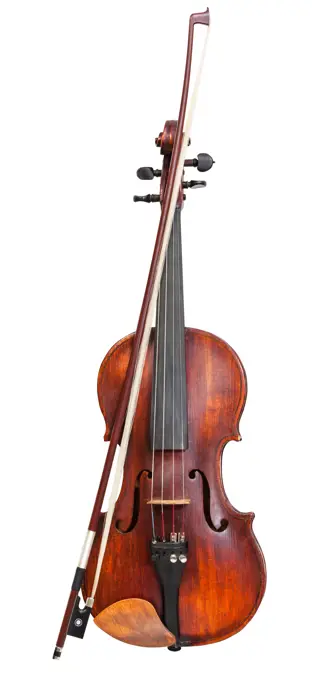
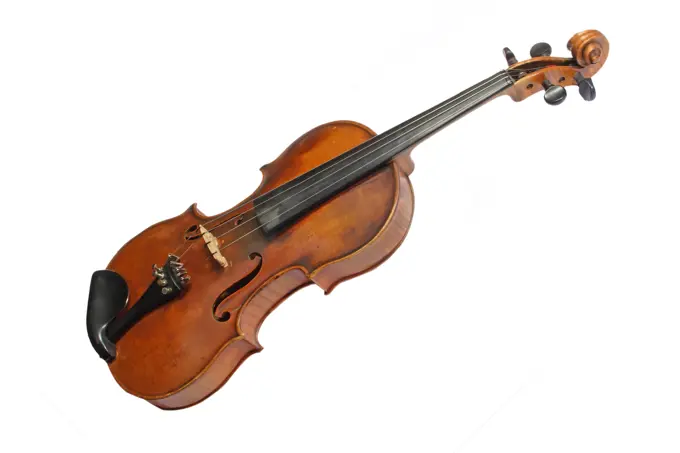
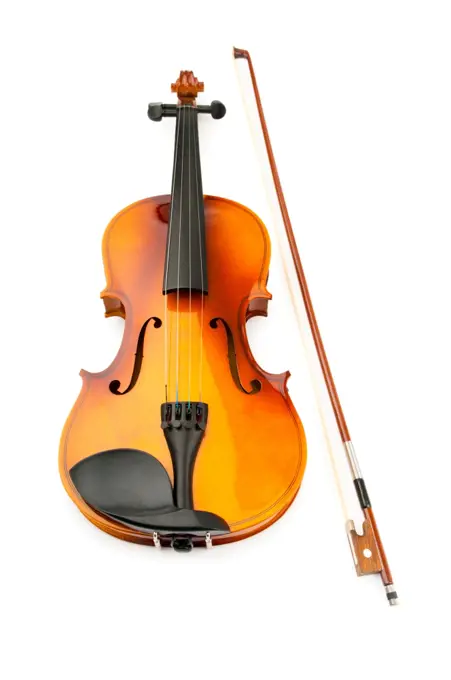
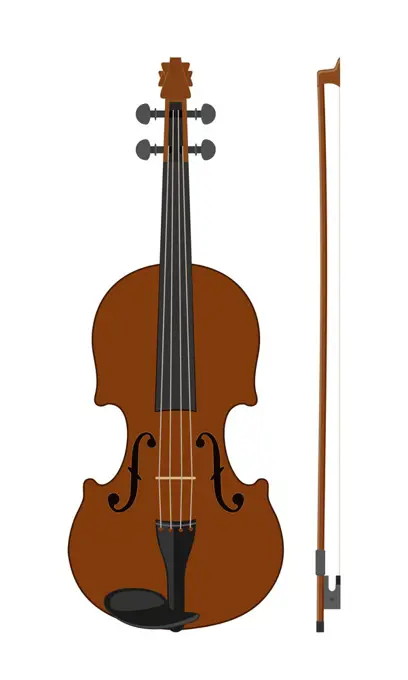
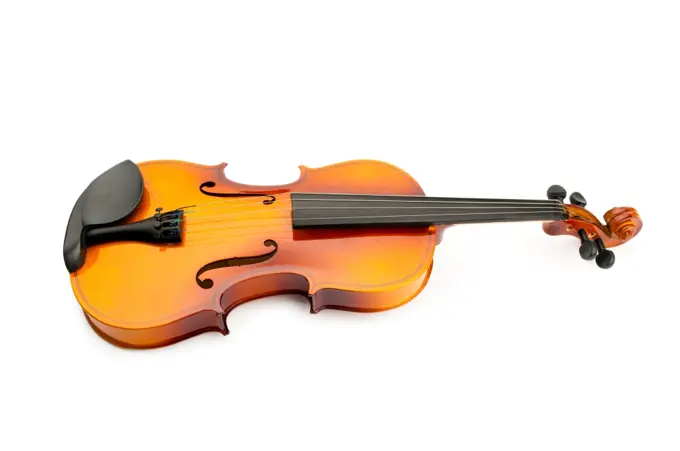
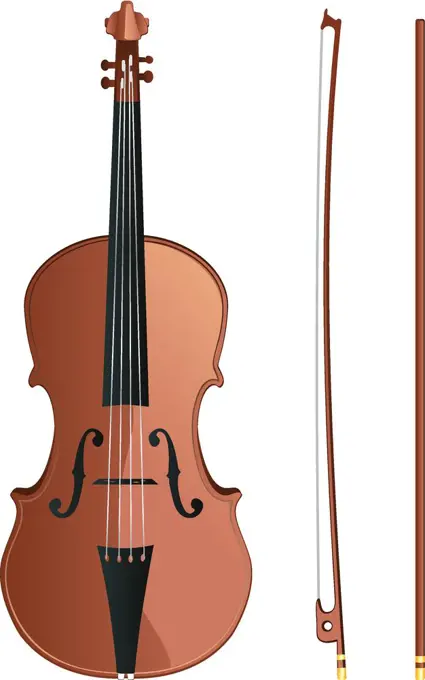
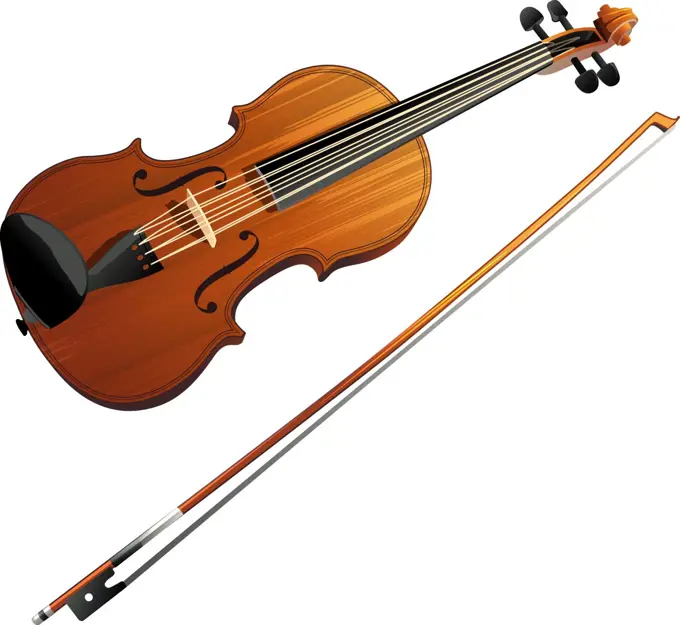
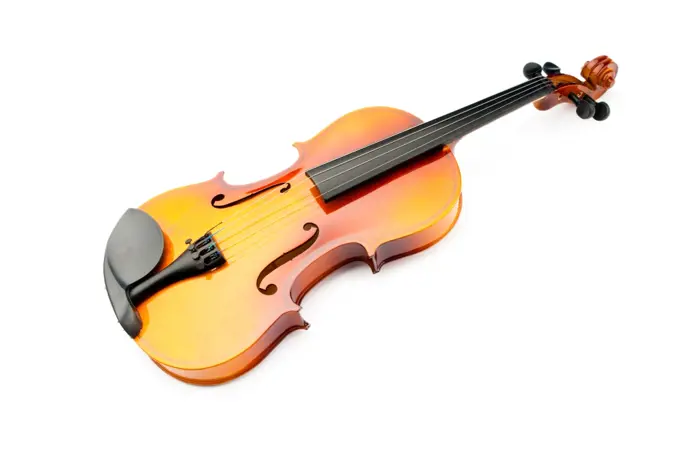
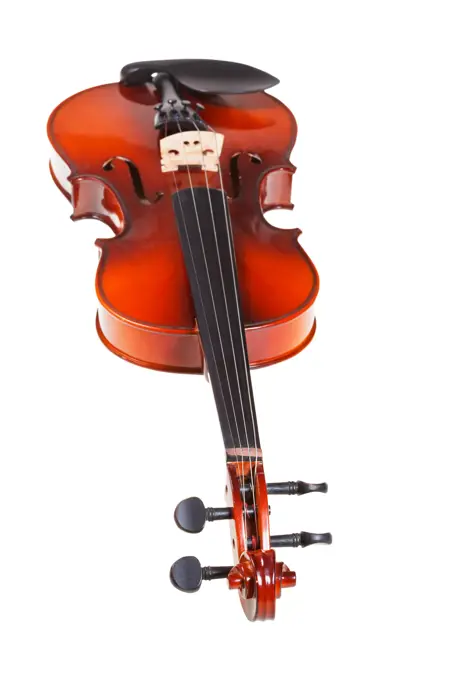
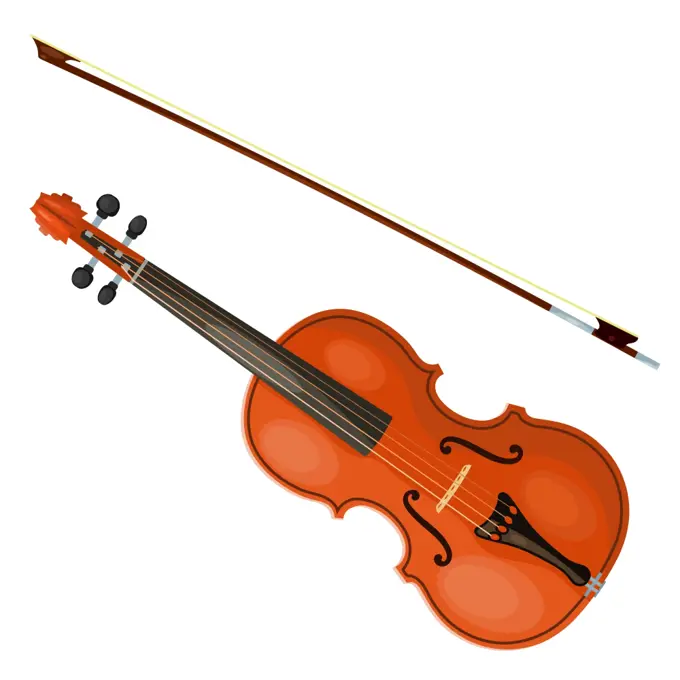
front view of violin with wooden chinrest and bow front view of full size violin with wooden chinrest and bow isolated on white background Copyright: xZoonar.com/ValeryxVoennyyx 8079172
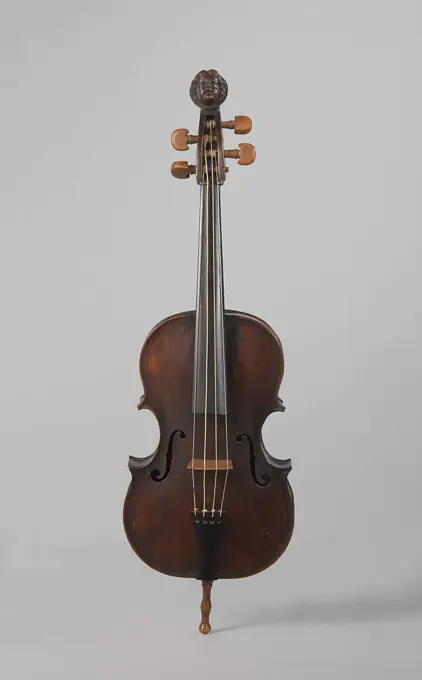
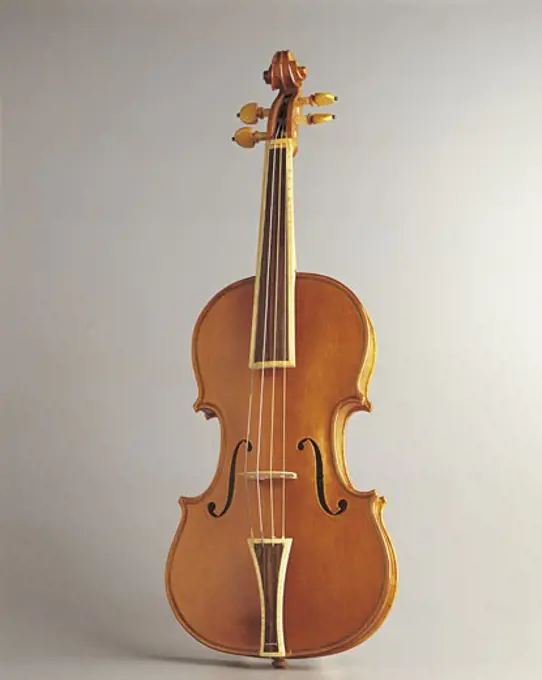
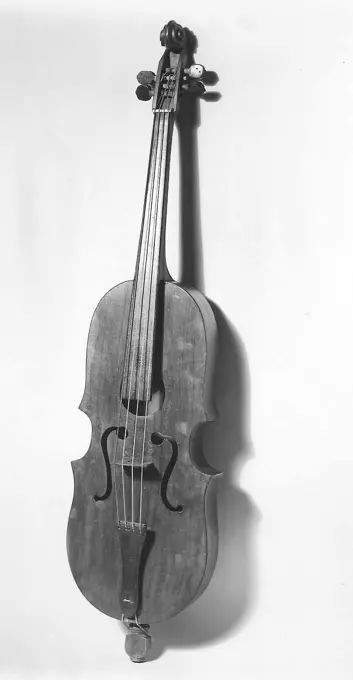
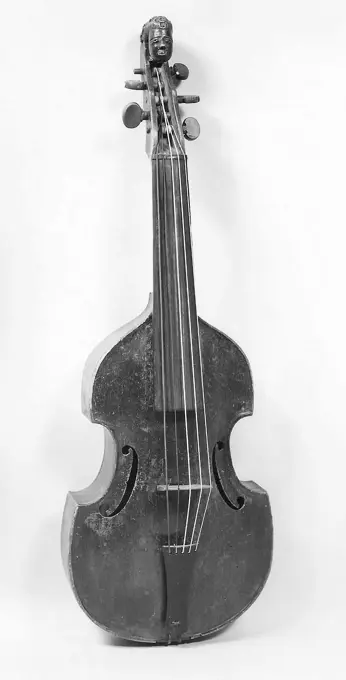
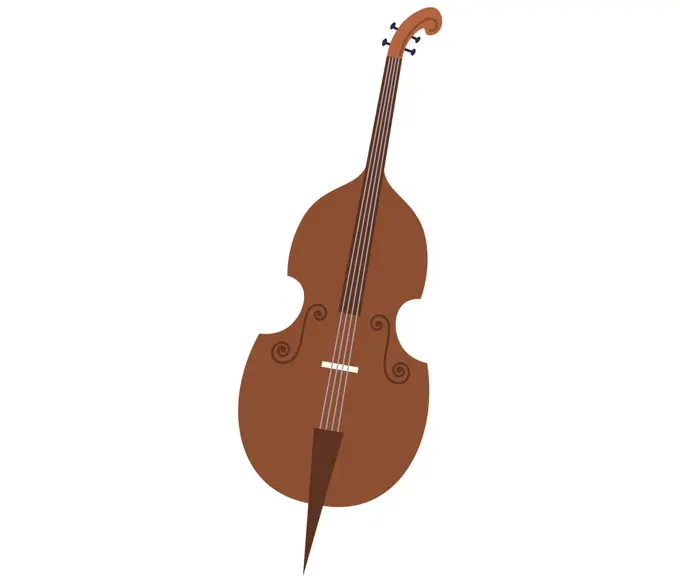
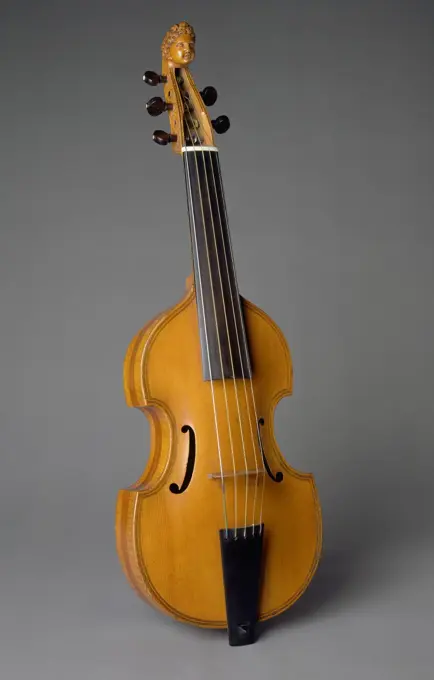
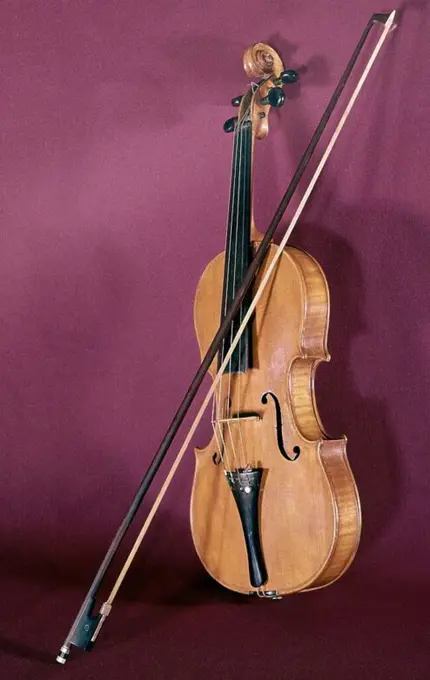
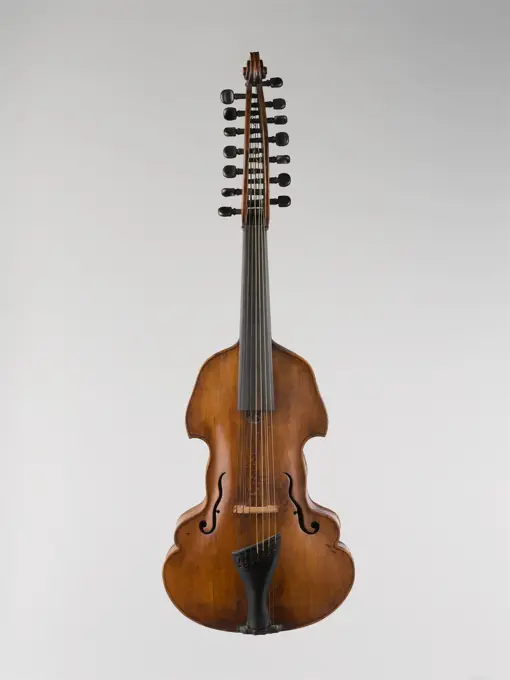
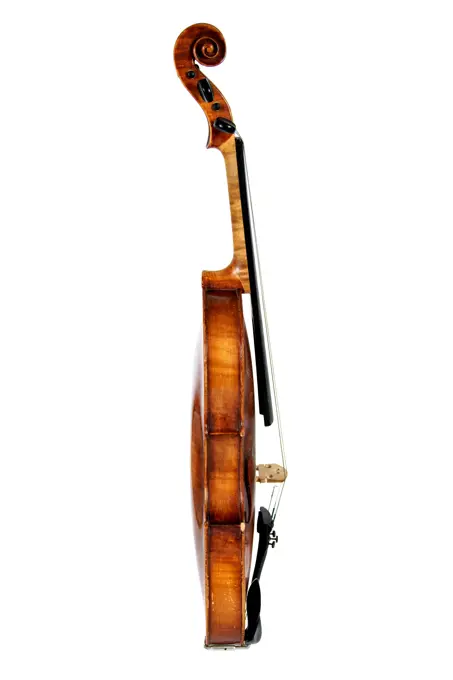
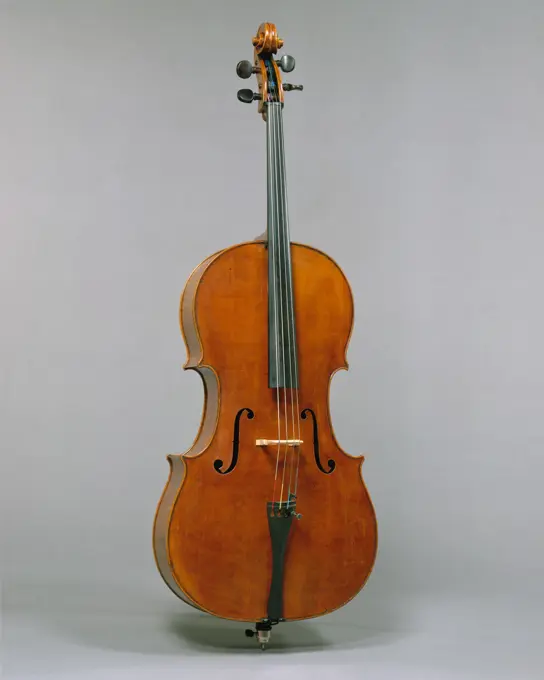
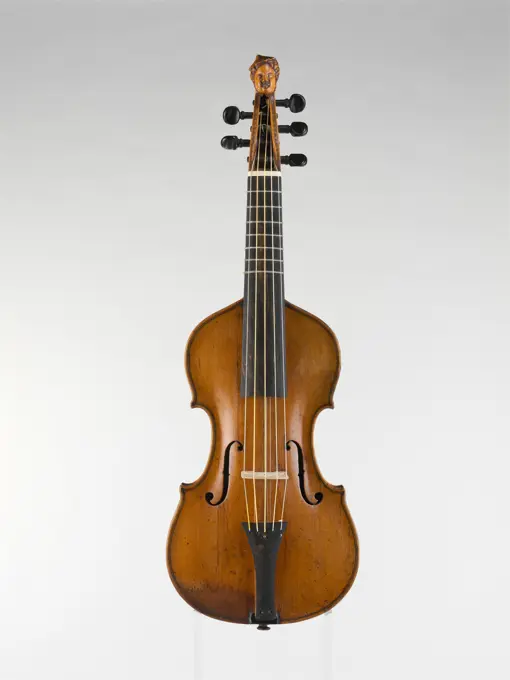
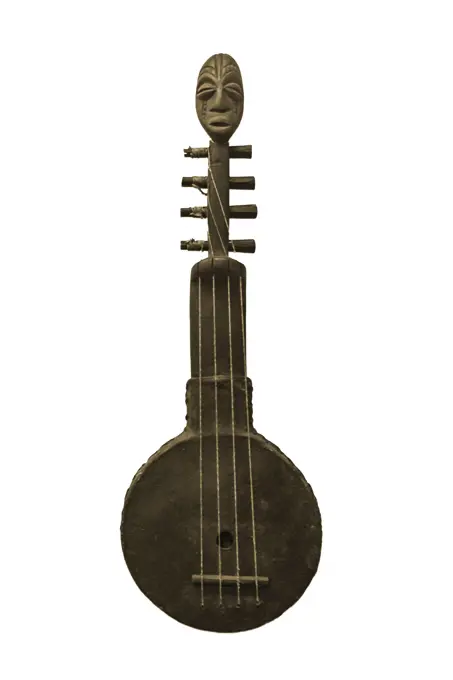
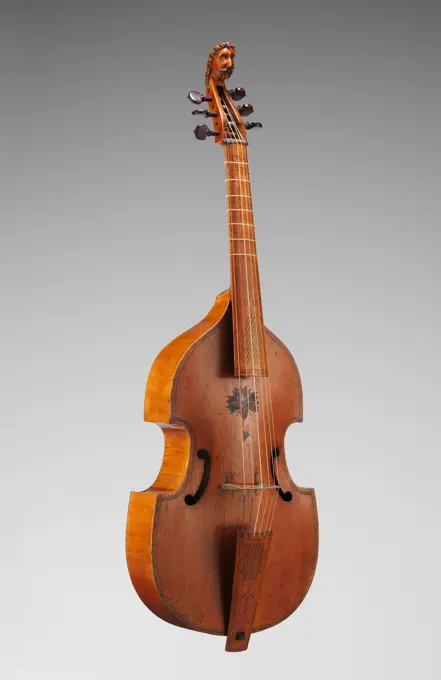
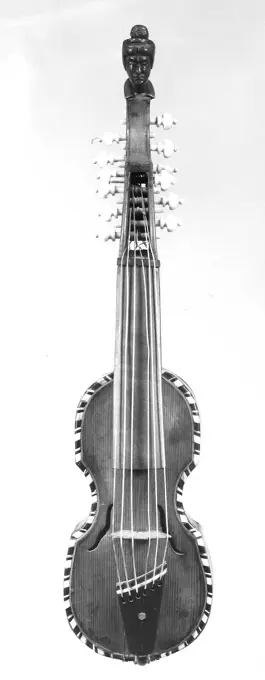
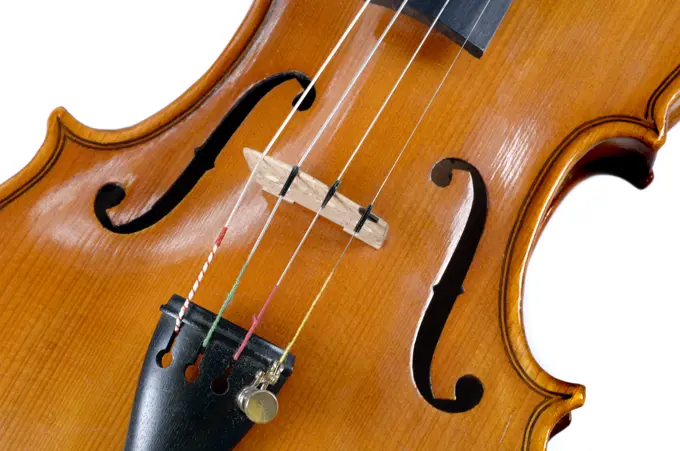
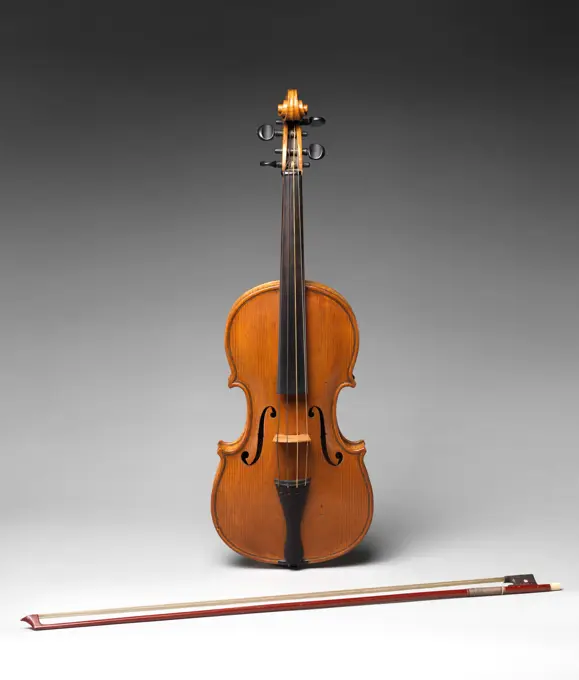
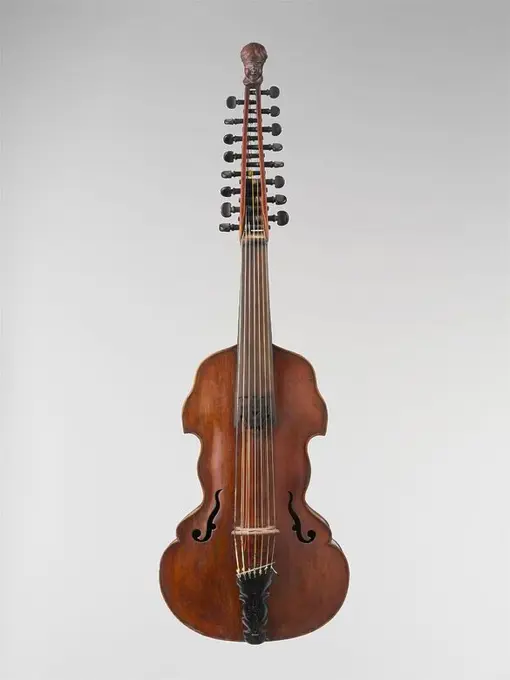
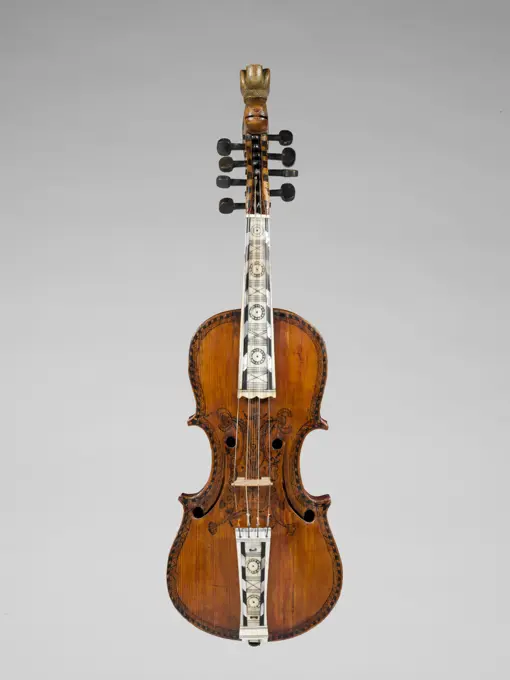
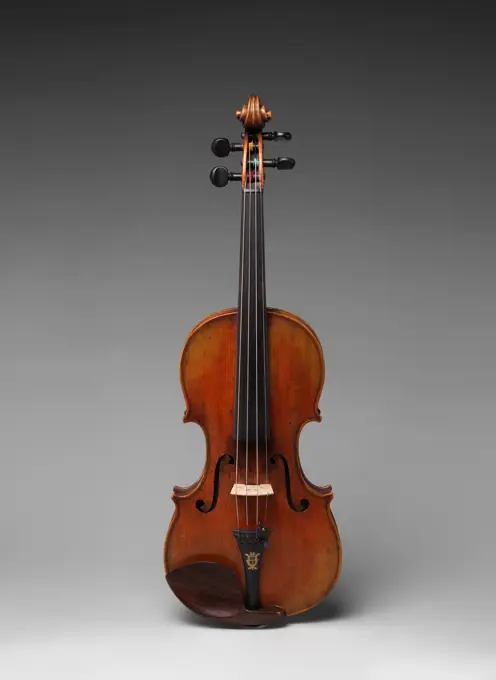
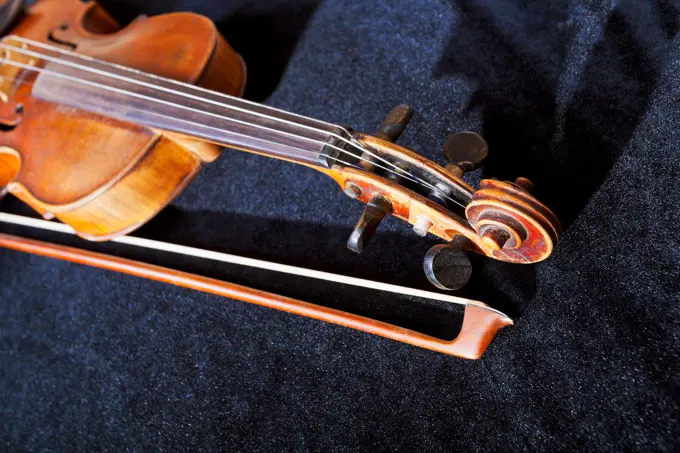
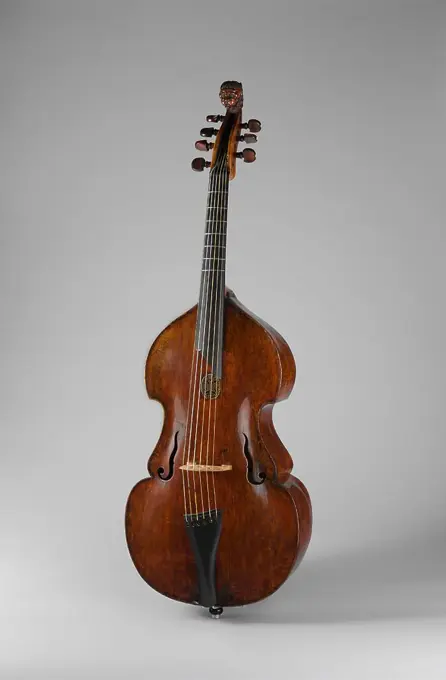
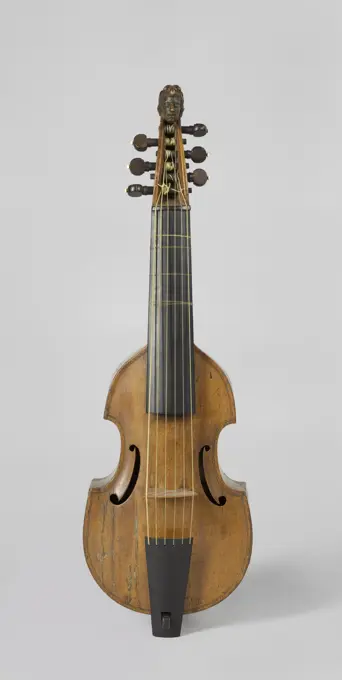
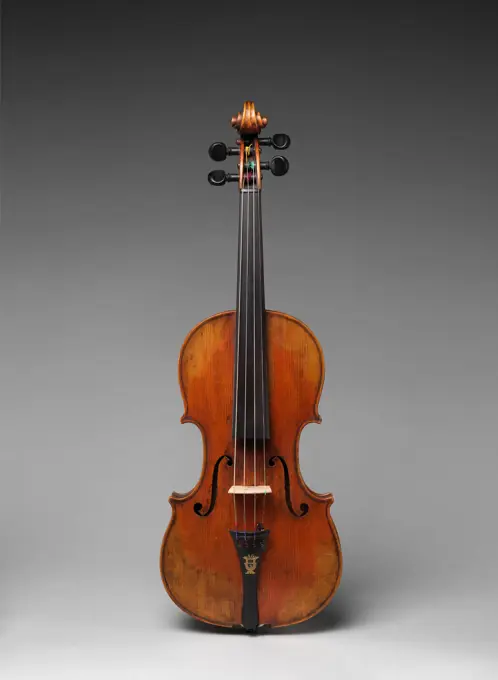
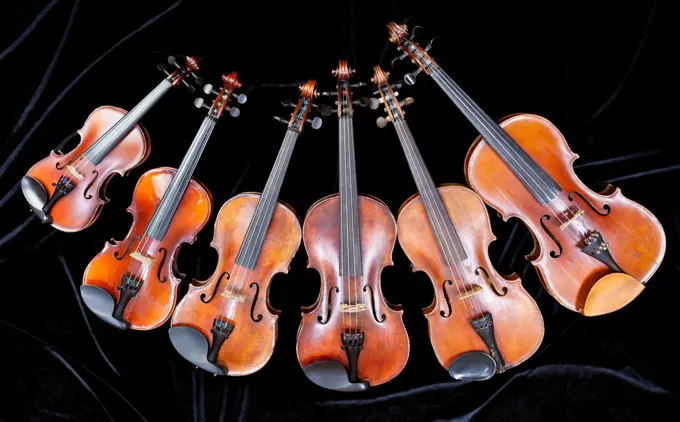
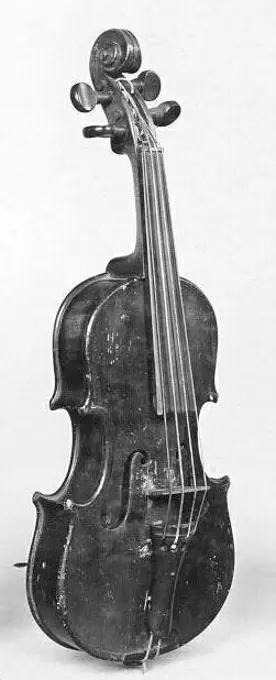
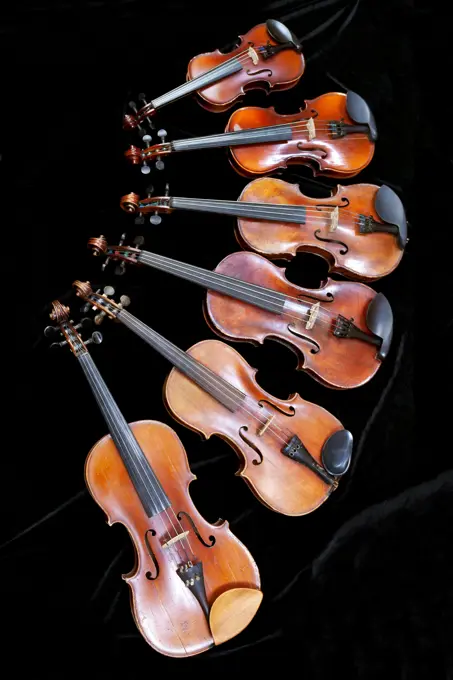
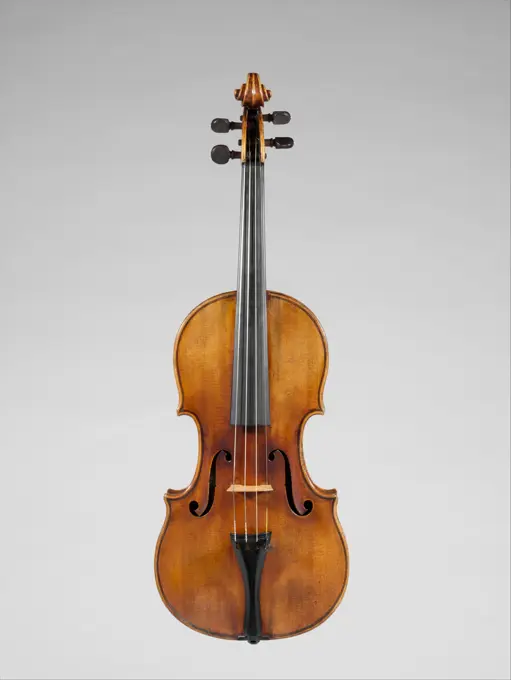
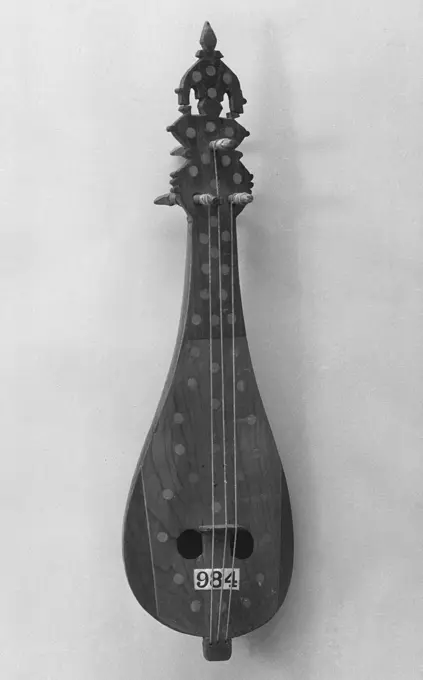
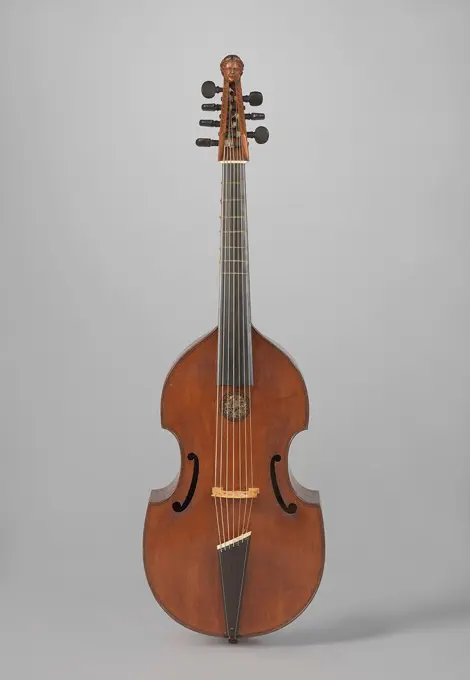
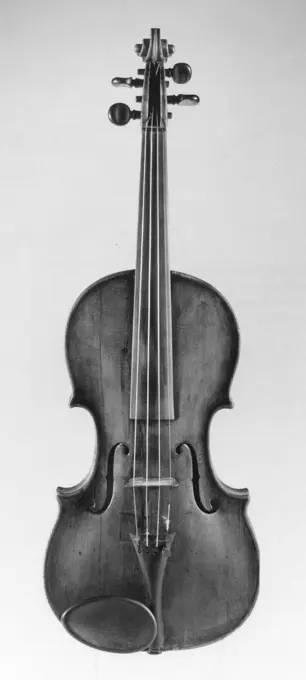
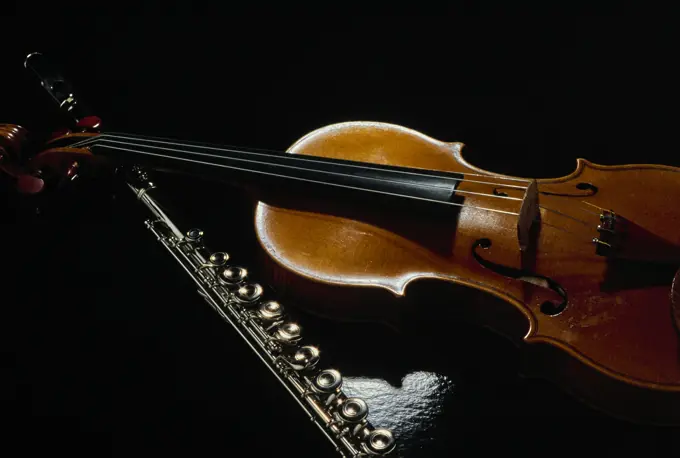
Violin, anonymous, c. 1800 - c. 1850 Violin with inserted black edges. The back leaf nine centimeters arched. Netherlands (possibly) wood (plant material) Violin with inserted black edges. The back leaf nine centimeters arched. Netherlands (possibly) wood (plant material)Violin, Johannes Theodorus Cuypers, 1791 Label: Johannes Cuijpers/ Fecit S Hage 1791 The Hague wood (plant material). maple (wood). ebony (wood). metal Label: Johannes Cuijpers/ Fecit S Hage 1791 The Hague wood (plant material). maple (wood). ebony (wood). metalAlte Geige Alte Geige mit Freistellungspfad Old violine isolated on white background Copyright: xZoonar.com/Teamarbeitx 222949A cello, studio shotMusic instrument violin and joining. Music instrument violin and joining on white background is insulatedretro violin vintage isolated on white backgroundTenor viola.Tenor viola with beautifully carved angel head to the curl. Manufactured by Van Aernick, Leiden, 1677.Violins with strings, F-Holes, tailpiece and chinrestMusic Cello in the dark roomfront view of violin with wooden chinrest and bow front view of full size violin with wooden chinrest and bow isolated on white background Copyright: xZoonar.com/ValeryxVoennyyx 8079172beautiful violoncello isolated on a white backgroundClose-up of a Baroque violinTenor Geige ca. 1600 Italian. Tenor Geige 503704Music Cello in the dark roomMusic Cello in the dark roomINSTRUMENTOS MUSICALES. VIOLIN. MUSICA. FONDO BLANCO PARA SILUETEAR.retro violin vintage isolated on white backgroundPardessus de viole.The pardessus de violewas held between the legs and played with a bow. This instrument was fashionable among amateur performers, especially aristocratic ladies, in France in the early 18th century. Indeed the pardessus was a good alternative to the violin. The latter wasconsidered inappropriate for a lady as it was associated with dance music and required an ungraceful posture to play it.Violin isolated on the whiteCello, illustration of stringed orchestra music instrumentImages of the classical contrabass. Isolated on white backgroundVioling against the dark backgroundViolin isolated on white backgroundQuinton in Viol Form mid to late 18th century French or German A 5-string hybrid instrument combining features of the violin and treble viol.Viols were the most esteemed bowed instruments of the late Renaissance, and they were only gradually displaced by the violin family. Viols differ from violins chiefly in shape, in number of strings and tuning, and in having fretted necks. All viols are played in an upright position between the knees or on the legs (gamba means "leg"), and the bow is held palm upwards. Their sound is less brilliant and quieter than that of the violin family. Chamber music for a consort of four to six viols was composed during the Renaissance and Baroque eras, and solo works for the bass viol were being played until nearly the end of the 18th century.. Quinton in Viol Form. French or German. mid to late 18th century. Wood. Mirecourt, France or Germany. Chordophone-Lute-bowed-frettedA cello, studio shotMusical instruments vector illustration. Instruments, both acoustic and classical, unite in harmonious festival music The orchestral concert is celebration rhythmic and melodic brilliance. Brown cello. Musical instruments. Classical melodies resonate as instruments play in perfect harmony. Brown celloviolin musical instrument flat style vector illustration isolated on white backgroundPardessus de Viole 1770 Louis Guersan French. Pardessus de Viole 503995VIOLIN STRADIVARIUS. Author: Stradivarius.Violin in dark room  - music conceptVioloncello 18th century Austrian Description: Asymmetrically reshaped and cut down body, four-piece softwood front, two-piece beech back with wings on lower bouts, double purfling, ebony tailpiece with mechanical fine tuning device for the A-string, four ebony tuning pegs with incised lyre and music scroll decoration, ebony fingerboard, pegbox grafted to neck, beech scroll.. Violoncello 505459Violin isolated on the whiteViola d'Amore 1739 German The viola d'amore, or viola "of love," is a bowed stringed instrument which gained great popularity in the eighteenth century. Much of its history, including the derivation of its name, is unknown. It has many characteristics of the viol family such as a flat back, ribs that are flush with the top and back, and a rosette in addition to soundholes. Yet, like a violin, it is unfretted and held under the chin while played. Violas d'amore typically have seven playing strings, though instruments with other numbers of strings are not unusual. Perhaps the most distinguishable characteristic of the viola d'amore is the presence of sympathetic strings, which are not played but located behind the bowed strings and vibrate "in sympathy." The sympathetic strings contribute to produce a tone that is clear, and often described as "silvery." The sympathetic strings also contribute to creating a more resonant sound with a longer decay. Sympathetic strings are found on severalOld violin, isolated on a white background Old violin, isolated on a white background Copyright: xZoonar.com/KostiuchenkoxOleksandrx 2772979Violoncello ca. 1800 Attributed to François-Louis Pique Piques work embraces a particularly interesting period in the design and performance practice of violin-family instruments. Models shifted from the instruments of Stainer and Amati to those of Stradivari—popularized by the virtuoso Jean-Baptiste Viotti and the growing preference for brighter and louder-sounding instruments. The relatively flat arching of this cello reflects these changes. Description: Back in two pieces of quarter-sawn, wide-flame maple; similar sides; front in two pieces of medium grain spruce narrowing toward the edges; orange-brown varnish crackled in small areas toward the edges; modern neck and fittings, original scroll grafted on.. Violoncello. French. ca. 1800. Wood. Paris, France. Chordophone-Lute-bowed-unfrettedQuinton d'Amore 1755 Mathurin-François Remy French. Quinton d'Amore 505572Music concept with violinViolin 1753 Attributed to Giovanni Battista Gabrielli Italian Description: two-piece maple back with faint curl of medium width; matching sides and scroll; two-piece spruce top of medium grain, heavily repaired and F-holes recut in 1956; light golden-brown varnish; modern neck and fittings.. Violin 503400Vintage Photograph. Elegant harmony: a close-up of a violin and flute in dramatic lighting.Pochette 1813 German. Pochette 504766Music concept with violinIndigenous Music Instrument at Museum Indigenous music instrument isolated on white background photo Copyright: xZoonar.com/DanielxFerreira-LeitesxCiccarinox 16524402Viola da Gamba 1640-65 British In England after 1600, small bass viols such as these began to displace larger consort instruments. Viols of this size remained dominant until the viola da gamba began to go out of fashion in the late eighteenth century (at which point many small bass viols were converted into cellos). This example is part of a small group that escaped modernization. Remarkably, it retains its original neck, fingerboard, tailpiece, and bridge. Because its label is lost and no comparable seventeenth-century viol has yet come to light, dating this instrument and attributing it to a particular maker or workshop is difficult. The date 1640-65 is based on construction details and decorative style. The viol's top is assembled from five bent staves, instead of a carved single board, and the ornamental carnation inscribed with a hot needle just below the fingerboard imitates embroidery patterns fashionable in England about 1600 and after. Furthermore, the portrait of a young man Viola d'Amore pochette 18th century French Description: Shallow case with flat back. Reddish-Brown varnish. The blocks without sharp angles, the sound-board edged with ebony and ivory inlay. Flaming sound-holes. The tail-piece with sloping top; peg-box with twelve ivory pegs, terminating in a carved female head. Six melody strings and six sympathetic strings, passing under the keyboard, are fastened to ivory pins at the bottom of the instrument. To the instrument is attached a miniature bow. Viola d'Amore pochette 503652Violin isolated on the whiteMusikinstrument Geige Detail von einer Geige in Nahaufnahme *** Musical instrument violin Detail of a violin in close-upViola 1884 John C. Harris American John C. Harris taught music and performed as a clarinetist, violinist, and band leader in Albany, New York. He was also a violin maker and was listed in city directories between 1871 and 1881. The printed label indicates that this was his sixtfh viola (the violas are numbered separately from his violins). This viola was presented to the Museum by his widow in 1906. Description: Softwood front with f holes, two-piece back of maple, crudely done purfling; ebony pegs and tailpiece; with bow.. Viola. American. 1884. Wood, ebony. Albany, NY, United States. Chordophone-Lute-bowed-unfrettedViolin with Bow. Classic violin with fiddle stick on white background.old violin with musical notes closeupViola d'Amore. Culture: German. Dimensions: L. 86.5 cm (33-15/16 in.); Body L. 42.9 cm (16-7/8 in.); Bowed string L. 40.9 cm (16-1/16 in.). Maker: Paulus Alletsee (German, active Munich ca. 1698, died ca. 1738 Munich). Date: 1726.Viola d'amore with seven melody strings and 9 sympathetic strings; a large model sometimes called the "English violet.". Museum: Metropolitan Museum of Art, New York, USA.Hardanger Fiddle 1786 Norwegian The Hardanger fiddle of western Norway has a violin form but features a fanciful scroll, a highlly decorative fingerboard and tailpiece, ink designs on front and back and sympathetic strings that run through the bridge and under the fingerboard. Isak N. Botnen (1669-1759) and his son Trond Botnen made both standard violins and Hardanger fiddles.. Hardanger Fiddle. Norwegian. 1786. Wood, mother-of-pearl, ebony, bone. Norway. Chordophone-Lute-bowed-unfrettedViolin 1893 American August Gemünder was the eldest son of Johann Georg Gemünder, violin maker to Prince Hohenlohe in Inglefinger in the west part of Germany. August and his younger brother George worked for their father learning the trade of violin making, while their younger brother Albert apprenticed to an organ builder. After their father died in 1835, August inherited the workshop and moved it to Regensburg. His brother George worked in several German shops before moving to Paris where he worked for Jean-Baptiste Vuillaume, the most celebrated violin maker in Europe at the time. In 1846, August and Albert moved to the United States and established themselves as piano and organ builders in Springfield, Massachusetts. They eventually convinced George to join them in the United States. After his violins won a prize at the 1851 Crystal Palace Exhibition in London, George Gemünder had a tremendous reputation. The three brothers built violins together in a shop in New York City beginninMusical instrument line sketch. Violin or viola with bow. Outline black and white vector illustration.. Musical instrument line sketch. Violin or viola with bow. Outline black and white vector illustrationviolin pegbox and bow on black velvet background violin pegbox and bow on black velvet background close up Copyright: xZoonar.com/ValeryxVoennyyx 5056346ViolinVioling against the dark backgroundBas viola da leg ..Violin and a bow on blue fabricViolin a string musical instrument vector or color illustrationViolin Vector IllustrationVIOLIN with BOW and WOODEN RECORDER Bass Viola da Gamba. Culture: Austrian. Dimensions: Height: 27 1/16 in. (68.7 cm)Width (Of lower bout): 15 7/8 in. (40.3 cm)Depth (At bottom block): 4 3/8 in. (11.1 cm). Former Attribution: Andreas Jais (German, Mittenwald 1685-1753 Tölz). Date: ca. 1669.Andreas Jais was from a Tyrolean family of instrument builders active in Bolzano in the eighteenth century. Despite its unoriginal narrow neck and fingerboard (replacements from a conversion to the cello), this instrument maintains its original oblong and curvilinear shape, a feature typical of instruments from this region. Museum: Metropolitan Museum of Art, New York, USA.Overcoat, c. 1730 - C. 1750 Zessnarige over the above. Paris softwood. Maple (Wood). Ebony (Wood). Beech (Wood). Ivory. strings:. strings: Metal Zessnarige over the above. Paris softwood. Maple (Wood). Ebony (Wood). Beech (Wood). Ivory. strings:. strings: MetalViolin isolated on the whiteViolin 1893 American August Gemünder was the eldest son of Johann Georg Gemünder, violin maker to Prince Hohenlohe in Inglefinger in the west part of Germany. August and his younger brother George worked for their father learning the trade of violin making, while their younger brother Albert apprenticed to an organ builder. After their father died in 1835, August inherited the workshop and moved it to Regensburg. His brother George worked in several German shops before moving to Paris where he worked for Jean-Baptiste Vuillaume, the most celebrated violin maker in Europe at the time. In 1846, August and Albert moved to the United States and established themselves as piano and organ builders in Springfield, Massachusetts. They eventually convinced George to join them in the United States. After his violins won a prize at the 1851 Crystal Palace Exhibition in London, George Gemünder had a tremendous reputation. The three brothers built violins together in a shop in New York City beginninfamily of different sized violins on black family of different sized violins on black velvet Copyright: xZoonar.com/ValeryxVoennyyx 5056385Bass Viol and Bow. The bass viol was commonly used as a solo instrument or to provide the bass line in chamber music ensembles. Its six strings are played with a bow held underhand and, like the lute, the viol has gut frets tied around the neck. This instrument was made by Hendrik Jacobs, one of the most important 17th-century Dutch violin makers.Violin 18th century French Miniature violin made using a traditional outline with f-holes and scroll head. Yellow varnish overall.. Violin 501575Music concept with violinfamily of different sized fiddles on black family of different sized fiddles on black velvet Copyright: xZoonar.com/ValeryxVoennyyx 5056333Violin isolated on the whitepart of violin with f hole against grey background"The Francesca" Violin 1694 Antonio Stradivari Italian Antonio Stradivari has long been thought to have been an apprentice of Nicolò Amati, but census documents do not list Stradivari as a garzone (shopboy) in the Amati household. Stradivari's early instruments do show the stylistic influence of the Amati, but as Girolamo II and Nicolò were the principal makers in Cremona during Stradivari's formative years, it would be natural for Stradivari to have been influenced by their work. Antonio Stradivari worked with two of his sons, Francesco (1671-1743) and Omobono (1679-1742), and today over 600 instruments survive from this prodigious workshop. Stradivari experimented with the shape and arching of the violin. In 1690 he devised a somewhat longer and narrower body outline that is referred to as the "long pattern." By 1700 he abandoned this pattern and reverted to the broader shape that was typical of his earlier violins. Listen to experts illuminate this artwork's story Listen Play or pauview from fingerboard of classical violin view from fingerboard of classical violin isolated on white background Copyright: xZoonar.com/ValeryxVoennyyx 5932939Rebec 19th century Cretan This old-style” Cretan lira is a minstrel instrument played with a bow to which jingles are attached.. Rebec. Cretan. 19th century. wood, inlay.. Crete, Greece. Chordophone-Lute-bowed-unfrettedMusic concept with violinViolin and bow isolated on white background. Vector illustration. 
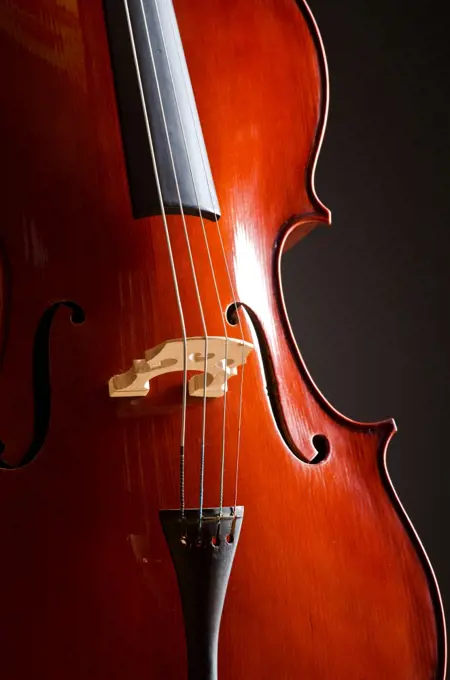
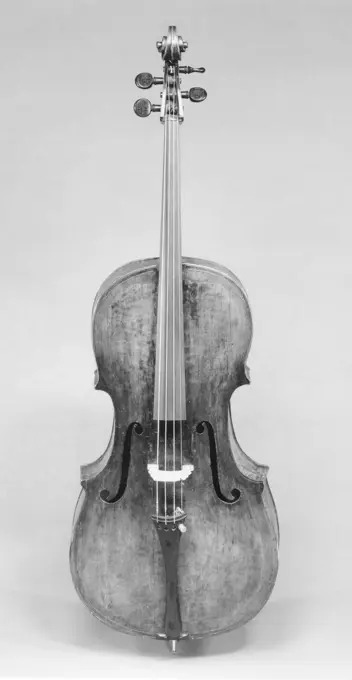
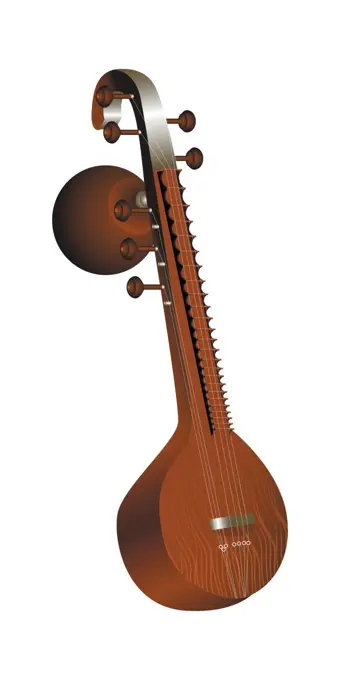
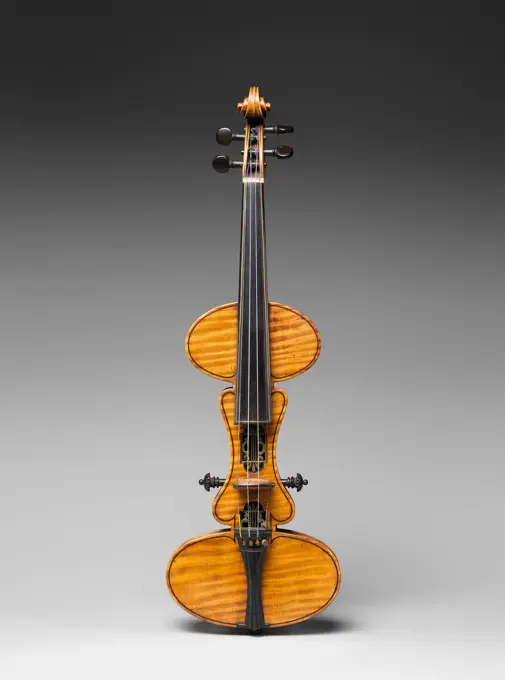
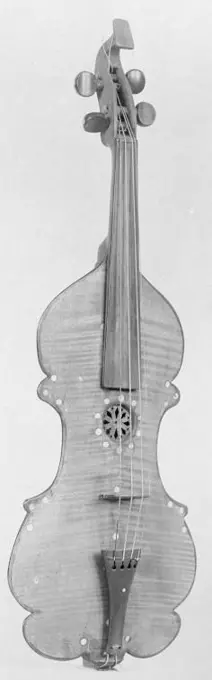
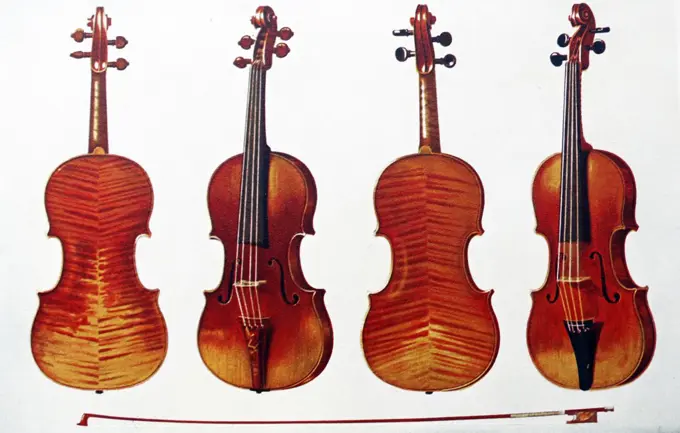
cello, violoncello on white backgroundVioloncello 18th century German Description: Molded half-back. Yellowish varnish. Two F sound-holes. The peg-box terminates in a scroll, fitted with 4 pegs, turned by patent screws and thumb-pieces at the back. Four strings.. Violoncello 502455Music concept- close up of celloVeena. Indian stringed plucked musical instrument. Vector illustration.Music Cello in the dark roomDivision Viol. Culture: British. Maker: Henry Smith (British, London active 1623-ca. 1637). Date: 1629. Museum: Metropolitan Museum of Art, New York, USA.Bass Viola da Gamba. Culture: British. Dimensions: Height: 25 1/16 in. (63.7 cm)Width: 13 11/16 in. (34.8 cm)Depth: 4 11/16 in. (11.9 cm). Maker: Attributed to Barak Norman (British, 1651-1724 London). Date: 1692.This instrument is attributed to the English master luthier Barak Norman. Norman's workshop, "The Bass Viol," was one of many workshops of its kind located in the vicinity of Saint Paul's Cathedral, the epicenter of instrument making in seventeenth-century London (and down the street from "The Golden Viol," the shop of Edward Lewis and John Hare). It is very likely that Norman constructed this instrument the year before he began monogramming his work. It is simply decorated, unlike many of his other instruments, or those of his colleague (and likely teacher) Richard Meares, which often feature intricate latticework on the ribs and around the body. As viols began to fall out of fashion in the eighteenth and nineteenth centuries, this Norman, like so many other viols, was converBass Viol, Pieter Rombouts, 1708 Label: Pieter Rombouts/ Amsterdam 1708 Amsterdam maple (wood). wood (plant material). ebony (wood). metal Label: Pieter Rombouts/ Amsterdam 1708 Amsterdam maple (wood). wood (plant material). ebony (wood). metalviolin isolated on white backgroundMusic Cello in the dark roomMusical instruments isolated on whiteViolins with Bow IllustrationViolin bow over stringsMusical instrument of bass guitar vector or color illustrationViolin contour from black lines isolated on white background. Front view. Vector illustrationViolin 1752 labeled Lorenzo Carcassi This violin bears a label of Lorenzo Carcassi of Borgo from 1752, although this certainly incorrect. The instrument may be eighteenth century from either France or Holland.Description: medium grain spruce top, two-piece quarter sawn maple back, with a medium curl descending from the center seam. Red-brown varnish. Neck grafted at the base of the pegbox. Beech and ebony purfling. Short, rounded F-holes, arching high and full from the edges. Label and interior coated in reddish stain. Ebony taipliece and rosewood button and pegs, with gold inlay.. Violin. 1752. Spruce, maple, ebony. Chordophone-Lute-bowed-unfrettedMute Violin ca. 1886 Charles Francis Albert, Sr. Mute violins have been used as practice instruments and for special acoustical effect since the seventeenth century. Leopold Mozart used the term "Brettgeige," or "board violin," to describe a mute violin consisting of a curved board without a soundbox. Patented in 1886, this unusually shaped mute violin has a body made entirely of maple, a wood that does not vibrate freely. The bridge height can be adjusted by two pegs located on either side of the body.. Mute Violin. American. ca. 1886. Maple, ebony, brass, various other materials. Philadelphia, Pennsylvania, United States. Chordophone-Lute-bowed-unfrettedMusic concept with violinViola isolated on the white backgroundMute Violin 18th century German This is an unusual and rare form of a "mute" or "practice" violin without a back or soundchamber. Even though it was made for private use, the instrument has a festooned body, a shield shaped head, and a carved geometrical rosette in a circular sound holes. Around the soundhole and corners are inlaid mother-of-pearl studs. The workmanship and decoration are rather crude, suggesting the instument was not built by a trained luthier.. Mute Violin 502139Music Cello in the dark roomGreek musical instrument bouzouki isolated over whiteViolins, The Alard Stradivarius, The King Joseph Guarnerius Del Gesù. The instrument on the left is the Alard Stradivarius and is one of the finest violins made by Stradivarius. The King Joseph violin on the right may only appear slightly smaller, but the differences to those with a practiced eye are considerable.