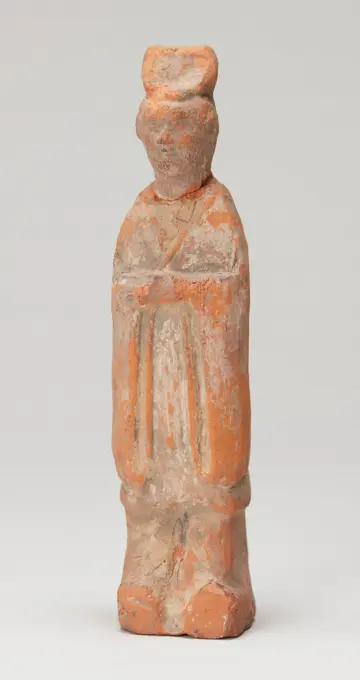
Mythical Animal Figurines

A collection of diverse decorative sculptures featuring mythological creatures, including a tortoise-riding triton and various lion figures, highlighting rich cultural artistry.

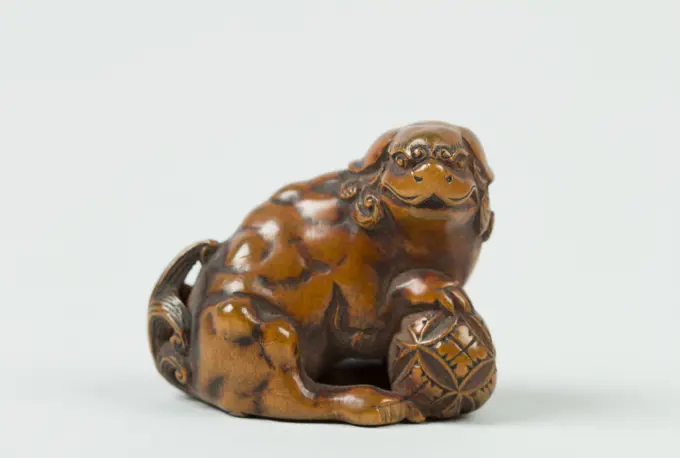
Netsuke monkey with a peach, 19th century, Unknown Japanese, 2 1/16 x 15/16 x 1 1/16in. (5.2 x 2.4 x 2.7cm), Wood, Japan, 19th century
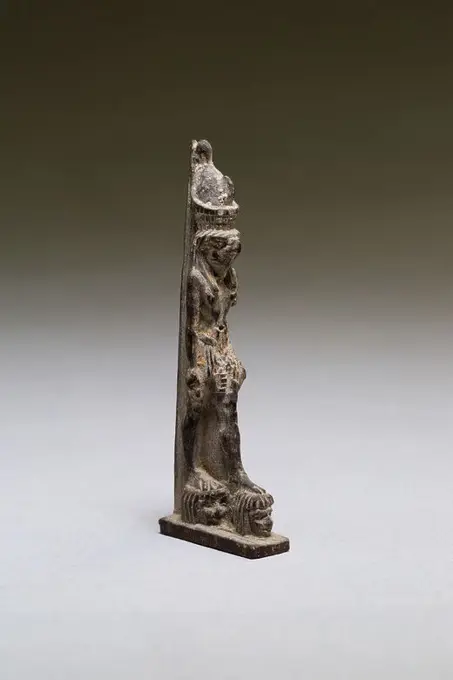
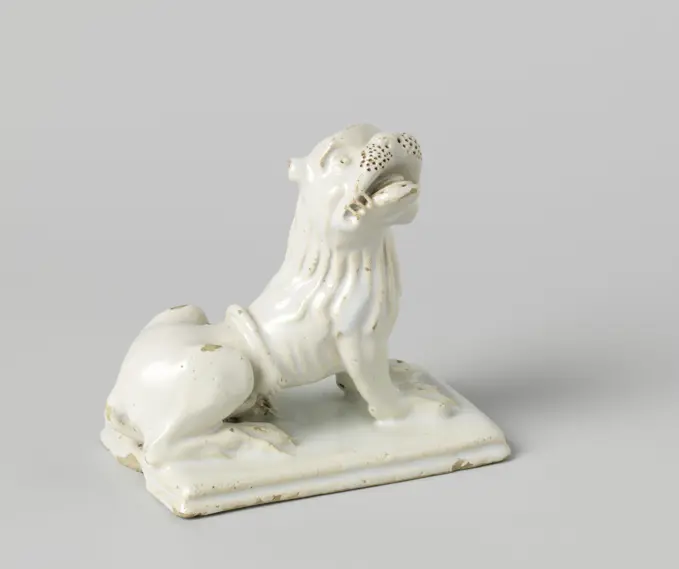
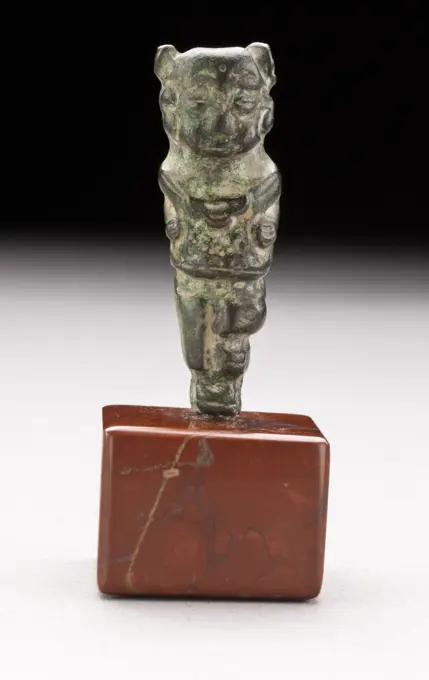
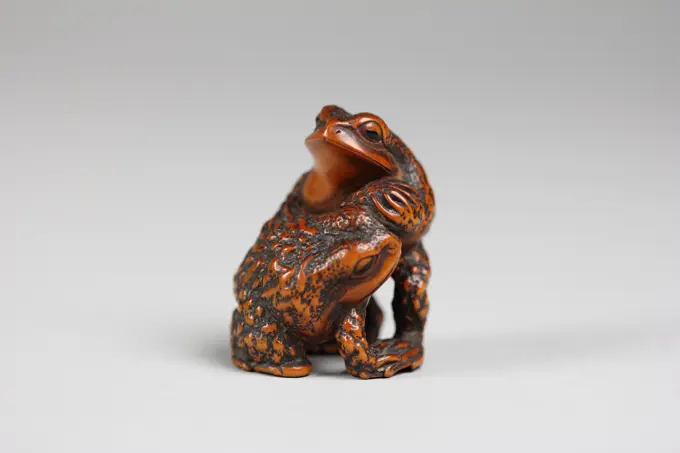
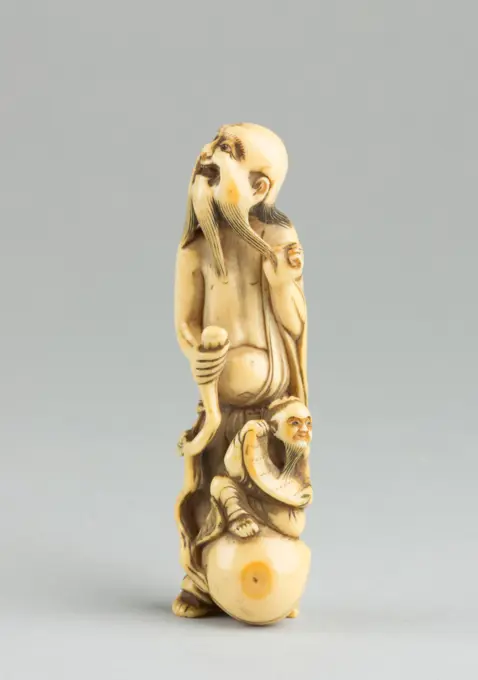
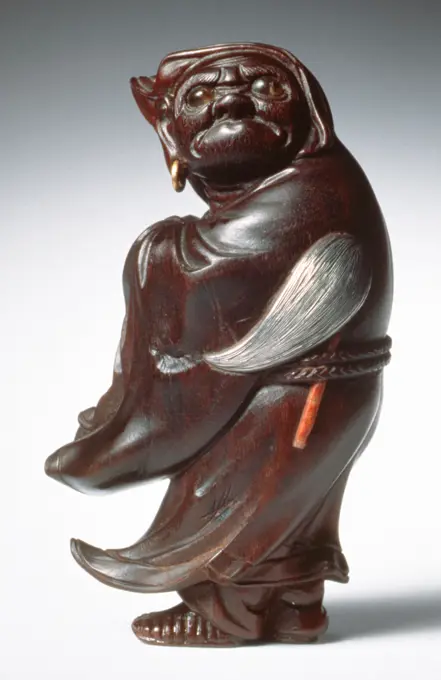
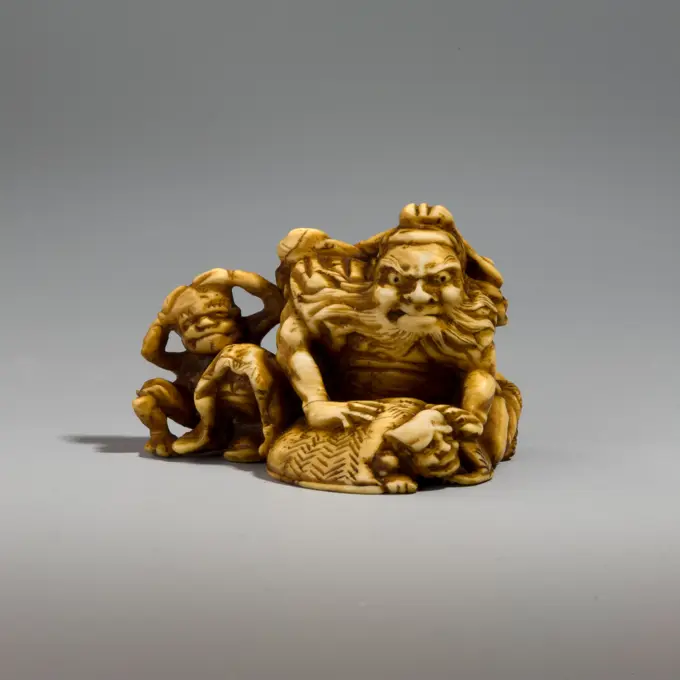
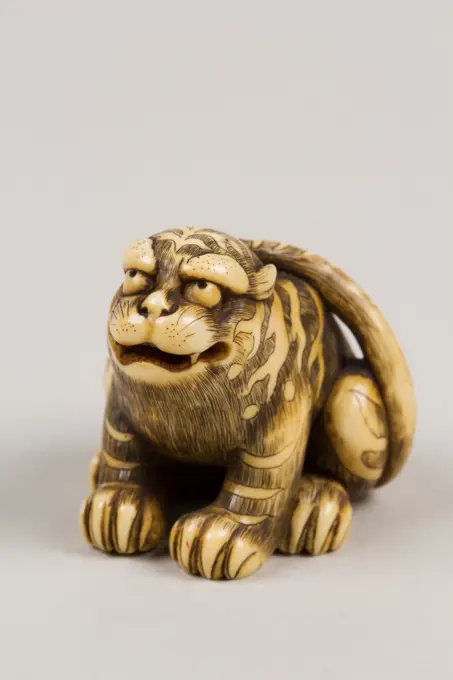
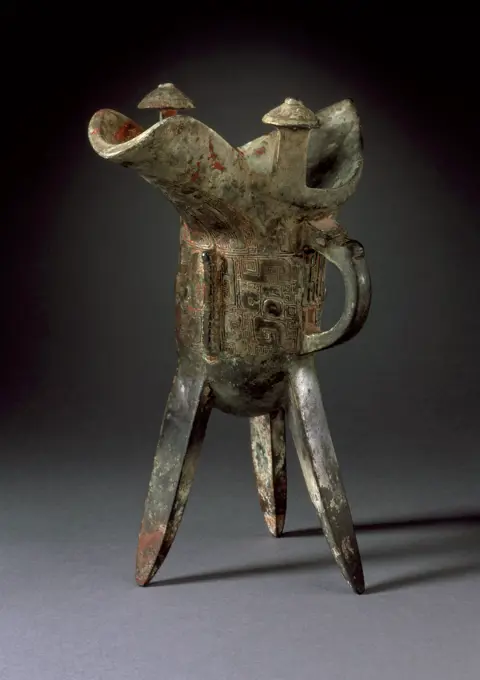
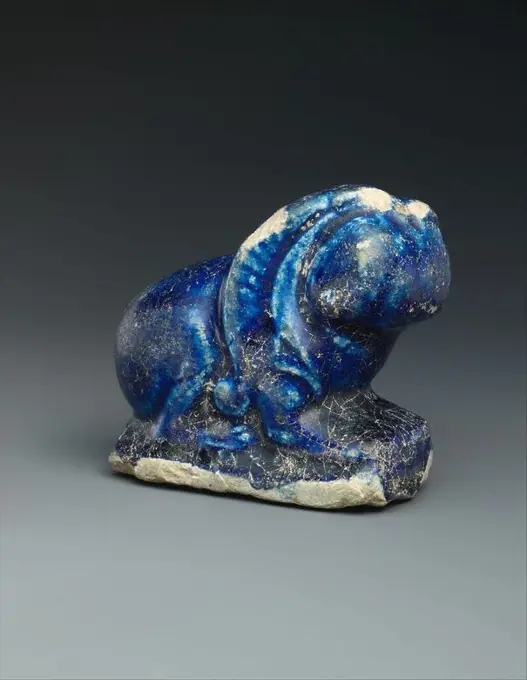
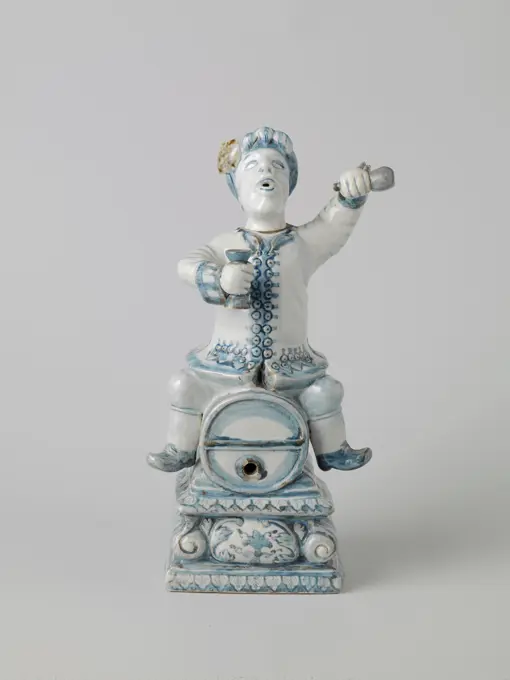
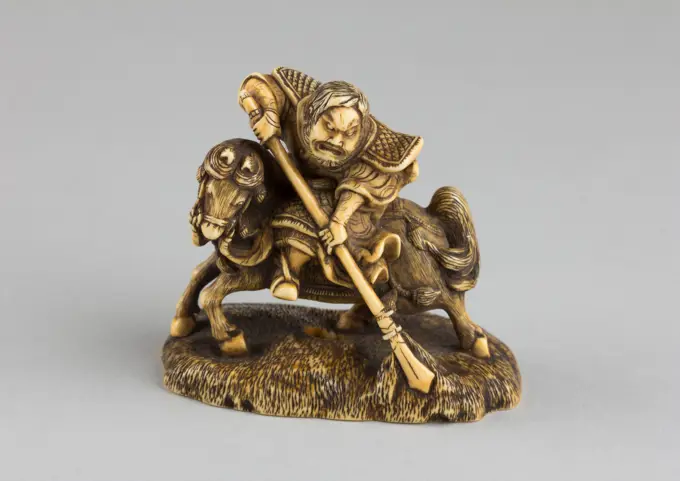
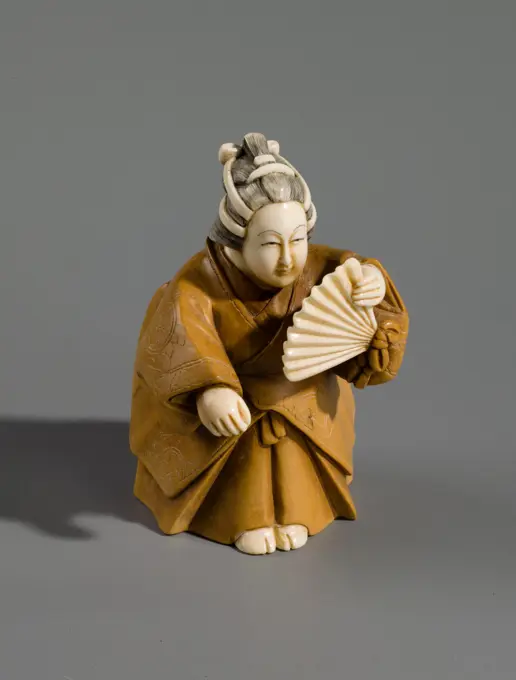
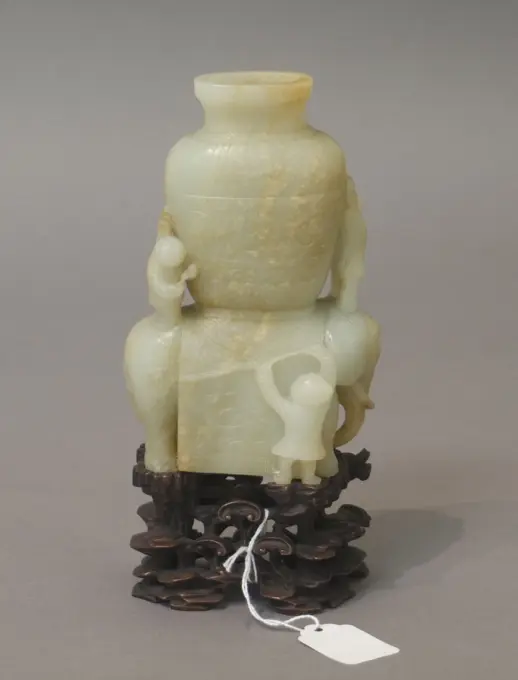
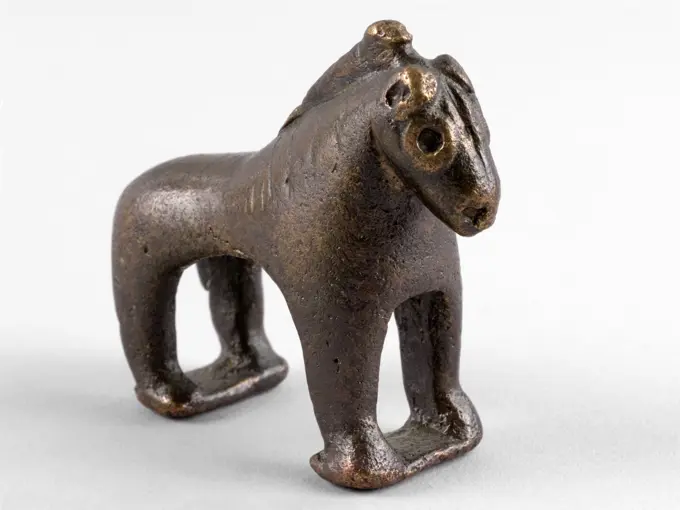
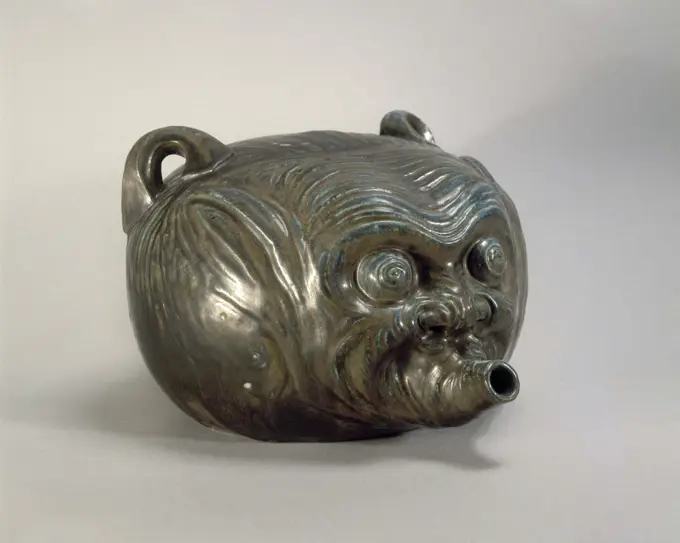
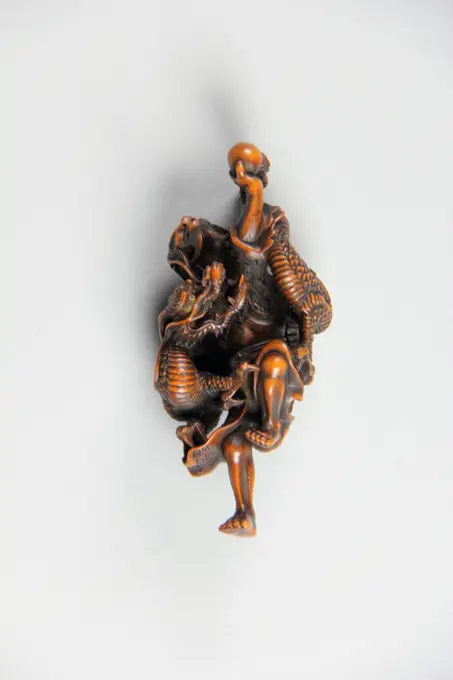
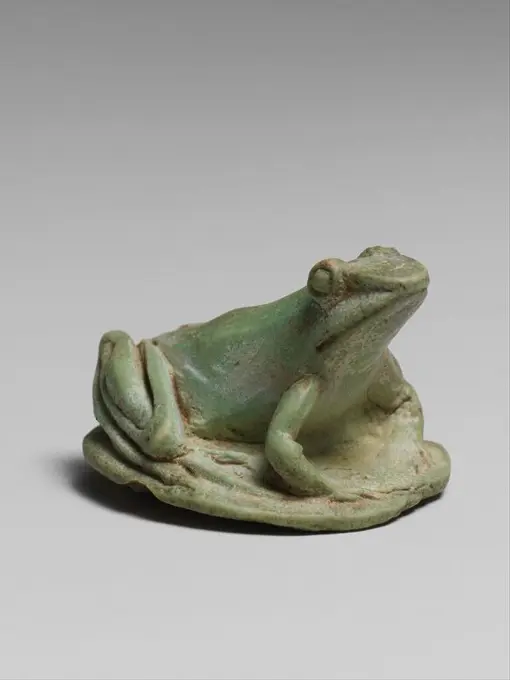
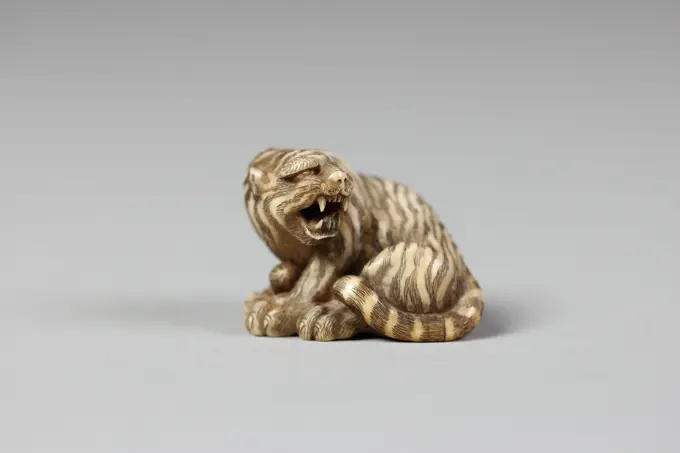
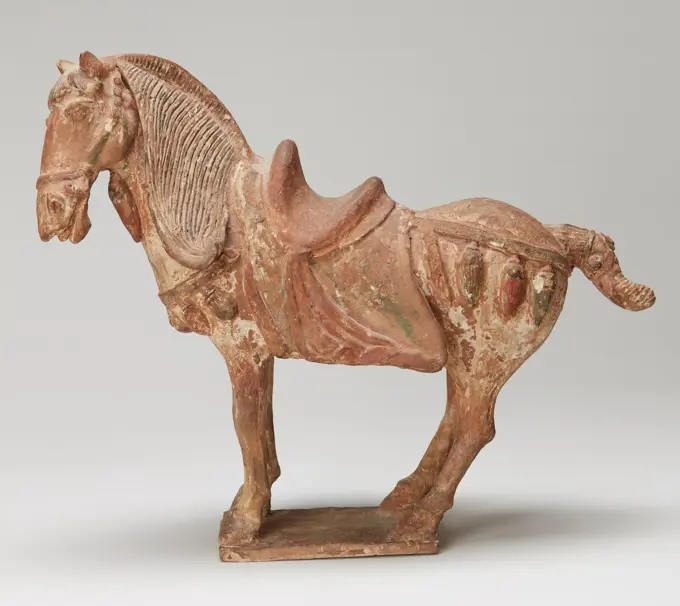
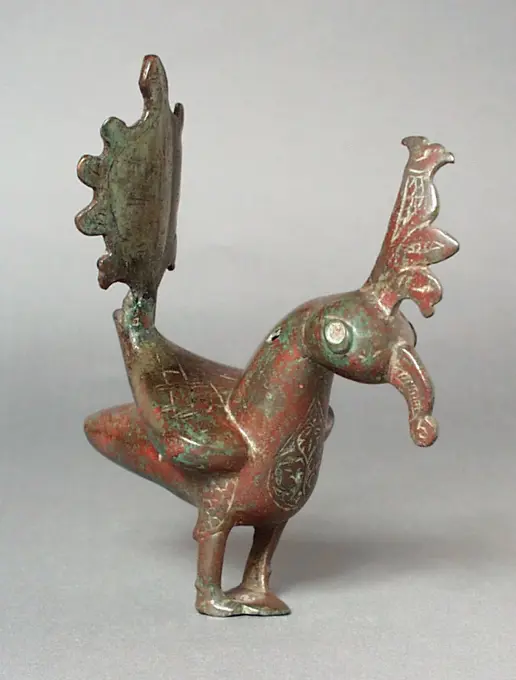
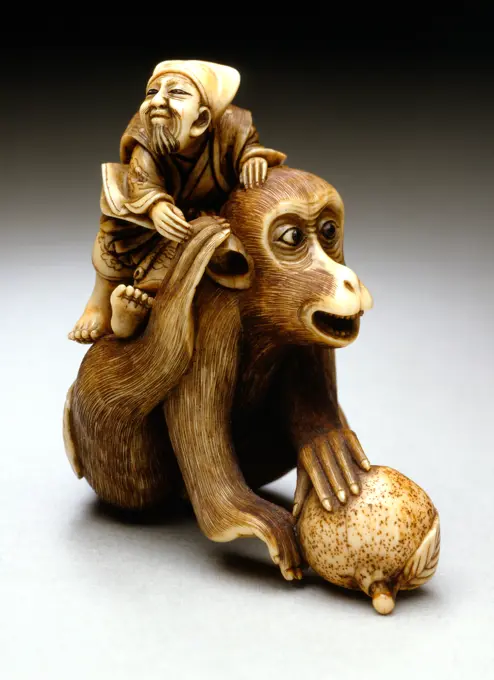
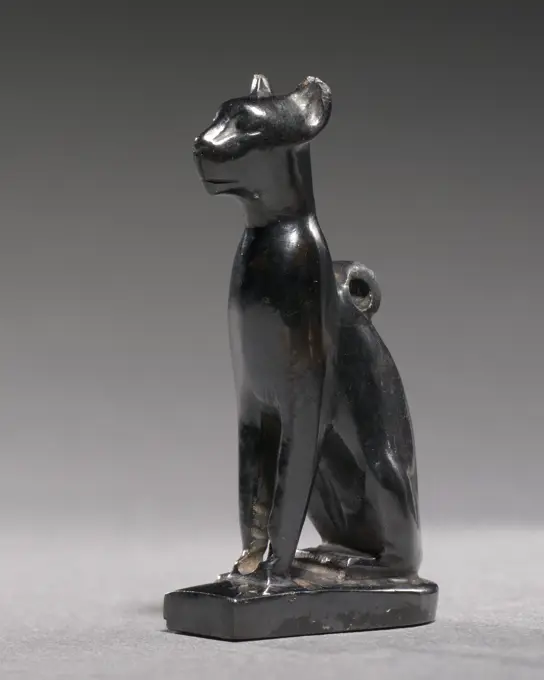
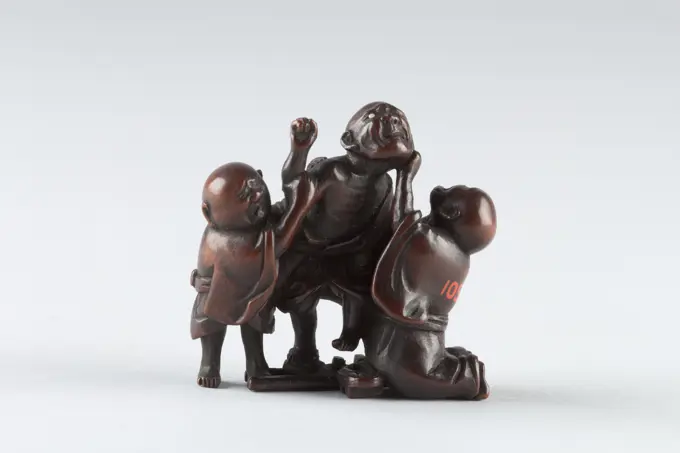
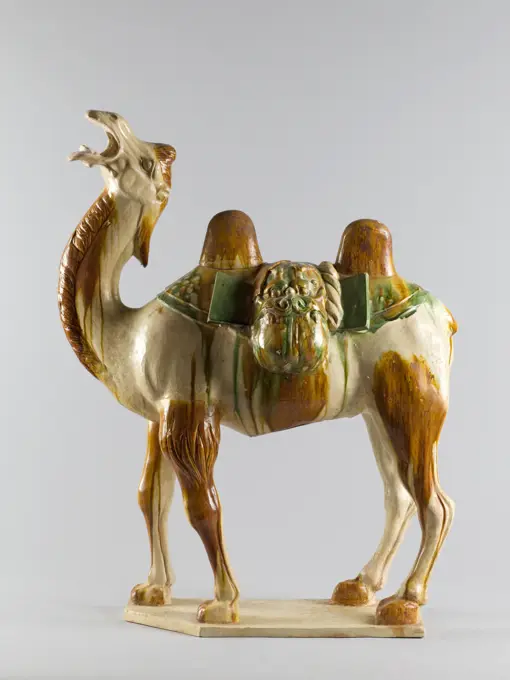
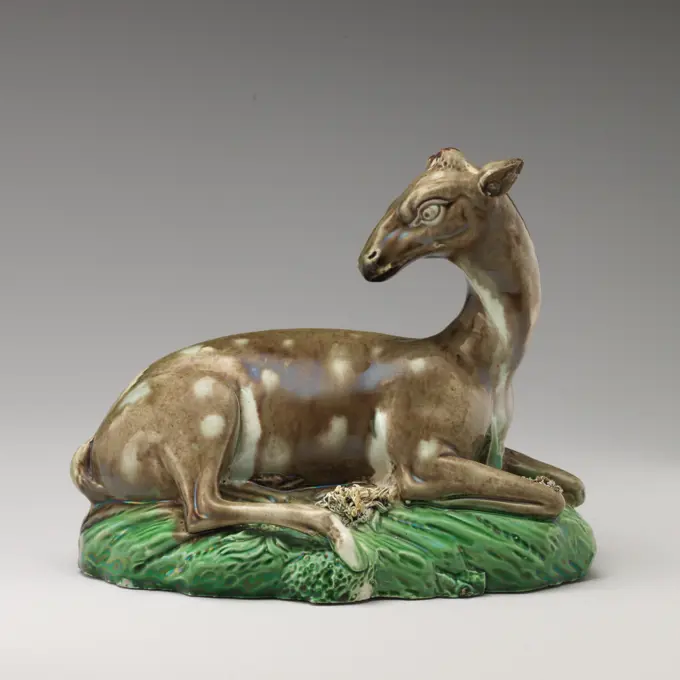
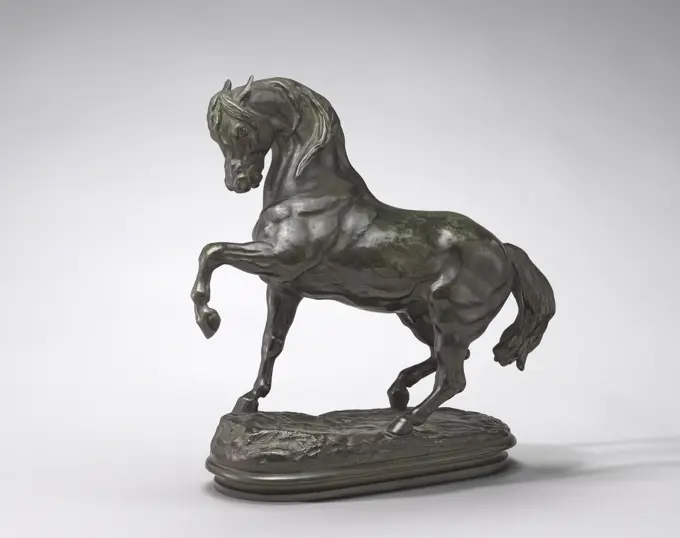
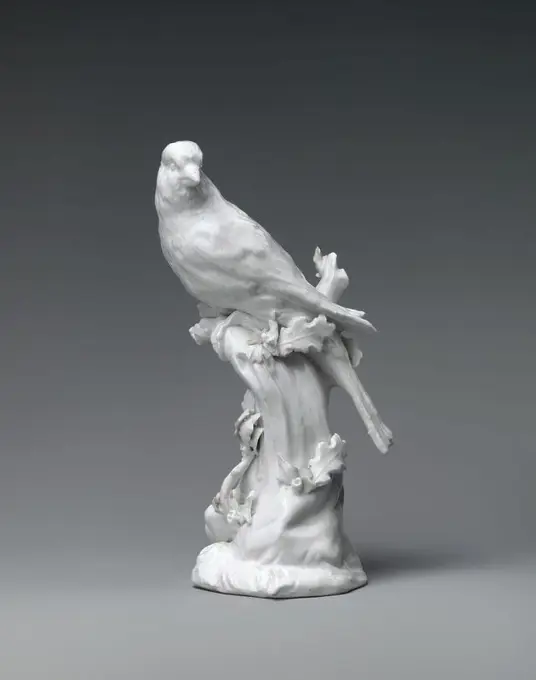
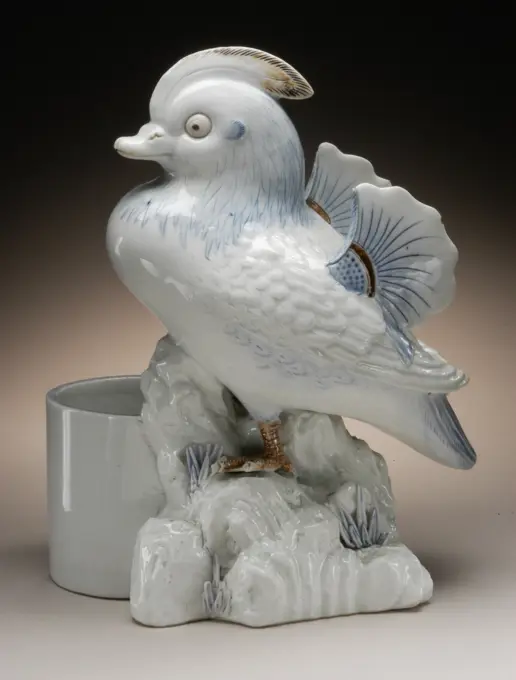
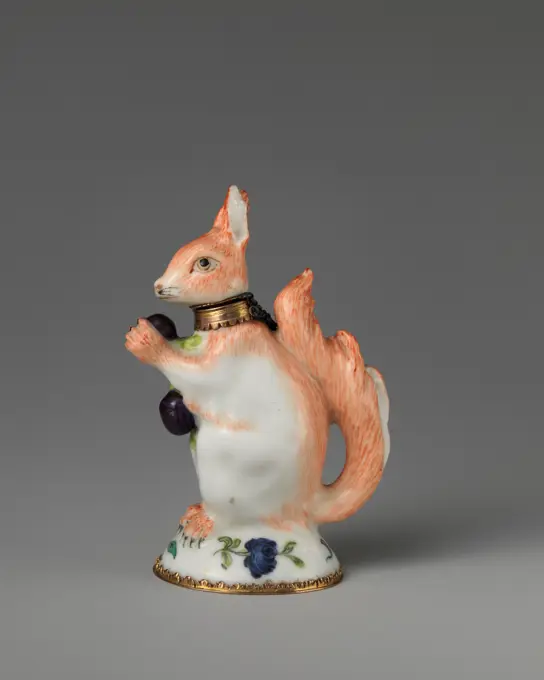
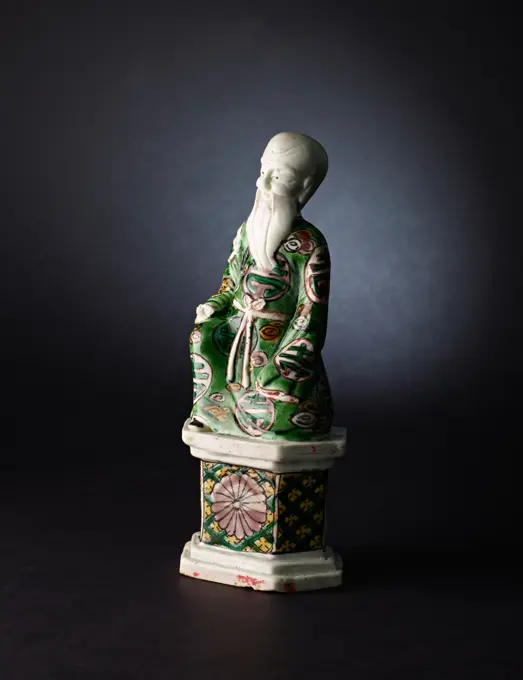
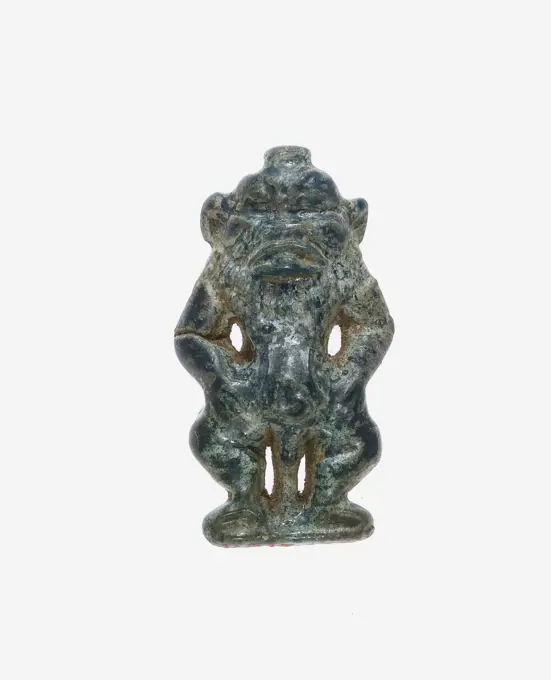
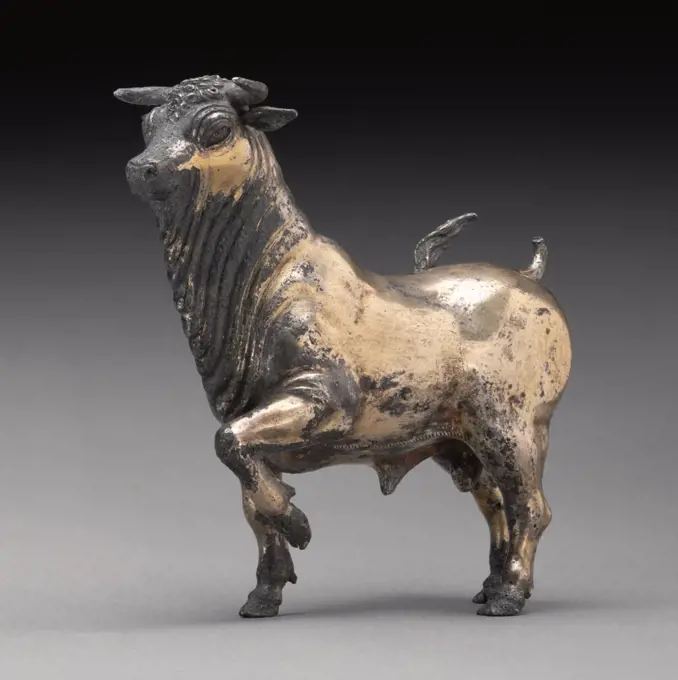
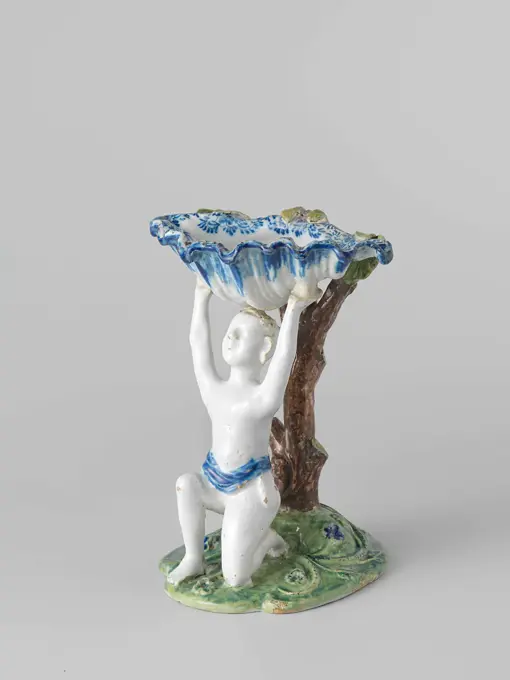
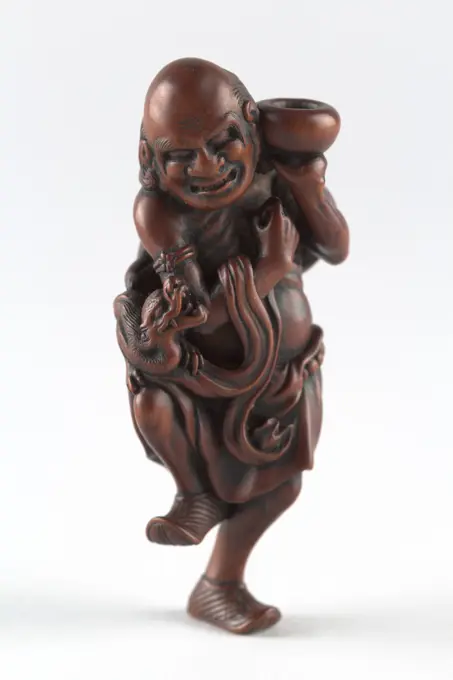
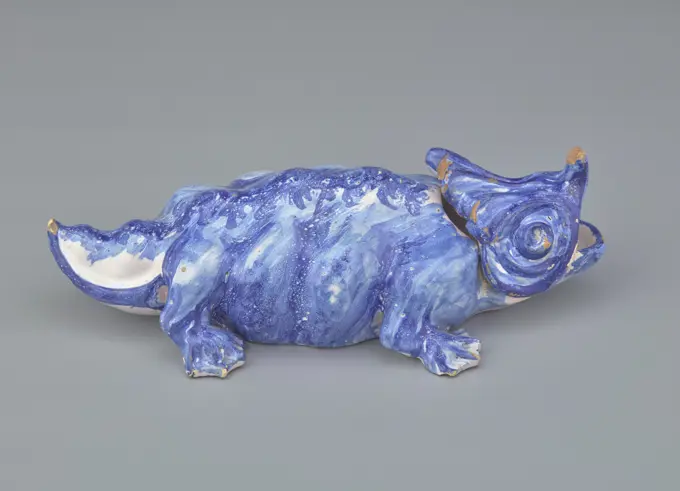
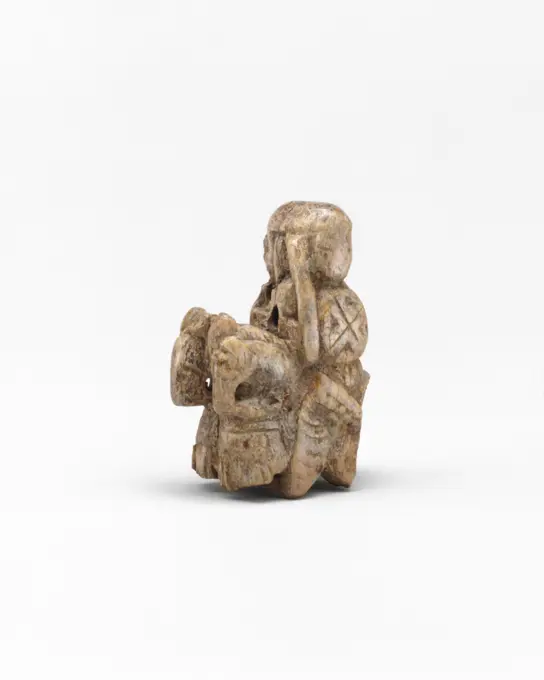
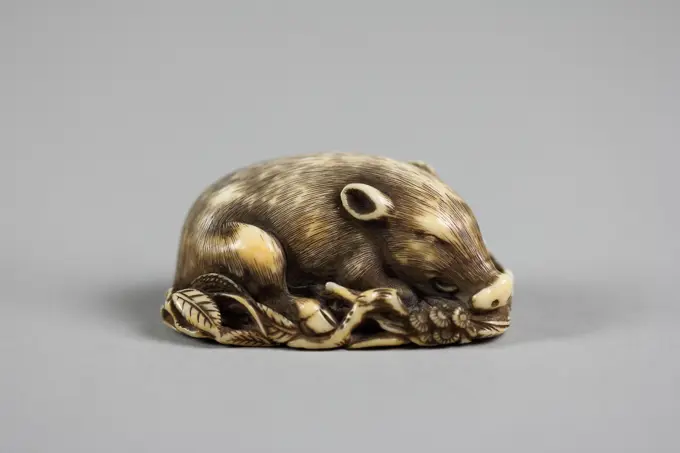
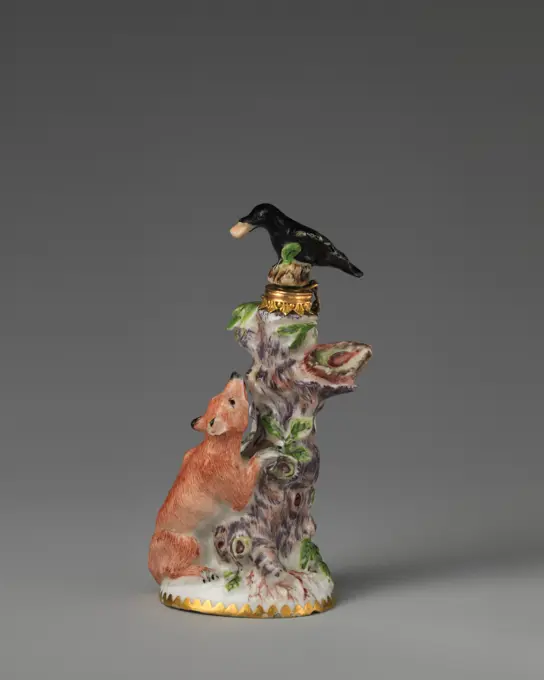
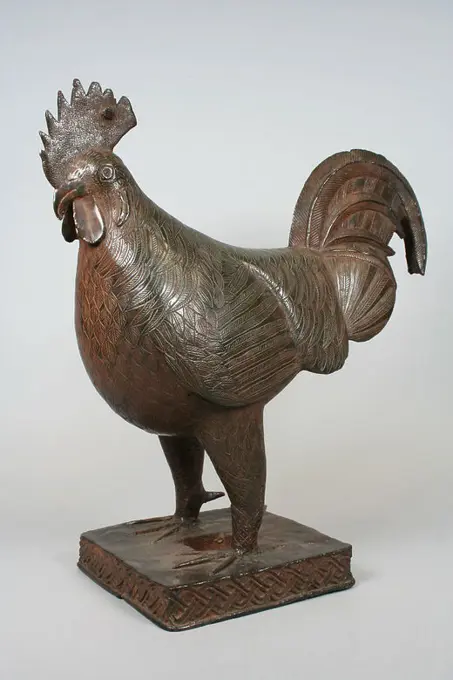
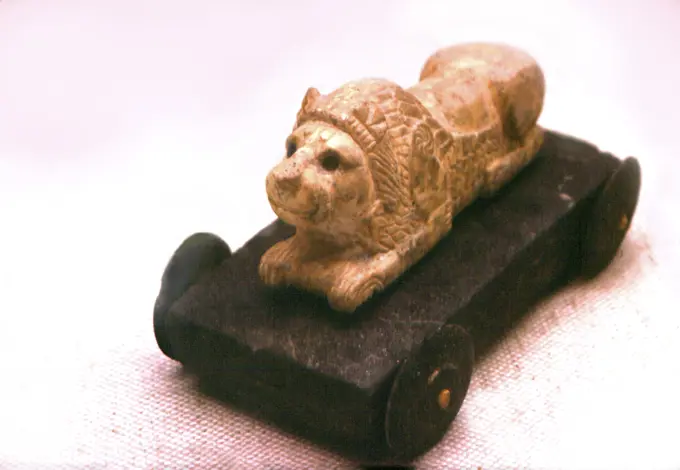
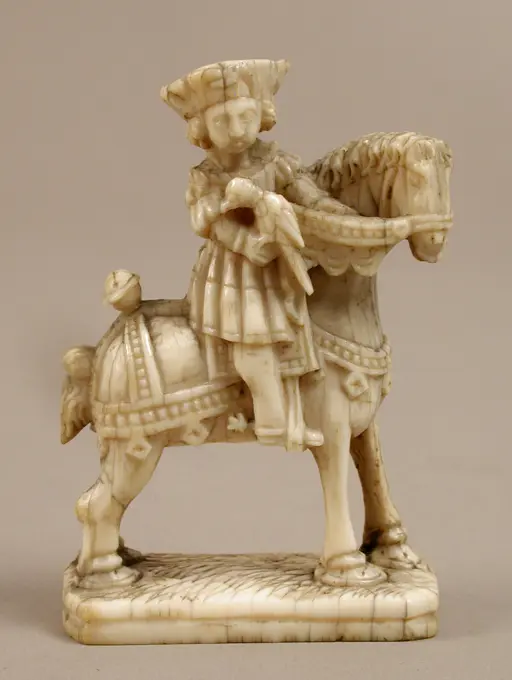
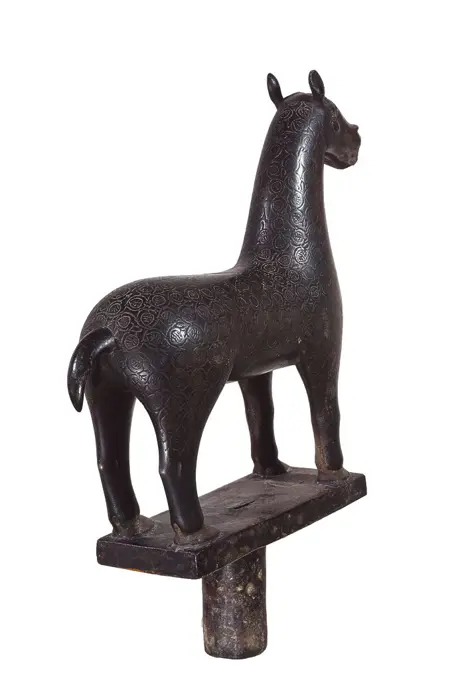
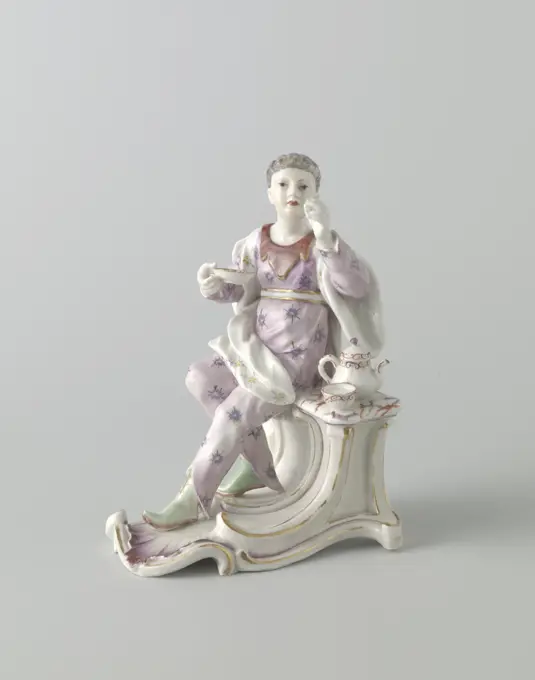
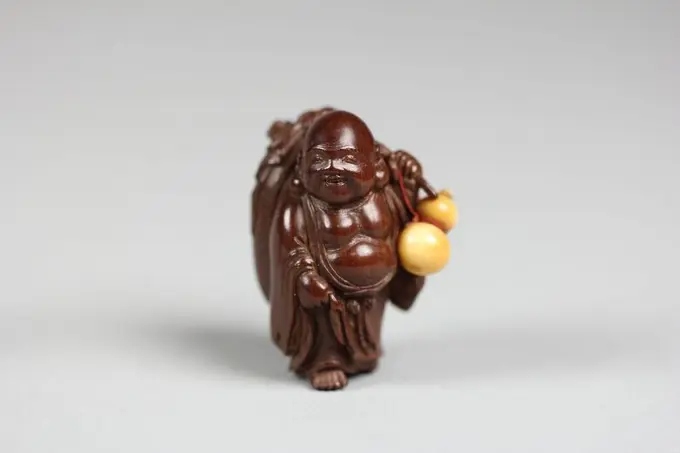
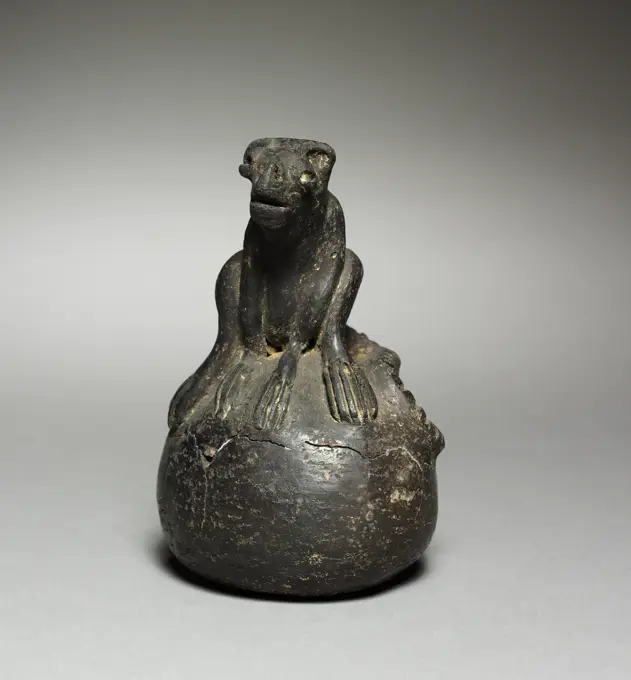
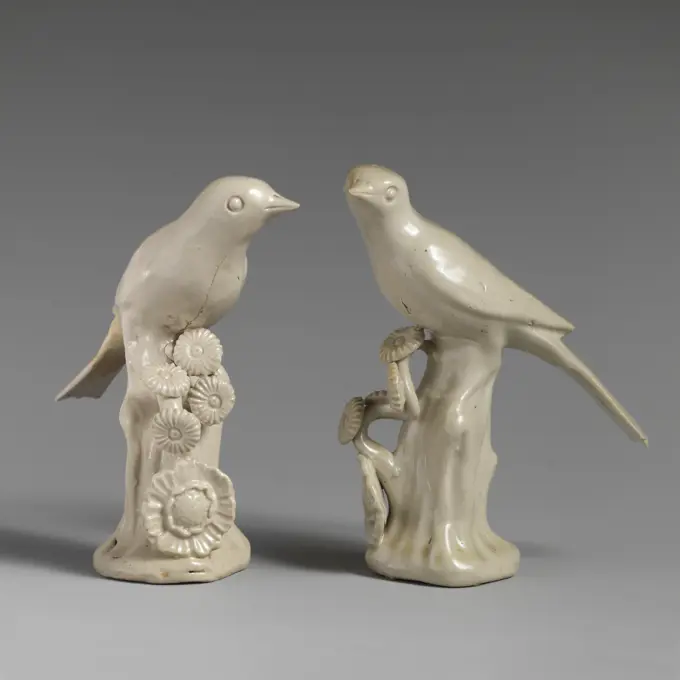
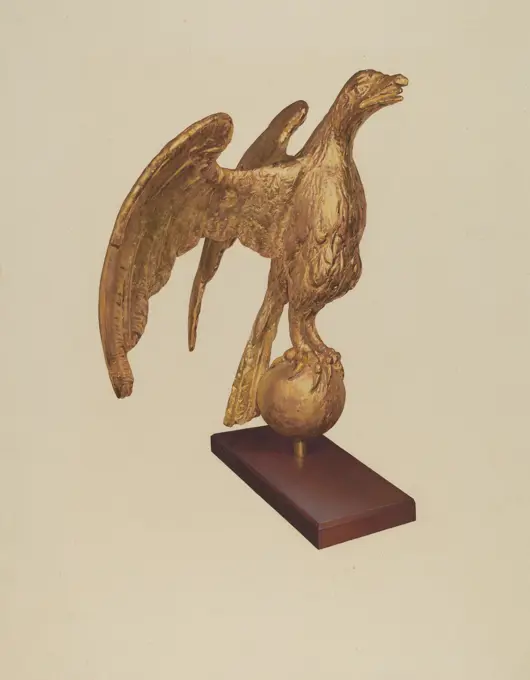
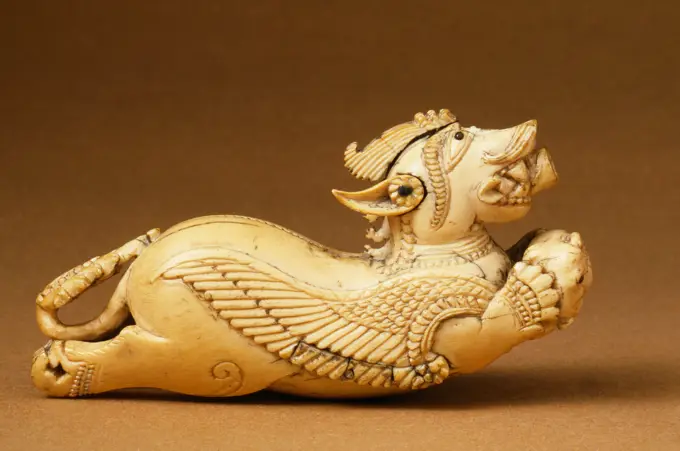
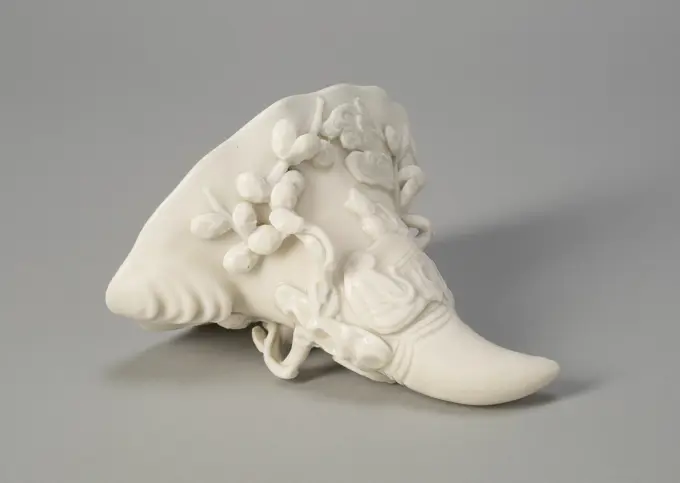
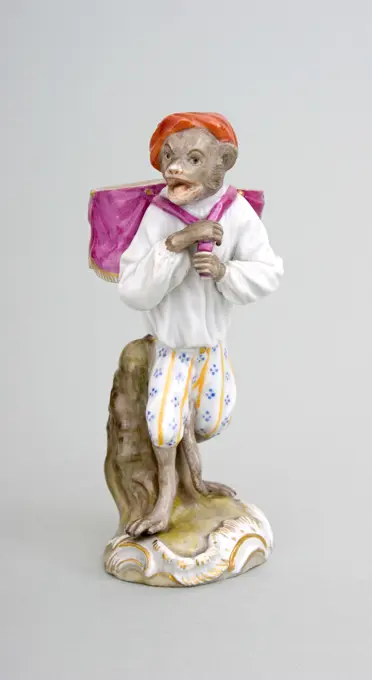
Triton Riding a Tortoise. UnknownFigurine of a roaring lion based on a sphere;  19th century (1801-00-00-1900-00-00);Bersohn, Mathias (1824-1908), Bersohn, Mathias (1824-1908) - collection, qing (style), Society of encouragement of Fine Arts (Warsaw - 1860-1940) - collection, Chinese (culture), lion (iconogr.), stands, Chinese art, animal imagesNetsuke monkey with a peach, 19th century, Unknown Japanese, 2 1/16 x 15/16 x 1 1/16in. (5.2 x 2.4 x 2.7cm), Wood, Japan, 19th centuryHorus standing on two captives' heads. Dimensions: H. 4.1 × W. 0.7 × D. 1.5 cm (1 5/8 × 1/4 × 9/16 in.). Date: 664-30 B.C..The small, finely detailed amulets 10.130.2439-.2445 are all made of wood. Wooden amulets are often gilded, but the only remaining gilding is on the goddess's sun disk (10.130.2443).. Museum: Metropolitan Museum of Art, New York, USA.Lion on rectangular profiled pedestal, anonymous, c. 1740 - c. 1770 Image of undecorated faience. On a rectangularly profiled pedestal is a temple yellow with his tail hit his back. De Leeuw has used his head to the right. Delft (possibly) earthenware. tin glaze. Image of undecorated faience. On a rectangularly profiled pedestal is a temple yellow with his tail hit his back. De Leeuw has used his head to the right. Delft (possibly) earthenware. tin glaze.Cylinder Seal. Iran, no date. Tools and Equipment; seals. BronzeNetsuke of Qilin 19th century Japan. Netsuke of Qilin. Japan. 19th century. Wood. Edo (1615-1868) or Meiji period (1868-1912). NetsukeNetsuke of Two Frogs Wrestling 19th century Japan. Netsuke of Two Frogs Wrestling 59717Waterpuwer in the form of a dragon, part of a fountain, anonymous, c. 1500 - c. 1600 Dragon, who joined with head and scaly neck, rests on its large claws and spread out, vincible wings. Italy bronze (metal) Dragon, who joined with head and scaly neck, rests on its large claws and spread out, vincible wings. Italy bronze (metal)Netsuke of an Old Man 18th century Japan. Netsuke of an Old Man. Japan. 18th century. Ivory; eyes inlaid. Edo period (1615-1868). NetsukeMiniature sculpture  three Lingzhi mushrooms on the base with the motif of stylized clouds unknownNetsuke of Foreigner Carrying a Dog 19th century Japan. Netsuke of Foreigner Carrying a Dog. Japan. 19th century. Ivory. Edo (1615-1868) or Meiji period (1868-1912). NetsukeWindblown Daruma. Shūkōsai Anraku (Japan, active early to mid-19th century). Japan, mid-19th century. Costumes; Accessories. Wood with gold, silver, lacquer and other inlaysBronze statuette of a horseman 30 B.C.-A.D. 364 Egyptian Cast in two pieces. Legs and tail of horse broken off.. Bronze statuette of a horseman 245500Griffon; L x W x D: 13.2 x 9.8 x 3 cm (5 3/16 x 3 7/8 x 1 3/16 in.)Shôki (demon conqueror) and three demons, netsuke;  19th century (1801-00-00-1900-00-00);Bersohn, Mathias (1824-1908) - collection, shows (mitol.Netsuke of Seated Tiger, Tail Resting on his Back; Japan. Netsuke of Seated Tiger, Tail Resting on his Back; 59628Censer Base and Lid with Bound, Kneeling CaptiveSmall Ritual Wine Warmer (Jue) with Masks. China, probably Henan Province, Late Shang dynasty, middle or late Anyang phase, circa 1200-1050 B.C.. Tools and Equipment. Cast bronzeCupid with Cornucopia Cup. Attributed to Ralph Wood (England, Staffordshire, 1715-1772). England, 1795-1805. Furnishings; Serviceware. Earthenware, glazeStirrup Spout Vessel in the Form of a Anthropomorphic Owl Made 100 BCE-500 CE Peruvian North Coast. Ceramic and pigment . MocheFoo Dog, anonymous, c. 1700 - c. 1724 Image of porcelain on a high, rectangular pedestal, painted on the biscuit with blue, green, yellow, eggplant and black. On the pedestal a shishi (lion dog) with a cub. The pedestal is covered with servetwork and open on two sides, in the form of a scalloped cartouche and a peach branch. Email sur Biscuit in Famle Verte. China porcelain. painting Image of porcelain on a high, rectangular pedestal, painted on the biscuit with blue, green, yellow, eggplant and black. On the pedestal a shishi (lion dog) with a cub. The pedestal is covered with servetwork and open on two sides, in the form of a scalloped cartouche and a peach branch. Email sur Biscuit in Famle Verte. China porcelain. paintingBath Scraper in the Shape of a Lion. Dimensions: H. 2 1/4 in. (5.7 cm)W. 2 1/2 in. (6.4 cm)D. 1 1/4 in. (3.2 cm)Wt. 3.7 oz. (104.9 g). Date: late 11th-12th century.The activities performed in hammams (bathhouses) necessitated specific utilitarian objects, such as bath scrapers used to slough off rough skin and buckets to pour water. Some bath scrapers featured undersides that were made coarse adding siliceous grit to the surface. However, this lion-shaped scraper was already abrasive owing to the siliceous component of its fabric. Museum: Metropolitan Museum of Art, New York, USA.Burnt-Parfum (common name). Sandstone, molding, celadon. Cernuschi Museum, Asia Museum of Asia in the city of Paris.Harness Ornament in the Shape of a Carnivore 6th-4th century B.C. Northwest China and southwestern Inner Mongolia. Harness Ornament in the Shape of a Carnivore 59485Funerary Sculpture of a SoldierSpirit keg in the shape of a Dutchman sitting astride a barrel, anonymous, c. 1750 Cap in the form of a head for jin rods of porcelain, painted in underlaze blue. A suspended hat on the head. Blue White. Japan (possibly) porcelain. glaze. cobalt (mineral) painting / vitrification Cap in the form of a head for jin rods of porcelain, painted in underlaze blue. A suspended hat on the head. Blue White. Japan (possibly) porcelain. glaze. cobalt (mineral) painting / vitrificationNetsuke of Horse and Rider 19th century Japan. Netsuke of Horse and Rider. Japan. 19th century. Ivory. Edo (1615-1868) or Meiji period (1868-1912). NetsukeParrot on a ring perch ca. 1750-75 Dutch, Delft. Parrot on a ring perch. Dutch, Delft. ca. 1750-75. Faience (tin-glazed earthenware). Ceramics-PotteryAn older woman with a fan;  19th century (1868-00-00-1912-00-00);gift (provenance), Japanese (culture), okimono, Japanese artWeight om opium te because of, anonymous, 1900 - 1950 An "Opium" weight in the form of a fabel animal with a duck-like head, standing on a quadrangular pedestal (cast in one piece). Bonel bronze (metal) An "Opium" weight in the form of a fabel animal with a duck-like head, standing on a quadrangular pedestal (cast in one piece). Bonel bronze (metal)Summer Heat. Japan, mid-19th century. Costumes; Accessories. Ivory with staining, sumiCovered vase China. Covered vase 57139Boy Riding a Hobby Horse 18th century China. Boy Riding a Hobby Horse. China. 18th century. Jade (nephrite). Qing dynasty (1644-1911). JadeMulticolor painted decorative object of faïence. Faïence man figure. Multicolor decorated. Probably imagine the trumpet blowing genius.Horse statuette. Copper alloy. 1st-nd centuries. Magne collection. Coming from: rue Denfert Rochereau, 57, 1896. Paris, Carnavalet museum. Horse statuette Copper alloy, horse, statuette, animalSeated Chinese ca. 1755-65 Possibly Mennecy. Seated Chinese. French, possibly Mennecy or Sceaux. ca. 1755-65. Soft-paste porcelain. Possibly Mennecy or. Ceramics-PorcelainBust of a Soldier. In his spare time, the renowned painter Adriaen van der Werff was also a decent sculptor. This pawn or bishop is one of the few surviving pieces from a chess set that he carved for his own use from ebony and boxwood. The roguish, laughing soldier reveals a light-hearted and mocking side to this otherwise serious painter of history scenes.Jean Carriès (1855-1894). Monster-shaped pot with a handle, a mouthpiece and a spout, ceramic in enameled sandstone, between 1875 and 1894. Museum of Fine Arts of the city of Paris, Petit Palais. 24072-2 Handle, spout, ceramic, mouth, shape, emaille, monster, potFigure of a Mischief Maker, 1766. Etienne-Maurice Falconet (French, 1716-1791), Sèvres Porcelain Factory (French, est. 1756). Soft-paste biscuit porcelain; overall: 11.8 x 6.1 x 7 cm (4 5/8 x 2 3/8 x 2 3/4 in.).Decorative object: man with bottle in hand, on tons, anonymous, c. 1760 - c. 1790 Decorative object of multicolored painted faïence. There is a ton on a frame with four legs. On the barrel is a man with a bottle in his right hand. The man has a blue jacket. Delft earthenware. tin glaze. Decorative object of multicolored painted faïence. There is a ton on a frame with four legs. On the barrel is a man with a bottle in his right hand. The man has a blue jacket. Delft earthenware. tin glaze.Netsuke of Deer Japan 19th centuryOintment jar in the shape of a baboon ca. 1800-1550 B.C. Middle Kingdom. Ointment jar in the shape of a baboon 544035Netsuke of Dragon Coiled around the Body of a Man 19th century Japan. Netsuke of Dragon Coiled around the Body of a Man 59200Fisherman with net; netsuke. unknown, authorFaience amulet in the form of a tree frog. Culture: Egyptian, Ptolemaic. Dimensions: H.: 13/16 x 1 1/8 x 7/8 in. (2.1 x 2.9 x 2.2 cm). Date: ca. 3rd-1st century B.C..Amulets representing animals were attributed to a deity: a hawk for Ra, the Sun God, a lion for Sakhmi, the War Goddess, a ram for Khnum and a cat for Bast. Museum: Metropolitan Museum of Art, New York, USA.Censer in the Form of an Ancient Bronze Rectangular Cauldron (Fangding) Made 1644-1911 China. Nephrite jade .Tiger with Head Turned 19th century Japan. Tiger with Head Turned. Japan. 19th century. Ivory. Edo (1615-1868) or Meiji period (1868-1912). NetsukeToad. Sandstone, dark blue and green enamel. Paris, Cernuschi museum. 78841-8Mortar in the form of a feline. Culture: Alamito. Dimensions: H. 4 1/8 × W. 3 7/8 × L. 12 7/8 in. (10.4 × 9.9 × 32.8 cm). Date: 700-400 B.C..This zoomorphic mortar is in the shape of a four-legged feline sculpted in the round and with a deep depression on its dorsal side. The head of the feline contains a deeply-incised mouth, rouded eyes, a pronounced nose that connects to a subtle brow ridge, and pointed ears. The curled tail of the feline forms a loop on the rear of the mortar.The Condorhuasi-Alamito peoples were llama pastoralists in the area that is now the Catamarca province of Argentina. They were skilled artisans in a variety of media, including ceramic, metal, and stone. Archaeological evidence suggests that the Condorhuasi-Alamito peoples maintained extensive long-distance contacts with other regions, including the important site of Tiwanaku, near Lake Titicaca in what is now Bolivia. Museum: Metropolitan Museum of Art, New York, USA.Tomb Figure, c. 750, 13 x 15 1/2 x 5 3/4in. (33 x 39.4 x 14.6cm), Polychromed earthenware, China, 8th centuryScent Bottle and Snuff Box, c. 1760. England, late 18th century. Agate, gold diamonds and enamel; overall: 10.2 x 5.1 cm (4 x 2 in.).Daoist Monk. Japan, 18th century. Costumes; Accessories. Wood35mm originalTiny Man on Monkey's Back. Shūzan (Japan, active early to mid-19th century). Japan, early to mid-19th century. Costumes; Accessories. Ivory with staining, sumi, inlaysAmulet of Bastet, c. 1069-715 BC. Egypt, Third Intermediate Period. Hematite; overall: 4.4 x 1.1 x 2.8 cm (1 3/4 x 7/16 x 1 1/8 in.).Netsuke of Group of Figures 18th century Japan. Netsuke of Group of Figures. Japan. 18th century. Wood. Edo period (1615-1868). NetsukeGoose-shaped Tsun (Ritual Wine Vessel), 4th century BCE, 9 1/2 x 16 1/4 in. (24.13 x 41.28 cm), Bronze with turquoise inlay, China, 4th century BCENetsuke, japanese miniature sculpture. Museum: COLECCION PRIVADA.Fairy with a deer 18th-19th century China. Fairy with a deer. China. 18th-19th century. Jade (nephrite). Qing dynasty (1644-1911). JadeMingqi camel. Three -colored glazing terracotta. Northern China, Tang dynasty. Paris, Muse Cernuschi. Terracotta with three -color glaze (Sancai); Brown and green flows on cream background. Boaty camel, head raised, mouth ajar. Right front leg in motion. A double bag decorated with grimacing masks rests on a building between the two bumps. A glacide, ceramic glaze, camel, northern china, color, tang dynasty, funerary figurine, funerary figurine, mingqi, northern china, tang dynasty, terraco, terracotta, color, tri color, tricolor, three, animal, camelHind (one of a pair) 18th century Ralph Wood the Younger. Hind (one of a pair). British, Burslem, Staffordshire. 18th century. Lead-glazed earthenware. Ceramics-PotteryAntoine Louis Barye, Turkish Horse, Left Foreleg Raised, model nd, cast c 1857 1873 Turkish Horse, Left Foreleg RaisedFinch. Culture: British, Chelsea. Dimensions: Overall (confirmed): 7 1/2 × 3 1/2 × 3 1/4 in. (19.1 × 8.9 × 8.3 cm). Manufactory: Chelsea Porcelain Manufactory (British, 1745-1784). Date: 1745-49.This figure of a finch is one of the earliest products of the Chelsea factory, dating to its first period (1743-49), which is known as the incised triangle period due to the mark that was commonly in use during those years. While this figure is not marked, it can be dated to this period on the basis of both paste and style. The Chelsea factory became one of England's most successful soft-paste porcelain factories, and it dominated the luxury porcelain market in the middle decades of the eighteenth century. This is one of the most ambitious and successful models produced by the factory in its first decade.Jeffrey H. Munger, 2014. Museum: Metropolitan Museum of Art, New York, USA.Brush Holder with Mandarin Duck on a Rookery. Japan, 19th century. Ceramics. Hirado Mikawachi ware, porcelain with underglaze blue and iron glazeSquirrel ca. 1755 Chelsea Porcelain Manufactory. Squirrel. British, Chelsea. ca. 1755. Soft-paste porcelain. Chelsea Porcelain Manufactory (British, 1745-1784, Red Anchor Period, ca. 1753-58). Ceramics-PorcelainFigurine  Shouxing on an octagonal pedestal unknownOil or vinegar cruet ca. 1737 Meissen Manufactory German. Oil or vinegar cruet. German, Meissen. ca. 1737. Hard-paste porcelain. Ceramics-PorcelainDutchman with a Rooster late 18th century Japan The Southern Barbarian” (Nanban) Dutchman netsuke were developed at a time when few Japanese had encountered foreigners. The cock is a possible reference to the Dutch colony’s pastime of cockfighting.. Dutchman with a Rooster 60390Amulet of a Bes-image ca. 1390-1352 B.C. New Kingdom This amulet represents a deity that is referred as the Bes-image because it can be a number of different deities, in particular Bes and Aha. Their responsibilities generally centered on the guarding of children and their mothers during childbirth. In later times, he assisted in protecting the eternal survival of Egypt as recorded in a well-known myth of the Far Away Goddess. From the New Kingdom on, Bes has a close tie to music and is often depicted playing a different instruments. Either the protective nature of this deity or his musical ability could speak to a role at Malqata. In all likelihood, this amulet would have been suspended as an ornament on the body or as decoration in the royal city.. Amulet of a Bes-image. ca. 1390-1352 B.C.. Faience. New Kingdom. From Egypt, Upper Egypt, Thebes, Malqata, South Village, MMA excavations, 1911-12. Dynasty 18Statuette of a Bull; Unknown; 100 B.C. - A.D. 79; Silver with gilding; Object: H:  14 cm (5 1/2 in.)Salt barrel. Salt barrel of multicolored painted faience. On a ground is a tree with a naked kneeling boy's figure for that. Above his head, he holds a large, deep shell. The salt barrel includes an identical salt barrel.Netsuke 19th century Japan. Netsuke. Japan. 19th century. Wood. Edo (1615-1868) or Meiji period (1868-1912). NetsukeAshtray in the form of a lizard; Manufaktura M.P.Radziw  A in Nieborów, Hy Ycka, Jadwiga (1856-1922); 1881-1886 (1881-00-00-1886-00-00);Chess Piece, Rook 11th-12th century Chess came to Spain from Islamic lands and quickly gained popularity among people of all faiths. An elite secular activity, chess and its rules and strategies were likely first shared in princely courts, where high-ranking Muslims, Jews, and Christians regularly came into contact. Most medieval Islamic chess pieces were abstract, though figural pieces, such as this rukh (rook) in the form of two riders, do survive.. Chess Piece, Rook 452619Boar late 18th-early 19th century Tomotada Japanese. Boar. Tomotada (Japanese, active late 18th-early 19th century). Japan. late 18th-early 19th century. Ivory. Edo period (1615-1868). NetsukeSnuff Bottle China. Snuff Bottle 41613A lion Anonymous. "A lion". Bronze on yellow marble plate.Fox and crow in a group ca. 1755 Chelsea Porcelain Manufactory. Fox and crow in a group. British, Chelsea. ca. 1755. Soft-paste porcelain. Chelsea Porcelain Manufactory (British, 1745-1784, Red Anchor Period, ca. 1753-58). Ceramics-PorcelainMan Carrying a Basket of Fish, early 1900s. Japan, Meiji period (1868-1912). Ivory; overall: 5.6 cm (2 3/16 in.).Bottle. Possibly Whitney Brothers Glass Works; American, c. 1838-1920; Glassboro, New Jersey. Date: 1867-1875. Dimensions: 30.8 × 7.6 × 7.6 cm (12 1/8 × 3 × 3 in.). Glass. Origin: Glassboro. Museum: The Chicago Art Institute, Chicago, USA.Rooster Figure. Culture: Edo peoples. Dimensions: Overall: 17 7/8 in. (45.4 cm). Date: 18th century.Brass roosters are placed on ancestral altars commemorating the queen mothers of Benin. They stand for fowl and other animals that are sacrificed during rituals honoring royal ancestors. These explicitly male creatures acknowledge that the queen mother is different from other women and shares many powers and privileges with men. In depicting these birds, Benin brass casters indulge their love of dense overall patterns. Although stylized, these incised designs deftly suggest the rooster's showy plumage, scaly legs, and dimpled comb. Museum: Metropolitan Museum of Art, New York, USA.Toy lion on wheels, Susa. Late II mill BC. Sumerian. MESOPOTAMIA.Man with dog and stick, Gijsbert Barbiers (attributed to), c. 1822 - c. 1827 There is a man on an elongated plate. The man has a round hat and he wears a stick over his right shoulder, on which a basket hangs. Behind the man is a dog. A ZIG-Zag line is engraved along the edge of the plate. The image is marked with a dolphin and a master sign. Utrecht silver (metal) There is a man on an elongated plate. The man has a round hat and he wears a stick over his right shoulder, on which a basket hangs. Behind the man is a dog. A ZIG-Zag line is engraved along the edge of the plate. The image is marked with a dolphin and a master sign. Utrecht silver (metal)Fragment of the Oranjeboom, 1874 Girl sitting on a cart. Part of a model in plaster of a non -executed environment De Table for William III.  gypsum Girl sitting on a cart. Part of a model in plaster of a non -executed environment De Table for William III.  gypsumChess Piece in the Form of a Knight ca. 1500 Netherlandish The knight is represented as a falconer.. Chess Piece in the Form of a Knight 466114DECORATED ANIMAL BRONZE WITH VEGETABLE ARABESQUE - 10th CENTURY. Location: MUSEO ARQUEOLOGICO-COLECCION. CORDOBA. SPAIN.Figure of a seated womand with tea, Porzellanmanufaktur Frankenthal, c. 1755 - c. 1762 Image of porcelain, painted on the glaze in email colors and gold. The image represents an oriental dressed woman who holds a dish, sitting on a bench with a table attached to it. There are a teapot and a head on the table. Marked on the underside with the lion. Frankenthal porcelain. glaze. gold (metal) painting / gilding / vitrification Image of porcelain, painted on the glaze in email colors and gold. The image represents an oriental dressed woman who holds a dish, sitting on a bench with a table attached to it. There are a teapot and a head on the table. Marked on the underside with the lion. Frankenthal porcelain. glaze. gold (metal) painting / gilding / vitrificationNetsuke of Hotei with Bag and Gourd. Culture: Japan. Dimensions: H. 1 3/4 in. (4.4 cm); W. 1 1/4 in. (3.2 cm); D. 1 1/4 in. (3.2 cm). Date: 19th century. Museum: Metropolitan Museum of Art, New York, USA.Feline Vessel 4th-2nd century B.C. Paracas. Feline Vessel 313340Figurine, before 1921. Colombia. Pottery; overall: 13 x 8.5 x 9 cm (5 1/8 x 3 3/8 x 3 9/16 in.); haft: 8.5 cm (3 3/8 in.).Netsuke: Daughter of Ryujin, the Dragon King of the Sea 19th century Japan. Netsuke: Daughter of Ryujin, the Dragon King of the Sea. Japan. 19th century. Wood. Edo (1615-1868) or Meiji period (1868-1912). NetsukePair of birds ca. 1750-55 British, Staffordshire. Pair of birds. British, Staffordshire. ca. 1750-55. Salt-glazed stoneware. Ceramics-PotteryJane Iverson, Eagle, c 1938 EaglePowder Primer Flask (baruddan) in the Form of a Winged Lion Crushing an Elephant. India, Karnataka, Mysore (), late 17th - 18th century. Arms and Armor; powder primer flasks. Ivory; copper alloy bradsRhinocerous Horn-Shaped Cup with Figures by a Tree 1368-1644 China. Dehua ware (blanc de chine); glazed porcelain .Loper 2, Saar de Swart, 1923 - 1925 Standing figure with torch and child sculptor: Capricaster: Naples bronze (metal). patina: cuprous oxide casting Standing figure with torch and child sculptor: Capricaster: Naples bronze (metal). patina: cuprous oxide castingNehebkau amulet. Dimensions: H. 2.9 cm (1 1/8 in.). Dynasty: Dynasty 21. Date: ca. 1070-945 B.C.. Museum: Metropolitan Museum of Art, New York, USA.A figurine of a monkey band, a monkey carrying drums K trader, Jan Joachim, Miśnia (Meissen)Tomb Figure, c. 700, 7 3/4 x 1 7/8 x 2in. (19.7 x 4.8 x 5.1cm), Polychromed earthenware, China, 7th-8th century