Mythical Animal Figurines

A collection of diverse decorative sculptures featuring mythological creatures, including a tortoise-riding triton and various lion figures, highlighting rich cultural artistry.

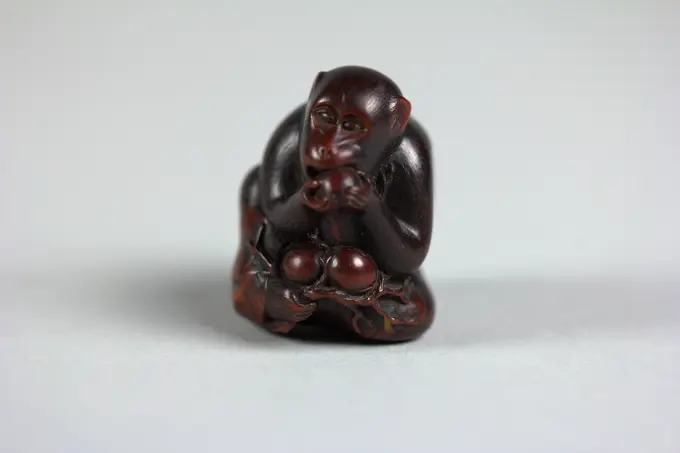
Netsuke monkey with a peach, 19th century, Unknown Japanese, 2 1/16 x 15/16 x 1 1/16in. (5.2 x 2.4 x 2.7cm), Wood, Japan, 19th century
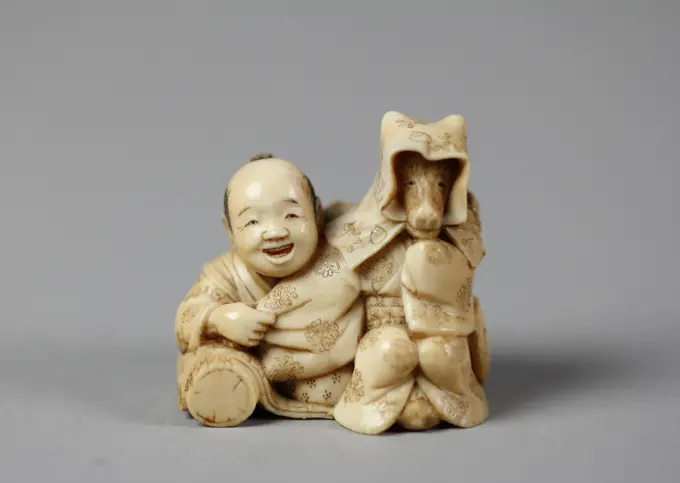
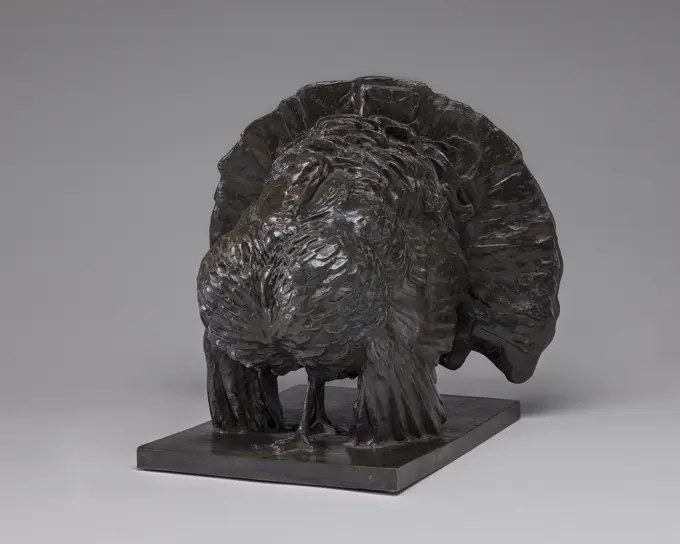
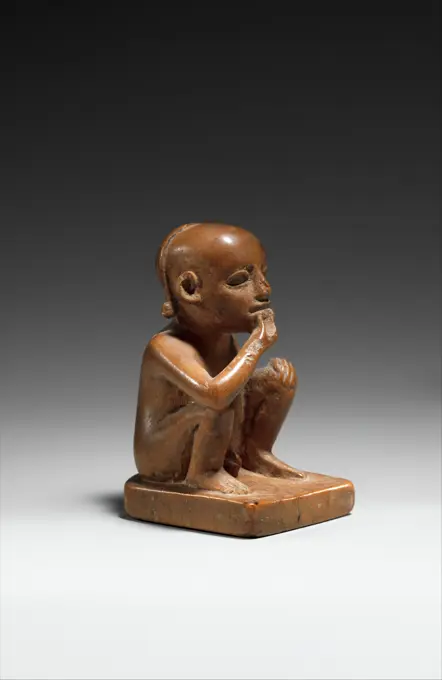
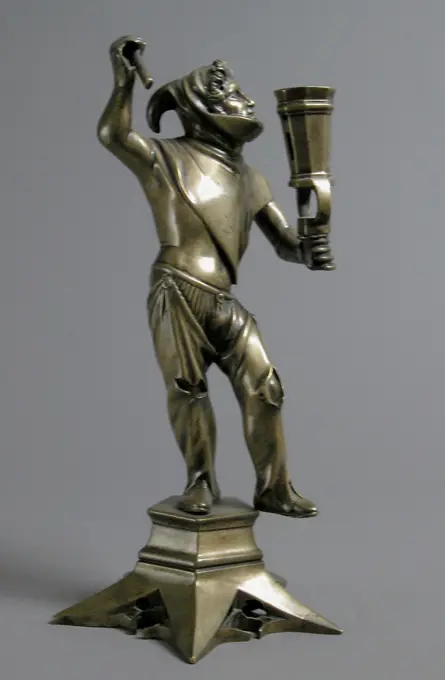
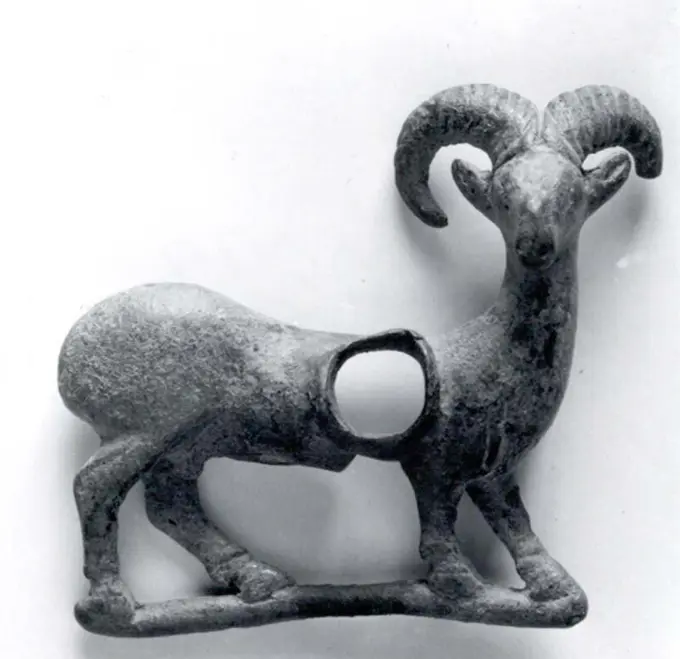
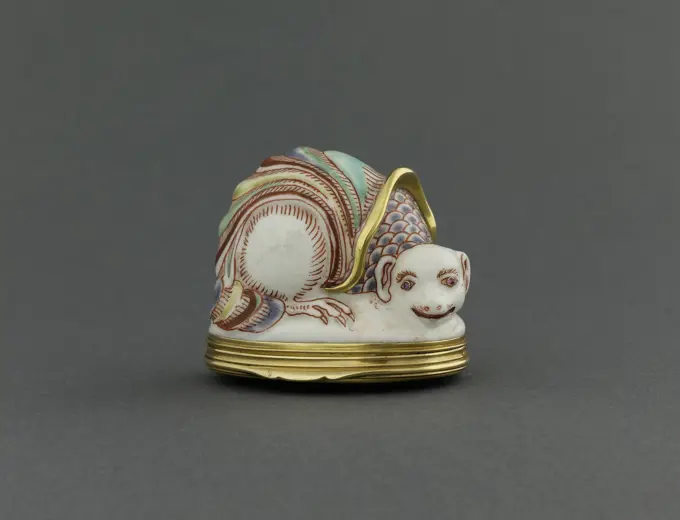
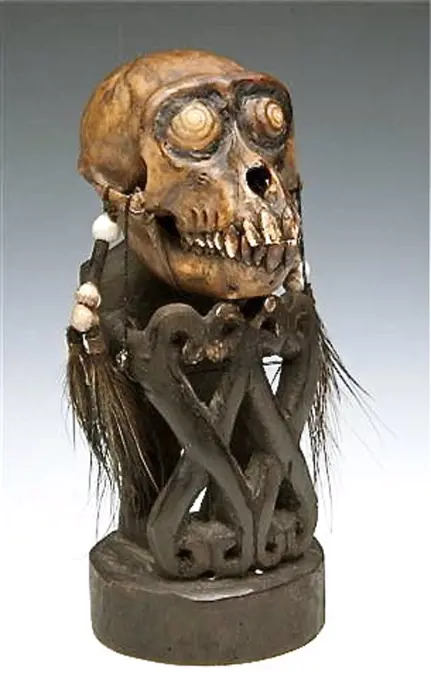
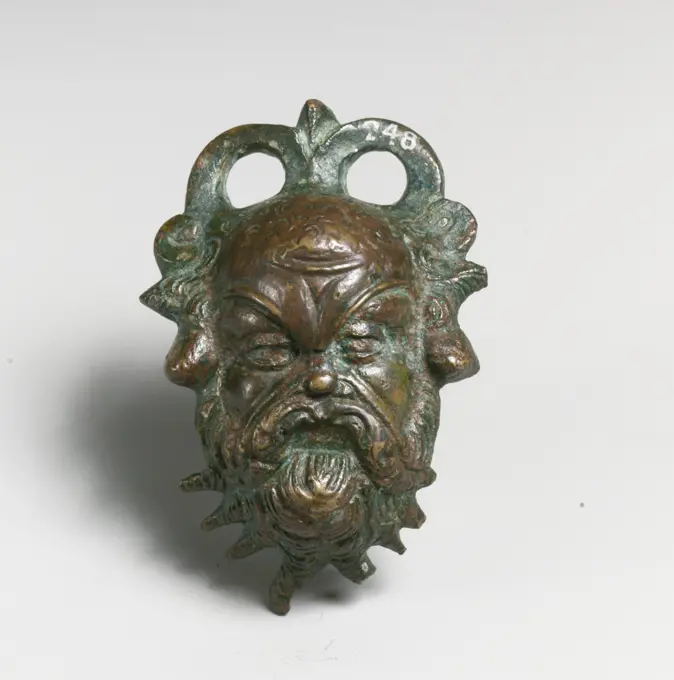
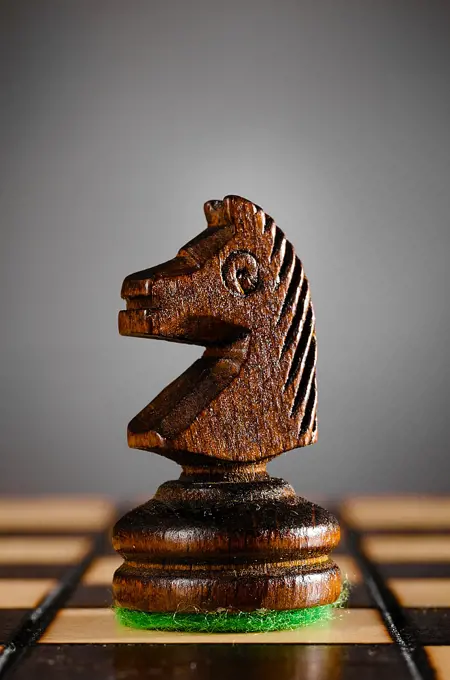
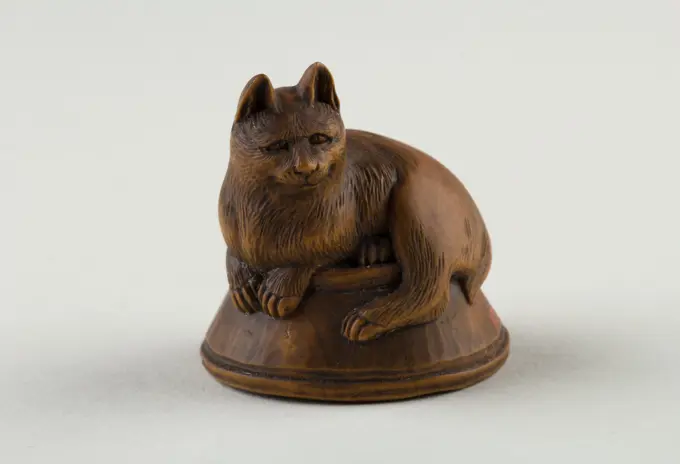
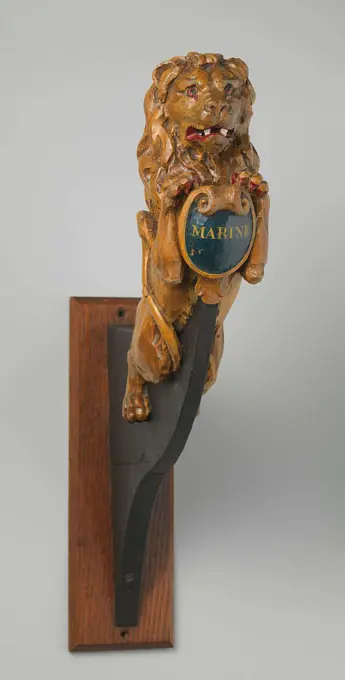
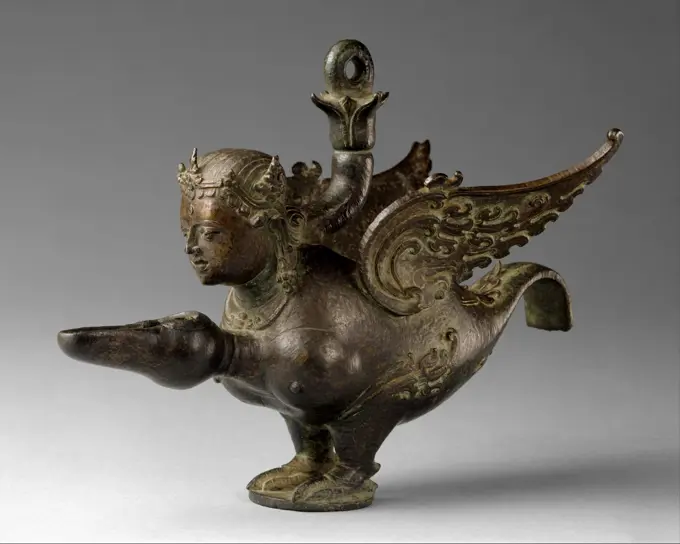
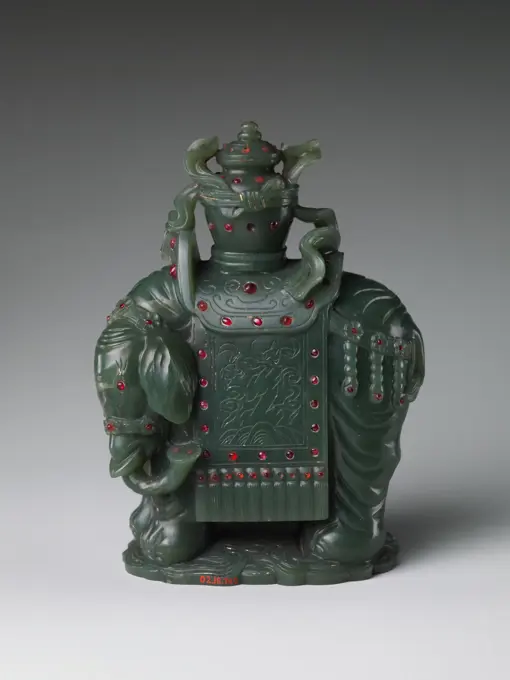
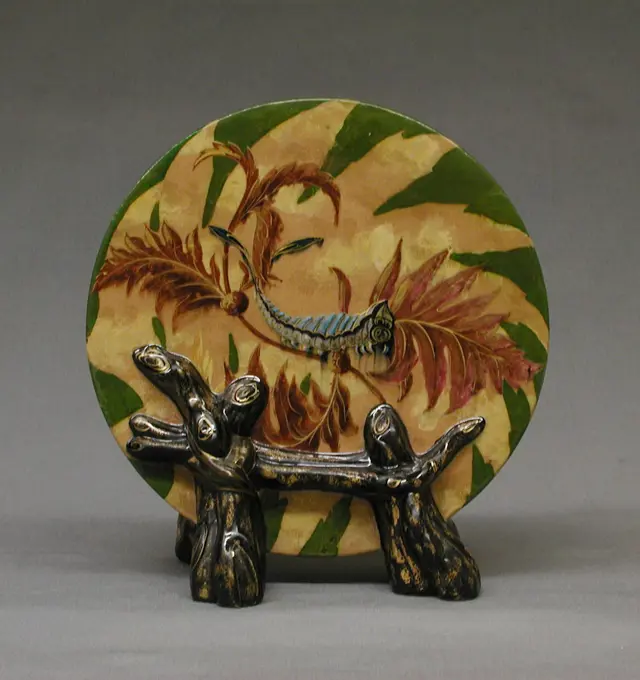
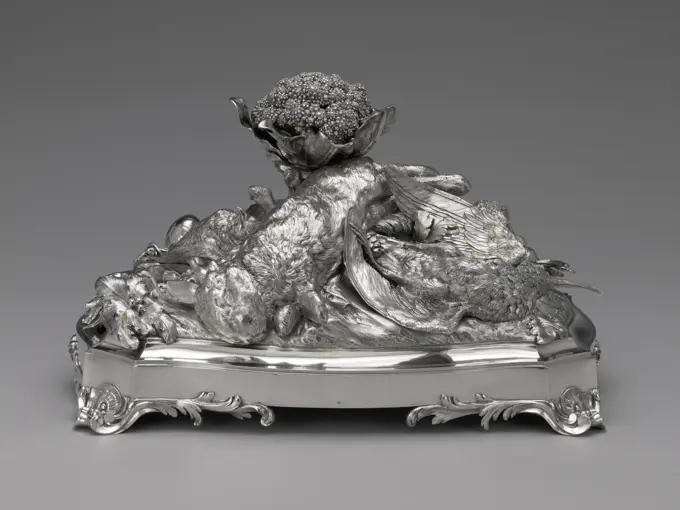
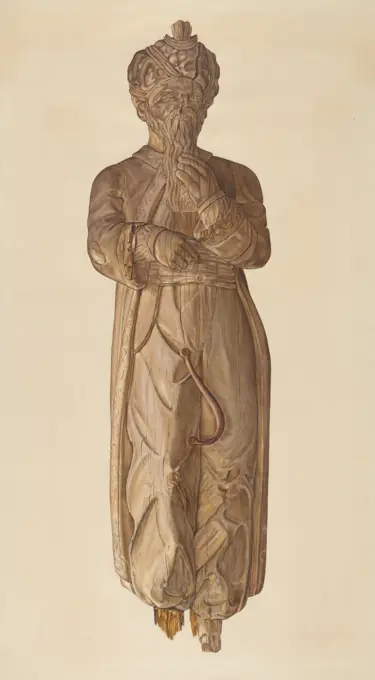
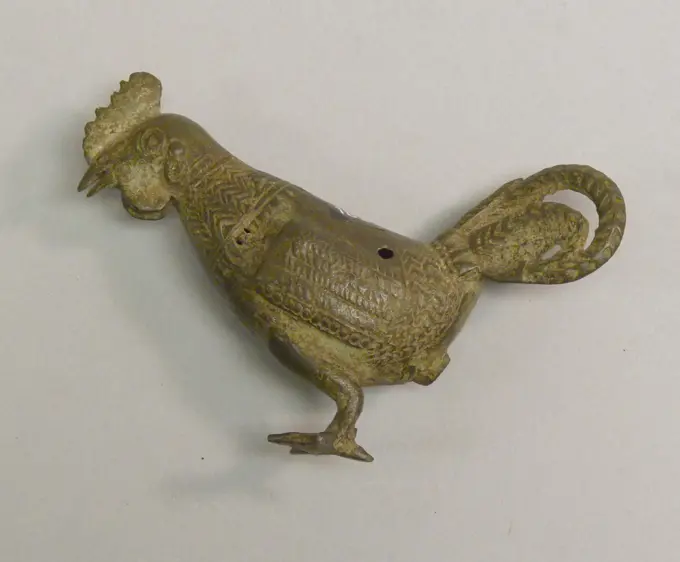
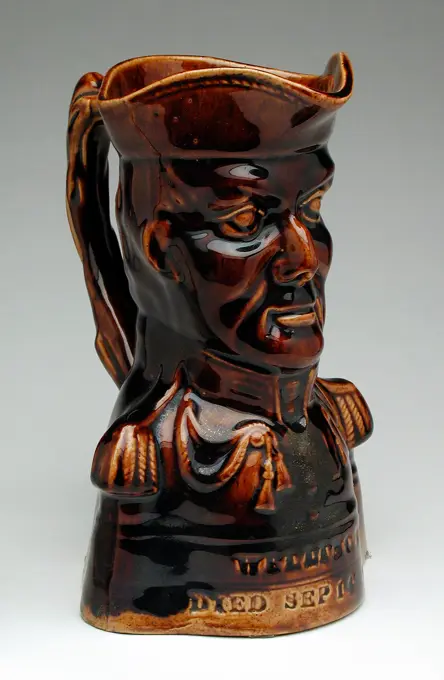
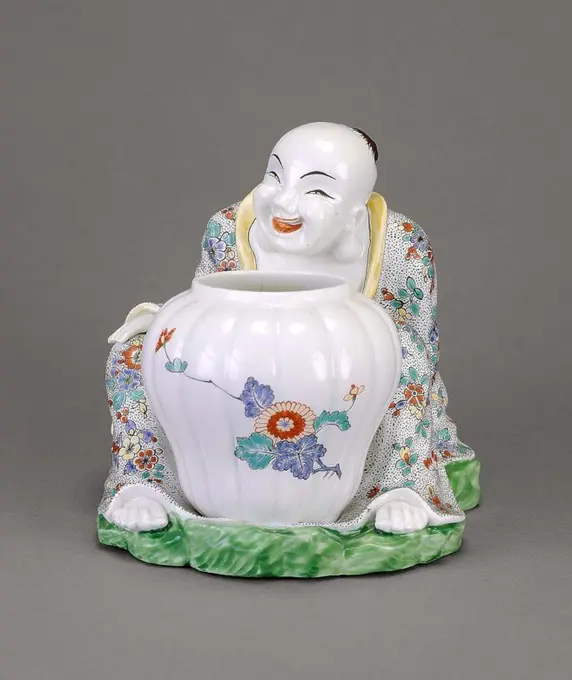
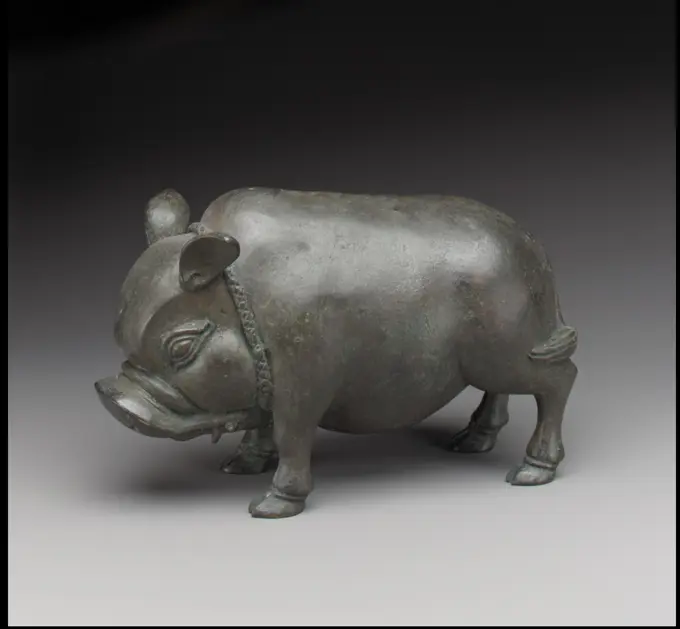
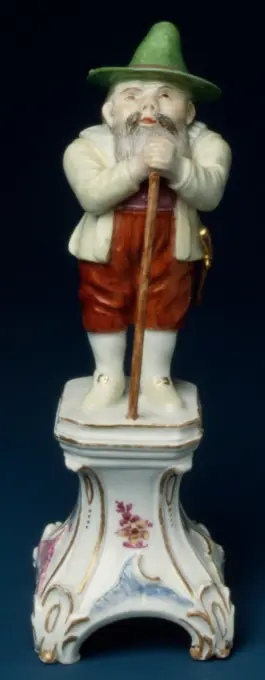
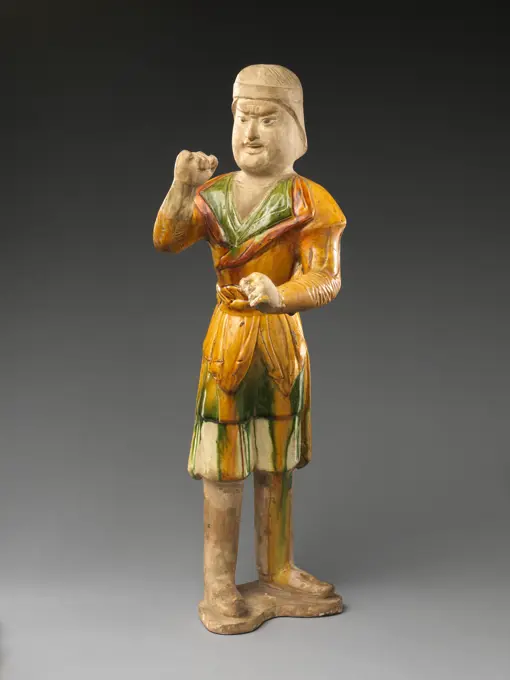
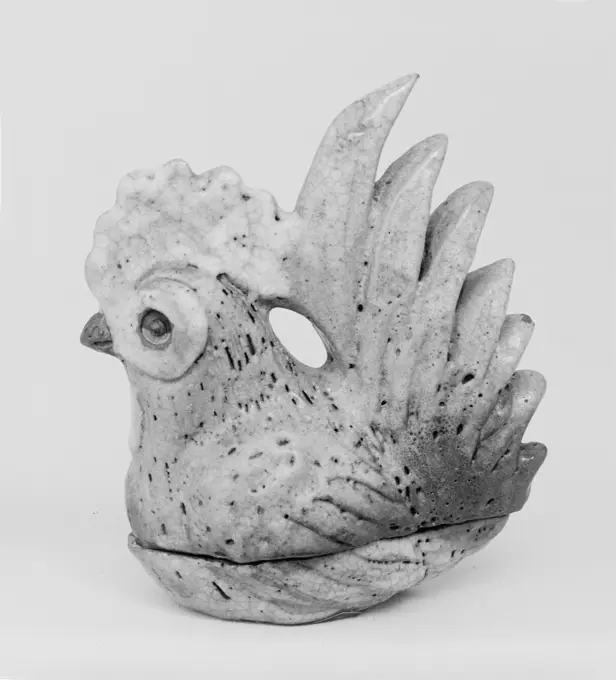
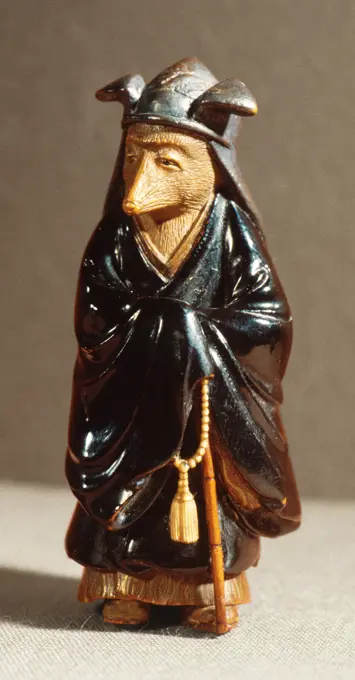
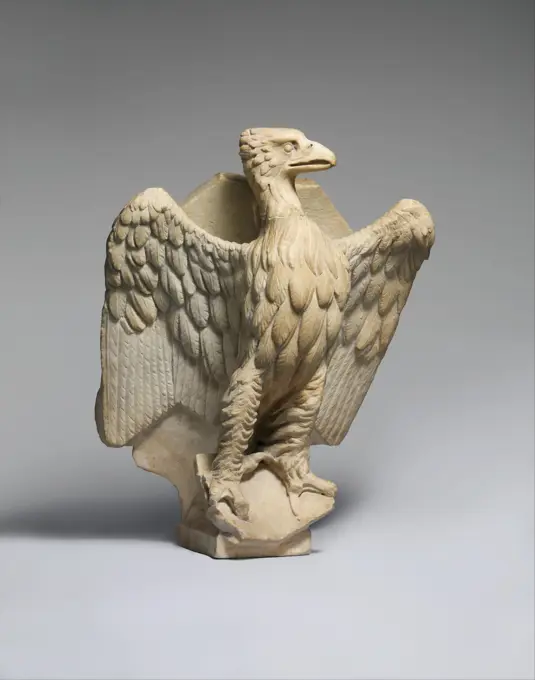
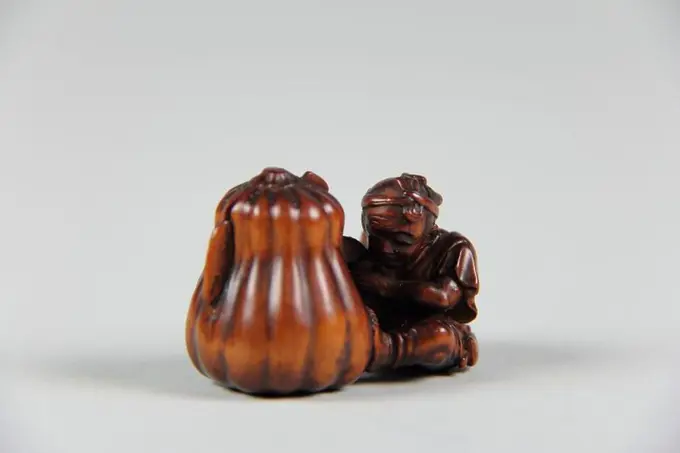
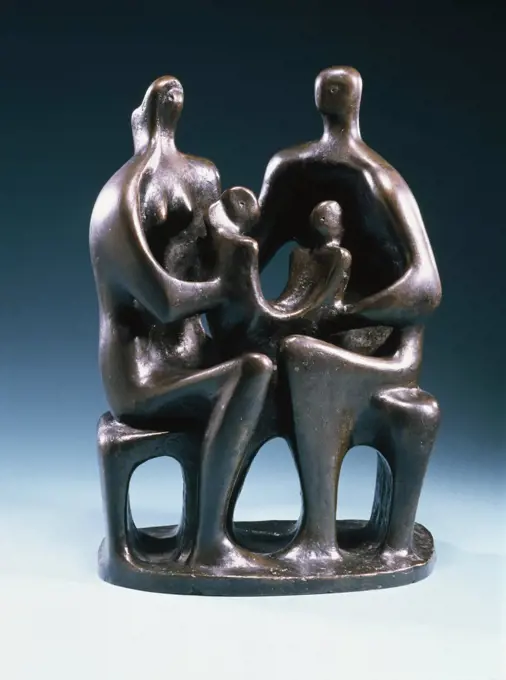
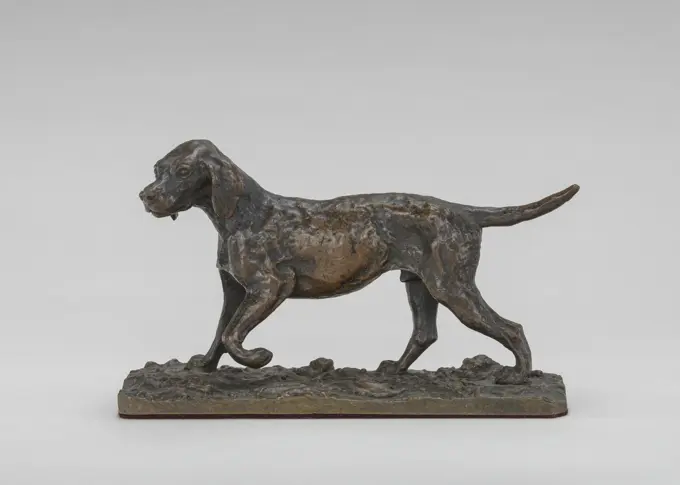
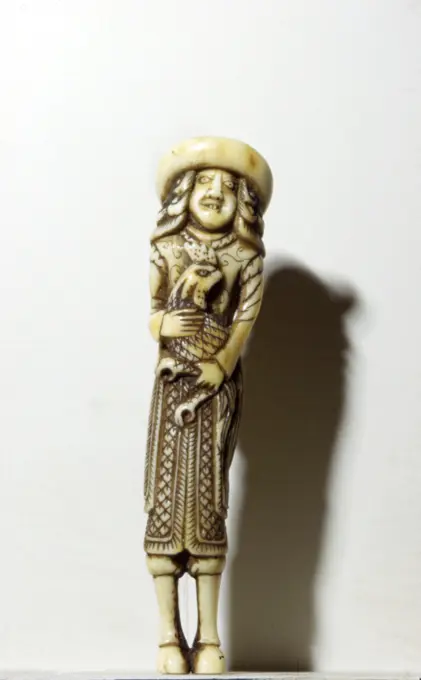
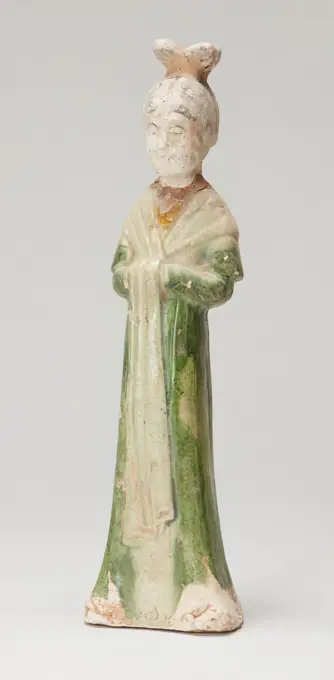
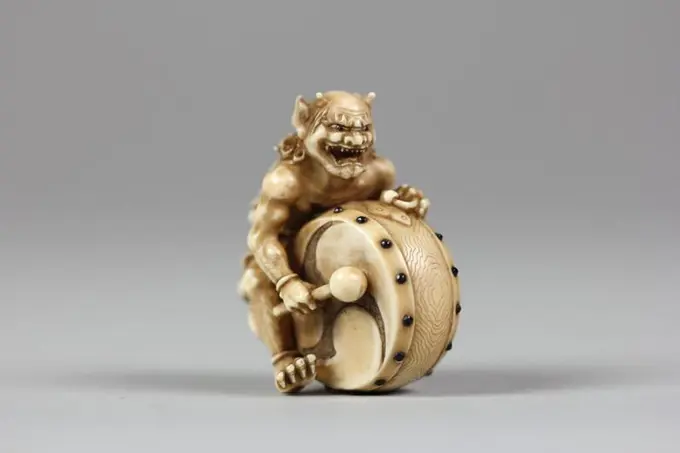
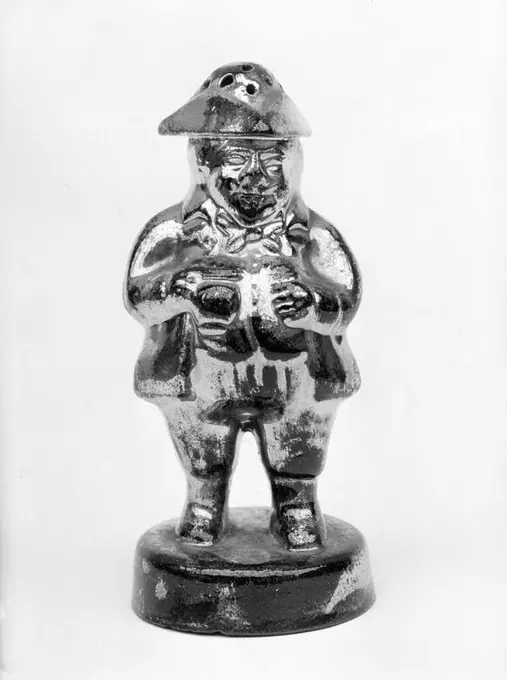
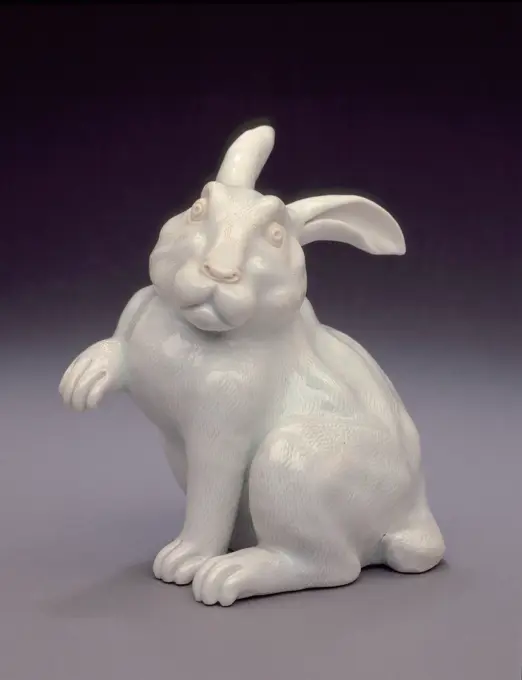
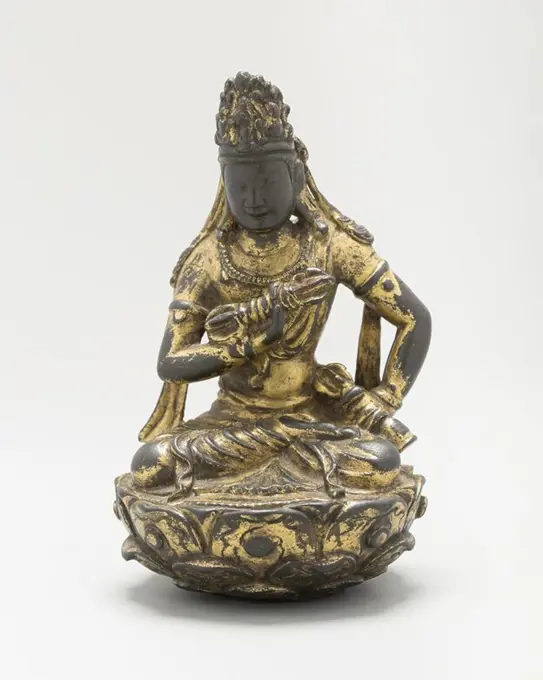
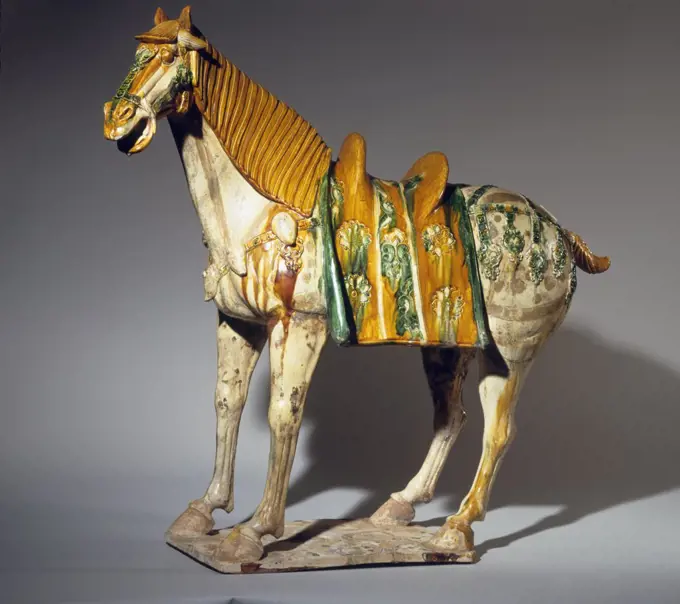
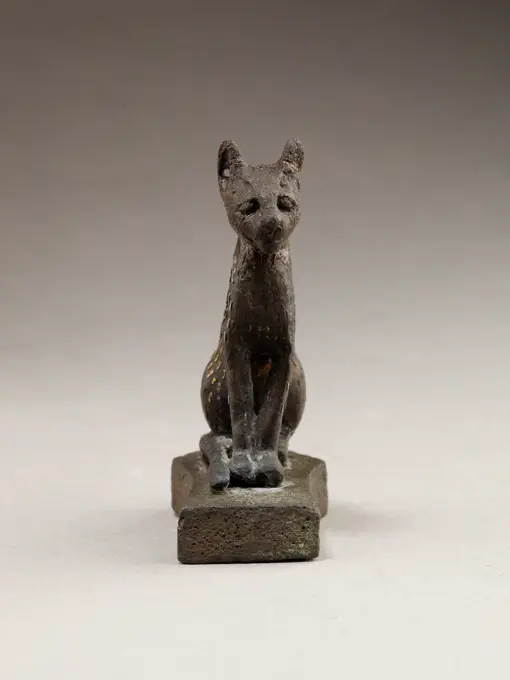
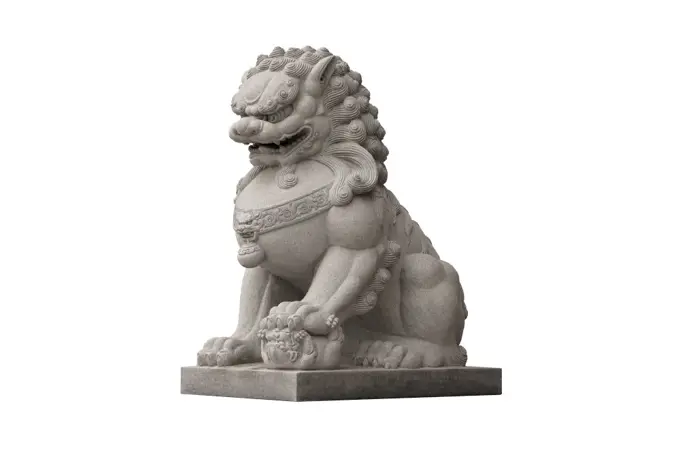
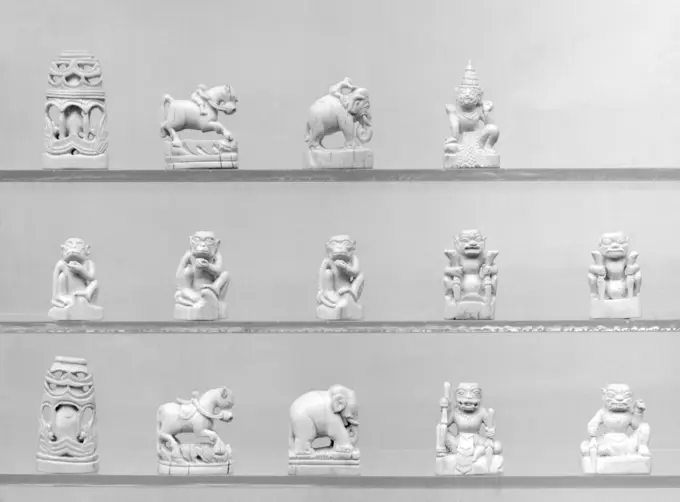
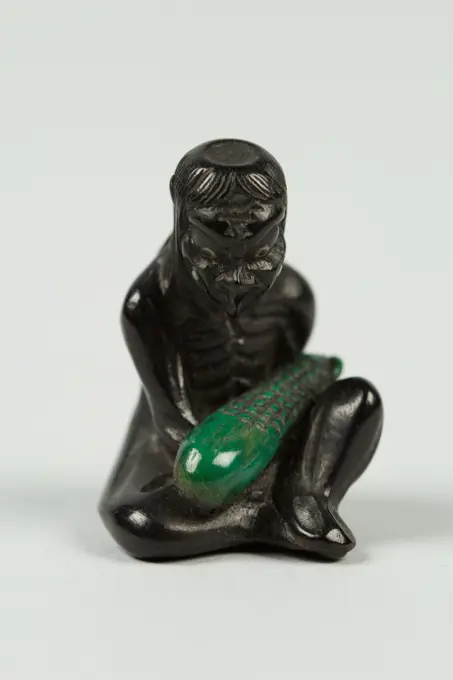
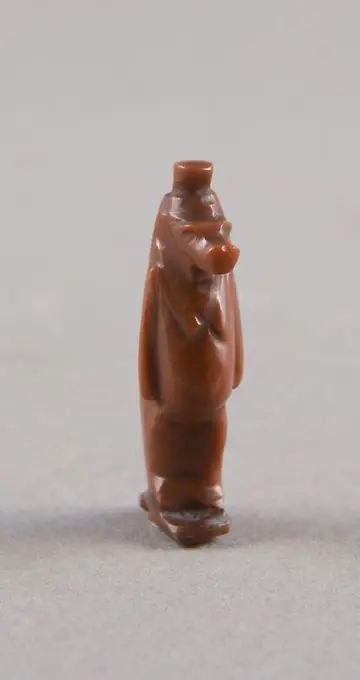
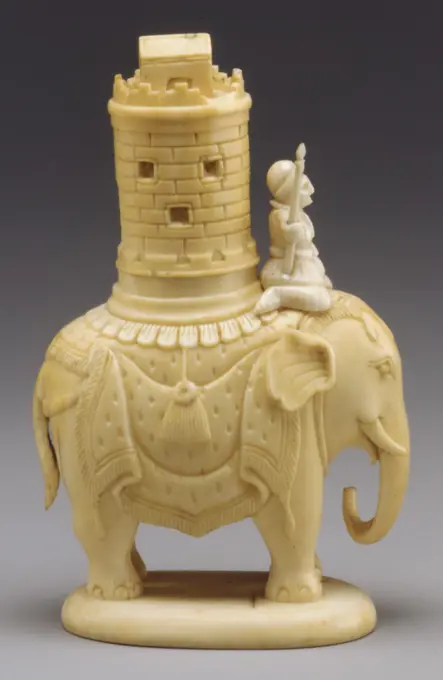
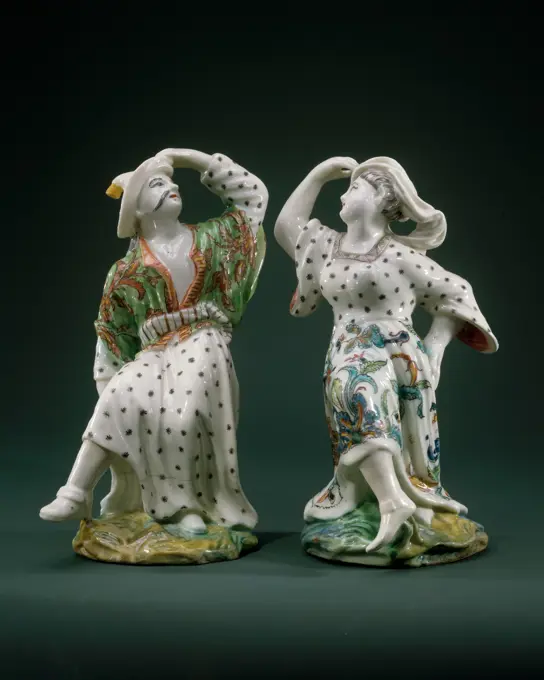
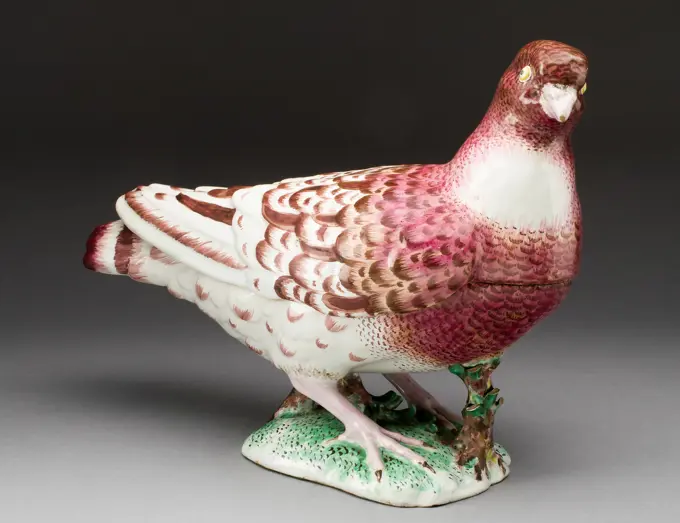
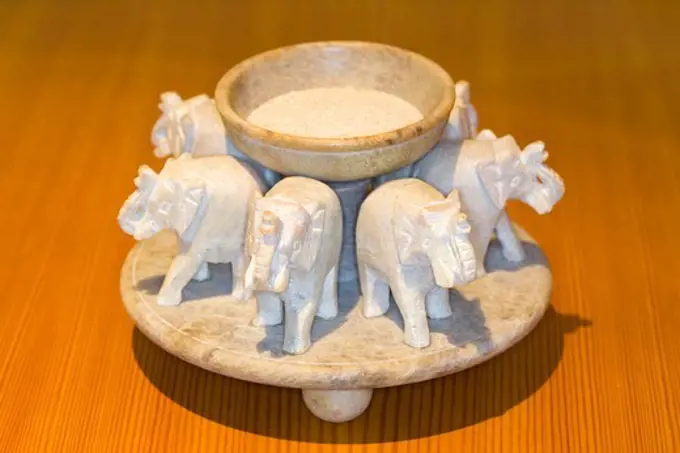
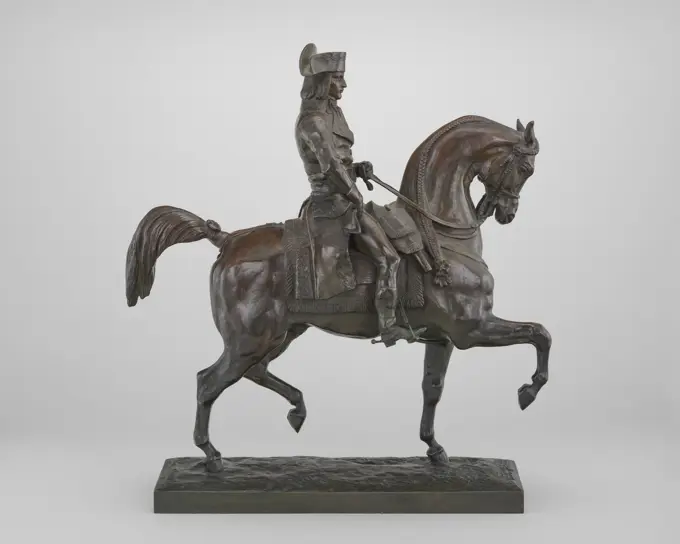
Guard of heaven and a defense of faith;  19th century (1801-00-00-1900-00-00);TORO - PROCEDENCIA DESCONOCIDA.Netsuke of Tokutaro and Fox, Disguised as Woman Japan. Netsuke of Tokutaro and Fox, Disguised as Woman. Japan. Ivory. NetsukeMan with hat and bottle in hand, on Ton, Anonymous, c. 1760 - c. 1790 Image of undecorated faience. There is a ton on a rectangular pedestal with beveled corners. On the barrel there is a boy with a hat on his head and a bottle in his hands. Delft (possibly) earthenware. tin glaze. Image of undecorated faience. There is a ton on a rectangular pedestal with beveled corners. On the barrel there is a boy with a hat on his head and a bottle in his hands. Delft (possibly) earthenware. tin glaze.Can in the form of an enembled monkey. Can from blue and yellow painted faience in the form of a monkey. The monkey carries a hat and the hat is the lid. The tail of the monkey is the handle and his yellow mouth the spout. On the belly of the monkey is a spell: "Kees den Monkey ...". The can be noticed.Salt cellar in the shape of a seated figure, anonymous, c. 1750 - c. 1780 Salt vessel of stoneware in the form of a nude, sitting person (boy or angel) On a wreath of printed and imposed leaf vines in relief. He holds the bowl with two hands. Westerwald. Westerwald stoneware. glaze vitrification Salt vessel of stoneware in the form of a nude, sitting person (boy or angel) On a wreath of printed and imposed leaf vines in relief. He holds the bowl with two hands. Westerwald. Westerwald stoneware. glaze vitrificationJohn Singer Sargent, Turkey, c 1913 TurkeyGarment Hook in the Shape of a Feline 6th century B.C. North or northwest China. Garment Hook in the Shape of a Feline 59476Stamp Seal in the Shape of a Boy ca. 1981-1640 B.C. Middle Kingdom This small, fine statuette of a boy is actually a stamp seal. The underside of its base is incised with the name and titles of the owner, Mentuhotep, enclosed by a border of linked S-scrolls. Nudity and a shaved head with a lock of hair were used to designate children; the gesture of the hand to the mouth may be a request for feeding. Such imagery carried connotations of vitality and the promise of future life.. Stamp Seal in the Shape of a Boy 544304Candlestick ca. 1500 Jehan Aert van Tricht Netherlandish. Candlestick 468672SidechairHorse bit cheekpiece in form of a mouflon ca. 8th-7th century B.C. Iran. Horse bit cheekpiece in form of a mouflon 322874Tatou -shaped drageoir. Porcelain mounted in gold. 1730-1770. Paris, Cognacq-Jay museum. 56020-2 Box, container, drageee, drageoir, tatou shape, climbing, gold, porcelain, animalOwl-shaped pitcher with a lid. Prószków Śląski (fabryka fajansu ;1763-1853)Belt Plaque in the Shape of a Tiger and a Kulan 3rd century B.C. Northwest China. Belt Plaque in the Shape of a Tiger and a Kulan 59510Wooden elephant figurine from Thailand isolated on white backgroundHorse 18th century China. Horse 40762Cow, anonymous, c. 1675 - c. 1750  Northern Netherlands (possibly) bronze (metal) casting  Northern Netherlands (possibly) bronze (metal) castingKorwar ancestor figure, from Cenderawasih Bay in N. W. New Guinea. Representing a recently deceased ancestor.Bronze situla (pail) attachment in the form of a Silenos head 4th century B.C. Greek One of a pair of situla handle attachments depicting the form of a Silenos mask.. Bronze situla (pail) attachment in the form of a Silenos head 247979Goldweight Bird, 19th-20th century, 1 1/2 x 3/4 x 1 in. (3.81 x 1.91 x 2.54 cm), Brass, Ghana, 19th-20th centuryLion (converted doorstop)' still bank, 20th century, 7 x 4 1/2 x 9 1/2 in. (17.78 x 11.43 x 24.13 cm), Iron, pigment, United States, 20th centuryJohn Sullivan, Weather Vane, c 1939 Weather Vanewooden knight on gray backgroundFigure of a woman with a flower basket, Porseleinfabriek Ludwigsburg, c. 1766 Image of porcelain, painted on the glaze in email colors and gold. The image represents a woman, a gardener, with a basket full of flowers on her right arm. Behind her a vase with pumpkins against which a shovel is leaning. Marked on the bottom with the double C and FI: Z.VB: 5Z. Ludwigsburg porcelain. glaze. gold (metal) painting / gilding / vitrification Image of porcelain, painted on the glaze in email colors and gold. The image represents a woman, a gardener, with a basket full of flowers on her right arm. Behind her a vase with pumpkins against which a shovel is leaning. Marked on the bottom with the double C and FI: Z.VB: 5Z. Ludwigsburg porcelain. glaze. gold (metal) painting / gilding / vitrificationExhibit from the Gold Museum, Museo del Oro, Bogota, Columbia, South AmericaNetsuke of Cat Lying on a Bowl, underneath which is a Fish 19th century Japan. Netsuke of Cat Lying on a Bowl, underneath which is a Fish. Japan. 19th century. Wood. Edo (1615-1868) or Meiji period (1868-1912). NetsukeModel of a Figurehead.Polychromed model of a climbing lion as a sheek image on a shifth, on back plate. He has his tail on starboard and a cartouche between the front legs. The inscription on the cartouche is incomplete; The second line is worn down.Hanging Lamp in the Form of a Kinnari ca. second half of the 9th-early 10th century Indonesia (Java). Hanging Lamp in the Form of a Kinnari 39076Netsuke of Monkey 18th century Japan. Netsuke of Monkey. Japan. 18th century. Wood. Edo perid (1615-1868). NetsukeElephant carrying a vase 18th-19th century China An elephant carrying a vase was a popular decorative arts subject because of its auspicious meaning. The words for vase” and elephant” are homonymic with those for peace” and signs,” thus coinciding with a Chinese proverb: When there is peace, there are signs” (tai ping you xiang). The use of inlaid gems on jade was not a Chinese tradition but was inspired by Mughal jades brought to China from northern India in the eighteenth century. The garnets add not only a bright color but also an exotic appearance.. Elephant carrying a vase 44023Hunter 1750-1799 France. Glass; lampwork (verre de Nevers), metal armature .Vase ca. 1884 Emile Gallé French Gallé's interest in Japanese art is reflected in the asymmetrical placement of the painted motifs and in the form of the vase, which is derived from Asian table screens.. Vase 236160Scent bottle ca. 1750-55 Saint James's Factory. Scent bottle. British, London. ca. 1750-55. Soft-paste porcelain. Ceramics-PorcelainHorse with Saddle, T'ang Tomb Figure Chinese Art "La Machine d'Argent" or Centerpiece for a Table (surtout de table). François-Thomas Germain (French, 1726 - 1791)Robert Galvin, Circus Wagon Figure  Turk, c 1938 Circus Wagon Figure: TurkLime Vessel in the Form of a Cock 500 B.C.-A.D. 300 Indonesia (Java, Lumajang, Pasiran). Lime Vessel in the Form of a Cock. Indonesia (Java, Lumajang, Pasiran). 500 B.C.-A.D. 300. Bronze. Bronze and Iron Age period. MetalworkWellington Jug. England, mid-19th century. Furnishings; Serviceware. StonewareSeated Figure and Potpourri Vase. Chantilly Porcelain Factory (French, founded c. 1725); France, Chantilly. Date: 1735-1745. Dimensions: 16 × 16.8 × 18.1 cm (6 5/16 × 6 5/8 × 7 1/8 in.). Soft-paste porcelain (tin-glazed) with polychrome enamels. Origin: Chantilly. Museum: The Chicago Art Institute, Chicago, USA. Author: Chantilly Porcelain Factory.Standing Boar ca. 14th century Indonesia, (Java) During the rule of the Eastern Javanese kingdom of Majapahit (fourteenth through early sixteenth century), there developed a fondness for a category of object apparently derived from the Western piggy bank. Many terracotta pigs, naturalistic and usually well sculpted, with slots cut at the top so that they could serve as coin boxes, have been recovered from around Trowulan, the Majapahit capital. Even though swine must have played an important role in the domestic economy, the reasons for the great popularity of this animal shape for coin boxes in Eastern Java are unclear. It has been suggested that the shape is a well-suited allusion to financial success as well as culinary delights, since pork and especially suckling pigs are considered a great delicacy. A few of these terracotta pigs are unslotted, and their function, like that of this rare example in bronze, remains unknown.The fierce look of this creature and his projecting tusks suDwarf ca. 1750-55 Höchst Manufactory. Dwarf. German, Höchst. ca. 1750-55. Hard-paste porcelain. Ceramics-PorcelainHorse groom ca. late 7th-first half of the 8th century China This Central Asian groom's attire, consisting of a short coat with wide lapels and trousers tucked into knee-high boots, originated in Western Asia.. Horse groom 42383Bronze statuette of a man ca. 1st-2nd century A.D. Roman Weight on left leg; right arm extended with hand open; left lowered and bent at elbow; wearing a tunic and mantle.. Bronze statuette of a man 244459Cow Creamer 1770-1795 Staffordshire. Lead-glazed earthenware (creamware) .Incense Box 18th century Japan. Incense Box. Japan. 18th century. Clay covered with glaze, the paste showing through (Awata ware). Edo period (1615-1868). CeramicsIvory leopard with copper and mirror inlay. 19th cent. Nigeria.Fox Disguised as Priest. Kōkoku (Japan, active 1830-1867). Japan, mid-19th century. Costumes; Accessories. Wood with lacquer, inlaysLectern for the Reading of the Gospels with the Eagle of Saint John the Evangelist ca. 1301, with later additions Giovanni Pisano Italian Sculpted by Giovanni Pisano, one of the finest sculptors of the Gothic period, this lectern was once a part of the pulpit at the Church of Sant' Andrea at Pistoia. It is in the shape of an imposing full-size figure of an eagle, grasping a book in its talons, which stands with head erect, facing to its left, wings held poised as if ready for flight. The head is a later replacement. A marble bookrest, hexagonal in form with a protruding ledge at the bottom, meant to hold the Gospels for liturgical reading, rests on the bird's wings. The eagle served as the crowning element of a Tetramorph, a sculptural composite of the symbols of the four Evangelists.. Lectern for the Reading of the Gospels with the Eagle of Saint John the Evangelist 465937Aquamanile in the Form of a Horse first half 15th century German. Aquamanile in the Form of a Horse. German. first half 15th century. Copper alloy. Made in Nuremberg. Metalwork-Copper alloyNetsuke of Boy Cutting a Gourd. Culture: Japan. Dimensions: H. 1 1/8 in. (2.9 cm); W. 1 1/2 in. (3.8 cm); D. 1 1/16 in. (2.7 cm). Date: 19th century. Museum: Metropolitan Museum of Art, New York, USA.Snuffbox in the shape of a pugs head, Meissener Porzellan Manufaktur, c. 1740 - c. 1750 Snuif box in the form of a dog's head (pug). The flat oval lid is connected to the box by a gilded copper frame. The lid is painted on the outside with two dogs (pugs) lying on a pillow. The inside is painted with a woman with a dog (pug) on her lap and a mask in her left hand. To her right is a man and a man is behind her. The box is not marked. Float Porcelain. frame: copper (metal) gilding Snuif box in the form of a dog's head (pug). The flat oval lid is connected to the box by a gilded copper frame. The lid is painted on the outside with two dogs (pugs) lying on a pillow. The inside is painted with a woman with a dog (pug) on her lap and a mask in her left hand. To her right is a man and a man is behind her. The box is not marked. Float Porcelain. frame: copper (metal) gildingFamily Group  1945  Henry Moore (1898-1986/British)    Seated Guanyin 1665-1799 China. Dehua ware (blanc de chine); porcelain .CDK unknownChristophe Fratin, Pointer, 19th century PointerNetsuke. Ivory. Dutchman holding a cockerel. JAPAN.Figure of a Llama, 1400-1533, 2 1/2 x 2 1/2 x 5/8 in. (6.35 x 6.35 x 1.59 cm), Silver, Peru, 15th-16th centuryTomb Figure, c. 650, 10 1/2 x 3 x 2 1/4in. (26.7 x 7.6 x 5.7cm), Polychromed earthenware, China, 7th centuryNetsuke. Culture: Japan. Dimensions: H. 3 1/4 in. (8.3 cm); W. 1 3/8 in. (3.5 cm); D. 7/8 in. (2.2 cm). Date: 19th century. Museum: Metropolitan Museum of Art, New York, USA.Netsuke of Demon with a Drum. Culture: Japan. Dimensions: H. 1 3/4 in. (4.4 cm); W. 1 1/2 in. (3.8 cm); D. 1 1/8 in. (2.9 cm). Date: 18th-19th century. Museum: Metropolitan Museum of Art, New York, USA.Display of alibrije masks - carved, colorful painted animals and fantasy creatures - at the alibrije studio of Jacobo y Maria Angeles in the Zapotec wood carving village of San Martin Tilcajete near Oaxaca, Mexico.Netsuke of Mouse. Culture: Japan. Dimensions: H. 1 in. (2.5 cm); W. 1 3/8 in. (3.5 cm). Date: 19th century. Museum: Metropolitan Museum of Art, New York, USA.Brass design fitting on antique wooden rhinoceros, Jodhpur, Rajasthan, India Copyright: xSafatxAli/DinodiaxPhotoxRecumbent lion from a bracelet ca. 1878-1805 B.C. Middle Kingdom. Recumbent lion from a bracelet. ca. 1878-1805 B.C.. Gold. Middle Kingdom. Probably from Memphite Region, Dahshur, de Morgan excavations, 1894-95; From Egypt. Dynasty 12, lateWounded Leopard. Meissen Porcelain Manufactory; German, founded 1710; Model by: Kändler, Johann J.; German, 1706-1775. Date: 1740-1750. Dimensions: 14.3 x 14 x 9.5 cm (5-3/8 x 5-1/2 x 3-3/4 in.). Hard-paste porcelain with polychrome enamels. Origin: Meissen. Museum: The Chicago Art Institute, Chicago, USA.Piggy Bank 1301-1500 Eastern Java. Terracotta with brown glaze .Caster. Culture: British (American market). Dimensions: H. 5 in. (12.7 cm). Date: 1800-1830. Museum: Metropolitan Museum of Art, New York, USA.Rabbit Figurine. Japan, second half of 19th century. Ceramics. Hirado Mikawachi ware; porcelain with clear glazeChinese Boy. Japan, 19th century. Costumes; Accessories. Porcelain with red overglaze and gold enamelsStatuette of a Horse and Rider. Greek; Boeotia. Date: 575 BC-525 BC. Dimensions: 11.4 × 13 × 5.6 cm (4 1/2 × 5 1/8 × 2 3/16 in.). Terra-cotta. Origin: Dodona. Museum: The Chicago Art Institute, USA. Author: ANCIENT GREEK.. Flower holders like these examples are thought to have belonged to Mary Stuart, the consort of William III. An inventory of Queen Marys posessions at Honselaarsdijk Palace describes flower holders in the shape of children with baskets on their heads.Squirrel Statuette. Dated: c. 1937. Dimensions: overall: 29.2 x 21.9 cm (11 1/2 x 8 5/8 in.) Original IAD Object: 4 1/8" high; 3 3/8" long; 1 3/4" wide. Medium: watercolor, graphite, and pen and ink on paperboard. Museum: National Gallery of Art, Washington DC. Author: Yolande Delasser.Bronze statue of seated child, 200-150 b.c., from Lake TrasimenoToby Jug. D. & J. Henderson Co.; American, 1828-1833; Jersey City, New Jersey. Date: 1828-1830. Dimensions: H. 24.8 cm (9 3/4 in.). Earthenware. Origin: New Jersey. Museum: The Chicago Art Institute, Chicago, USA.Vajrasattva Seated on Lotus Flower with Hands Grasping a Thunderbolt (Vajra) and Bell (Ghanta) with Thunderbolt Handle. China. Date: 775 AD-825 AD. Dimensions: 10.8 × 5.5 × 5 cm (4 1/4 × 2 1/8 × 2 in.). Gilt copper alloy. Origin: China. Museum: The Chicago Art Institute, Chicago, USA.Masks from the Arctic used to reveal inner truth of the wearer, used by Shamans. Dated 19th CenturyFighting Harlequins ca. 1740 Meissen Manufactory German. Fighting Harlequins 203099Box in the Form of a Pug's Head 1745-1755 Meissen . Meissen Porcelain Manufactory (Manufacturer)Stag Bridle Ornament, 400-300 BC. Iran or Afghanistan, Sarmatian, 5th-3rd Century BC. Gold; overall: 2.4 x 1.4 x 2.2 cm (15/16 x 9/16 x 7/8 in.).Figure of a Mouse in Deep Blue Glass 19th century This glass mouse demonstrates the talent of a Persian glass-blower, who would have taken great pains to carefully produce the anatomical details of this life-sized creature. These types of whimsical forms were admired for their graceful shapes and bright colors, and decoratively displayed within niches of private and public buildings in Tehran, Isfahan, and Shiraz.. Figure of a Mouse in Deep Blue Glass. 19th century. Glass, dark blue; blown, applied decoration. Attributed to Iran. GlassDecoration of a pipe end of a water pump, in the form of a lion's head, anonymous, c. 1650 - c. 1700 The cast and accompanying object has the shape of a lion's head with open mouth. Southern Netherlands brass (alloy) casting The cast and accompanying object has the shape of a lion's head with open mouth. Southern Netherlands brass (alloy) castingSancai pottery figure of caparisoned Horse, Chinese ArtCat 664-30 B.C. Late Period-Ptolemaic Period Bastet was a powerful goddess of Lower Egypt, one who was protective and could bring about great prosperity. In zoomorphic form, she was represented as a cat and cats were considered sacred to her. This cat sits on a menat-shaped base in a typical pose, upright with its tail wrapped along its right side. It is poised and alert, on guard against external forces.This small figure is exceptional because of the level of detail and attention that went into its manufacture. It has many of the same features as other seated cats: it wears an amulet, its fur is indicated by short repeated markings, and it has a ringed tail. On this example, however, these features are picked out in gold, which gives it a striking appearance. This piece also gives us insight into the mentality of those who dedicated such objects; it shows that even small statuettes were considered important and worthy of elaboration and extra cost. Dedications did not always have to bPheasant figurine;  19th century (1801-00-00-1900-00-00);Bronze statuette of the denuded women(woman) with pitcherFoo Fu dog or chinese guardian lion isolated on white background.Ariadna's drinking;  XVIII/19th century (1791-00-00-1810-00-00);Chessmen (31) Burmese 18th-19th century Although both sides were left the natural color, they are distinguishable by the form of the pieces. On the "good" side, the elephant (bishop) and horse (knight) have monkey riders, whereas on the "evil" side they are without. The "good" king is a protective spirit, and the "evil" one a demon. The black pawns are also demons, and the white pawns are monkeys. The rooks are chariots. Monkeys are used on the "good" side because in the Far East they were thought to have the power to drive away or prevent the evil influences of wicked spirits.Monkey Ornament 10th-15th century Costa Rica. Monkey Ornament 309965Kappa with a cucumber 19th century Japan. Kappa with a cucumber. Japan. 19th century. Wood. Edo (1615-1868) or Meiji period (1868-1912). Netsuke. The head with light wavy hair is slightly left, the mouth is not completely closed. Halfway through the right shoulder, a draped garment runs sloping to the right. A round opening in the skull.Amulet of the Goddess Taweret (Thoeris). Egyptian. Date: 664 BC-343 BC. Dimensions: 3.2 × .95 × 1.27 cm (1 1/4 × 3/8 × 1/2 in.). Stone. Origin: Egypt. Museum: The Chicago Art Institute, Chicago, USA. Author: Ancient Egyptian.Chessmen (32) Chinese 19th centuryTile-End Mask. Ryūkōsai Jugyoku (Japan, active early to mid-19th century). Japan, early to mid-19th century. Costumes; Accessories. Wood with gold leafDancers as Orientals ca. 1740 Villeroy. Dancers as Orientals. French, Villeroy. ca. 1740. Soft-paste porcelain. Villeroy (French, 1734/37-1748). Ceramics-PorcelainSnuff Bottle late 19th century China. Snuff Bottle 41734Pigeon Tureen Made 1750-1760 Strasbourg. Tin-glazed earthenware (faience) . Strasbourg Pottery and Porcelain Factory (Manufacturer)Lamp of perfume, aromatic therapy, tea warmer candle, aroma, oil, Ethereally, ethereal, Duftoel, decoration, mood, material admission, Quietly lifeAntoine Louis Barye, General Bonaparte, model nd, cast c 1845 1873 General Bonaparte