Mythical Animal Figurines

A collection of diverse decorative sculptures featuring mythological creatures, including a tortoise-riding triton and various lion figures, highlighting rich cultural artistry.

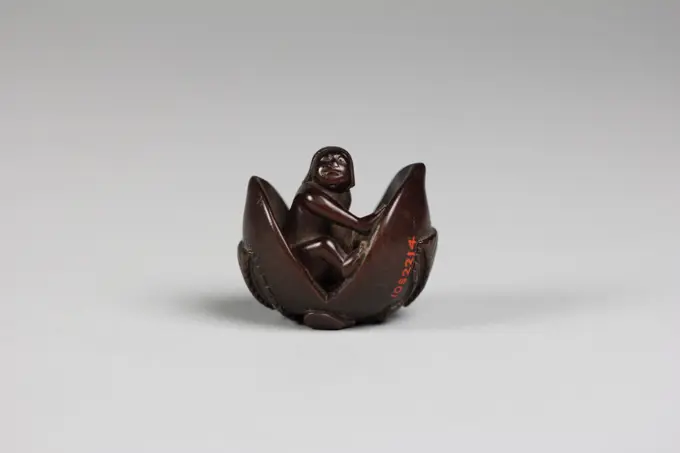
Netsuke monkey with a peach, 19th century, Unknown Japanese, 2 1/16 x 15/16 x 1 1/16in. (5.2 x 2.4 x 2.7cm), Wood, Japan, 19th century
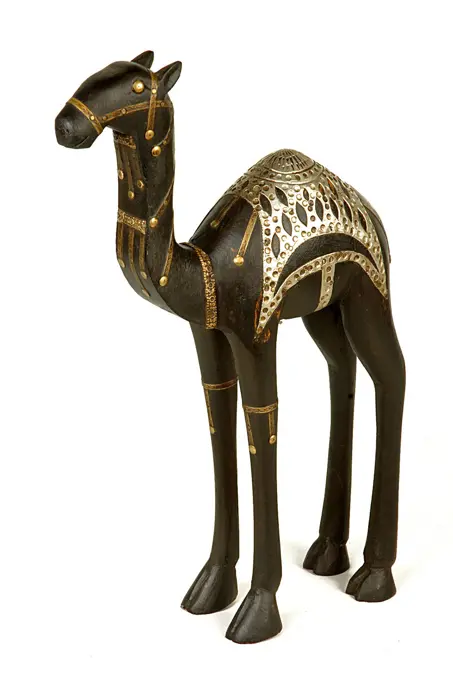
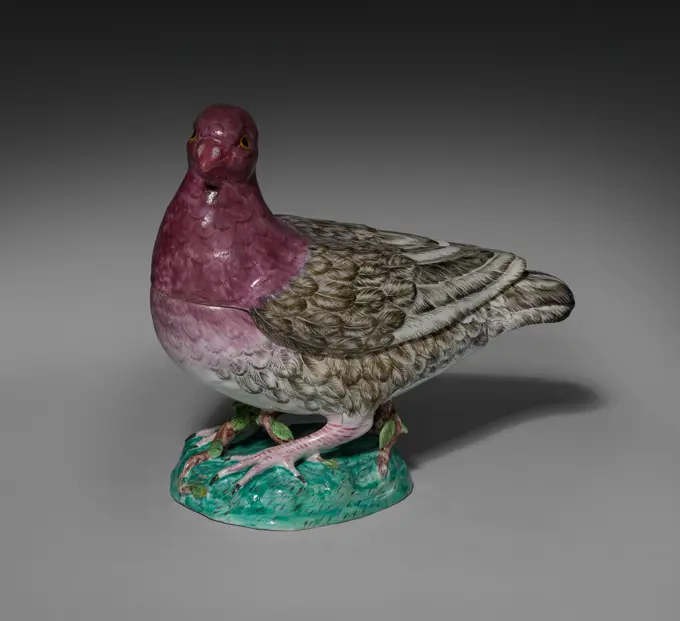
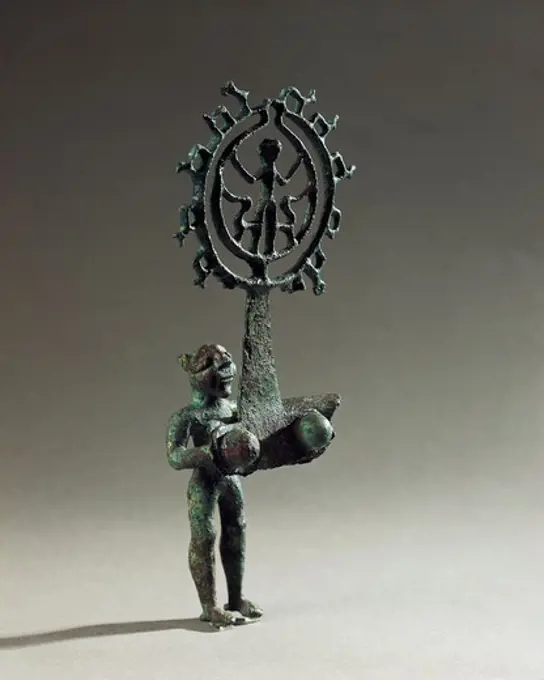
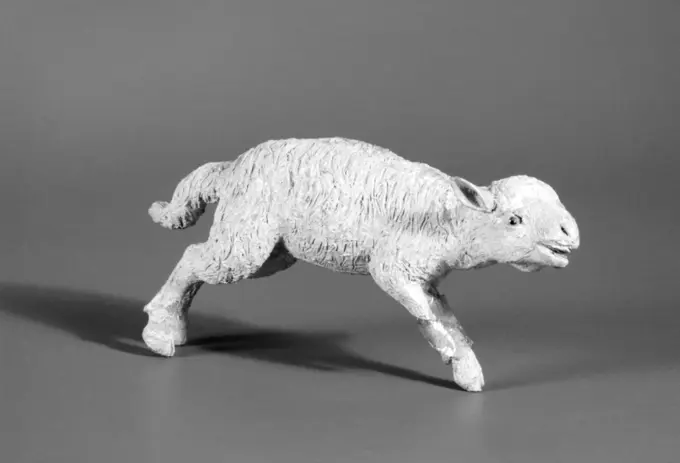
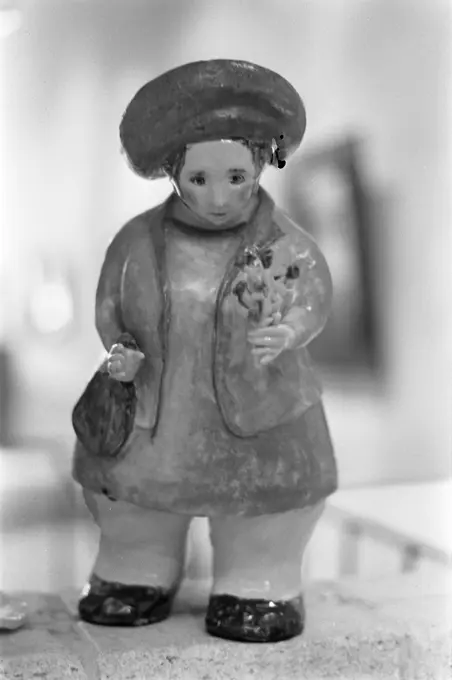
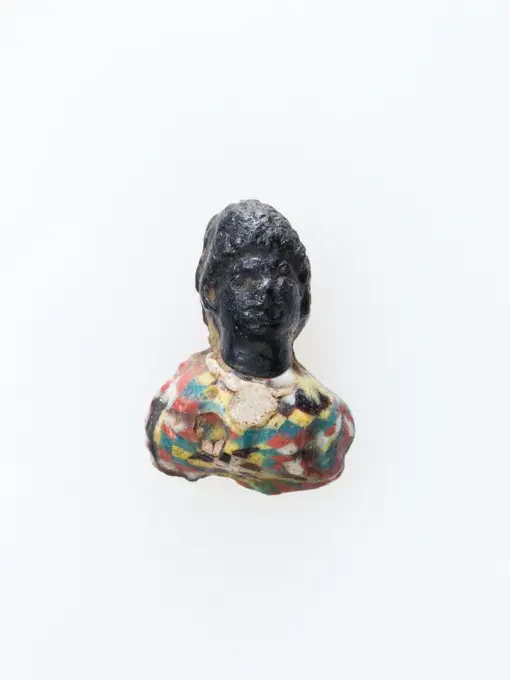
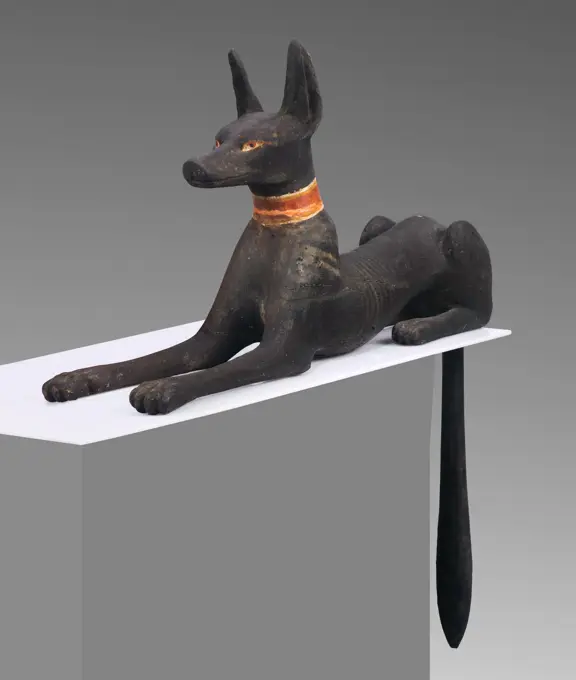
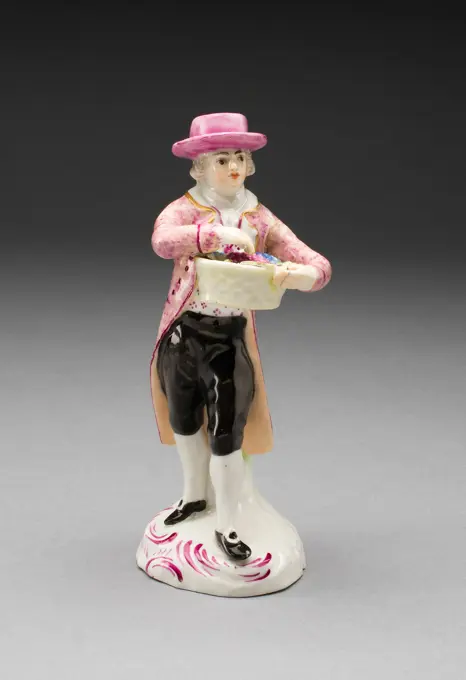
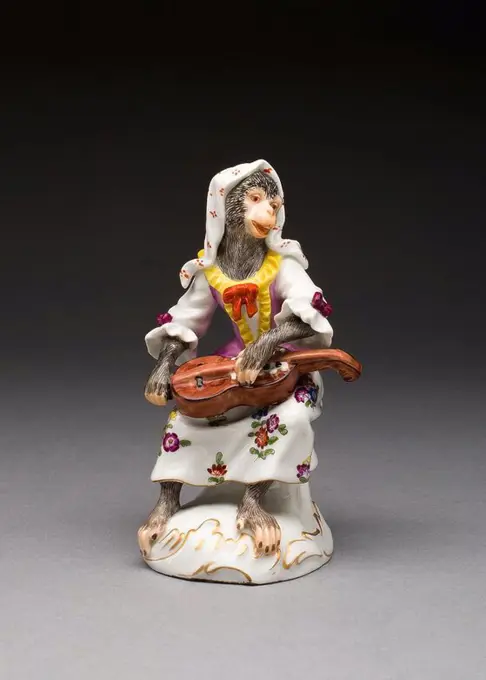
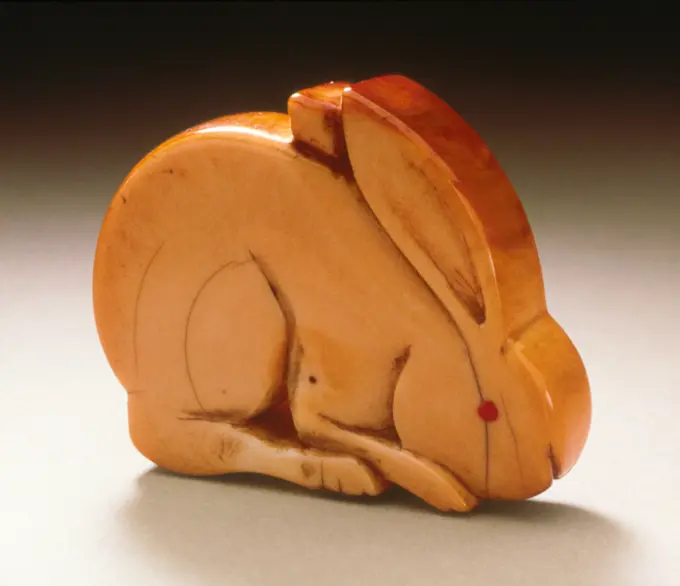
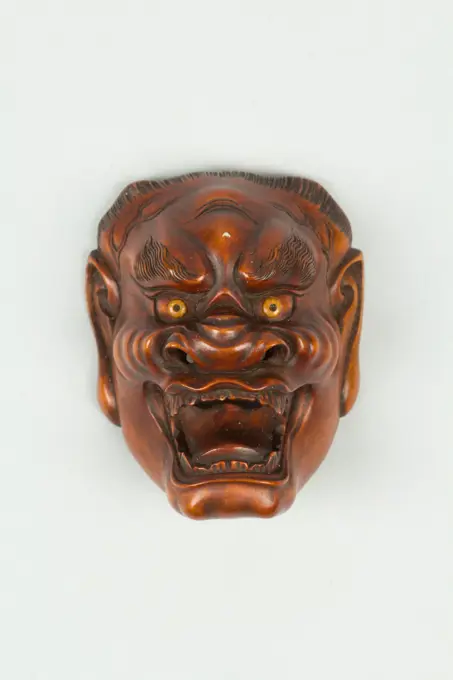
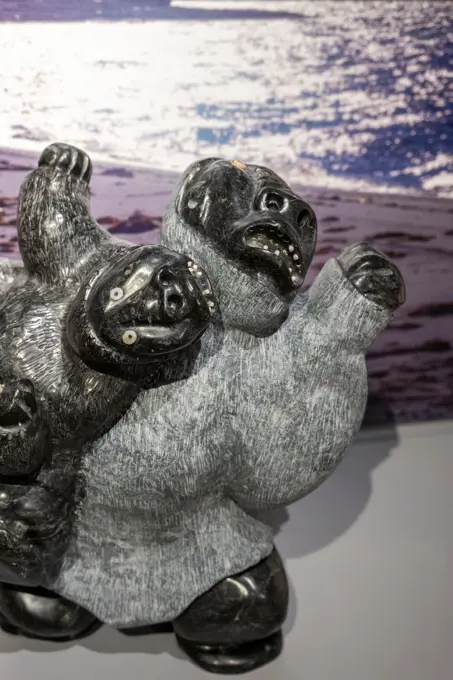
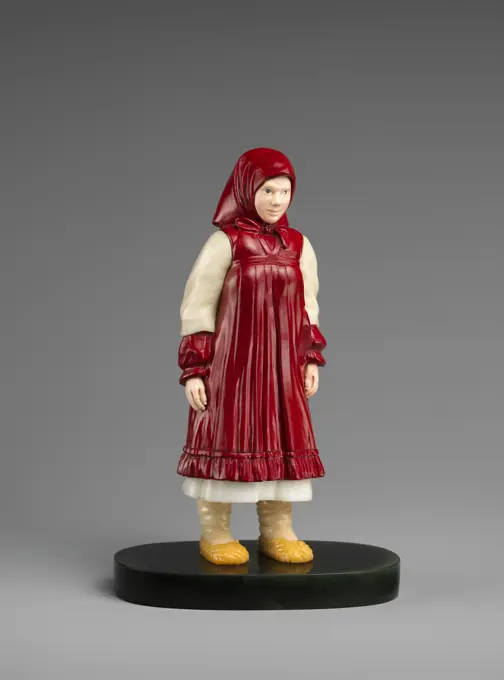
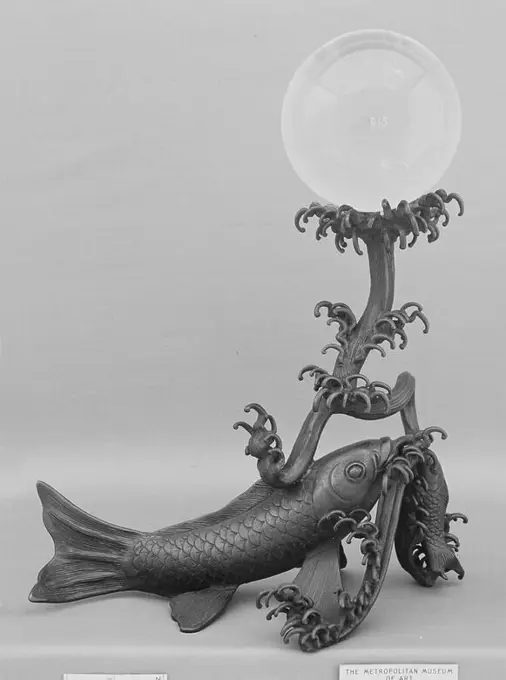
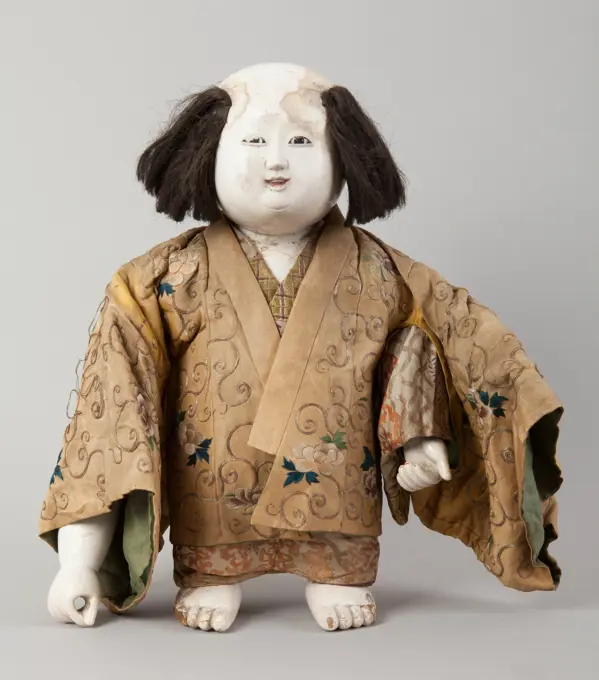
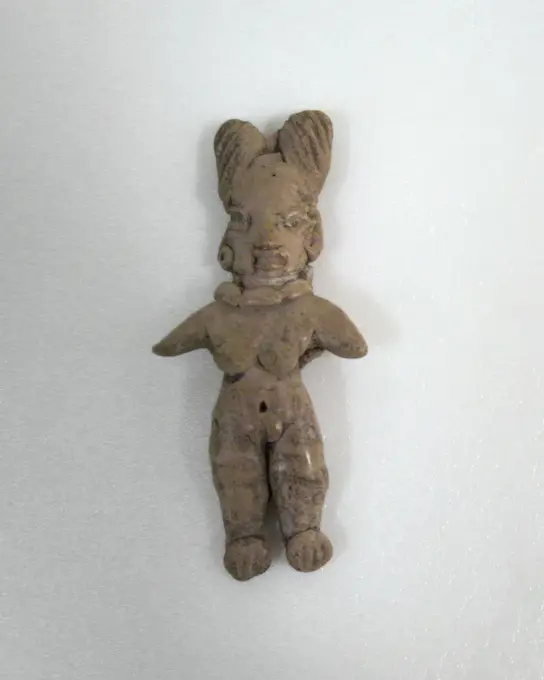
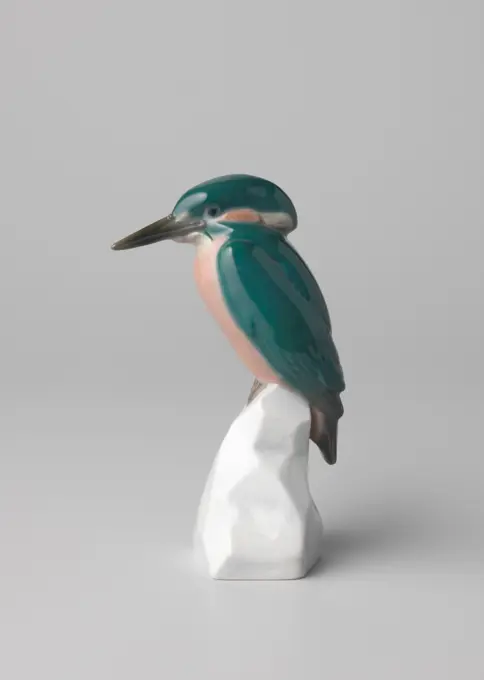
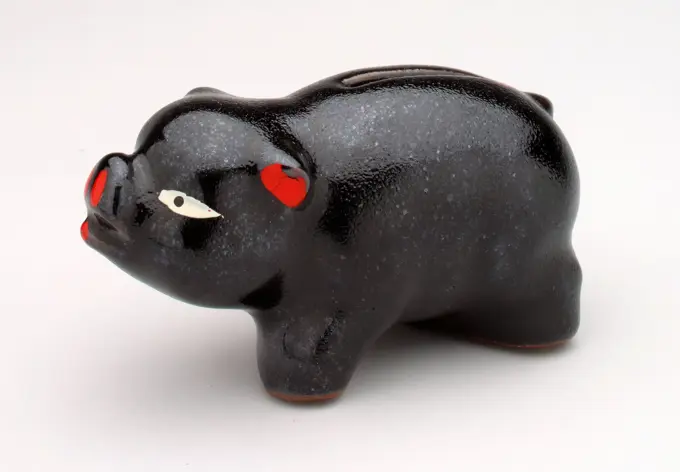
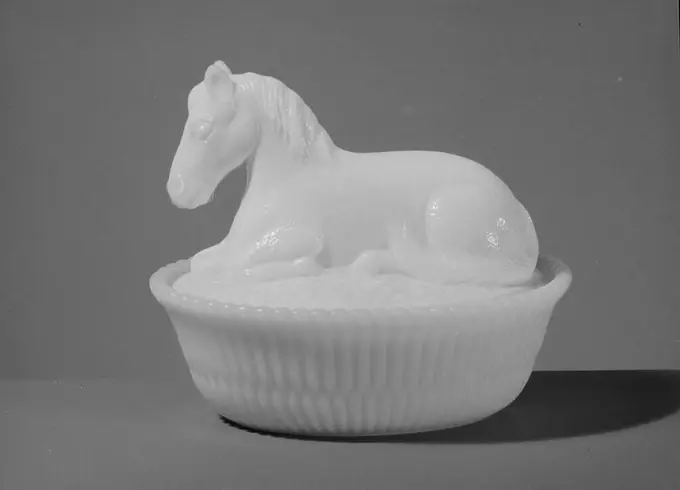
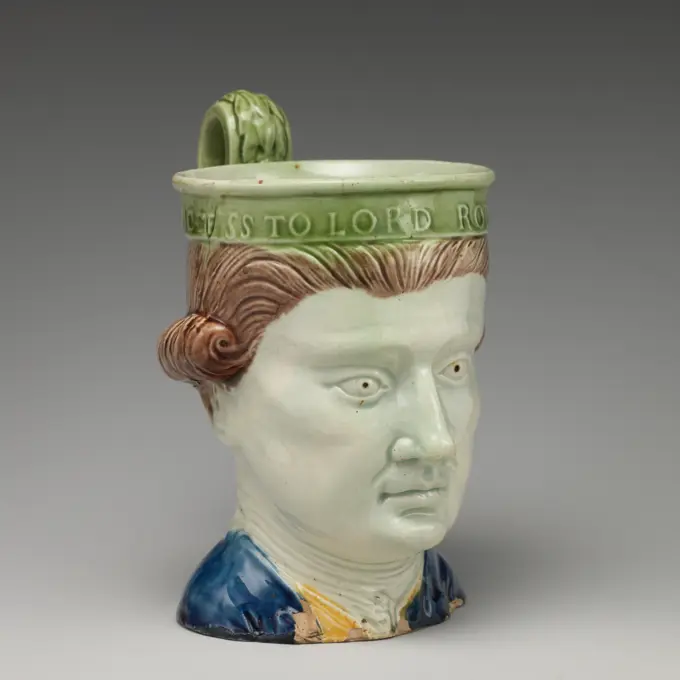
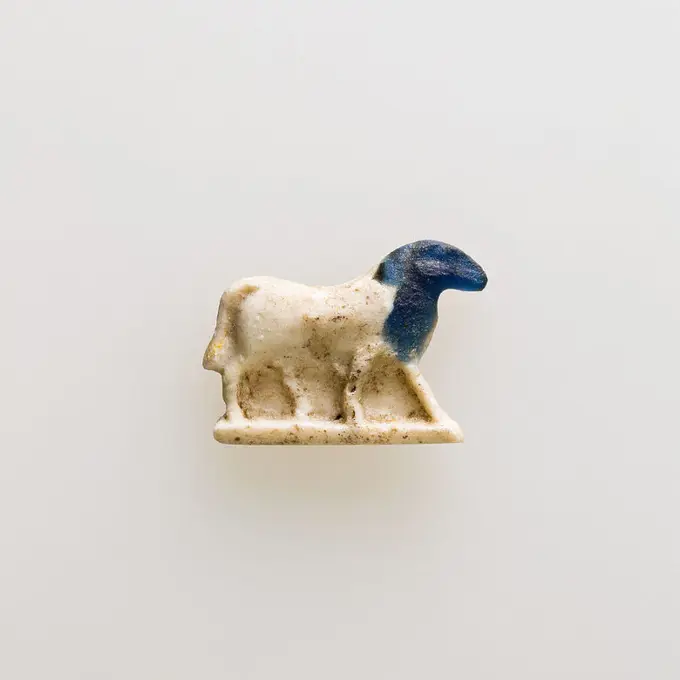
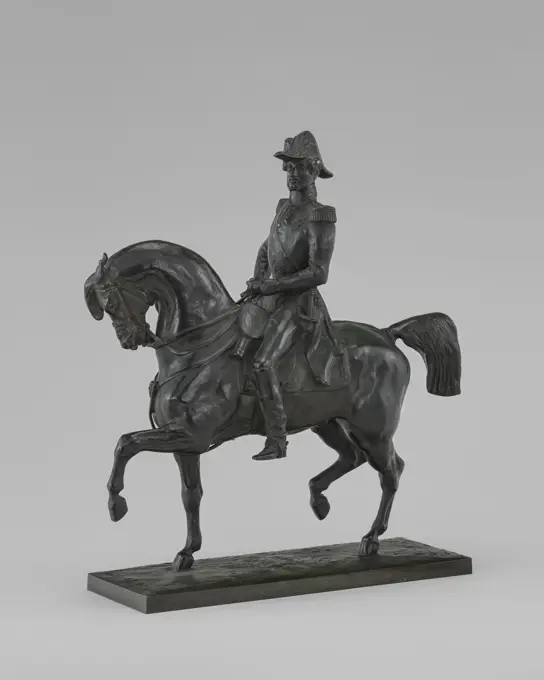
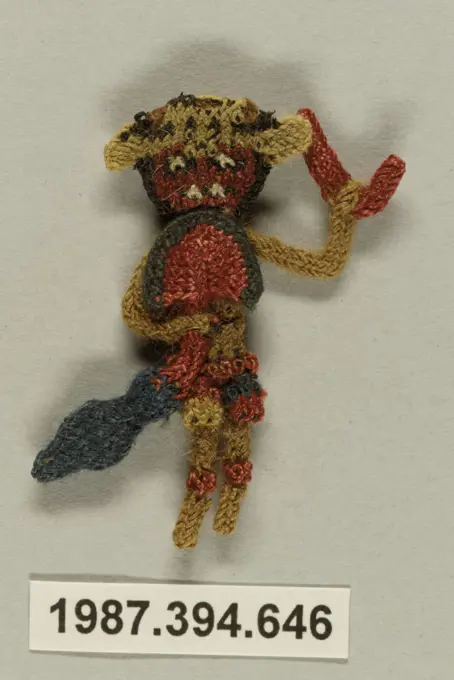
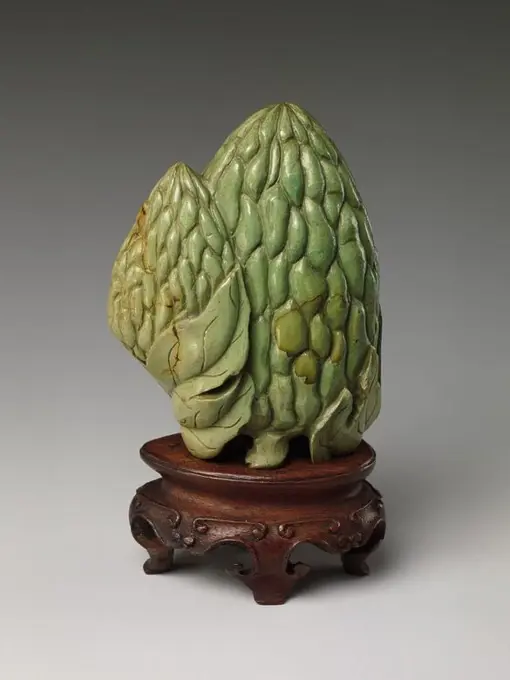
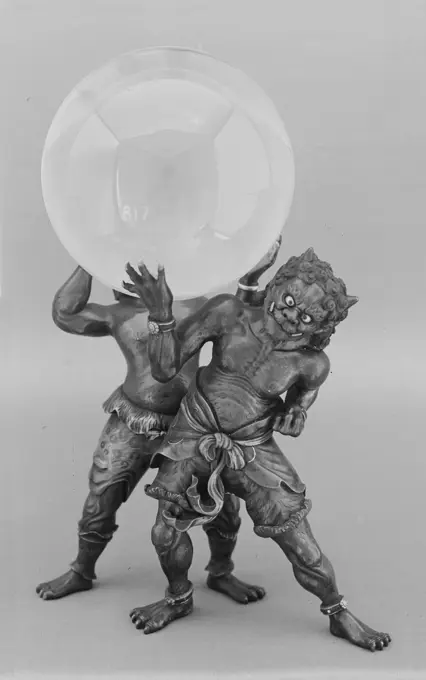
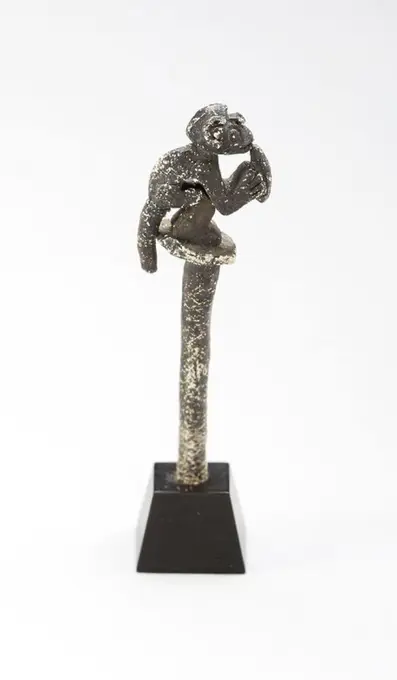
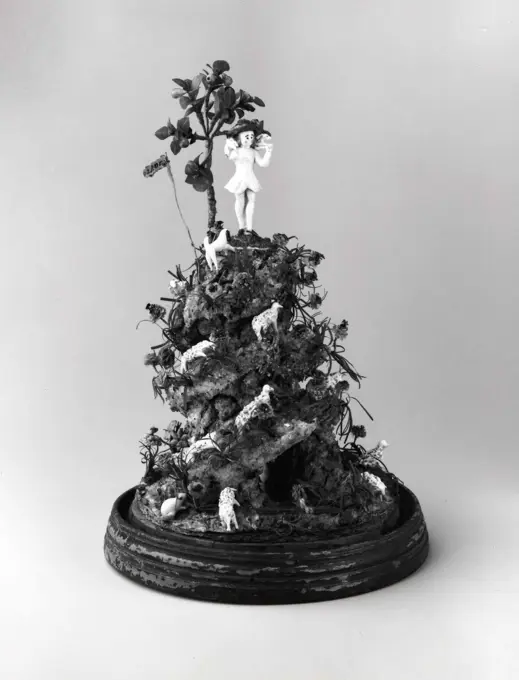
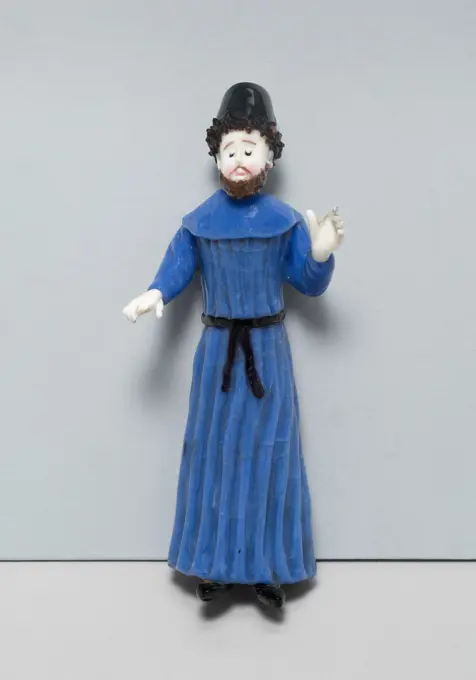
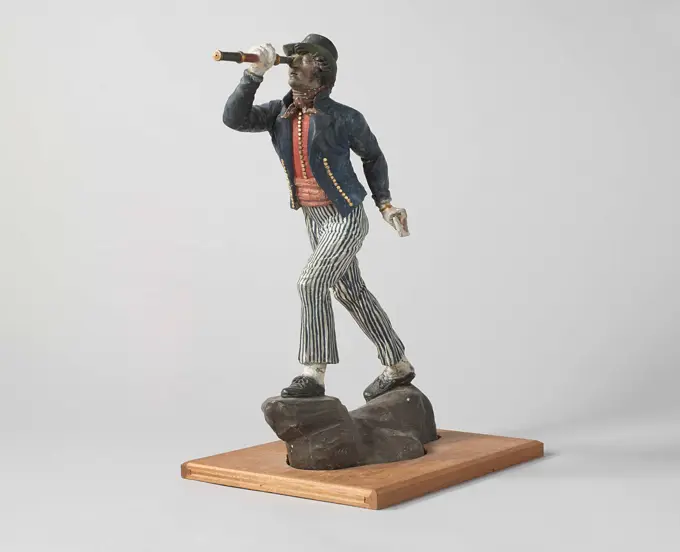
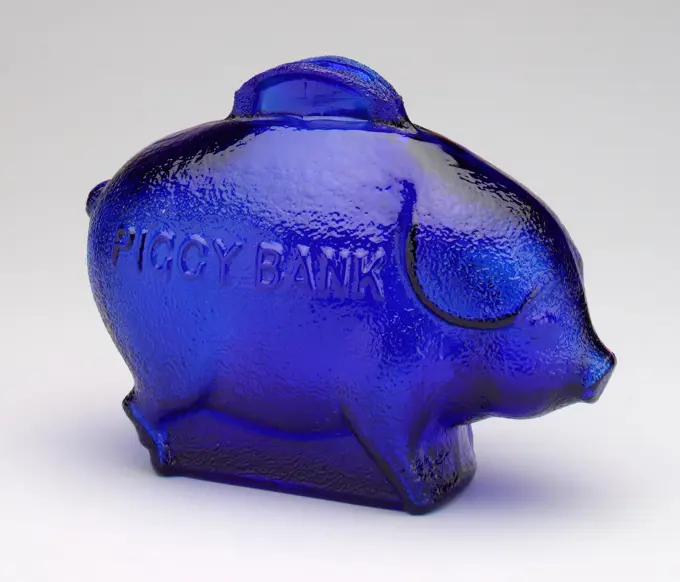
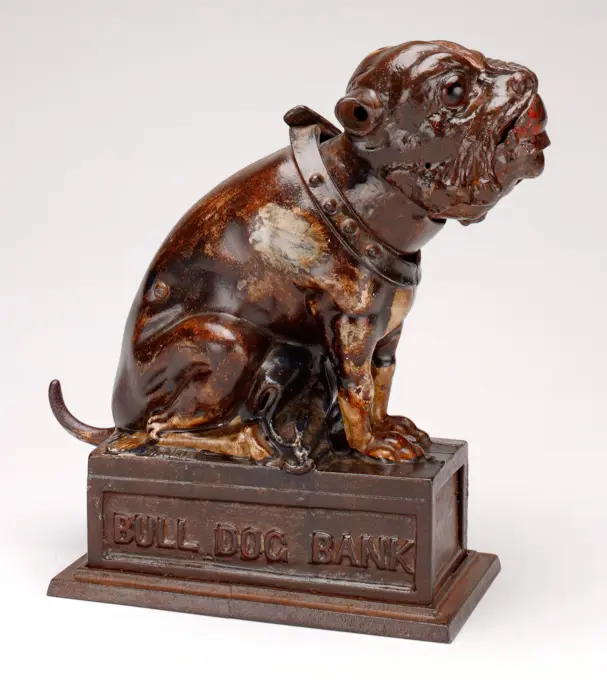
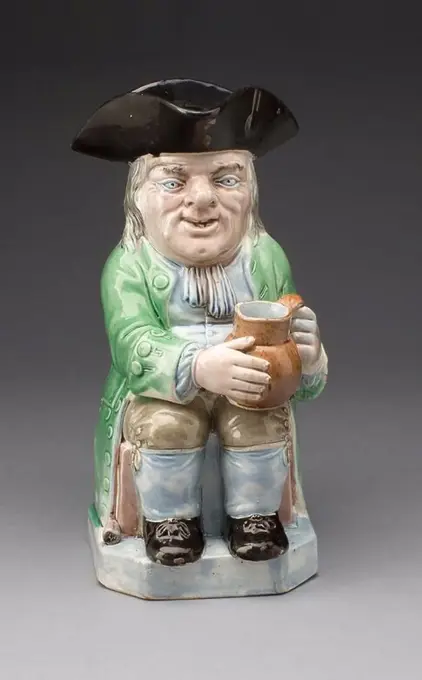
Chess Piece Queen 1775-1799 Burslem. Stoneware green jasperware . Wedgwood Manufactory (Manufacturer)A handcrafted Indian toy soldier is captured riding a white horse with a raised bow and arrow. This colorful figure embodies traditional craftsmanship, ideal for collectors or childrenStatuette of Bast in the Form of a Cat. UnknownFigurine (England); Designed by Johann Joachim Kändler (German, 1706-1775); Manufactured by Spode Ceramic Works; molded porcelain with overglaze decorationTomb Figure Representing a Seated Dog, 618-906, 5 in. (12.7 cm), Painted white earthenware with white slip, China, 7th-10th centuryCaballitos de cartón. Museu Català de les Arts i Tradicions Populars.Brass design fitting on antique wooden camel, Jodhpur, Rajasthan, India Copyright: xSafatxAli/DinodiaxPhotoxCovered Tureen in the Form of a Pigeon, c. 1760. Sceaux Factory (French, active 1748-66). Tin- glazed earthenware (faience) wth enamel decoration; overall: 26.7 x 29.9 x 14.8 cm (10 1/2 x 11 3/4 x 5 13/16 in.).Panpiper Vessel. Peru: Chimu. 14th-15th century. Hammered silver, turquoise inlay. Music was essential to religious and political ceremonies in many ancient American cultures. It was also performed for entertainment and accompanied daily activities such as herding and working in the fields.Handle of bronze bowl, from Verucchio (Emilia Romagna region, Italy)Lamb second half 18th century Italian, Naples In 1964, Loretta Hines Howard generously presented to the Museum over 140 Neapolitan crèche figures, dating from the second half of the eighteenth century. The varied assortment includes figures from the three traditional scenes of a complete Neapolitan presepio: the Nativity, with angels, shepherds, and sheep; the procession of the three Magi, with their colorful retinue of attendants; and the varied and gay crowd of country and town people thronging the tavern, or inn, of Bethlehem  the diversorium mentioned by St. Luke, where on the Holy Night there was no place for Mary and Joseph. Averaging between twelve and fifteen inches in height, according to the position they were to take in perspective in the stage set, the figures are pliable and can be given poses at will, according to their facial expressions. Their bodies are made of tow and wire, their arms and legs are finely carved of wood, and their heads and shoulders are modeled of teAnefo photo collection. Ceramic figurines (representative Queen Juliana) of Madeleen Brinkman in Siau gallery. November 8, 1972Close-up of figurine of a catPendant, bust of a man 200 BC-100 AD Ptolemaic Period-Roman Period Monochrome and mosaic glass have been fused to form a small bust.of an individual in a diamond patterned garment. The bust probably represents the head of an "Ethiopian", a popular subject in the Greco-Roman world.. Pendant, bust of a man. 200 BC-100 AD. Glass. Ptolemaic Period-Roman Period. From EgyptBóg Anubis, pan nekropoli, w postaci szakala. unknown, authorSnuff Bottle, 19th century, 4 x 1in. (10.2 x 2.5cm), Ivory, China, 19th centuryFigure of a Man with Grapes Made 1785-1795 Limbach-Oberfrohna. Soft-paste porcelain with polychrome enamel decoration and gilding . Limbach Porcelain Factorystatue of crawlng baby made from clay statue of crawlng baby made from clay isolated on white Copyright: xZoonar.com/chrisxwilllemsenx 6581922Hurdy-Gurdy Player. Vienna State Porcelain Manufactory; Austrian, 1744-1864. Date: 1755-1775. Dimensions: H. 13.0 cm (5 1/8 in.). Hard-paste porcelain, polychrome enamels, and gilding. Origin: Vienna. Museum: The Chicago Art Institute, Chicago, USA.a beautyful marble unicorn figure 3d illustration of a beautyful marble unicorn figure Copyright: xZoonar.com/magannx 11779218Model: Priest with Zodiac Snake. Culture: China. Dimensions: H. 8 3/8 in. (21.3 cm); W. 2 3/8 in. (6 cm). Museum: Metropolitan Museum of Art, New York, USA.Dog 1700-1799 France. Glass; lampwork (verre de Nevers), metal armature .Double-Sided Rabbit. Japan, 19th century. Costumes; Accessories. Ivory with staining, sumi, inlaysGolden roebuck sculpture, Residenz, treasury, Munich, Bavaria, Germany, EuropeMaternal by Hugo Robus, sculpture, (1885-1964)American 20th Century, Toy Horse, 1935 1942 Toy HorseNetsuke of Mask 19th century Japan. Netsuke of Mask. Japan. 19th century. Wood; dark brown. Edo (1615-1868) or Meiji period (1868-1912). NetsukeCanada, Nunavut, King William Island, Gjoa Haven. Nattlik Heritage Centre, interior. Traditional soapstone carving, bears.Dress ornament Scythian ca. 5th century BCE When the nomads of the Eurasian steppes entered the region bordering on the ancient Near East, they brought with them a highly mobile lifestyle, including a sophisticated horse-riding military and a tradition of wealth display in the form of gold ornaments for their clothing, equipment, and animal trappings. By the fifth century B.C., when this gold plaque was probably made, the art of the nomads was influenced by arts from nearby settled populations, including the Greeks and the Achaemenid Persians.This ornament, with a small loop on the back meant for attachment to clothing, is from a large group of gold plaques acquired by Western museums, including The Metropolitan Museum of Art, in the first decades of the twentieth century. They are thought to come from the area in the northern part of the Black Sea, reportedly from the site of Maikop in the Northern Caucasus. The plaques from this group include images of stags, floral and geometric desWooden Figure African Wooden Figure on the Wooden Background Copyright: xZoonar.com/gkunax 4866509Petit Taureau (Maquette) Small Bull (Model) Barye, Antoine-Louis(1796-1875 French) Bronze Musee du Louvre, Paris, France Russian peasant girl ca. 1910 Peter Carl Fabergé This figurine is an exceptionally rare extant example of a Russian folkloristic figure composed of Siberian hardstones and purpurine. The deep crimson material known as purpurine was a variety of a similar chemically made glass known in the eighteenth-century workshops of Murano, near Venice. The manufacture of purpurine would appear to have been brought about by the crystallization of a lead chromate in a glass matrix, resulting in an extremely durable material of great beauty, on account of both the intensity and the unique depth of its sang-de-boeuf color. The House of Fabergé seems to have had the exclusive use of this remarkable material. The mark C. FABERGÉ, inscribed in English, indicates that the object was destined for the firm's shop in London.. Russian peasant girl. Peter Carl Fabergé (1846-1920). Russian, St. Petersburg. ca. 1910. Jasper, sapphire, purpurine, nephrite, jade. Lapidary WorkNetsuke 19th century Japan. Netsuke 59334The Empty Saddle. Dated: model March/December 1900, cast January 1901. Dimensions: overall: 27.9 x 32.7 x 16.5 cm (11 x 12 7/8 x 6 1/2 in.) gross weight: 11 lb.. Medium: bronze. Museum: National Gallery of Art, Washington DC. Author: Henry Merwin Shrady.Crystal Ball on a Bronze Stand in the Shape of a Fish. Culture: China. Dimensions: Diam. 4 1/8 in. (10.5 cm). Date: 18th century. Museum: Metropolitan Museum of Art, New York, USA.Scene of the Christmas crib, made of wood, isolatedCarved and polished Onyx (tecali) vessels with a seated figures. Post-Classic Date900-1521. Found at Isla de Sacrificios, tomb, Veracruz, MexicoDoll  a standing boy in a yellow kimono unknownStanding female figure, 200-700, 3 3/8 x 1 5/8 x 1/2 in. (8.6 x 4.1 x 1.3 cm), Polychromed earthenware, Mexico, 3rd-8th centuryFigure in the form of a kingfisher, Gebroeders Heubach, c. 1910 Figure of porcelain in the form of a kingfisher in blue-green and pink on a white rock. Marked: Heubach Porzellan; Unclear model number. Signed in the back of the rock: Paul Zeiller. Marked with: factory brand Kunst Heubach Porzellan in green, model number 6845 (). Light porcelain Figure of porcelain in the form of a kingfisher in blue-green and pink on a white rock. Marked: Heubach Porzellan; Unclear model number. Signed in the back of the rock: Paul Zeiller. Marked with: factory brand Kunst Heubach Porzellan in green, model number 6845 (). Light porcelainPig still bank, 20th century, 1 11/16 x 3 1/2 x 1 5/8 in. (4.29 x 8.89 x 4.13 cm), Ceramic, Japan, 20th centuryFigure Dish. Culture: American. Dimensions: Dimensions unavailable. Maker: McKee and Brothers (1856-89). Date: 1880-90. Museum: Metropolitan Museum of Art, New York, USA.Staffordshire pottery, Cricketers - a pair: each in iron-red cap, spotted shirt and red sash, one bowling, one batting, 19th-mid-19th century. Staffordshire."Success to Lord Rodney" Mug ca. 1782 Ralph Wood the Younger. "Success to Lord Rodney" Mug. British, Burslem, Staffordshire. ca. 1782. Lead-glazed earthenware. Ceramics-Potterythe swingAmulet of a walking ram. Dimensions: H. 1.9 × W. 2.6 cm (3/4 × 1 in.). Date: 400-30 BC.Starting in the later Late Period and continuing through the Ptolemaic Period, a type of glass amulet cast by pressing the glass into a shallow open mold appears. The back was left rough, and the amulets may look ragged because glass overflowed the mold around the edges. The earlier amulets are monochrome, bi- or multicolor amulets supplement the repertoire during the Ptolemaic Period. Some of the amulets can be specifically tied to spells of the Book of the Dead - for example, acc. no. 17.194.2526 - and most are clearly funerary amulets, presumably meant to be wrapped between the bandages of the mummy where the presence of the amulet would do its job irrespective of its degree of finish. Museum: Metropolitan Museum of Art, New York, USA.Large Kii wooden carving statueAntoine Louis Barye, Duke of Orléans, model nd, cast c 144 1873 Duke of OrléansBorder Fragment, Figure 2nd century B.C. Nasca. Border Fragment, Figure. Nasca. 2nd century B.C.. Camelid hair. Peru. Textiles-SculptureBitter melons. Culture: China. Dimensions: H. 3 1/4 in. (8.3 cm). Date: 18th century. Museum: Metropolitan Museum of Art, New York, USA.Crystal Ball on a Bronze Stand composed of Two Demons 18th century China. Crystal Ball on a Bronze Stand composed of Two Demons. China. 18th century. a) Rock crystal; b) Bronze. HardstoneMolossian dog , Antiquities, Sculpture, Dogs. Nicholas Catsimpoolas CollectionEJ Gilsleider, Mechanical Penny Bank  Owl, c 1939 Mechanical Penny Bank: OwlStopper or Spoon with Figure of Monkey Broken at Bottom. Possibly provincial Inca; South coast or southern highlands, Peru. Date: 1450-1540. Dimensions: H. 6 cm (2 3/8 in.). Bronze. Origin: Peru. Museum: The Chicago Art Institute, Chicago, USA.Table decoration in the form of a peacock. Culture: Hungarian, Munkcs. Dimensions: Height: 10 1/2 in. (26.7 cm). Date: 1787.Festive drinking cups were produced in an astonishing range of animal forms, such as bears, rampant stags, owls, and unicorns, during the Renaissance and Baroque periods. Usually the head could be removed--as is the case here--and both parts of the cup could be filled with an alcoholic beverage. As customs changed, their ceremonial purpose shifted and during the eighteenth century these objects were mainly seen as humorous table ornaments, comparable to porcelain statuettes. Peacock cups like this were typically made in Hungary. Any drink poured into its detachable head had to be drunk at once, since it cannot be set down while full. The partial gilding emphasizes the "eyes" on the peacock's tail feathers, symbols of pride.LiteratureWorks of Art. Sale cat., Sotheby's, London, December 8, 1983, p. 31, no. 93.Judit H. Kolba. Hungarian Silver: The NicoApostle  Sculpture  Musee du Petit-Palais, Avignon, France The Good Shepherd last half 18th century possibly Haly workshop. The Good Shepherd. possibly Haly workshop (French, 18th century). probably French (Nevers). last half 18th century. Figures of lampworked glass (opaque white, pink, black, blue, green, waxlike colorless, and transparent amethyst), papier-mché, wood, mirror plate, paper, composition material, paint, metal sequins, metal wire. Assembled.. GlassBrass and copper design fitting on antique wooden penguins, Jodhpur, Rajasthan, India Copyright: xSafatxAli/DinodiaxPhotoxBrass statue of sited lion with marigold flower on head  Shree Devdeveshwar temple on top of Parvati hill  Pune Copyright: xNitinxKelvalkar/DinodiaxPhotoxMan with a Black Fez 1750-1799 France .chinese lucky catPort of Soller, Museo del Mar, Majorca, Balearic Islands, Spain.Bust of woman still bank, c. 1850, 4 x 2 7/8 x 2 11/16 in. (10.16 x 7.3 x 6.83 cm), Ceramic, England (probably), 19th centuryWooden Deer Toy on White BackgroundOrnament, Christmas Tree (USA); sugar on cottonAnefo photo collection. Household grant 1980; Clay bugs from Mexico where "coat" can grow. March 31, 1980. MexicoModel or a figureehead. Polychromed terracotta image of a sailor standing on a rock with binoculars for the right eye and a letter in the left hand.Chinese dragon Colorful Chinese souvenir of a dragon on white background Copyright: xZoonar.com/IvonnexWierinkx 7465622Variety of mask, Kolkata, West Bengal, India Copyright: xDebasishxBanerjee/DinodiaxPhotoxPiggy Bank (blue)' still bank, 20th century, 3 11/16 x 2 1/4 x 5 3/16 in. (9.37 x 5.72 x 13.18 cm), Glass, United States (probably), 20th centuryBull Dog Bank' mechanical bank, c. 1880, James H. Bowen; Manufacturer: J. & E. Stevens Company, Cromwell, Connecticut, 1843-1950s, American, active c. 1877-1906, 7 9/16 x 5 5/8 x 3 1/16 in. (19.21 x 14.29 x 7.78 cm), Iron, pigment, glass, 19th centuryToby Jug. England, Staffordshire. Date: 1780-1790. Dimensions: H. 24.8 cm (9 3/4 in.). Lead-glazed earthenware. Origin: Staffordshire. Museum: The Chicago Art Institute, Chicago, USA.