Natural Gemstones and Ceramics

Close-up shots of gemstones and ancient ceramic fragments, featuring diverse colors and textures on simple backgrounds.

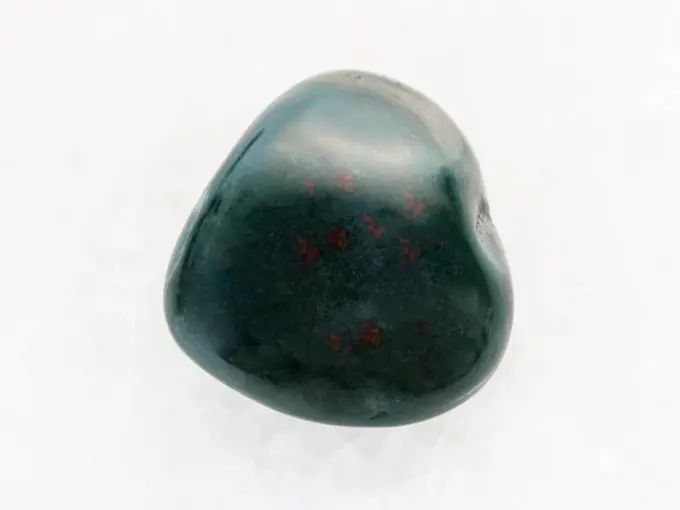
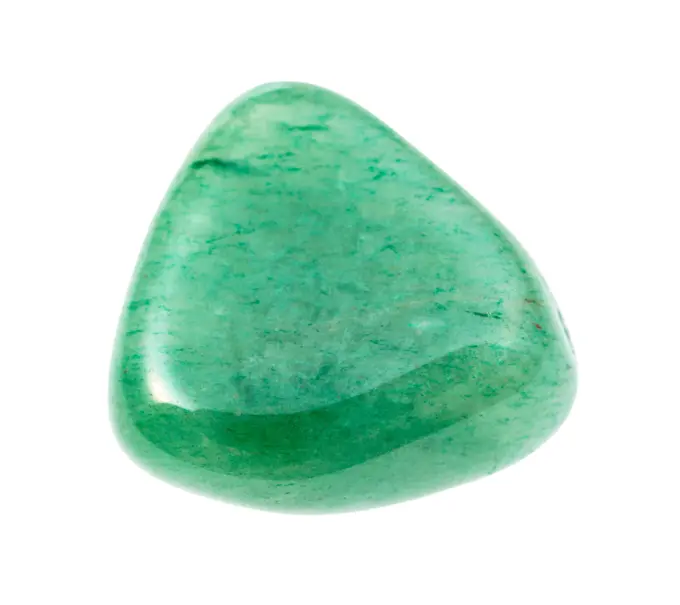
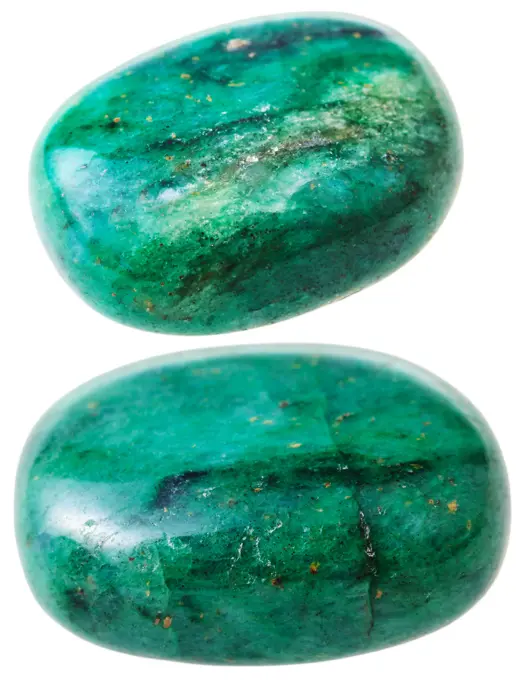
green colored agate gemstone isolated natural mineral gem stone - green colored agate gemstone isolated on white background close up Copyright: xZoonar.com/ValeryxVoennyyx 8548513
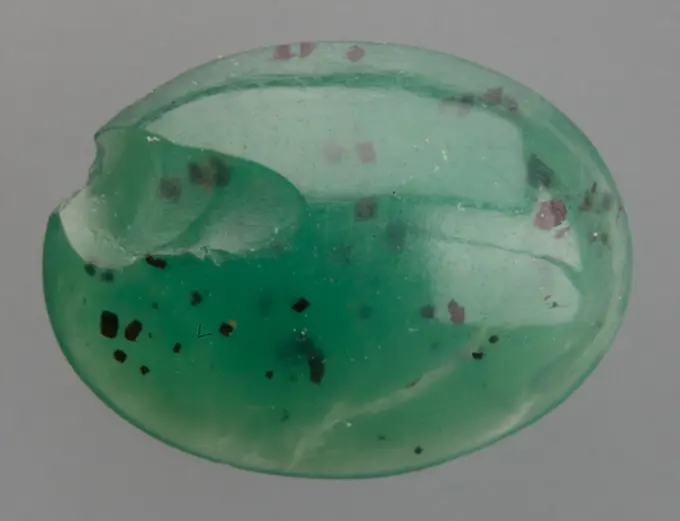
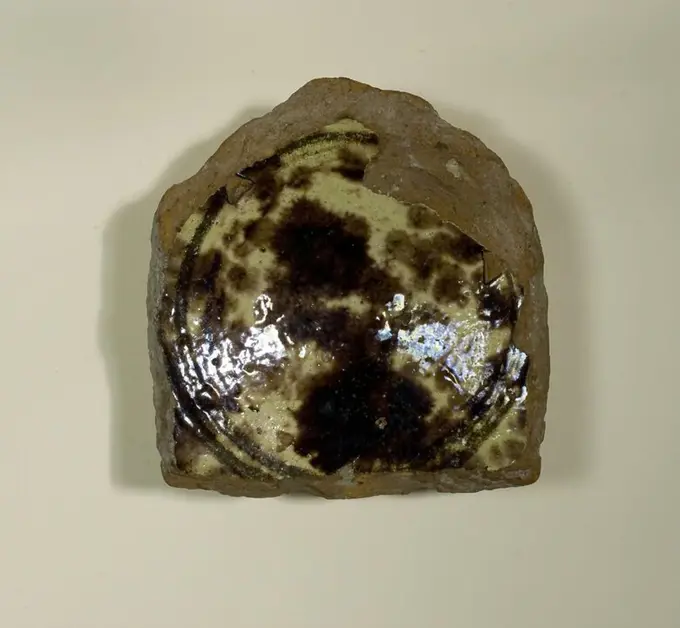
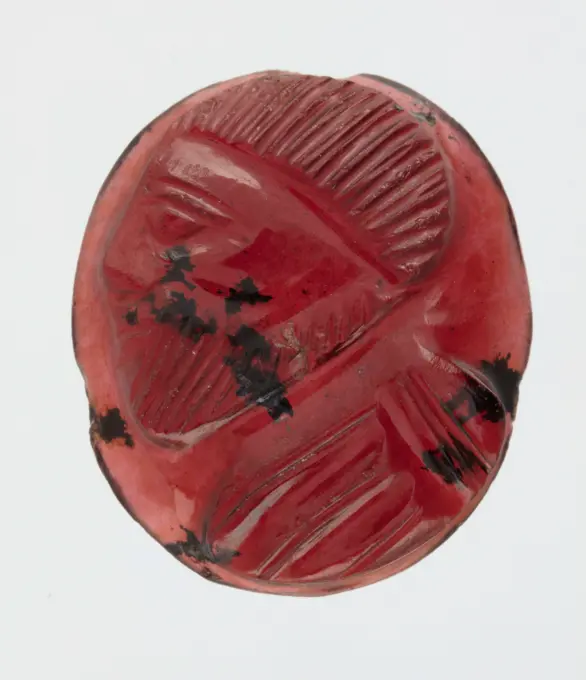
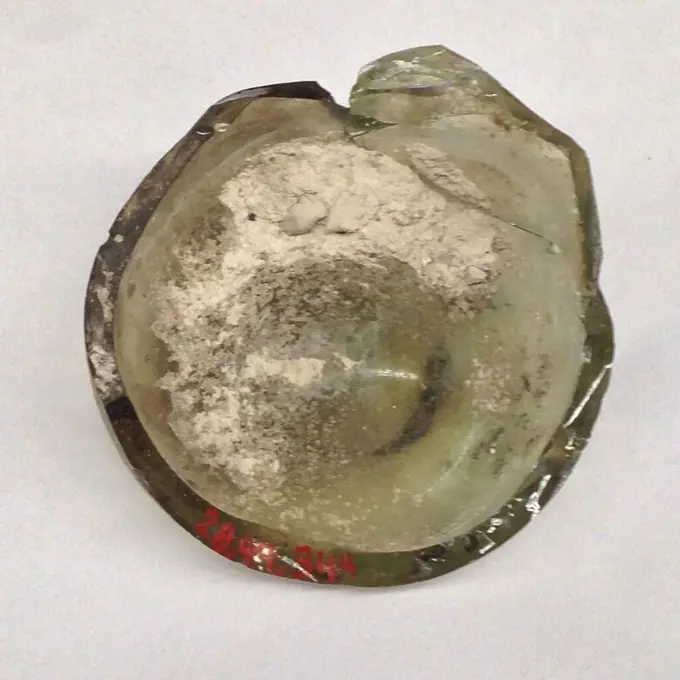
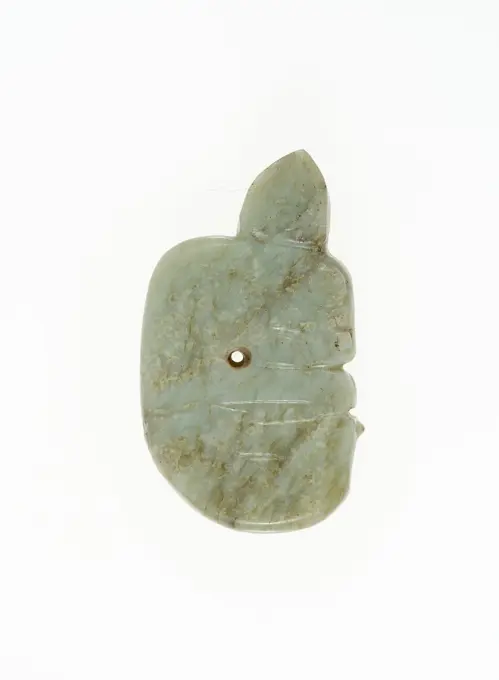
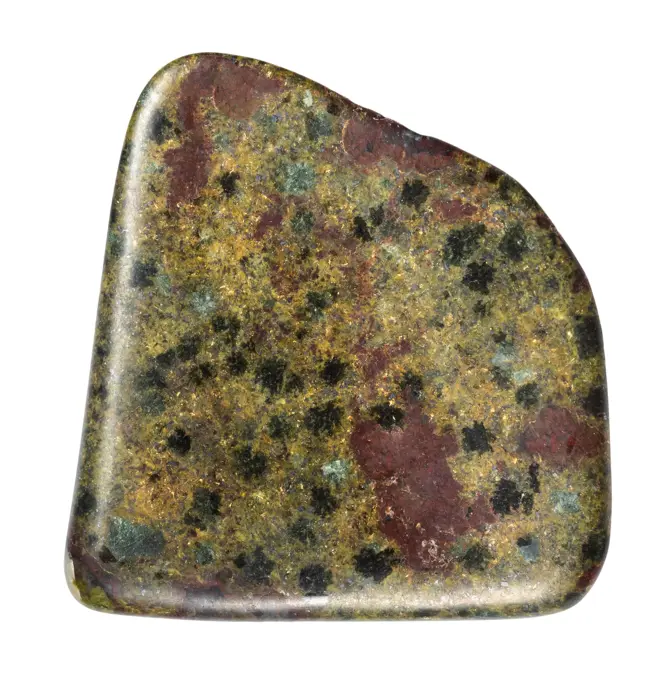
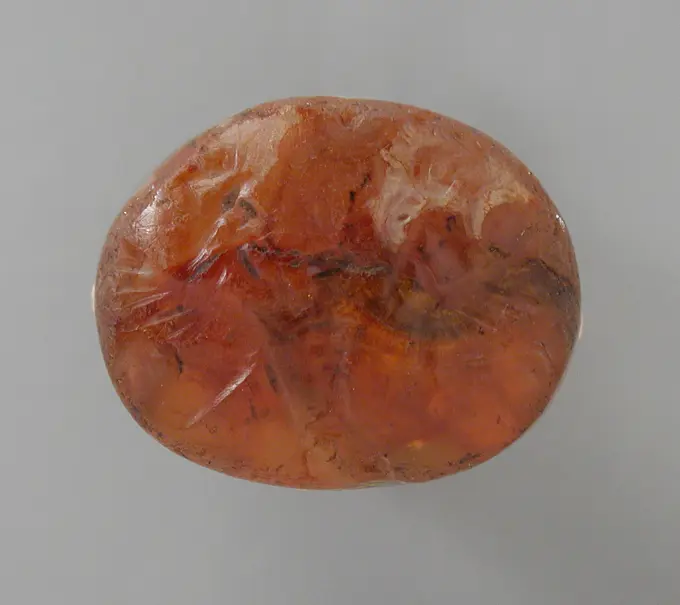
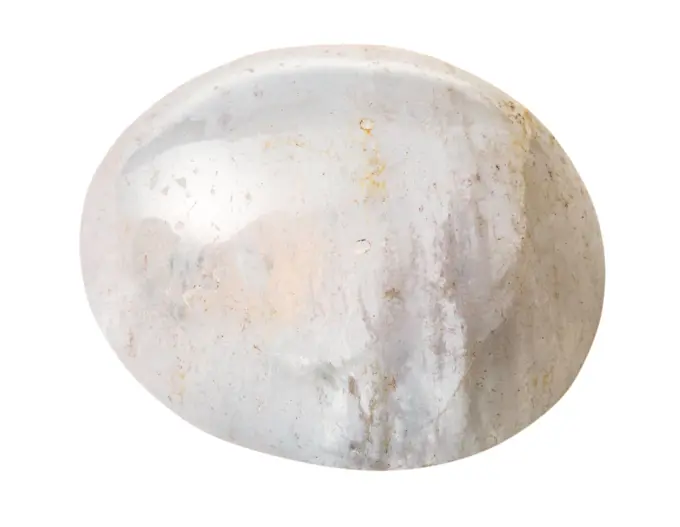
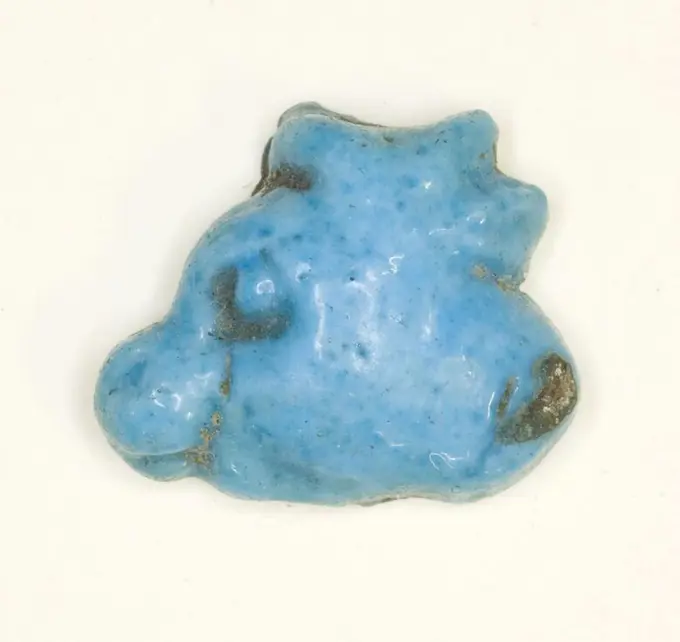
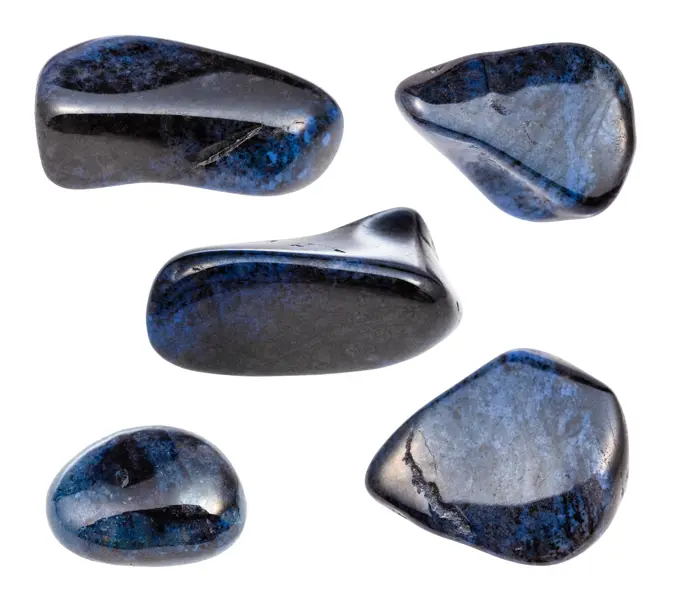
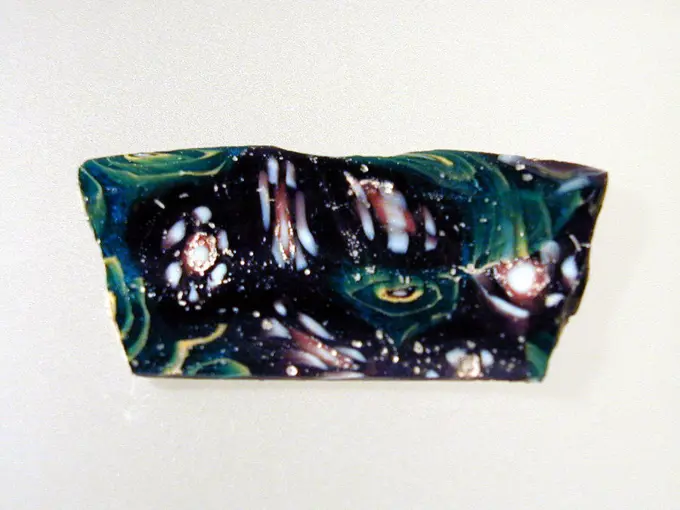
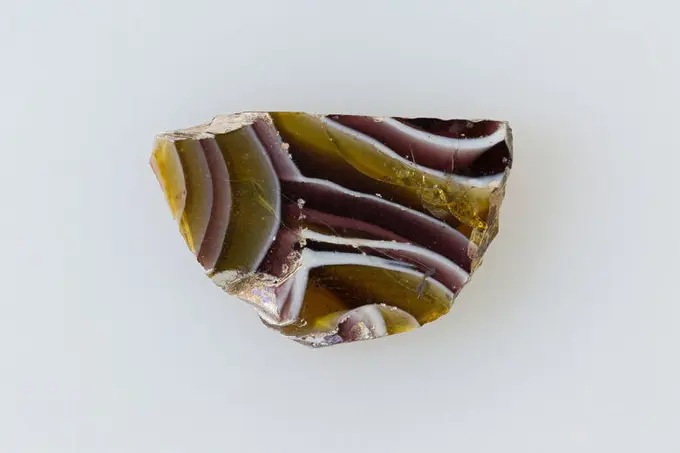
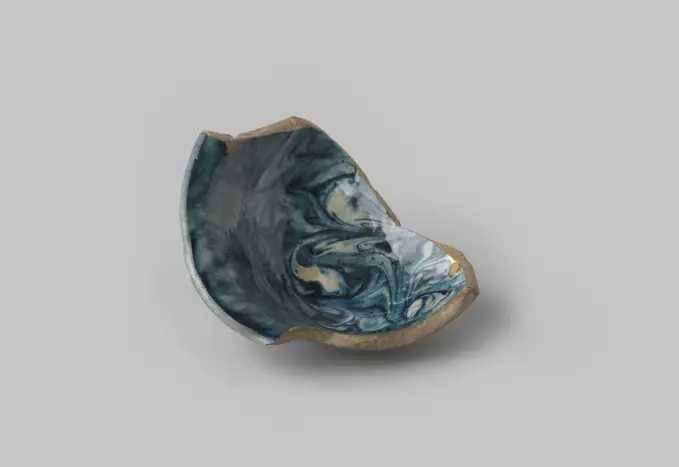
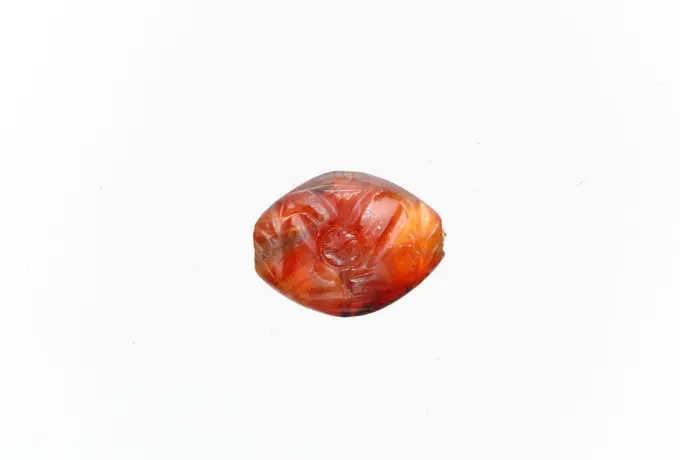
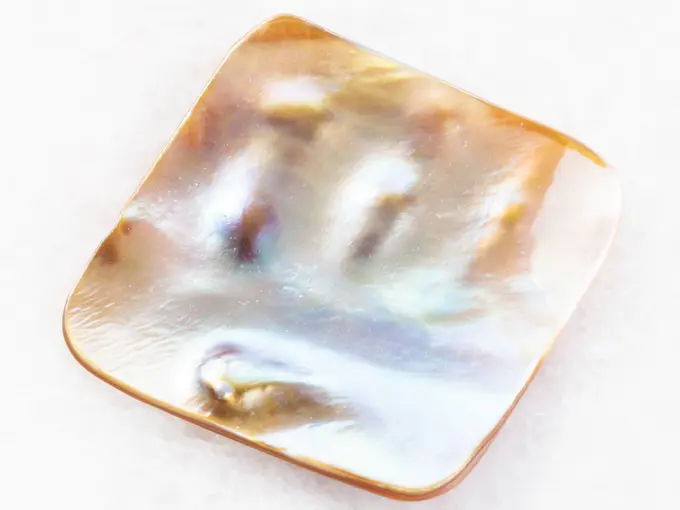
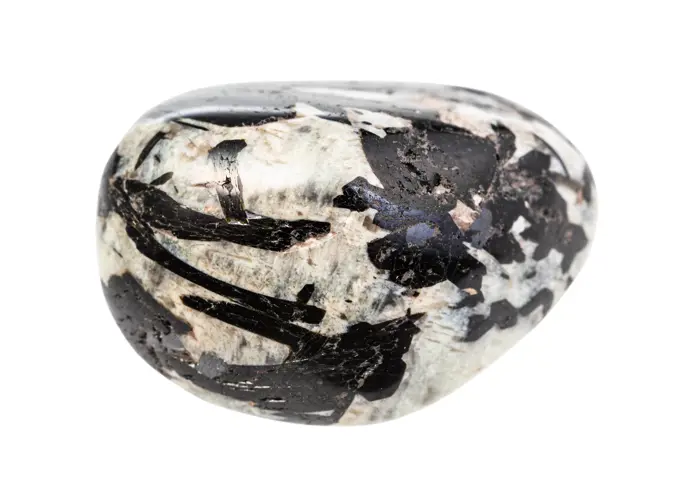
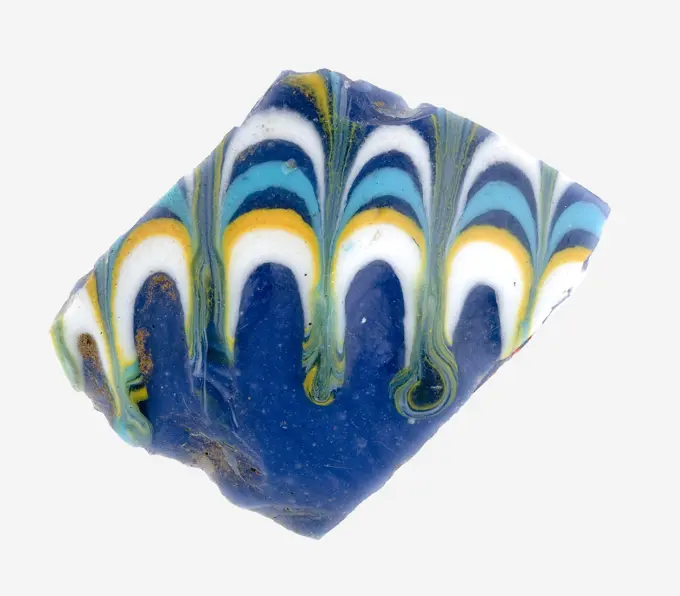
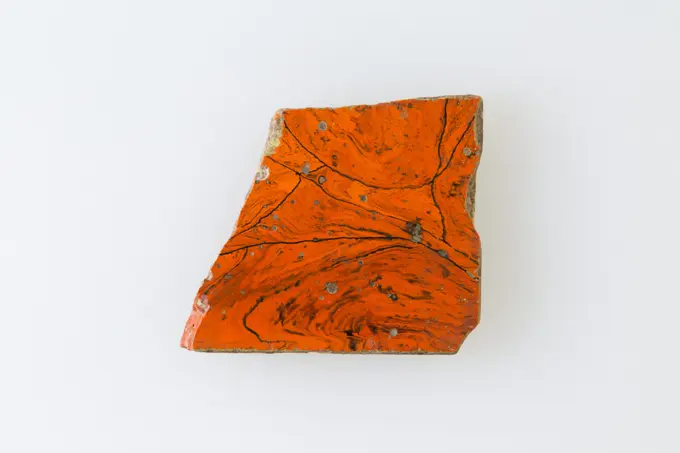
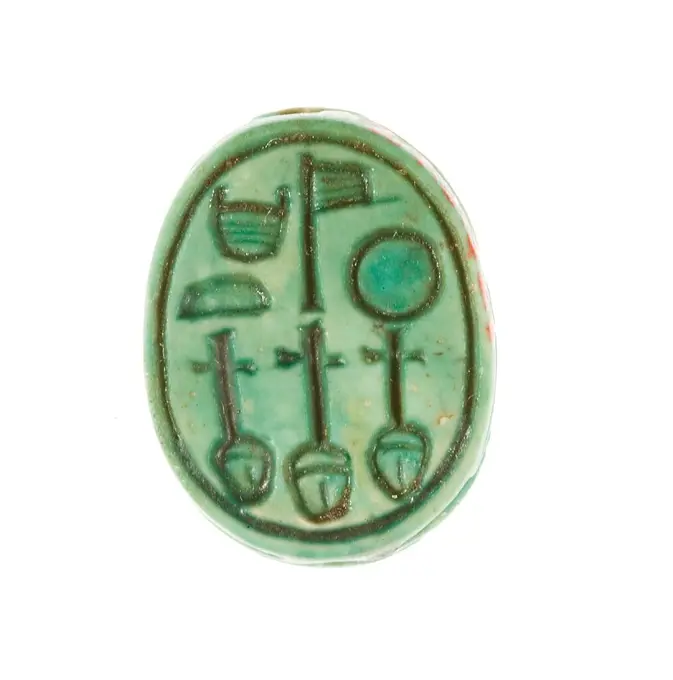
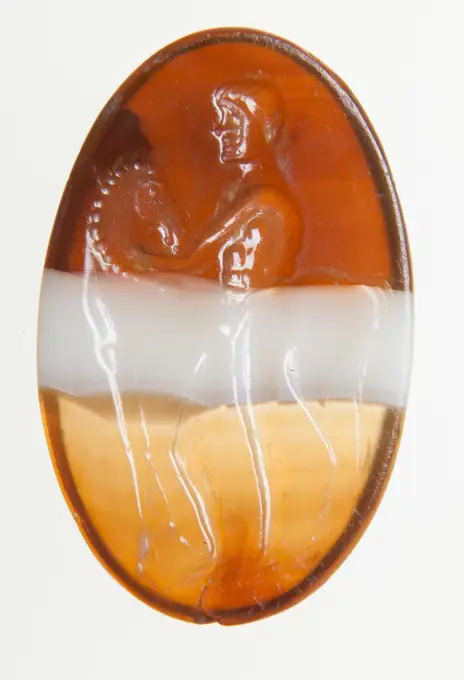
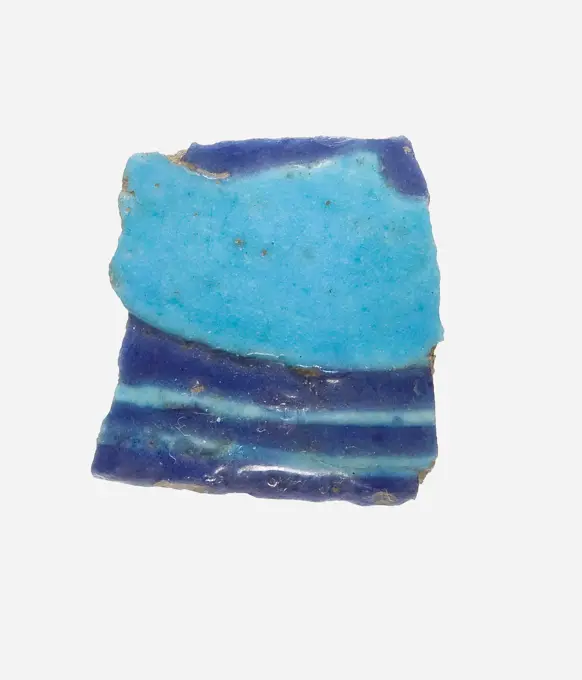
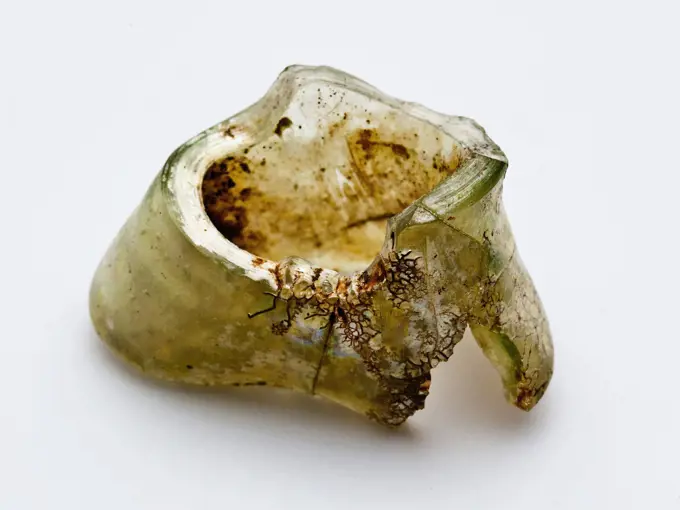
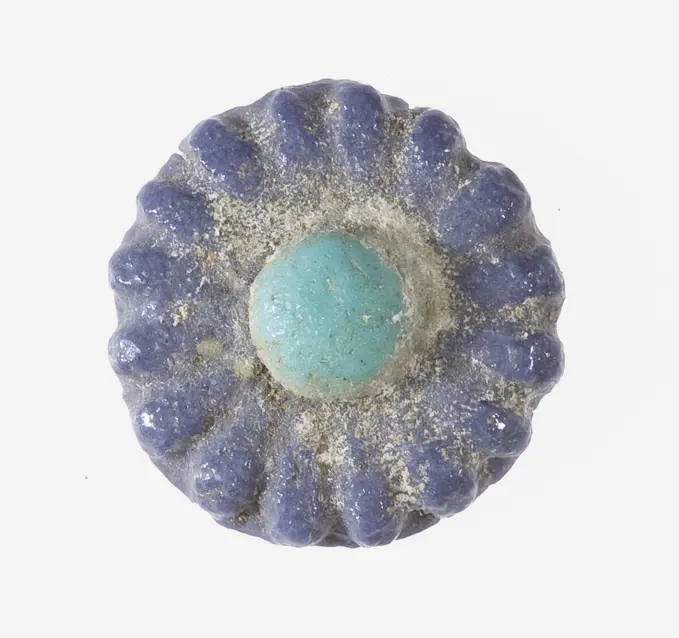
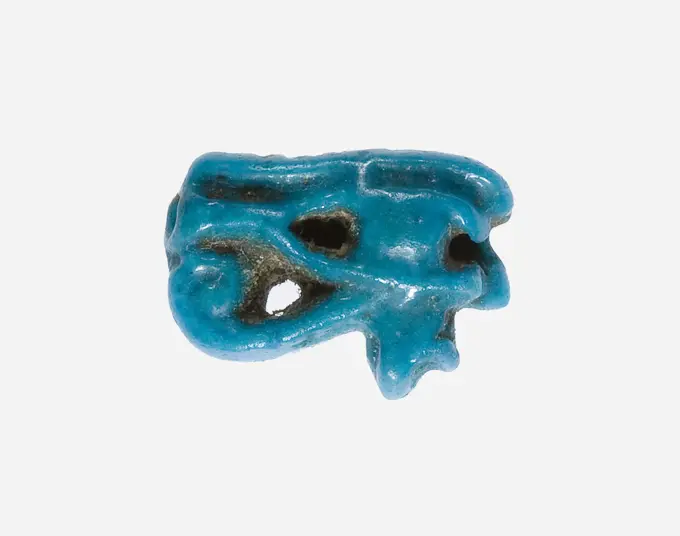
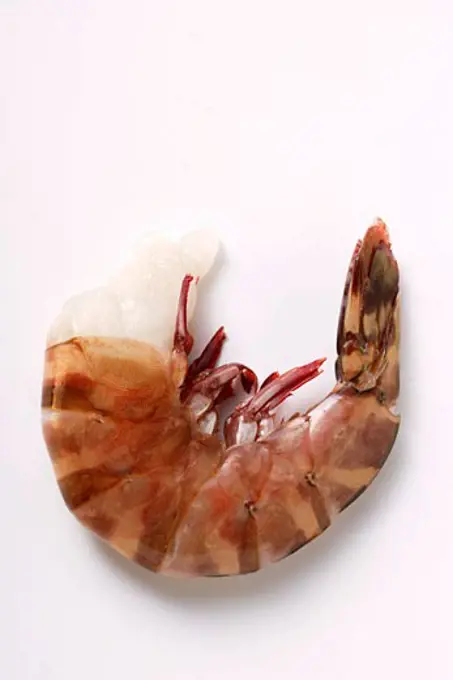
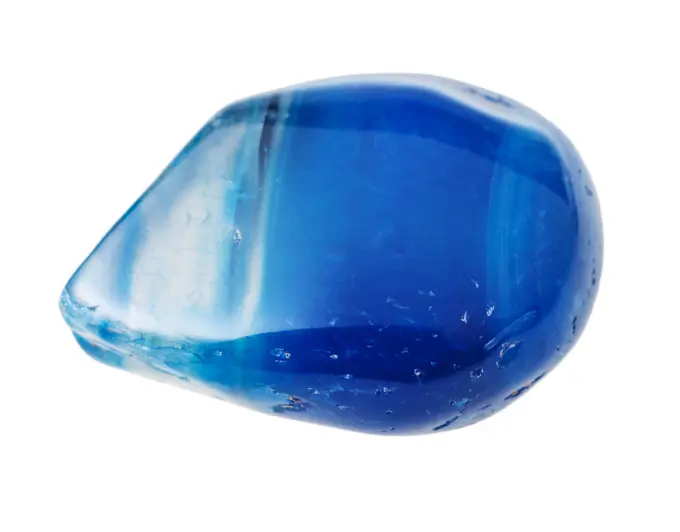
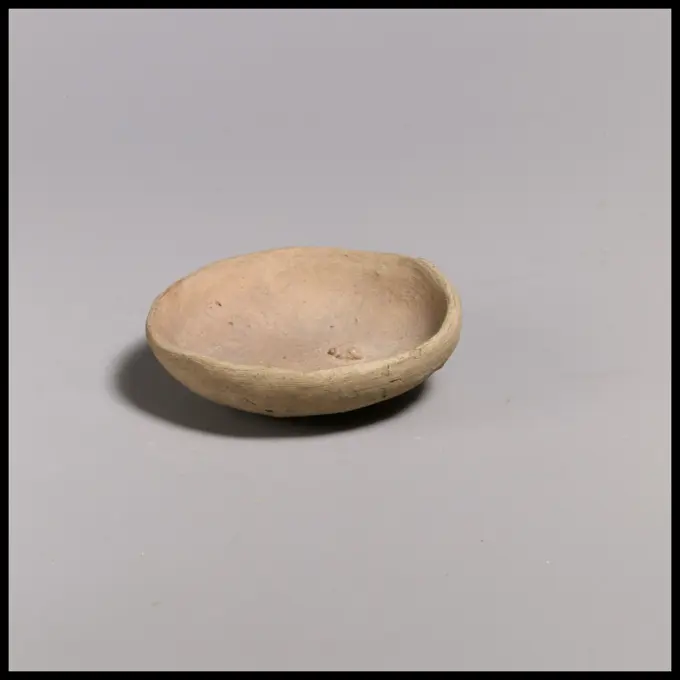
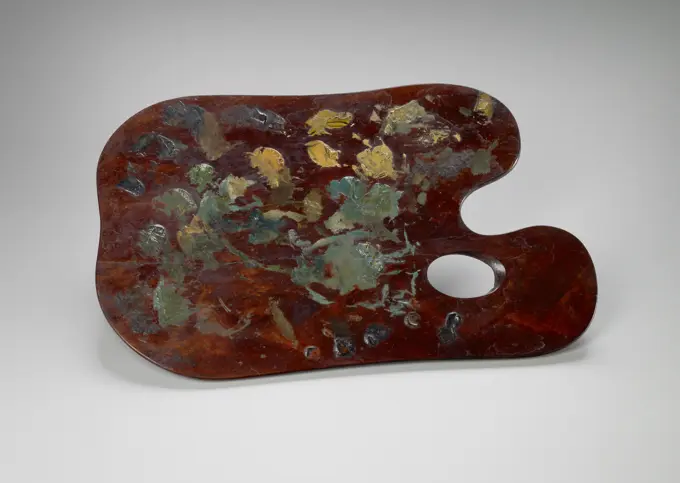
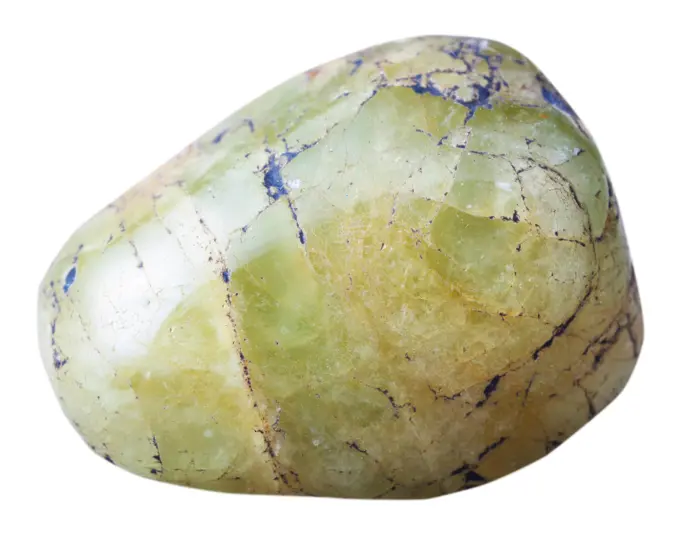
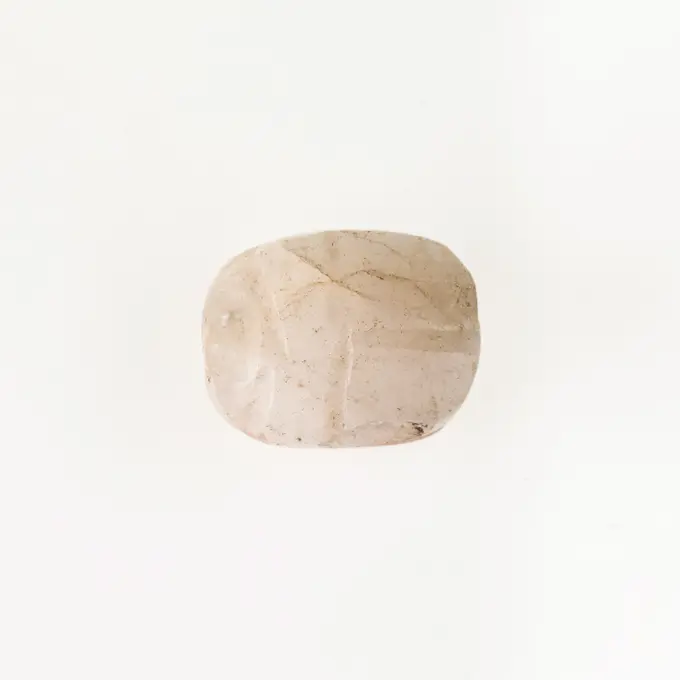
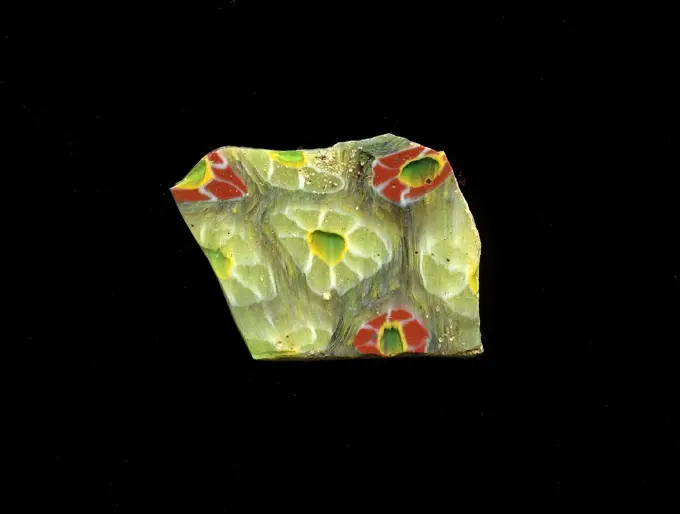
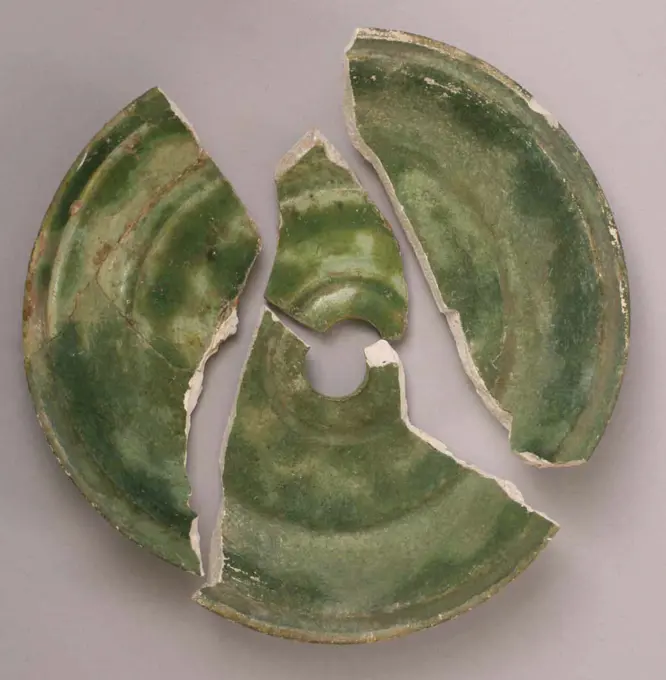
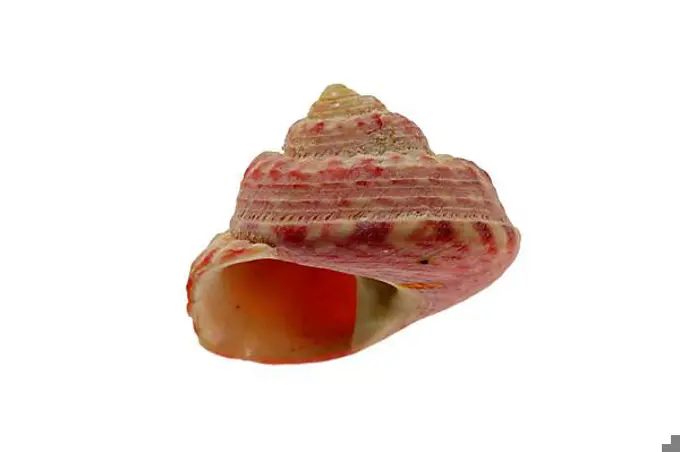
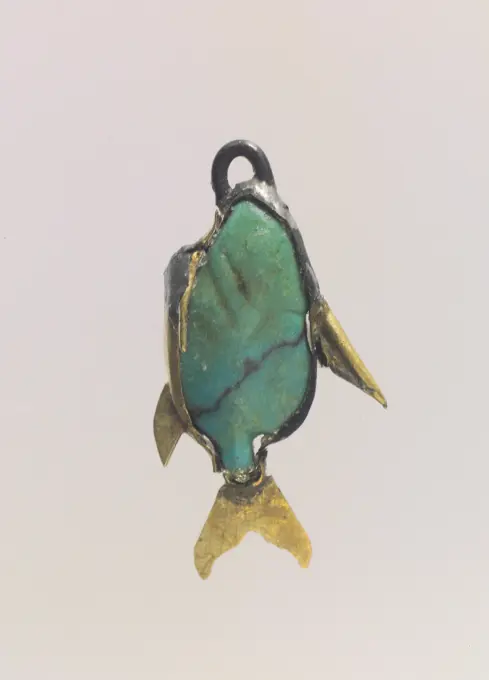
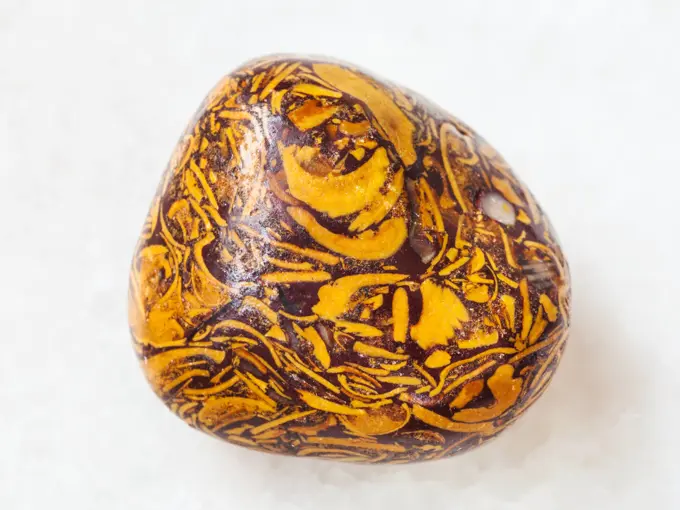
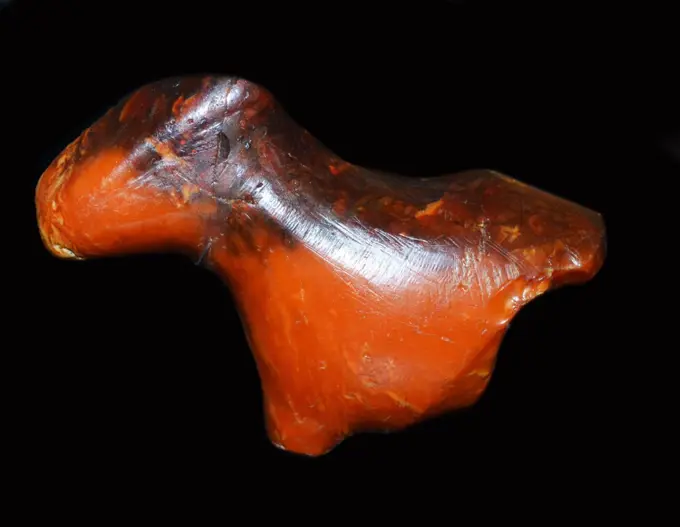
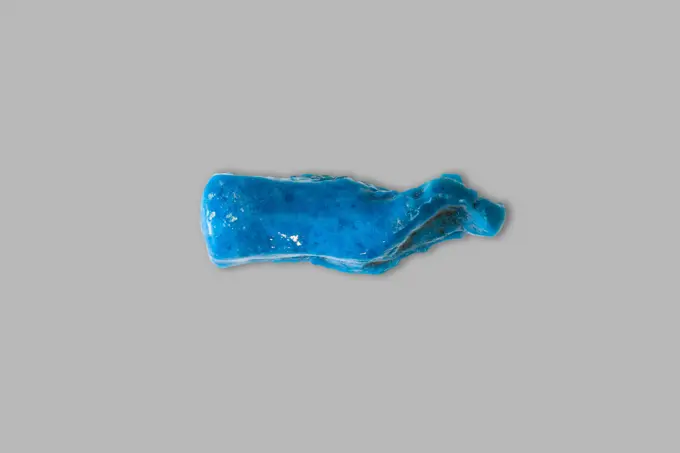
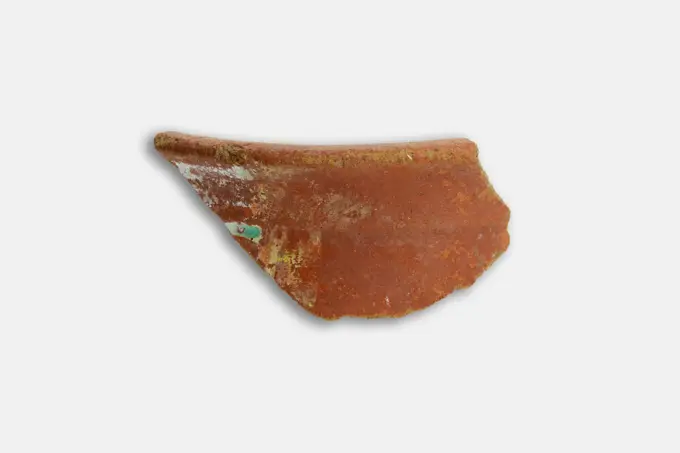
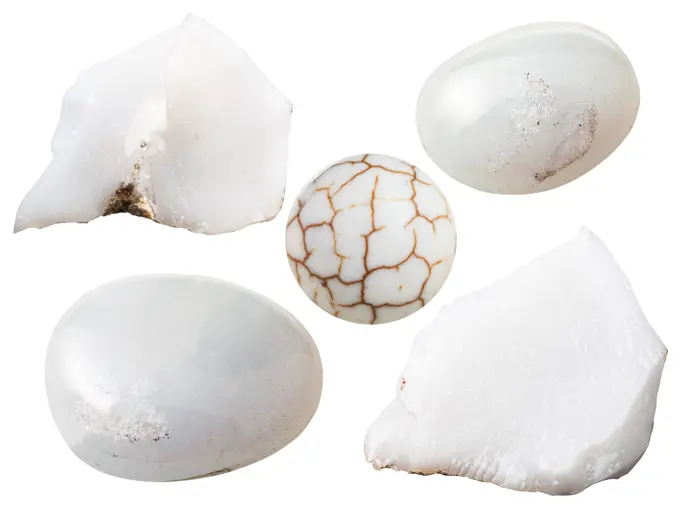
tumbled heliotrope gemstone on white marble macro shooting of natural mineral rock specimen - tumbled heliotrope gemstone on white marble background Copyright: xZoonar.com/ValeryxVoennyyx 11947661closeup of sample of natural mineral from geological collection - polished blue Apatite gemstone isolated on white background. polished blue Apatite gemstone isolated on whiteMeteFragment of a Bowl. Byzantine; Asia Minor, Constantinople. Date: 1201-1400. Dimensions: 2.5 × 7 × 6 cm (1 × 2 3/4 × 2 3/8 in.). Ceramic, sgraffito design. Origin: Istanbul. Museum: The Chicago Art Institute, Chicago, USA.Glass spindle whorl 1st-4th century A.D. Roman Translucent blue green.Uneven top edge, with circular indent at center; conical body with sides expanding downward to flat bottom, with irregular indent to one side.Broken and repaired; pinprick bubbles; dulling, pitting, and some patches of iridescent weathering.. Glass spindle whorl 239915Bliżej Kulturyspecimen of heliotrope bloodstone gemstone natural mineral gem stone - specimen of heliotrope bloodstone gemstone isolated on white background close up Copyright: xZoonar.com/ValeryxVoennyyx 8547677green colored agate gemstone isolated natural mineral gem stone - green colored agate gemstone isolated on white background close up Copyright: xZoonar.com/ValeryxVoennyyx 8548513Stamp seal with scene of adoration of divine symbols. unknown Neobabylonian workshop, workshopFragment of a rib shell. The curvature of the glass fragment and the four outweight ribs allow assignment to a rib shell. The vessel consisted of brown, translucent glass with irregular round inserts in white and yellow. For the production, different colored glasses were shaped to tubes and rods. These were compressed and heated, causing a long bar. The glass sliced now had different amorphous or floral patterns. Thereafter, several of these platelets were folded together, heated again and pressed into the vascular shape. Burry for the elaborate manufacturing process and its fragility was one of the luxury articles of antiquity.closeup of sample of natural mineral from geological collection - tumbled Prehnite gem isolated on white background. tumbled Prehnite gem isolated on whiteDisk 30 B.C.-A.D. 364 Roman Period. Disk 551067Ametrine Stone Against White BackgroundSpesFragment. Culture: European or Middle Eastern. Dimensions: Diam. 1 3/4 in. (4.5 cm); L. of greatest fragment 1/4 in. (0.6 cm). Date: ca. 1150-ca. 1250. Museum: Metropolitan Museum of Art, New York, USA.Hare Pendant 1200 BCE-1000 BCE China. Jade .polished epidosite mineral isolated on white close up of sample of natural stone from geological collection - polished epidosite mineral isolated on white background from Karelia Copyright: xZoonar.com/ValeryxVoennyyx 21467276Globen. Plated spherical body, one side of which is inserted.Glass mosaic fragment. Culture: Roman. Dimensions: 1 1/2 × 1 × 1/8 in. (3.8 × 2.5 × 0.3 cm). Date: late 1st century B.C.-early 1st century A.D..Translucent honey yellow, purple, and opaque white.Elongated oval, with ground edges, with convex-curving exterior side; uneven surface to interior.Mosaic pattern formed from sections of two canes: one in a yellow ground with irregular white threads, and the other in a purple ground with parallel lines of white threads.Polished exterior and edges, with some pitting of surface bubbles; pitting, dulling, and some iridescence on interior.Possibly ground down from a vessel. Museum: Metropolitan Museum of Art, New York, USA.Stamp Seal. West Asia, Achaemenid Period, 6th-late 4th century B.C.. Tools and Equipment; seals. Jaspertumbled Leopardskin Jasper Jaguar Stoner gem macro shooting of natural mineral stone - tumbled Leopard skin Jasper Jaguar Stone, Orbicular Jasper gemstone from Madagascar isolated on white background Copyright: xZoonar.com/ValeryxVoennyyx 9078397tumbled Azurite chessylite gem stone isolated closeup of sample of natural mineral from geological collection - tumbled Azurite chessylite gem stone isolated on white background Copyright: xZoonar.com/ValeryxVoennyyx 14990289Vase fragment Roman, Gaul Inscribed.. Vase fragment. Roman, Gaul. Terracotta. Vasesone White Agate gem stone isolated natural mineral gemstone - one White Agate gem stone isolated on white background close up Copyright: xZoonar.com/ValeryxVoennyyx 8555296Foundation Deposit: Ox Head. Egyptian. Date: 1500 BC-1068 BC. Dimensions: 1.9 x 1.6 x 0.3 cm (3/4 x 5/8 x 1/8 in.). Faience. Origin: Egypt. Museum: The Chicago Art Institute, Chicago, USA. Author: Ancient Egyptian.set of various Dumortierite gemstones isolated set of various Dumortierite gemstones isolated on white background Copyright: xZoonar.com/ValeryxVoennyyx 15151303tumbled Ox s eye gemstone on white macro shooting of natural mineral rock specimen - tumbled Ox s eye gemstone on white marble background from South Africa Copyright: xZoonar.com/ValeryxVoennyyx 11951153macro shooting of natural mineral stone - polished Mariam Stone (Mariam Jasper, Mariyam Jasper, Mariyam Agate, Script stone) gemstone from India isolated on white backgroundAttic Black-Figure Neck Amphora Fragment. UnknownGlass mosaic carinated dish fragment late 1st century B.C.-early 1st century A.D. Roman Rim fragment.Translucent deep purple, turquoise blue, partially mixed with yellow and appearing green, opaque white, yellow, and brick red.Outsplayed, almost horizontal rim with rounded edge; carinated side, with two deep convex curves, the upper one narrow.Composite mosaic pattern formed from polygonal sections of two canes: one in a purple ground with a circle of white dots and a central white rod encircled by red; the second in a blue ground with a yellow spiral and a central white rod encircled by purple.Polished interior; pitting and creamy weathering of surface bubbles on interior; dulling, deep pitting, and iridescent weathering on exterior, edge of rim, and jagged side edges; bottom straight edge unweathered.. Glass mosaic carinated dish fragment 257151Printing block, Medium: wood, copper, brass, One of twenty-one wood blocks showing a different floral motif formed by metal strips set in wood., USA, 1825-50, appliances & tools, Printing blockFortuna. Fragment of the edge of a dish. The hard gray shard is covered with a thick glaze layer from dark blue, nuanced to hot green. Decorated with lines and inscriptions in green black, originally metal gloss. The outside is thinner glazed and gray blue.Leaf with a scalloped edge, Anonymous, c. 1400 - c. 1950 Leaf with a scalloped edge, decorated with landscapes and water. See also: BK-NM-6258-A. Northern Netherlands (possibly)Netherlands (possibly) wood (plant material) Leaf with a scalloped edge, decorated with landscapes and water. See also: BK-NM-6258-A. Northern Netherlands (possibly)Netherlands (possibly) wood (plant material)Wall revetment, agate pattern. Dimensions: H. 2.4 × W. 3.6 cm (15/16 × 1 7/16 in.). Date: 200 BC-100 AD.Glass plaques imitating expensive marble or stones were used as wall coverings. Museum: Metropolitan Museum of Art, New York, USA.Excerpt of a foot and edge of a bowl with gray shard and blue and white marbled glaze, anonymous, 1200 - 1899  Italy earthenware  Italy earthenwareSeal. Culture: Minoan, Crete. Dimensions: Other: 1/2 x 5/8 x 1/4 in. (1.2 x 1.7 x 0.7 cm). Museum: Metropolitan Museum of Art, New York, USA.bead from nacre shell on white marble macro shooting of natural mineral rock specimen - bead from nacre shell on white marble background Copyright: xZoonar.com/ValeryxVoennyyx 11947328tumbled green Aventurine gemstone isolated closeup of sample of natural mineral from geological collection - tumbled green Aventurine gemstone isolated on white background Copyright: xZoonar.com/ValeryxVoennyyx 14989504Prehnite gem stone isolated on white closeup of sample of natural mineral from geological collection - Prehnite gem stone isolated on white background Copyright: xZoonar.com/ValeryxVoennyyx 14986166Weight 3rd-1st millennium B.C.. Weight 321510Aegirine in polished Microcline rock isolated closeup of sample of natural mineral from geological collection - black Aegirine in polished Microcline rock isolated on white background Copyright: xZoonar.com/ValeryxVoennyyx 14986964macro shooting of natural mineral stone - polished turritella agate (jasper) from Madagascar gemstone isolated on white backgroundShoulder Fragment of a Vase with Festoon Pattern ca. 1390-1353 B.C. New Kingdom. Shoulder Fragment of a Vase with Festoon Pattern. ca. 1390-1353 B.C.. Glass. New Kingdom. From Egypt, Upper Egypt, Thebes, Malqata, Palace of Amenhotep III, factories, MMA excavations, 1910-12. Dynasty 18one snowflake obsidian gemstone isolated natural mineral gem stone - one snowflake obsidian gemstone isolated on white background close up Copyright: xZoonar.com/ValeryxVoennyyx 8547680Wall revetment fragment, marbled pattern 100 BC-100 AD Ptolemaic Period-Roman Period Glass plaques imitating expensive marble or stones were used as wall coverings.. Wall revetment fragment, marbled pattern. 100 BC-100 AD. Glass. Ptolemaic Period-Roman Period. From Egypttwo green beryl gemstone pebbles isolated natural mineral gem stone - two green beryl gemstone pebbles isolated on white background close up Copyright: xZoonar.com/ValeryxVoennyyx 8554362Fragment Come from V.O.C. ship De 'Witte Leeuw', Before 1613 bowl Fragment come from V.O.C. ship De 'Witte Leeuw'.  porcelain   Sint-HelenaOjime 19th century Japan. Ojime. Japan. 19th century. Edo period (1615-1868). OjimeStone in the water on a white backgroundWeight 3rd-1st millennium B.C.. Weight. 3rd-1st millennium B.C.. Hematite. Cyprus or Western AsiaScarab Inscribed for the God's Wife Neferure. Dimensions: L. 1.5 cm (9/16 in); w. 1.2 cm (1/2 in); h. 0.6 cm (1/4 in). Dynasty: Dynasty 18. Reign: Joint reign of Hatshepsut and Thutmose III. Date: ca. 1479-1458 B.C.. Museum: Metropolitan Museum of Art, New York, USA.A young man: one of the DioscuriDate Pendant. Dimensions: H. 1.6 cm (5/8 in.); W. 0.5 cm (3/16 in.); Th. 0.3 cm (1/8 in.). Dynasty: Dynasty 18. Reign: reign of Amenhotep III. Date: ca. 1390-1353 B.C.. Museum: Metropolitan Museum of Art, New York, USA.Glass mosaic bowl fragment. Culture: Roman. Dimensions: 1 5/16 × 2 1/8 × 1/8 in. (3.3 × 5.4 × 0.3 cm)Estimated diameter 3 15/16 in. (10 cm). Date: late 1st century B.C.-early 1st century A.D..Translucent blue green appearing green, opaque yellow and white.Vertical rim, slightly beveled inward; vertical, slightly concave curving side.Mosaic pattern formed from sections of a single cane in a blue green ground with random yellow rods. A blue green network cane wound spirally with thin white threads is attached as a rim.Polished exterior and rim, leaving only traces of the spiral threads, and one straight edge ground flat; pitting of surface bubbles on exterior; dulling, slight pitting, and creamy weathering and iridescence on interior; weathering on one jagged edge. Museum: Metropolitan Museum of Art, New York, USA.Scarab Inscribed for the God's Wife Neferure ca. 1479-1458 B.C. New Kingdom. Scarab Inscribed for the God's Wife Neferure. ca. 1479-1458 B.C.. Steatite (glazed). New Kingdom. From Egypt, Upper Egypt, Thebes, Deir el-Bahri, Temple of Hatshepsut, Foundation Deposit 9 (I), MMA excavations, 1926-27. Dynasty 18tumbled Turritella Agate gemstone on dark macro shooting of natural mineral rock specimen - tumbled Turritella Agate gemstone on dark granite background from Wyoming, USA Copyright: xZoonar.com/ValeryxVoennyyx 11380313Fragment of Vase ca. 1390-1353 B.C. New Kingdom. Fragment of Vase. ca. 1390-1353 B.C.. Faience. New Kingdom. From Egypt, Upper Egypt, Thebes, Malqata, Palace of Amenhotep III, MMA excavations, 1910-12. Dynasty 18Two neck fragments of bottle, green and blue glass, bottle holder soil find glass, free blown Neck fragments of bottles. Fragment of green tinted glass with pleated upper edge so that pouring lip is formed. Affected by iridescent and flaking. One fragment of blue glass. Heavy. Conical in form archeology Valckensteyn Poortugaal Albrandswaard serving serve adornment before serving Soil discovery: castle Valckensteyn in Poortugaal now Albrandswaard 1961-1962.Polishing Stone (pulidor) before 16th century Mexican. Polishing Stone (pulidor) 317038polished Dumortierite rock on white marble closeup of sample of natural mineral from geological collection - polished Dumortierite rock on white marble background from Mozambique Copyright: xZoonar.com/ValeryxVoennyyx 16070147Arrowhead Japan. Arrowhead. Japan. Sandstone, chert or flint. Late Jmon period (ca. 1500-1000 B.C.). StoneAmygdaloid engraved prism. UnknownDaisy Pendant ca. 1390-1353 B.C. New Kingdom. Daisy Pendant. ca. 1390-1353 B.C.. Faience. New Kingdom. From Egypt, Upper Egypt, Thebes, Malqata, Palace of Amenhotep III, MMA excavations, 1910-11. Dynasty 18Wedjat Eye Amulet ca. 1390-1353 B.C. New Kingdom One of the most popular amulets in ancient Egypt, the wedjat eye represents the healed eye of the god Horus. It depicts a combination of a human and a falcon eye, since Horus was often associated with a falcon. Its ancient Egyptian name, wedjat, means "the one that is sound (again)." In Egyptian mythology Horus eye was injured or stolen by the god Seth and then restored by Thoth. The wedjat eye embodies healing power and symbolizes rebirth. An amulet in this shape was thought to protect its wearer and to transfer the power of regeneration onto him or her. This particular wedjat eye shows the typical style of the New Kingdom, in which the spiral element sits directly underneath the cosmetic line, while in later examples it is situated much lower (see for example 89.2.415). On the backside of the piece is a nfr-sign, the hieroglyph for "good" or "beautiful.". Wedjat Eye Amulet. ca. 1390-1353 B.C.. Faience. New Kingdom. From Egypt, Upper ENutmeg Grater. Marked GP; London, England. Date: 1775-1786. Dimensions: 4.5 x 2.5 cm (1 3/4 x 1 in.). Silver and iron. Origin: London. Museum: The Chicago Art Institute, Chicago, USA.Umbel Pendant ca. 1390-1353 B.C. New Kingdom. Umbel Pendant. ca. 1390-1353 B.C.. Faience. New Kingdom. From Egypt, Upper Egypt, Thebes, Malqata, Palace of Amenhotep III, MMA excavations, 1910-11. Dynasty 18tumbled Datolite stone isolated macro shooting of specimen of natural mineral - tumbled Datolite stone isolated on white background Copyright: xZoonar.com/ValeryxVoennyyx 9926955Mosaic Glass Fragments from a Vessel 4th-early 5th century Coptic Mosaic glass was one of the most highly valued types of luxury glass in the ancient world. It takes its name from the way in which vessels are formed from a mosaic of rods (monochrome segments of glass) and cones (slender rods bundled and fused to form polychrome designs).Between 1907 and 1909, the Metropolitan Museum excavated at Ain et-Turba in the Kharga Oasis. Excavators found large numbers of glass fragments, many of high quality and expensive manufacture.. Mosaic Glass Fragments from a Vessel 477124Bowl with Base, 18th century, Jade, China, 18th centuryVase fragment Minoan. Vase fragment 247815King prawn without headBlue toned agate gemstone isolated natural mineral gem stone - Blue toned agate gemstone isolated on white background close up Copyright: xZoonar.com/ValeryxVoennyyx 8548325Apollo with a lyreRound glass bead, red-brown decorated with white and blue stripes, bead bead necklace jewelery clothing accessory clothing soil find glass h 1.1, Round glass bead Decorated with white and brown stripes glass over brown ground archeology Valckensteyn Poortugaal Albrandswaard adornment Valckensteyn Poortugaal.Terracotta saucer ca. 2650-2150 B.C. Helladic Small bowl with no decoration.. Terracotta saucer. Helladic. ca. 2650-2150 B.C.. Terracotta. Early Helladic II. Vasescloseup of sample of natural mineral from geological collection - brown Tiger’s eye gem stone isolated on white background. brown Tiger’s eye gem stone isolated on whitePalette.  Artist, attributed to: John Trumbull, American, 1756-1843 Manufacturer: Unknownpolished Beryl mineral gem stone isolated macro shooting of natural gemstone - polished Beryl mineral gem stone isolated on white background Copyright: xZoonar.com/ValeryxVoennyyx 8877113Mounted Mussel Shell Matchsafe; shell, plated metal; 3 x 6.6 x 1.6 cm (1 3/16 x 2 5/8 x 5/8 in. )Scarab ca. 1981-1550 B.C. Middle Kingdom-Second Intermediate Period. Scarab. ca. 1981-1550 B.C.. Quartz. Middle Kingdom-Second Intermediate Period. From Egypt, Memphite Region, Lisht North, Cemetery, MMA excavationsMosaic glass fragment. The small glass fragment shows on gray-green mottled reason two types of flowers in millefiori technology. Both consist of a green point as center, which is surrounded by yellow, and petals whose contours are white. However, a variety has red, the other delicate green leaves. In Roman times, it used colored, ornamented glass for vessels, mosaics, wall decorations and furniture ornaments. For the production, different colored glasses were shaped to tubes and rods. These were compressed and heated, causing a long bar. The glass sliced now had a wide variety of amorphous or floral patterns.Bead 8th-13th century. Bead 454669black sunflower seed isolated on a white backgroundbeads from natural labradorite stone isolated tangled necklace made of polished pieces of natural labradorite stone isolated on white background Copyright: xZoonar.com/ValeryxVoennyyx 21467030Fragments of a Bowl 8th-9th century. Fragments of a Bowl 448996Painted top shell, Turban top shell (Gibbula magus) sea snail on white backgroundEggplant-shaped bottle. unknown, craftsmanESCARABEO. AMULETO EGIPCIO. Location: EGYPTIAN MUSEUM. KAIRO. EGYPT. KHEPRI DIOS EGIPCIO.tumbled Chrysolite Olivine, Peridot gem stone closeup of sample of natural mineral from geological collection - tumbled Chrysolite Olivine, Peridot gem stone isolated on white background Copyright: xZoonar.com/ValeryxVoennyyx 14989873Ring with a portrait of Stadtholder William V. With the introduction of Neoclassicism in the third quarter of the 18th century, interest in engraved gemstones was revived. Active in the Netherlands were gem engravers who produced various portraits of members of the House of Orange. They were set in rings and presented to individuals who had performed special services for the Dutch royal family. This portrait is an image hollowed out of the stone (intaglio).Jewellery ring isolated on whiteFish Pendant ca. 1878-1749 B.C. Middle Kingdom The loop for suspension at the mouth of the fish shows that it would have hung vertically as a pendant. Its overall shape with a sharp dorsal fin allows to determine that this is a Synodontis batensoda. More detailed pendants confirm this identification. This type of catfish often swims upside down very close to the surface and is hence also called the "upside-down catfish."Link to a blog about upside-down catfishThe Upside-down Catfish. Fish Pendant. ca. 1878-1749 B.C.. Turquoise, gold. Middle Kingdom. From Egypt, Memphite Region, Lisht North, cemetery west of the tomb of Senwosret (758), Pit 847, MMA excavations, 1908-09. late Dynasty 12-early Dynasty 13tumbled Mariam Stone gemstone on white macro shooting of natural mineral rock specimen - tumbled Mariam Stone Mariam Jasper, Mariyam Jasper, Mariyam Agate, Script stone gemstone on white marble background from India Copyright: xZoonar.com/ValeryxVoennyyx 11950292Amber amulet figures sculpted to represent animals hunted in the Danish Stone age 8000 BCHaunch-Shaped Plaque ca. 1153-1147 B.C. New Kingdom, Ramesside Ramesses IV initiated several building projects and sent large expeditions to mining regions and quarries early on in his reign. His plans and ambitions were cut short by his death in the sixth year of his reign, but he had been able to complete and decorate his tomb in the Valley of the Kings. He also began work on a gigantic processional temple in Thebes, in which a number of intact foundation deposits were found with literally hundreds of plaques and other objects, like this plaque in the shape of a foreleg of beef.. Haunch-Shaped Plaque. ca. 1153-1147 B.C.. Faience. New Kingdom, Ramesside. From Egypt, Upper Egypt, Thebes, Asasif, Temple of Ramesses IV, MMA excavations, 1915-16. Dynasty 20Tiny CarnelianDuckDecorated jar fragment ca. 1390-1352 B.C. New Kingdom. Decorated jar fragment. ca. 1390-1352 B.C.. Pottery and ink, paint. New Kingdom. From Egypt, Upper Egypt, Thebes, Malqata, Palace of Amenhotep III, MMA excavations. Dynasty 18set of cacholong milky white opal gemstones set of cacholong milky white opal mineral gemstones isolated on white background close up Copyright: xZoonar.com/ValeryxVoennyyx 8904431set of dumortierite polished gemstones isolated set of dumortierite polished gemstones isolated on white background Copyright: xZoonar.com/VVxVoennyyx 8904439