Natural Gemstones and Ceramics

Close-up shots of gemstones and ancient ceramic fragments, featuring diverse colors and textures on simple backgrounds.

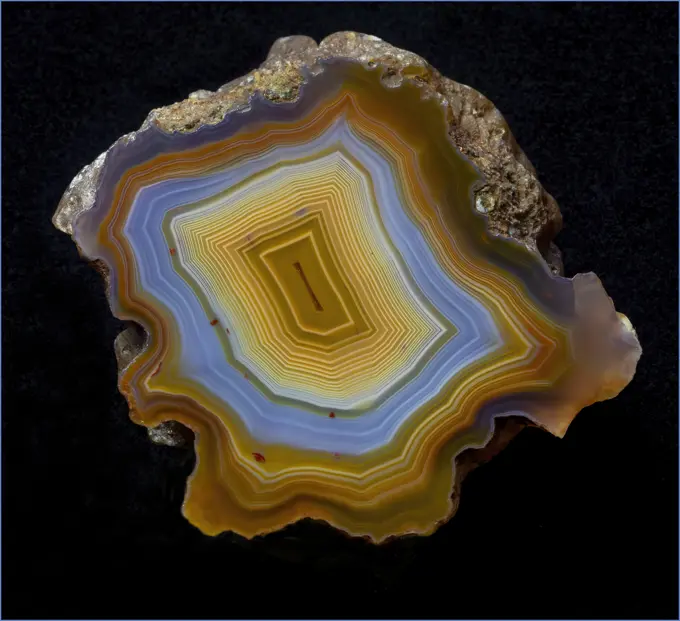
green colored agate gemstone isolated natural mineral gem stone - green colored agate gemstone isolated on white background close up Copyright: xZoonar.com/ValeryxVoennyyx 8548513
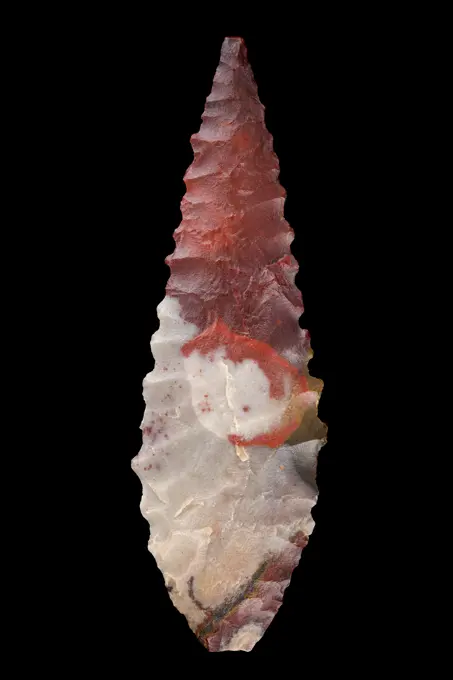
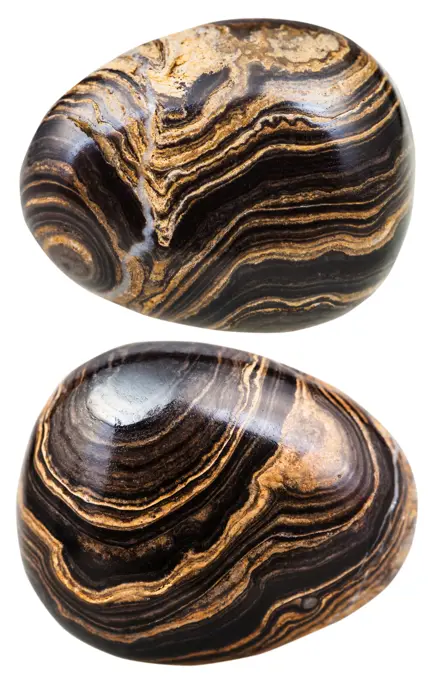
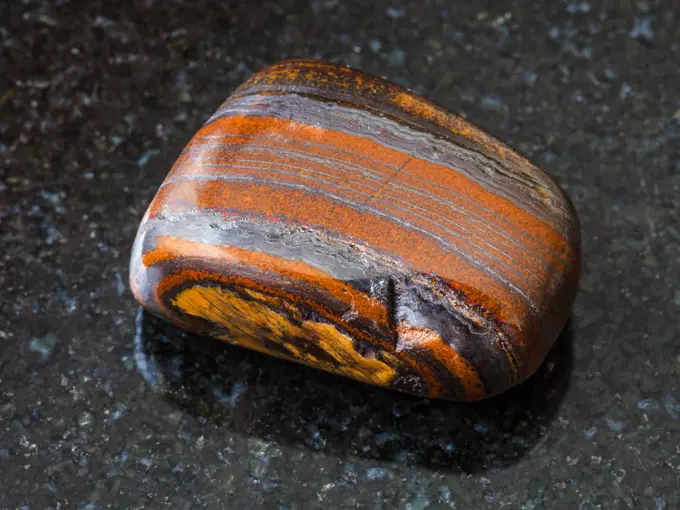
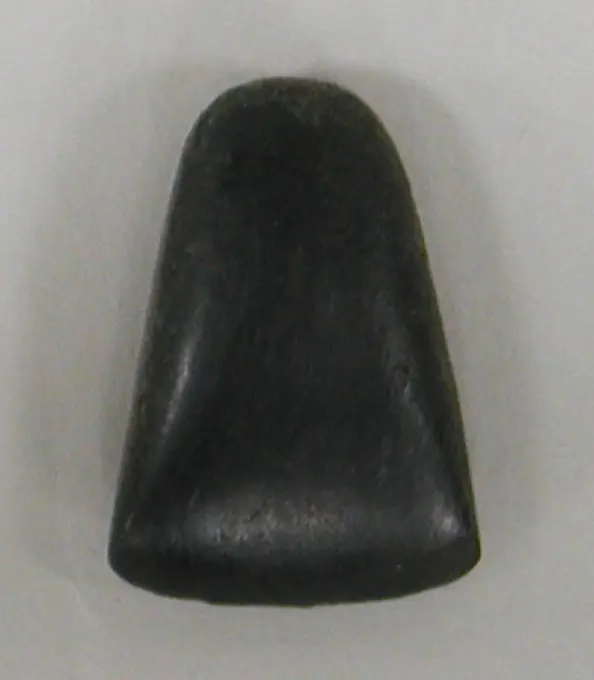
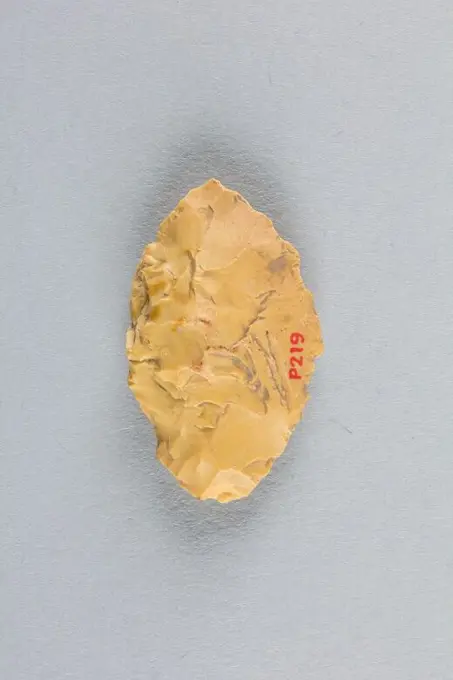
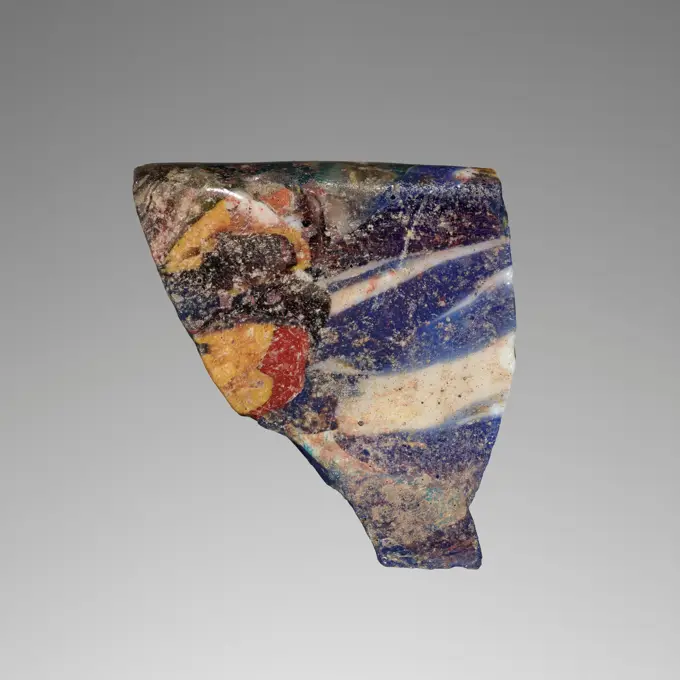
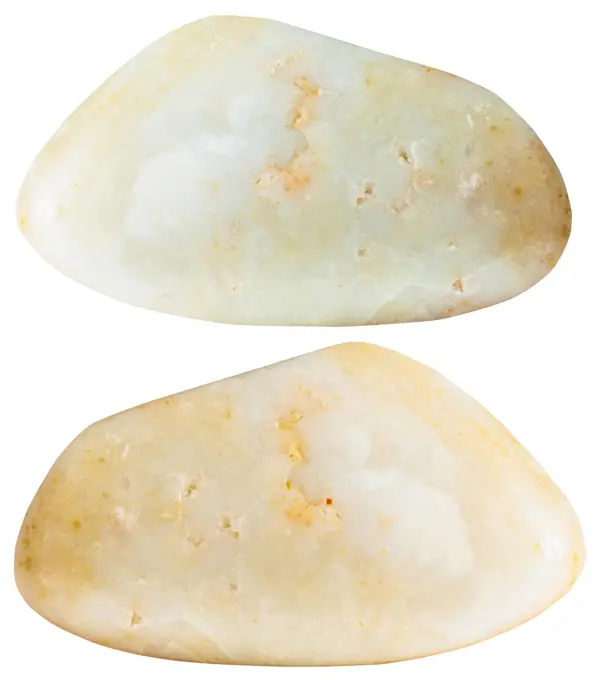
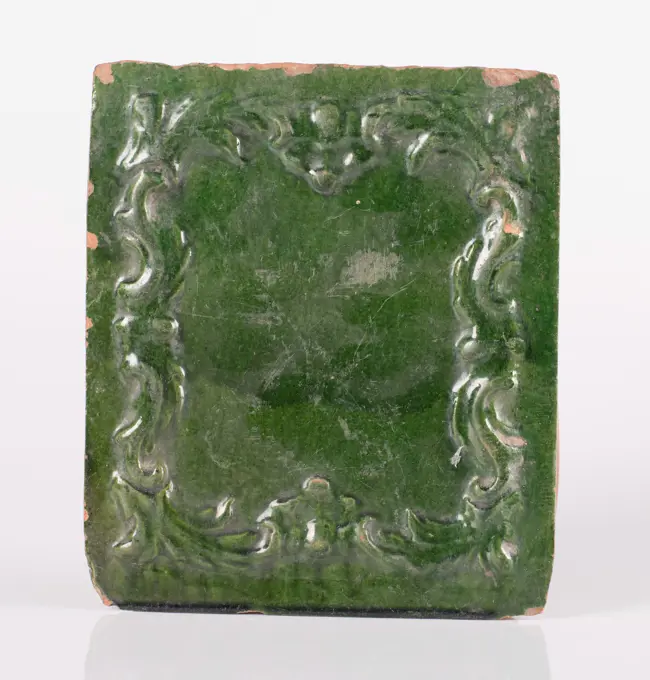
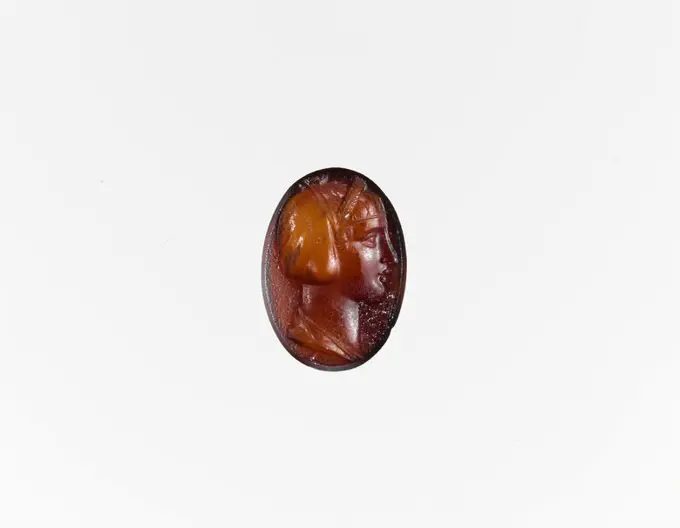
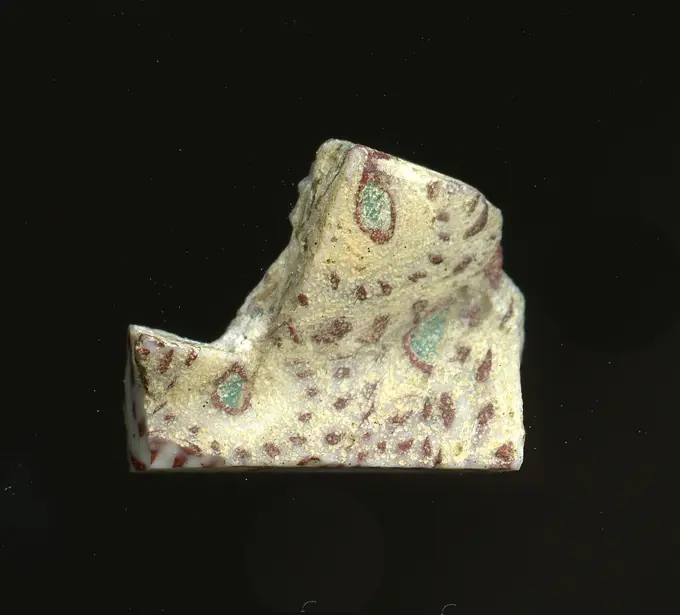
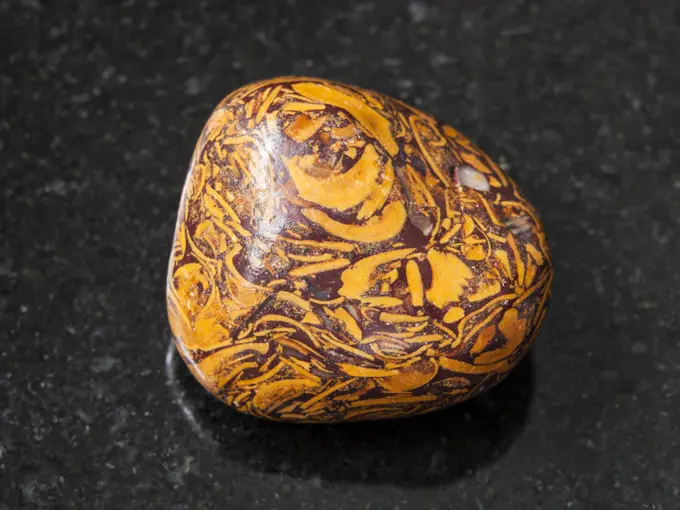
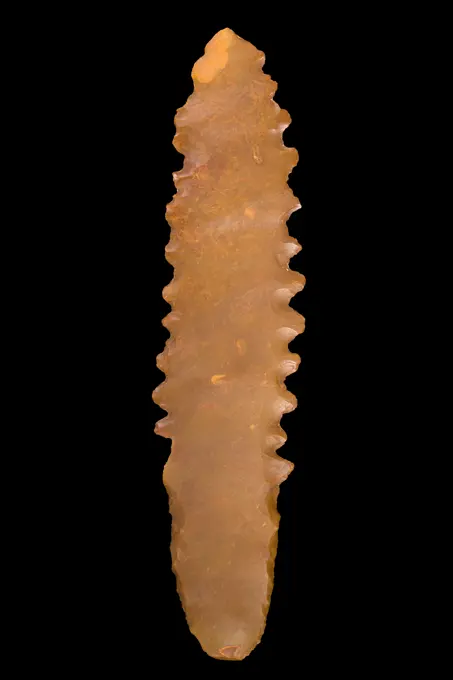
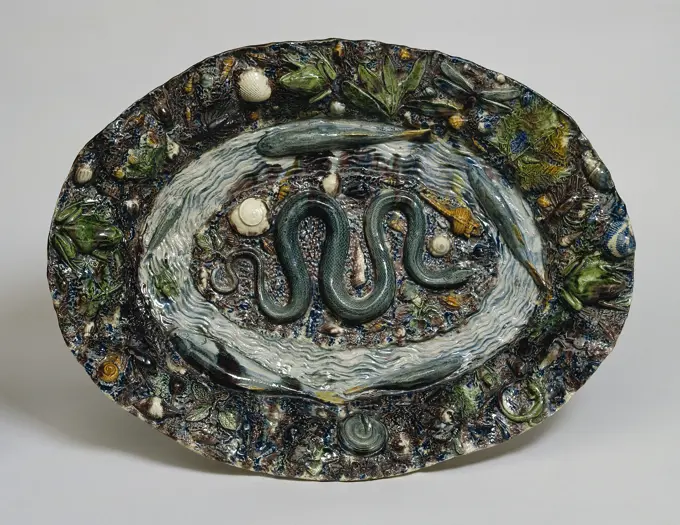
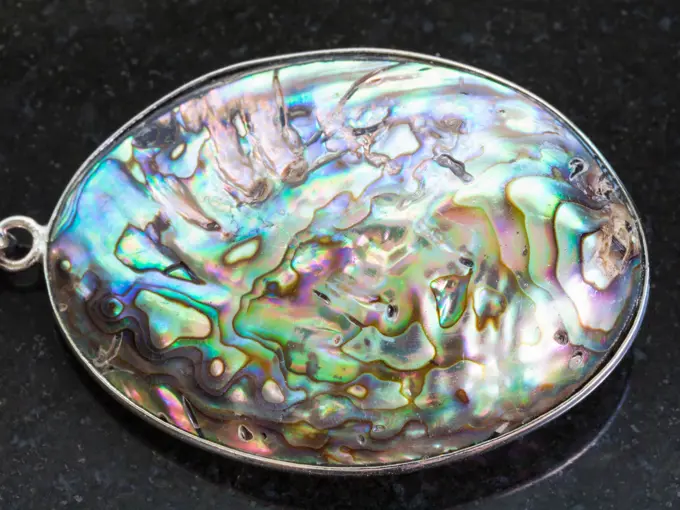
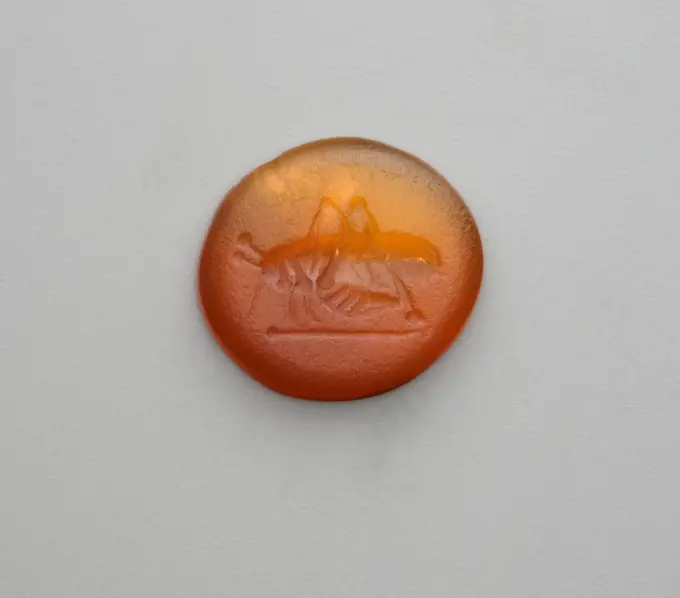
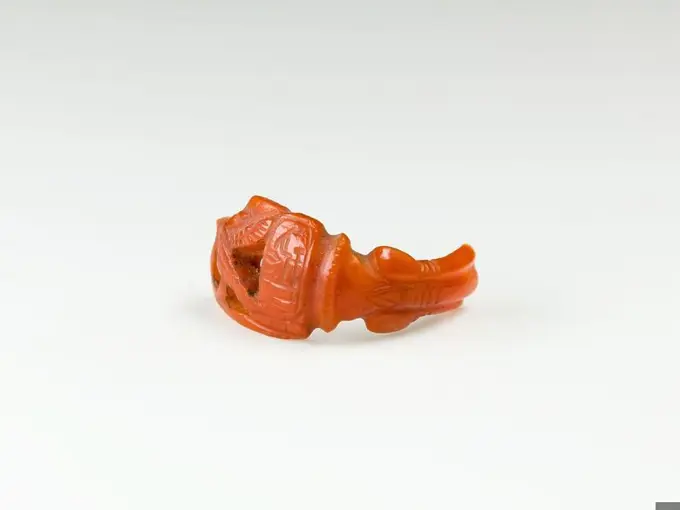
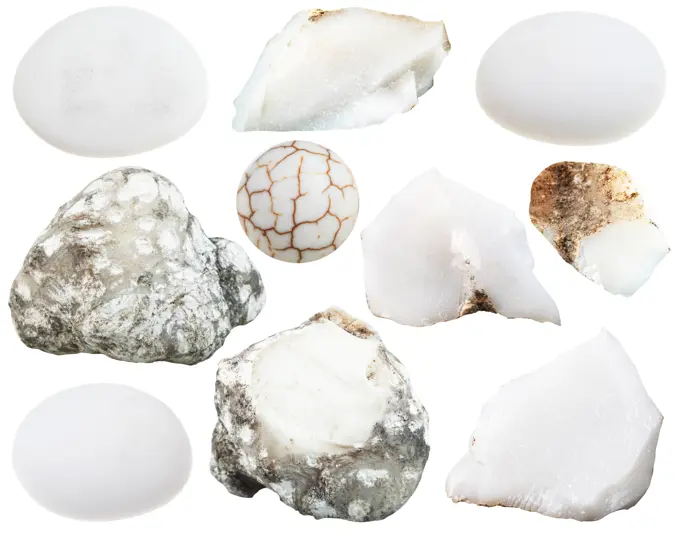
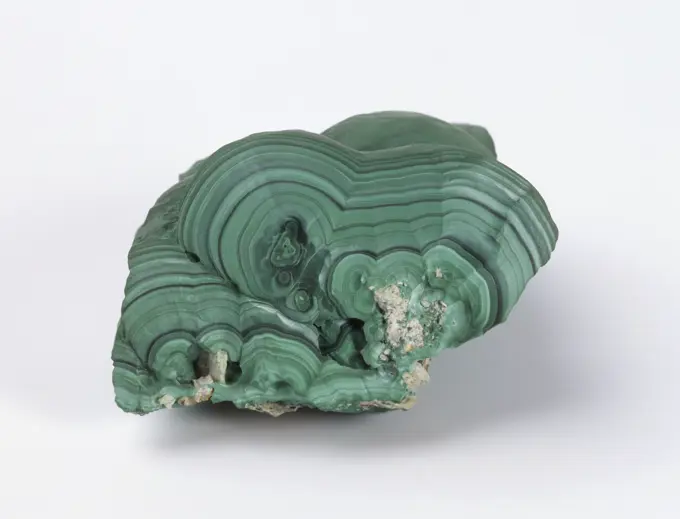
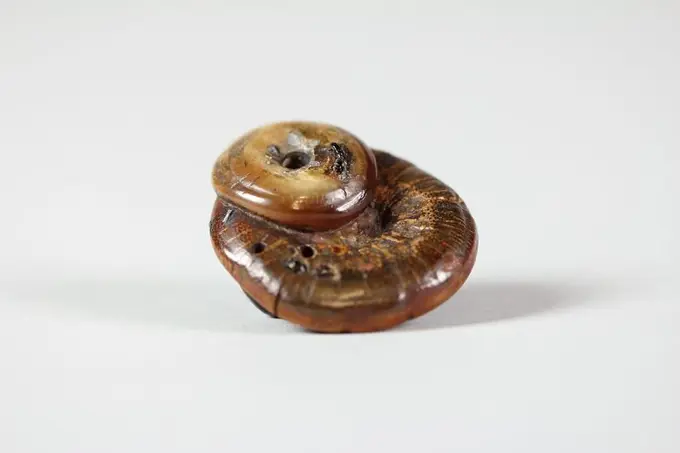
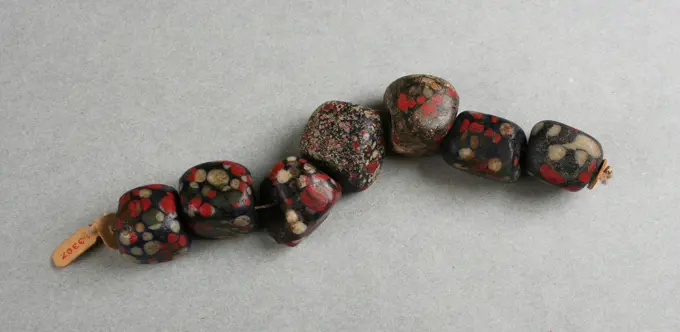
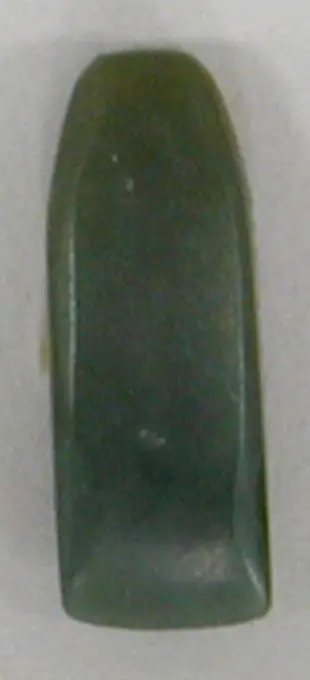
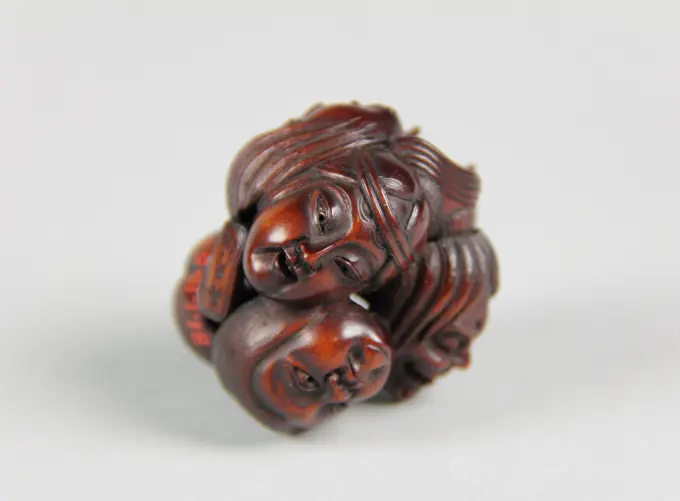
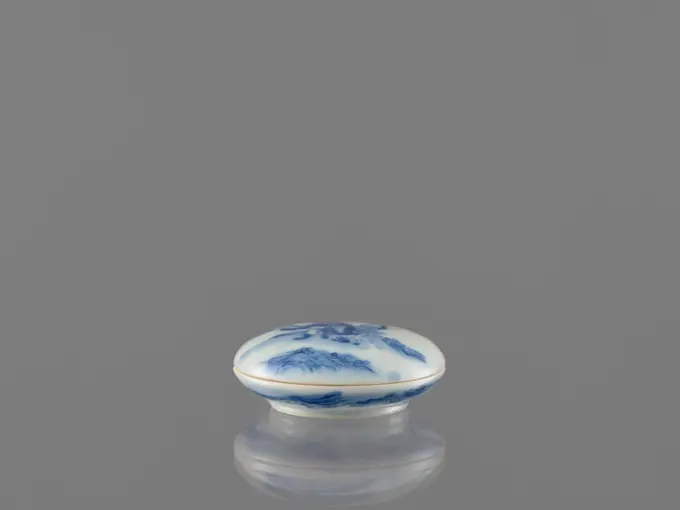
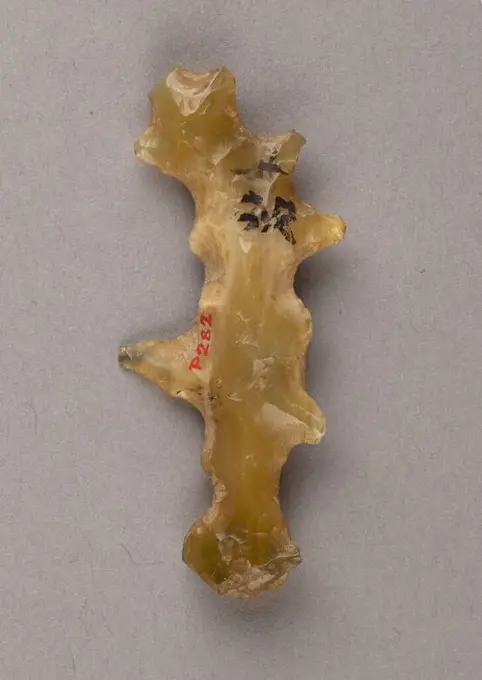
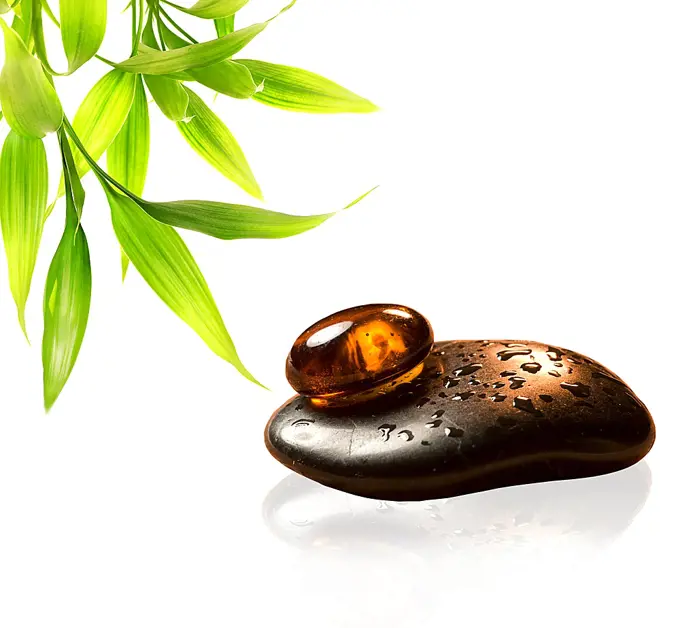
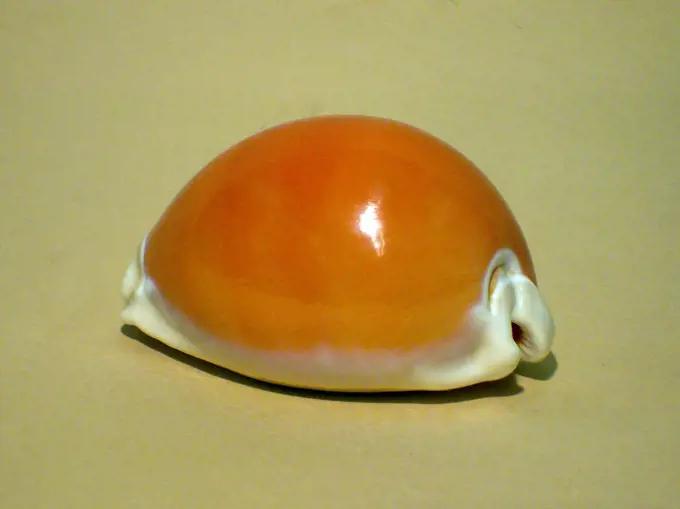
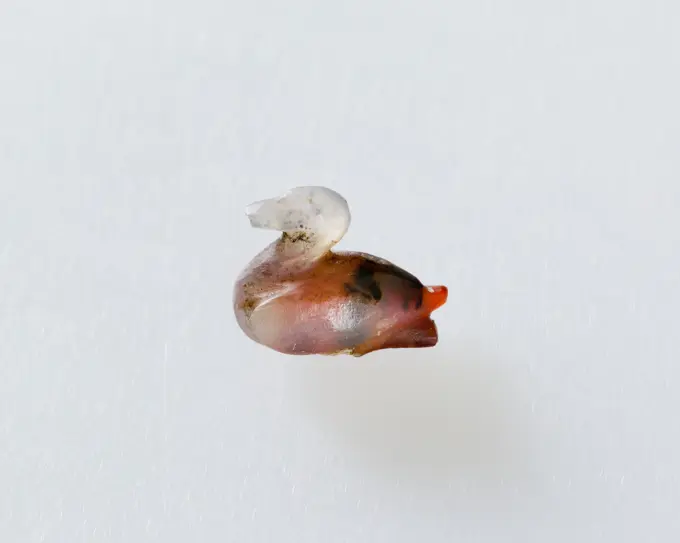
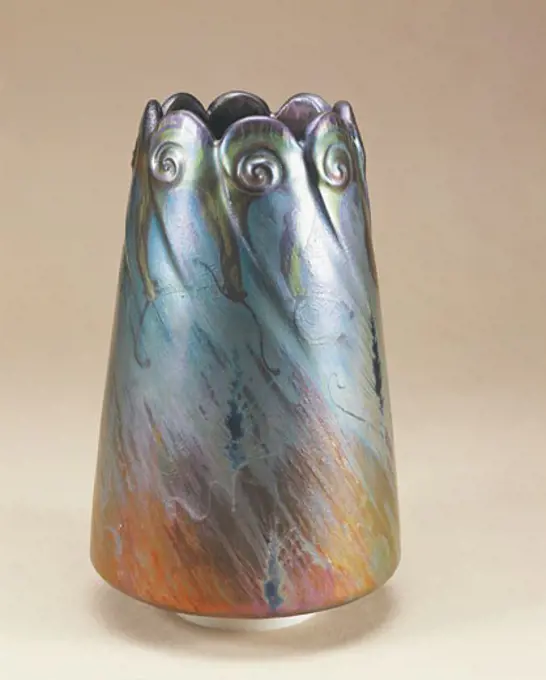
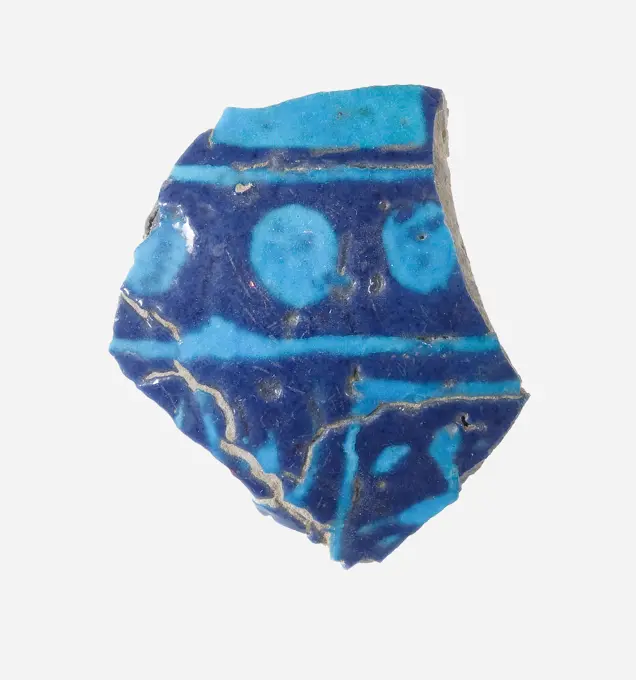
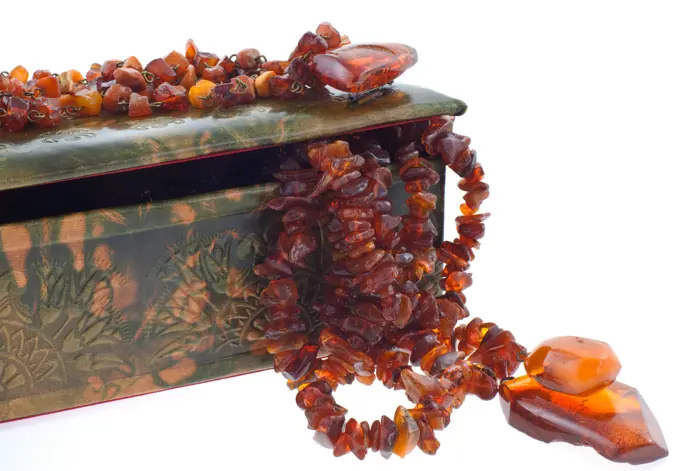
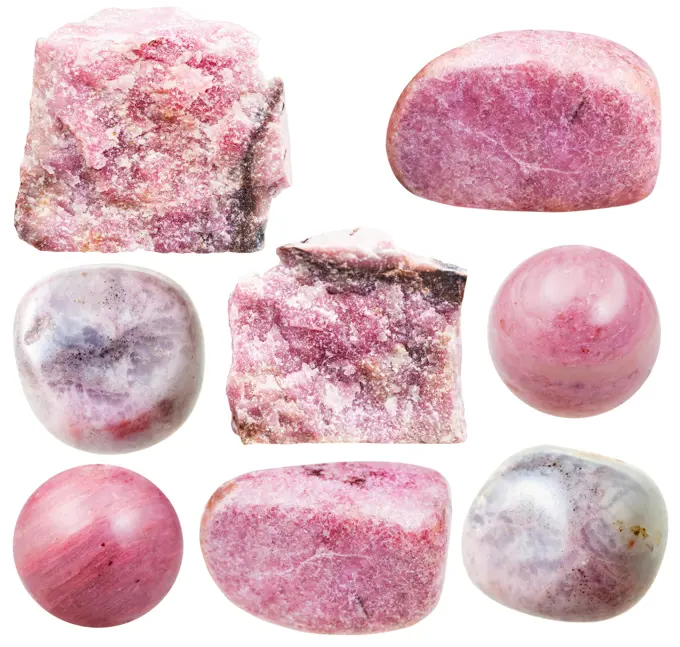
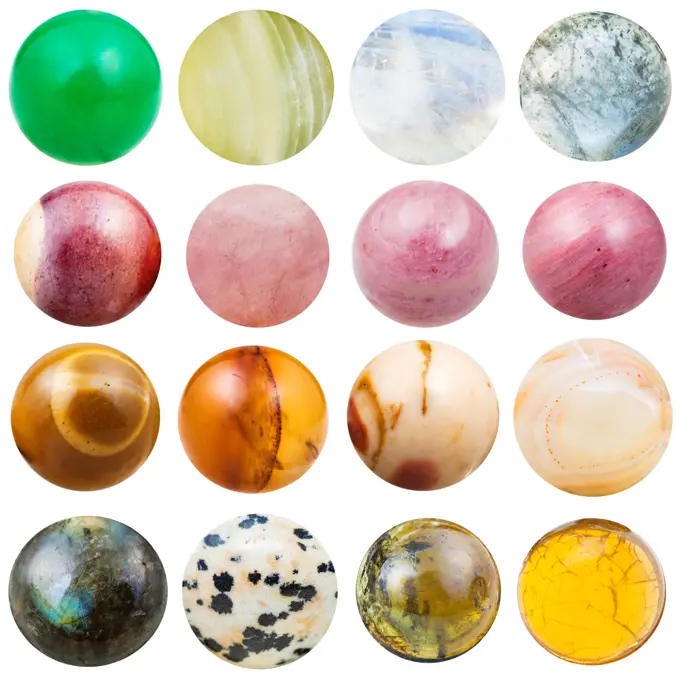
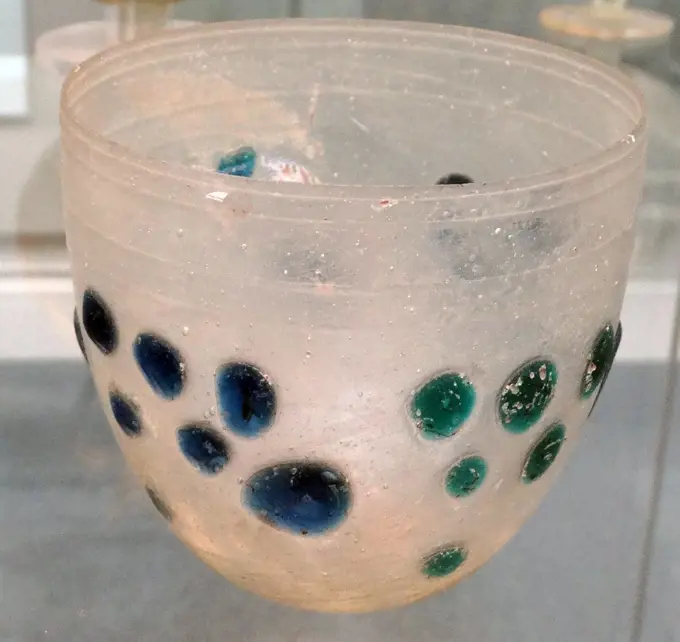
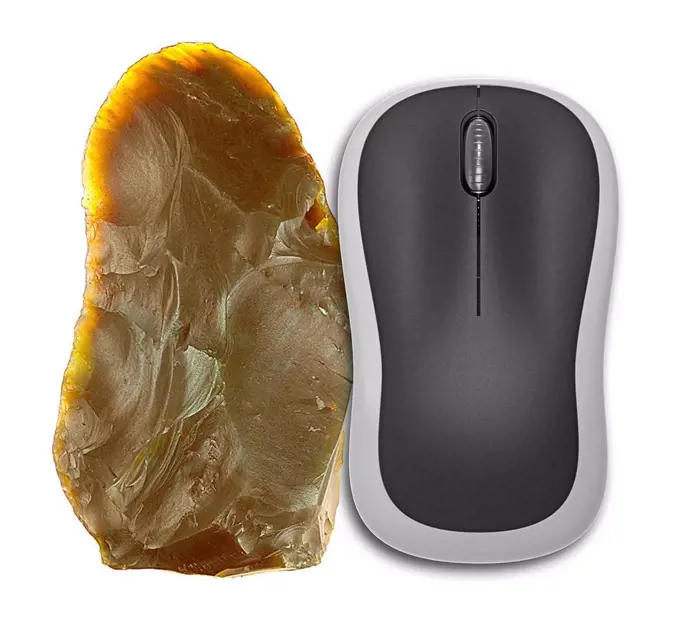
stone heart stone heart isolated on white background Copyright: xZoonar.com/RuslanxNassyrovx 6278608Amulet of a Female Sphinx 2055 BCE-1650 BCE Egypt. Amethyst . Ancient EgyptianButton or Bead 9th-10th century The dot-in-circle motif recalls designs presumed to be of magical significance, most likely an abstract eye to ward off the evil-eye, which serves an apotropaic function. Easily reproduced with a tool and visible in many cultures and times, this symbol may have lost its meaning, and become simply a decorative pattern, or may have one that we have not yet discovered.. Button or Bead 450038Group of Engraved Gems, Rings, and Seals (33). UnknownStone Earflare before 16th century Mexican. Stone Earflare 317436Bowl 13th century. Bowl 447162Arrowhead in chipped stone. Neolithic period. Found between 1970 and 1980 in the southern Sahara at El Golea Timimoun, eastern erg. Algeria. 6,4 cm.Nogi uszebti. unknown, authortwo tumbled Stromatolite gemstones isolated macro shooting of natural mineral stone - two tumbled Stromatolite stromatolith gemstones isolated on white background Copyright: xZoonar.com/ValeryxVoennyyx 8701584natural mineral gem stone - two Amethyst gemstones tumbling isolated on white background close upJaspillite Taconite Jasper gemstone on black macro shooting of natural rock specimen - Jaspillite Jaspilite, Taconite Jasper gemstone on black granite background from A Copyright: xZoonar.com/ValeryxVoennyyx 12231036Stone Chisel before 16th century Maya () Greenstone axe heads, commonly known as “celts,” were some of the most important works of art across ancient Mesoamerica and Central America. Created from jadeite mined from the Motagua River Valley of southern Guatemala, or using local green stones from highland Mexico, celts were first created by the Olmec peoples of the Gulf Coast after 1000 B.C. The Olmec conceived of green celts as sprouts of maize and thus “planted” celts in dedicatory offerings, activating ceremonial spaces and perpetuating agricultural fertility. For the later Maya peoples, celts also served as dedicatory materials, but more so as adornments for the royal bodies of kings and queens. Often the celts would be thinned into celt-shaped plaques, strung together in pairs and triads in order to create belt assemblages that would have clinked with the sound of jades striking one another. Tombs from the Classic Period (ca. AD 250-900) contain celts of jadeite and various greenstBoss or appliqué 1st millennium B.C.-A.D. 1st century Iran. Boss or appliqué 326954Arrowhead. Culture: Japan. Dimensions: W. 3/4 in. (1.9 cm); L. 1 1/8 in. (2.9 cm). Museum: Metropolitan Museum of Art, New York, USA.Whetstone from a Foundation Deposit ca. 1479-1458 B.C. New Kingdom. Whetstone from a Foundation Deposit. ca. 1479-1458 B.C.. Travertine (Egyptian alabaster). New Kingdom. From Egypt, Upper Egypt, Thebes, Deir el-Bahri, Tomb of Senenmut (TT 353), Foundation deposit 1, MMA excavations, 1926-27. Dynasty 18Orbicular jasper gem stone isolated on white closeup of sample of natural mineral from geological collection - Orbicular jasper gem stone isolated on white background Copyright: xZoonar.com/ValeryxVoennyyx 14986303Fragment of a Mosaic Glass Vessel. Unknown 1st century A.D.Scarab ca. 1479-1458 B.C. New Kingdom. Scarab. ca. 1479-1458 B.C.. Faience. New Kingdom. From Egypt, Upper Egypt, Thebes, Deir el-Bahri, Hatshepsut Hole, Hathor Shrine, MMA excavations, 1922-23. Dynasty 18Picture jasper gemstone isolated on white natural mineral gem stone - Picture jasper gemstone isolated on white background close up Copyright: xZoonar.com/ValeryxVoennyyx 8555441two agate natural mineral gem stones isolated two agate natural mineral gem stones isolated on white background Copyright: xZoonar.com/ValeryxVoennyyx 8548428Rectangular face tile. unknown, manufacturerRed cabbage, Brassica oleracea convar. capitata var. rubra L., on white backgroundAmulet, thunderbolt. Amulet, thunderbolt. Chalcedony. Gold and Silvertumbled Simbircite Yellow Calcite gemstone macro shooting of natural mineral stone - tumbled Simbircite  Yellow Calcite, River Volga Amber gemstone from Ulyanovsk region in Russia isolated on white background Copyright: xZoonar.com/ValeryxVoennyyx 11248167Fragment of faience plate with decor in Wanli style, the Chinese garden with bird, plate crockery holder earth discovery ceramics earthenware glaze tinglage, hand turned fried glazed painted fried Loose edge fragment not suitable archeology Rotterdam City center Stadsdriehoek New harbor indigenous earthenware serving up food Soil discovery Nieuwe Haven Rotterdam 1979 or 1980.. Hair comb of imitation turtle with bulging, unmedged back, 19 teeth.Heart of glass in cottonCarnelian ring stone. Culture: Roman. Dimensions: Length: 1/2 in. (1.3 cm). Date: 1st century B.C.-3rd century A.D..Portrait head of a young womanThe woman wears a net, with a fillet and kerchief over it. This gem is likely a Roman copy of an early Hellenistic type. Museum: Metropolitan Museum of Art, New York, USA.Fragment of a vessel. A low curvature of the glass fragment allows the assignment to a vessel, possibly a shell. The white glass shows several flower ornaments in millefiori technology. To make a turquoise point with red contour, cut small red dots in some distance than petals. For the production, different colored glasses into tubes and rods were formed. These were compressed and heated, causing a long bar. The glass sliced now had different amorphous or floral patterns. Thereafter, several of these platelets were folded together, heated again and pressed into the vascular shape. Burry for the elaborate manufacturing process and its fragility was one of the luxury articles of antiquity.polished Script stone gemstone on dark macro shooting of natural mineral rock specimen - polished Mariam Stone Mariam Jasper, Mariyam Jasper, Mariyam Agate, Script stone gemstone on dark granite background from India Copyright: xZoonar.com/ValeryxVoennyyx 11392087Flint knife. Neolithic period. North Africa. 16.3cm.Three dried dates on a white backgroundBernard Palissy (Continuation of). "Large dish with rustic figulines, between 1550 and 1600". Museum of Fine Arts of the City of Paris, Petit Palais. 26308-2 Shell, decor, figulin, large dish, frog, fish, rustic, snake, animalVolute Guntheri Shell, India, Asia Copyright: xVivekxThayil/DinodiaxPhotoxpendant from Abalone haliotis shell on dark macro shooting of natural mineral rock specimen - pendant from Abalone haliotis shell on dark granite background Copyright: xZoonar.com/ValeryxVoennyyx 11383561zen stones isolated on the white backgroundpolished spessartite gemstone on dark background macro shooting of natural mineral rock specimen - polished spessartite gemstone on dark granite background Copyright: xZoonar.com/ValeryxVoennyyx 11392009Engraved Scarab. UnknownBooster legs;  664-332 BC ; Half period (-664-00-00--332-00-00);GemstonePearl Oyster, Pacific OceanMountBundle amulet ca. 2150-1950 B.C. Late Old Kingdom-Early Middle Kingdom. Bundle amulet 555586Bezel of a ring of Nefertari. Dimensions: L. 2.2 cm (7/8 in.). Dynasty: Dynasty 19-20. Date: ca. 1295-1070 B.C.. Museum: Metropolitan Museum of Art, New York, USA.set of various cacholong white opal gemstones set of various cacholong white milky opal natural mineral stones and gemstones isolated on white background Copyright: xZoonar.com/ValeryxVoennyyx 9123867Ring 1350 BCE-1069 BCE Egypt. Faience . Ancient EgyptianMalachiteConus Aureus Shell, India, Asia Copyright: xVivekxThayil/DinodiaxPhotoxHand holding Beautiful sea shell on a white backgroundNetsuke of Mushroom Eaten by Insects. Culture: Japan. Dimensions: H. 7/8 in. (2.2 cm); W. 1 5/8 in. (4.1 cm); D. 1 3/8 in. (3.5 cm). Date: 18th century. Museum: Metropolitan Museum of Art, New York, USA.Beads, string of seven probably 18th century African, made in Europe. Beads, string of seven 320993Single dried jews ear mushroom on white backgroundCelt before 16th century Mexican. Celt 317260Group of Six Masks 19th century Japan. Group of Six Masks. Japan. 19th century. Wood. Edo (1615-1868) or Meiji period (1868-1912). NetsukeSample of Amethyst Quartz 20th century China. Sample of Amethyst Quartz 62120Puzderko na tusz pieczętny. unknown, craftsmanArrowheads, needles, hooks and harpoons. Culture: Japan. Dimensions: W. 3/4 in. (1.9 cm); L. 1 3/4 in. (4.4 cm). Museum: Metropolitan Museum of Art, New York, USA.Spa still lifeGolden Cowrie, or Bulikula, from Fiji, South Pacific. The most valuable of all sea-shells, it was worn by local cheiftans as a badge of rank.Fragment of a Floral Inlay 100 BCE-100 CE Italy. In ancient Rome, there was a high demand for colorful glass that could dazzle banquet guests alongside the expensive silver and gold serving wares meant to impress. Fragments like this one would have once been a part of larger mosaic dishes. The mosaic pattern was made by sagging molten glass into bowl-shaped molds, a technique used on many of these fragments is similar to millefiori, ìthousand flowersî in Italian, a modern glass-making method in which tiny rods of colored glass are bundled together, wrapped in a sheet of glass, fused, and then thinly sliced to reveal swirls of a flower-like patterns. They were arranged side by side, sometimes together with bits of colored glass, and fused together with heat.. Glass, mosaic technique . Ancient RomanBarite. minerals. Europe; England; Cumbria; Alston MoorDuck amulet 200 BC-200 AD Ptolemaic or Roman Period This is one of a small group of animals carved in semiprecious stones from the Davis Collectiom that share share a general liveliness and more Hellenistic than Egyptian style. Alongside subjects that are familiar in Egyptian iconography such as a baboon and ducks, are others like a goat, dolphins, rhinoceros, galloping horse, and reclining hound that are more at home in the Greco-Roman sphere.. Duck amulet. 200 BC-200 AD. Agate. Ptolemaic or Roman Period. From EgyptTectus pyramis pearl shell on black backgroundClose-up of a vase, FrancePrehistory, Korea, Bronze Age. Bronze ritual object with eight bells, diameter 14.5 cm. From a tomb in Daegok-ri, Hwasun in Jeollanam-doPolierte Achat-Probe mit wirbelnden Bändern auf Schwarz A beautifully polished agate stone exhibits intricate swirling patterns of brown, yellow, and white against a deep black background, highlighting its unique formations LicenseRF Copyright: xZoonar.com/SerhiixZarevx 23343136various red sunstone cabochons and goldstones macro shooting of collection natural stones - various red sunstone cabochons and tumbled goldstones synthetic Aventurine gem stones isolated on white background Copyright: xZoonar.com/ValeryxVoennyyx 8637172Mould on flat peaches that have fallen into the grass, Sarthe, Francetumbled magnesite stone on white marble macro shooting of natural mineral rock specimen - tumbled magnesite stone on white marble background Copyright: xZoonar.com/ValeryxVoennyyx 11947217Amulet of a Heart 1070 BCE-656 BCE Egypt. Carnelian . Ancient EgyptianFragment of Vase ca. 1390-1353 B.C. New Kingdom. Fragment of Vase. ca. 1390-1353 B.C.. Faience. New Kingdom. From Egypt, Upper Egypt, Thebes, Malqata, Palace of Amenhotep III, MMA excavations, 1910-12. Dynasty 18Spindle Whorl Spindle Whorl, 1000-1532. Clay, pigment   Arts of the Americas 1000-1532Ojime 19th century Japan. Ojime. Japan. 19th century. Edo period (1615-1868). OjimeDried red rose hips (berry, fruit) on white backgroundGradient of blue colored eggs arranged verticallyamber necklace in a indian leather case amber necklace in a indian leather case on a white background Copyright: xZoonar.com/AnastasiaxZolotnitskayax 22131292Ornament, Christmas tree, Dough, Shape of a 'U'., USA, 1850-99, Decorative Arts, Ornament, Christmas treeLaguna agate from MexicoVase fragment. Dimensions: H. 2.3 cm (7/8 in). Dynasty: Dynasty 12-13. Date: ca. 1981-1640 B.C.. Museum: Metropolitan Museum of Art, New York, USA.Thumb Ring, 1800s-1900s. China, 19th-20th century. Green and white jade; diameter: 3.4 cm (1 5/16 in.); overall: 2.6 cm (1 in.).Glass Fragments 4th-early 5th century Coptic. Glass Fragments 477118raster. mangoPortrait of Herculesrhodonite tumbled gemstones and rocks isolated set of natural mineral stones - specimens of rhodonite tumbled gemstones and rocks isolated on white background Copyright: xZoonar.com/ValeryxVoennyyx 8701545balls from natural mineral gemstones isolated balls of natural mineral gemstones Onyx, aventurine, onyx, moonstone, aquamarine, mookaite, rose quartz, rhodonite, agate, labradorite, aplite, jade, tourmaline, fire opal isolated on white background Copyright: xZoonar.com/ValeryxVoennyyx 8701113Carnelian ring stone. Culture: Roman. Dimensions: Length: 11/16 in. (1.8 cm). Date: ca. 1st century B.C.-3rd century A.D..Boy with overturned torch and hoop. Museum: Metropolitan Museum of Art, New York, USA.Female sphinx amulet ca. 2030-1640 B.C. Middle Kingdom. Female sphinx amulet 591149Blown glass cup decorated with applied blue and green blobs Roman, probably made in the eastern Mediterranean, 4th century ADCosmetic cream and scrub smear realistic set of vector illustrations. Gel, scrub with small particles and grains, cosmetic face mask or serum texture smudge swatch isolated on transparent background. Cosmetic cream and scrub green smear realistic setStarfish Starfish against rocks in the Japanese sea in the summer red with the black Copyright: xZoonar.com/AlexanderxStrelax 3899385Progression of human tools