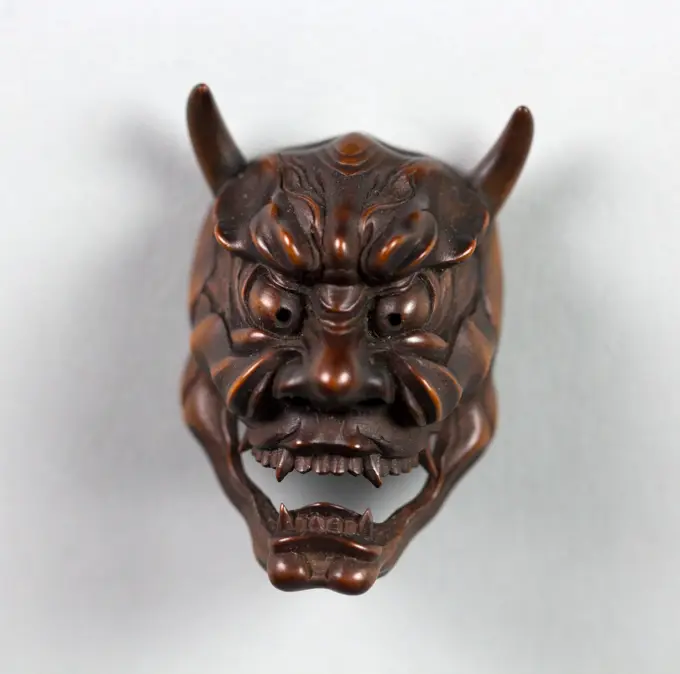
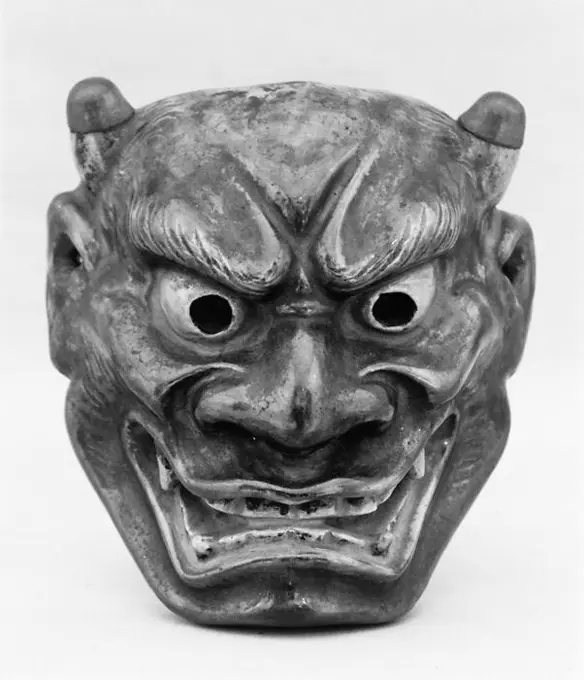
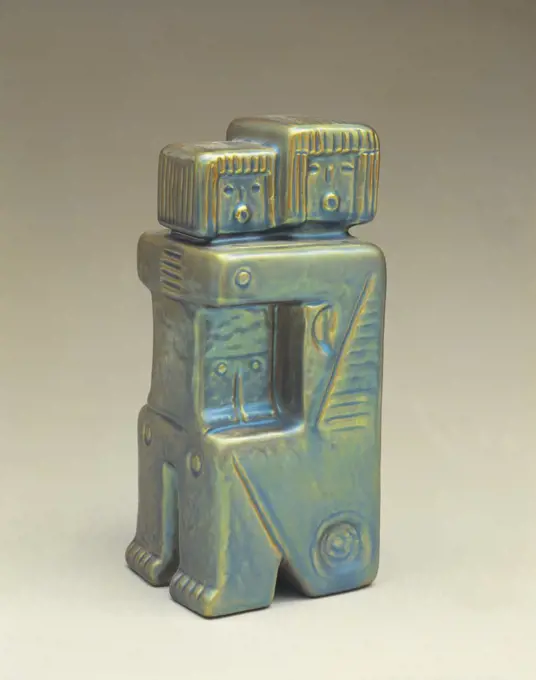
Netsuke Figurines from Japan

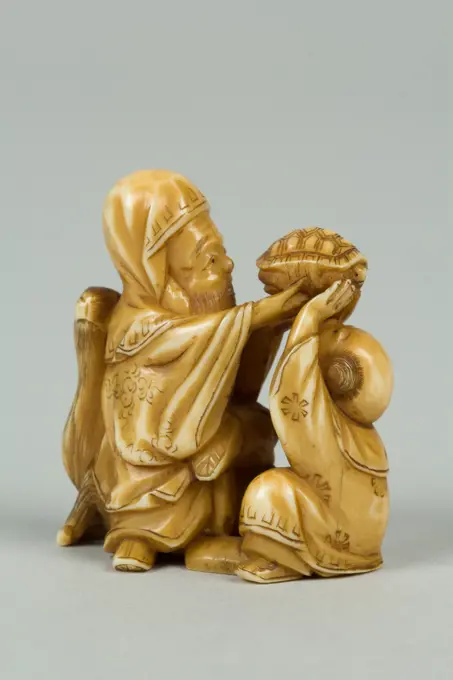
Intricately carved Japanese netsuke figurines depicting mythological characters and animals, showcasing traditional craftsmanship.
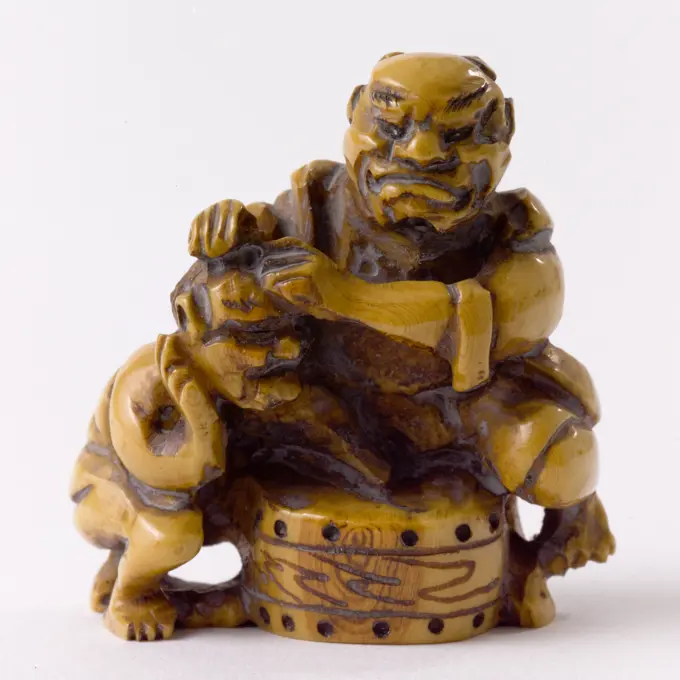
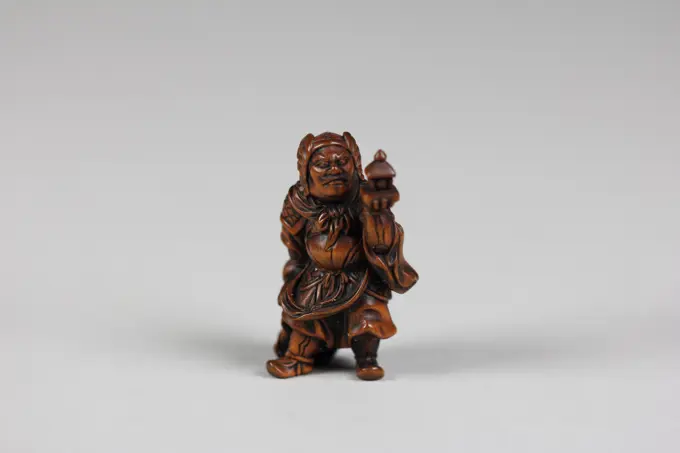
Netsuke. God thunder and character. Japan. Ivory. Paris, Cernuschi museum. Clothing element, netsuke, dress object, traditional clothing
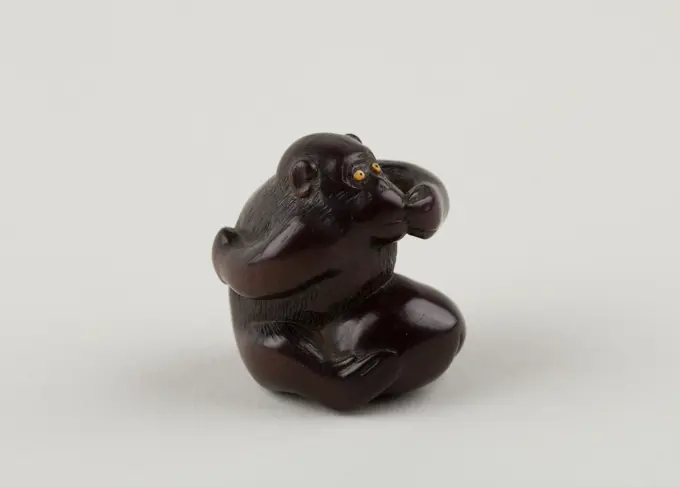
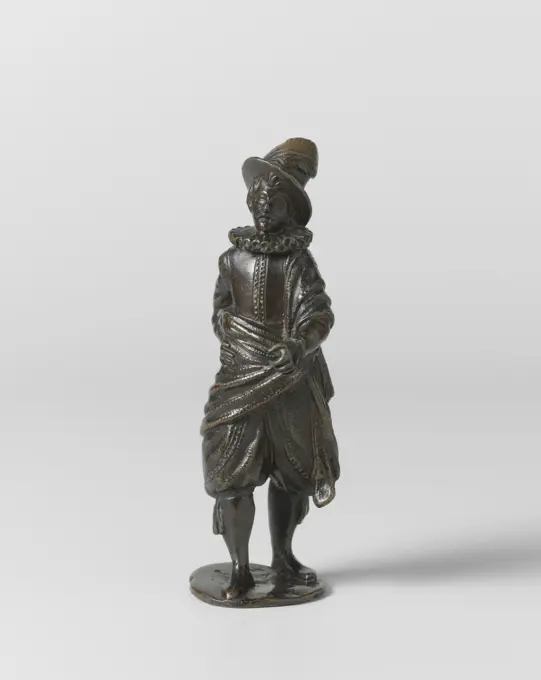
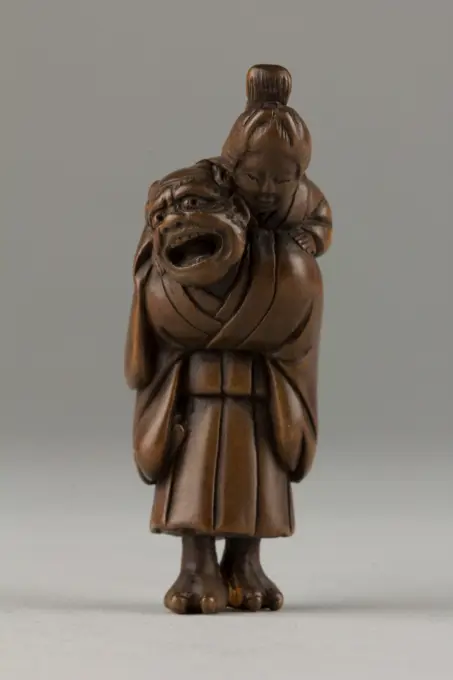
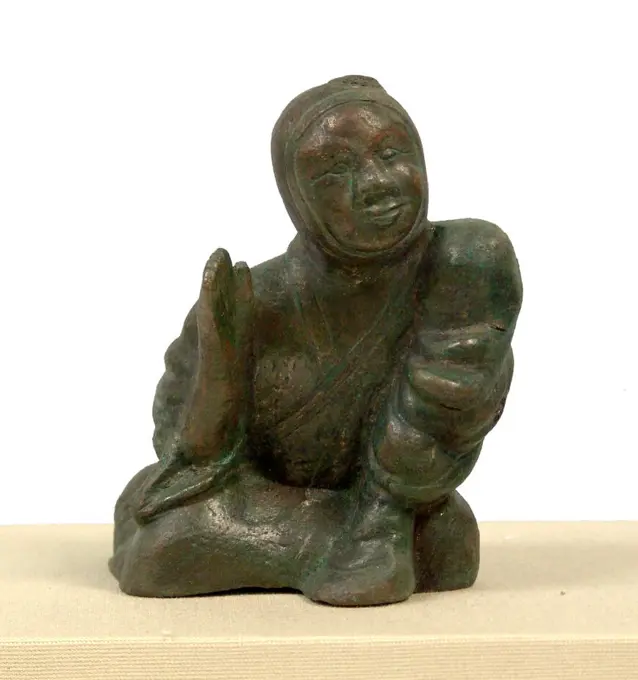
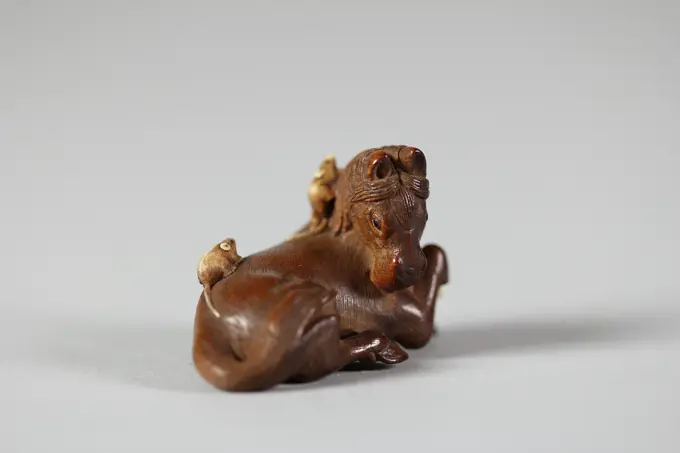
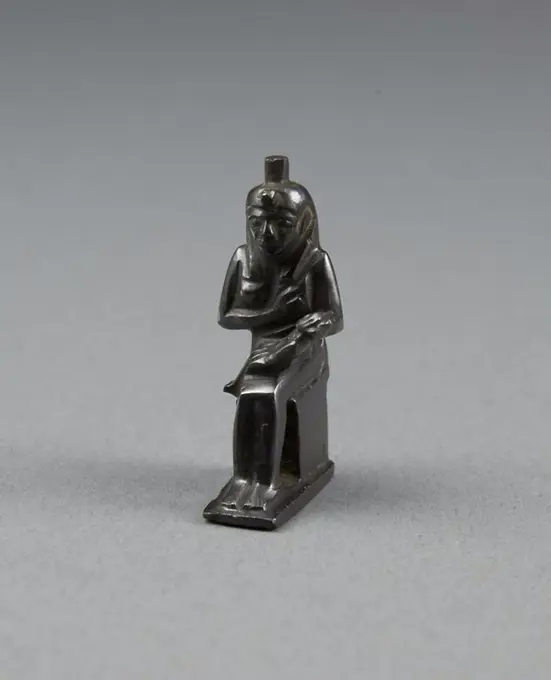
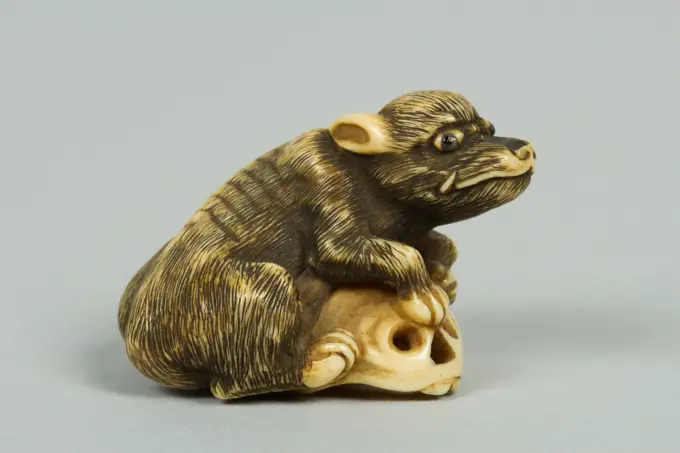
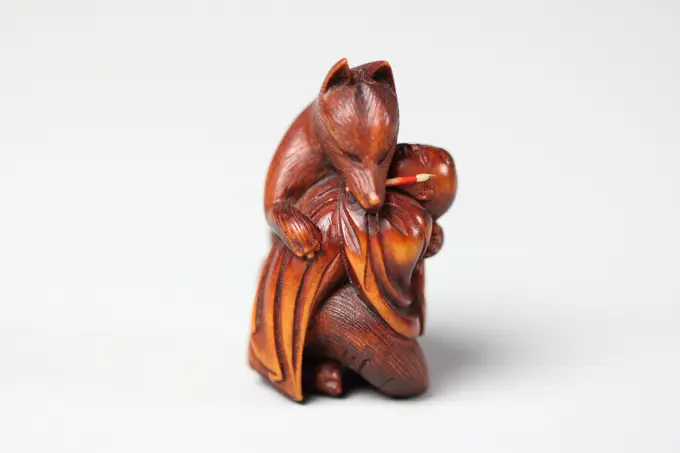
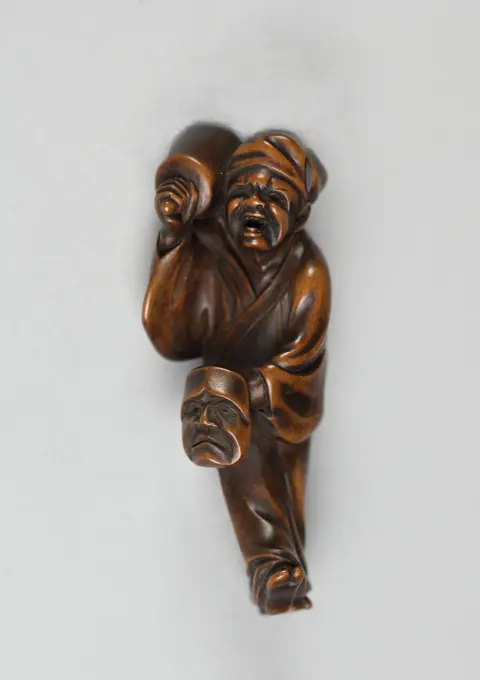
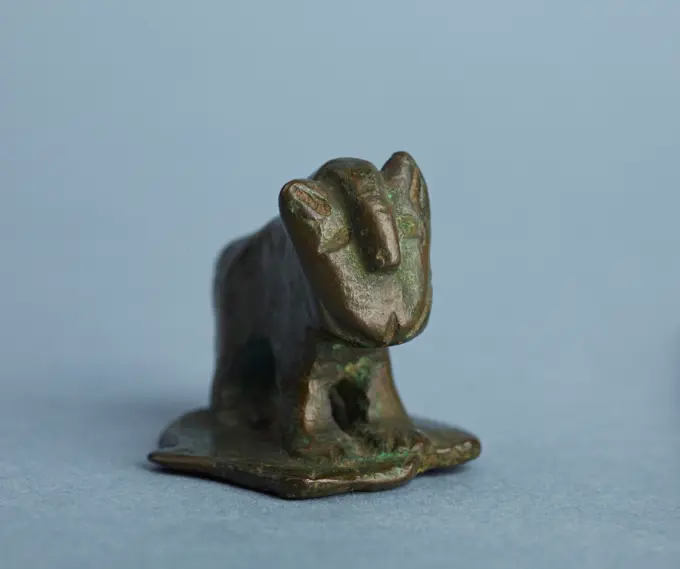
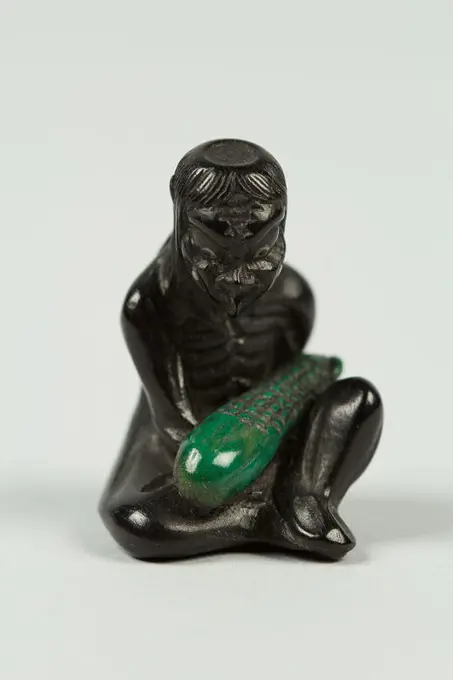
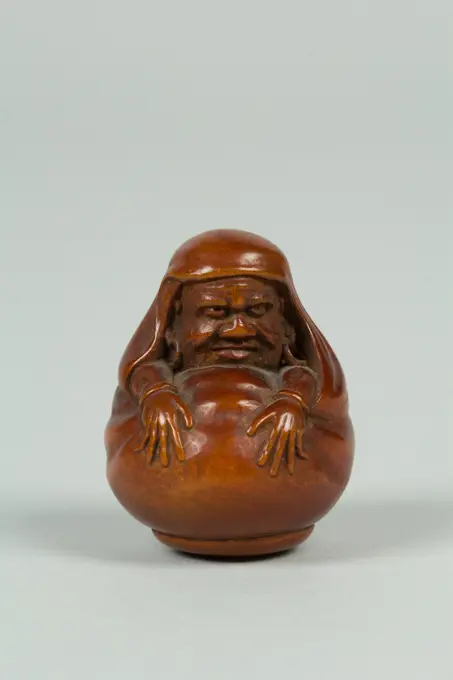
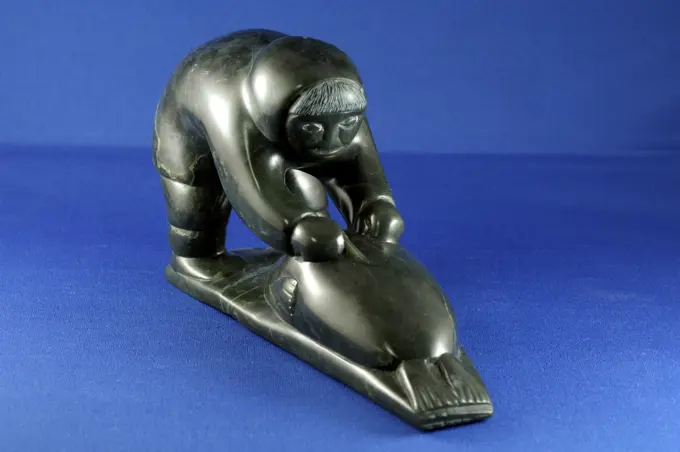
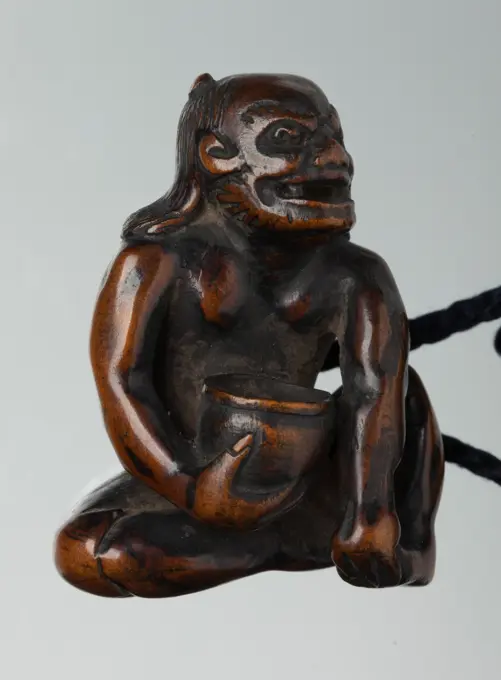
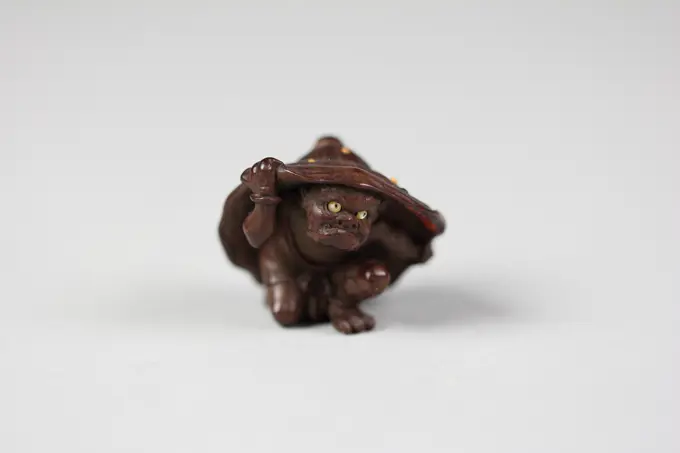
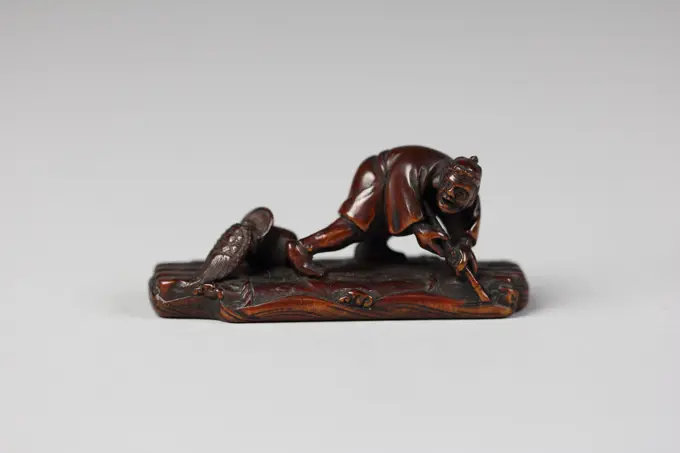
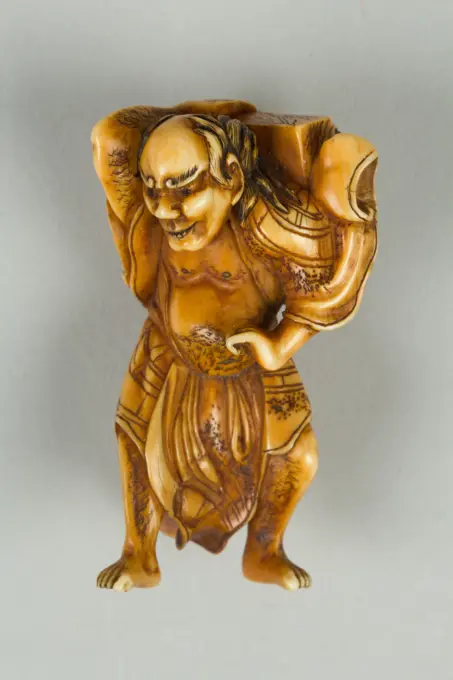
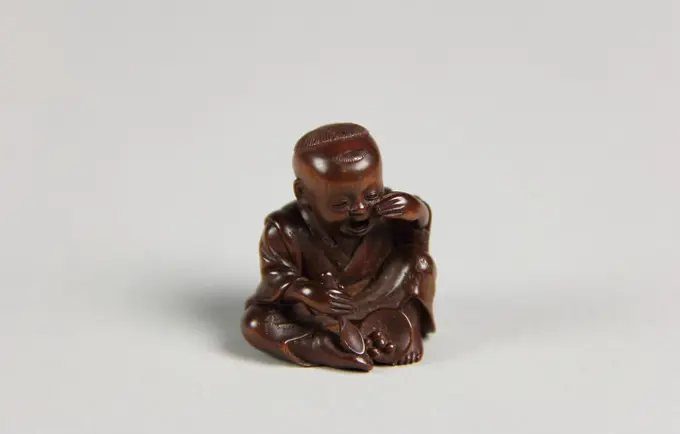
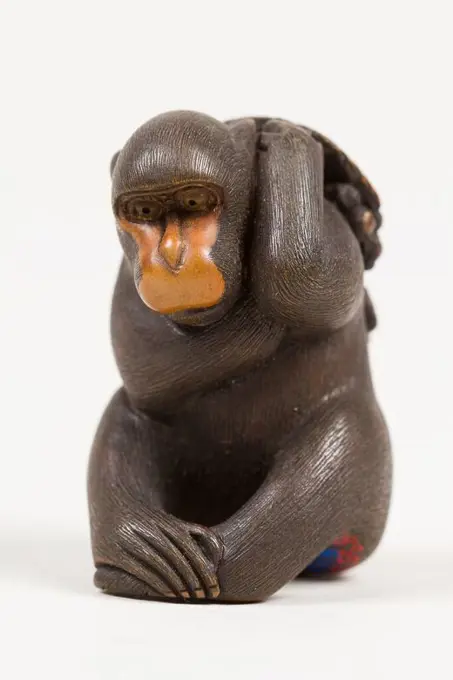
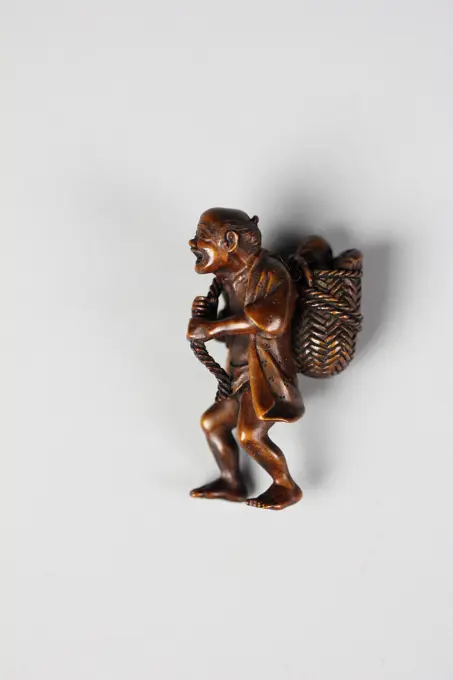
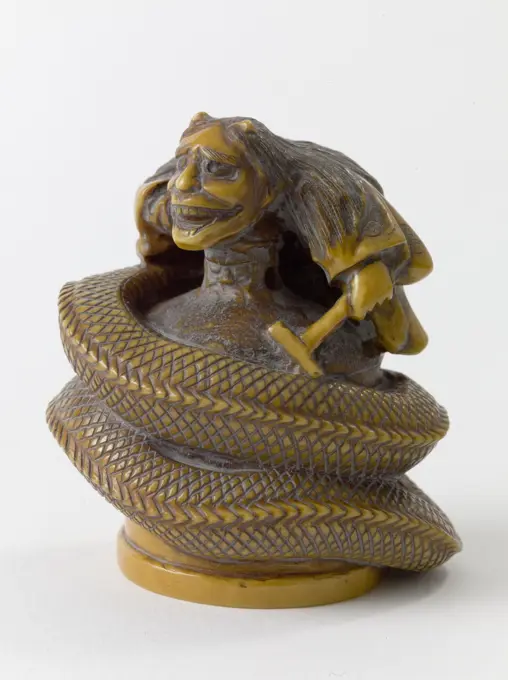
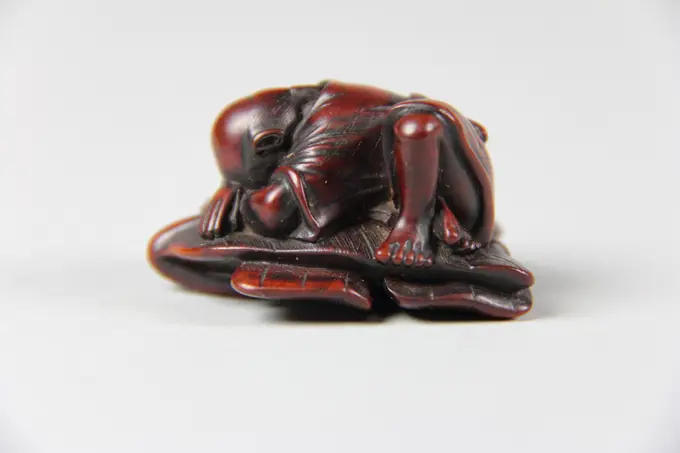
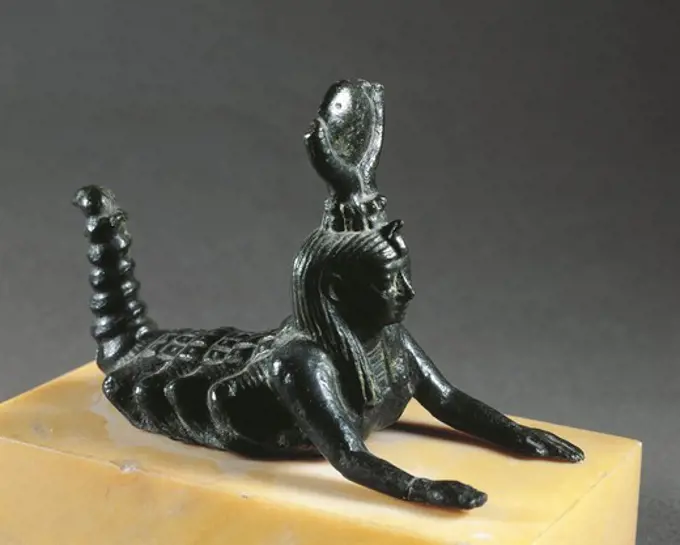
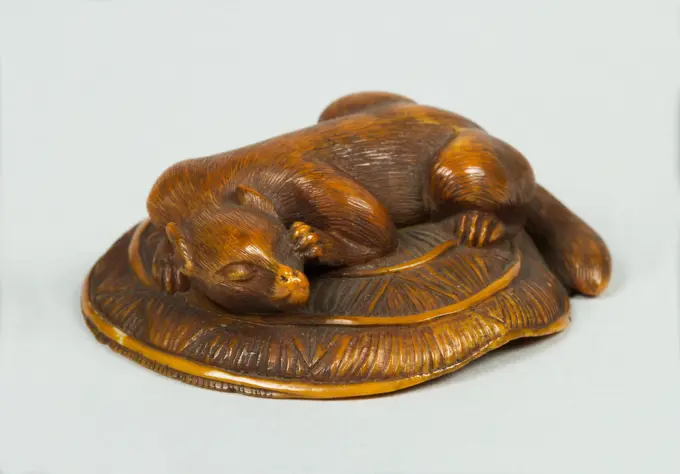
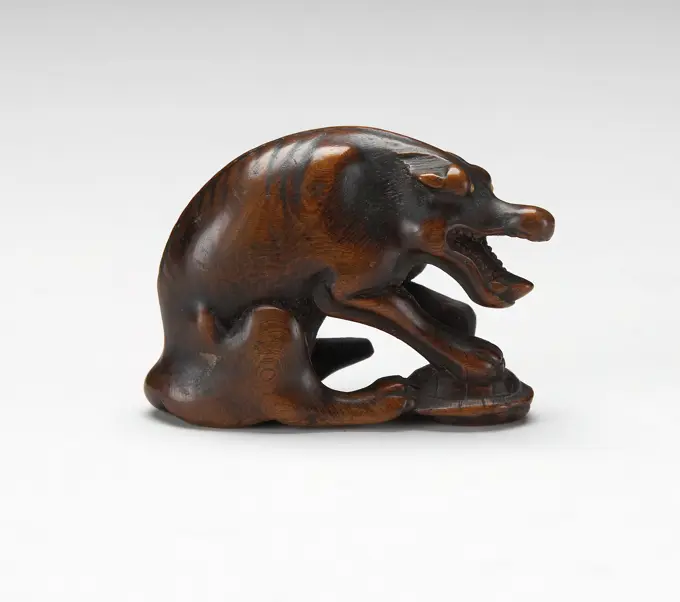
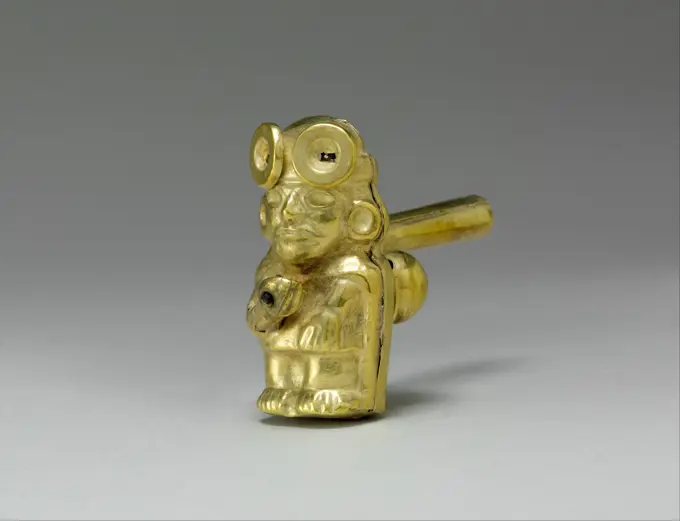
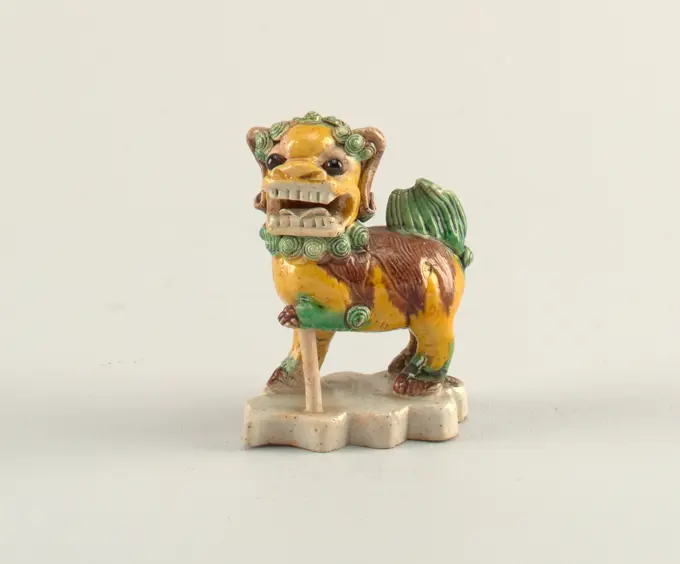
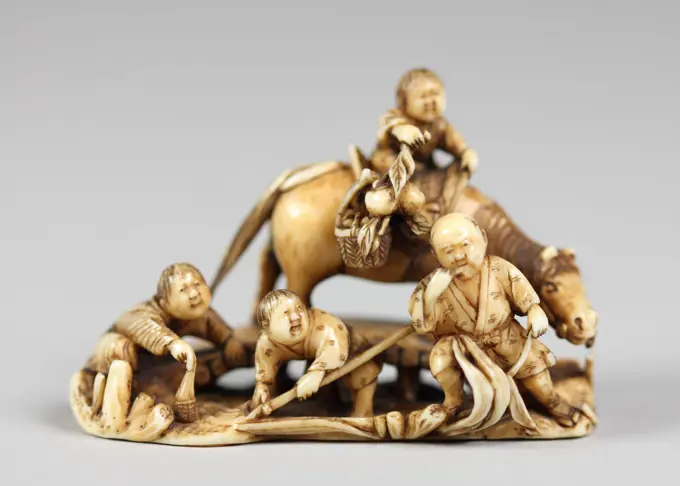
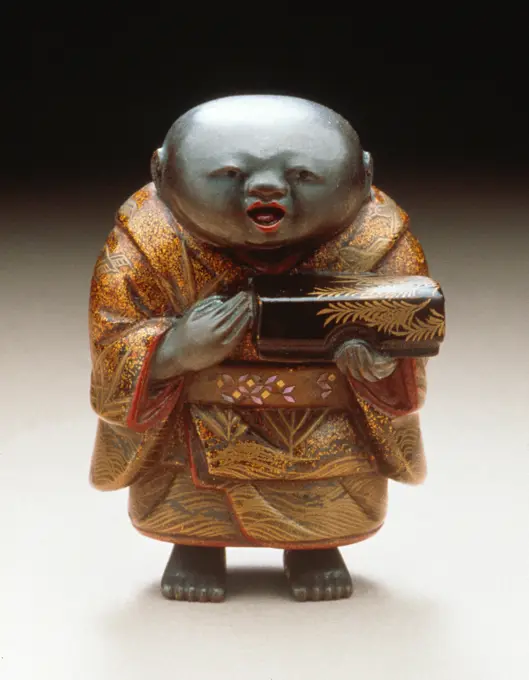
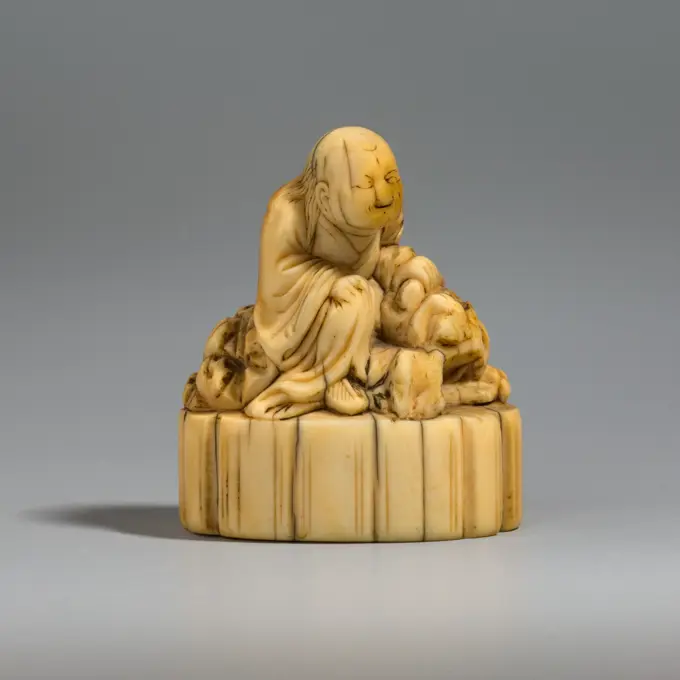
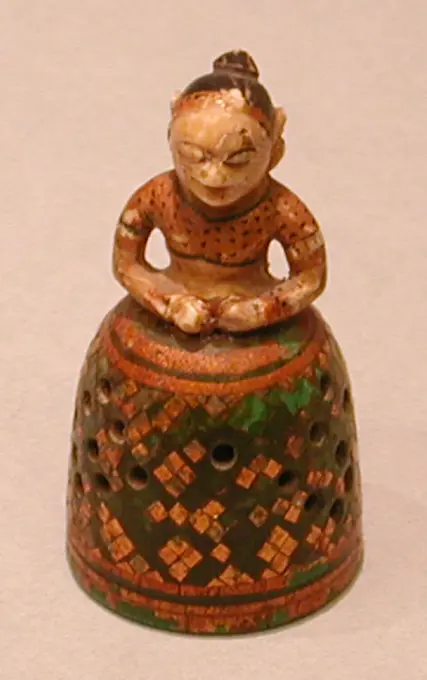
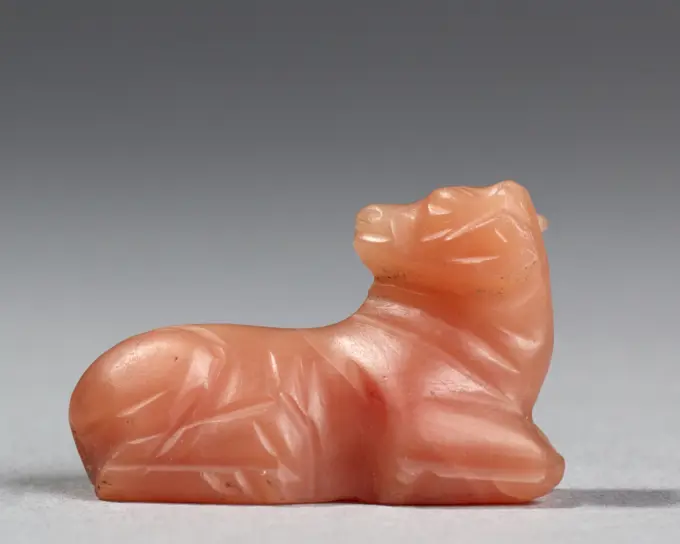
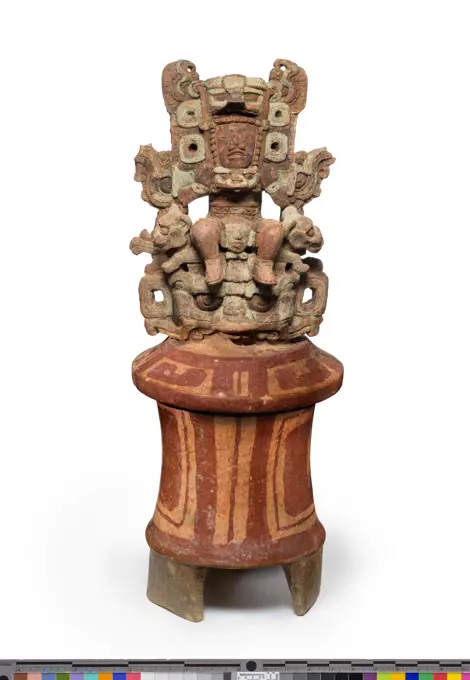
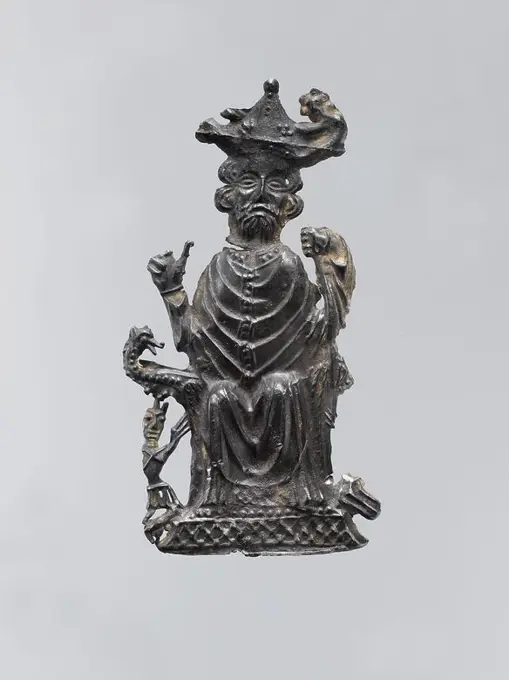
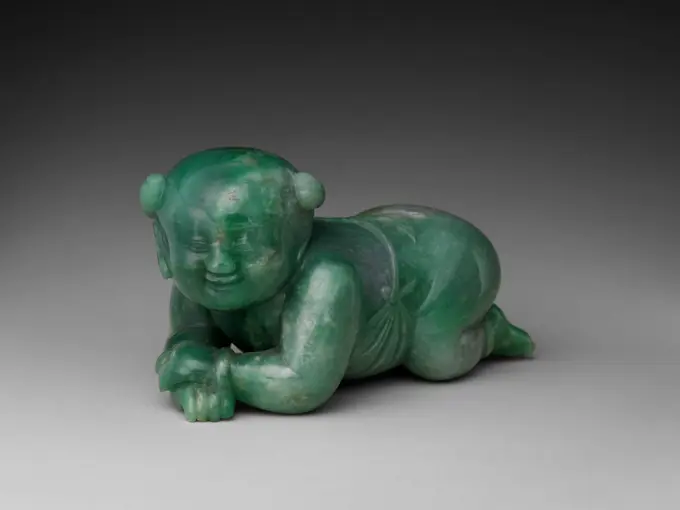
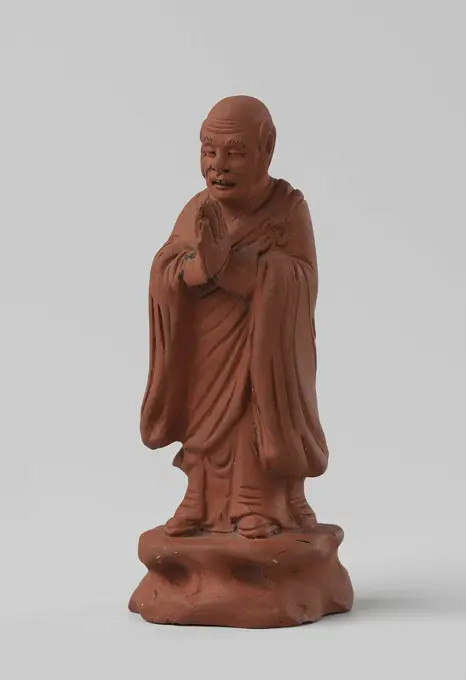
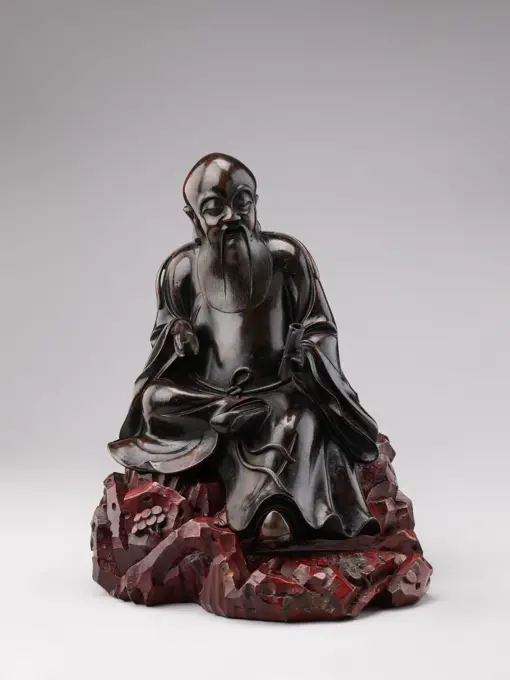
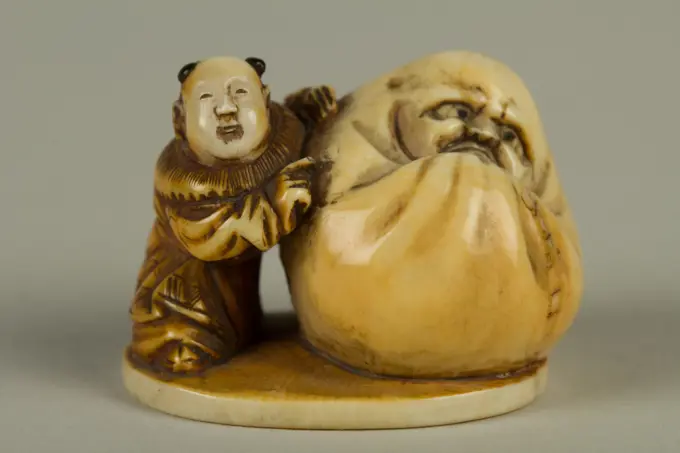
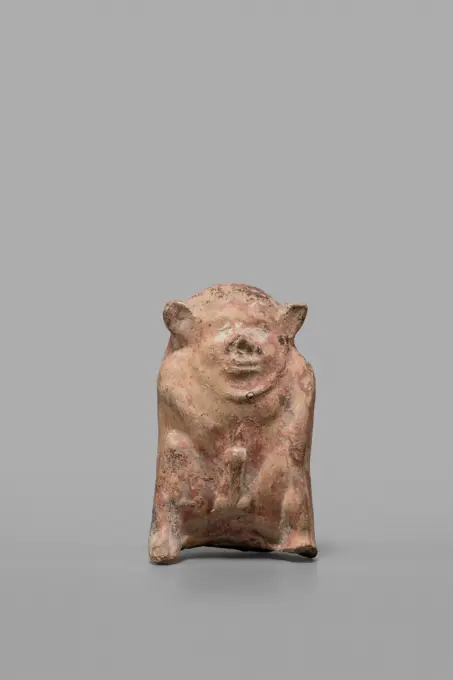
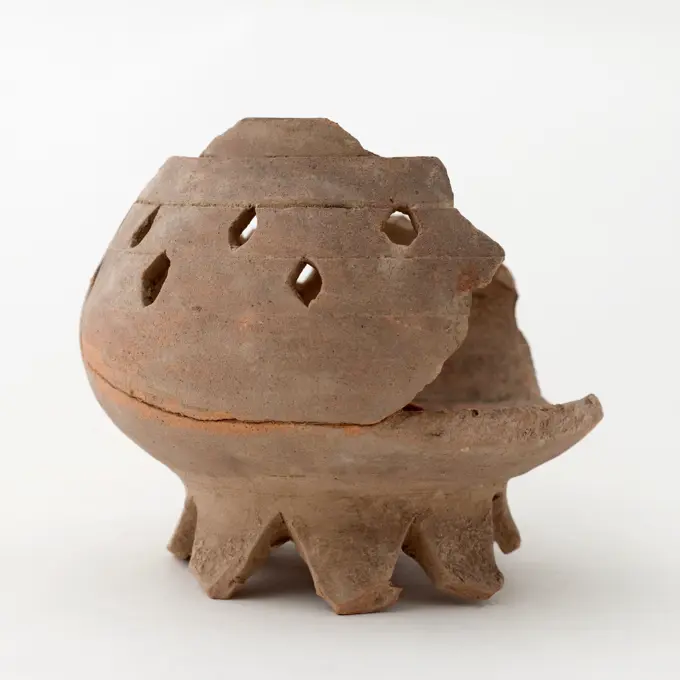
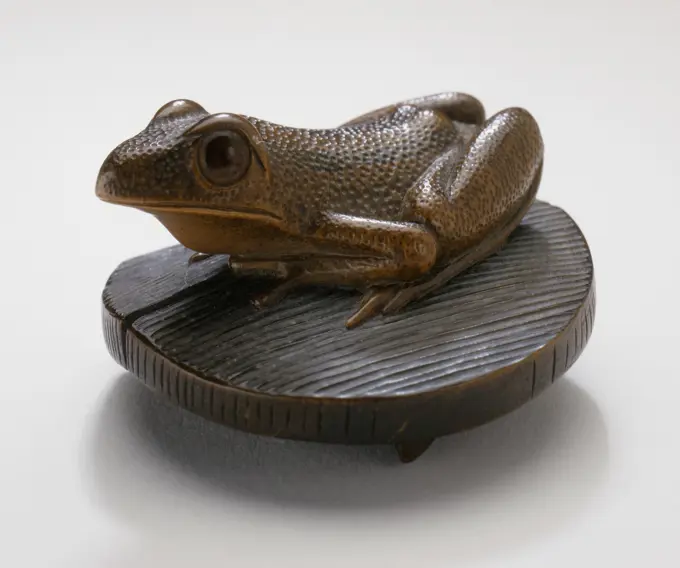
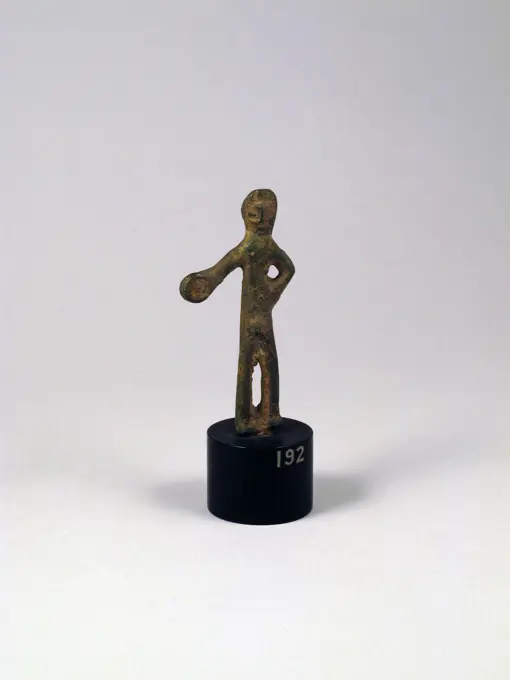
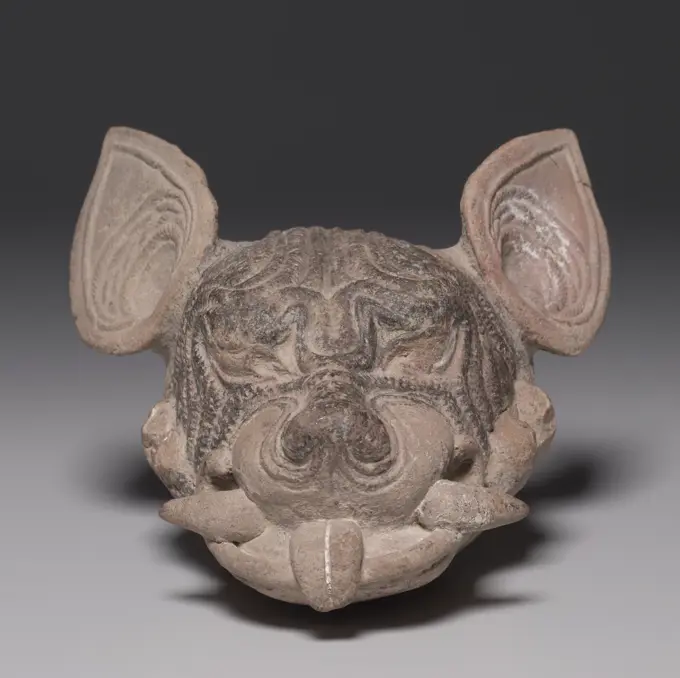
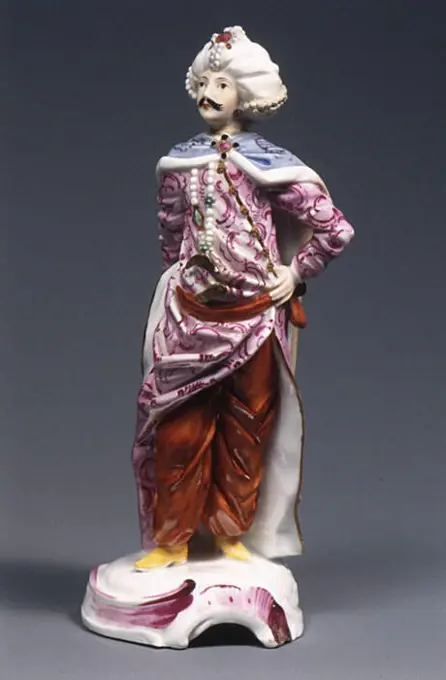
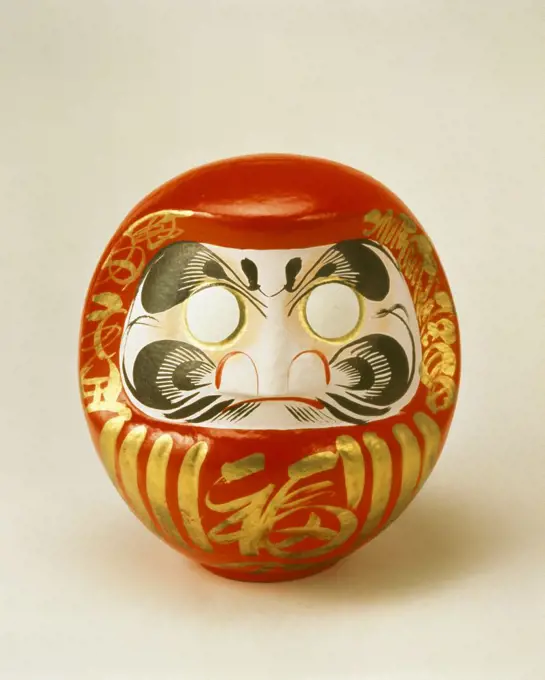
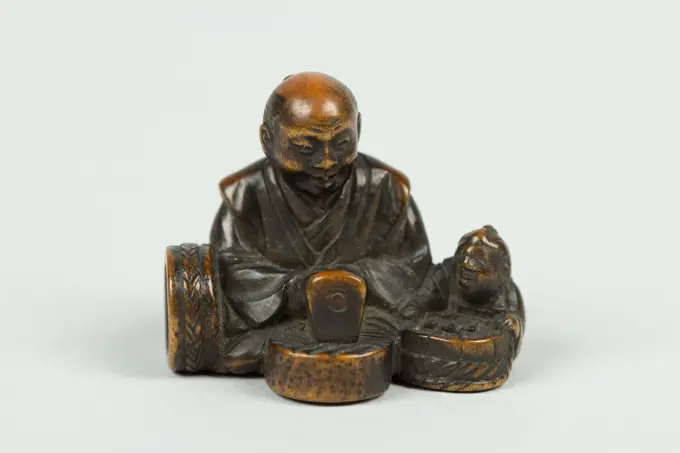
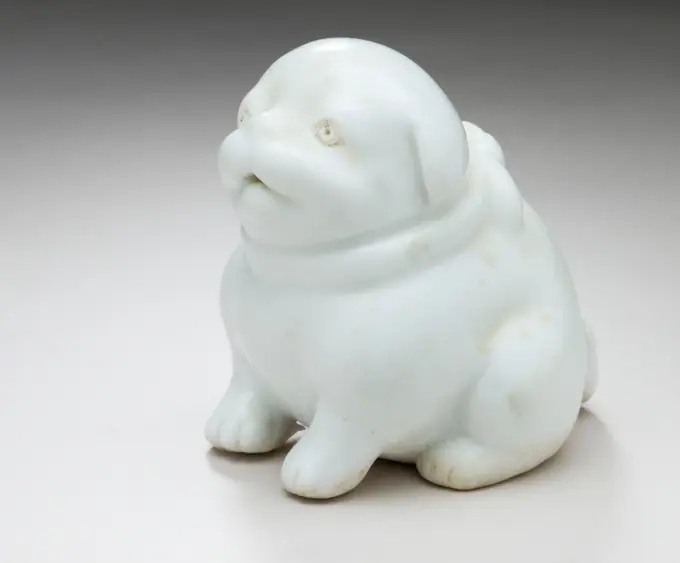
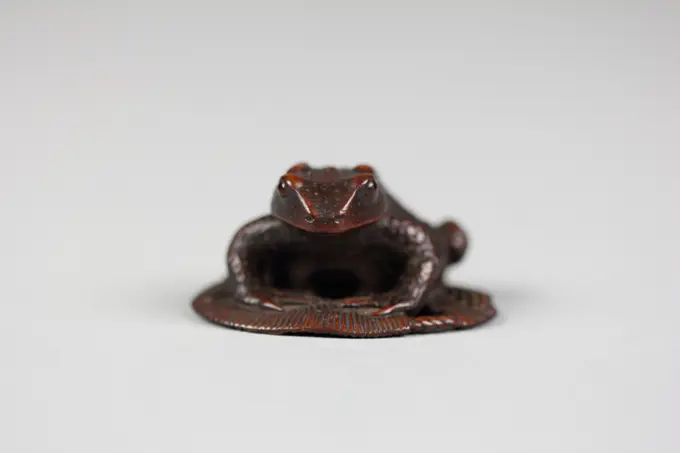
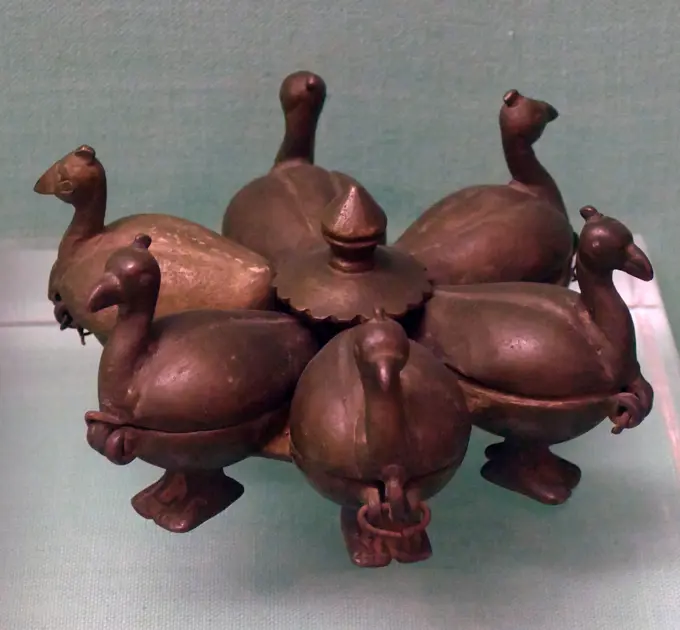
Netsuke of Bishamon 19th century Japan. Netsuke of Bishamon 59127Netsuke of Demon Japan View more. Netsuke of Demon. Japan. Wood. NetsukeTiger. Toyoyasu (Japan, 1810-1883). Japan, mid-19th century. Costumes; Accessories. Wood with inlaysNetsuke. God thunder and character. Japan. Ivory. Paris, Cernuschi museum. Clothing element, netsuke, dress object, traditional clothingNetsuke of Demon Carrying a Woman on His Shoulders 19th century Japan. Netsuke of Demon Carrying a Woman on His Shoulders 59292Weight in the Shape of Liubo Game Player China A popular game in the Han dynasty, liubo involves two players who gamble by using dice, counters, gaming pieces, and a marked board. The bronze figures exhibited in this casetwo players and two spectatorswere used as weights to hold the floor mat in place. These figures, which capture a dramatic moment in a heated game, represent leisure activities in ancient China.. Weight in the Shape of Liubo Game Player 72297Netsuke of Horse and Mouse 19th century Japan. Netsuke of Horse and Mouse 59149Amulet of the Goddess Isis Nursing the God Horus. Egyptian. Date: 747 BC-656 BC. Dimensions: 4 × 1.6 × 2.5 cm (1 /16 × 5/8 × 1 in.). Hematite. Origin: Egypt. Museum: The Chicago Art Institute, Chicago, USA. Author: Ancient Egyptian.Netsuke of Boar with a Human Skull 19th century Japan. Netsuke of Boar with a Human Skull. Japan. 19th century. Ivory. Edo (1615-1868) or Meiji period (1868-1912). NetsukeNetsuke of Fox Holding Baby and with Brush in Mouth from the Kabuki Play "Shinoda Zuma, Kuzonoha" 19th century Japan This Netsuke depicts one of the most popular fox legends, that of Kuzunoha, a fox disguised as a beautiful woman who married Abe no Yasuna after he rescued her from hunters. She is seen here, after her discovery as a fox, writing a farewell poem to her husband. She holds the brush in her mouth while embracing her baby.. Netsuke of Fox Holding Baby and with Brush in Mouth from the Kabuki Play "Shinoda Zuma, Kuzonoha". Japan. 19th century. Wood. Edo (1615-1868) or Meiji period (1868-1912). NetsukeNetsuke 18th century Japan. Netsuke. Japan. 18th century. Wood. Edo period (1615-1868). NetsukeFigurine of a LionFabulous Winged Creature with Human Face, probably from the foot of a candlestick 12th century South Netherlandish. Fabulous Winged Creature with Human Face, probably from the foot of a candlestick 463395Jasper amulet in the form of a frog. Culture: Egyptian. Dimensions: H.: 1 1/8 in. (2.9 cm). Date: 664-30 B.C..Amulet in the form of a seated frog. Museum: Metropolitan Museum of Art, New York, USA.Kappa with a cucumber. Culture: Japan. Dimensions: H. 1 1/2 in. (3.8 cm); W. 1 in. (2.5 cm); D. 1 in. (2.5 cm). Date: 19th century. Museum: Metropolitan Museum of Art, New York, USA.Snuff Bottle China. Snuff Bottle 41425Baboon skin-scraper, a terracotta figure from North Africa, with a roughened base for rubbing off layers of dried skin.Netsuke of Monkey on a Bamboo Fan 19th century Japan. Netsuke of Monkey on a Bamboo Fan. Japan. 19th century. Ivory. Edo (1615-1868) or Meiji period (1868-1912). NetsukeNetsuke 19th century Japan. Netsuke. Japan. 19th century. Wood. Edo (1615-1868) or Meiji period (1868-1912). NetsukeCanada,  First Nations Canadian art. Typical Inuit soapstone sculpture of seal hunter by artist Paulossie Weetaluktuk.CDK unknownMonkey still bank, 20th century, 4 1/8 x 2 3/4 x 1 15/16 in. (10.48 x 6.99 x 4.92 cm), Ceramic, Japan, 20th centuryNetsuke of a Woman 19th century Japan. Netsuke of a Woman. Japan. 19th century. Ivory. Edo (1615-1868) or Meiji period (1868-1912). NetsukeNetsuke of Demon under a Lotus 19th century Japan. Netsuke of Demon under a Lotus 59326Netsuke 19th century Japan. Netsuke 59352Man with a Drum, early 1900s. Japan, Meiji period (1868-1912). Ivory; overall: 4.5 cm (1 3/4 in.).Netsuke 19th century Japan. Netsuke. Japan. 19th century. Ivory. Edo (1615-1868) or Meiji period (1868-1912). NetsukeSuisai. Masayoshi (Japan, active early to mid-19th century). Japan, mid-19th century. Costumes; Accessories. Wood with inlaysNetsuke. Culture: Japan. Dimensions: H. 1 1/4 in. (3.2 cm). Date: 19th century. Museum: Metropolitan Museum of Art, New York, USA.Netsuke of Daikoku and Bag 19th century Japan. Netsuke of Daikoku and Bag. Japan. 19th century. Wood. Edo (1615-1868) or Meiji period (1868-1912). NetsukeBat on Roof Tile. Hōraku (Japan, active early to mid-19th century). Japan, early 19th century. Costumes; Accessories. Wood with inlaysNetsuke 19th century Japan. Netsuke. Japan. 19th century. Ivory. Edo (1615-1868) or Meiji period (1868-1912). NetsukeDing tug with a cover;  20th century (1901-00-00-2000-00-00);Netsuke of Seated Monkey Carrying a Bunch of Grapes and Leaves. Artist: Koichi (Japanese, 19th century). Culture: Japan. Dimensions: H. 1 3/4 in. (4.4 cm); W. 1 1/8 in. (2.9 cm); D. 1 1/4 in. (3.2 cm). Date: 19th century. Museum: Metropolitan Museum of Art, New York, USA.Powder Flask. Johann Georg Maucher (workshop); German, Schwäbisch Gmünd, active 1650-1700. Date: 1645-1655. Dimensions: H. 20.3 cm (8 in.). Silver and pearwood. Origin: Germany. Museum: The Chicago Art Institute, Chicago, USA.Animal figurine on the base;  III-II century BC () (-300-00-00--201-00-00);Netsuke of Man Carrying Basket of Fish 19th century Japan. Netsuke of Man Carrying Basket of Fish 60423Netsuke. Kiyohime changed in a snake. Japan. Ivory. Paris, Cernuschi museum. Clothing element, netsuke, dress object, traditional clothingNetsuke of Monkey with One Hand over Mouth, the Other Behind His Back late 18th-early 19th century Miwa Japanese. Netsuke of Monkey with One Hand over Mouth, the Other Behind His Back. Miwa. Japan. late 18th-early 19th century. Ebony, ivory inlay. NetsukeWooden figure of the Norse God Thor, associated with thunder, lightning, storms, oak trees, strength, and the protection of mankind. Dated 9th CenturySleeping Farmer second half 19th century Japan. Sleeping Farmer 59317Bronze figurine of goddess Selkit with scorpion body, Egyptian civilization, Late PeriodHappy laughing Buddha brass figurine on white background.Netsuke of Animal on a Straw Mat under which is a Mouse 19th century Japan. Netsuke of Animal on a Straw Mat under which is a Mouse. Japan. 19th century. Ivory. Edo (1615-1868) or Meiji period (1868-1912). NetsukeWolf with turtle, early 19th century, Masatomo, 1 1/2 x 13/16 x 2 in. (3.81 x 2.06 x 5.08 cm), Wood, Japan, 19th centuryMasked Figure 6th-7th century Moche (Loma Negra). Masked Figure 313503Steatite bust ca. 3000-1600 B.C. Minoan Portrait bust.. Steatite bust 252450 Minoan, Steatite bust, ca. 30001600 B.C., Steatite, H. 15/16 in. (2.4 cm). The Metropolitan Museum of Art, New York. Bequest of Richard B. Seager, 1926 (26.31.531)Figure Whistle 3rd-7th century Moche This small hollow figure whistle is made of hammered gold sheet joined along the sides. It is similar to the numerous ceramic whistles found in Moche houses and middle-status burials. Most ceramic whistles represent warriors holding ropes or clubs and wearing capes, large earspools, and headdresses ornamented with crescents or frontal disks. The man depicted here wears comparable attributes and once held an object in his right hand, between the thumb and index finger. Although many musicians are represented in Moche art, no whistle player is known in the imagery. However, many individuals whistling with their lips are represented, some of them holding a child with closed eyes. Scholars think that in Moche society, whistling was a sound produced to communicate with the ancestors when a human offering was made.. Figure Whistle 316420Pregnant Woman. Japan, early 18th century. Costumes; Accessories. WoodTripod Cylinder Vessel with Monkey on LidNetsuke representing a lying OS ,, 1700 - 1900 Imagination of a horizontal OS (Ushi) with highly accentuated hair part. Inscription on the left hind leg. Japan ivory Imagination of a horizontal OS (Ushi) with highly accentuated hair part. Inscription on the left hind leg. Japan ivoryDog Figure; China; glazed stonewareVessel, Sculptural. Jean René Gauguin; Danish, 1881-1961. Date: 1930-1935. Dimensions: 25.1 × 27.3 × 22.9 cm (9 7/8 × 10 3/4 × 9 in.). Stoneware. Origin: Denmark. Museum: The Chicago Art Institute, Chicago, USA.Netsuke of Group of Figures 19th century Japan. Netsuke of Group of Figures. Japan. 19th century. Ivory. Edo (1615-1868) or Meiji period (1868-1912). NetsukeOne of a set of images of wooden chess pieces, all shot with the same lighting, DoF, scale and perspective. Each of the white and black pieces is represented in the set.Plastic Vase in the Form of a Seated Enslaved Woman. UnknownPalace Doll. Japan, late 19th century. Costumes; Accessories. Lacquer with mother-of-pearl inlaysARhat (iconogr.), Figures, Japanese (Culture), Lew (iconogr.), Netsuke, Japanese art, purchase (provenance)Pawn in the Form of an Indian Lady 18th century Chess originated in India and has been popular in Islamic world for centuries. This ivory chess piece from the eighteenth century is a pawn in the form of a woman. The figures round skirt, decorated with gold leaf and small piercings, forms a steady base for the piece. A long braid hangs down from the back of her head. Because the entire surface is covered with paint, gilding, and lacquer, the piece was once thought to have been made of wood rather than ivory.. Pawn in the Form of an Indian Lady 452521Vessel in the shape of a Male Head, 1930, 8 3/4 x 5 3/4 x 4 7/8 in. (22.23 x 14.61 x 12.38 cm), Terra cotta, Democratic Republic of Congo, 20th centuryRecumbent Calf Amulet, 1540-1296 BC. Egypt, New Kingdom, Dynasty 18. Carnelian; overall: 1.7 cm (11/16 in.).Lidded Tripod Vessel with Ruler Holding a Bicephalic Serpent. Guatemala or Mexico, Petén or Campeche, Maya, 400-500 CE. Ceramics. Slip-painted ceramicPilgrim's Badge: Saint Theobald of Thann. Culture: French. Dimensions: Overall: 3 9/16 x 1 15/16 x 3/16 in. (9.1 x 4.9 x 0.4 cm). Date: 1400-1450. Museum: Metropolitan Museum of Art, New York, USA.Pillow in the shape of an infant boy 18th-19th century China Listen to experts illuminate this artwork's story Listen Play or pause #953. Kids: Pillow in the Form of an Infant Boy Supported by Bloomberg Philanthropies We're sorry, the transcript for this audio track is not available at this time. We are working to make it available as soon as possible.. Pillow in the shape of an infant boy 41916Chinese Lion Incense Burner. Ryūgyoku (Japan, active 1789-1829). Japan, late 18th-early 19th century. Costumes; Accessories. WoodAmulet(Parsimoboran)Mans figure on rocky pedestal, redbrocky pottery. Image of redbroken pottery. There is a man on a rocky pedestal. The man holds his hands for his chest against each other.Mate sitting on a rock (stand);  XVIII-XIX century (1701-00-00-1900-00-00);Seal, crouching boy ca. 1550-1295 B.C. New Kingdom. Seal, crouching boy. ca. 1550-1295 B.C.. Steatite. New Kingdom. From Egypt. Dynasty 18Netsuke of Dharma with a Small Boy 19th century Japan. Netsuke of Dharma with a Small Boy 59809Burnt-Parfum (common name). Sandstone, molding, celadon, molded decor. Cernuschi Museum, Asia Museum of Asia in the city of Paris.Netsuke of Two Rabbits and a Rock 18th century Mitsuharu Japanese. Netsuke of Two Rabbits and a Rock 59675Figurka przykucniętego satyra. unknown, authorFigure of Guan Yu, a guardian deity China 19th century View more. Figure of Guan Yu, a guardian deity. China. 19th century. Biscuit with polychrome enamels (Jingdezhen ware). Qing dynasty (1644-1911). CeramicsPion 3, Saar de Swart, 1923 - 1925 Sitting male figure. sculptor: Capricaster: Naples bronze (metal). patina: cuprous oxide casting Sitting male figure. sculptor: Capricaster: Naples bronze (metal). patina: cuprous oxide castingNetsuke. Culture: Japan. Dimensions: H. 2 in. (5.1 cm). Date: 19th century. Museum: Metropolitan Museum of Art, New York, USA.Burnt-Parfum ". Terracotta. Vietnam-Xe-Xive s. Paris, Cernuschi museum. 72361-29 Burde-Parfum, Vietnamese object, terracottaCase (Italy); boiled, molded and wax-impregnated leather (cuir bouilli)Frog on Well Bucket Cover. Shigemasa (Japan, active 1801-1820). Japan, early 19th century. Costumes; Accessories. Wood with stainingFurniture Hardware. Dimensions: 3 1/8 x 2 3/16 in. (7.9 x 5.6 cm). Retailer: Henry Kellam Hancock (1816-1851). Date: 1820-30. Museum: Metropolitan Museum of Art, New York, USA.Statue of a man 6th century B.C. or later Italic Stands with feet close together, holding an object in his right hand.. Statue of a man. Italic. 6th century B.C. or later. Bronze. Archaic. BronzesDog Head, 500-1000. Mexico, Gulf Coast, 6th-11th Century. Earthenware, asphalt and resin paint; overall: 10.7 x 14.8 x 17.8 cm (4 3/16 x 5 13/16 x 7 in.).Sultan (one of a pair) ca. 1770 Fulda Pottery and Porcelain Manufactory. Sultan (one of a pair) 206038Badge in the form of a globe spreading onto a cross. unknown, authorFragmentary Appliqué of a Charioteer. UnknownFigurine of a knight MIROY FrèresAmulets(Parsimoboran)Caster 1800-1830 British. Caster. British. 1800-1830. Earthenware, lusterware. Made in EnglandDharma dollNetsuke 18th century Japan. Netsuke. Japan. 18th century. Wood. Edo period (1615-1868). NetsukeNetsuke in the form of a standing foreigner with halberd, anonymous, c. 1700 - c. 1800 Standing "stranger" with Hellebaard. Japan ivory Standing "stranger" with Hellebaard. Japan ivoryWater Dropper in the Form of a Seated Puppy with Cloth Collar. Japan, 19th century. Ceramics. Hirado Mikawachi ware; porcelain with clear glazeNetsuke of Toad on a Sandal 18th century Japan. Netsuke of Toad on a Sandal. Japan. 18th century. Wood. Edo period (1615-1868). NetsukeBrass box shaped into birds, central India, late 19th century,Wild Boar Rooting. Japan, 19th century. Costumes; Accessories. Ivory with staining, sumiNetsuke of Noh mask; Hannya 19th century Japan. Netsuke of Noh mask; Hannya 59425Acrobat. An acrobat is on an elongated plate on a raised object. The image is marked with a boar cup.Hanging Flower Vase 18th century Japan. Hanging Flower Vase 47056Man in Fashionable Dress, anonymous, c. 1625 - c. 1650 Elegant dressed man. Southern Germany (possibly) bronze (metal) casting Elegant dressed man. Southern Germany (possibly) bronze (metal) castingClose-up of a lusterware, Hungary