Netsuke Figurines from Japan

Intricately carved Japanese netsuke figurines depicting mythological characters and animals, showcasing traditional craftsmanship.
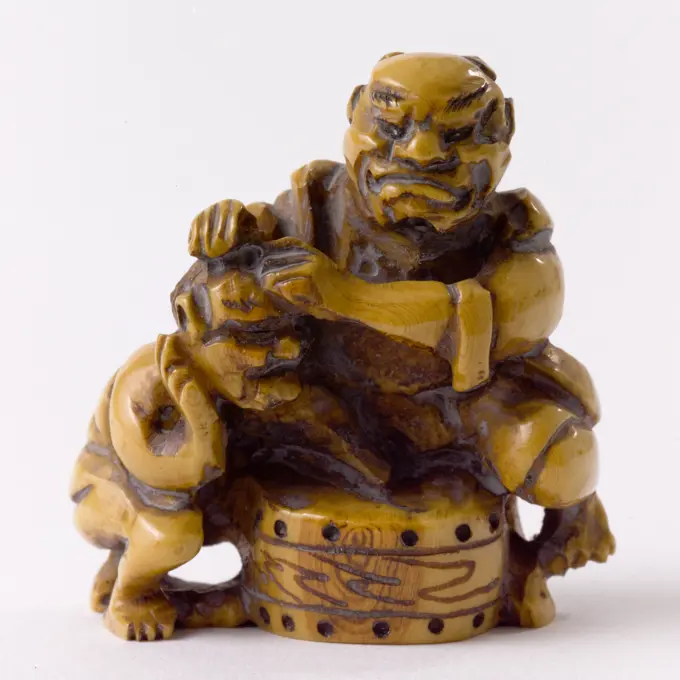
Netsuke. God thunder and character. Japan. Ivory. Paris, Cernuschi museum. Clothing element, netsuke, dress object, traditional clothing
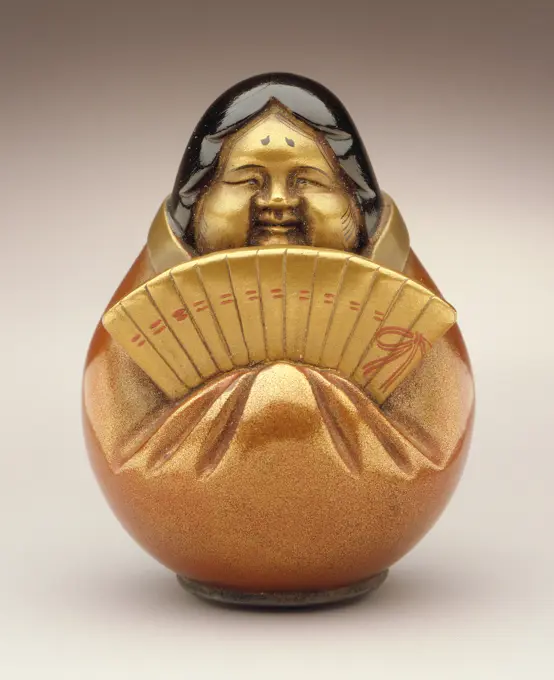
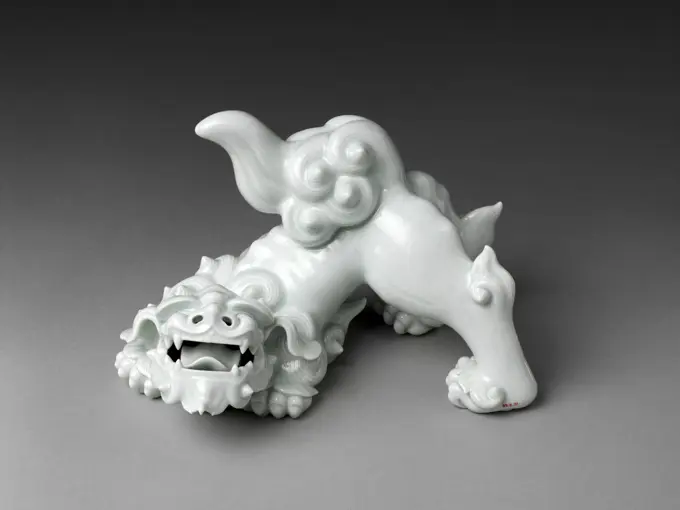
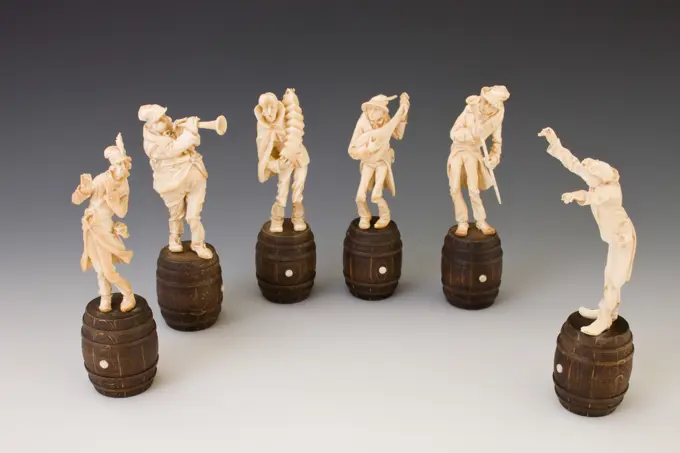
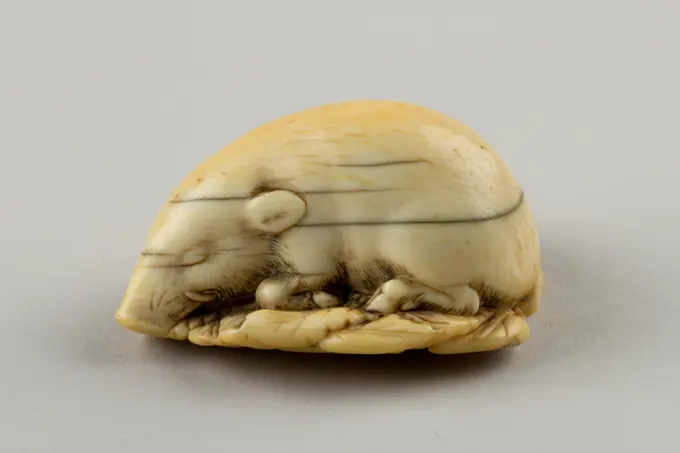
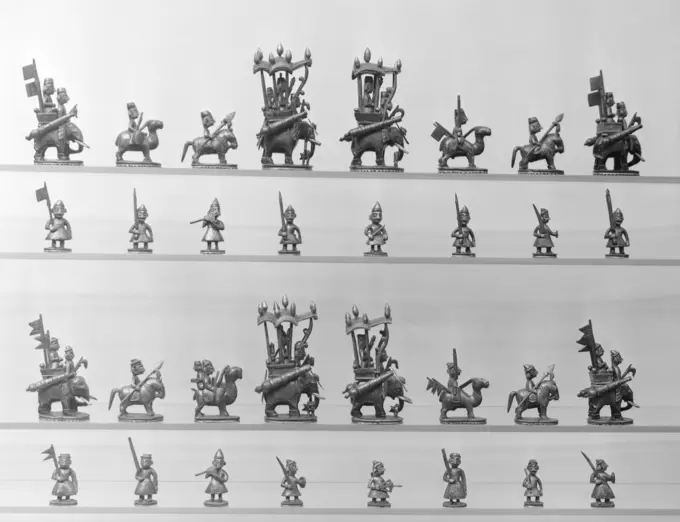
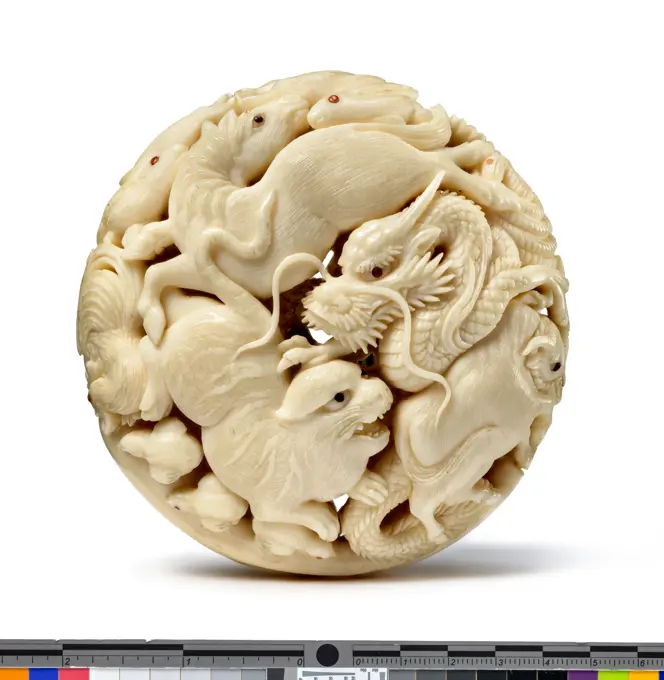
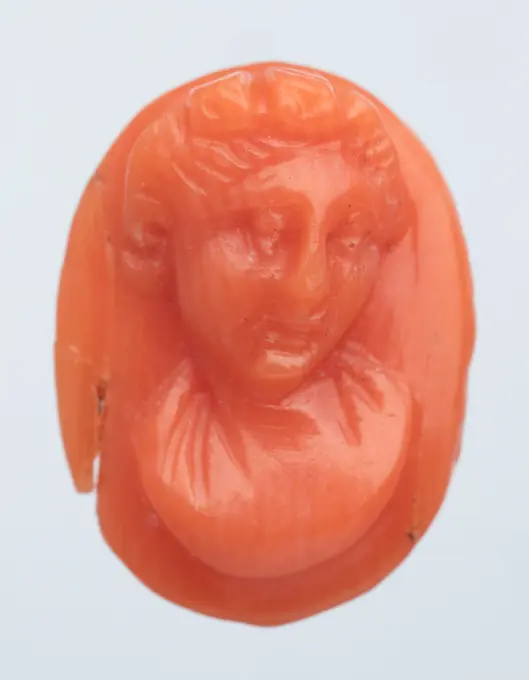
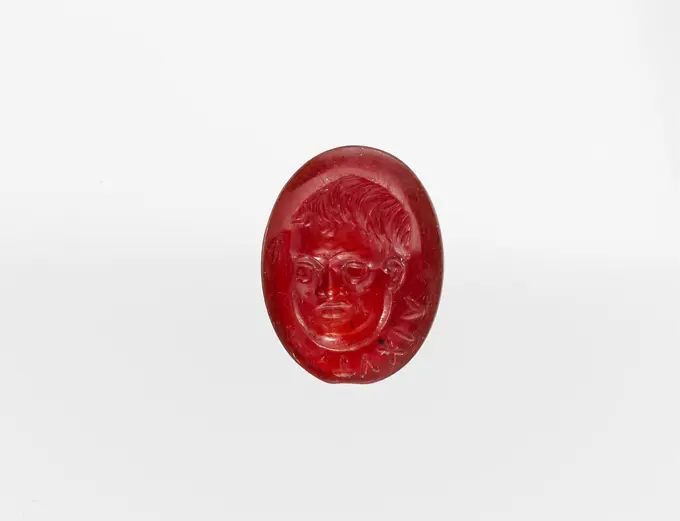
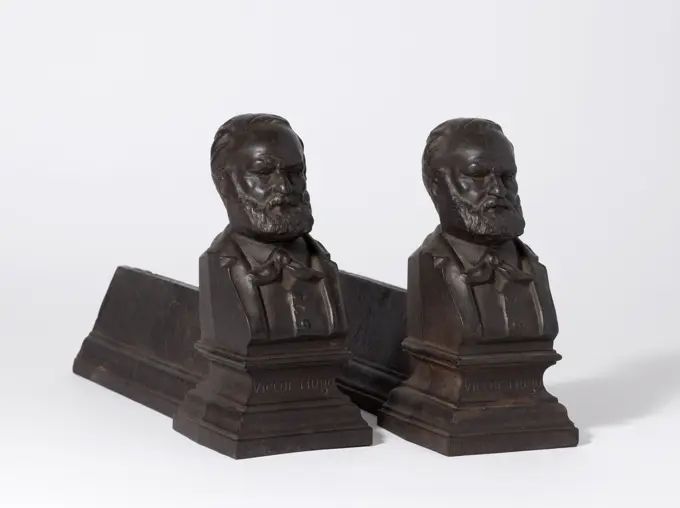
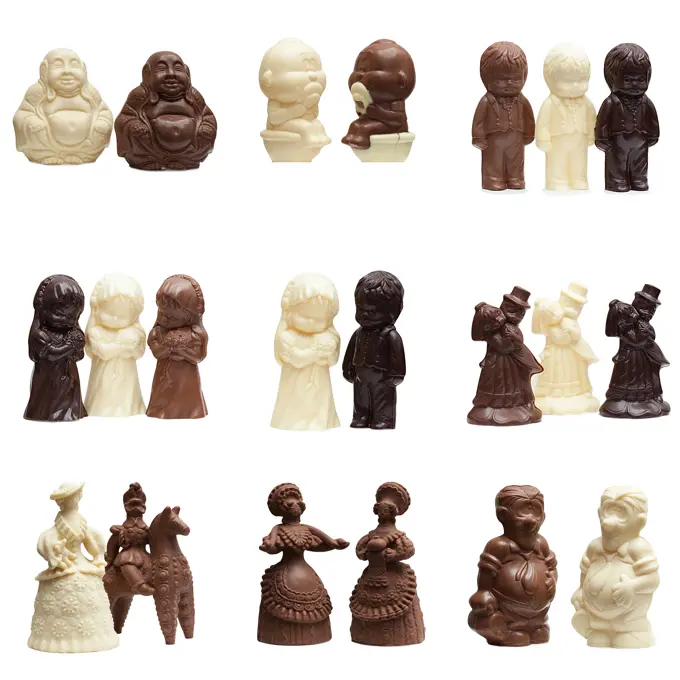
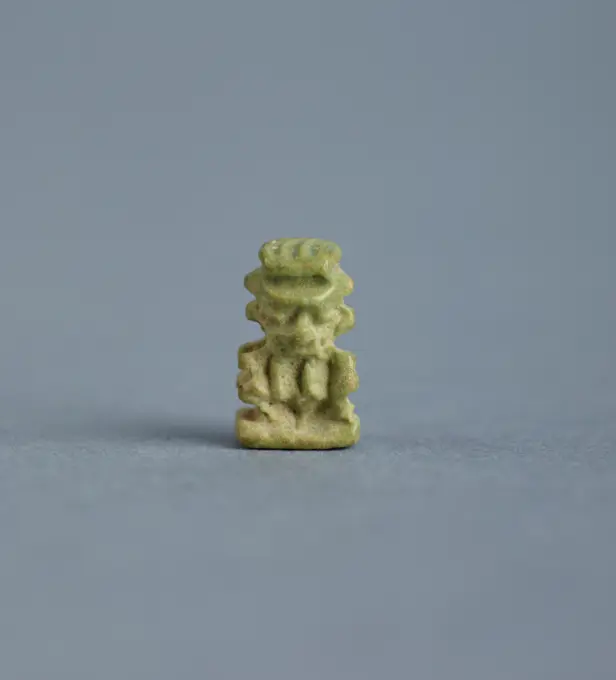
Amulet  HatchesBronze statuette of Herakles ca. 3rd-1st century B.C. Italic Statuettes of Herekles in advancing attitude, wielding the club and holding the bow have been found in great numbers.. Bronze statuette of Herakles 246432Antique Santa Claus figurine Antique Santa Claus figurineModel of a pregnant woman for use during anatomy education. European, made from ivory, 17th century.Female Daruma Doll. Japan, 19th century. Costumes; Accessories. Gold lacquerMiniature carved from ivory, East Asia exhibition in Haus Kemnade castle and museum, Hattingen, North Rhine-Westphalia, Germany, EuropeLion-dog (Shishi) early 19th century Japan. Lion-dog (Shishi). Japan. early 19th century. Porcelain with incised decoration under celadon glaze (Hizen ware: Hirado type). Edo period (1615-1868). CeramicsScapin 1750-55 Bow Porcelain Factory British. Scapin. British, Bow, London. 1750-55. Soft-paste porcelain. Bow Porcelain Factory (British, 1747-1776). Ceramics-PorcelainChrist child - devotional image from the Cistercian monastery Heggbach. The Christ child from Lindenholz embodies the man became God. The blessing gesture and the world globe indicate Christ as a salvation bringing redeemer and future world's judges. Such tour and approximately life-size Jesus boys were especially popular in women's monasteries in the 15th century. This late Gothic Christ child was carved for the Cistercian monastery in the Upper Swabian Heggbach. Especially in the crib games in the Christmas season, the devotional worship of the well-tightened divine child took extremely realistic forms. The sculpture was wrapped by the nuns in precious clothes, placed in a cradle and placed on the altar table. Acquired by Campe Historical Art FoundationFigures of six musiciansBuddhist Divinity ca. 1735-40 Meissen Manufactory German. Buddhist Divinity 197363Abruzzo, L'Aquila, S. Giuliano (L'Aquila environs), Museo, Italy, 20th century, photo, photography, Europewooden thai statue woman wooden woman from thai culture isolated on white Copyright: xZoonar.com/chrisxwilllemsenx 7423831. Figure of a man playing on a Posthoorn. On cut-away low pedestal.Netsuke, Tomomasa, 1800-1850 Mask from Okame, the ugly girl. Signed "Tomomasa". Japan wood (plant material). lacquer (coating) Mask from Okame, the ugly girl. Signed "Tomomasa". Japan wood (plant material). lacquer (coating)Bear figurine Koriak folk productsFigure of a Beggar Playing the Hurdy-Gurdy Figure; Manufactured by Meissen Porcelain Manufactory (Germany); Modeled by Johann Joachim Kändler (German, 1706-1775); hard paste porcelain, vitreous enamelLittle angel made of clay, prayingLife Cast of the Hands and Face of Abraham Lincoln. Leonard Welk Volk; American, 1828-1895. Date: 1860. Dimensions: Life Mask: 24.1 x 21 x 14 cm (9 1/2 x 8 1/4 x 5 7/8 in.); Right hand: 14.6 x 13 x 8.9 cm (5 3/4 x 15 1/8 x 3 1/2 in.); Left hand: 16.5 x 10.8 x 7.5 cm (6 1/2 x 4 1/4 x 2 7/8 in.). Bronze. Origin: United States. Museum: The Chicago Art Institute, Chicago, USA. Author: Leonard Welk Volk Leonard Welk Folk.Close-up of terracotta SoldierNetsuke of a Boar 18th century Japan. Netsuke of a Boar. Japan. 18th century. Ivory. NetsukeGuessing Bank, Man's Figure', c. 1877, Edward J. McLoughlin, American, 9 7/8 x 6 1/16 x 5 5/16 in. (25.08 x 15.4 x 13.49 cm), Iron, pigment, enamel, 19th centurySix of the Twelve Divine Generals (Juni shinsho). Culture: Japan. Dimensions: Each: H. 19 5/16 in. (49 cm); Base: L. 8 1/2 in. (21.6 cm); W. 6 1/2 in. (16.5 cm). Date: 14th century.The Twelve Divine Generals serve and protect Yakushi Nyorai, the Medicine Buddha, who heals all diseases, including the disease of ignorance. They are also responsible for protecting the faithful and vanquishing the enemies of Buddhism. The generals are usually depicted with ferocious countenances, wearing armor and standing in fighting poses, as in these examples. In Heian Japan, they became associated with the twelve animals of the Chinese zodiac. The generals here have been tentatively identified as, from right to left: (2) Basara, Ox ()(4) Anchira, Rabbit ()(6) Sanchira, Snake ()(7) Indara, Horse ()(11) Shotora, Dog ()(12) Bikara, Boar (). Museum: Metropolitan Museum of Art, New York, USA.Sailor with a Banner Figure; Designed by Natalya Yakovlevna Danko (Russian, b. Georgia, 1892-1942); Made by Ivan Kuznetsov; Manufactured by State Porcelain Factory (Russia); enameled and gilt porcelain; 18.5 cm (7 5/16 in.); The Henry and Ludmilla Shapiro Collection; Partial gift and partial purchase through the Decorative Arts Association Acquisition and Smithsonian Collections Acquisition Program Funds; 1989-41-140Chessmen (32) Indian 19th centuryZodiac Animals. Kaigyokusai Masatsugu (Japan, 1813-1892). Japan, mid- to late 19th century. Costumes; Accessories. Ivory with sumi, inlays; ryūsa typeBliżej KulturyChessmen (32 pieces) Indian 19th century As is often the case with Indian sets made for foreigners, the principal pieces are in the same style on each side, but the pawns are differentiated. The kings, the ministers, and three of the camel-riders (bishops) have an attendant by the left foreleg of the elephant or camel on which they ride. The ministers' elephants hold lions in their trunks. On either side of their tall howdahs, the kings' and the ministers' elephants carry cannon. The rooks are elephants, as they often are in Hindu sets, and these hold an oversize horseshoe.Carnelian ring stone. Culture: Roman. Dimensions: Length: 5/8 in. (1.6 cm). Date: ca. A.D. 69-96.Head of a child in three-quarter viewInscribed Tuxia. Museum: Metropolitan Museum of Art, New York, USA.Chenêts with Bust by Victor Hugo. Fonte, house of Victor Hugo - Hauteville House 54513-5Edible figures made of different kinds chocolate Edible figures made of different kinds chocolate, isolated on white ,model released, Symbolfoto Copyright: xZoonar.com/AndreyxGuryanovx 9130241 ,model released, Symbolfoto ,property releasedNew Creedmoor' mechanical bank, c. 1891, J. & E. Stevens Company, Cromwell, Connecticut, 1843-1950s, 6 3/4 x 10 3/16 x 2 11/16 in. (17.15 x 25.88 x 6.83 cm), Iron, pigment, 19th century