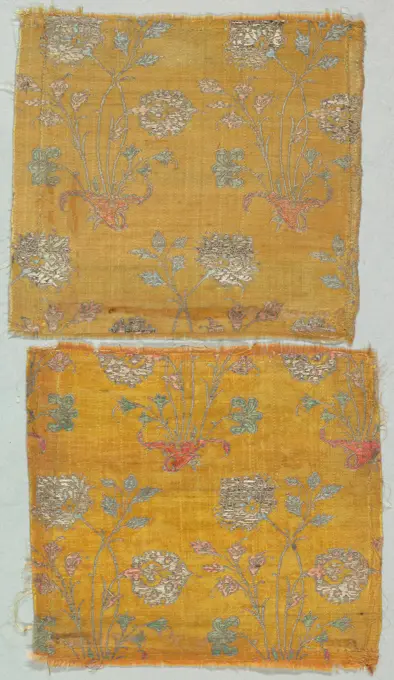
Oriental Carpet Fragments

An assortment of detailed fragments from Eastern carpets, showcasing rich colors and intricate patterns, highlighting the craftsmanship of Asian textiles.
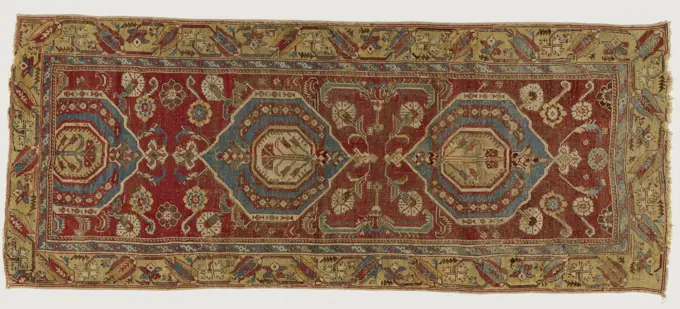
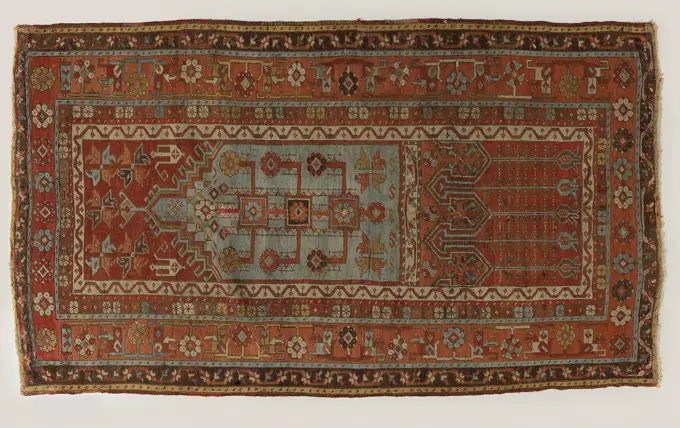
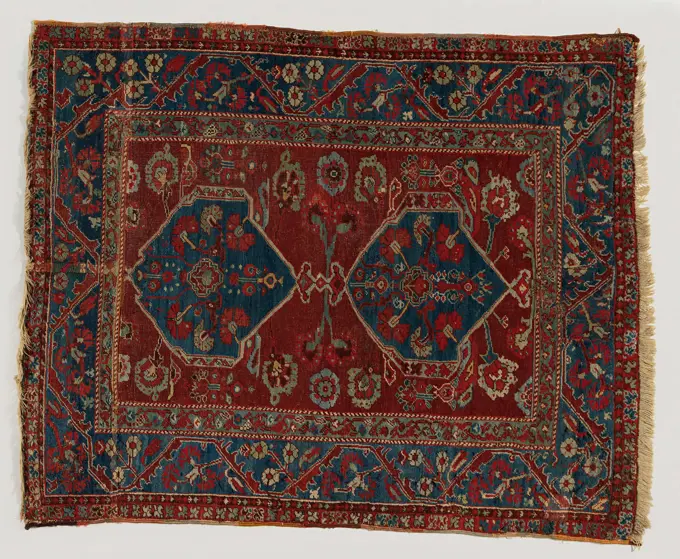
Eastern carpet ,, 1600 - 1800 Eastern carpet, medailla rug. In midfield there are two and a half hexagon on a wine red soil. Every time an octagon with anjer. On the Anjelieren and Rosettes field. Double edge. The widest ocher yellow with tulips on tumbles. Button: Ghiordes Knoop. Asial Necklace and impact: Wool Eastern carpet, medailla rug. In midfield there are two and a half hexagon on a wine red soil. Every time an octagon with anjer. On the Anjelieren and Rosettes field. Double edge. The widest ocher yellow with tulips on tumbles. Button: Ghiordes Knoop. Asial Necklace and impact: Wool
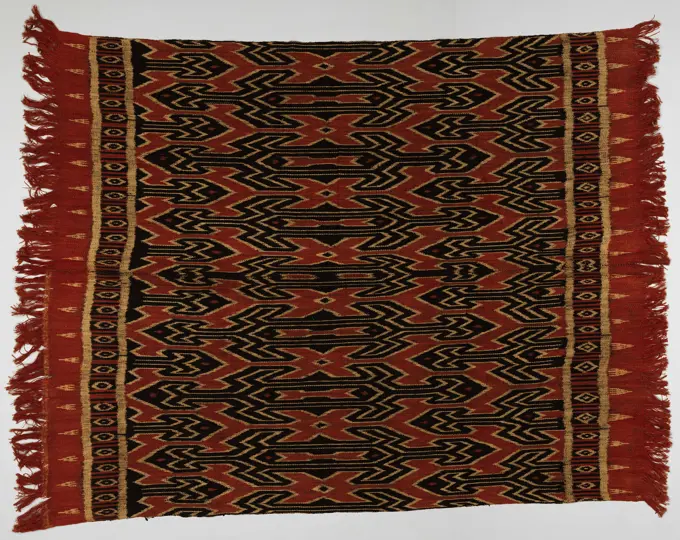
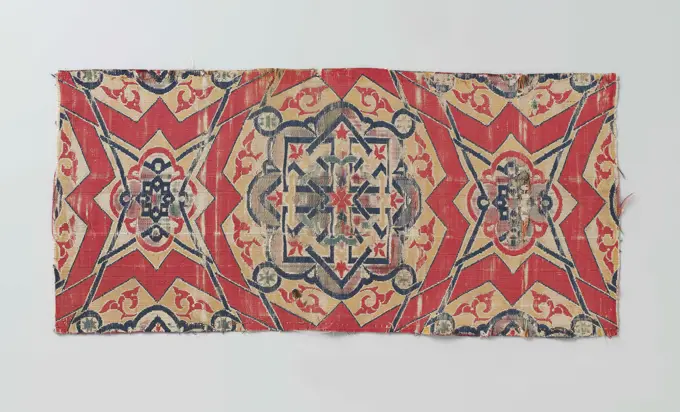
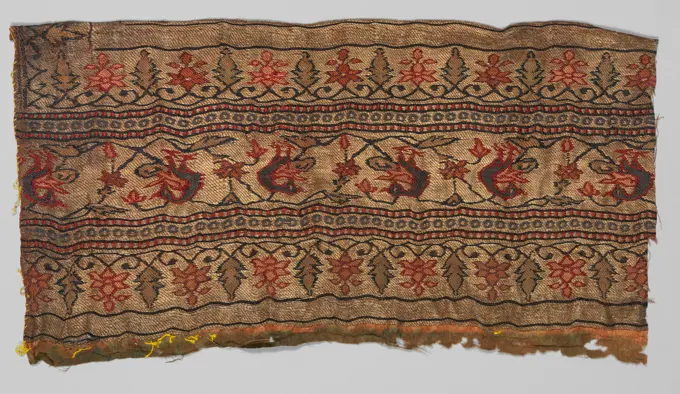
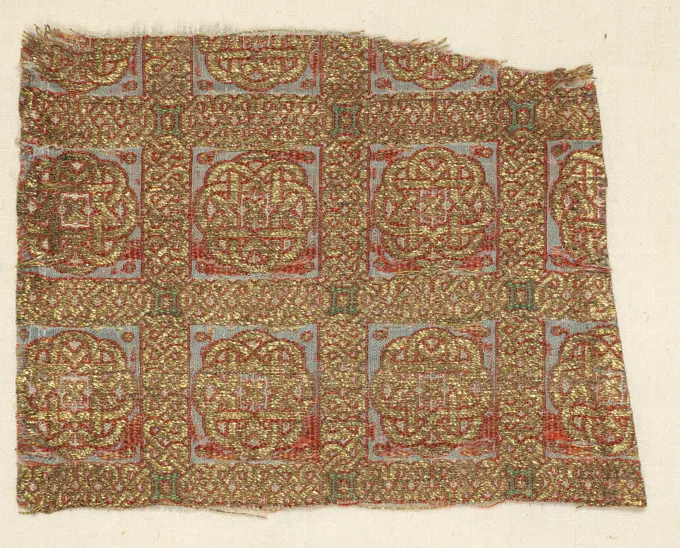
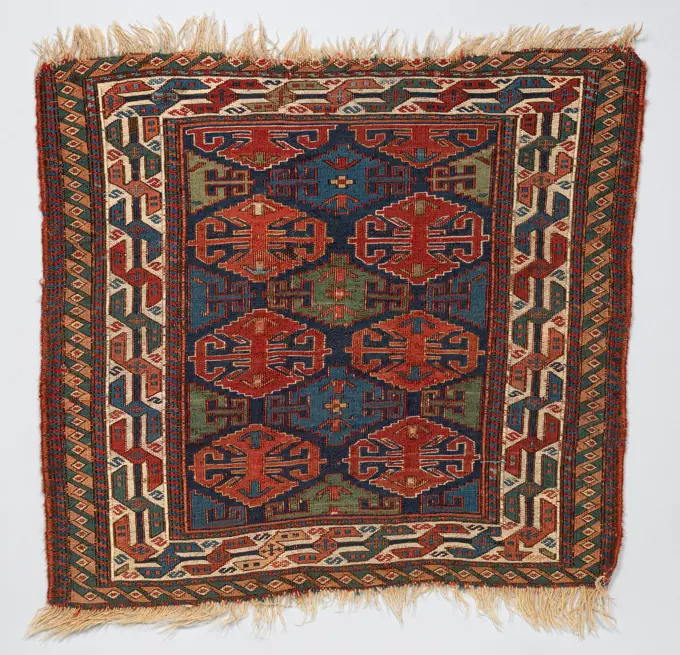
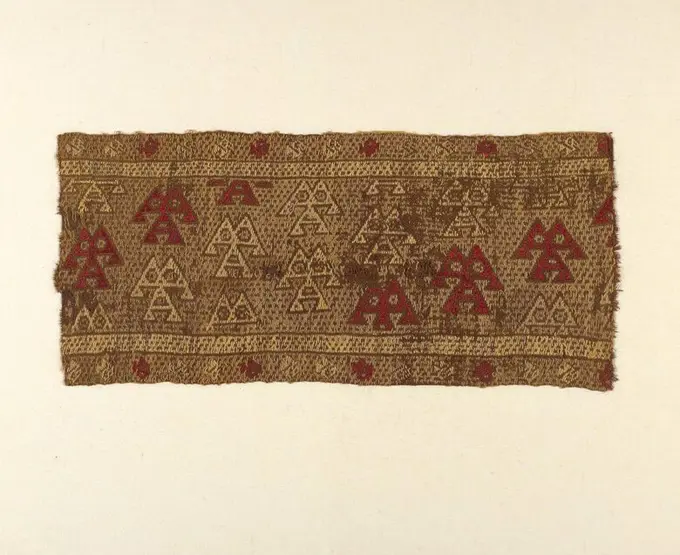
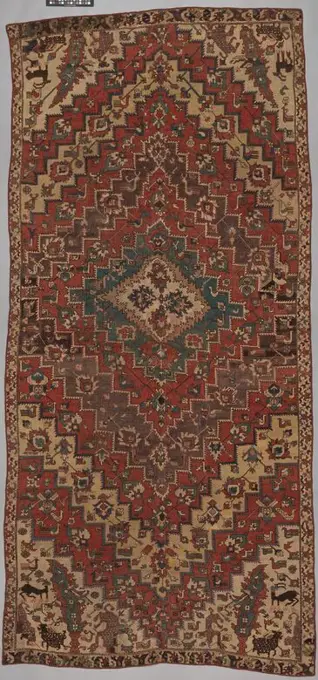
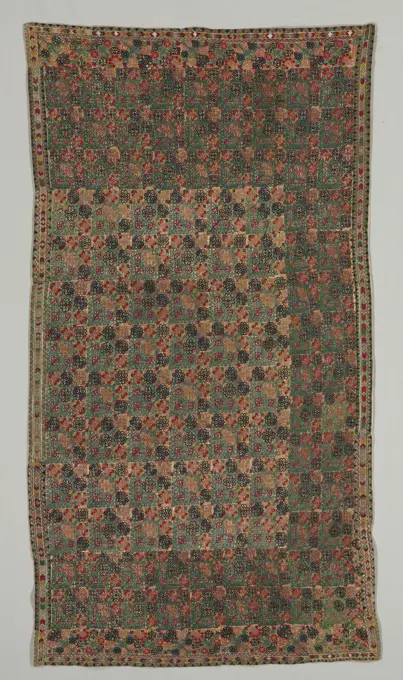
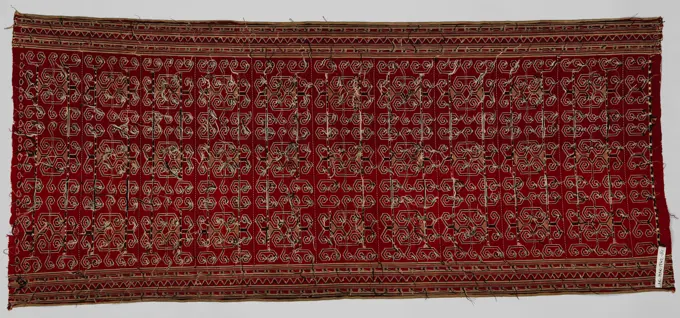
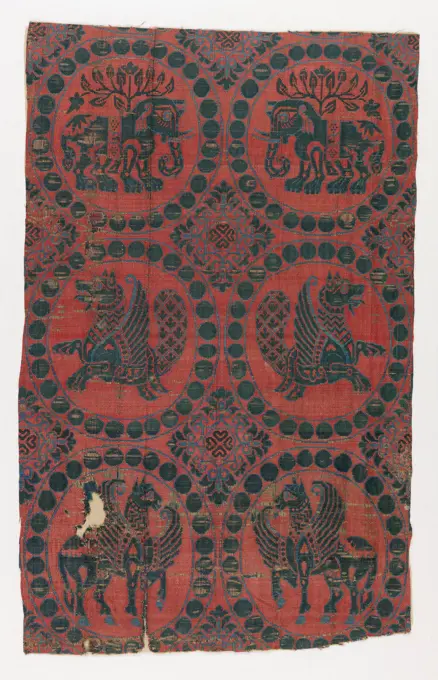
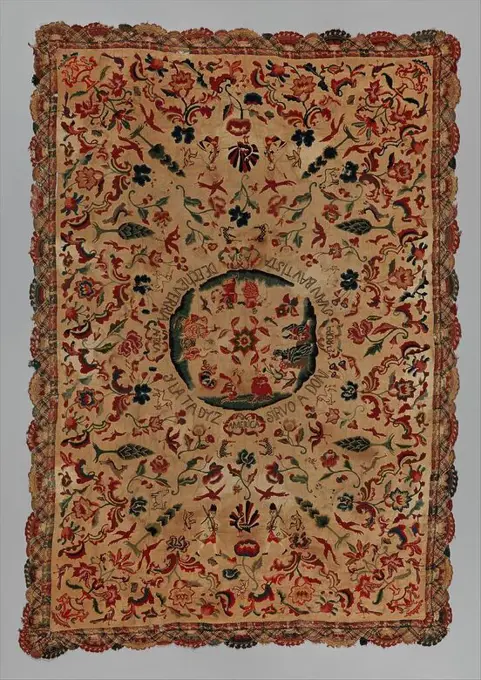
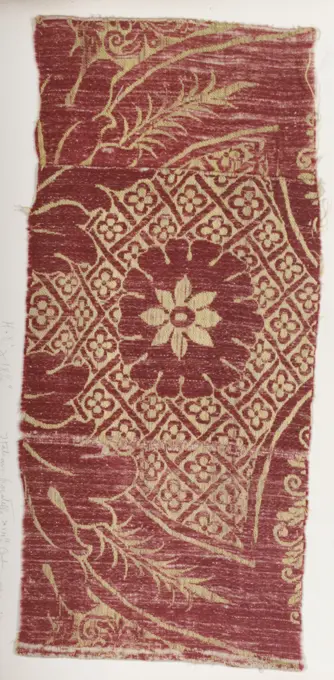
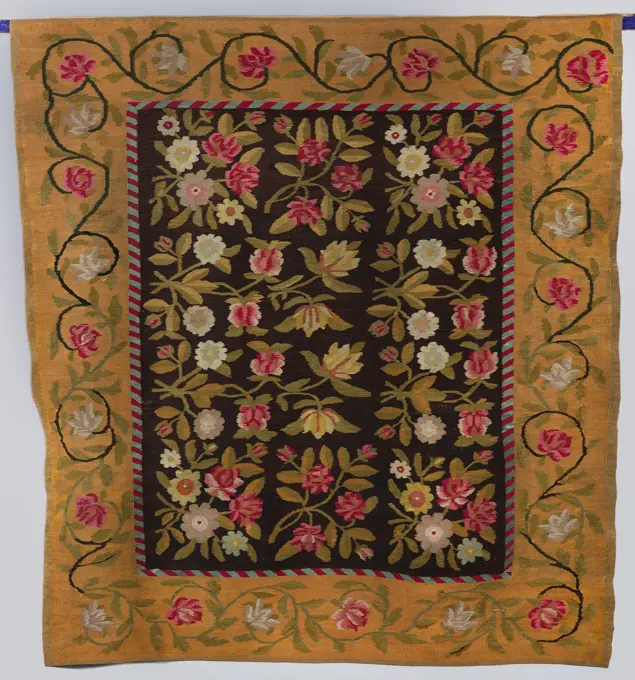
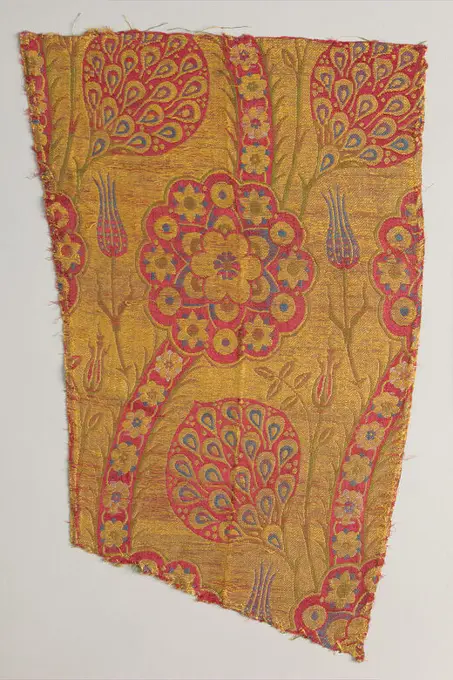
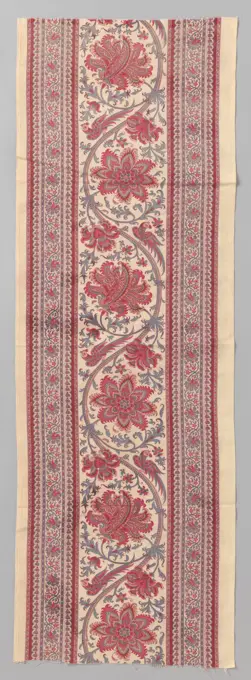
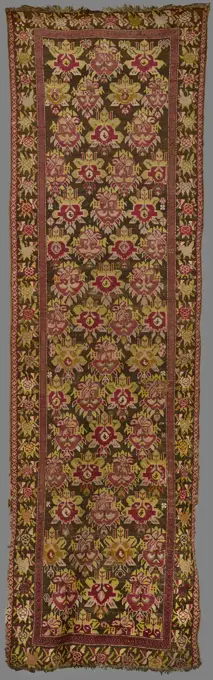
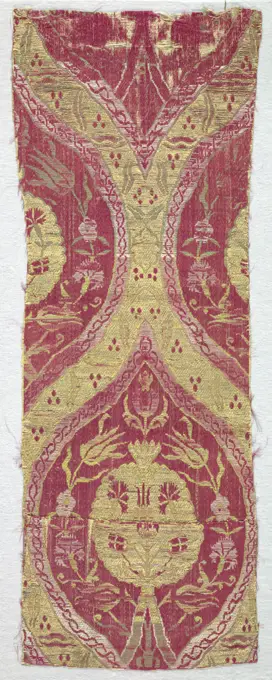
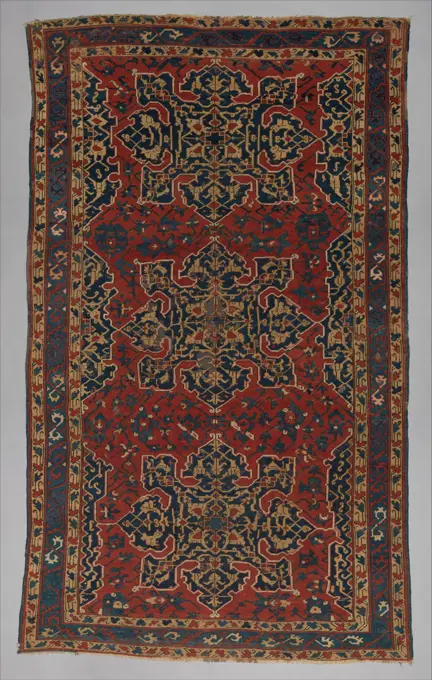
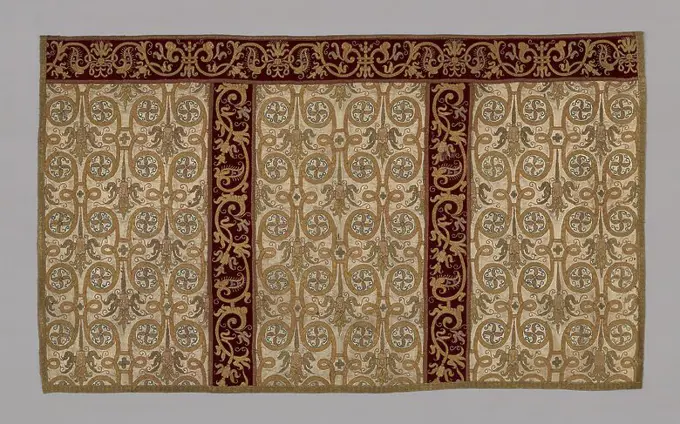
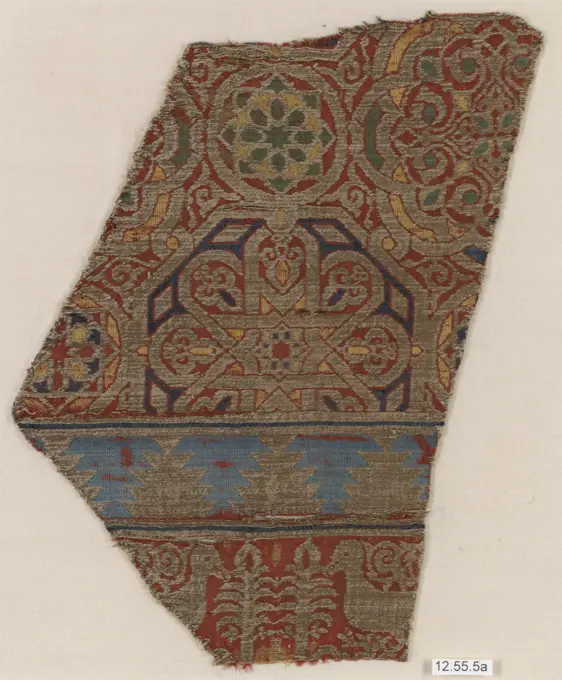
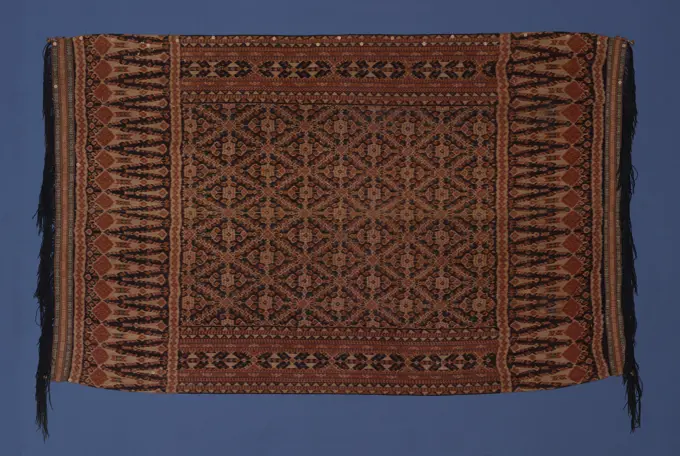
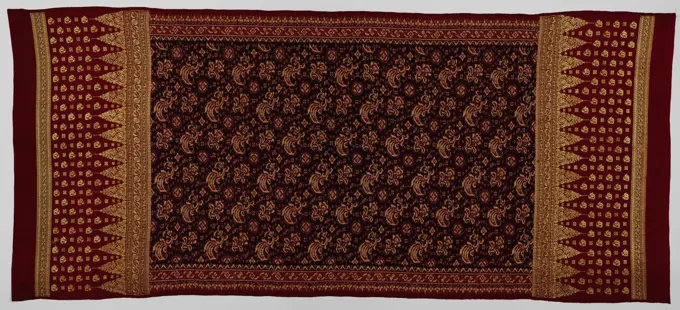
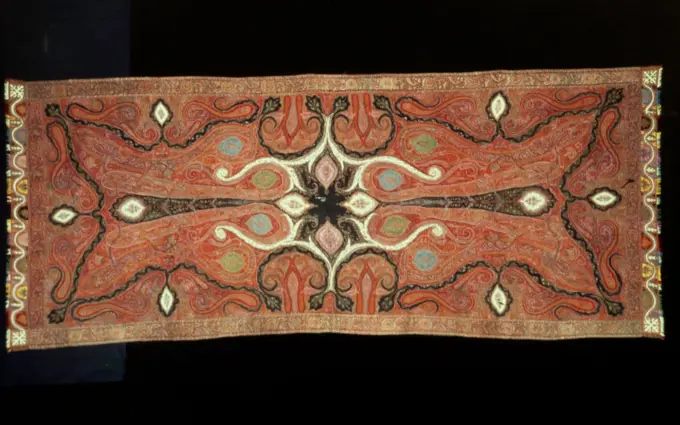
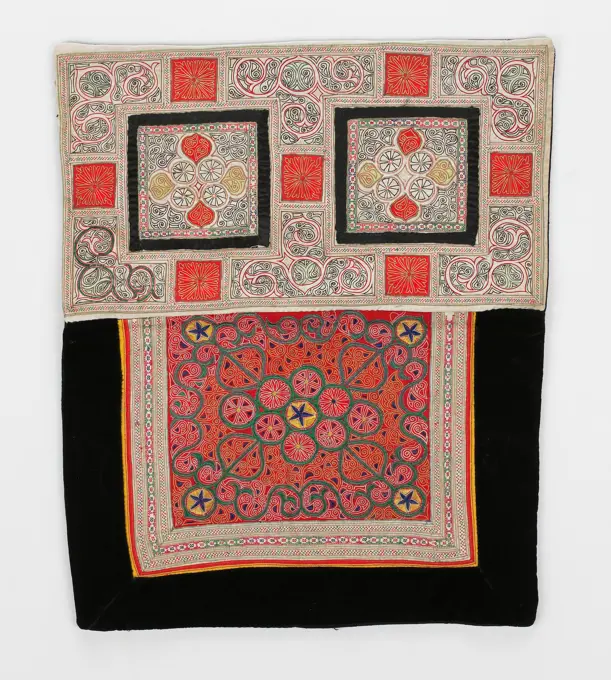
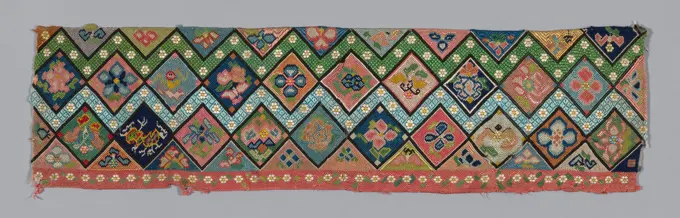
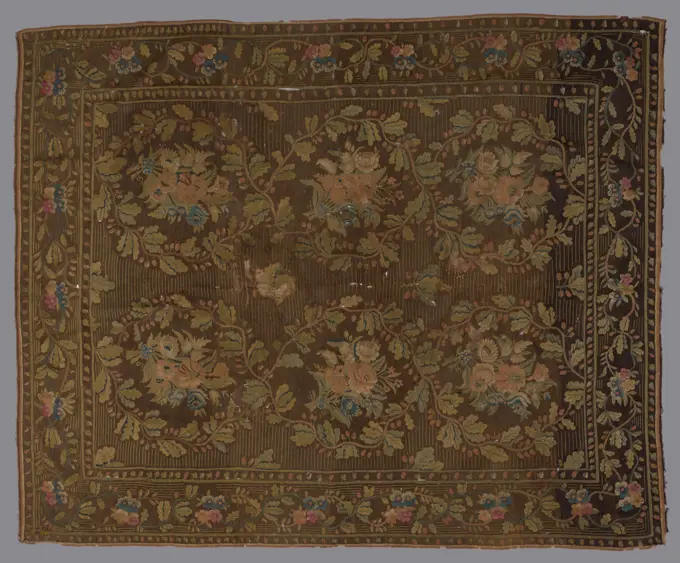
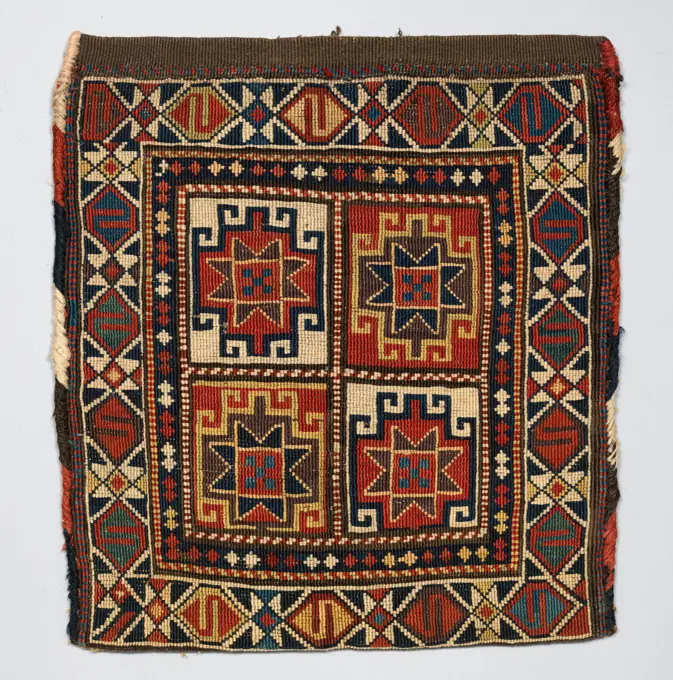
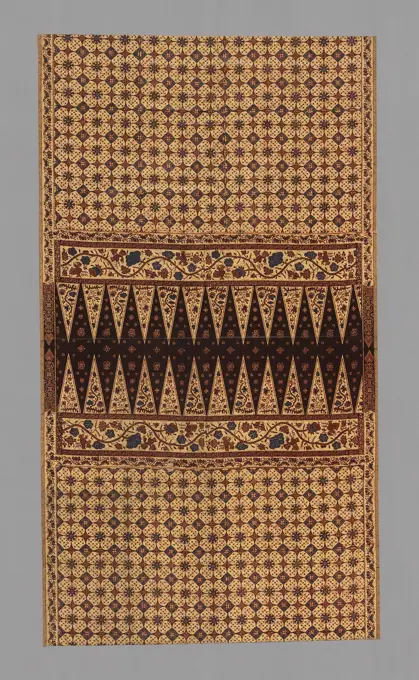
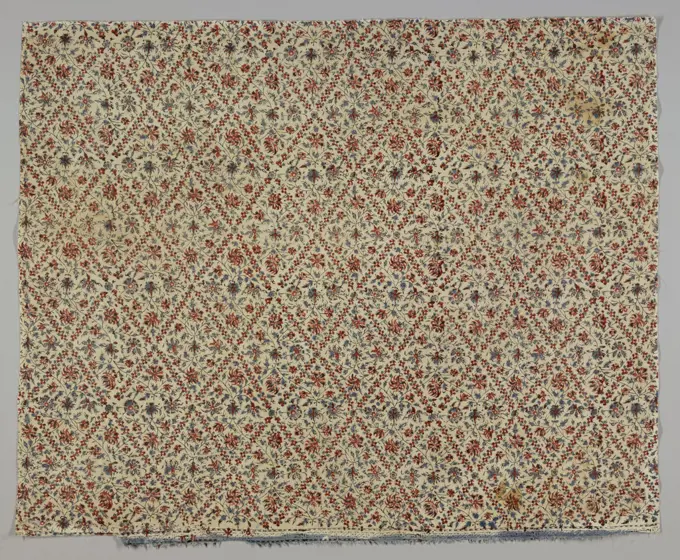
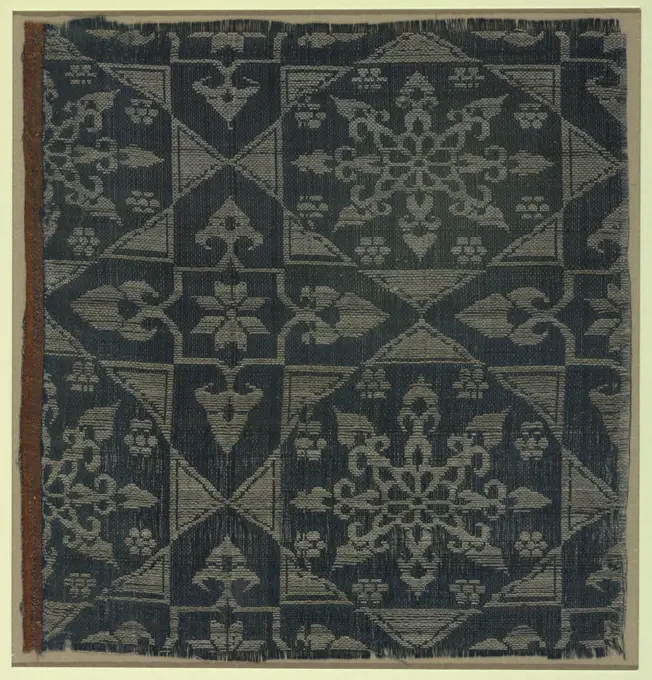
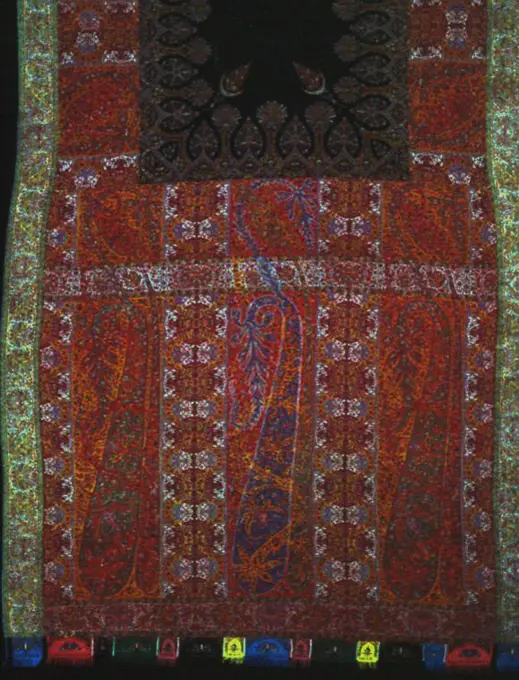
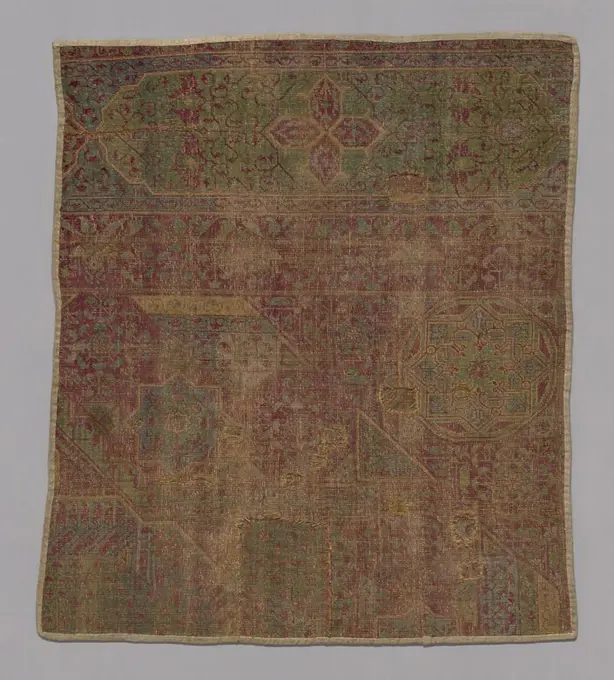
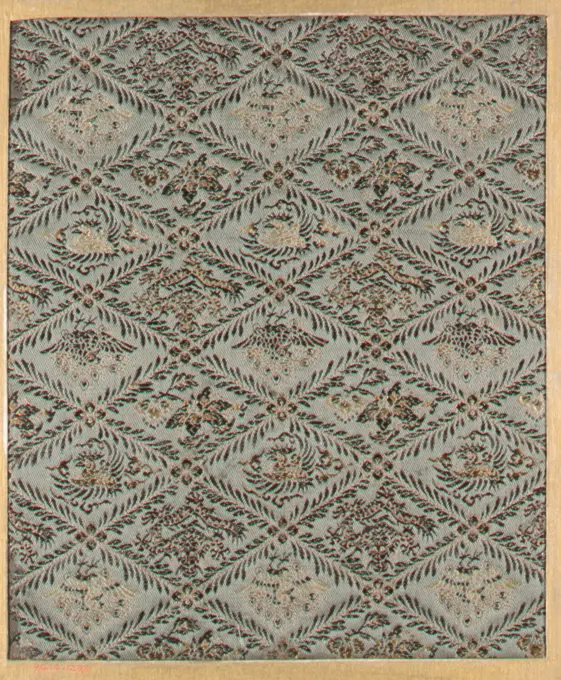
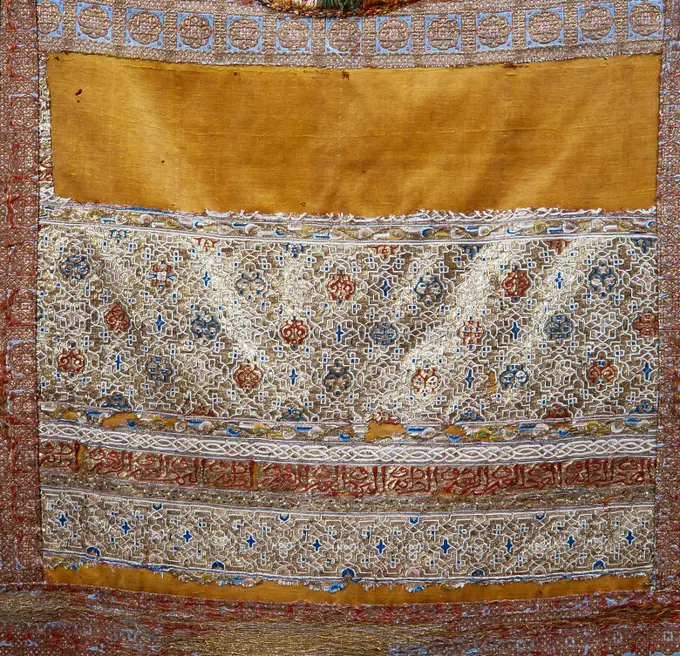
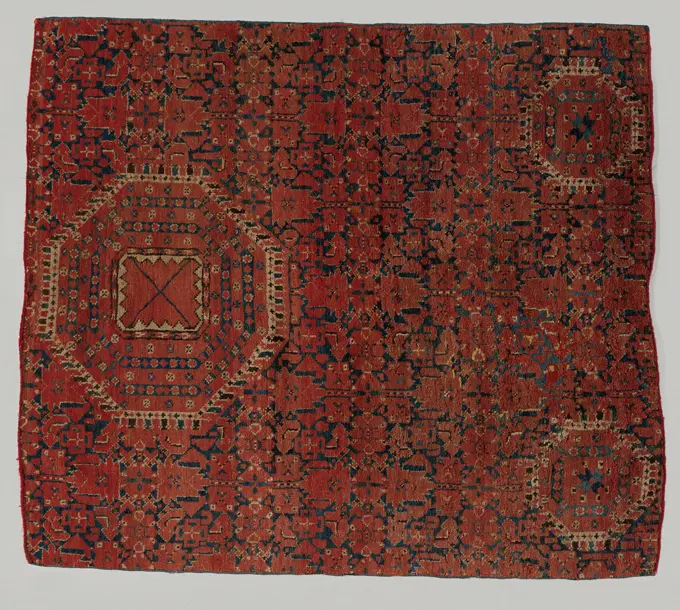
Eastern carpet ,, 1600 - 1800 Eastern carpet, medailla rug. In midfield there are two and a half hexagon on a wine red soil. Every time an octagon with anjer. On the Anjelieren and Rosettes field. Double edge. The widest ocher yellow with tulips on tumbles. Button: Ghiordes Knoop. Asial Necklace and impact: Wool Eastern carpet, medailla rug. In midfield there are two and a half hexagon on a wine red soil. Every time an octagon with anjer. On the Anjelieren and Rosettes field. Double edge. The widest ocher yellow with tulips on tumbles. Button: Ghiordes Knoop. Asial Necklace and impact: WoolFragment of an oriental carpet. Fragment of an oriental carpet, medallole. In midfield a large middle medallion and at the top two smaller ones. The field is decorated with a heriti pattern. No edges.Fragment red lamp axle with multicolor pattern of geometric figures and blue braid. Rectangular fragment red lamp axle with a multicolor pattern. Between open braid from narrow blue tires, two different shapes switch each other in a regular pattern: a large eight pass in a diagonal placed stump cross and a small four-pass on a star. Both shapes are decorated with stars, lines and colored surfaces; The eight pass with small floral motifs.Oosters tapijt.Oriental carpet, perkal rug, the midfield of which is divided into two rows of rectangles comprising a diamond or rectangle with it.Mans Mantle or Hipcloth (Hinggi)Prayer cloth with windows, kazak. Prayer cloth with windows, kazak. Midfield: Dark terrarode mihab and swing. In the niche three small diamond-shaped medallions, two in dark green and the middle in dark blue, each divided into four checks in beige / dark blue and beige / dark green. Fold filling of two hexagons with red flower roster and sprinkled cross blocks in eight parts of beige, green, white, dark blue and goudoo. Edges: Triple. The widest with wine glass motifs on inside on white triangles and to D outside on different colored triangles, which are separated by a sawtooth blade. The indoor zoom irradiates along the niche is, as well as the outdoor zoom of dark blue with windows.Skoutari” carpet unknownSkirt Cloth (KainKebat)Prayer rug with Bovendwarspaneel, Ladik ,, 1800 - 1900 Prayer rug with upperwars panel, Ladik. Midfield: plain red mihrab with a stepped staircase raised in the middle. Blue swing with multicolored star flowers and toothed lancet leaves on a horizontal S-rank. A tilt edge is in pink with white "omegalijn", radical in a red top panel, on which long tulips stand, alternating in blue (3) and white (2). Edges: quadruple. The main edge is soft yellow with diamond -shaped, printed rosette flowers, alternately with sloping, striped tulips. An inner zoom is black with multicolored rosettes. The outside zoom is also black, with carnations. A white frame runs around the niche and the swing; Another list runs around the top panel on three sides. Beard: A solid beard of 5 cm. Wide is (still ddels) present at the top. Ladik wool Prayer rug with upperwars panel, Ladik. Midfield: plain red mihrab with a stepped staircase raised in the middle. Blue swing with multicolored star flowers and toothed lancOosters tapijt.Oriental carpet whose midfield is decorated with spring motifs against a cornflower background. The widest edge is decorated with flower drinks.Ritual Cloth(Osap)Four Chandanri Sari Border Fragments ca. 18th century. Four Chandanri Sari Border Fragments. ca. 18th century. Silk and metallic thread; brocaded. Country of Origin India. Textiles-BrocadesFragment with stars in stacked squares, from a dalmatic of San Valero, 1200s. Spain, probably Almeria. Lampas with areas of double cloth: silk and gold thread; overall: 10 x 7.7 cm (3 15/16 x 3 1/16 in.).Embroidered Cushion Cover, 17th-18th century. Morocco, Chechauen, 17th-18th century. Embroidery: silk on linen tabby ground; average: 48.6 x 33.7 cm (19 1/8 x 13 1/4 in.).Selendang (Shawl) or Belt Made 1775-1825 Java. Batik dyed .Face from Half of Double Saddle Bag (Khorjin) 19th century. Face from Half of Double Saddle Bag (Khorjin). 19th century. Wool; sumak brocaded. From Northwestern Iran. Textiles-Woven-BrocadeCover; silkFragment. Chancay; Peru, Central coast. Date: 1000-1476. Dimensions: 44.8 x 20.3 cm (17 5/8 x 8 in.). Cotton and wool (camelid), plain weave with patterning and brocading wefts. Origin: Peru. Museum: The Chicago Art Institute, Chicago, USA.Carpet. Dimensions: H. 158 in. (401.3 cm)W. 74 1/4 in. (188.6 cm). Date: 17th-18th century. Museum: Metropolitan Museum of Art, New York, USA.Embroidery, 19th century. Turkey , 19th century. Embroidery: silk and metal strips on linen tabby ground; average: 168.2 x 91.5 cm (66 1/4 x 36 in.).Fragment (Spain); silkHip cloth; Kain Kebat; Bidang. Hip cloth with geometric motifs.Baby Carrier, 25 1/2 x 19 3/8 in. (64.77 x 49.21 cm), Cotton; needlework, ChinaCloth; PA Biang. Cloth with animal figures.Fragment (Spain); silkFragment. Date/Period: 13th-14th century. Fragment. Medium: silk, metallic threads. Technique: two integrated structures, 4&1 satin plus plain weave (lampas). Height: 357 mm (14.05 in); Width: 250 mm (9.84 in). Author: UNKNOWN.Coverlet. Culture: Mexican. Dimensions: 81 1/2 × 56 3/8 in. (207 × 143.2 cm). Date: ca. 1770-80. Museum: Metropolitan Museum of Art, New York, USA.Mantle (Peru); cotton warp, wool weft, silkFragment Italian 17th centuryAnonymous, karabagh carpet. Wool. Carnavalet museum, history of Paris.Rug;  19th century (1801-00-00-1900-00-00);Gift (provenance), flowers, plant ornaments, Poland (culture), decorative fabrics, equipment and home equipmentSilk Fragment with Wavy-vine Pattern on Green Ground. Dimensions: Textile (largest piece): H. 53 1/4 in. (135.3 cm)W. 26 1/4 in. (66.7 cm)Mount: H. 57 3/8 in. (145.7 cm) W. 30 1/8 in. (76.5 cm) D. 2 1/4 in. (5.7 cm). Date: 16th century.Spectacular, large-pattern silks were favored materials for luxury garments among the courtly elite of sixteenth-century Istanbul, and were often used for the bold, richly colored kaftans of the Ottoman sultans. This rectangular silk fragment features a design of red undulating vines bearing rosettes, on a gold-green ground. A series of small rosettes of gold, blue, green, and yellow fill each vine, and larger rosettes punctuate the vine. Emanating from the vines are peacock tails and tulips, with details executed in blue, green, and pink. Museum: Metropolitan Museum of Art, New York, USA.Baby Carrier, 17 x 15 in. (43.18 x 38.1 cm), Silk, cotton; needlework, ChinaCoverKira, 20th century, 99 x 55 in. (251.46 x 139.7 cm), Silk, cotton, Bhutan, 20th centuryFigured Silk Weave Textile 15th century Spanish. Figured Silk Weave Textile 463041Dodendoek; Sekomandi. Dodendoek with geometric motives.Hexagonal rug, daghestan or shirwan. Hexagonal rug, daghestan or shirwan. Midfield: Cobalt blue fond with four hexagons in natural, blonde and beige with crochet motifs such as overshoes. Half triangles with stair walls. Edge: fivefold. The middle is white with Z.G. wine glass motif (= angular tulip) in beige shades with black contours. Here outside a few equal hems in yellow with rosettes. A second few hems in natural with rosettes.Fragment of Mawa' or Ma'a (Sacred Heirloom Textile) Made 1377-1499 India. Textiles were the primary Indian goods traded for southeast Asian spices ultimately destined for European markets. This fragment is among the oldest extant Indian textiles found in southeast Asia. Made in Gujarat for the Indonesian market, it has been radiocarbon-dated to between 1382 and 1502. The pattern features a block-printed image arranged horizontally along the textileís length, repeated without regard for vertical alignment in seven and a half rows. The repeat consists of a seated male figure with three attendant figures of lesser scale, the group is complemented by small geese and vegetal or perhaps architectural elements. The main figure may be a Jain sage, and indeed the three-quarter profile view and the so-called protruding eye do provide a link to the Jain painting tradition seen in Gujarati manuscripts dating from the fourteenth and fifteenth centuries.Trade cloths such as this have not survived inPillow Cover (Greece); silk embroidery on linen foundationTextile Fragment 18th century. Textile Fragment 444418Sampler(Limar)Oriental carpet. Oriental carpet, Arabesken floral rug. In midfield rosettes and lotuses on stems and arabesque against a cornificuer background. The middle red border is decorated with kufi characters.Prayer cloth with benedenwar panel, Ladik. Prayer cloth with benedenwar panel, Ladik. Midfield: Turqoise Mihrab with stair façade, in the middle raised top, filled with a branched tree of life in red. D Zwarten are red with two oil men in white and anjelieren in light blue and salmon color and light blue and brown. A tilting edge or "omegaline" separates a light brown upper strip of a senior panel in patent red with three brown and two light blue tulips. Edges: Quadruple. The third and widest is in lacquer red on which alternate and sloping lilies, in dark red, succinated yellow, light blue, purple and white. The first edge is white with red rank; the second light brown with rosettes; The outside zoom is purple with red rank.Tampan (Ceremonial Cloth) Made 1801-1900 Indonesia. Cotton and gilt-animal-substrate-wrapped hemp, plain weave with supplementary patterning wefts .Curtain trap of imitatieits, printed on sturdy white cotton with wide edge pattern of wavy twigs with palmet rosette flowers and birds, anonymous, c. 1900 - c. 1925 Curtain trap (A, B, C) of imitatiesits, pressed on sturdy white cotton with wide edge pattern of wavy twigs with palm met and rosette flowers and birds in red, cerise, pink and gray-blue with purple migration, caught in narrower red frames with a comparable pattern , namely with double flinging twigs, rosette flowers and blossoms printed on a white ribbon. A leaf in every shell. Divorce lists in light blue and pink with swinging slender. France or Alsace Ca. 1900-1925. FranceAlsace cotton (textile) printing Curtain trap (A, B, C) of imitatiesits, pressed on sturdy white cotton with wide edge pattern of wavy twigs with palm met and rosette flowers and birds in red, cerise, pink and gray-blue with purple migration, caught in narrower red frames with a comparable pattern , namely with double flinging twigs, rosette flowers andBaby Carrier, 20 1/2 x 20 1/2 in. (52.07 x 52.07 cm), Cotton; needlework, ChinaFlower rug, Kazak. Flower rug, Kazak. Midfield: Brown black fond with grid pattern in light blue ran red in which a flower is always in muted colors: english red, light brown, blue, old pink and for the stems and leaves flicken yellow. Edges: Triple. The middle is brown black with whole hexagons and semicircle in yellow, pink, blue and turqoise. Equal inside and outside of white on which a flower drink in black with red and blue flowers. BARDEN: Short beige beards, at the bottom with a zigzag line n at the top with long braided frills.Oriental carpet. Oriental carpet, medalleled. In the midfield there are two blue leaf medallions on a dark terracotta, in which Kennagw and Carnations. Field filling of rosettes. Triple edge. A angular edge runs on the wide blue main drive to which a triple bunch is growing.Fragment (China); silk; Warp x Weft: 27.5 x 12.5 cm (10 13/16 x 4 15/16 in.)Chintz Bed Cover or Hanging with a Japanese-Inspired Pattern, Right Half, first half 1700s. India, Coromandel Coast, first half of the 18th century. Drawn resist, painted mordants, dyed (2 reds, 2 blues, purple, brown, green); cotton; overall: 284.5 x 136 cm (112 x 53 9/16 in.).Tent bag, 19th century, 48 x 33 1/2 in. (121.92 x 85.1 cm), Wool; woven pile, Uzbekistan, 19th centurySampler (England); Embroidered by Abigail Freeman; silk and linen embroidery, linen foundationBaby carrier panel, ChinaCarpet;  19th/20th century (1880-00-00-1920-00-00);Krystall, Bronisław (1887-1983) - collection, flower ornaments, roses, testamental record (provenance)Silk sash (fragment cut lengthwise) unknownPanel (For a Bed Curtain). Greece, Dodecanese Islands, Patmos. Date: 1601-1700. Dimensions: 244.8 x 30.3 cm (96 3/8 x 11 7/8 in.)Warp repeat: 15.4 cm (6 1/8 in.). Linen, plain weave; embroidered with silk in cross, double running, running (pattern darning), satin, and stem stitches. Origin: Pátmos. Museum: The Chicago Art Institute, Chicago, USA.Fragments, Medium: silk, linen, metallic Technique: woven, Formal pattern of large ogives with tulips and carnations., Turkey, 16th-17th century, woven textiles, Fragments'Star Ushak' Carpet 16th-17th century The starlike medallions that give this type of carpet its name were a favored design among commercial weavers of the Ushak district of western Anatolia. The inspiration for the infinitely repeating pattern may have its source in other media, such as architectural tilework. Most Ushak carpets are easily recognizable by their characteristic color palette of rich red, dark blue, and yellow, often highlighted with touches of bright white and fresh green. Listen to experts illuminate this artwork's story Listen Play or pause #6650. Overview: Ushak Medallion Carpets Supported by Bloomberg Philanthropies We're sorry, the transcript for this audio track is not available at this time. We are working to make it available as soon as possible.. 'Star Ushak' Carpet 445364Sidewall, Block-printed on handmade paper, Circular red floral medallion on stripe of blue laurel between white zig-zag. Printed in red, white and blue on blue ground., possibly France, possibly USA, 1780-1800, Wallcoverings, SidewallFragment 17th century Italian. Fragment 230535Textile Fragment, 1800s. Japan, 19th century. Silk; average: 35.6 x 14.6 cm (14 x 5 3/4 in.).Altar piece (part of a chasuble). Spain. Date: 1601-1700. Dimensions: 101.8 x 170.7 cm (40 1/8 x 67 1/4 in.). White satin embroidered with couched rose, blue, and gold cord. Red velvet orphrey. Origin: Spain. Museum: The Chicago Art Institute, Chicago, USA.Conciliate belt; Manufaktura Paschalis Jakubowicz (Warsaw; label Pasów; 1788-1794); 2nd half 18th century (1791-00-00-1794-00-00);Ritual Weaving(Tampan)Textile Fragment 14th-15th century This textile fragment and is ornamented with circular medallions containing eight-pointed stars and large multi-lobed arabesques, alternating pyramidal merlons, and stylized palm trees flanked by confronting birds.Geometric patterns such as the ones in this fragment are found ornamenting a wide variety of media produced in Nasrid period (1232-1492) Spain, including tile work, woodwork, book binding, and painted stucco. Such colorful geometric designs also recall the famous wall patterns in the Alhambra palace in Granada. In both the plaster and tile work of the buildings in the palace, interlacery designs are closely related to this weaving.. Textile Fragment 446211Chagsi pangkheb, 20th century, 108 x 31 1/2 in. (274.32 x 80 cm), Silk, cotton; supplimentary weft patterning, Bhutan, 20th century, The use of elaborately decorated group napkins to honor special guests has survived into the 20th century in only a few remote places. This Bhutanese example was probably used for visiting abbots, and the inclusion of brocaded triangular and diamond motifs undoubtedly reference the metaphysical protective force associated with these symbols throughout much of Eastern Europe and Central Asia.Mans Mantle or Hipcloth (Hinggi)Sampler 19th century Spanish or Mexican. Sampler 228175Shoulder cloth, anonymous, c. 1900 Shoulder cloth with florale and lar motives. Muntok silk. Shoulder cloth with florale and lar motives. Muntok silk.Carpet 18th century. Carpet 452828Long Shawl, 19th century, L.135 x W.56-3/4 in., wool, cotton, India, 19th centuryBaby Carrier, 23 x 19 in. (58.42 x 48.26 cm), Cotton; needlework, ChinaTrouser Band Made 1875-1900 China. Forty-four pairs and eight odd pieces of embroidered sleeve, ankle bands, etc. on gauze. . Han-ChineseCarpet;  XVIII/XIX (1791-00-00-1810-00-00);Face of Half a Double Saddlebag (Khorjin) ca. 1875 The Shahsevan, whose name means "those who love the king," are Turkic nomads. Their historical migratory range reaches from the southwest shores of the Caspian Sea to the southern part of Transcaucasia. Art historians have identified Shahsevan weavings, including a variety of small-format bags, only in the past half century. Many Shahsevan weavings from the nineteenth and twentieth centuries, especially those with centralized geometric designs, show a striking relationship with Anatolian carpets from the fifteenth and sixteenth centuries. These older textiles are called Memling carpets, after the fifteenth-century Netherlandish painter who depicted them in his religious works. The khorjin saddlebags from the Mughan plain (on the Caspian Sea in northwestern Iran), such as this piece, continues the Memling design: it features repeated geometric octagonal medallion motifs with stars and angular hooks that develop from the step-like edges.Skirt, 20th century, 10 15/16 x 15 15/16 in. (27.78 x 40.48 cm), Cotton, China, 20th centuryKain Sarong (Skirt) Made 1893 Java. Batik dyed .Shawl fragment, Medium: cotton Technique: block printed, Pieced panel in off-white printed in red, blue and black in a pattern of floral tendrils overset with a trellis made of small rosettes., Kashmir, India, 18th-early 19th century, printed, dyed & painted textiles, Shawl fragmentFragment, Medium: silk Technique: two fabric structures; 2/1 twill and plain weave (lampas), Eight pointed stars in white on blue background., Spain, 15th century, woven textiles, FragmentLong Shawl Made 1825-1875 India. Wool, double interlocking twill tapestry weave, woven in rectangular sections; Harlequin tabs of twill weaves; embroidered with wool in back, flat, fly, satin, and stem stitches; laid work and couching; embroidered with silk in long and short stitches; warp fringe .Pillow Cover Made 1601-1700 Italy. linen and silk .Piece 18th century Japan. Piece 71872Sash. Culture: Polish, Sluck. Dimensions: L. 154 x W. 12 inches (391.2 x 30.5 cm). Manufactory: Leo Madjarski. Date: 1780-94. Museum: Metropolitan Museum of Art, New York, USA.Turban, 50 1/4 x 16 in. (127.64 x 40.64 cm), Linen, silk (), ChinaCarpet unknownCloth. Three-door cloth with geometric motifs, bridal gift.Carpet Fragment. Egypt. Date: 1475-1525. Dimensions: 93 × 105.1 cm (36 1/2 × 41 3/8 in.). Wool, plain weave with supplementary wrapping wefts forming cut pile through a technique known as "Sehna knots". Origin: Egypt. Museum: The Chicago Art Institute, Chicago, USA.Velvet Divan Cushion, 17th century. Turkey, 17th century. Velvet; silk (formerly on silver ground, which is now worn and darned); average: 119.4 x 64.2 cm (47 x 25 1/4 in.).Shawl 1850-69 European. Shawl 84583Doek, Anonymous, 1900 - 1949 Cloth with geometric motifs. Timor textile materials tapestry Cloth with geometric motifs. Timor textile materials tapestryCarpet Made 1875-1900 Morocco. Wool, plain weave with supplementary wrapping wefts forming cut pile through a technique known as Turkish (Ghiordes) knots .Kera, 20th century, Unknown Bhutanese, 85 x 15 1/4 in. (215.9 x 38.74 cm), Cotton, silk, Bhutan, 20th centuryTextile Fragment 17th century. Textile Fragment 454513Piece 18th-19th century Japan. Piece 67007Apron 19th century Romanian. Apron 98429Dálmatica de San Valero, siglo XII. Museu del Disseny de Barcelona.Fragment (Iran); silk, metallicHead Wrap, 28 x 22 in. (71.12 x 55.88 cm), Cotton; needlework, ChinaCarpet Fragment (United States or England); wool