Oriental Carpet Fragments

An assortment of detailed fragments from Eastern carpets, showcasing rich colors and intricate patterns, highlighting the craftsmanship of Asian textiles.
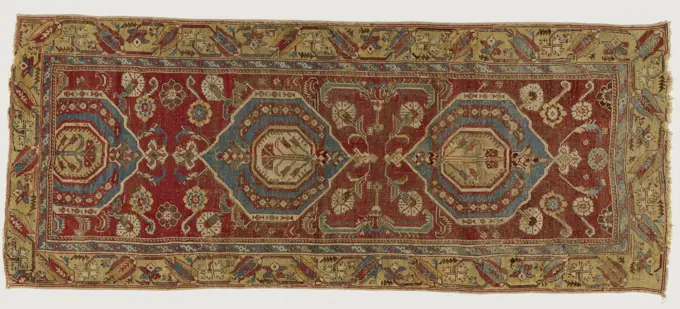
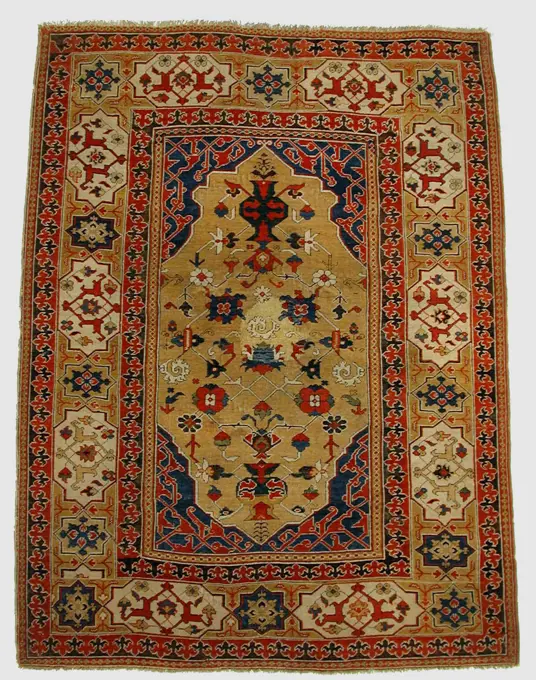
Eastern carpet ,, 1600 - 1800 Eastern carpet, medailla rug. In midfield there are two and a half hexagon on a wine red soil. Every time an octagon with anjer. On the Anjelieren and Rosettes field. Double edge. The widest ocher yellow with tulips on tumbles. Button: Ghiordes Knoop. Asial Necklace and impact: Wool Eastern carpet, medailla rug. In midfield there are two and a half hexagon on a wine red soil. Every time an octagon with anjer. On the Anjelieren and Rosettes field. Double edge. The widest ocher yellow with tulips on tumbles. Button: Ghiordes Knoop. Asial Necklace and impact: Wool
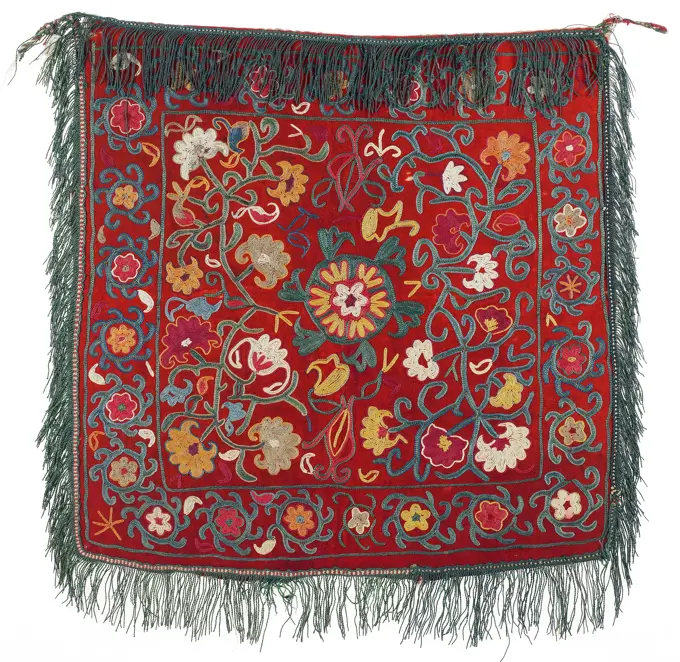
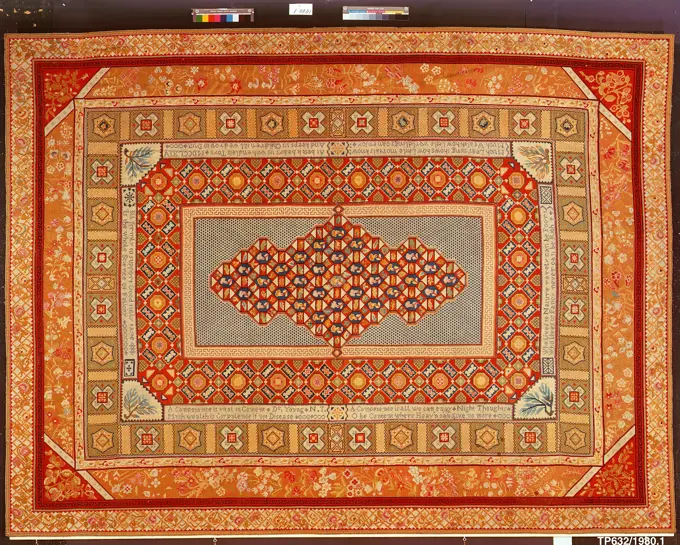
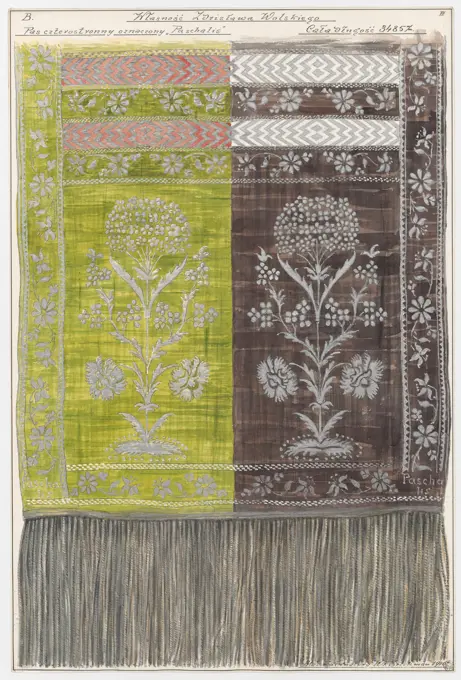
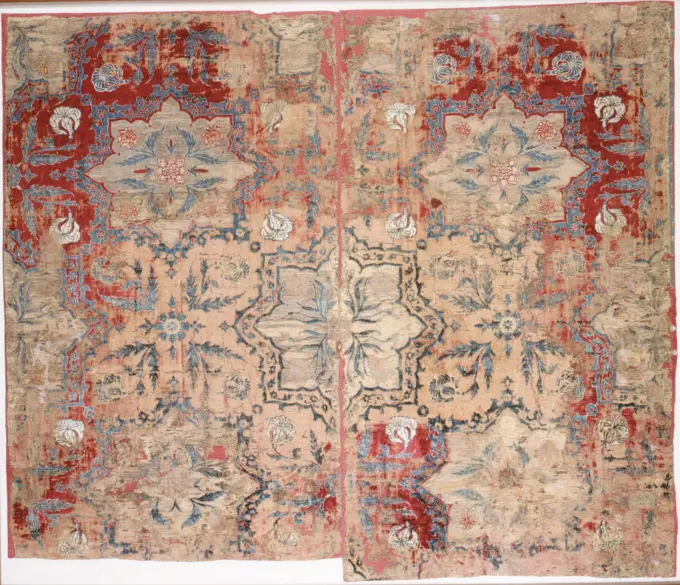
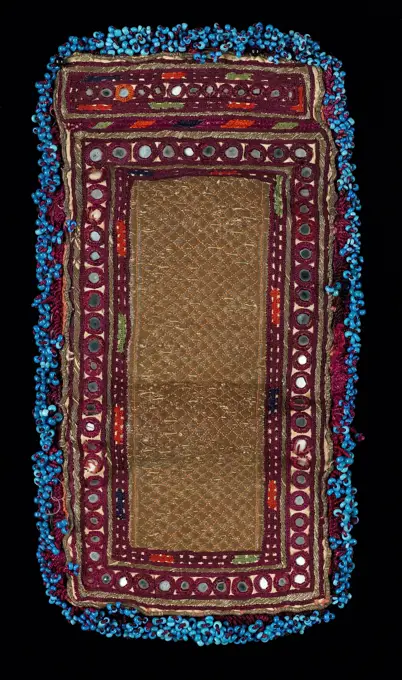
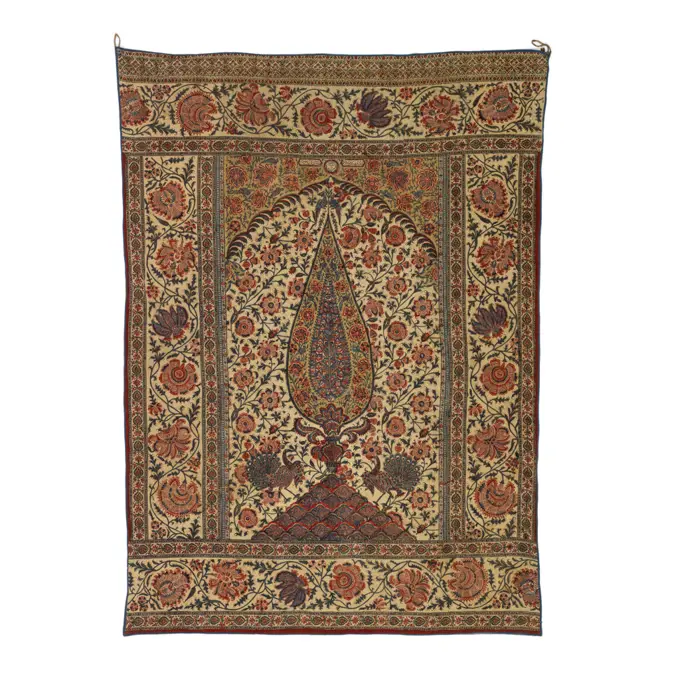
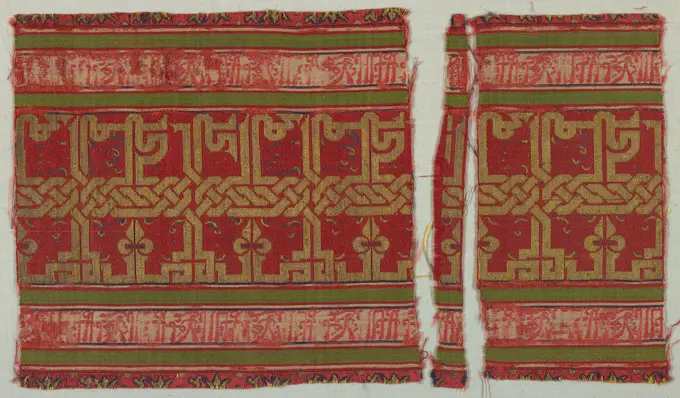
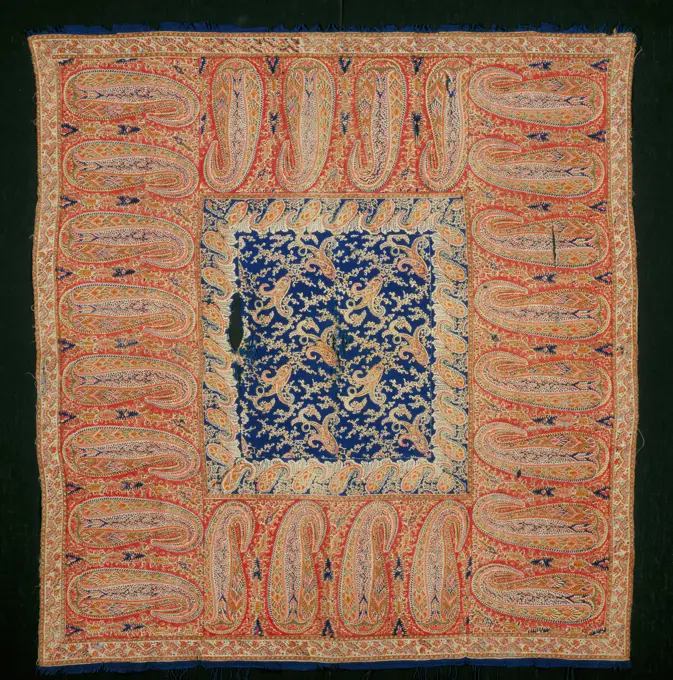
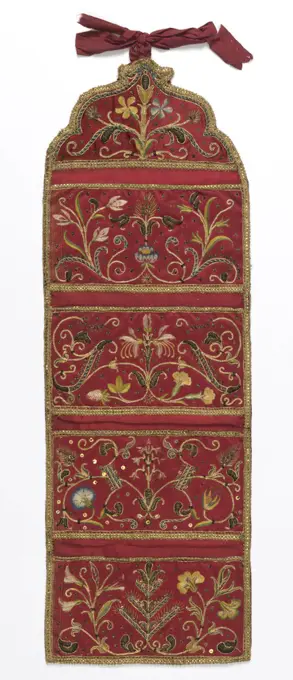
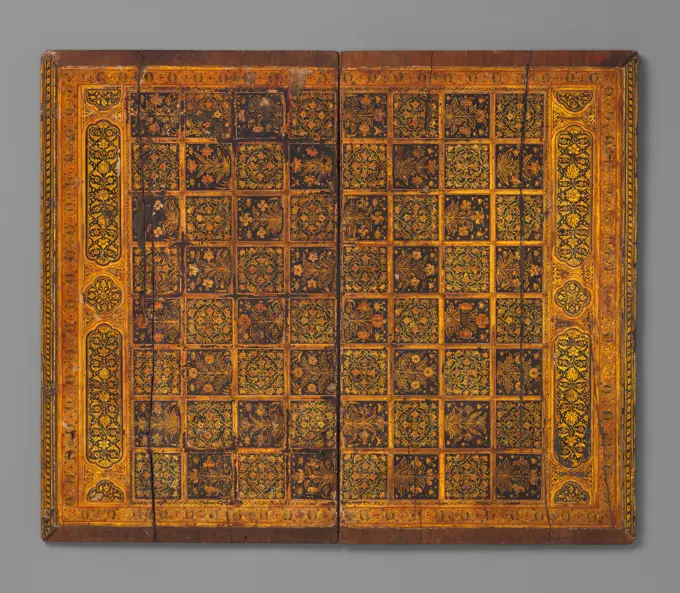
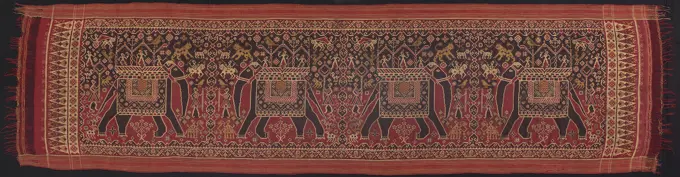
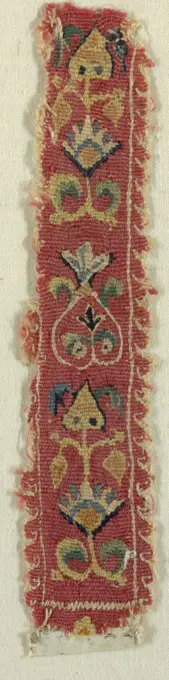
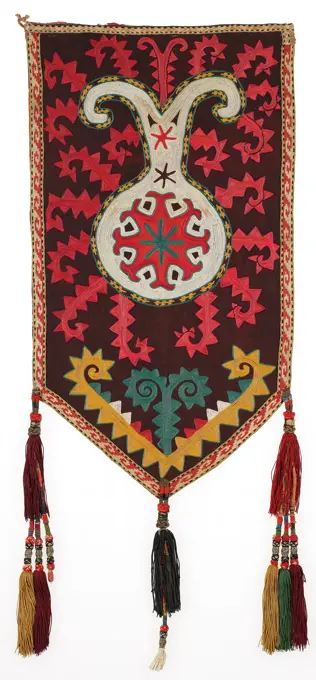
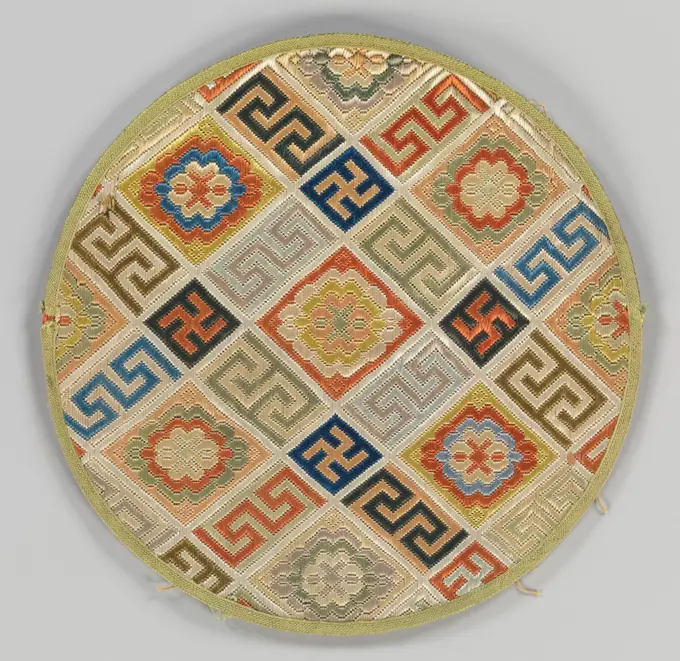
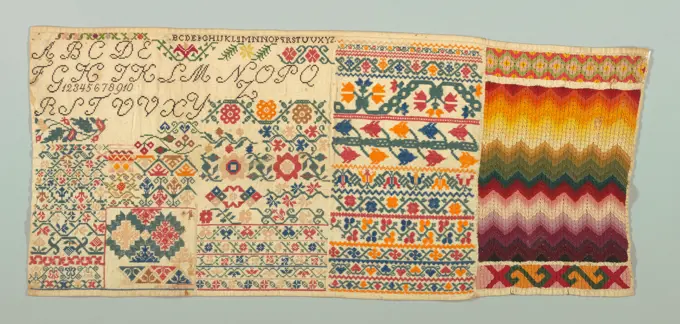
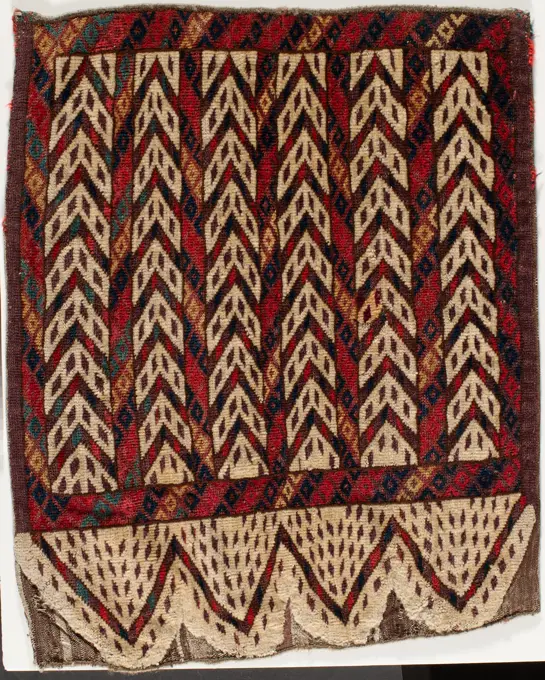
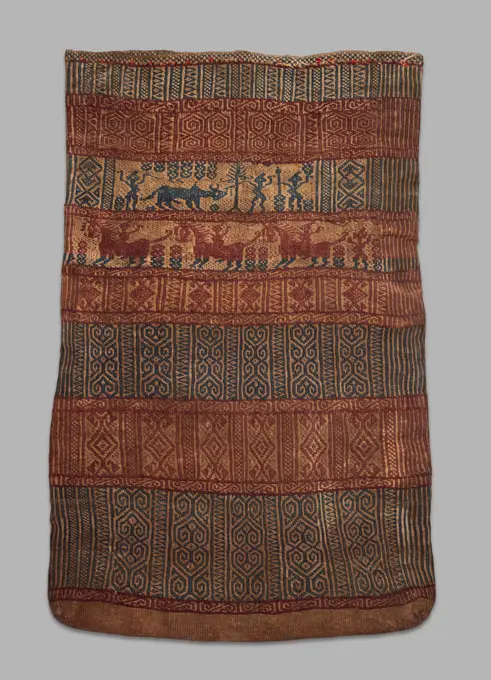
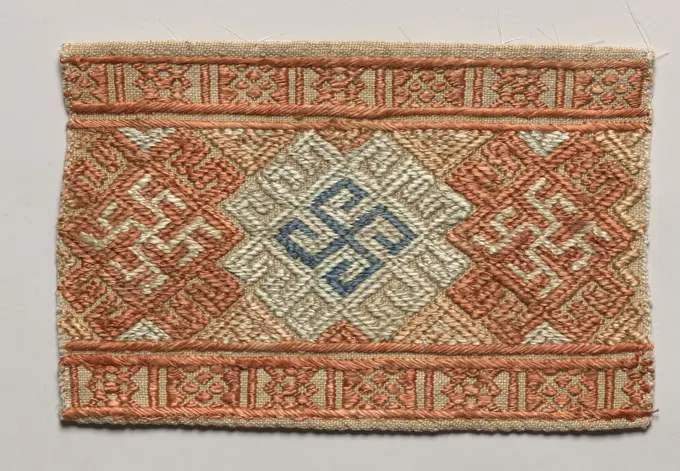
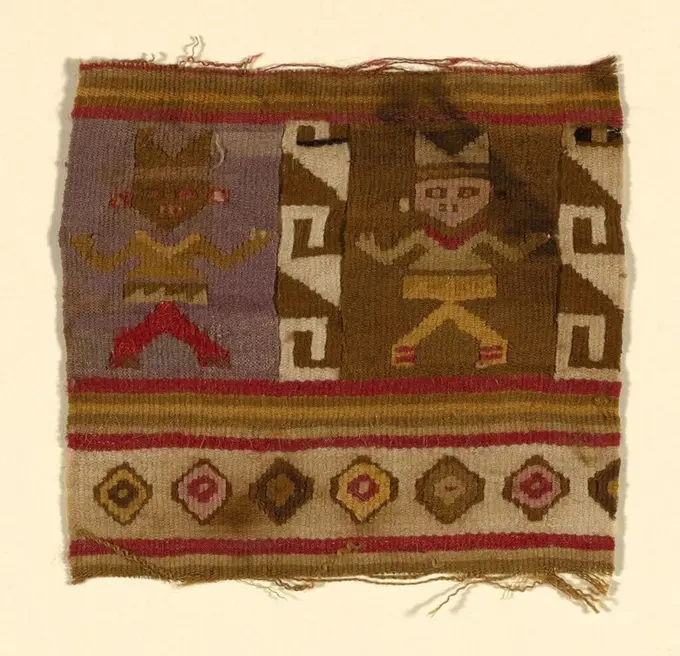
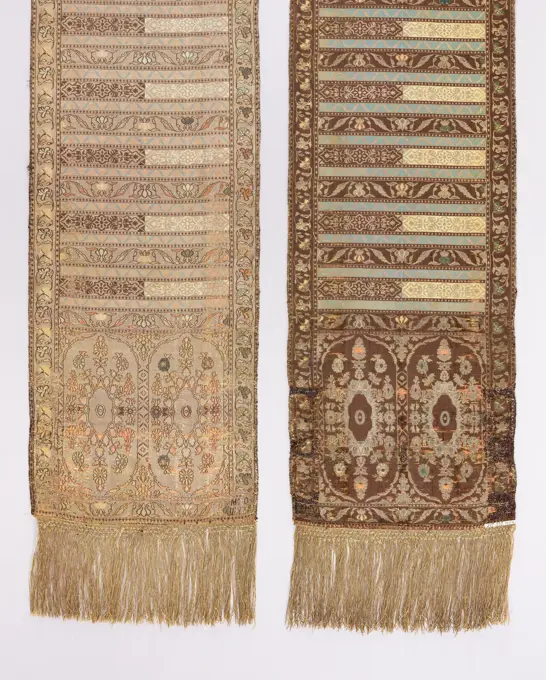
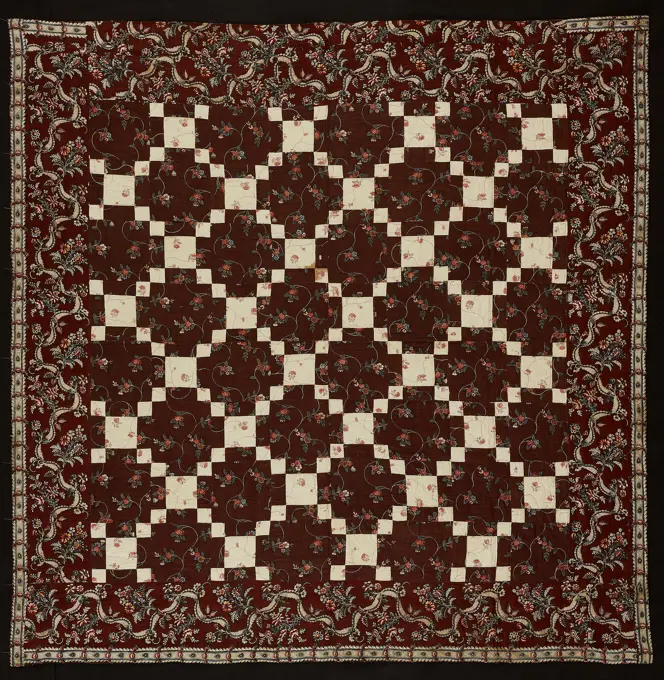
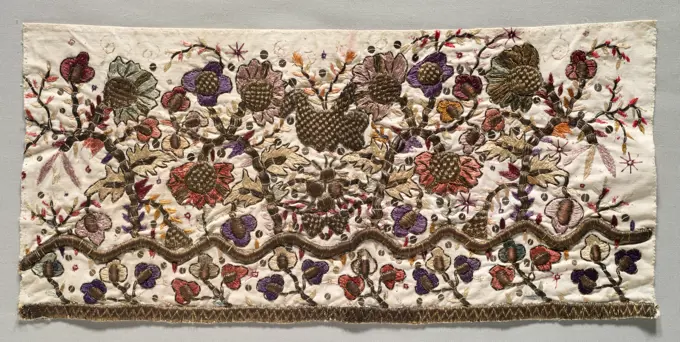
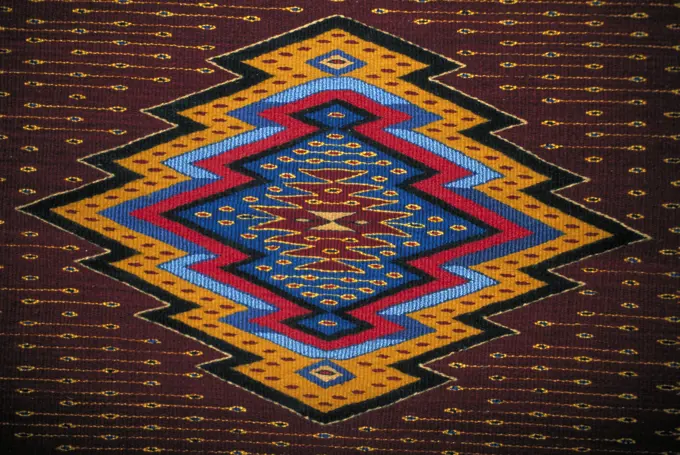
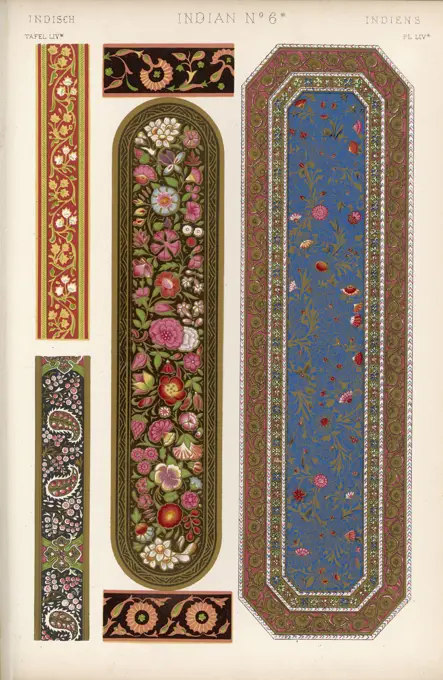
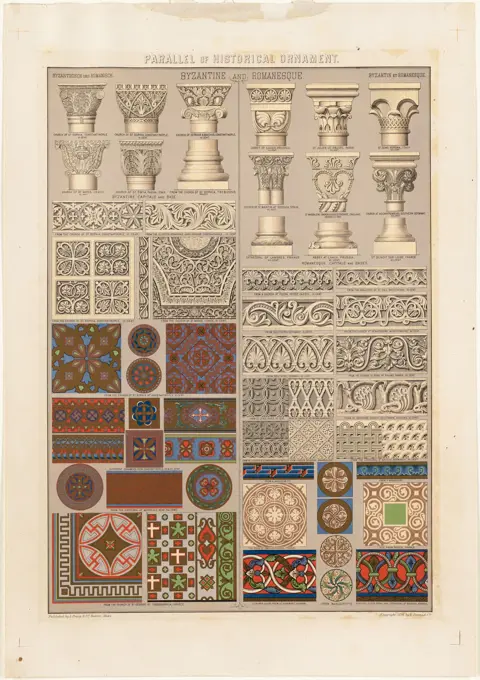
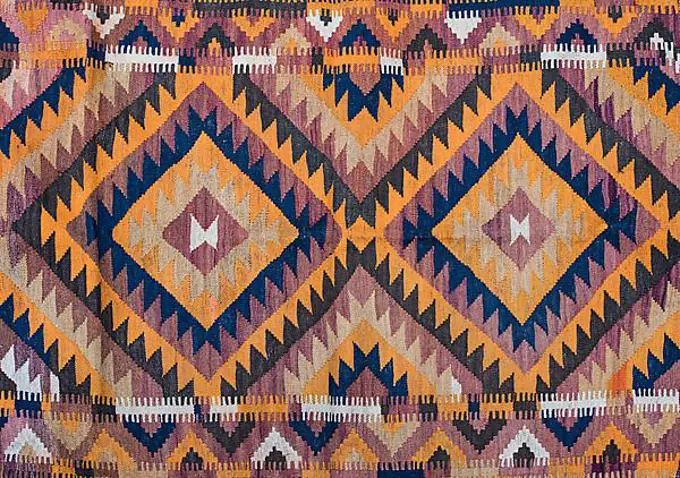
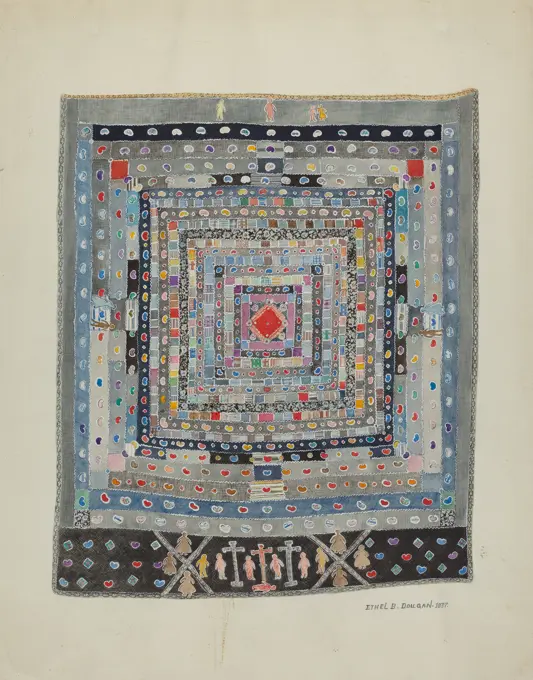
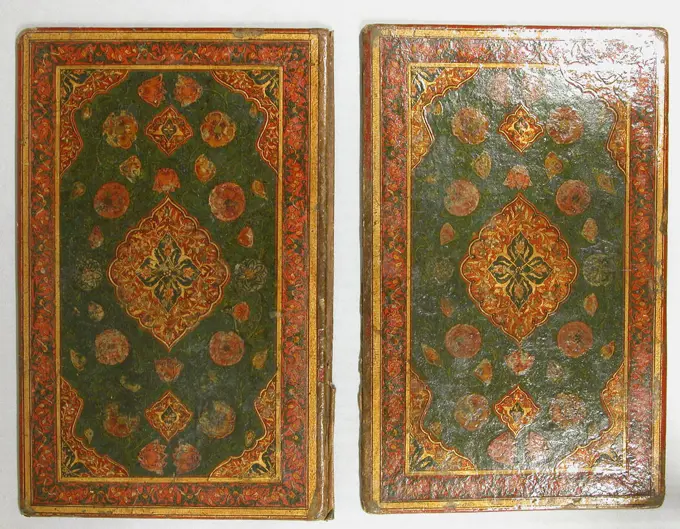
Thai textile, ThailandBand (from Woman's Trousers) Made 1875-1900 China. .Chair back panel -Cover 17th century. Cover 445257Ilgich, late 19th-early 20th century, 24 x 26 1/2 in. (60.96 x 67.31 cm), Silk, wool, cotton; chain stitch, Uzbekistan, 19th-20th century'Transylvanian' Carpet 17th century. 'Transylvanian' Carpet 452565ALFOMBRA DEL CAUCASO-DAGHESTAN-LESGHI-S XIX. Location: INSTITUTO VALENCIA DE DON JUAN-COLECCION. MADRID. SPAIN.Skirt Cloth (KainKebat)Carpet 19th century. Carpet 446641Needlepoint carpet 1764 British Carpets were a considerable luxury in colonial America. Until the mid-eighteenth century, owners spread textiles over tables rather than on floors. This cross-stitched example has floral and geometric motifs supplemented by quotations from Edward Youngs "Night Thoughts" (1742-45), a popular poem about life, death, and immortality.. Needlepoint carpet 13577Blue Silk Curtain With Embroidery in Chinese Store, Anonymous, 1880 - 1900 Blue silk curtain with embroidery in silk and gold -colored metal wire in Chinese style. Possibly embroidered in China. Dark blue fond with floral motifs, animals and mythical creatures in spire of metal wire. Equipped with brass rings on the top, decorated with fringes along two sides. One loose ring.  silk. metal thread. ringen: brass (alloy) Blue silk curtain with embroidery in silk and gold -colored metal wire in Chinese style. Possibly embroidered in China. Dark blue fond with floral motifs, animals and mythical creatures in spire of metal wire. Equipped with brass rings on the top, decorated with fringes along two sides. One loose ring.  silk. metal thread. ringen: brass (alloy)Kontusz belt from the workshop of Paschalis Jakubowicz, owned by Zdzisław Wolski ; drawing for the publication: `Starodawne pasy polskie przedstawione staraniem i nakładem Dominika Jeżewskiego, malował z natury Władysław Sztolcman 1910-` Historic Polish ???????????????????. Sztolcman, Władysław Roman (1873-1950), painterSampler 1715 British. Sampler. British. 1715. Silk on linen. Textiles-EmbroideredIndian Trade Textile(Patolu)Textile (India); silk, gold metallic threadTextile Fragment mid-17th century. Textile Fragment 453332Bag, 19th century, 9 3/4 x 4 1/2 in. (24.77 x 11.43 cm), Coton, metal, glass; needlework, India, 19th centuryWoman's blouse (Huipil) collar, 1920, 25 x 11 1/2 in. (63.5 x 29.21 cm), Cotton, Guatemala, 20th centuryHanging, Medium: cotton Technique: plain weave foundation; mordants for black, two reds, and lavender were block printed; madder dyed; yellow and blue applied by brush Label: cotton, mordant printed and dyed, painted, Hanging with a niche arch forming the center field. A cypress tree grows from a mound in the niche, with a peacock on either side; the field is filled with flowers. Above the niche, a face in a sunburst with an inscription in a hexagonal medallion on either side. Surrounded by deep borders on all sides with a flowering vine, narrow guard borders with mango or cypress motif. All finely drawn and all pattern areas filled with tiny flowers, vines, etc., India, 19th century, printed, dyed & painted textiles, HangingTextile with Design of Staggered Floral Ogives. Turkey, second half of 16th century. Textiles; textile lengths. Silk supplementary weft patterning on silk groundCarpet 17th century Spanish. Carpet 221427Zilen Kazuifel with a pattern of four passes within oval fields, Anonymous, 1850 - 1900 Zilen kaifel with a pattern of four passes within oval fields. Details of the Applicated Aurifrisia and the back cross have added embroidery of gilded metal wire, sewn -in decorative stones and pearls and show the Christ monogram IHS; In addition, applicated representations of St. Joseph with the Christkind and of the H. Ignatius of Loyola. Neo-gothic. Roermond (Possible) silk. metal thread. gilding (material). pearl embroidering / gilding Zilen kaifel with a pattern of four passes within oval fields. Details of the Applicated Aurifrisia and the back cross have added embroidery of gilded metal wire, sewn -in decorative stones and pearls and show the Christ monogram IHS; In addition, applicated representations of St. Joseph with the Christkind and of the H. Ignatius of Loyola. Neo-gothic. Roermond (Possible) silk. metal thread. gilding (material). pearl embroidering / gildingCoverlet (USA); cotton, wool; Warp x Weft: 219.5 x 195 cm (7 ft. 2 7/16 in. x 6 ft. 4 3/4 in.); 1977-55-1Fragment Made 1801-1900 Spain. Cotton and straw, satin weave self-patterned by areas of twill weaves and by reversing of faces; woven on loom with Jacquard attachment .Wall Hanging Made 1801-1850 Uzbekistan. This wall hanging is an ikat, a silk textile whose design is created by dyeing the warp threads before weaving. Today these fabrics from Central Asia are renowned and valued worldwide. The silks were produced mainly in the area that is now Uzbekistan. They were given as gifts and exchanged at weddings, and used as both garments and household decorations. The bold silks were often displayed in multiples as an expression of the ownerís status and wealth. In this example, the number of colors and the complexity of the design make it a particularly fine example of the dyersí and weaversí art.. Silk and cotton; warp-dyed, warp-faced plainweave (ikat) .Fragment (India); cottonBorder Fragment; silkLotus-Patterned Ushak Carpet probably first half 16th century. Lotus-Patterned Ushak Carpet 452375Fragments (Spain); silk, metallic threadFragment (From a Border) Made 1801-1900 Attica. Cotton, plain weave; embroidered with cotton in double running, satin, and stem stitches; edged with cotton, oblique interlacing tape .Destroyed with animals, anonymous, c. 1550 - c. 1600 Wall carpet, small -leaf, with a sparrow haw that attacks a pheasant and a lion that jumps a hinden, a dog, a hare and three birds; With the city brand of Enghien. Edingen Ketting: Wool. Entry: Wool. Entry: Silk tapestry Wall carpet, small -leaf, with a sparrow haw that attacks a pheasant and a lion that jumps a hinden, a dog, a hare and three birds; With the city brand of Enghien. Edingen Ketting: Wool. Entry: Wool. Entry: Silk tapestryShawl, early 19th century, L.61-1/4 x W.58-7/8 in., Wool; printed fabric; dyed, England, 19th centuryBedspread in patchwork of printed cotton with roses motif ,, 1800 - 1850 Bedspread in patchwork of printed cotton. Roses placed in the middle of lanes that form horizontally staggered rows are against a red stock, also of hexagons. The roses each consist of seven hexagons, randomly combined. The edge is like a Tric trac plate with stretched triangles of fur cotton, sewn back together, which stand out against solid triangles in red. Green striped indoor and outdoor lists. Netherlands cotton (textile) printing Bedspread in patchwork of printed cotton. Roses placed in the middle of lanes that form horizontally staggered rows are against a red stock, also of hexagons. The roses each consist of seven hexagons, randomly combined. The edge is like a Tric trac plate with stretched triangles of fur cotton, sewn back together, which stand out against solid triangles in red. Green striped indoor and outdoor lists. Netherlands cotton (textile) printingSampler (Morocco); silk and cotton embroidery on cotton foundationWall pocket, Medium: silk, metal thread Technique: satin weave with silk and metal thread embroidery, Long wall pocket with four sections and shaped top, made to hang. Bright red satin with embroidery in colored silks and metal threads. Each section has a symmetrical vine and flower design worked in polychrome silks, with gold threads, cords, and raised work. Trimmed with gold braid; backed with red taffeta., Italy or France, early 18th century, embroidery & stitching, Wall pocketBag 7th century Nasca. Bag 308022Skirt for a Married Woman, 20th century, Mama Tarawale, 68 x 39 1/2in. (172.7 x 100.3cm), Cotton; stripwoven, mudcloth (bogolanfini); dyed, Mali, 20th centuryPainted and Inlaid Game Board late 17th century This gameboard is painted on both sides with an eight by eight grid on one side for chess (the side on display) or draughts and a backgammon table on the other side. Both chess and backgammon were highly popular board games in the Islamic world and were even the subject of a Persian text composed in the ninth century, Wizarishn i catrang ud nihishn i new-ardashir (Explanation of Chess and the Invention of Backgammon). This late seventeenth-century board is finely executed with a symmetrical arabesque design on one set of squares and a flowering plant on the alternate squares. The flowering plants are carefully painted, and eight different flower varieties can be identified. The board was probably painted, varnished, and gilded over a wooden framework by a craftsman who had been trained to adorn bindings for manuscripts.. Painted and Inlaid Game Board 453214Patolu Made 1701-1900 India. Silk, gilt-metal-strip-wrapped silk or bast fiber, strips of plain weave and stripes of warp and weft resist dyed (double ikat), plain weave with gilt-metal-strip-wrapped silk or bast fiber brocading wefts; main warp fringe .Textile Fragment 5th-6th century. Textile Fragment 443667Shawl mid-19th century. Shawl 444836Bag, 19th century, 7 1/2 x 6 in. (19.05 x 15.2 cm), Wool, silk, Scotland, 19th centuryCarpet 1765 A. L. Rug maker. Carpet 222983Carpet Fragment (USA); woolBand, Medium: Warp; S-spun linen. Weft; S-spun linen, S-spun wool Technique: slit tapestry with supplementary weft wrapping, Polychrome floral and plant pattern., Egypt, 4th-5th century, woven textiles, BandCushion, Medium: silk, metal, linen Technique: embroidered, Small flat rectangular cushion of red velvet embroidered in flat gold, gold thread and sequins with silks and metal tassels at the corners. Pattern of a coronet at center supported by and flanked by stylized foliage. Narrow border of S-curves., France or Spain, 17th century, embroidery & stitching, CushionWhite House furniture and furnishings. White House furnishings. Antique rug. White House, Washington, D.C.Pair of woman's leggings, 1925-1950, 8 7/8 x 6 7/8 in. (22.54 x 17.46 cm) (a)8 5/8 x 6 11/16 in. (21.91 x 16.99 cm) (b), Silk, cotton, metallic threads; needlework, Afghanistan, 20th centuryBand, Medium: silk on linen Technique: embroidered on plain weave, Floral group facing alternatively up and down with one central branch., Italy, 17th century, embroidery & stitching, BandShawl ca. 1845 French. Shawl 123123Star of Bethlehem Quilt. Dated: c. 1940. Dimensions: overall: 58.2 x 55.3 cm (22 15/16 x 21 3/4 in.) Original IAD Object: 82" square. Medium: watercolor, graphite, and pen and ink on paperboard. Museum: National Gallery of Art, Washington DC. Author: Sylvia De Zon and Mina Lowry.Scarf/Sash Turkey. .Ribbon French 19th century View more. Ribbon. French. 19th century. Textiles-TrimmingsUuk kap ilgich, late 19th century, 33 1/4 x 13 1/4 in. (84.46 x 33.66 cm) (includes tassels), Silk, wool, cotton, metal; hook-and-needle chain stitch, Uzbekistan, 19th centuryBorder (France); block-printed on handmade paper; a) Overall: 52.5 x 8.7 cm (20 11/16 x 3 7/16 in.) b) Overall: 86 x 22.5 cm (33 7/8 x 8 7/8 in.) c) Overall: 49 x 21.5 cm (19 5/16 x 8 7/16 in.)Conciliate belt; Studio of Franciszek Masłowski (Kraków; Pasów Factory; 1781-1806); 1781-1806 (1781-00-00-1806-00-00);Mirror Case with Filled Diagonal Lattice and Swastikas (Wan) China. Mirror Case with Filled Diagonal Lattice and Swastikas (Wan) 54413 China, Mirror Case with Filled Diagonal Lattice and Swastikas (Wan), Silk embroidery on silk gauze, Overall: 7 x 7 in. (17.8 x 17.8 cm). The Metropolitan Museum of Art, New York. Bequest of William Christian Paul, 1929 (30.75.790)Textile (France); silkJiasha (Mantle) Made 1700-1750 China. Silk and gold-leaf-over-lacquered-paper-strip-wrapped silk, slit tapestry weave with interlaced outlining wefts; pieced; painted details; edged with silk, warp-float faced 4 1 satin weave; lined with silk, plain weave . Han-ChineseSampler (Mexico); wool embroidery on cotton foundationWarp Patterned Cloth, late 1800s. Bolivia, Salinas, late 19th century. Wool; overall: 110.5 x 101.6 cm (43 1/2 x 40 in.).Fragment from a Womans Shawl.  Artist: UnknownOk Bash. Turkmenistan, Yomud tribe, early 19th century/circa 13th century A.H. (or earlier). Textiles. Wool pile, wool foundationPart of a Bed Curtain or Pillow Case, 1700s. Greece, Cyclades Islands, Naxos, 18th century. Embroidery: silk on linen tabby ground; overall: 42 x 39.7 cm (16 9/16 x 15 5/8 in.).Silk concuse belt, signed Mark "SD"; Masha, Mariusz (1888-1944); 1917 (1917-00-00-1917-00-00);Sleeve Made 1801-1900 Czech Republic. Linen, plain weave; embroidered with wool .Indian Trade Cloth (Patola) 19th century or earlier India, Gujarat region. Indian Trade Cloth (Patola) 308007Square cashmere scarf with dark blue plain center, bordered with a single or double row of small botas, anonymous, c. 1840 - c. 1850 Square palm shell of woven silk with a sapphire blue plain center, with a row of small left -wing botas along the two field edges in orange, yellow and light blue, interspersed with small floral approval. The orange outer edge along the entire circumference of the scarf is decorated with small equal botas in blue, yellow and green, between two frames of white-green and white-orange rosettes. The technology consists of a chain and side of silk. Twill binding in the middle, but in the rim and lists fund is Lintlenbinding. Balanced pattern, with a pattern of the impact in the horizontal edges, but in the standing edges is the pattern of the chain. The long threads have been left flottant on the back. Lyon whole: Silk Square palm shell of woven silk with a sapphire blue plain center, with a row of small left -wing botas along the two field edges in orange, yeBagChest protector, beadwork, Chest protector of blue velvet embroidered with multicolored beads., USA, ca. 1900, costume & accessories, Chest protectorCoverlet (Plaid). Dated: c. 1936. Dimensions: overall: 53.6 x 50.7 cm (21 1/8 x 19 15/16 in.) Original IAD Object: 68" wide; 76" long. Medium: watercolor and graphite on paper. Museum: National Gallery of Art, Washington DC. Author: Eva Wilson.Panel for a Headdress, 1700-1900. Russia, Tambov province. Linen: plain weave; silk: embroidery; overall: 10.5 x 16.2 cm (4 1/8 x 6 3/8 in.). This Russian embroidered panel was used to embellish a headdress. Textiles of this type are valuable for their embroidery depicting ancient folk motifs, ritual significance, exemplification of the role of textiles in Russian society, and connection to a prominent woman collector, Natalia de Shabelsky, without whom this textile and others like it might have been lost.Band (probably Mexico); warps of spun cotton; wefts of spun rabbit hair and goose feathers with cottonFragment. Peru. Date: 900 AD-1470. Dimensions: 11.4 x 12.3 cm (4 1/2 x 4 7/8 in.). Cotton and wool (camelid), slit tapestry with eccentric and wrapped outlining wefts. Origin: Peru. Museum: The Chicago Art Institute, Chicago, USA. Author: Chancay.Conciliate belt; Manufaktura of Karol Stanisław Radziwiłł (Słuck; Pasów label; Ca 1767-1790), Manufaktura Treasury Radziwiłłowski (Słuck; Pasów Factory; 1790-1846), Madżarski, Leon (weaving; Słuck; Ca 1740-1811); 1780-1807 (1780-00-00-1807-00-00);Strip 16th century Italian. Strip 227303Kontusz sash/belt. unknown, authorBedcover (Nine Patch Quilt) 1800-1820 United States. The delicate floral English printed cottons in this bedcover imitate popular block-printed textiles of similar design exported from India. The costly cottons used to create this design date to around 1790. Brown and black fabrics were particularly desirable during this period, as they hid staining.. Cotton, various plain weaves; block-printed and roller-printed; pieced; lined with cotton, various plain weaves; block-printed; pieced; quilted .Quilt, Fruit Baskets pattern ca. 1860 American This silk quilt is both pieced and appliqued. Each lead-gray diamond-shaped block is decorated with either a quilted epergne or a basket onto which velvet fruits and flowers have been appliquéd. The blocks are separated by sashing of brightly colored plaid taffeta. The back is made from white silk and has an appliqued block at each corner.. Quilt, Fruit Baskets pattern. American. ca. 1860. Silk and silk velvet. Made in Providence, Rhode Island, United StatesSample ca. 1840 French, Mulhausen. Sample 219993. Slashing bedspread. On a linen substrate, a flower edge is sewn along the edge. Midfield carries a multicolored floral wreath by snaring, within which an image of a distinguished Chinese, seated on a resting bed with sky. Around Chinese are musicians and a monkey. All contours are deposited with colorful cord. Four fragments are part of the bedspread, possibly lamp frames () BK-16441-B to BK-16441-E.North America, Mexico, Oaxaca Colorful hand-woven carpetEmbroidered Fragment, 1700s. Greece, 18th century. Embroidery; silk and gold filé on cotton tabby; overall: 20.5 x 43.8 cm (8 1/16 x 17 1/4 in.).Cover (Armenia); silk, goldKhiva, Xorazm Region, Uzbekistan, Central Asia. Rugs for sale.Saddle blanket, c. 1865, 25 1/2 × 29 1/2 in. (64.77 × 74.93 cm), Wool, pigments, United States, 19th centuryConciliate belt;  2nd half 18th century (1751-00-00-1800-00-00);Bedcover. United States or England. Date: 1820-1850. Dimensions: 304.3 x 309.2 cm (119 3/4 x 121 5/8 in.). Cotton, variety of plain weaves; some roller printed; some glazed; pieced; quilted with cotton thread; backed with cotton, plain weave. Origin: United States. Museum: The Chicago Art Institute, Chicago, USA.Piece 18th century China. Piece 71866North America, Mexico, Oaxaca Hand-woven colorful carpetScheepjesdoek Tampan. Cloth with bird figures.Close-up of a weaving made from wool dyed with natural dyes at a weavers home in Teotitlan del Valle, a small town in the Valles Centrales Region near Oaxaca, southern Mexico.Sampler (England); Embroidered by Jean Porter; silk embroidery on linenSpecimens of painted lacquer work from the collection at the India House        Date: 1868Parallel of historical ornament, Byzantine and Romanesque , Architectural decorations & ornaments, Capitals Columns. Louis Prang & Company CollectionOld kilim, woven rug, detail, Iran, Persia, AsiaMantle Fragment 5th-3rd century B.C. Paracas. Mantle Fragment 307850Ethel Dougan, Pieced Bed Cover, 1937 Pieced Bed CoverBookbinding (Jild-i kitab) 18th-19th century. Bookbinding (Jild-i kitab) 455073Berber carpets, Fes medina, Morocco