Oriental Carpets and Textiles

A collection of intricate oriental carpets featuring rich colors and geometric patterns, highlighting traditional weaving techniques from Central Asia and Turkey.

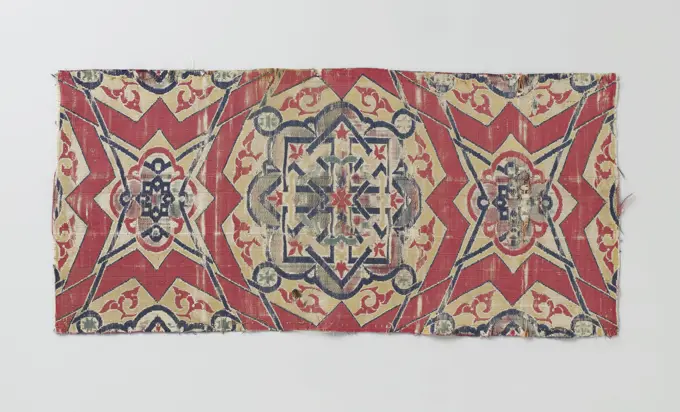
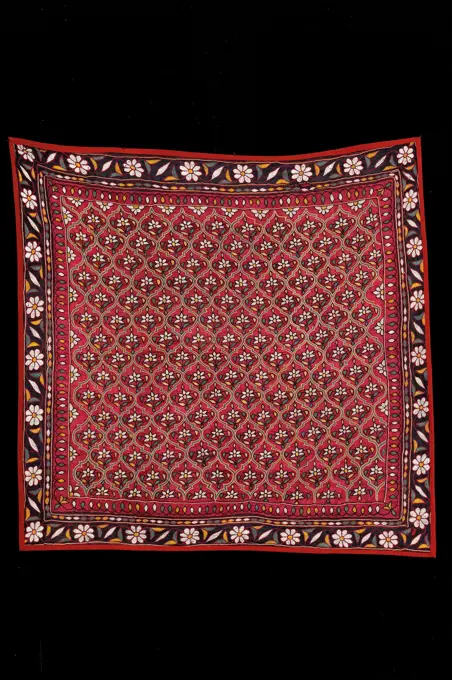
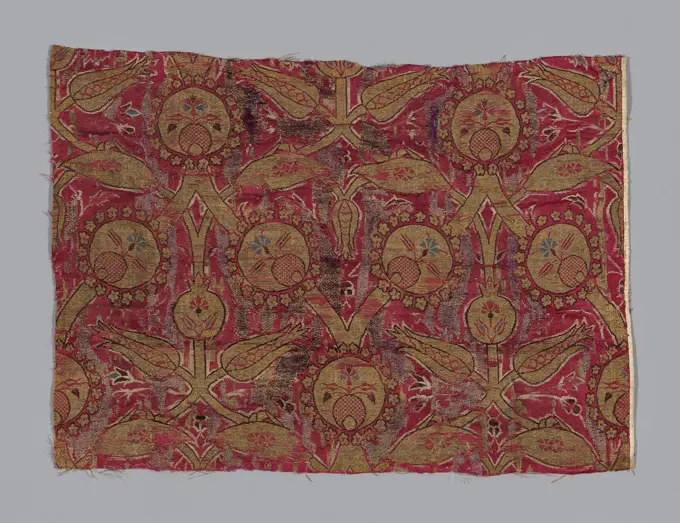
Textile, Medium: silk, metallic yarns Technique: two integrated structures: 5/1 satin patterned by 3/1 twill, Woven textile with overall large-scale ogival medallions on a red ground. Each ogee containing a symmetrical arrangement of tulips and carnations in red, yellow, and light blue on a silver ground, surrounded by a floral vine border., Turkey, 16th-17th century, woven textiles, Textile
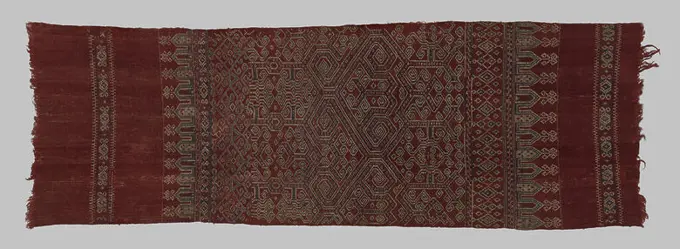
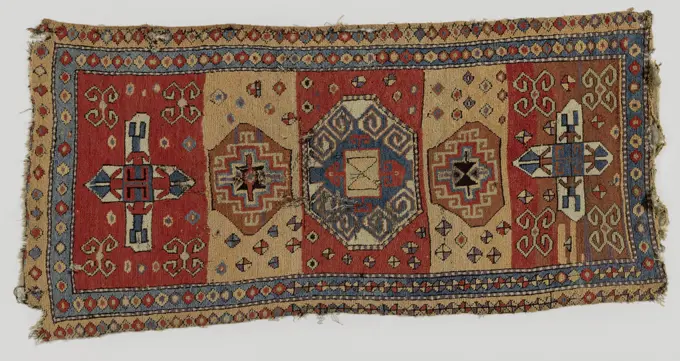
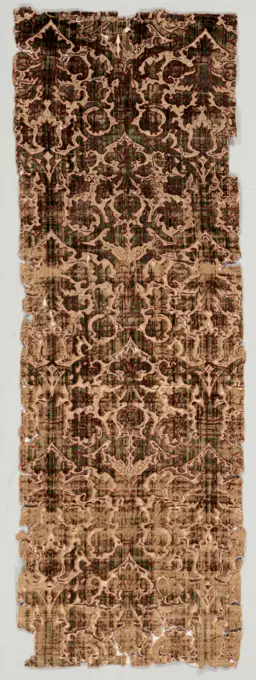
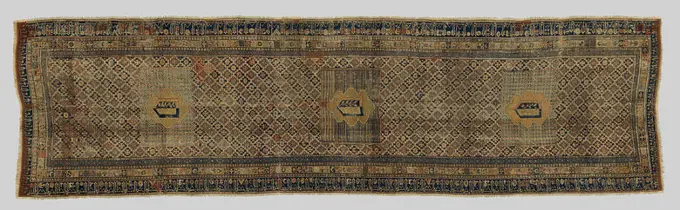
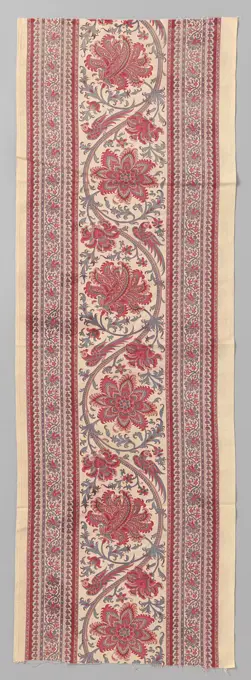
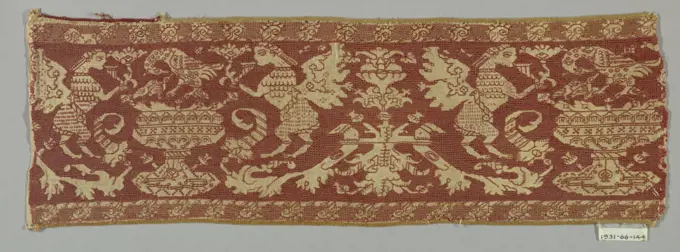
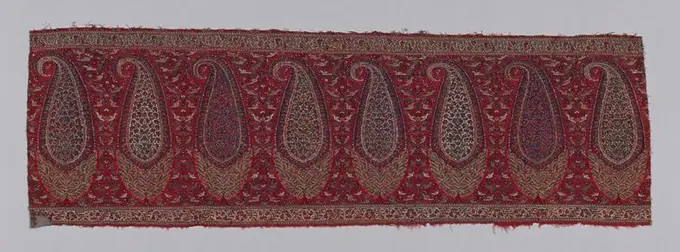
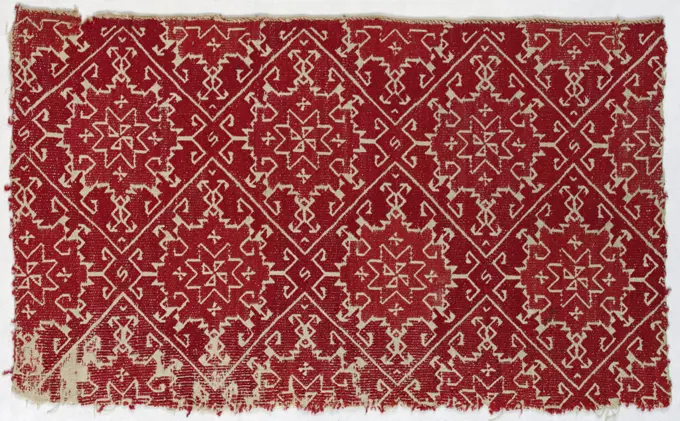
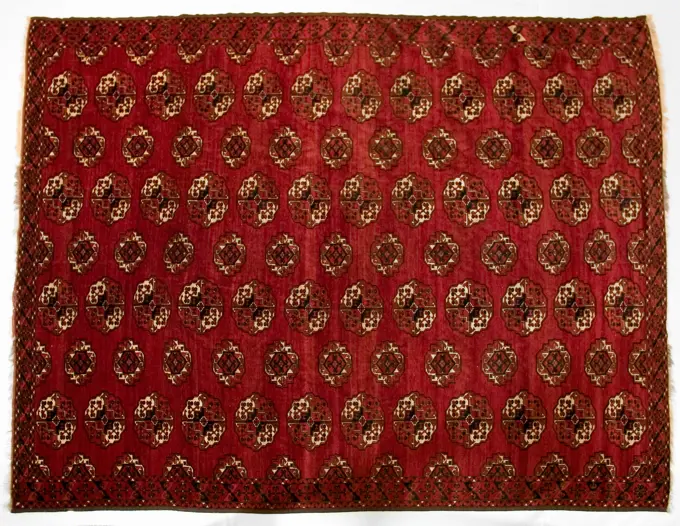
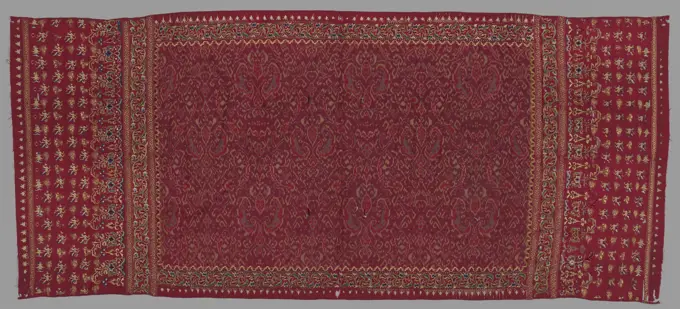
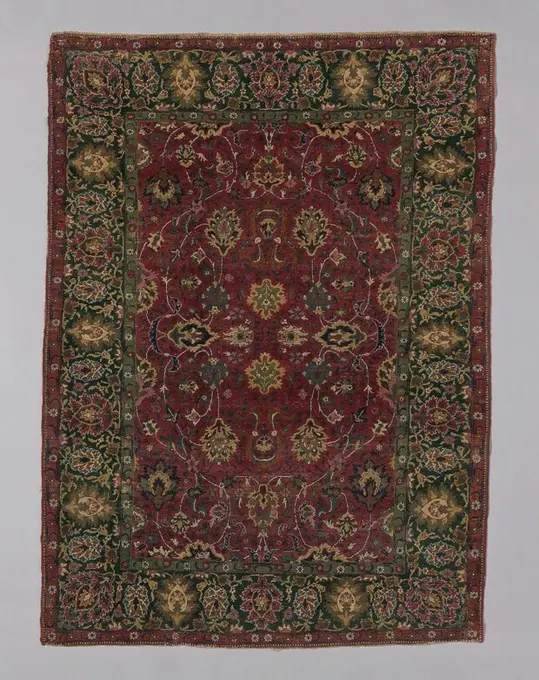
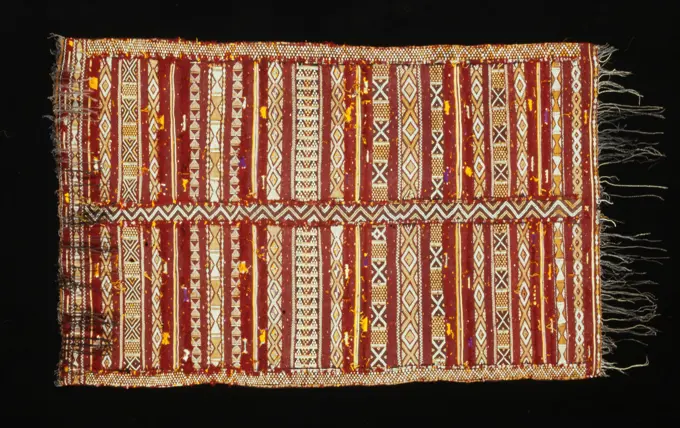
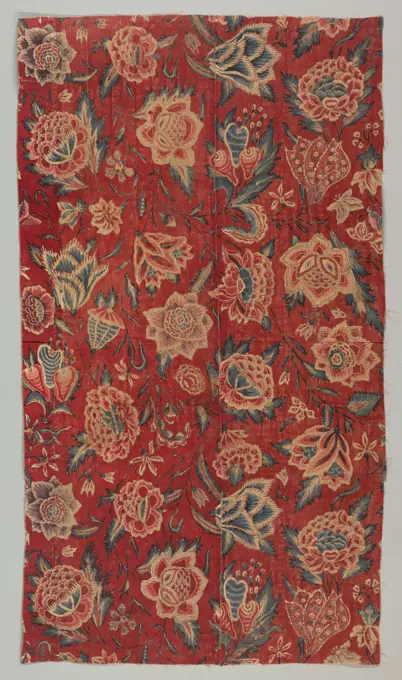
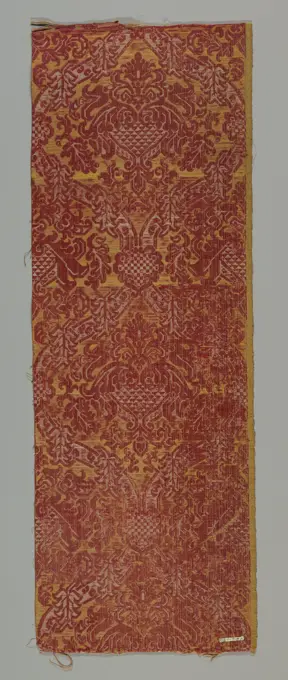
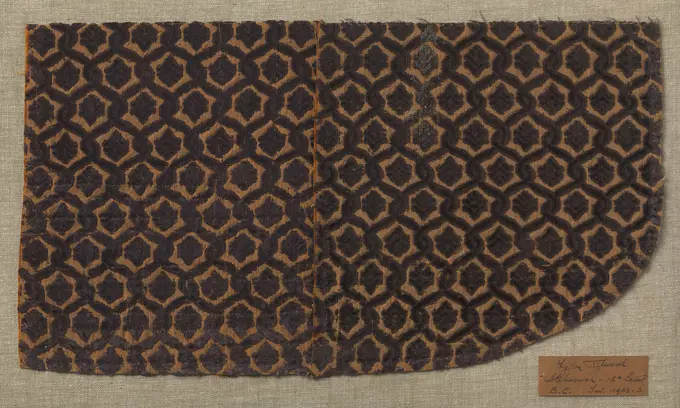
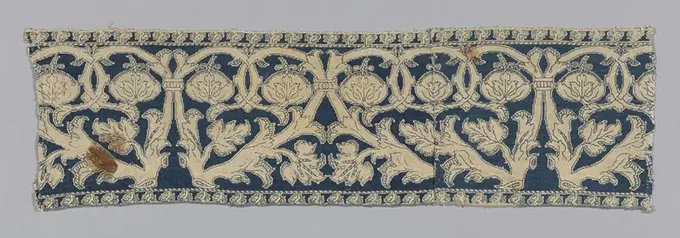
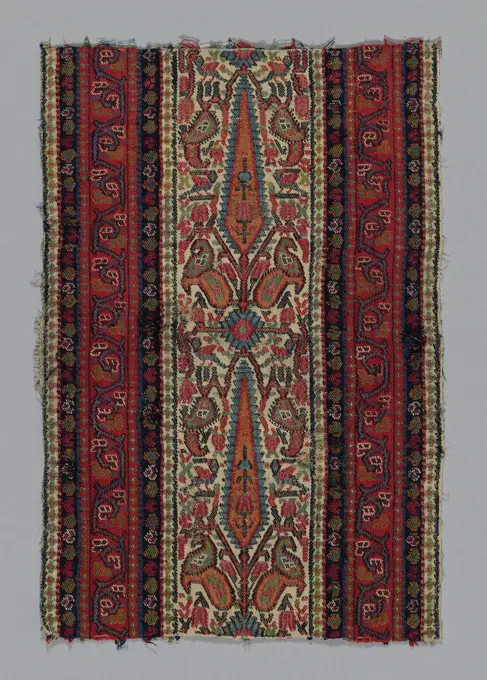
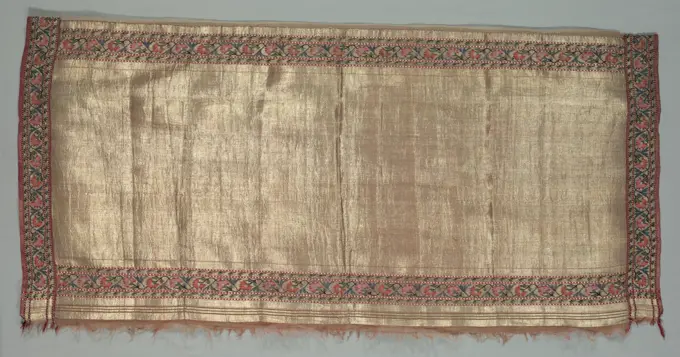
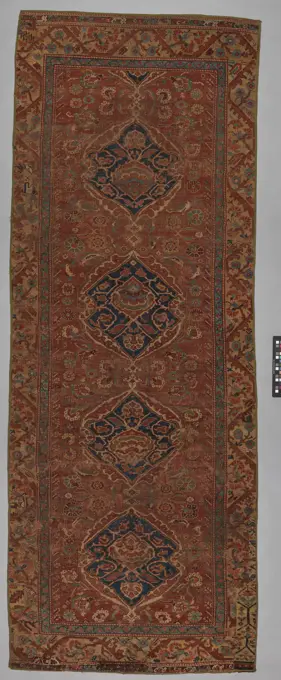
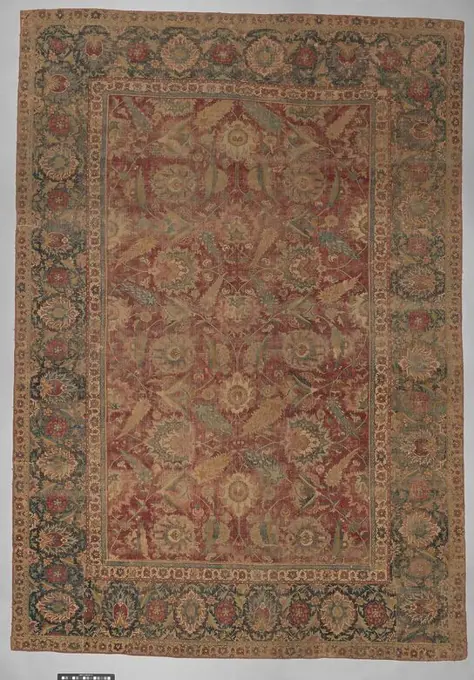
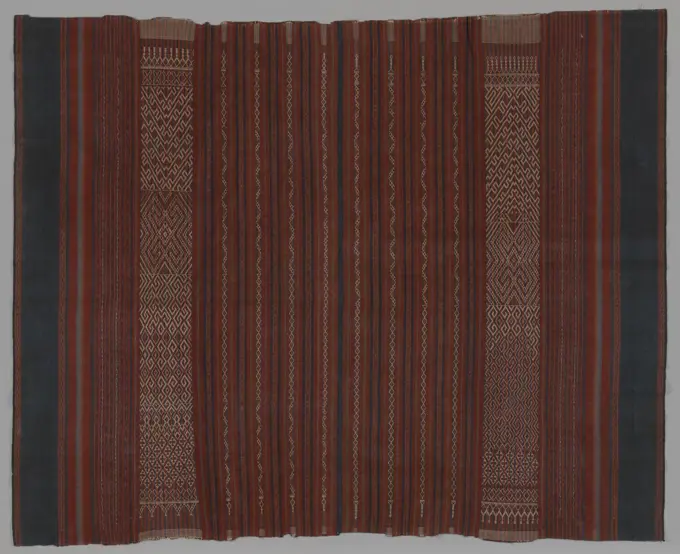
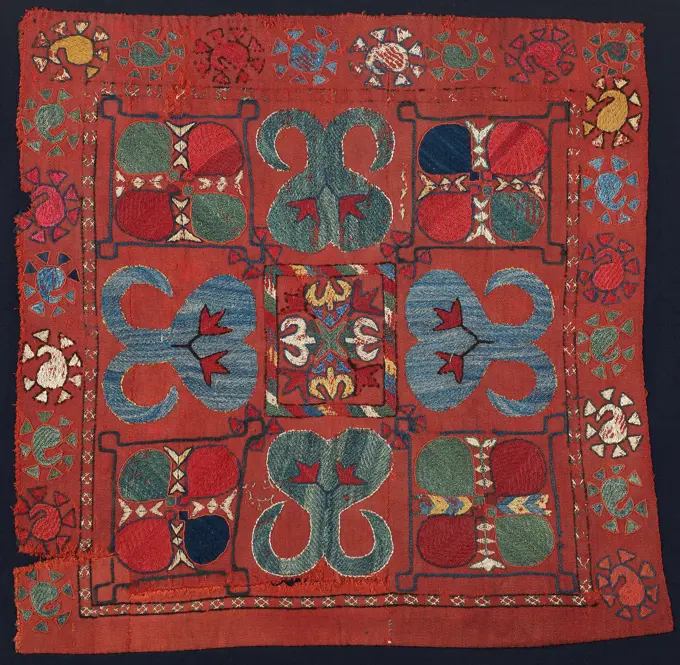
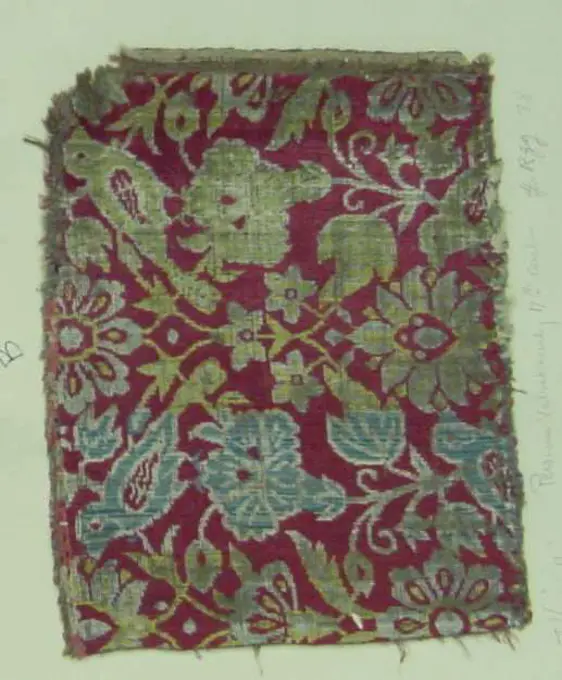
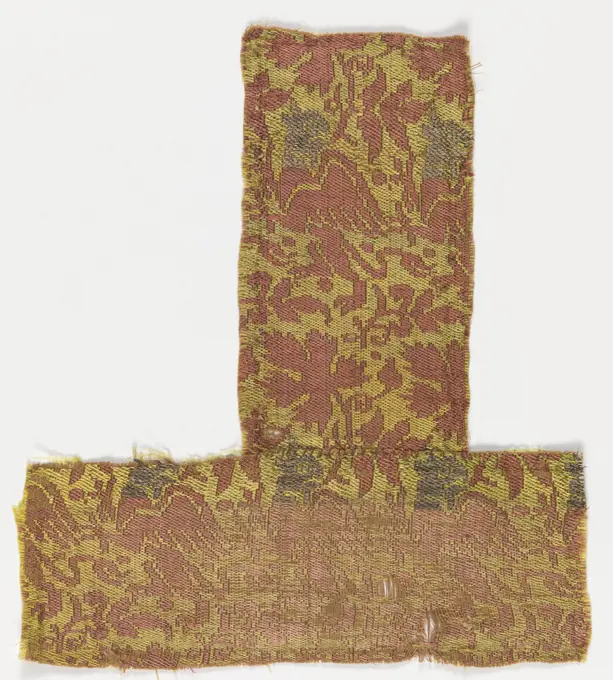
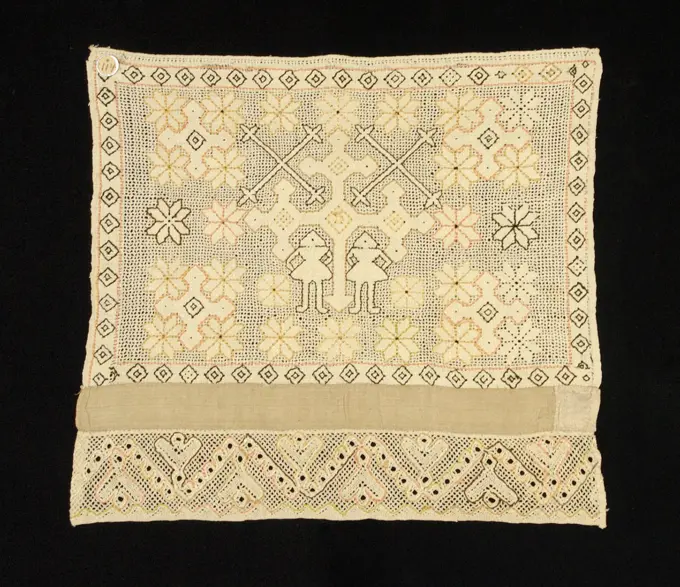
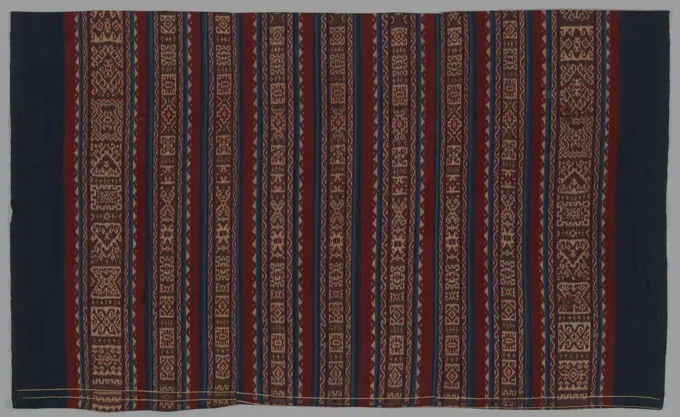
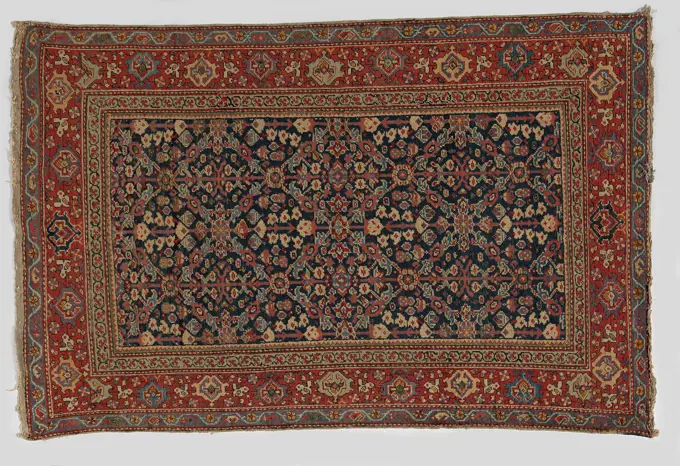
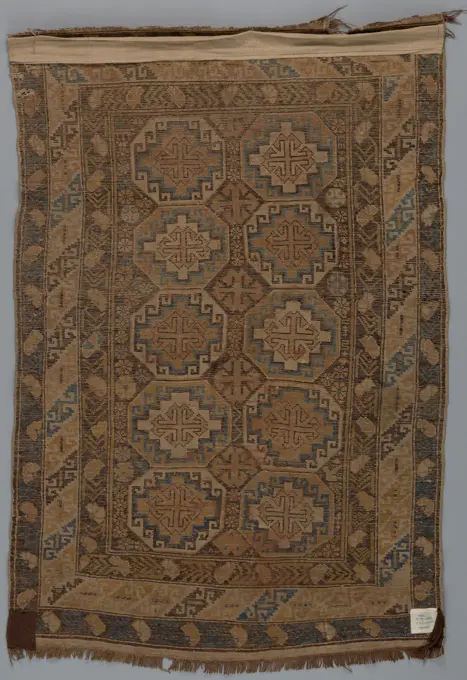
Caucasian Moghan carpet unknownOriental carpet, Ersari Volk, 1900 Oriental carpet, windscreen rug. In midfield a repetitive decoration of concentric windows with stars in the heart. Rand and a beard at the top. Central Asia Necklace and impact: Wool Oriental carpet, windscreen rug. In midfield a repetitive decoration of concentric windows with stars in the heart. Rand and a beard at the top. Central Asia Necklace and impact: WoolEastern carpet ,, c. 1800 - c. 1860 Bid rug in Kelim technology. In midfield three red Mihrabrs, the middle double sided. On the Middenas a lane with windows, flanked through shack lines and hexags with diabolo stars. Edits four -time, the widest with a zigzag line that encloses a double sheet. Little Asia ketting: wool Bid rug in Kelim technology. In midfield three red Mihrabrs, the middle double sided. On the Middenas a lane with windows, flanked through shack lines and hexags with diabolo stars. Edits four -time, the widest with a zigzag line that encloses a double sheet. Little Asia ketting: woolOriental carpet. Oriental carpet, octive rug. For a deep purple fond, octagonal "Tauk Nuska" Guls, interspersed by Chuval Guls. The widest edge is decorated with a stylized leaf drink.Textile, Medium: silk, metallic yarns Technique: two integrated structures: 5/1 satin patterned by 3/1 twill, Woven textile with overall large-scale ogival medallions on a red ground. Each ogee containing a symmetrical arrangement of tulips and carnations in red, yellow, and light blue on a silver ground, surrounded by a floral vine border., Turkey, 16th-17th century, woven textiles, TextileSampler (Spain); linen embroidery on linen foundationRitual Cloth(Osap)Fragment Red Lampas with multicolored pattern of geometric figures and blue braid, anonymous, 1300 - 1499 Rectangular fragment red Lampas with a multi -colored pattern. Between the open braid of narrow blue tires, two different shapes alternate in a regular pattern: a large eight pass caught in a stomp cross and a small four pass on a star. Both forms are decorated with stars, lines and colored surfaces; The eight pass with small floral motifs. Spain silk lampas (textile material) Rectangular fragment red Lampas with a multi -colored pattern. Between the open braid of narrow blue tires, two different shapes alternate in a regular pattern: a large eight pass caught in a stomp cross and a small four pass on a star. Both forms are decorated with stars, lines and colored surfaces; The eight pass with small floral motifs. Spain silk lampas (textile material)Pillow Cover (Greece); silk embroidery on linen foundationPrayer rug with windows, Kazak ,, 1800 - 1900 Prayer rug with windows, kazak. Midfield: Dark terrared Mihrab and Zwikken. In the niche three small diamond -shaped medallions, two in dark green and the middle in dark blue, each divided into four checks in beige/dark blue and beige/dark green. Field filling of two hex corners with red flower closs and thrown cross blocks in eight parts of beige, green, white, dark blue and gold poker. Edges: triple. The widest with wine glass motifs on the inside on white triangles and on the outside on different colored triangles, which are separated from each other by a sawted leaf. The inner zoom that runs along the niche is, as well as the outside of dark blue with windows. Jumper wool Prayer rug with windows, kazak. Midfield: Dark terrared Mihrab and Zwikken. In the niche three small diamond -shaped medallions, two in dark green and the middle in dark blue, each divided into four checks in beige/dark blue and beige/dark green. Field filling of two hBED rug decorated with four connected squares within which cross medallions that are filled with roller corners, Anonymous, 1850 - 1900 Bed dress, Kemerihisar, Kurdistan or Yuruk. Midfield: Four connected squares are made of light red with purple edge. In every square there is a cross medallion in white -tanned light blue, resp. Fraise, pearly purple and light blue and filled with five huge corners in light green, dark blue and red. Specked triangles with long hooks in the corners. A year in the upper square: 1260 = 1844. has been ancanded. Rand: Fraise, with loose flowers in all the colors mentioned. Kemerihisar (possibly) wool Bed dress, Kemerihisar, Kurdistan or Yuruk. Midfield: Four connected squares are made of light red with purple edge. In every square there is a cross medallion in white -tanned light blue, resp. Fraise, pearly purple and light blue and filled with five huge corners in light green, dark blue and red. Specked triangles with long hooks in the corners. A year in thRitual Textile (Pua Sungkit). Culture: Iban people. Dimensions: Height: 88 in. (223.5 cm)Width: 28 1/2 in. (72.4 cm). Date: early to mid-19th century.This ceremonial textile (pua sungkit) from the Iban people of northern Borneo is adorned with geometric motifs executed in supplementary weft. The central field is dominated by three large S-shaped motifs surrounded by angular tendril-like forms, all rendered in light blue and white. The central field is bounded above and below by a row of repeating peaked forms in blue and white, which alternate between forms with plain red centers and forms infilled with white with small diamond shaped motifs. The central field is bordered above and below by a broad plain red border decorated with a single row of diamond shaped motifs, each with four projecting tendril like forms which is situated roughly midway between the central field and the upper and lower edges. Museum: Metropolitan Museum of Art, New York, USA.Spanish Carpet with a Turkish Pattern, c. 1450-1500. Spain, Alcaraz, Mudejar, 15th century. Wool, knotted pile: Spanish knot; overall: 418.8 x 236.1 cm (164 7/8 x 92 15/16 in.).Shoulder Cloth(Limar)Oriental carpet, Anonymous, 1850 - 1900 Oriental carpet, bed rug, of which the midfield is divided into five cross fields with a medallion in the middle of each. Edges adorned with hexagons. Asia Minor (Possible) wool Oriental carpet, bed rug, of which the midfield is divided into five cross fields with a medallion in the middle of each. Edges adorned with hexagons. Asia Minor (Possible) woolWaist Wrapper(Sarung)Pillow Cover (Incomplete) Made 1601-1650 Italy. Linen, plain weave; embroidered with silk in cross and long armed cross stitches; upper border of linen, plain weave; cut and drawn thread work; embroidered with silk in Russian overcast stitches; insertion of silk, needle lace .Length of Velvet, 1500s. Italy, 16th century. Velvet (cut and voided); silk ; average: 114.6 x 39.1 cm (45 1/8 x 15 3/8 in.).Tapestry. unknown, authorOosters tapijt.Oriental carpet of knotted wool, the dark blue midfield is decorated with windows with hooks and rosettes. Around five edges of which the widest is also decorated with windows with hooks.Carpet, Medium: wool Technique: double cloth, Allover interlocked cartouche grid containing geometric flowers and leaves in solid red and areas of red, ivory and yellow on a mixed yellow and ivory background., USA, 1850-75, woven textiles, CarpetOriental carpet ,, 1850 - 1900 Eastern carpet of knotted wool, medallion rug in carpet format. Northwest Perzia wool Eastern carpet of knotted wool, medallion rug in carpet format. Northwest Perzia woolFragment Made 1675-1725 Japan. Plain compound satin, silk .Oriental carpet ,, 1700 - 1900 Oriental carpet, prayer rug, knotted wool, decorated with a terra-cotta mihrab, shouldered and with a toothed top, in which an inverted oil can hang. Bright blue swing with flower branches. Three edges and toothed intermediate hemes around midfield. Ghiordes wool Oriental carpet, prayer rug, knotted wool, decorated with a terra-cotta mihrab, shouldered and with a toothed top, in which an inverted oil can hang. Bright blue swing with flower branches. Three edges and toothed intermediate hemes around midfield. Ghiordes woolPiece, Koghan. Piece, Koghan. Midfield: Two jobs of five consecutive rectangles, the "limits", in different colors are separated from each other by a black and white block tape. Within every perk is a octagon with loose cartouche. From the bottom to the top. Left: 1. Golden field with blue field corner; 2. Red with brown; 3. Green-blue with green; 4. Red with terracotta; 5. White with terra. Right: 6. Red with red; 7. Green with ocher yellow; 8. Terra with red; 9. Goudoker with blue and 10. Red with red. Fillings with the "crab motif" in opposing colors. Edge: Single. Tilt a tilt edge with reciprocalque in blue and terrarill.Skirt Cloth (KainSungkit)Oriental carpet. Oriental carpet, windscreen and medallians, Ersari. In midfield a report from windows with flowers and dots. Multiple edge, the widest with lotuses and rosettes.Polonaise Carpet 17th century This carpet, one of a matching pair, belongs to a type known as "Polonaise," noted for its silk pile, pastel color palette, and extensive use of gold- and silver-metal-wrapped thread. The designation "Polonaise" reflects the (incorrect) nineteenth-century belief that carpets of this type were from Poland, a notion derived from the presence of similar carpets bearing European coats of arms. In fact, these carpets were made in Iran and shipped abroad in large numbers. Many were also brought to Europe by Persian embassies as gifts from the shahs, and some were commissioned in Iran by visiting Europeans. Though Polonaise carpets are relatively common, the design of overlapping cartouches seen here is rare.. Polonaise Carpet 451024Fragment. Japan. Date: 1675-1725. Dimensions: 21.6 x 28.3 cm (8 1/2 x 11 1/8 in.). Plain compound satin, silk. Origin: Japan. Museum: The Chicago Art Institute, Chicago, USA.Oosters tapijt.Oriental carpet of knotted wool, medallion sill in runner format.Bloemenkleed, TALISH of KARABAGH, anonymous, 1800 - 1900 Flower rug, Talish or Karabagh. Midfield: narrow ocher yellow field with block grid connected to investigations. Within the meshes one star flower in red, bleu and brown. Rand: fourfold. The second and widest is solid ice blue with wide -spread volute flowers in red, white, omber and green. Equal indoor and outdoor hiding from red with square flowers. The outer edge of tilting in blue and dark brown. Talish (possibly) wool Flower rug, Talish or Karabagh. Midfield: narrow ocher yellow field with block grid connected to investigations. Within the meshes one star flower in red, bleu and brown. Rand: fourfold. The second and widest is solid ice blue with wide -spread volute flowers in red, white, omber and green. Equal indoor and outdoor hiding from red with square flowers. The outer edge of tilting in blue and dark brown. Talish (possibly) woolBliżej Kultury unknownFragment of an oriental carpet. Fragment of an oriental carpet with a pattern of compound Botehs inside a grid. The fletsrode field is framed by a triple border with stylized floral and geometric ornaments.End of the index belt unknownShawl, anonymous, c. 1820 Elongated scarf with stock of dark blue wool and silk, with spreading motif of colored bouquets and eight standing botas at the ends. Color mirror: dark blue. Necklace: silk, impact: silk. Decor slope: wool. Binding Mirror: Keper 2: 2. Technology decor: Lancé, Découpé. Around 1800 the Bota is no greater than 30.0 cm, but as the century progresses, increases. West-Europa Mirror: Silk. Decoration: Wool Elongated scarf with stock of dark blue wool and silk, with spreading motif of colored bouquets and eight standing botas at the ends. Color mirror: dark blue. Necklace: silk, impact: silk. Decor slope: wool. Binding Mirror: Keper 2: 2. Technology decor: Lancé, Découpé. Around 1800 the Bota is no greater than 30.0 cm, but as the century progresses, increases. West-Europa Mirror: Silk. Decoration: WoolCarpet in loper format, decorated with eight so-called Lesghi stars as a main motif and as a spreamotief. Three edges, the middle of which is a kufian. Carpet in loper format, decorated with eight so-called Lesghi stars as a main motif and as a spreamotief. Of the three edges, the middle is a kufian.Textile (France); silkTextile Fragment early 17th century. Textile Fragment 454468Oriental carpet ,, 1750 - 1800 Eastern carpet, flower and tifle. In midfield lotus flowers and palmets connected by thin tifles and rosettes with flowers; interspersed by larger rosettes and pointed ogival cartouches. The widest edge is decorated with lilies in cobalt green and white. Northwest Perzia wool. cotton (textile) Eastern carpet, flower and tifle. In midfield lotus flowers and palmets connected by thin tifles and rosettes with flowers; interspersed by larger rosettes and pointed ogival cartouches. The widest edge is decorated with lilies in cobalt green and white. Northwest Perzia wool. cotton (textile)Fragment, 1700s. Iran, Kashan, 18th century. Lampas weave; overall: 25.5 x 15.6 cm (10 1/16 x 6 1/8 in.).Carpet with Coat of Arms. Culture: Spanish. Dimensions: 28 ft. 10 in. × 93 1/2 in. (878.8 × 237.5 cm). Date: 15th century. Museum: Metropolitan Museum of Art, New York, USA.Gordijnval van imitatiesits, op stevig wit katoen gedrukt met breed randpatroon van golvende twijgen met palmet- rozetbloemen en vogels.Curtain trap (A, B, C) of imitationits, on sturdy white cotton printed with wide edge pattern of wavy twigs with palmut and rosette flowers and birds in red, cerise, pink and gray blue with purple draft, caught in narrower red tables with a similar pattern , namely double-kicked twigs, rosette flowers and blossoms on a white ribbon. A leaf in every scallop. Divorce lists in light blue and pink with winding rank. France or Alsace Approx. 1900-1925.Border, Medium: linen, silk Technique: embroidered, Embroidery in design of plants forms and fantastic animals standing on either side of an urn on which is a pelican in her piety., North Africa, 17th century, embroidery & stitching, BorderCarpet known as a Ryijy or Rya Made 1798 Finland. Wool, weft-faced warp-rib plain weave with supplementary wrapping weft forming cut pile through a technique known as Ghiordes knots .Fragment Made 1635-1650 Italy. Silk, satin damask weave .Shawl Border Fragment. India. Date: 1810-1830. Dimensions: a: 40.6 x 127.2 cm (16 x 50 in.)Weft repeat: 65 cm (25 1/2 in.). Wool, double interlocking 2:2 'S' twill tapestry weave; main warp fringe. Origin: India. Museum: The Chicago Art Institute, Chicago, USA.Double Saddlebag (Khorjin). Dimensions: H. 48 1/4 in. (122.6 cm)W. 21 3/4 in. (55.2 cm). Date: ca. 1800-25.The Shahsevan, whose name means "those who love the king," are Turkic nomads. Their historical migratory range reaches from the southwest shores of the Caspian Sea to the southern part of Transcaucasia. Art historians have identified Shahsevan weavings, including a variety of small-format bags, only in the past half century. Many Shahsevan weavings from the nineteenth and twentieth centuries, especially those with centralized geometric designs, show a striking relationship with Anatolian carpets from the fifteenth and sixteenth centuries. These older textiles are called Memling carpets, after the fifteenth-century Netherlandish painter who depicted them in his religious works. The khorjin saddlebags from the Mughan plain (on the Caspian Sea in northwestern Iran), such as this piece, continue the Memling design: it features a geometric octagonal medallion motif with stars and anAnonymous, Caucasus carpet. Wool. Carnavalet museum, history of Paris.Fragment Made 1800-1825 Japan. Silk and silver-leaf-over-lacquered-paper, satin weave with supplementary patterning wefts bound by secondary binding warps twill interlacings .Apparel, Medium: silk embroidery on linen foundation Technique: embroidered on plain weave Label: linen embroidered with silk, Rectangle of off-white linen embroidered in red silk in an allover pattern of interlocking diamonds containing eight-pointed stars. The background is embroidered in red; the design is reserved in the linen ground., Naxos, Greece, 19th century, embroidery & stitching, ApparelTurkmen Main Carpet , 1870s. Turkmenistan or Afghanistan, Saryk tribe, 19th century. Wool, silk; 171 symmetrical (Turkish) knots per square inch; overall: 257.7 x 250.2 cm (101 7/16 x 98 1/2 in.).Shoulder Cloth(Limar)Fragment 18th century Italian. Fragment 230070Cushion Cover Made 1601-1700 Turkey. .Textile; silkRug. India. Date: 1401-1600. Dimensions: 167.6 x 121.9 cm (66 x 48 in.). Wool and silk, plain weave with supplementary wrapping wefts forming cut pile through a technique known as "Spanish (single-warp) knots". Origin: India. Museum: The Chicago Art Institute, Chicago, USA.Textile, Medium: silk embroidery on linen foundation Technique: embroidery and smocking on plain weave, Smocking in black silk on natural linen with three pattern bands: chickens and flowers, birds in a floral vine, and a floral vine., Puebla, Mexico, 19th century, embroidery & stitching, TextileBid rug, so -called Bid rug columns, anonymous, 1850 - 1900 Bid rug, so-called column-bid rug. Midfield: Terracotta Mihrab with triangular stepped gable top, in which a large carnation uses in white and stands in the middle a blue rosette and litter. Four white columns surrounded two blue being. The you are white. Edges: triple. A fairly narrow main edge in brown-black with loose colorful rosettes is contained in two equal hems of terracotta with S-Sens. Beard: at the bottom a pale -red and at the top a yellow, blue, terra and pale red striped beard, resp. 5 and 8 cm wide. White, blue, orange and brown, inside plain piping. Bergama (possibly) wool Bid rug, so-called column-bid rug. Midfield: Terracotta Mihrab with triangular stepped gable top, in which a large carnation uses in white and stands in the middle a blue rosette and litter. Four white columns surrounded two blue being. The you are white. Edges: triple. A fairly narrow main edge in brown-black with loose colorful rosettes is Saddle Cover (rataya), first half of the 20th century, 38 3/4 x 60 1/2 in. (98.4 x 153.7 cm), Wool, silk, cotton, sequins; discontinuous, supplementary weft patterning, Morocco, 20th centuryCeremonial Weaving(Tampan)Chintz (India); cotton; Warp x Weft: 79.5 x 44 cm (31 5/16 x 17 5/16 in.) Repeat H (straight): 55.9 cm (22 in.)Fragments; silk, linenFragment ciseléfluweel met op geel fond paars vlechtwerk.Fragment silk ciselé velvel with recesses, with a purple wicker, hexagons and always filled with a palm with a palm. Two parts assigned.Border. Italy. Date: 1601-1700. Dimensions: 14.5 x 49.2 cm (5 3/4 x 19 3/8 in.)Weft repeat: 23.4 cm (9 1/4 in.). Linen, plain weave; embroidered with silk in back and long-armed cross stitches; lower edge finished with silk, twin cord. Origin: Italy. Museum: The Chicago Art Institute, Chicago, USA.Mantle, Medium: cotton warp, wool weft, silk Technique: tapestry woven, interlocked warps and wefts, Horizontal bands of geometric and figurative patterns., Peru, 17th-18th century, woven textiles, MantleFragment (From a shawl) Made 1801-1850 Iran. Interlocking twill tapestry .Part of a sari, 1700s - 1800s. India, Mughal, Aurangabad, 18th-19th century. Central panel plain weave (paired weft): silk and metal thread; tapestry weave border; overall: 58.4 x 120.7 cm (23 x 47 1/2 in.).Headband 7th-10th century Wari. Headband 316937Chakla, late 19th century, H.29-1/2 x W.29-1/2 in., Silk, cotton; needlework, India, 19th centuryPiece 18th-19th century Japan. Piece 66132Shawl 19th century Indian. Shawl 81023Ceremonial Hanging, 54 1/2 x 39 1/2 in. (138.43 x 100.33 cm), ChinaBarred, Z.G. Zevenburgen. Barred, Z.G. Zevenburgen. Midfield: brick red double mihrab with white rosette flower suitable in diamond forms on an ozy-yellow mid window and a concentric red diamond. On corn blue switching there are one white rosette flower and red sawtooth leaves. Edge: Triple. The main edge is brick red with equal coated cartouches in white and soft yellow, the filling of which is a H-motif derived from a pair of Arabes, resp. In pursuit and brick red. The indoor zoom of reciproque V-leaves in red and couple grained; The outside zoom is a couple tan with a leaf drink. Both hems are caught in a solid trim.Carpet ca. 1800. Carpet 447540Fragment, Medium: silk Technique: raised cut an uncut pile in a 4&1 satin foundation (velvet), Green scrolling shapes in cut and uncut pile on a red satin background., 17th century, woven textiles, FragmentCarpet. Dimensions: H. 128 3/4 in.(327 cm)W. 90 3/4 in. (230.5 cm). Date: 17th century. Museum: Metropolitan Museum of Art, New York, USA.ShroudEmbroidered blanket Polly Delano American 1815 This Massachusetts-made embroidered blanket bedcover shows the transition in bedcovering styles in New England between the eighteenth and early-nineteenth centuries. In the eighteenth century, heavy pile bed rugs such as MMA 13.207 and 33.122 were the favored type of wool bedcovering. Bed rugs began with a blanket base, just like this piece, but the blankets surface was completely covered with looped running stitches that made the pile of the rug. At some point, this fashion for such heavy wool coverings changedperhaps more efficient heating like stoves instead of fireplaces made them not as necessary. However, the overall design of this embroidered bedcover is not that different from the designs commonly found on bed rugs, which also center on bouquet of flowers springing from a two handled pot surrounded by a wide scrolling floral border, like this piece.The blanket bedcover is made with a black wool twill weave ground fabric. It is consImitation PatolaClothSampler, Medium: silk embroidery on cotton foundation Technique: embroidered in cross, long-armed cross, running, satin, back, and eyelet stitches, with withdrawn element work with needle made fillings, on plain weave foundation, Bands of pattern. Rebus (pictogram) at top and a double-headed eagle in Aztec stitch in the middle., Mexico, 19th century, embroidery & stitching, SamplerFragment, 1800s. China, 19th century. Silk; overall: 21 x 14 cm (8 1/4 x 5 1/2 in.).Corner clip of an Eastern carpet, Anonymous, 1600 - 1625 Palmet rug. The middle edge is decorated with lotus palms, fine tendrils and smaller lotuses. Lotus drinks are on the outside zoom. Herat (possibly) wool Palmet rug. The middle edge is decorated with lotus palms, fine tendrils and smaller lotuses. Lotus drinks are on the outside zoom. Herat (possibly) woolArmenian sash unknownFragment, Medium: linen Technique: bobbin lace and filet brodé, Hemstitched linen square with five squares in filet brodé set in. On one edge a pointed border of bobbin lace. On opposite edge a panel of ribbon-like serpentine flowering vine design., Italy, 17th century, lace, FragmentIlgich, 19th century, 22 x 22 in. (55.88 x 55.88 cm), Silk, wool; continuous-thread couching, cross-stitch, outline, chain stitch, spaced buttonhole-filling stitch, Uzbekistan, 19th centuryTextile Fragment early 17th century. Textile Fragment. early 17th century. Velvet; cut. Made in Iran. TextilesFragment, Medium: silk, linen, and metallic Technique: 2/1 twill with complementary wefts and brocading wefts., Birds with metallic heads on a chartrease green background, Italy, 14th century, woven textiles, FragmentFragment samiet with winged lion, anonymous, 1200 - 1399 Fragment of red silk with representation of black -sitting winged lion with one raised leg, blue eyes and nails and with yellow contour. Byzantium (possibly) silk samite Fragment of red silk with representation of black -sitting winged lion with one raised leg, blue eyes and nails and with yellow contour. Byzantium (possibly) silk samiteTowel border 1800-1850 Russian. Towel border 175591Textile Fragment. Dimensions: L: 9.75 in (24.8 cm) x W: 3 in (7.6 cm). Date: 17th century. Museum: Metropolitan Museum of Art, New York, USA.Fragment zijdeweefsel, anonymous, c. 1600 - c. 1699 Red side fragment with pattern in white of vertical rows of stylized flowers between flower garlands. Spain Ketting: Silk. Entry: Linen (Material) damask Red side fragment with pattern in white of vertical rows of stylized flowers between flower garlands. Spain Ketting: Silk. Entry: Linen (Material) damaskFragment Made 1550-1600 Turkey. .Silk Fragment with Circular Rosace-like Floriate Medallions. Dimensions: Textile: H. 50 in. (127 cm)W. 25 1/2 in. (64.8 cm)Mount: H. 54 3/8 in. (138.1 cm)W. 30 in. (76.2 cm)D. 1 in. (2.5 cm). Date: first half 16th century. Museum: Metropolitan Museum of Art, New York, USA.Waist Wrapper(Sarung)Border, 18th century, 41 x 30 1/2 in. (104.14 x 77.5 cm), Silk; needlework, India, 18th centuryOriental carpet. Oriental carpet. In midfield a diamond shaped grid pattern filled with stylized flowers and flower bouquets against a dark blue background. Middle edge is decorated with a rank, lotus flowers and rosettes.Fragment (Peru); cotton, woolBag 14th-early 16th century Peruvian. Bag. Peruvian. 14th-early 16th century. Cotton, camelid hair. Peru. Textiles-WovenTextile; linenBands Made 1875-1900 China. Forty-four pairs and eight odd pieces of embroidered sleeve, ankle bands, etc. on gauze. . Han-Chinese