Oriental Carpets and Textiles

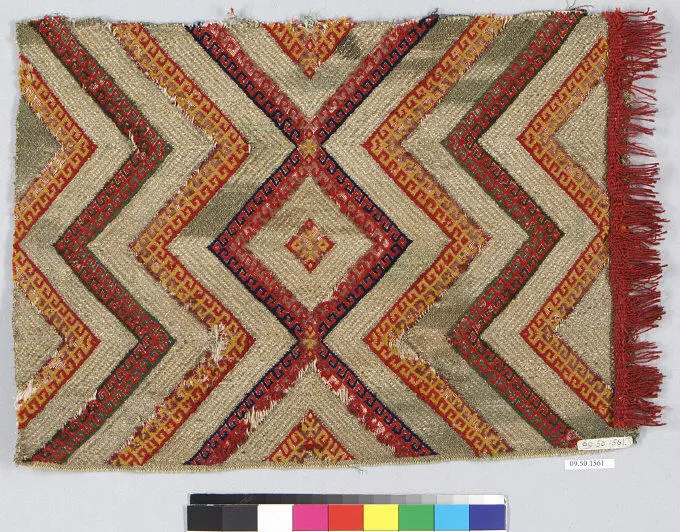
A collection of intricate oriental carpets featuring rich colors and geometric patterns, highlighting traditional weaving techniques from Central Asia and Turkey.

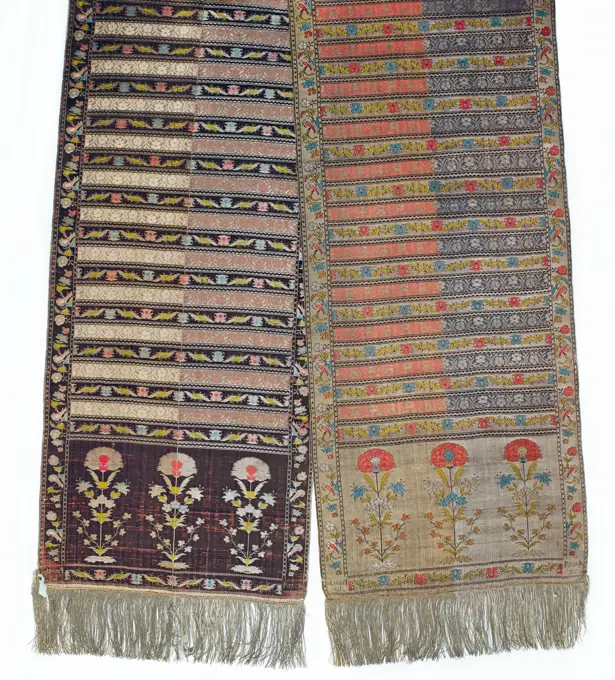
Textile, Medium: silk, metallic yarns Technique: two integrated structures: 5/1 satin patterned by 3/1 twill, Woven textile with overall large-scale ogival medallions on a red ground. Each ogee containing a symmetrical arrangement of tulips and carnations in red, yellow, and light blue on a silver ground, surrounded by a floral vine border., Turkey, 16th-17th century, woven textiles, Textile
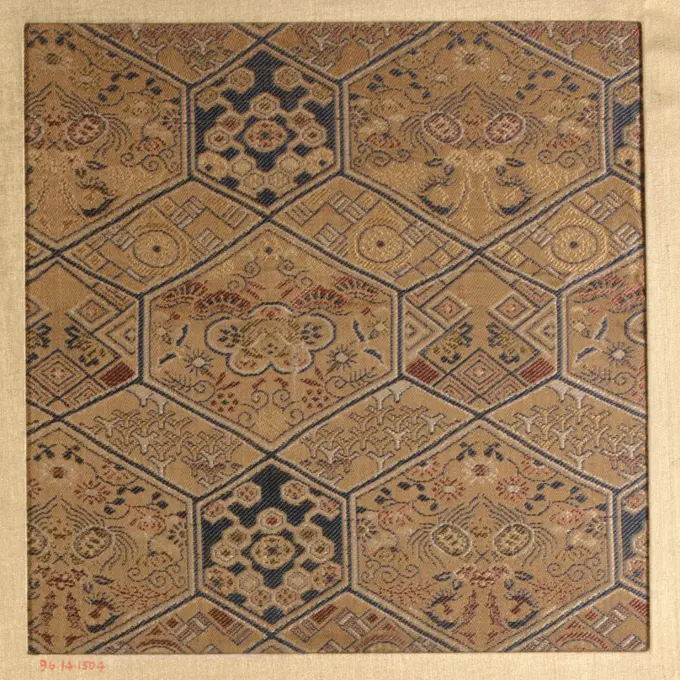
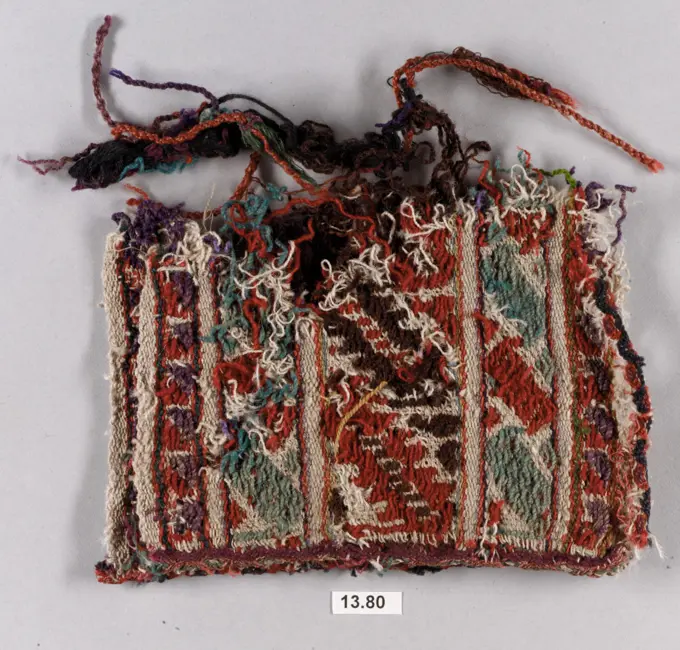
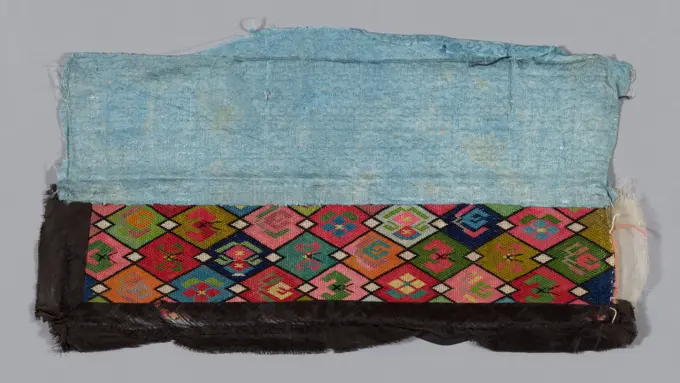
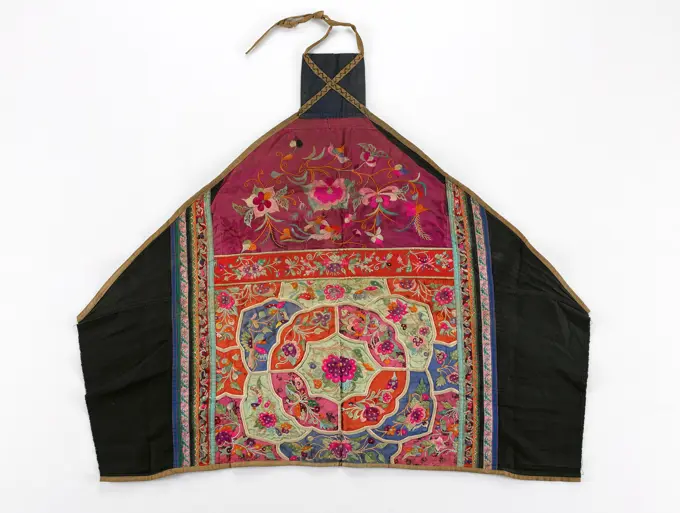
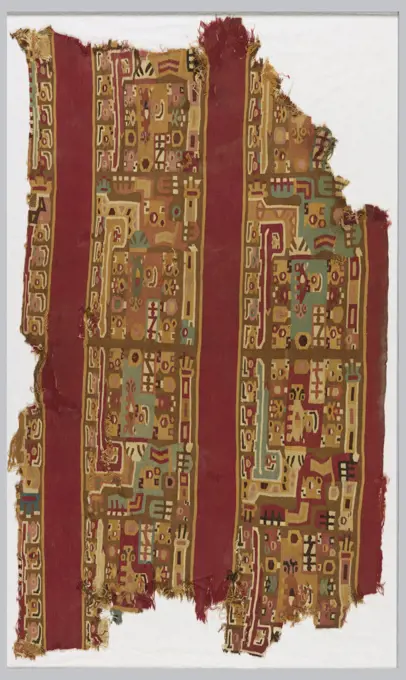
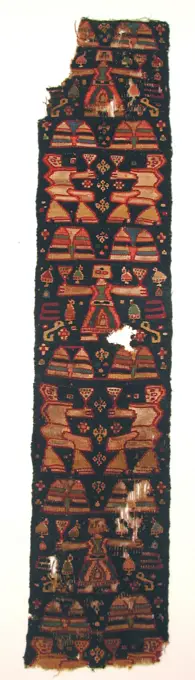
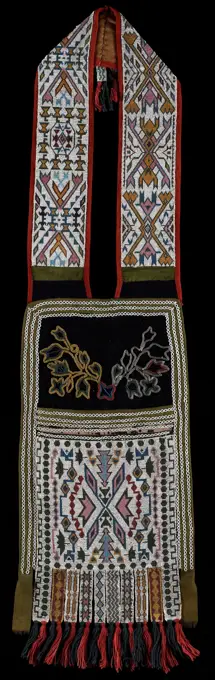
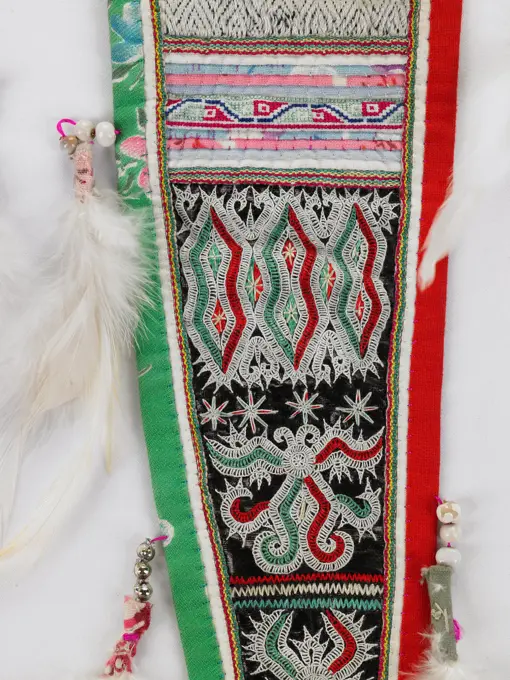
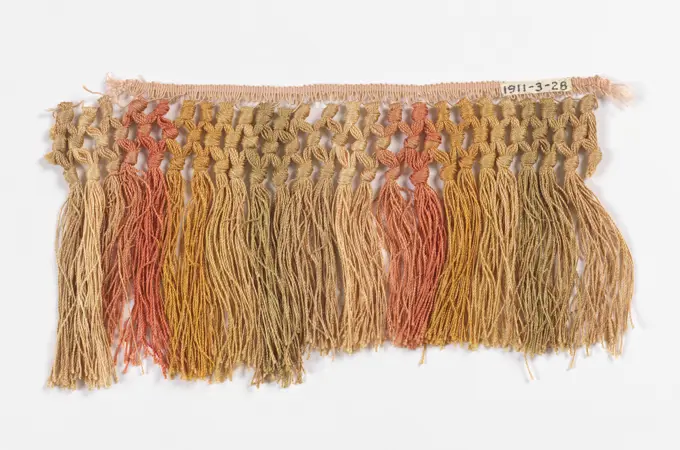
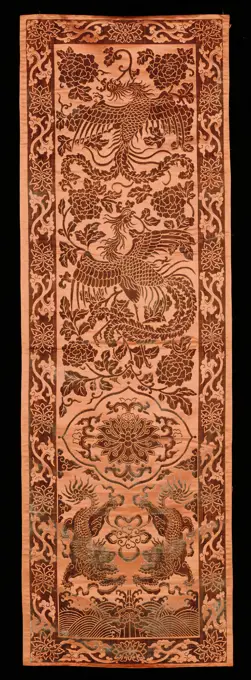
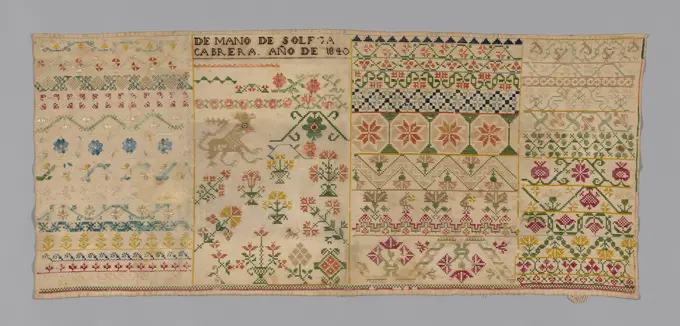
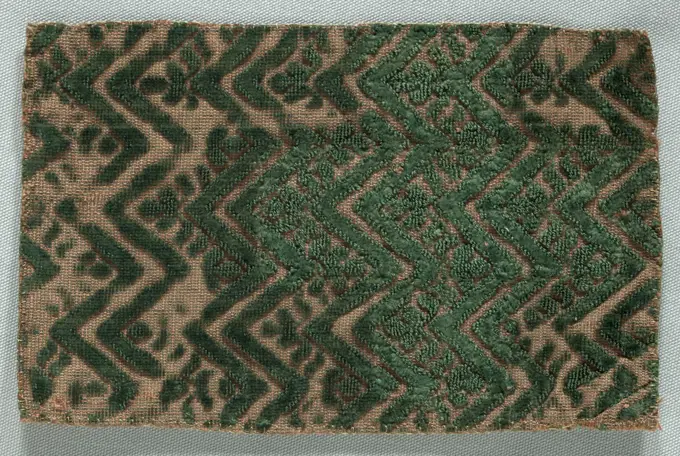
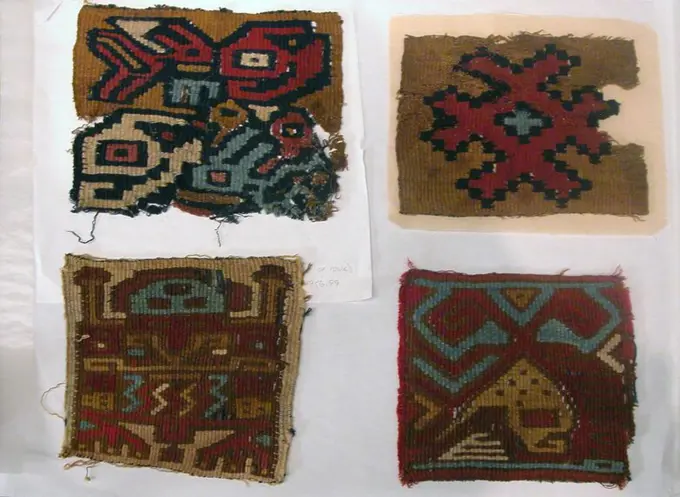
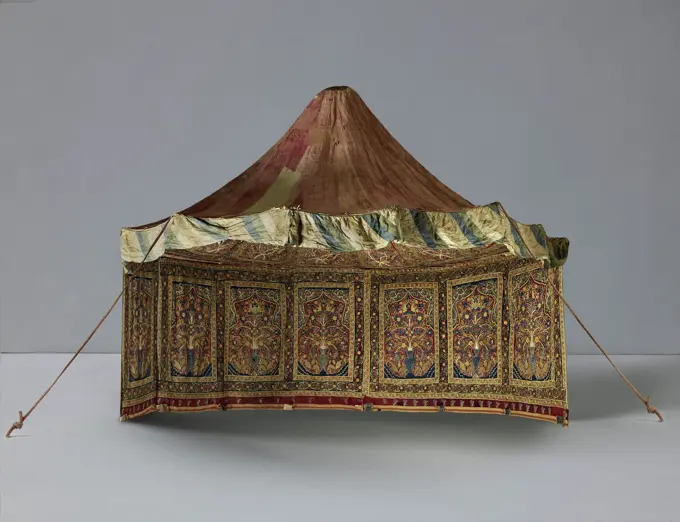
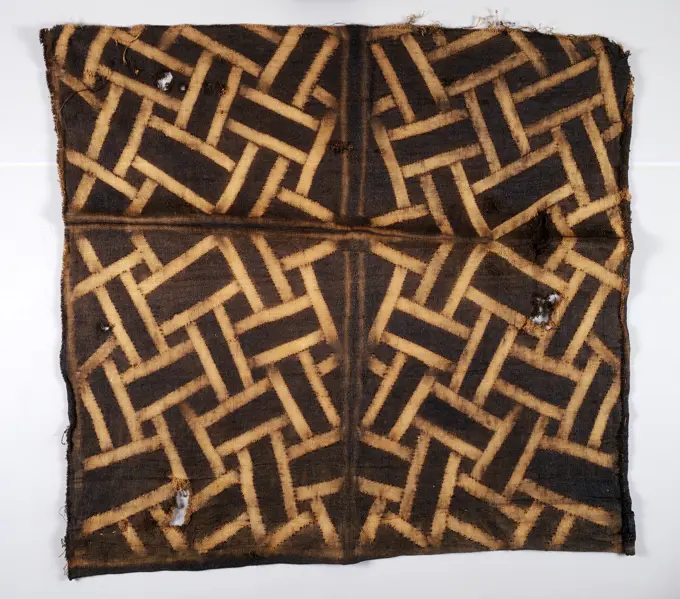
Panel, 20th century, 24 1/2 x 22 7/8 in. (62.2 x 58.1 cm), Raffia; resist dyed, Democratic Republic of Congo, 20th centuryPiece 18th-19th century Japan. Piece 67217Bag 19th century Peruvian. Bag 307836Traditional Berber carpets, MoroccoTrouser Band Made 1875-1900 China. Forty-four pairs and eight odd pieces of embroidered sleeve, ankle bands, etc. on gauze. . Han-ChineseTextile Hanging, early 20th century. Tibet, early 20th century. Warp faced plain weave: wool and cotton; average: 256.6 x 166.4 cm (101 x 65 1/2 in.).Baby Carrier, 30 1/4 x 38 in. (76.84 x 96.52 cm), Cotton, silk; needlework, ChinaFragment, Medium: cotton warp, wool weft Technique: tapestry woven, single interlock; subtle use of non-horizontal wefts Label: cotton warp, wool weft, single interlock tapestry with some non-horizontal wefts, Fragment of a mantle with two wide bands of multi-color desigh of winged spear-bearer figure, set off by narrower bands of dark red. Design in shades of red, brown, green, blue and light yellow., Tiahuanaco, Peru, 800-1000, woven textiles, FragmentPiece 18th-19th century Japan. Piece 66767Kesa Made 1800-1850 Japan. Silk, gold-leaf-on-lacquered-paper-strip wrapped silk and gold-leaf-over-lacquered-paper-strip, plain weave with supplementary patterning wefts bound in weft-float faced 1 3 ëZë twill interlacings; lining silk, plain weave .Tapestry band 8th century. Tapestry band 448907Textile Fragment with Birds 8th century. Textile Fragment with Birds 448910Bandolier Bag, c. 1870, 40 1/2 x 12 1/4 in. (102.87 x 31.12 cm) (without yarn tassels), Beads, cotton, wool, United States, 19th century, This bandolier bag features abstracted representations of leaves, flowers and berries, which are essential elements of traditional Anishinabe lifestyle. One strap has a series of small hourglass-shaped figures, symbolizing Thunderbirds. Thunderbirds are a manito, or spiritual force, representing the power of the sky.Band 16th century Italian or Greek. Band 216496Fragment early 19th century Romanian, Banat district. Fragment 216587Quilt competition at Oregon State Fair, Salem, Oregon, USA.Kriegsmarine. Small photo album with blue checkered fabric cover. Interior consists of 24 blades with a punched rectangular frame behind which two photos have been slid. Album also includes 15 separate photos. Many photos about life on board a ship from the Kriegsmarine, a couple in Paris. In the years 1940-1943.Silk Fragment, 13th century. Spain, Islamic period or Mudejar, 13th century. Lampas weave, brocaded; silk and gold thread; overall: 68.6 x 64.4 cm (27 x 25 3/8 in.).Baltimore Album Memorial QuiltChasuble made of silk fabric unknownWoman's Wearing Blanket , c. 1875-1880. America, Native North American, Southwest, Navajo, Post-Contact, Late Classic Period. Tapestry weave: wool (handspun, Germantown, and bayeta); overall: 117.5 x 152.5 cm (46 1/4 x 60 1/16 in.).Towel End, 1700s-1800s. Russia, Orel province, 18th- 19th century. Cotton or linen (est.); straight (continuous) bobbin lace; ground with interspersed motifs of plant and animal forms in plain weave outlined with gimp (heavy cord); applied silk (est.) ribbon; overall: 30 x 39 cm (11 13/16 x 15 3/8 in.). This lace was used to embellish a towel end. Textiles of this type are valuable for their lacework depicting ancient folk motifs, ritual significance, exemplification of the role of textiles in Russian society, and connection to a prominent woman collector, Natalia de Shabelsky, without whom this textile and others like it might have been lost.Carpet of traditional types made on a loomMan's Flying Skirt, 23 3/16 x 23 in. (58.9 x 58.42 cm) (at waistband, without ties or pendants), Cotton, beads, feathers, seeds, sequins, ChinaFringe (USA); silkMiddle East, Oman, Muscat. Persian carpets for sale at a shop in the old Muttrah SoukMan's Cofradía Tzute, 1900-1920, 45 x 27 in. (114.3 x 68.58 cm) (with fringe), Cotton, Guatemala, 20th centuryChair cover, 19th century, Di.57 x 21 in., Silk velvet, China, 19th centuryConciliate belt; Manufaktura Paschalis Jakubowicz (Warsaw; label Pasów; 1788-1794); 1788-1790 (1788-00-00-1790-00-00);Antiquariat "Veritas" (Warsaw - antique shop - 1950-), cloves, flower bushes (ornament), geometric ornaments, plant ornaments, parrots, four -sided belts, solid belts, Polish belts, Polish (culture), Polish clothing, purchase (provenance)Sampler Made 1801-1900 México. .Head shawl, 1930-1940, 54 11/16 x 53 13/16 in. (138.91 x 136.68 cm), Silk, metallic thread; supplementary weft patterning, Syria, 20th centuryOttoman ancient Handmade Turkish Tiles with floral patternsGarters 18th century European. Garters 121442Anefo photo collection. Carpets from Turkey and the Caucasus to see in Museum Willet Holthuysen in Rotterdam. October 23, 1967. Rotterdam, South HollandVelvet Fragment, late 1500s - 1600s. Italy, late 16th - 17th century. Velvet; overall: 14.3 x 9 cm (5 5/8 x 3 9/16 in.).Lambijn, part of a bed garnish, from yellow side, embroidered with flowers and butterflies in multicolored silk and omboard with blue passement, anonymous, c. 1720 - c. 1740 Yellow silk lambeline of a bed garnish embroidered with flowers and butterflies in multicolored silk, omboard and decorated with blue passement, lined with coarse linen and yellow silk. Intended for the left side of the bed, inside. Kanton (possibly) silk. linen (material) embroidering Yellow silk lambeline of a bed garnish embroidered with flowers and butterflies in multicolored silk, omboard and decorated with blue passement, lined with coarse linen and yellow silk. Intended for the left side of the bed, inside. Kanton (possibly) silk. linen (material) embroideringblur in iran antique carpet textile  handmade beautiful arabic ornamentSampler Fragment, 1800s. Mexico, 19th century. Embroidery; average: 12.7 x 28.5 cm (5 x 11 1/4 in.).Carpet , Bhadohi , Banaras , Uttar Pradesh , India India Copyright: xAnilxDave/DinodiaxPhotox NASampler (Mexico); Embroidered by Maria Anselma; cotton embroidery on cotton foundationKontusz sash. Manufaktura Paschalisa Jakubowicza (Warszawa ; wytwórnia pasów ; 1788-1794), manufactureTapestry Medallion. Nazca; Peru, south coast, Probably Nazca Valley. Date: 600 AD-700 AD. Dimensions: 14 × 12.7 cm (5 1/2 × 5 in.). Origin: Peru. Museum: The Chicago Art Institute, Chicago, USA.Tapestry Medallion Made 600 CE-700 CE Peru. . NazcaRoyal Round Tent Made for Muhammad Shah, 1834-48. Iran, Rasht, Qajar period (1779-1925). Interior: wool: plain weave, inlaid work; silk: embroidery, chain stitch; tape, leather Exterior: cotton, wool: plain weave; rope, iron ring ; overall: 360 x 400 x 400.1 cm (141 3/4 x 157 1/2 x 157 1/2 in.). Royal tents were potent symbols of authority, wealth, and power throughout the greater Middle East. Rulers owned thousands of tents. They were used for shelter, shade, and innumerable functions in tent compounds that were essential for imperial ceremonies, travel, and military campaigns. Distinguished by size with elaborately decorated interior walls and ceilings, tents could be as large as castles. Opulent tents were also presented as imperial gifts. Tents are only known through documents before 1600. For example, in Baghdad in 809, Caliph Harun al-Rashid owned 4,000 ceremonial tents and 150,000 camping tents that were stored in the imperial Abbasid treasury. An astonishing variety and quantiSampler (England); Embroidered by Jane Hall; glass beads, linen foundationFace Cover for a Horse, 20th century, 12 x 12 in. (30.48 x 30.48 cm) (without tassels), Cotton, shells, metal; needlework, India, 20th centuryCollar -Box 18th-19th century. Box 454739Sampler 1871 probably Dutch. Sampler 228521