Oriental Carpets Collection

A selection of intricate Oriental carpets, featuring detailed patterns and historical designs, showcasing craftsmanship and cultural heritage.

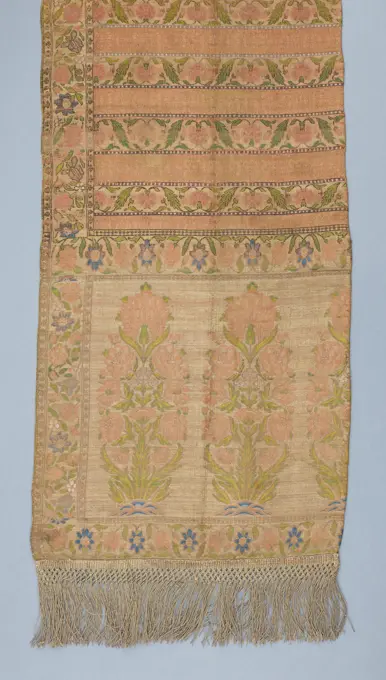
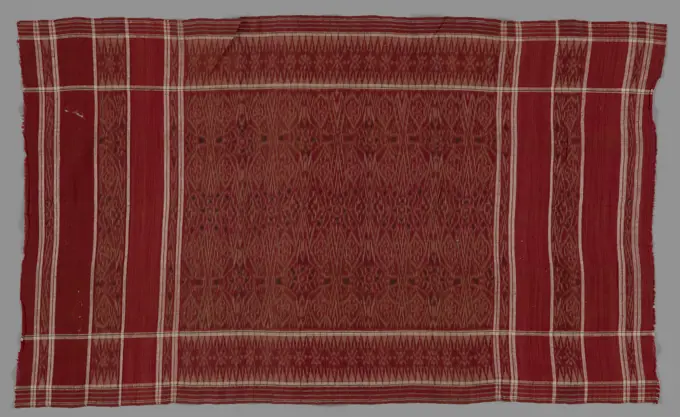
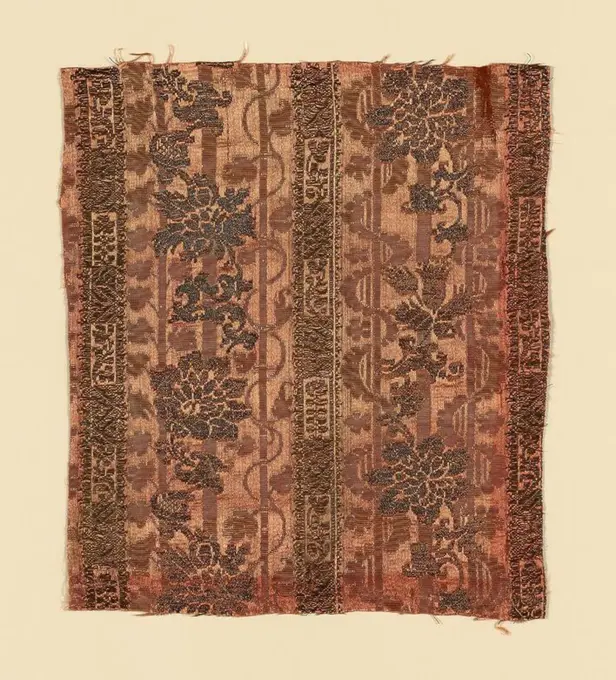
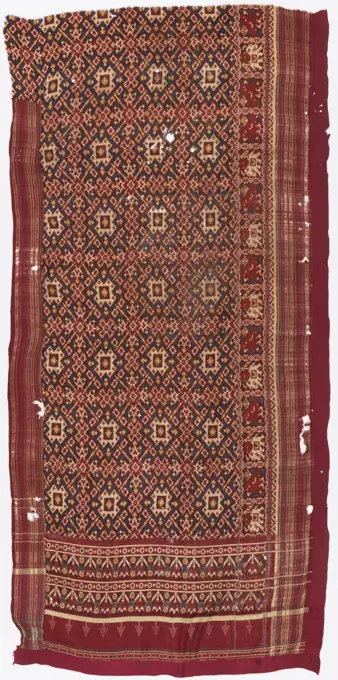
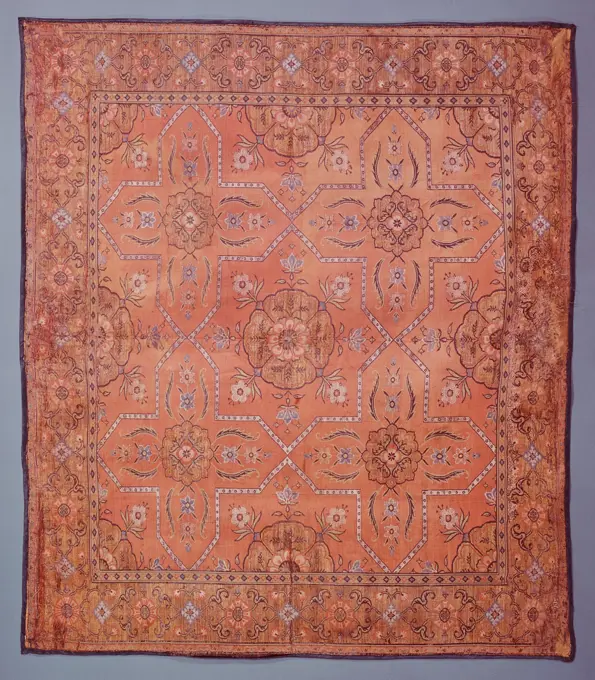
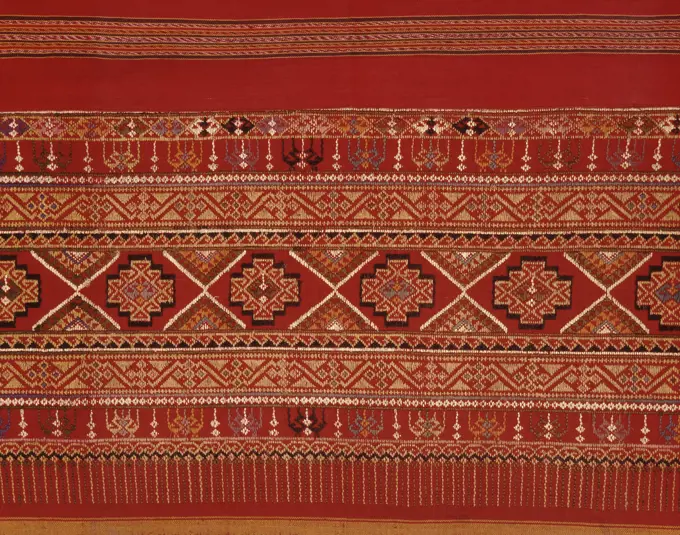
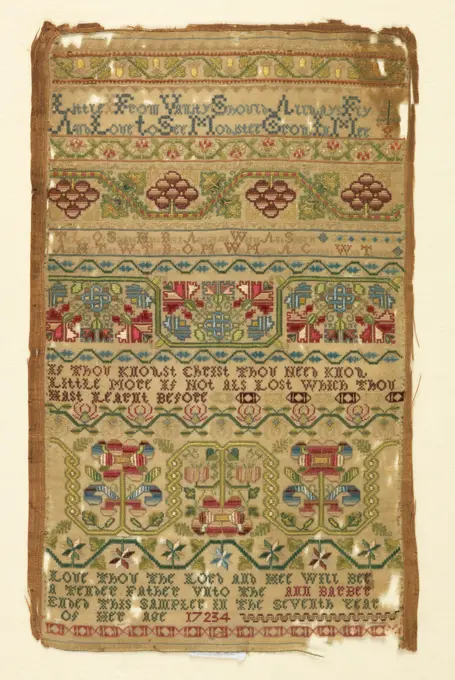
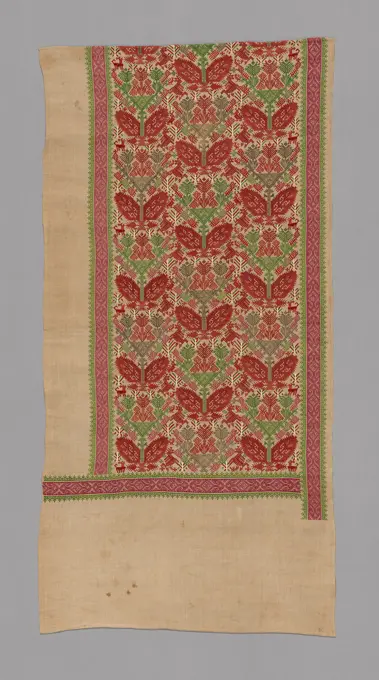
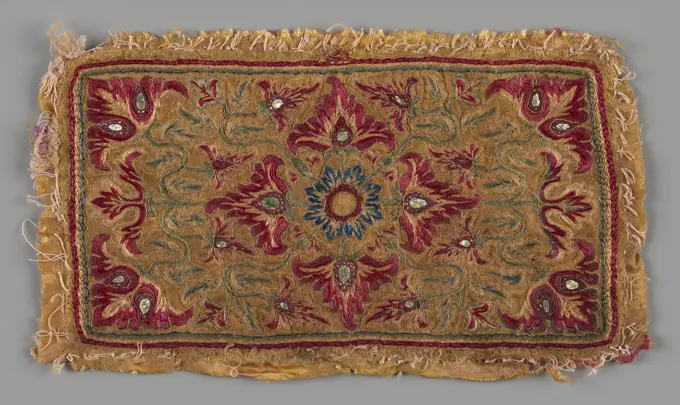
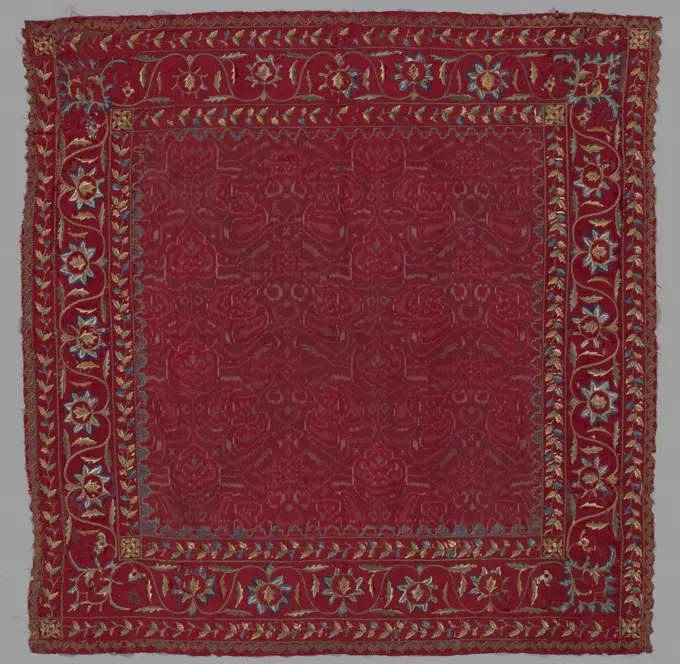
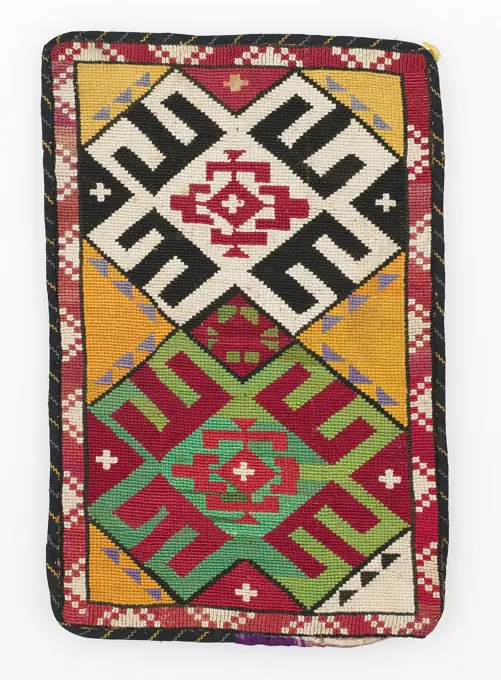
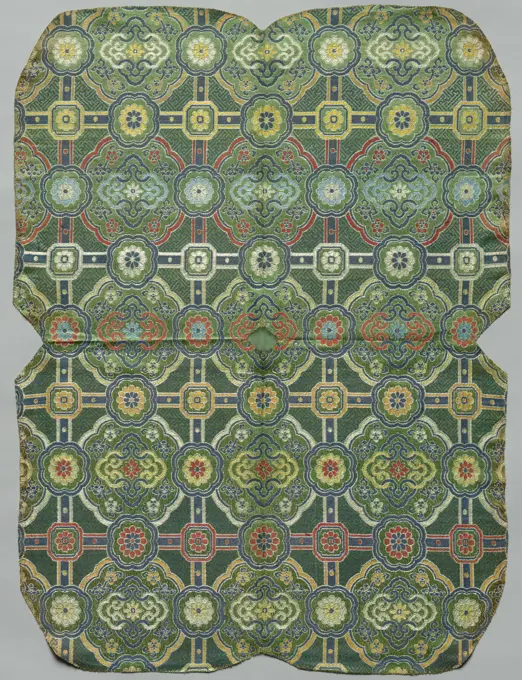
Woman's veil, c. 1850, 97 x 74 3/8 in. (246.38 x 188.91 cm), Silk, metallic threads; brocade, India, 19th century
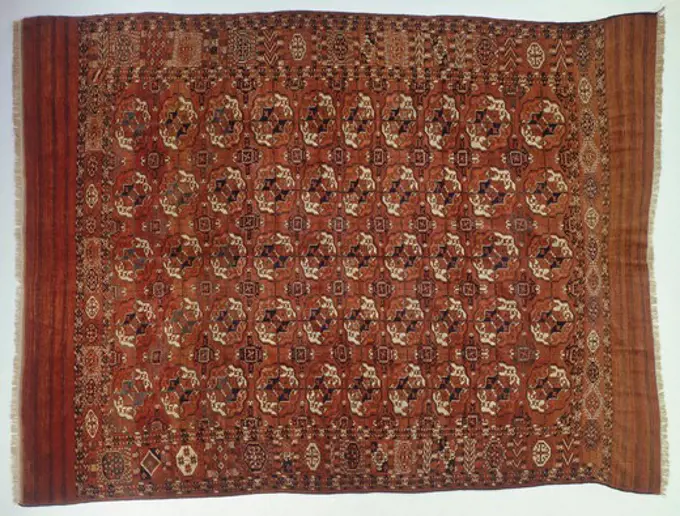
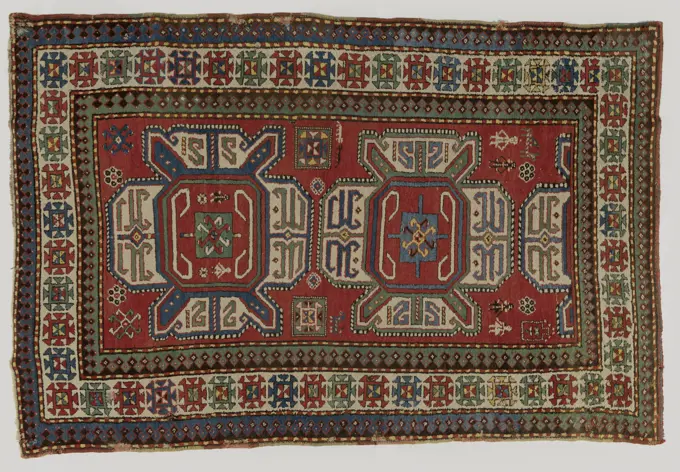
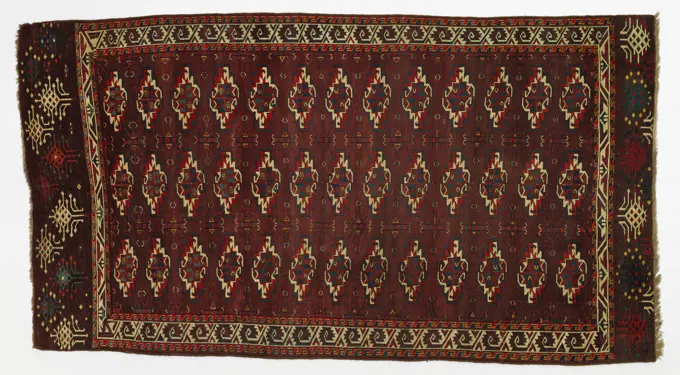
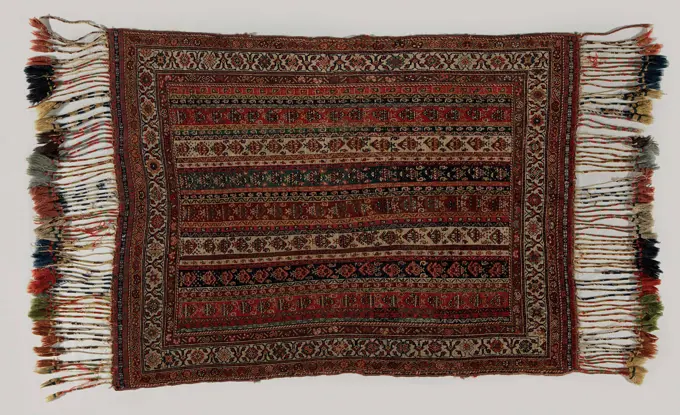
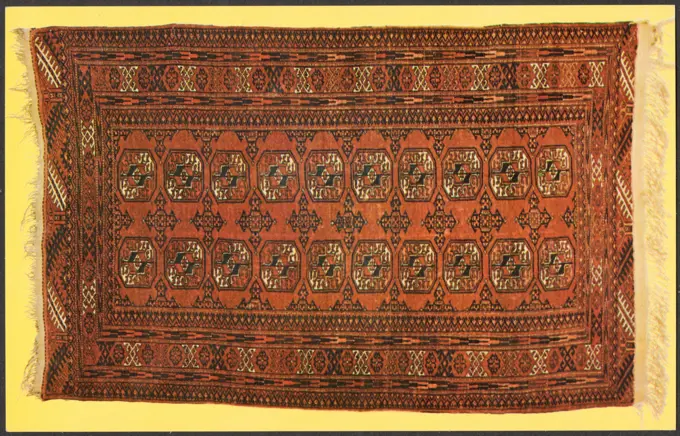
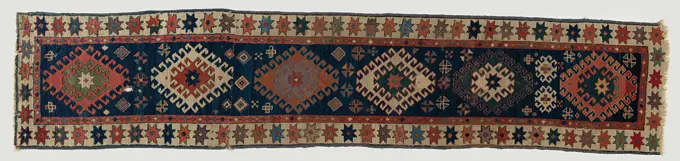
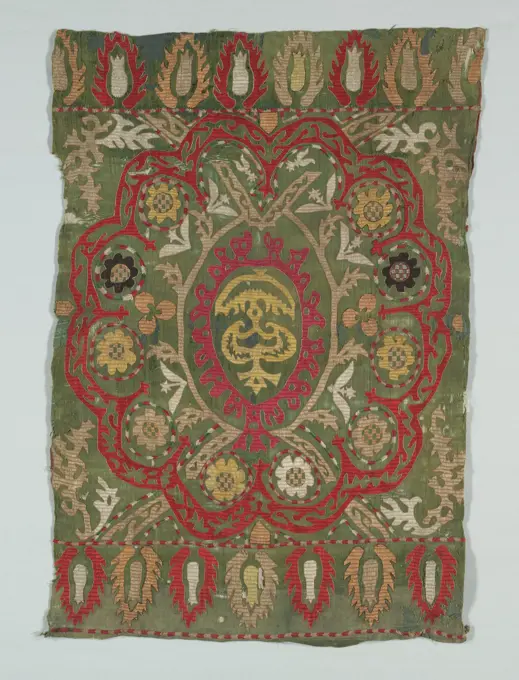
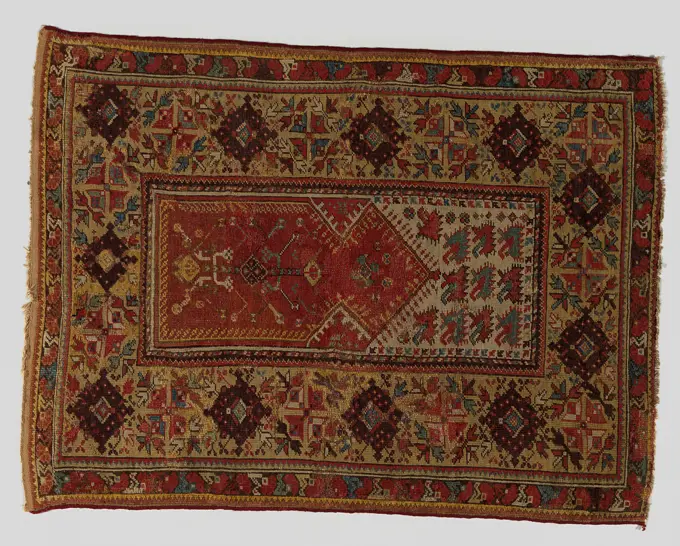
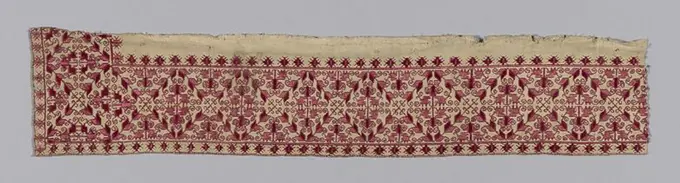
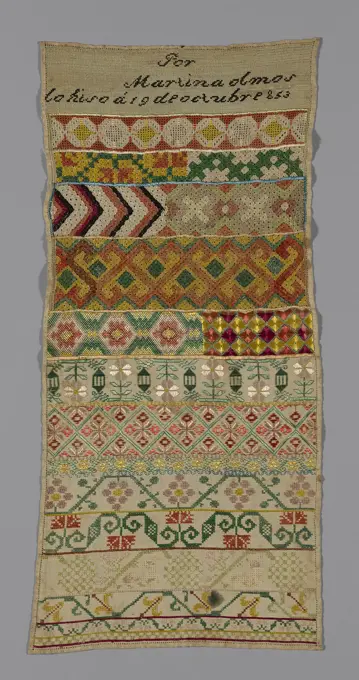
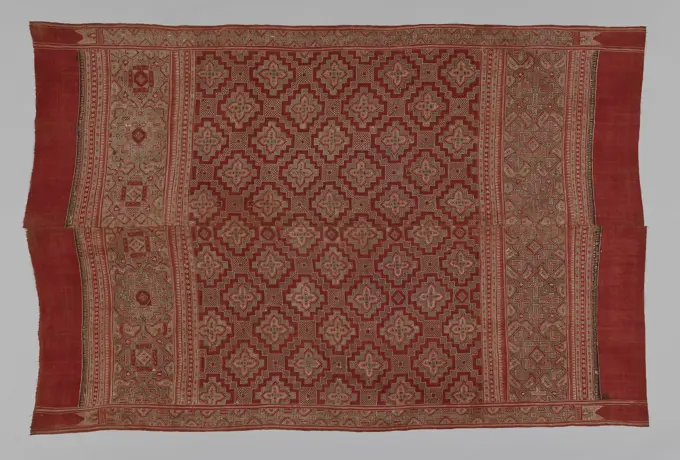
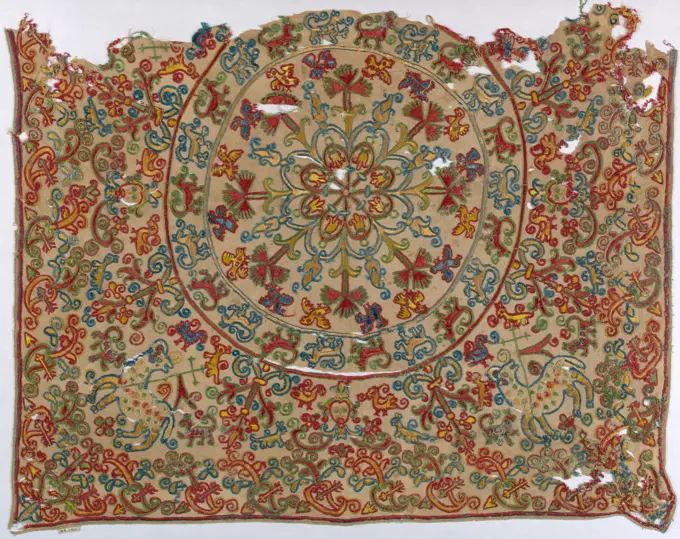
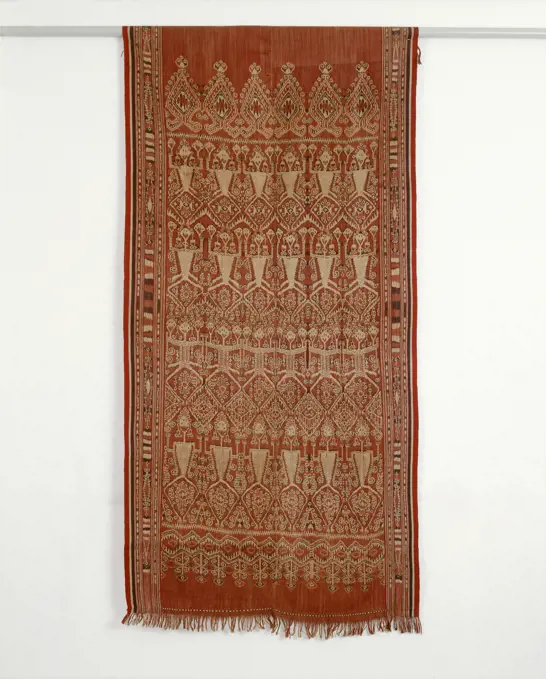
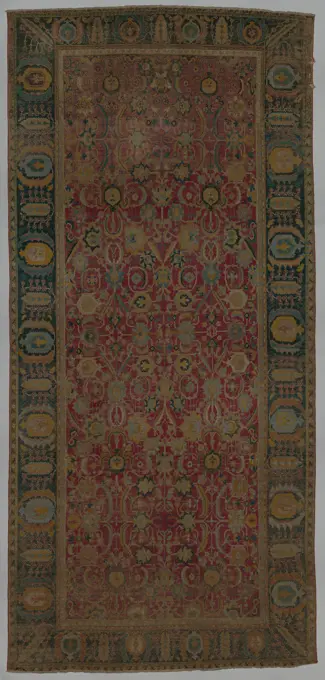
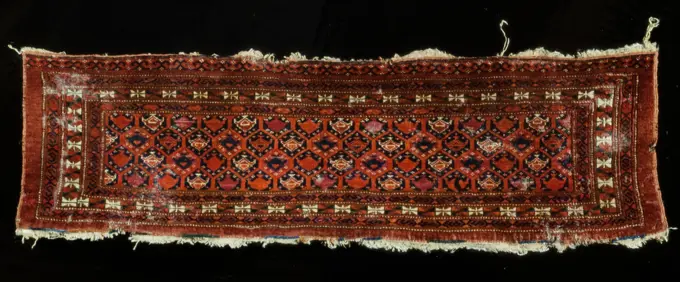
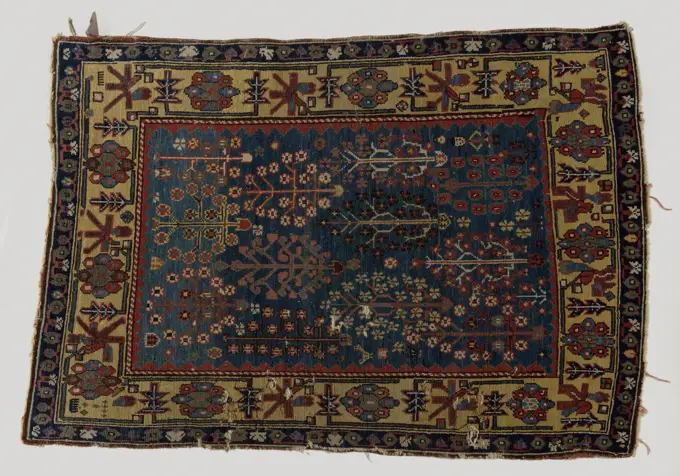
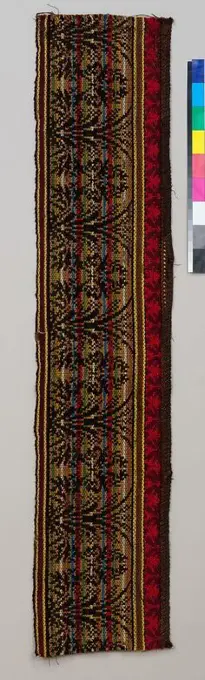
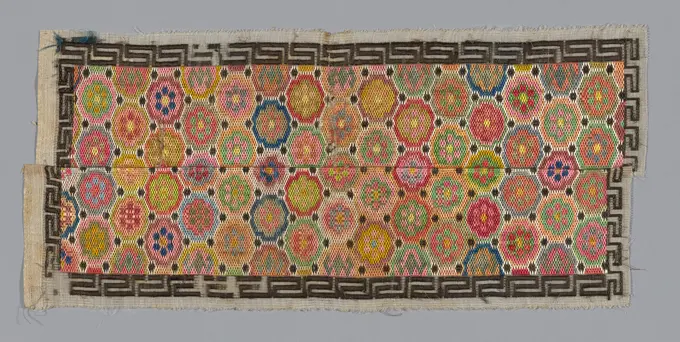
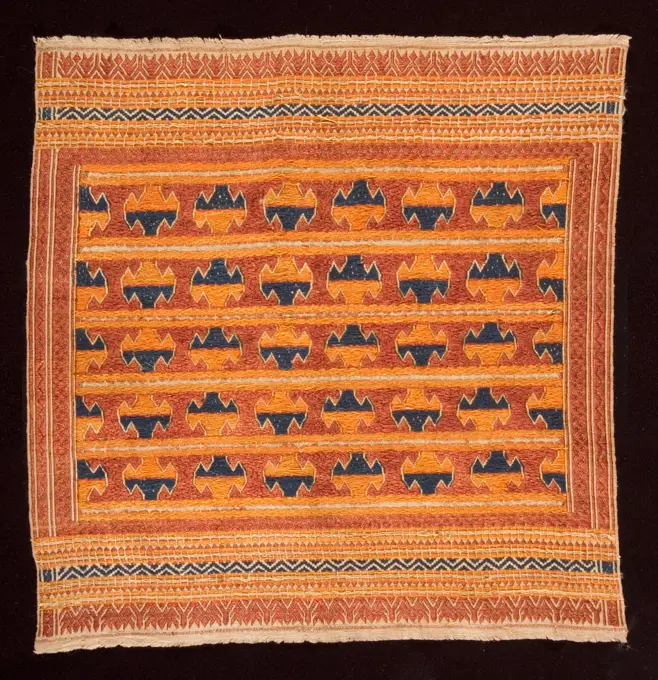
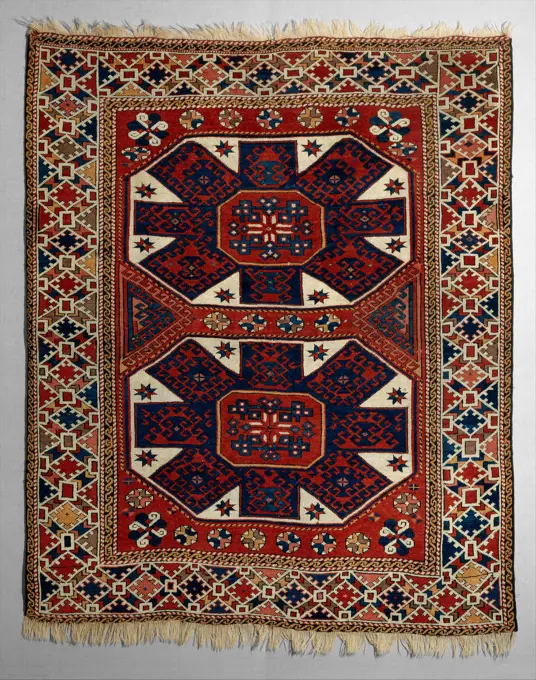
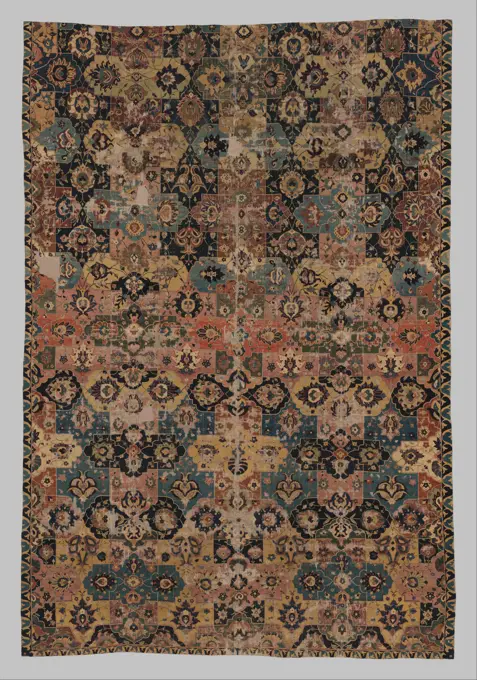
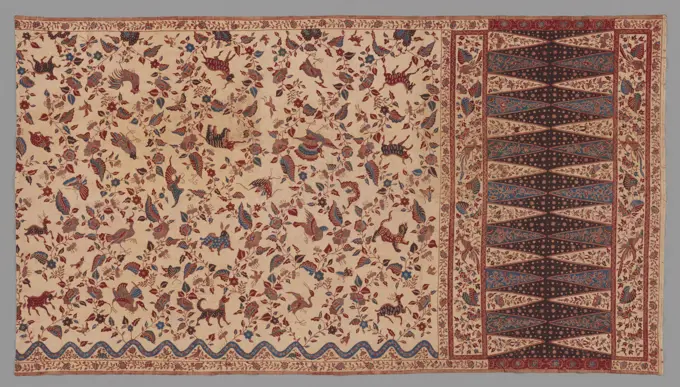
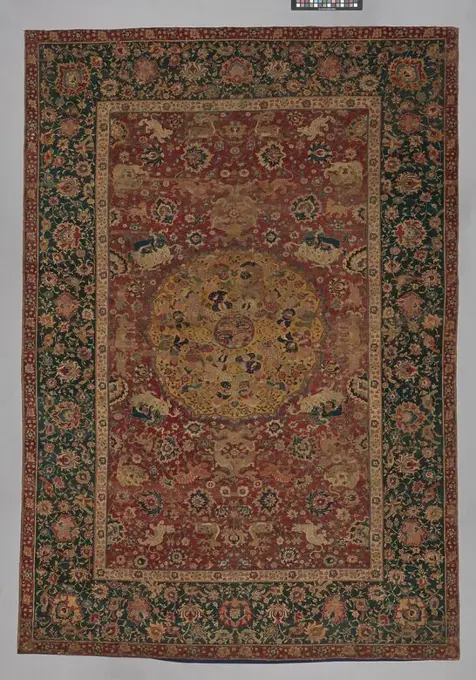
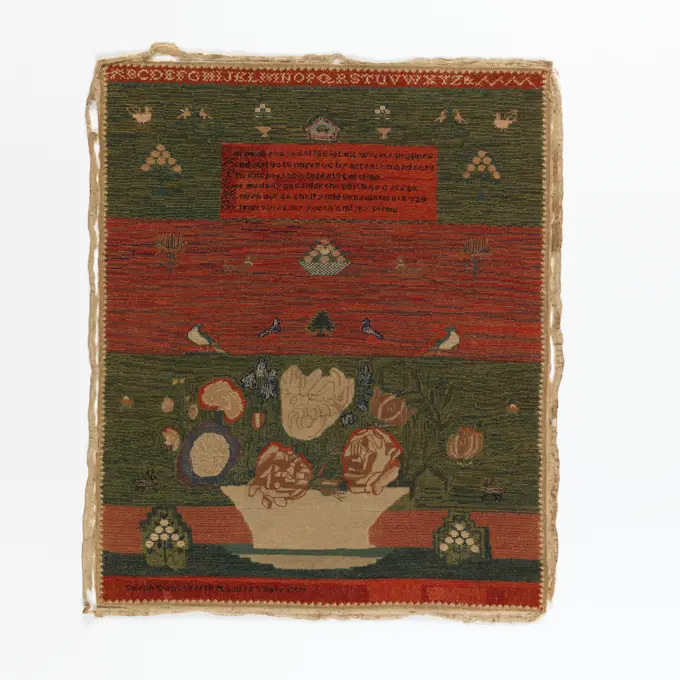
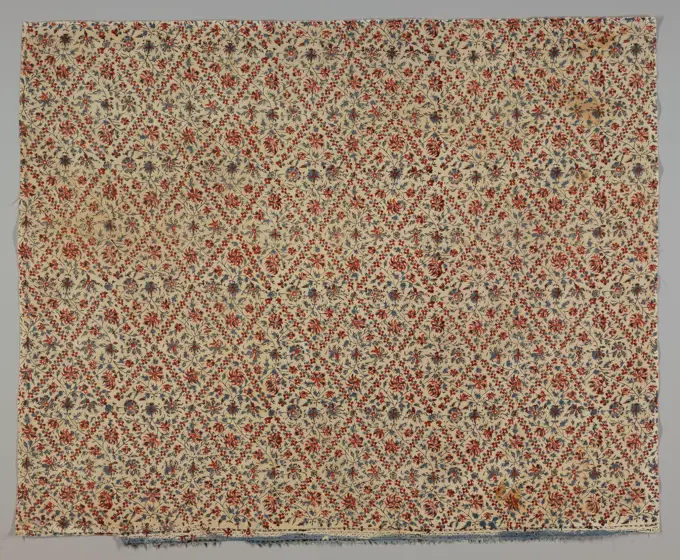
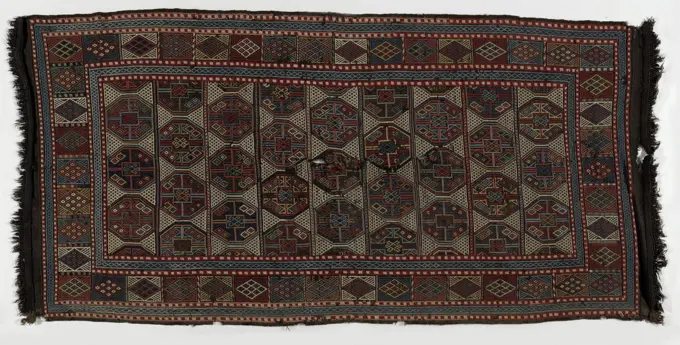
Carpet with infinite report of staggered rows of contiguous generous, edge with checkerboard pattern, anonymous, 1800 - 1900 Oriental carpet in smooth tissue with brochures. In midfield an infinite report -staggered rows of consecutive generous with a rectangle in the center. Edges decorated with blocks with windows with checkerboard pattern. Turkmenie wool Oriental carpet in smooth tissue with brochures. In midfield an infinite report -staggered rows of consecutive generous with a rectangle in the center. Edges decorated with blocks with windows with checkerboard pattern. Turkmenie woolRugs and Carpets: Russia - Turkestan - 19th century. Carpet coming from Tekke tribesOriental carpet. Oriental carpet, medalleled. In midfield are hexagonal medallions, connected by tendrils against a brown-red fond. Furthermore, windows. The edge is decorated with rosettes.Eastern carpet ,, 1800 - 1900 Eastern carpet, medailla rug. There are two catouch -shaped medallions in midfield. Around motifs, squares, hooks, s-shaped motifs, human and animal figures. Widest edge decorated with blocks with swallow tails. Jumper wool Eastern carpet, medailla rug. There are two catouch -shaped medallions in midfield. Around motifs, squares, hooks, s-shaped motifs, human and animal figures. Widest edge decorated with blocks with swallow tails. Jumper woolTurkmen Main Carpet, mid-1850s. Turkmenistan, Yomud tribe, 19th century. Wool, knotted pile, 128-136 symmetrical knots per square inch; overall: 290 x 160 cm (114 3/16 x 63 in.). In the Islamic world, carpets symbolize status and wealth. A carpets origin can be identified by its design, color, and technique. Shades of red and lobed motifs, or guls, are hallmarks of Turkmen carpets woven by nomadic tribes across northeast Iran, Afghanistan, and central Asia. This main carpet of the Yomud tribe features beautiful colors in the guls on a rich aubergine ground; the decorated skirts, or elem, with stylized flora at each end, are its rarest feature. This carpet would have been the prized possession within the living quarters of a round tent, or yurt.Fragment, 1800s. China, 19th century. Silk; overall: 35.6 x 20.4 cm (14 x 8 1/16 in.).Oriental carpet ,, 1850 - 1900 Eastern carpet in carpet format, of which midfield is decorated with five medallions, filled with hexagonal motifs and animal figures. White corner pieces. Four edges. Hamadan (possibly) wool Eastern carpet in carpet format, of which midfield is decorated with five medallions, filled with hexagonal motifs and animal figures. White corner pieces. Four edges. Hamadan (possibly) woolRussian Sash unknownWoman's veil, c. 1850, 97 x 74 3/8 in. (246.38 x 188.91 cm), Silk, metallic threads; brocade, India, 19th centuryRitual Weaving(Cepuk)Oriental carpet. Oriental carpet of knotted wool with a midfield decorated with zigzag ties and the widest edge with octos.Oriental carpet. Oriental carpet, medalleled. In midfield three versatile medallions against a brick red fond. Indoor drawing of S-shapes, blocks and spreading. Middle edge decorated with wine glass and saw blade.Cover, early 1900s. Algeria, early 20th century. Embroidery: silk on cotton tabby ground; overall: 122.6 x 85.1 cm (48 1/4 x 33 1/2 in.).Doek, Anonymous, 1900 - 1949 Cloth with geometric motifs. Laos cotton (textile). silk Cloth with geometric motifs. Laos cotton (textile). silkTapestry. unknown, authorMedalleled, Shirwan. Medalleled, Shirwan. Middnveld: Stone red fond with three ochted medallions all around long hooks, one between two dark blue, filled with flowers and branches with crochet motifs. In each medallion a small brick red octagon with star flower in light green and teal. Foundation of large and small star shapes and rosette flowers. Edges: Triple. The middle is white with connections of undergrown rear corners in many shades of yellow, blue and red. This edge is caught in a black and a red piping with white S-SEN and weather in blue / black and white / black block straps.Oriental carpet ,, 1800 - 1860 Bid rug in Kelim technology. In midfield a rust -red mihrab. Blue swing with large flowers. Three tulips in the Bovendwars panel. Triple edge. Middle edge decorated with hexagons. encloses. Little Asia ketting: wool Bid rug in Kelim technology. In midfield a rust -red mihrab. Blue swing with large flowers. Three tulips in the Bovendwars panel. Triple edge. Middle edge decorated with hexagons. encloses. Little Asia ketting: woolOriental carpet. Oriental carpet of knotted wool, grid star rug, whose octimal middle field is decorated with windows within which eight-point stars. Around three edges of which the middle is decorated with triangles with hooks.One of the 3,000 oriental rugs from Arthur T. Gregorian Inc., 2284 Washington Street, Newton Lower Falls, Mass. 02162 , Rugs, Textile industry, Tichnor Brothers Collection, postcards of the United StatesCarpet. Dimensions: 110 in. high 65.00 in. wide (279.4 cm high 165.1 cm wide). Date: first half 19th century. Museum: Metropolitan Museum of Art, New York, USA.Medaillon- of ruitmedaillonkleed: zes ruiten met haakcontouren gevuld met strooigoed. Tweevoudige rand met sterren en ruiten..Medallion or diamond membrackle, Kurdistan runner. Midfield: Dark blue fond with six diamonds with crochet contours in bleach red, petroord's green, white, orange, white and red. Sprinkle filling. Edge: two-fold. The main beach is white on which stars in the aforementioned colors. The indoor zoom is red with windows.Cover. Turkey. Date: 1601-1725. Dimensions: 218.8 x 144.9 cm (86 1/8 x 57 in.). Linen embroidered with multicolor silk. Origin: Turkey. Museum: The Chicago Art Institute, Chicago, USA.Oriental carpet, Ersari Volk, 1875 - 1900 Eastern carpet, huge dressing. In midfield, octagon, generous, in three jobs of six. Secondary motives: windows. Triple edge. A beard at the top and bottom. Afghanistan Necklace and impact: Wool Eastern carpet, huge dressing. In midfield, octagon, generous, in three jobs of six. Secondary motives: windows. Triple edge. A beard at the top and bottom. Afghanistan Necklace and impact: WoolCushion Cover, 1700s. Dagestan, 18th century. Embroidery, silk; overall: 93.1 x 66 cm (36 5/8 x 26 in.).Barred, molass. Barred, molass. Midfield: Narrow orange-red Mihrab in a cored dot façade and a flower stalk in white, brown, soft yellow, light blue and eggplant. On white switching that flow above the gable are rows of tilted anjelieren or plane layers. Borders: two-fold. On a very wide golden buffer, diamond-shaped and four-part flowers, the one in eggplant, the other in light and dark red, white and light green. There is one outdoor zoom, in eggplant, with climbing carnations to the left and right. Midfield and outdoor zoom surrounded by interlocking triangular lists.Quilted Bed Cover, 18th century, 67 1/2 x 93 in. (171.45 x 236.2 cm), Quilted linen, Pakistan, 18th centuryBorder. Italy. Date: 1601-1625. Dimensions: 50.8 × 12.7 cm (20 × 5 in.). Linen, plain weave; embroidered with silk. Origin: Italy. Museum: The Chicago Art Institute, Chicago, USA.Ceremonial Weaving(Tampan)Sampler Made 1800-1900 México. .Barred, so-called seven cures. Barred, so-called seven cures. Midfield: in a double facade mihrab with high erratic-checked top favors is in every top a yellow vase with symmetrical palmet and rosette flowers in yellow / blue / white on cross stiers in brown, with crochet volutes. Just above the middle two anjelieren and a few angular arabes. The swing are blue on which a rosette flower in white / red, o.A. a tulip and a lancet leaf. Edge: Triple. The main edge is yellow with leafy gels grouped to octlies that are diagonally colored in blue / red and blue / ocher yellow and that enclose a rosette with its four. The indoor zoom is black with colorful slopes. The outside zoom is red with X-and and star rosing along which an inner list is still running with stretched S-SEN.Fragment. Italy. Date: 1650-1700. Dimensions: 22.5 x 19.9 cm (8 7/8 x 7 7/8 in.)Repeat: 14.6 x 8.85 cm (5 3/4 x 3 1/2 in.). Silk and gilt- and silvered-metal-strip-wrapped silk, warp-float faced satin weave self-patterned by areas of plain weave with supplementary brocading wefts;Undulating ribbons with floral sprigs; in gold and silver metallic; on red ground. Origin: Italy. Museum: The Chicago Art Institute, Chicago, USA.Oriental carpet. Oriental carpet, hearing drilledness. In midfield three stering sparklers and field filling of rosette flowers against a cobalt blue background. Five-fold edge with geometric motifs.Heirloom Textile Made 1400-1500 India. Cotton, plain woven, block printed and resist-dyed; two loom widths joined, all selvages present .Kilim with Bands of Star Motifs Made 1701-1725 Turkey. Wool, slit-tapestry weave .Chalice Veil (Greece); silk embroidery on linen foundationCarpet 17th century. Carpet. 17th century. Wool (warp, weft and pile); symmetrically knotted pile. Attributed to Turkey. Textiles-RugsDayak Iban ikat cloth,Sarawak, Malaysia.Embroidered Square, 1800s. Algeria , 19th century. Embroidery: silk on linen tabby ground; overall: 91.4 x 70.5 cm (36 x 27 3/4 in.).Patola, Medium: silk Technique: tied resist patterning in warp and weft (double ikat), India, 19th century, printed, dyed & painted textiles, PatolaCeremonial Cloth(Tampan)Oriental carpet. Oriental carpet of knotted wool with herati pattern and seven edges of which the widest is decorated with lotus drinks surrounded by Arabesken.Textile, Medium: wool Technique: warp-faced plain weave; complementary warps in plain weave with inner wefts, Plain repeating stripes of cotton alternating with double-faced warp pattern stripes with figures and animals. Single wool warps (2-ply, S-spun). Dull pink, black, blue, cream., Peru, 18th century, woven textiles, TextileTextile fragment, 16th-17th century, 12 7/8 × 25 in. (32.7 × 63.5 cm)14 7/8 × 27 1/4 in. (37.78 × 69.22 cm) (mount), Cotton, India, 16th-17th centuryFragment rood met geel zijdesatijn.Fragment composed of 9 pieces of red silk with pattern in yellow of crowned medallions with pomegranate.Skirt, 20th century, 44 3/8 x 23 3/8 in. (112.71 x 59.37 cm) (at waist), Cotton; needlework, Vietnam or Laos, 20th centuryRectangular scarf of red silk with a narrow embroidered multicolored floral rim and continued palmets at the ends, within which three embroidered Botas, Anonymous, Before 1888 Rectangular scarf of red silk with a narrow embroidered multicolored flowers edge and continued palmets at the ends, within which three embroidered standing botas. Europe whole: Silk. Decoration: embroidering Rectangular scarf of red silk with a narrow embroidered multicolored flowers edge and continued palmets at the ends, within which three embroidered standing botas. Europe whole: Silk. Decoration: embroideringTextile 1840-70 Russian. Textile 173422Fragment, 1700s. Iran, 18th century. Brocade; overall: 22.3 x 16 cm (8 3/4 x 6 5/16 in.).SARONG Battered plant flower patterns in cream yellow and red burgundy unknownIndo-Persian carpet with repeat pattern of vine scrolls and palmettes second half of the 17th century Indo-Persian. Indo-Persian carpet with repeat pattern of vine scrolls and palmettes 460526Contustion sash Paschalis, Jakub, Manufaktura Paschalis Jakubowicz ( 1816/1817)Fragment, Medium: cotton, wool Technique: interlocking tapestry, 1:1, Panel of tapestry in geometric design arranged in four repeats. The colors are red, yellow and rose. The ornaments are outlined in dark purple., Peru, 900-1400, woven textiles, FragmentPillow Cover. Greece, possibly Crete. Date: 1601-1700. Dimensions: 114.4 x 43.8 cm (45 x 17 1/4 in.)Repeat: 31.8 x 26.6 cm (12 1/2 x 10 1/2 in.). Cotton, plain weave; embroidered with silk in running stitches (pattern darning). Origin: Greece. Museum: The Chicago Art Institute, Chicago, USA.Ceremonial Cloth (PuaKumbu)Camel Bag, 19th century, 16 x 56 in. (40.64 x 142.24 cm), Woolen warp, weft woof, Turkey, 19th centuryAnonymous, Hamadan carpet (dummy title). Polychrome wool. Carnavalet museum, history of Paris.Embroidery Sample, 15 1/8 x 17 7/8 in. (38.42 x 45.4 cm), Cotton; needlework, ChinaDoek, Anonymous, 1900 - 1949 Cloth with geometric motifs. Thailand silk Cloth with geometric motifs. Thailand silkTraditional Turkish hand made carpet and rugsRug;  19th century (1801-00-00-1900-00-00);PZS, collection, KilimySuzani, late 19th-early 20th century, 76 3/4 x 54 in. (194.95 x 137.16 cm), Silk, cotton; hook chain stitch, Uzbekistan, 19th-20th centuryBand, Medium: silk embroidery on linen foundation Technique: embroidered in satin, double running, cross and buttonhole stitches on plain weave, Embroidery in formalized design of interlacements, leaves and carnations with narrow borders of carnations., Cyclades, Greece, 19th century, embroidery & stitching, BandSelimut (Man's Textile), 1900s. Indonesia, Savu, 20th century. Cotton, ikat dyed; overall: 189.2 x 61 cm (74 1/2 x 24 in.).Cover. Iran, 18th century. Textiles; covers. compound weave, twill ground; silk and metallic wrapped threadEastern carpet ,, 1800 - 1900 Oriental carpet of knotted wool, of which the midfield is decorated with rows of the MIR-I-Bota, small and alternating rows of left and right-wing. Three decorated narrow edges. Noord-perie wool Oriental carpet of knotted wool, of which the midfield is decorated with rows of the MIR-I-Bota, small and alternating rows of left and right-wing. Three decorated narrow edges. Noord-perie woolFragment of an oriental carpet. .Ingrain carpet border piece. Culture: American. Dimensions: 41 x 9 in. (104.1 x 22.9 cm). Date: ca. 1880. Museum: Metropolitan Museum of Art, New York, USA.Panel Made 1875-1900 China. Forty-four pairs and eight odd pieces of embroidered sleeve, ankle bands, etc. on gauze. . Han-ChineseTextile, ThailandSampler (England); silk on linenBorder Made 1601-1700 Italy. Linen, plain weave; embroidered with silk in back and long-armed cross stitches; lower edge finished with silk, twin cord .Panel (For a Bed Curtain) Made 1601-1800 Greece. Linen, plain weave; embroidered with silk in chain, double running, running (pattern darning), satin, and stem stitches; two loom widths joined on panel a .Towel, Medium: silk embroidery on linen foundation Technique: embroidered in cross, back, double running, four sided, and deflected element work on plain weave foundation; end with knotted fringe sewn to towel, Bands of withdrawn element work and embroidered motifs in blue and brown. Elaborate fringe and tassels at one end., possibly Scandinavia, 19th century, embroidery & stitching, TowelFragment, late 16th century. Turkey, Asia Minor , late 16th century. Silk, brocaded, with metal thread weft; average: 48.3 x 35.3 cm (19 x 13 7/8 in.).CoasterCeremonial Textile (Tampan). Indonesia, South Sumatra, Lampung, late 19th century. Textiles. Cotton plain weave, silk and metallic thread supplementary weft patterningSaddle Cloth, 20th century, 24 1/4 x 31in. (61.6 x 78.7cm), Cotton, applique, China, 20th centuryBorders, Medium: cotton Technique: block printed on plain weave; discharge printed, Two uncut borders imitating woven upholstery braid. In yellow and black on red., France, ca. 1830, printed, dyed & painted textiles, BordersTowel border. Culture: Russian. Dimensions: 33 x 16 in. (83.8 x 40.6 cm). Date: early 19th century.This object is from the collection of Natalia de Shabelsky (1841-1905), a Russian noblewoman compelled to preserve what she perceived as the vanishing folk art traditions of her native country. Traveling extensively throughout Great Russia, she collected many fine examples of textile art of the wealthy peasant class. From the 1870s until moving to France in 1902, Shabelsky amassed a large collection of intricately embroidered hand-woven household textiles and opulent festival garments with rich decoration and elaborate motifs. The Brooklyn Museum holdings include many fine examples including the majority of the garments. Portions of Shabelsky's collection are also housed at the Museum of Fine Arts, Boston, the Cleveland Art Museum, and the Russian Museum of Ethnography in St. Petersburg.Russian bed curtains and towels were not only used for decorative purposes, but also provided an impoHeadcloth(Limar)Rug;  End of the 19th century (1890-00-00-1900-00-00);rugSampler, Medium: cotton embroidery, linen foundation Technique: cross, satin, back, running, eyelet, and twisted chain stitches on plain weave, Sampler divided into three vertical panels, each filled with border designs and floral ornaments. Selvage at both sides of the cloth., Southern Spain, 19th century, embroidery & stitching, SamplerSampler fragment, Medium: wool embroidery on linen foundation Technique: embroidered in cross, eye, stem, double running and interlaced stitches on plain weave foundation, England, ca. 1650, embroidery & stitching, Sampler fragmentFragment, Medium: silk, metallic Technique brocaded damask, Stiff pomegranate shapes in diamond grid in red and gold., possibly 17th century, woven textiles, FragmentBag Face 19th century. Bag Face. 19th century. Wool; sumak brocaded, tapestry weave. From Northwestern Iran. Textiles-Woven-BrocadeTent hanging, 19th century, 9 1/2 x 6 1/4 in. (24.1 x 15.9 cm), Silk, cotton; cross-stitch, Uzbekistan, 19th centuryShawl, Medium: wool Technique: embroidered on 2/2 twill weave; pieced together Label: wool embroidery on wool 2/2 twill weave; pieced together, Red shawl with a dense arrangement of elongated paisley and floral motifs., India for European market, 1855-1875, costume & accessories, ShawlTable Cover (Spain); linenTextile Fragment, 1800s. Japan, 19th century. Plain compound satin; silk; overall: 55.9 x 73.7 cm (22 x 29 in.).Carpet probably late 18th-early 19th century The design of this carpet is dominated by a pair of large octagons inscribed by star motifs radiating from smaller central octogons. This type of composition, which has been favored by Turkish carpet weavers since the fifteenth century, derives from the layout of "Holbein" carpets, named after a depiction of a similar work in a famous portrait by the sixteenth-century German painter Hans Holbein the Younger. The powerful geometric forms impart an unusually strong artistic impact on this work of such modest size.. Carpet 452581Joined Fragments early 19th century. Joined Fragments 443015Vase-technique Carpet with Overlapping Cartouches 17th century The tightly controlled pattern of compartments is formed by overlapping cartouches, which are exceptionally varied in coloring and adorned with finely drawn palmettes growing from a vine system. In its floral forms, technical structure, and rich color scheme, this carpet is related to the so-called Vase carpets, believed to have been made in Kirman in southern Iran. Its unusual design of cartouches, however, is also found in two "Polonaise" silk carpets that have been attributed to central Iran.. Vase-technique Carpet with Overlapping Cartouches. 17th century. Cotton (warp), silk (weft), wool (weft and pile); asymmetrically knotted pile. Made in Iran, probably Kirman or Isfahan. Textiles-RugsWaist Wrapper (Sarung, Bang Biru Ranting AyuHewan)Skirt, from a set of men's clothing, 21 1/4 x 44 3/4 in. (53.98 x 113.67 cm) (unfolded), Cotton, shells, ChinaCarpet. Dimensions: Rug: H. 99 3/4 in. (253.4 cm)W. 70 in. (177.8 cm)W. of top edge: 68 5/8 in. (174.3 cm). Date: second half 16th century.The scenes depicted on this carpet may allude to the bazm, or the feast that followed the battle in Iranian history and literature. In the central medallion, a group of beardless seated men are drinking, talking, and playing music, while four standing figures hold goats, perhaps in anticipation of the banquet. The vignettes of predators attacking or stalking prey signify ideas of dominance, thus relating to the razm, or battle. The figures' turbans, with their low kulahs, or caps, indicate that the carpet was produced after the early Safavid taj, or cap with a high baton-like extension, had fallen out of fashion. Carpets from this period were usually woven in pairs, and The Met has a possible companion for this piece. Thirty-seven patches and adhesive were removed from the reverse and replaced with underlay support fabric. Museum: Metropolitan MTextile 1800-1850 Russian. Textile. Russian. 1800-1850. Silk. TextilesSampler (England or United States); Embroidered by Sarah Dunsworth; silk embroidery on linen foundationWoman's Hip Wrapper (Sarung). Indonesia, Java, Semarang, circa 1860-circa 1867. Costumes; principal attire (lower body). Hand-drawn wax resist (batik) on machine-woven cotton, natural dyesFragment (China); silk, metallicShawl Fragment (India); cotton