Oriental Carpets Collection

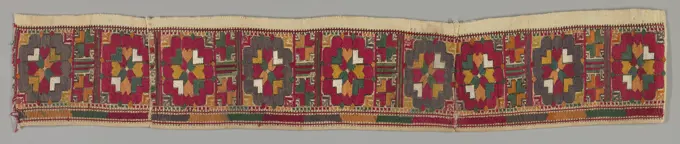
A selection of intricate Oriental carpets, featuring detailed patterns and historical designs, showcasing craftsmanship and cultural heritage.

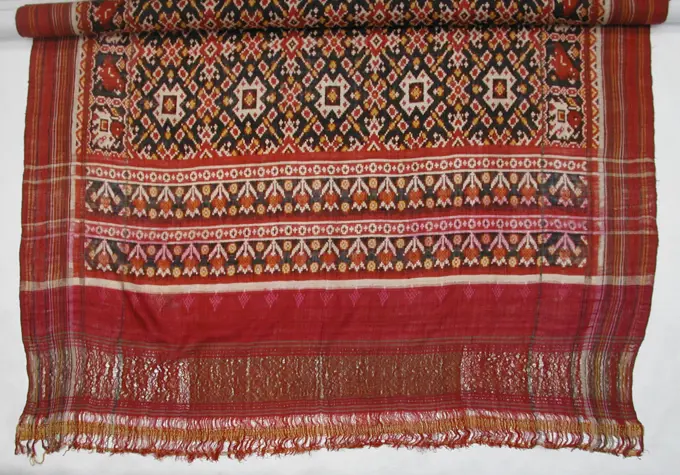
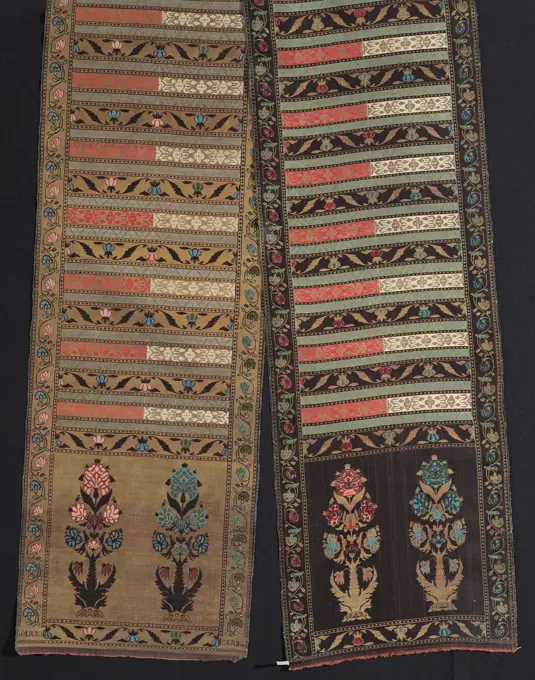
Woman's veil, c. 1850, 97 x 74 3/8 in. (246.38 x 188.91 cm), Silk, metallic threads; brocade, India, 19th century
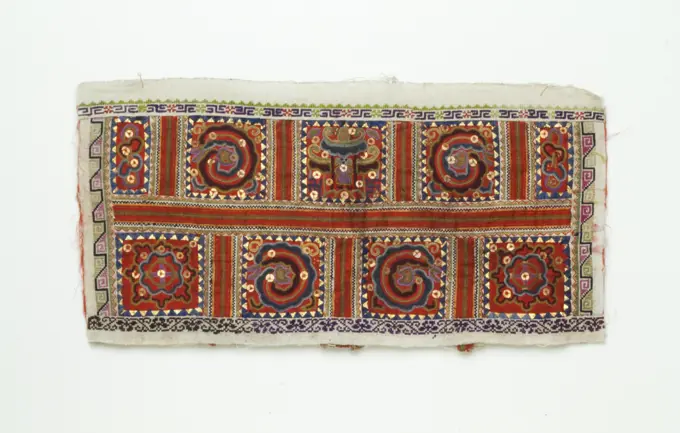
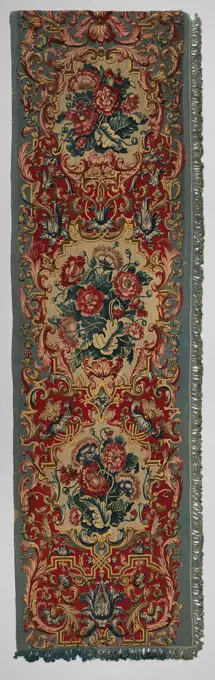
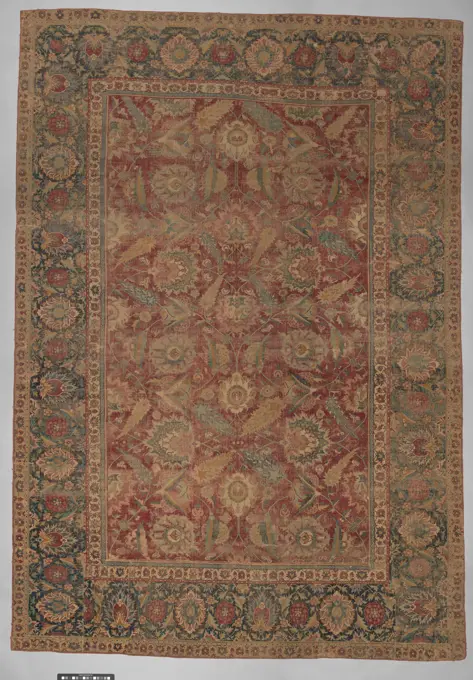
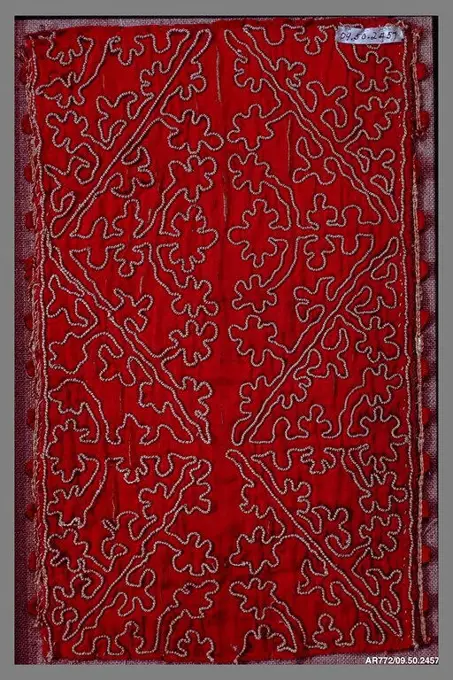
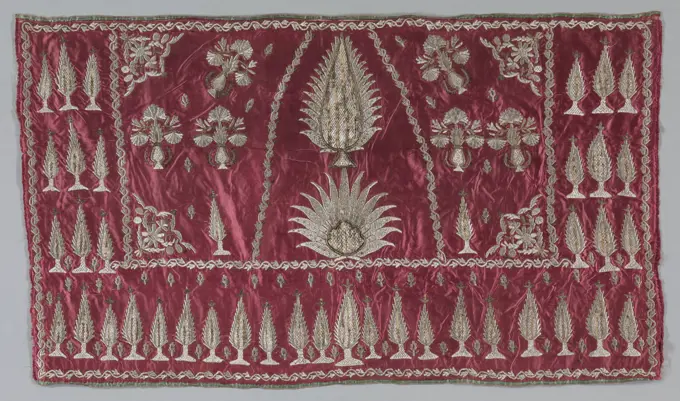
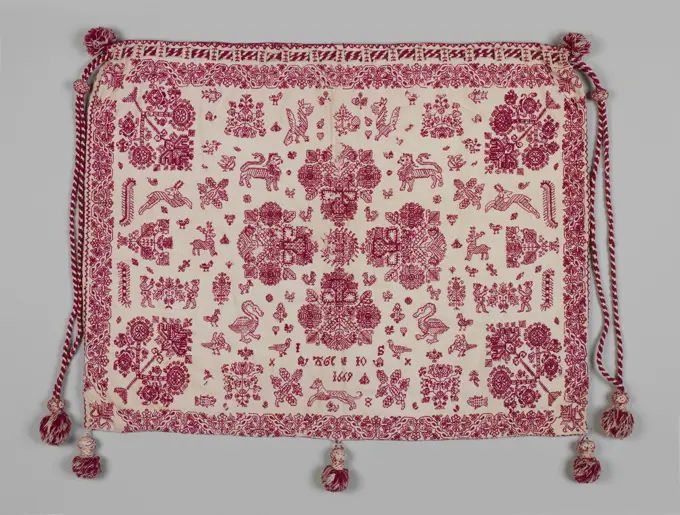
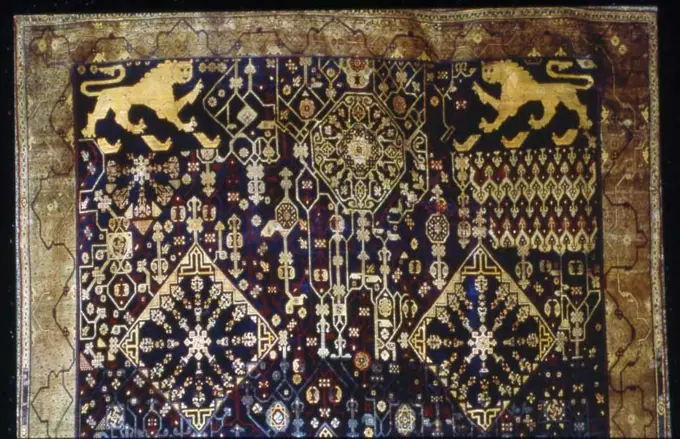
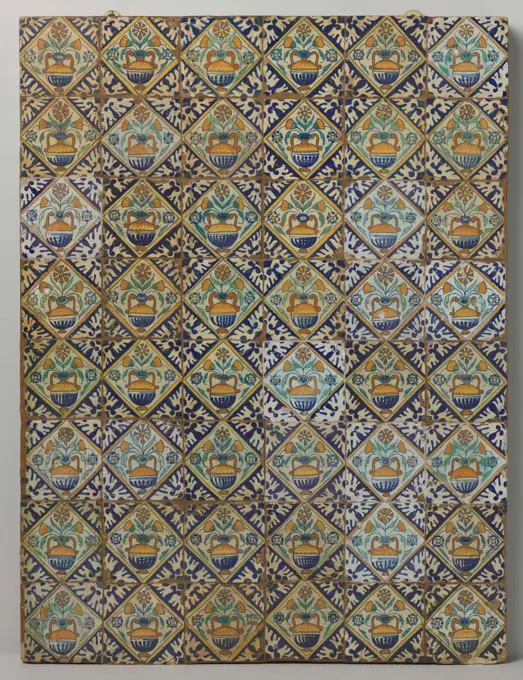
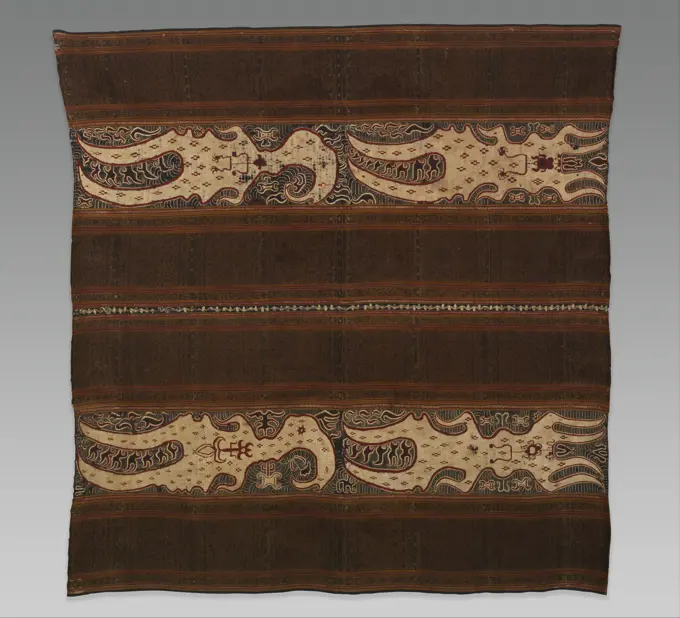
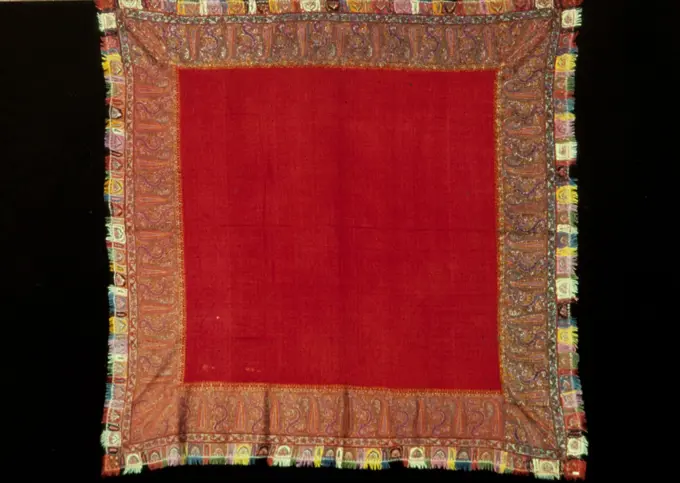
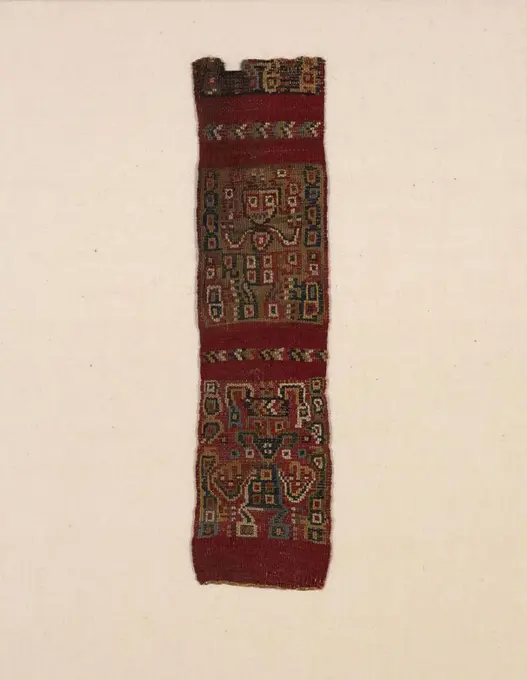
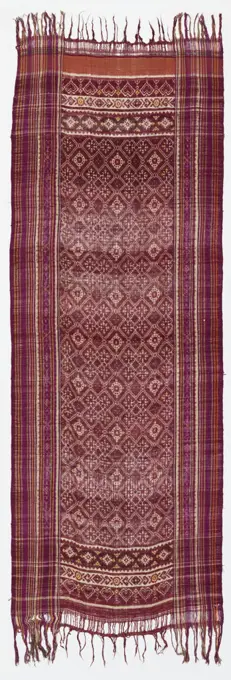
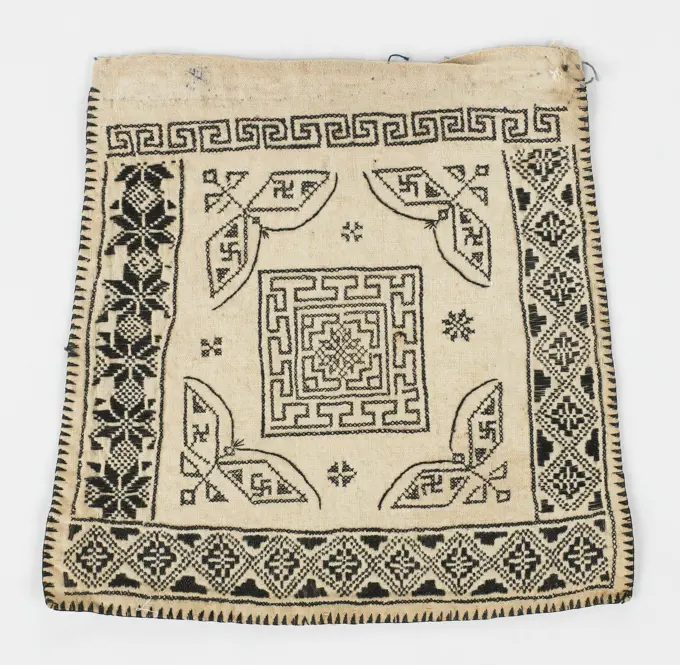
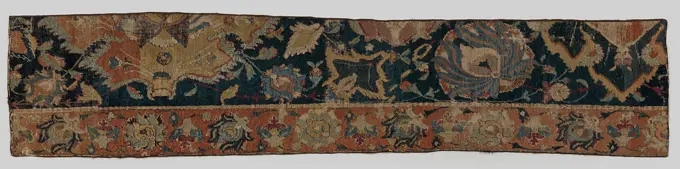
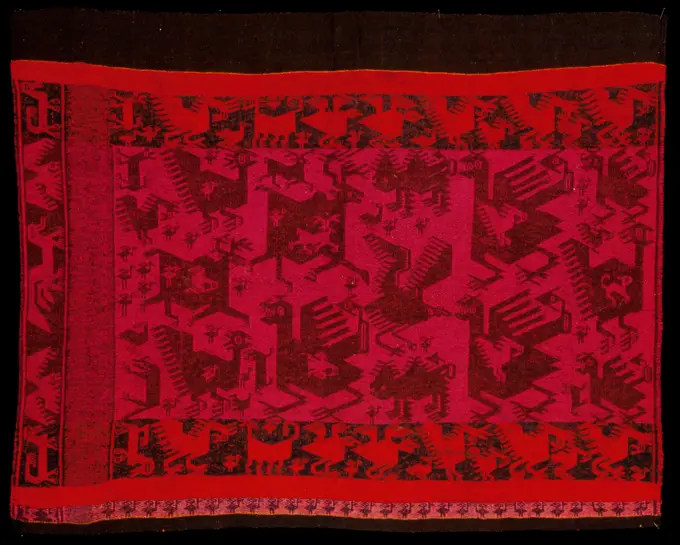
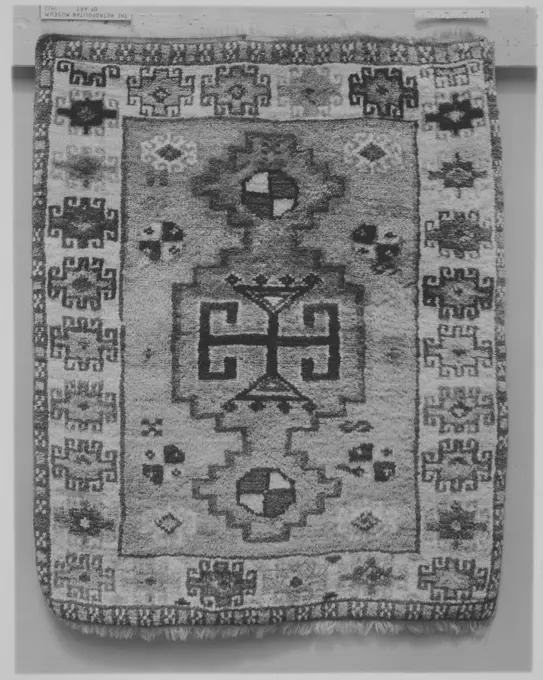
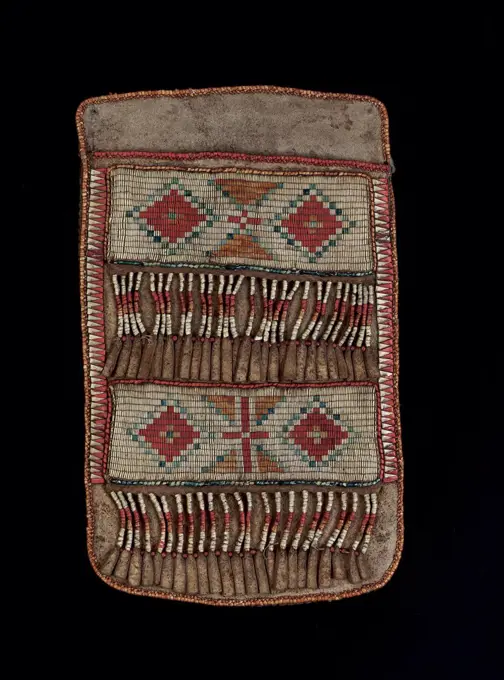
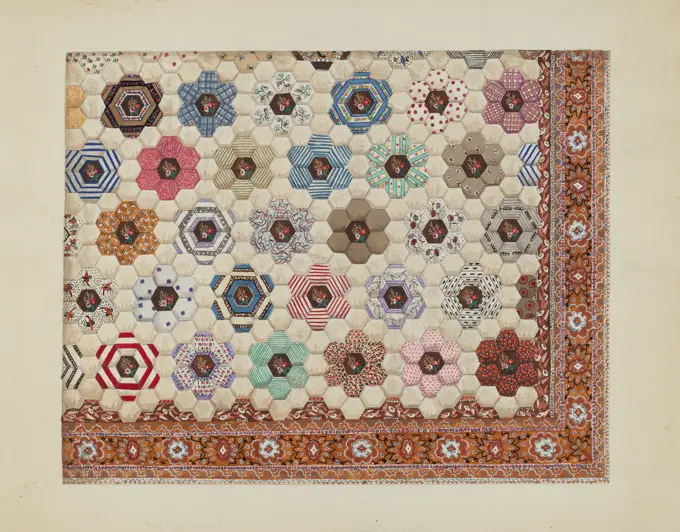
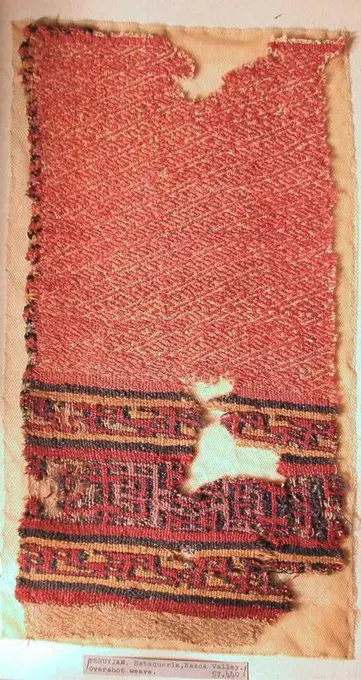
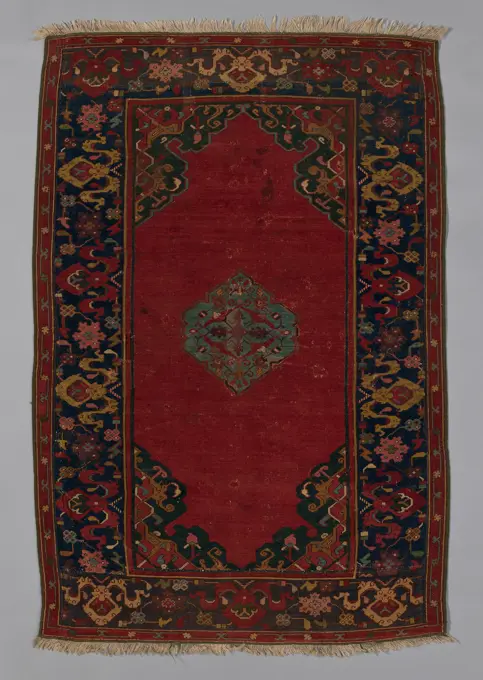
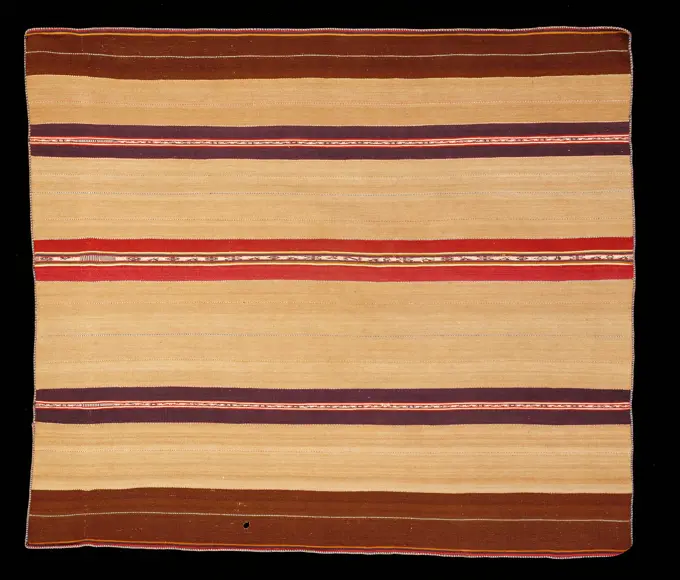
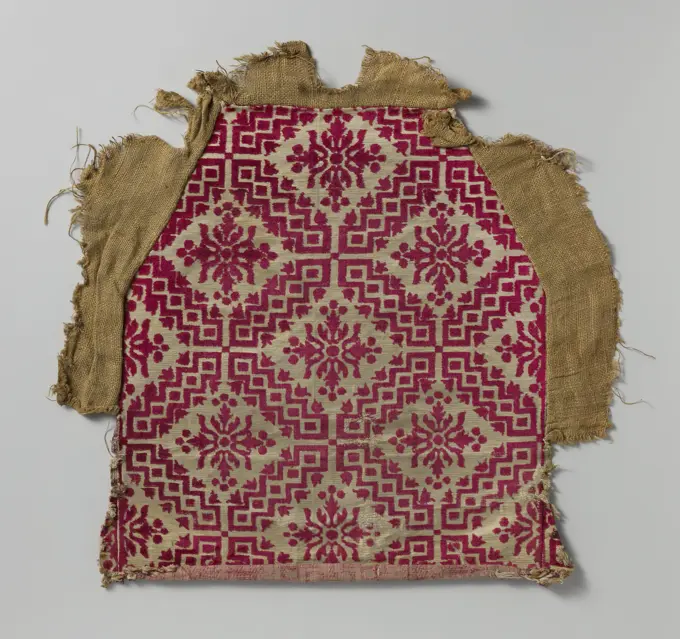
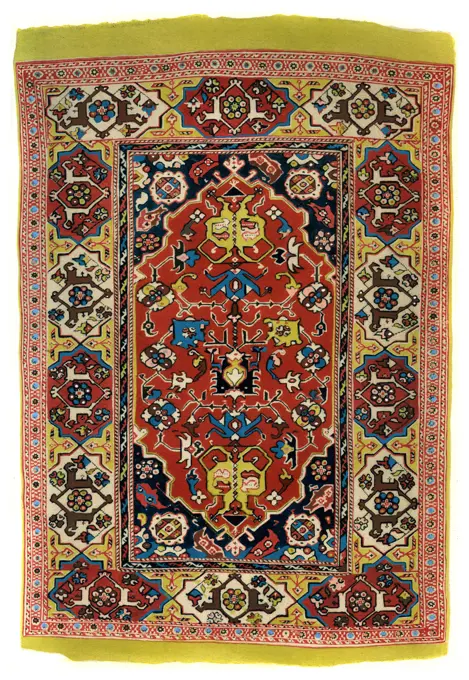
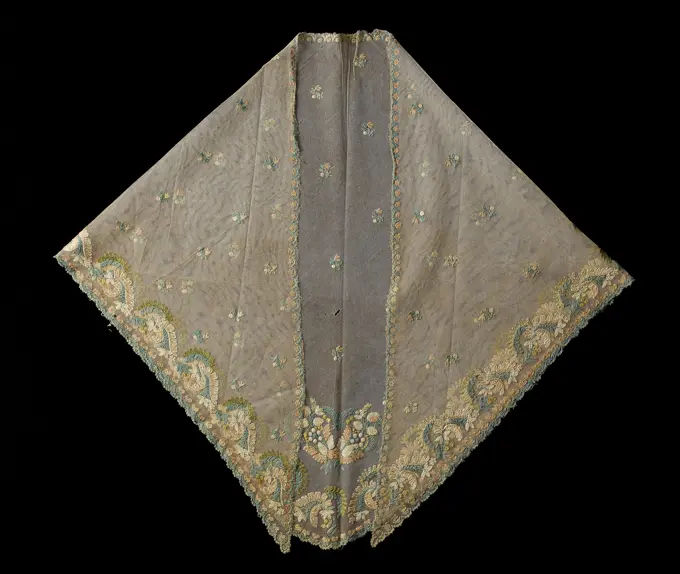
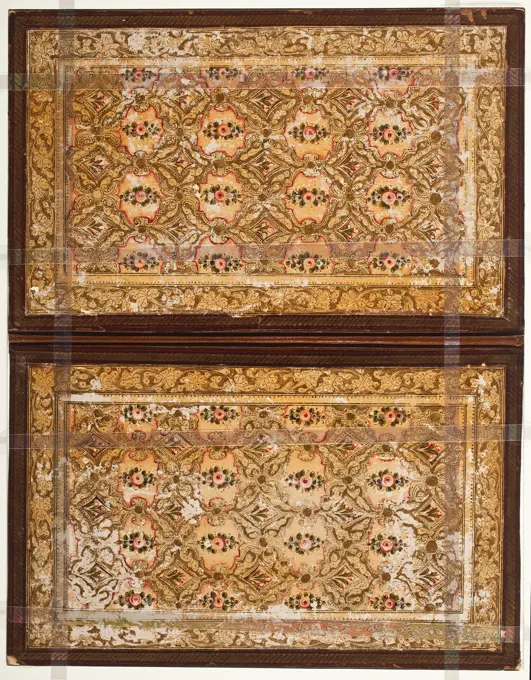
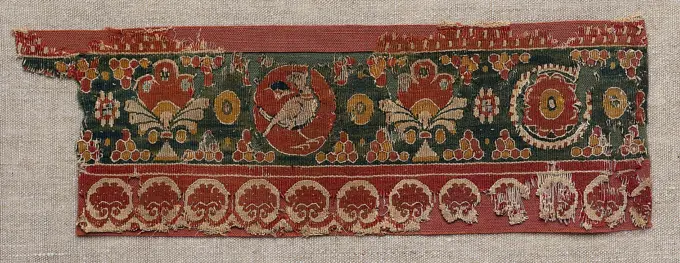
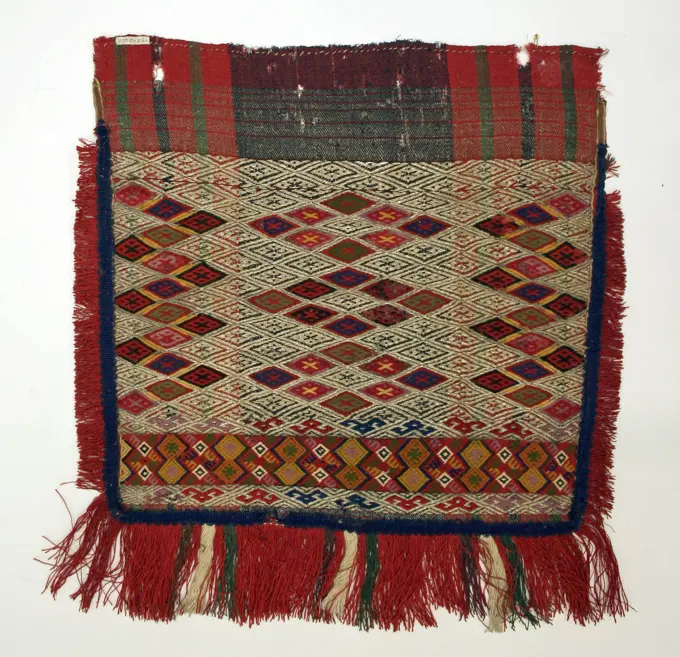
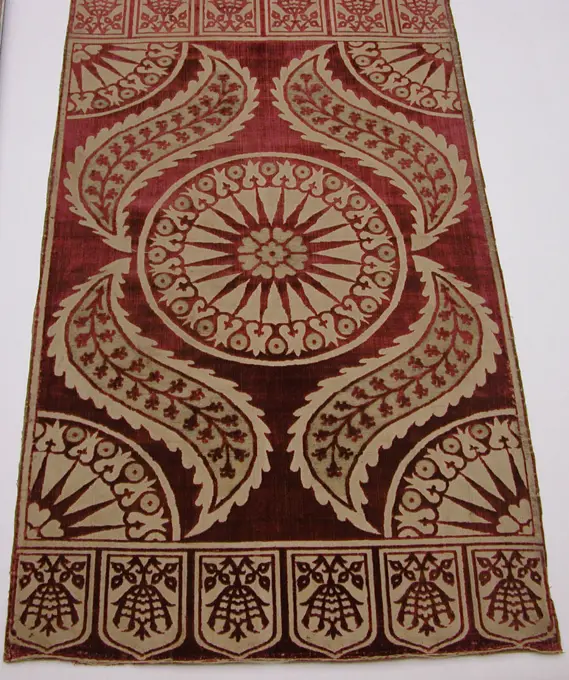
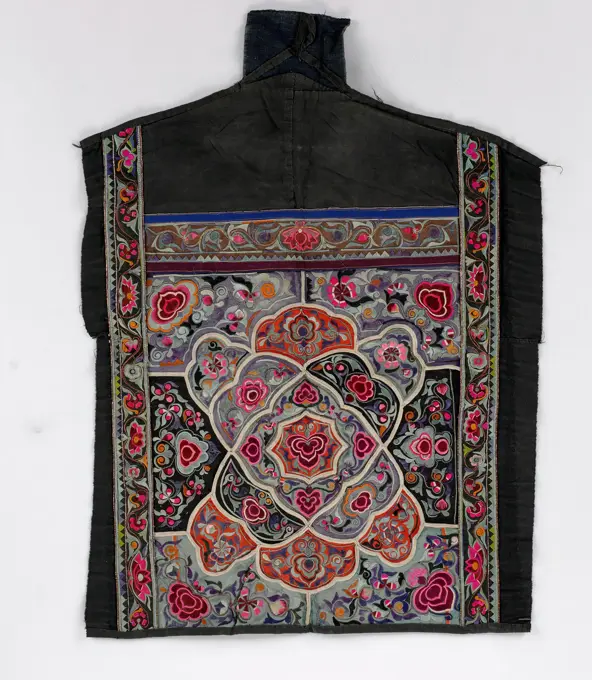
Wedding Sari 18th-19th century. Wedding Sari 446808Panel, Medium: silk Technique: warp-printed ikat, cut supplementary warp pile (velvet), a: Panel (one of two with 1931-4-20-b), probably for wall hanging. Ribbed cotton weft, and warp of silk, chiné technique - geometric design - borders and edges of red, white, brown, a little yellow and green - small diamond-shaped design in center (striped red, white, brown and yellow) on field of deep blue - Arabic stamp on back., Majorca, 19th century, printed, dyed & painted textiles, PanelCloth; Not until. Cloth with geometric motifs.Bead Necklace, Date UnknownShawl ca. 1850 European. Shawl. European. ca. 1850. silkBorder 16th century Italian. Border 214796Baby Carrier, 18 3/4 x 23 5/8 in. (47.63 x 60.01 cm), Cotton; needlework, ChinaFragment (Iran); silk, metallic threadTextile (Indonesia); cottonCarpet 17th century. Carpet 446958Strip for a bed or window frame with a floral pattern. Decorated with double poppies within a picture frame of rolling tires with volutes and acanthus drinks.. Sits, quilted and stitched and stitched and decorated with birds on rocks showing flowering plants. Edge with wavy branches and flowers. Lined with red cotton.Prayer rug, so -called Bid rug columns with two thwarts, Kula ,, 1880 - 1900 Bid rug, so-called column-bid rug with two cross panels, Kula. Midfield: On a corn -blue mihrab with flat stepped gable top, there are two light blue, roaming columns on either side of a large, branched flower gel on "Life Tree". Red anjelieren are on light blue. Narrow lower and upper ware panels are resp. In light and corn blue with flowers. Edges: multiple. The widest is gray with flowers that are, as it were, in line and are red, corn blue, ocher yellow and black in color per square. Inside and outdoor zoom show a backdrop of S-sen. Care wool Bid rug, so-called column-bid rug with two cross panels, Kula. Midfield: On a corn -blue mihrab with flat stepped gable top, there are two light blue, roaming columns on either side of a large, branched flower gel on "Life Tree". Red anjelieren are on light blue. Narrow lower and upper ware panels are resp. In light and corn blue with flowers. Edges: multiple. The widCarpet 17th century. Carpet 450469Fragment 17th-18th century Italian. Fragment 217127Long Shawl Made 1840-1845 India. Wool, double interlocking 2 2 'S' twill tapestry weave, woven in rectangular sections; attached Harlequin tabs of pieced twill weaves; embroidered in darning, flat, and stem stitches; main warp fringe .Embroidered Cover (), 18th-19th century. Turkey, 18th-19th century. Embroidery: silver filé and gold strips over cotton thread, couched at edges by silk, on silk ground; average: 128.9 x 74.3 cm (50 3/4 x 29 1/4 in.).Oriental carpet. Oriental carpet, medalleled. In the midfield a brown grid pattern, cross-cut by a large medallion made up of meanders. Triple edge, the middle of whose bats, circles with stars and lucky signs; On the corners of Azalea flowers.Conciliate belt; Treasury Manufaktura Radziwi  Owski (S UCK; Pasów Factory; 1790-1846), Madze Anski, Leon (CA 1740-1811); after 1807 (1807-00-00-1850-00-00);Czernicowa, Wanda (Fl. Ca 1966) - collection, cloves, bipartite heads, flower bushes (ornament), plant ornament, four -sided belts, lite strings, Polish belts, Polish (culture), rosette (ornament), Polish clothing, purchase ( provenance)Loincloth. Culture: Chimú. Dimensions: L. (without tie) 158 x W. 45 in. (401.3 x 114.3 cm). Date: 12th-15th century. Museum: Metropolitan Museum of Art, New York, USA.Stitched, padded sitsen blanket or bedspread, anonymous, c. 1740 - c. 1770 Sticked and padded sitsen blanket or bedspread. In the middle section there is a tree with winding branches and large flowers, between which small flower branches. The edge has winding tendrils with leaves and flowers. Northwest India cotton (textile) chintz Sticked and padded sitsen blanket or bedspread. In the middle section there is a tree with winding branches and large flowers, between which small flower branches. The edge has winding tendrils with leaves and flowers. Northwest India cotton (textile) chintzAntependium of velvet. A velvet brocade with pomegranate pattern of scarlet red on gold and yellow. "Goudlaken" is the term of time. The piece is mounted as antependium and exhibits four standing and one crossweed. Down a goldfring. Linen lining.Sampler, Bicenta Rodriguez de Arze, Medium: silk embroidery on linen foundation Technique: embroidered in satin, cross, back, and four-sided stitches on plain weave foundation, Center field with double-headed eagle and spot motifs, surrounded by borders of geometric pattern., Spain, 1815, embroidery & stitching, SamplerPanel, Medium: silk and wool on cotton Technique: embroidered on plain weave, Rectangular with a repeating design of eight-pointed stars., Balkans, 18th-19th century, embroidery & stitching, PanelBed curtain border 1800-1850 Russian. Bed curtain border 173344Work bag 1669 British A fine example of English amateur embroidery of the late 1600s, this work bag bears the initials of the young needleworker who made it, who also added the date 1669, and her age, ten. The bag, which would have been used to store embroidery implements and supplies, is decorated on both front and back with red wool thread, primarily in a double running stitch, on a linen foundation.Embroidery was an essential component of female education in England in the seventeenth century; students generally completed at least one sampler displaying a variety of techniques and designs. By the mid-seventeenth century the repeating border designs worked on samplers had become anachronistic in the contemporary design vocabulary, having been derived from sixteenth-century pattern books produced on the Continent and adapted by English publishers. To find an old-fashioned border design on a practical object like this work bag is unusual. Yet the detached motifs in the carefully organiRug, 20th century, 53 1/2 x 30 in. (135.9 x 76.2 cm), United States, 20th centuryHood from a church cap;  18th century (1701-00-00-1800-00-00);Tent fitting front, Tekke Volk, c. 1850 Tent pocket front leaf, in small model, torba, wool and some silk knots in cerise. This Torba is decorated with the Aina-Gochak motif within rectangular compartments. Turkestan Chain and impact: Wool. silk Tent pocket front leaf, in small model, torba, wool and some silk knots in cerise. This Torba is decorated with the Aina-Gochak motif within rectangular compartments. Turkestan Chain and impact: Wool. silkCarpet (tapis). Culture: French, Paris. Dimensions: Overall: H. 251-15/16 x W. 143-11/16 in. (647.7 x 365 cm). Manufactory: Savonnerie Manufactory (Manufactory, established 1626; Manufacture Royale, established 1663). Date: third quarter 17th century.The initial goal of the Savonnerie manufactory was to imitate knottedpile carpets from the Near East, which were much admired in Europe, but during Louis XIV's reign the workshop established its own style. The field of this particular carpet still shows a dependence on Persian designs in its use of differently shaped compartments that are linked by strapwork. In a fusion of traditions, the naturalistic blossoms that fill these medallions as well as the cream-colored ground between them are purely European in nature. The broad border has a dense floral pattern against a black ground, which includes vases, baskets, and bowls of flowers similar to those found on so-called Louis XIII carpets. Among the depicted blooms are tulips and crown impCarpet Made 1676-1725 Morocco. Wool and silk, plain weave with supplementary wrapping wefts forming cut pile through a technique known as Persian ( Sehna ) knots; edged with cotton, and wool weft-faced warp-ribbed plain weave .Fragment, Medium: silk Technique: 4&1 satin patterned by plain weave (lampas), Crowned affronted lions within cartouches in green, yellow and white on red. Same design as 1902-1-316 and 1902-1-317., Spain, 15th century, woven textiles, FragmentShawl (India); cottonTrimming, Medium: silk Technique: woven, Red trimming fragment in a design of a conventionalized flower placed alternately up and down and separated by chevron bands; border in pattern of triangles., France, 19th century, trimmings, TrimmingCarpet (tapis). Culture: French, Paris. Dimensions: Overall (confirmed): H. 146 1/16 x W. 100 in. (371 x 254 cm). Manufactory: Savonnerie Manufactory (Manufactory, established 1626; Manufacture Royale, established 1663). Date: mid-17th century.Until 1671 the manufactory known as Savonnerie occupied workshops not only at the Louvre but also at the site of a former soap factory at Chaillot--hence the name Savonnerie, from the French savon, or soap. Textiles created at both locations during the first half of the seventeenth century are generally known as Louis XIII carpets. They are small in size and display a wealth of floral ornament against a black ground. Despite their name, however, many of these exquisite rugs were actually woven early in the reign of Louis XIV, who nominally became king in 1643, a few months before his fifth birthday.This well-preserved example in the Museum's collection may originally have been intended as a table carpet. Almost serving as a carpet within a carpetPiece of fabric. unknown, authorField of fortyy tiles with flower pots. Field of forty-eight tiles (8 x 6) each with a multicolored (blue, orange, green and yellow) flowerpot within a square frame. In the corners, ornament in filling technology.Woman's Ceremonial Skirt (Tapis) 18th century or earlier Lampung. Woman's Ceremonial Skirt (Tapis) 315915Shawl, 19th century, L.73 x W.76 in., wool; needlework, India, 19th centuryFragment (Band). Provincial Wari; Peru. Date: 800 AD-1100. Dimensions: 34.9 x 9.2 cm (13 3/4 x 3 5/8 in.). Cotton and wool (camelid), tapestry weave with supplementary weft slit closure. Origin: Peru. Museum: The Chicago Art Institute, Chicago, USA.Patola, Medium: silk Technique: tied resist patterning in warp (ikat) on plain weave, Silk patola with tied resist pattern in purple and yellow showing vertical lines and central pattern of diamonds and stars with border of diamonds and hearts. Stripes run parallel to selvage on either side. Fringe at top and bottom., India, 19th century, printed, dyed & painted textiles, PatolaFragment, 1800s. India, 19th century. Brocade; silk, gold and silver threads; overall: 12.7 x 15.2 cm (5 x 6 in.).Skirt, 20th century, 42 3/4 x 31 5/8 in. (108.59 x 80.33 cm), Cotton; ikat, Thailand, 20th centuryBarber's Apron late 18th century This oblong-shaped garment was likely used as a barbers apron. The pattern of vertical stripes with carnations and composite flowers in various stages of bloom is rendered in an extraordinarily complex technique using luxurious metal threads, which suggests that the garment once belonged to a wealthy patron. The depiction of textiles with this distinct pattern in eighteenth- and early nineteenth-century Persian paintings has helped scholars date them.. Barber's Apron. late 18th century. Silk, metal-thread; weft-faced compound plain weave. Made in Iran. TextilesTablecloth  treadShawl fragment, Medium: wool Technique: 2/2 twill tapestry weave, side borders added Label: 2/2 wool twill tapestry, pieced together, Shawl fragment with two repeats of a multicolored cone motif with a border above and below. Multicolored band is stitched to each side., India, ca. 1835, woven textiles, Shawl fragmentFragment velours.Fragment velor, printed with varnish colors.embroidery on cloth, india Copyright: xAjitxParekh/DinodiaxPhotoxMiao Bag Cover, 20th century, 9 x 8 1/2 in. (22.86 x 21.6 cm), Cotton, cross-stitch embroidery, China, 20th centuryFragment van een Oosters tapijt.Fragment, left edge of an oriental carpet, floral and ropes. In midfield, tanks with lotus and palm tree flowers are against an Indigo Fond. The indoor zoom is decorated with a wavy flower rank.Fragment, 1800s. India, Gulbarga , 19th century. Brocade; silk and metal; overall: 6.4 x 21.6 cm (2 1/2 x 8 1/2 in.).Textile 19th century Japan. Textile 68042Womans ceremonial half overskirt (aksu), 20th century, 22 3/4 x 28 1/4 in. (57.8 x 71.8 cm) (irregular), Wool, Bolivia, 20th century, This textile is an overskirt known as an aksu, which would have been worn similar to an apron over a full skirt or dress. The large, plain swath of fabric at the top edge was tucked into a belt to keep the aksu in place. Weavers of the Potolo region are particularly known for their vibrant animal designs, featuring birds, deer, dogs and mythical, dragon-like creatures, as seen on this example. The Potolo region is also cold, being 15,000 feet above sea level, so these overskirts provided warmth as well as decoration to the wearers.Cloth, brown silk, border with flowers in blue, anonymous, c. 1850 - c. 1900 cloth Cloth, brown silk, border with flower in blue and completely decorated with blue rings; Zoomed over two sides. According to the attached legalized statement from the Lieutenant at Sea of Speyck.  silk block printing (relief printing process)Textile Sample from Sample Book 19th century Japan. Textile Sample from Sample Book 68183Woman's Trouser Band Made 1875-1900 China. Floral design, black and white border embroidered on gauze. . Han-ChineseApron, 27 1/2 x 12 1/4 in. (69.85 x 31.12 cm) (without ties), Cotton, ChinaTassel band, 1930-1940, 15 x 44 in. (38.1 x 111.76 cm), Silk or rayon (), white metal, glass beads, Syria, 20th centuryOriental carpet ,, 1850 - 1900 Eastern carpet of knotted wool, carpet format. In midfield diamond -shaped patterns with rosettes and medallions. Around four edges. Hamad wool Eastern carpet of knotted wool, carpet format. In midfield diamond -shaped patterns with rosettes and medallions. Around four edges. Hamad woolCarpet 19th centuryA Cree Quilled Hide Pouch Native American Art Ceremonial Textile (Kain Sembagi). India, Coromandel coast, late 18th century. Textiles. Cotton plain weave with hand-drawn resist-dyeing and stamped mordant dyeing in natural dyesembriodery National style of embriodery. Copyright: xZoonar.com/andriixsalivonx 1423207Panel, 19th century, 46 x 64in. (116.8 x 162.6cm), Silk; dyed, Bukhara, 19th centuryConciliate belt; Manufaktura Aleksander Unruga (Kobyłka; Pasów Factory; 1781-1787); 1781-1784 (1781-00-00-1784-00-00);Apron probably 19th century Romanian. Apron 98424Irene Schaefer, Patchwork Quilt, c 1936 Patchwork QuiltPiece 18th century French. Piece 224510Fragment (Shawl). Ica; Peru, south coast, Nazca Valley, Estaqueria. Date: 1000-1532. Dimensions: 38.1 × 18.4 cm (15 × 7 1/4 in.). Cotton and camilid wool, plain weave with supplementary patterning wefts; cotton and camilid wool, single interlocking tapestry weave (paired warps); and cotton, plain weave with supplementary patterning wefts; edged with camilid wool in cross knit loop stitches; left selvage present: wefts turn on paired weft selvage cord; heading present: three heading cords. Origin: Peru. Museum: The Chicago Art Institute, Chicago, USA.Anonymous, karabagh carpet (dummy title). Carnavalet museum, history of Paris.Embroidered Border Fragment 5th-2nd century B.C. Paracas. Embroidered Border Fragment 308065Carpet (Ushak double-ended prayer rug) Made 1601-1700 Romania. This carpet, generally known as a ìUshak double-ended prayer rug,î was derived from the classical prayer carpet. It uses the niche motif, in a repeated version. It is a typical example of the adaptation of a sixteenth-century design element to the tastes of the seventeenth century.. Wool, plain weave with supplementary wrapping wefts forming cut pile through a technique known as Ghiordes (Turkish) knots .Textile, 19th century, 40 1/2 x 35 1/2 in. (102.9 x 90.2 cm), Wool, Bolivia, 19th century, This is a manta, a textile often worn over the shoulders by men and women. The garment most likely came from the Aymara region of present-day Bolivia and appears to be woven in a warp-faced pattern in which tightly spun warp yarns create small designs and stripes. This mantles central band has small geometric designs of repeating straight lines and crosses and features small birds, either representations of the animal or symbols with magical associations, perhaps referring to a sky deity.Band (Italy); silk on linenFragment chair covering in red and white velvet, anonymous, 1600 - 1699 Back of a seat cover made of citized silk velvet. Broussa (possibly)maker: West-Europa (possibly) cotton (textile). silk velvet (fabric weave) Back of a seat cover made of citized silk velvet. Broussa (possibly)maker: West-Europa (possibly) cotton (textile). silk velvet (fabric weave)Head shawl, early 20th century, 54 11/16 x 48 7/8 in. (138.91 x 124.14 cm) (without fringe), Silk, metallic thread; supplementary weft patterning, Syria, 20th centuryGold Brocade, 1800s. India, 19th century. Brocade; silk and metal; overall: 196.2 x 158.8 cm (77 1/4 x 62 1/2 in.).Front view of red designed fabric.Knotted wool carpet, c1600 (1958). Artist: UnknownFestival Banner(Roto)Cover late 17th century. Cover 450955Carpet with Vases. Date/Period: 1600. Rug. Wool and cotton Wool and cotton. Height: 2,940 mm (115.74 in); Width: 1,440 mm (56.69 in). Author: UNKNOWN ARTIST.Rug Made 1801-1900 United States. Jute, plain weave with cotton, linen and wool yarn, felted, knitted and woven strips forming hooked pile; edged with wool and cotton, oblique interlacing .Siapo mamanu (tapa cloth). Date/Period: 1890s. Coverings. Coverings bark cloth, pigment. Height: 1,370 mm (53.93 in); Width: 1,275 mm (50.19 in). Author: UNKNOWN.Fichu van Zijden Tulle, triangular, tampered with scatter motif of bouquets and on two sides Floral edge motifs in green, beige and rose Vloszijde, Anonymous, c. 1810 - c. 1825 Fichu van Zijden Tulle, triangular, tampered with scatter motif of bouquets and on two sides floral edge motifs in green, beige and rose Vloszijde. Model: Sculpted all around. Decoration: above the blunt point a double motif with flowers. Along two sides a pattern of a slender of a sickle leaf and a chalice flower, both with zigzag contours. In two sides a flower in and with the other two a flower on the shell. Spread motif of bouquets. Friesland (possibly) whole: Silk. Decoration:. Fichu van Zijden Tulle, triangular, tampered with scatter motif of bouquets and on two sides floral edge motifs in green, beige and rose Vloszijde. Model: Sculpted all around. Decoration: above the blunt point a double motif with flowers. Along two sides a pattern of a slender of a sickle leaf and a chalice flower, both with zigzag cMantle Nasca. Mantle, 0-100 C.E. Camelid fiber, 108 11/16 x 50 13/16 in. (276.1 x 129.1 cm).   Arts of the Americas 0-100 C.E.Fragment (Peru); cotton, woolRibbon French 19th centuryBookbinding. 19th century. Manuscripts; covers. Lacquer and gold on leatherAncient Ottoman time Handmade Turkish Tiles with floral patternsPhulkari, 20th century, H.52-1/2 x W.89 in., Cotton, silk; needlework, India, 20th centuryRug;  the twenties of the 20th century (1919-00-00-1930-00-00);Podole (Ukraine), plant ornaments, decorative fabrics, equipment and home equipment, purchase (provenance)Decorated Band from a Tunic or Curtain, 600s. Egypt, late Byzantine or early Islamic period, 7th Century. Tapestry weave with supplementary weft wrapping; undyed linen and dyed wool; overall: 8.2 x 24.7 cm (3 1/4 x 9 3/4 in.); mounted: 14.6 x 30.5 cm (5 3/4 x 12 in.).Apron 19th century Romanian. Apron 98423Excerpt multi -colored silk tissue, anonymous, 1800 - 1899 A fragment of a silk tissue. Horizontal stripes of yellow a red with decorations in red, green, gold and yellow, consisting of trees with birds, rosettes, stars, etc. with a wide red edge. Note: Self -sides; Effenbinding.  silk. cotton (textile) A fragment of a silk tissue. Horizontal stripes of yellow a red with decorations in red, green, gold and yellow, consisting of trees with birds, rosettes, stars, etc. with a wide red edge. Note: Self -sides; Effenbinding.  silk. cotton (textile)Cover (Spain); wool on linen; Bequest of Marian Hague; 1971-50-70Cushion Cover (Yastik) 17th century Costly velvet furnishing fabrics with glittering metal-wrapped thread embellishment were used to adorn the interior of Ottoman royal palaces and the homes of the wealthy elite. This pieces originally served as 'yastik' or bolster cushion cover. Often these covers were produced in quantity, woven one after the other in a continuous length on the loom, and later cut to size. While these multiples still exist, they are rarely found together. The museum's collection, however, houses another cushion cover identical to the floral medallion example shown here. Listen to experts illuminate this artwork's story Listen Play or pause #6654. Overview: Ottoman Textiles - Velvets and Yastiks Supported by Bloomberg Philanthropies We're sorry, the transcript for this audio track is not available at this time. We are working to make it available as soon as possible.. Cushion Cover (Yastik) 448407Baby carrier panel, ChinaBorders (Greece); silk embroidery on cotton foundationHead Wrap, 34 1/2 x 5 1/2 in. (87.63 x 13.97 cm) (including tassels), Cotton, silk, glass and plastic beads, metal medallions, China