Oriental Carpets Collection

A selection of intricate Oriental carpets, featuring detailed patterns and historical designs, showcasing craftsmanship and cultural heritage.

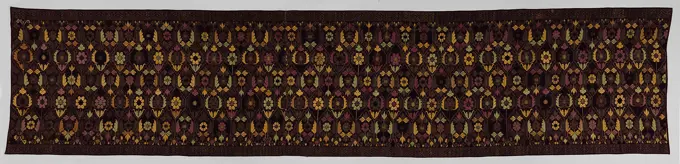
Woman's veil, c. 1850, 97 x 74 3/8 in. (246.38 x 188.91 cm), Silk, metallic threads; brocade, India, 19th century
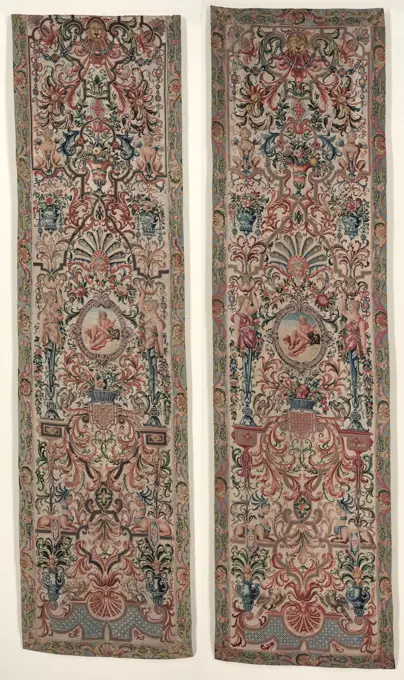
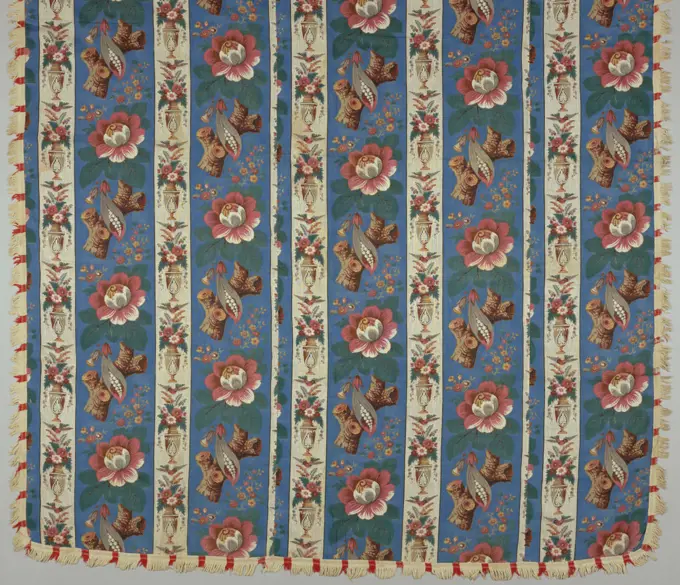
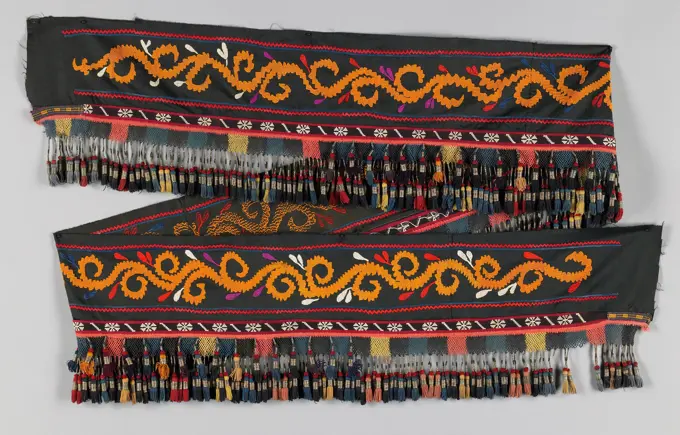
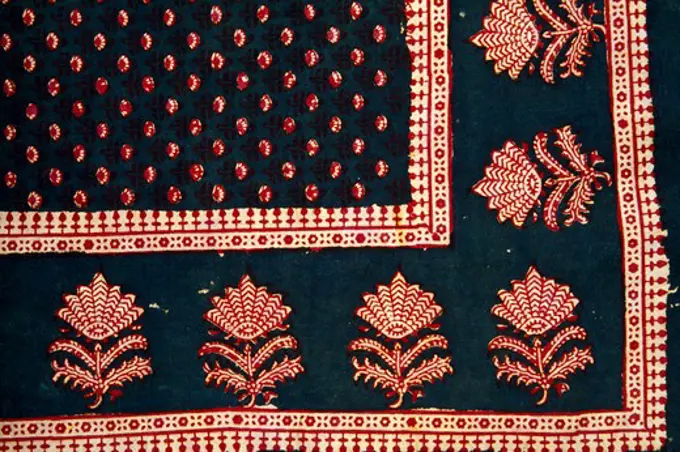
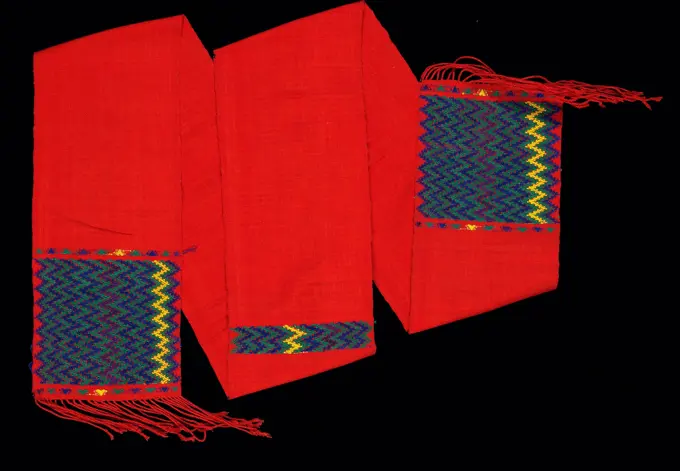
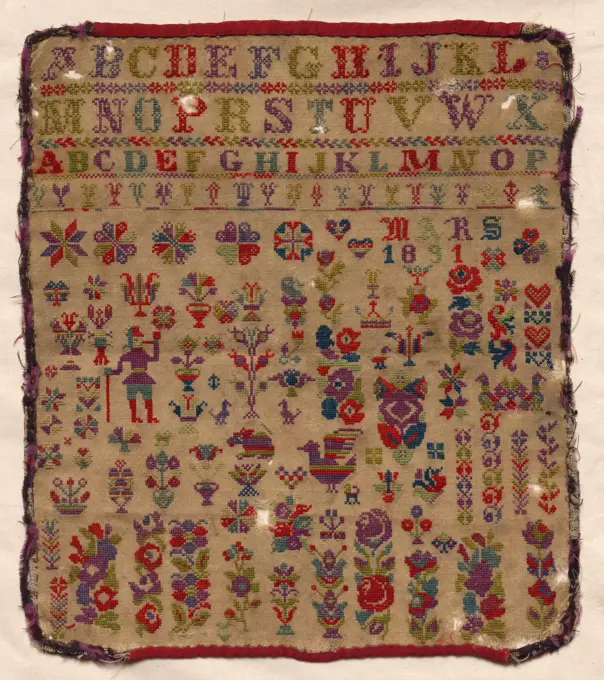
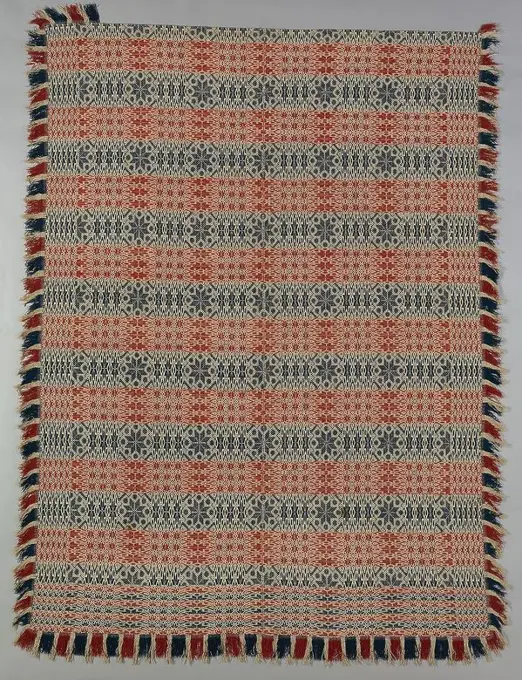
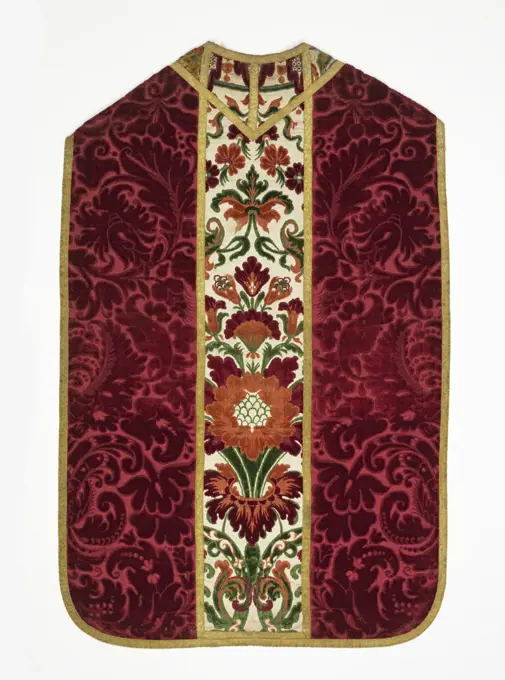
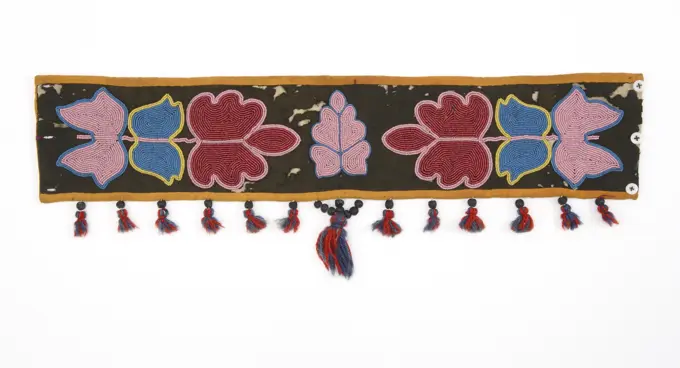
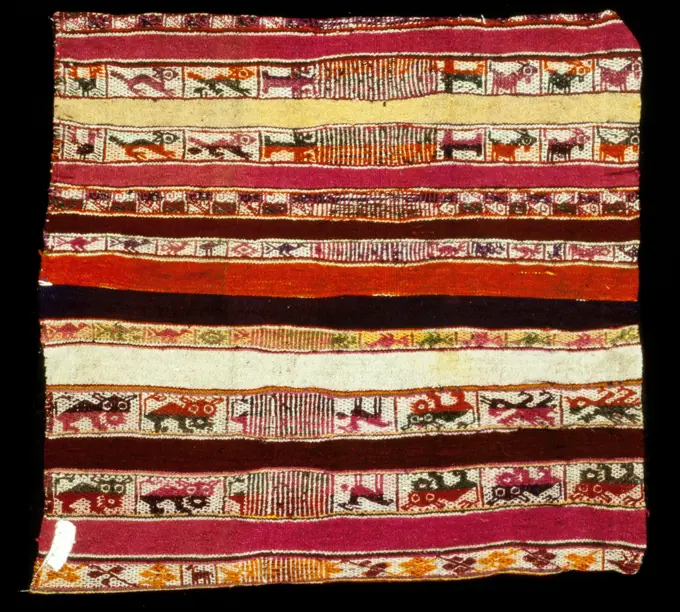
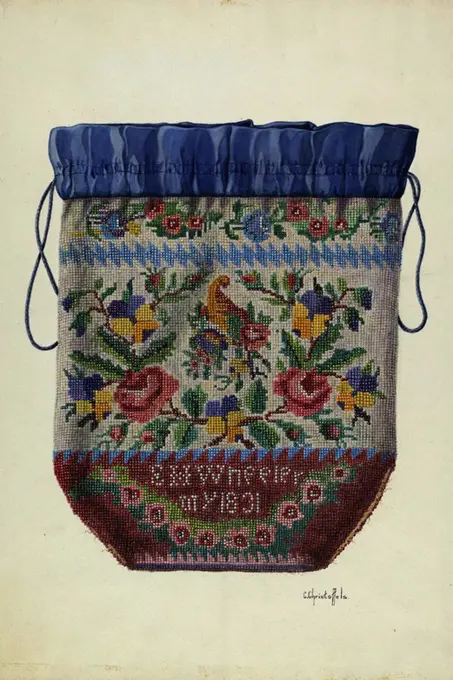
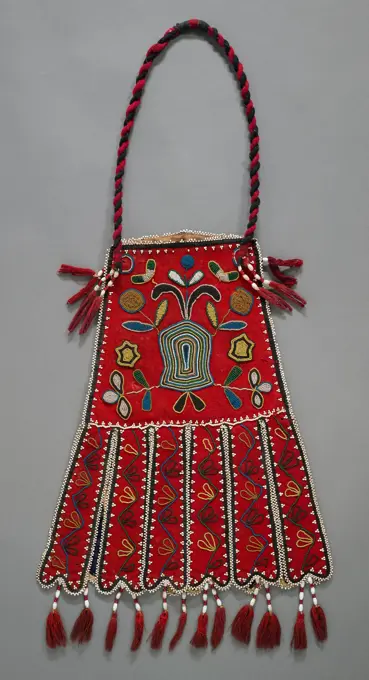
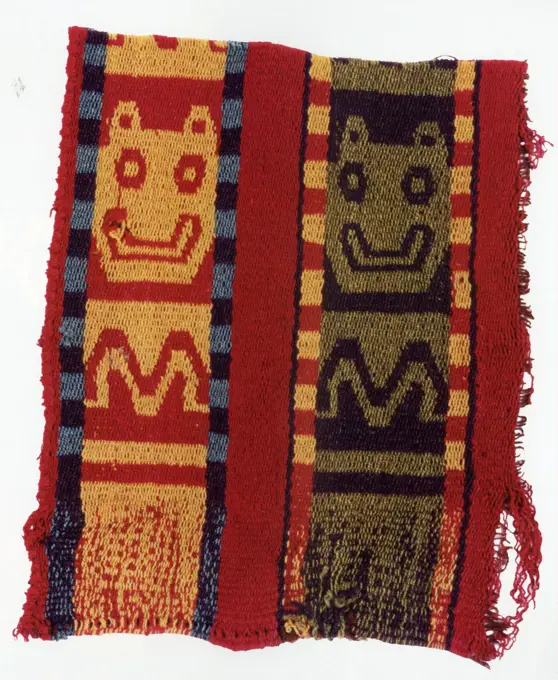
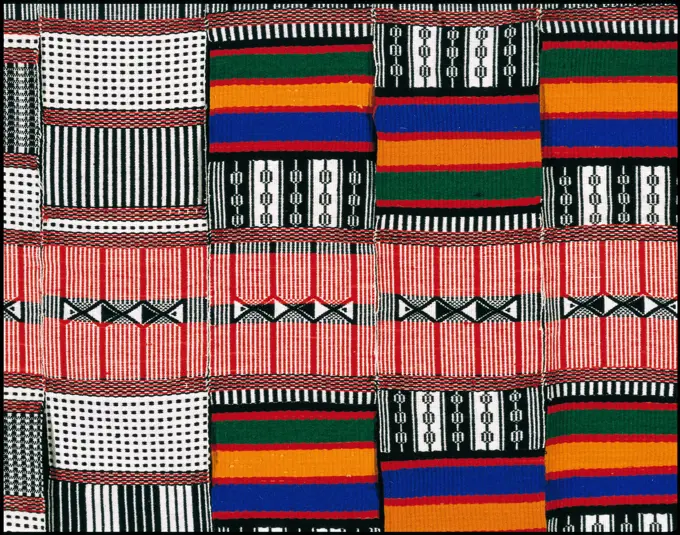
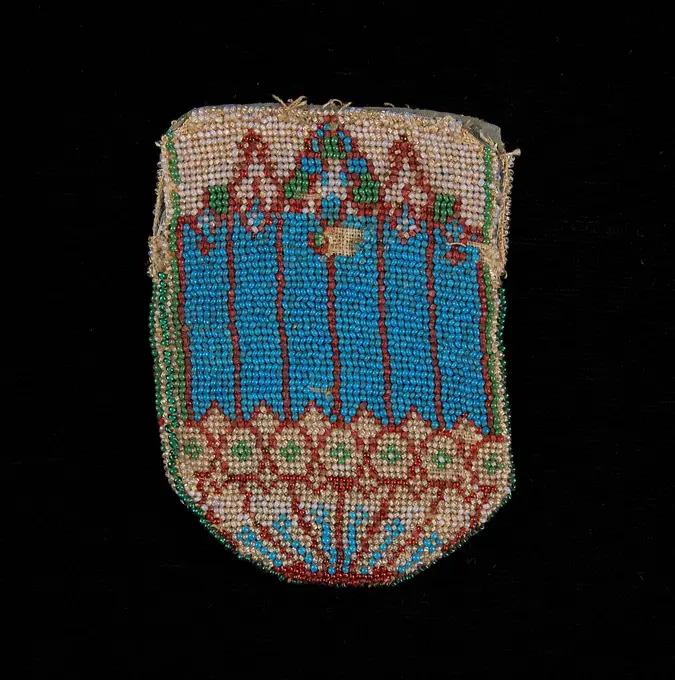
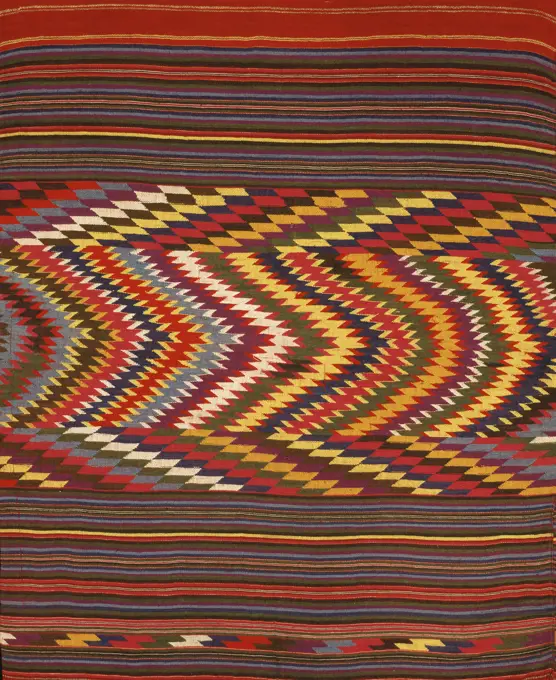
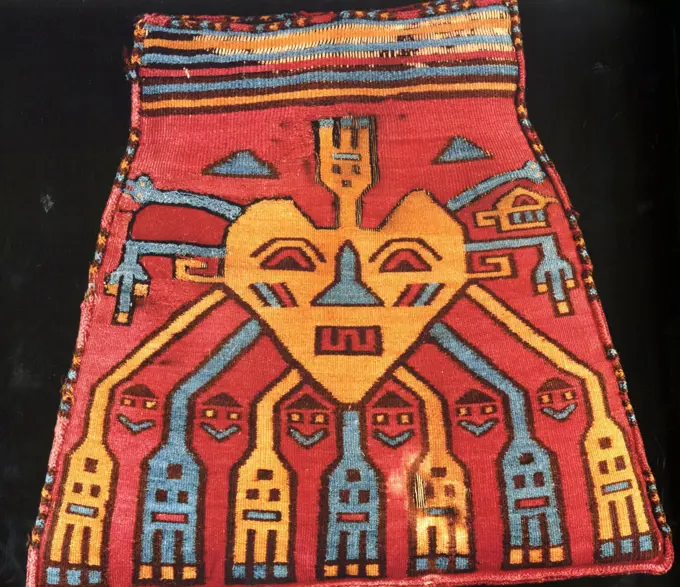
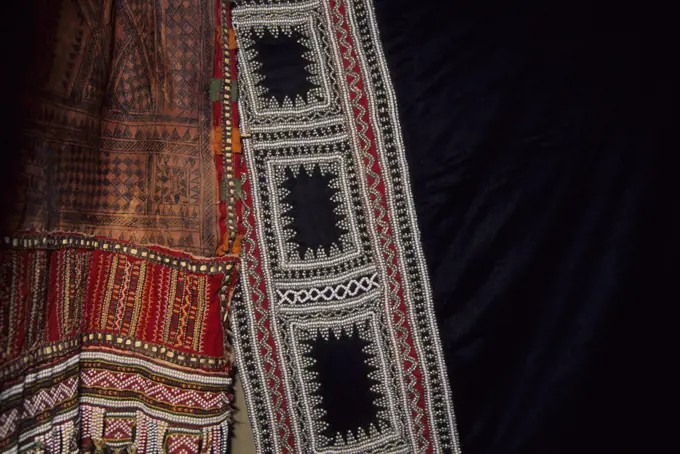
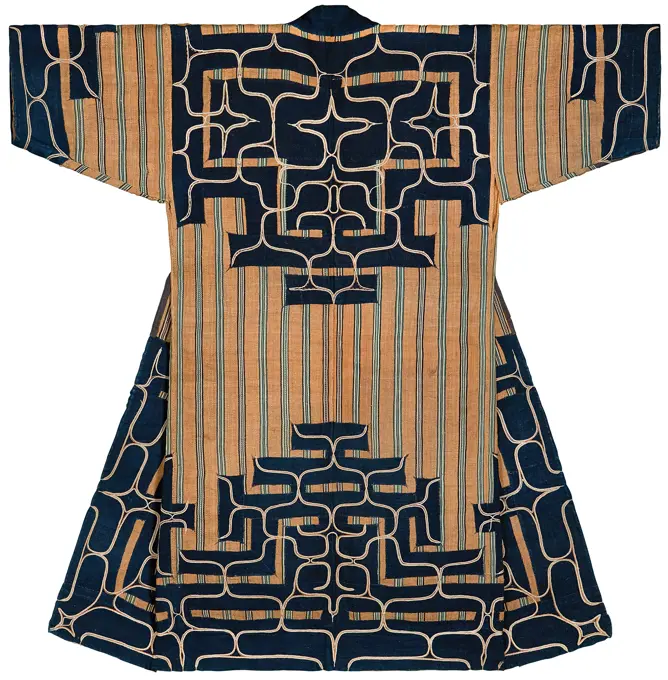
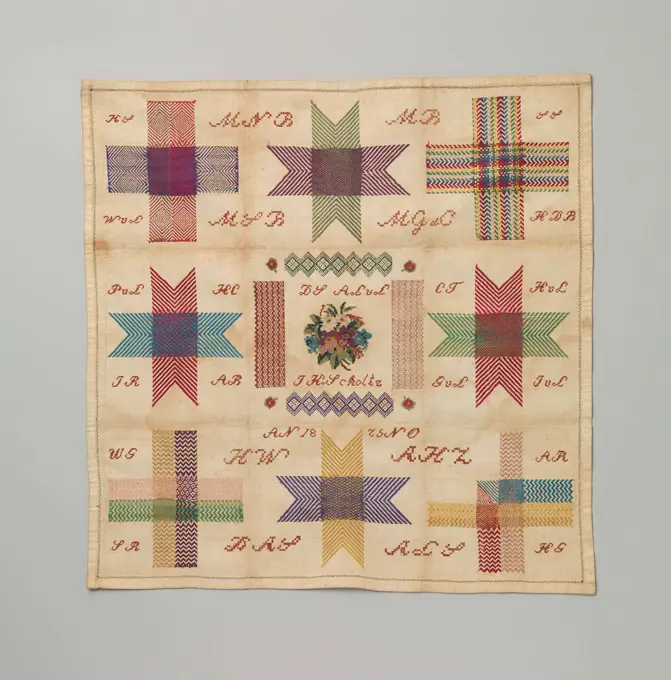
Stop flap of multicolored silk on cotton .. Side stoppipe on cotton. The embroidery consists of the initials and letters JH Scholtz, Anno 1875, Rev., Alvl, four stars (resaminated Diakonie), in the middle a bouquet and roses in the corners.Kuwait, Kuwait City, Sadu House, Beduin carpet,"Hopi Brocade" Style Dance Sash, c. 1874-1885. America, Native North American, Southwest, Pueblo (Hopi), Post-Contact, Late Classic Period. Plain weave with supplementary weft wrap; wool (handspun, Germantown, and bayeta); overall: 118.5 x 51.2 cm (46 5/8 x 20 3/16 in.).Georgian embroidery pattern 89North America, Mexico, Oaxaca Colorful hand-woven carpetWoman's waist wrap, c. 1975, 44 3/4 x 18 5/8 in. (113.67 x 47.31 cm) (without tassels), Cotton, India, 20th centuryTemple cloth; Kain Songket. Temple cloth with floral pattern.Textile from Sumatra, Indonesia.Pair of Needlework Bed Hangings, c. 1690. France, late 17th century. Petit point embroidery; silk and wool; overall: 344.2 x 89.7 cm (135 1/2 x 35 5/16 in.).Apron, 20th century, 30 1/2 x 43 1/2 in. (77.5 x 110.5 cm), Cotton, China, 20th centuryIndian Trade Cloth(Patolu)Bag Made 1834-1844 North America. Silk, crossed knitting with glass beads; silk and glass beads, loop fringe; band silk, plain weave .Bedcover, 1800s-1900s. China, Qing dynasty (1644-1911). Silk and gold thread; tapestry; overall: 182.5 x 142.5 cm (71 7/8 x 56 1/8 in.).Old hand made carpet and rugs of traditional typesFigured Band, 20th century, 21 1/4 x 5 11/16 in. (54 x 14.4 cm), Cotton, China, 20th centuryShawl (kussaba), 18th century, H.89 x W.89 in., wool; needlework, India, 18th centuryManiPle, Embroidered unknownSampler Made 1701-1900 Italy. Linen, silk, plain weave; embroidered in cross and straight stitches .Carpet. Dimensions: H. 196 in. (497.8 cm)W. 86 3/4 in. (220.3 cm). Date: 18th century. Museum: Metropolitan Museum of Art, New York, USA.Apron, 15 3/4 x 15 1/8 in. (40.01 x 38.42 cm), Cotton; needlework, ChinaBedcover, Medium: cotton, wool Technique: printed by engraved roller on plain weave; Woven cotton tape with cotton weft-loop fringe (1.5cm. sections of red wool at 5cm. intervals) attached to 4 sides. Note crossed and recrossed warps., Unlined bedcover made of two full widths and part of another of printed fabric with fringe on four sides. Pattern composed of two stripes. The wider a flowering tree on a blue background. 17.5cm. wide and the other 8.5 cm. wide with an urn of flowers on a white background. Two groups of stripes are half dropped with an additional section of each on left and right to fill width of fabric., England, late 19th century, printed, dyed & painted textiles, BedcoverFragment (India); silk on linen, mirrored glassTent Band, early 20th century, 96 x 9 1/2 in. (243.84 x 24.13 cm) (including tassels), Cotton, silk, metallic thread; embroidery, warp twining, knotting, Uzbekistan, 20th centuryBaby carrier (), ChinaOld kilim, woven rug, detail, Iran, Persia, AsiaNational style of embroidery. National style of embroidery. Copyright: xZoonar.com/andriixsalivonx 1755463Kontusz sash/belt. unknown, authorIlgich, late 19th century, 30 x 30 in. (76.2 x 76.2 cm) (Including tassels), Silk, cotton; cross-stitch, Uzbekistan, 19th centuryBeaded Bag Wasco, Native American ca. 1860 The design on this bag juxtaposes figural representations of people and horses, suggesting a scene of work or ritual activity. The weaver reimagined a widespread style of decorated pouches used for tools or ritual paraphernalia with details such as the bricked geometric diamonds and zigzags. The bags embellishment reflects artistic experimentation and innovation in the face of dramatic changes that occurred by the 1850s, including the imposition of the reservation system in the Lower Columbia River. View more. Beaded Bag. Wasco, Native American. ca. 1860. Tanned leather, cordage, glass beads, brass beads, and commercial brass buttons. Possibly made in Oregon, United States; Possibly made in Washington, United StatesIndia, Rajasthan, Art And Crafts, Detail Of Block Printed Fabric.Hooked Rug 1850-1900 Probably Edward Sands Frost. Hooked Rug 13950Man's Ceremonial Sash, 1998, 95 x 8 1/4 in. (241.3 x 20.96 cm), Cotton, Guatemala, 20th centurySampler, 1891. Czechoslovakia, late 19th century. Embroidery; coarse linen ground, wool cross stitch; overall: 33 x 29.6 cm (13 x 11 5/8 in.).Coverlet. United States, Probably Pennsylvania. Date: 1820-1840. Dimensions: 259.1 x 197.5 cm (102 x 77 3/4 in.)Repeat: 27.6 x 24.8 cm (10 7/8 x 9 3/4 in.). Cotton and wool, composite point twill weave (star work, multiple shaft); two loom widths joined; with attached plain weave strip with weft fringe. Origin: Pennsylvania. Museum: The Chicago Art Institute, Chicago, USA.Man's Court Badge Made 1880-1900 China. . ManchuChair strip with phoenixes. Culture: China. Dimensions: 68 x 21 1/2 in. (172.72 x 54.61 cm). Date: 18th century.In a traditional Chinese reception hall, chairs for the hosts are set in pairs on either side of a central table and are covered with textiles that are not adhered directly onto the furniture. Made with velvet, the textiles provide not only comfort but also a pleasing aesthetic due to their shine and elegance. Here, the motif of phoenixes among peonies symbolizes noble women, making these pieces suitable for use in a lady's quarters. Museum: Metropolitan Museum of Art, New York, USA.Coca Bag (Chuspa) Made 1850-1900 Bolivia. Wool, stripes of plain weave and two-color complementary warp weave; edge overcast and interlaced in crossed warp weave; strap plain weave; wrapped tassels . AymaraChasuble, Medium: silk, metallic trim, linen lining Technique: cut and uncut supplementary warp pile (velvet) in a satin foundation, plain woven lining Label: silk cut and uncut voided velvet, woven metallic trim, linen lining, Complete chasuble of red figured velvet with woven orphrey bands of a different velvet, edged all around all areas with gold metallic ribbon.The side panels are of red cut and uncut velvet in a satin foundation in a large-scale scrolling floral design. The orphrey bands are of cut and uncut velvet in reds, pinks and greens on a white satin ground in a large-scale, symmetrical floral design. Lined with linen., Italy, 17th century, woven textiles, ChasubleBelt -Bag 18th century Italian. Bag 229783Tatreez ornament template 36Woman's sash, 20th century, 84 3/16 x 8 7/16 in. (213.84 x 21.43 cm) (without fringe), Cotton; supplementary weft patterning, Guatemala, 20th centuryOttoman ancient Handmade Turkish Tiles with floral patternsForehead Ornament for a Crown or a Deity 17th-19th century Newari for Nepal or Tibet market. Forehead Ornament for a Crown or a Deity. Newari for Nepal or Tibet market. 17th-19th century. Gilt silver, brass, diamonds, emeralds, rubies, sapphires, pearls, coral, shell, turquoise, and semiprecious stones. JewelryCrupper -Wayaka (bag), 1960-1970, 19 x 18 1/2 in. (48.3 x 47.0 cm), Wool, Bolivia, 20th centuryBag. Dated: c. 1940. Dimensions: overall: 35.6 x 24.5 cm (14 x 9 5/8 in.). Medium: watercolor and graphite on paper. Museum: National Gallery of Art, Washington DC. Author: Cornelius Christoffels.Firebag, c. 1830, 12 1/4 × 26 1/2 in. (31.12 × 67.31 cm) (with tassels and cord), Wool, beads, United States, 19th century, In the early 1800s, a particular kind of elaborately beaded baga firebagcaptured the imagination of Native women artists in the Subarctic, the Northern Plains, and some coastal regions of the Pacific Northwest. Firebags were made to store tobacco and flint, and are also known as Octopus Bags, a reference to their dangling, tentacle-like tabs at the base of the pouch. This particular firebag displays beadwork similar to that of the Dakhóta, Metis, and Cree peoples, known for their skillful use of tiny beads, with a bold central design and subtle floral motifs on red wool. In addition to the very fine beaded work that frames the piece, there are two beaded eagle designs on the back of the bag, making it unique.Tapestries, Souvenirs, Jaisalmer, Jaisalmer, Rajasthan, India, AsiaMexico, Chihuahua, Cuauhtemoc. Mennonite museum. THIS IMAGE HAS SOME RESTRICTIONS FOR US LAND TOUR OPERATORS. PLEASE CALL FOR INFORMATIONGuatemala, Highlands, Antigua, Weaving Center, Colorful Mayan Fabrics, Traditional DressFragment from a Garment or a CocaBag.  Artist: UnknownWrapper, 20th century, 104 1/2 x 62 in. (265.43 x 157.48 cm), Cotton; strip-woven, Côte d'Ivoire, 20th centuryWooden box Engraved wooden box isolated included clipping path Copyright: xZoonar.com/NikolaxObradovicx 8148814Coin purse 1820-40 American. Coin purse 169690Textile, BurmaCeremonialBag.  Artist: UnknownSaudi Arabia, Jeddah, Museum, Bedouin Woman Dress, Close-Up Of Bead WorkAttush robe with light-blue stripes, late 19th century, Unknown Ainu, 46 × 47 3/4 in. (116.84 × 121.29 cm), Cloth: elm-bark fiber; cotton striping, appliqué, and embroidery, Japan, 19th centuryPouch fourth quarter 19th century American. Pouch 168415