Ornamental Metalwork

Varied ornamental metal objects from different cultures, including dishes, sword guards, and decorative elements, showcasing intricate designs and historical craftsmanship.

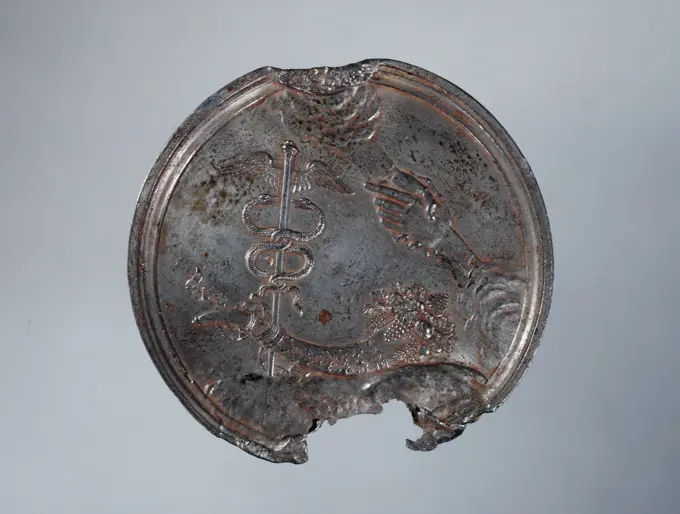
Jules Desbois (1851-1935). Flat. Bronze. Museum of Fine Arts of the City of Paris, Petit Palais. 79583-2 Bronze, dishes, 19th 19th 19th 19 19th 19th century, dish
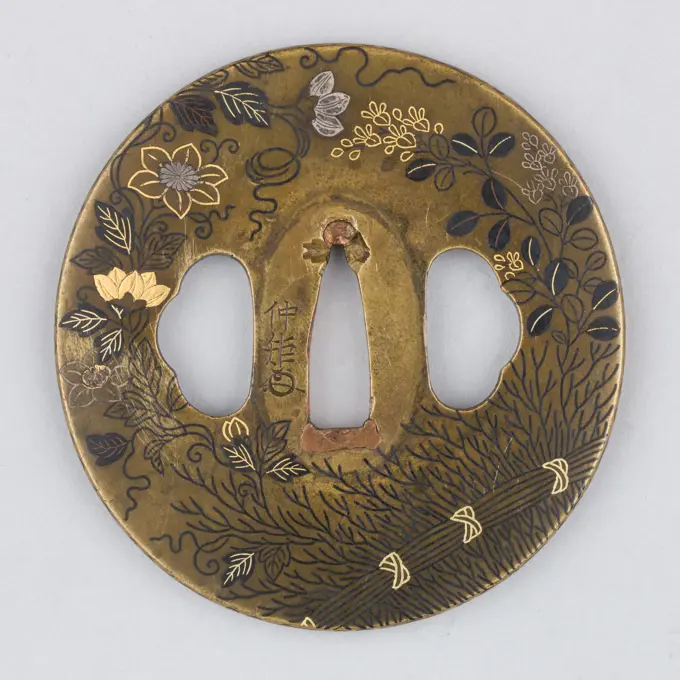
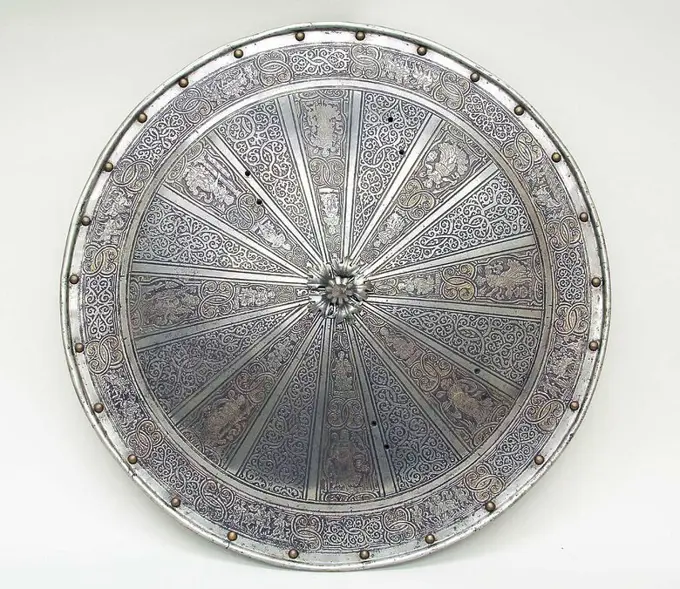
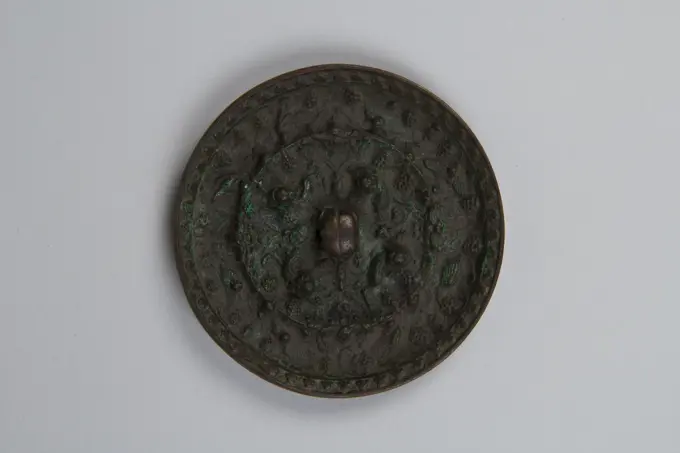
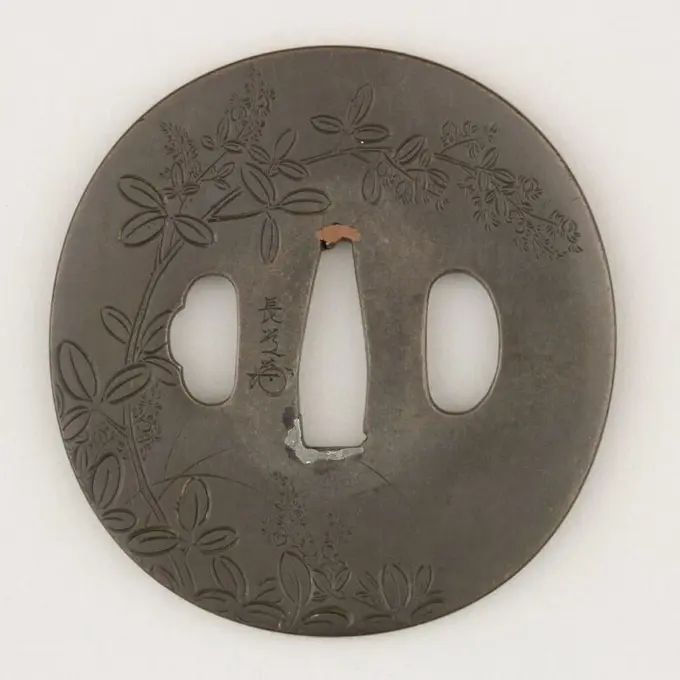
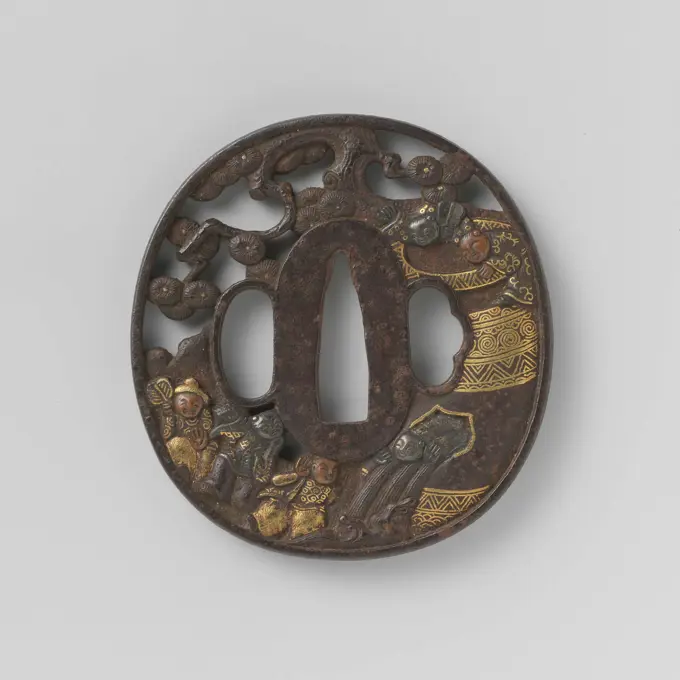
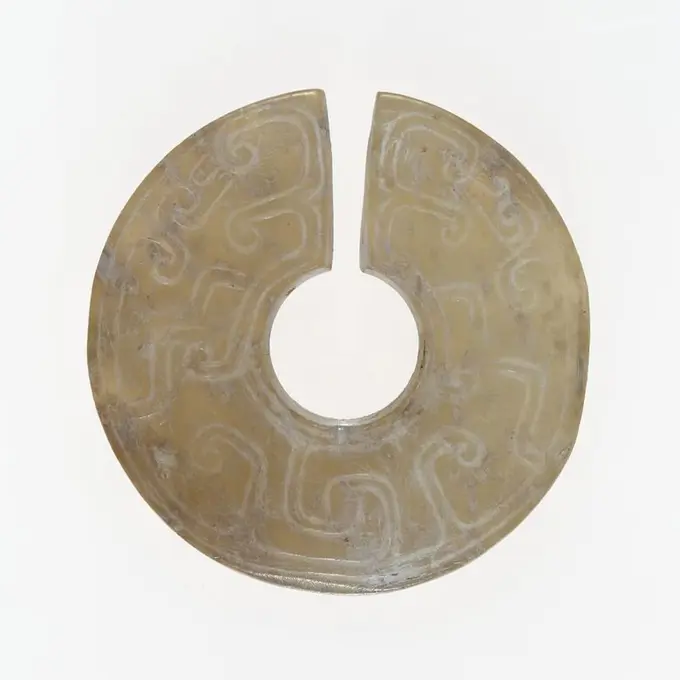
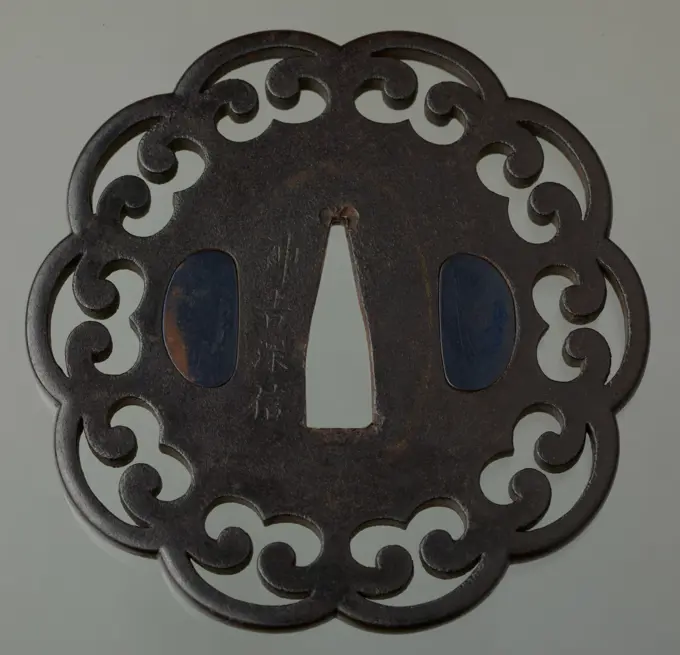
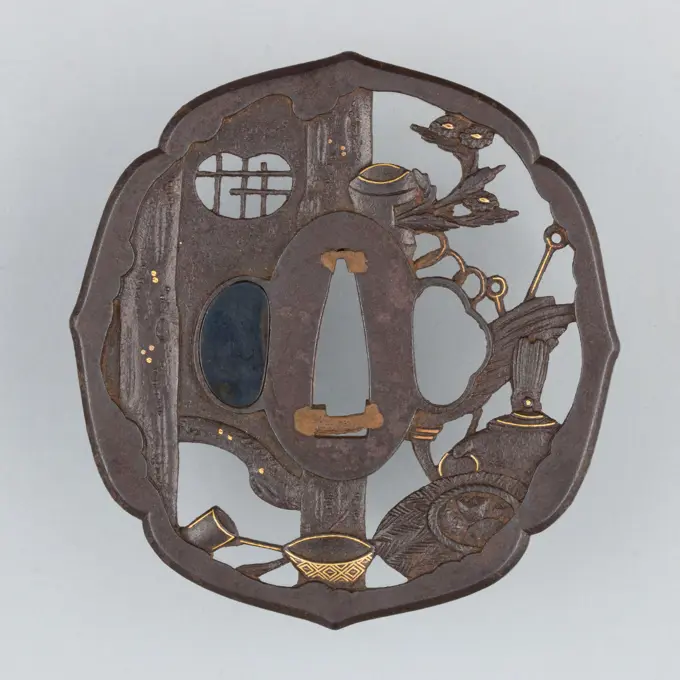
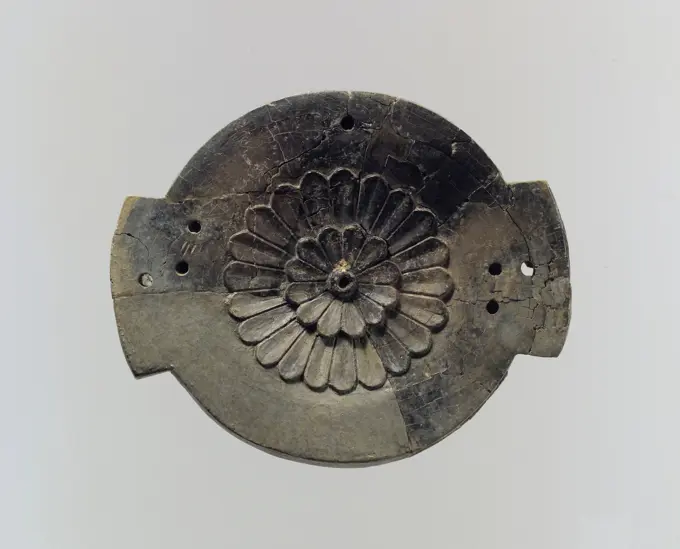
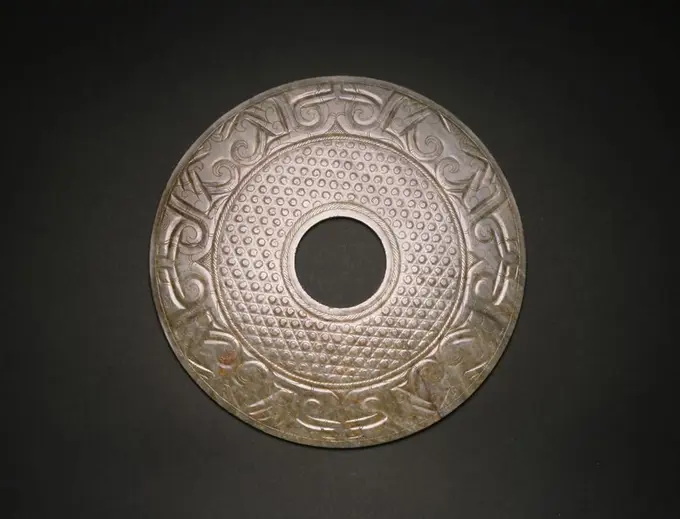
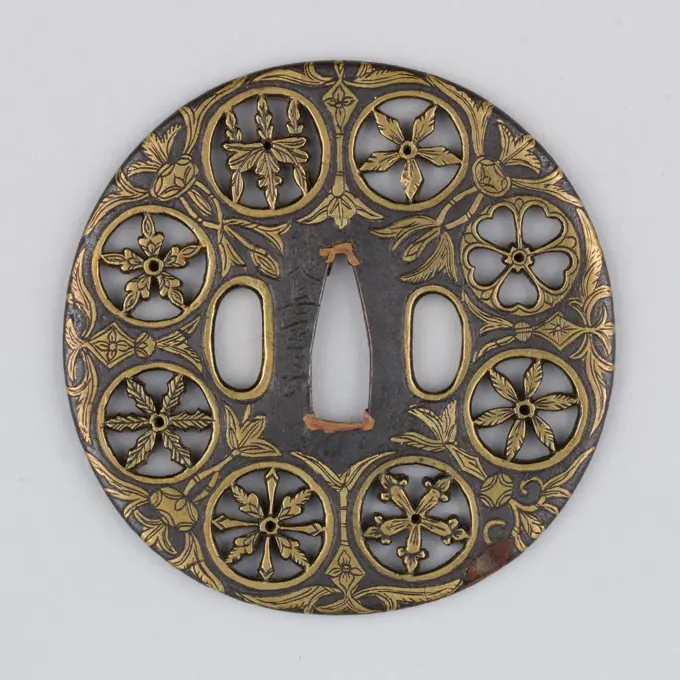
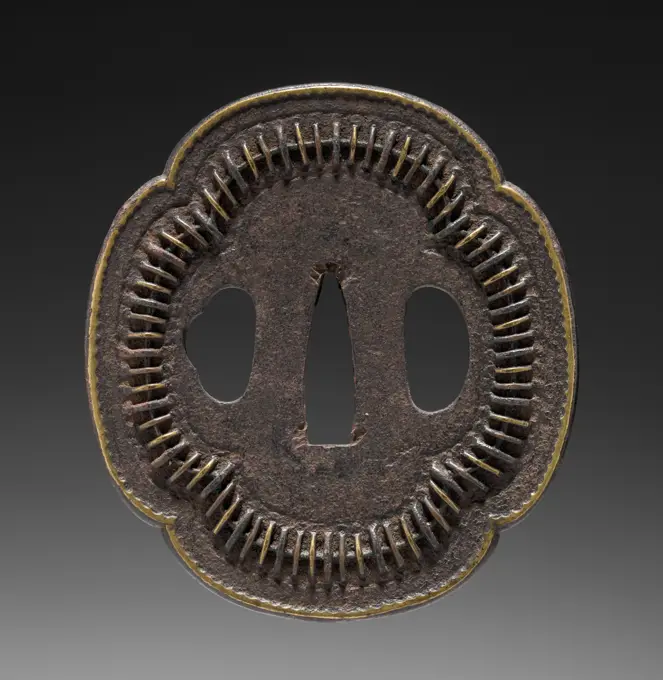
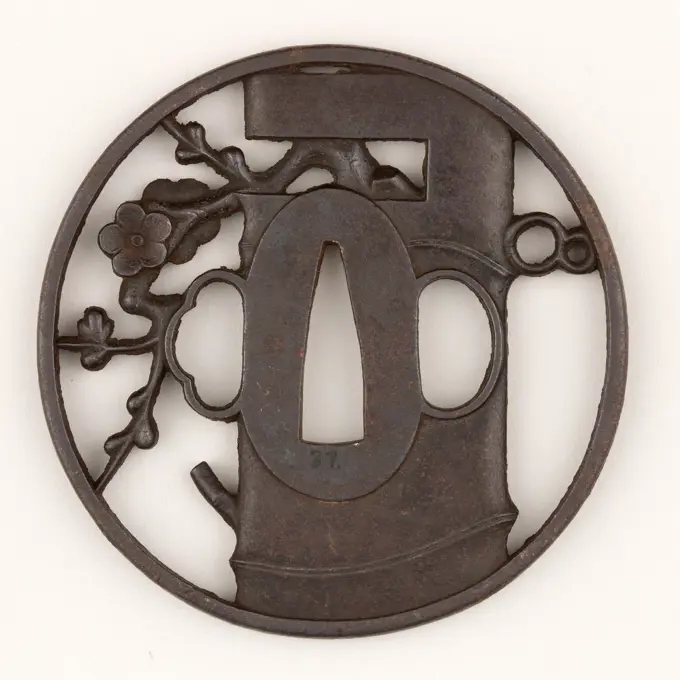
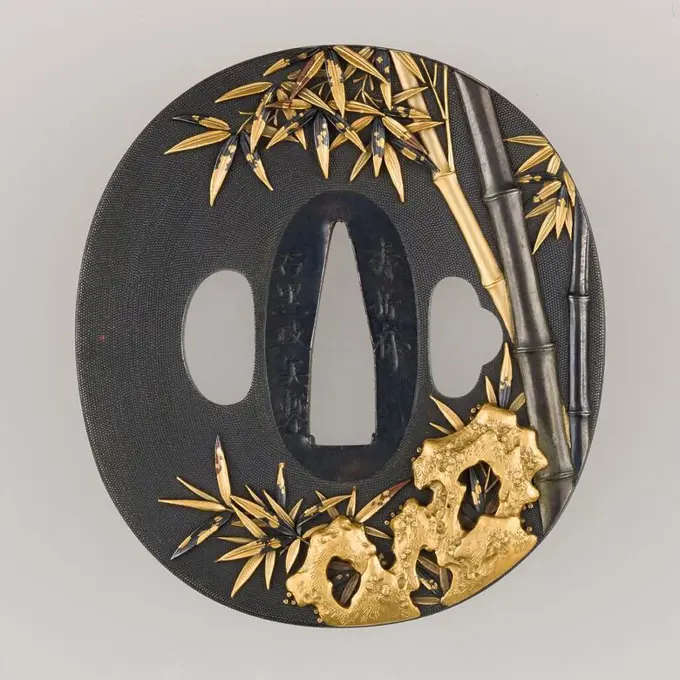
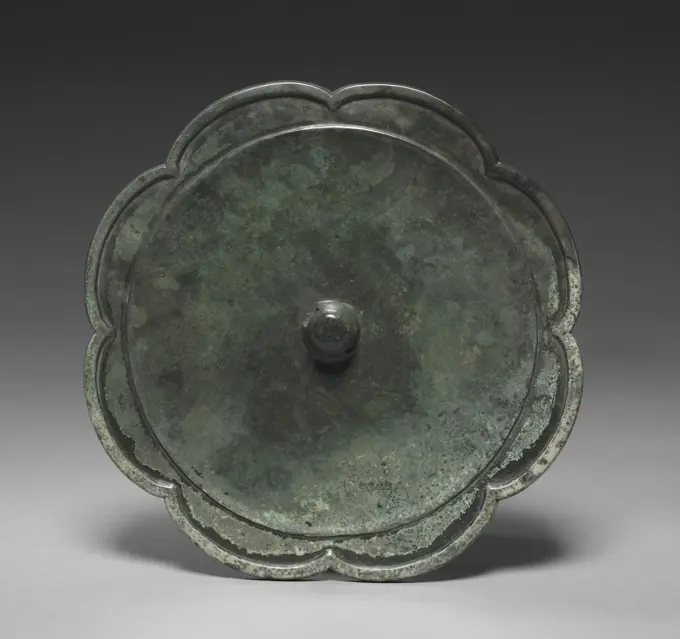
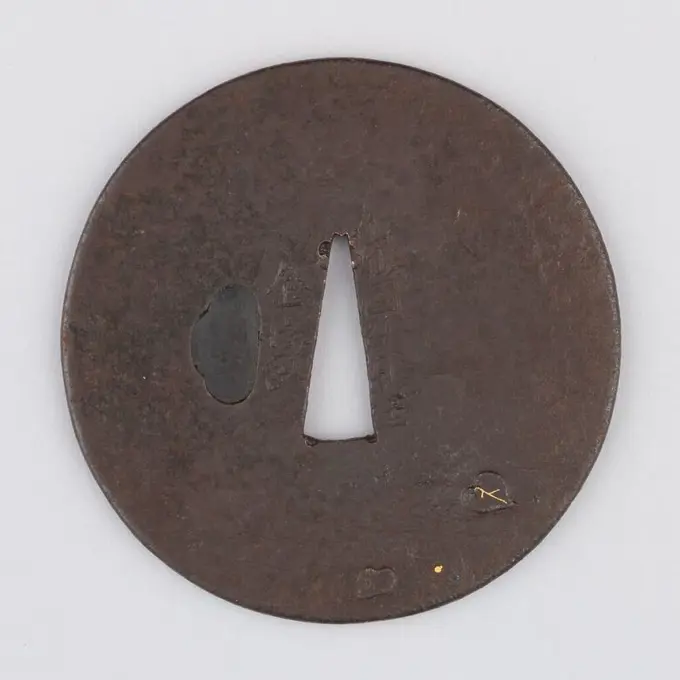
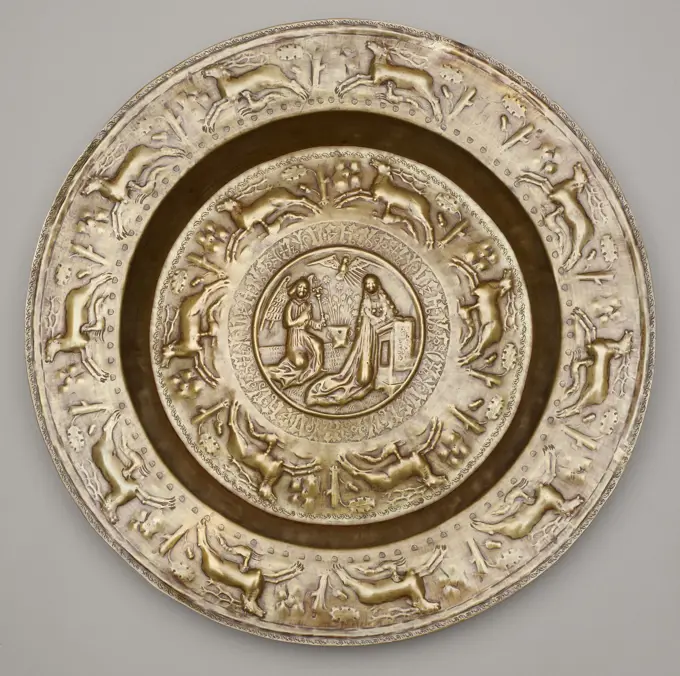
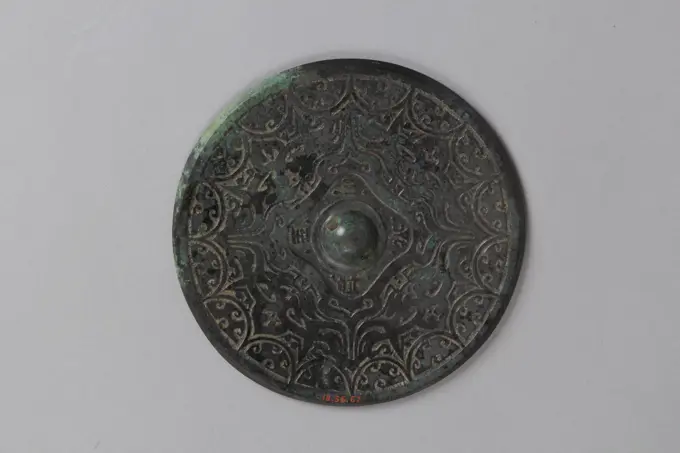
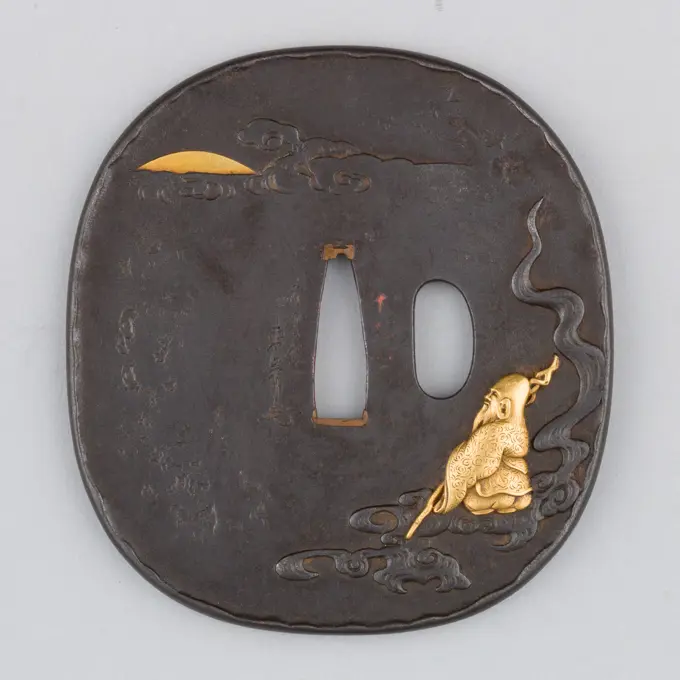
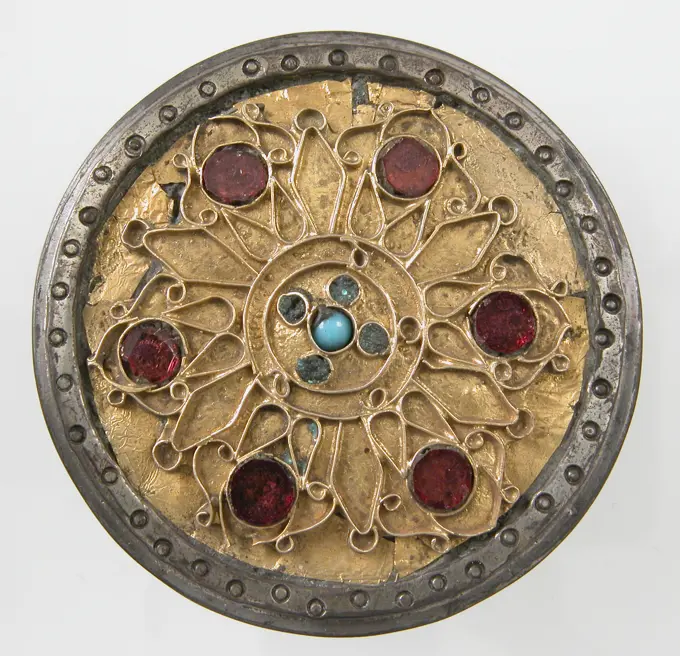
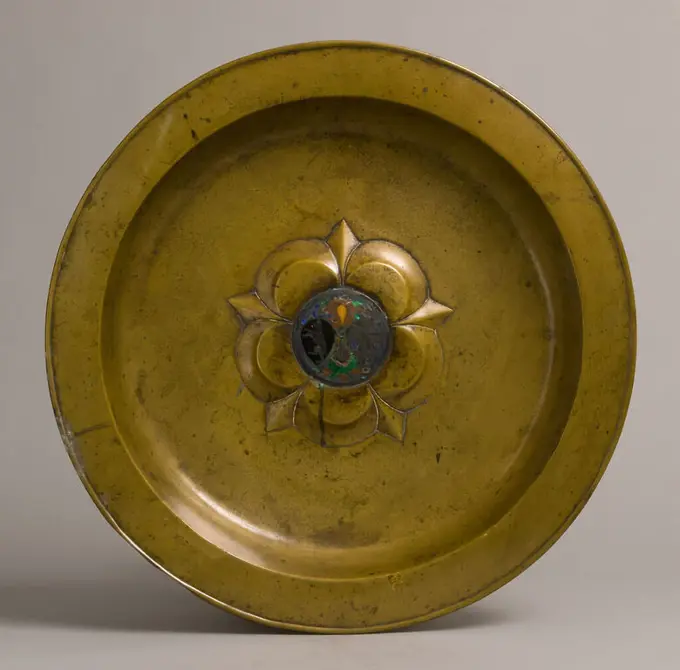
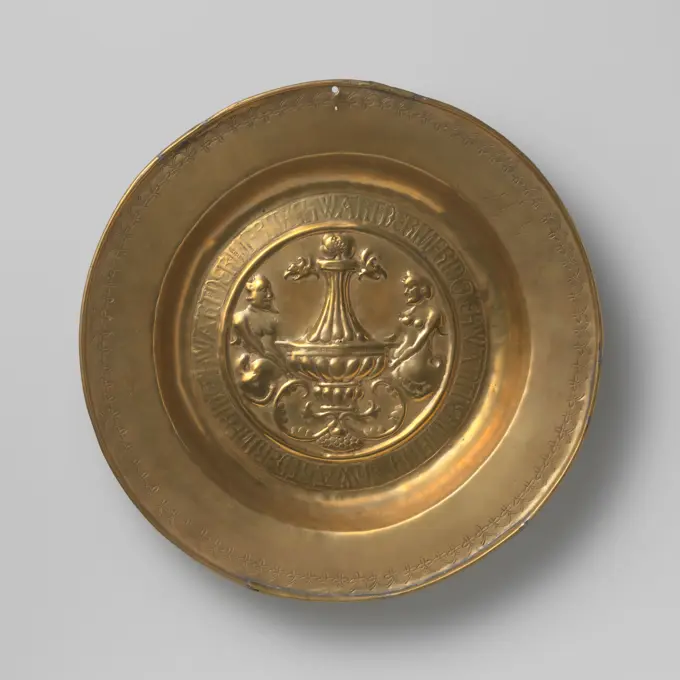
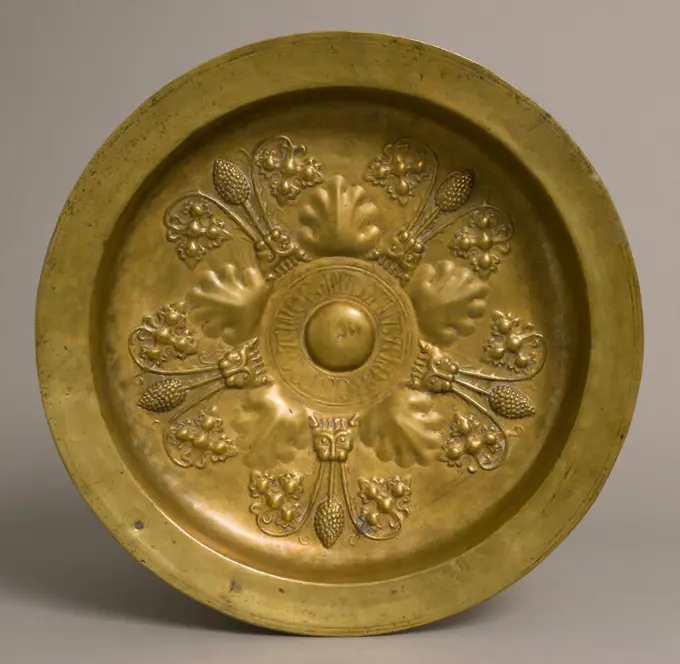
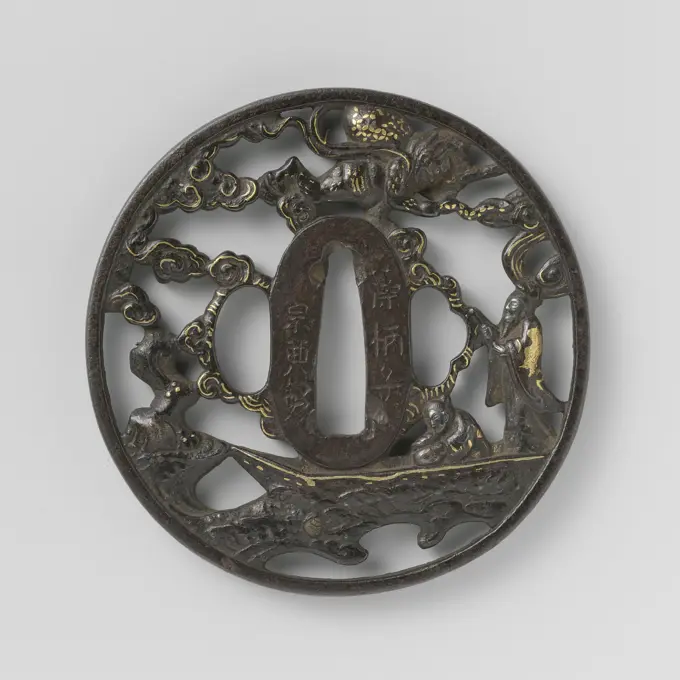
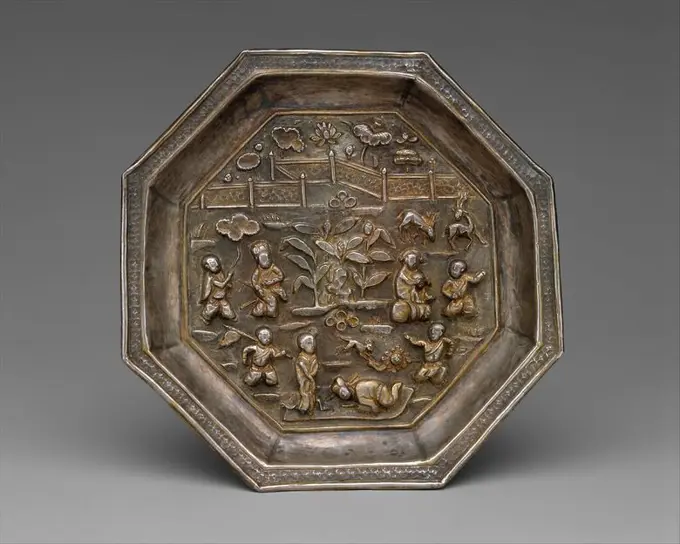
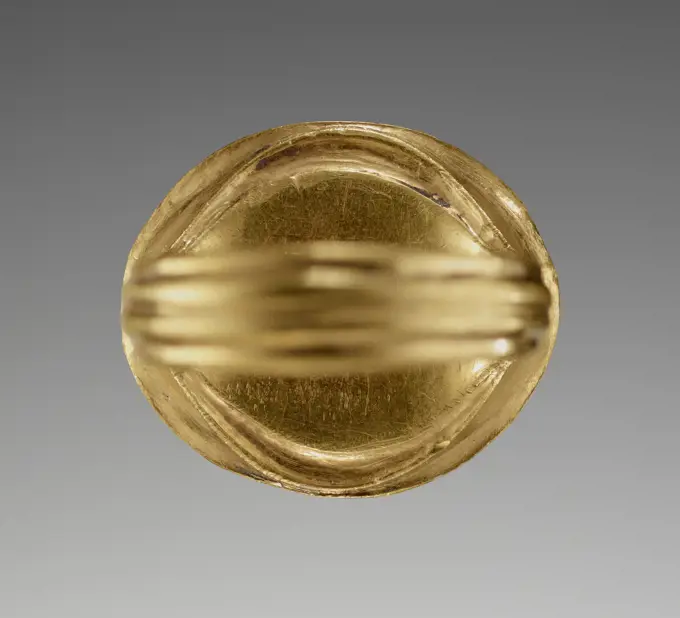
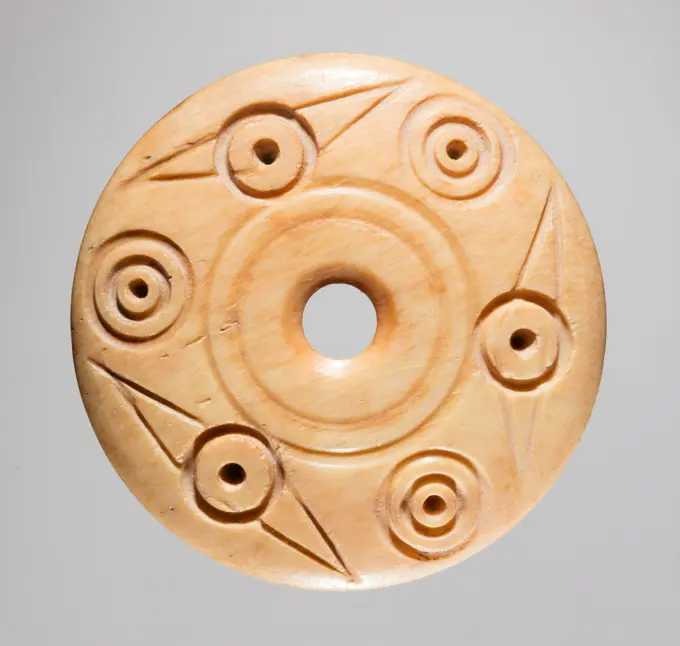
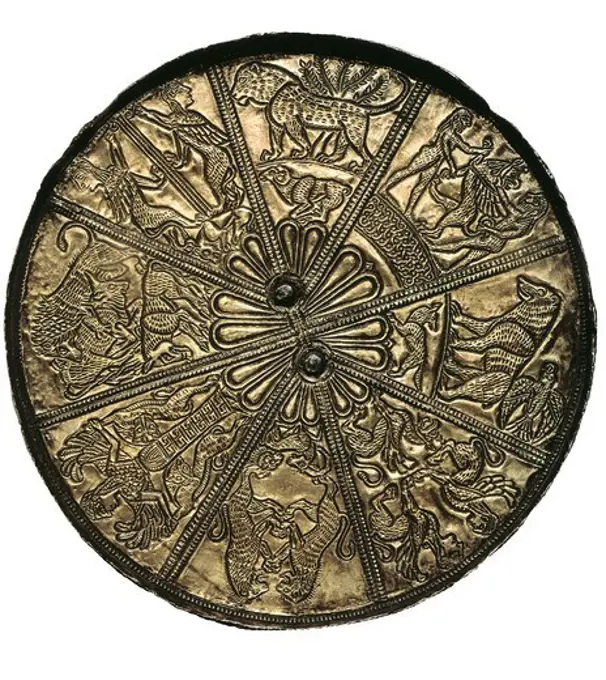
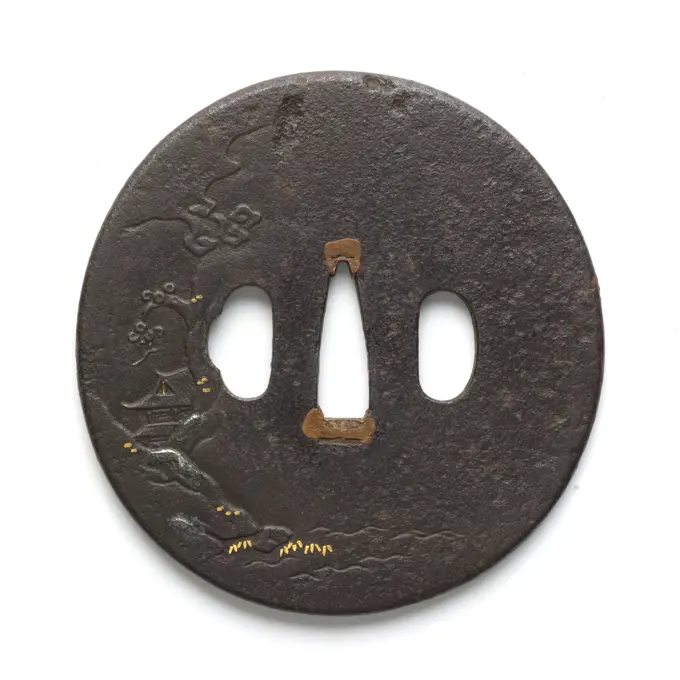
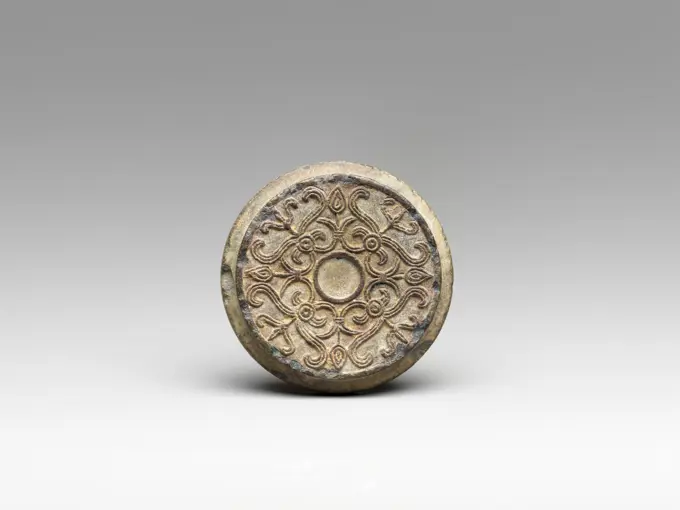
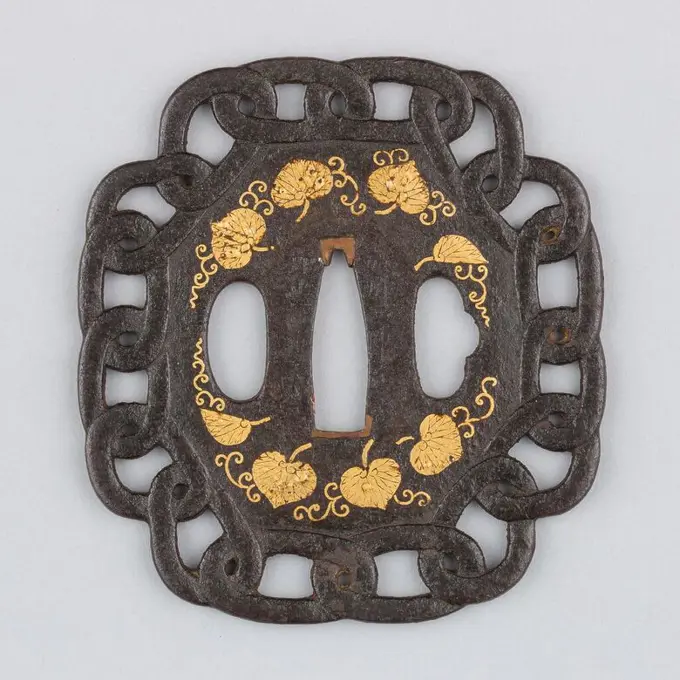
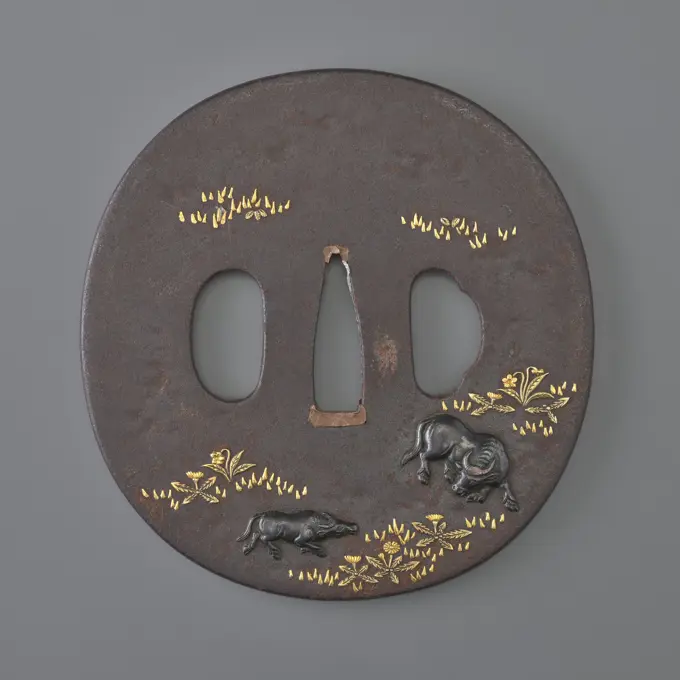
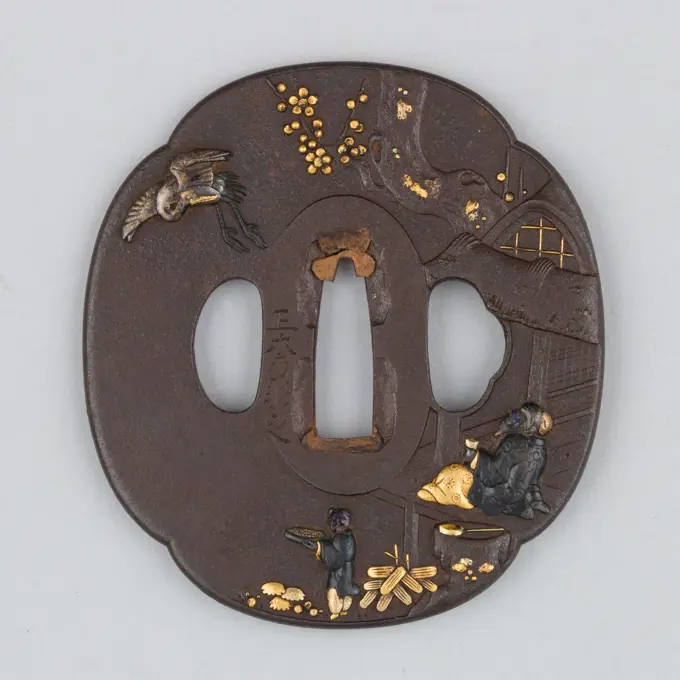
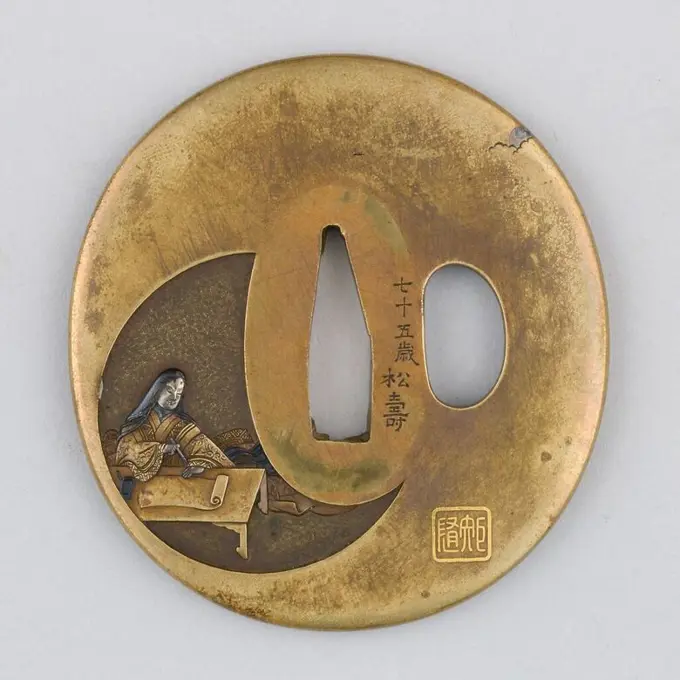
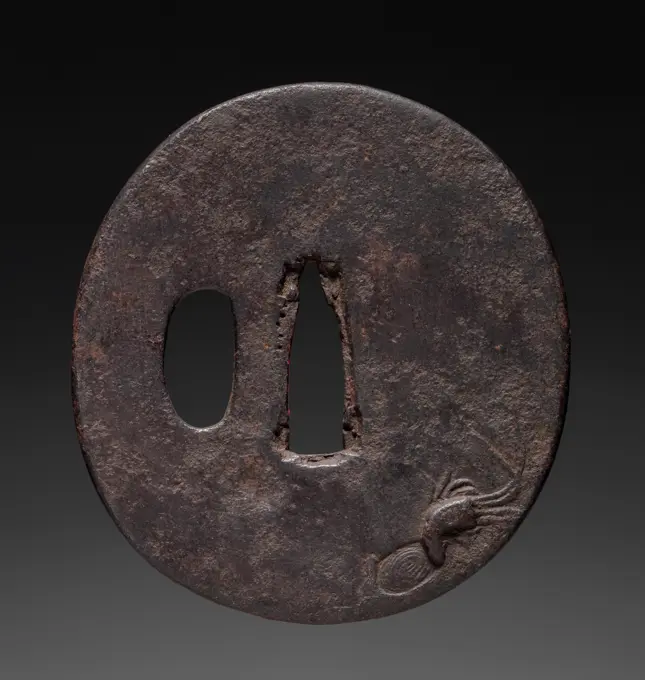
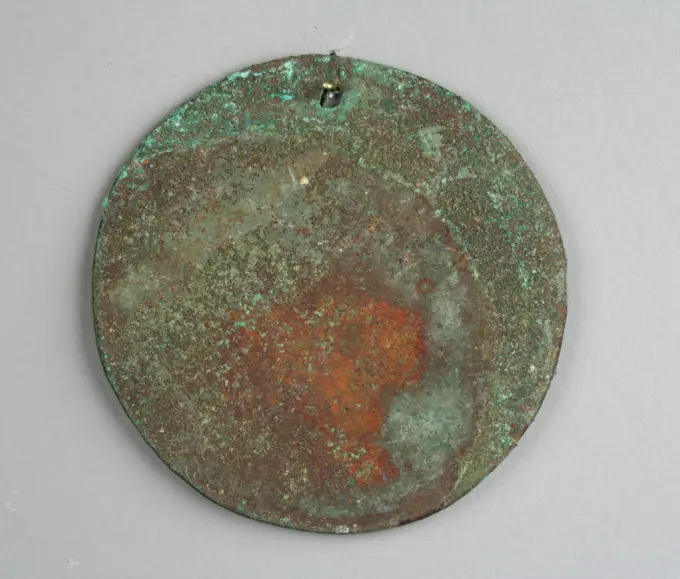
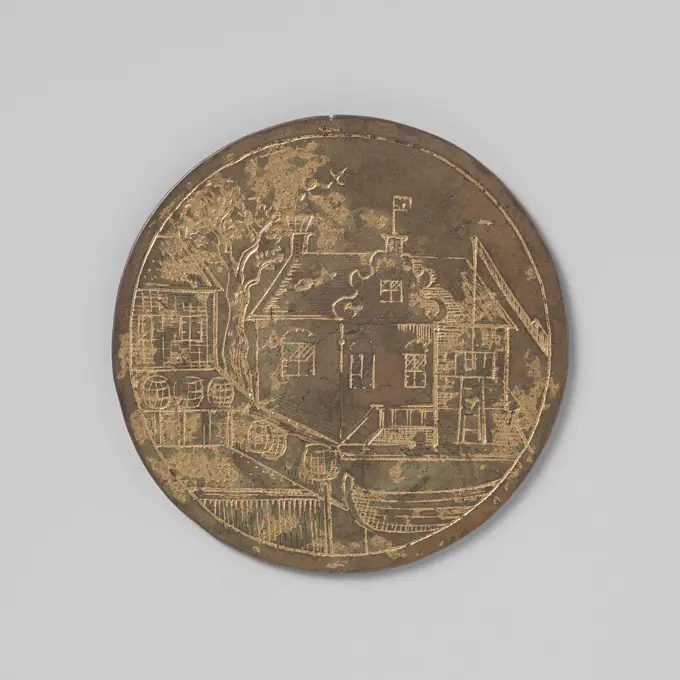
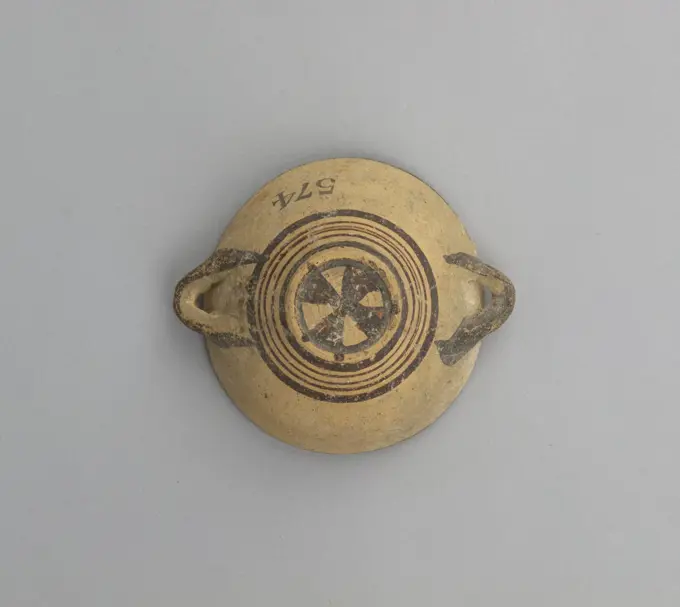
Jules Desbois (1851-1935). Flat. Bronze. Museum of Fine Arts of the City of Paris, Petit Palais. 79583-2 Bronze, dishes, 19th 19th 19th 19 19th 19th century, dishSword Guard (Tsuba) early 19th century Japanese A tsuba is a sword guard and part of a sword mounting. It is mounted between the swords blade and grip to protect the users hands.. Sword Guard (Tsuba) 34965Bit Boss 16th - early 17th century Italian or French Bit bosses were ornamental elements decorating both sides of a horse bit. These hat-shape bit bosses, probably inspired by Ancient shield bosses excavated at the time, were very popular in Italy and France in the 16th and the early 17th century. Bit Boss. Italian or French. 16th - early 17th century. Copper alloy, iron. Equestrian Equipment-BitsPlate. Culture: German. Dimensions: Overall: 18 x 2 3/8 in. (45.7 x 6 cm). Date: late 15th century. Museum: Metropolitan Museum of Art, New York, USA.decorative door nail, Wrought iron, Square type, pierced and embossed with wrought lines. Quadrant leaf design based on old examples, with circular piercing between leaves. Faceted square nail head on square shank., Spain, 17th century, metalwork, Decorative Arts, decorative door nailBowl. Egypt, 12th century. Ceramics. Earthenware, overglaze luster-paintedSword Guard (Tsuba). Culture: Japanese. Dimensions: H. 3 1/16 in. (7.8 cm); W. 2 7/8 in. (7.3 cm); thickness 3/16 in. (0.5 cm); Wt. 3.8 oz. (107.7 g). Date: possibly 19th century. Museum: Metropolitan Museum of Art, New York, USA.Trust is commerce. Project for a set of medal. Augustin Dupr� (1748-1833). Medal: Trust is commerce (1796). Reverse test. Etain, 1796.Mirror with fantastic animals amid grape vines 7th-8th century or later re-cast copy China. Mirror with fantastic animals amid grape vines. China. 7th-8th century or later re-cast copy. Bronze. Tang dynasty (618-907). MirrorsSword Guard (Tsuba). Culture: Japanese. Dimensions: H. 2 7/8 in. (7.3 cm); W. 2 3/4 in. (7 cm); thickness 3/16 in. (0.5 cm); Wt. 5.9 oz. (167.3 g). Date: early 19th century. Museum: Metropolitan Museum of Art, New York, USA.Sword Guard (Tsuba) 18th century Japanese A tsuba is a sword guard and part of a sword mounting. It is mounted between the swords blade and grip to protect the users hands.. Sword Guard (Tsuba). Japanese. 18th century. Iron, lacquer, gold, silver, copper. Sword Furniture-Tsuba. Round Tsuba with embossed (Marubori) Shiba Onko who frees a boyfriend from a huge sake-pot while watching other boys; Details in silver and copper and gold Nunome-Zogan.Slit Ring (jue). China. Date: 800 BC-600 BC. Dimensions: Diam. 1 1/4 in.; 3/32 in. thickness. Jade. Origin: China. Museum: The Chicago Art Institute, Chicago, USA.CDK KAMIYOSHI FUKANOBUSword Guard (Tsuba) 18th century Japanese A tsuba is a sword guard and part of a sword mounting. It is mounted between the swords blade and grip to protect the users hands.. Sword Guard (Tsuba) 26289Sword Guard (Tsuba) early 19th century Inscribed by Joka Japanese A tsuba is a sword guard and part of a sword mounting. It is mounted between the swords blade and grip to protect the users hands.. Sword Guard (Tsuba). Japanese, Tokyo. early 19th century. Iron, lacquer, gold. Tokyo. Sword Furniture-TsubaLid fragment ca. 9th-8th century B.C. Assyrian This broken piece of carved ivory was probably a lid for a small round box, called a pyxis by scholars. Approximately a quarter of the lid was restored after the object was excavated, and can be distinguished from the ancient object by its uniform color and surface texture. The top surface of the lid is decorated with a central rosette with two concentric rows of petals. The lid was probably fixed to its box by pegs placed through the holes drilled through the two symmetrical tangs projecting from the edge, allowing the lid to swivel open when one peg was removed and the other remained in place. Four other drill holes in the top of the lid do not pierce the lid completely. These were probably used as sockets for separate decorative elements added to the top that do not survive, such as small ivory figures of animals. The edges of the lid are carved in relief with a frieze of running ostriches separated by palm trees, bordered above and belTile with rosette, anonymous, c. 1750 - c. 1800 Tile decorated with a rosette surrounded by double pointed ovals. Two corners with a quarter rosette. Netherlands earthenware. lead glaze Tile decorated with a rosette surrounded by double pointed ovals. Two corners with a quarter rosette. Netherlands earthenware. lead glazePortugal (Portuguese Republic), 20 shields, Lisbon; 1986 Lisbon Mint, Vaz, Euclides (1916 1991)Disc (bi). China. Date: 200 BC-1 BC. Dimensions: Diam. 25.9 cm (10 3/16 in.); thickness 0.5 cm (3/16 in.). Jade. Origin: China. Museum: The Chicago Art Institute, Chicago, USA.Three round objects of tin and lead, artifact soil found tin metal, casted Tin lid with holes Decorated with molded tendrils Lid of sand or pepper spreader (1) archeology Rotterdam rail tunnel Soil discovery: trajectory rail tunnel Rotterdam.Sword Guard (Tsuba) ca. 1615-1868 Japanese A tsuba is a sword guard and part of a sword mounting. It is mounted between the swords blade and grip to protect the users hands.. Sword Guard (Tsuba) 34367Sword guard (Tsuba) Depicting Crests and Arabesques (紋散唐草文鐔) late 16th-early 17th century Koike Izumi no Kami Naomasa This iron tsuba is decorated with openwork family crests that are highlighted with brass inlay in a style that reached the height of its popularity at the end of the 16th century. When mounted between the sword’s blade and grip to protect the user’s hand, these crests would encircle the blade of the sword. This tsuba is part of a group of guards inscribed with the same name and honorary title, for which they are known as Yoshirō-tsuba (与四郎鐔). Differences in quality, signature style, and production time suggest that Koike Yoshirō Naomasa was the head of a Kyōto-based workshop which continued to make tsuba for a few decades into the 17th century.. Sword guard (Tsuba) Depicting Crests and Arabesques (紋散唐草文鐔) 30091Mirror with dragons and knob and swirl design 1st century B.C. China. Mirror with dragons and knob and swirl design 74429Sword Guard (Tsuba) 18th century Japanese A tsuba is a sword guard and part of a sword mounting. It is mounted between the swords blade and grip to protect the users hands.. Sword Guard (Tsuba) 23058Mirror with a Handle in the Form of a Herakles Knot, c. AD 280-400. Byzantium, Syria, early Byzantine period, 3rd-4th Century. Silver; diameter: 2.3 x 34.6 cm (7/8 x 13 5/8 in.).Sword Guard, 1615-1868. Japan, Edo period (1615-1868). Iron; diameter: 8.4 cm (3 5/16 in.).Grahal-Manzara. Carnavalet 2013-2016 collection sites. Numismatics.Sword Guard (Tsuba) Depicting Bamboo Vase for Ikebana and Plum Branch ca. 1615-1868 Japanese This Bushū (州) School tsuba shows a three-dimensionally (nikubori) interpreted openwork (ji-sukashi) of centrally a large bamboo vase with an ikebana-style arrangement of a plum branch holding two blossoms. The plum represents spring but combined with bamboo in the form of a bamboo vase, it is possible that the motif is an allusion to the subject of the Four Nobles Ones (shikunshi, 四君子), a collective term for the plum blossom, the orchid, the bamboo, and the chrysanthemum. That is, it is possible that this tsuba once belonged to a pair of tsuba (daishō) where the smaller one, the shō, depicted an openwork of orchid and chrysanthemum.. Sword Guard (Tsuba) Depicting Bamboo Vase for Ikebana and Plum Branch 25670Platter. Nieokreślona manufaktura, factoryHand guard with cherry blossom and rafts, Sunagawa Masayoshi, c. 1750 - c. 1800 Oval tsuba with openwork performance in relief of cherry blossoms on rafts; Details inlaid in gold (Nunome-Zogan); Signed 'Shōhakudō Sunagawa Masayoshi', italic signature (Kaō). Japan iron (metal). gold (metal) Oval tsuba with openwork performance in relief of cherry blossoms on rafts; Details inlaid in gold (Nunome-Zogan); Signed 'Shōhakudō Sunagawa Masayoshi', italic signature (Kaō). Japan iron (metal). gold (metal)Fragment, wood, gilded, Italy, late 18th century, Decorative Arts, FragmentEscutcheon; 1914-27-16Taler, emergency coin from Osnabrück, beaten during the siege by the Sweden, Anonymous, 1633 coin. siege coin Unilateral, diamond -shaped emergency coin. Front: in round stamp: Crowned Peter with key in the right and book in the left hand standing for coat of arms between the year in Bladerkrans. Reverse: Blanco Osnabrück silver (metal) striking (metalworking)  OsnabrückSword Guard (Tsuba). Culture: Japanese. Dimensions: H. 2 7/8 in. (7.3 cm); W. 2 5/8 in. (6.7 cm); thickness 5/16 in. (0.8 cm); Wt. 5.4 oz. (153.1 g). Fittings maker: Inscribed by Ishiguro Masayoshi (Japanese, 1772-after 1851). Date: 19th century.This tsuba features a design of bamboo amid rocks. Museum: Metropolitan Museum of Art, New York, USA.Spindle Whorl, 700s - 900s. Iran, early Islamic period, 8th - 10th century. Bone, incised; overall: 0.5 x 2.1 x 2.1 cm (3/16 x 13/16 x 13/16 in.).Flower-shaped Mirror, 1100s. Korea, Goryeo period (918-1392). Bronze; diameter: 20.7 cm (8 1/8 in.).Handle PlateSword Guard (Tsuba) 18th century Japanese A tsuba is a sword guard and part of a sword mounting. It is mounted between the swords blade and grip to protect the users hands.. Sword Guard (Tsuba) 24621. Mokko-shaped tsuba with raised edge. At the front embossed Shoki who has caught a devil (oni) and at the rear an Oni in a willow tree; Details in gold inlaid; Engraved signature "NATSUO" with seal "Koi" (in the spirit of the old; A l'Ancienne). Two small round holes to get a cord through the wrist being beaten to fuse of the hand-held sword (Udenuki-ana)Fars that coin is coin, 5 ,Presentation shield. unknown, authorSword Guard (Tsuba). Culture: Japanese. Dimensions: H. 3 1/4 in. (8.3 cm); W. 3 3/16 in. (8.1 cm); thickness 3/16 in. (0.5 cm); Wt. 5.2 oz. (147.4 g). Date: ca. 1615-1868. Museum: Metropolitan Museum of Art, New York, USA.Przeszo Przyszoci NurembergSword Guard (Tsuba). Culture: Japanese. Dimensions: H. 3 3/16 in. (8.1 cm); W. 3 1/8 in. (7.9 cm); thickness 3/16 in. (0.5 cm); Wt. 4.4 oz. (124.7 g). Date: ca. 1615-1868. Museum: Metropolitan Museum of Art, New York, USA.Lock With Backplate, Key (Possibly The Netherlands or England); gilt ironBatter of a mission tire. Ten fitting parts of a mission tape, from brass. The ten parts are cut from copper plate, driven, engraved and sponately edited. A copper button with seven facets is riveted on each of them. They are equipped with holes on the corners or along the edge to be able to turn nails, with which they were constituted on the book band. Four corner pieces have a rear edged on two sides. The remaining four have that only at the top or bottom (these were placed against the back of the book). Two sides have been deposited with an open edge of cross flowers from each corner piece. The field in the middle is taken by three-dialed tendrils. The ornament on the middle parts exists on the corners from a plant with three leaves and two flowers in a pot. The four parts in between are taken by fantasy decreases.Mirror with quatrefoil design 2nd century China. Mirror with quatrefoil design. China. 2nd century. Bronze. Eastern Han dynasty (25-220). MirrorsSword Guard (Tsuba). Culture: Japanese. Dimensions: H. 2 1/2 in. (6.4 cm); W. 2 1/8 in. (5.4 cm); thickness 3/16 in. (0.5 cm); Wt. 1.9 oz. (53.9 g). Date: ca. 1615-1868. Museum: Metropolitan Museum of Art, New York, USA.Bowl 13th century. Bowl 447151Sword Guard (Tsuba) Japanese mid-19th century A tsuba is a sword guard and part of a sword mounting. It is mounted between the swords blade and grip to protect the users hands.Disk Brooch 8th century () Frankish. Disk Brooch 465360 Frankish, Disk Brooch, 8th century (), Silver, gold, garnets, glass, Overall: 1 5/8 x 3/8 in. (4.1 x 1 cm). The Metropolitan Museum of Art, New York. Gift of J. Pierpont Morgan, 1917 (17.192.55)Sword Guard (Tsuba) with Oxherd, c. 1615-1868. Japan, possibly Edo period (1615-1868). Iron; overall: 7 x 7.7 cm (2 3/4 x 3 1/16 in.).Plate. Culture: South Netherlandish. Dimensions: diam. 17 × 1 7/8 in., 3.2 lb. (diam. 43.2 × 4.8 cm, 1463g)(Dia.of medallion): 2 7/8 in. (7.3 cm). Date: mid-15th century. Museum: Metropolitan Museum of Art, New York, USA.Mirror Korea. Mirror. Korea. Bronze. Goryeo dynasty (918-1392). MirrorsHand guard, anonymous, 1600 - 1900 Oval tsuba with an irregularly shaped edge in the form of two squirrels in the midst of vines; The fur De Squirrels is shown in Gold Nunome-Zogan. Japan iron (metal). gold (metal) Oval tsuba with an irregularly shaped edge in the form of two squirrels in the midst of vines; The fur De Squirrels is shown in Gold Nunome-Zogan. Japan iron (metal). gold (metal)Gun Shield. Italian. Date: 1535-1545. Dimensions: Diameter 44.5 cm (17 1/2 in.) Wt. 10 lb. 9 oz.Caliber .56. Steel, iron, wood, wool textile, and hemp fiber. Origin: Italy. Museum: The Chicago Art Institute, Chicago, USA.Campanian Black Bowl. UnknownDish with Renaissancevaas stopped by Hermen, Anonymous, 1500 - 1550 In the flat of the dish, which has the center point in the middle, are punched with the help of stamp shapes: a Renaissancevaas decorated with grunts with a lid, which is stopped by a male and a female Herm, as well as the inscription applied to shaded background four times Der in Frid hwahrt. Furthermore, along the edge, which has been beaten for iron wire, a punched ornament of cross flowers has been applied. The hanging ring at the rear and the hole in the edge were installed later. The center point has become a small opening. Neurenberg (possibly) brass (alloy). casting In the flat of the dish, which has the center point in the middle, are punched with the help of stamp shapes: a Renaissancevaas decorated with grunts with a lid, which is stopped by a male and a female Herm, as well as the inscription applied to shaded background four times Der in Frid hwahrt. Furthermore, along the edge, which has been beaten for iCoin of Govinda Chandra. India, 1112-1160. Tools and Equipment; coins. GoldTerracotta disk. Culture: Cypriot. Dimensions: diameter 3 3/8 in. (8.6 cm). Date: ca. 1900-1725 B.C..These disks may be among the earliest representations of wheels from Cyprus. Museum: Metropolitan Museum of Art, New York, USA.Plate. Culture: German. Dimensions: Overall: 16 x 2 5/8 in. (40.6 x 6.7 cm). Date: late 15th century. Museum: Metropolitan Museum of Art, New York, USA.Sword Guard (Tsuba). Culture: Japanese. Dimensions: H. 3 1/4 in. (8.3 cm); W. 3 in. (7.6 cm); thickness 1/4 in. (0.6 cm); Wt. 5.6 oz. (158.8 g). Date: ca. 1615-1868. Museum: Metropolitan Museum of Art, New York, USA.False Coin, Penny, Mieszko II (1025 1031). Almost round tsuba in the form of a large number of small monkeys; Opened.Dish. Culture: Spanish. Dimensions: Overall: 18 7/8 in. (47.9 cm). Date: early 15th century. Museum: Metropolitan Museum of Art, New York, USA.Bit Boss first half 17th century possibly Netherlandish This boss, adorned with a spiral motif partly covered by foliage, decorated the side of a horse bit. The exact same bosses, which seem to have been produced in high number in the first half of the 17th century, are visible on several portraits of King Charles I of England painted by Jan van Dyck for example. Bit Boss. possibly Netherlandish. first half 17th century. Copper alloy, gold. Equestrian Equipment-BitsBelt Plaque. Russia, Siberia, 1st-2nd century A.D.. Costumes; Accessories. BronzeHand Guard, KITAGAWA SOTEN, 1675-1700 Round tsuba with in relief (hikone-bori) and gold nunome-zogan yoshitsune and benkei in a boat, which is attacked by the spirit of Tomomori; Signed "Goshi Hikone Ju Soheishi Sooten". Japan iron (metal). gold (metal) Round tsuba with in relief (hikone-bori) and gold nunome-zogan yoshitsune and benkei in a boat, which is attacked by the spirit of Tomomori; Signed "Goshi Hikone Ju Soheishi Sooten". Japan iron (metal). gold (metal)Mirror with Dragon and Phoenix Motifs. Culture: China. Dimensions: Diam. 4 in. (10.2 cm). Date: 4th-3rd century B.C.. Museum: Metropolitan Museum of Art, New York, USA.Decorative door boss and nail, Wrought iron, Square type, pierced and embossed with wrought lines. Quadrant leaf design based on old examples. High round boss in each leaf. Five-notched nail with mushroom-shaped head and square shank., Spain, 16th-17th century, metalwork, Decorative Arts, Decorative door boss and nailDish with Children in a Garden. Culture: China. Dimensions: H. 3/4 in. (1.9 cm); Diam. 6 1/4 in. (15.9 cm); Diam. of foot 4 1/2 in. (11.4 cm). Date: 13th century.The theme of children at play, which expresses a wish for the birth of children and the concomitant joys they engender, is a ubiquitous motif in Chinese decorative arts from as early as the tenth century. Some of the figures seen on this dish--for example, the two boys at left, one riding a hobbyhorse and the other holding a lotus leaf--are a stock figural grouping, appearing on art objects until the seventeenth century. The cluster of leafy palms with rocks and the balustrade enclosing a lotus pond are standard features of Chinese garden designs. Museum: Metropolitan Museum of Art, New York, USA.Sword Guard (Tsuba) 16th century Japanese A tsuba is a sword guard and part of a sword mounting. It is mounted between the swords blade and grip to protect the users hands.. Sword Guard (Tsuba) 25819. Round tsuba with a waterscap mill in openacted positive silhouette.Ring (Leda and the Swan); about 300 B.C; Gold; 2.1 × 1.9 cm (13,16 × 3,4 in.)Spindle Whorl, 700s - 900s. Iran, early Islamic period, 8th - 10th century. Bone, incised; overall: 0.3 x 2.6 x 2.6 cm (1/8 x 1 x 1 in.).Sword Guard (Tsuba). Culture: Japanese. Dimensions: H. 3 3/8 in. (8.6 cm); W. 3 1/8 in. (7.9 cm); thickness 3/16 in. (0.5 cm); Wt. 6.6 oz. (187.1 g). Date: ca. 1615-1868. Museum: Metropolitan Museum of Art, New York, USA.Scale of copper with flame -like motifs, French Zwollo (i), c. 1925 The shell colored in a sulfur bath has a driven shape. The ornaments have been hit at the back. A decoration of twelve flame -like motifs has been applied to the flat. These are more or less repeated along the edge, so that they mark the 17 faint bulges, which enliven the wall to the changed edge. Two eyes are soldered at the back. The Hague copper (metal) soldering The shell colored in a sulfur bath has a driven shape. The ornaments have been hit at the back. A decoration of twelve flame -like motifs has been applied to the flat. These are more or less repeated along the edge, so that they mark the 17 faint bulges, which enliven the wall to the changed edge. Two eyes are soldered at the back. The Hague copper (metal) solderingCampania Napoli Naples S. Lorenzo Maggiore62. Hutzel, Max 1960-1990 Medieval: Sculpture, architecture, architectural sculpture (including Roman spolia) 13-14th century Chapter house; sarcophagi, gravestones; wall painting. Fragment of mosaic; sculptural fragments in the Sala Capitolare. Post-medieval: Architecture, architectural sculpture, ceiling painting fresco cycle; prints depicting Venice c. 1845 (4), sculpture; life-size creche figures dressed in original Neapolitan costume Church restored in 1882, 1926, 1944; excavations under the transept undertaken between 1958-1962, and in the cloister in 1976, have revealed remains of a Roman macellum (market), street, and the paleochristian basilica of the 6th c. AD. Antiquities: Pottery: black-glazed, archaic banded, domestic wares, bucchero; architectural terracottas, statuettes, lamps, sculpture fragments Object Notes: 3 color negatives with no prints at the end. General Notes: Most objects/paintings/frescoes unidentified. Three batches Sword Guard (Tsuba) 17th century Japanese A tsuba is a sword guard and part of a sword mounting. It is mounted between the swords blade and grip to protect the users hands.. Sword Guard (Tsuba) 30030Mirror. 650 -620 BC. Proceeds from Kelermess Barrow No. 4, Transkuban, Russia. Scythian Art. Jewelry. RUSSIA. SAINT PETERSBURG. Saint Petersburg. State Hermitage Museum.Decorative door boss and nail, Steel-plated iron, Rhomboid mount notched at the center point of each side and embellished with a system of wrought bordering and crossing lines. Round nail heads on square shank., Spain, ca. 1550-1700, metalwork, Decorative Arts, Decorative door boss and nailTsuba. Japan. Fer. Paris, Muse Cernuschi. Assessment, armaments, Asian art, Japanese art, weapon custody, art object, metallic object, armament piece, tsubaDisk Stone with a Four-Part Design of Palmettes and Lotus Buds 1st century B.C. Pakistan (ancient region of Gandhara, Taxila). Disk Stone with a Four-Part Design of Palmettes and Lotus Buds. Pakistan (ancient region of Gandhara, Taxila). 1st century B.C.. Stone. SculptureSword Guard (Tsuba). Culture: Japanese. Dimensions: H. 3 7/16 in. (8.7 cm); W. 3 1/16 in. (7.8 cm); thickness 1/8 in. (0.3 cm); Wt. 3.9 oz. (110.6 g). Date: 17th century. Museum: Metropolitan Museum of Art, New York, USA.Jelec (Tsuba); Ichiryûsai, massamitsu, shôami; 19th century (1801-00-00-1868-00-00);Sword Guard (Tsuba) ca. 1800 Japanese A tsuba is a sword guard and part of a sword mounting. It is mounted between the swords blade and grip to protect the users hands.. Sword Guard (Tsuba) 29529Sword Guard (Tsuba). Culture: Japanese. Dimensions: H. 3 1/8 in. (7.9 cm); W. 2 15/16 in. (7.5 cm); thickness 1/8 in. (0.3 cm); Wt. 2.7 oz. (76.5 g). Date: ca. 1615-1868. Museum: Metropolitan Museum of Art, New York, USA.Offering Tray (Talam) 10th-11th century() Indonesia (Java). Offering Tray (Talam). Indonesia (Java). 10th-11th century(). Bronze. Eastern Javanese period. SculptureDisk Brooch ca. 550-600 Frankish or Northern French. Disk Brooch 465388 Frankish or Northern French, Disk Brooch, ca. 550600, Copper alloy, silver wire, glass paste, Overall: 1 3/16 x 7/16 in. (3 x 1.1 cm). The Metropolitan Museum of Art, New York. Gift of J. Pierpont Morgan, 1917 (17.192.81)Sword Guard (Tsuba). Culture: Japanese. Dimensions: H. 2 3/4 in. (7 cm); W. 2 5/8 in. (6.7 cm); thickness 3/16 in. (0.5 cm); Wt. 4.4 oz. (124.7 g). Date: 18th century. Museum: Metropolitan Museum of Art, New York, USA.Sword Guard (Tsuba) with Hermit Crab, c. 1615-1868. Japan, possibly Edo period (1615-1868). Iron; diameter: 7.4 cm (2 15/16 in.).Escutcheon; 1906-24-3Round Plaque 3rd century B.C.-A.D. 2nd century Vicús. Round Plaque 315507Pietter Douwes, Brouwer in Stavoren. Brass medal. Front: two water houses, in which boat lies; For left house: seven barrels. Downside: inscription under crown within flower wreath and circumcision; part of circumcision, that name contained, has been removedBowl 1050-950 B.C. Cypriot Two handles, maltese cross and bands on under side.. Bowl. Cypriot. 1050-950 B.C.. Terracotta. Cypro-Geometric I . VasesPendant. UnknownHearing stone with representation of two climbing lions, c. 1875 - c. 1900 Hearing stone with representation of two climbing lions, placed in profiled window. The half windows at the top and bottom are filled with star motif. Netherlands earthenware Hearing stone with representation of two climbing lions, placed in profiled window. The half windows at the top and bottom are filled with star motif. Netherlands earthenwareShield. Culture: Italian. Dimensions: Diam. 21 1/2 in. (54.6 cm); D. 5 11/16 in. (14.5 cm); Wt. 10 lb. (4525 g). Date: ca. 1585-90. Museum: Metropolitan Museum of Art, New York, USA.Mirror with dragons and knob and swirl design 1st century B.C. China. Mirror with dragons and knob and swirl design 74431