Ornamental Metalwork

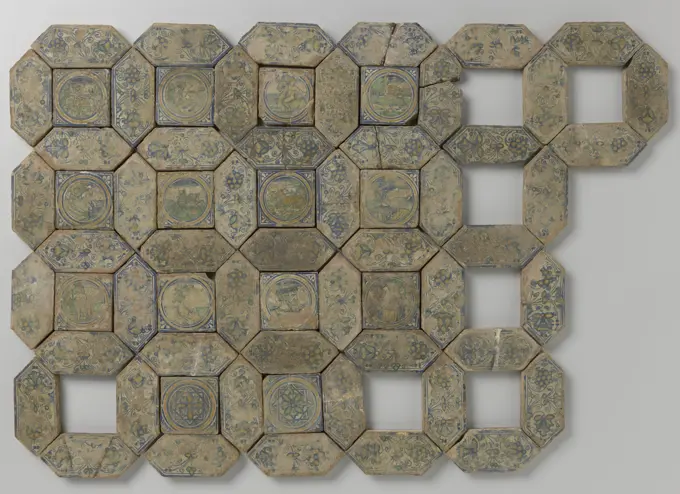
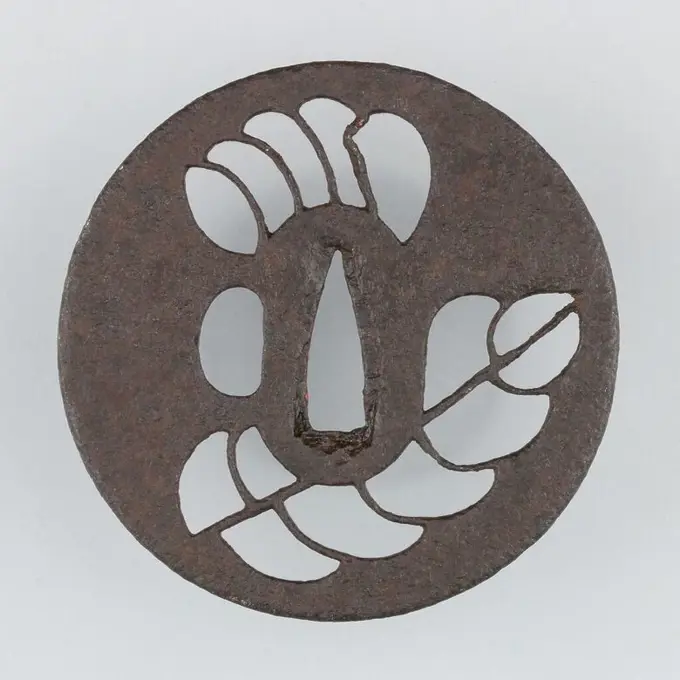
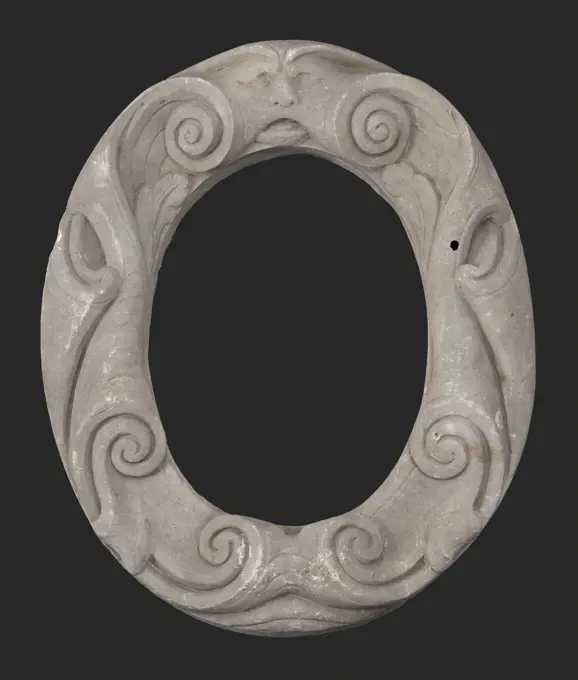
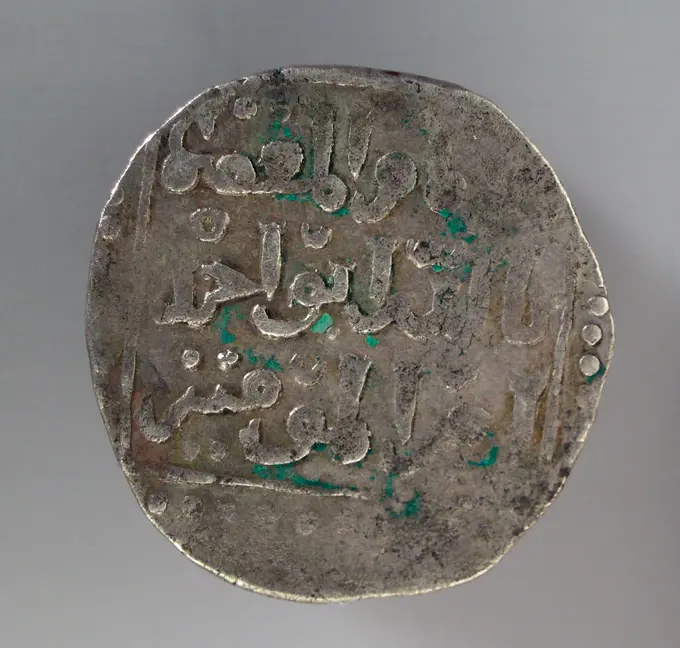
Varied ornamental metal objects from different cultures, including dishes, sword guards, and decorative elements, showcasing intricate designs and historical craftsmanship.

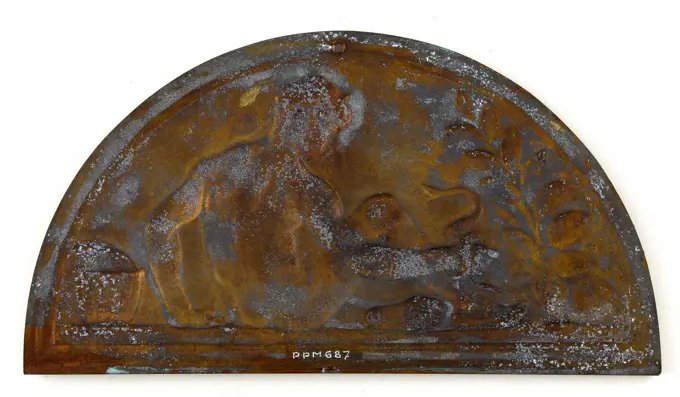
Jules Desbois (1851-1935). Flat. Bronze. Museum of Fine Arts of the City of Paris, Petit Palais. 79583-2 Bronze, dishes, 19th 19th 19th 19 19th 19th century, dish
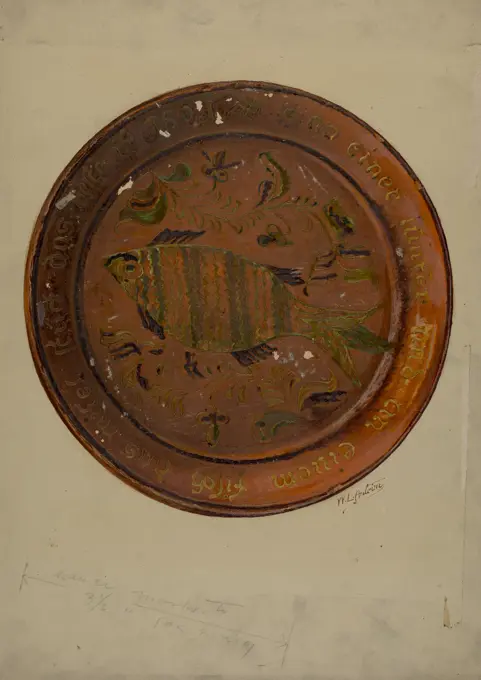
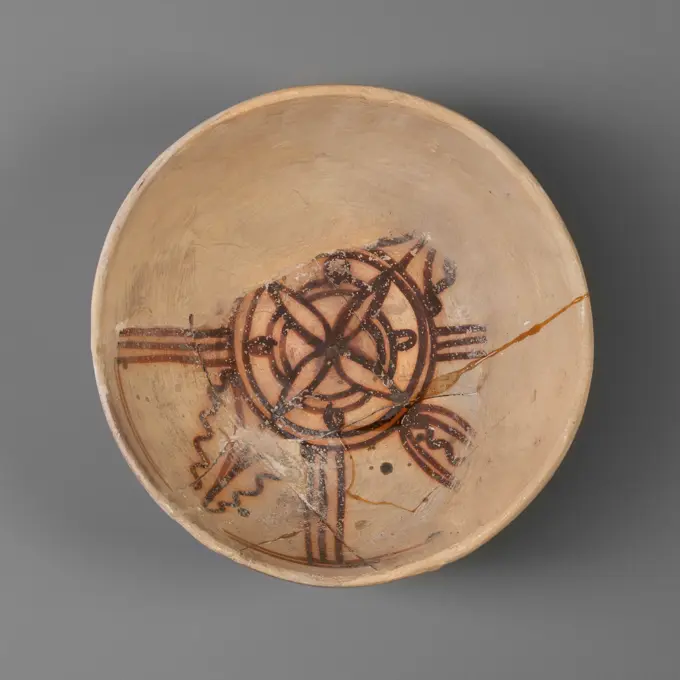
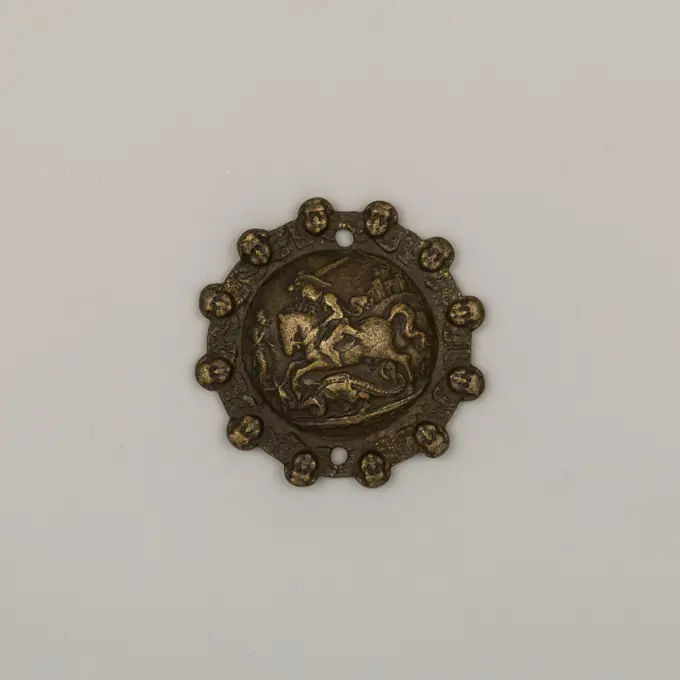
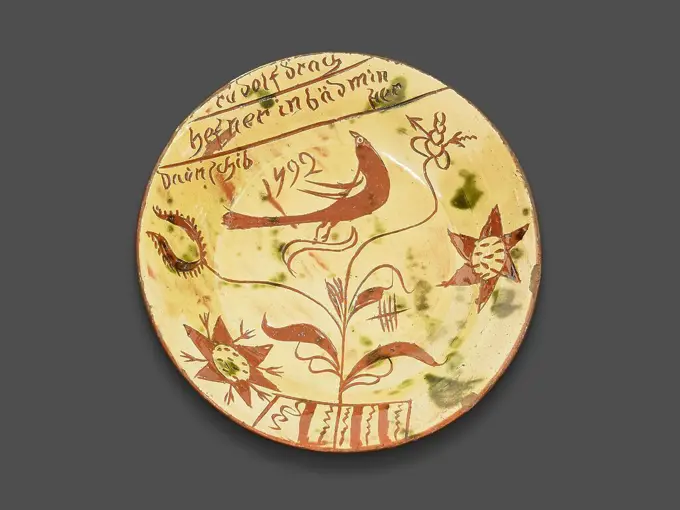
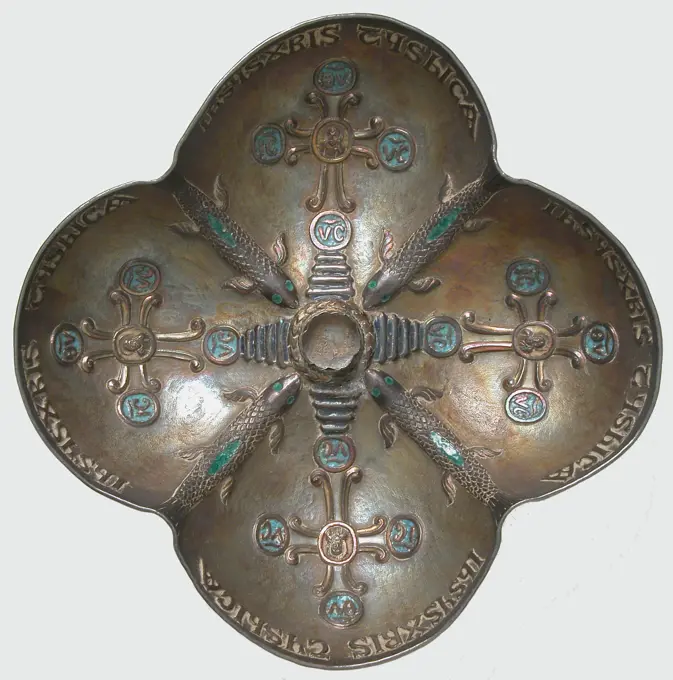
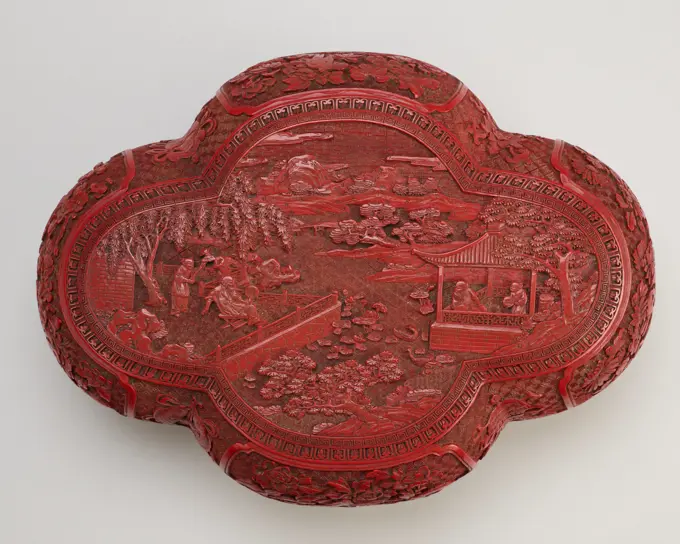
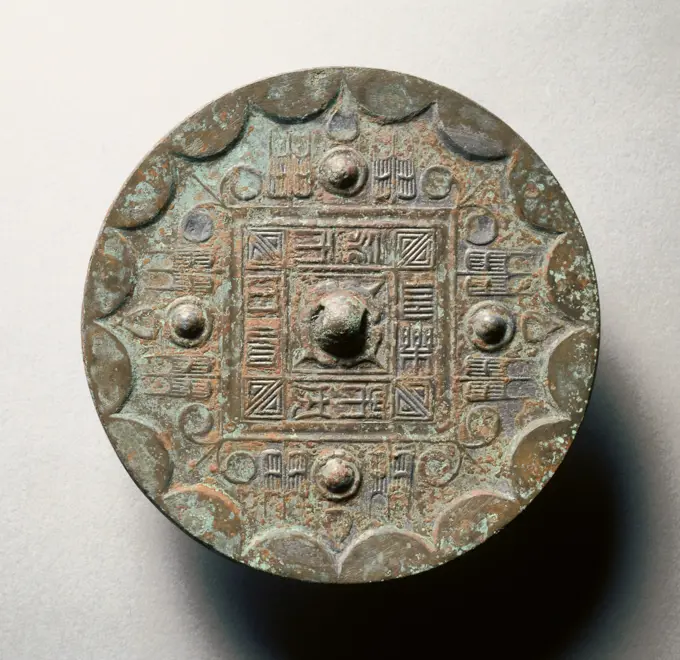
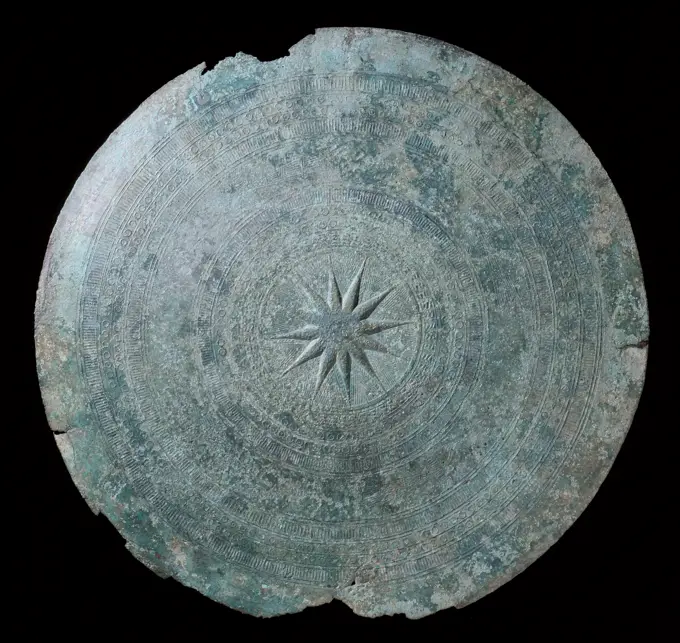
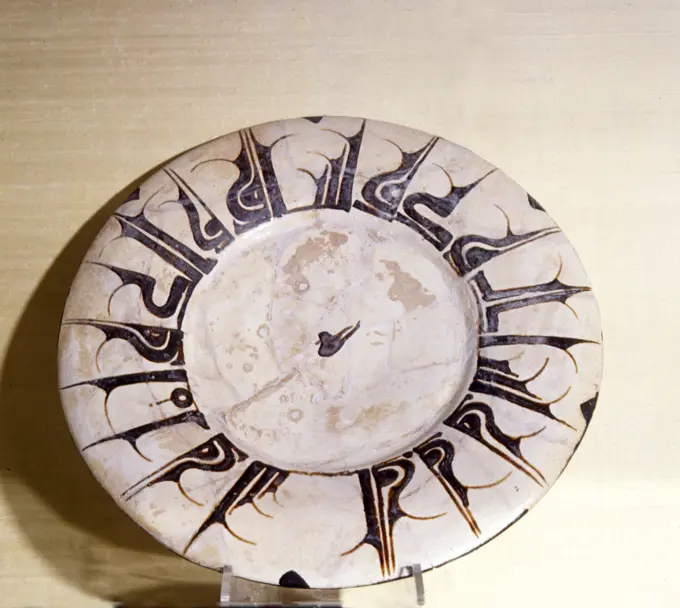
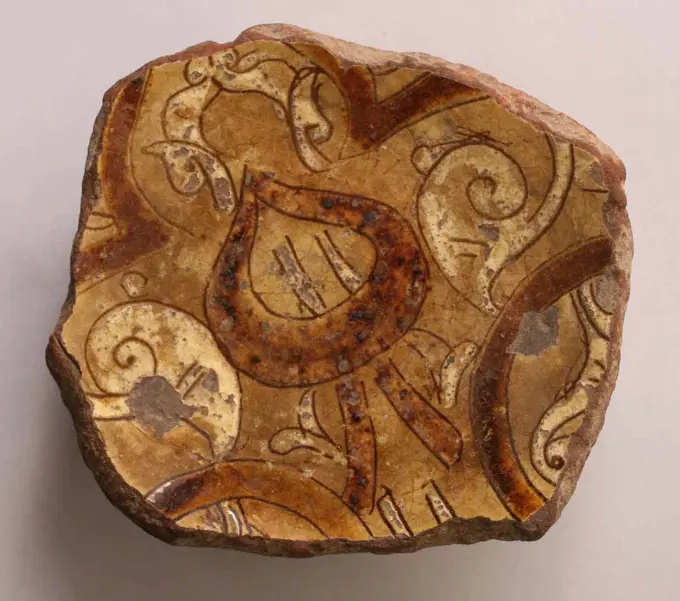
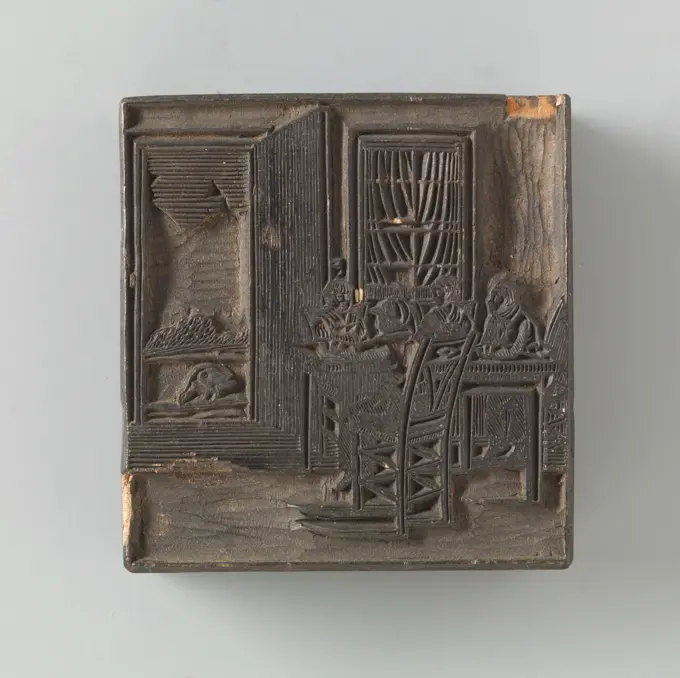
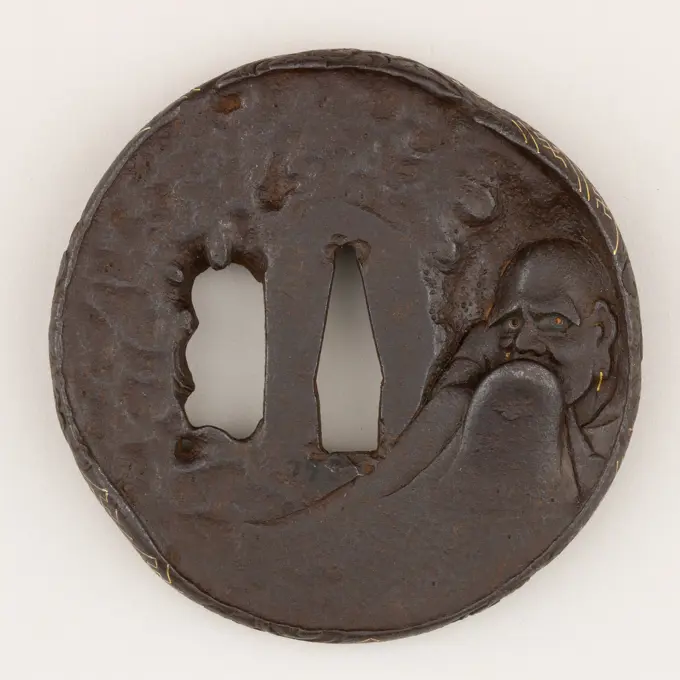
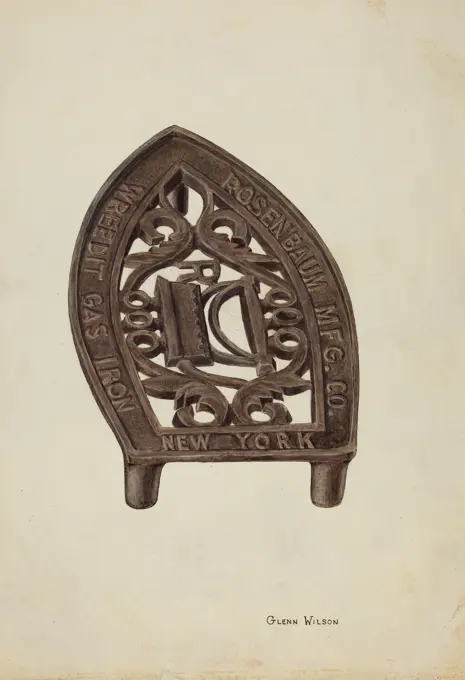
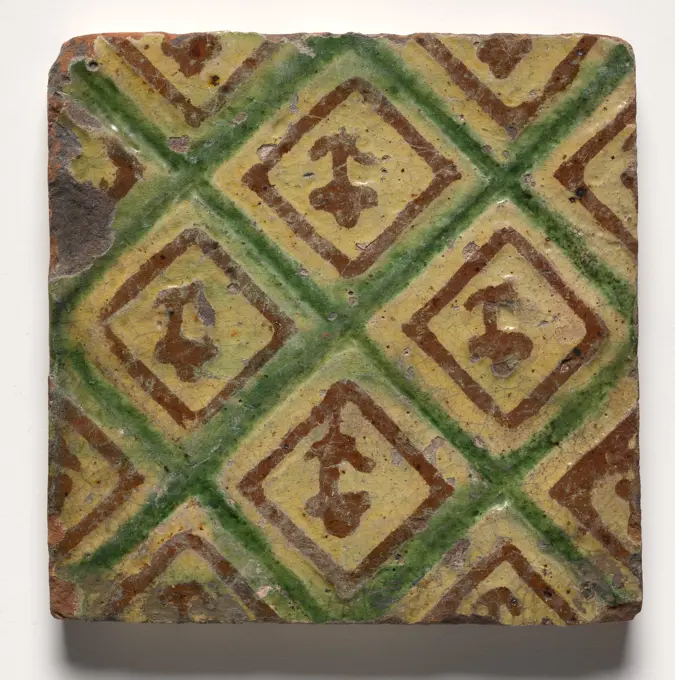
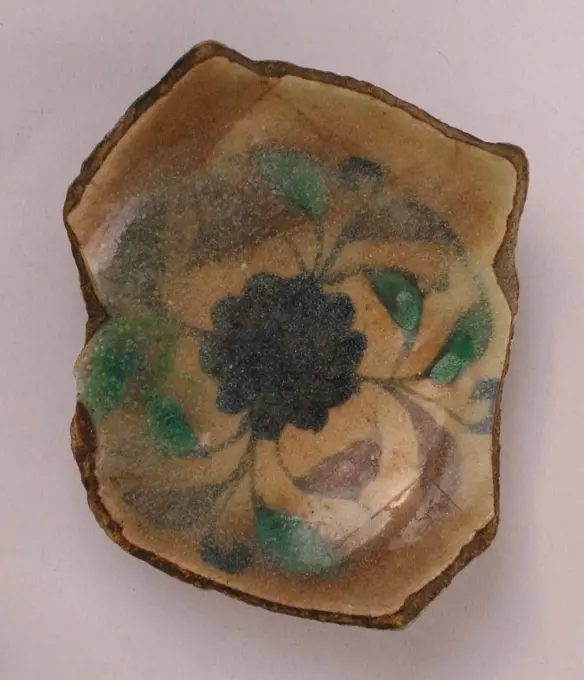
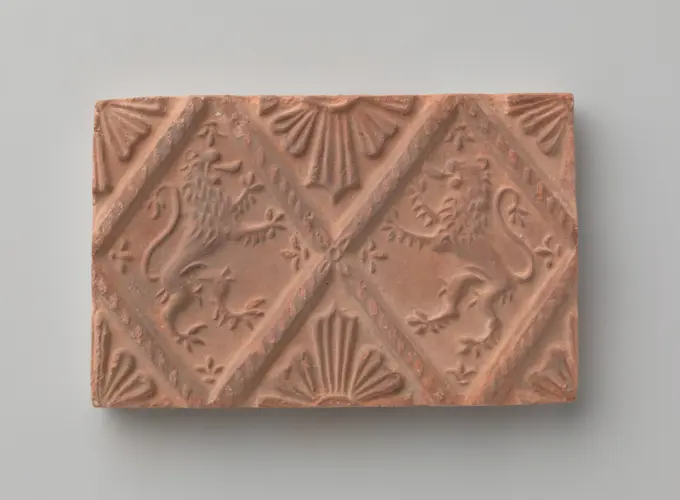
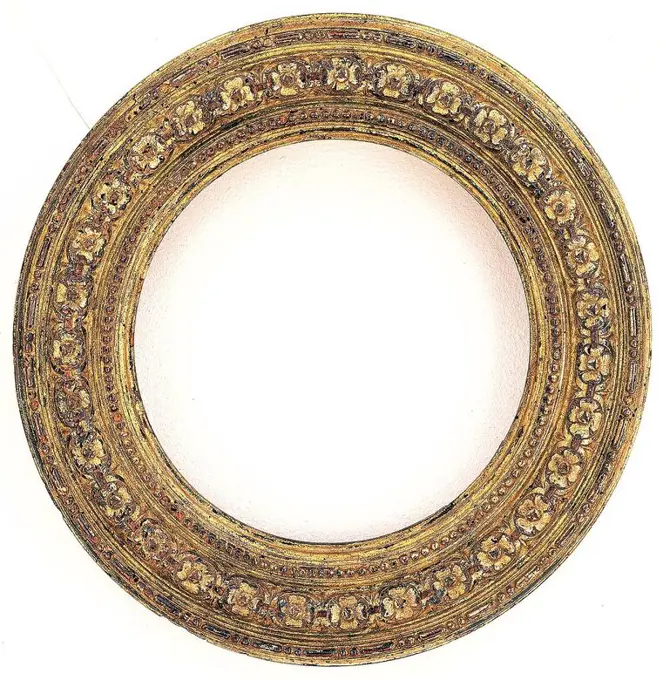
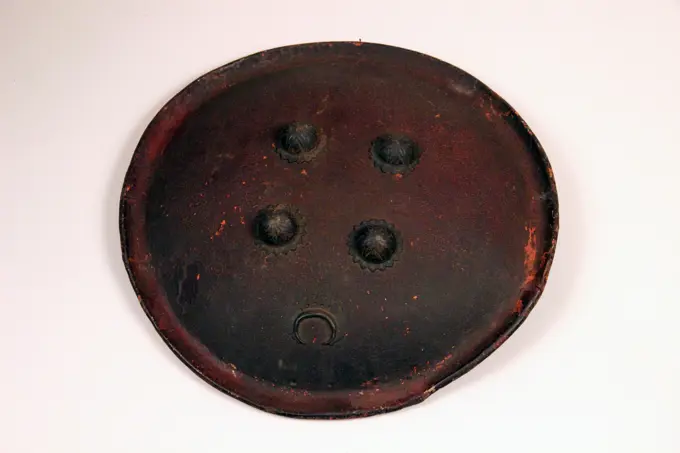
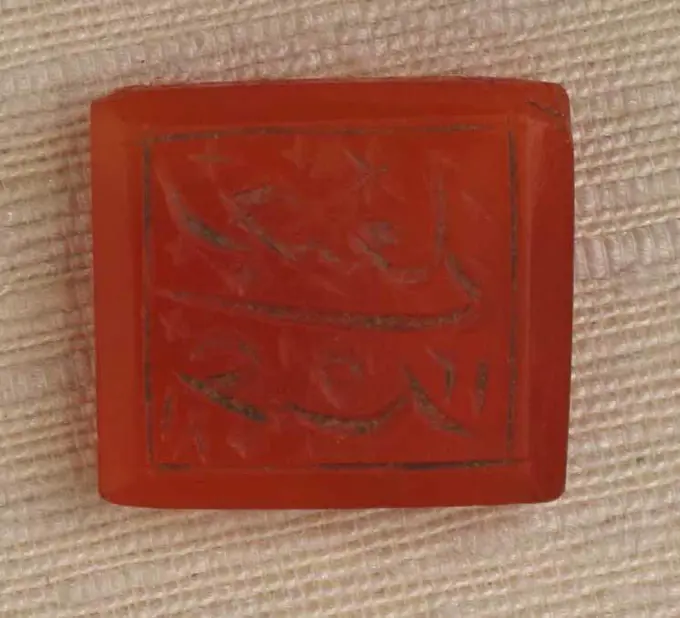
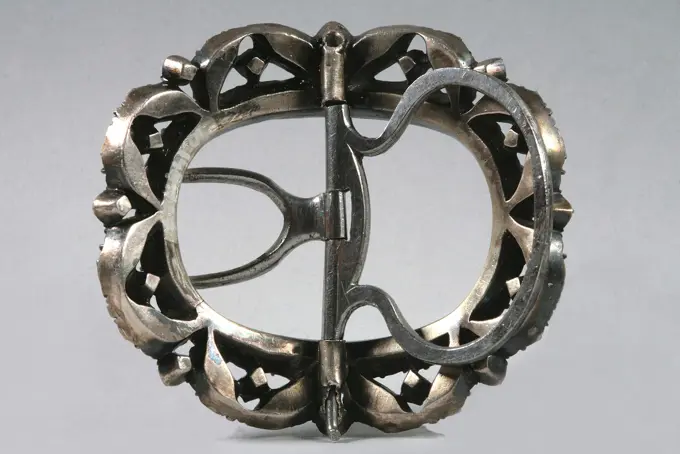
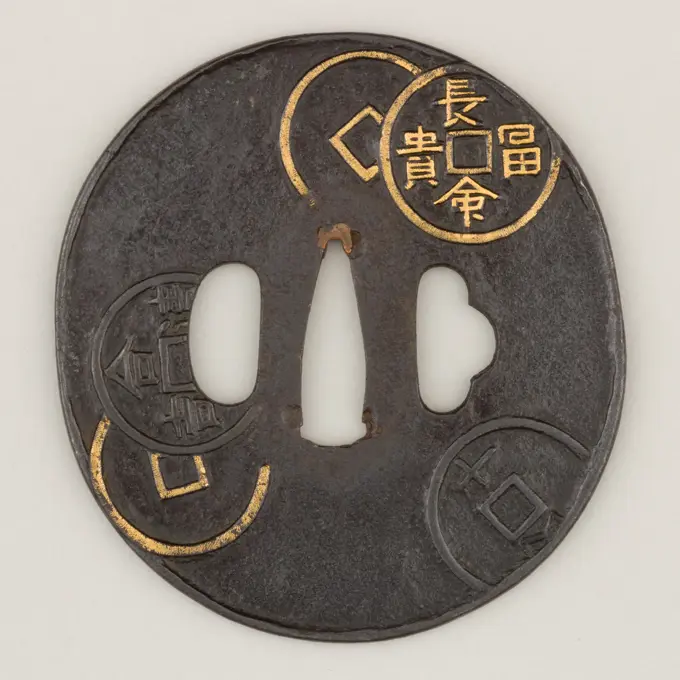
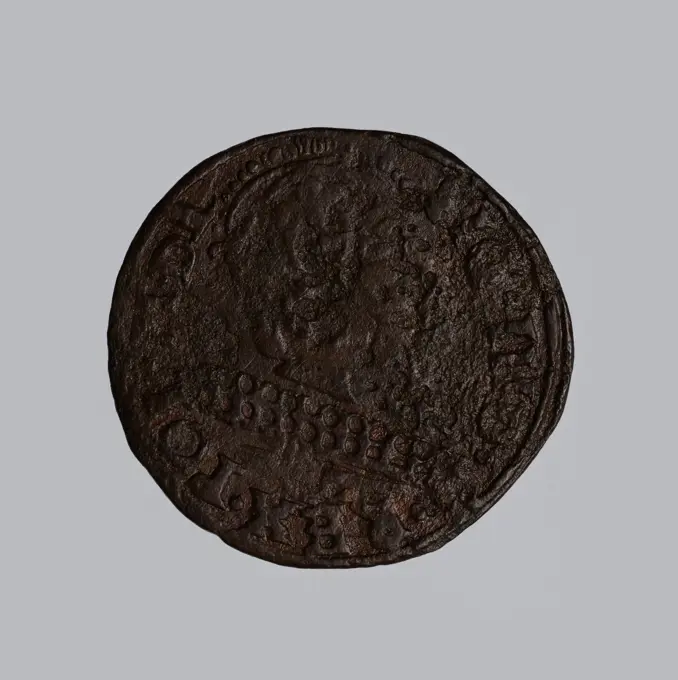
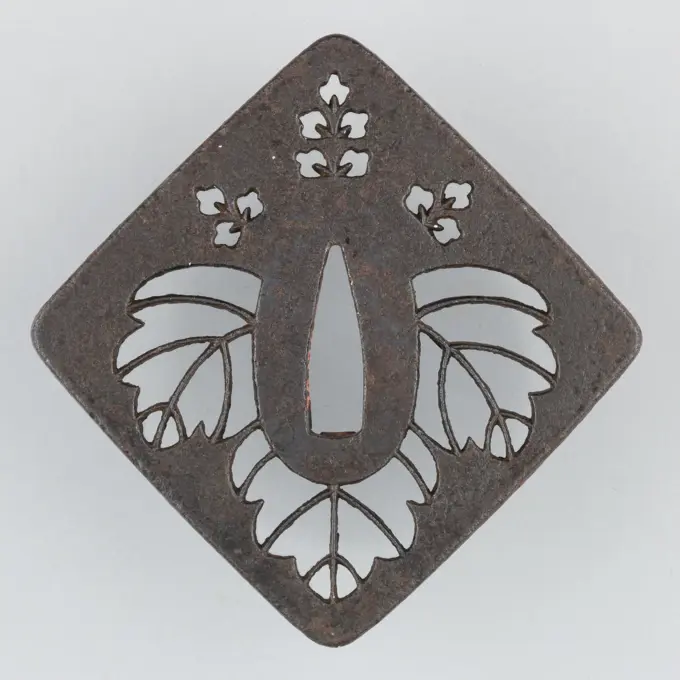
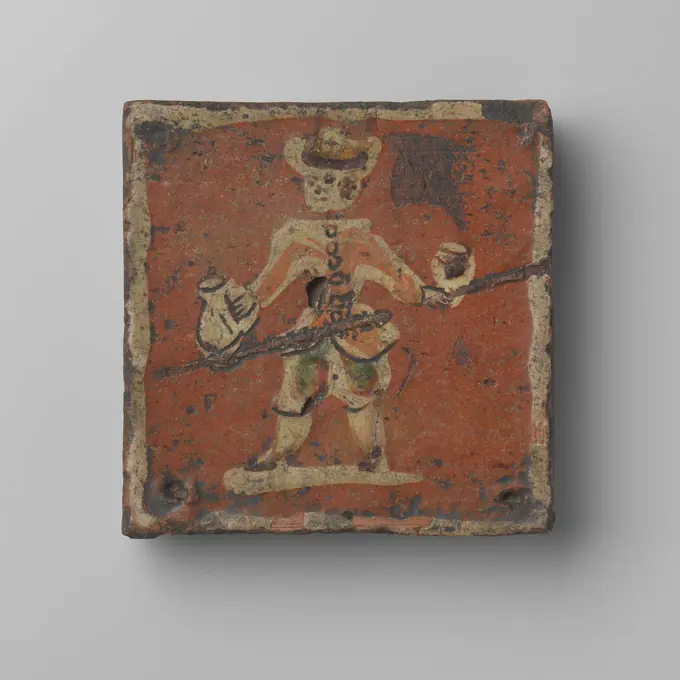
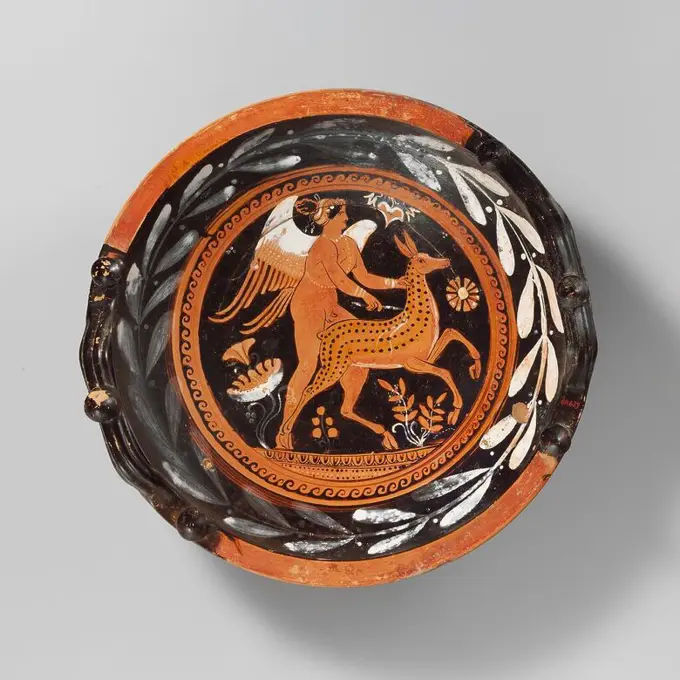
Sword Guard (Tsuba), c. 1800. Japan, Edo period (1615-1868). Iron; diameter: 8.1 cm (3 3/16 in.).Gaming Piece (reverse), c.1700. Martin Brunner (German, 1659-1725). Wood; diameter: 6.1 cm (2 3/8 in.); overall: 1.3 cm (1/2 in.).. Round tsuba with image in positive silhouette of two falcons on long cords falling; details in gold inserts; Signed "Goshu Hikone Ju Genjushi Yukinaga2016.49 View 3 of 7. Qibla Indicator, 1700-1825. Also known as Qibla Compass.. Qibla indicators are used to find the direction and time of prayer by Muslim worshippers. According to the central tenets (or five pillars) of Islam they must pray five times a day.William L Antrim, Pa German Dish, c 1938 Pa. German DishSword Guard (Tsuba) ca. 1615-1868 Japanese A tsuba is a sword guard and part of a sword mounting. It is mounted between the swords blade and grip to protect the users hands.. Sword Guard (Tsuba) 33465Silver mint brooch in the shape of a flower, c. 1940 - c. 1950 Silver mint brooch in the shape of a flower with a base hook closure. Central a coin with the sculptor of Wilhelmina, around six smaller coins with also the sculptor of Wilhelmina. Netherlands silver (metal) Silver mint brooch in the shape of a flower with a base hook closure. Central a coin with the sculptor of Wilhelmina, around six smaller coins with also the sculptor of Wilhelmina. Netherlands silver (metal)Butter pat, Meriden Silver Plate Company, 1869-1898, Gilt silver-plated metal, In the shape of an artist's palette with brushes., Meriden, Connecticut, USA, ca. 1880, metalwork, Decorative Arts, Butter patGlass Fragment 14th-15th century European. Glass Fragment. European. 14th-15th century. Colorless glass. Glass-StainedBowl with Engraved Figures of Vices, 1150-1200. Germany, Gothic period, 12th century. Bronze: spun, hammered, chased, and punched; overall: 6.1 x 29 cm (2 3/8 x 11 7/16 in.).Sword Guard (Tsuba) ca. 1615-1868 Japanese A tsuba is a sword guard and part of a sword mounting. It is mounted between the swords blade and grip to protect the users hands.. Sword Guard (Tsuba) 25771Bell-shaped Mirror, 918-1392. Korea, Goryeo period (918-1392). Bronze; overall: 15.6 x 9.6 x 0.4 cm (6 1/8 x 3 3/4 x 3/16 in.).Swan group (Swan Group). Set of miniature vases: "plate". Ceramics with black figures, without incisions, purplish red highlights, 550-540 BC. AD Museum of Fine Arts of the City of Paris, Petit Palais. 99932-7 Antiquity, ceramic with black figures, rehabilitated red purplish, vieme life VI 6th 6th 6th century before av. JC, ancientPlateSword Guard (Tsuba). Culture: Japanese. Dimensions: H. 2 11/16 in. (6.8 cm); W. 2 1/2 in. (6.4 cm); thickness 3/16 in. (0.5 cm); Wt. 3.1 oz. (87.9 g). Date: ca. 1615-1868. Museum: Metropolitan Museum of Art, New York, USA.Fragment of a small bowl without a foot; Unknown Nubian workshop; 2. PO. IX-1. after. 10th century (851-00-00-950-00-00);Nubian ceramics, floral decorations, geometric decorations, bowls on the foot, nubian vessels, painted nubian vessels, rosettes (ornament)Bit Boss with Saint George and the Dragon second half 16th century Italian Circled by a rim consisting of winged cherubs' heads, the central scene of this bit boss depicts Saint George on his horse waving his sword towards the dragon at his feet. He is surrounded by the princess on the left and a castle on the right.Bit bosses were ornamental elements decorating both sides of a horse bit. During this period they regularly displayed Christian or Ancient scenes often copied from medals and plaquettes.. Bit Boss with Saint George and the Dragon. Italian. second half 16th century. Copper alloy. Equestrian Equipment-BitsFrame for a fragment of stoneware, anonymous, c. 1800 - c. 1999 List belonging to Scherf van Steengoed with number BK-14712-1.  wood (plant material) List belonging to Scherf van Steengoed with number BK-14712-1.  wood (plant material)Bowl 10th century. Bowl 453304African metalwork shield from the Beja people in Sudan, 19th centuryAmulet plaque, group of deities. Amulet plaque, group of deities. Clay, glazed. Gold and Silverwooden board isolate on white wooden board isolate on white with clipping path - wood sign tag Copyright: xZoonar.com/DenisxMudrakx 9738559Sword Guard (Tsuba). Culture: Japanese. Dimensions: Diam. 2 15/16 in. (7.5 cm); thickness 3/16 in. (0.5 cm); Wt. 4.2 oz. (119.1 g). Date: ca. 1615-1868. Museum: Metropolitan Museum of Art, New York, USA.Plate. Rudolph Drach; American, 1759-after 1814; Bedminster Township, PA. Date: 1792. Dimensions: 28.7 × 4.8 cm (11 5/16 × 1 7/8 in.). Redware. Origin: Pennsylvania. Museum: The Chicago Art Institute, USA.Bowl 18th century Armenian. Bowl 467406CDK Unknown, Higo schoolQuadrifoil Box, one of a pair, 1662-1722, 4 1/8 x 8 1/4 x 11 in. (10.48 x 20.96 x 27.94 cm), Carved red lacquer (cinnabar), China, 17th-18th century, This pair of carved lacquer boxes presents scenes of scholars in landscape settings (top panels), and the eight Buddhist auspicious emblems (sides): the wheel, a conch shell, an umbrella, a canopy, a lotus flower, paired fish, a vase, and an endless knot. Pictorial carved lacquer was perfected during the early Ming dynasty (1368-1644) and remained popular into the 20th century. Beautiful and perfectly executed, covered boxes such as these would have held a variety of small objects in a wealthy household.Leather ottoman Retro leather ottoman isolated with clipping path included Copyright: xZoonar.com/Baloncicix 7323489Badge of graduation of the Officers' School of the Union of Active Combat, the so called Umbrella Miciński, W., Tetmajer, Włodzimierz (1861 1923)Luckenbooth brooch -Mirror with a Square Band, Four Nipples, and Grass Leaf Motifs, late 3rd century BC-1st century. China, Western Han dynasty (202 BC-AD 9). Bronze; diameter: 11.4 cm (4 1/2 in.); overall: 0.9 cm (3/8 in.); rim: 0.4 cm (3/16 in.).Plate Depicting the Watery Underworld. Mexico, Southern Campeche, Maya, 650-800 CE. Ceramics. Slip-painted ceramicBatter of a Missaalband, Anonymous, c. 1450 - c. 1500 Ten fittings of a missal band, from brass. The ten volumes are cut from copper plate, driven, engraved and sponed. A copper button with seven facets has sounded on each of them. They are equipped with holes on the corners or along the edge to be able to stock nails, with which they were contested on the book band. Four corner pieces have a rim turned backwards on two sides. The remaining four have that only on the top or bottom (these were placed against the back of the book). Two sides of each corner piece are trimmed with an open edge of cross flowers. The field in the middle is taken by three stilled tiflines. The ornament on the center pieces consists of a plant with three leaves and two flowers in a pot on the corners. The four parts in between are taken by fantasy drugs. Germany (possibly) brass (alloy) cutting / engraving Ten fittings of a missal band, from brass. The ten volumes are cut from copper plate, driven, engraved anRing 600 BCE-400 BCE China. Jade .Animal Ornament 6th-7th century Moche (Loma Negra). Animal Ornament. Moche (Loma Negra). 6th-7th century. Copper. Peru. Metal-OrnamentsPendant Disc. China. Date: 1000 BC-800 BC. Dimensions: Diam. 4.1 cm (1 5/8 in.); thickness 0.3 cm (1/8 in.). Jade. Origin: China. Museum: The Chicago Art Institute, USA.Sword Guard (Tsuba). Culture: Japanese. Dimensions: H. 3 1/2 in. (8.9 cm); W. 3 1/4 in. (8.3 cm); thickness 3/16 in. (0.5 cm); Wt. 5.7 oz. (161.6 g). Date: possibly 18th century. Museum: Metropolitan Museum of Art, New York, USA.Bowl with Stamped Comb Design and Flowers, 15th century, Unknown Korean, 3 5/8 x 7 1/4 x 7 1/4 in. (9.14 x 18.42 x 18.42 cm), Buncheong ware; earthenware with slip and underglaze iron brown, Korea, 15th century, The mode of decoration on this bowl is known as 'rope curtain,' because the rows of densely stamped circles resemble the thick, twisted rope curtain hung across doorways.Kettledrum Top. Northern Vietnam, Dongson culture, 500-400 B.C.. Tools and Equipment; musical instruments. Copper alloyFishplate. UnknownNishapur Dish , calligraphic plate, Koran text. IRAN 9th cent. AD.Fragment 14th-15th century. Fragment 445502Bowl with Reed Design late 17th century Japan. Bowl with Reed Design. Japan. late 17th century. Glazed stoneware (Mino ware, Kasahara Oribe type). Edo period (1615-1868). CeramicsThirteen hexagonal floor tiles, c. 1545 - c. 1570 Thirteen hexagonal floor tiles decorated with stylized petals. The edges are deposited with wide pisses. In the middle of a long side the coat of arms of the Montmorency family. Antwerp earthenware. tin glaze majolica Thirteen hexagonal floor tiles decorated with stylized petals. The edges are deposited with wide pisses. In the middle of a long side the coat of arms of the Montmorency family. Antwerp earthenware. tin glaze majolicaSword Guard (Tsuba). Culture: Japanese. Dimensions: Diam. 3 1/2 in. (8.9 cm); thickness 1/8 in. (0.3 cm); Wt. 3.3 oz. (93.6 g). Date: late 16th century. Museum: Metropolitan Museum of Art, New York, USA.Fragment of Coptic fabric unknownOval window daring house Delfshaven, Rotterdam, window ornament building component sandstone stone iron, sculpted Oeil-de-boeuf (oval window) decorated with scrollwork and two leaves at the top of face. At 10194 Rotterdam Delfshaven Waag The daredevil at Delfshaven indoors.Silver Dirham. Syria, Ayyubid, second half of 12th century. Tools and Equipment; coins. CoinSword Guard (Tsuba) 1858 Japanese A tsuba is a sword guard and part of a sword mounting. It is mounted between the swords blade and grip to protect the users hands.. Sword Guard (Tsuba) 30015Four children at a table, c. 1700 - c. 1899    wood (plant material)Sword guard (Tsuba) Depicting Bodhidharma (磨図鐔) 18th century Japanese The individual elements of the hilt of a Japanese sword are unique in the history of edged weapons in that they are intended to be seen both as funtional parts of the sword and as independent works of art. The most prominent of these elements is the tsuba, the disklike guard that separates the base of the blade from the top of the grip. The decoration of tsuba encompasses a wide range of themes: naturalistic scenes, secular stories, and, as this tsuba demonstrates, religious symbolism.This example is made of iron, chiseled in high relief and damscened with gold. It depicts a famous episode from the life of Bodhidharma, known in Japan as Bodaidaruma or Daruma, traditionally regarded as the twenty-eighth patriarch of Buddhism in India, who founded Ch'an Buddhism in China during the sixth century. Cha'an Buddhism, which developed out of the meeting of Indian Buddhism and the indigenous Taoism of China, was introduced iGlenn Wilson, Trivet, c 1941 TrivetGoldweight with a Geometric Design 1700-1899 Ghana. This rectangular brass-cast gold weight is crisscrossed by the swastika form. The designs of gold weights are incredibly diverseóconsisting of simple geometric designs in either high or low relief to representational sculptural forms based on items essential to West African life. Gold weights were used to measure gold dust, the local currency in the Akan-speaking regions of southern Ghana and the Ivory Coast between the 15th and the 20th centuries.ñPermanent Collection Object Description. Copper alloy . AsanteBrooch -Tile- Diamond Interlace, c 1700. Holland/ Netherlands, 18th century. Glazed ceramic; overall: 12.5 x 12.5 cm (4 15/16 x 4 15/16 in.).Shield 18th century. Shield 444623Dish. Culture: China. Dimensions: Gr. W. 3 7/8 in. (9.8 cm); Gr. L. 5 9/16 in. (14.1 cm); Gr. D. 1/4 in. (.6 cm). Museum: Metropolitan Museum of Art, New York, USA.Dish with chrysanthemum petal rim 18th century China. Dish with chrysanthemum petal rim 47400Sword Guard (Tsuba). Culture: Japanese. Dimensions: H. 3 1/8 in. (7.9 cm); W. 3 1/16 in. (7.8 cm); thickness 3/8 in. (1 cm); Wt. 6.9 oz. (195.6 g). Date: ca. 1615-1868. Museum: Metropolitan Museum of Art, New York, USA.Egyptian Faience amulet from an 18th Dynasty Tomb, circa 1400 BCESCUDOS DEL ARCHIDUQUE ALBERTO DE AUSTRIA (1559-1621). Location: PALACIO REAL-REAL ARMERIA DE MADRID. MADRID. SPANIEN.Table screen (username). Sandstone, molding, celadon, molded and openwork decor. Cernuschi Museum, Asia Museum of Asia in the city of Paris.Brooch ca. 1860 British. Brooch 123887Pallet ". Bois. Paris, Museum of Romantic Life. Wood palletTile with Bird insideWreathOld style plate with paintingTiles and ornaments from the palace of Ramesses II. Dimensions: Diam. 3.8 cm (1 1/2 in.); Th. 0.5 cm (3/16 in.). Dynasty: Dynasty 19. Reign: reign of Ramesses II. Date: ca. 1279-1213 B.C.. Museum: Metropolitan Museum of Art, New York, USA.Harness Trapping 5th century B.C. China. Harness Trapping 61131Ceremonial Shield 1400 A.D. Decorated with mosaic. MixtecFragment of a Bowl or Cup 13th-16th century. Fragment of a Bowl or Cup 452460Door handles. The handles are decorated with a five-clawed dragon. Each monster head holds the handle in its mouth. Monsters and dragons were appropriate motifs for door fittings as they warded off evil spirits.Hearing stone with representation of two climbing lions, c. 1875 - c. 1900 Hearing stone with representation of two climbing lions, placed in profiled window. The half windows at the top and bottom are filled with star motif. Netherlands earthenware Hearing stone with representation of two climbing lions, placed in profiled window. The half windows at the top and bottom are filled with star motif. Netherlands earthenwareTondo frame. Culture: Italian, Florence. Dimensions: Diam. 41, 25.2, 26.1-27 cm.. Date: 1520-40. Museum: Metropolitan Museum of Art, New York, USA.Panel 14th-15th century. Panel 445091Shield (Dhàl) 19th century Indian. Shield (Dhàl) 31801Brooch 8th century B.C. European Bronze Age. Brooch 478181Shield. Culture: British. Dimensions: Diam. 14 1/4 in. (36.2 cm); Wt. 5 lb. (2.27 kg). Date: ca. 1500. Museum: Metropolitan Museum of Art, New York, USA.Decorative Door Boss And Nail; wrought iron; Frame H x W x D: 1 × 8.4 × 8.4 cm (3/8 × 3 5/16 × 3 5/16 in.) H x diam.: 6.9 × 2.1 cm (2 11/16 × 13/16 in.)Astrolabium, Nikolaus Rugendas (3), 1700 - 1750 Compass-Zonnewijzer of brass and iron eight-sided on 3 legs. Decorated and a circular glass lid in the middle. Augsburg brass (alloy) Compass-Zonnewijzer of brass and iron eight-sided on 3 legs. Decorated and a circular glass lid in the middle. Augsburg brass (alloy)Sword Guard (Tsuba) early 18th century Japanese A tsuba is a sword guard and part of a sword mounting. It is mounted between the swords blade and grip to protect the users hands.. Sword Guard (Tsuba) 30087French medal struck to commemorate the first human steps taken on the moon. The hours, minutes and seconds are given in Paris time. Dated 20th centurySeal Stamp dated A.H. 1281/ A.D. 1864-65. Seal Stamp 452238Loop . Interior band composed of 24 stones, wavy openwork exterior strip.Lead wreath of lotus buds. Culture: Greek, Laconian. Dimensions: Height: 3/8 in. (0.9 cm). Date: 6th-5th century B.C..Small flat votive figurines of cast lead have been found in great quantities at the ancient sanctuaries of Laconia; over one hundred thousand, dating from the seventh century B.C. to the Classical period, were dedicated to the goddess Artemis Orthia in Sparta. Museum: Metropolitan Museum of Art, New York, USA.Sword Guard (Tsuba) 17th century Japanese A tsuba is a sword guard and part of a sword mounting. It is mounted between the swords blade and grip to protect the users hands.. Sword Guard (Tsuba) 34933Slot plat, c. 1400 - c. 1950 A lock plate in the form of a porch with columns. Columns are missing.  iron (metal) A lock plate in the form of a porch with columns. Columns are missing.  iron (metal)Fragment of a Bowl 14th-15th century. Fragment of a Bowl 445548False Coin, Crown Three Groschen, 1622, Sigismund III Vasa (1587 1632)Keeshondje, anonymous, 1784 - 1787  Keeshondje, one -sided silver oval openwork plaque, representing dog with pointed mouth, hairy head and neck with moons, smooth abdomen and long -lengthed tail, which with loop striked back on back under a tree for dog shock; In the foreground feeder on chain and bone. Netherlands silver (metal)  dogMedal commemorating the 50th anniversary of the Compagnie de 1602 AssociationSword Guard (Tsuba) 18th century Japanese A tsuba is a sword guard and part of a sword mounting. It is mounted between the swords blade and grip to protect the users hands.. Sword Guard (Tsuba) 26267Bliżej Kultury Bukowski, Jan (1873 1943), Henryka Waldyna Cyzlerski StudioTile of lead glazing pottery. Tile decorated with a standing figure with hat and in his hands a glass and can.Terracotta kylix (drinking cup) Attributed to Makron ca. 480 BCE Interior, youthExterior, obverse and reverse, youthsThe charm and sense of verisimilitude in this cup come from the simplicity and directness of the decoration. The youth on the interior is an integral part of the world depicted on the exterior, which in turn is that of the symposium (drinking party). The homogeneity or continuity between the work of art and the context in which it was used is an important ingredient in understanding these objects. View more. Terracotta kylix (drinking cup). Attributed to Makron. Greek, Attic. ca. 480 BCE. Terracotta; red-figure. Classical. VasesFerdinand Levillain (1837-1905). "Bacchus medal plate kills the snake". Metal, cast iron. Museum of Fine Arts of the City of Paris, Petit Palais. 57551-12 Roman divin, cast iron, metal, numismatics, medal plate, snake, killTerracotta lekanis (dish). Culture: Greek, South Italian, Apulian. Dimensions: diameter 11 13/16in. (30cm). Date: ca. 340-320 B.C..Interior, Eros and deerExterior, obverse and reverse, woman's head. Museum: Metropolitan Museum of Art, New York, USA.Good luck. , Horseshoes, 19th Century American Trade CardsGhosts of Warsaw, Fryderyk August (1807-1815), 3 grosze, Warsaw; 1812 Mint Warsaw, Fryderyk AugustStampGrahal-Manzara. Carnavalet 2013-2016 collection sites. Numismatics.