Ornamental Metalwork

Varied ornamental metal objects from different cultures, including dishes, sword guards, and decorative elements, showcasing intricate designs and historical craftsmanship.

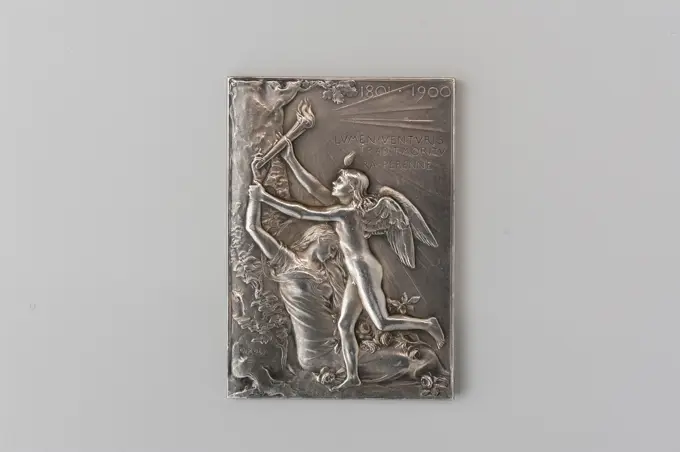
Jules Desbois (1851-1935). Flat. Bronze. Museum of Fine Arts of the City of Paris, Petit Palais. 79583-2 Bronze, dishes, 19th 19th 19th 19 19th 19th century, dish
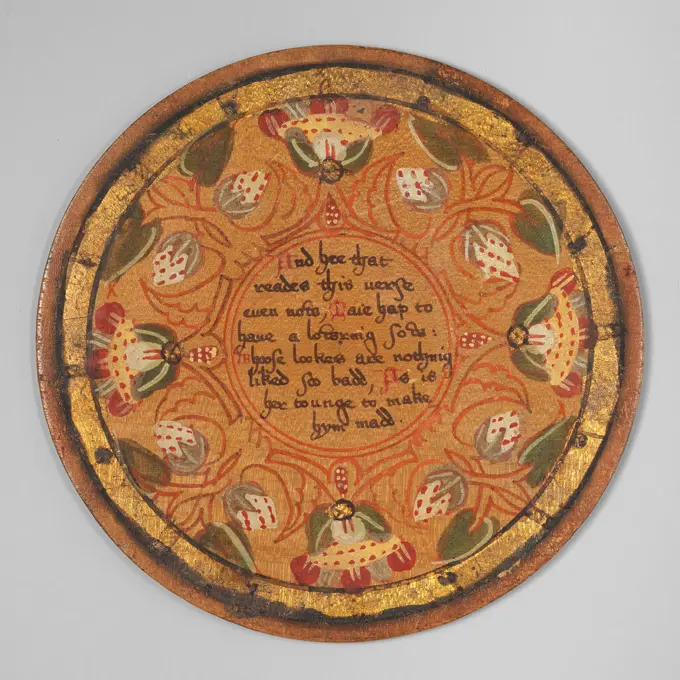
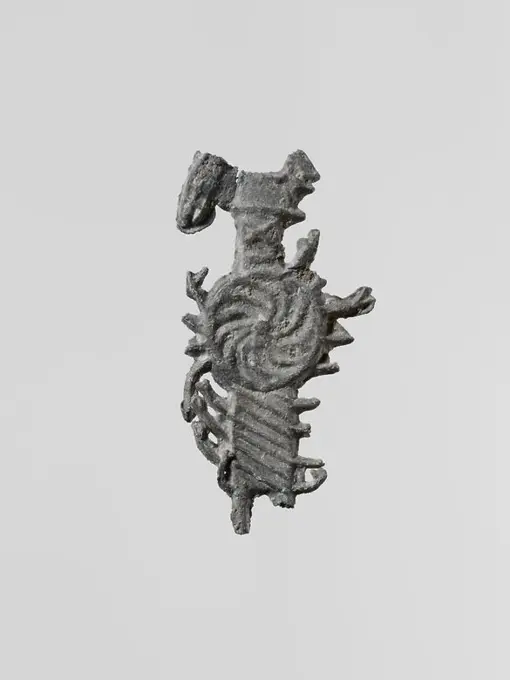
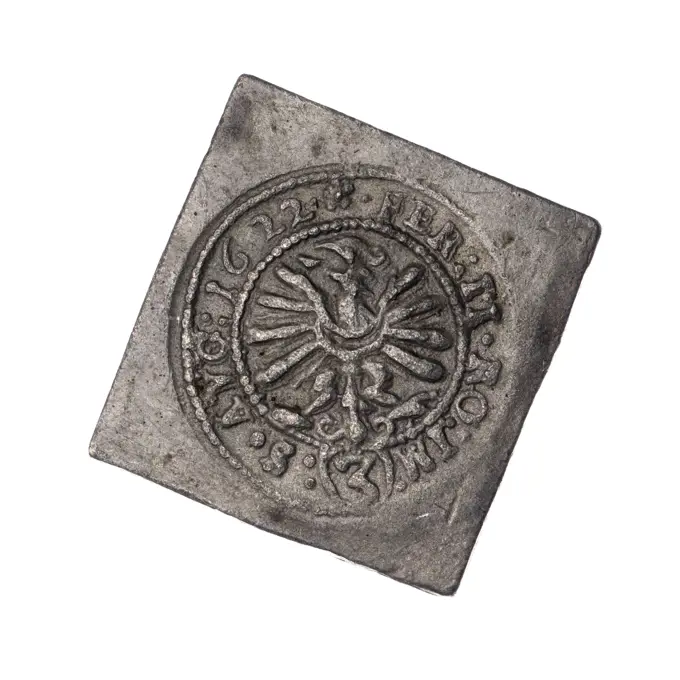
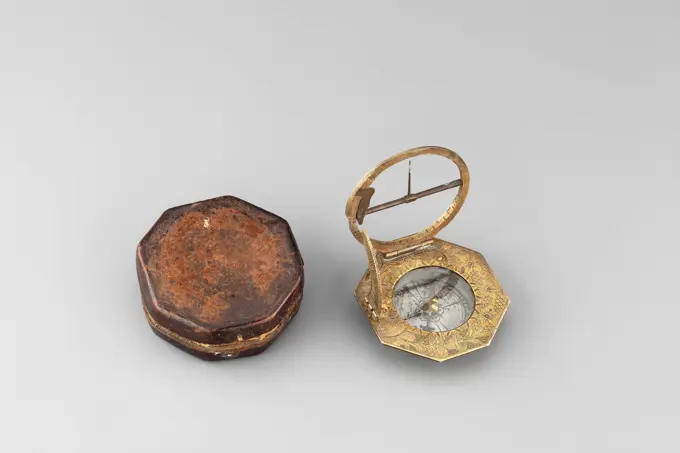
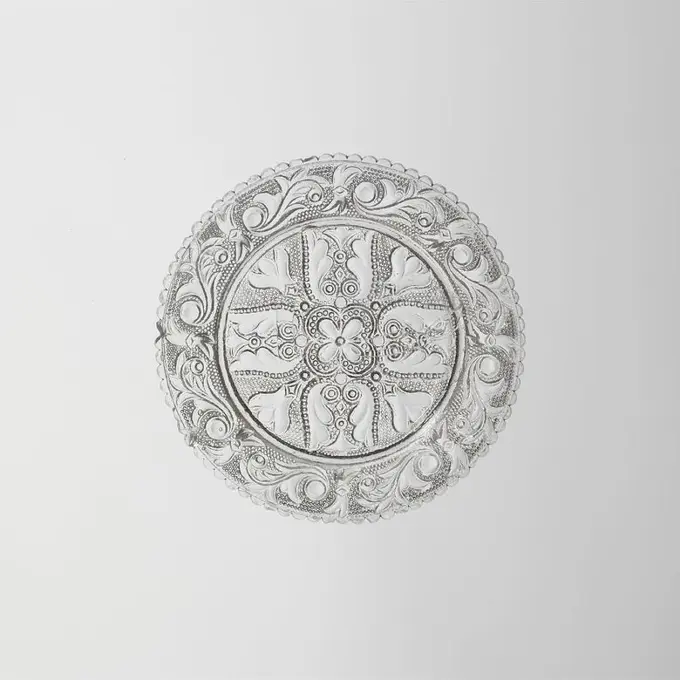
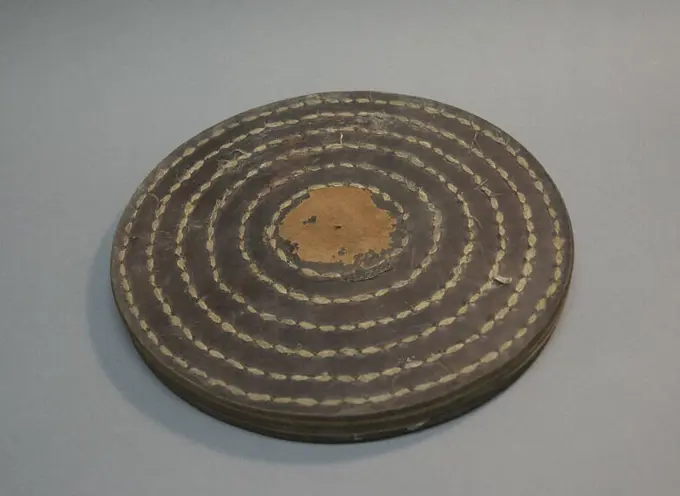
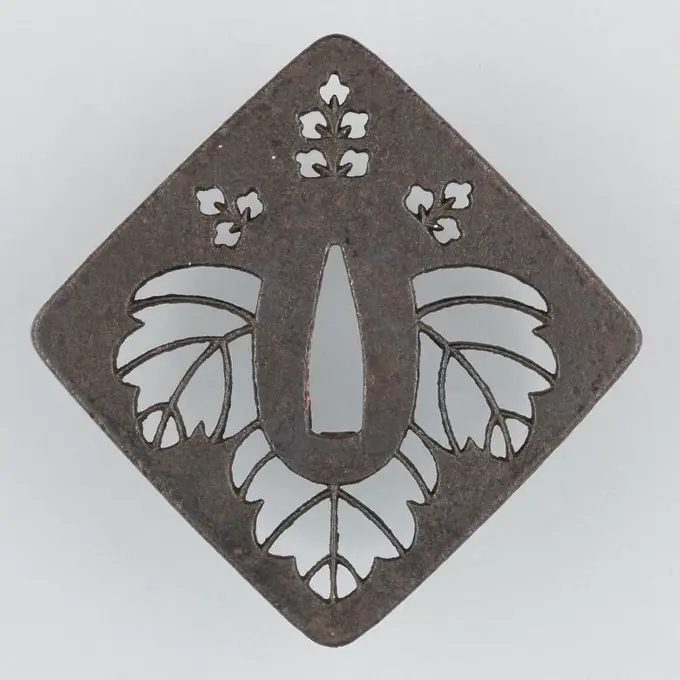
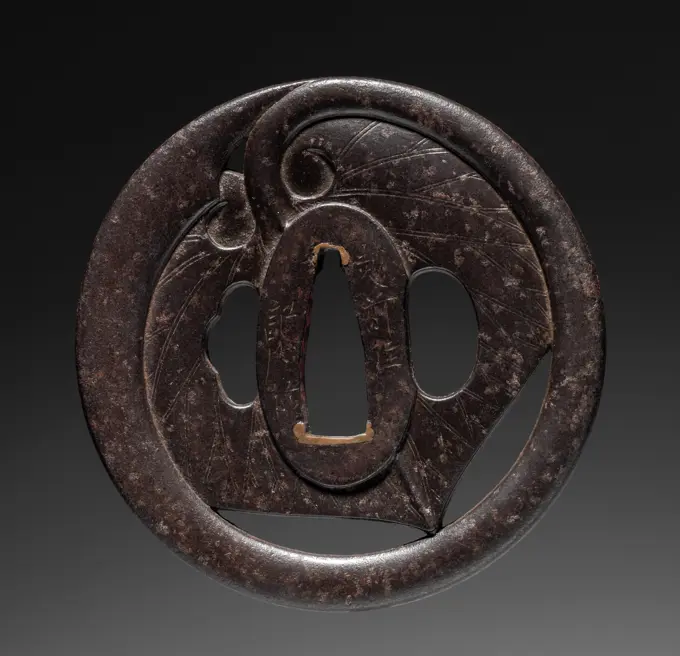
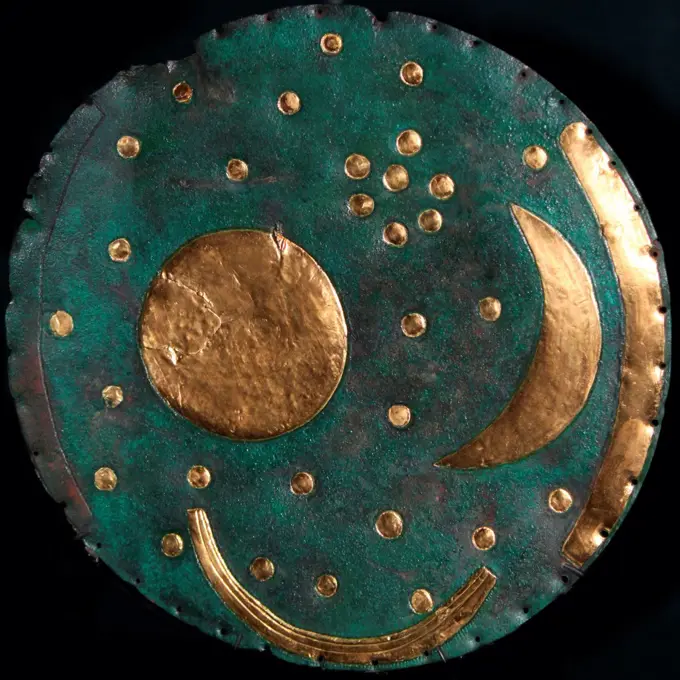
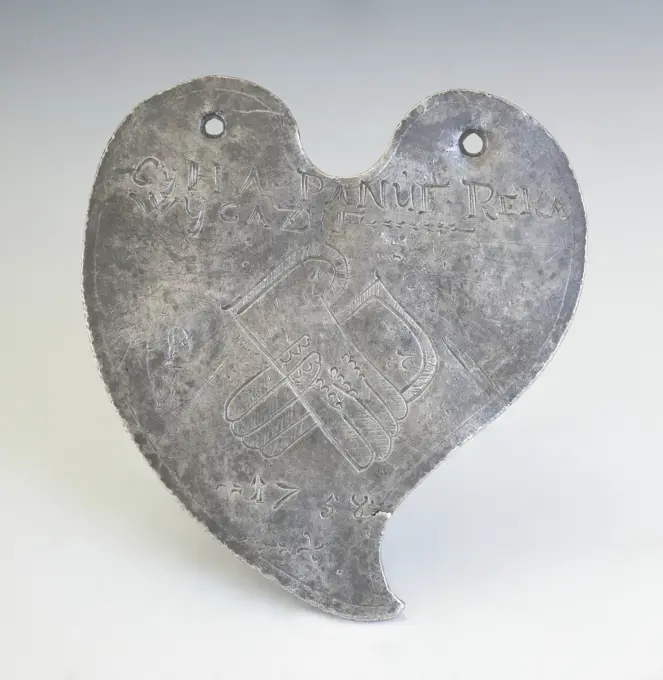
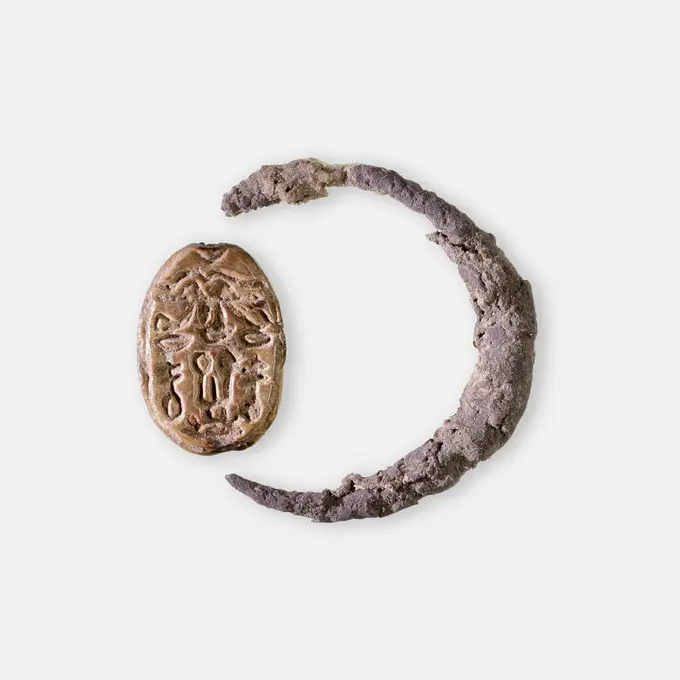
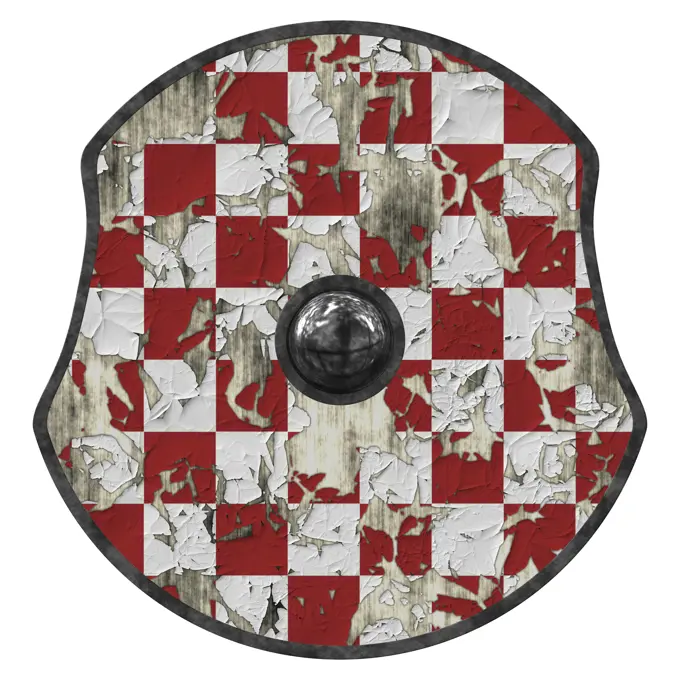
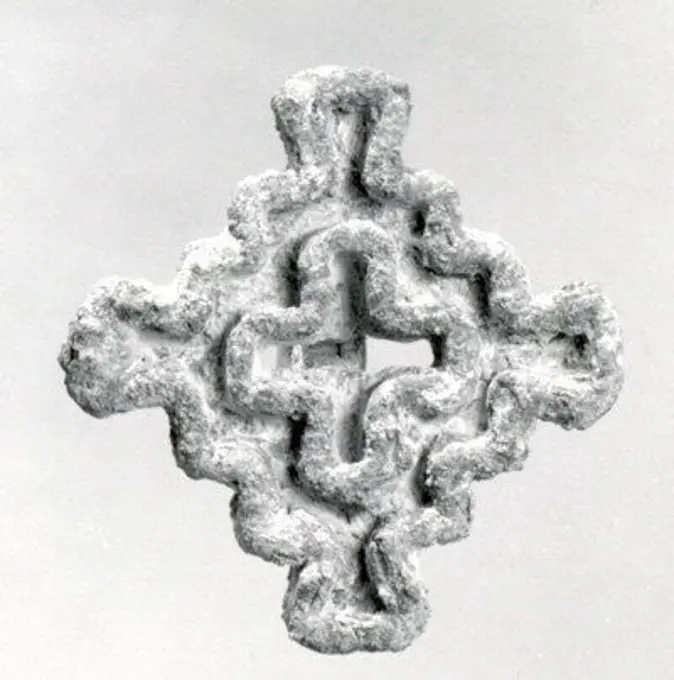
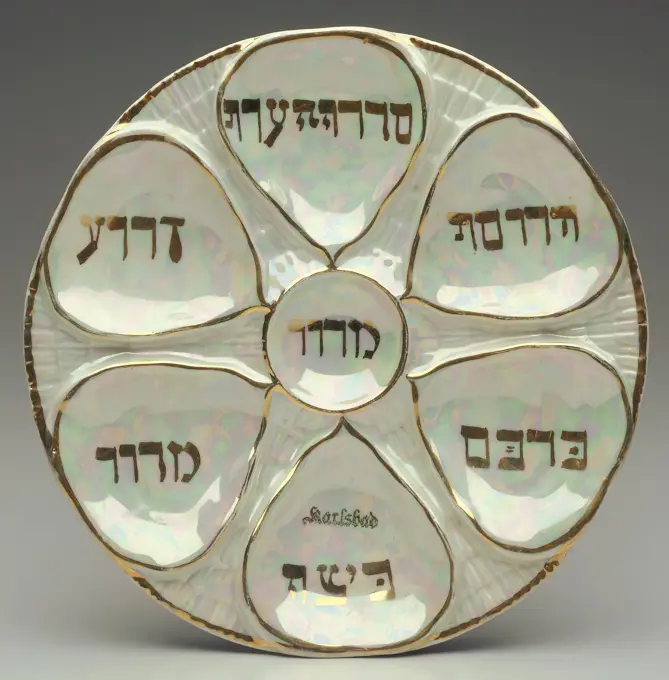
Three medallions with Moresken, 1506 - 1551 print The medallions are surrounded by Arabesken and an edge of Moresken. From series of 9 sheets France (possibly) paper  mirrorMatchsafe; brass; Overall: 4.7 cm (1 7/8 in.)Base of a cast bronze bowl. Dated 2nd Century BCTrencher (one of a set). Culture: British. Dimensions: Diameter: 5 in. (12.7 cm). Date: late 16th-early 17th century.Banquets usually ended with candied fruits or other sweetmeats served on such decorative "spice dishes" of silver or wood. The gold effects were achieved with yellow varnish over a layer of silver-leaf. The verses were written in Black Letter script, with elaborate capital letters in Lombardic script. The verses, either amusing or moralizing, were shared with the other diners. Museum: Metropolitan Museum of Art, New York, USA.Lead figure of a goddess with a shield, spear, and aegis, probably Athena. Culture: Greek, Laconian. Dimensions: Height: 1 5/8 in. (4.1 cm). Date: 6th-5th century B.C..Small flat votive figurines of cast lead have been found in great quantities at the ancient sanctuaries of Laconia; over one hundred thousand, dating from the seventh century B.C. to the Classical period, were dedicated to the goddess Artemis Orthia in Sparta. Museum: Metropolitan Museum of Art, New York, USA.3 Krajcary Clip Mennicz's attempt; Ferdynand II Habsburg (Roman-German emperor; 1617-1637); 1622 (1622-00-00-1622-00-00);Madonna with the Child (iconogr.), R8 (rare), clip, city coins, Silesian Eagle (iconogr.), Eagles, Mennicza attemptPulley-Shaped Earrings Japan. Pulley-Shaped Earrings 53626Grahal-Manzara. Carnavalet 2013-2016 collection sites. Numismatics.Sundial with a compass and a sextant in a sheath. unknown, authorCarnavalet museum, medal collectionTAPA DEL CALIZ DE CARLOS III EL NOBLE. Author: SEPULVEDA FERNANDO. Location: MUSEO DE NAVARRA. Pamplona. NAVARRA. SPAIN.Cup Plate. Dimensions: Dimensions unavailable. Date: 1825-60. Museum: Metropolitan Museum of Art, New York, USA.Badge of a member of the Citizens 'Citizens' City of WarsawPolishing wheel for jade. Culture: China. Dimensions: H. 3/4 in. (1.9 cm); Diam. 8 3/8 in. (21.3 cm). Date: 20th century.These wheels are made of soft materials and are used for polishing works of jade. They are first smeared with a paste made of fine abrasives and water, and then mounted on a spinning shaft driven by foot treadles. This setup frees both of the craftsman's hands to manipulate the jade. Museum: Metropolitan Museum of Art, New York, USA.Sword Guard (Tsuba). Culture: Japanese. Dimensions: H. 2 5/8 in. (6.7 cm); W. 2 5/8 in. (6.7 cm); thickness 3/16 in. (0.5 cm); Wt. 4.1 oz. (116.2 g). Date: 18th century. Museum: Metropolitan Museum of Art, New York, USA.Sword Guard (Tsuba). Culture: Japanese. Dimensions: H. 3 1/4 in. (8.3 cm); W. 3 1/4 in. (8.3 cm); thickness 3/16 in. (0.5 cm); Wt. 3.2 oz. (90.7 g). Date: 18th century. Museum: Metropolitan Museum of Art, New York, USA.Plate with Winged Griffin, 500s-600s. Soghdia, Hephtalite Period, 6th-7th Century. Silver; diameter: 4 x 32 cm (1 9/16 x 12 5/8 in.).Sword Guard (Tsuba) with Hollyhock, c. 1615-1868. Japan, possibly Edo period (1615-1868). Iron; diameter: 7.8 cm (3 1/16 in.).Bronze bowl found at Nimrud, Iraq. 8th century BC. British Museum. London. GBR.Agriculture. Mint: France Engraver: Marie-Alexandre-Lucien Coudray, French, 1864-1932Batter of a Missaalband, Anonymous, c. 1450 - c. 1500 Ten fittings of a missal band, from brass. The ten volumes are cut from copper plate, driven, engraved and sponed. A copper button with seven facets has sounded on each of them. They are equipped with holes on the corners or along the edge to be able to stock nails, with which they were contested on the book band. Four corner pieces have a rim turned backwards on two sides. The remaining four have that only on the top or bottom (these were placed against the back of the book). Two sides of each corner piece are trimmed with an open edge of cross flowers. The field in the middle is taken by three stilled tiflines. The ornament on the center pieces consists of a plant with three leaves and two flowers in a pot on the corners. The four parts in between are taken by fantasy drugs. Germany (possibly) brass (alloy) cutting / engraving Ten fittings of a missal band, from brass. The ten volumes are cut from copper plate, driven, engraved anThe Nebra Sky disk by Prehistoric art   / State Museum of Prehistory, Halle / ca. 1600 BC /Bronze / Objects / D 30Golden Artifact From Yotoco Malagana Tribe In The Gold Museum In La Candelaria, The Old Town Of Bogota, ColombiaCDK Unknown, Higo school, Hayashi from KasugaMedal (reverse), 1914-1918. Emile André Boisseau (French, 1842-1923). Bronze; overall: 7 x 5.8 cm (2 3/4 x 2 5/16 in.).Compartmented stamp seal ca. late 3rd-early 2nd millennium B.C. Bactria-Margiana Archaeological Complex. Compartmented stamp seal. Bactria-Margiana Archaeological Complex. ca. late 3rd-early 2nd millennium B.C.. Copper alloy. Bronze Age. Bactria-MargianaButton, Pearl, shell, brass, copper, glass, Flat circular button with shanks, varying., On card 31, France, 19th century, costume & accessories, Decorative Arts, ButtonGuildMohur of Akbar (r. 1556-1605). India, Mughal empire, 1578-1580. Tools and Equipment; coins. GoldScarab Ring of Ruiu. Dimensions: L. 1.5 cm (9/16 in.); W. 1 cm (3/8 in.); H. 0.5 cm (3/16 in.); Diam. of ring 2.5 cm (1 in.). Dynasty: Dynasty 18, early. Reign: reign of Thutmose I-early sole Thutmose III. Date: ca. 1504-1447 B.C.. Museum: Metropolitan Museum of Art, New York, USA.Viking shield An illustration of a medieval viking shield Copyright: xZoonar.com/magannx 1156578Decoration vintage wall tileCompartmented stamp seal ca. late 3rd-early 2nd millennium B.C. Bactria-Margiana Archaeological Complex. Compartmented stamp seal 326879Sword Guard (Tsuba) ca. 1615-1868 Japanese A tsuba is a sword guard and part of a sword mounting. It is mounted between the swords blade and grip to protect the users hands.. Sword Guard (Tsuba) 34406Presentation at a Bollard at Public Street Land, Berlin, Germany 1020926707Detector lock with key, John Wilkes (slotenmaker), c. 1675 - c. 1700 The iron mechanism consists of a bolt to be shifted with a button and a lock, with a shot shifted by a closing. It is mounted on an iron cover plate and caught in a yellow -cut locking cupboard, on which a door button, a man figure and a number plate are applied. The actual lock mechanism is also protected by two iron cover plates on the inside. the bastate from a cross and strip occupation, on which the beautifully elaborated shape of the key beard fits and from the two entered at the lap (so that the key must be turned twice to shift the lap completely) and the ferry hammer (who in the lap in shifted to stand). Above the lap is the key, which can be moved with the doorbell, and whose suspended effect can be blocked by sliding the man's hat on the lock cabinet. The profiled round door knob is placed on a multi -pointed star. The male carries a sliding hat, holds a pointed stick in front of him and has one movable lowSeder plate, c. 1880-1890, 1 5/16 x 9 1/2 in. (3.33 x 24.13 cm), Ceramic, Czechoslovakia, 19th-20th century, This Seder plate was owned by a German Jewish couple who escaped from Germany in 1938 to Shanghai, China. They subsequently immigrated to the United States, where the donor obtained the plate from them.Golden sun handcraft from Mediterranean isolated on black backgroundBliżej Kultury unknown