Ornamental Metalwork

A collection of decorative metal objects including bit bosses, mirrors, and decorative plates. Each piece showcases intricate patterns and cultural motifs, highlighting craftsmanship.
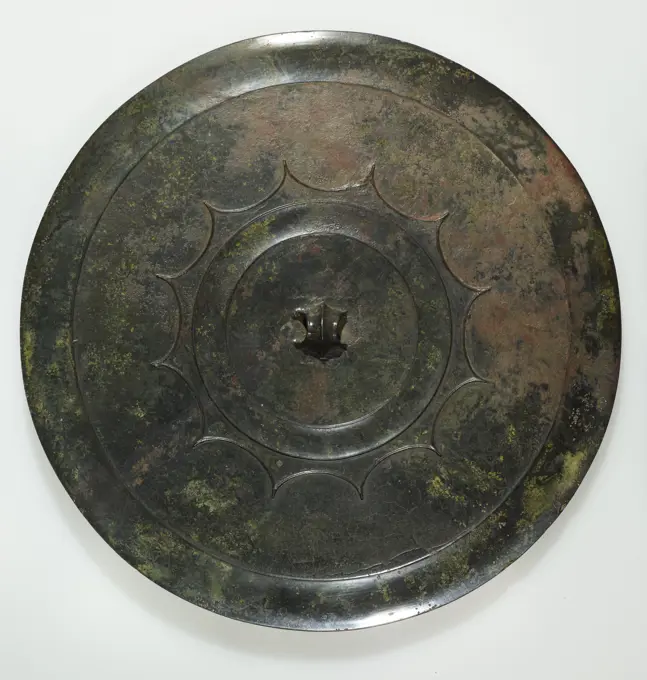
Mirror with abstract decor, 4th century BCE, 8 3/4 in. (22.23 cm) (diameter), Bronze, China, 4th century BCE
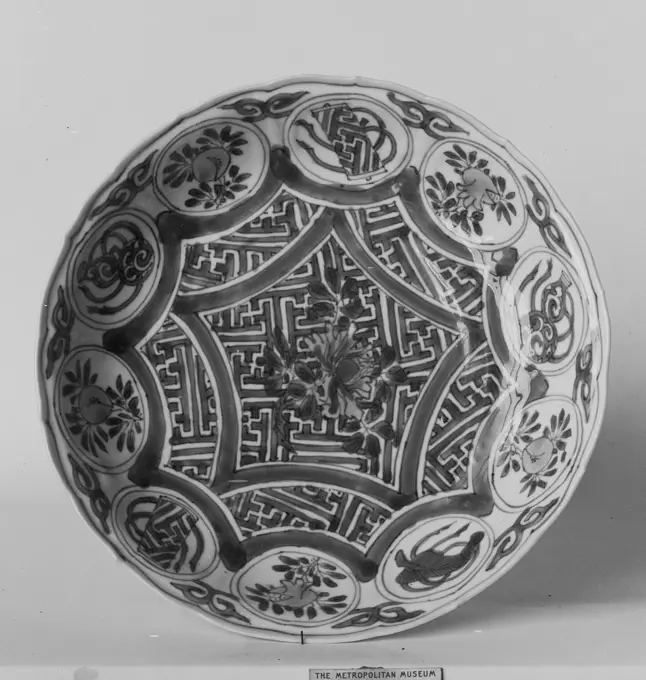
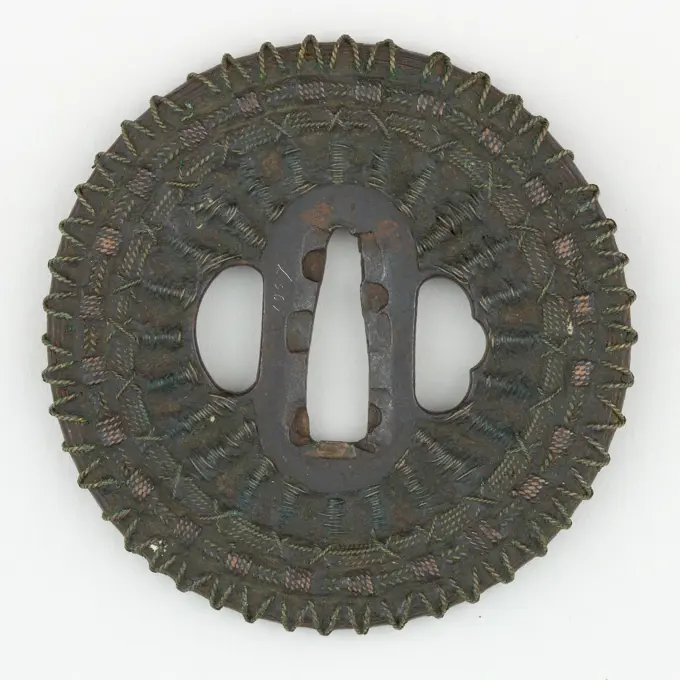
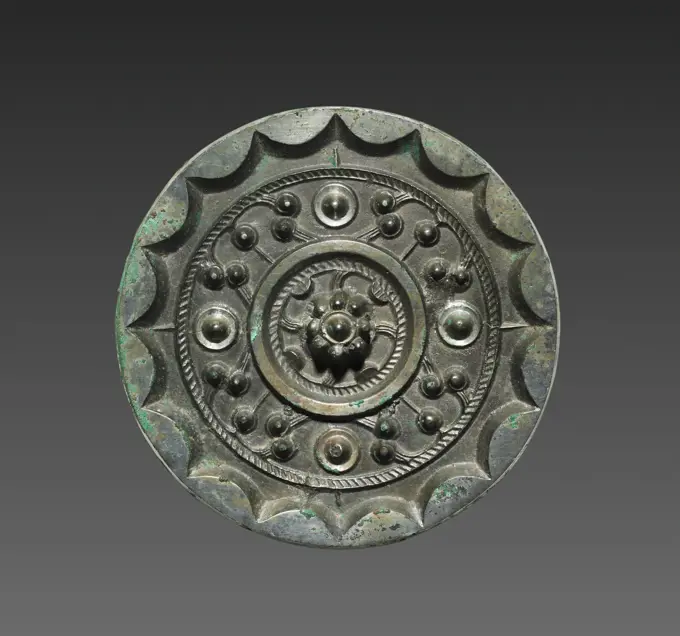
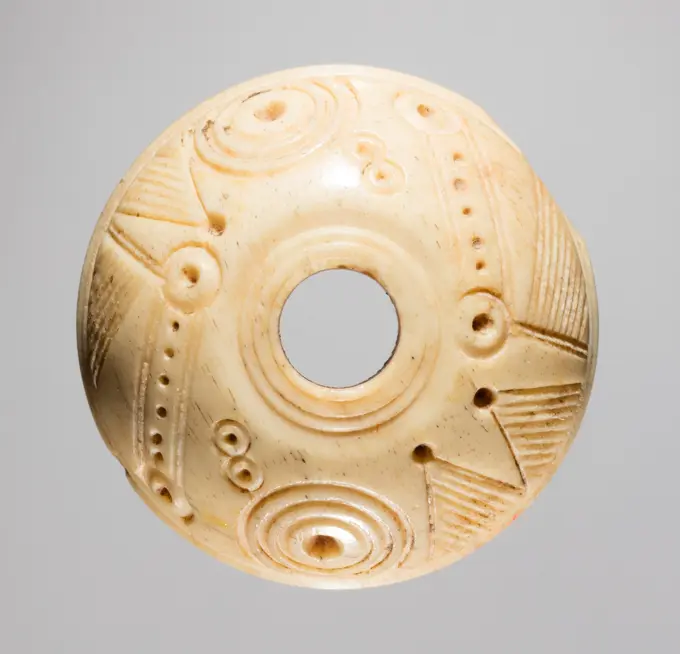
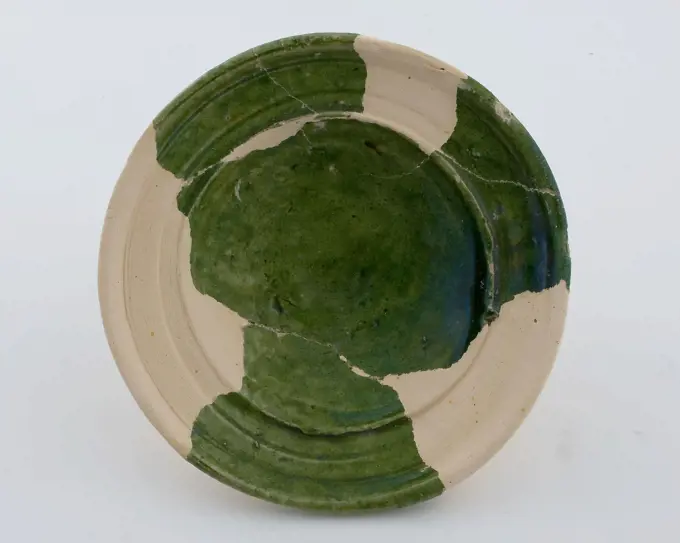
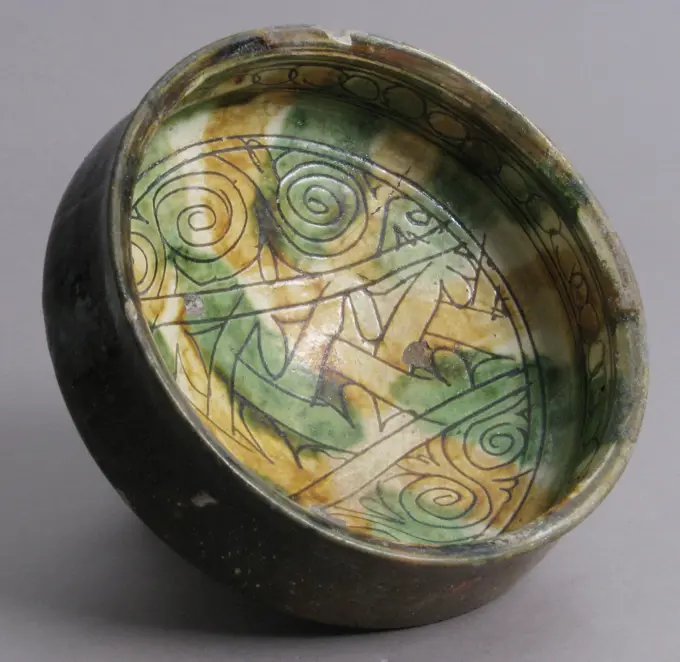
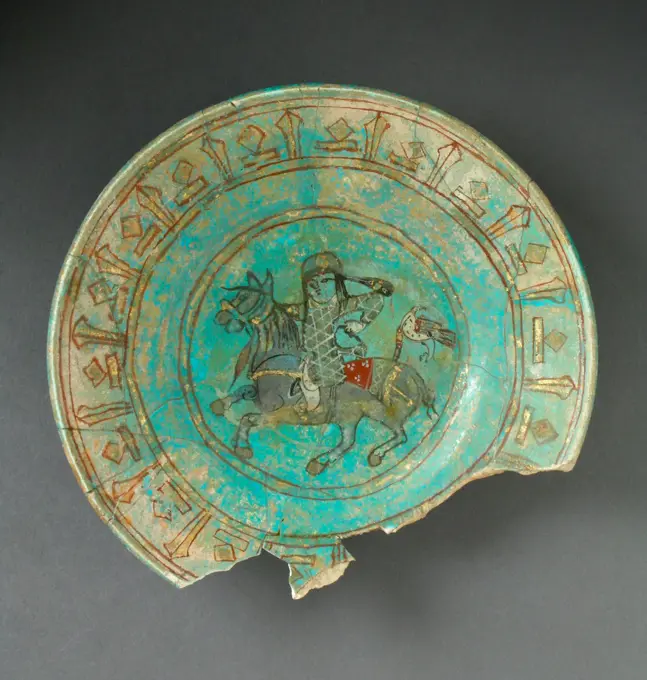
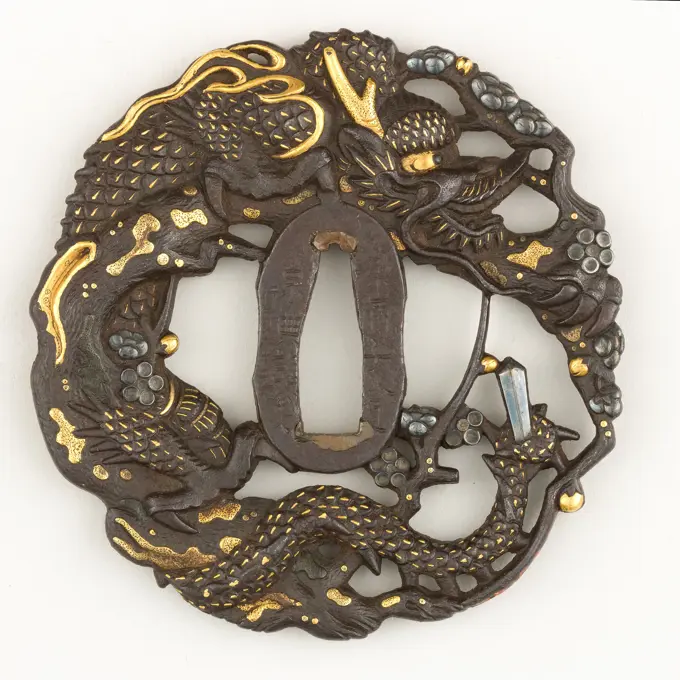
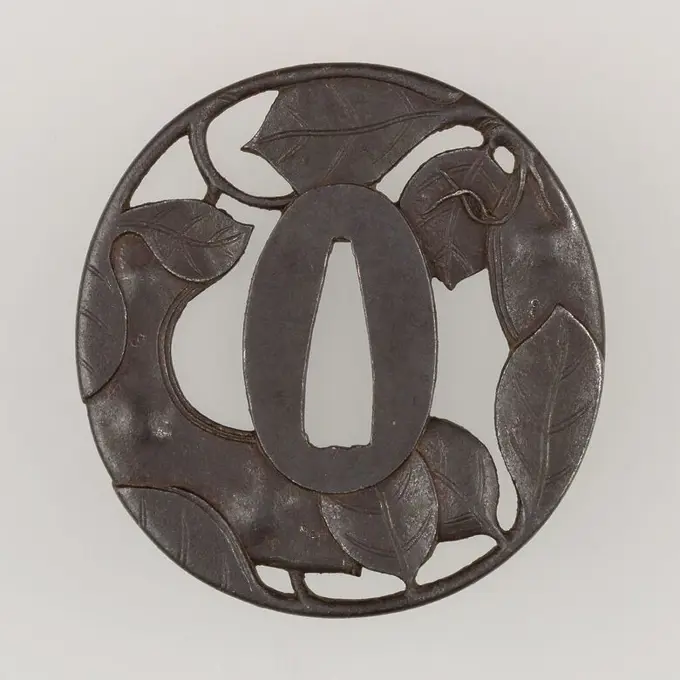
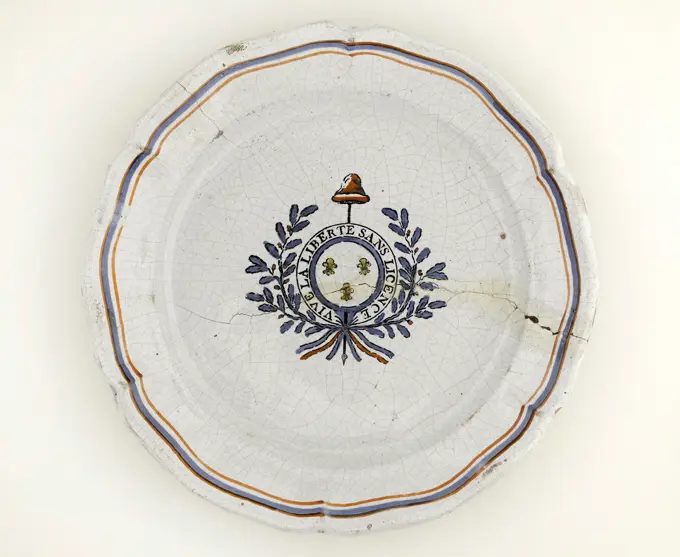
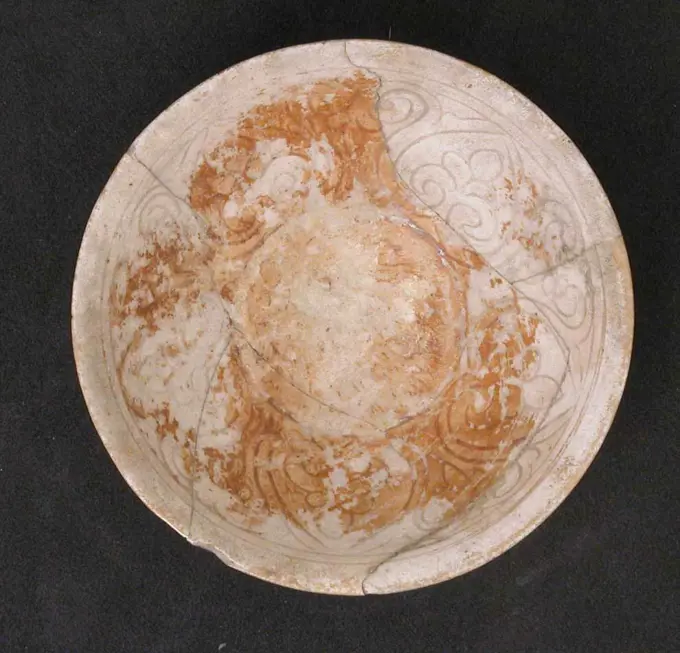
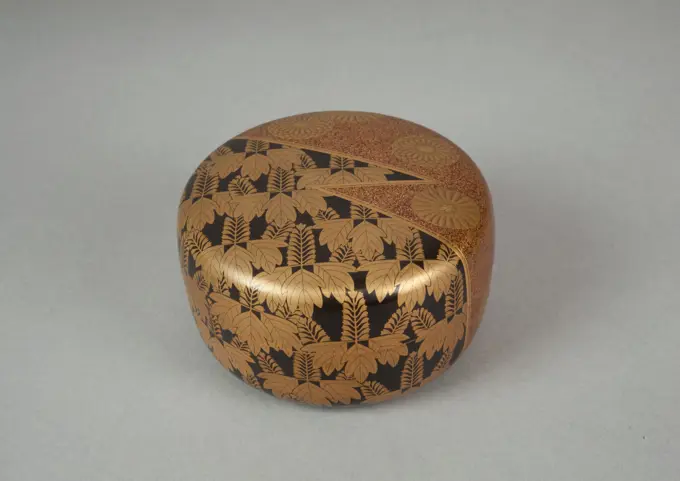
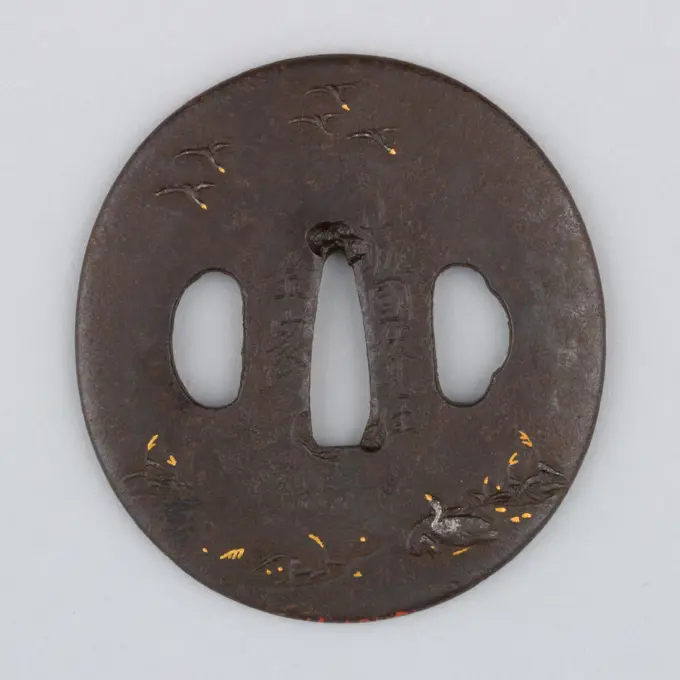
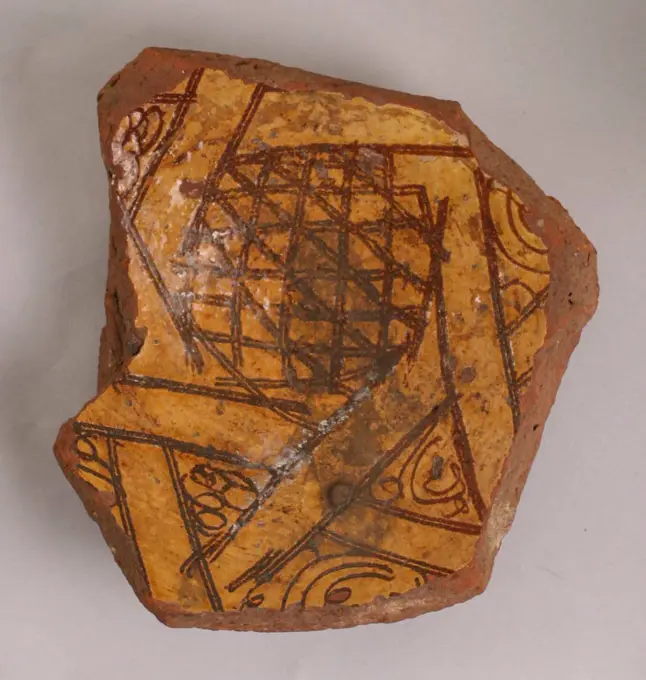
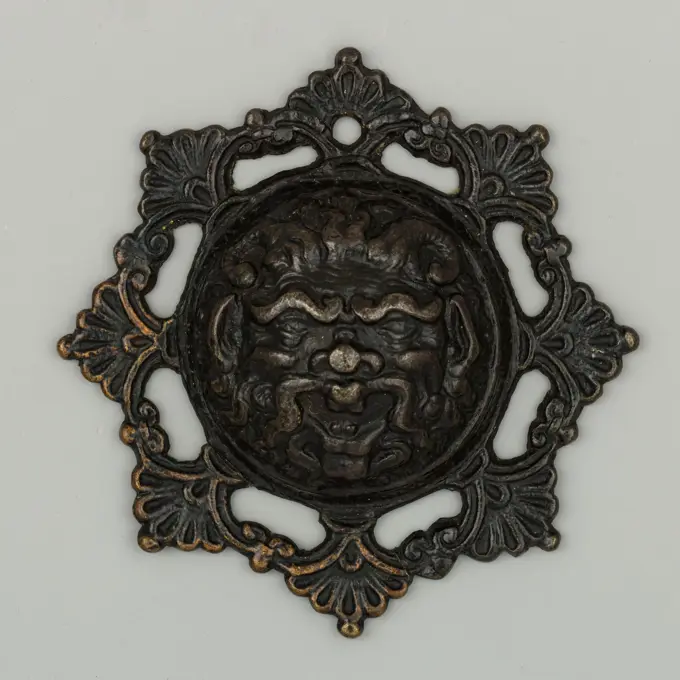
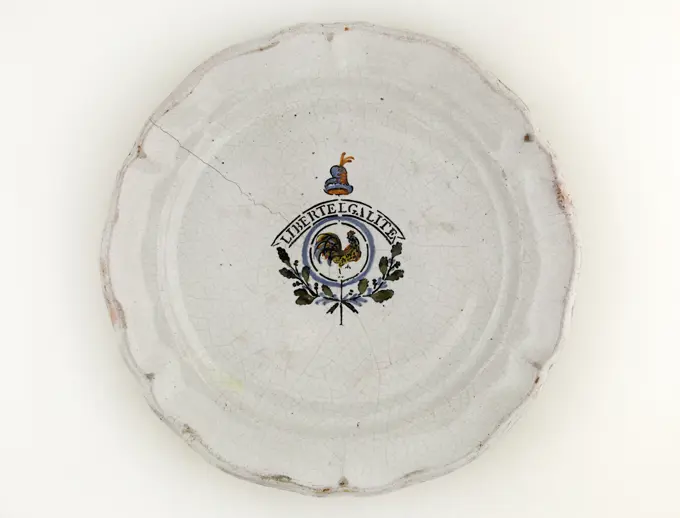
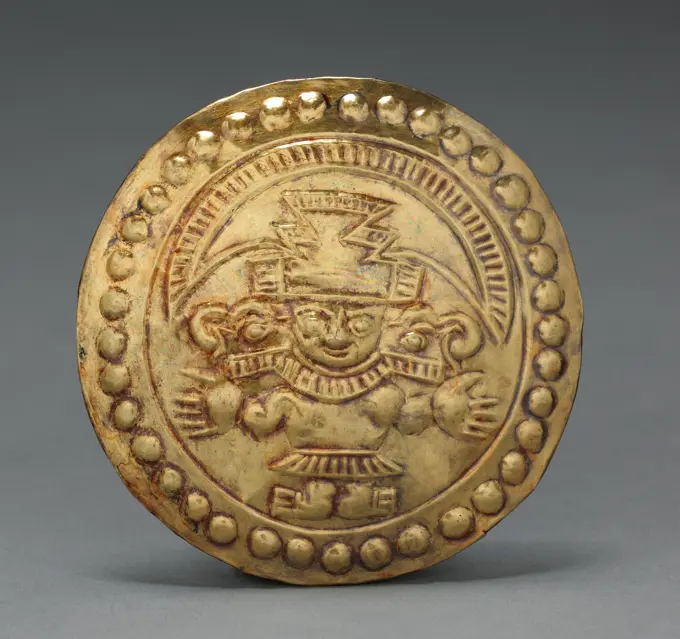
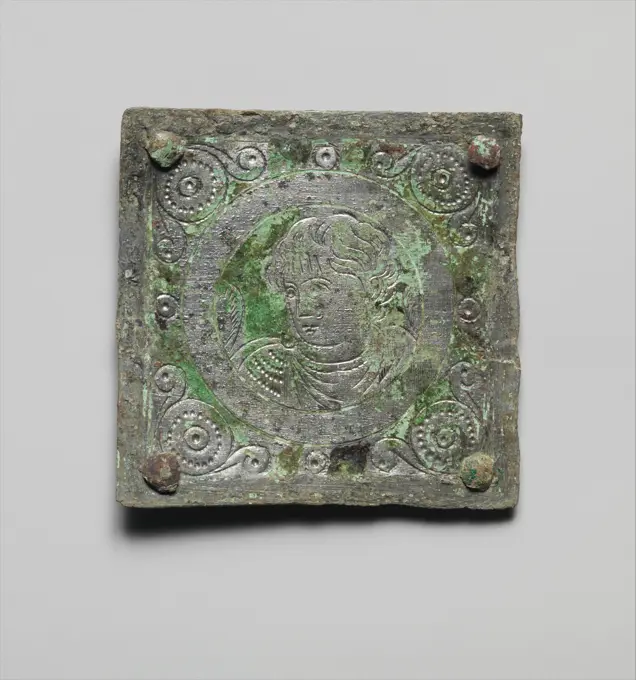
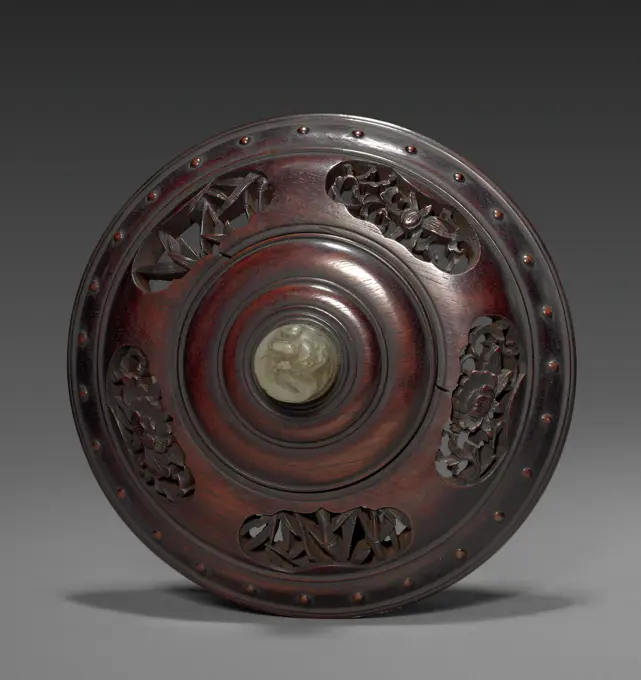
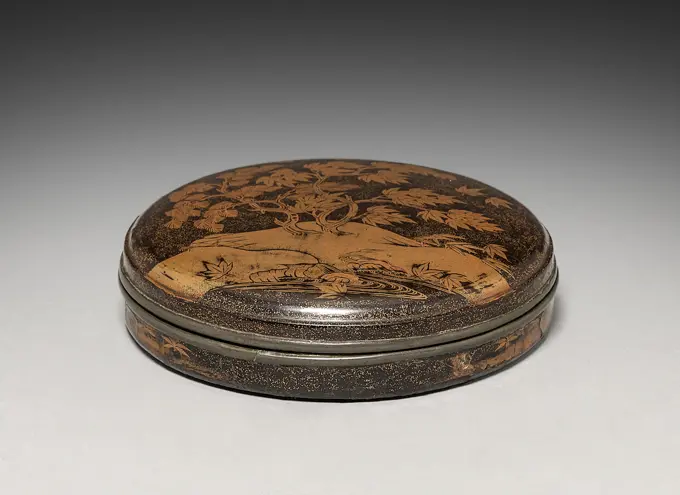
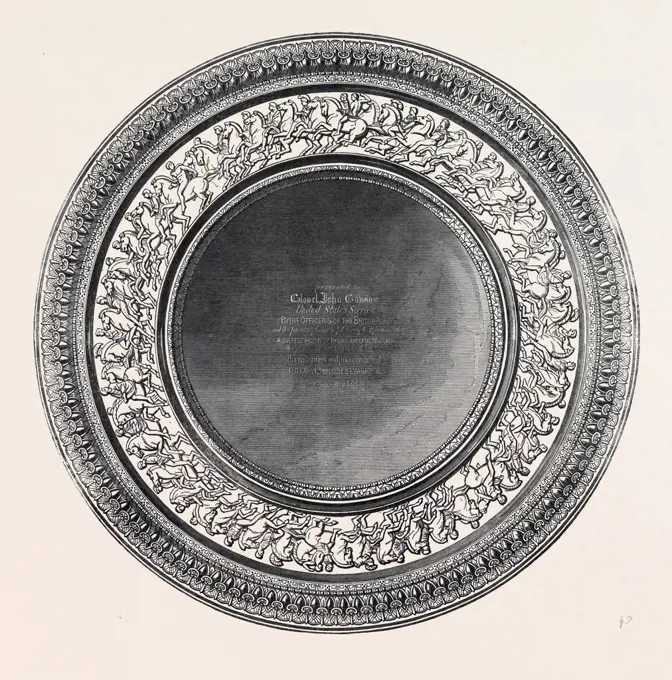
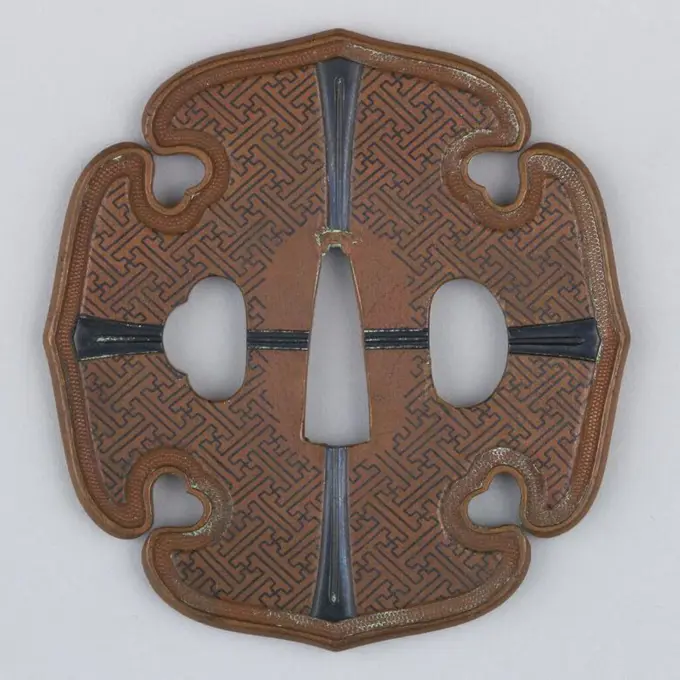
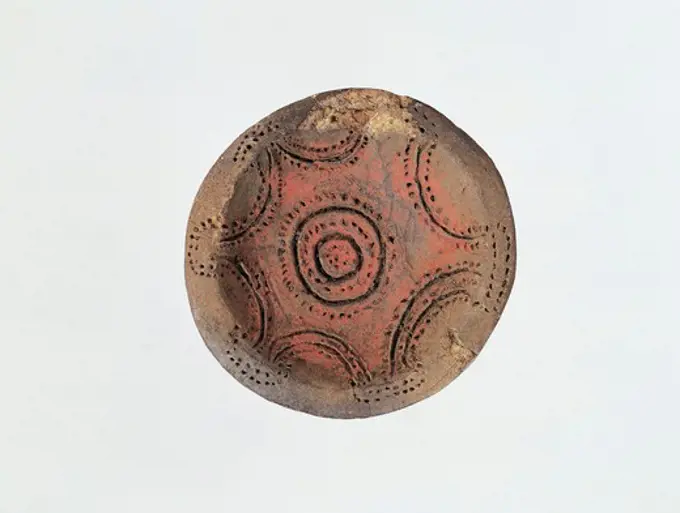
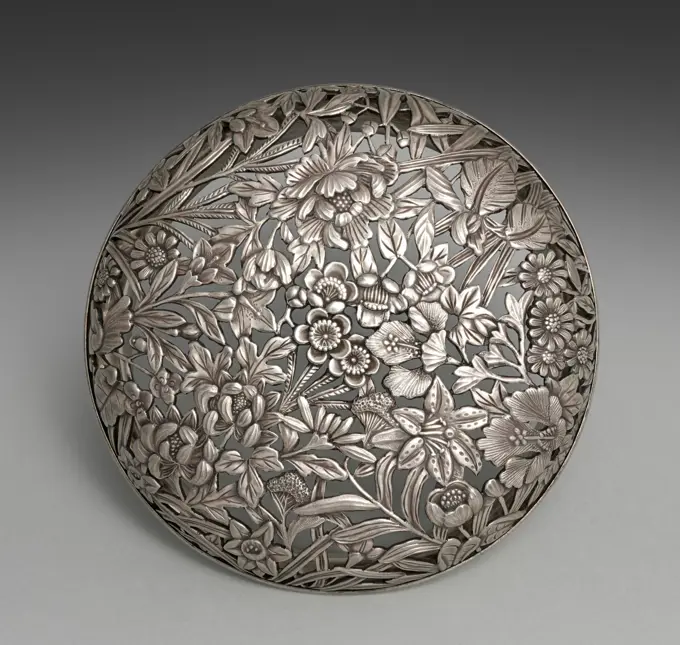
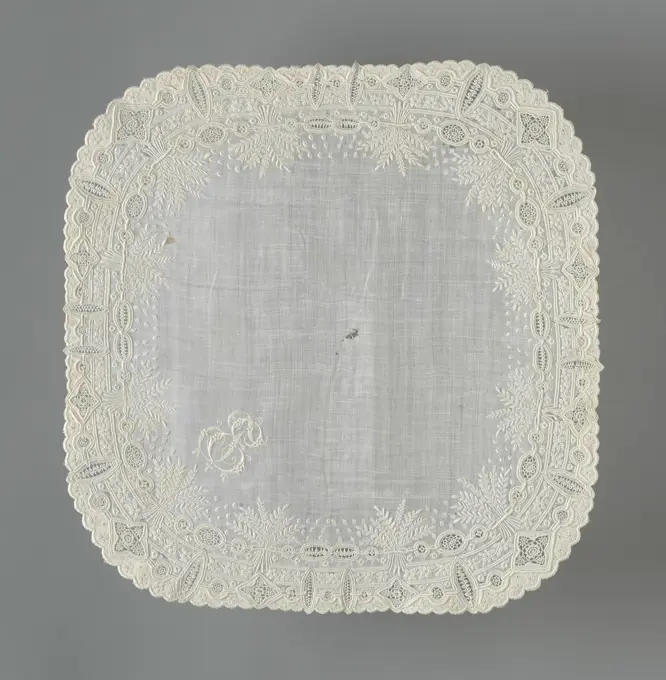
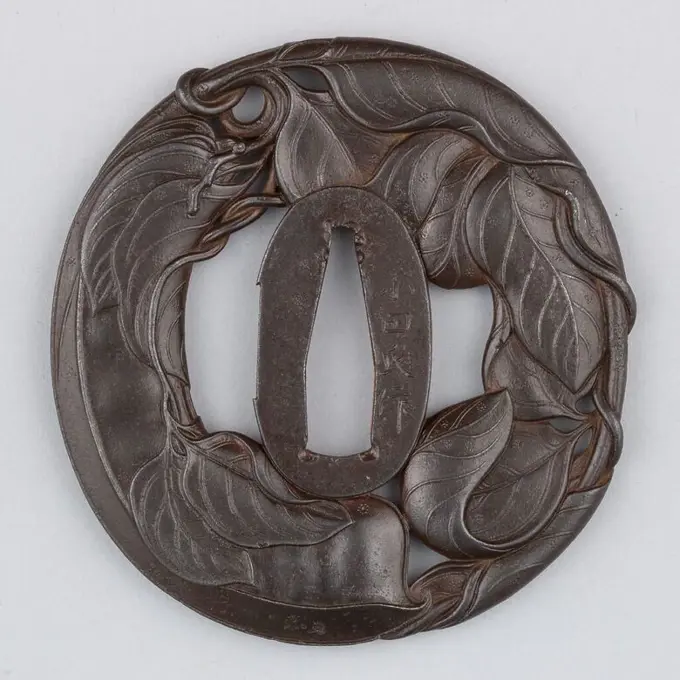
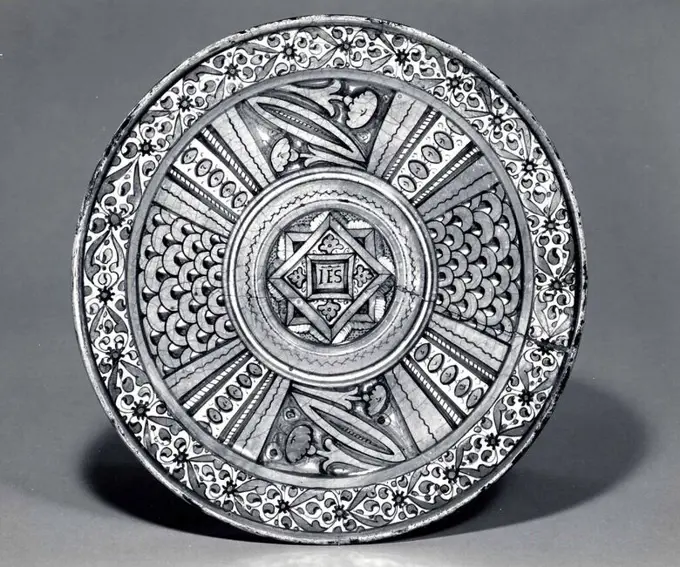
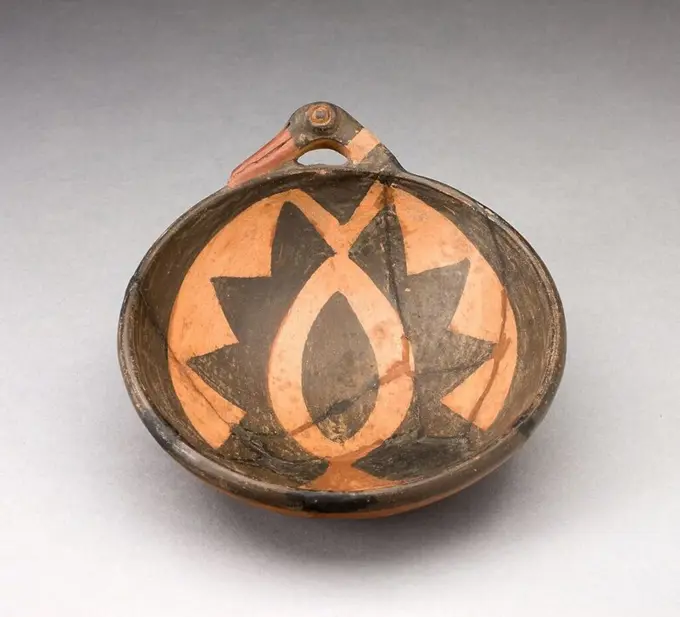
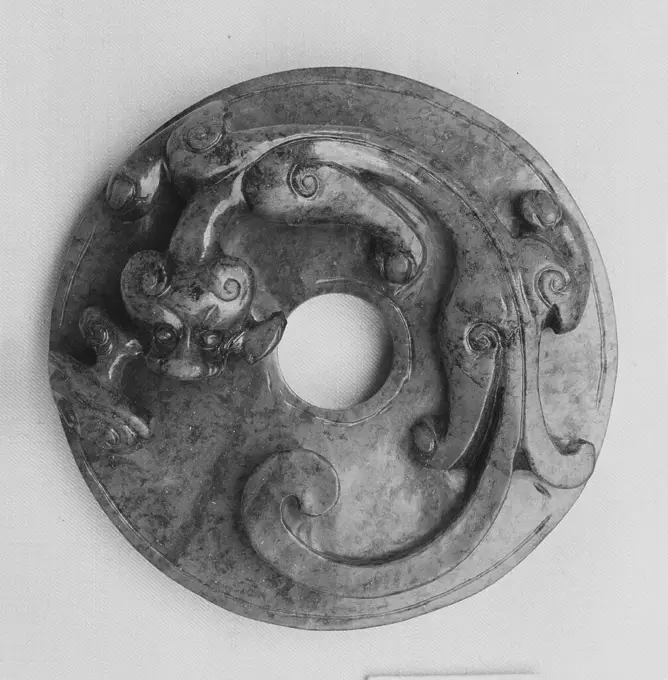
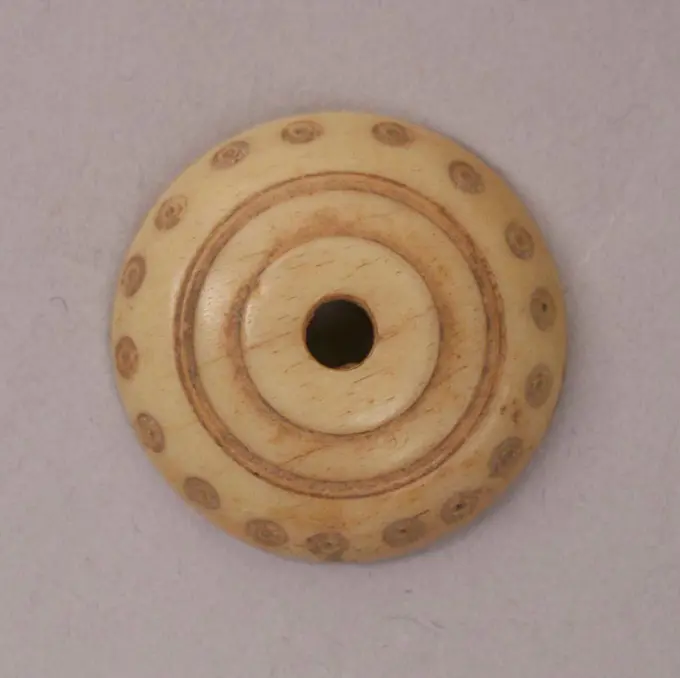
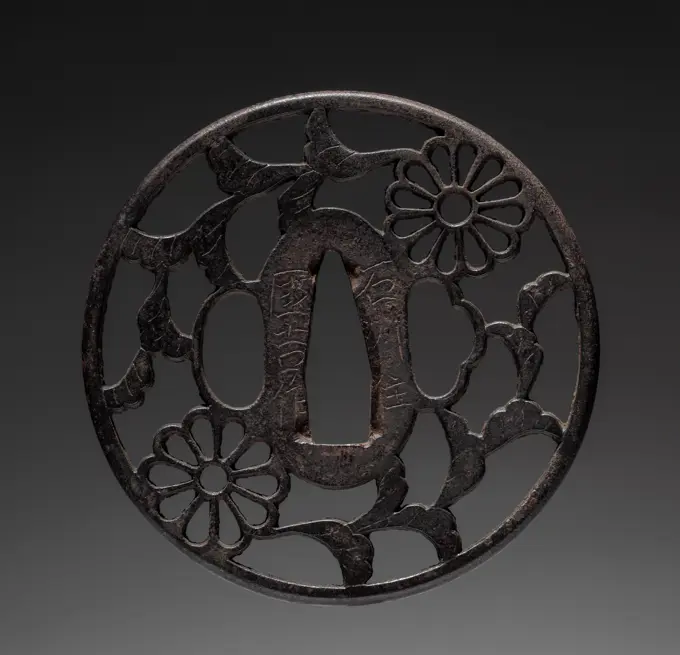
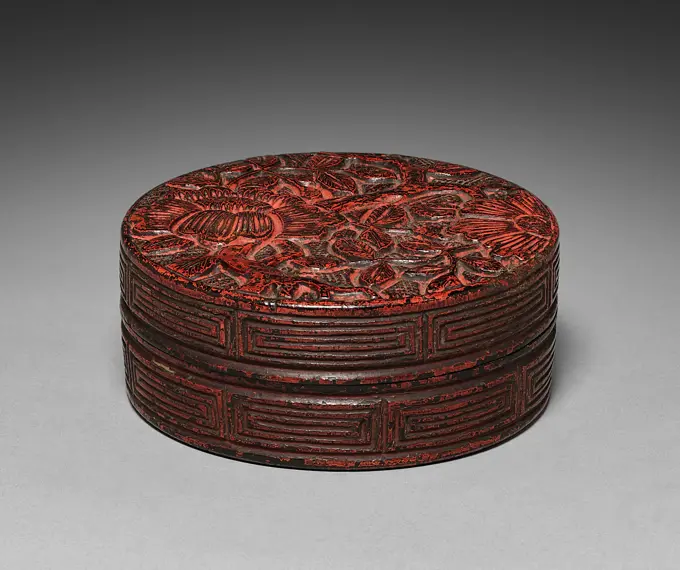
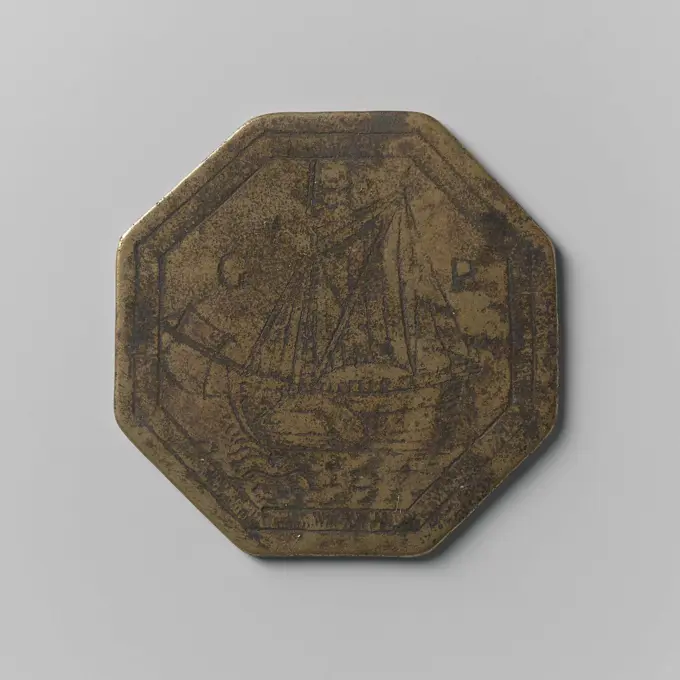
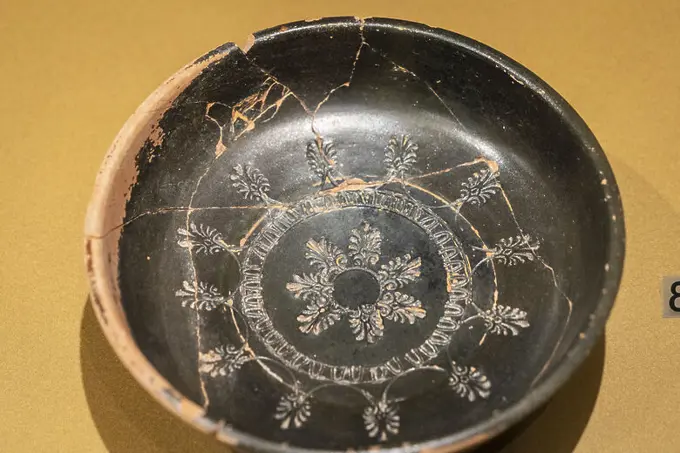
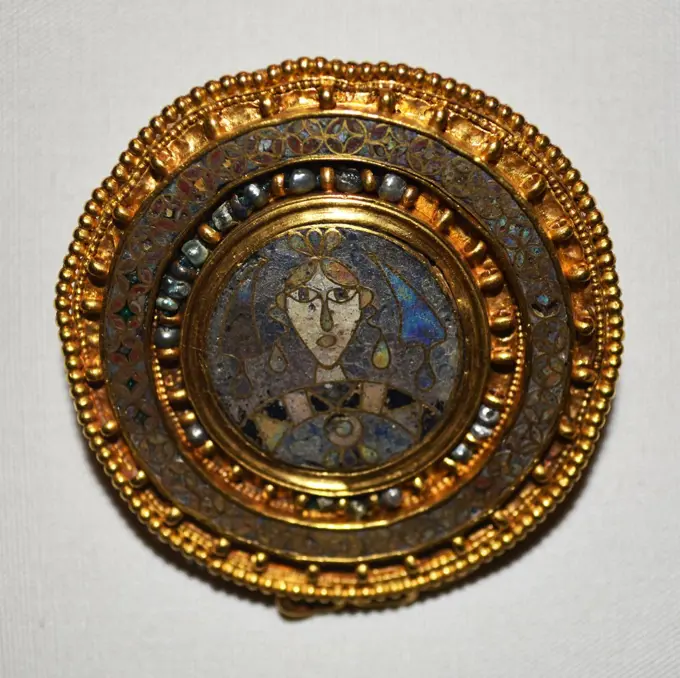
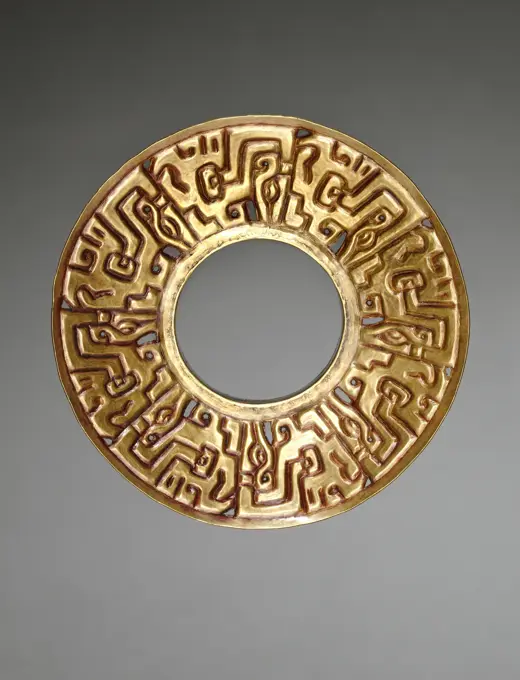
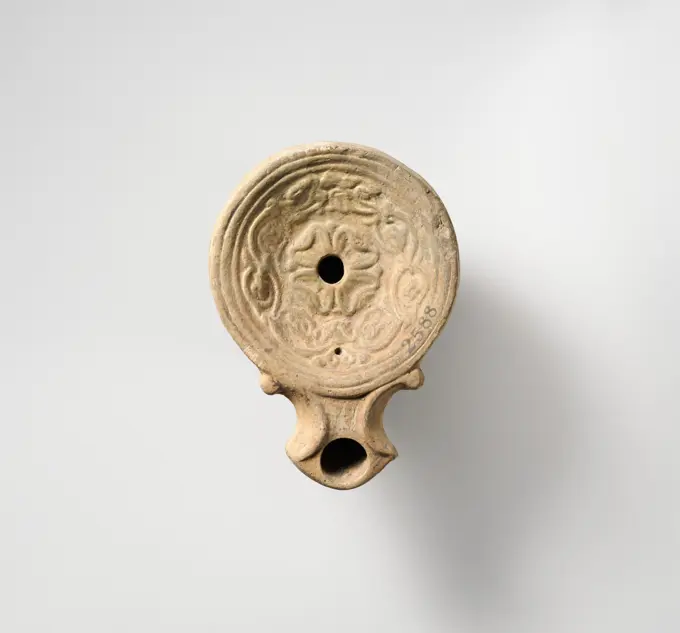
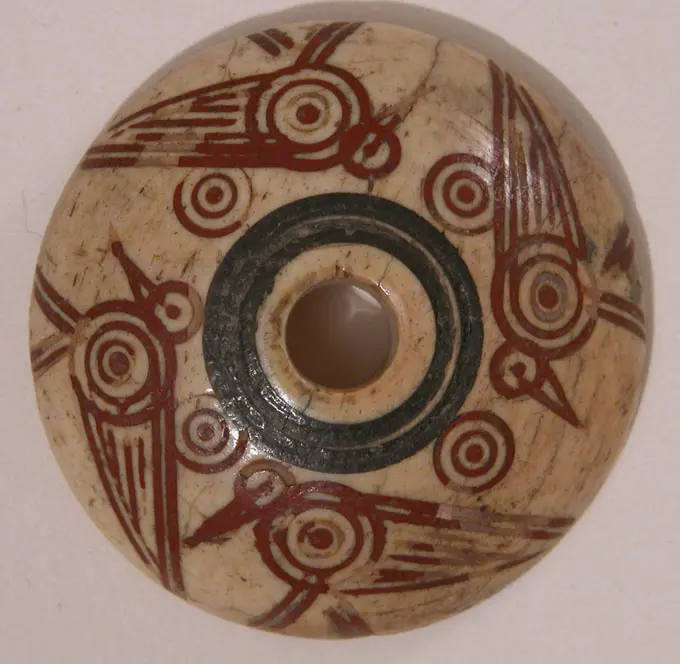
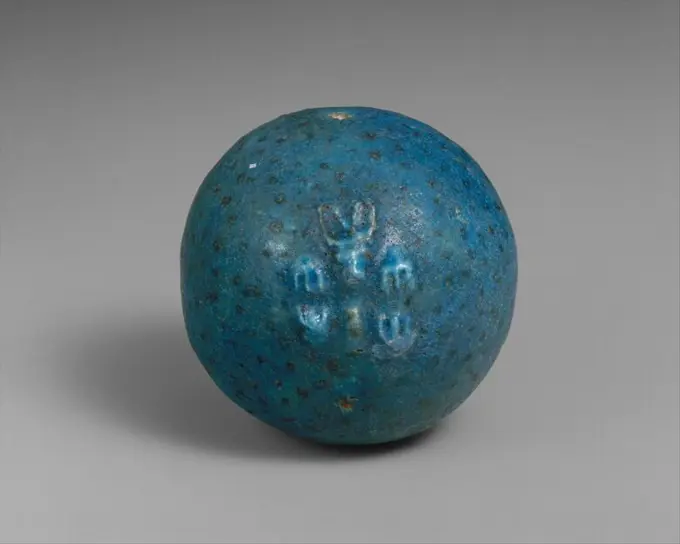
Bolesław Krzywousty (1102-1138), Denar, Kraków, After 1113 Boles And Krzywousty (1102 1138)Dish with Scalloped Rim and Radial Pattern 12th-early 13th century Luster pieces like this scalloped dish often went unaltered in the early twentieth century because the metallic sheen could not be replicated with a pigment. Overpainting on this dish was employed mostly to cover joints. Dish with Scalloped Rim and Radial Pattern 451877Dish ca. 1600 China. Dish. China. ca. 1600. Porcelain (Kraak porcelain). Ming dynasty (1368-1644). CeramicsDisk Brooch late 6th-early 7th century Frankish. Disk Brooch 464850 Frankish, Disk Brooch, late 6thearly 7th century, Gold, wire, paste, paste cabochon or garnet, copper alloy rim and nail, Overall: 1 x 5/16 in. (2.6 x 0.8 cm). The Metropolitan Museum of Art, New York. Gift of J. Pierpont Morgan, 1917 (17.191.157)Sword Guard (Tsuba) ca. 1615-1868 Japanese A tsuba is a sword guard and part of a sword mounting. It is mounted between the swords blade and grip to protect the users hands.. Sword Guard (Tsuba) 34493Sword Guard (Tsuba) ca. 1615-1868 Japanese A tsuba is a sword guard and part of a sword mounting. It is mounted between the swords blade and grip to protect the users hands.. Sword Guard (Tsuba) 33454Sword Guard (Tsuba) probably 18th century Japanese A tsuba is a sword guard and part of a sword mounting. It is mounted between the swords blade and grip to protect the users hands.. Sword Guard (Tsuba) 29542Sword Guard (Tsuba) in Shingen Design (玄鐔) ca. 1615-1868 Japanese Legend has it that once the famous warlord Takeda Shingen (武田玄, 1521-1573) started to wrap brass wires around the openwork bridges and rim of his tsuba as an excersise of concentration whilst waiting for the start of a battle. There are now tsuba that do feature brass or copper wired wound around an iron openwork frame and such which are merely inlaid with different metals to give that appearance. This tsuba is of the former category. Apart from the Shingen décor, there are two openings for scabbard accessories (hitsu-ana) and wire is also wound around the rim.. Sword Guard (Tsuba) in Shingen Design (玄鐔) 25686Come, decorated with a bird, anonymous, c. 1600 - c. 1630 Come from lead glaze pottery, with two ears. The bowl is decorated in white sludge with a bird and is covered with local green -tinted lead glaze. North Holland earthenware. lead glaze Come from lead glaze pottery, with two ears. The bowl is decorated in white sludge with a bird and is covered with local green -tinted lead glaze. North Holland earthenware. lead glazeMirror with Clouds and Nebulae, 200-100 BC. China, Western Han dynasty (202 BC-AD 9). Bronze; diameter: 10 cm (3 15/16 in.); overall: 1.2 cm (1/2 in.); rim: 0.4 cm (3/16 in.).Spindle Whorl, 700s - 900s. Iran, early Islamic period, 8th - 10th century. Bone, incised; overall: 0.8 x 2.3 x 2.3 cm (5/16 x 7/8 x 7/8 in.).Teapot (lid), c. 1790. John David (American, 1736-1793). Silver; This teapot may have belonged to Dr. Enoch F. Edwards, George Washingtons personal physician.Teapot: Yixing ware (lid), 1644-1911. China, Qing dynasty (1644-1911). Stoneware; diameter: 12.8 cm (5 1/16 in.); overall: 8.6 cm (3 3/8 in.).Floor tile. Floor tile decorated with a lily in a circle with dots. In the corners, flames.Plate. Kumatani (active 19th c.), craftsmanEarthenware salt bowl on stand, with profiled edge, green glazed, salt bowl salt barrel tableware holder soil find ceramic earthenware glaze lead glaze, hand turned glazed baked Pottery salt bowl. White shard internal green glazed. Standring. Semi-circular mirror and slanting edge. Thick groove on the transition between mirror and edge. Slightly raised dish edge. Restoration is left blank archeology Rotterdam Stadscentrum Stadsdriehoek New Haven indigenous pottery serve serving salt condiment food table room Soil discovery Rotterdam Nieuwe Haven 2nd cesspoolBone disk or button. Culture: Roman. Dimensions: Diam.: 1 1/8 in. (2.9 cm). Date: ca. 1st century A.D..Concentric circles. Museum: Metropolitan Museum of Art, New York, USA.TLV Mirror with Multiple Nipples, AD 9-23. China, Xin dynasty (AD 9-23). Bronze; diameter: 16.3 cm (6 7/16 in.); overall: 1.2 cm (1/2 in.); rim: 0.6 cm (1/4 in.).Bilder von dreidimensionalen Fraktalen Bilder von dreidimensionalen Fraktalen Copyright: xZoonar.com/Dr.xNorbertxLangex 13537494Bowl 12th-13th century Byzantine. Bowl 463596Door handle and plate 15th century German. Door handle and plate 468885Charger of Charles II in the Boscobel Oak. England, circa 1685. Furnishings; Serviceware. Lead-glazed earthenware with slip decorationDish. Turkey or Iran, 13th century. Ceramics. Fritware, overglaze-painted and leaf gildedSword Guard (Tsuba) end of 17th century Japanese A tsuba is a sword guard and part of a sword mounting. It is mounted between the swords blade and grip to protect the users hands.. Sword Guard (Tsuba) 32208Sword Guard (Tsuba). Culture: Japanese. Dimensions: H. 2 7/8 in. (7.3 cm); W. 2 3/4 in. (7 cm); thickness 3/16 in. (0.5 cm); Wt. 3.5 oz. (99.2 g). Date: late 18th-early 19th century. Museum: Metropolitan Museum of Art, New York, USA.. Rounded rectangular tsuba with elevated edge; At the front a show embossed, Iroe-Takazogan and Nunome-Zogan a representation of a landscape with pine trees, tents, the moon and three flying birds; At the rear an anchor and a crab on a beach with shells and above flying birds; Signed "Eijusai Kagenori".Tarasowiczs, Konstanty and Helena - collection, gift (provenance), plastic decorations, plant decorations, pateraMaiolica Dish, 1520-30. Tin glazed and painted earthenware.. Manufacturer unknown, ItalyAnonymous. Plat "Long live freedom without license". Earthenware. 1790-1792. Paris, Carnavalet museum. 72430-36 Phrygian hat, faience, freedom, revolutionary period, French revolution, dish. .Bowl 12th-13th century. Bowl 454758Carnavalet Museum, Medals CollectionSword Guard (Tsuba) Japanese 16th century A tsuba is a sword guard and part of a sword mounting. It is mounted between the swords blade and grip to protect the users hands.Tea Caddy early 17th century Japan This type of decoration in contrasting fields of black and gold filled with floral motifs such as the chrysanthemum and paulownia is associated with the Kodai-ji temple, where a memorial shrine was dedicated to the shogun Toyotomi Hideyoshi by his widow in 1605 or 1606. Appreciated for its colorful effects and naturalistic drawing, the Kodai-ji style continued in use well into the Edo period.. Tea Caddy 44942Sword Guard (Tsuba) ca. 1615-1868 Japanese A tsuba is a sword guard and part of a sword mounting. It is mounted between the swords blade and grip to protect the users hands.. Sword Guard (Tsuba) 33428Fragment 14th-15th century. Fragment 446379Bit Boss first half 17th century probably Netherlandish Bit bosses were ornamental elements decorating both sides of a horse bit. The center of this boss is adorned with a smiling satyr's mask, while the rim displays a frieze of palmettes.This object belongs to a large group of bosses using a series of rims and centers combined in different ways. The exact center of production of these bosses is still unclear. If the motifs used are Italian, the scale of the production and the process of combining a series of rims and center recalls contemporary German practices. Some of them, however, are identical or very similar to bosses seen in several early 17th-century Netherlandish paintings, a likely origin for the manufacture of these objects.. Bit Boss. probably Netherlandish. first half 17th century. Copper alloy. Equestrian Equipment-BitsPicture gold frame with a decorative pattern on a blackAnonymous. Coq dish and freedom of freedom. Earthenware. 1792-1793. Paris, Carnavalet museum. 72430-34 Phrygian hat, rooster, faience, freedom, revolutionary period, French revolution, dishSword Guard (Tsuba) ca. 1615-1868 Japanese A tsuba is a sword guard and part of a sword mounting. It is mounted between the swords blade and grip to protect the users hands.. Sword Guard (Tsuba) 33445Mirror ca. 1550-1295 B.C. New Kingdom. Mirror. ca. 1550-1295 B.C.. Bronze or copper alloy. New Kingdom. From Egypt. Dynasty 18Silver brooch with a relief decor of flowers and butterflies, c. 1930 - c. 1950 Silver brooch with a relief decor of flowers and butterflies with crochet closure. Netherlands silver (metal) Silver brooch with a relief decor of flowers and butterflies with crochet closure. Netherlands silver (metal)Ear Flare Frontal, Chimú style (900-1470). Peru, North Coast, Paramonga(), Chimú style (900-1470). Hammered gold alloy; diameter: 8.6 cm (3 3/8 in.).Tinned-Copper Plaque with a Personification 350-400 Byzantine Charming curly-haired youths, possibly personifying the months and the seasons, decorate these plaques that were once attached to a larger object, perhaps a casket.. Tinned-Copper Plaque with a Personification 466167Embroidered Medallion 15th-16th century Byzantine This medallion showing the Evangelist symbol John (an eagle), and its pair depicting Matthew, originally formed a group with two other medallions showing the symbols for Mark and Luke. Their small scale suggests that they may have been attached to a stole (epitrachelion).. Embroidered Medallion 467629Jar ( lid), early to mid-1800s. Japan, Edo period (1615-1868). Teak and carved stone; average: 22.9 cm (9 in.).Mirror Container with Design of Maple Tree and Autumn Shower, 1400s. Japan, Muromachi period (1392-1573). Lacquer on wood with decoration in maki-e; diameter: 12.2 cm (4 13/16 in.); overall: 3.1 cm (1 1/4 in.).TESTIMONIAL TO COLONEL JOHN GOWAN, OF THE UNITED STATES' SERVICE, FOR THE CARE BESTOWED BY HIM ON THE GRAVES BEFORE SEBASTOPOL.Bowl with Rabbit, c. 1000-1150. Southwest, Mogollon, Mimbres, Pre-Contact Period, 11th-12th century. Earthenware; overall: 9.8 x 23.5 cm (3 7/8 x 9 1/4 in.).Sword Guard (Tsuba). Culture: Japanese. Dimensions: H. 3 1/8 in. (7.9 cm); W. 2 7/8 in. (7.3 cm); thickness 3/16 in. (0.5 cm); Wt. 5.4 oz. (153.1 g). Date: 18th century. Museum: Metropolitan Museum of Art, New York, USA.Tile, Anonymous, 1600 - 1800 Tile painted in yellow and purple with star pattern. Morocco (Possible) Tunisia (Possibly) earthenware. tin glaze majolica Tile painted in yellow and purple with star pattern. Morocco (Possible) Tunisia (Possibly) earthenware. tin glaze majolicaRELOJ SOLAR MINUSCULO PARA VIAJEROS. Location: MUSEO DE LAS TERMAS. Rome. ITALIA.Ear ornament, final Jomon period, terracottaSpindle Whorl, 700s - 900s. Iran, early Islamic period, 8th - 10th century. Bone, incised; overall: 0.4 x 2.9 x 2.9 cm (3/16 x 1 1/8 x 1 1/8 in.).Wedding van Peleus and Thetis, Adam van Vianen (I), c. 1600 Round, lead plaque. On the right in the foreground bacchus and a power god. Left in front of a tree group of gods pairs. Further to the second plan various naked, Olympic figures, while in the background the bridal couple is seated for a set table in the midst of a large group under a stretched Velum. Above that a hint of love gods. Utrecht lead (metal) casting Round, lead plaque. On the right in the foreground bacchus and a power god. Left in front of a tree group of gods pairs. Further to the second plan various naked, Olympic figures, while in the background the bridal couple is seated for a set table in the midst of a large group under a stretched Velum. Above that a hint of love gods. Utrecht lead (metal) castingLid for an Incense Burner, 1893-97. Seifū Yohei III (Japanese, 1851-1914). Floral openwork silver lid;Handkerchief Made 1850-1900 France. Linen, plain weave; embroidered with cotton .Sword Guard (Tsuba). Culture: Japanese. Dimensions: H. 3 1/8 in. (7.9 cm); W. 3 in. (7.6 cm); thickness 1/4 in. (0.6 cm); Wt. 5.1 oz. (144.6 g). Date: 18th century. Museum: Metropolitan Museum of Art, New York, USA.Dish for a ewer (bacile da versatore). Culture: Italian, Deruta. Dimensions: Diameter: 12 7/8 in. (32.7 cm). Date: ca. 1530-40. Museum: Metropolitan Museum of Art, New York, USA.Sword Guard (Tsuba). Culture: Japanese. Dimensions: H. 2 3/4 in. (7 cm); W. 2 5/8 in. (6.7 cm); thickness 1/4 in. (0.6 cm); Wt. 3.8 oz. (107.7 g). Date: ca. 1615-1868. Museum: Metropolitan Museum of Art, New York, USA.Dish Made 1710-1720 Staffordshire. Lead-glazed earthenware, slip decorated . Staffordshire PotteriesSword Guard (Tsuba). Culture: Japanese. Dimensions: H. 3 7/16 in. (8.7 cm); W. 3 1/8 in. (7.9 cm); thickness 1/4 in. (0.6 cm); Wt. 4.1 oz. (116.2 g). Date: 1575-1600. Museum: Metropolitan Museum of Art, New York, USA.Bowl 13th century. Bowl 451693Sword Guard (Tsuba) 17th century Japanese A tsuba is a sword guard and part of a sword mounting. It is mounted between the swords blade and grip to protect the users hands.. Sword Guard (Tsuba) 26272Miniature Bowl with Large Geometric Motif and Bird-Head Handle. Inca; South coast or southern highlands, Peru. Date: 1450-1532. Dimensions: 5.6 x 14.6 cm (2 3/16 x 5 3/4 in.). Ceramic and pigment. Origin: Peru, southern. Museum: The Chicago Art Institute, Chicago, USA.Disk. Culture: China. Dimensions: Diam. 2 5/8 in. (6.7 cm); Th. 3/4 in. (1.9 cm). Museum: Metropolitan Museum of Art, New York, USA.Box with Cover, 1900-1925, 3 1/4 x 10 7/8 x 4 1/2 in. (8.26 x 27.62 x 11.43 cm) (overall), Wood, Democratic Republic of the Congo, 20th centuryButton or Bead 9th-10th century This object was excavated at Nishapur.Nishapur was a vital city in the early and middle Islamic periods, located along one of the main trajectories that connected Iran and West Asia Islamic lands with Central Asia and China. These itineraries are often referred to by the term Silk routes’ but were in fact crucial to the movement of constellations of materials and objects, as well as people and ideas. The diverse population of Nishapur and its surroundings, from the better-researched elite groups of merchants, land-owning aristocracy, and literates, to the less-known artisans, farmers, miners, and servants, were instrumental in adapting global cultural trends to create their own distinctive visual languages. This is seen in the material remains of everyday life in medieval Nishapur - from pots and pans to lighting devices, inkwells, textiles and trimmings, jewelry, games and toys, talismanic devices, weapons, coins, and architectural fragments.Nishapur lSword Guard, late 1600s. Kuniyoshi (Japanese). Iron; diameter: 8 cm (3 1/8 in.).Sword Guard (Tsuba). Culture: Japanese. Dimensions: 2 5/8 in. (6.7 cm) x 2 3/8 in. (6.0 cm). Date: ca. 1615-1868. Museum: Metropolitan Museum of Art, New York, USA.RULTH OF MUSICING PACK with two weapons in the foreground, Jan Swart van Groningen (after), c. 1530 Round window of stained glass with a performance of music -sitting on a couch. On the left a young man who plays a flute. He is dressed in a costume with split sleeves, has a hat on with a spring and wears a short sword. On the right a woman in a robe with square necklace and split sleeves; She plays a lute and supports it on a round table with a dam game () And two cups. In the foreground two large weapons; A landscape in the background. Northern Netherlands glass. silver stain. lead (metal) Round window of stained glass with a performance of music -sitting on a couch. On the left a young man who plays a flute. He is dressed in a costume with split sleeves, has a hat on with a spring and wears a short sword. On the right a woman in a robe with square necklace and split sleeves; She plays a lute and supports it on a round table with a dam game () And two cups. In the foreground two largeTLV Mirror with Multiple Nipples, AD 9-23. China, Xin dynasty (9-23). Bronze; diameter: 16.9 cm (6 5/8 in.); overall: 1.1 cm (7/16 in.); rim: 0.5 cm (3/16 in.).Incense Box (Kogo) with Camellia Design, 1500s. Japan, Muromachi period (1392-1573). Carved wood with black and red lacquer; diameter: 14.9 cm (5 7/8 in.); overall: 6.4 cm (2 1/2 in.).Rod. Medal matrix. The Princess of Salerne. Metal, steel. Nineteenth century. Museum of Fine Arts of the City of Paris, Petit Palais. 58766-9 Steel, matrix, medaillle, metal, inventory number, numismatics, reverse, 19th centuryGroot Schippersgilde from Franeker, Gildeping of Beern Jansen. Brass octagonal medal. Front: to the left sailing ship between letters G and P inside cable edge. Reverse: Coat of arms above inscription inside cable edgeSword Guard (Tsuba) 19th century Japanese A tsuba is a sword guard and part of a sword mounting. It is mounted between the swords blade and grip to protect the users hands.. Sword Guard (Tsuba) 33362A. Mr. Calin, silence in Card Civil Court, Restoration A. Mr. Calin, silence in Card Civil Court, Restoration ". Brass, Revers.Sword Guard (Tsuba) 18th century Japanese A tsuba is a sword guard and part of a sword mounting. It is mounted between the swords blade and grip to protect the users hands.. Sword Guard (Tsuba) 29948Fragment of a Bowl 14th-15th century. Fragment of a Bowl 446309Bowl. Syria, late 13th century. Ceramics. Earthenware, white slip, incised, with colored and colorless glazescup of greek pottery, V to III bC, Iberian Museum of Jaén, Andalusia, Spain.Badge or Harness Pendant 14th century Spanish Heraldry, or coat-of-arms, were vitally important in Europe throughout the Middle Ages and the Renaissance. Heraldic emblems were used to identify noble families, cities, regions, and even countries. In addition to being displayed on shields and flags, heraldry was incorporated into architectural decoration on the interior and the exterior of buildings, on furniture, works of art, clothing, and horse equipment. Harness pendants, like this example, would have been attached to a headstall, bridle, or other straps making up the tack of a horse ridden by a nobleman or noblewoman, or a member of their household. Many harness pendants also have decoration that is simply ornamental, or have symbols that are not specifically heraldic in nature.. Badge or Harness Pendant. Spanish. 14th century. Copper, gold. Miscellaneous-BadgesGoese button of silver, c. 1910 Goese button of silver with a hook closure. The button was worn by Marjan Unger's mother. Netherlands silver (metal) Goese button of silver with a hook closure. The button was worn by Marjan Unger's mother. Netherlands silver (metal)The Castellani Brooch 700 A.D. Central image depicts a human bust between stylised cypress trees. Ear Ornament, c. 500-200 BC. Peru, North Highlands, Chavín de Huantar(), Chavín Style (1000-200 BC). Hammered and cut gold; diameter: 9.6 cm (3 3/4 in.); overall: 2.6 cm (1 in.). There seems to be a link between Chavín religion and appearance of the Andes’ first large precious-metal objects, made using revolutionary new metallurgical processes. Chavín may have developed these technical innovations to express the inexpressible, the "wholly other" nature of its religion. In many areas, elite men and women wore the ornaments as emblems of their ties to this religion, and eventually were buried with them. These 16 objects, along with three others not in the museum’s collection, are said to have come as a group from Chavín itself.Turquoise Bowl with Lute Player and Audience. Dimensions: H. 3 1/2 in. (8.9 cm)Diam. 7 3/4 in. (19.7 cm)Wt. 12.3 oz. (348.7 g). Date: late 12th-early 13th century.A large assembly with an audience of ten people, or singers, surrounding the 'ud-player is depicted on this turquoise bowl. Bowls of fruit suggest the festive nature of the event. Museum: Metropolitan Museum of Art, New York, USA.Terracotta oil lamp 1st century B.C.-1st century A.D. Roman Loeschcke Type 1A. Mold-made. Discus: a central rosette with four large petals, surrounded by a frieze of tendrils with buds and flowers; a single filling hole at center, with a band of lines and grooves at edge. Volutes flanking angular nozzle, with a large wick hole. Raised base ring, with a narrow raised circle within, and a flat base.Intact.. Terracotta oil lamp. Roman. 1st century B.C.-1st century A.D.. Terracotta. Early Imperial. TerracottasMirror China. Mirror 61404Handle Plate; brass; Diam.: 5 cm (1 15/16 in.)Spindle Whorl 8th-10th century The dot-in-circle motif recalls designs presumed to be of magical significance, most likely an abstract eye to ward off the evil-eye, which serve an apotropaic function. Easily reproduced with a tool and visible in many cultures and times, this symbol may have lost its meaning, and become simply a decorative pattern, or may have one that we have not yet discovered. The likelihood of these designs bearing significance increases when the dot-in-circles form birds, another apotropaic symbol; and/or when there are inscriptions, including abbreviated words or symbolic letters.. Spindle Whorl. 8th-10th century. Bone; incised and inlaid with paint. From Egypt. Ivories and BoneDish (one of a pair). Culture: Hungarian, possibly Transylvania. Dimensions: Overall: 9 15/16 x 9 15/16 in. (25.2 x 25.2 cm). Date: mid-17th century.Gilded flowers and foliage within boldly-conceived rims frame a high-embossed, gilded fruit arrangement in the center of each hexagonal dish. The fact that the engraved coat of arms, with a laurel wreath and an inscription, are squeezed between two of the large flowers indicates that they may have been added at a later date. These dishes were possibly made as stock pieces rather than for a special commission.LiteratureEuropean Silver. Sale cat., Sotheby's, Geneva, May 12, 1983, p. 45, no. 105.Judit H. Kolba. Hungarian Silver: The Nicolas M. Salgo Collection. London, 1996, p. 69, no. 47.ExhibitedRgi ezstkilltsnak ler lajstroma. Exh. cat. by Kroly Csnyi. Orszgos Magyar Iparmuvszeti Mzeum. Museum of Applied Arts. Budapest, 1927, p. 16, no. 83.ReferencesFor an example of a hexagonal dish in serpentine,Sign from V.O.C.-ship De 'Witte Leeuw', Anonymous, Before 1613 plate (dishes) Sign from V.O.C. ship De 'Witte Leeuw', 40 present, consisting of three glued fragments. Shatou porcelain   Sint-HelenaSword Guard (Tsuba). Culture: Japanese. Dimensions: H. 2 15/16 in. (7.5 cm); W. 2 3/4 in. (7 cm); thickness 3/16 in. (0.5 cm); Wt. 3.2 oz. (90.7 g). Date: 18th century. Museum: Metropolitan Museum of Art, New York, USA.Snuffbox. Culture: French, Paris. Dimensions: Overall: 1 9/16 × 3 5/16 × 2 11/16 in. (4 × 8.4 × 6.8 cm). Maker: Jean Ducrollay (French, born 1709, master 1734, recorded 1760). Date: 1736-37.The basic design of snuffboxes was to a certain extent determined by their function. As the ritual of taking snuff required holding the box in one hand while taking a pinch of the powdered tobacco with the other, a snuffbox had to fit comfortably in the palm of one's hand. The use of a hinged lid on the box minimized any spillage, and the lid had to fit very snugly in order to keep the snuff dry. In addition, the box had to open to a precise angle that would permit easy access to the contents while allowing it to remain stable with the lid raised. The French gold-box makers became extremely skilled in the techniques of construction, as evidenced here, for example, in the visual absence of solder and the beautifully engineered hinges that were standard on most boxes of the eighteenth century.Jean DSword Guard (Tsuba) late 18th-early 19th century Japanese A tsuba is a sword guard and part of a sword mounting. It is mounted between the swords blade and grip to protect the users hands.. Sword Guard (Tsuba). Japanese. late 18th-early 19th century. Iron, gold, copper. Sword Furniture-TsubaAnklet 19th century. Anklet 444650Dish. Culture: Spanish. Dimensions: Overall: 2 5/8 x 17 3/4 in. (6.7 x 45.1 cm). Date: 1420-1430. Museum: Metropolitan Museum of Art, New York, USA.The Heraldic "Carro" reverse. Dated: c. 1500. Medium: bronze. Museum: National Gallery of Art, Washington DC. Author: Italian 16th Century.Torque, 13 x 14 x 1 1/8 in. (33.02 x 35.56 x 2.86 cm), Silver, ChinaHedgehog. Dimensions: h. 3 cm (1 3/16 in); w. 4.3 cm (1 11/16 in); d. 3 cm (1 3/16 in); diam. 5.8 cm (2 5/16 in). Dynasty: Dynasty 18, early. Date: ca. 1550-1450 B.C..This spherical object represents a hedgehog tightly curled in self-defence. The head, feet, and tail are shown in relief. The animal's spines are indicated by black dots. The eyes and the rims of the large ears are also highlighted in black. Before firing, two holes were pierced through the surface at equal distances above and below the relief, but not quite on the axis of the sphere. The holes were probably made simultaneously by one instrument as they are exactly aligned. The hollow ball was most likely formed in two halves, as suggested by the hairline crack along part of the circumference. Museum: Metropolitan Museum of Art, New York, USA.