Ornamental Metalwork

A collection of decorative metal objects including bit bosses, mirrors, and decorative plates. Each piece showcases intricate patterns and cultural motifs, highlighting craftsmanship.
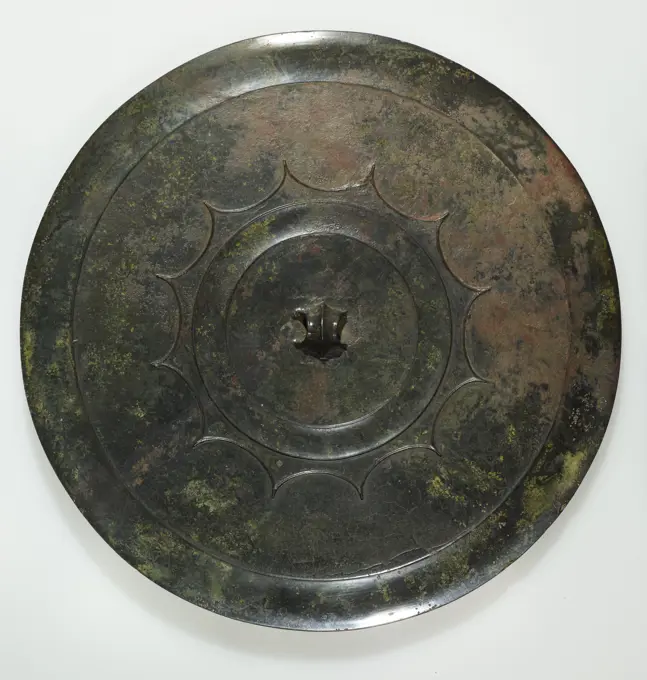
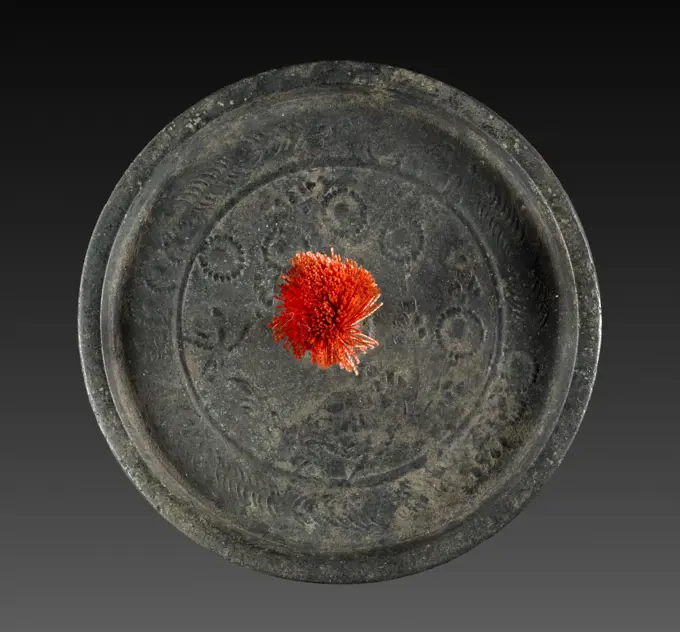
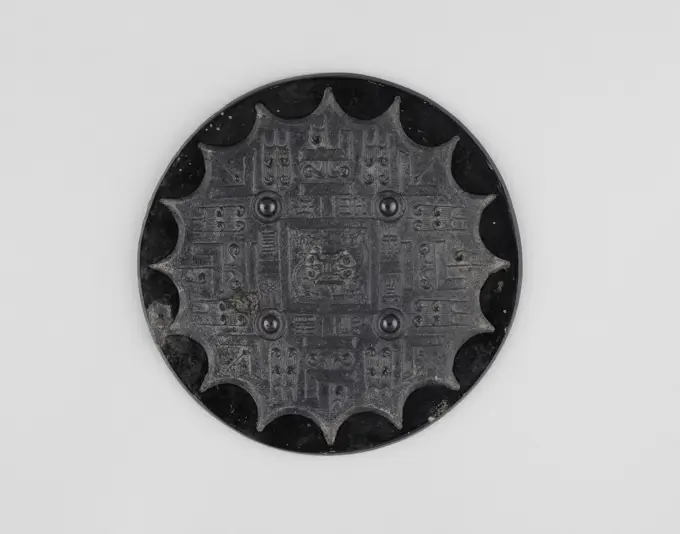
Mirror with abstract decor, 4th century BCE, 8 3/4 in. (22.23 cm) (diameter), Bronze, China, 4th century BCE
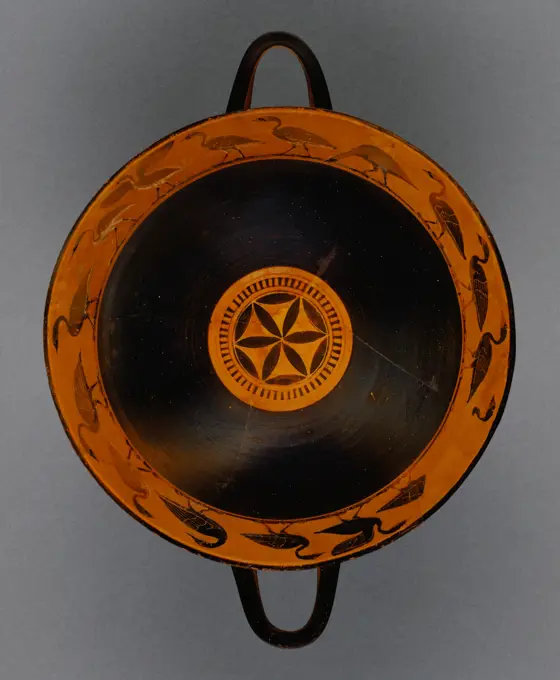
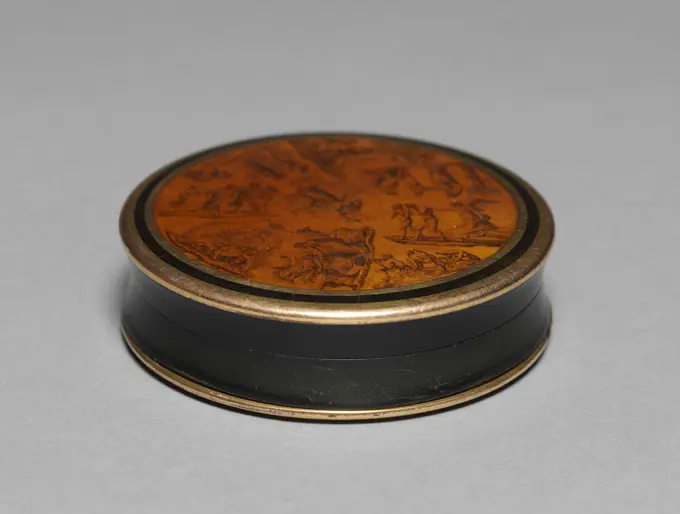
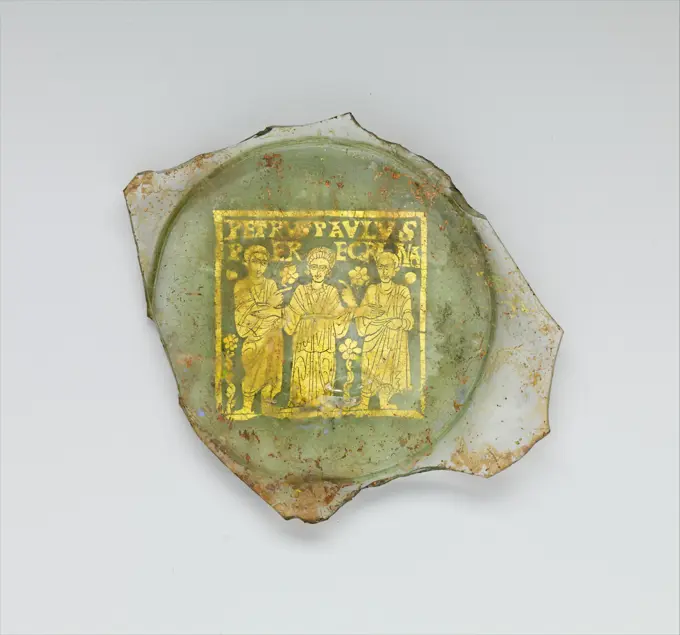
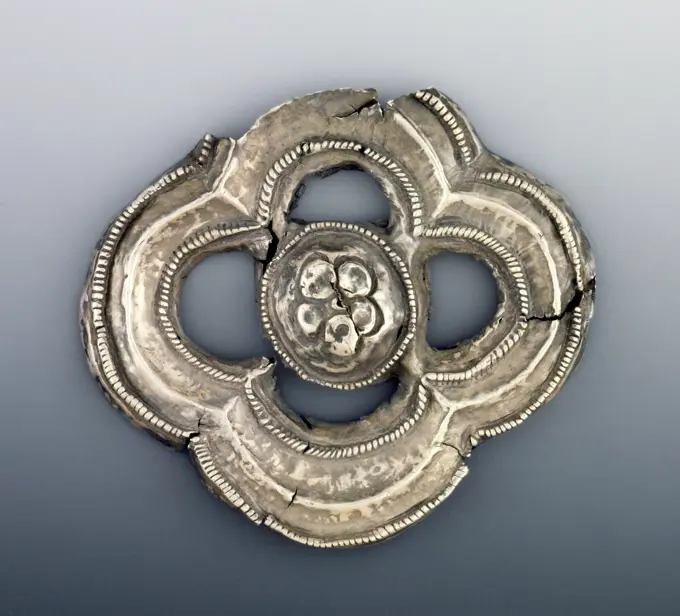
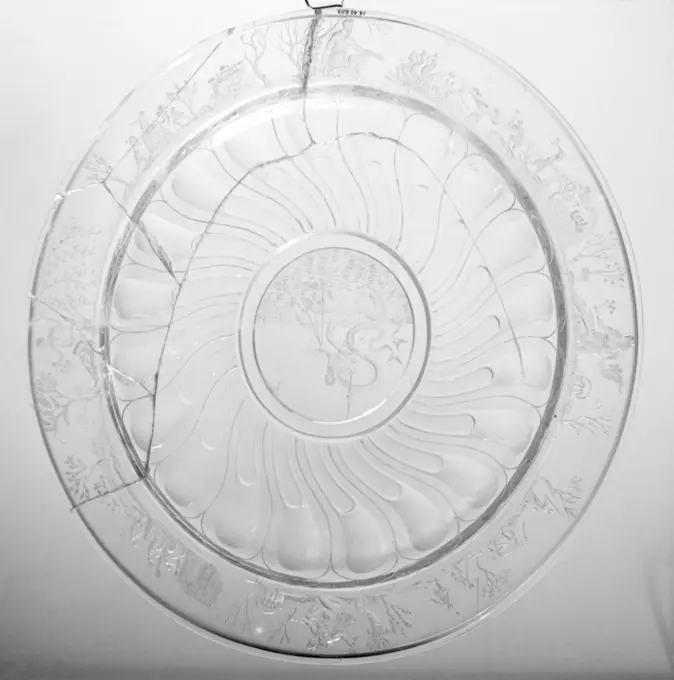
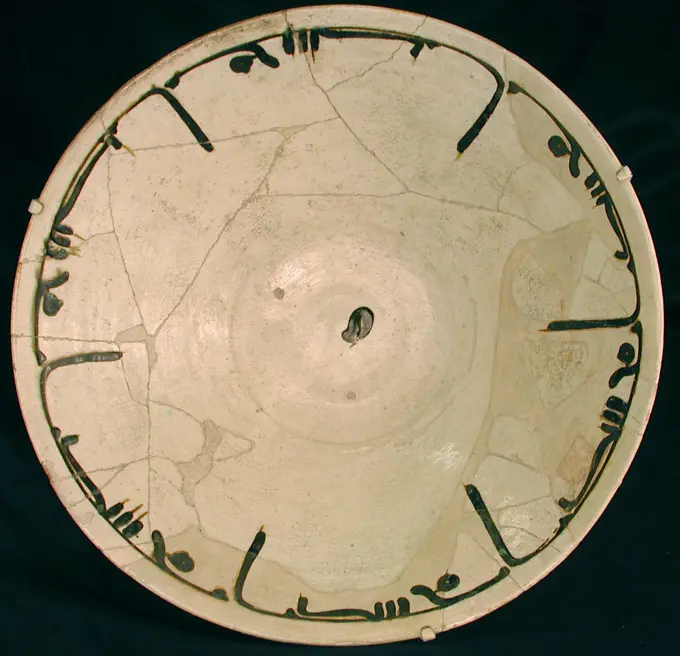
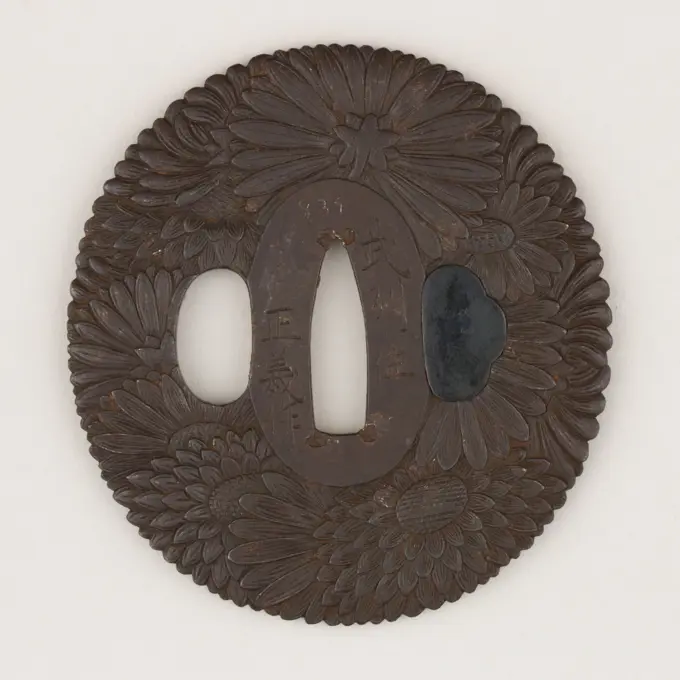
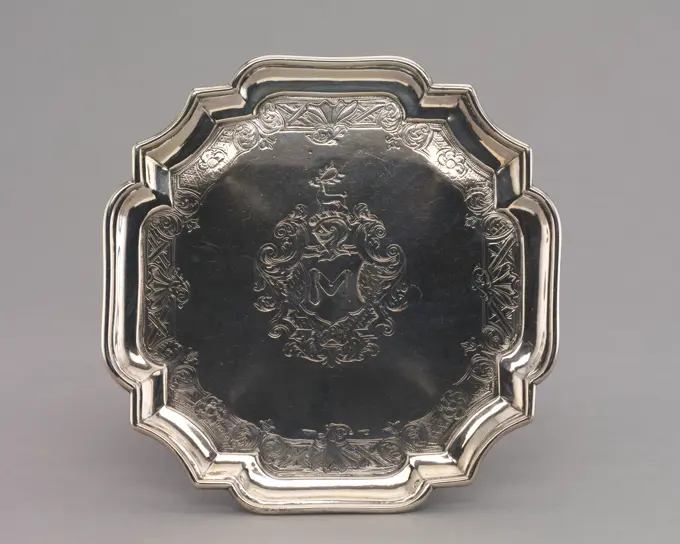
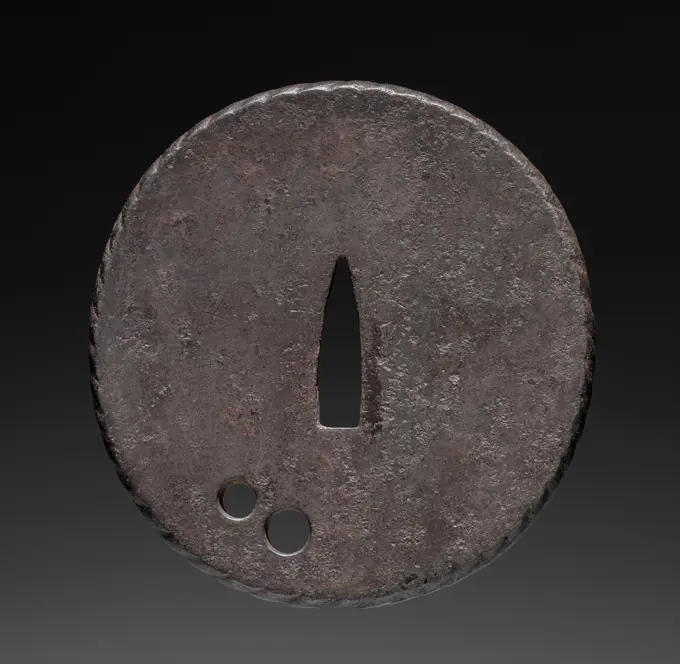
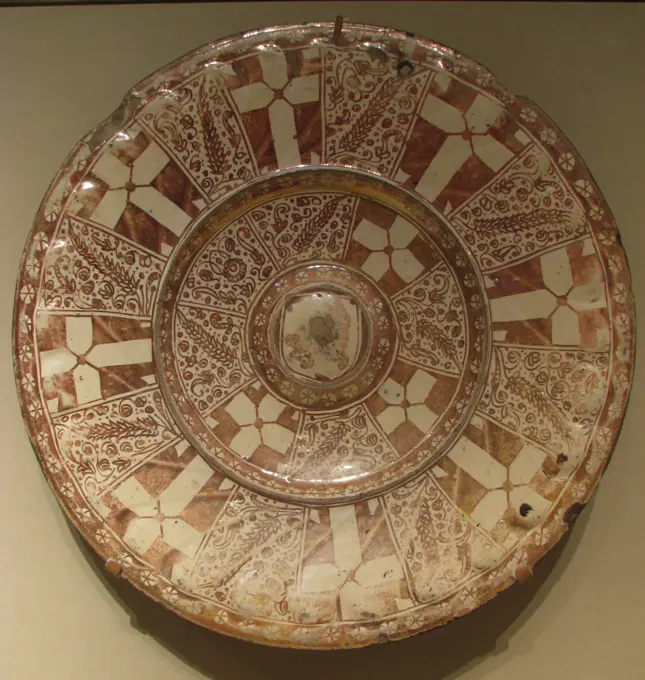
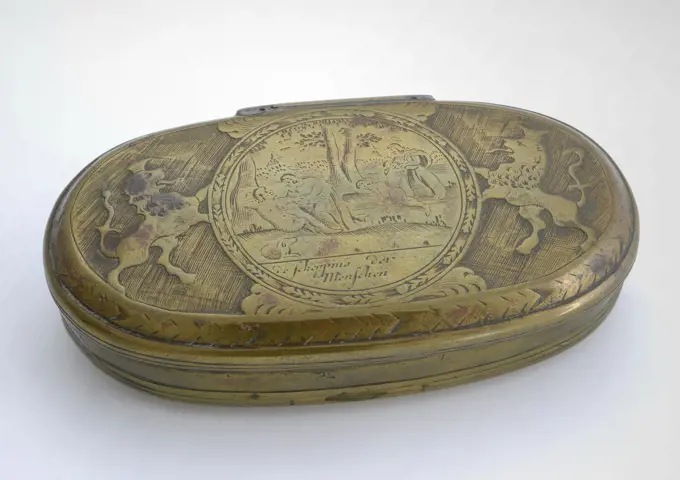
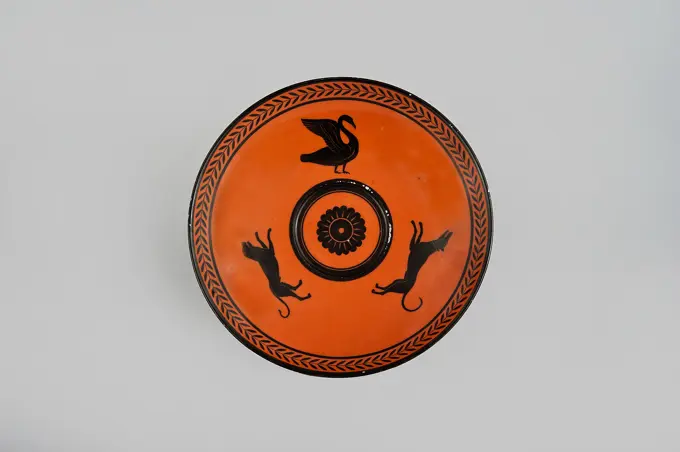
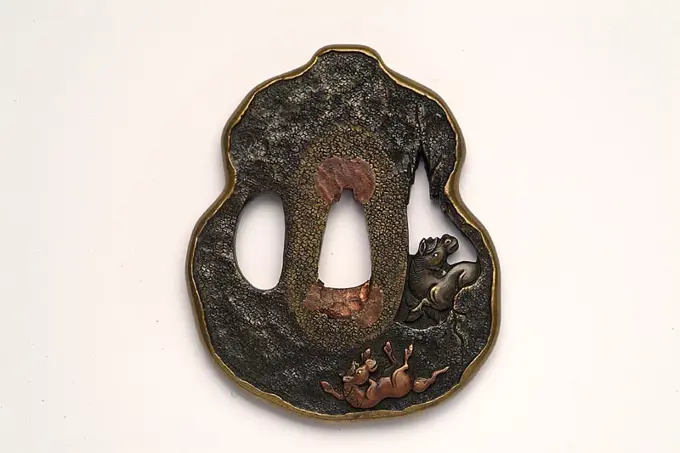
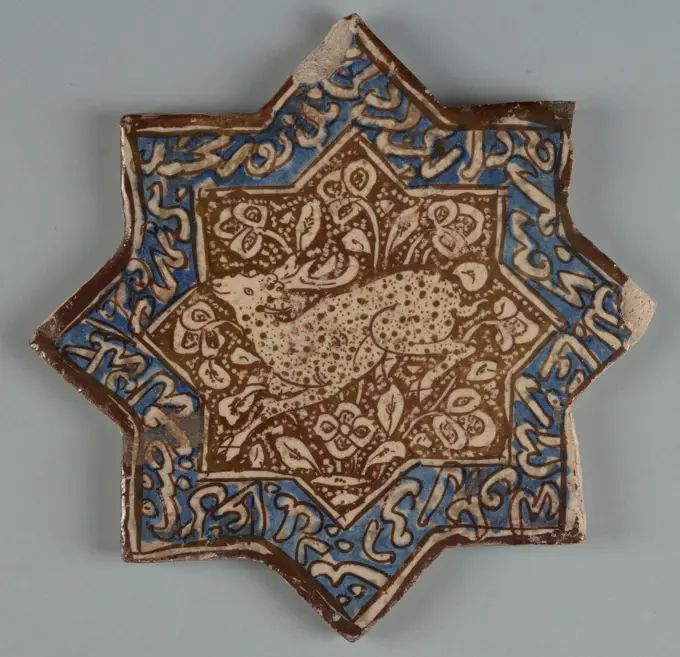
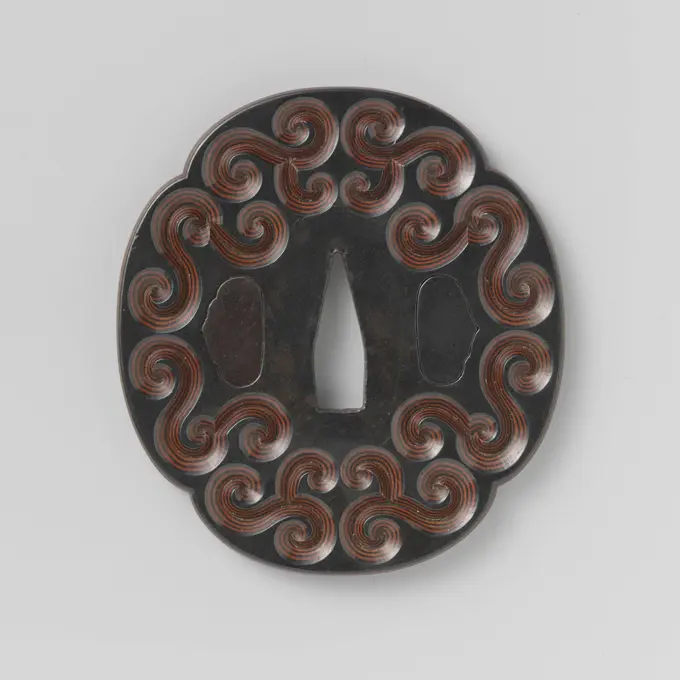
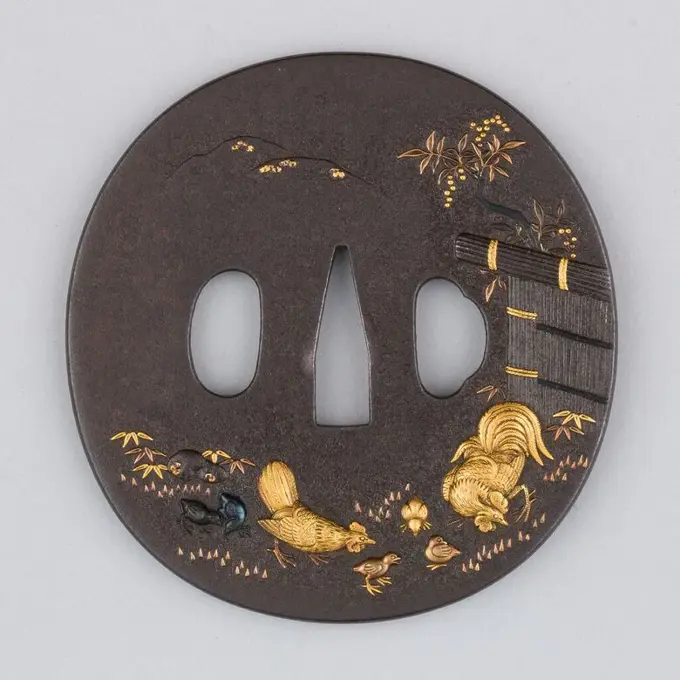
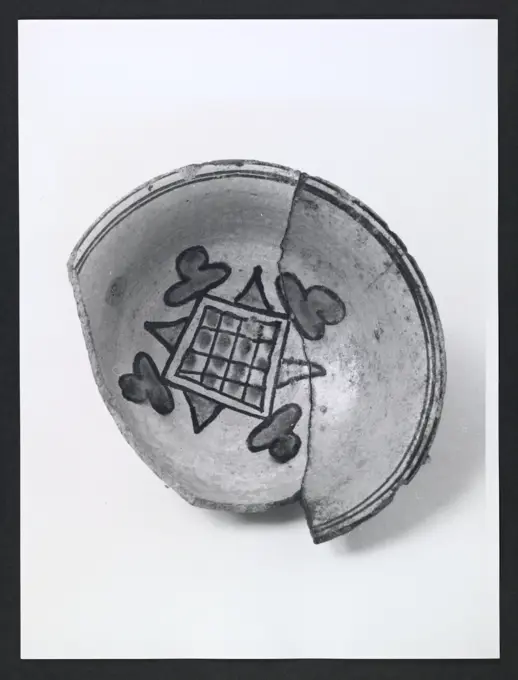
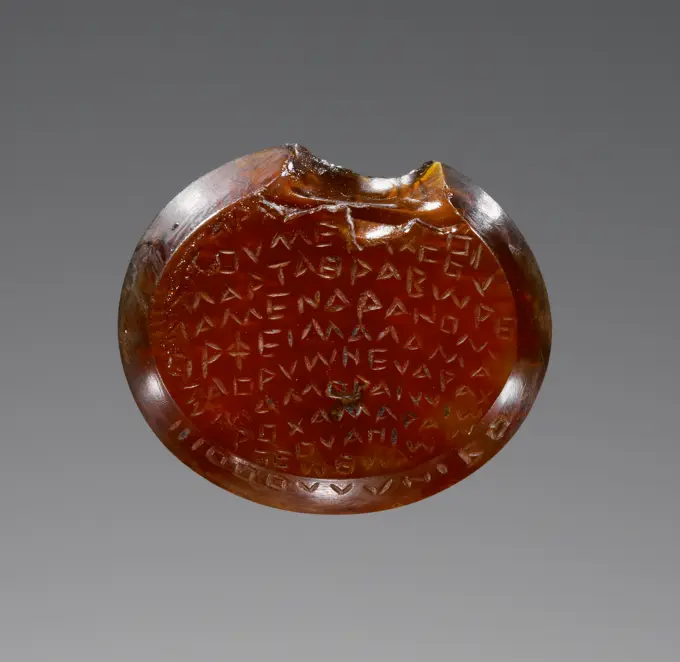
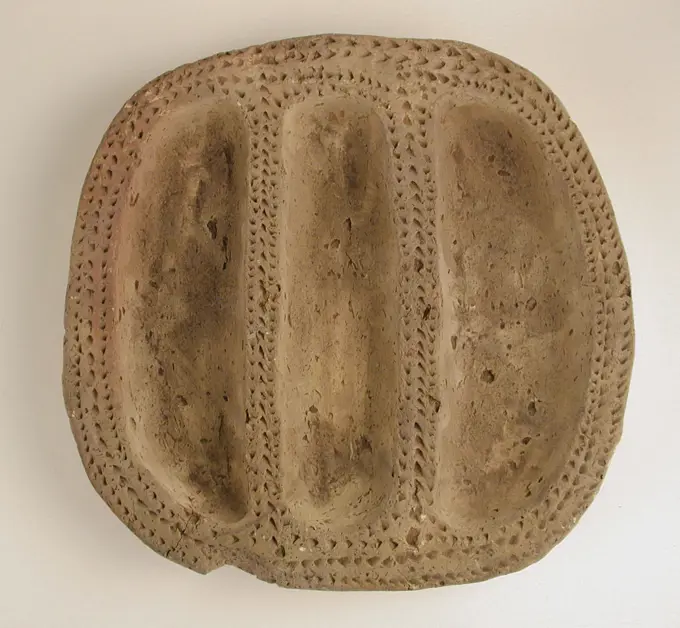
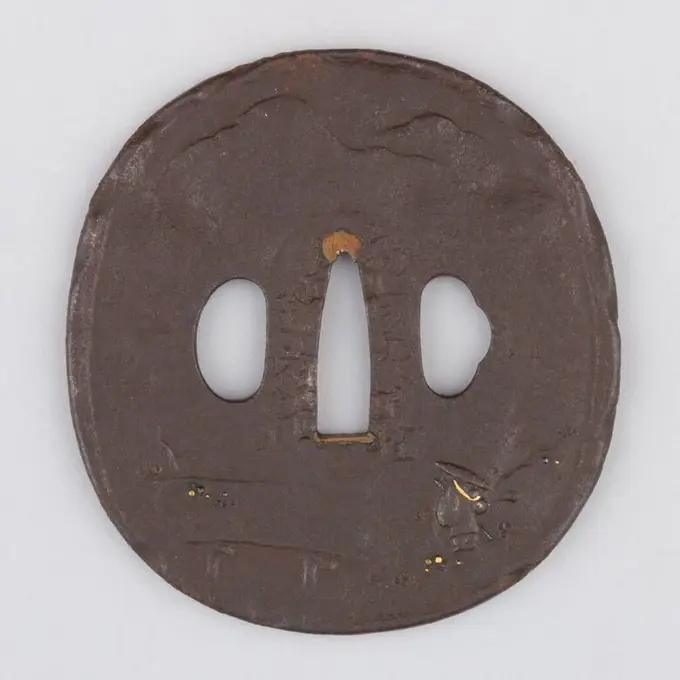
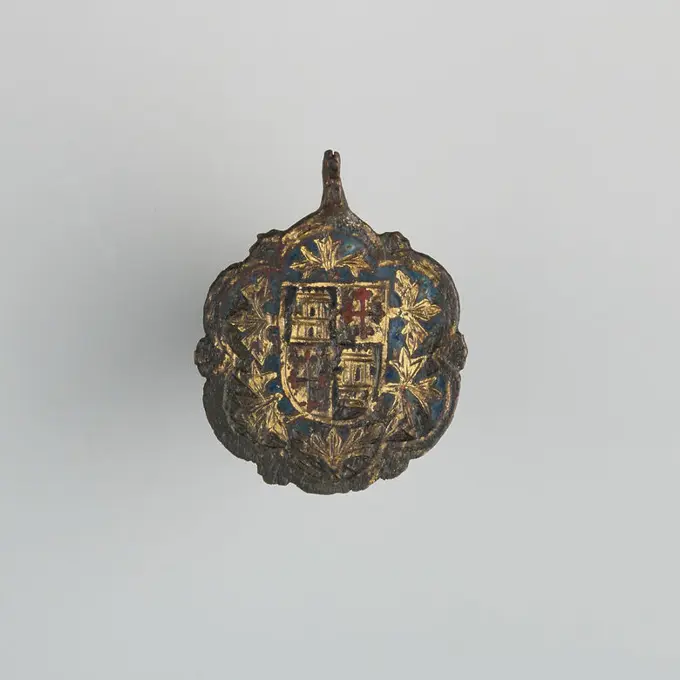
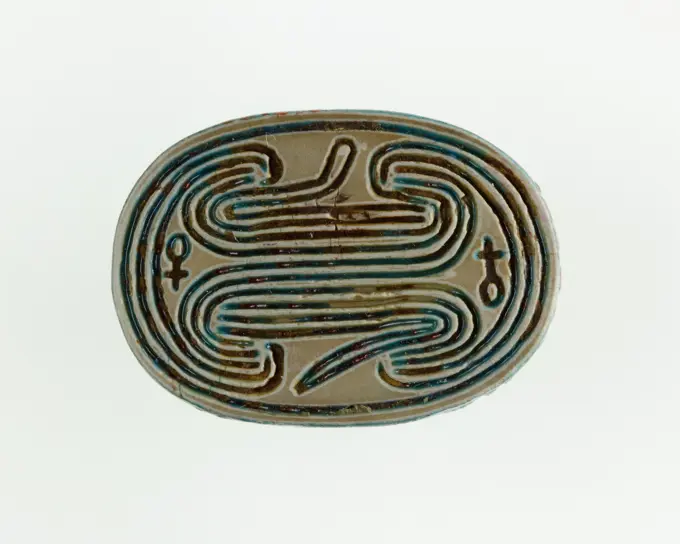
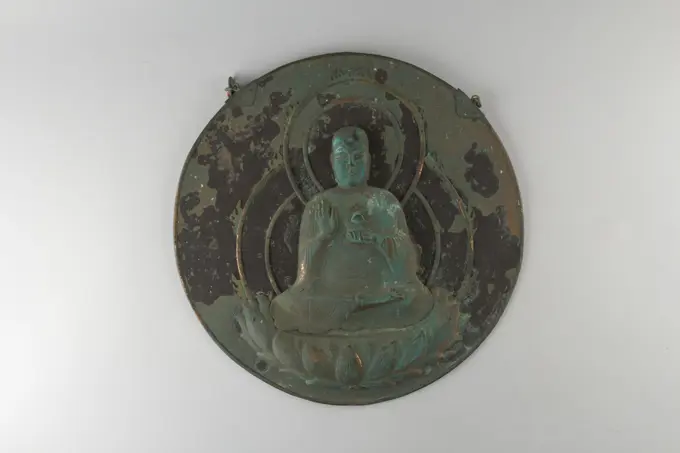
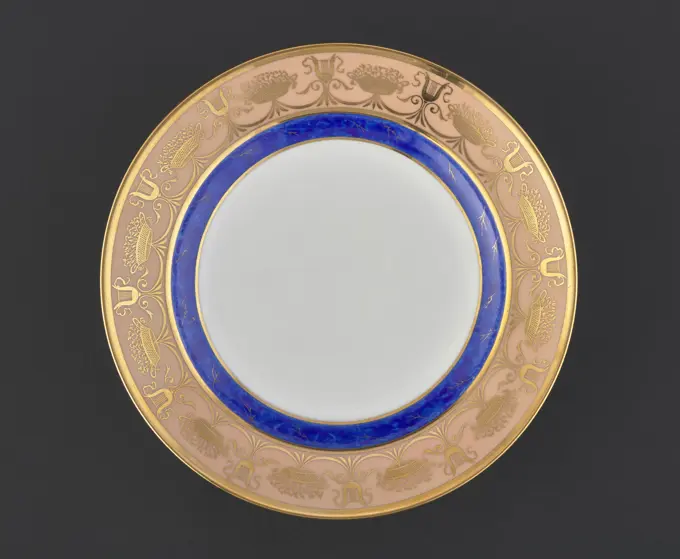
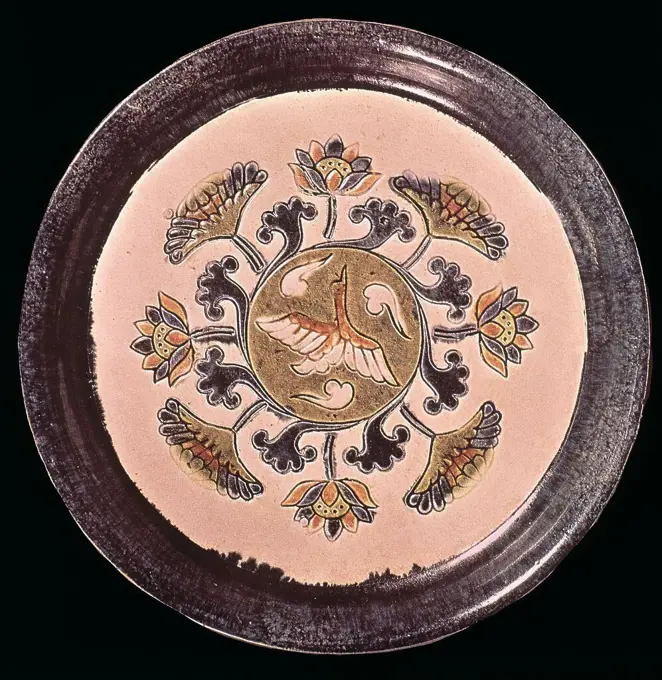
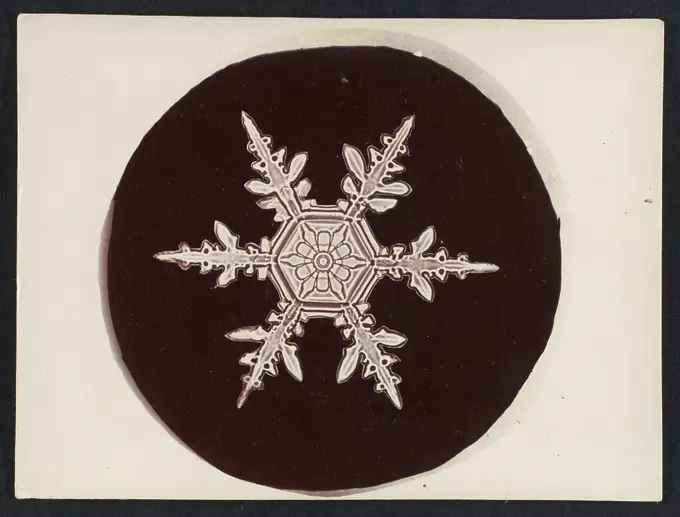
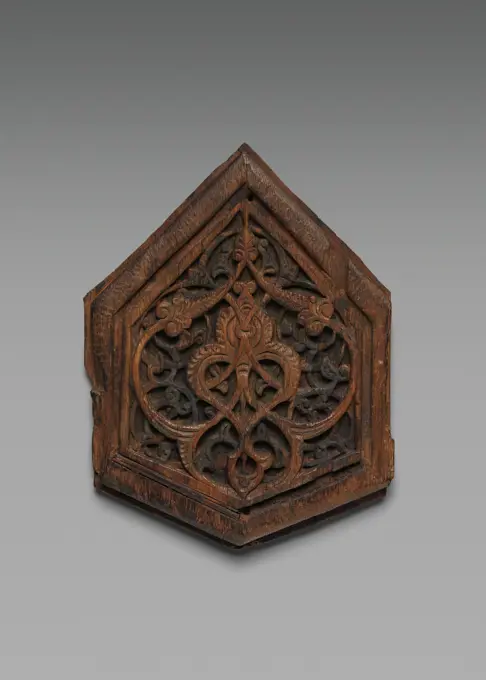
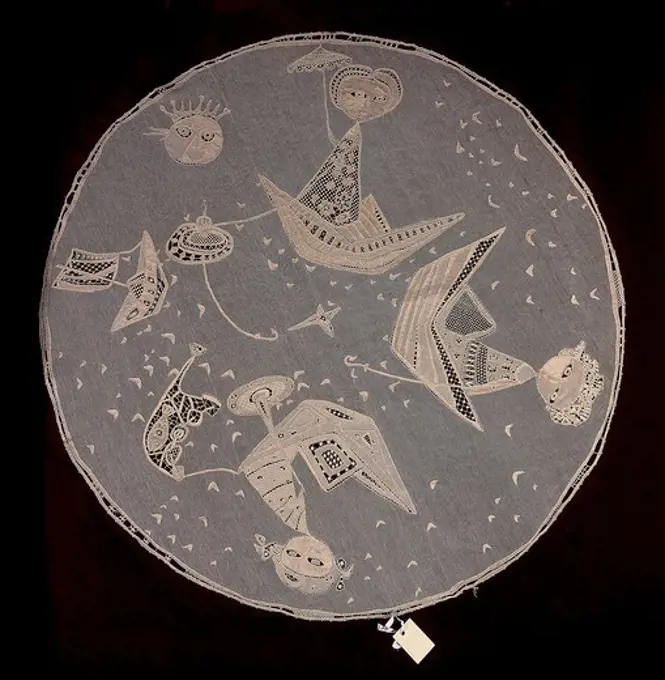
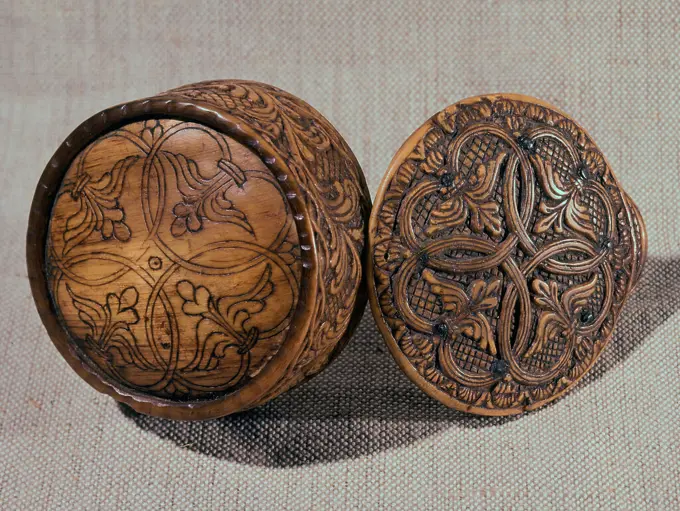
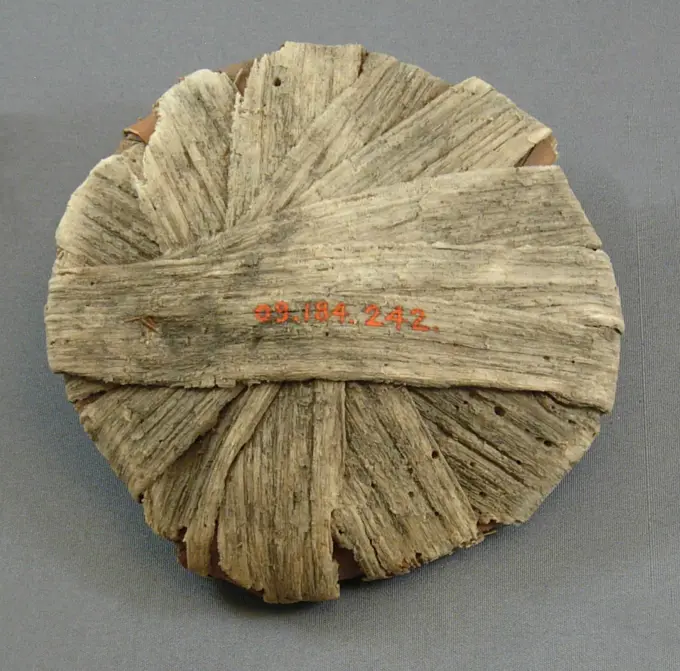
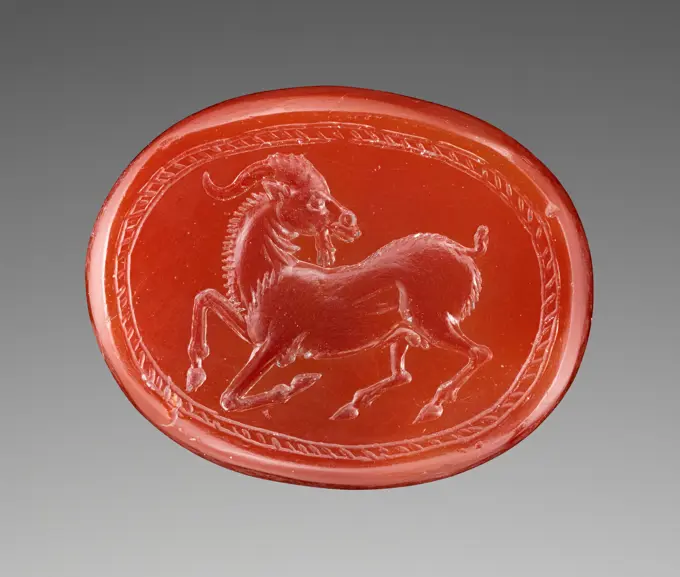
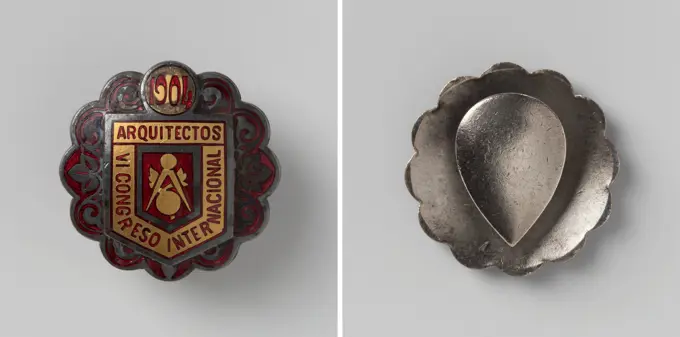
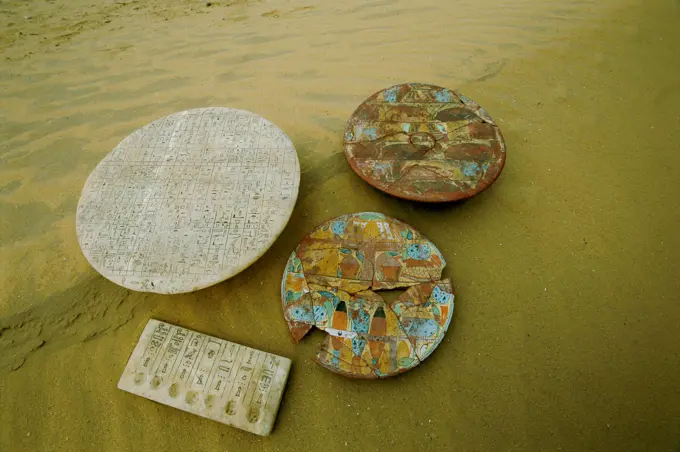
Sword Guard (Tsuba). Culture: Japanese. Dimensions: H. 3 1/16 in. (7.8 cm); W. 2 3/4 in. (7 cm); thickness 3/16 in. (0.5 cm); Wt. 4.8 oz. (136.1 g). Date: ca. 1615-1868. Museum: Metropolitan Museum of Art, New York, USA.East Greek Lip Cup. Attributed to the Osborne House Painter (Greek, active about 550 - 525 B.C.)The martyrs of freedom, 1793 The martyrs of freedom, 1793. Silver copper repulsed in a copper strapping.Sac. 1820. Gal1972.5.2Snuff Box, late 1700s. Italy, late 18th century. Horn mounted in gold; overall: 2.3 x 7 cm (7/8 x 2 3/4 in.).Sword Guard (Tsuba), c. 1750-75. Japan, Edo period (1615-1868). Iron; diameter: 6.8 cm (2 11/16 in.).Plate Base with Peregrina between Saints Peter and Paul mid-300s Roman Pelegrina, flanked by Saints Peter and Paul, stands in a flowery landscape, possibly representing paradise.. Plate Base with Peregrina between Saints Peter and Paul 465922Sword Guard (Tsuba). Culture: Japanese. Dimensions: H. 3 1/8 in. (7.9 cm); W. 2 7/8 in. (7.3 cm); thickness 3/16 in. (0.5 cm); Wt. 4 oz. (113.4 g). Date: ca. 1615-1868. Museum: Metropolitan Museum of Art, New York, USA.Clasp. Afghanistan, circa 5th century. Jewelry and Adornments. Repoussé silverPlate first half 16th century Follower of Valerio Belli (Il Vicentino). Plate 192709The Knickknack Peddler 1500-1599 China. Ivory .Bowl with Repeating Inscription, "Oh, Abundant!" late 9th century The tadpole-like design in the center is sometimes doubled, resembling a yang-yin motif. Seldom does a bowl of such high quality have a repeating inscription. Although the decipherment is uncertain it may exclaim: "O abundant!" (lit., "O Milk-filled!").. Bowl with Repeating Inscription, "Oh, Abundant!". late 9th century. Earthenware; white slip with black slip decoration under transparent glaze. Attributed to Iran, Nishapur. Excavated in Iran, Nishapur. CeramicsSword guard (Tsuba) With Chrysanthemum Motif (花図鐔) late 18th century Masayoshi This tsuba shows a vividly interpreted arrangement of chrysanthemums. Masayoshi (正義), first name Sadashichi (定七), was an Edo-based artist active at the end of the 18th century who had studied with the Masakata (正方, ?-1774), the third master of the local Bushū-Itō (武州伊藤) School.. Sword guard (Tsuba) With Chrysanthemum Motif (花図鐔) 25746A plate Trzewik Drost, Eryka, Economic Huta Z BkowiceSalver, 1740-1750. Jacob Hurd (American, 1702-1758). Silver; overall: 3.2 x 16.2 x 16.2 cm (1 1/4 x 6 3/8 x 6 3/8 in.).Sword Guard (Tsuba), c. 1615-1868. Japan, possibly Edo period (1615-1868). Iron; diameter: 7.4 cm (2 15/16 in.).Cup 18th century. Cup 444514Mirror, 794-1185. Japan, Heian period (794-1185). Bronze; diameter: 9.3 cm (3 11/16 in.).Sword Guard (Tsuba). Culture: Japanese. Dimensions: H. 3 1/8 in. (7.9 cm); W. 2 15/16 in. (7.5 cm); thickness 5/16 in. (0.8 cm); Wt. 6.3 oz. (178.6 g). Date: 19th century. Museum: Metropolitan Museum of Art, New York, USA.Medallion; embroidered and appliquéd; Bequest of Marian Hague; 1971-50-31Plateau 16th century Spanish, Valencia The Christian (or Christianized) potter superimposed a pattern of Latin crosses over this dish, the border of which was actually molded in raised, slanting gadroons, similar to those on a deep dish also in the Museum's collection (see 94.4.379).. Plateau. Spanish, Valencia. 16th century. Tin-glazed and luster-painted earthenware. Ceramics-PotteryCopper tobacco box with the creation of men and the fall of men, tobacco box holder metal copper, cast engraved lying oval with hinged lid (hinge later applied) top lid: in medallion the creation of man tobacco bible New Testament creation sin fall Adam eve save smoking snuffbox religionSword Guard (Tsuba) 19th century Japanese A tsuba is a sword guard and part of a sword mounting. It is mounted between the swords blade and grip to protect the users hands.. Sword Guard (Tsuba) 34976Saucer. SevresTsuba with irregular pear-like shape. Tsuchiya, Yasuchika (1670-1744), craftsmanSword Guard (Tsuba). Culture: Japanese. Dimensions: H. 3 in. (7.6 cm); W. 2 7/8 in. (7.3 cm); thickness 5/16 in. (0.8 cm); Wt. 4.5 oz. (127.6 g). Date: ca. 1615-1868. Museum: Metropolitan Museum of Art, New York, USA.Przeszo Przyszoci unknown. Mokko-shaped tsuba, made up of 17 layers of alternating shakudo and red copper; On both sides, deep volutes are cut in the shakudo surface, so that the different layers of metal are visible (Guri-Bori technology); The Ryo-Hitsu are filled with shakudo.Sword Guard (Tsuba). Culture: Japanese. Dimensions: H. 3 1/4 in. (8.3 cm); W. 3 3/8 in. (8.6 cm); thickness 1/4 in. (0.6 cm); Wt. 5.8 oz. (164.4 g). Date: 18th century. Museum: Metropolitan Museum of Art, New York, USA.Campania Napoli Naples S. Lorenzo Maggiore97. Hutzel, Max 1960-1990 Medieval: Sculpture, architecture, architectural sculpture (including Roman spolia) 13-14th century Chapter house; sarcophagi, gravestones; wall painting. Fragment of mosaic; sculptural fragments in the Sala Capitolare. Post-medieval: Architecture, architectural sculpture, ceiling painting fresco cycle; prints depicting Venice c. 1845 (4), sculpture; life-size creche figures dressed in original Neapolitan costume Church restored in 1882, 1926, 1944; excavations under the transept undertaken between 1958-1962, and in the cloister in 1976, have revealed remains of a Roman macellum (market), street, and the paleochristian basilica of the 6th c. AD. Antiquities: Pottery: black-glazed, archaic banded, domestic wares, bucchero; architectural terracottas, statuettes, lamps, sculpture fragments Object Notes: 3 color negatives with no prints at the end. General Notes: Most objects/paintings/frescoes unidentified. Three batches Incense Box in Shape of Overlapped Chrysanthemums; The Chrysanthemum Youth (Inside Tray) mid-19th century Japan. Incense Box in Shape of Overlapped Chrysanthemums; The Chrysanthemum Youth (Inside Tray) 45461Fragment majolica salt bowl, blue on white, decor Chinese garden with bird, salt bowl salt barrel tableware container earth discovery ceramics pottery glaze, total, Bottom covered with partly 'cooked' greenish lead glaze archeology Rotterdam serving serve serving salt condiment China Soil discovery Rotterdam 1940.Engraved Gem. UnknownLazio Latina Sezze Antiquarium Comunale30. Hutzel, Max 1960-1990 German-born photographer and scholar Max Hutzel (1911-1988) photographed in Italy from the early 1960s until his death. The result of this project, referred to by Hutzel as Foto Arte Minore, is thorough documentation of art historical development in Italy up to the 18th century, including objects of the Etruscans and the Romans, as well as early Medieval, Romanesque, Gothic, Renaissance and Baroque monuments. Images are organized by geographic region in Italy, then by province, city, site complex and monument.Amulet. Dimensions: H. 1 1/2 in (3.81 cm)W. 2 in (5.08 cm). Date: 18th century. Museum: Metropolitan Museum of Art, New York, USA.Round Plaque. Culture: Vicús. Dimensions: Diam. 2 15/16 in. (7.4 cm). Date: 3rd century B.C.-A.D. 2nd century. Museum: Metropolitan Museum of Art, New York, USA.Divided Serving Dish 10th-11th century. Divided Serving Dish 449882Panel 14th-15th century. Panel 445111Wedding bag (pouch) of cream-colored charmeuse and silk crepe with tensile ribbon of satin and decorated with orange blossom of wash. Wedding bag (pouch) of cream-colored charmeuse and silk crepe with tensile ribbon of satin and decorated with orange blossom of wash. Model: Pouch of silk crepe Georgette with tunnel causing a double silk ribbon as tensile closure. This pouch is clamped between two halves that each built up from each other, double charmeuse petals. Decoration: In the heart of both flower halves, a tuft of washing orange blossom.Incense Box with Autumn Grasses and Insect Cage mid-19th century Japan. Incense Box with Autumn Grasses and Insect Cage. Japan. mid-19th century. Gold, silver hiramaki-e, takamaki-e, cut-out gold foil application on black ground. Meiji period (1868-1912). LacquerSword Guard (Tsuba). Culture: Japanese. Dimensions: H. 3 3/8 in. (8.6 cm); W. 3 3/16 in. (8.1 cm); thickness 3/16 in. (0.5 cm); Wt. 4.7 oz. (133.2 g). Date: ca. 1615-1868. Museum: Metropolitan Museum of Art, New York, USA.Empty wooden plate, knife, fork and cutting board set on textured concrete backgroundMirror (common name), 0199. Bronze. Cernuschi Museum, Asia Museum of Asia in the city of Paris.Sword Guard (Tsuba) mid-19th century Japanese A tsuba is a sword guard and part of a sword mounting. It is mounted between the swords blade and grip to protect the users hands.. Sword Guard (Tsuba) 642395Cylindrical Button-like Object, one of a pair, 480-221 BCE, 1/2 x 1 in. (1.27 x 2.54 cm), Translucent yellowish brown jade with traces of red pigment, China, 5th-3rd century BCEPLATO VIDRIADO Y POLICROMADO-DECORADO CON PLANTAS Y CIERVO-ARTE POPULAR S XX. Location: ALFARERIA. Toledo. SPAIN.A vaccine pustule on the 8th to 9th day. Watercolour, c. 1801.MountReinforcing Breastplate Made 1610-1620 Germany. Steel .Platter, Bernard Palissy, French, 1510 - 1590, lead-glazed earthenware, Oval platter in the style of Bernard Palissy. Entire surface decorated with molded and applied leaves, shells and sea creatures. At center, a circle of shells surrounded by waving lines indicating water., France, probably 19th century, ceramics, Decorative Arts, PlatterFestive decoration in the form of six-pointed star, isolated on white background Festive decoration in the form of six-pointed star, isolated on white background Copyright: xZoonar.com/OleksandrxKostiuchenkox 10009572Badge (probably from Horse Harness). Culture: Spanish. Dimensions: H. 2 3/16 in. (5.6 cm); W. 1 3/4 in. (4.4 cm); Wt. 0.5 oz. (14.2 g). Date: ca. 1400. Museum: Metropolitan Museum of Art, New York, USA.Dish (Pan) in the Form of a Chrysanthemum with Lions and Floral Sprays. China, Chinese, Middle Ming dynasty, about 1450-1550. Furnishings; Serviceware. Red lacquer on wood core with painted decorationCanosan Fish-Plate. Hippocamp Painter (Greek (Canosan))Gaming Bag Made 1670-1700 France. Silk, cut velvet weave; embroidered in silver-gilt strips wound around a silk fibre core; outlined in yellow silk threads; blue ground .Scarab of Hatnefer ca. 1492-1473 B.C. New Kingdom This finely carved scarab was worn as a bracelet. It would have been fastened with a double loop of linen cord that ran lengthwise through amulet between the legs and body of the beetle. The scarab and cord were found pressed against Hatnefer's left forearm. The base of the scarab is incised with with the pattern of an elaborately coiled cobra and two "nefer" hieroglyphs (meaning "good" or "beautiful").Two rings and a second scarab were also found on Hatnefer's mummy.. Scarab of Hatnefer. ca. 1492-1473 B.C.. Glazed steatite. New Kingdom. From Egypt, Upper Egypt, Thebes, Sheikh Abd el-Qurna, Tomb of Hatnefer and Ramose (below TT 71), Mummy of Hatnefer, underside of left forearm, MMA excavations, 1935-36. Dynasty 18, earlyVotive Plaque (Kakebotoke) 12th century Japan The kakebotoke is a round metal or wooden disk with a separately made or repoussé (hammered from the rear) image of a Shinto or Buddhist deity imposed upon it. This unusually large example features a gilt repoussé image of the bodhisattva Jiz. The figure, lotus throne, and double halo are all separately modeled by hammering and are attached to the disk with small nails, a technique of the late Heian period.. Votive Plaque (Kakebotoke). Japan. 12th century. Bronze. Heian period (794-1185). MetalworkFalse coin, IIthuanian shilIIng, 1666, John II Casimir (1649 1668)Plate; Koenigliche Porzellan Manufaktur (KPM; Berlin; 1763-1918); 1870-82 (1823-00-00-1832-00-00);CERAMICA CHINA-DINASTIA TANG S VII-VIII. Location: GALERIA DE ARTE. BRISTOL. ENGLAND.Snow Crystal. Artist: Wilson Alwyn Bentley (American, 1865-1931). Dimensions: Image: 2 3/4 × 2 7/8 in. (7 × 7.3 cm)Sheet: 3 × 4 in. (7.6 × 10.2 cm). Date: 1890s-1920s. Museum: Metropolitan Museum of Art, New York, USA.Panel 1296 Before becoming sultan, Husam alDin Lajin spent a year in hiding at the dilapidated Ibn Tulun Mosque. He vowed to renovate the mosque someday, and an enormous minbar was the result, dismantled in the late nineteenth century and dispersed in several museum collections, including The Metropolitan Museum of Art. A copy based on a traveler’s drawing now stands in the mosque.. Panel 452219Laces, 20th century. Burano stitch (Punto Burano) needle lace centerpiece entitled Japanese Fishing, from a drawing of Romualdo Scarpa, 1950.Attic Red-Figure Cup. Oltos (Greek (Attic), active about 525 - 500 B.C.)CAJA DE CORPORALES EN HUESO - MOZARABE. Location: CATEDRAL DE SANTA MARIA. ASTORGA. LEON. SPAIN.Papyrus Lid from the Embalming Cache of Tutankhamun ca. 1336-1327 B.C. New Kingdom. Papyrus Lid from the Embalming Cache of Tutankhamun. ca. 1336-1327 B.C.. Papyrus fiber. New Kingdom. From Egypt, Upper Egypt, Thebes, Valley of the Kings, Embalming Cache of Tutankhamun (KV 54), Davis/Ayrton excavations, 1907-08. Dynasty 18Small tile with a spotted hyena or bear, 13th century. Artist: UnknownBowl with Black and White Decoration. Dimensions: H. 2 3/8 in. (6 cm)Diam. 9 in. (22.9 cm). Date: late 9th-10th century. Museum: Metropolitan Museum of Art, New York, USA.Ink Cake, 19th Century. China, Qing dynasty (1644-1911). Ink cake; overall: 4.4 x 3.6 cm (1 3/4 x 1 7/16 in.).Sword Guard, 1615-1868. Japan, Edo period (1615-1868). diameter: 6 cm (2 3/8 in.).Mirror, 1615-1868. Japan, Edo period (1615-1868). Bronze; diameter: 4.6 cm (1 13/16 in.); overall: 8.2 cm (3 1/4 in.).Badge with Martyrdom of Saint Edmund 15th century British. Badge with Martyrdom of Saint Edmund 474381Engraved Gem with Kneeling Goat. UnknownChristmas cards depicting carollers, snow, holly, food and a forest.. Proofs, Greeting cards. 1865 - 1899. The Miriam and Ira D. Wallach Division of Art, Prints and Photographs: Print Collection. Singers, ForestsDecorative sword-guards from Japan known as Tsuba, used to prevent the hand slipping towards the blade. Dated 18th CenturyVIE International Congress of Architects, Anonymous, 1904  One -sided medal, of which the edge is formed by twelve half, round balls, welded to pear -shaped security. Front: coat of arms with a change; Above that with the year; In other eleven balls, from which the edge consists: flower motifs.  silver (metal). striking (metalworking) / weldingEgypt, Saqqara, Sakkara, Tomb of Qar, Late PeriodThe Multinational Force and Observers seal, seen at MFO North Camp in el Gorah, Egypt, on Oct. 22, 2011.