Ornamental Textile Fragments

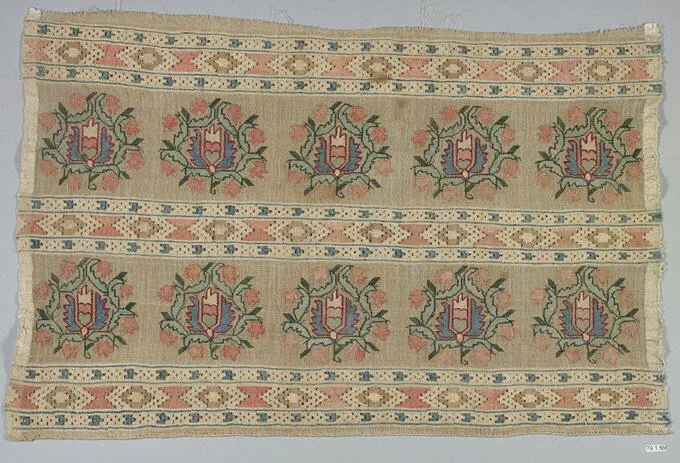
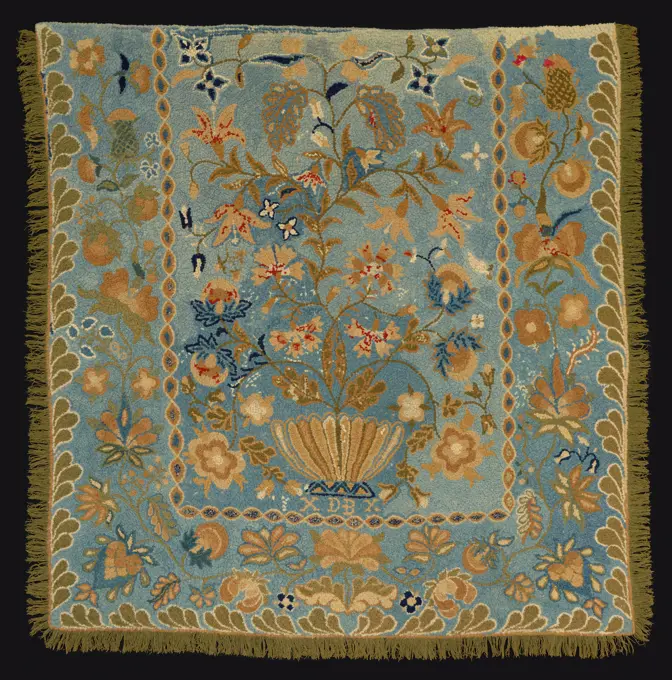
Fragments of Eastern carpets and textile designs, rich in patterns and colors, showcasing intricate floral motifs and traditional weaving techniques from various regions.

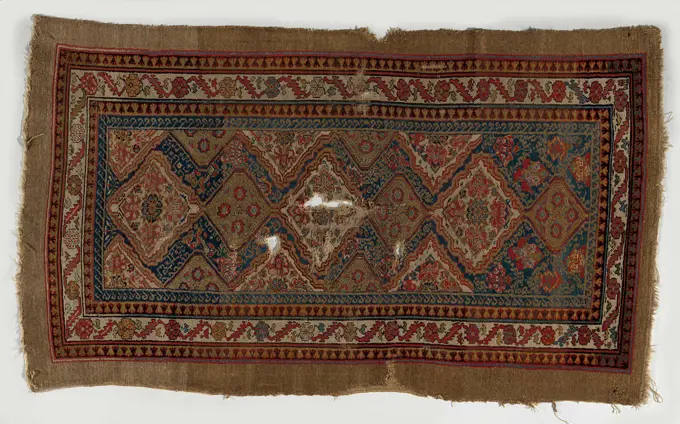
Four fragments of an Eastern carpet, Anonymous, 1500 - 1550 Eastern carpet, arabesk dress, lotto carpet. Four fragments of what was originally a larger carpet. In midfield a pattern of flowing lines and flexibly shown leaf motifs. The middle edge is decorated with kufic oraments. Little Asia wool Eastern carpet, arabesk dress, lotto carpet. Four fragments of what was originally a larger carpet. In midfield a pattern of flowing lines and flexibly shown leaf motifs. The middle edge is decorated with kufic oraments. Little Asia wool
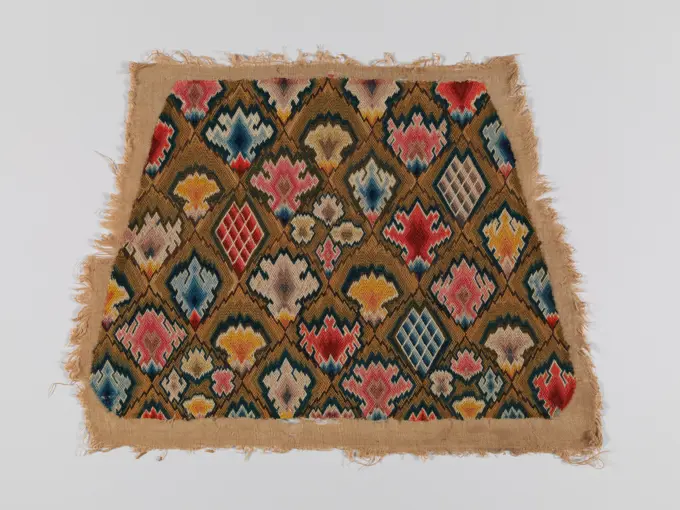
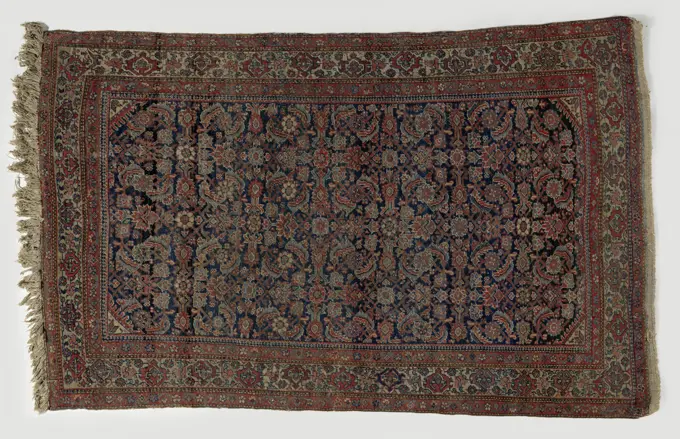
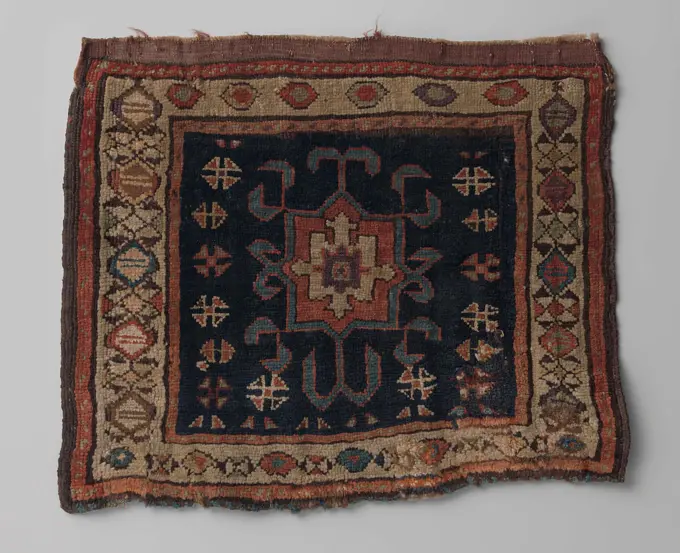
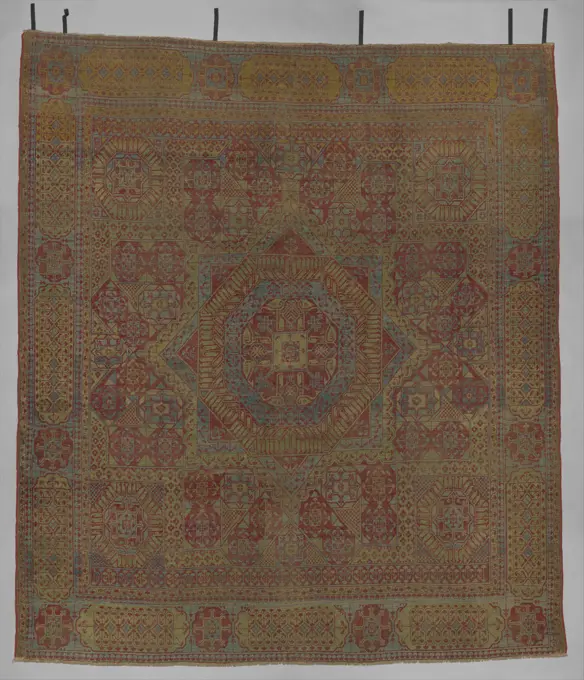
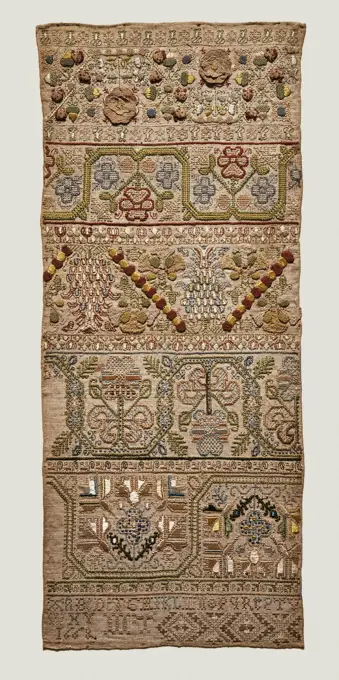
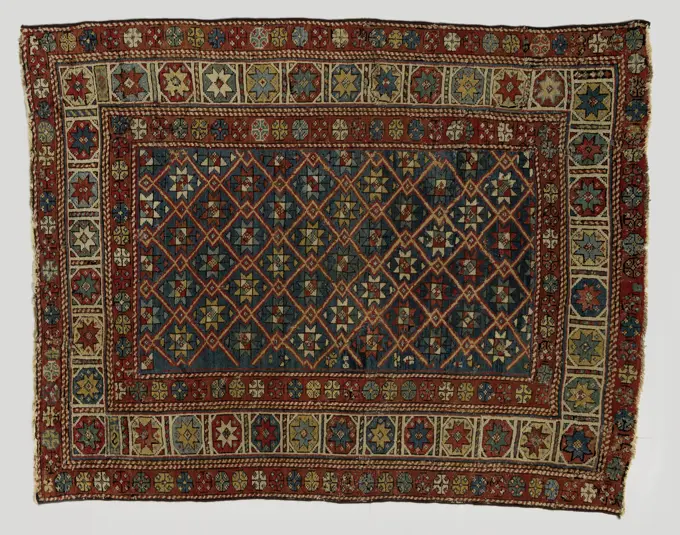
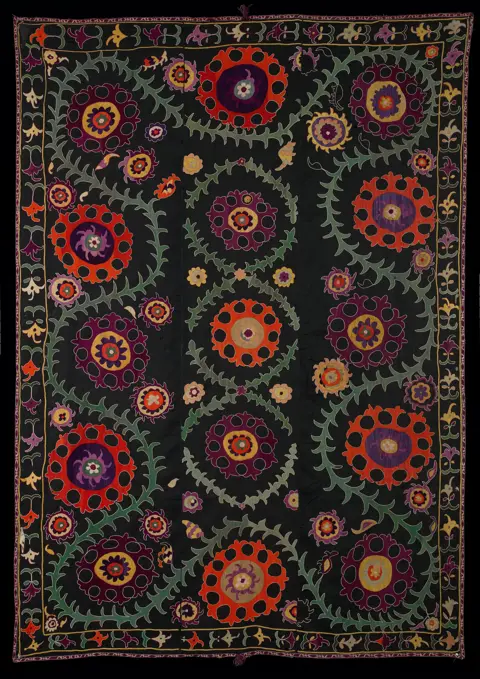
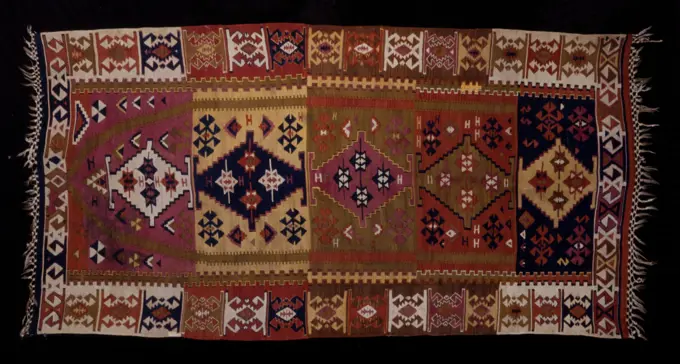
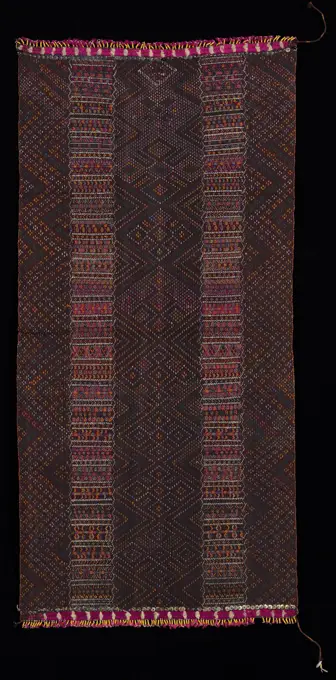
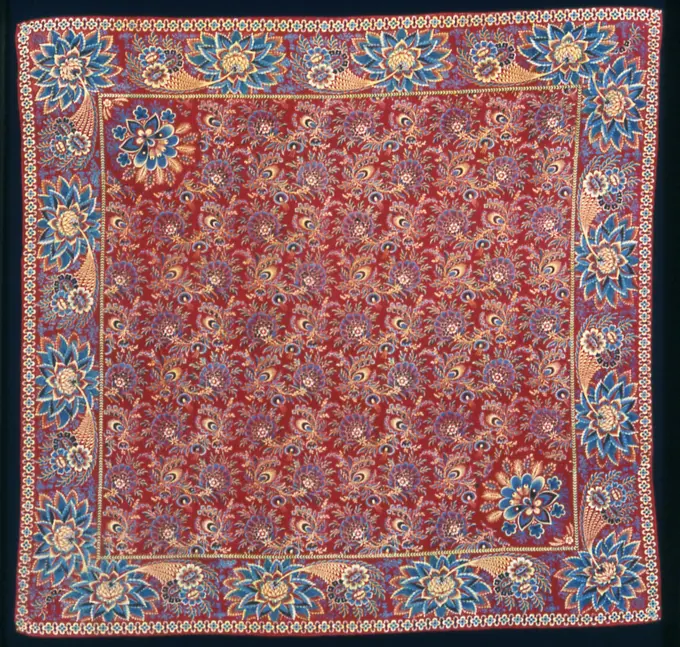
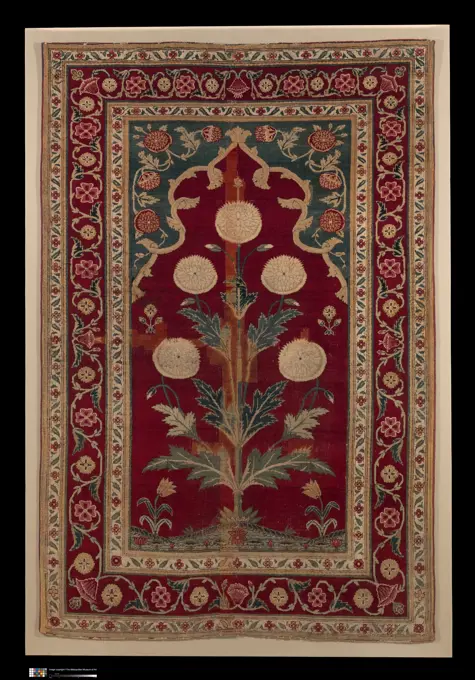
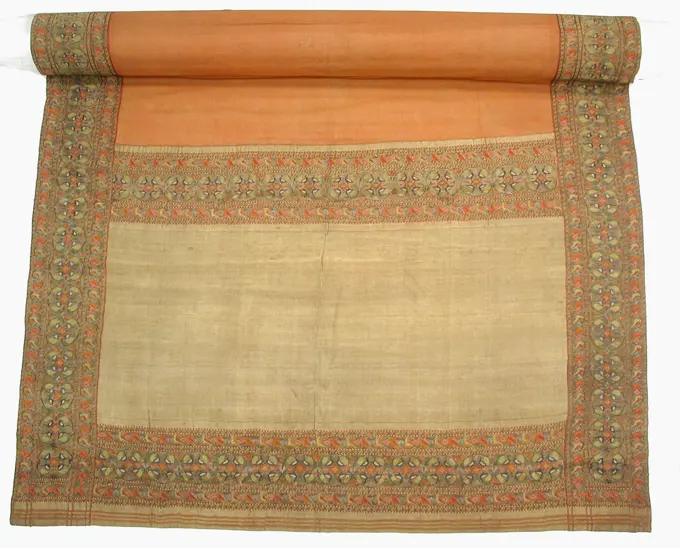
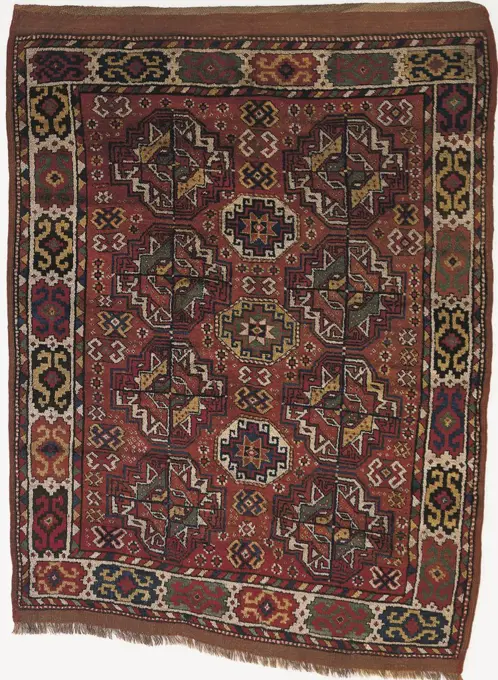
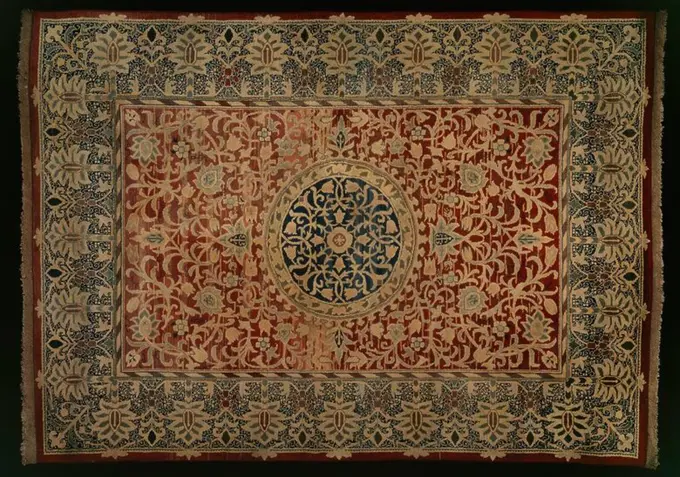
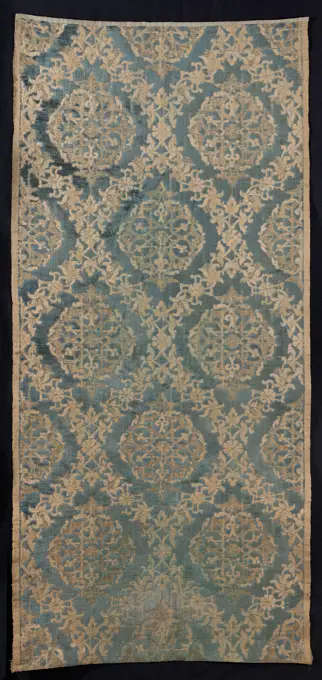
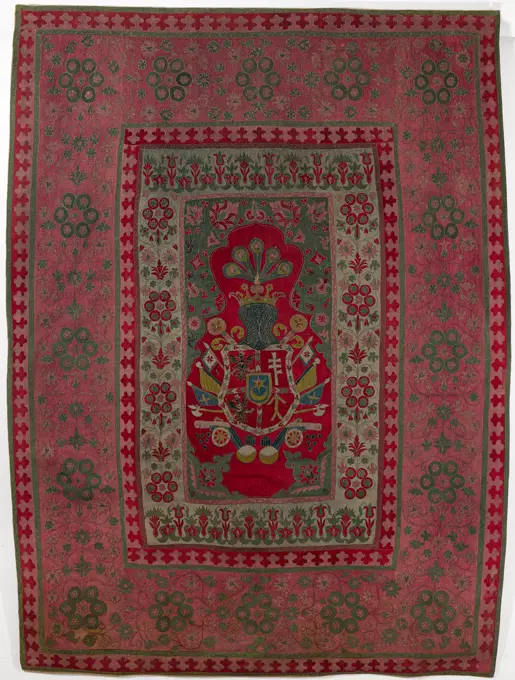
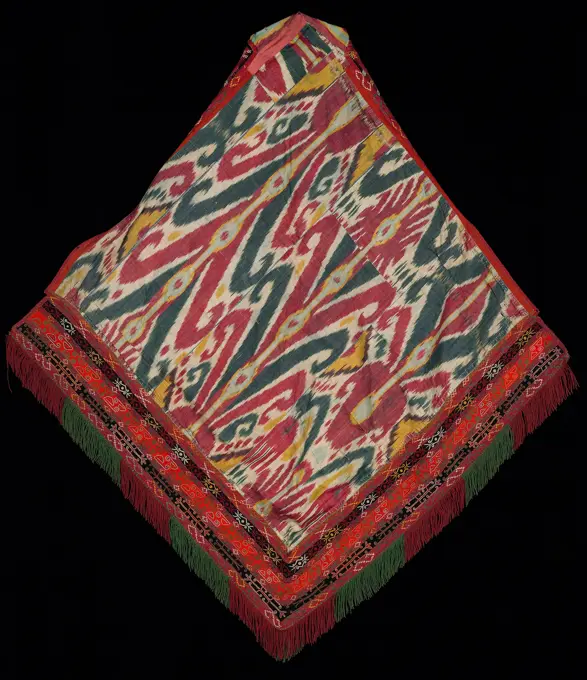
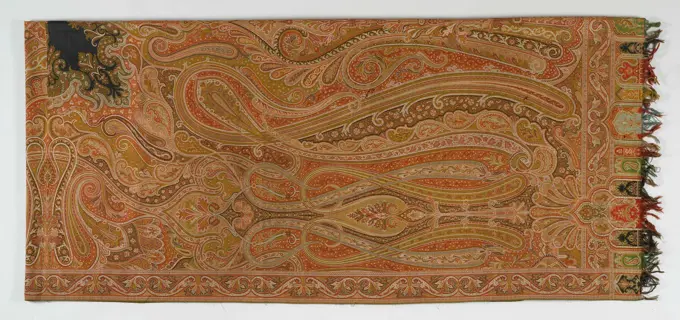
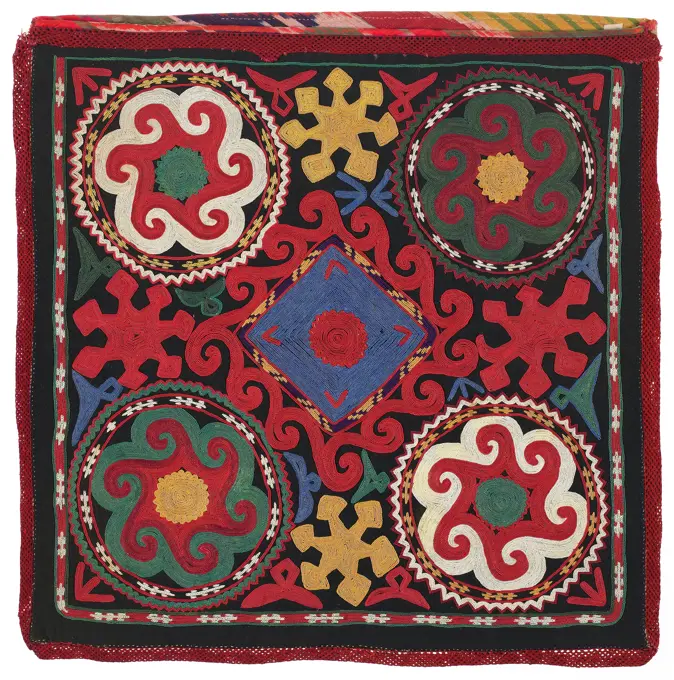
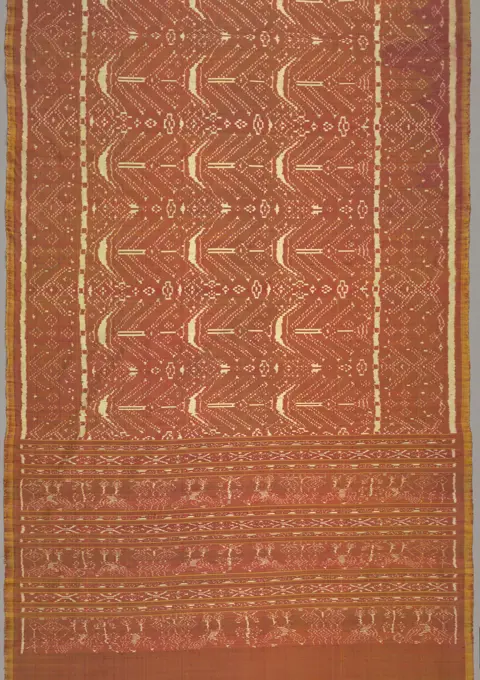
Fragment Sits with symmetrical lace pattern and flower drinks on Oknergele Fond. Fragment Sits. Design: symmetrical striptic, filled with grid pattern, so-called lace pattern, and flower drinks; in the axle large flower arrangements in red, blue, eggplant, yellow and green against an ocheral fond; The fond of the bandwork is white. Hindeloopens fur.Eastern carpet, anonymous, c. 1800 Oriental carpet, grid rug, in carpet format. The midfield is decorated with windows, in which a rosette. Widest edge is decorated with kufic script. Caucasus wool Oriental carpet, grid rug, in carpet format. The midfield is decorated with windows, in which a rosette. Widest edge is decorated with kufic script. Caucasus woolFour fragments of an Eastern carpet, Anonymous, 1500 - 1550 Eastern carpet, arabesk dress, lotto carpet. Four fragments of what was originally a larger carpet. In midfield a pattern of flowing lines and flexibly shown leaf motifs. The middle edge is decorated with kufic oraments. Little Asia wool Eastern carpet, arabesk dress, lotto carpet. Four fragments of what was originally a larger carpet. In midfield a pattern of flowing lines and flexibly shown leaf motifs. The middle edge is decorated with kufic oraments. Little Asia woolTablecloth (Italy); linenMedailillonleed, Yuruk of "Sultan" ,, 1850 - 1900 Medaillon suffering, Yuruk or "Sultan". Midfield: ice blue with large cardinal savings medallion with bulges lower and top; Both last filled with litter. Rand: triple. The middle hard orange with four -part flowers in brown/beige, red, blue, purple, green and white. The inner zoom is purple, the outside zoom light brown with equal flowers. Walking wool Medaillon suffering, Yuruk or "Sultan". Midfield: ice blue with large cardinal savings medallion with bulges lower and top; Both last filled with litter. Rand: triple. The middle hard orange with four -part flowers in brown/beige, red, blue, purple, green and white. The inner zoom is purple, the outside zoom light brown with equal flowers. Walking woolChair seat cover ca. 1770 Anna Poor Parsons American This chair seat cover is fully embroidered with multicolored crewel wools on a plainweave linen base fabric. The pattern is of serrated flame stitch” lozenges in graduated shades (light to dark) of pinks, reds, yellows, blues, and purples. The background between the lozenges is in shades of green to brown. There few exactly repeated designs, either in shape or color, among the patterned lozenges. The embroidered area is bordered by an approximately 1 inch wide area where the linen base fabric remains unembroidered. Although currently unmounted, the chair seat was removed from a chair and was framed at some point in its history, likely in the first half of the 20th century.. Chair seat cover 679002Shawl, Medium: wool Technique: embroidery on twill ground, Chevron stripes overlaid with an arabesque pattern, filled with butah and floral forms. Border on four sides with small butah pattern. Embroidered in reds, blues, greens and yellow on an ivory ground., India, early 19th century, embroidery & stitching, ShawlEmbroidery (Greece); silk, cottonOriental carpet ,, 1850 - 1900 Oriental carpet, flower rug. In midfield a Herati pattern against a dark blue stock. Three -stern edge, the middle one with a flower drink. Middle Persia Ketting an element: Cotton (Textile) Oriental carpet, flower rug. In midfield a Herati pattern against a dark blue stock. Three -stern edge, the middle one with a flower drink. Middle Persia Ketting an element: Cotton (Textile)Iket (Headcloth) Made 1801-1900 Java. Cotton, batik dyed .Fragment of an oriental carpet. Fragment of an oriental carpet, floral rug. In the midfield a grid pattern filled with stylized flowers and flower bouquets and small animal figures along the vertical axes against a dark blue background. Main ride is missing.Close-up of a Bergama carpet, TurkeyEastern carpet ,, 1800 - 1900 Oriental carpet (fragment), hexagonal medailla rug. In midfield there are five hexagonal medallions, formed by hook figures against an orange -red stock. The wide edge is decorated with square made up of crochet motifs. Konya (possibly) wool Oriental carpet (fragment), hexagonal medailla rug. In midfield there are five hexagonal medallions, formed by hook figures against an orange -red stock. The wide edge is decorated with square made up of crochet motifs. Konya (possibly) woolFace from Half of Double Saddle Bag (Khorjin). Dimensions: H. 23 in. (58.4 cm)W. 22 in. (55.9 cm). Date: ca. 1850. Museum: Metropolitan Museum of Art, New York, USA.Piece 19th century China or Japan. Piece 71446Cover sheet of a saddle bag. Cover sheet of a saddle bag. Midfield is decorated with a crochet medallion against a dark blue background.Shoulder cloth, Anonymous, 1900 - 1999 Shoulder cloth with floral and geometric motifs. South Sumatra silk. Shoulder cloth with floral and geometric motifs. South Sumatra silk.Carpet late 15th-early 16th century Documents first refer to Cairo as a carpetweaving center in the last quarter of the fifteenth century. Carpets of this type figured significantly in Mediterranean commerce and appear in Venetian paintings as early as the sixteenth century. They are characterized by kaleidoscopic profusion of tiny motifs and a limited color range, resulting in an iridescent effect. Production of these socalled Mamluk carpets continued until the mid-sixteenth century, after the 1517 Ottoman conquest of Egypt. Listen to experts illuminate this artwork's story Listen Play or pause #6638. Overview: Mamluk Carpets, Part 1 Play or pause #6639. Overview: Mamluk Carpets, Part 2 Supported by Bloomberg Philanthropies We're sorry, the transcript for this audio track is not available at this time. We are working to make it available as soon as possible.. Carpet 450467Bliżej Kultury unknownBand Sampler. England, 1668. Textiles; embroidery. Linen plain weave with silk embroideryCaucasian Karabakh carpet unknownEastern carpet ,, c. 1800 Oriental carpet, prayer rug with a dark red mihrab with step gable. Three rows of rosettes and oil knans. Green -blue corner pieces with saw blade motifs. Middle corn blue edge decorated with rosette flowers and arabes ski floors. Ladik wool Oriental carpet, prayer rug with a dark red mihrab with step gable. Three rows of rosettes and oil knans. Green -blue corner pieces with saw blade motifs. Middle corn blue edge decorated with rosette flowers and arabes ski floors. Ladik woolRitual Cloth(Osap)Eastern carpet ,, 1800 - 1900 Oriental carpet whose blue midfield is decorated with angular flower vases composed of arabesken. Numerous animal figures and golf motifs. Rand with stylized slender with lotus flowers and rosettes. Kermanshahan wool Oriental carpet whose blue midfield is decorated with angular flower vases composed of arabesken. Numerous animal figures and golf motifs. Rand with stylized slender with lotus flowers and rosettes. Kermanshahan woolFloral Carpet. Date/Period: 1001/1100. Silk. Width: 279 cm. Height: 508 cm. Author: UNKNOWN.Flower Dress, Daghestan, Karabagh or Zuid -Shirwan, Anonymous, 1880 - 1900 Flower rug, Daghestan, Karabagh or Zuid-Shirwan. Midfield: The field is divided into blue windows by a gridwork in light yellow in which brown randed stars that are arranged by color in white, turquoise green, red and ocher yellow. The yellow grid has red outskirts and diamonds at the nodes. Edges: triple. The middle and widest is divided into white squares with stars standing inside octagon. The inner and outdoors are the same, with dark red stock with loose rosette flowers. Caucasus wool Flower rug, Daghestan, Karabagh or Zuid-Shirwan. Midfield: The field is divided into blue windows by a gridwork in light yellow in which brown randed stars that are arranged by color in white, turquoise green, red and ocher yellow. The yellow grid has red outskirts and diamonds at the nodes. Edges: triple. The middle and widest is divided into white squares with stars standing inside octagon. The inner and outdoors are the samOriental carpet. Oriental carpet, medallole, from knotted wool. There are six diamonds, palmets and rosettes in midfield. Along the edges halved medallions. Around five edges, the widest of which is decorated with a spiral belt and rosettes.TEJIDO HISPANO-MUSULMAN. Location: PRIVATE COLLECTION. MADRID. SPAIN.Star Ushak decorated with medallions and floral drinks. Oriental carpet, star Ushak. There are three-pointing medallions in midfield, filled with Arabesken against a brick red. Medallions halved along the sides. The field is filled with flower drinks. The edge is decorated with lotus flowers.Woolen carpet with millefleurs decoration, early 1600s. India, Mughal, Kashmir, 17th century. Asymmetrical knot: pashmina (wool); average: 292.7 x 248.9 cm (115 1/4 x 98 in.). This tour de force of Mughal weaving sets symmetrically intertwined flowering vines against a deep wine-red ground. The small-scale flowers that fill the ground space appear to be so numerous that this type of pattern is given the name millefleurs, thousand flowers” in French, after a type of medieval European tapestry pattern. The use of pashmina wool indicates that this work was made in Kashmir, near the foothills of the Himalayas in northern India. They lend a silken sheen that augments the carpet’s luxurious quality. Mughal carpets of this type were prized by Europeans and Americans during the 18th and 19th centuries.Baby Carrier, 29 1/4 x 20 in. (74.3 x 50.8 cm), Cotton; needlework, ChinaCushion cover, 1600-1650, voided and brocaded silk velvet or çatma. Central, circular floral design in red and green, reserved in red with a row of six lappets containing rosebuds at either end. .Heupdoek, anonymous, c. 1875 - c. 1925 Hip cloth with geometric and floral motifs. Pekalongan cotton (textile) Hip cloth with geometric and floral motifs. Pekalongan cotton (textile)Prayer dress. Oriental carpet, prayer dress. In midfield a terra red Mihrab. A large window in the niche. Triple edge, the widest corn scoop with a meander drink. Upper and at the top of a red perch. Button: Ghiledes knot.Fragment (Near East); silk on cottonBliżej Kultury unknownTextile (Peru); woolTextile Fragment 18th-19th century. Textile Fragment 443045Shroud(Porisitutu’)Chest Cover, early 20th century, 38-1/2 x 60-3/4 in. (97.8 x 154.3 cm), Cotton, silk; embroidery, Morocco, 20th century, As in many Islamic countries, decorative fabrics were highly valued and used extensively in Moroccan households. Many regional styles developed that resulted in the creation of distinctive interiors. The central coastal cities of Rabat and Sale were noted for their dramatic, richly embroidered door curtains that separated public and private spaces in the home. That same style of embroidery was also used for smaller items, such as the chest cover we see here. This could have been a dowry piece or a commissioned embroidery intended possibly for a wedding gift.Square Shawl with Quarter Shawl Layout, 1840s. Austria, England, France, or Scotland, 19th century. Supplementary weft pattern; silk & wool; overall: 185.4 x 181.6 cm (73 x 71 1/2 in.).Purse. Culture: European. Date: late 18th century. Museum: Metropolitan Museum of Art, New York, USA.Suzani, c. 1930, 105 x 75 1/4 in. (266.7 x 191.14 cm), Silk, cotton; continuous thread couching, hook chain stitch, cross-stitch, Uzbekistan, 20th centuryFragment (India); silk, metallic threadConciliate belt; Studio of Franciszek Mas Owski (Kraków; label Pasów; 1781-1806); 1781-1806 (1781-00-00-1806-00-00);Poland (culture), Polish clothingSampler (Spain); cotton embroidery on linen foundationPrayer cloth with mihrab with three-stage facade and white swing. Barred, Kurdistan. Midfield: Unclearly separated brick red Mihrab with three staircase and white swing. At the bottom the niche is indicated by such swing, as cornerstones, also in white. Edge: Multiple. The main ride is petrol blue with a coarse S-rank with flowers in striped brown / white, blue / white, brown / green etc. The indoor and outdoor is equal, N.L. from flicky yellow, also with a flower drink. All three are accompanied by lists O.A. with a block tape.. Children's spread or blanket of sits, quilted and stitched. Cotton, painted by stainless steel and recess technology, painted and quilted with white cotton wool, stitched into yellow; Lined with red silk. Dessin: Continuous pattern of small flower drinks; in the corners Mirab-arches; Four edges consisting of flower edge, framed by narrower edges with pendulum pattern; The inner edge with dessess of rows of tribes awarded by stars. The paintings in different shades of red, eggplant, green, yellow (especially in the inner edge) and (little) blue on a cream-colored fond. Condition: Problematic T.A.v. The silk lining: There are holes in cases.Rug 1550-1600 Spanish. Rug 215377Shoulder cloth. Shoulder draft with geometric motifs.Bag 14th-16th century Peruvian. Bag 317645Embroidered Panel, 1700s - 1800s. India, 18th-19th century. Embroidery; silk and metallic threads; overall: 81.9 x 78.7 cm (32 1/4 x 31 in.).Band (from Woman's Trousers or Robe) Made 1875-1900 China. .BedRugPrayer Kilim, 1875-1900, 75 1/2 x 40 1/2 in. (191.77 x 102.87 cm) (with fringe, 81 1/2 inches), Wool, tapestry woven, 19th-20th centuryBook cover with overall diamond pattern with arrows 19th century Anonymous. Book cover with overall diamond pattern with arrows. Anonymous , 19th century. 19th century. Relief print (wood or metal). PrintsMyanmar, 20th century, 28 5/8 x 13 5/8in. (72.7 x 34.6cm), Cotton, sequins; supplementary weft patterning, Myanmar (Burma), 20th centuryBaby Carrier, 18 1/2 x 22 3/4 in. (46.99 x 57.79 cm), Cotton; needlework, ChinaSampler (England); Embroidered by Alls Tanner (English); silk and linen embroidery on linenPolonaise Carpet 17th century This carpet, one of a matching pair, belongs to a type known as "Polonaise," noted for its silk pile, pastel color palette, and extensive use of gold- and silver-metal-wrapped thread. The designation "Polonaise" reflects the (incorrect) nineteenth-century belief that carpets of this type were from Poland, a notion derived from the presence of similar carpets bearing European coats of arms. In fact, these carpets were made in Iran and shipped abroad in large numbers. Many were also brought to Europe by Persian embassies as gifts from the shahs, and some were commissioned in Iran by visiting Europeans. Though Polonaise carpets are relatively common, the design of overlapping cartouches seen here is rare.. Polonaise Carpet 451025Handkerchief Made 1801-1825 France. Cotton, plain weave; roller printed .Panel Made 1875-1900 China. Forty-four pairs and eight odd pieces of embroidered sleeve, ankle bands, etc. on gauze. . Han-ChineseBag, 20th century, 12 x 8 1/4 in. (30.48 x 20.96 cm), Cotton, mirrors; needlework, India or Pakistan, 20th centurycarpet with geometric ornament on whiteCarpet with Niche and Flower Design mid-17th century This weaving is part of a group that uses the most popular motif of the emperor Shah Jahans reign: the single flowering plant, in this case a poppy, set within a niche. The similarity of their design to tent panels with niches and to hangings shown in royal audience scenes suggests that they were hung vertically rather than being placed on the floor.. Carpet with Niche and Flower Design 452554Frieze (USA); Manufactured by Pittsburg W.P. Co.; machine-printed paper; 92 x 49 cm (36 1/4 x 19 5/16 in.)Welum;  19th century (1801-00-00-1900-00-00);Fragment 16th century Italian, Sicily. Fragment 213459Embroidery, 1600s-1700s. Morocco, Moghrebin, 17th-18th century. Embroidery, silk; average: 97.8 x 42.6 cm (38 1/2 x 16 3/4 in.).Piece 18th century Japan. Piece 71228Yastik Cushion Cover. Dimensions: Textile a: H. 50 in. (127 cm) W. 26 1/2 in. (67.3 cm)Textile b: H. 50 1/2 in. (128.3 cm) W. 26 1/2 in. (67.3 cm)Mount: H. 53 3/4 in. (136.5 cm)W. 30 1/4 in. (76.8 cm)D. 2 1/4 in. (5.7 cm). Date: ca. 1600.Rectangular silk velvets, such as this textile, would have been used to cover cushions, or yastik, on a low seating platform. They feature staggered rows of dramatic floral medallions set against a crimson ground. The ends of the textiles exhibit borders of repeating floral motifs set into rows of small arched forms known as lappets. Museum: Metropolitan Museum of Art, New York, USA.Shawl 18th century. Shawl 451195Close-up of an Anatolian Yuruk rug, TurkeySampler Made 1849 México. Cotton, plain weave; cut and drawn work embroidered with silk in overcast stitches; embroidered in double running and long-armed cross stitches; beaded with glass beads .Fragment Made 1625-1650 Italy. silk .Carpet. Designed by William Morris (English, 1834-1896); Produced by Morris & Company, 1875-1940; Woven at Merton Abbey Works, 1881-1940; England, Surrey, Wimbledon. Date: 1887. Dimensions: 472.3 x 333.4 cm (186 x 131 1/4 in.). Cotton and wool, plain weave with supplementary wrapping wefts forming "Ghiordes knots" cut pile. Origin: Wimbledon. Museum: The Chicago Art Institute, Chicago, USA.Fragment of the fabric;  15th century (1401-00-00-1500-00-00);Fabrics, purchase (provenance)Fragment, Medium: silk Technique: supplementary warp raised in cut pile (velvet), detached leaf motifs in rose and yellow., 17th century, woven textiles, FragmentEastern carpet ,, 1885 - 1900 Eastern carpet of knotted wool with Herrati pattern and three edges, the middle of which is decorated with tendrils, arabesks and palmets and rosettes. Middle Persia wool Eastern carpet of knotted wool with Herrati pattern and three edges, the middle of which is decorated with tendrils, arabesks and palmets and rosettes. Middle Persia woolMakat with the coat of arms of Adam Miko Ajaja Sieniawski;  1702-1726 (1702-00-00-1726-00-00);Kościesz (coat of arms), Leliwa (coat of arms), Pilawa (coat of arms), Sieniawski, Adam Mikołaj (Wielki Hetman Cor. - 1666-1726), Strzałecki, Antoni Jan (1844-1934) - collection, trumpets (coat of arms), gift (provenance ), coats of arms, tapestries, decorative fabricsEmbroidered Square, late 1800s. China, late 19th century. Embroidery, silk; overall: 75 x 105.4 cm (29 1/2 x 41 1/2 in.).Cover first half 17th century. Cover 445962Headcloth, c. 1920, 60 x 52 in. (152.4 x 132.08 cm), Silk, wool ikat, Uzbekistan, 20th centuryFragment, 1800s. China, 19th century. Silk; overall: 30.5 x 21.6 cm (12 x 8 1/2 in.).Cover 18th century. Cover. 18th century. Linen; embroidered in silk. Made in India. Textiles-Embroidered. Rectangular palm scarf of wool, with a woven pattern on which a halved black mirror and multicolored elongated, interchangeable spring, or boteh and impeller palm network motifs. The middle pattern is symmetrical to a long-standing axis and a short cross axis. A center of half a black mirror and half, multicolored bota emissions. On both ends are a very long middle palm line, with black-defined and with a range of blot of small kasmir spring or botametives. He is based on an elongated second impeller palm, which is between two slim bota's. Left and right of this elongated and joined botas, the round voluntarily is attacked. Aside shorter dittos. In the standing edge, the controlled S-motifs encountered in lying formation against each other. It is caught in narrow white lists. The lying edge is composed of uneven gates, symmetrical in colors suitable to the standing center axle, in green, black, red, ocher yellow and turquoise with multicolored and frequent outlines, O.A. in white. TwSampler, Sarah Dunsworth, Medium: silk embroidery on linen foundation Technique: cross and tent stitches on plain weave, Sampler is divided into three horizontal bands; upper with alphabet, trees, flowering plants, birds and verse; second with animals, birds and baskets of fruit; third, large basket of flowers and signature. Solid embroidery, both pattern and ground., England or USA, 1771, embroidery & stitching, SamplerTextile; silkSampler(Limar)Textile (Mexico); wool; 1945-63-124Ilgich, late 19th-early 20th century, 23 x 22 1/2 in. (58.42 x 57.15 cm), Silk, wool, cotton; chain stitch, Uzbekistan, 19th-20th centuryBandSampler (Spain); Embroidered by Catalina Guiñales; silk embroidery on linen foundationSarong (possibly Bali); silkFestival Banner(Roto)Insertion ca. 1600 German. Insertion. German. ca. 1600. Embroidered net. Textiles-LacesPanel Made 1801-1900 Greece. Linen, plain weave; embroidered with cotton in cross stitches .Woman's head covering, late 19th-early 20th century, 82 x 42 in. (208.28 x 106.68 cm), Silk, metallic; tie-dye with embroidery, India, 19th-20th centuryVatican - Chancery Office Building, United States photographs Related to Embassies, Consulates, and Other Overseas BuildingsTowel border 1800-1850 Russian. Towel border 173348