Ornate Boxes and Stands

Decorative objects including bandboxes and stands, featuring intricate designs, floral motifs, and lacquer finishes from various cultures.
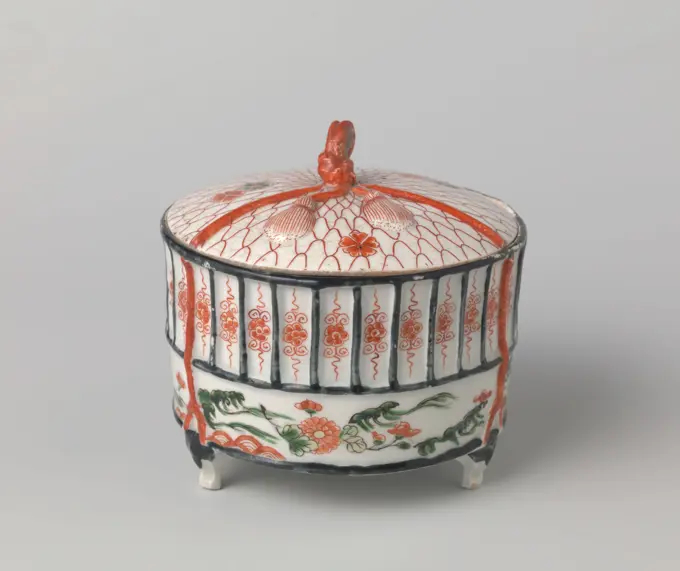
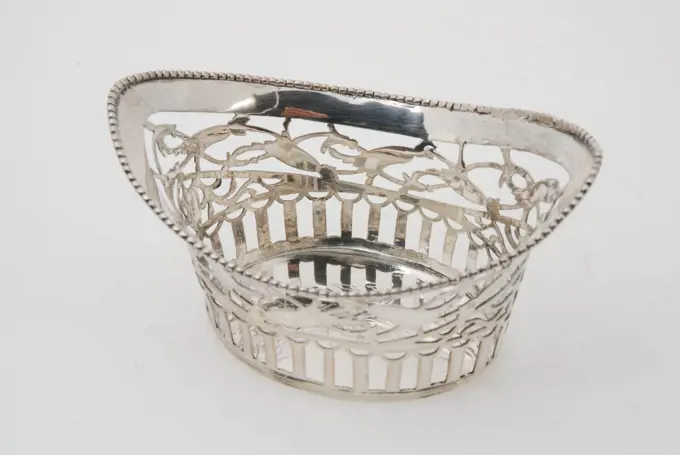
Cilidrical covered box in the shape of a cricket's cage, anonymous, c. 1675 - c. 1699 Cylindrical porcelain box on three legs and held together in the form of a cricket cage by three modeled cords, ending in a raised knot as a lid button. Painted in underly glaze blue and on the glaze red, green, yellow and black. The lower half of the box with waves, birds and flower branches; The upper half is modeled in grille work with a flower drink in each box. Imari. Japan porcelain. glaze. cobalt (mineral) painting / vitrification Cylindrical porcelain box on three legs and held together in the form of a cricket cage by three modeled cords, ending in a raised knot as a lid button. Painted in underly glaze blue and on the glaze red, green, yellow and black. The lower half of the box with waves, birds and flower branches; The upper half is modeled in grille work with a flower drink in each box. Imari. Japan porcelain. glaze. cobalt (mineral) painting / vitrification
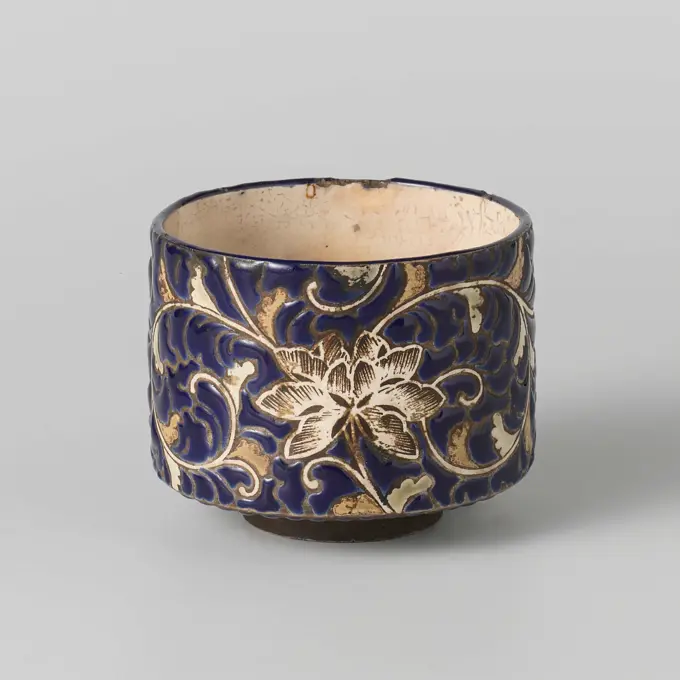
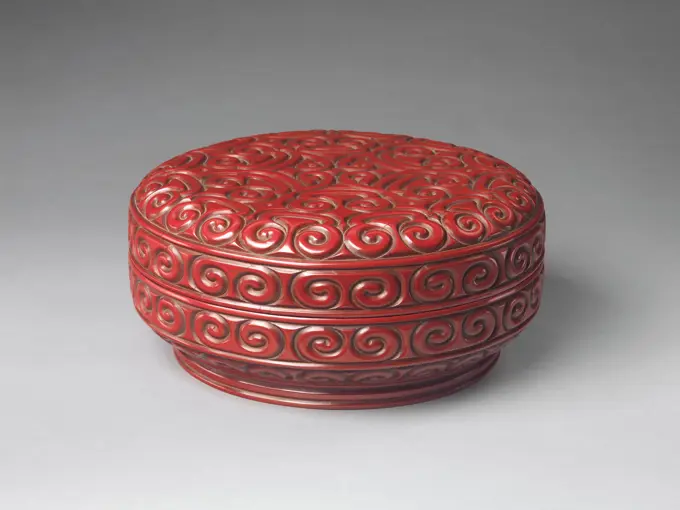
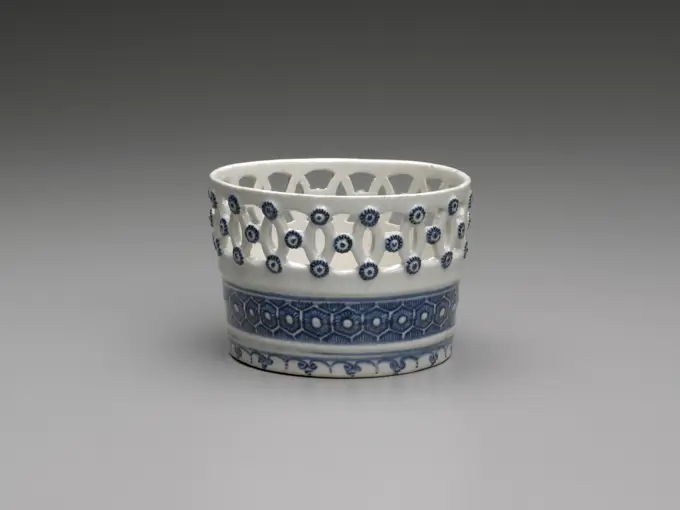
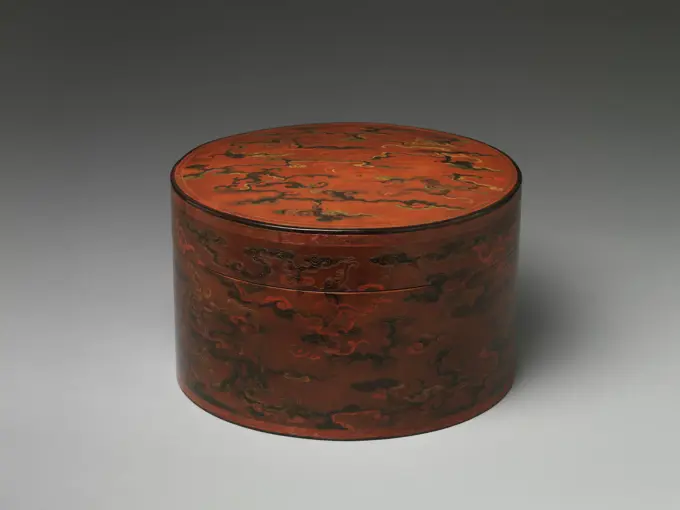
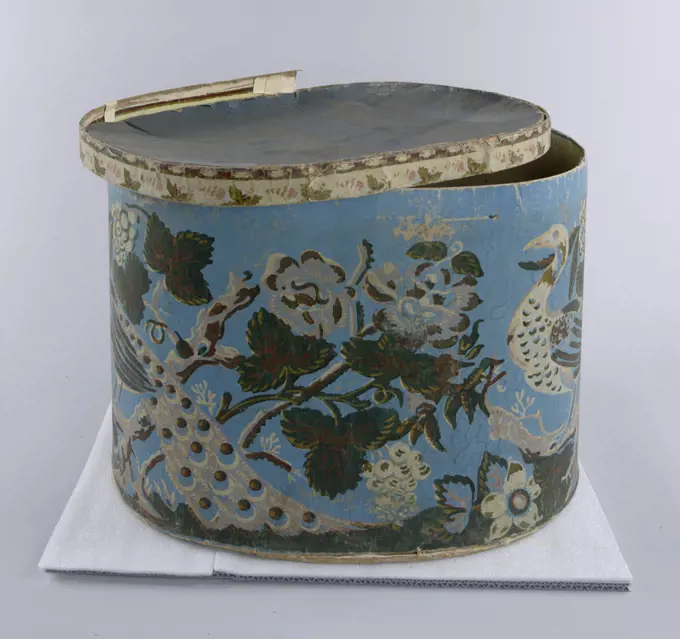
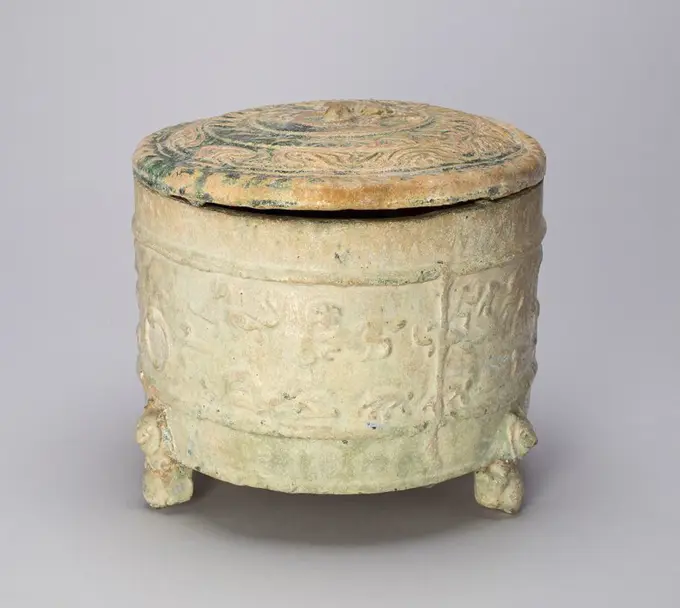
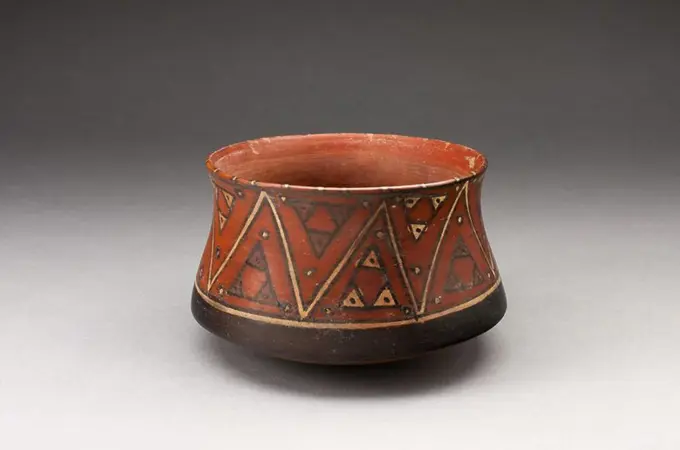
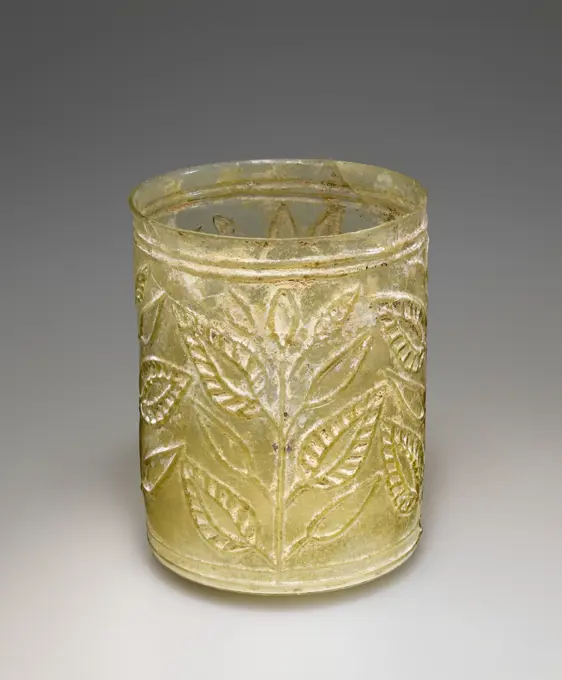
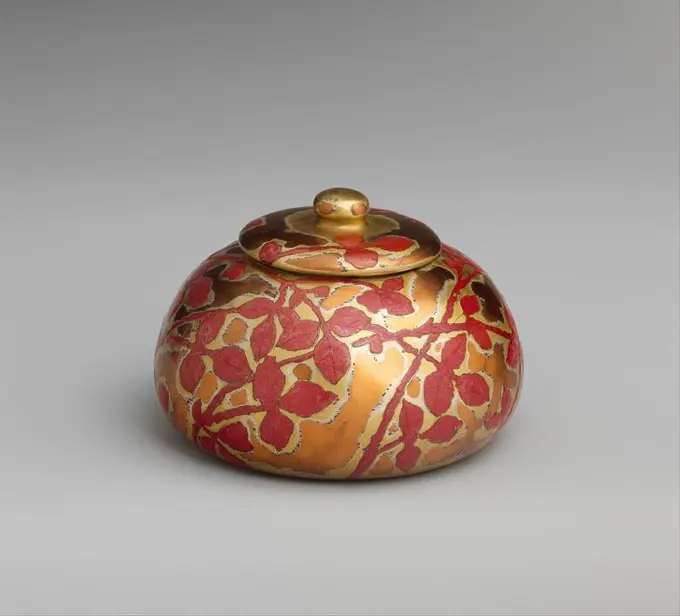
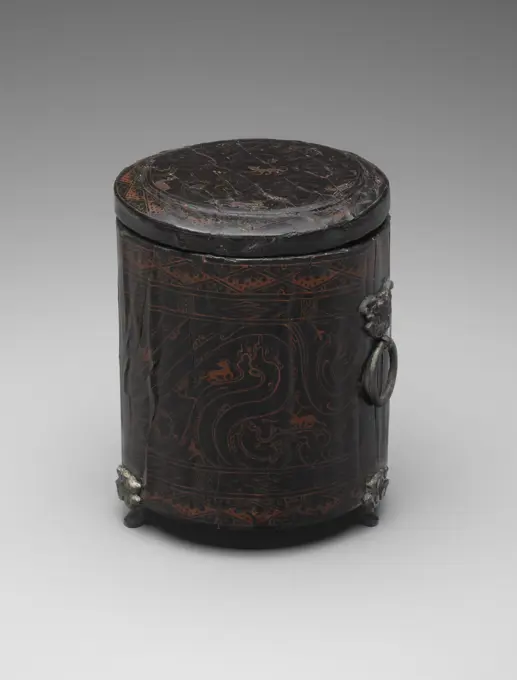
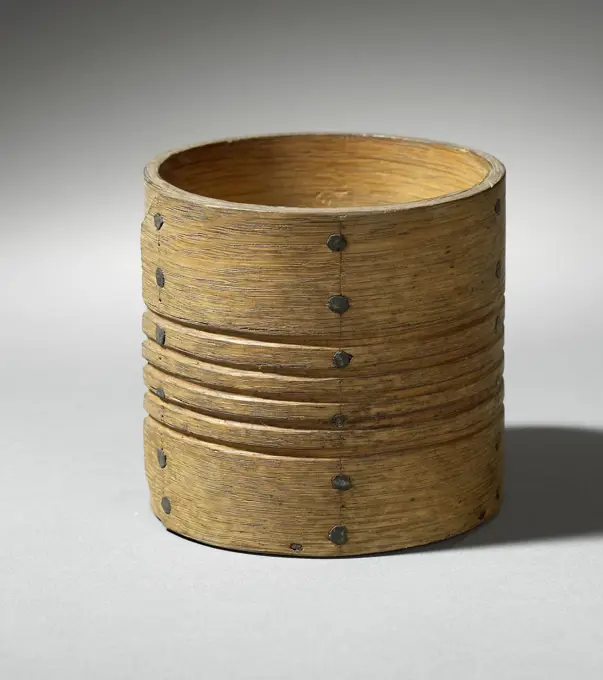
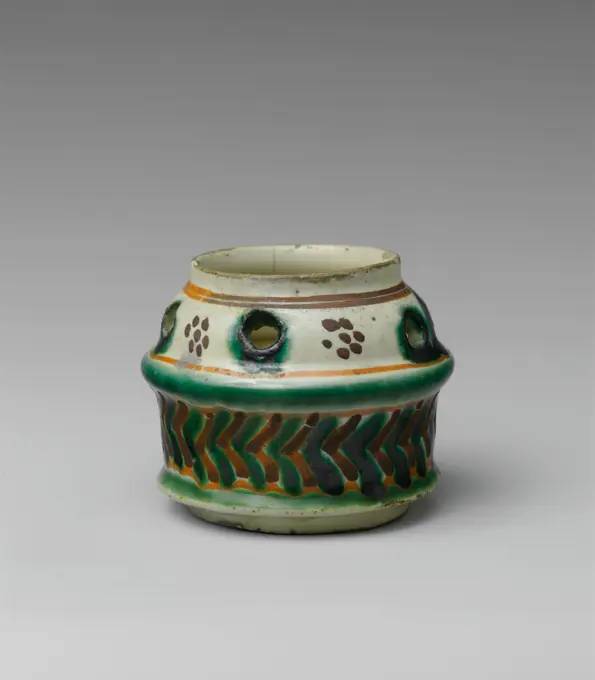
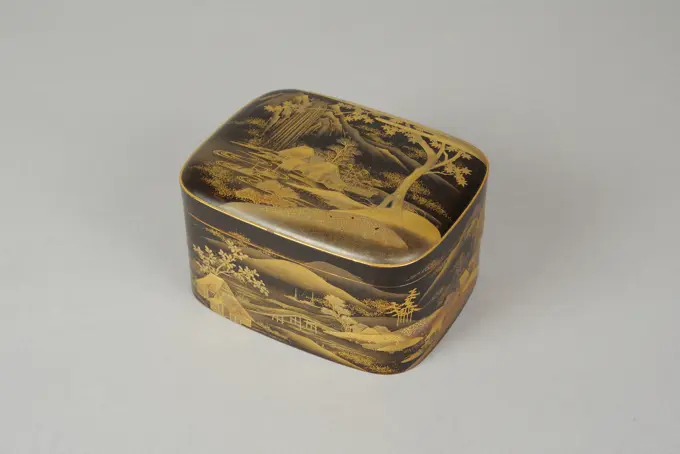
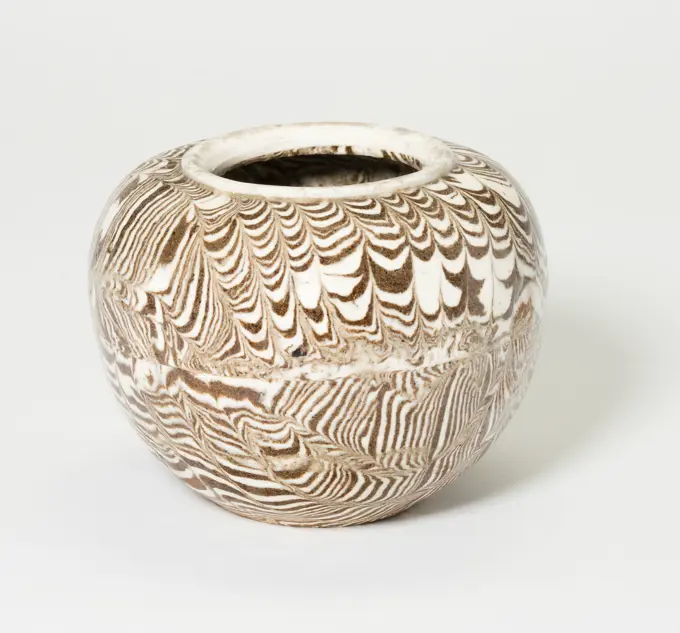
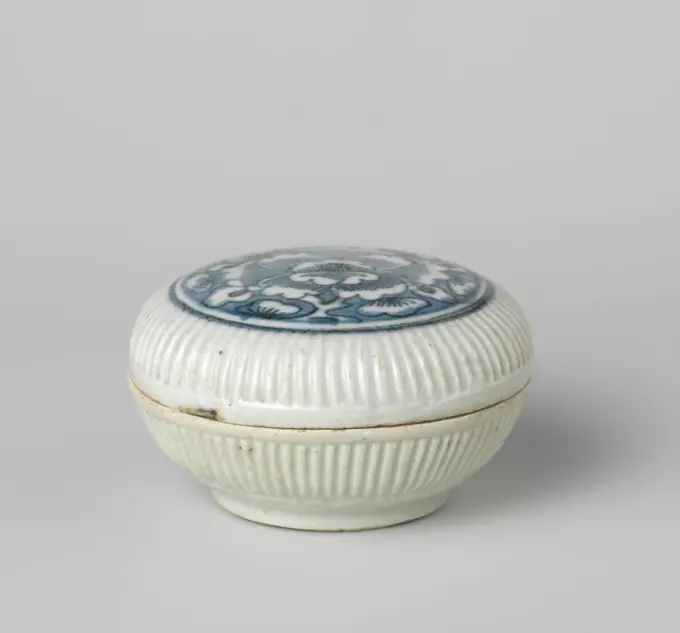
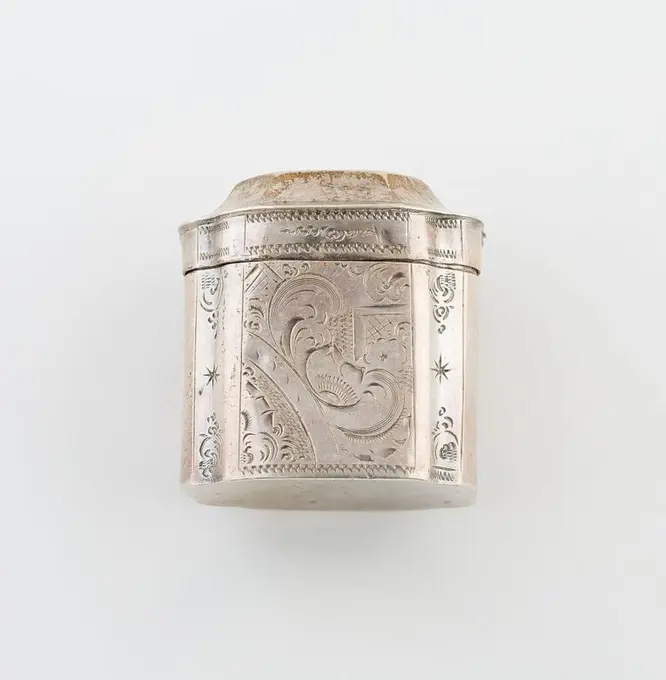
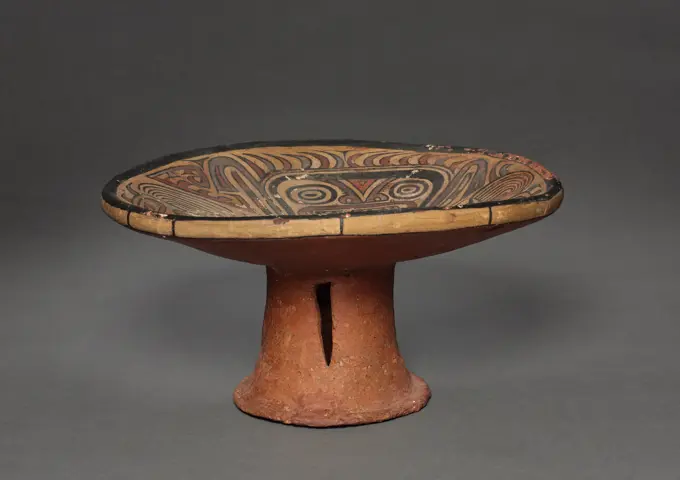
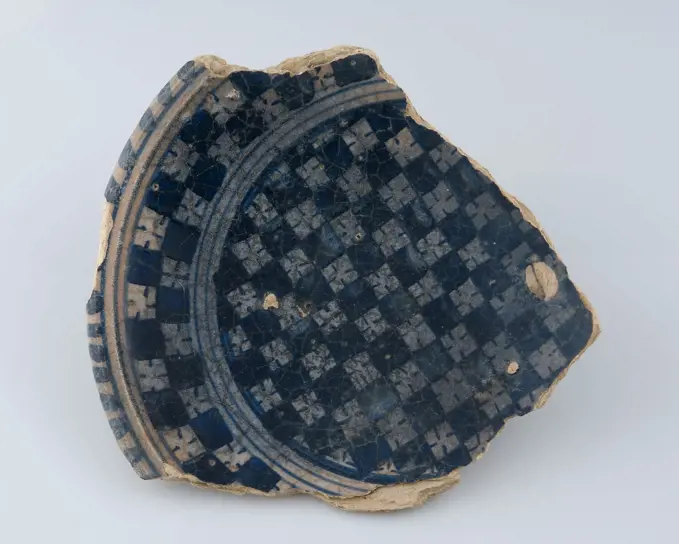
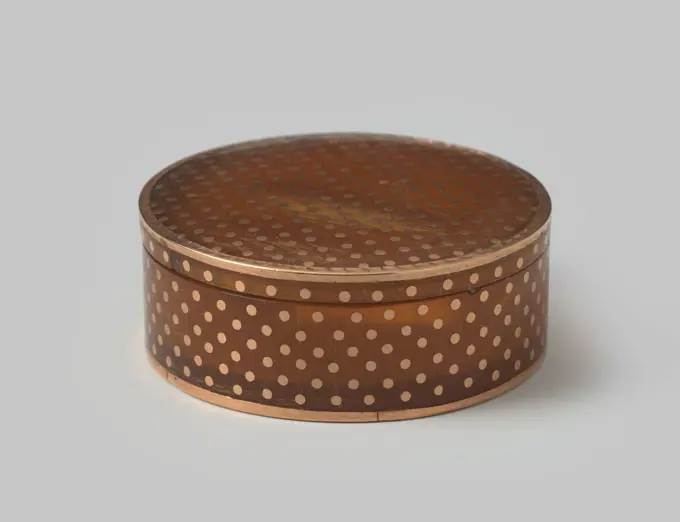
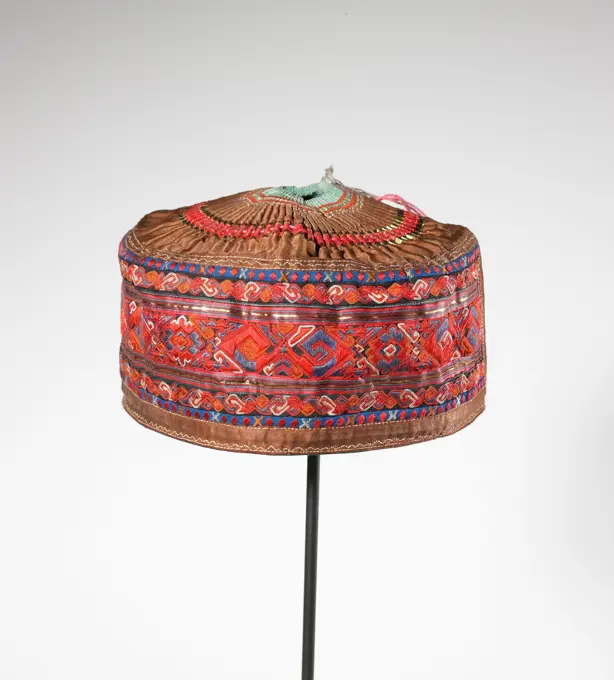
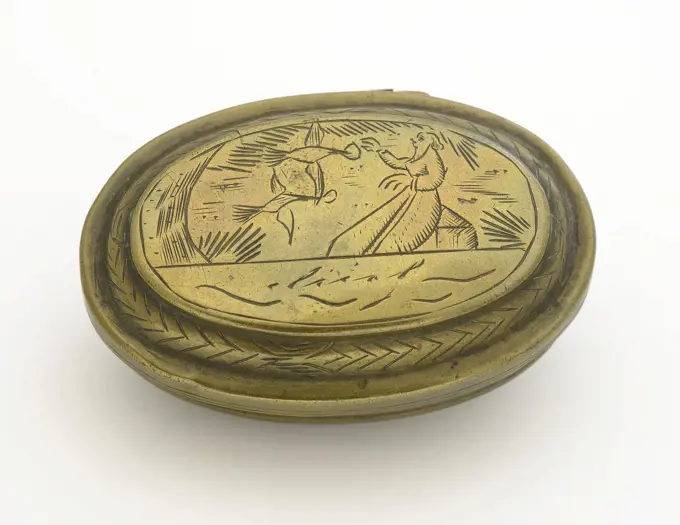
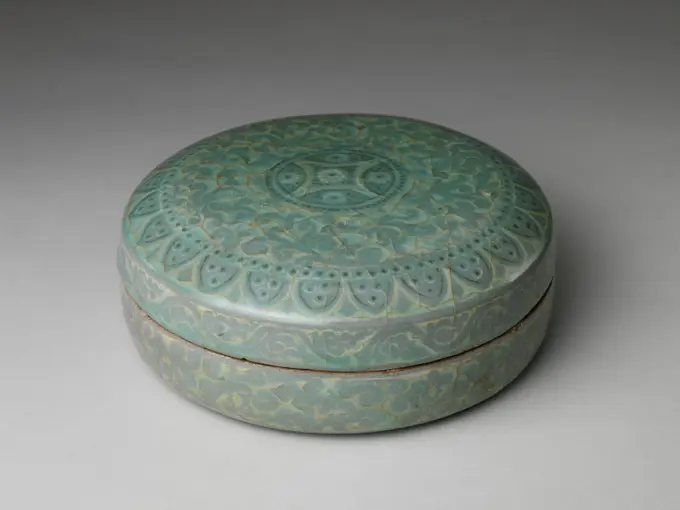
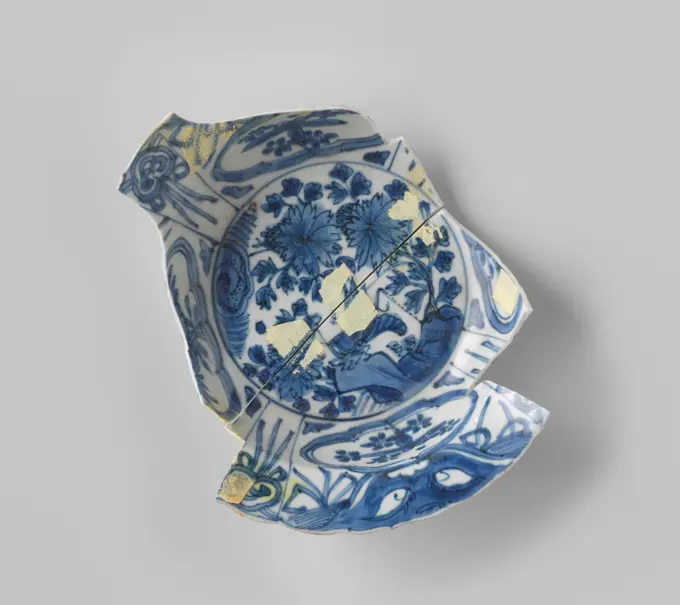
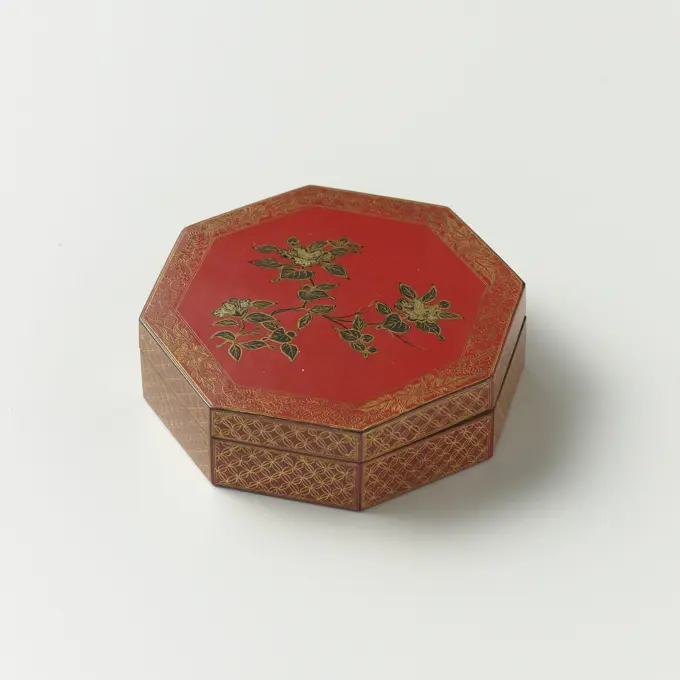
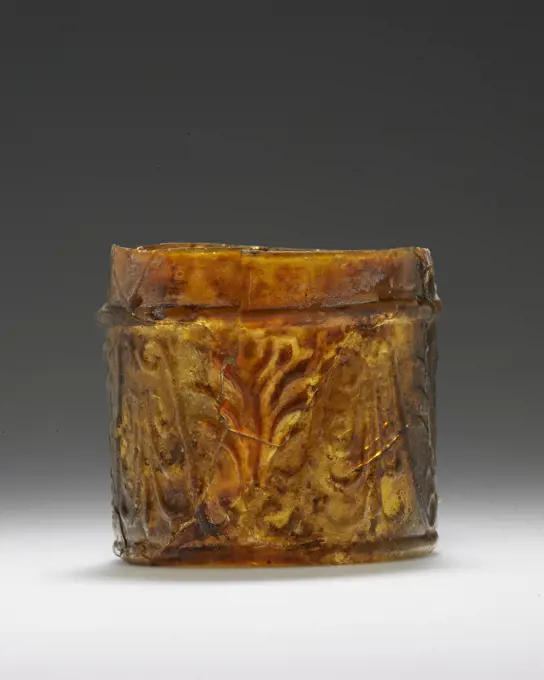
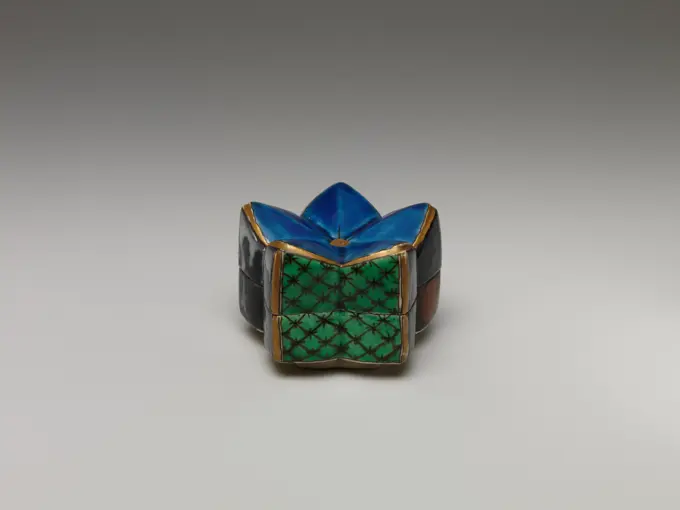
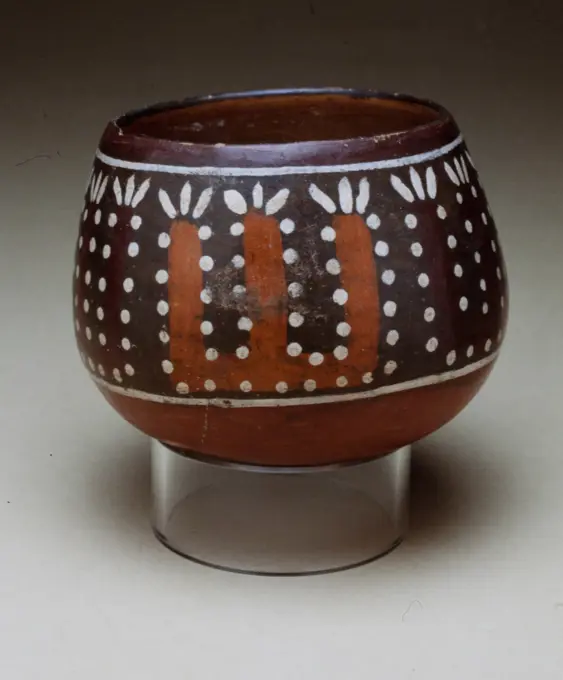
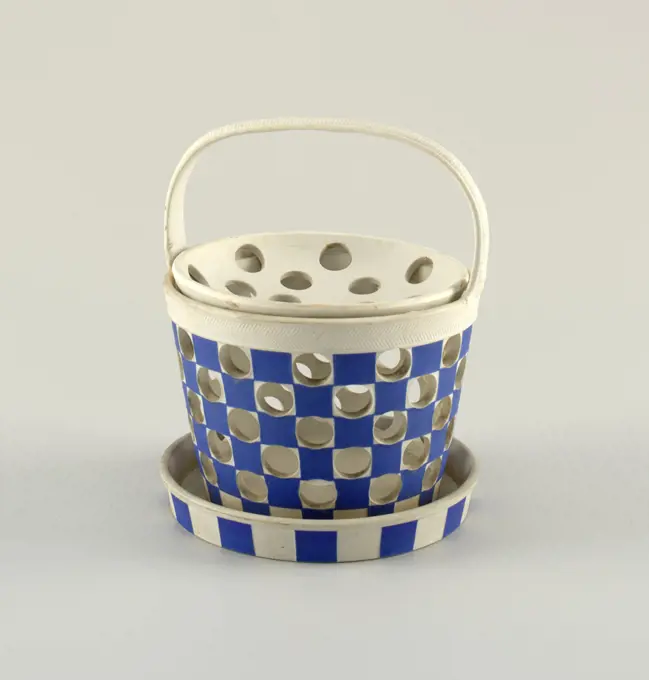
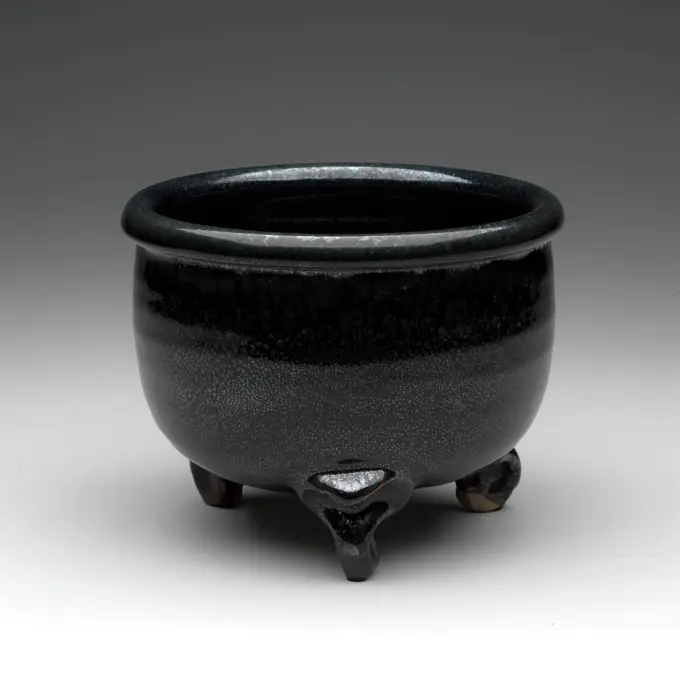
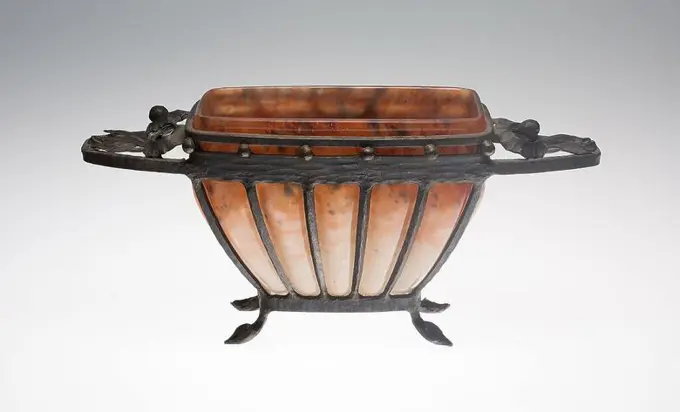
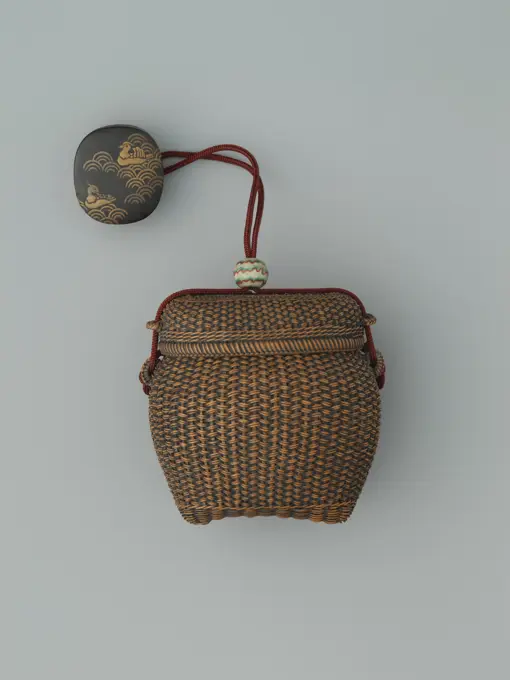
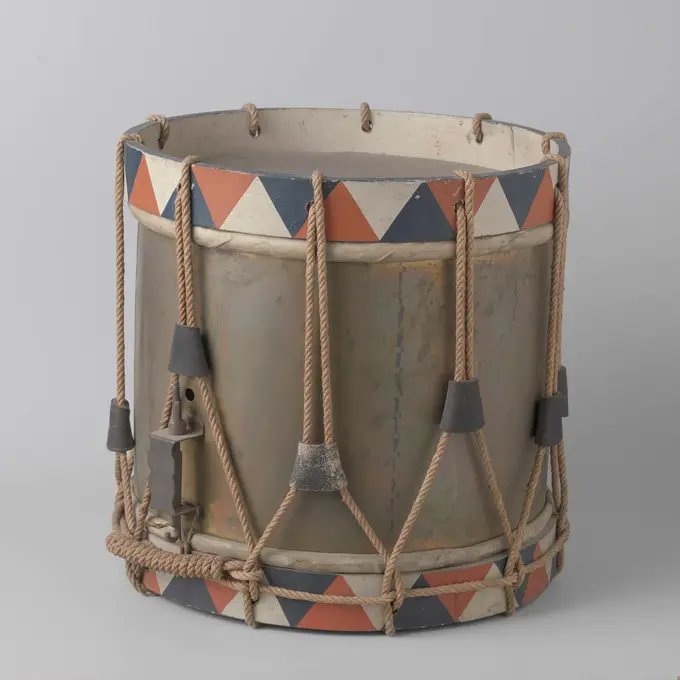
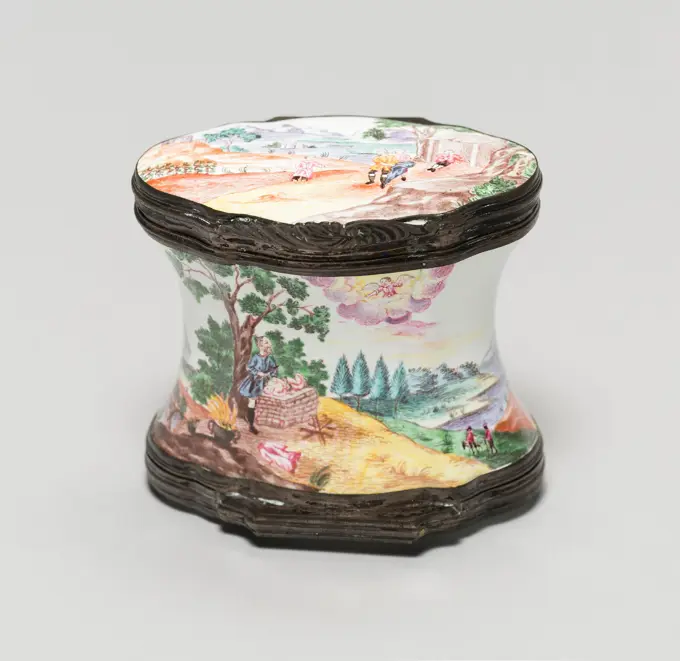
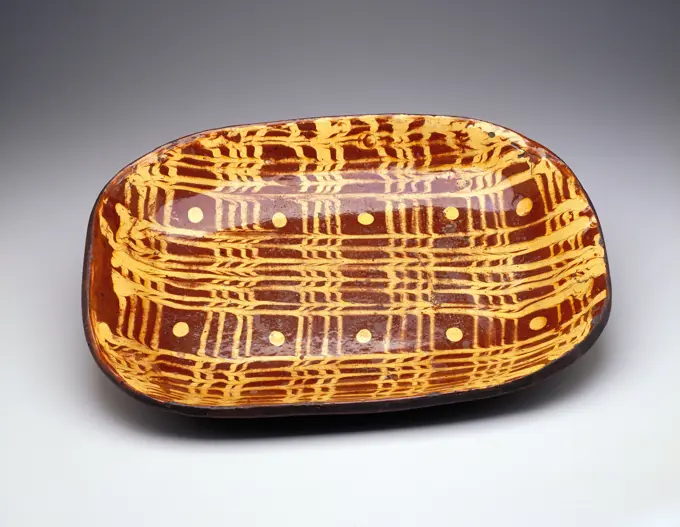
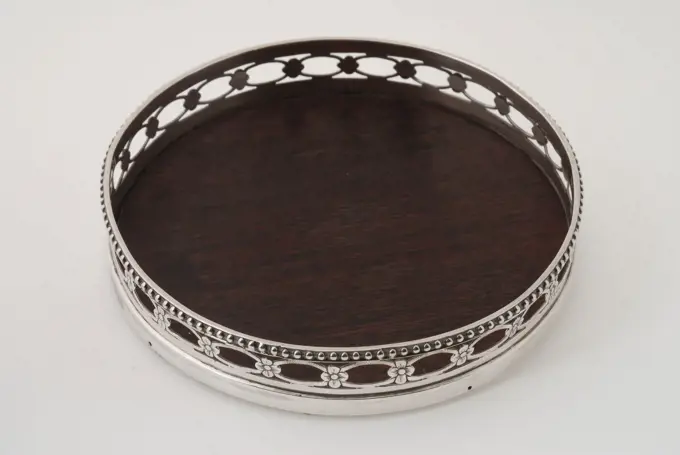
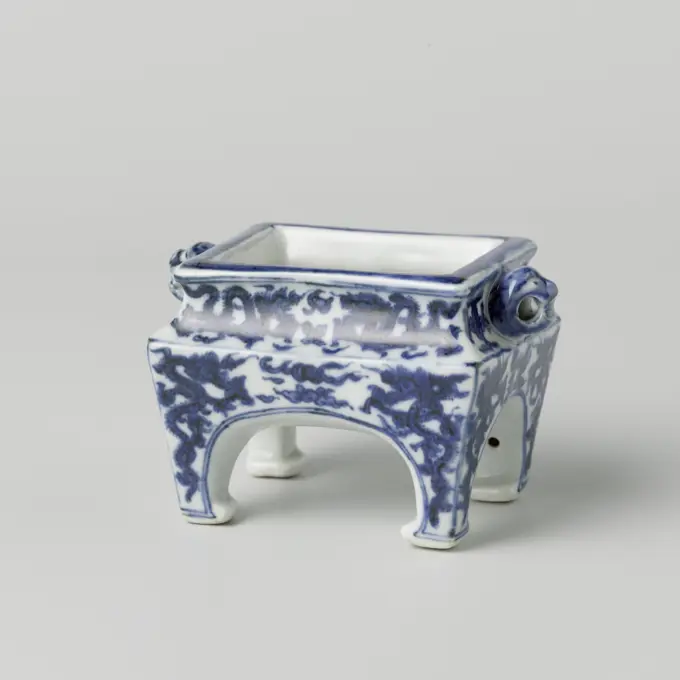
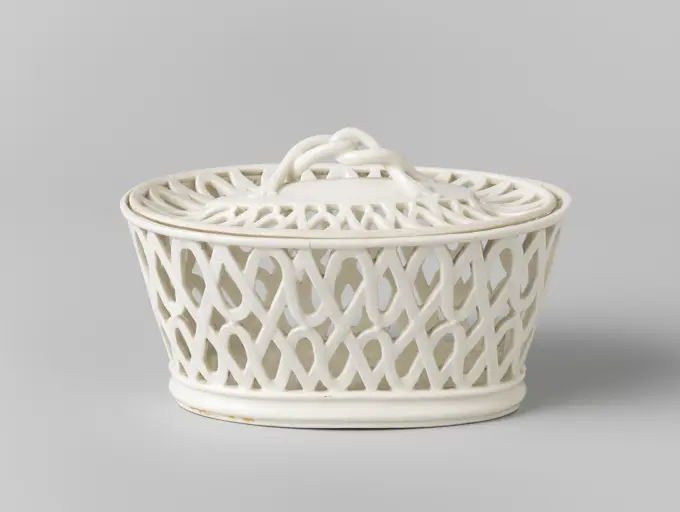
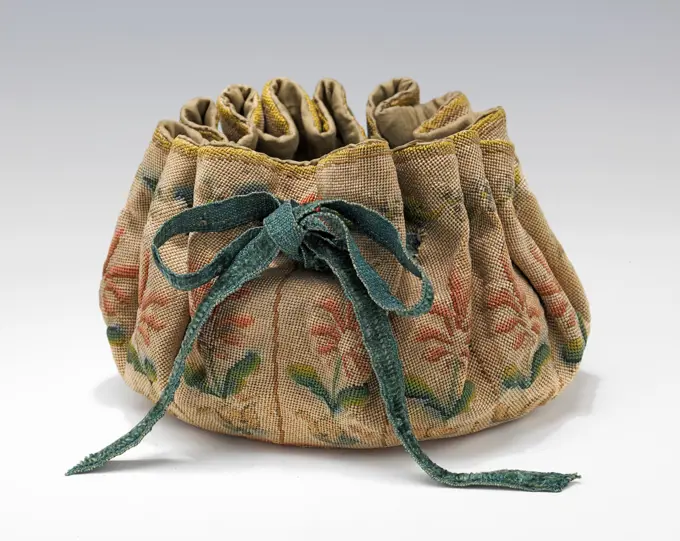
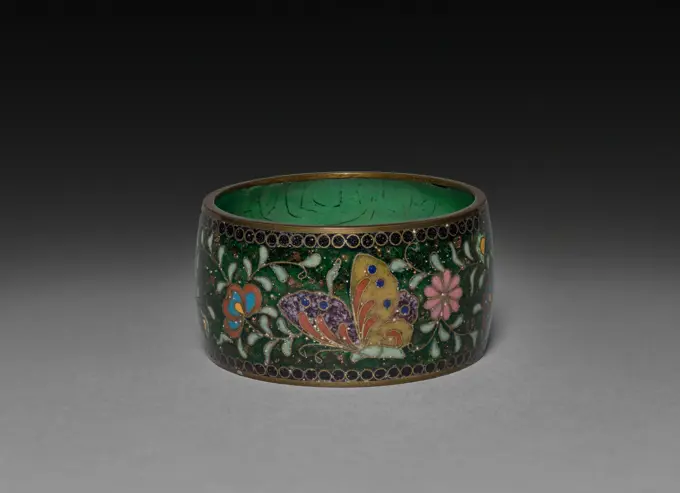
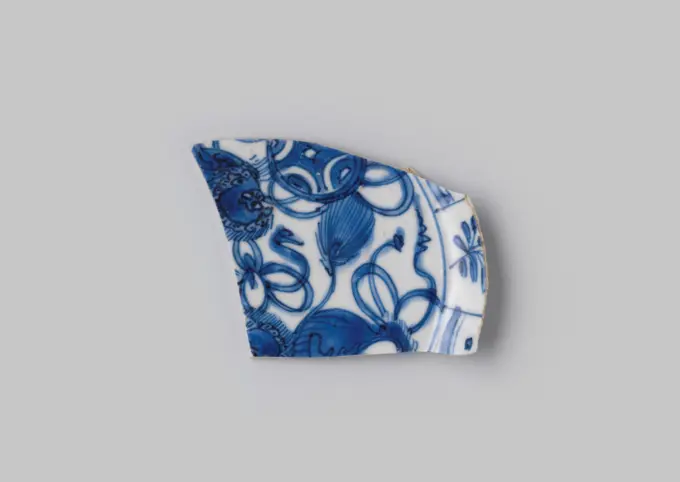
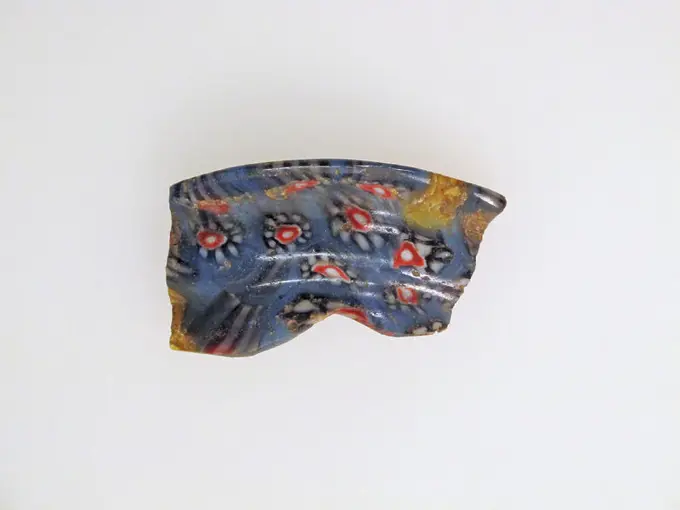
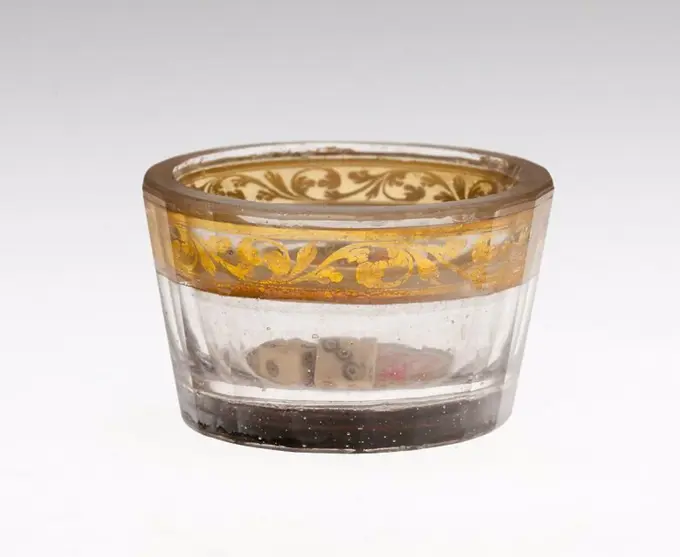
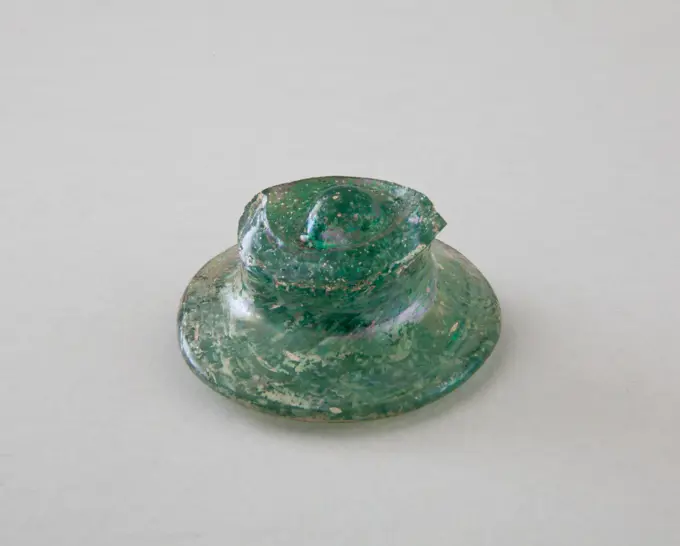
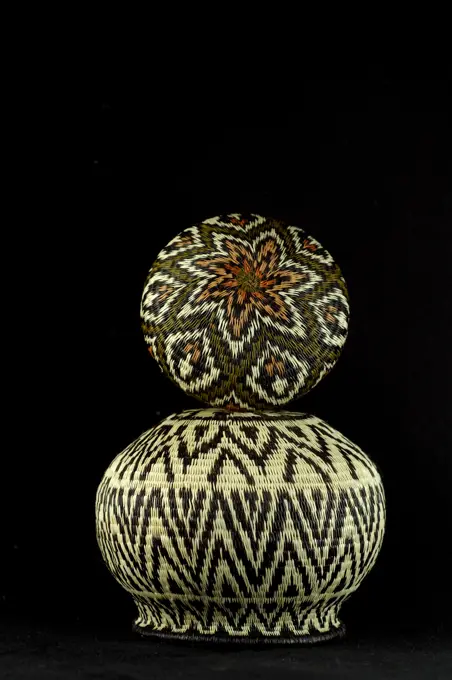
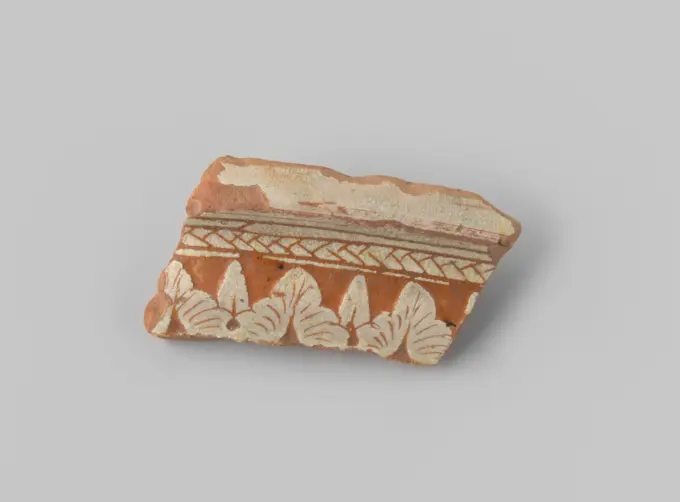
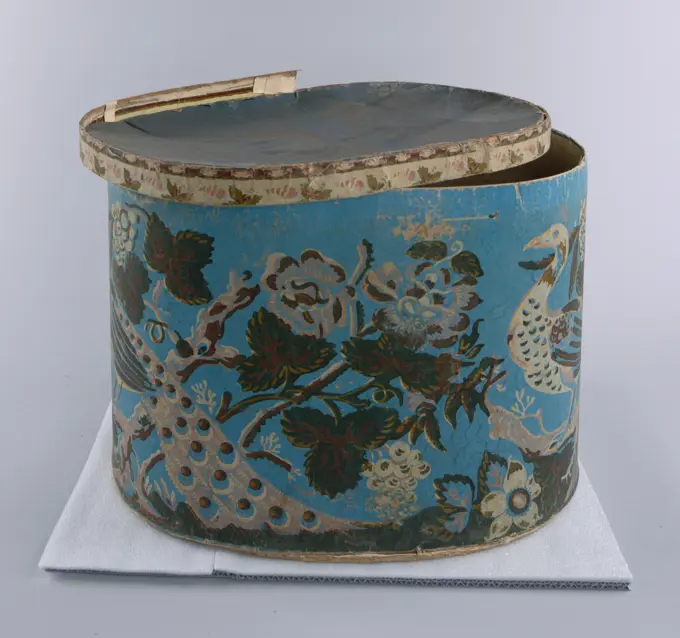
Bandbox (USA); block-printed paper, pasteboard support; 43 x 35 x 30.5 cm (16 15/16 x 13 3/4 x 12 in.)Table Stand with Chrysanthemum Design 18th century Japan. Table Stand with Chrysanthemum Design 57763Incense box in shape of a chrysanthemum blossom 1615-1867 Japan. Incense box in shape of a chrysanthemum blossom. Japan. 1615-1867. Dry lacquer, red over black. Edo period (1615-1868). Lacquer. Tea bowl of stoneware, covered with a creamy glaze, blue email and painted in red, green and white. The lower part of the bowl is unglazed. The inside of the bowl is covered with a cream-colored glaze. The outside with lotus drinks saved in a background of blue email. The lower part of the outer wall with a bond with blue dots. Marked on the underside with an unidentified, pressed three-character mark. Two chips in the edge. Kyo Gyuzan.Box with pommel scroll design second half 14th century China The boxs base bears an incised mark of Yang Mao (active 14th century), one of the most famous lacquer masters in China. Historical texts indicate that Yang specialized in carved red lacquer, but no further detailed archival records survive to attribute any particular work to this artist. The skillful carving and design of this box suggest it was from the time of the artist, if not by his hand.. Box with pommel scroll design 40186. Metal lid of charcoal burner (hiire) of stoneware. The lid consists of metal wires with a chrysanthemum on top. Satsuma.Basket.  Maker: American China Manufactory, American, 1769-1772Maker formerly called: Bonnin and Morris, AmericanMaker, formerly attributed to: Seth Pennington, British, born 1744, active ca. 1765 - 1805Dish. Culture: American. Dimensions: 16 1/2 x 12 3/4 in. (41.9 x 32.4 cm). Maker: Absalmon Day (1770-1843). Date: ca. 1794-1800.The conjoined initials "AD" undoubtedly stand for Absalom Day, founder of the Day Pottery in Norwalk, Connecticut. The pottery specialized in slip-decorated wares, often with names and sayings. The green glaze and feathered letters and border seen here are among Day's most sophisticated decorations. Museum: Metropolitan Museum of Art, New York, USA.Bulb Pot (China (for export)); porcelainCilidrical covered box in the shape of a cricket's cage, anonymous, c. 1675 - c. 1699 Cylindrical porcelain box on three legs and held together in the form of a cricket cage by three modeled cords, ending in a raised knot as a lid button. Painted in underly glaze blue and on the glaze red, green, yellow and black. The lower half of the box with waves, birds and flower branches; The upper half is modeled in grille work with a flower drink in each box. Imari. Japan porcelain. glaze. cobalt (mineral) painting / vitrification Cylindrical porcelain box on three legs and held together in the form of a cricket cage by three modeled cords, ending in a raised knot as a lid button. Painted in underly glaze blue and on the glaze red, green, yellow and black. The lower half of the box with waves, birds and flower branches; The upper half is modeled in grille work with a flower drink in each box. Imari. Japan porcelain. glaze. cobalt (mineral) painting / vitrificationHat box with stylized chi dragons 18th century China. Hat box with stylized chi dragons. China. 18th century. Polychrome lacquer with filled-in and engraved gold decoration. Qing dynasty (1644-1911). LacquerBox with cover (one of a pair) (part of a toilet service) 1683-84 William Fowle. Box with cover (one of a pair) (part of a toilet service). British, London. 1683-84. Silver gilt. Metalwork-SilverBandbox, Block-printed paper, pasteboard support, Blue field, printed in pink, white, brown and green with repeating design of peacock with flowers, foliage and grapes., USA, ca. 1840, Wallcoverings, BandboxPlat (usual name), 1700. Enamelled covered sandstone. Cernuschi Museum, Asia Museum of Asia in the city of Paris.Box with a FloralDesignTripod Cylindrical Jar (Lian or Zun) with Equestrians and Creatures, Bear-Shaped Feet. China. Date: 25 AD-220 AD. Dimensions: H. with lid: 18.7 cm (7 3/8 in.); diam. 19.7 cm (7 3/4 in.). Earthenware with lead green glaze. Origin: China. Museum: The Chicago Art Institute, Chicago, USA.Inkwell (France); tin-glazed earthenwareMIiniature Bowl with Geometric Textile-like Pattern. Inca; South coast or southern highlands, Peru. Date: 1450-1532. Dimensions: 8.9 x 4.6 cm (3 1/2 x 5 3/4 in.). Ceramic and pigment. Origin: Peru, southern. Museum: The Chicago Art Institute, Chicago, USA.Leaf Beaker. UnknownLobed incense burner with metal cover, 17th century, Unknown Japanese, 3 × 4 × 4 in. (7.62 × 10.16 × 10.16 cm), Black lacquer with gold maki-e on pearskin ground, Japan, 17th centuryCovered Box. Culture: American. Designer: Designed by Louis Comfort Tiffany (American, New York 1848-1933 New York). Dimensions: H. 3 1/16 in. (7.8 cm). Maker: Tiffany Glass and Decorating Company (American, 1892-1902). Date: 1898-1902. Museum: Metropolitan Museum of Art, New York, USA.CylindricalContainerFour-tiered box with scholars 18th century China. Four-tiered box with scholars. China. 18th century. Carved red lacquer. Qing dynasty (1644-1911). LacquerCircular Mirror Box with Phoenix Design. Japan, 1722. Lacquer. Carved red lacquerCircular Covered Box with Floral and Lingzhi Mushroom Scrolls. China. Date: 1500-1599. Dimensions: H. 6.6 cm (2 5/8 in.); diam. 15.8 cm (6 1/4 in.). Fahua-type ware; porcelain with underglaze incised decoration. Origin: China. Museum: The Chicago Art Institute, Chicago, USA.Basket with cover, 2 1/8 × 3 1/2 × 3 1/2 in. (5.4 × 8.89 × 8.89 cm), Plant fibers, bark, United StatesGrain size of ½ liter, anonymous, 1803  Wooden grain size of ½ liter with label. Netherlands wood (plant material)   NetherlandsInkwell ca. 1860 Mexican. Inkwell. Mexican. ca. 1860. Tin-glazed earthenware. Made in MexicoScene from A Boat upon the Waters, a Chapter from "The Tale of Genji" 19th century Japan. Scene from A Boat upon the Waters, a Chapter from "The Tale of Genji" 45431Jar 618 CE-907 CE China. Earthenware with marbled slip .Round Box With Ribbed Sides and a Flower in The Cover. Lid of round box of porcelain with ribbed wall, painted in underglaze blue. On the lid a medallion with a flower and leaves saved in a blue ground. Two cracks in the edge of the lid. Ming porcelain in blue and white.Terracotta bowl fragment depicting a boar hunt 1st half of 1st century A.D. Roman Rim fragment of Arretine bowl depicting a boar-hunt.. Terracotta bowl fragment depicting a boar hunt 247603Sponge Box. Probably Cornelis van Gelderen Pz.; Dutch, active c. 1840-c. 1874; Probably Schoonhoven, Netherlands. Date: 1855. Dimensions: 4.5 x 3.8 cm (1 3/4 x 1 1/2 in.). Silver. Origin: Netherlands. Museum: The Chicago Art Institute, Chicago, USA.Nutmeg grater. Culture: British. Dimensions: L. 5 in. (12.7 cm). Date: ca. 1690. Museum: Metropolitan Museum of Art, New York, USA.Pedestal Plate, 1300s-1400s. Panama, Coclé, 14th-15th century. Earthenware; overall: 13.5 x 26.5 cm (5 5/16 x 10 7/16 in.).Fragment majolica plate, blue on white, chessplate decor, cable border, plate crockery holder soil find ceramic earthenware enamel, baked underside covered with lead glaze. Polychrome. Italian Dutch decor Monochrome archeology decorate food ItalyDouble snuffbox ca. 1738-44 Nicolas Bouillerot This double snuffbox consists of two compartments, which can be opened separately. Airtight when both lids are closed, this box could carry two different types of snuff. The size of the box suggests that it was for communal use on a table rather than to be carried around in ones pocket. The maker, Nicolas Bouillerot was one of the first Parisian goldsmiths to mount hardstones in snuff boxes, a tradition already established in Saxony earlier in the century.. Double snuffbox. French. ca. 1738-44. Brown agate; gold. Metalwork-Gold and PlatinumMarket bucket, Hendrik Duller, c. 1776 - c. 1811 Market bucket, oval wide -ranging bucket on one foot. The bucket has a fixed handle. The bucket is engraved with lines and leaf vines. The bucket is marked: stk. = Amsterdam, Mt. = Hendrik Duller. Amsterdam silver (metal) Market bucket, oval wide -ranging bucket on one foot. The bucket has a fixed handle. The bucket is engraved with lines and leaf vines. The bucket is marked: stk. = Amsterdam, Mt. = Hendrik Duller. Amsterdam silver (metal)Cap, 1900s. Africa, Zanzibar, 20th century. Cotton; overall: 10.2 x 17.8 x 17.8 cm (4 x 7 x 7 in.).Bowl with Geometric Black-and-White Motifs on Interior and Exterior Survace 1300-1400 Arizona. Ceramic and pigment . CibolaBandbox (USA); block-printed paper, wood, pasteboard; 43 x 33 x 29 cm (16 15/16 x 13 x 11 7/16 in.)Box, anonymous, c. 1800 Round, straight -walled box of horn or white turtle with golden dots and edges. Great Britain (possibly) gold (metal). horn (animal material) Round, straight -walled box of horn or white turtle with golden dots and edges. Great Britain (possibly) gold (metal). horn (animal material)Unmarried Woman's Hat, 20th century, 4 x 6 3/4 x 6-3/4 in. (10.2 x 17.1 x 17.1 cm), Cotton, silk, metallic thread and ribbon, embroidery, China, 20th centuryHanging flower basket late 18th-early 19th century China. Hanging flower basket. China. late 18th-early 19th century. Porcelain painted in overglaze polychrome enamels and openwork decoration (Jingdezhen ware). Qing dynasty (1644-1911). CeramicsCopper snuff box or tobacco box, with prophet Elijah and King David, snuffbox holder metal copper, cast engraved lying oval with hinged lid topside: eliias tobacco bible Old Testament Elijah king David smoking sniffing save tobacco box religion Collection .O van Kerkwijk.Covered Box 13th century Korea This sumptuously decorated container, probably used as a cosmetics box, would have held a set of smaller celadon boxes for makeup.. Covered Box. Korea. 13th century. Stoneware with inlaid and reverse-inlaid decoration of chrysanthemums and floral scrolls under celadon glaze. Goryeo dynasty (918-1392). CeramicsDinner plate - Citadel from Harbour, Quebec Frank Beardmore & Company, 1902-1916 Frank Beardmore & Company, 1902-1916Deep sign from V.O.C. ship De 'Witte Leeuw', Anonymous, Before 1613 plate (dishes) Deep sign from V.O.C. ship the 'Witte Leeuw', 85 present. Two parts broken, but still connected to each other by tape. Jingdezhen bone china (material)   Sint-HelenaOctagonal box of red lacquer, decorated with flowers in black and gold, anonymous, c. 1600 - c. 1699  China (possibly) lacquer (coating). gold (metal)  China (possibly) lacquer (coating). gold (metal)Pyxis; Eastern Mediterranean; 1st century; Glass; 5.2 cm (2 1,16 in.)Incense Box in the Shape of a Plum Blossom ca. 1850 Japan Plum trees were not native to Japan, but were brought over to the island country from China in the Nara period (710-784). Plum blossoms appeared instantly in contemporary court literature, where they were associated with the bush warbler, representing the beginning of spring. Along with its symbolic value as a harbinger of spring, the plum blossom's sweet fragrance was also an inspiration for courtly poetry. From as early as the Heian period (794-1185), plum trees appeared in paintings and in stylized form on decorative art objects, upon which frequently only the flowers were depicted. From the early history of the Japanese incense culture, plum had a significant role. Several incense mixtures and incense games were related to the flower. As a reference to its smell, the plum motif was often represented on incense-related utensils. Incense mixture balls would most likely have been stored in this plum-flower-shaped incense box.. . Round incense box decorated with chrysanthemum and maple blade.Tray (France); painted tôleCup, 3rd century BCE - 6th century CE, 3 3/8 x 3 1/2 x 3 1/2 in. (8.57 x 8.89 x 8.89 cm), Polychromed earthenware, Peru, 3rd century BCE - 6th century CEOintment pot, painted with geometric ornaments, anonymous, c. 1575 - c. 1620 Low, cylindrical ointment pot of multicolored painted majolica. The pot has a squeezed foot and upper edge and is painted with geometric ornaments in blue and orange. Netherlands earthenware. tin glaze. lead glaze majolica Low, cylindrical ointment pot of multicolored painted majolica. The pot has a squeezed foot and upper edge and is painted with geometric ornaments in blue and orange. Netherlands earthenware. tin glaze. lead glaze majolicaGlass mosaic bowl fragment late 1st century B.C.-early 1st century A.D. Roman Rim fragment.Translucent deep purple and opaque white.Outsplayed rim with thick, rounded edge; straight side tapering downward.Ribbon mosaic pattern formed from sections of a single cane in purple ground with irregular white lines, some in bands of parallel fine horizontal lines.Two chips in rim; polished interior; slight pitting of surface bubbles on interior; dulling and creamy iridescent weathering on exterior and jagged edges. Probably from a large ribbed bowl.. Glass mosaic bowl fragment. Roman. late 1st century B.C.-early 1st century A.D.. Glass; cast. Early Imperial. GlassStew of mahogany with fire test of pottery .. round stove in miniature from mahogany. The interior, the picture and handle are from yellow copper. The fire test is made of red pottery.Bowl;  19th century (1801-00-00-1900-00-00);Basket, lid and dish, Wedgwood, English, established 1759, Molded and glazed stoneware, Small circular basket form with strap handle at top, circular lid, and circular dish beneath. Basket and dish with light blue and white checkerboard pattern, the white squares piereced with large circular holes; white lid pierced., England, 19th century, ceramics, Decorative Arts, Basket, lid and dishSeal.Sake ewer (chôshi) with lid. unknown, craftsmanBox -Tripod Censer, 12th-13th century, 5 9/16 x 7 x 7 in. (14.13 x 17.78 x 17.78 cm), Stoneware with black glaze and silver 'oil-spot' markings in overglaze iron oxide, China, 12th-13th century, With renewed antiquarian studies during the Northern Song dynasty (960-1127), ancient bronze shapes including Ding tripods began to be appropriated as incense burners. Furthermore, new censers in bronze and glazed ceramic, were now commissioned in the ancient styles.Water Pot 1820 Japan. Water Pot. Japan. 1820. White porcelain decorated with blue under the glaze (Hirado ware). Edo period (1615-1868). CeramicsSnuff Box, 1805. Jean-Urbain Guérin (French, 1760-1836). Watercolor on ivory mounted on a box; box: 7.8 x 3.4 cm (3 1/16 x 1 5/16 in.); unframed: 5.7 x 4.7 cm (2 1/4 x 1 7/8 in.).Jardinière. France, Épinay-sur-Seine; Charles Schneider (French, 1881-1953). Date: 1922-1924. Dimensions: 17.8 × 35.6 × 10.2 cm (7 × 14 × 4 in.). Glass and iron mount. Origin: Épinay-sur-Seine. Museum: The Chicago Art Institute, Chicago, USA.Basketry Inr mid-19th century Japan. Basketry Inr. Japan. mid-19th century. Single case; bamboo and rattan Netsuke: lacquer box; lacquered wood with hiramaki-e Ojime: marbled ceramic bead. Meiji period (1868-1912). InrGlass cup 2nd-3rd century A.D. Roman ColorlessBroad, horizontal, tubular rim, folded out, down, and in; cylindrical body with slightly convex sides, then tooled into tubular, integral, flaring base ring; deep groove between base ring and slightly concave bottom with large circular pontil mark.Intact, but one crack from rim slanting down side to base ring; a few pinprick bubbles; pitting, dulling, and patches of white and yellow brown iridescent weathering.. Glass cup 239864Drom, old model of the arches. Groom of the militia. The brass boiler is provided with a veal sheet on both sides, held by a hoop and tense by means of a tensioner with tractors and screws. Both hoops are decorated with a motif of triangles in the colors red, white and blue. With engraved numbers: 1846-23.Double Snuff Box 1730-1740 Augsburg. Polychrome enamel on copper with silver mounts .Spittoon -Covered Box with Floral Spray. Vietnam, circa 1400-1600. Furnishings; Accessories. Wheel-thrown stoneware with cream slip, underglaze blue painted decoration, and clear glazeLoaf dish, c. 1820-1830, 3 1/8 x 21 3/16 x 15 3/4 in. (7.94 x 53.82 x 40.01 cm), Slip-decorated redware, England, 19th century, Redware decorated with slip patterns was an important part of the English and American folk tradition in ceramics during the 18th and 19th centuries. Light-colored slip (watered-down clay) was painted directly on the red clay body. Feathers and other tools were dragged through the slip to create animated patterns. A resurgence of interest in the slipware tradition occurred during the mid-20th century with ceramists such as the English potter Michael Cardew and the American Ken Ferguson.Concave brooch from email on copper with abstract performance, c. 1950 - c. 1960 Concave brooch from email on copper with a hook closure. The brooch has the shape of a rectangle with rounded corners. At the front an abstract decoration in the primary colors and white on a brown ground. Europe copper (metal). Concave brooch from email on copper with a hook closure. The brooch has the shape of a rectangle with rounded corners. At the front an abstract decoration in the primary colors and white on a brown ground. Europe copper (metal).Silversmith: Cornelis Knuijsting, Round silver bottle box, bottle tray coaster holder silver wood, sawn cast Round tray wooden bottom inside bottom bottom with felt covered outside edge (debossed) servingCachepots; enameled tôleRectangular censer on four legs with dragons, anonymous, c. 1900 - c. 1969 Rectangular incense burner of porcelain on four legs with two handles in the shape of a lion's head, painted in underlaze blue with dragons and pearls. Marked on the underside with the six-character brand of Keizer Wanli in a double rectangle. Two holes in the bottom. Blue White. China porcelain. glaze. cobalt (mineral) vitrification Rectangular incense burner of porcelain on four legs with two handles in the shape of a lion's head, painted in underlaze blue with dragons and pearls. Marked on the underside with the six-character brand of Keizer Wanli in a double rectangle. Two holes in the bottom. Blue White. China porcelain. glaze. cobalt (mineral) vitrificationBasket, openwork wall, unpainted. Basket of porcelain. Wall and lid completely opened as a man's work. On the lid as a handle two connected and crossed in leaves flared twigs. Foot edge profiled. Not painted.Silver openwork basket: bonbon box, bonbon container tableware holder silver, sawn cast engraved Open sawn tray oval of floor plan walls slightly pointed upwards running on the narrow sides (boat shaped) bottom bottom (debossed) servingGaming purse 1690-1710 French A new level of card game mania swept Europe during the 17th century and continued into the 18th century. Gambling with cards or "gaming" was a favored pastime for both men and women of all ages and classes. Gaming purses, round flat-bottomed pouches that closed by means of a drawsting were worked in various materials. This examples is worked in fine petit point needlework. Its repeat pattern of pink flowers is interrupted only once by a single yellow flower. This anamoly may have personalized the bag, relating it to a particular owner.. Gaming purse 156861Napkin Ring with Butterflies, early 1900s. Japan, Meiji period (1868-1912) or Taishō period (1912-26). Cloisonne enamel; diameter: 2.7 x 5.1 cm (1 1/16 x 2 in.).Kyoto square bottle. Ceramic.paris, Cernuschi museum. 55305-18 Carre Kyoto bottle, branch, ceramic, flowerMaeda Hideo (born in 1943). "Flower vase adorned with a geometric decor". ENGOBE CONCRUSTATIONS Sandstones. 2014. Paris, Cernuschi museum. 99052-23 Asian art, XXIEM XXI XXI 21th 21th 21 CENTURYStand of Pear-Shaped Vase With Chilong Dragon. Standard of pear-shaped porcelain vase, covered with a translucent white glass zeuur. With three curved legs and a raised edge where the foot ring fits into the vase. Blanc De Chine.empty plate isolated on white backgroundFragment sign from V.O.C. ship De 'Witte Leeuw', Anonymous, Before 1613 plate (dishes) Fragment sign from V.O.C. ship the 'Witte Leeuw'. Jingdezhen bone china (material)   Sint-HelenaBasket, 20th century, 2 x 12 in. (5.08 x 30.48 cm), Plant fibers, United States, 20th century, The art of basket making is passed through generations of Tohono Oodham and Akimel Oothom women. Young women learn by listening and watching their elders. They begin with simple designs and work their way to using more complex patterns. The complexity of each artists design is created entirely in a mental picture: it is never drawn beforehand. The maker counts only stitches to ensure a balanced pattern and perfectly straight or curved lines. Variations of the squash blossom design decorate these Akimel Oothom baskets. It is said that the squash plants once grew in the fields of ancient Akimel Oothom farmers. Another possibility is that the buttons on the trousers of Spanish soldiers originally inspired the design. The squash blossom also appears commonly as a form on Southwestern jewelry.Mosaic glass carinated bowl fragment. Culture: Roman, probably Italian. Dimensions: 1 × 1 13/16 × 1/8 in. (2.5 × 4.6 × 0.2 cm)Estimated diameter 3 3/8 in. (8.6 cm). Date: late 1st century B.C.-early 1st century A.D..Translucent medium blue appearing opaque grey, honey yellow, and purple, opaque white and red.Almost horizontal rim with rounded outer lip; carinated side, with two convex curves.Composite mosaic patterns formed from polygonal sections of two canes in a grey ground: one in a purple ground with a circle of white rods surrounding a central white red enclosed by red and white circles, and the other in a yellow ground with a white spiral and central white rod.Pitting of surface bubbles with slight weathering on exterior and interior; weathering on jagged edges. Museum: Metropolitan Museum of Art, New York, USA.Salt. Bohemia, Czech Republic. Date: 1725-1735. Dimensions: 3.2 × 5.1 cm (1 1/4 × 2 in.). Glass with engraved gold leaf decoration. Origin: Bohemia. Museum: The Chicago Art Institute, Chicago, USA.Bandbox And Lid (USA); block-printed on handmade paper, cardboard support; 41.5 x 32 x 27.5 cm (16 5/16 x 12 5/8 x 10 13/16 in.)Incense burner with moulded figures and a wooden cover, anonymous, c. 1600 - c. 1649 Cylindrical incense burner of porcelain on a scalloped base and with an open wooden lid, covered with a transparent enamel. The outer wall with a wide band with Swastika pattern with four scalloped cartouches saved. In the cartouches two dancing boys (fools) with attributes (or the eight immortals). Below a band with a cloud motif. The outer edge with a band with flower vines. Monochrome. China porcelain. glaze. deksel: wood (plant material) vitrification Cylindrical incense burner of porcelain on a scalloped base and with an open wooden lid, covered with a transparent enamel. The outer wall with a wide band with Swastika pattern with four scalloped cartouches saved. In the cartouches two dancing boys (fools) with attributes (or the eight immortals). Below a band with a cloud motif. The outer edge with a band with flower vines. Monochrome. China porcelain. glaze. deksel: wood (plant material) vitrificaFragment of the vesselLatin America,  Panama,  Panamanian arts & crafts.Traditional Embera Indian baskets.Handel basket of silver. Curbed from curved rods from the bottom and at the top connected by a corrugated edge. Decorated with winding vines., John Vere, 1766 Oval handle basket of silver. The wall is made up of curved rods that rise from the bottom and are connected by a corrugated top edge. Vineyards are swinging over the entire inside of the wall. London silver (metal) Oval handle basket of silver. The wall is made up of curved rods that rise from the bottom and are connected by a corrugated top edge. Vineyards are swinging over the entire inside of the wall. London silver (metal)Fragment with red shard, on the outside with a leaf edge and striped edge in white glaze on a terrace -colored surface, anonymous, 1200 - 1899  Italy earthenware  Italy earthenwareTerracotta pyxis (box). Culture: Greek, Attic. Dimensions: H. 2 3/16 in. (5.6 cm); diameter 7 3/16 in. (18.3 cm). Date: ca. 430 B.C..The daughters of DanaosWomen driving chariots at full tilt are rare in Greek mythology. For that reason, the figures in this scene have been identified as the formidable daughters of the mythical king Danaos. There were fifty daughters, known for their accomplishments at hunting and warfare. They had been forced to marry their fifty cousins, sons of king Aigyptos, but slew their husbands on the wedding night. Thereafter, they found new spouses. Museum: Metropolitan Museum of Art, New York, USA.Coif 1600-1630 British. Coif 228951Conical Bowl with Peony Scroll. China. Date: 1100-1199. Dimensions: H. 4.2 cm (1 5/8 in.); diam. 10.1 cm (4 in.). Yaozhou ware; stoneware with underglaze molded decoration. Origin: China. Museum: The Chicago Art Institute, Chicago, USA.Pair of Boxes 1873-1880 Stoke-on-Trent. Bone china, enamel, and gilding . Christopher DresserFlower Basket (Hanakago) second half of the 19th century Japan. Flower Basket (Hanakago) 62225