Ornate Boxes and Stands

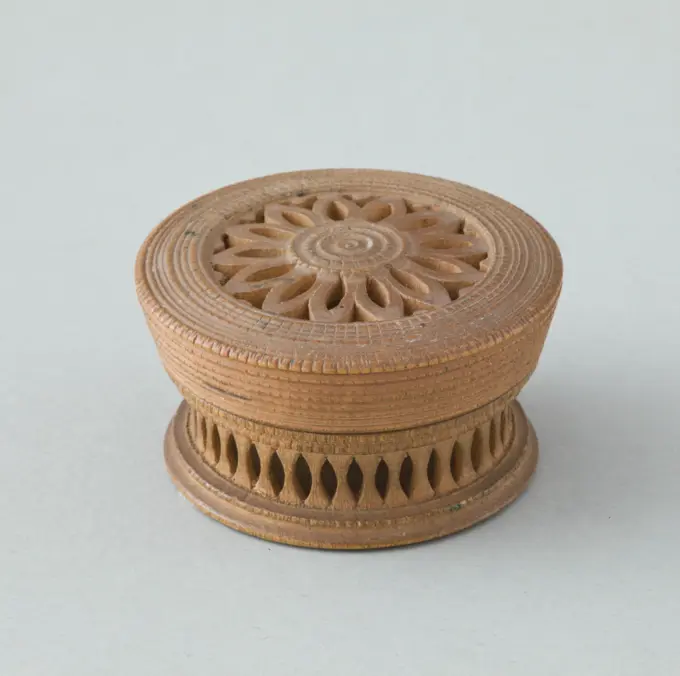
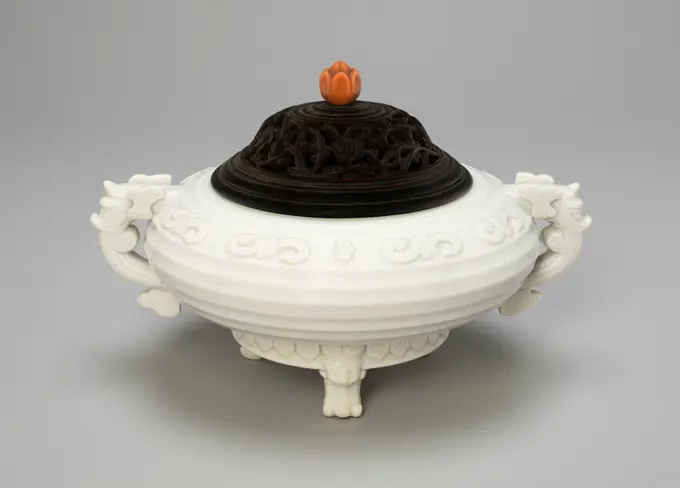
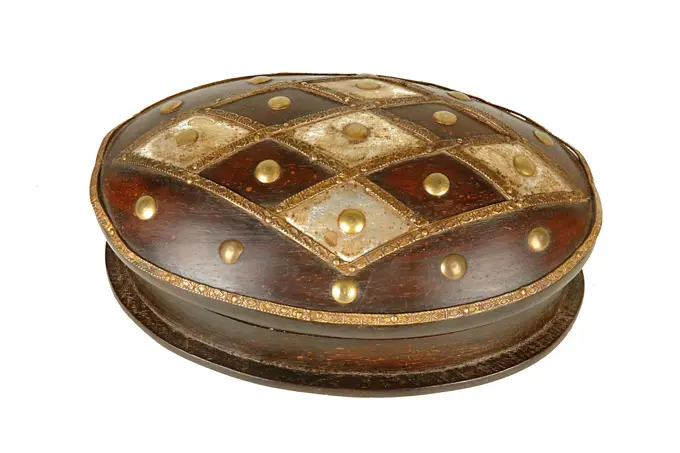
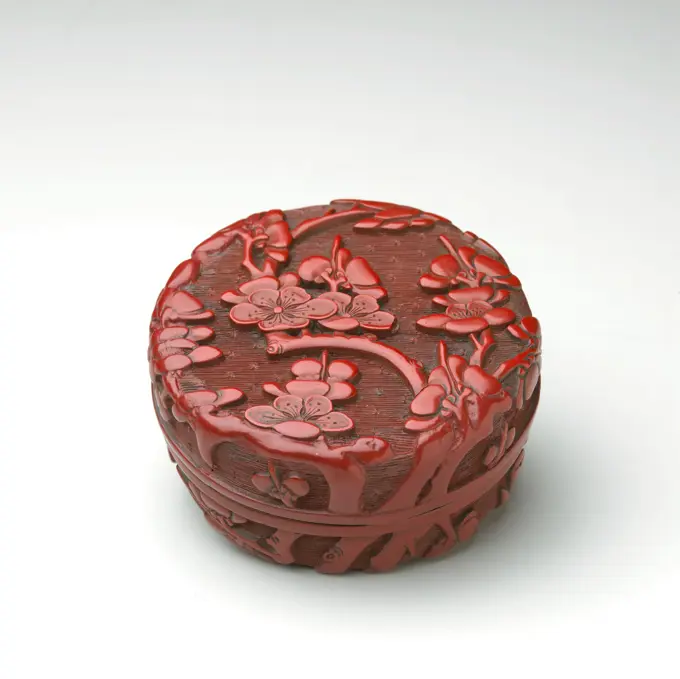
Decorative objects including bandboxes and stands, featuring intricate designs, floral motifs, and lacquer finishes from various cultures.
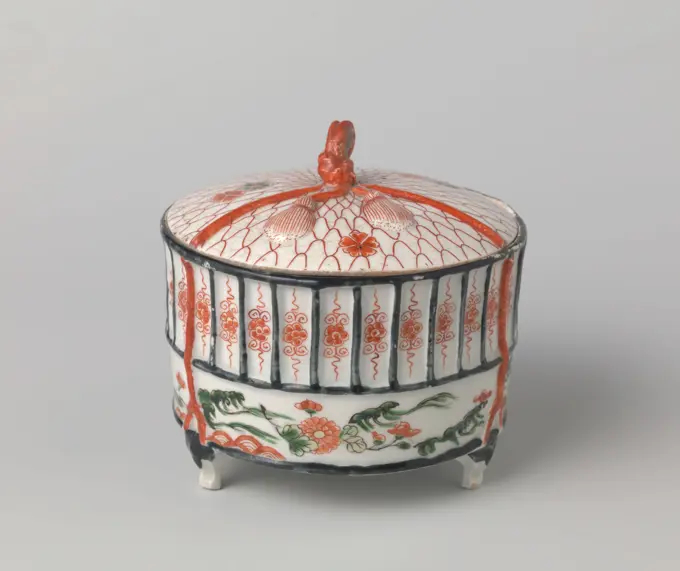
Cilidrical covered box in the shape of a cricket's cage, anonymous, c. 1675 - c. 1699 Cylindrical porcelain box on three legs and held together in the form of a cricket cage by three modeled cords, ending in a raised knot as a lid button. Painted in underly glaze blue and on the glaze red, green, yellow and black. The lower half of the box with waves, birds and flower branches; The upper half is modeled in grille work with a flower drink in each box. Imari. Japan porcelain. glaze. cobalt (mineral) painting / vitrification Cylindrical porcelain box on three legs and held together in the form of a cricket cage by three modeled cords, ending in a raised knot as a lid button. Painted in underly glaze blue and on the glaze red, green, yellow and black. The lower half of the box with waves, birds and flower branches; The upper half is modeled in grille work with a flower drink in each box. Imari. Japan porcelain. glaze. cobalt (mineral) painting / vitrification
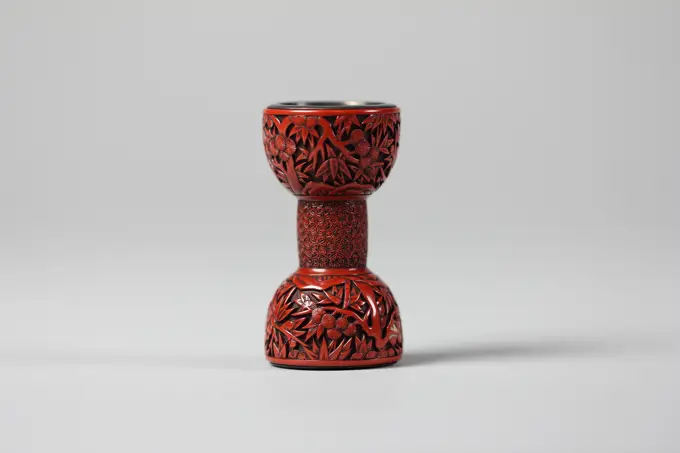
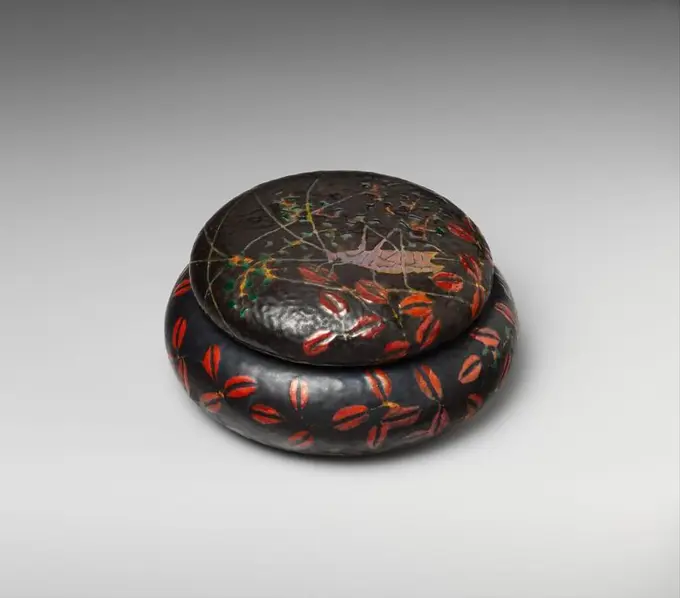
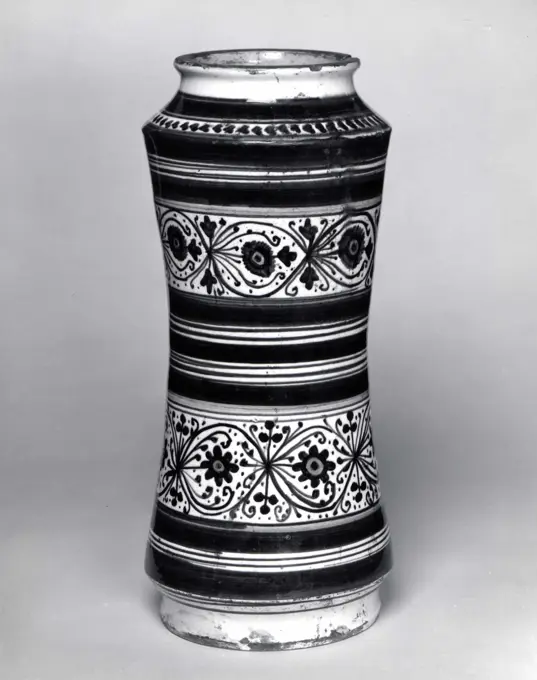
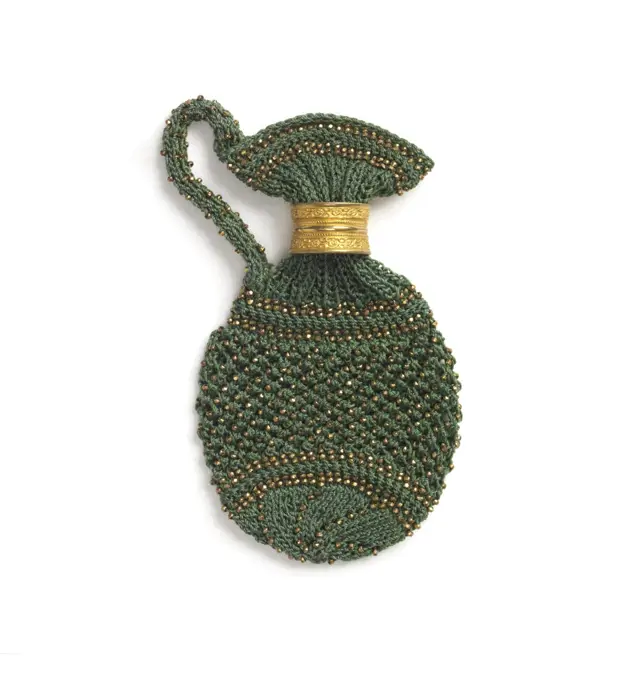
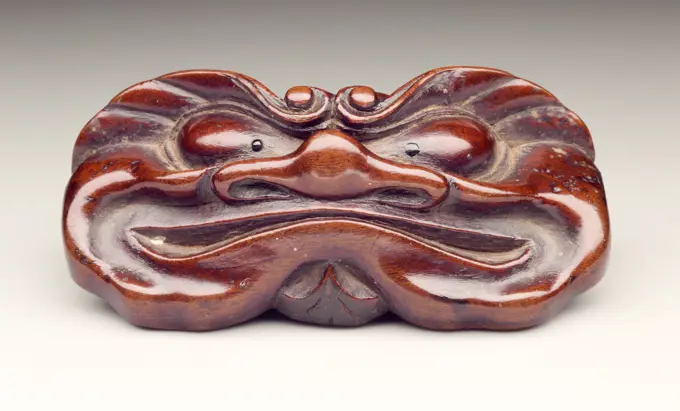
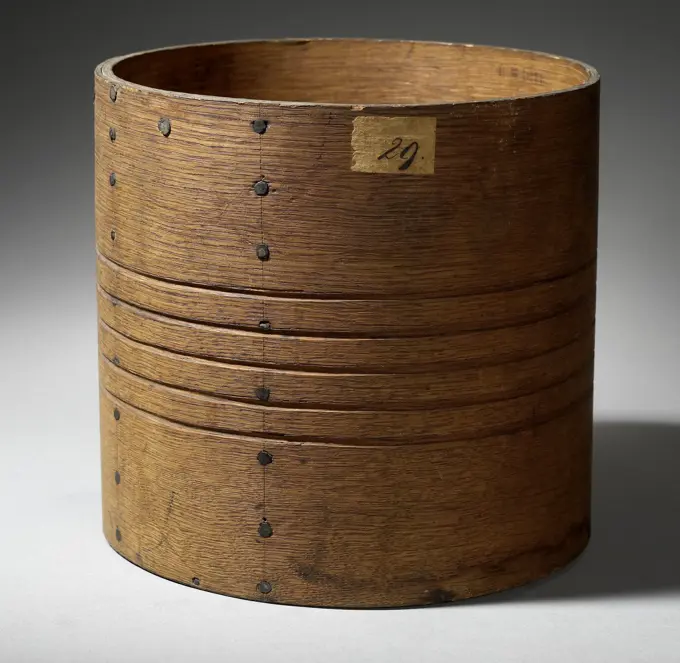
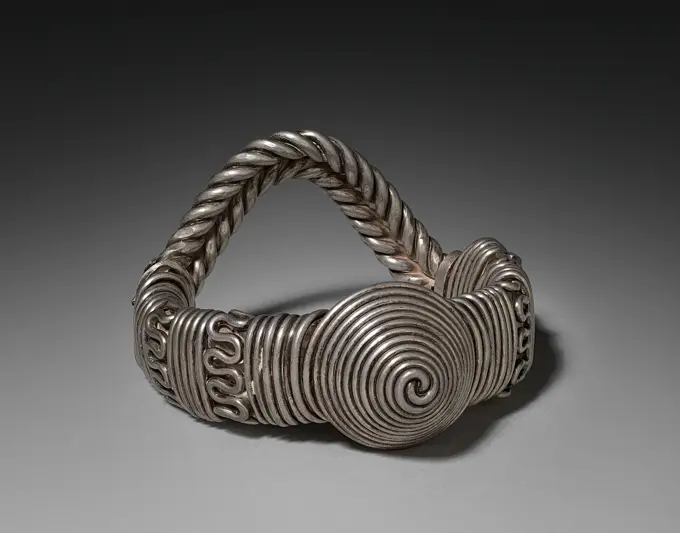
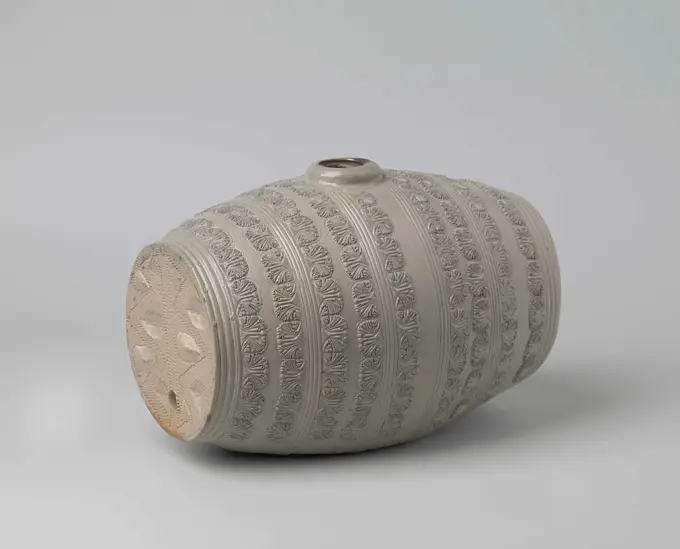
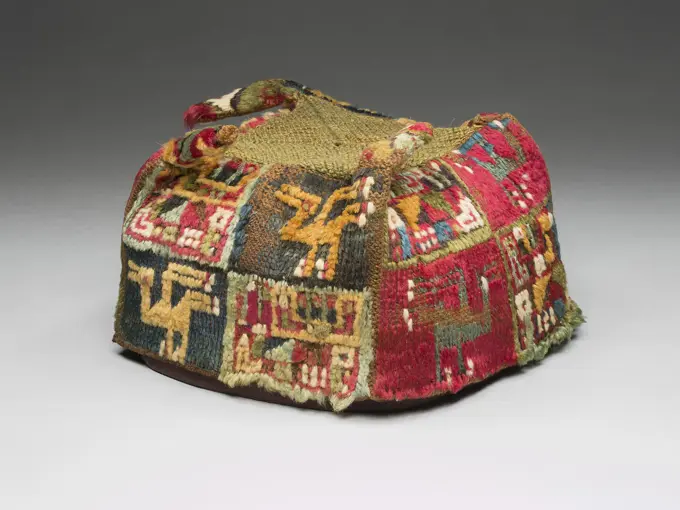
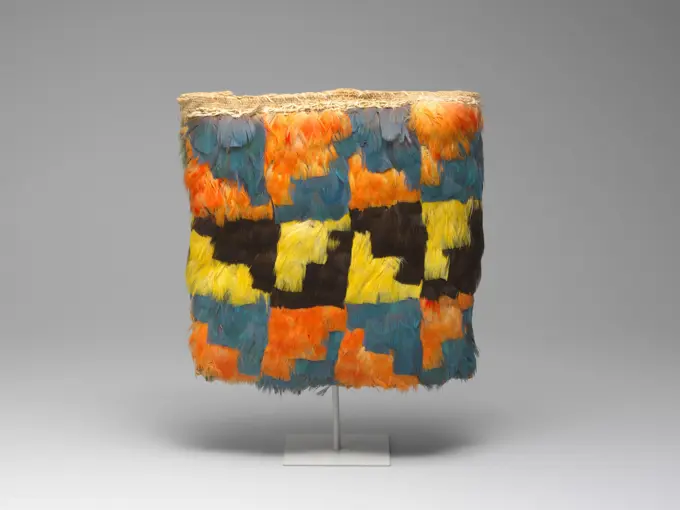
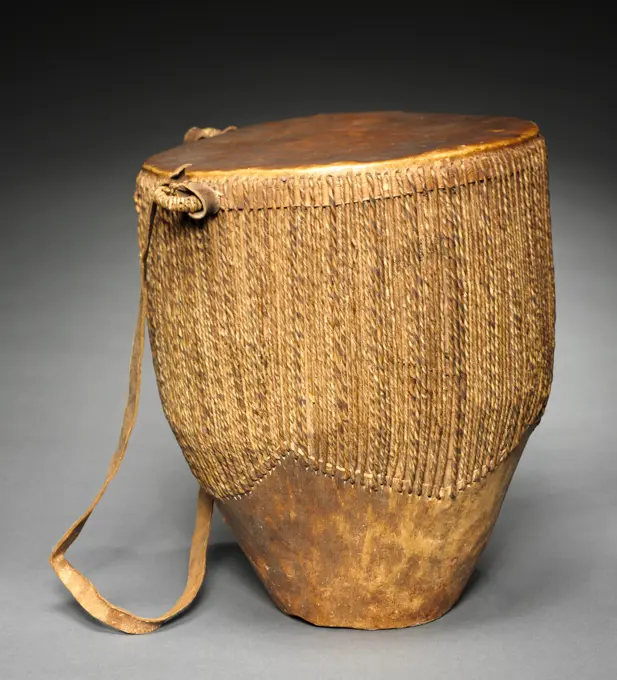
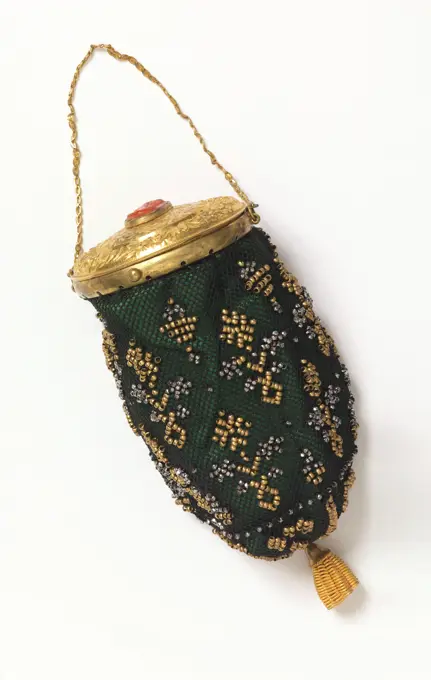
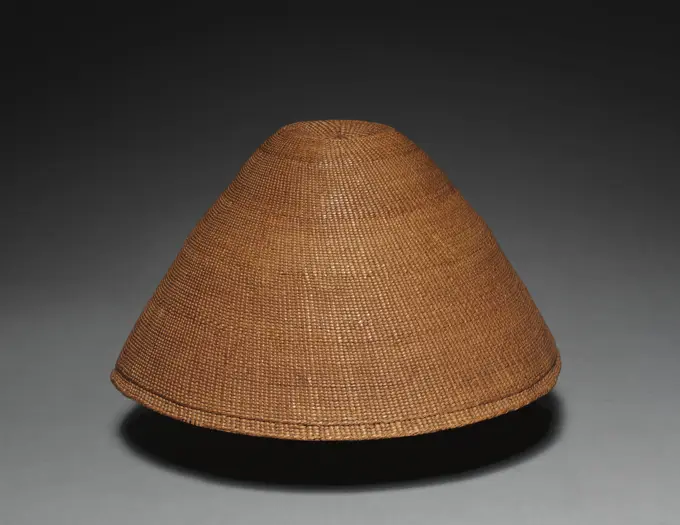
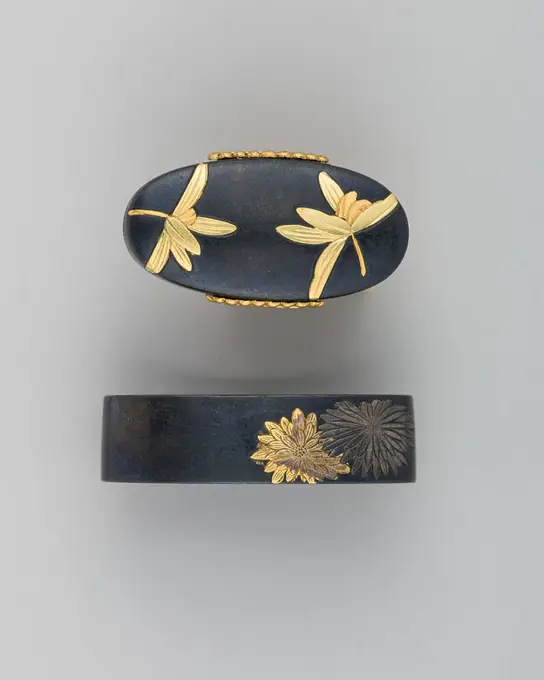
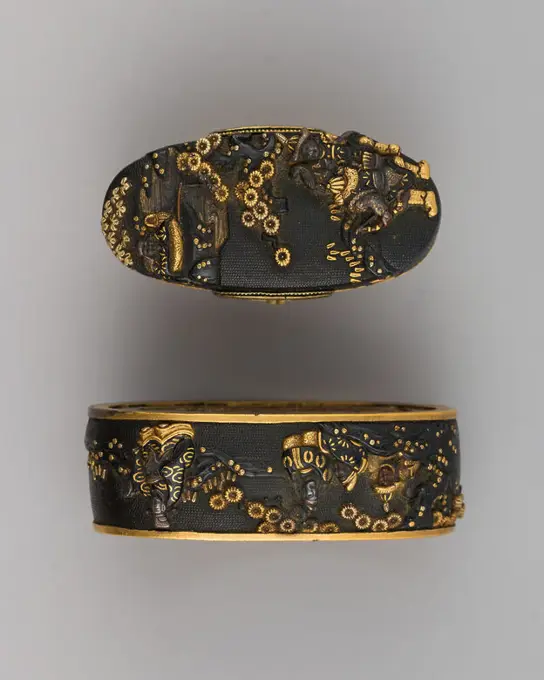
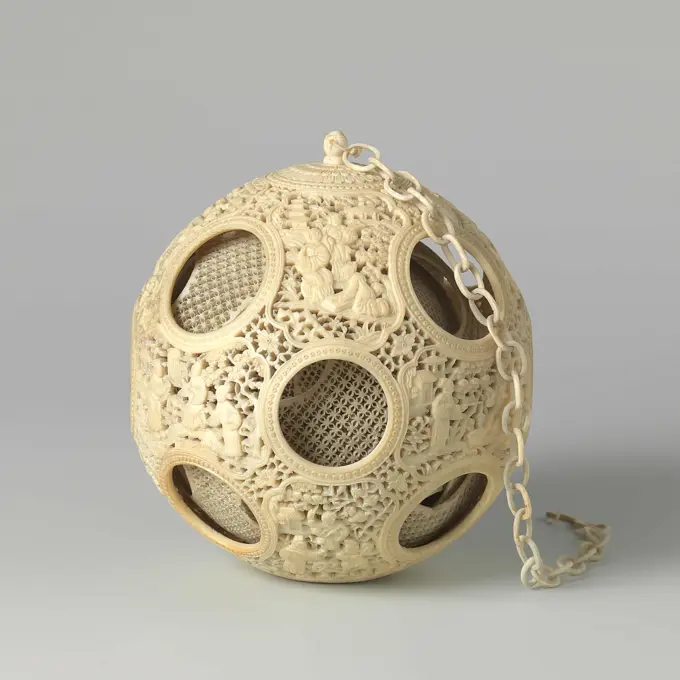
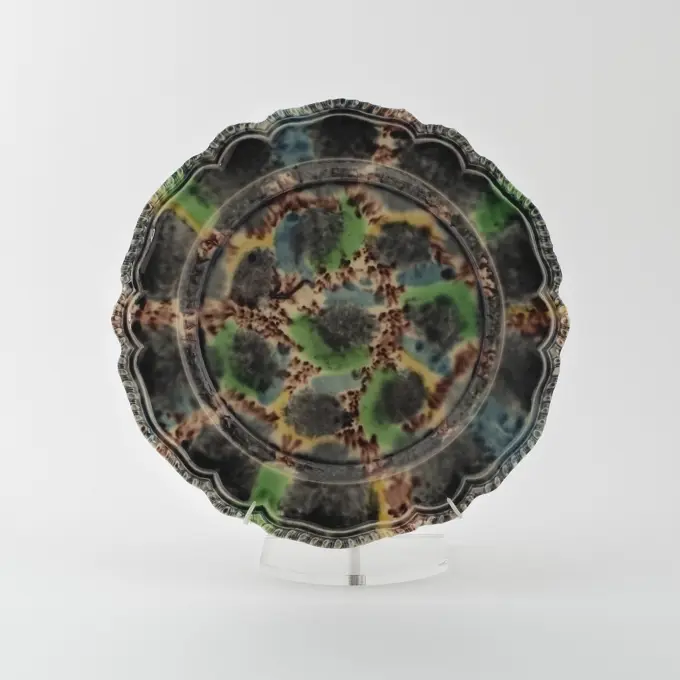
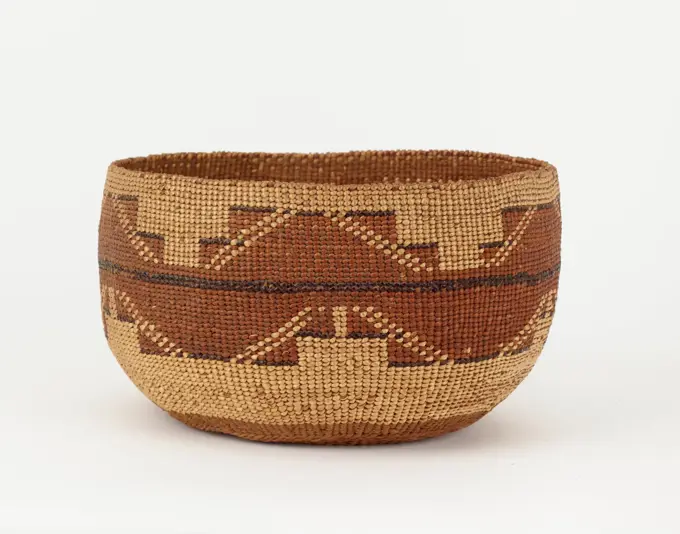
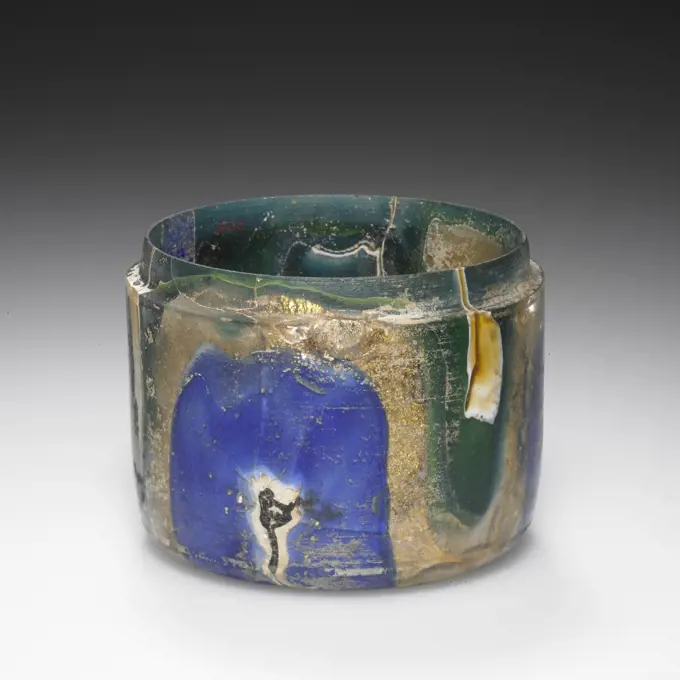
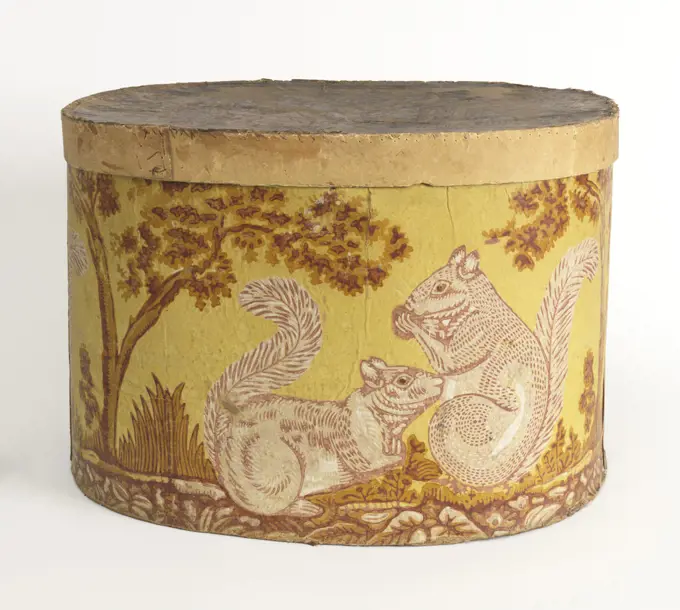
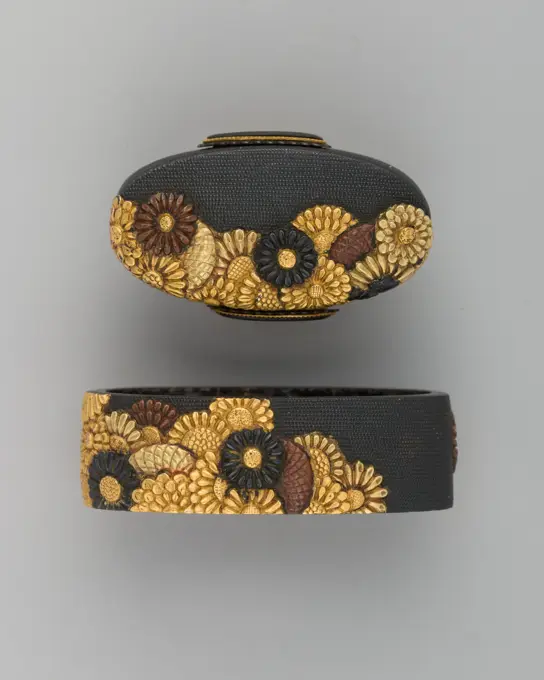
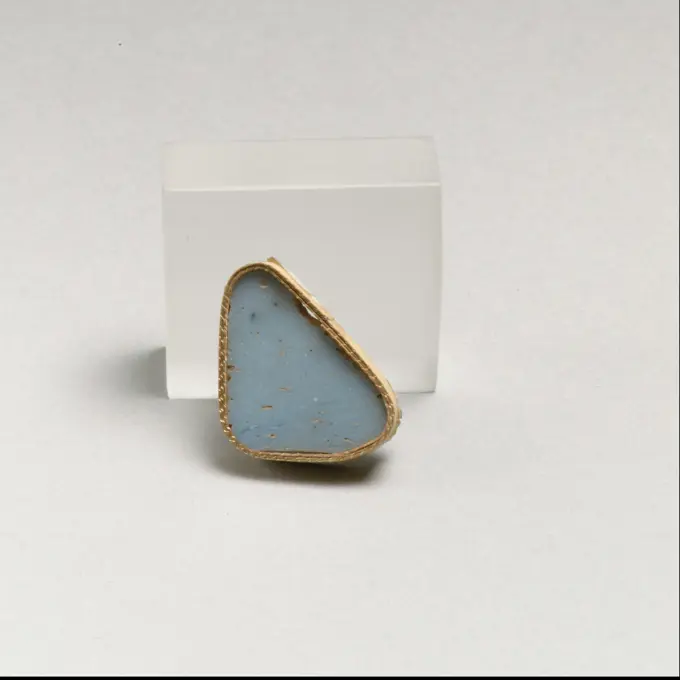
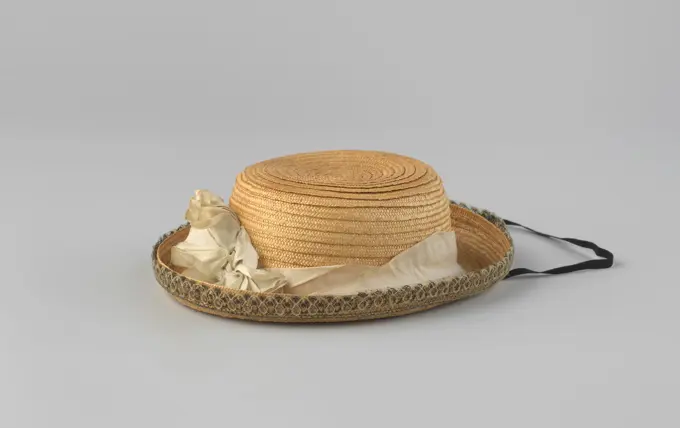
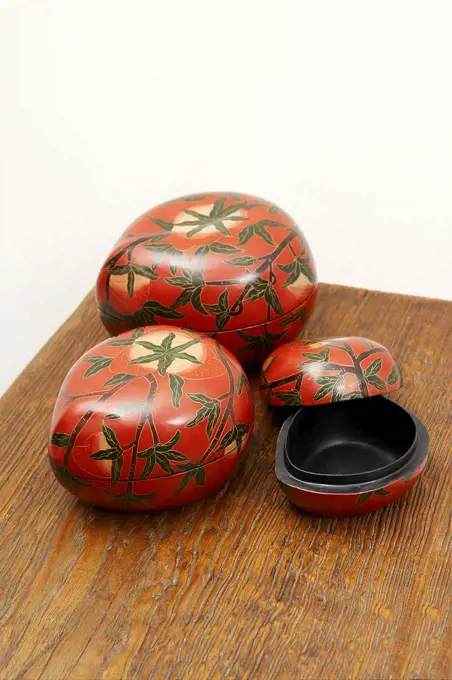
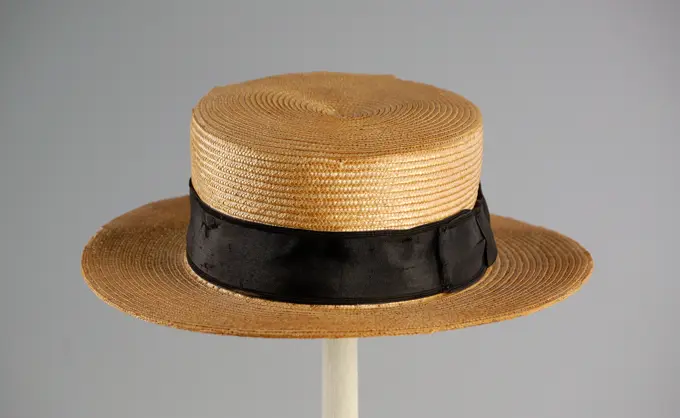
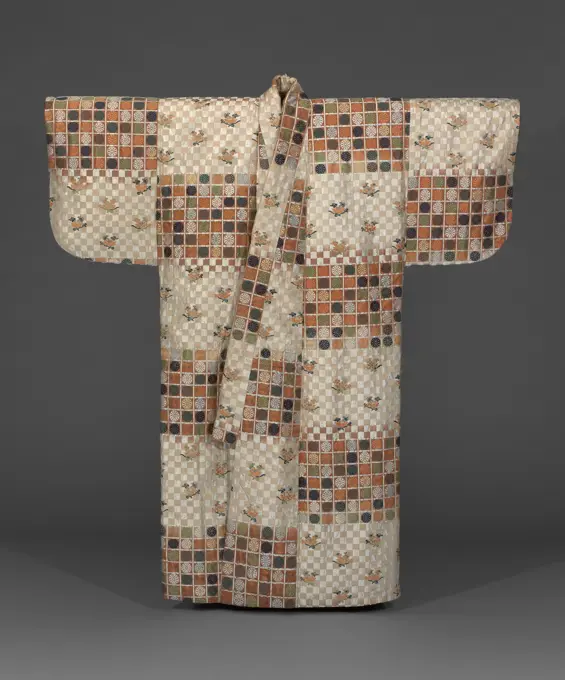
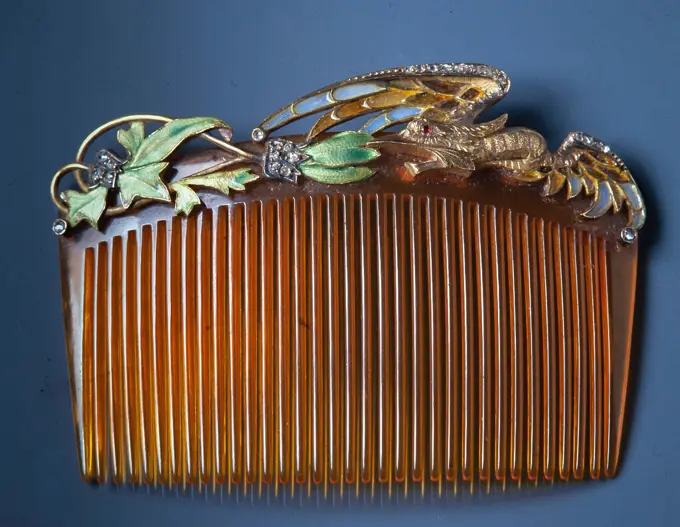
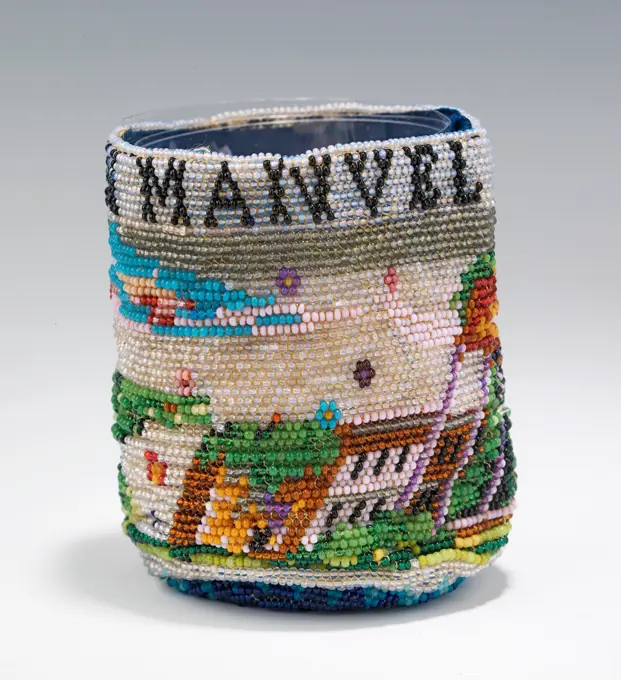
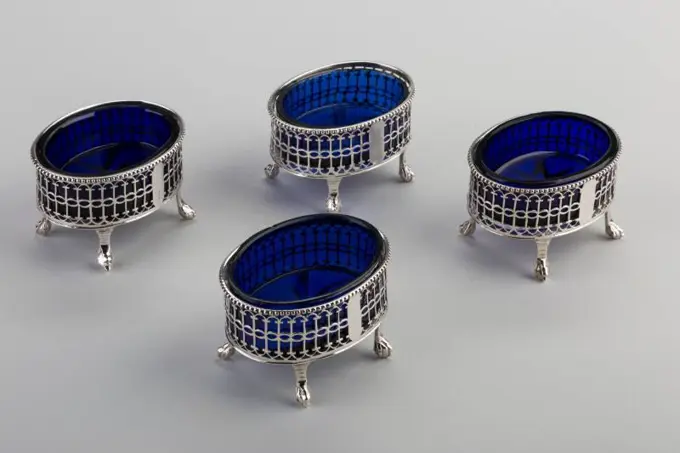
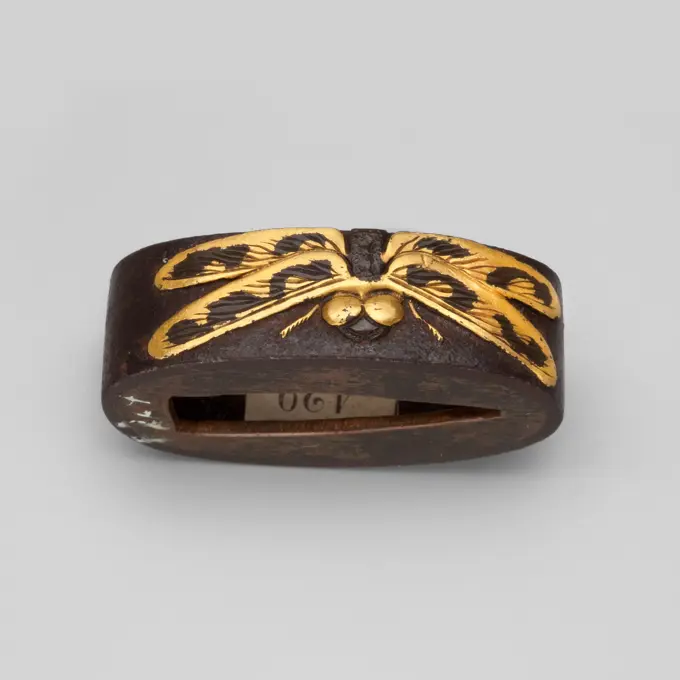
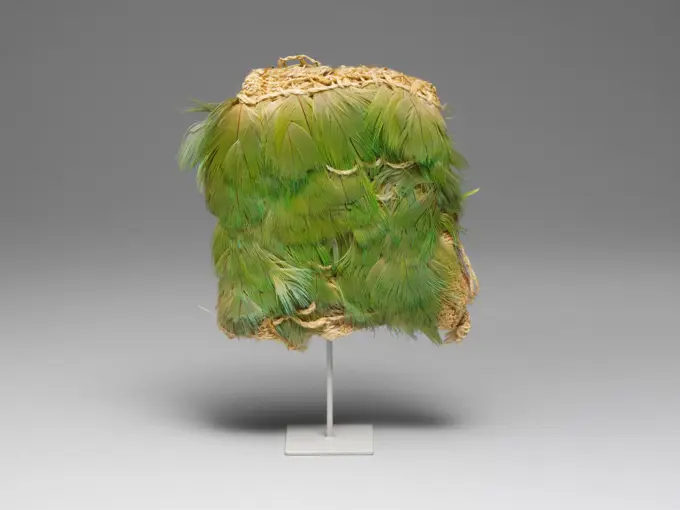
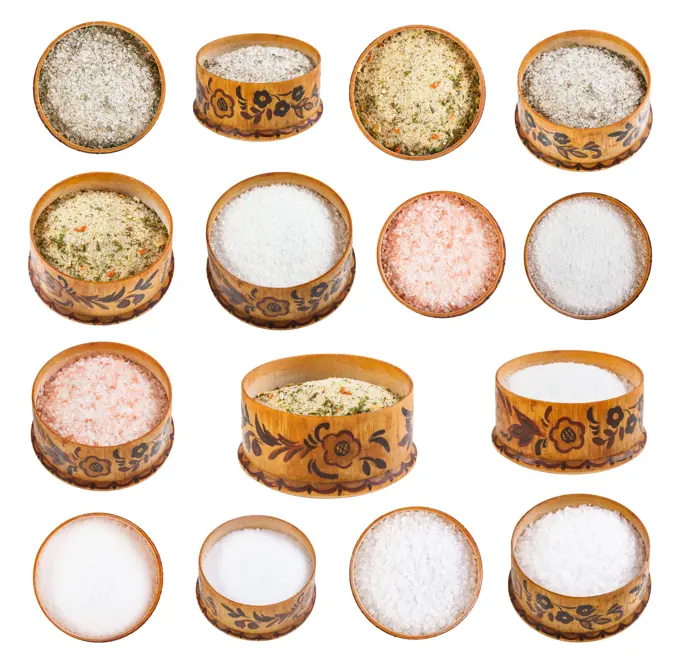
Gilbert Sackerman, Bandbox, c 1938 BandboxMiniature boxBasket, 1920s-1930s, Suzuki Gangansai, Japanese, 1891 - 1950, 20 3/4 × 7 1/4 × 6 15/16 in. (52.71 × 18.42 × 17.62 cm), Bamboo, Japan, 20th centuryCenser in the Form of Ancient Bronze Tureen (gui) Made 1644-1911 China. Porcelain .Sponge Box 1827 Netherlands. Silver .Brass design fitting on antique wooden round box, Jodhpur, Rajasthan, India Copyright: xSafatxAli/DinodiaxPhotoxabstract metal carvingSmall Box with Cover, late 15th century, 1 9/16 x 3 1/4 x 3 1/4 in. (4 x 8.3 x 8.3 cm), Carved red lacquer (tihong), China, 15th century, This delicate round box once held aromatic incense. It is carved all over with flowering plum branches, set against an incised geometric background meant to suggest sky. By the beginning of the 1500s, repeating geometric patterns had found their way into carved lacquer featuring floral patterns. Certain families of geometric patterns were used to represent sky, water, and land. While land patterns were taken from geometric textile patterns, the open sky or air was often depicted with fine parallel horizontal striations like those seen here.Netsuke 19th century Japan. Netsuke. Japan. 19th century. Red lacquer. Edo (1615-1868) or Meiji period (1868-1912). Netsuke. Basket of porcelain with two landscaped handles, painted on the glaze in blue, red, pink, green, black and gold. On the bottom IDSINGA family arm with a blue background with a silver rose or flower and a few gold shamers. The helmet mark is a peacock and the weapon is surrounded by leaf raft, around the weapon a decorative band; The wall is open (Ajourwerk) with a tire with flower drinks on the inner edge by two decorative tires. Handles have been broken down, recessed with two staples. Weapon porcelain with email colors.Table screen (username). Sandstone, molding, celadon, molded and openwork decor. Cernuschi Museum, Asia Museum of Asia in the city of Paris.Covered Box. Culture: American. Designer: Designed by Louis Comfort Tiffany (American, New York 1848-1933 New York). Dimensions: 2 5/8 x 5 1/2 in. (6.7 x 14 cm). Maker: Tiffany Glass and Decorating Company (American, 1892-1902); (Stourbridge Glass Company). Date: 1898-1902.This object forms part of a group of glass vessels and enamel containers Louis Comfort Tiffany loaned to the Museum in 1925 that were later given to the Museum by the Tiffany Foundation in 1951 (51.121.1-.44). Tiffany originally chose this group of objects to show examples of form, technique, and color that were not represented in the 1896 Havemeyer gift (96.17.9-.56). The coloration and patterning of Japanese lacquer incense boxes may have inspired this piece. The dark, rich ground evokes black lacquer, and the red and gold raised enamel decoration of a grasshopper, clover, and grasses references Japanese motifs associated with autumn. Museum: Metropolitan Museum of Art, New York, USA.Apothecary jar (albarello) ca. 1470-80 Italian, Faenza or Pesaro. Apothecary jar (albarello). Italian, Faenza or Pesaro. ca. 1470-80. Maiolica (tin-glazed earthenware). Ceramics-PotteryPurse (pence jug), Medium: silk, metal beads Technique: knitted, Knitted purse in the shape of a jug and ornamented with copper-colored beads., USA, 1830-60, knotted, knitted and crocheted textiles, Purse (pence jug)Mask of Demon of Ōeyama. Japan, 18th century. Costumes; Accessories. Wood with inlaysIncense Burner with Flowers and Dots, c. 1893-1914. Seifū Yohei III (Japanese, 1851-1914). Porcelain with creamy white translucent glaze and molded and incised design with openwork silver lid in shape of flower; height with lid: 8.5 cm (3 3/8 in.); diameter: 8.5 cm (3 3/8 in.).Bucket Or Plate Pail (England); mahogany, brass, bronzeJewelry Box. Dimensions: l. 19.5 cm (7 11/16 in); w. 12 cm (4 3/4 in); h. 9.7 cm (3 13/16 in). Dynasty: Dynasty 18, early. Reign: reign of Thutmose I-early sole Thutmose III. Date: ca. 1504-1447 B.C.. Museum: Metropolitan Museum of Art, New York, USA.Grain size of ½ decalitian, anonymous, 1803  Wooden grain size of ½ decalitely with label. Netherlands wood (plant material)   NetherlandsArmlet, 1800s. India. Silver; diameter: 6.8 cm (2 11/16 in.).Top hat ca. 1820 French. Top hat 84306Jug. Jug of stoneware in the shape of a ton. At the top an opening with screw. Decorated with flower ornament. Embossed.Stew, oval, with five holes in the top. Stew from mahogany, oval, with five holes in the top.Box -Bandbox (USA); block printed on handmade paper, pasteboard support; 40.5 x 32.5 x 29.5 cm (15 15/16 x 12 13/16 x 11 5/8 in.)Hat Made 600 CE-900 CE Peru. Wool (camelid), square knotted ground with interworked yarns forming cut pile . WariBandbox (USA); block-printed paper, pasteboard support; 38 x 30 x 27 cm (14 15/16 x 11 13/16 x 10 5/8 in.)Box -Incense Box in the Shape of a Plum Blossom. Culture: Japan. Dimensions: H. 1 3/4 in. (4.4 cm); W. 2 1/2 in. (6.4 cm); D. 2 1/2 in. (6.4 cm). Date: ca. 1850.Plum trees were not native to Japan, but were brought over to the island country from China in the Nara period (710-784). Plum blossoms appeared instantly in contemporary court literature, where they were associated with the bush warbler, representing the beginning of spring. Along with its symbolic value as a harbinger of spring, the plum blossom's sweet fragrance was also an inspiration for courtly poetry. From as early as the Heian period (794-1185), plum trees appeared in paintings and in stylized form on decorative art objects, upon which frequently only the flowers were depicted. From the early history of the Japanese incense culture, plum had a significant role. Several incense mixtures and incense games were related to the flower. As a reference to its smell, the plum motif was often represented on incense-related utensils.Miniature Dress 12th-13th century Ica Colorful bird feathers were highly prized items in ancient Peru and textiles covered with them are among the most spectacular and luxurious works made in the Precolumbian world. This miniature feathered dress is one of a large group of similar garments reportedly found in an offering at Ullujaya in the lower Ica Valley in southern Peru. The miniatures are one-fourth to one-third the size of full-sized garments. Since their manufacture follows the conventions used for full-sized male and female garments, technical, constructional, and patterning features allow the distinction between women's dresses or men's tunics to be seen. The women's dresses in the group have a checkerboard design on the front, as seen here. The horizontal openings for head and arms are along the seam at the top. However, since the openings are sewn closed, the miniature dresses were not actual garments that could have been put on statues with arms. The use of such miniature gaPurse 1790-1800 French. Purse 116947Drum (ingoma), 1900s. Eastern Africa, Uganda, 20th century. Wood, rawhide, and plant fiber; diameter: 31.2 cm (12 5/16 in.); overall: 40 cm (15 3/4 in.).Painting on wooden round box, Jodhpur, Rajasthan, India Copyright: xSafatxAli/DinodiaxPhotoxPurse (France); silk, metal, carnelianGlass bracelet with impressed decoration. Culture: Roman. Dimensions: Overall: 1/4 x 2 3/4in. (0.6 x 7cm). Date: late 4th-5th century A.D..Translucent turquoise blue.Circular band with rounded edges and slightly uneven sides; convex in section with flat inner side; no visible seam.Outer surface decorated with a series of thirteen stamped circles, each depicting a lion facing right with open mouth, large mane, and tail raised above his back.Intact, except for one weathered chip on inner edge; many pinprick and elongated bubbles; dulling, some deep pitting, faint iridescence, and patches of creamy white weathering.Around the outside of the bracelet is a pattern of stamped medallions containing lions. Museum: Metropolitan Museum of Art, New York, USA.Sword-Hilt Collar and Pommel (Fuchigashira). Culture: Japanese. Dimensions: Fuchi (a); H. 1 1/2 in. (3.8 cm); Wt. 0.9 oz. (25.5 g); kashira (b); H. 1 5/16 in. (3.3 cm); Wt. 0.4 oz. (11.3 g). Date: ca. 1615-1868. Museum: Metropolitan Museum of Art, New York, USA.Hat, before 1929. Northwest Coast, Nuu-chah-nulth or Makah. Cedar bark; twined; overall: 15.2 x 27.9 cm (6 x 11 in.).Drom, old model of the arches. Groom of the militia. The brass boiler is provided with a veal sheet on both sides, held by a hoop and tense by means of a tensioner with tractors and screws. Both hoops are decorated with a motif of triangles in the colors red, white and blue. With engraved numbers: 1861-87.Sword-Hilt Collar and Pommel (Fuchigashira). Culture: Japanese. Dimensions: Fuchi (a); H. 1 5/16 in. (3.3 cm); Wt. 0.6 oz. (17 g); kashira (b); H. 1 3/16 in. (3 cm); Wt. 0.3 oz. (8.5 g). Date: 1789-1876. Museum: Metropolitan Museum of Art, New York, USA.Round hat box made of cardboard, covered with checkered paper and with green carrying strap, Maison de Bonneterie, c. 1925 Round hat box made of cardboard, covered with checkered paper and with green carrying tape. Maison de Bonneterie. Netherlands Cardboard. upholstery: paper. Lint: Linen (Material) Round hat box made of cardboard, covered with checkered paper and with green carrying tape. Maison de Bonneterie. Netherlands Cardboard. upholstery: paper. Lint: Linen (Material)Sword-Hilt Collar and Pommel (Fuchigashira). Culture: Japanese. Dimensions: Kashira (a); H. 1 3/8 in. (3.5 cm); Wt. 0.6 oz. (17 g); fuchi (b); H. 1 1/2 in. (3.8 cm); Wt. 0.9 oz. (25.5 g). Date: 18th century. Museum: Metropolitan Museum of Art, New York, USA.Covered Box, 1100s. China, Hebei province, Quyang, Northern Song dynasty (960-1127) to Jin dynasty (1115-1234). Cream-glazed porcelain with incised decoration, Ding ware; diameter: 10.6 cm (4 3/16 in.).Ivory sphere with various open-worked concentric bulbs. Ivory sphere with thirteen round holes. The wall has been cut into relief and partially cut open. Tuusen The holes are fields with figures in a landscape, outside of these fields of flower drinks. Due to the holes, the 'indoors' are visible, opened in different geometric patterns. On the top a chain and a (discolored) orange brush on the underside.Ribbon on roll, in the middle a black stripe with a blue stripe on both sides that is lined on both sides with a varied yellow and black stripe, a white stripe, in or before 1926 Ribbon on roll, in the middle a black stripe with a blue stripe on both sides that is lined on both sides with a varied yellow and black stripe, a white stripe. NijmegenFrance (possibly) textile materials. cardboard. paper embroidering Ribbon on roll, in the middle a black stripe with a blue stripe on both sides that is lined on both sides with a varied yellow and black stripe, a white stripe. NijmegenFrance (possibly) textile materials. cardboard. paper embroideringPlate 1750-1765 Staffordshire. The colors on this plate resulted from the combination of metallic oxides of manganese, cobalt, copper, iron, and antimony prepared as liquid slip. These were sponged onto the body of the plate and covered with a clear lead glaze. When the plate was fired, the colors bled together to achieve a tortoiseshell effect. By 1760 Americans were importing a range of fashionable tortoiseshell dining wares; these remained popular throughout the third quarter of the 18th century.. Lead-glazed earthenware . Whieldon PotterySalt barrel with driven flowers, Claes Claesz Schoon (attributed to), 1668 The two round, diabolov -shaped salt vessels with flat bottom edge have three cast legs that are composed of two roses and a garden anemone. The body rejuvenates for a high, narrow middle section that widens to the convex top edge, which encloses the smooth bowl -shaped barrel. The salt vessels are completely driven with a continuous decoration of flowers, between which standing on the lower part and a lying putti and a pelican, a stork and a heron on the neck. The top edge shows, clockwise from the point above the pelican, a sunflower, a rose, a tulip, a carnation, a tulip, a carnation and an indefinable flower. The narrow central part of the body shows a trumpetnarcis, a tulip, a Turkish lily, a rose, a poetry narcis, a tulip and again a poet's narcis. The sub -part shows a garden anemone, a tulip, a lily, tulips, a trumpetnarcis, roses and a garden sanjer. Amsterdam silver (metal) The two round, diabolov -shaFire basket. Round fire basket of braided silver wire. The basket is on a foot and has a handle. Three spangen are tensioned over the basket, two others are probably demolished. The basket has not been marked.Basket, 3 9/16 × 6 1/4 × 6 in. (9.05 × 15.88 × 15.24 cm), Plant fibers, United StatesGold Band Pyxis (missing lid); Eastern Mediterranean or Italy; end of 1st century B.C. - beginning of 1st century A.D; Glass and gold; 4.2 x 5.3 cm (1 5,8 x 2 1,16 in.)Water dropper in the shape of a fish, late 19th century, Unknown Korean, 1 5/16 × 3 1/8 × 2 13/16 in. (3.33 × 7.94 × 7.14 cm), Porcelain painted with colbalt blue under clear glaze, Korea, 19th centuryBandbox, Block-printed on paper, pasteboard support, Red, green, white and brown on a yellow field. On sides of box, squirrels and trees. On top of box, houses with trees and a border of flowers., USA, ca. 1830, Wallcoverings, BandboxOrnament China. Ornament. China. Gold. Tang dynasty (618-907). JewelryBowl with Geometric Design. Culture: Mexican. Dimensions: Height 1-5/8 in.. Date: 10th-15th century. Museum: Metropolitan Museum of Art, New York, USA.Chinese teapot with bamboo handle and cup insulated on white backgroundVase fragment East Greek/Sardis, Lydian Rim fragment with white lines.. Vase fragment. East Greek/Sardis, Lydian. Terracotta. VasesSword-Hilt Collar and Pommel (Fuchigashira) ca. 1615-1868 Japanese A fuchigashira is a pair of matching sword fittings comprising the fuchi (collar at the base of the grip of the sword hilt) and kashira (pommel cap at the end of a sword hilt).. Sword-Hilt Collar and Pommel (Fuchigashira). Japanese. ca. 1615-1868. Copper-gold alloy (shakud), copper, gold. Sword Furniture-Fuchi-KashiraCreamPitcherGlass monochrome inlay 1st half of 1st century A.D. Roman Opaque streaky pale greyish blue.Flat inlay, roughly triangular; rounded corners and beveled edges.Polished upper side; pitting of surface bubbles on upper side; dulling and patchy creamy weathering on underside and edges.. Glass monochrome inlay 257357Hat of natural straw with bent edge and white ribbon, anonymous, c. 1850 - c. 1900 Five hats: Naturelstro sun hat with bent edge and white ribbon. Europe silk Five hats: Naturelstro sun hat with bent edge and white ribbon. Europe silkClose-up of three boxes on a deskBracelet, one of a pair, 3 3/4 x 2 3/8 x 2 7/8 in. (9.53 x 6.03 x 7.3 cm), Silver, ChinaCap 1860-79 American or European. Cap 103314Boater ca. 1890 American. Boater 170376Icon and ObjectGold Band Pyxis (missing lid). UnknownNoh Robe withCheckerboardsGlas, (possibly), c. 800 - c. 1399 Pot of colorless, slightly illized glass with a hollow bottom and a straight, slightly inside wall. Inside turned lip. Glassblower: Iranyriëegypt glass Pot of colorless, slightly illized glass with a hollow bottom and a straight, slightly inside wall. Inside turned lip. Glassblower: Iranyriëegypt glassSnake skin leather wallet isolated on white background.Lluís Masriera / Peineta de marfil, esmalte y diamantes. Está rematada por un dragón y una decoración de hojas aplicada con esmalte, diamantes rosas y un rubí de talla circular, 1901. Colección privada. Author: LLUÍS MASRIERA I ROSÉS.Porcelain Tea Caddy, Ch'ing Dynasty. Box, round, from ivory with monogram jvn. Box, round, from ivory with monogram jvn, in embroidered bag.Hand Warmer late 16th-early 17th century China. Hand Warmer 42062Peru, Pre-Inca civilization, Nazca culture, Double spout and bridge vessel with painted shamanCoin purse 1820-40 Mexican The fanciful landscape on this coin purse displays an unlikely combination of objects: low flat buildings share space with a classical ruin and grazing animals nearby; the variety of colors used to render the sky complete the individualistic touch. The letters appearing in the top bend may be practice letters, similar to those in a sampler. The purse is part of the Mexican beadwork collection of over 600 pieces assembled by Elizabeth Morrow (1873-1955), mother of writer Anne Morrow Lindbergh, the wife of renowned aviator Charles Lindbergh. Morrow collected the objects between 1927 and 1930, when her husband, Dwight Morrow, Sr., served as U.S. ambassador to Mexico. She lent the collection to the Brooklyn Museum in 1938 and upon her death, her children donated it. A collection of 155 pieces of Mexican ceramics and other decorative arts were given to Amherst College, her husband's alma mater. Mrs. Morrow collected Mexican beadwork, along with other examples of cSilver Salts with Blue Glass Liners,  c. 1780Sword-Hilt Collar and Pommel (Fuchigashira). Culture: Japanese. Dimensions: Kashira (a); H. 1 3/8 in. (3.5 cm); Wt. 0.5 oz. (14.2 g); fuchi (b); H. 1 1/2 in. (3.8 cm); Wt. 0.7 oz. (19.8 g). Date: 19th century. Museum: Metropolitan Museum of Art, New York, USA.Drom, old model of the arches. Groom of the militia. The brass boiler is provided with a veal sheet on both sides, held by a hoop and tense by means of a tensioner with tractors and screws. Both hoops are decorated with a motif of triangles in the colors red, white and blue. With engraved numbers: 1847-4.Azeri traditional drum nagara on whiteComb, Tortoiseshell, Tall comb with intricate pierced carvings in floral motif., USA or Europe, ca. 1870, costume & accessories, Decorative Arts, Comb'Birds and Wild Grass' Teacup and Saucer. Albert Valentien (United States, 1862-1925)Rookwood Pottery (United States, Ohio, Cincinnati, 1880-1960). United States, 1884. Furnishings; Serviceware. Hand painted earthenwareBox 17th century Japan. Box 57933Glass mosaic bowl fragment 2nd-mid-1st century B.C. Greek, Eastern Mediterranean Body fragment.Translucent cobalt blue, opaque white and yellow, and colorless.Convex curving side.Composite pattern formed from polygonal sections of two canes: one in a blue ground with a white spiral thread, and the other in a colorless ground with a yellow spiral thread.Polished exterior; pitting of surface bubbles on exterior; dulling, pitting, and creamy iridescent weathering on interior and jagged edges.. Glass mosaic bowl fragment 257178Hair comb made of turtle with high upright smooth back; With twenty teeth, Anonymous, c. 1800 - c. 1830 Hair comb made of turtle with high upright back. With twenty teeth. Netherlands . sawing / polishing / filing Hair comb made of turtle with high upright back. With twenty teeth. Netherlands . sawing / polishing / filingRosette from the sky of the dome of the Zygmuntów chapel  Wawel Cathedral, KrakowToy goldfishA church of a metal church sword (Fuchi);  18th century (1701-00-00-1800-00-00);Grohman, Henry (1862-1939) - collection, gift (provenance), handles, sabers, Japanese art, dragonflyBandbox with Cover. Dated: c. 1939. Dimensions: overall: 40.9 x 45.9 cm (16 1/8 x 18 1/16 in.). Medium: watercolor, graphite, and gouache on paperboard. Museum: National Gallery of Art, Washington DC. Author: Gilbert Sackerman.Miniature Tunic 12th-13th century Ica. Miniature Tunic 316941lb Imperial weight, 1819-1903. Manufacturer: W & T Avery Ltdcollection from wooden salt cellar with salts collection from wooden salt cellar with various salts isolated on white background Copyright: xZoonar.com/ValeryxVoennyyx 14195546