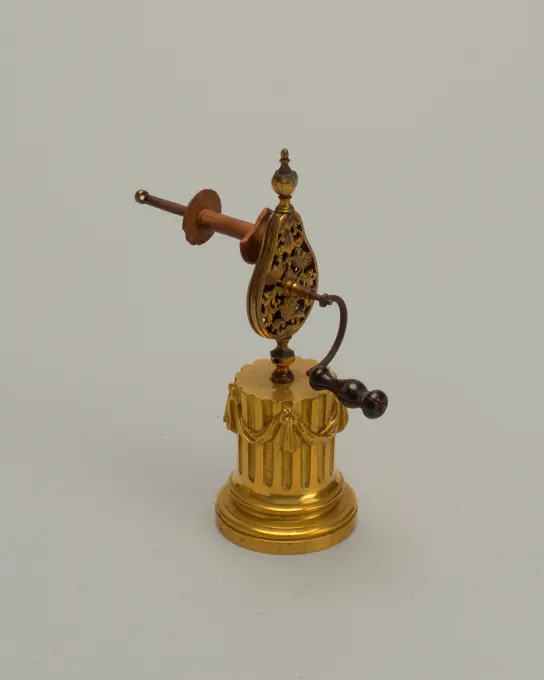
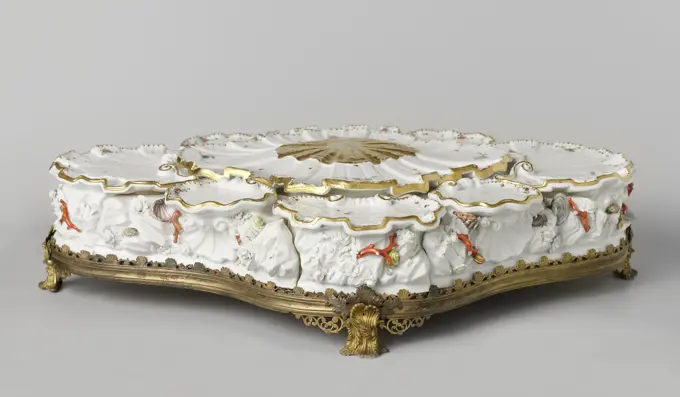
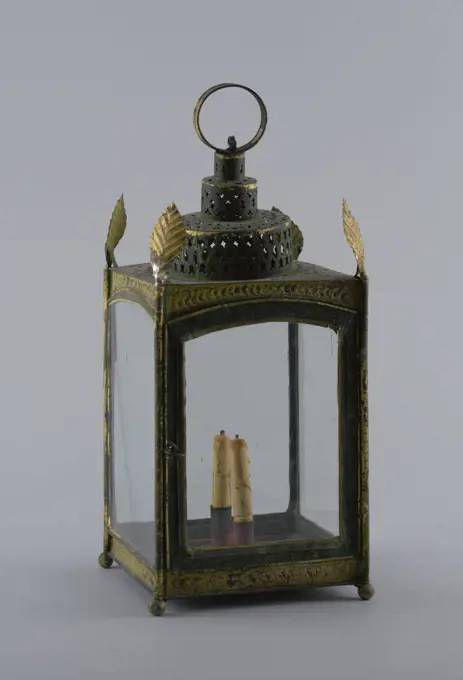
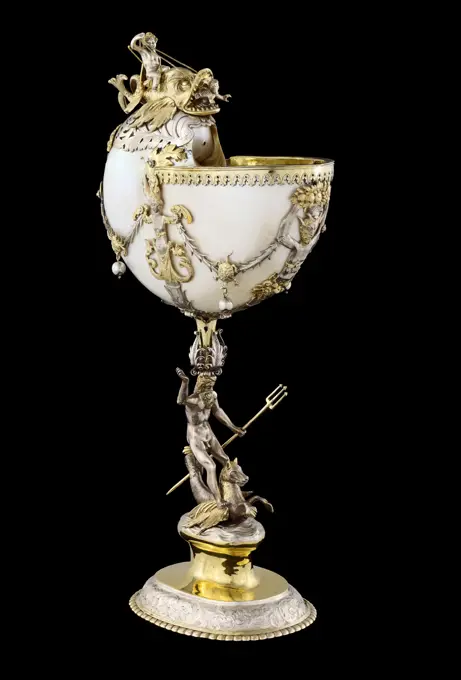
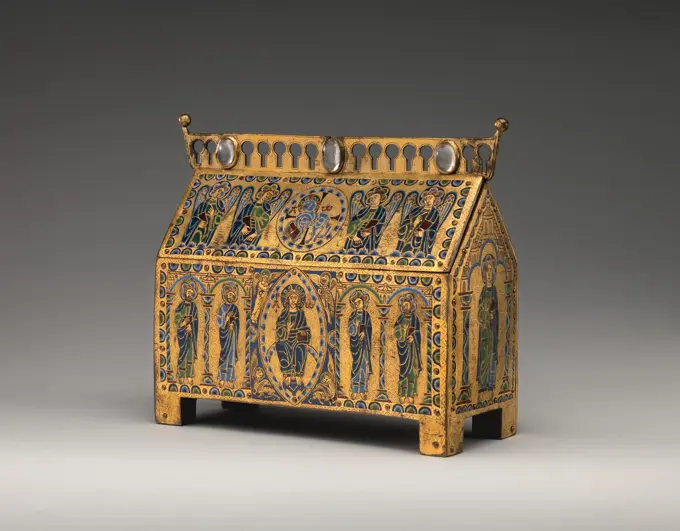
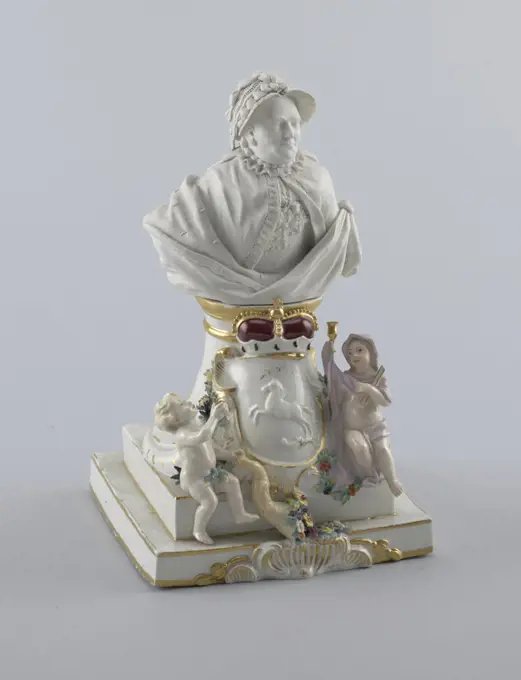
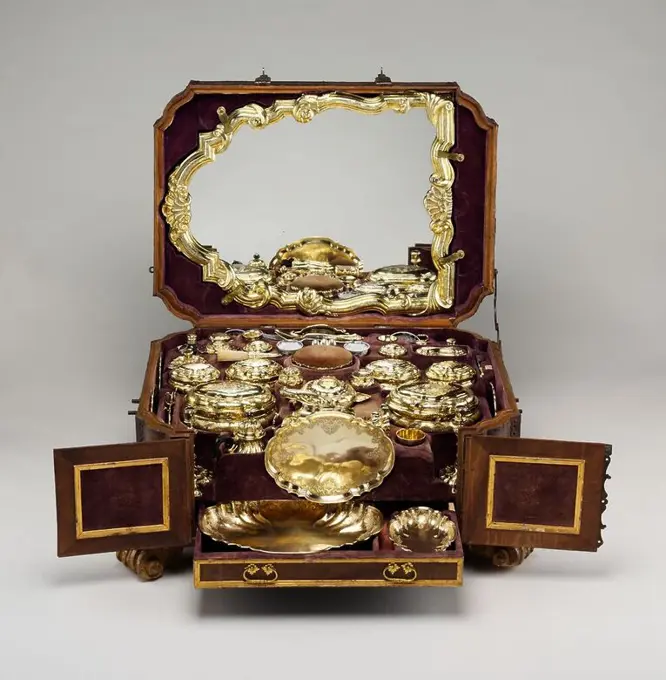
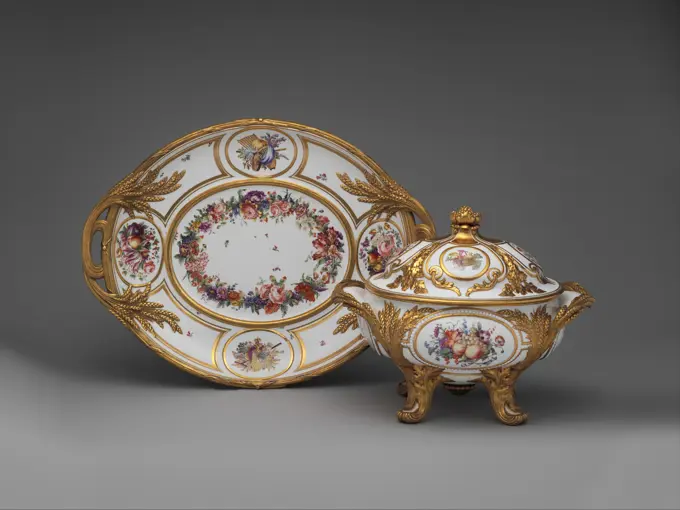
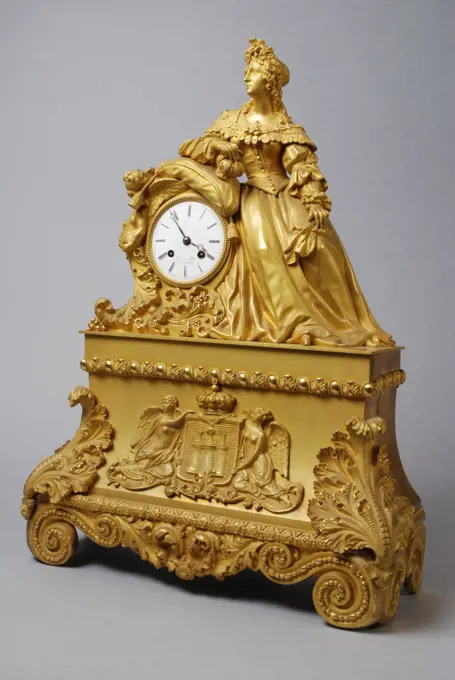
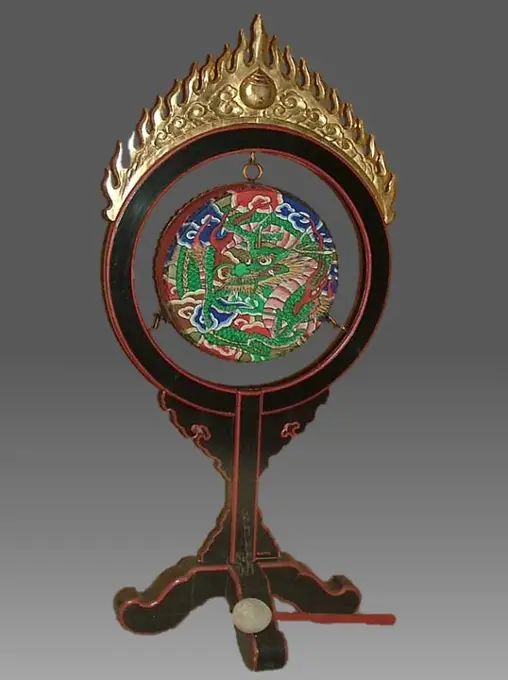
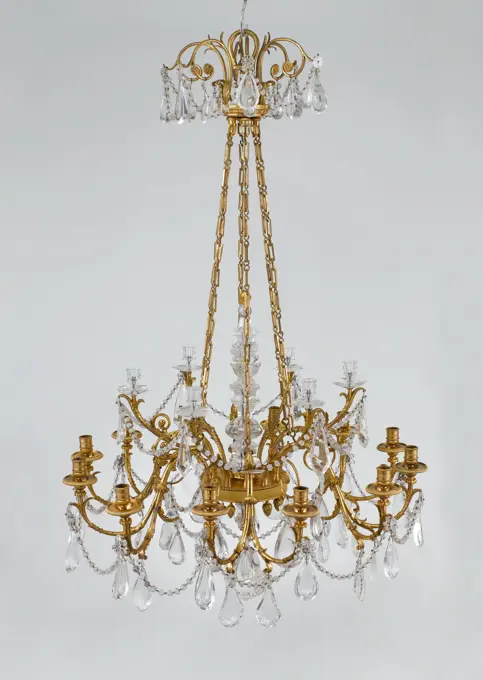
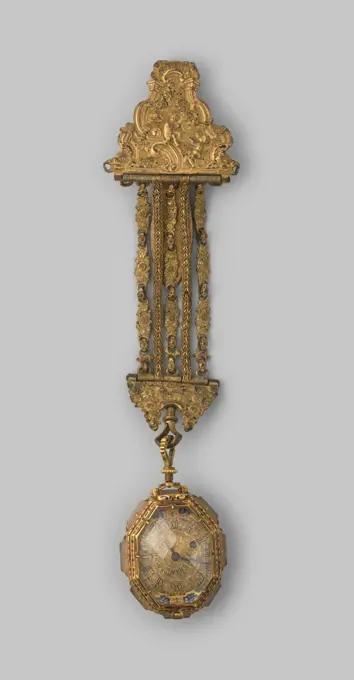
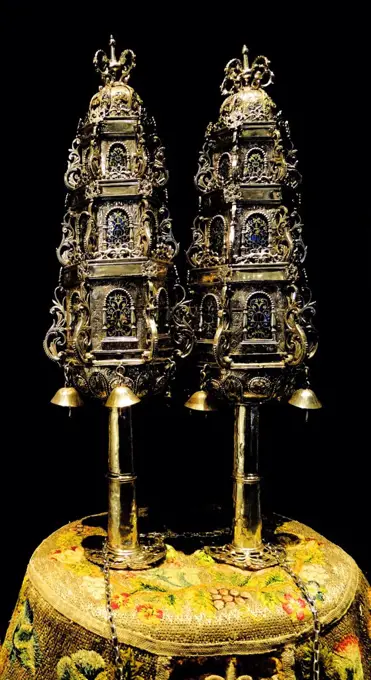
Ornate Candle Holders

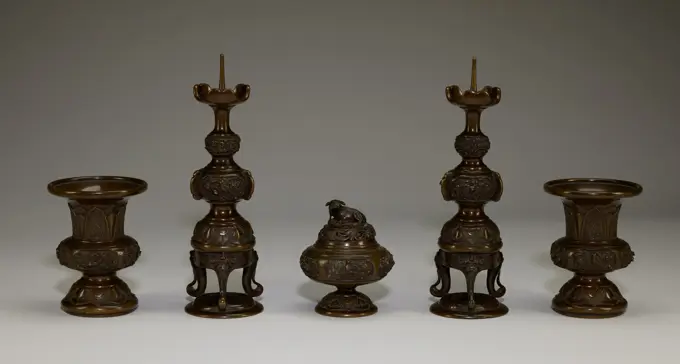
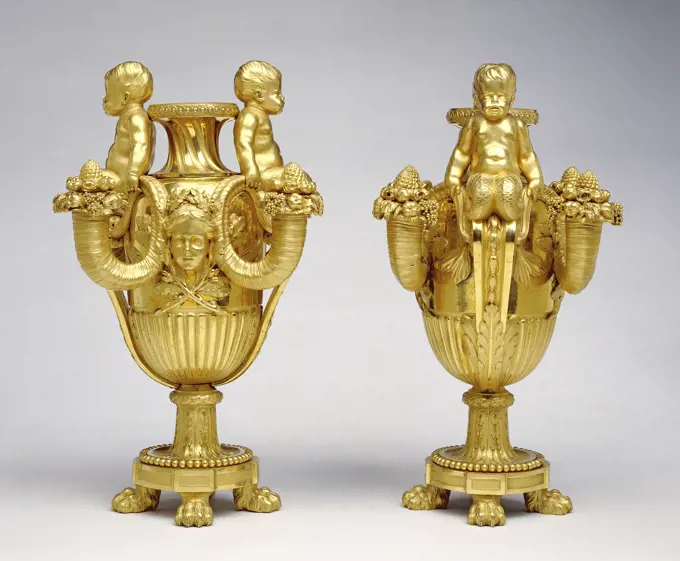
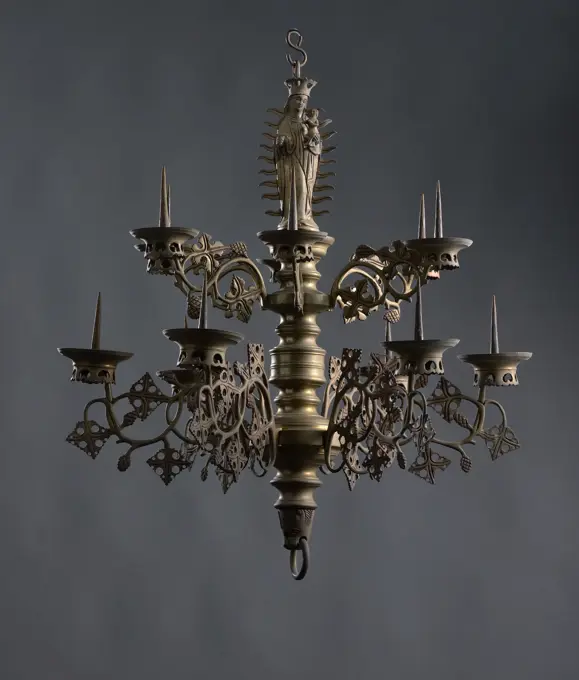
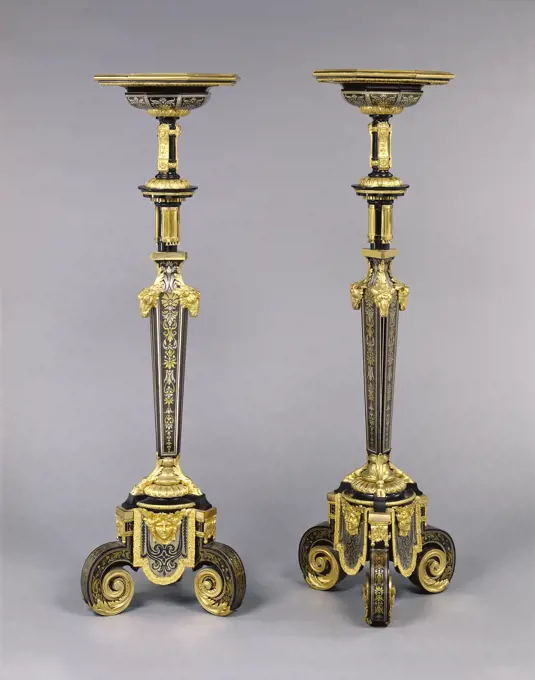
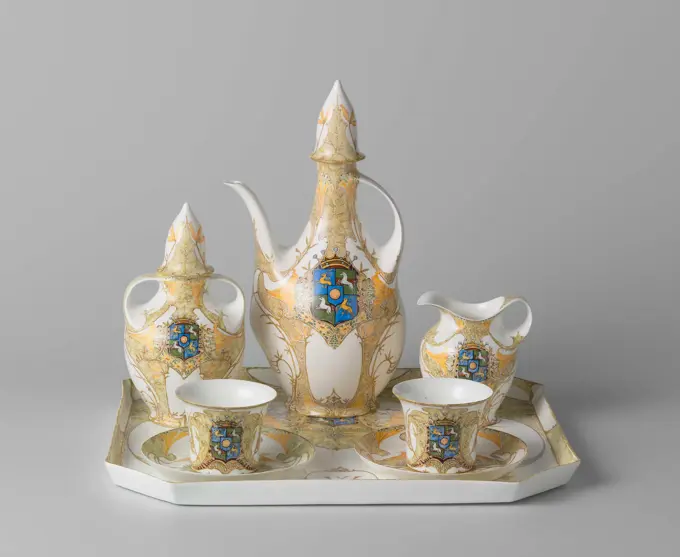
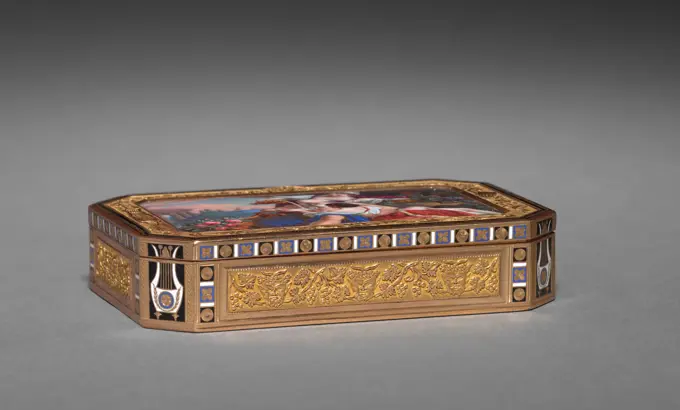
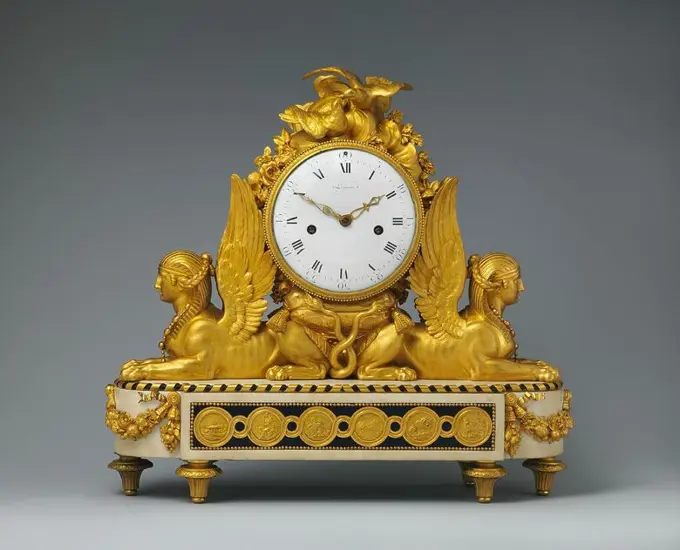
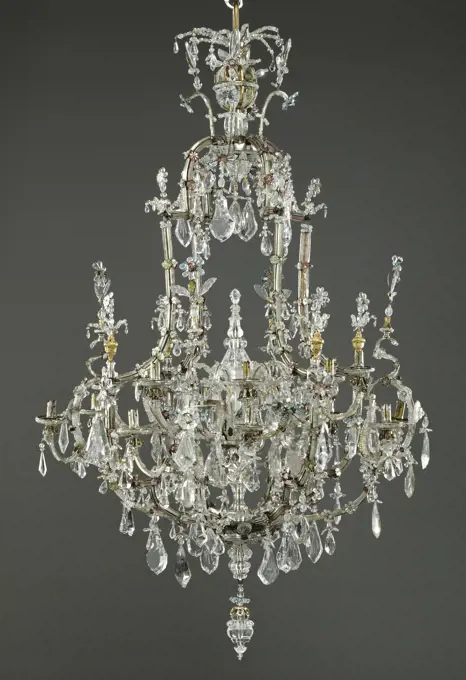
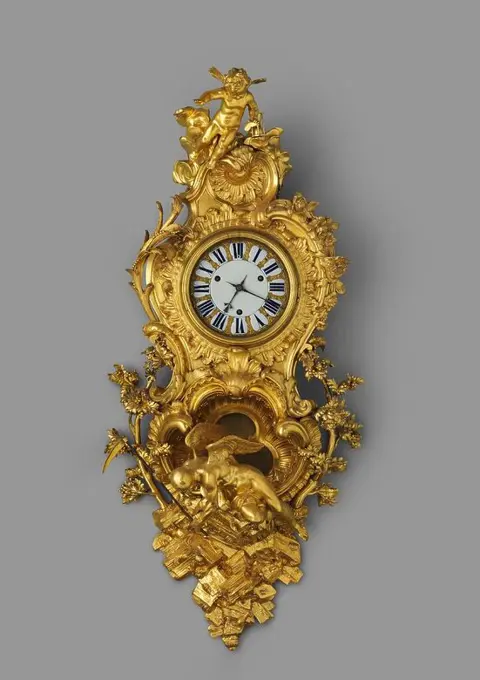
A collection of intricate candle holders and decorative vessels, showcasing various styles including brass designs and crystal embellishments.
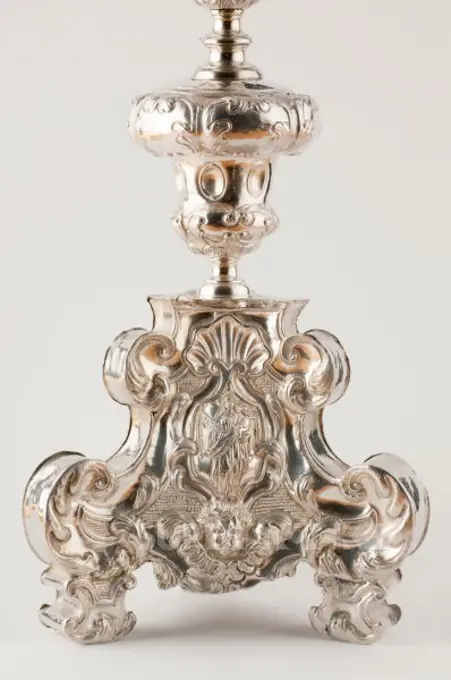
Silver chiselded liturgical object, detail from the base depicting the Virgin and Child, Lombardy, Italy.
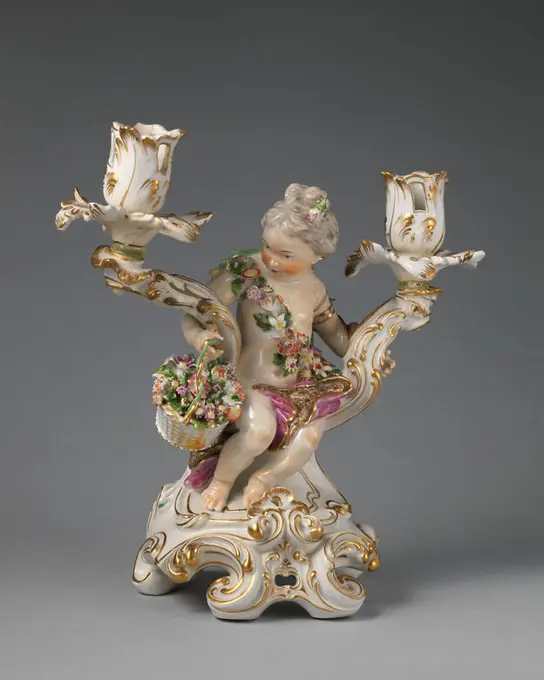
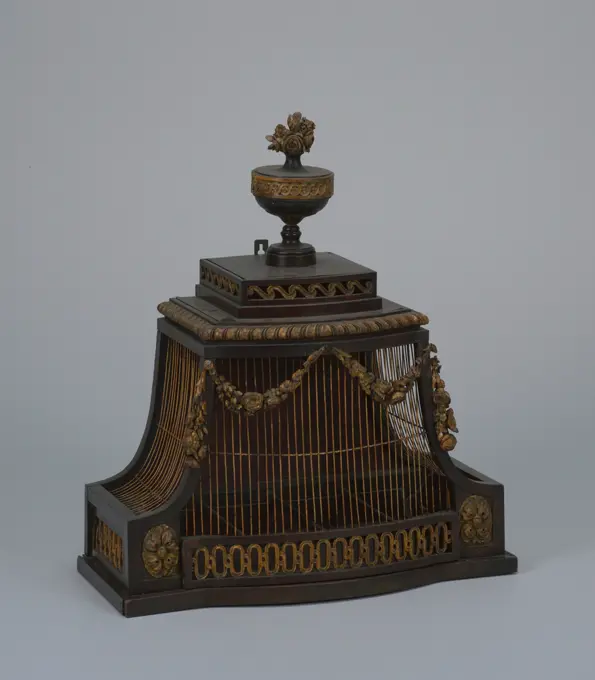
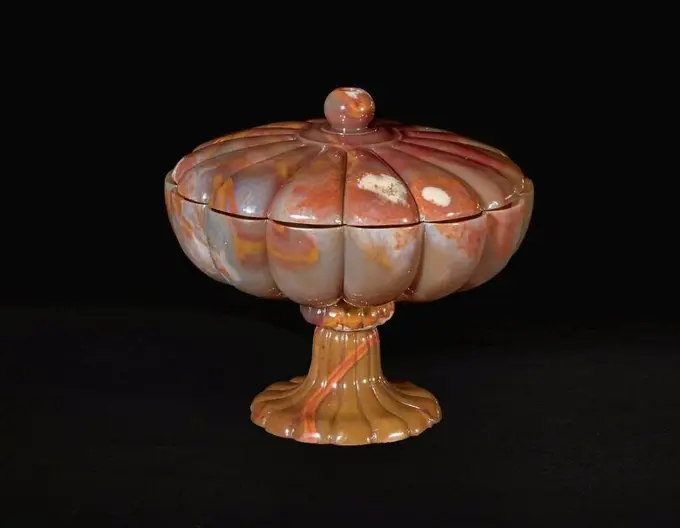
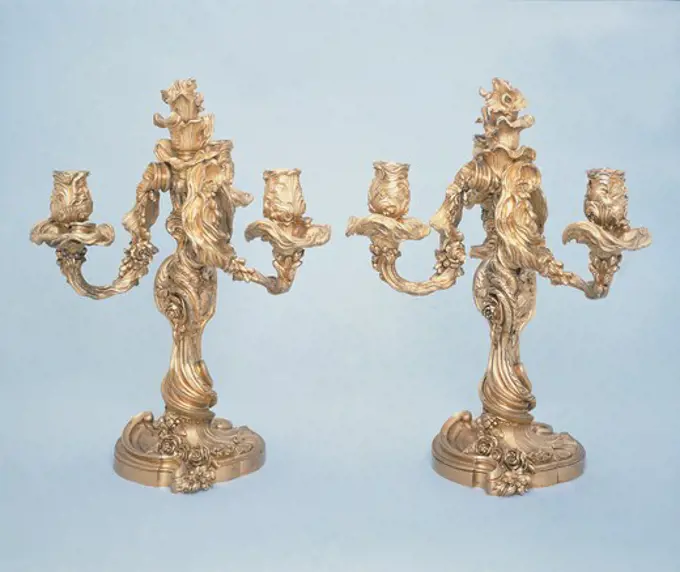
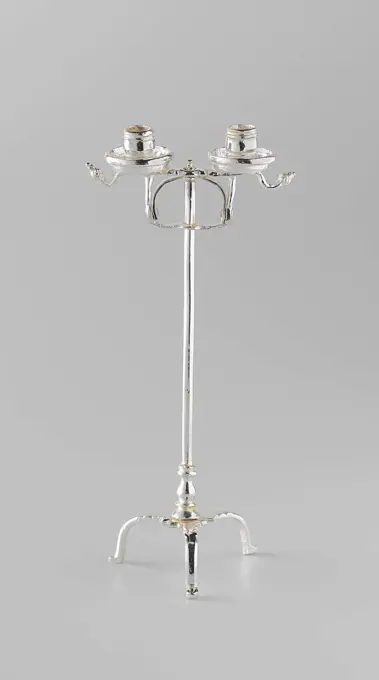
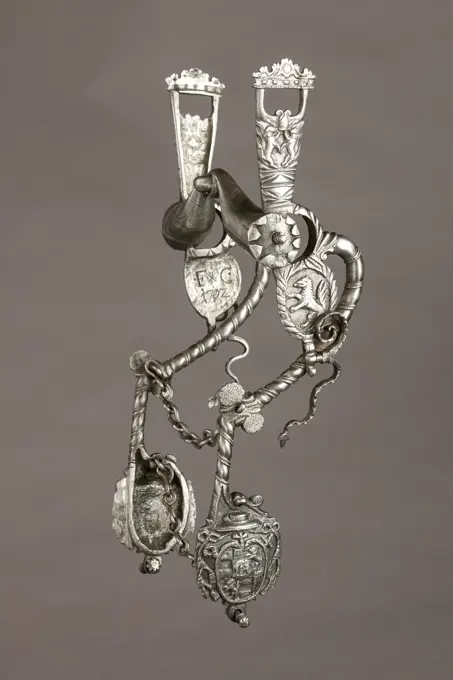
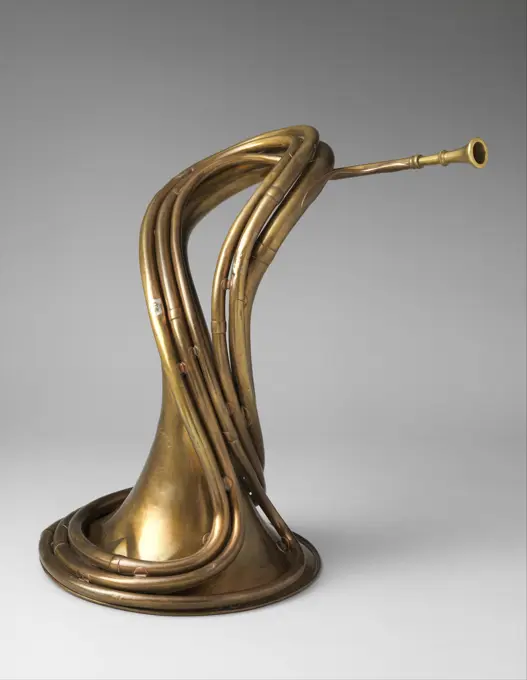
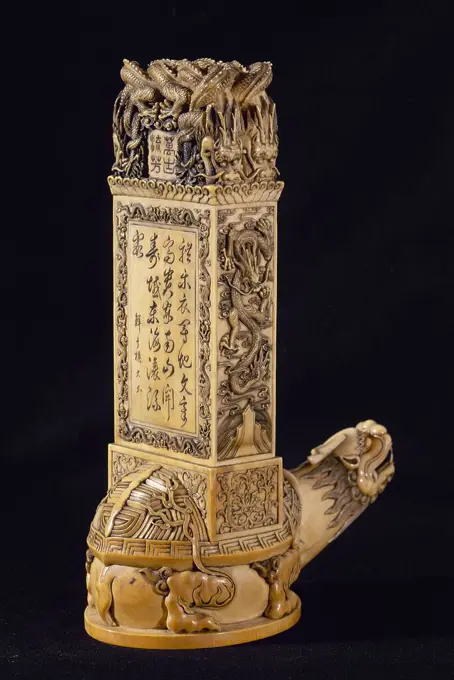
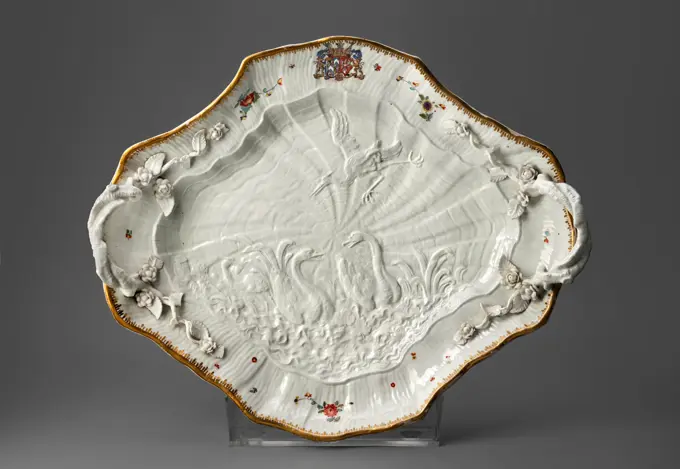
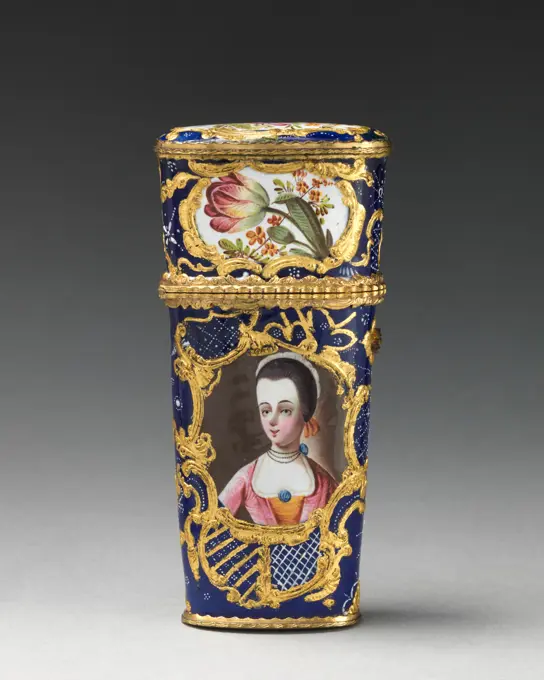
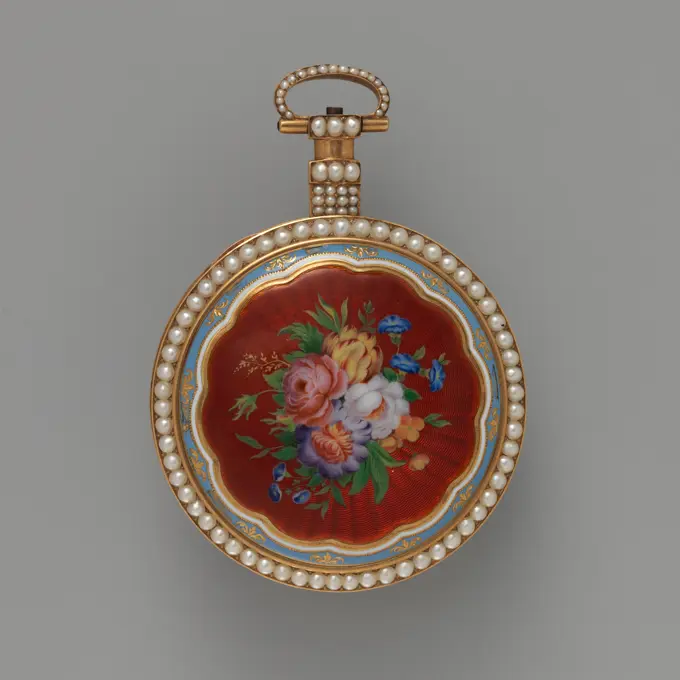
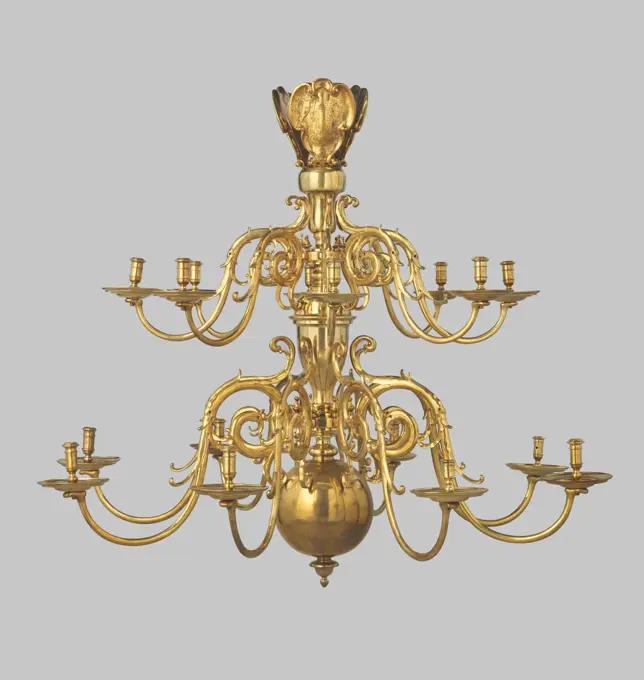
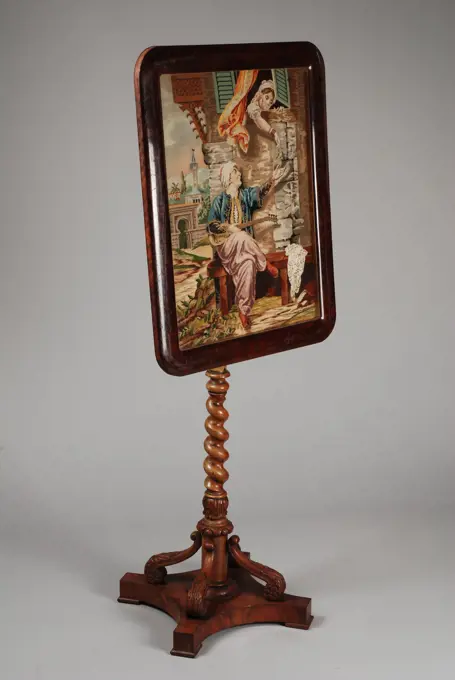
Pair of Standing Candelabra; Attributed to Lucien-François Feuchère (French, about 1750 - 1828); Paris, France; about 1784 - 1786; Blued metal; gilt bronze;Turban Helmet. Culture: Turkey, possibly Istanbul, in the style of Turkman armor. Dimensions: H. 11 3/16 in. (28.5 cm); W. 8 7/8 in. (22.53 cm); Wt. 2 lb. 6 oz. (1092 g). Date: late 15th century-1st quarter 16th century.Helmets of this type are usually called turban helmets because of their large bulbous shape and the flutings that imitate the folds of a turban. Because certain dervish groups wore turbans wound with a prescribed number of folds to represent an important mystical number, it is likely that turban helmets were regarded not merely as armor but also a kind of religious insignia, their very shape marking the wearer as a fighter in the Holy War. Turban helmets, together with mail-and-plate armor of matching decoration, were intended for the heavy cavalry and are recorded as early as the fourteenth century. This example appears to have belonged to the dynasty of the Ak-Koyunlu (White Sheep Turkoman) that ruled northwestern Iran and Anatolia in the fifteenth century. The inscrCandelabrum (one of a pair). Culture: British, Chelsea. Dimensions: Height: 10 3/8 in. (26.4 cm). Factory: Chelsea Porcelain Manufactory (British, 1745-1784). Date: 18th century. Museum: Metropolitan Museum of Art, New York, USA.Incense burner, anonymous, c. 0 - c. 199 Incense burner (grave gift) of earthenware on three feet and the lid in the shape of a mountain, covered with a green glaze. On the wall of the pot a band in relief with a mountain landscape. China earthenware. glaze vitrification Incense burner (grave gift) of earthenware on three feet and the lid in the shape of a mountain, covered with a green glaze. On the wall of the pot a band in relief with a mountain landscape. China earthenware. glaze vitrificationBirdcage (France)Anonymous / 'Gadrooned jasper cup with cover'. 1550 - 1600. Jasper. Museum: Museo del Prado, Madrid, España.Miniature Chair, 1896-1906. House of Fabergé (Russian, 1842-1918). Gold, silver gilt, enamel, rubies, diamonds; overall: 10.5 x 5.3 x 4.8 cm (4 1/8 x 2 1/16 x 1 7/8 in.).Jewellery casket, Jean Valentin Morel, c. 1842 - c. 1848 Jewelry box, rectangular, gilded silver partially inlaid with blue Émail, with legs and a lid crown of gushed silver. On four legs in the form of griffins, a wide flat edge rests, decorated with acanthus motifs. There are four columns with Corinthian capital on the rounded corners. In between, there are twelve with Émail with decorated panels in arches on which naked figures are mounted in bass relief. The lid is equipped with the same émail decoration and is crowned by a small group of sculpture from a sitting woman who, helped by two children, makes her toilet. Paris silver (metal). gilding (material). gilding Jewelry box, rectangular, gilded silver partially inlaid with blue Émail, with legs and a lid crown of gushed silver. On four legs in the form of griffins, a wide flat edge rests, decorated with acanthus motifs. There are four columns with Corinthian capital on the rounded corners. In between, there are twelve with Émail Silversmith's art, France, 18th century. Pair of three branch silver candelabra.Anonymous, at the crown. Paris (dummy title), 1800. Wrought iron, postponed and gilded. Carnavalet museum, history of Paris. A large closed and flowered crown, flattened. The circle is held by a frame made up of two cross bars. The trade in this brand has never been clearly identified, different hypotheses are possible goldsmith, royal supplier or innkeeper, the latter supposition seems the most likely.Part of a Flower Vase, Meissen Porcelain Manufactory, German, active from 1710 to the present, hard paste porcelain, vitreous enamel, gold, Germany, ca. 1740, ceramics, Decorative Arts, vase, vaseSpinning Wheel (France); gilt bronze, woodGlass perfume bottle 2nd-3rd century A.D. Roman Candlestick unguentarium.Colorless with greenish tinge.Rounded rim, pressed into sides of flaring mouth; tall cylindrical neck, flaring downward; sides of wide, flat body expanding sharply outward; broad, pushed-in bottom. Two concentric, wheel-cut () lines on body immediately below neck. Intact; pinprick and elongated bubbles; deep pitting and brilliant iridescence with patches of cramy brown weathering.. Glass perfume bottle. Roman. 2nd-3rd century A.D.. Glass; blown. Mid Imperial. GlassSide chair (Sgabello, pair with 1975.1.1989) late 16th century (partly) Italian, Rome or Florence. Side chair (Sgabello, pair with 1975.1.1989) 460617Parts of a Service, Known as the Swan Service, Meissener Porzellan Manufaktur, c. 1738 - c. 1739 Base of the flat-ménage of the swan service. The base consists of nine pieces of porcelain: a middle part with scalloped and gilt edge, around which eight shell -shaped parts with ditto edge are connected to an oak floor surrounded by a gilt border. The outer edge consists of a plinth above which rocks, flowers and leaves, coral, shells and snails are attached. The upper surface is decorated with kakiemon sprinkles. The base is marked. Float porcelain. metal gilding Base of the flat-ménage of the swan service. The base consists of nine pieces of porcelain: a middle part with scalloped and gilt edge, around which eight shell -shaped parts with ditto edge are connected to an oak floor surrounded by a gilt border. The outer edge consists of a plinth above which rocks, flowers and leaves, coral, shells and snails are attached. The upper surface is decorated with kakiemon sprinkles. The base is Lantern, Gilded tôle (iron, tin), glass, Ebonized and gilded tôle square lantern. Small ball feet and circular stepped top with pierced pattern. At each upper corner, an upright gilded elm leaf. At top, a flat suspension ring. Square bottom inset with two candle holders painted red., probably Boston, USA, 1765-66, lighting, Decorative Arts, LanternNécessaire ca. 1760-80 British, Staffordshire. Nécessaire. British, Staffordshire. ca. 1760-80. Copper, enamel. Enamels-PaintedNautilus shell cup, c. 1660-1680, Unknown, 15 9/16 x 7 3/4 x 4 5/16 in. (39.55 x 19.69 x 10.95 cm), Nautilus shell, silver, parcel-gilt, Germany, 17th century, Nautilus shells, which came to Europe from the Indo-Pacific Ocean, were often mounted with precious silver ornaments in the 1500s and 1600s. Mathematicians were fascinated by the fact that their interior chambers follow a regular logarithm. A rare and exotic specimen of nature combined with outstanding craftsmanship in precious metal is emblematic of the works that were collected in the early modern chambers of art and wonder’, the common predecessor of museums of natural history and art. The Nautilus Cup combines the Biblical narrative of Jonah (being spit out of the fish’s mouth) with figures of ancient mythology such as the cupid (who rides on top of the fish) and Neptune, the god of the Sea (who forms the stem). Combining these diverse fields of knowledge, the artist celebrates the element of water, which is the Nautilus shCandlestick 1840-50 Boston & Sandwich Glass Company. Candlestick 1303RELICARIO EN PLATA DORADA - SIGLO XVII. Location: CONVENTO DE LAS CLARISAS / MUSEO DE ARTE SACRO. MONFORTE DE LEMOS. LUGO. SPANIEN.Beaumarchais, Pierre-Augustin Caron de (n.1732-01-24-D.1799-05-18), Laute cartel, 1745. painted wood, chiseled and gilded bronze, enamel, glass, silver. Carnavalet museum, history of Paris.Chasse with Christ in Majesty and the Lamb of God ca. 1180-90 French This chasse served as a container for saints relics—often bones or pieces of cloth. The chasse depicts Christ in Majesty surrounded by saints on the lower front and the Lamb of God, emblematic of Jesus, flanked by angels on the sloping roof. Access to the sacred contents was through the locked door on one end. It shows Saint Peter, called by Jesus to be the keeper of the keys of heaven, as the guardian of the boxs holy relics.Note the wonderfully varied designs of the columns and the saints haloes, the exceptional translucent red, the scrolling pattern of the gilded ground, and the blue enamel that defines hair, brows, digits, and sinews. The design of the back simulates a costly silk textile.. Chasse with Christ in Majesty and the Lamb of God. French. ca. 1180-90. Champlevé enamel: blue-black; dark, medium, and light blue; turquoise, dark and light green, yellow, red, translucent wine red, and white; wood core, paChandelier. Culture: Netherlandish. Dimensions: H. 109.5 cm. Date: second half of 17th century.This chandelier has two series of eight S-shaped branches protruding from grotesque snakes' (or dolphins') heads around a baluster shaft resting on a massive globe. The branches and shaft have been correspondingly numbered from one to eight, with the exception of number three, indicated by three small bars, and number five, denoted by a crescent moon or the letter C. Museum: Metropolitan Museum of Art, New York, USA.Bust of Frederica-Albertina, Abbess of Steterburg, Fürstenberg Porcelain Manufactory, German, established 1747, biscuit, hard paste porcelain, vitreous enamel, gold, Bisque bust of Frederica Albertina, Abbess of Steterburg. On the plinth, a crowned shield with a horse, flanked by putti, one with a raised cup., Germany, ca. 1775, ceramics, Decorative Arts, bust, bustToilet set in original leather case. Artist: Fourteen identified German (Augsburg) goldsmiths and other German artisans; Japanese (Imari) porcelain maker. Culture: German, Augsburg. Dimensions: Case: H.16 1/2 in.; with opened lid: H.37 3/4 in.; D.28 in.; Silver-gilt mirror: H.29 1/2 in.; W.23 1/2 in.. Date: ca. 1743-45.This ensemble unites an accomplished level of artistic design and quality of execution with an exalted provenance. Furthermore, it embodies the ultimate expression of princely splendor in precious metalwork. The showpiece was used as part of the daily levée, or ceremonial dressing, of a high-ranking aristocrat in eighteenth-century Europe. The ritual played an essential role in courtly etiquette; therefore, all accessories were required to reflect the owner's noble status. Customarily a husband gave such a dazzling set to his bride as a ""morning gift"" following the wedding night. In an age when marriage was an arranged, formal procedure of crucially political consequeCasket;  19th/20th century (1891-00-00-1910-00-00);Candlestick worn by three lions, anonymous, c. 1400 - c. 1450 The object is composed of the following parts: the foot and the trunk, which are cast in one whole, the fat catcher, the candle pin and the three pedestals. The trunk is hollow on the bottom to beyond the bottom button. The profiled Konical foot turns into the round -profiled trunk with two knots. The round fat catcher connects to this, with profiled candle pin profiled on top of the long. The round -deepened fat catcher has a wide, flat, horizontal edge, which turns into a narrow raised edge with six tilting. Foot, fat catcher and pin are decorated with fine grooved rings. Six decorations are applied to the wall of the foot and the fat catcher, consisting of a perforation in the form of a five pass. The candlestick has three cams at the bottom of the inside, which protrudes downwards and to which the three lions are sounded. Northern Netherlands (possibly) brass (alloy) casting / perforating The object is composed of the foClock, c. 1750. Baumgartinger (German). Carved and gilded wood, faience; overall: 97.8 x 59.7 x 37.2 cm (38 1/2 x 23 1/2 x 14 5/8 in.).Sword Hilt possibly 13th-14th century Tibetan, Mongolian, or Chinese. Sword Hilt 26624. Candle arm belonging to a candle wreath of two heights with maria figure at the top. The arm is bent twice and is decorated with four grape fees and five winger leaves. The round fat catcher is decorated at the bottom with fishing blozen motifs and has a downward edge of cross flowers in the middle, which masks the placement on the arm. The candle holder is sixted, opened, placed on three vertical styles, overtreen in a thread protrusion. This is the eighth arm of the upper ring, unnumbered. The candle holder is unnumbered.Stand ca. 1777-85 Sèvres Manufactory French Dining etiquette in eighteenth-century French aristocratic households required the table to be set with an array of serving dishes arranged in a decorative pattern. The diners helped themselves from the dishes and vessels close at hand, and servants reset the table for each course. This style of dining, in which all the components of a course were displayed on the table rather than presented by servants to the diners, was known as the service à la française (service in the French manner), as the custom was codified in France in the seventeenth century. It became the dominant mode of fashionable dining in Europe until the early nineteenth century, when it was supplanted by the service à la Russe (service in the Russian manner), in which the guests no longer served themselves but rather were waited upon by servants.An important component of the first course of a dinner was commonly a stew or a soup, and the tureens in which they were served werJewel Casket, 1850-1885. Gilt, brass and enamel, in the form of an early medieval house reliquary (container for holy relics) and made in Birmingham.E. Ls., Gilded bronze pendulum with female figure in frock with waistband, pendulum clock timepiece measuring instrument bronze gold brass steel enamel h 56.0, ger ROTTERDAM Erasmus Foundation Van Rijckevorsel Parklaan Rotterdam City Center New Work time measuring house well-to-do citizen Long-term loan Erasmus FoundationShambelan key from Monogr.far under the Crown;  1806-1827 (1806-00-00-1827-00-00);Tsuridaiko (り太鼓 ) 19th century Japanese This small barrel drum is primarily played to accompany bugaku, the traditional court dances of Japan.. Tsuridaiko (り太鼓 ) 500706Eighteen-light chandelier ca. 1790 French. Eighteen-light chandelier. French. ca. 1790. Gilt bronze, rock crystal. Metalwork-Gilt BronzeThe clock, France, Jerome Martinot, workshop, Paris, 19th century. The commode, Paris, 1786. Vilnius Picture Gallery, Lithuania.Inlaid Jardiniere,  Qing Dynasty, Qianlong Period, 1736-1795Watch and key ca. 1620-40 Watchmaker: John Wright. Watch and key. British, London. ca. 1620-40. Brass, gilded, and blued steel. HorologyOctagonal crystal watch with an email decoration of birds and garlands, Karl Komenda, c. 1800 jewellery Octagonal crystal watch with copper chatelaine. On the back (from the watch) An email decoration of birds and garlands. Vienna crystal (lead glass). copper (metal)Side chair (sgabello a dorsale) late 19th century Probably by Alois Überacher. Side chair (sgabello a dorsale) 460618Astronomical table clock 1568 Movement probably by Jeremias Metzger In the 1500s, priceless knowledge was validated through splendid casework. Supporting technological endeavor was a way for noble sponsors to earn intellectual kudos, even to magically gain scientific knowledge as if by osmosis. Holy Roman Emperor Ferdinand I, for example, famously filled his curiosity cabinet with clocks. This example shows the stars positions, days of the week with planetary rulers, the time in Roman and Arabic numerals, daylight and nighttime hours, and the date; it even includes a disk for setting an alarm. Its Viennese maker, Behaim, may have collaborated with Metzger, of Augsburg, whose clocks were so sought after that he stretched guild rules to meet the demand.[Elizabeth Cleland, 2017. Astronomical table clock 209211Ewer and Basin.Desk, Abraham Roentgen, c. 1758 - c. 1760 Desk on S-shaped legs, decorated with marqueterie in multiple materials. The scalloped front and sides of the chassis wear figurative marqueteriepanelen, as well as the sides of the upper and the fields of the central attachment. On the writing sheet a throne room full of references to the Elector of Trier is shown, including the initials i.p.c. The midfield at the front of the chassis is higher than the side fields. Excessive decorated frames and ornaments in Marqueterie and batter. Neuwied wood (plant material). oak (wood). walnut (hardwood). maple (wood). rosewood (wood). ebony (wood). rosewood (wood). cherry (wood). satinwood (wood). silver (metal). mother of pearl. copper (metal). bone (material). bronze (metal). ivory. steel (alloy). tin (metal) gilding Desk on S-shaped legs, decorated with marqueterie in multiple materials. The scalloped front and sides of the chassis wear figurative marqueteriepanelen, as well as the sides of the upper Powder Flask late 17th century German The finely carved scenes represent hunters and horsemen. Given its quality and materials, this flask must have been made to accompany a lavishly decorated hunting rifle (for example, acc. nos. 28.125 and 42.50.8).. Powder Flask 35379A clock of the knowing;  after. 17th century (1650-00-00-1650-00-00);Vegetable ornaments, panoplia, a vase with flowersTiled clock; Gugenmus, Michael (1705-1775); after the 18th century (1745-00-00-1755-00-00);Pair of vases. Artist: Nikolai Stepanovich Vereshchagin (ca. 1795-1813). Culture: Russian, Archangelsk. Dimensions: 8 5/8 × 3 × 3 in. (21.9 × 7.6 × 7.6 cm). Date: ca. 1795-1800.The art of bone-carving in Russia is inseparably linked with the remote northern whaling city of Arkhangel'sk. Lack of academic training and his humble position in a customs office were not impediments to the most widely recognized Arkhangel'sk bone carver, Nikolai Stepanovich Vereshchagin, whose vases were commissioned as ambassadorial gifts of state and for the personal collection of Czar Alexander I. The oval body of each of these examples in the Neoclassical style is decorated with an ajouré (pierced) decoration, four circular medallions in relief, and a finial surmounted by the figure of Atlas. The design of the energetically curving floral stalks resembles ornament found in seventeenth-century Russian book illustrations, and the Four Elements-one in each medallion-were inspired either by the "Frankish" prLamp, anonymous, 1300 - 1600 Hanging lamp, with elongated container and a spout at both ends. In the middle the container is divided in two by partition. There is a demon figure under the bracket. Indonesia bronze (metal) Hanging lamp, with elongated container and a spout at both ends. In the middle the container is divided in two by partition. There is a demon figure under the bracket. Indonesia bronze (metal)Bacchanal (ceremonial tankard). Hollow lengths of elephant tusk were well suited for the decoration of lidded silver tankards. This continuous scene with a drunken Silenus and his entourage of satyrs comes from a 17th-century German tankard or Humpen, remounted in silver in the Netherlands in 1771.Pricket Candlestick (one of a pair). Culture: French. Dimensions: Overall: 9 1/2 x 6 11/16 in. (24.2 x 17 cm). Date: ca. 1180. Museum: Metropolitan Museum of Art, New York, USA.Candle Holder. Dated: c. 1940. Dimensions: overall: 44.5 x 36.9 cm (17 1/2 x 14 1/2 in.). Medium: watercolor, graphite, and gouache on paper. Museum: National Gallery of Art, Washington DC. Author: Joseph L. Boyd.Man's Cap Made 1601-1625 England. Linen, plain weave; embroidered with silk floss and gilt-metal-strip-wrapped silk, in variety of buttonhole, chain, long-armed cross, ladder, outline, and running stitches; woven wheels .Candlestick with two arms. The standard consists of a stem that excludes at the bottom in three out of bent legs and at the top in a profiled button. Halfway through two candle holders are confirmed. The candlestick is not noticed.Monstrance table clock. unknown, authorCurb Bit of Johannes Philip of Lamberg, Bishop of Passau (1651-1712) dated 1702 German This bit belonged to Johannes Philip of Lamberg (1652 - 1712) who was Count of Lamberg, canon priest of Passau, Salzburg, and Olomouc, and imperial counselor. He became bishop of Passau and Prince of the Holy Empire in 1689, cardinal-priest in 1700, and finally cardinal of San Silvestro in Capite in 1701. The long purchases are decorated with two collared bracke dogs holding a mitre (the bracke dog is the heraldic device the Pottwein family, to which Johannes Philip was related). Each oval comb is bearing the heraldic wolf of Passau, with a pivoting scrolling ornament terminating with an acorn (on each comb a second hole, now empty, could have received another one). The traditional lower loops are entirely covered by the embossed and chiseled great arms of Philip of Lamberg, in a heart-shape shield topped and surrounded by a cardinal's hat, a cross, a sword and a crosier. If the twisted shanks and thDouble-Ended Cup, 1700-1800. Pinto Collection - Purchased from Edward H Pinto, 1965.. Made in Sweden. This birch burr fluted double cup is Swedish, dating from the 18th century. Burr wood was used for many luxury drinking vessels as not only is it both rare and beautiful, but it is capable of withstanding both dry and damp conditions. The diagonal flutes on this cup mirror the designs found on Swedish silver at this time.Firebox of gold-plated bronze with rectangular basement animal heads, rosettes, grape vines and a hunting scene, a deer and shot wild .. gold-plated bronze firebok. The rectangular base shows corner clipings with animal heads, rosettes, grape vines and a representation of a hunting scene in relief. On top, a deer is placed on a kind of elevated landscape. An descending connector with grape vines and rosettes leads to a channeled pedestal with garlands, decorated with grape vines. On top of this pedestal shot wild.Stand for Bottles (England); copper, silver; 20 x 23.5 x 14.5 cm (7 7/8 x 9 1/4 x 5 11/16 in.); Bequest of Walter Phelps Warren; 1986-61-19Cornet-trompe in D ca. 1862 Attributed to Alphonse (Antoine) Sax Belgian, active France This unusually wound hunting horn was designed to be more easily handled than the traditional large and unwieldy hooped horn used in the field to signal to members of the hunting party. Its ergonomic form enables it to be tucked snugly under the arm against the players body for safe and convenient carrying.. Cornet-trompe in D 501683Model of a Pagoda China. Model of a Pagoda. China. Amber. Qing dynasty (1644-1911), Qianlong period (1736-95). AmberFIGURA DE MARFIL CON EL ALFABETO CHINO. Location: PRIVATE COLLECTION.Torah finial, one of a pair, late 19th century, 14 × 4 1/2 × 4 1/2 in. (35.56 × 11.43 × 11.43 cm), Silver, 19th centuryFlagon ca. 1765 Chelsea Porcelain Manufactory. Flagon. British, Chelsea. ca. 1765. Soft-paste porcelain. Chelsea Porcelain Manufactory (British, 1745-1784, Gold Anchor Period, 1759-69). Ceramics-PorcelainHolder of a breeding of brass. Holder of a breeding of brass. The object is two-piece: the glass holder consisting of two rings and the three clock pieces riveted thereto and the red copper container, to which three hooks are riveted. The connecting parts have claw legs, a broadened slightly advantageous middle part and stylized heads.Vanity case ca. 1760-1800 British, Staffordshire. Vanity case. British, Staffordshire. ca. 1760-1800. Enameled copper. EnamelsDish Cover. China, export for Portuguese market, Ch'ien-lung period, 1760-1770. Furnishings; Serviceware. Enamel on brass or copperVase 1875-1880 England. Porcelain with polychrome enamels . Worcester Royal Porcelain Company (Manufacturer)Mantel Clock (pendulum), Louis Montjoye, c. 1781 - C. 1782 Clock of gilded bronze, decorated with sèvres plaques. The pedestal comes forward twice and this is followed by the central field above it, flanked by plaques with grotesque motifs and detached Tuscan columns. On top of a medallion, held by putti in the clouds, in which a plaque with a similar representation. Under the round dial a putto with viewer, passer, book and motto. On the pedestal in the middle a plaque with shepherds and flowers; Next to it plaques with floral motifs. clockmaker: ParisSèvresSèvresSèvresSèvresporcelain company: SèvresParis bronze (metal). brass (alloy). gilding (material). porcelain gilding Clock of gilded bronze, decorated with sèvres plaques. The pedestal comes forward twice and this is followed by the central field above it, flanked by plaques with grotesque motifs and detached Tuscan columns. On top of a medallion, held by putti in the clouds, in which a plaque with a similar representation. Under Pickle jar - Meriden Silver Plate Co. Meriden Silver Plate Co.Table top, anonymous, 1750 Tabletop of red -veined marble. France (possibly)Germany (possibly) marble (rock) Tabletop of red -veined marble. France (possibly)Germany (possibly) marble (rock)Candlestick, from a five-piece Buddhist altar set, 18th century, Unknown Japanese, 10 5/8 x 3 1/2 x 3 1/2 in. (26.99 x 8.89 x 8.89 cm), Bronze, Japan, 18th century, In East Asia, Buddhists place incense, flowers, and light (candles) before holy images as an expression of homage and to increase the magnificence of the worship hall. Incense is believed to purify the space, flowers constitute an offering or gift to the diety, and light symbolically illuminates the darkness of ignorance. Altar sets consisting of flower vases, candleholders, and incense burners were first brought to Japan by traveling priests in the 1200s. By the 1300s, the Japanese were casting their own versions, which were more subdued than their Chinese prototypes and often featured birds and flowers of the four seasons cast in high relief. Miniature altar sets, such as this one, were used in formal reception halls when the painting on display in the alcove represented a Buddhist diety.Diamond-shaped platter. Eberlein, Johann Friedrich (1695-1749), sculptor, Koenigliche Porcellain Fabrique, Meissen (1710-1763), factoryWatch ca. 1695 or later Watchmaker: Thomas Tompion. Watch. British, London. ca. 1695 or later. Silver, gilt metal. HorologyArqueta de cobre campeado, grabado, dorado y esmaltado con elementos de fundición. 25x19x11 cm. Limoges, Francia, aprox. 1250.Curiosity Cabinet Object (objet de curiosité). François Barreau (French, 1731 - 1814)Kandelaber of white marble and gilded bronze, with three arms in the form of branches with leaves, ending in rose buttons, worn by a winged putto, anonymous, c. 1900 - c. 1915 Kandelaber of white marble and gilded bronze, with three arms in the form of branches with leaves, ending in rose buttons that serve as a candle holder. They are stopped by a winged putto. The pedestal consists of a round drum, resting on a square plinth piece. The Kandelaber is equipped for electricity. See also: BK-1978-47-A. France (possibly) marble (rock). bronze (metal). glass. gilding (material) gilding Kandelaber of white marble and gilded bronze, with three arms in the form of branches with leaves, ending in rose buttons that serve as a candle holder. They are stopped by a winged putto. The pedestal consists of a round drum, resting on a square plinth piece. The Kandelaber is equipped for electricity. See also: BK-1978-47-A. France (possibly) marble (rock). bronze (metal). glass. gilding (material) gildinSewing and writing table ca. 1815-30 Austrian, Vienna. Sewing and writing table. Austrian, Vienna. ca. 1815-30. Mahogany, cherry rosewood, satinwood, oak, brass, leather, alabaster. Woodwork-FurnitureVanity case ca. 1760-1800 British, Staffordshire. Vanity case. British, Staffordshire. ca. 1760-1800. Enameled copper. EnamelsTorah finials (tappuhim) with horseshoe-shaped windows. Date/Period: Late 19th century. Torah finials. Silver, repoussé and engraved; paper and glass Silver, repoussé and engraved; paper and glass. Author: UNKNOWN.Sixteenth-century-style pendant 19th century Possibly after a design by Reinhold Vasters German. Sixteenth-century-style pendant. Italian. 19th century. Gold, enamel, diamonds, rubies, pearlsWatch 1819-20 Watchmaker: Grayhurst, Harvey & Co.. Watch. British, London. 1819-20. Case of gold, enamel, and pearls, with floral design; jeweled movement, with ruby cylinder escapement. HorologyArm of a candle crown in two heights, Anonymous, 1630 The S-shaped arm is equipped with a ridge on the trunk side with an opening to secure it with a pin in the stand ring. At the trunk the arm is decorated on the end and to the center with two stylized dolphin heads and with three pairs of curls or leaves executed in lobe style. To the outside, the arm ends in a lip, in which a hole provided with a thread is applied, to confirm the candle holder and the fat catcher. The arm is cast using the same model as the other arms of the wreath. The cylindrical candle holder has two profiled ribs, two grooved rings and profiled excellent edge. The fat catcher is deepened twice at the top towards the center. At the bottom it is profiled around the hole on the somewhat spherical middle and ribbed on the edge and with two grooved rings. The fat catcher has been cast using the same model as the other fat catchers of this wreath. The pin is equipped with a vase -shaped button. This is the first arm oArm of a candle crown in two heights, Anonymous, 1630 The S-shaped arm is provided with a ridge on the trunk side with an opening to secure it with a pin in the stand rings. At the trunk the arm is decorated on the end and to the center with two stylized dolphin heads and with three pairs of curls or leaves executed in lobe style. To the outside, the arm ends in a lip, in which a hole provided with a thread is applied, to confirm the candle holder and the fat catcher. The arm is cast using the same model as the other arms of the wreath. The cylindrical candle holder has two profiled ribs, two grooved rings and profiled excellent edge. The fat catcher is deepened twice at the top towards the center. At the bottom it is profiled around the hole on the somewhat spherical middle and ribbed on the edge and with two grooved rings. The fat catcher has been cast using the same model as the other fat catchers of this wreath. The pin is equipped with a vase -shaped button. This is the sixth arm Pair of Candelabra; Attributed to Pierre Gouthière (French, 1732 - 1813,1814 (master 1758)); about 1775; Gilt bronze;Jewel Casket, 1850-1885 Gilt, brass and enamel, in the form of an early medieval house reliquary (container for holy relics) and made in Birmingham., Applied Arts, Enamel, Bird, Peacock, Metal, BrassArm with candle holder of candle crown of two heights with six arms each, c. 1475 - c. 1500 Candle arm belonging to a candle crown of two heights with maria figure at the top. The arm is bent twice and is decorated with two grape bunches and two vine leaves. The round fat catcher has openwork, serrated vertically placed edges at the bottom, to mask the confirmation on the arm. This is done by a round iron pin, which is screwed into the end of the arm. This is the first arm of the upper ring, numbered with 1 vertical notch. The fat catcher is numbered with 1 vertical notch. Southern Netherlands brass (alloy). kaarsenpin: iron (metal) casting / forging Candle arm belonging to a candle crown of two heights with maria figure at the top. The arm is bent twice and is decorated with two grape bunches and two vine leaves. The round fat catcher has openwork, serrated vertically placed edges at the bottom, to mask the confirmation on the arm. This is done by a round iron pin, which is screwed inPair of Gueridons; Attributed to André-Charles Boulle (French, 1642 - 1732, master before 1666); about 1680; Oak veneered with ebony, tortoise shell, blue painted horn, brass, and pewter, and set with gilt bronze mounts;Salt Cellar with Sphinxes. Palissy (after), Bernard (France, 1509-1590). France, circa 1560-1600. Furnishings; Serviceware. Lead-glazed earthenware, Palissy ware. Tête-à-tête of porcelain, consisting of a rectangular leaf with beveled corners, a teapot, a milk jug, a sugar bowl with lid and two cups and saucers. All parts painted in yellow, red-brown and different shades of green with an ornamental decor, in which lilies. On all parts the Monogram MVV (= Michiels van Verduynen) and the weapon of this family, in which the color blue also occurs. Signature: Rozenburg.Box, early 1800s. Switzerland, early 19th century. Gold and enamel; overall: 2.1 x 9.6 x 6.4 cm (13/16 x 3 3/4 x 2 1/2 in.).Automaton clock in the form of an eagle. Culture: German, Augsburg. Dimensions: Overall: 13 1/4 × 9 1/8 × 7 5/8 in. (33.7 × 23.2 × 19.4 cm). Date: ca. 1630.European clocks were often, and from the outset, associated with the creation of automata--moving, mechanized figures or contrivances. Seventeenth-century Augsburg clockmakers specialized in small domestic examples. Here, when the clock strikes the hour, the scepter moves, and on the quarter hours the eagle opens and shuts its beak and rolls its eyes. The eagle emblem of the Habsburgs had special meaning for inhabitants of Augsburg, a free city with a direct allegiance to the Habsburg Holy Roman emperors. Museum: Metropolitan Museum of Art, New York, USA.Mantel clock (pendule de cheminée). Culture: French, Paris. Designer: Designed by François Joseph Belanger (French, Paris 1744-1818 Paris). Dimensions: Overall: 21 × 21 1/2 × 6 1/4 in. (53.3 × 54.6 × 15.9 cm). Maker: and Pierre Henry, called Henry Lepaute (1749-1806); Case attributed to Pierre Gouthière (French, Bar-sur-Aube 1732-1813/14 Paris); Movement by the workshop of Jean-Baptiste Lepaute (French, 1727-1802). Modeler: Possibly by Louis Simon Boizot (French, Paris 1743-1809 Paris). Date: ca. 1783.Capturing daily life in the French capital on the eve of the Revolution, the playwright Louis-Sébastien Mercier (1740-1814) observed in Tableau de Paris: "Every chimney-piece has its clock; a pity, I think; a dismal fashion. Nothing is more dreary to contemplate than a clock; you watch your life ebbing, the pendulum ticks off each second that is yours only as it passes, and then is yours no more. Clocks are everywhere, in every room you see them, and apparently nobody finds them disturbiChandelier; Paris, France; about 1710 - 1715; Colored glass, glass, colored foils, rock crystal, gilt bronze, and silver-plated bronze; 199.4 x 116.8 cm, 90.7194 kg (78 1,2 x 46 in., 200 lb.);Wall clock (pendule en cartel). Culture: French, Paris. Dimensions: Overall: 52 1/2 × 24 1/2 × 15 1/2 in. (133.4 × 62.2 × 39.4 cm). Maker: Clockmaker: Jean Godde l'aîné (French, ca. 1668-1748/49); Case maker: Charles Cressent (French, Amiens 1685-1768 Paris). Date: ca. 1740-45.The theme of this magnificent Rococo wall clock with its asymmetrical design is the triumph of love over time. As the son of a sculptor and grandson of an ébéniste, Charles Cressent, who made the case, combined the talents of both and created not only outstanding case furniture but also highly imaginative sculpture in the form of bronzes d'ameublement. Firedogs, clock cases, wall lights, and mounts for furniture were cast and finished in his workshop, violating the rules of the bronze casters' and bronze gilders' guilds, to which Cressent, as a furniture maker, did not belong. As a result, three times during his life, legal proceedings were brought against him for employing casters, chasers, and gilders in his wTea Caddy, Meissen Porcelain Manufactory, German, active from 1710 to the present, hard paste porcelain, vitreous enamel, gold, Rectangular, with short cylindrical neck. Sides decorated with landscapes and figures, including seaport and skating scenes. Narrow gold border. On top, two dragonflies. Cover, with two harbor views, gold knob handle and broad gold band., Germany, ca. 1740, ceramics, Decorative Arts, tea caddy, tea caddySilver finials (decorative bells attached to the end of Torah Scrolls) c1575-1625 DutchSalt 1829-40 Jersey Glass Company of George Dummer. Salt. American. 1829-40. Pressed glass. Made in Jersey City, New Jersey, United StatesMahogany fireplace screen, fire screen fire screen furniture wood mahogany oak brass glass wool, Fire screen also table on twisted column with cross shaped plinth with volutes with cut acanthus leaves the leaf with an oriental scene in embroidery in cross stitch behind glass .Monstrance. The object is made up of parts, which are driven, beaten, poured, sawn or forged, and confirmed by means of soldering, brassering or using pens. The design is pover. Remarkably, the cherubian headers are on the nodus, the co-curl ornament, the two rosettes with five-leaf florets in the middle on the spherical lid and the four excellent leaves on either side against the lantern turned on. The LUNULA, the cylinder glass and parts of the lantern are missing.