Ornate Candle Holders

A collection of intricate candle holders and decorative vessels, showcasing various styles including brass designs and crystal embellishments.
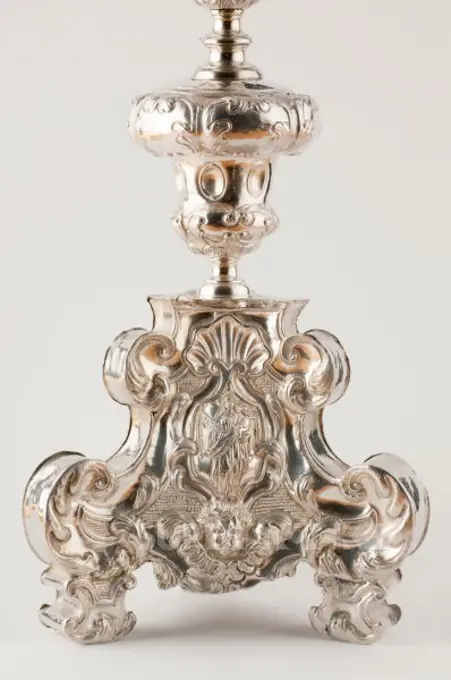
Silver chiselded liturgical object, detail from the base depicting the Virgin and Child, Lombardy, Italy.
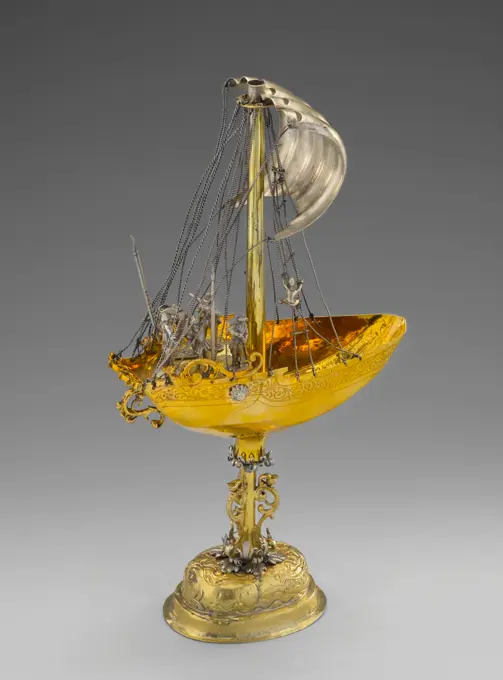
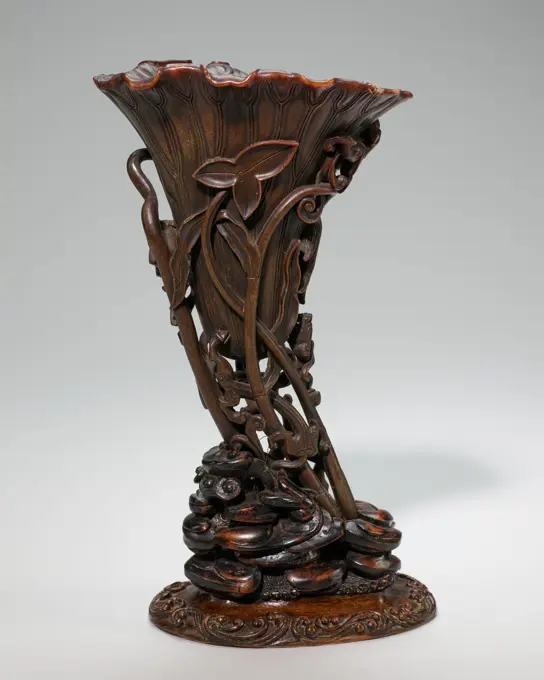
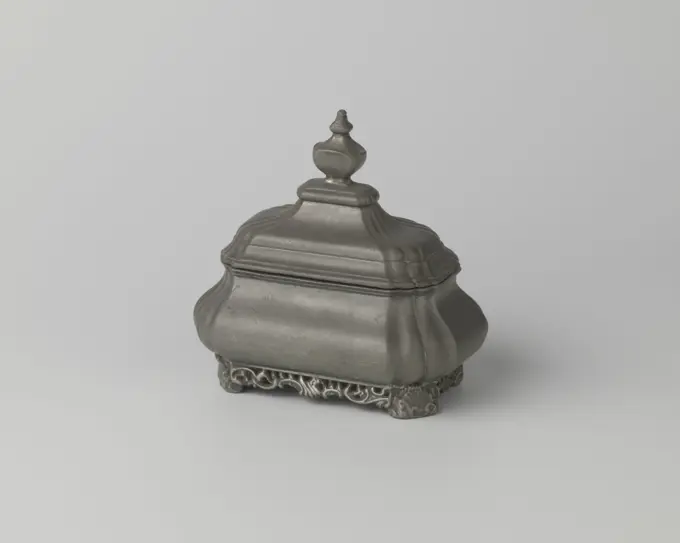
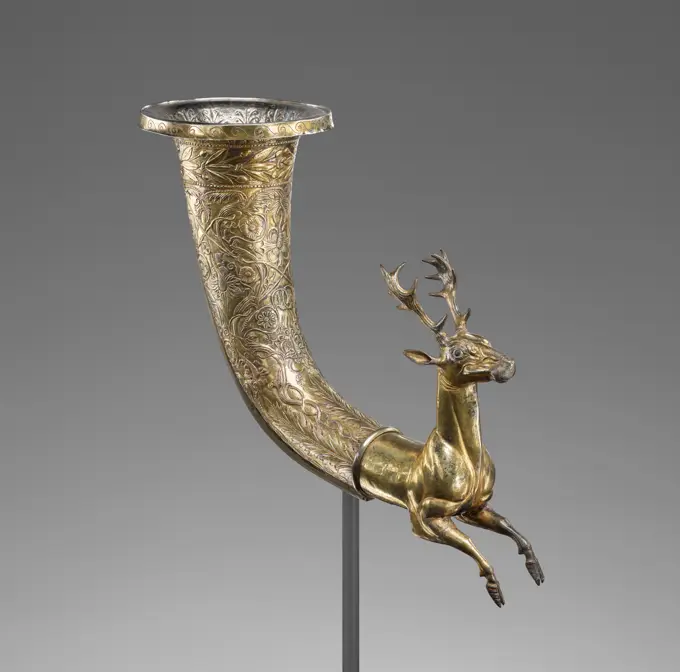
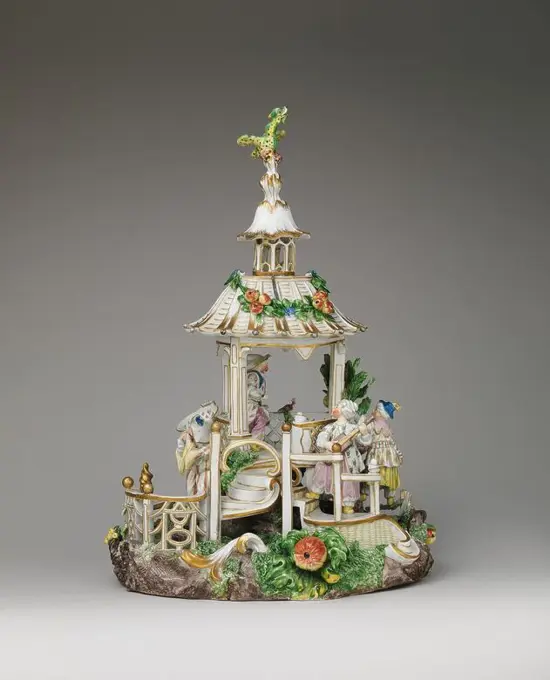
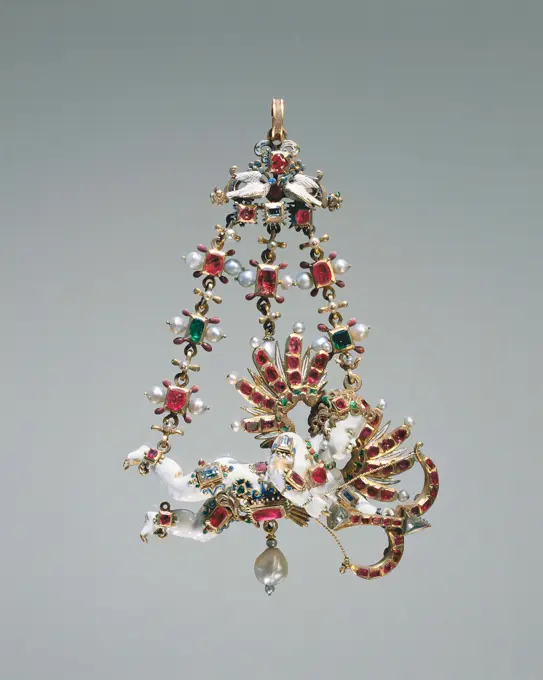
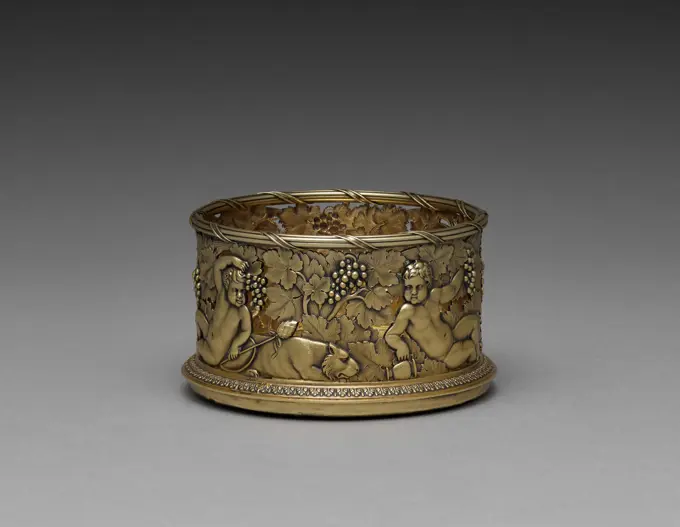
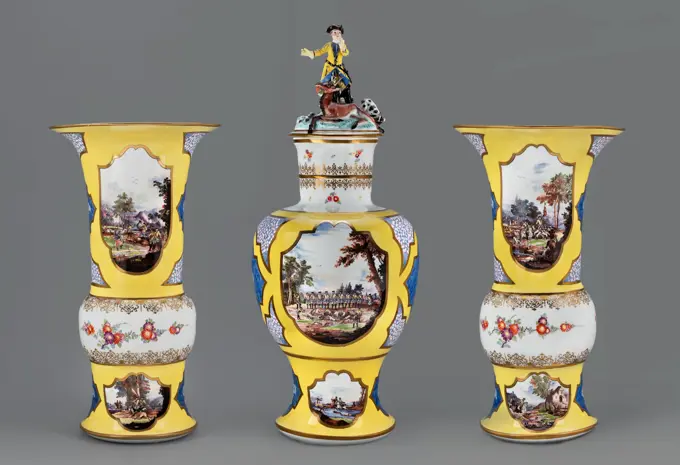
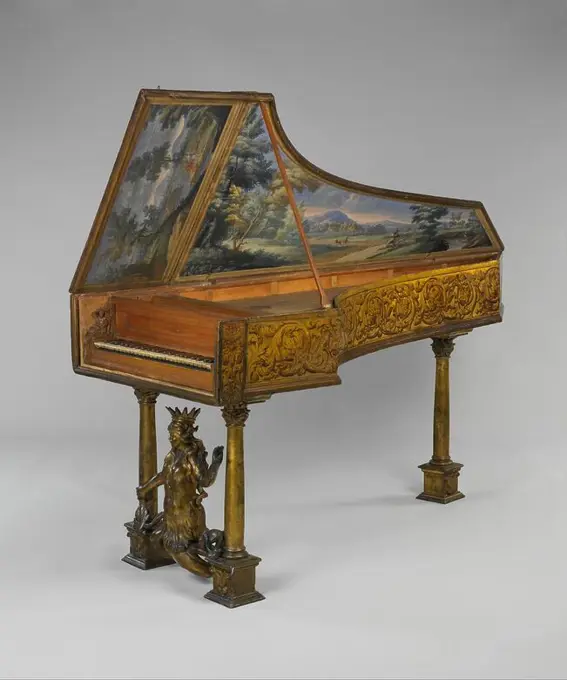
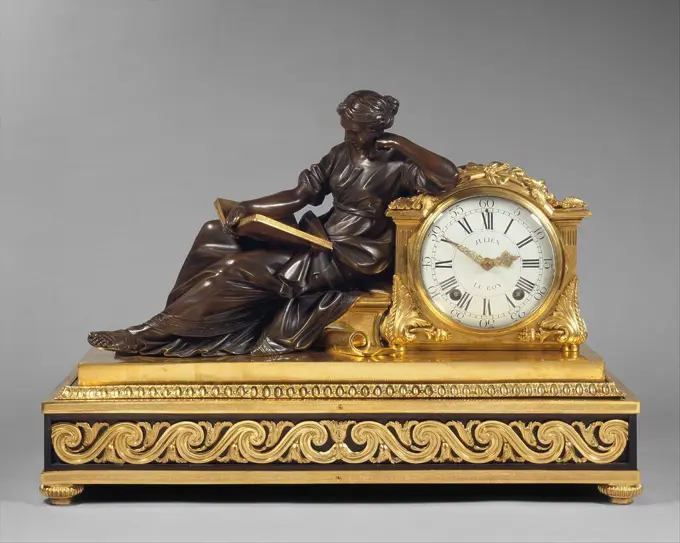
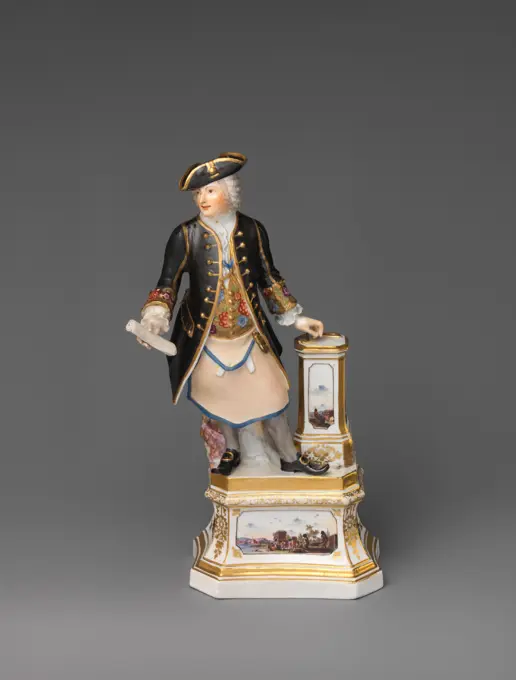
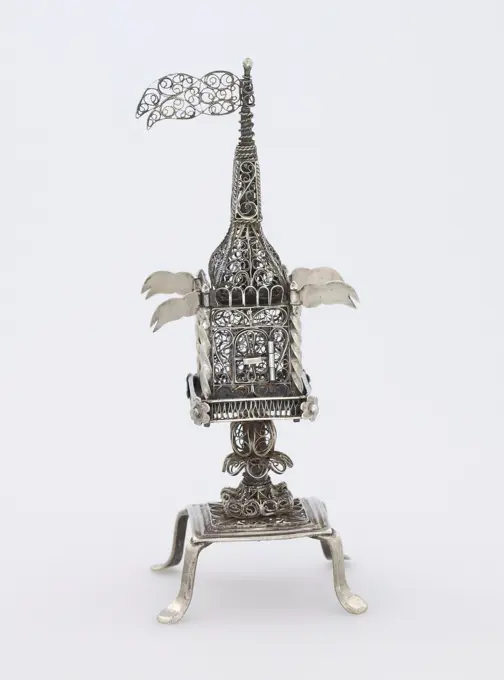
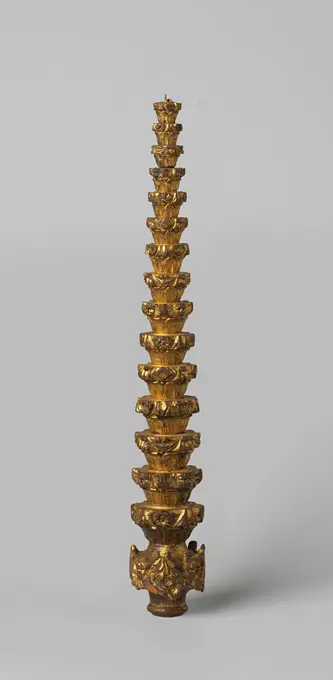
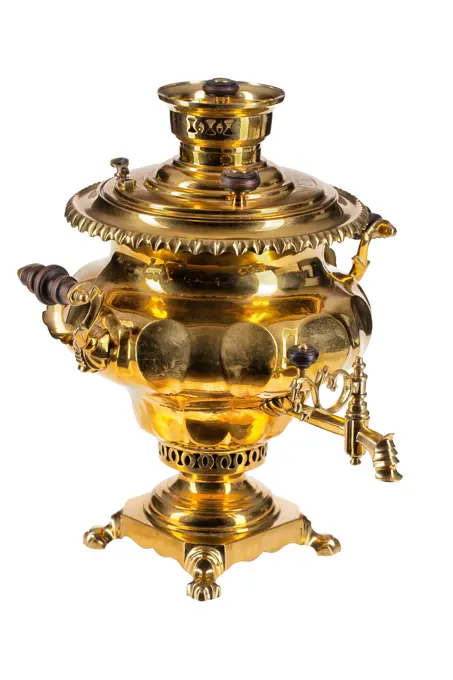
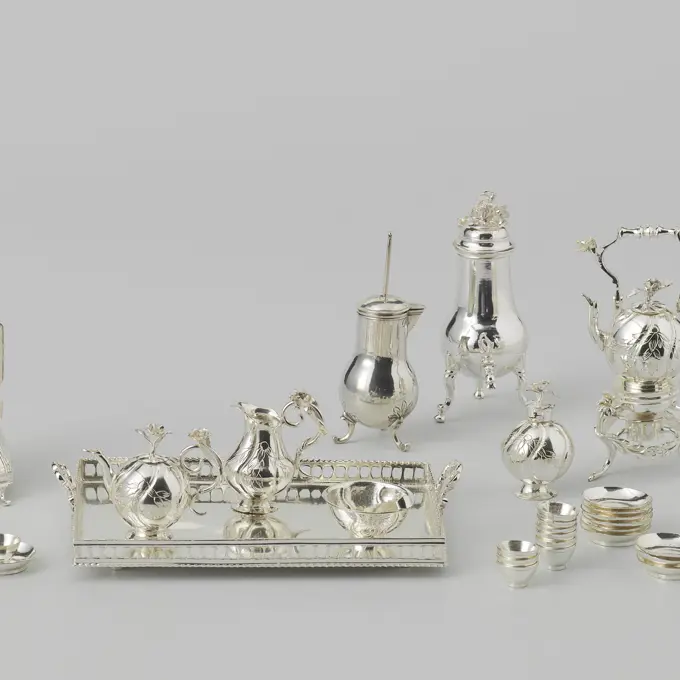
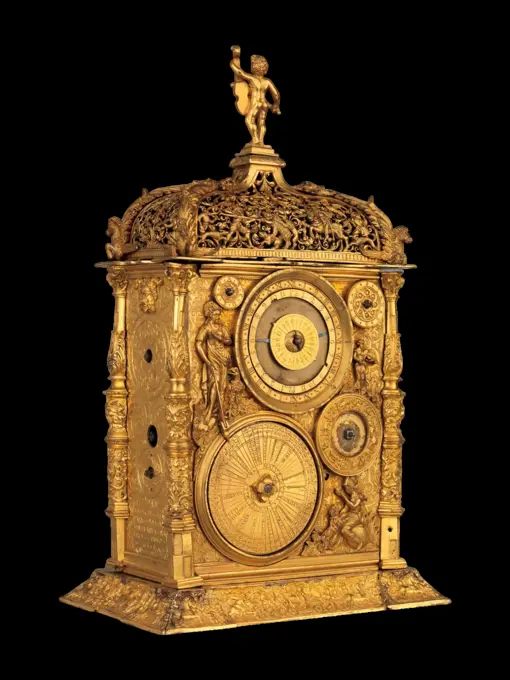
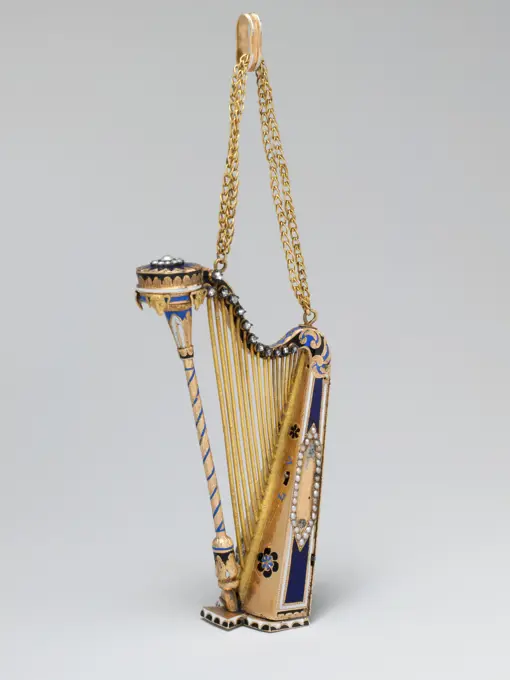
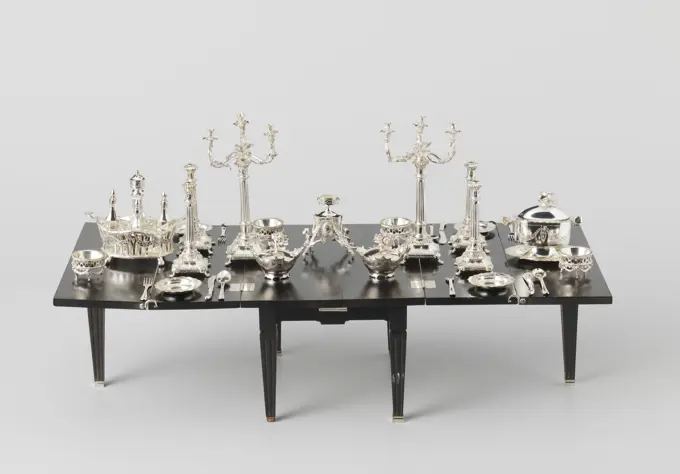
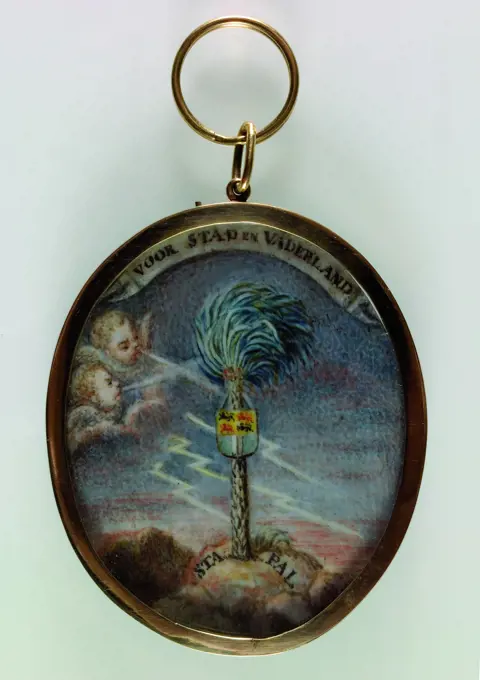
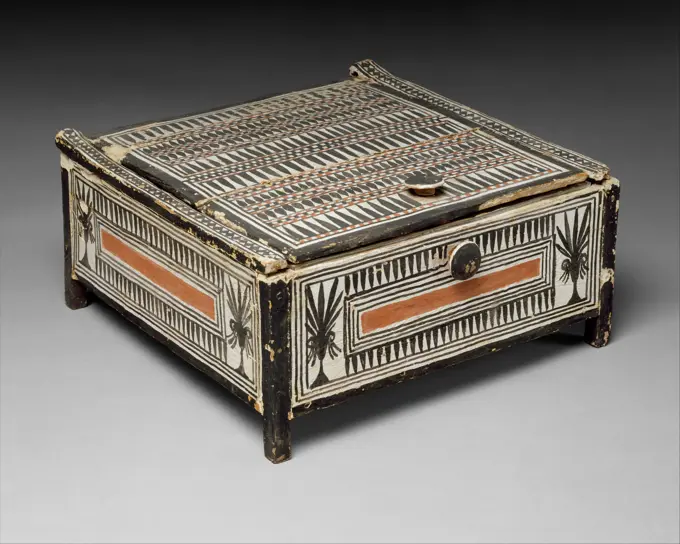
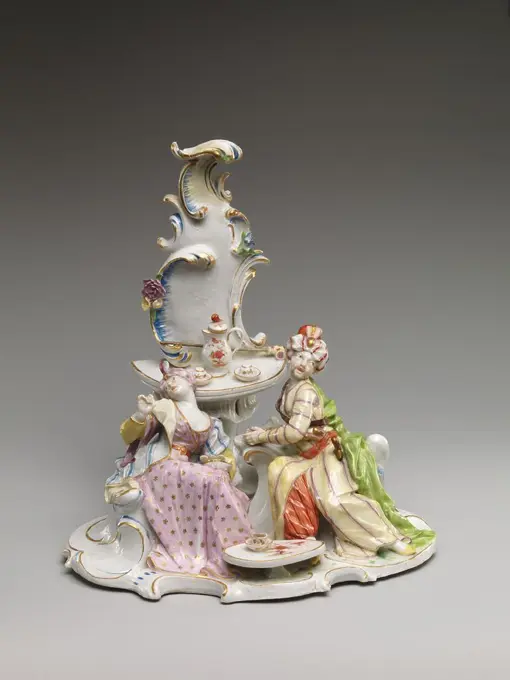
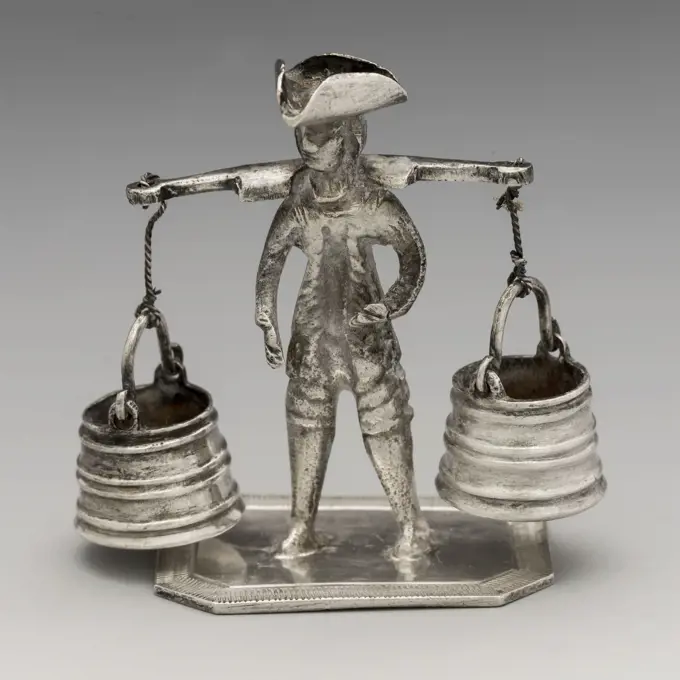
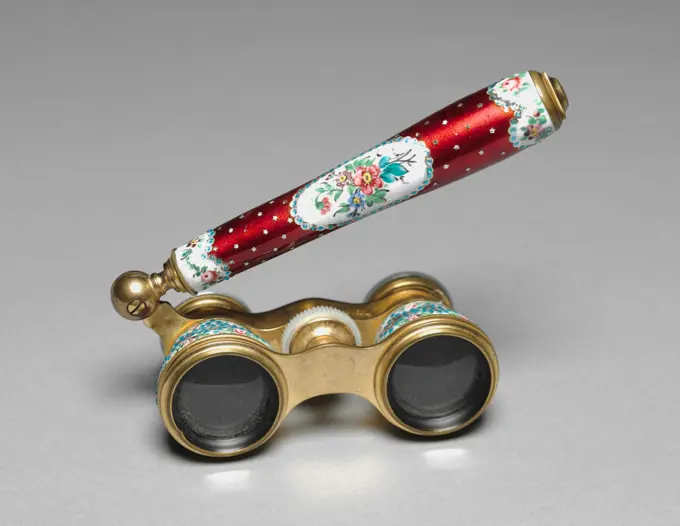
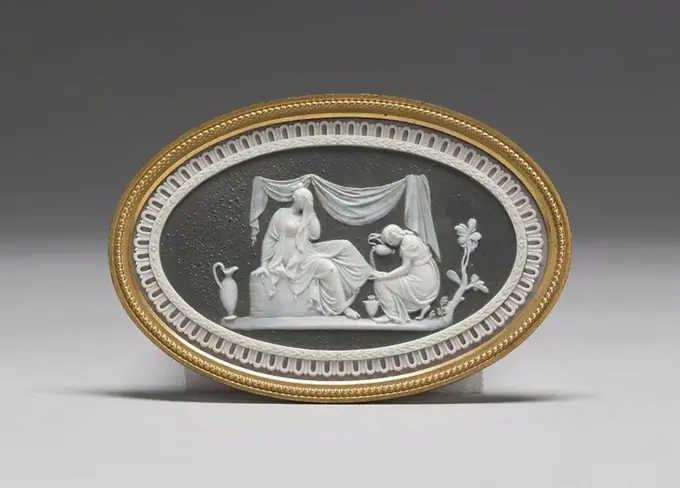
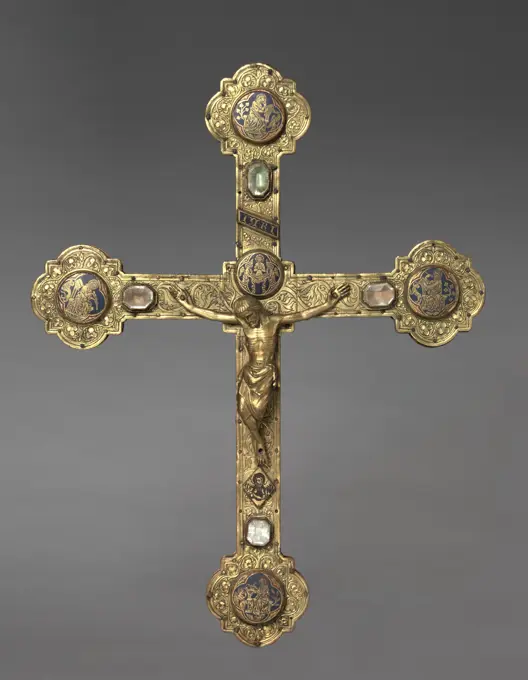
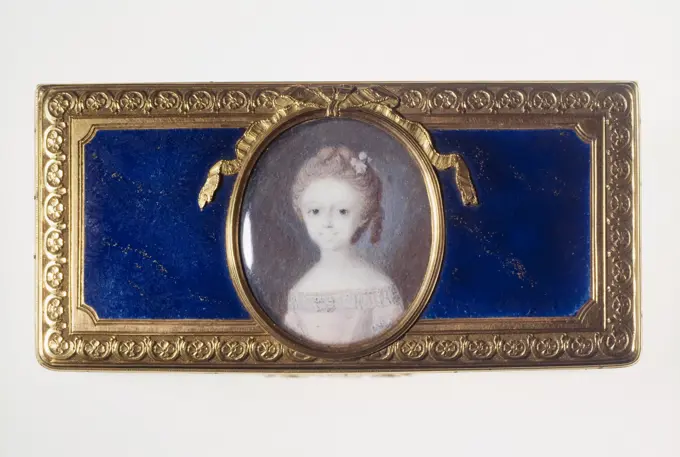
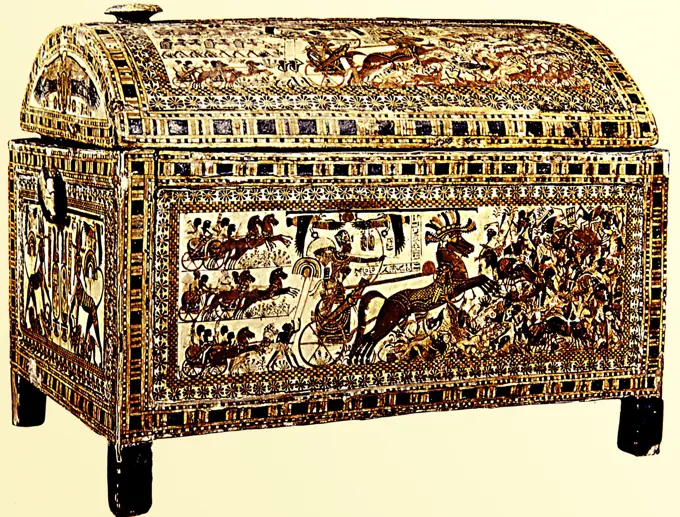
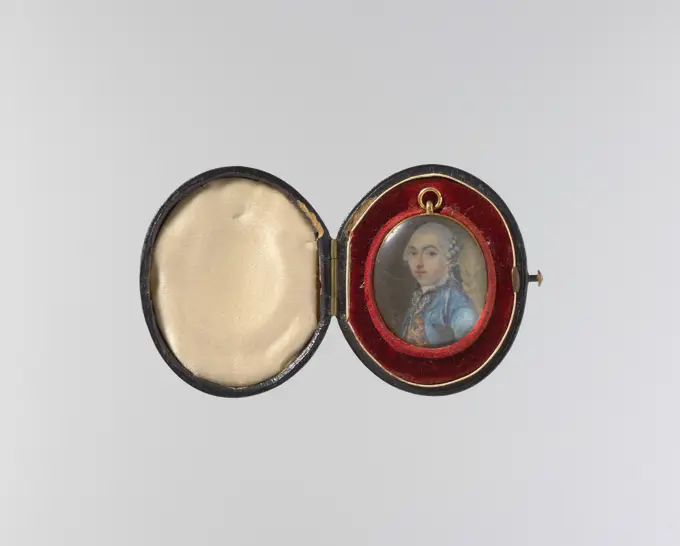
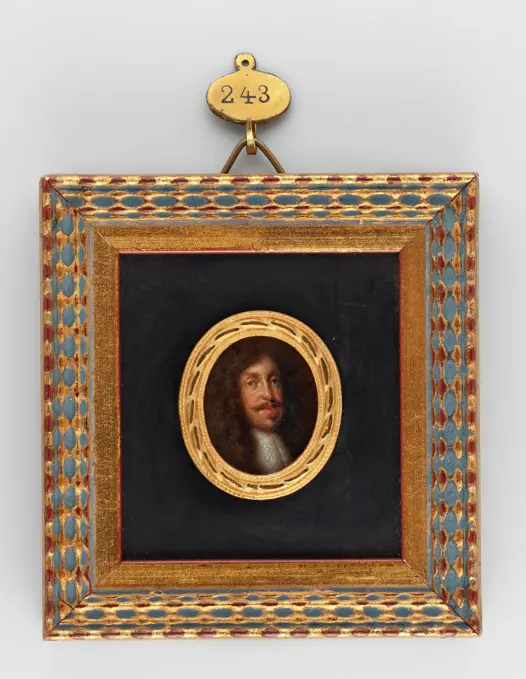
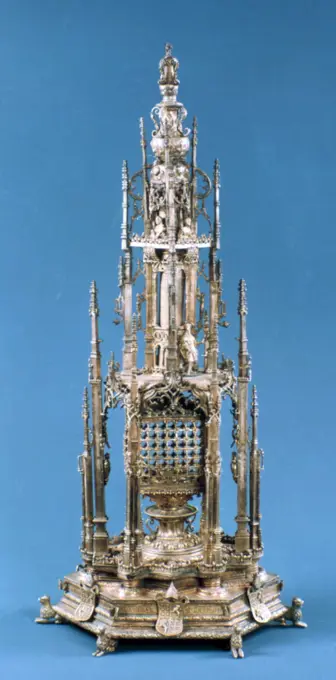
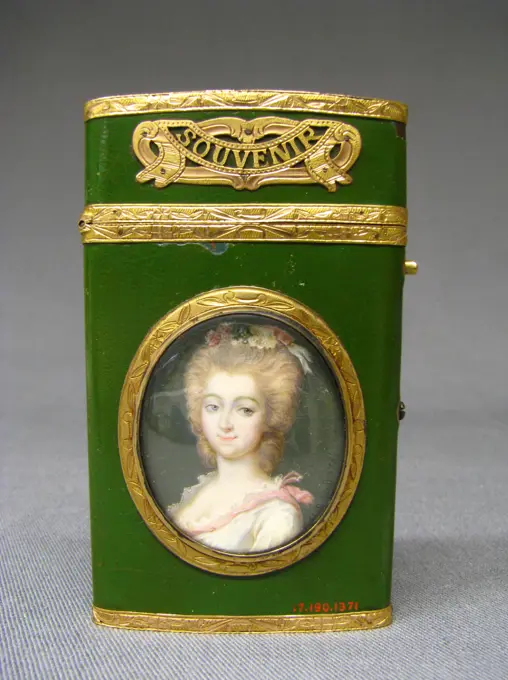
French 16th Century, probably Saint Porchaire (Deux Sevres), Salt, c 1540 1560 French 16th Century, probably Saint-Porchaire (Deux-Sevres), Salt, c. 1540/1560, lead-glazed fine earthenware, Widener Collection 1942.9.353Cup in the shape of a circle (NEF); Linden, Esias Zur (fl. 1609-1632); 1610-30 (1610-00-00-1630-00-00);Szwarc, Szymon (1884-197.) - collection, sailors, ships, vegetable wage, purchase (provenance)Libation Cup with Base, 19th century, 9 x 5 5/8 x 4 3/4in. (22.9 x 14.3 x 12.1cm), Rhinoceros horn, China, 19th centuryCase (Inrō ) with Design of a Gourd Vine 18th century Koma Yasutada Japanese. Case (Inrō ) with Design of a Gourd Vine 45472Tin tobacco spot with lid, anonymous, c. 1700 - c. 1800 Tin tobacco spot, rectangular in shape. There is a pot on the open -worked foot, the bottom of which Bolts Bolt. There are a few cannelures on the corners, furthermore the pot is undecorated. The lid also has cannelures on the corners. The cap is formed by a small cup. Low Countries tin (metal) casting Tin tobacco spot, rectangular in shape. There is a pot on the open -worked foot, the bottom of which Bolts Bolt. There are a few cannelures on the corners, furthermore the pot is undecorated. The lid also has cannelures on the corners. The cap is formed by a small cup. Low Countries tin (metal) castingStag Rhyton. UnknownGoblet with cover ca. 1830-40 Bohemian. Goblet with cover 207911Game Pie Tureen Made 1845-1855 Burslem. Stoneware (caneware) . Wedgwood Manufactory (Manufacturer)Oriental decoration lantern, pots dishes on white background. Ramadan kareemChinese Pavilion. Culture: German, Frankenthal. Dimensions: Overall (confirmed): 15 7/8 x 11 3/8 x 9 7/16 in. (40.3 x 28.9 x 24 cm). Factory: Frankenthal Porcelain Manufactory (German). Modeler: Karl Gottlieb von Lück (active 1760-75). Date: ca. 1770. Museum: Metropolitan Museum of Art, New York, USA.Kraantje van Chocolate can of Faience. Kraantje van Chocolate can of Faience.De Waare Patriot, Anonymous, 1784 - 1787  The true patriot, one -sided plaque. Front: standing on pedestal holds a woman, representing hope, stuck with the right hand behind her standing anchor and has hit the left beside her standing column, against which freedom hats rest on Speer; Left of pedestal lion with pulled sword, sitting on the right sitting dog; On plinth: inscription, on pedestal: inscription within Eikekrans. Reverse: Blanco. Netherlands silver (metal) engravingTable clock late 16th century German. Table clock. German. late 16th century. Gilt bronze. HorologyCandle holder. Candlestick on square feet. The foot has beveled corners and stands on four claw legs. The tribe has the form of a fluted column with a capital. The candlestick is labeled: STK. = Amsterdam, jrl. = X (1782) and an unknown master sign.Box, early 1800s. Switzerland, early 19th century. Gold and enamel; overall: 1.6 x 5.4 cm (5/8 x 2 1/8 in.).. Hanger of gold. Listing a flying cupid with arrow and bow. The figure hangs three chains. The whole is decorated with irmail, pearls, emeralds and rubies.Decanter Stand, 1814. Paul Storr (British, 1771-1844), Rundell, Bridge and Rundell (British, 1797-1834). Silver; diameter: 8.5 x 13.7 cm (3 3/8 x 5 3/8 in.). Decanter stands served as coasters for glass wine bottles in order to protect the extremely expensive and fragile linen tablecloths they sat upon. This example contains depictions of large grape vines and youthful figures that evoke the Roman god of wine, Bacchus (or Dionysus in Greek mythology). One of the young boys grasps an empty drinking vessel while the other leans against a panther, the frequent companion of Bacchus.Galvanoplastic reproduction of the crown of the Holy Lodewijk. Galvanoplastic reproduction of a crown. The edge, decorated with engraved gems and precious stones, is made up of eight rectangular plates, crowned by triangles. Between the triangles silver cherubs. Partially plated.A vase from the so -called Liwski arg, vase from the cover, from the so -called The suit of My Liwski ar, a vase from the so -called suit of My Liwski ar; Koenigliche Porcellain Fabrique, Meissen (1710-1763), Kaendler, Johann Joachim (1706-1775), Heintze, Johann George (1706/7-), Eberlein, Johann Friedrich (1695-1749); around 1739 (1739-00-00-1740-00-00);FondPorlan, Indianische Blumen, Hunting Scenes, AR SignaturesCopón, siglo XV-XVI. Nº inv. 112. Museo Diocesano de Barcelona.Harpsichord. Culture: Italian. Dimensions: Height: 9 3/4 in. (24.8 cm)Width (With moldings): 91 in. (231.2 cm)Depth (With moldings): 32 1/16 in. (81.5 cm). Date: late 17th century.This harpsichord has three sets of unison strings, one of which is plucked at a point very close to the nut, producing a brighter timbre than the others. The mermaid holding one of the supporting columns is a device of the Colonna family. The painting inside the lid is a landscape that includes a hunter and his dog. On the lid above the keywell is a scene depicting Tobias and the angel Raphael. The conventionalized foliage and the aerial perspective are associated with the work of Gaspard Dughet, brother-in-law of Nicolas Poussin, who painted chiefly in Rome. Museum: Metropolitan Museum of Art, New York, USA.Mantel clock (pendule de chiminée). Culture: French, Paris. Dimensions: Overall: 19 × 27 1/2 × 11 in. (48.3 × 69.9 × 27.9 cm). Maker: Movement by the workshop of Julien Le Roy (French, Tours 1686-1759 Paris); Case maker: Joseph Baumhauer (French, active ca. 1749-72). Modeler: Bronze figure from a model by Laurent Guiard (1723-1788). Date: ca. 1757-60.Laurent Guiard provided the model for the figure titled "Time's Employment" adorning this clock. The design proved to be among the most popular in eighteenth-century France. One of the most inventive clockmakers of the time, and clockmaker to Louis XV, Le Roy contributed significantly to the development of the marine chronometer. After his death, his son Pierre Le Roy used his name, making it difficult to distinguish the work of father from son. Museum: Metropolitan Museum of Art, New York, USA.Freemason ca. 1744 Meissen Manufactory German. Freemason. German, Meissen. ca. 1744. Hard-paste porcelain decorated in polychrome enamels, gold. Ceramics-PorcelainSpice Box, c. 1900, H.6-15/16 x W.2-5/8 x D.2-1/4 in., Silver, 20th centuryTable lamp, study lamp on high column with supporting eye, desk lamp lamp illuminant brass glass iron metal, Table lamp or desk lamp Reinforced base with cast iron core High column with supporting eye at the top along which the lamp can be moved vertically to reduce the light control Removable bush, as reservoir set screw and lamp with shade and lamp glass. Wing nut marked on the bottom at the reservoir and holder 38 lighting evening night illuminate officeCandlestick, one of a pair, 1694-1695, Thomas Ash; Artist: Previously attributed to Thomas Allen, English (London), English, dates unknown, 13 x 7 1/2 x 7 1/2 in. (33.02 x 19.05 x 19.05 cm), Silver, England, 17th centuryFaucet (one of a pair) 1725-50 French Illustrating yet another use for gilt bronze in the interior, this faucet consists of a nozzle that is decorated with foliate scrolls and a trelliswork pattern dating it to the second quarter of the eighteenth century. Its handle, also serving as a valve, terminates in a dragons head.. Faucet (one of a pair) 239225Wortel van een vlaggenstok.Gold plated root with 16 sections. On the damaged bottom line, four putti with the poor up. The others with stylized plant motifs. The third, eighth and thirteenth articulation with four cups. At the bottom of a round hole; About award breaking out, which has become visible an iron pin.Russian Traditional Water Boiler Russian traditional water boiler on isolated background Copyright: xZoonar.com/AndreyxSkatx 8079800Chocolate tan with stirring stick, anonymous, 1780 Chocolate cane on three legs bent out. There is a hole in the lid through which the stirring rod sticks out. The jug has a spout and a start for a handle. The handle is missing. Leaves are engraved around the impetus of the legs and spout and around the hole in the lid. The chocolate cane is marked: stk. = Amsterdam, Jrl. = V (1780) and Mt. = Foot 430. Amsterdam silver (metal) Chocolate cane on three legs bent out. There is a hole in the lid through which the stirring rod sticks out. The jug has a spout and a start for a handle. The handle is missing. Leaves are engraved around the impetus of the legs and spout and around the hole in the lid. The chocolate cane is marked: stk. = Amsterdam, Jrl. = V (1780) and Mt. = Foot 430. Amsterdam silver (metal)Opulente antike goldene astronomische Tischuhr Opulente antike goldene astronomische Tischuhr LicenseRF Copyright: xZoonar.com/GallóxGusztávx 23309007Pyx, 12th century, (1843).Artist: Henry ShawElaborate clock, Augsburg, circa 1700, Bavarian National Museum, Munich, Bavaria, Germany, EuropeMusic Box ca. 1800 Swiss Gold music box in the shape of a harp on a chain. Enamelled in various colors and set with pearls and rose diamonds.. Music Box. Swiss. ca. 1800. Various materials. Geneva, Switzerland. IdiophoneSUBSCIPLE, HENDRIK DULLER, 1809 Oval dish with scalloped, engraved edge. The dish is marked: stk. = Amsterdam, Jrl. = B (1809), Mt. H. Duller, The Sign & and the number 10 (re -inspection). The dish is under a terrine (BK-NM-11177-151-A). Amsterdam silver (metal) Oval dish with scalloped, engraved edge. The dish is marked: stk. = Amsterdam, Jrl. = B (1809), Mt. H. Duller, The Sign & and the number 10 (re -inspection). The dish is under a terrine (BK-NM-11177-151-A). Amsterdam silver (metal)Lepel, anonymous, c. 1775 - c. 1800  Netherlands silver (metal)  Netherlands silver (metal)Terrine, Arnoldus van Geffen, 1761 Round terrine with scalloped bottom edge. The dish has a lid with also a scalloped edge. The button of the lid is a flying bird. The terrine has two raised handles. The scale is on a dish. The terrine is marked: stk. = Amsterdam, Jrl. = B (1761), Mt. = Arnoldus van Geffen. The terrine with dish is the same as two copies with invnrs. BK-NM-11177-153-A and BK-NM-11177-153-B, BK-NM-11177-252. Amsterdam silver (metal) Round terrine with scalloped bottom edge. The dish has a lid with also a scalloped edge. The button of the lid is a flying bird. The terrine has two raised handles. The scale is on a dish. The terrine is marked: stk. = Amsterdam, Jrl. = B (1761), Mt. = Arnoldus van Geffen. The terrine with dish is the same as two copies with invnrs. BK-NM-11177-153-A and BK-NM-11177-153-B, BK-NM-11177-252. Amsterdam silver (metal)Saucer with a sight of a tenement house; Koenigliche Porcellain Fabrique, Meissen (1710-1763); around 1735 (1730-00-00-1735-00-00);Oval gold medallion with palm tree with shield with coat of arms of Rotterdam, medallion miniature painting footage watercolor parchment crayon gold carrier (daily size), Oval medallion with gold-colored frame hanging eye closed with flat glass plate reverse side front on top of bandstand: for city and country militaria militia patriot fatherland patriots Company of Arms Trade 'De Palmboom' Rotterdam homeland heraldry The patriots Company of Arms Trade 'De Palmboom' was founded in 1784 and was in essence continuation of Company 9 of the regular Schutterij which was dissolved in April 1784. After the restoration of Stadholder William V in September 1787, the meetings and weapons exercises of De Palmboom forbidden.Chandelier 1790. Chandelier. 1790. TinPendant in the form of a mandolin. Pendant of gold, email and precious stones, in the form of a mandolin.Cosmetic Box from the tomb of Sennedjem ca. 1279-1213 B.C. New Kingdom, Ramesside The lid of this box, which is attached at the back with horizontal pivots, opens to reveal four compartments for cosmetics. The box could be secured by winding a piece of twine around the two knobs at the front. Its elaborate decoration was intended to imitate more expensive boxes inlaid with ebony, ivory, and perhaps cedar or mahogany. The box is from the tomb of Sennedjem, who was an artist living in the time of Ramesses II. Other objects in the collection that were discovered in the same tomb can be viewed here.. Cosmetic Box from the tomb of Sennedjem 544701Turkish couple at coffee. Artist: After two separate models by Franz Anton Bustelli (Swiss, Locarno ca. 1720-1763 Munich). Culture: German, Nymphenburg. Dimensions: 9 × 8 1/4 in. (22.9 × 21 cm). Factory: Nymphenburg Porcelain Manufactory (German, 1747-present). Modeler: Modeled by Peter Anton Seefried (1756-66/67, 1769-1810). Date: ca. 1775-80.The popularity of tea, coffee, and hot chocolate in eighteenth-century Europe is reflected in the prominence with which these beverages are depicted in porcelain figural groups. In this example, a couple wearing "Turkish dress" is seated in front of a table on which a coffeepot, two cups and saucers, and a pipe are arranged at the center. The Turkish costumes allude to the strong identification of coffee with the Near East, though the miniature coffee vessels used by the couple are European in form and decoration. Museum: Metropolitan Museum of Art, New York, USA.Silversmith:, Silver miniature milkman with stitch and yoke with two buckets, figurine sculpture sculpture toy relaxing medium miniature model silver, cast Man with stitch and yoke with two buckets standing on flat surface city mark: three crosses under crown play home interior Rotterdam G.W. Burger dollhouse Bishop Gerardus Willem Burger (Rotterdam 1856 - Doorn 1916) among others city councilor in Rotterdam 1903 to 1916.Cajonera de cuero, gótica. Siglo XV. Colección privada.Casket 14th century French The biblical parable of high living, disgrace, and paternal reconciliation (Luke 15:11-32) was an appropriate subject for this casket, intended to hold valuables. The missing scene of the Return of the Son was probably intended for the lid; instead, the replacement lid illustrates the stages of love.. Casket 467732Helmet. Iran, Iranian, 15th century. Arms and Armor. Steel with silver inlayOpera Glasses, c. 1900. France, Paris, early 20th century. Gilt metal, mother-of-pearl, enamel; diameter: 5.1 cm (2 in.); overall: 10.2 cm (4 in.); handle: 14.6 cm (5 3/4 in.).Friendship Consoling Affliction. Wedgwood Manufactory; England, founded 1759; Etruria, Staffordshire, England. Date: 1785-1790. Dimensions: 12.9 × 8.6 × 0.8 cm (5 1/16 × 3 3/8 × 5/16 in.). Stoneware (jasperware), gilt metal frame. Origin: Burslem. Museum: The Chicago Art Institute, Chicago, USA.Altar Cross, c. 1300-1310. Germany or Austria, Upper Rhine, Constance, 14th century. Gilt copper, champlevé enamel, gemstones, on wood core; without base: 50.2 x 39.4 cm (19 3/4 x 15 1/2 in.).Casket late 14th century German. Casket. German. late 14th century. Poplar with copper alloy fittings. Made in Alsace, Germany (present day France). Woodwork-FurnitureGold Bird decoration with light on white background'Dancing Hours' Salt. Josiah Wedgwood & Sons, Ltd. (England, Staffordshire, established 1759)Emil Weddige (Canada, active United States, born 1907)John Flaxman (England, York, 1755-1826)Wedgwood (England, Staffordshire, founded 1759). England, circa 1780-1785. Furnishings; Serviceware. Stoneware, solid blue jasper with white applied decorationOval miniature in a gold medallion surmounted by a ribbon in ivory gouache and representing a little girl in a pink dress, on the lid of a rectangular box mounted with chiseled gold, decorated with pilasters near the angles, with Golden powdered blue enamel plates and application of rosettes and floral patterns in chopped gold. 18th century French School. Watercolor and Gouache sur Ivory. Paris, Cognacq-Jay museum. 38110-12 Rectangular box, French school, child, girl, gouache, ivory, medallion, gold, portrait, pink dress, ribbon, miniatureTutankhamun Treasure. Wooden chest. Tutankhamun in chariot fights the Asiatics.Samuel Verplanck ca. 1760 Dutch. Samuel Verplanck 14414CUSTODIA DEL SIGLO XVIII (EXCAVACION IRIA FLAVIA). Location: MUSEO DE ARTE SACRO. Padrón. Coruña. SPAIN.Leopold and Emperor of Austria;  1680 (1680-00-00-1680-00-00);Foreign miniatures, men, portraits, men's portraits, rulersCustodia (monstrance) religious ornamental ware, 1527. From the Goldsmithery, Museu Nacional de Machado de Castro, Portugal. Souvenir 1773-74 Miniature by C. De Roy In eighteenth-century Europe, Paris led the production of high-quality luxury goods. Parisian goldsmiths made a wide range of small, personal articles such as snuffboxes; étuis to hold sealing wax, tweezers, or utensils for sewing; souvenirs, which contained thin ivory tablets for note taking; and shuttles for knotting lace. Gold snuffboxes and boxes decorated with portrait miniatures were prized and frequently given as royal gifts, often to ambassadors or members of the court in lieu of cash payments for their services. Coveted and admired, these boxes were produced from a variety of materials. The best were skillfully made of gold and embellished with diamonds, enameled decoration, lacquer, and other luxurious materials. By the middle of the century, the taking of snuff had become an entrenched social ritual, and the snuffbox, too, had become an important social prop. Snuffboxes were considered highly fashionable accessories, with some merchant