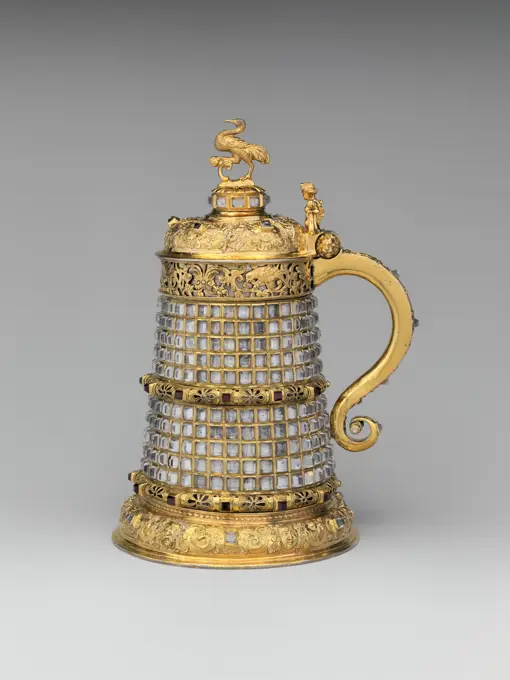
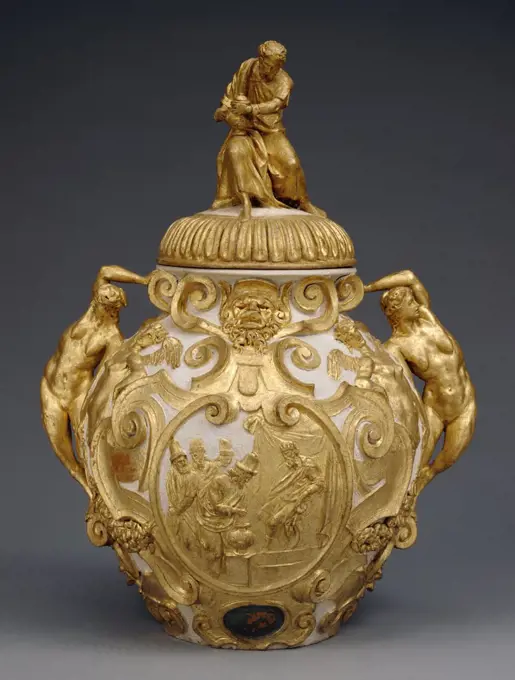
Ornate Chalices and Cups

An assortment of antique chalices and decorative cup designs featuring intricate details and historical significance.
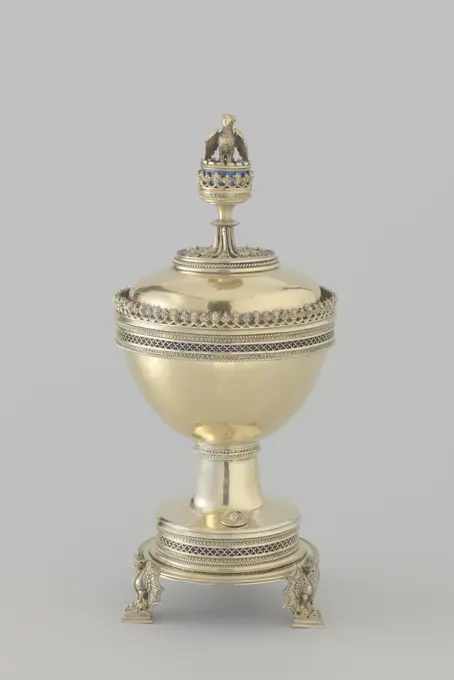
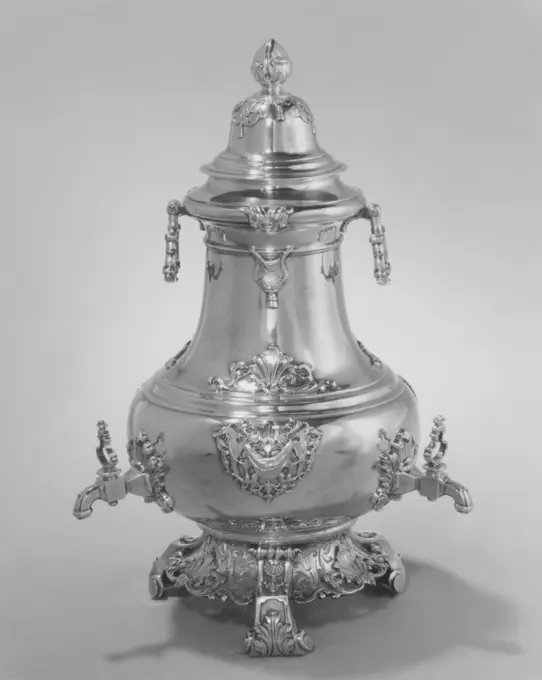
Chalice, anonymous, c. 1330 - c. 1350 Ciborium, gilded, unadorned chalice. This is semi-shaped and has a lid that is crowned by an eagle, seated on a platform with tilting. The edge of the lid has tracing work on a ground of blue translucent email and is deposited by a board of lion masks, interspersed by gothic leaf shapes. The short, cylindrical tribe gradually flows into the round foot, which is surrounded in the same way as the lid with tracing work and rests on three dragons with spread wings. At the bottom of the tribe a raised medallion with the bust of Christ. In the lid a closing plate for the button attachment is installed, on which, in transparent email, a Salvator Mundi in green and purple rug on blue ground. Under the foot The inscription :: + iohes: Uten: Leen: SCI: Salva: Me: Dedit :: Ano: DNI: M CCC LXXVI :. Utrecht (possibly) silver (metal) casting / gilding  Sint-Salvatorkerk Ciborium, gilded, unadorned chalice. This is semi-shaped and has a lid that is crowned by an
Chalice, anonymous, c. 1330 - c. 1350 Ciborium, gilded, unadorned chalice. This is semi-shaped and has a lid that is crowned by an eagle, seated on a platform with tilting. The edge of the lid has tracing work on a ground of blue translucent email and is deposited by a board of lion masks, interspersed by gothic leaf shapes. The short, cylindrical tribe gradually flows into the round foot, which is surrounded in the same way as the lid with tracing work and rests on three dragons with spread wings. At the bottom of the tribe a raised medallion with the bust of Christ. In the lid a closing plate for the button attachment is installed, on which, in transparent email, a Salvator Mundi in green and purple rug on blue ground. Under the foot The inscription :: + iohes: Uten: Leen: SCI: Salva: Me: Dedit :: Ano: DNI: M CCC LXXVI :. Utrecht (possibly) silver (metal) casting / gilding Sint-Salvatorkerk Ciborium, gilded, unadorned chalice. This is semi-shaped and has a lid that is crowned by an
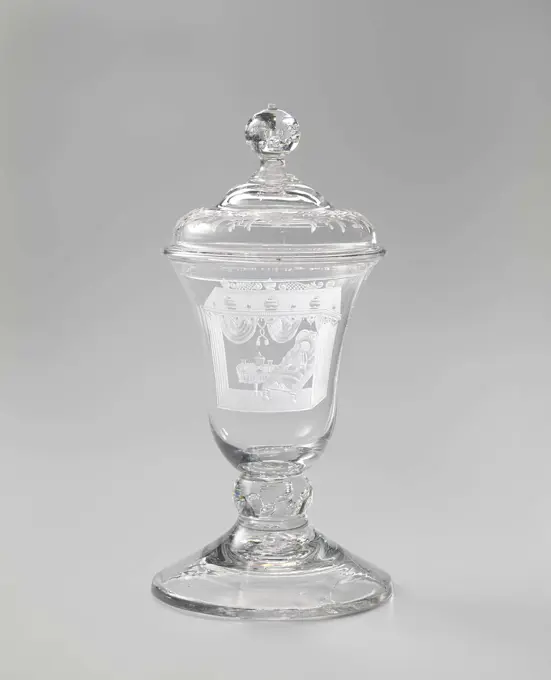
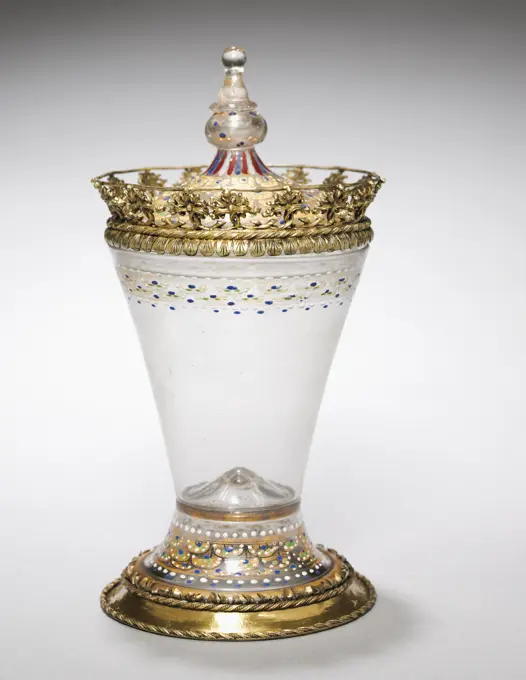
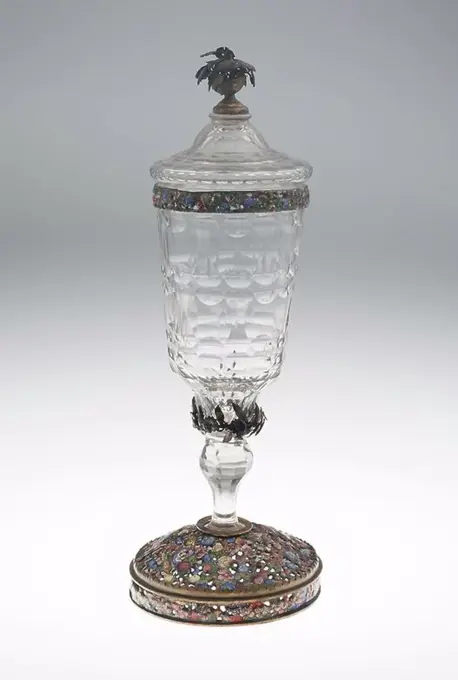
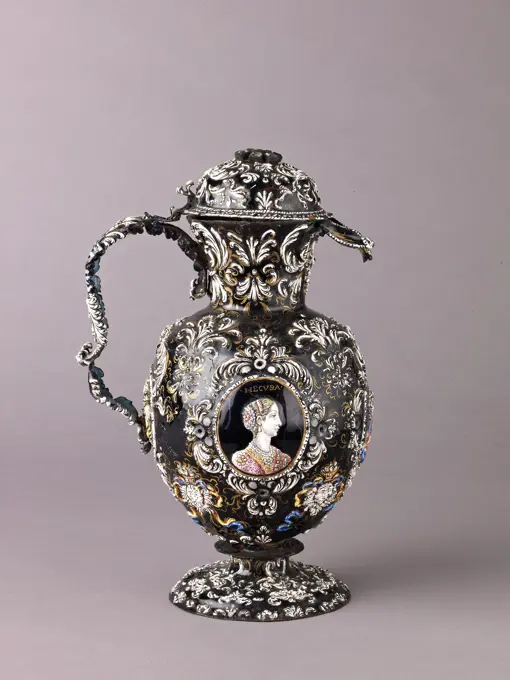
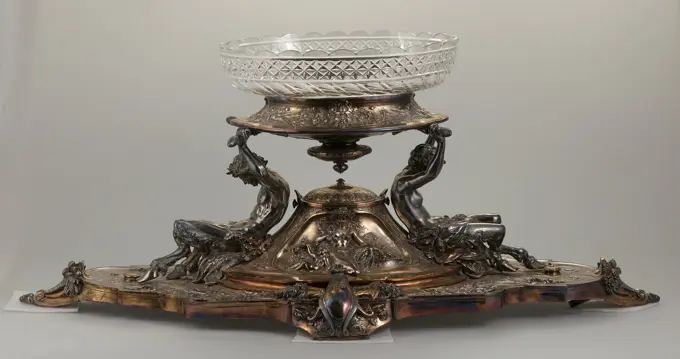
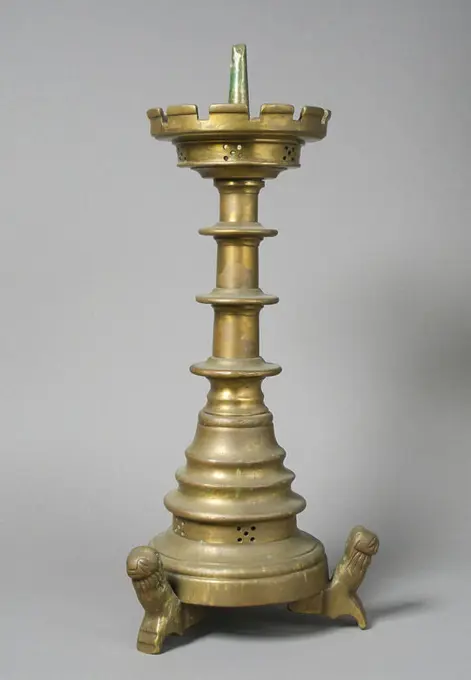
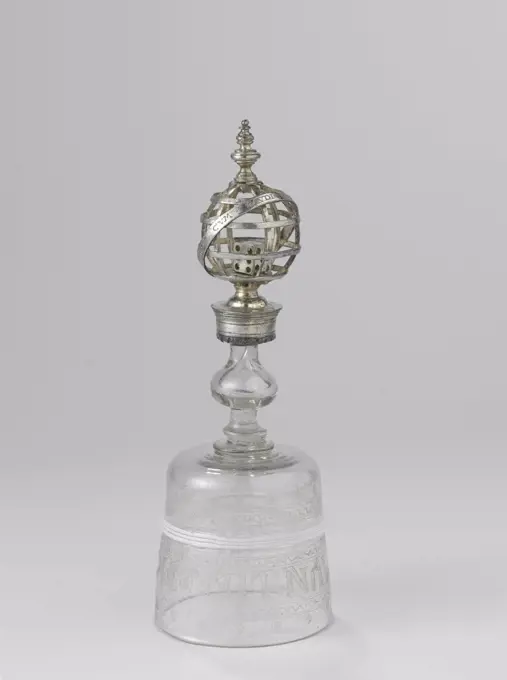
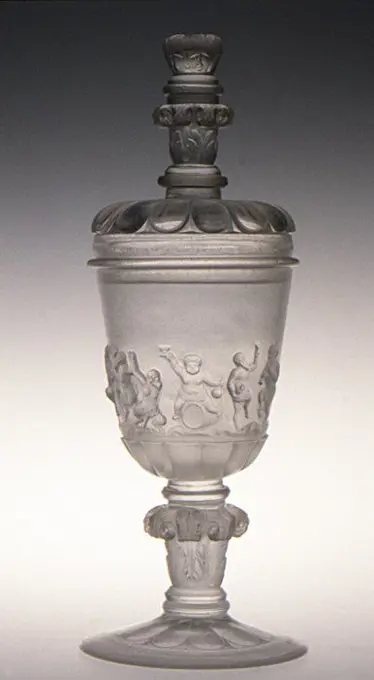
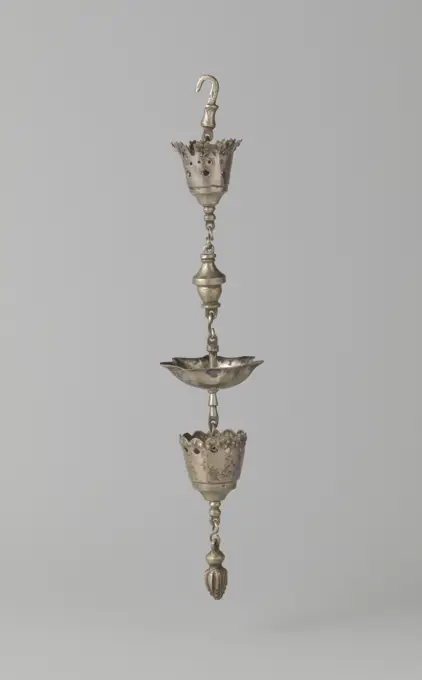
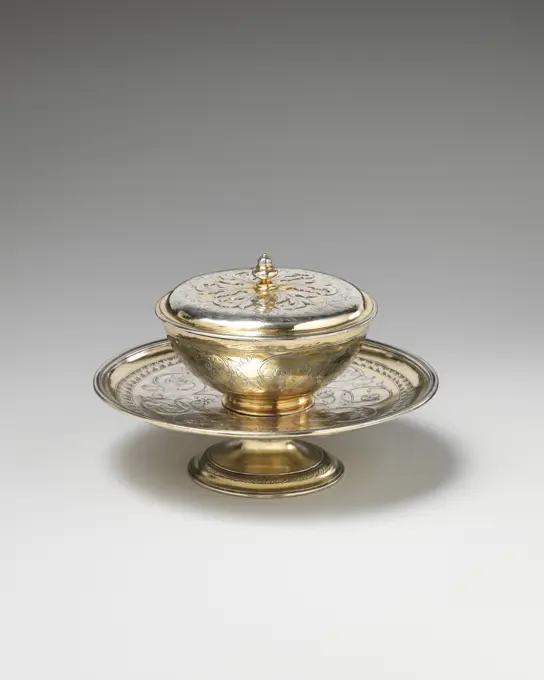
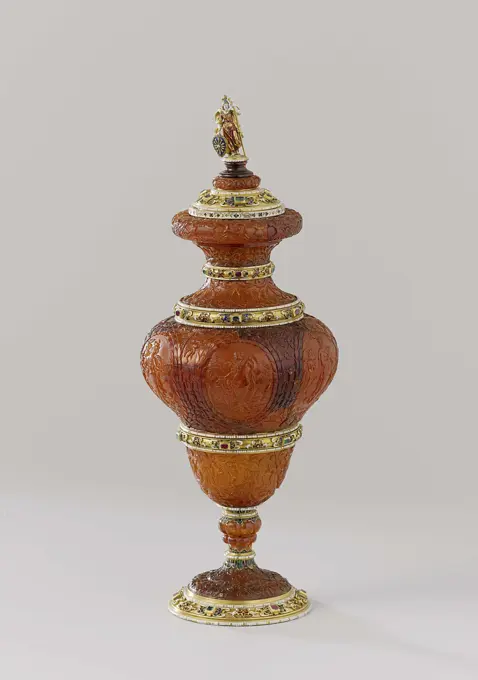
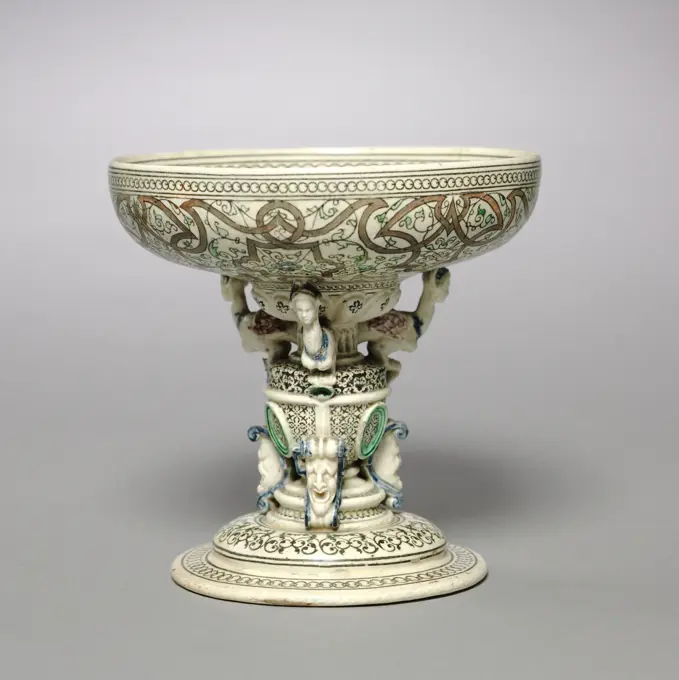
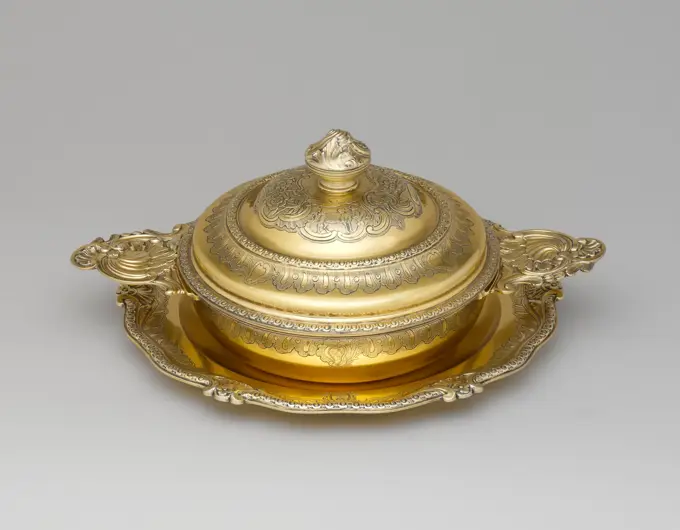
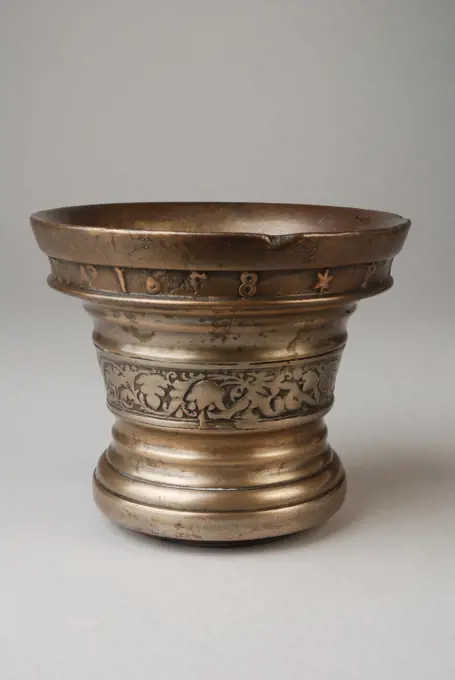
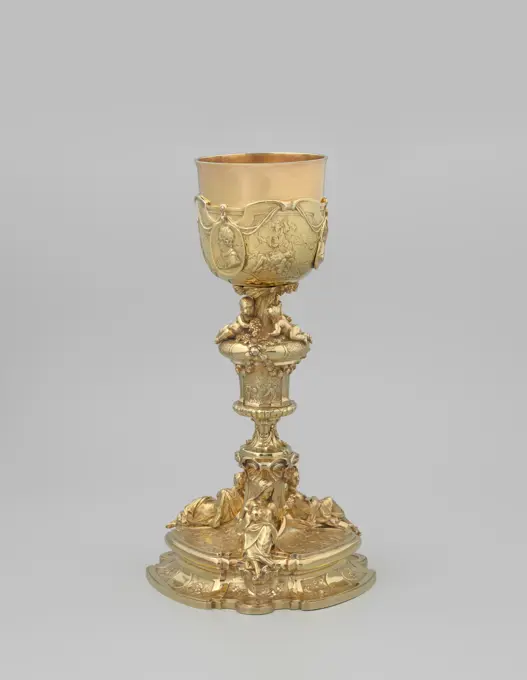
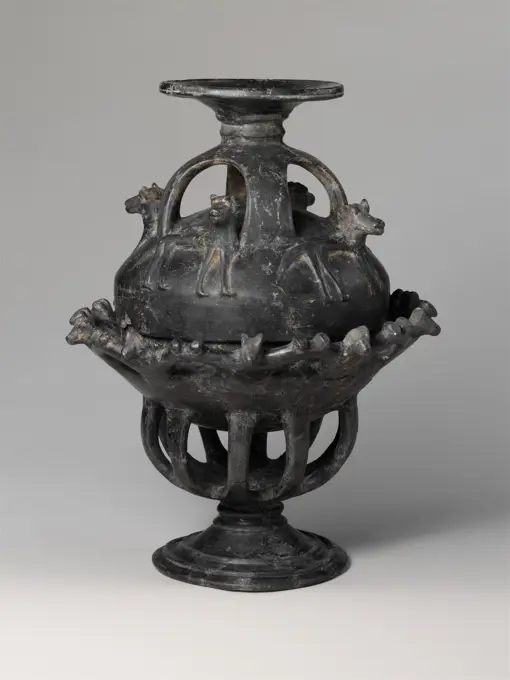
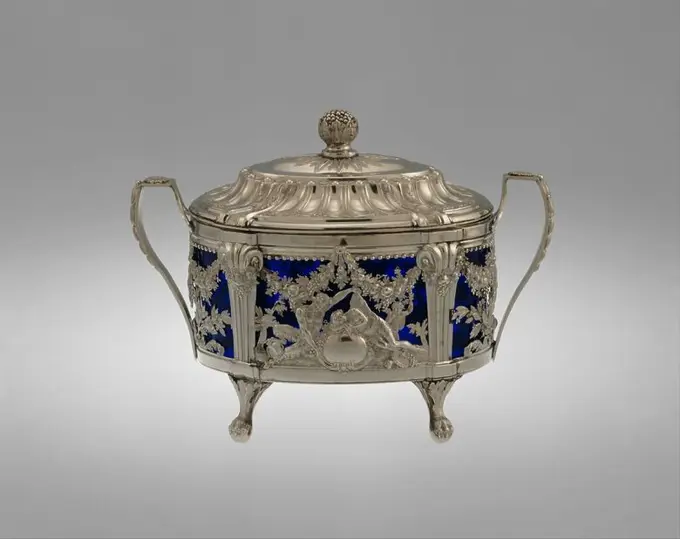
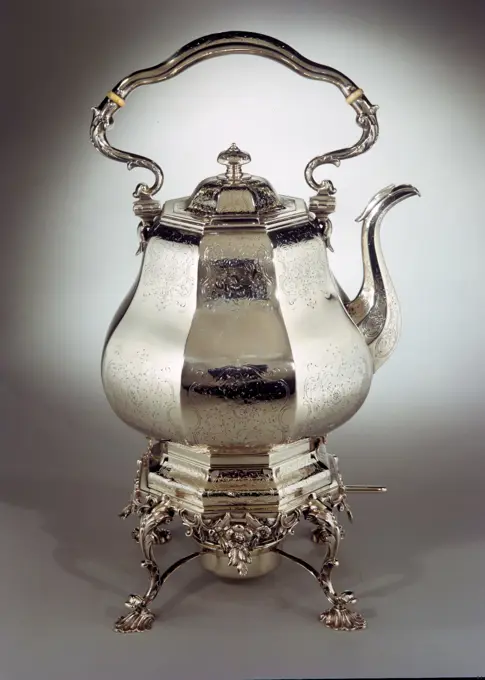
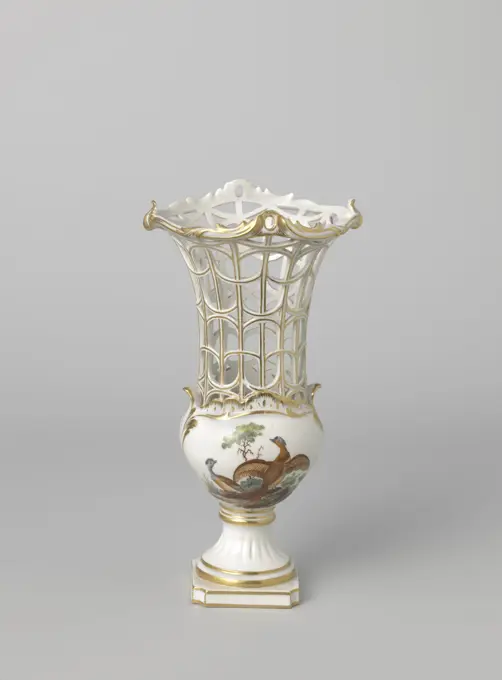
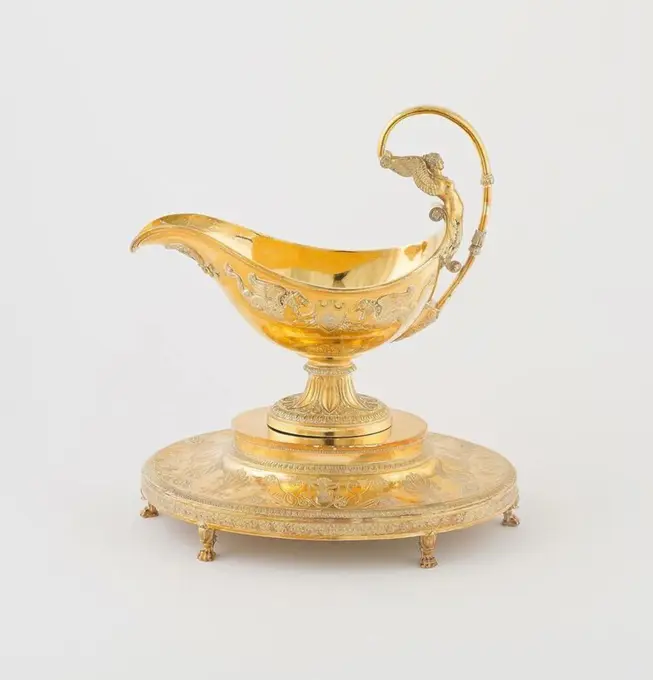
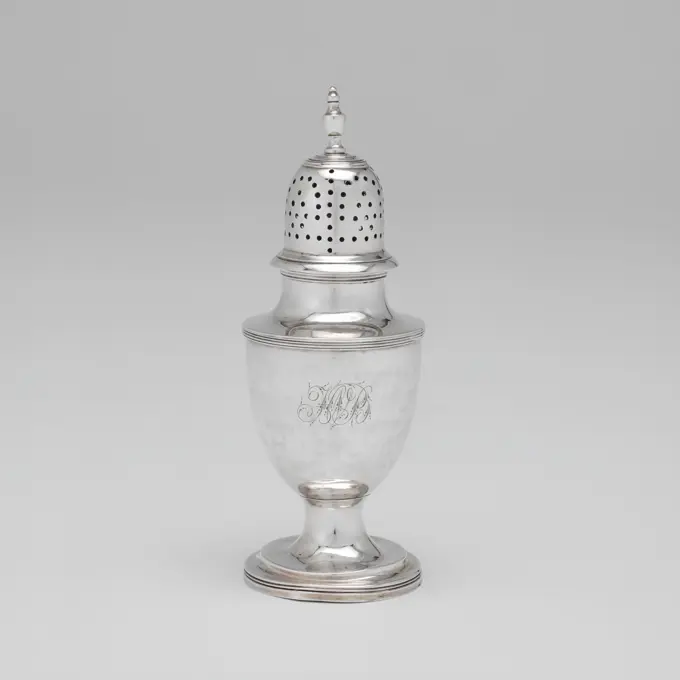
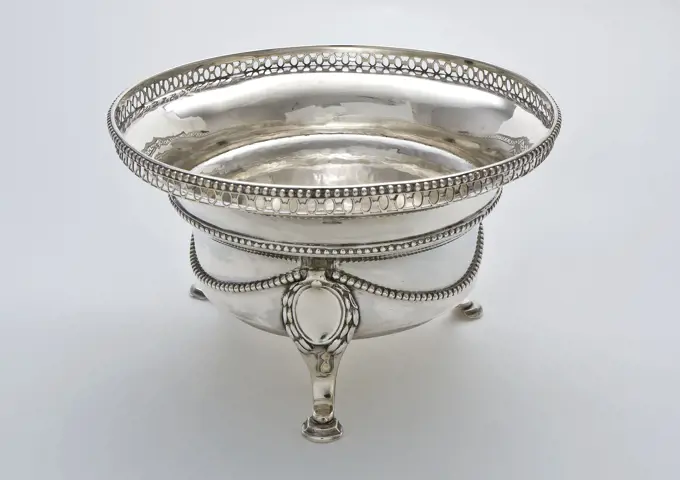
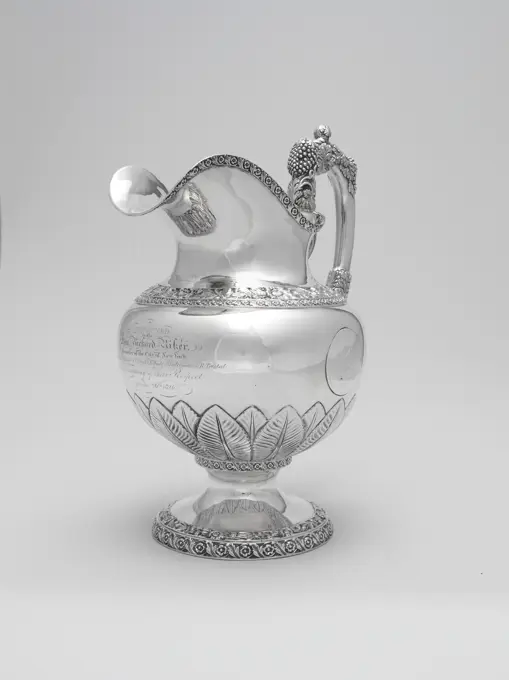
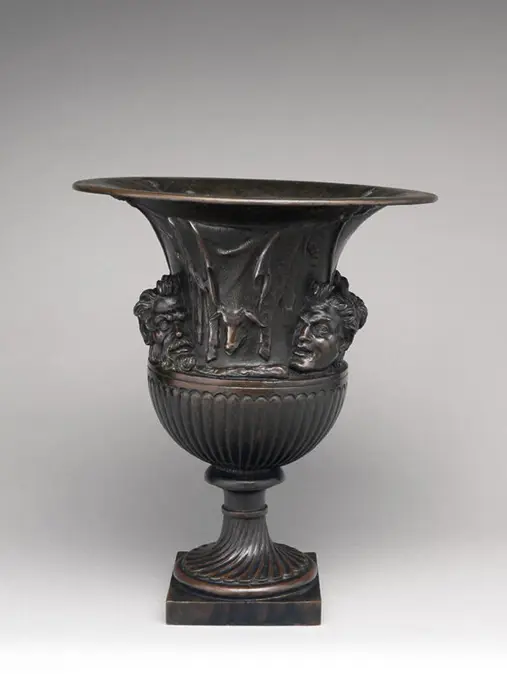
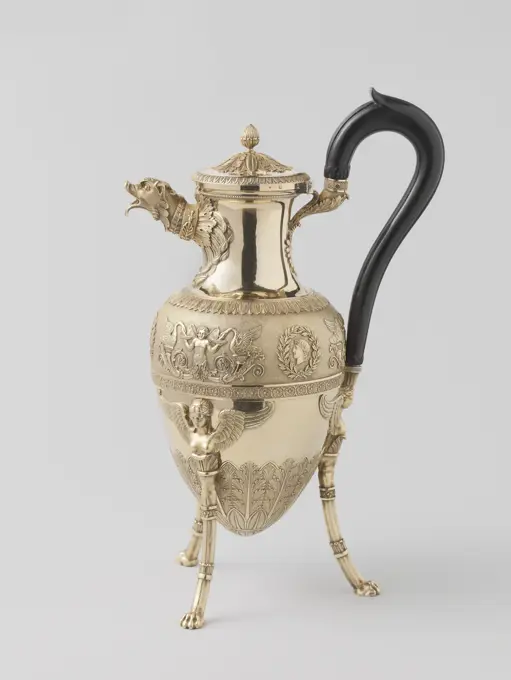
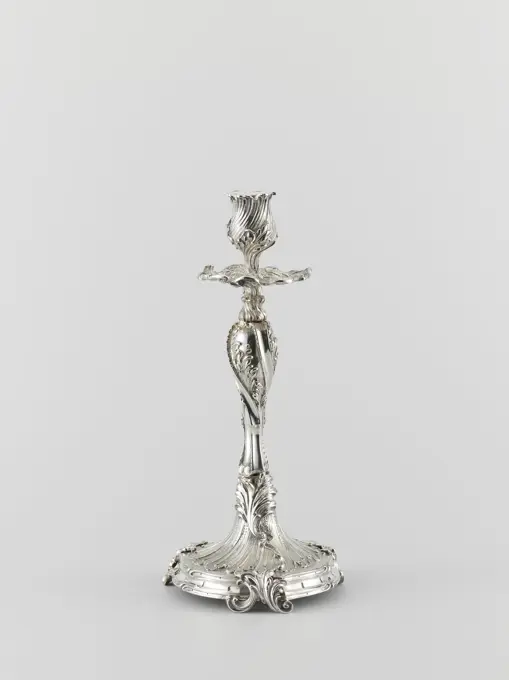
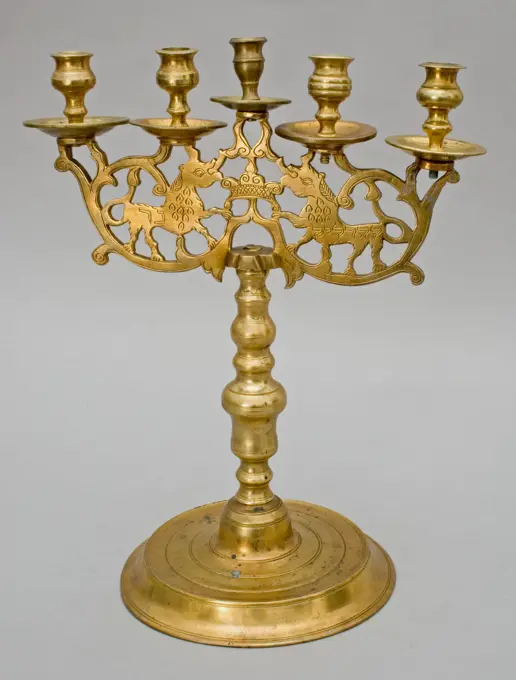
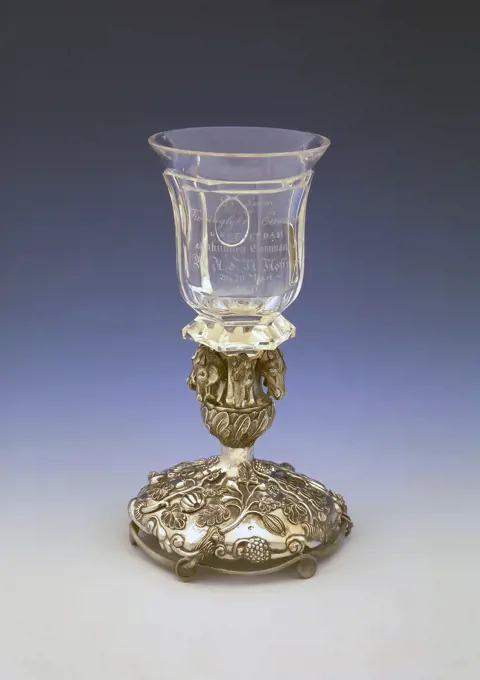
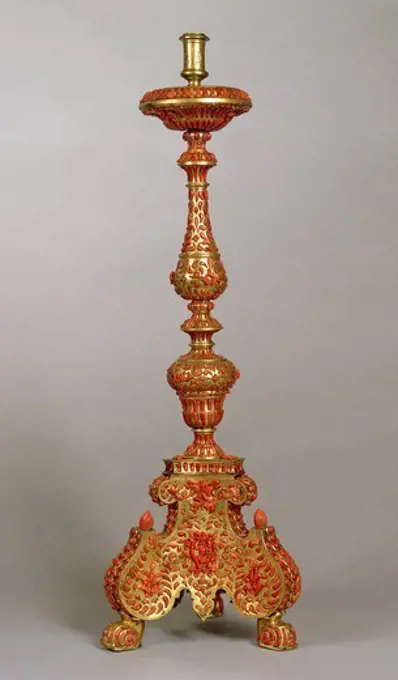
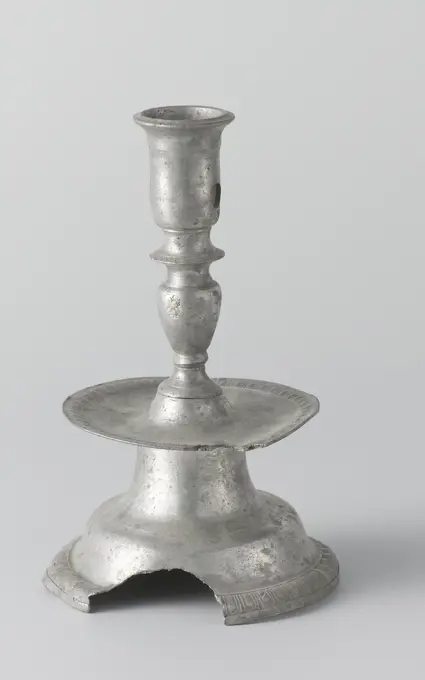
Chalice, anonymous, c. 1330 - c. 1350 Ciborium, gilded, unadorned chalice. This is semi-shaped and has a lid that is crowned by an eagle, seated on a platform with tilting. The edge of the lid has tracing work on a ground of blue translucent email and is deposited by a board of lion masks, interspersed by gothic leaf shapes. The short, cylindrical tribe gradually flows into the round foot, which is surrounded in the same way as the lid with tracing work and rests on three dragons with spread wings. At the bottom of the tribe a raised medallion with the bust of Christ. In the lid a closing plate for the button attachment is installed, on which, in transparent email, a Salvator Mundi in green and purple rug on blue ground. Under the foot The inscription :: + iohes: Uten: Leen: SCI: Salva: Me: Dedit :: Ano: DNI: M CCC LXXVI :. Utrecht (possibly) silver (metal) casting / gilding  Sint-Salvatorkerk Ciborium, gilded, unadorned chalice. This is semi-shaped and has a lid that is crowned by an Two lidded cups, anonymous, 1604 Gilded cup with lid. The cup is built from loose parts, which are connected by screws. The cup consists of the following parts; A: Round foot, resting on three sitting lions. The edge of the foot is decorated with a godron list. Above that a narrow vertical decorative frame. In addition, an excellent list of small godrons. On the curve in relief three masks in Rolwek cartouches. In between fruit bundles on rusted soil. B: A constricted ring, decorated with godrons. On the outside three attached grotesque volutes. C: A vase -shaped part. A six -leaf rosette on the bottom. In addition, godron lists and a convex list of hippocamps, driven by naked men. On this list, animal masks are attached with rings in the mouth. Grotesque volutes are attached to the outside of this part. D: A small part with nagging top and downstairs. E: such a vase shape, but larger and flatter. Above frames with large and small godrons, a convex list of three excellent animal masks Candlestick;  1. PO. 19th century (1830-00-00-1850-00-00);Silver candlestick. Candlestick of silver. The round, lobed foot, is decorated with driven lobe ornaments. The alliance weapon with wedding knot of Gerard Meerman and Agneta Deutz is engraved on the foot.Covered Beaker, c. 1490-1500. Italy, Venice. Glass, enameled and gilded, gilt-silver mounts; diameter: 23.5 x 10.2 cm (9 1/4 x 4 in.).Galvanoplastic reproduction of the cup of the St. Jorisgilde van Middelburg, Fa. Elkington & Co., 1881 Galvanoplastic reproduction of the cup of St. Jorisgilde van Middelburg. The cuppa, on a baluster -shaped tribe, with three coats of arms and lion heads; On the lid four medallions with fruit and flower ornaments and a figure of St. Joris. London copper (metal). silver (metal)   Middelburg Galvanoplastic reproduction of the cup of St. Jorisgilde van Middelburg. The cuppa, on a baluster -shaped tribe, with three coats of arms and lion heads; On the lid four medallions with fruit and flower ornaments and a figure of St. Joris. London copper (metal). silver (metal)   MiddelburgCoupe lid, Anonymous, c. 1660 Lid of rock crystal with gold -plated silver foot, ears and frame. The dome -shaped lid is sharpened in twelve vertical facets. France (possibly) silver (metal) gilding Lid of rock crystal with gold -plated silver foot, ears and frame. The dome -shaped lid is sharpened in twelve vertical facets. France (possibly) silver (metal) gildingTazza (Footed Drinking Cup), Adam van Vianen (I), 1621 Coupe of driven silver. The asymmetrical cuppa is decorated with lobe ornament. On the edge the figures of Bacchus, Ceres and Venus with Amor. Utrecht silver (metal) Coupe of driven silver. The asymmetrical cuppa is decorated with lobe ornament. On the edge the figures of Bacchus, Ceres and Venus with Amor. Utrecht silver (metal)Candelabra 1780-1800 England .Covered Goblet. Bohemia, Czech Republic. Date: 1695-1705. Dimensions: H. 25.4 cm (10 in.). Glass with metal mounts and enamels. Origin: Bohemia. Museum: The Chicago Art Institute, Chicago, USA.Sgabello with octagonal seat, anonymous, 1500 - 1600 Chair of Notenhout, resting on a stand placed in spread, front and rear board, connected by a twisted sport. The front board is decorated with acanthus voluten and a circle stirring with palmet above. The wide seating rules are slippery; The front line has a circle rosette. The seat is octagonal. The back has the shape of an inverted similar triangle with two flat panels. The upper sill ends in circle rosettes with a roller work cartouche flanked in the middle by leaf motifs. Italy wood (plant material). walnut (hardwood) Chair of Notenhout, resting on a stand placed in spread, front and rear board, connected by a twisted sport. The front board is decorated with acanthus voluten and a circle stirring with palmet above. The wide seating rules are slippery; The front line has a circle rosette. The seat is octagonal. The back has the shape of an inverted similar triangle with two flat panels. The upper sill ends in circle rosettes with Cup 19th century Italian, Venice (Murano). Cup. Italian, Venice (Murano). 19th century. Glass. GlassEwer ca. 1670-74 Jacques Nouailher French, Limoges. Ewer 460529Tea urn 1773-74 John Carter II. Tea urn 191635Bowl and stand from the 'Summer' centerpiece, c. 1864, Léonard Morel Ladeuil; Artist: Elkington and Co., British, founded 1836, H.14-1/2 x W.35 x D.15-1/2 in. (overall), Electroplated metal, gilt, glass (replaced), England, 19th centuryCandlestick, Pricket. Culture: South Netherlandish. Dimensions: Overall: Ht. 15 1/2 in. (39.4 cm). Date: 15th century. Museum: Metropolitan Museum of Art, New York, USA.Candlestick, Pricket 15th century South Netherlandish. Candlestick, Pricket. South Netherlandish. 15th century. Brass. Metalwork-BrassLid a small (b and c) oval terrine in Louis XVI-style, Philippus Priee, 1773 Inner box of a small (B and C) oval terrine in Louis XVI style. Middelburg silver (metal) Inner box of a small (B and C) oval terrine in Louis XVI style. Middelburg silver (metal)Punch tureen (7 pieces), with 4 glasses and 5 other glasses..Dice Glass, Anonymous, c. 1580 - c. 1590Standing cup with cover ca. 1700 Franz Gundelach. Standing cup with cover 195994Lid a edge pattern, anonymous, c. 1690 - c. 1710 The vaulted lid has a double -folded edge and a conical, cut button four times. Lid is engraved in a side pattern with the diamond. Venice glass glassblowing The vaulted lid has a double -folded edge and a conical, cut button four times. Lid is engraved in a side pattern with the diamond. Venice glass glassblowingSabbathslamp, anonymous, c. 1813 - c. 1906 Hang together, connected by S-shaped intermediate pieces three burners that are different in shape and a baluster-shaped nodus. There is a button -shaped pendant on the bottom. The Sabbathlamp is marked with a sword. Netherlands silver (metal) Hang together, connected by S-shaped intermediate pieces three burners that are different in shape and a baluster-shaped nodus. There is a button -shaped pendant on the bottom. The Sabbathlamp is marked with a sword. Netherlands silver (metal)Bowl with cover and stand ca. 1680 F.S.S. The fine engraved decoration is probably based on designs by Simon Gribelin (1661-1733).. Bowl with cover and stand. Engraving probably after designs by Simon Gribelin (working 1682-1733). British. ca. 1680. Silver, silver gilt. Metalwork-Silver. Amber is fossilized tree resin, millions of years old. It is found primarily in the Baltic Sea region. The body of this goblet is decorated with carved reliefs of ancient gods. Surmounting the lid is a gold and enamel figurine of the goddess Minerva. The abundance of gold, enamel and gemstones lends this cup an aura of luxury.Vase. Paul Storr (England, London, 1771-1844). 1811-1812. Furnishings; Accessories. SilverStanding Cup, c. 1540-60. Saint-Porchaire (French). Lead-glazed, white-paste earthenware with inlaid slip decoration; diameter of mouth: 13.5 x 13.1 cm (5 5/16 x 5 3/16 in.).Lidded Tureen, Liner and Stand (one of a pair). Thomas Germain (French, 1673 - 1748, master 1720)RELICARIO CRISTAL ROCA CON LECHE DE LA VIRGEN. Location: CONVENTO DE LAS CLARISAS / MUSEO DE ARTE SACRO. MONFORTE DE LEMOS. LUGO. SPANIEN.Silversmith: Douwe Eysma, Silver pipe bowl, smoking chamber stove smokeware silver, smoke lightingChalice. Culture: Catalan. Dimensions: H. 7 5/16 in. (18.5 cm); Diam. of base: 6 in. (15.2 cm). Date: ca. 1380-90.The method of mounting recti-curvilinear enamel plaques seen here is particular to goldsmiths' work in Catalonia. The larger plaques represent the Betrayal, the Carrying of the Cross, and the Crucifixion. The heads stippled above the circular roundels are a fine example of this metalwork technique, which rarely was used in Spanish art. Museum: Metropolitan Museum of Art, New York, USA.Candlestick, Pricket 15th century South Netherlandish. Candlestick, Pricket 467949CALIZ. Author: SOTO HERNANDO. Location: ST. -JOHANNIS-KIRCHE. VELEZ MALAGA. Malaga. SPAIN.Mosterdpot, Spitsovaal, with openwork wall with pearl lists, Nathanael Teuter, 1805 The four striker ovale, vaulted barrels (A, B, C and D), which have slightly raised walls on the sides, each rest on an oval, strongly rejuvenating foot on a straight -walled base. A hinged, vaulted lid that is crowned by a ribbed pineal -shaped button fits on the body alternating with alternating knots and rosettes. Around the foot, around the top edge of the body, bent ears and pearl lists run around the lid. Amsterdam silver (metal) The four striker ovale, vaulted barrels (A, B, C and D), which have slightly raised walls on the sides, each rest on an oval, strongly rejuvenating foot on a straight -walled base. A hinged, vaulted lid that is crowned by a ribbed pineal -shaped button fits on the body alternating with alternating knots and rosettes. Around the foot, around the top edge of the body, bent ears and pearl lists run around the lid. Amsterdam silver (metal)A small oval terrine in Louis XVI style, Philippus Priee, 1773 A small oval terrine in Louis XVI-style decorated with driven cannelures, garlands wrapped with ribbons, appliqued festons and pearl edges. Each terrine has a lid with a button and stands on four legs. All terrines marked under soil: Middelburg; Annual letter K - 1773; mt. P above prie = Philippus prié; crowned o = release stitches; ax = tax inspection. Terrine BK-1995-14-C is engraved on the inside with N: 2. Note: All terrines have an inner box Middelburg silver (metal) A small oval terrine in Louis XVI-style decorated with driven cannelures, garlands wrapped with ribbons, appliqued festons and pearl edges. Each terrine has a lid with a button and stands on four legs. All terrines marked under soil: Middelburg; Annual letter K - 1773; mt. P above prie = Philippus prié; crowned o = release stitches; ax = tax inspection. Terrine BK-1995-14-C is engraved on the inside with N: 2. Note: All terrines have an inner box MiddelburEwer, glass, silver, Straight-sided body flares slightly to shoulder, tapered neck, raised spout, high loop handle; silver spool stem and domed stepped base with beaded outer border; sides of body cut with vertical panels alternately plain and notched; silver base filled with wax., Europe, 1850-1900, glasswares, Decorative Arts, EwerVase. UnknownClock candlestick, four -part with circular base, flat fat bowl, baluster -shaped shaft and cylindrical candle holder, anonymous, c. 1590 - c. 1596 candlestick Klokkandelaar, four -part with a wide variety of circular base with an egg frame, a flat fat bowl with egg frame, a baluster -shaped shaft with a disk -shaped knot and a cylindrical candle holder with two round leakage holes. The candlestick has a crowned rose as a quality brand. Netherlands tin (metal) casting  Nova Zembla. Saving Huys. translation of inscription: To the well-being of the mother and childPlate (part of a traveling set) ca. 1750 Probably by Joachim-Frédéric Kirstein I. Plate (part of a traveling set) 206180Pieter Ostens, Bronze mortar, auger equipment bronze, ca 2 kg cast Round base along which rings swivel wide decorative edge through two rings pivoting edge with inscription top edge. The broad decorative edge has relief of leaf and flower branches in between lying naked figures P: Ostens Roterodami me fecit Ao 1658 closed by an asterisk (cast in edge around the top) metalworker pharmacy war World War II Rotterdam City Triangle Hoogstraat Found after bombardment of the city pharmacy to the Hoogstraat during the Second World War in May 1940.DISH with Landscapes, royal porcelain manufactory, c. 1837 - c. 1844 dish Scale of a porcelain coupe or drinking bowl with a copper frame with iron pin to place in the high foot. Painted with email colors and gold. On the flat a landscape with a prominent building. On the edge a decorative band with medallions and flowers, between which six times an oval compartment with a small landscape, always with a prominent building. The outside of the dish is blue. The inside is painted over with beige. Marked on the inside of the foot with the scepter including K.P.M. Berlin porcelain. glaze. gold (metal) painting / vitrificationChalice, Pate and Spoon, Jan Anthonie Le Pies, 1723 Miskelk of gilded silver. On the foot, 3 low reliefs have been installed: the Last Supper, Abraham and Melchizedek and the Miracle of Amsterdam. The Nodus has the shape of a vase. On the Cuppa 3 portrait medallions of church fathers, with reliefs in between. Antwerp gold (metal). silver (metal) gilding Miskelk of gilded silver. On the foot, 3 low reliefs have been installed: the Last Supper, Abraham and Melchizedek and the Miracle of Amsterdam. The Nodus has the shape of a vase. On the Cuppa 3 portrait medallions of church fathers, with reliefs in between. Antwerp gold (metal). silver (metal) gildingTerracotta pyxis (box with lid) ca. 550-525 B.C. Etruscan Consisting of a lower bowl on a flaring foot and a lid decorated in relief with seated dogs.. Terracotta pyxis (box with lid) 247102Sugar bowl. Culture: French, Paris. Dimensions: 5 1/4 × 7 in. (13.3 × 17.8 cm). Maker: Marc-Etienne Janety (French, 1739-1820, master 1777). Date: 1786.Janety appears to have been the first European silversmith to work in platinum, newly available to silversmiths in the 1780s. It had recently been discovered that arsenic lowered the melting point of platinum, allowing it to be cast and then worked. The new medium also had the advantage of not tarnishing. This sugar bowl appears to be the only extant work in platinum by Janety. The crispness of the details, seen in the relief of the satyr and nymph and in the various decorative motifs, reflects his technical mastery of the medium. Museum: Metropolitan Museum of Art, New York, USA.Soup vase; Malcz, Karol (1797-1867); 1940s (1840-00-00-1849-00-00);Teakettle ca. 1840 William Forbes. Teakettle. American. ca. 1840. Silver and ivory. Made in New York, New York, United StatesTin oil lamp, with sitting horse as a lid button, Havic Joostensz (attributed to), 1575 - 1600 Tin oil lamp. On the bell -shaped foot is a short trunk with a silly nodus and profiled lines. Above it a wide, circular reservoir, the top of which is slightly concave and contains two openings. The largest opening is in the middle and can be closed with a lid, crowned with a sitting horse. The lid is connected to the oil lamp via a single -socket hinge and ends in a round ring. Leiden tin (metal) casting Tin oil lamp. On the bell -shaped foot is a short trunk with a silly nodus and profiled lines. Above it a wide, circular reservoir, the top of which is slightly concave and contains two openings. The largest opening is in the middle and can be closed with a lid, crowned with a sitting horse. The lid is connected to the oil lamp via a single -socket hinge and ends in a round ring. Leiden tin (metal) castingCup with a floral scroll and grid pattern, anonymous, c. 1820  Porcelain head on high, spreading foot, flared edge and high, curled ear. Painted on the glaze in blue, purple and gold. The outer wall is divided into two tires, the bottom of which is filled with a grid pattern and the upper with a stylized flower drink. Gold tires on the foot and the edge. The inner wall and the ear are covered with gold. In the curl of the ear a head in relief. France porcelain. glaze. gold (metal) painting / gilding / vitrificationCovered Porringer, Claude Laubreaux, Pewter, Ecuelle (a): shallow bowl with reinforced rim and horizontal handles with scroll relief and slit. Lid (b): domed cover, upper part with conventionalized symmetrical relief decoration; edge reeded; flattened ring handle. Engraved shield with three cross on bend., Lyon, France, ca. 1750, metalwork, Decorative Arts, porringer, porringerÉcuelle. Dulaurier, Louis I, goldsmithVase, J. en L. Lobmeyr, c. 1870 - C. 1880 Vase with curved foot edge, conical foot, funnel -shaped body, flat and a protruding edge. Decoration in white, brown, dark and light blue and gilding in orienting motifs. Marked on the bottom in white email with the monogram JLW (Joseph and Ludwig Wien). Viennadesigner: BOhemmendesigner: Bohemes glass glassblowing / gilding Vase with curved foot edge, conical foot, funnel -shaped body, flat and a protruding edge. Decoration in white, brown, dark and light blue and gilding in orienting motifs. Marked on the bottom in white email with the monogram JLW (Joseph and Ludwig Wien). Viennadesigner: BOhemmendesigner: Bohemes glass glassblowing / gildingBronze kylix (drinking cup) 3rd-2nd century B.C. Greek Stemmed cup with elongated handles.. Bronze kylix (drinking cup) 255297. Bronze can for life lixer.Mosterdpot, 1821 Silver mustard pot. The urn -shaped pot rests on a square pedestal on four bol legs. The sides are decorated with lion heads. Amsterdam silver (metal) gilding Silver mustard pot. The urn -shaped pot rests on a square pedestal on four bol legs. The sides are decorated with lion heads. Amsterdam silver (metal) gildingCandlestick worn by three fantasy animals. The object is composed of the following parts: the foot, the trunk and the fat catcher, which are poured into one whole, and the candle pin. The strain is from inside hollow to the top button. The profiled conical foot is over in the round trunk with two buttons, and then in the fat catcher, on which the candle pin has been applied. The upright wall of the round-deepened vetavanger bends into a lying edge, which turns into a narrow-up edge. Foot, trunk and fat catcher are decorated with fine grooved rings. The candlestick has three cams at the bottom of the inside, to which the three foot pieces are attached in the form of a fantasized animal. The three pedestals and the pin have been updated.Candlestick (part of a set of four) 1701-5 (Johann) Daniel Schäffler I. Candlestick (part of a set of four) 733983Double-Handled Porringer (Écuelle) Porringer And Lid, ca. 1725; Made by Johann Erhard Heuglin II (active 1717 - 1757); silver giltVaas, Manufactuur Oud -Loosdrecht, 1774 - 1784 Vase of porcelain. On the square basement the high, round foot that carries the spherical vase. Here on a chalice -shaped top that is fully open. Painted with pheasants and flowers. Loosdrecht porcelain Vase of porcelain. On the square basement the high, round foot that carries the spherical vase. Here on a chalice -shaped top that is fully open. Painted with pheasants and flowers. Loosdrecht porcelainSierelement van sabbathlamp, unknown, 1700 - 1800 Sabbath lamp ornamental arm. The S-shaped arm ends towards the trunk in a curl. To the outside, it turns into a wider part, in which the chalice -shaped flour is screwed. This is the first arm, numbered with 1 round point. Nuremberg brass (alloy) casting Sabbath lamp ornamental arm. The S-shaped arm ends towards the trunk in a curl. To the outside, it turns into a wider part, in which the chalice -shaped flour is screwed. This is the first arm, numbered with 1 round point. Nuremberg brass (alloy) castingSauceboat and Stand (one of a pair). French, Paris; Martin Guillaume Biennais (French, 1798-1843). Date: 1794-1797. Dimensions: 29.2 cm (11 1/2 in.). Silver gilt. Origin: Paris. Museum: The Chicago Art Institute, Chicago, USA. Author: MARTIN-GUILLAUME BIENNAIS.Pepper Caster ca. 1800 Isaac Hutton American. Pepper Caster 5586Covered sweetmeat dish probably late 19th century probably Antonio Salviati Italian. Covered sweetmeat dish 460765MountSilver pipe socket on legs, smoking chamber stove smoking utensils silver, cast sawn round cupper swivel top edge on three legs resting on u-shaped constricted base loose copper inner cup bottom underside (smoked) smoking lightingTazza 1600-1699 Europe. Enameled gold and agate .Pitcher 1826 Pelletreau, Bennett & Cooke American. Pitcher. American. 1826. Silver. Made in New York, New York, United StatesVase with masks, after the antique. Culture: Italian, Rome. Dimensions: Overall (confirmed): 11 3/4 × 9 5/8 × 9 5/8 in. (29.8 × 24.4 × 24.4 cm). Maker: Giovanni Zoffoli (Italian, ca. 1745-1805). Date: ca. 1794-96. Museum: Metropolitan Museum of Art, New York, USA.Vase, Frans Zwollo (I), 1900Tea tray, cake stands, jam dish, sugar bowls, coffee pot and milk jug, Martin Guillaume Biennais, c. 1817 Coffee pan of gilded silver, on three high legs with winged female figures. The egg -shaped barrel runs point. Engraved with the crowned imperial monogram. The spout has the shape of a dragon head. Opposite the spout a high ebbenhout ear. Paris silver (metal). gilding (material). ebony (wood) gilding Coffee pan of gilded silver, on three high legs with winged female figures. The egg -shaped barrel runs point. Engraved with the crowned imperial monogram. The spout has the shape of a dragon head. Opposite the spout a high ebbenhout ear. Paris silver (metal). gilding (material). ebony (wood) gildingVase with masks, after the antique ca. 1794-96 Giovanni Zoffoli Italian. Vase with masks, after the antique. Italian, Rome. ca. 1794-96. Bronze. Sculpture-BronzeKandelaar, part of an ensemble, Hoeker & Zoon company, 1891 Silver candlestick, part of an ensemble Amsterdam silver (metal) Silver candlestick, part of an ensemble Amsterdam silver (metal)Candlestick with Floral Decor Candlestick; Manufactured by Volkstedt; porcelain, vitreous enamelPurse with inscription: I'm Ghegoten int Iera us Heeren MccccCxlii. The cast round mortar widens upwards, has a high-vintage profiled edge and a profiled foot. On the edge The inscription I am Ghegoten Int Jaer us Heeren MccccCxlii with one interpunction. The Frisian consists of a Renaissance vase with two ears and three lobes at the foot and on top, flanked by a male and female tenant with arms and wings, whose tails pass in rollerwork, further from two on a stylized flower winged cherub cups with in between The Renaissance vase.William Bateman II, Soup Tureen, 1834/35, silver.Tuitkan van Tin with copper frame, anonymous, 1600 - 1625 Tuitkan van Tin. The high base with copper frame on the lower edge supports the baluster -shaped body. The lip edge is made of copper. The ball curved lid has a copper edge with a copper handle on top of a copper handle. The thumb rest is formed by two bullets, which is connected to the curled handle via a double -polish hinge. The spout runs up from the bottom of the abdomen and ends in an animal head. France (possibly) tin (metal). copper (metal) casting Tuitkan van Tin. The high base with copper frame on the lower edge supports the baluster -shaped body. The lip edge is made of copper. The ball curved lid has a copper edge with a copper handle on top of a copper handle. The thumb rest is formed by two bullets, which is connected to the curled handle via a double -polish hinge. The spout runs up from the bottom of the abdomen and ends in an animal head. France (possibly) tin (metal). copper (metal) castingUrn from biscuit, Louis XVI, white with straight ears. Vaulted lid of biscuit. The button in the shape of a flower bud.Center Draught ParlorLamp.   Maker: Bradley and Hubbard Manufacturing Company, American, active 1854-1940CandlestickCoffee urn 1733 Tijmon Suyk The tapering cylindrical coffeepot that was popular in Europe and Britain was also used in the Netherlands. When silver was to be employed for the serving of coffee, however, the Dutch preferred the coffee urn, which could have from one to three spouts. Many surviving Dutch silver coffee urns are ambitious in design and rich in execution, suggesting that they were intended for an affluent clientele. This example reflects the lingering popularity in the Netherlands of the Louis XIV style, seen here in the decorative motifs of acanthus leaves, tassels, and interlaced scrollwork.. Coffee urn 204454Poncel mug; Malcz, Karol (1797-1867); Ca 1844 (1839-00-00-1848-00-00);Candlestick of brass on three bol feet, anonymous, c. 1575 - c. 1600 Foot, trunk and fat catcher are cast by one piece. The three legs, the candle pin and the bottom of the fat catcher are clank to it. The profiled conical foot turns into a profiled trunk, which has the shape of an urn, a knot and a baluster, and then in a profiled fat catcher with a sloping edge. The ball legs, which, like the other parts are equipped with ring profiles, have decorated protrusions at the top, which sounded on the outside of the foot. The edge of the foot has turned on the inside. The pin has been restored. The fat catcher has been restored to one place by the watering can, which made the object. Southern Netherlands brass (alloy) casting Foot, trunk and fat catcher are cast by one piece. The three legs, the candle pin and the bottom of the fat catcher are clank to it. The profiled conical foot turns into a profiled trunk, which has the shape of an urn, a knot and a baluster, and then in a profiled fatFlash; Wolter, Conrad (Ante 1721); around 1700 (1696-00-00-1705-00-00);Baroque (style), tea - storage, coats, flowers, fruitOctagonal cup with dragon handles. Culture: China. Dimensions: H. to handles 3 1/4 in. (8.3 cm); H. to rim (2 1/2 in. (6.4 cm); Diam. of rim 3 5/8 in. (9.2 cm); Diam. of foot 1 7/8 in. (4.8 cm). Date: 17th century.This cup is extraordinary both for its design and fine casting. The octagonal shape has precedents dating back to the late 7th century when Sassanian silversmiths settled in the Tang dynasty capital of Chang'an and introduced this form into the Chinese repertoire. The twin dragon handles, a motif that can be traced back to the 13th century, remained a popular design in subsequent centuries in different materials, notably jade and rhinoceros horn. The powerful musculature and sinuous bodies of these leonine dragons enable the cup to be dated confidently to the 17th century. Likewise, the distinctive, intricately cast vignettes on the cup's eight facets also bespeak a late Ming date. Each panel presents a different legendary story. The style of these panels resembles carved laCoffee pot and lid, Enameled tôle, a) Cylindrical chamber fitted with coffee basket, standing vertically on pierced square base, which is fitted with sliding drawer for heating arrangement. Cylinder has faucet at bottom, and at top two ring handles with lion-mask holders. B) flat cover with flame finial. Black, with gilt and painted decoration., England, 1800-1825, metalwork, Decorative Arts, Coffee pot and lidSilversmith's Art, England 19th century. Sheffield plate basket with handle, engravings and repoussage depicting floral motifs.Lachassaigne. "Paris porcelain vase (face A): Van Dyck painting his first painting". Porcelain. Museum of Fine Arts of the City of Paris, Petit Palais. 26985-5 Workshop, decorative object, paint, painter, porcelain, first painting, vaseReliquary Monstrance in the form of a Church. German, Brunswick (Braunschweig). Date: 1401-1500. Dimensions: 27.8 × 10.2 cm (11 × 4 in.). Gilt copper and horn. Origin: Brunswick. Museum: The Chicago Art Institute, Chicago, USA.Cream Jug (USA); Manufactured by Sweetser Co., New York; silver, goldPomander. Pomander of silver, on profile rim and opened in six segments. The segments are closed with sliding lids. On the hexagonal exterior an engraved decoration of tendrils and birds.Urn. Culture: French. Dimensions: H. 14 3/4 in. (37.5 cm); Diam. 9 1/2 in. (24.1 cm). Date: ca. 1825-35. Museum: Metropolitan Museum of Art, New York, USA.2005.4465.2.. Anderson Candelabra, 1765-70. Ormolu Candelabra - one of a pair. Manufacture attributed to Diederich Nicholas Anderson.. Design attributed to James 'Athenian' Stuart. One of a pair of George III ormolu three-branch candelabra, see also 2005.4465.1. .Silversmith: Jacobus Schalkwijk, Six-sided crystal goblet with The members of the Royal Honor Guard in Rotterdam to their Commander M..F.H. Hoffman 29 & 30 March 1841., goblet glass holder silver glass, cast on set (horse heads branches snakes) sharpened engraved Six-sided crystal goblet with round pivoting top edge on six-sided crystal collar round silver foot short silver stem with node top foot (debossed) Rotterdam MAFH Hoffman Royal Honor Guard 1841 king William II William II king royal house Oranjehuis Oranje Donated to the commander of the Rotterdam royal honor guard on horseback Mari Aert Frederic Henri Hoffman on the occasion of the visit of King William II to the city of Rotterdam in 1841 The commander received the goblet of his men as souvenir.Candlestick (one of a pair). Culture: Swedish, Uppsala. Dimensions: H. 8 1/2 in. (21.5 cm.); D. standing 5 3/4 in. (15 cm). Maker: Master "RW" (Swedish, Upsala, early 18th century). Date: ca. 1710-20.Early-eighteenth-century Swedish silver of such a commanding quality is exceedingly rare. These refined candlesticks reflect the stylistic adaptations and the high standard of craftsmanship of the master gold- and silversmiths in Uppsala, a northern European university town. The objects' delicate ornamental vocabulary constitutes an elegant and refreshing version of what could be defined as a Swedish interpretation of the style of French designer Jean Berain. In I687 Swedish architect Nicodemus Tessin the Younger (i654-1728) visited Versailles and was fired with a deep admiration for the elaborate trappings with which Louis XIV was enshrining himself as absolute monarch. Later Tessin, responsible for the design of the New Royal Palace in Stockholm, was able to create one of the finest exaGoldsmith's art, Italy, 17th century. Gilded copper and coral candlestick, circa 1681. Trapani (Sicily) manufacture, late 1600.Standing cup (half of a double cup). Culture: Hungarian, Kassa. Dimensions: Overall: 5 3/4 x 2 3/4 x 2 3/4 in. (14.6 x 7 x 7 cm). Maker: Michael Czikos de Tarcal (active 1601-12). Date: early 17th century.The punched intersecting lines on this silver cup are inspired by the Renaissance glass pattern reticello (meaning netlike), in which narrow opaque white glass rods form a fine lattice design with tiny air bubbles at the center of each diamond. In metalwork, the intersecting lines are punched with a light-catching dot. The tall lip indicates that the cup was originally one half of a double cup, like an intact pair in the Museum's collection, acc. no. 2010.110.68a, b. When displayed, its pair would be placed upside down on top of it like an enormous lid.LiteratureCatalogue of Fine European Silver. Sale cat., Sotheby's, Geneva, November 10, 1981, p. 67, no. 170.Judit H. Kolba. Hungarian Silver: The Nicolas M. Salgo Collection. London, 1996, p. 35, no. 13.ReferencesJBenjamin Pyne, Teakettle, Stand, and Lamp, 1706/7, silver and wood.Terracotta chalice ca. 575-550 B.C. Etruscan Cup on high foot with human and rams' heads and knobs on lip.. Terracotta chalice. Etruscan. ca. 575-550 B.C.. Terracotta. VasesTankard ca. 1585 Bohemian, Prague (Czech Republic) This tankard, a type of drinking vessel popular during the Renaissance period, was primarily a magnificent display object. Such treasury pieces signified their owners social graces at important events, tempering more blatant messages of wealth and conspicuous consumption. The sophisticated play of textures; the daring juxtaposition of ornamented chased and pierced areas with zones of light-catching rock crystal is extraordinarily original. The tankard was made in the workshops of the Prague court of Holy Roman Emperor Rudolf II, a patron who adored luxurious lapidary work and goldsmithing.. Tankard. Bohemian, Prague (Czech Republic). ca. 1585. Silver, gilded silver, cast, embossed, engraved, and chased, rock crystal, garnets. Metalwork-Silver In CombinationDrug Jar for Theriac; Attributed to Annibale Fontana, Italian, about 1540 - 1587; Milan (possibly), Italy, Northern Italy, Europe; about 1580; Terracotta with white paint and gilt exterior and glazed interior; Object (with lid): H:  59.9 cm (H:  23 5/8 in.), Object (without lid): H:  32.4 cm (H:  12 3/4 in.), Object (lid): H:  20.6 cm (H:  8 1/8 in.)