Ornate Chalices and Cups

An assortment of antique chalices and decorative cup designs featuring intricate details and historical significance.
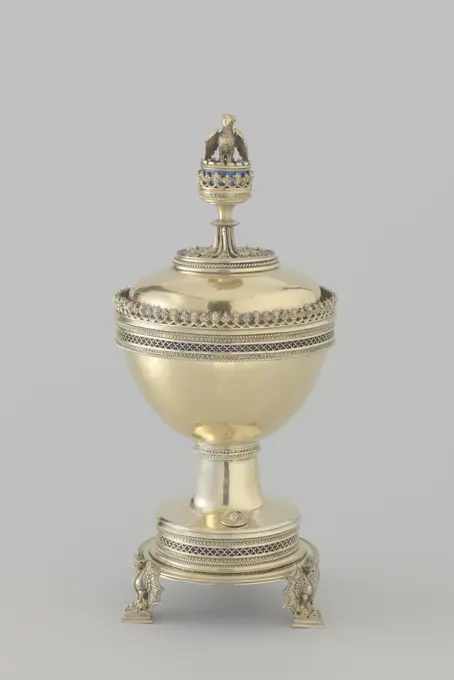
Chalice, anonymous, c. 1330 - c. 1350 Ciborium, gilded, unadorned chalice. This is semi-shaped and has a lid that is crowned by an eagle, seated on a platform with tilting. The edge of the lid has tracing work on a ground of blue translucent email and is deposited by a board of lion masks, interspersed by gothic leaf shapes. The short, cylindrical tribe gradually flows into the round foot, which is surrounded in the same way as the lid with tracing work and rests on three dragons with spread wings. At the bottom of the tribe a raised medallion with the bust of Christ. In the lid a closing plate for the button attachment is installed, on which, in transparent email, a Salvator Mundi in green and purple rug on blue ground. Under the foot The inscription :: + iohes: Uten: Leen: SCI: Salva: Me: Dedit :: Ano: DNI: M CCC LXXVI :. Utrecht (possibly) silver (metal) casting / gilding  Sint-Salvatorkerk Ciborium, gilded, unadorned chalice. This is semi-shaped and has a lid that is crowned by an
Chalice, anonymous, c. 1330 - c. 1350 Ciborium, gilded, unadorned chalice. This is semi-shaped and has a lid that is crowned by an eagle, seated on a platform with tilting. The edge of the lid has tracing work on a ground of blue translucent email and is deposited by a board of lion masks, interspersed by gothic leaf shapes. The short, cylindrical tribe gradually flows into the round foot, which is surrounded in the same way as the lid with tracing work and rests on three dragons with spread wings. At the bottom of the tribe a raised medallion with the bust of Christ. In the lid a closing plate for the button attachment is installed, on which, in transparent email, a Salvator Mundi in green and purple rug on blue ground. Under the foot The inscription :: + iohes: Uten: Leen: SCI: Salva: Me: Dedit :: Ano: DNI: M CCC LXXVI :. Utrecht (possibly) silver (metal) casting / gilding Sint-Salvatorkerk Ciborium, gilded, unadorned chalice. This is semi-shaped and has a lid that is crowned by an
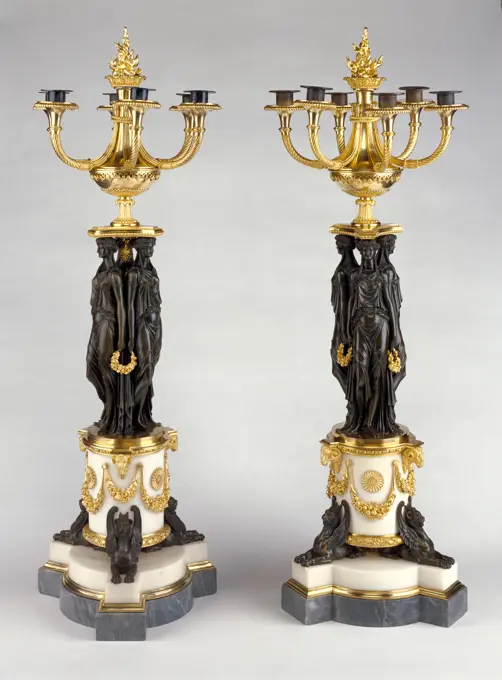
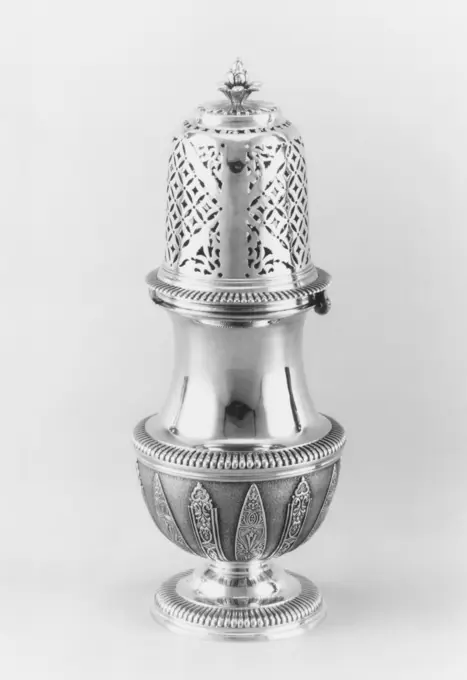
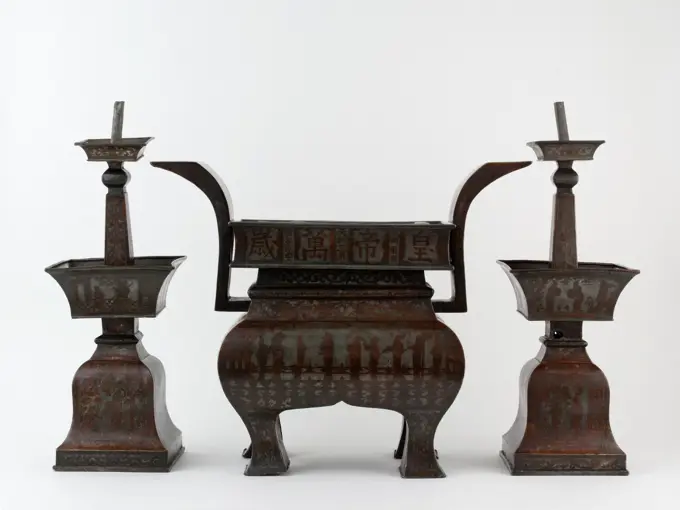
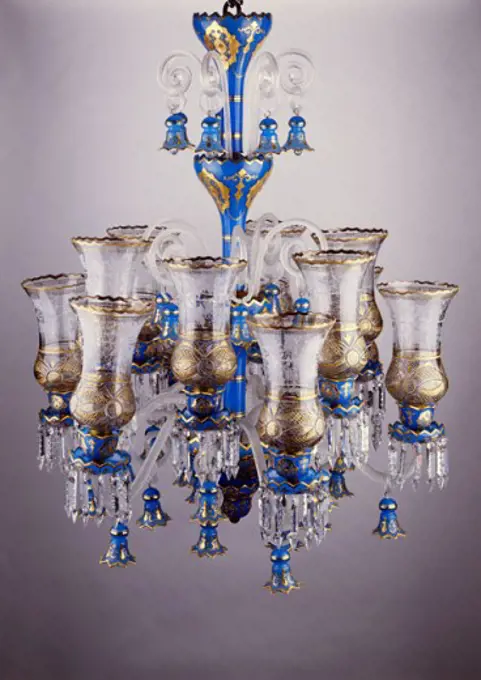
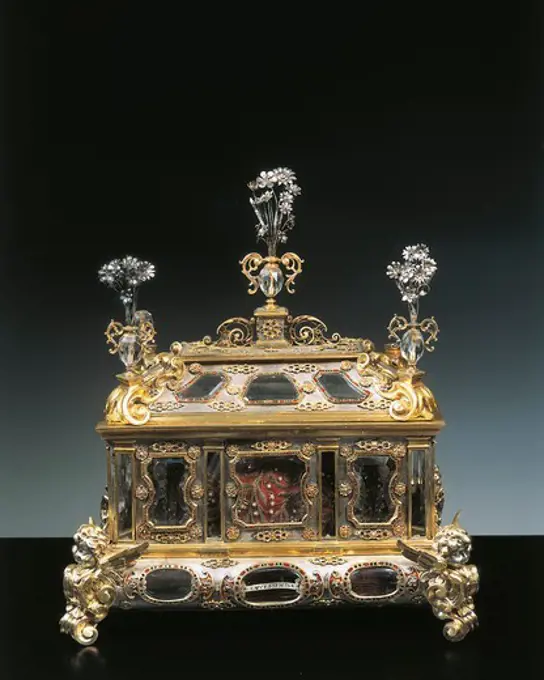
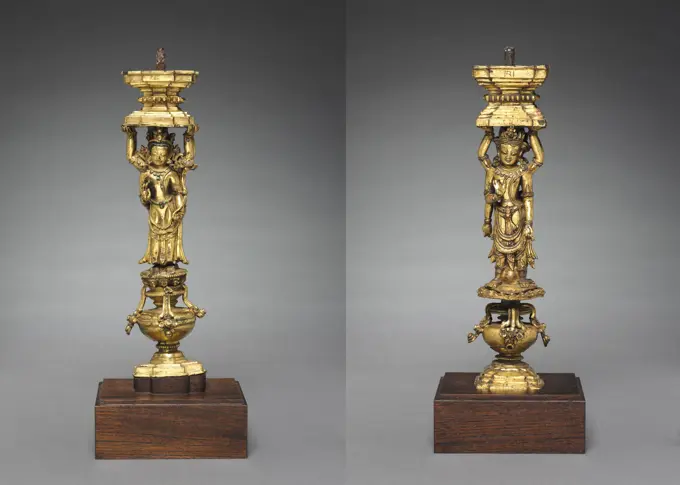
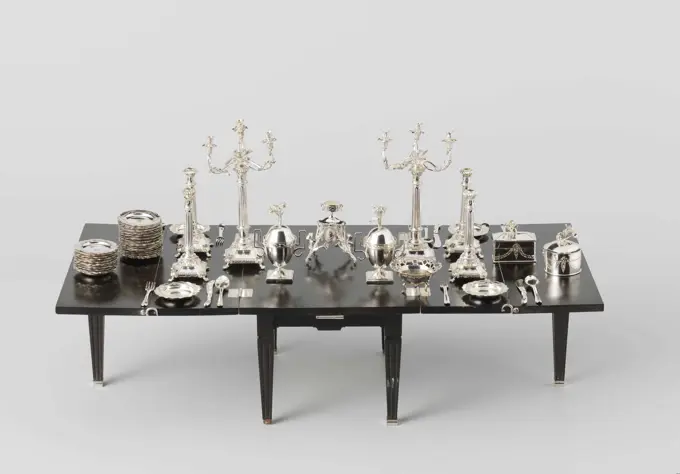
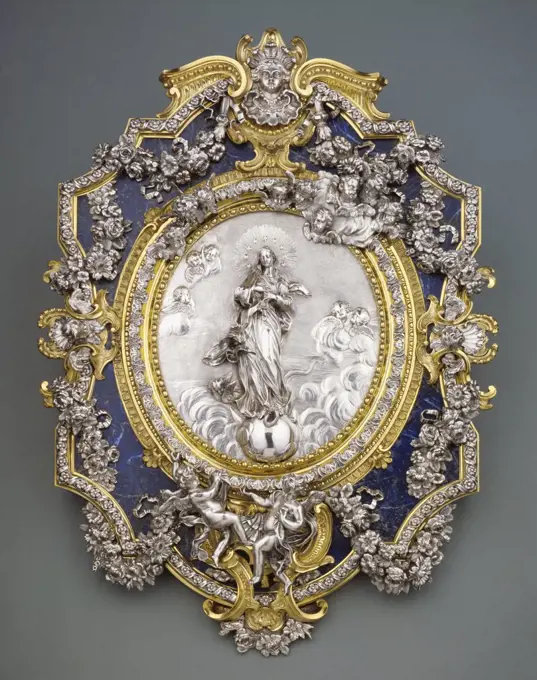
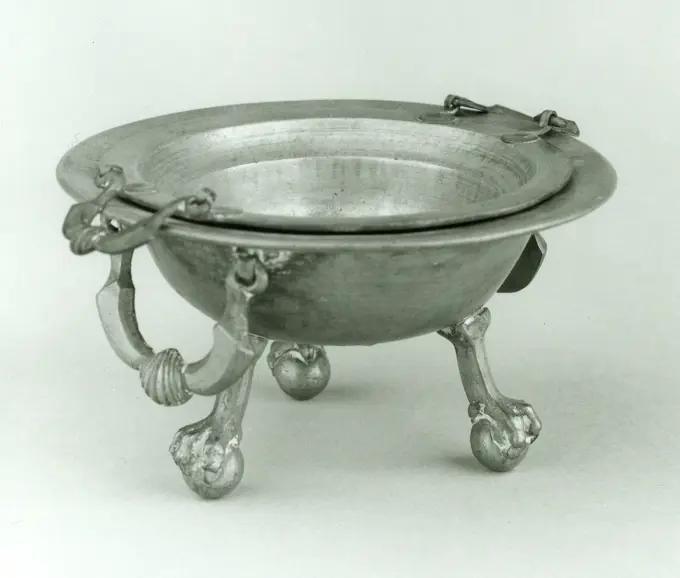
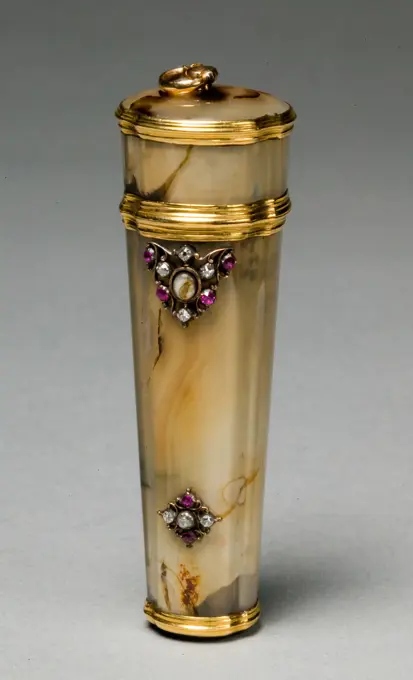
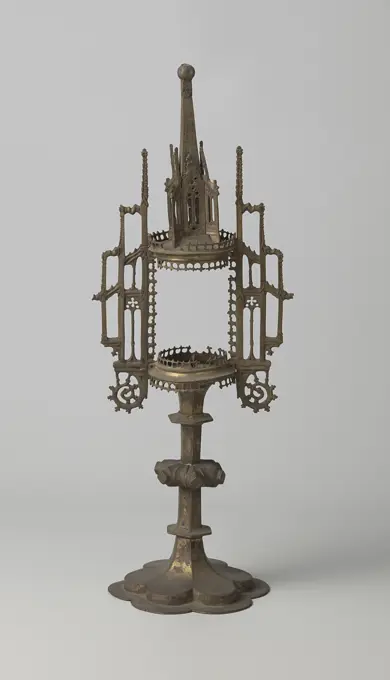
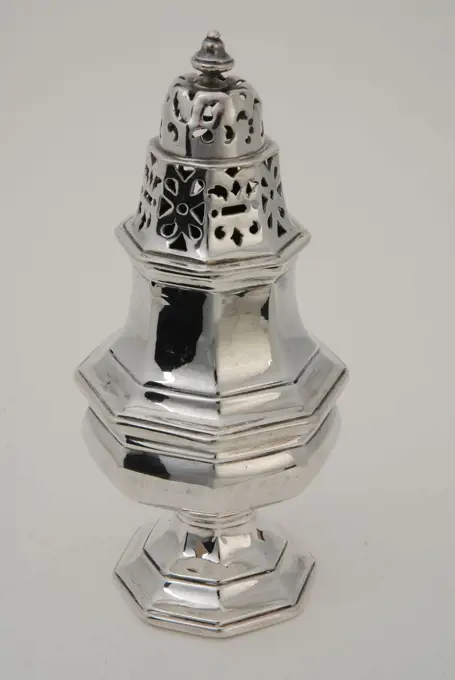
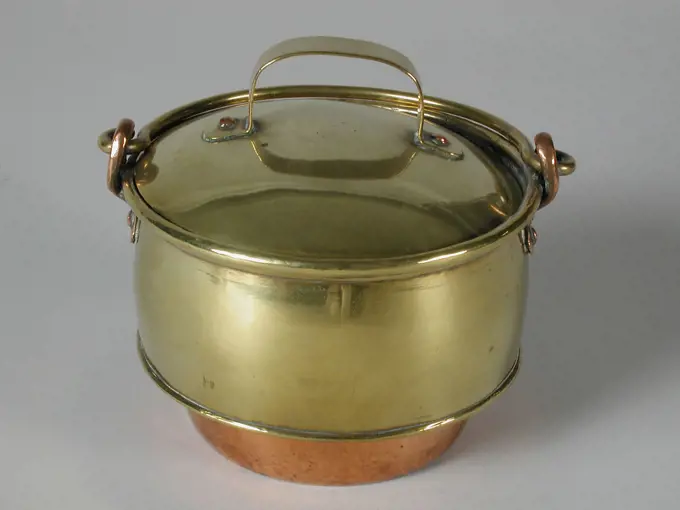
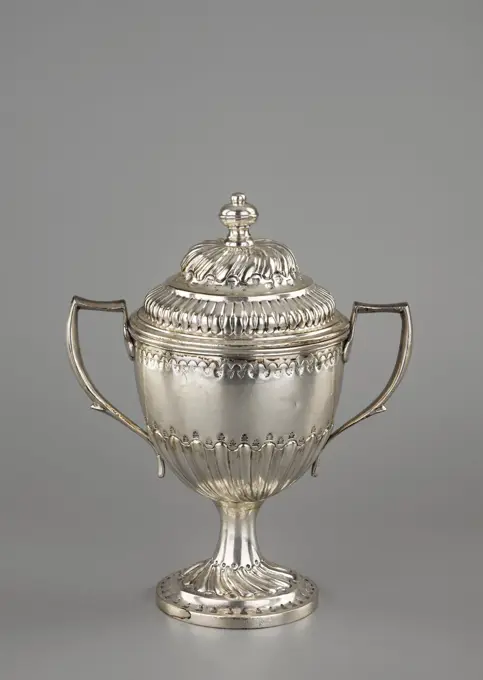
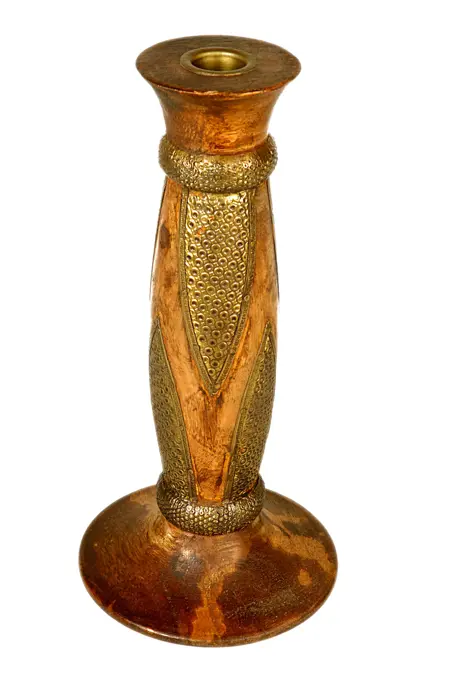
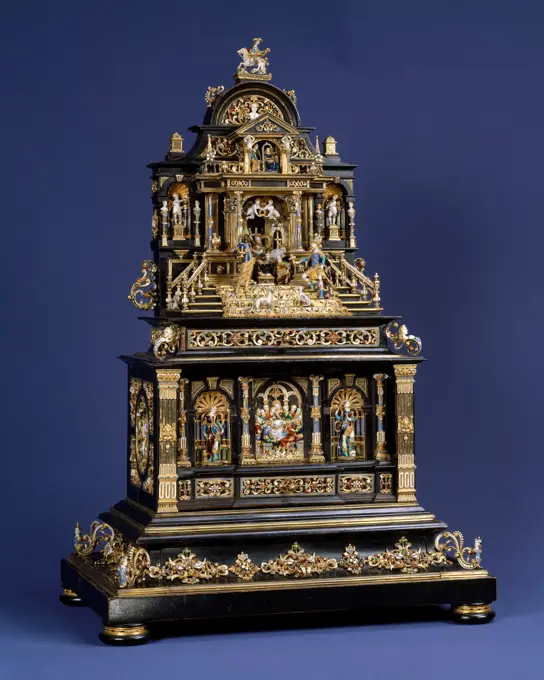
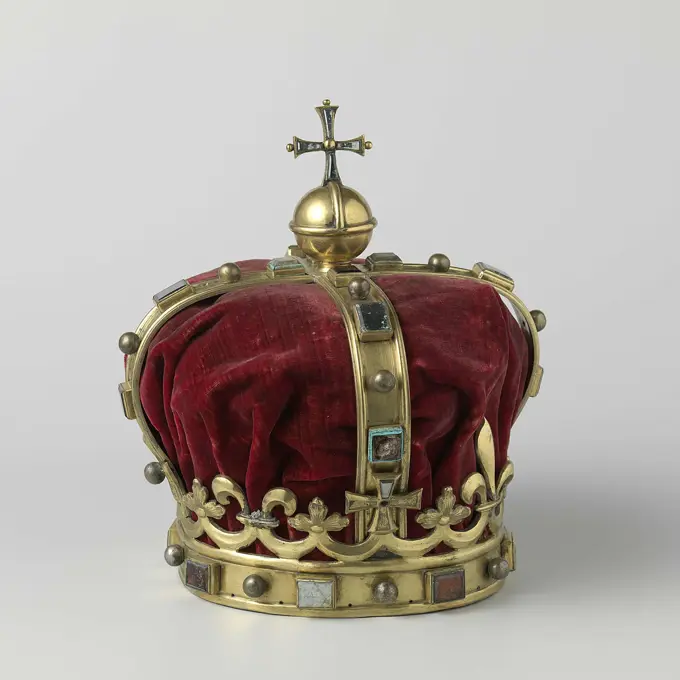
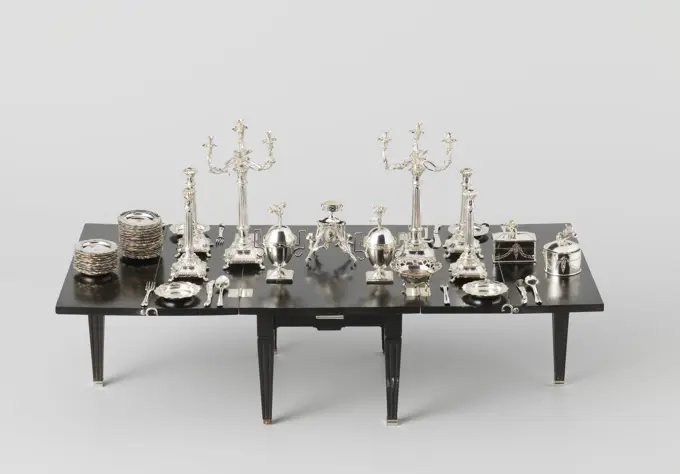
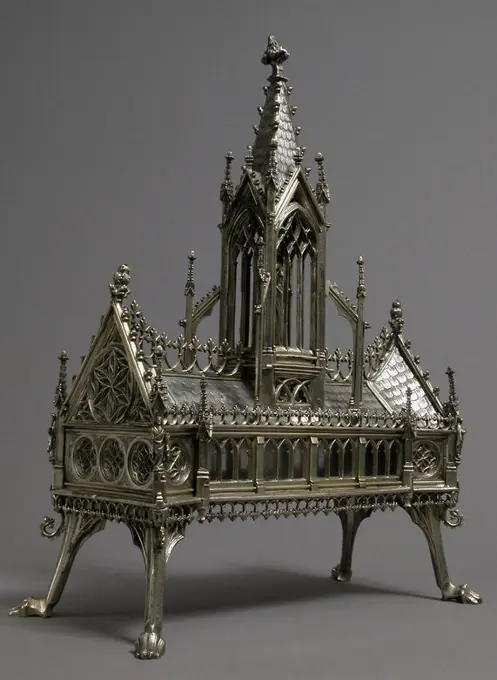
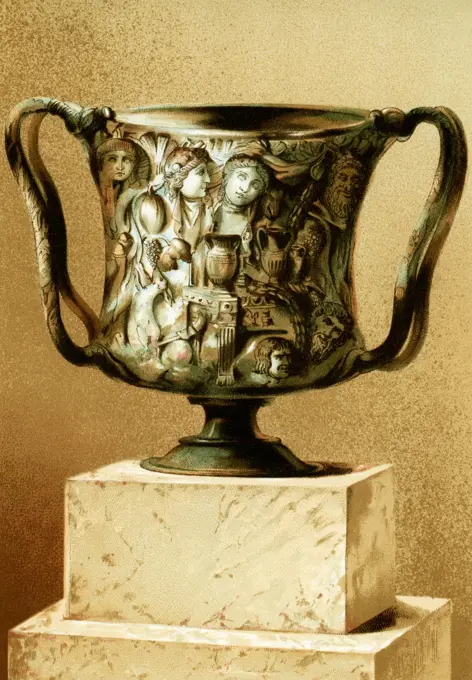
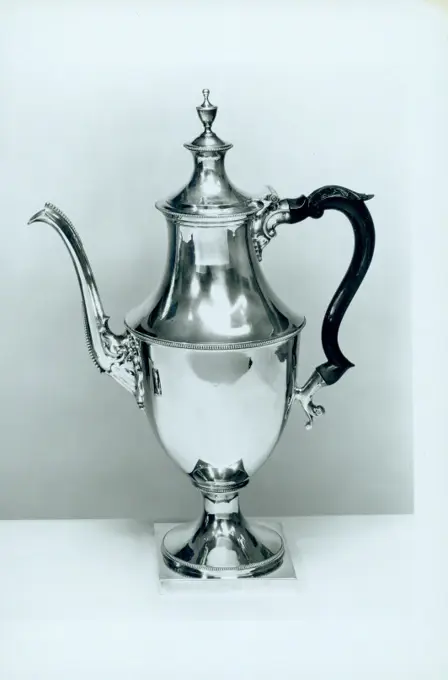
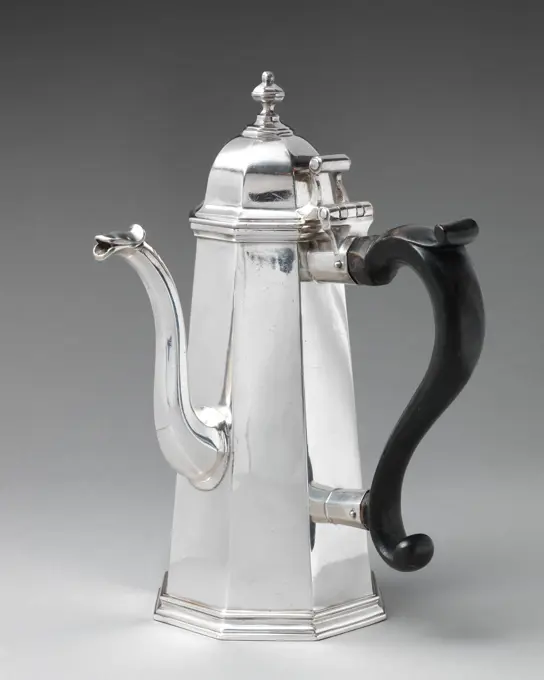
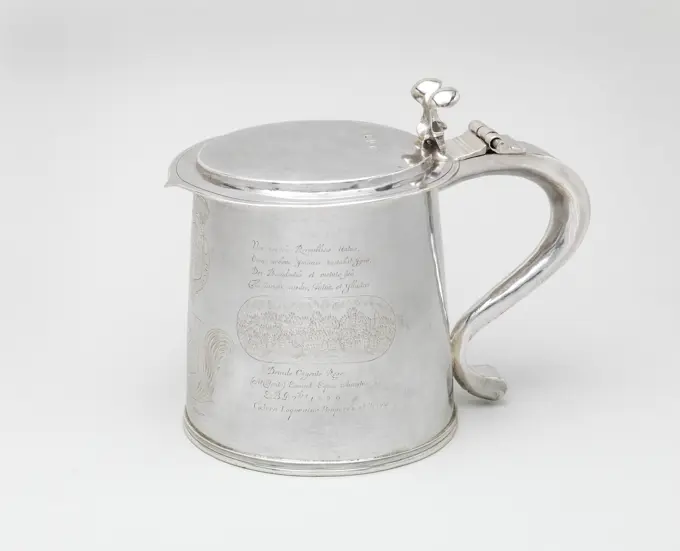
Tankard engraved with scenes of the Great Plague and the Great Fire of London 1673/74 O S British The scenes engraved on these tankards depict the traumatic events of the Fire of London (1666) and the Great Plague (1665). The tankards were commissioned as gifts to the friends of Sir Edmund Berry Godfrey, who was granted a knighthood in recognition of his services to the city. He was later murdered, perhaps by parties wishing to overthrow Charles II and re-establish Catholic rule.. Tankard engraved with scenes of the Great Plague and the Great Fire of London. British, London. 1673/74. Silver. Metalwork-SilverPair of Candelabra.Court train 1860s French. Court train 98744Pyx ca. 1225-50 French. Pyx 467489Sugar caster 1740-42 Ferdinand Lachèse. Sugar caster. French, Angers. 1740-42. Silver. Metalwork-SilverAltar vase and two candelabras. Copper, tin. China. Paris, Cernuschi museum. 70002-53 Chinese art, Candelabre, copper, tin, altar vaseBowl.   Maker: Gorham & Co., American, active 1852-65Sardonyx vial with silver filigree work, The Treasury, St Mark's Basilica, Venice. Goldsmith art, Italy, 13th century.Incense vessel with it rejuvenating, eight -sided lid, anonymous, c. 1450 - c. 1500 The parts are cast and with citized, with the exception of the chains. The tub is placed on a round with a rib decorated base. The tub is spherical at the bottom and to the edge to the edge. Kuip and lid are equipped with four pairs of eyes. The lid, with octagonal edge, has the shape of a tower crown, with open -worked ornament in the form of window tracing and three -passes. The ring carrier is designed as a four -pass, in which a hole for the missing lid chain. The four switch chains still present are closed at the bottom by round final pieces. The eye on the spire has been broken down. Cologne (possibly) brass (alloy) casting The parts are cast and with citized, with the exception of the chains. The tub is placed on a round with a rib decorated base. The tub is spherical at the bottom and to the edge to the edge. Kuip and lid are equipped with four pairs of eyes. The lid, with octagonal edge, has thChandelier, French Opaline and Venetian Cut and Blown Crystal Antiques-Decorative Arts Teapot.   Maker: Peter Van Dyck, American, 1684-1751Miniature Trident with Naga 11th-12th century() Indonesia (Java). Miniature Trident with Naga 39091Silversmith's art, Italy, 17th century. Silver gilt, rock crystal, ebony and enamel reliquary of Saint Brigida of Sweden (1302-1373). Grand-ducal workshops, 1600-1650, 30x35x20 cm.Supports with Addorsed Figures, 1400s. Tibet, Densatil Monastery, 15th century. Gilt bronze; overall: 33.5 x 9.5 x 8 cm (13 3/16 x 3 3/4 x 3 1/8 in.). These small pillars were part of the multitiered bases of stupassacred Buddhist monuments. The figures that faced toward the viewer are four-armed bodhisattvasbeings on the path to perfect enlightenment. The Tibetan syllable carved at the top of the moldings denotes the position where this piece belongs in the series of other small double-sided pillars. The figures on the opposite sides, facing the stupa and unseen by visitors, are figures of four-armed goddesses who make offerings of music or gifts to the stupa. On these examples, one plays a drum; the other holds a lotus. The figures stand on the center of a lotus flower that emerges from an overflowoing pot of abundance. Such imagery indicates that the faithful veneration of this monument will bring productive and abundant good results.Terrine. Round terrine with scalloped bottom edge. The terrine has a lid with a scalloped edge as well. The button of the lid is a flying bird. The terrine has two raised handles. The terrine is on a dish. The terrine was marked: STK. = Amsterdam, JRL. = B (1761), Mt. = Arnoldus van Geffen. The terrine with saucer is equal to two copies with Invnrs. BK-NM-11177-153-A and BK-NM-11177-153-B, BK-NM-11177-253.. Round eating sign with scalloped edge. Guird builds are engraved on the edge. A flower is engraved in the middle of the board. The sign has been labeled: stk. = Amsterdam, jrl. = X (1782) and mt. = Foot 430. The plate is a copy from a set consisting of 36 identical plates (BK-NM-11177-189 up to / m. NM-11177-224).Plaque Representing the Virgin of the Immaculate Conception; Francesco Natale Juvara, Italian, 1673 - 1759; Messina, Italy, Sicily, Europe; 1730 - 1740; Silver, gilt bronze and lapis lazuli; Object: 69.7 x 52.1 cm (27 7/16 x 20 1/2 in.)Covered Beaker with Sun, Moon and Landscape. Germany, Potsdam, circa 1720-1730. Furnishings; Serviceware. Free-blown, cut, engraved, and gilt glassBrazier 18th century Dutch or Spanish. Brazier 460546Furniture, c. 1690 - c. 1720 Mirror in a gilded list. The newly sharpened glass is caught in a pearl list, around which ajour cut large leaf fillets, interspersed with a shell motif, are applied at the bottom. Italy (possibly) wood (plant material). gilding (material). looking glasses. amalgam gilding Mirror in a gilded list. The newly sharpened glass is caught in a pearl list, around which ajour cut large leaf fillets, interspersed with a shell motif, are applied at the bottom. Italy (possibly) wood (plant material). gilding (material). looking glasses. amalgam gildingVanity Case (Etui), c. 1745-60. England, mid 18th century. Gold mounted agate, diamonds, rubies, interior fitted with implements; overall: 9.5 cm (3 3/4 in.).Monstrans uit de R.K. kerk te Vessem, Noord-Brabant.The object consists of the following parts: the base, which transmits into the lower half of the strain, the nodus, the upper half of the strain, the bottom of the holder, the host stand (the LUNULA), the frames and the two vertical connectors (The support bears), then the crowning consisting of a lid, on which a tower spire composed of ten parts is placed. The parts are largely assembled and secured with pins. The bottom of the holder has riveted. The six-spectable foot walks down in a wide flat edge. It goes upstairs in the six-phase strain, which has a coarse with six raw facets decorated in the middle in the middle. Both stem sections are interrupted by six-sided knots. The cylinder frames have two edges, in which cross-flower profiles are looked off. Each support bear is decorated with a curl, pinnacles decorated with highly decorated windows. Three connectors have the form of spuwers. Inwarded the support bear has an ornament buCandlesticks.   Maker: Rufus Dunham, American, 1837-1882Silversmith: Lambert Fenema, Silver octagonal hopper, spreader vane holder silver, hammered sawn cast Sprinkle (sugar sprinkler) With smooth octagonal reversed baluster-shaped body with protruding profile band on belly on constricted octagonal foot, octagonal bell-shaped lid with small bell-shaped knob on constricted rounding, bottom underside, (smashed) serve spreadingPostumentmetal worker: Gresnich, Yellow copper miniature cooking kettle, kettle kitchenware miniature toy relaxant model copper brass tin, beaten soldered tinned round red brass bag slightly convex walls of brass curved handle on copper eyes Sphere cover with handle inside tinplate 1868 Sibilla van Embden play food prepare cooking cuisineSmall vase with a cover. unknown, authorBrass design fitting on antique wooden candle stand, Jodhpur, Rajasthan, India Copyright: xSafatxAli/DinodiaxPhotoxJohn Chartier, Teapot on Stand, 1709/10, silver and wood.Miniature cabinet or house altar ca. 1876-95 Reinhold Vasters German. Miniature cabinet or house altar. probably French. ca. 1876-95. Ebonized fruitwood and enameled gold. Metalwork-Gold and PlatinumCassolette with cover (one of a pair) ca. 1775 British, South Staffordshire Listen to experts illuminate this artwork's story Listen Play or pause #413. Retail Value. High and Low Supported by Bloomberg Philanthropies We're sorry, the transcript for this audio track is not available at this time. We are working to make it available as soon as possible.. Cassolette with cover (one of a pair). British, South Staffordshire. ca. 1775. Enamel on copper. Enamels-PaintedVerschnörkelte Kaminsimsuhr aus antiker Bronze Verschnörkelte Kaminsimsuhr aus antiker Bronze LicenseRF Copyright: xZoonar.com/GallóxGusztávx 23308985Showcase with 2 salt vessels with the figures of Cain and Abel; Interior silver hall Philips wing 2011. Salt vessels possible by Adam van Vianen (i).. Although impressive, this crown is actually made of inexpensive materials. It was meant to be a gift from the English to the king of Adra on the west coast of Africa. The English (as well as the Dutch) used such diplomatic incentives to foster the trade in enslaved Africans. The crown, however, never reached the king. Admiral Michiel de Ruyter seized it while on a mission to expel the English from the Dutch fortresses on the African coast.Baptismal font by Johann Hinrich Schmidt, architect Cay Dose, St., Sankt, SaintBord, anonymous, 1782 Round eating plate with scalloped edge. Shiringes are engraved on the edge. A flower is engraved in the middle of the plate. The board is marked: stk. = Amsterdam, JRL. = X (1782) and Mt. = Foot 430. The board is a copy from a set consisting of 36 identical plates (BK-NM-111177-189 to BK- NM-11177-224). Amsterdam silver (metal) Round eating plate with scalloped edge. Shiringes are engraved on the edge. A flower is engraved in the middle of the plate. The board is marked: stk. = Amsterdam, JRL. = X (1782) and Mt. = Foot 430. The board is a copy from a set consisting of 36 identical plates (BK-NM-111177-189 to BK- NM-11177-224). Amsterdam silver (metal)Reliquary Shrine of Saint Barbara. Artist: Workshop of Louis Marcy (Luigi Parmeggiani) (Italian, 1860-1945) (). Culture: European. Dimensions: Overall: 14 13/16 x 11 7/16 x 5 13/16 in. (37.6 x 29 x 14.8 cm). Date: ca. 1880-1900 (14th-15th century style).This tower reliquary in the form of a Gothic church incorporates architectural styles of different periods. For this reason, and because it is not possible to access the relic inside, the shrine is thought to be a modern fabrication. Museum: Metropolitan Museum of Art, New York, USA.This illustration that dates to the 1880s shows an ancient cup worked in Oriental Sardonyx. This cup was among treasures discovered by a Frenchman named Paul Dubrux and now in the Museum of the Hermitage at St Petersburg.Abraham Carlile, Coffeepot, c. 1792, silver.Leonhard's reliquary, 1955, Goldsmith's art and textile art from the 16th to the 20th century, St., Sankt, SaintSilver earrings from India. Dated 19th CenturySoft-paste porcelain Ice-Cream cooler from the dinner service delivered to Catherine II of Russia. Dated 18th CenturyCoffeepot 1712/13 Robert Timbrell The lighthouse shape for coffee vessels was already in use by 1681 and has remained one of the constant forms dedicated to the service of coffee.. Coffeepot. British, London. 1712/13. Silver, wood. Metalwork-SilverHot water urn 1798-1809 Jean-Baptiste-Claude Odiot French. Hot water urn. French, Paris. 1798-1809. Silver, gilt bronze. Metalwork-SilverToilet mirror, Joseph-Germain Dutalis, Louis Royer, 1828 - 1829reliquary of the Virgin of the Hair, Avignon workshop, France, 14th century, gilded silver and enamel, Vitoria-Gasteiz Museum of Sacred Art, María Inmaculada Cathedral, Álava, Spain.Prize cup; Mappin & webb LTD (company Z Otnicz, Platernicza, seller; Fl. 1859-); 1910/11 (1910-00-00-1911-00-00);Eight-light chandelier ca. 1765-70 Porcelain possibly by Vincennes Manufactory French This chandelier is documented as having been in the audience chamber at Schloss Seehof, which was furnished in 1767-68 for Prince Bishop Adam Friedrich von Seinsheim (1708-1779) with "Parisier" seat furniture executed locally in the French fashion. The porcelain flowers, some of which are missing, were probably purchased in France at this time.. Eight-light chandelier. probably German assembled with French porcelain. ca. 1765-70. Painted iron, soft-paste porcelain, gilt bronze. Metalwork-IronHistoric illustration, German ornaments, glass and quartz receptaclesGreek Geometric period vase- early Iron Age Period. 750 BC. Funeral procession, Funerary vase.