Ornate Decorative Items

A collection of decorative elements like pendants and candle holders, showcasing intricate craftsmanship and historical significance in design.
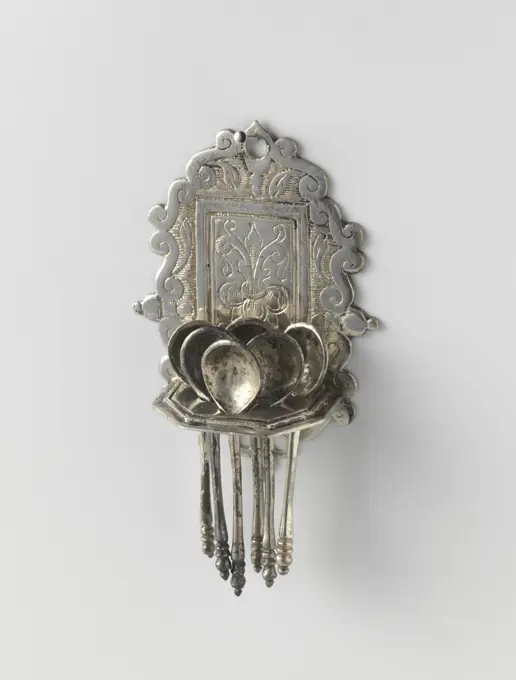
Spoon rack with six spoons, anonymous, c. 1600 - c. 1699 Spoon rack with six spoons. An ornament is engraved in the plate of the spoon rack. The spoons are round with a stem that is profiled at the end and ends in a button. The spoon rack is not marked. Some spoons are marked with a Zwijnskop (cf. inventory no. BK-NM-111177-236). Amsterdam silver (metal) Spoon rack with six spoons. An ornament is engraved in the plate of the spoon rack. The spoons are round with a stem that is profiled at the end and ends in a button. The spoon rack is not marked. Some spoons are marked with a Zwijnskop (cf. inventory no. BK-NM-111177-236). Amsterdam silver (metal)
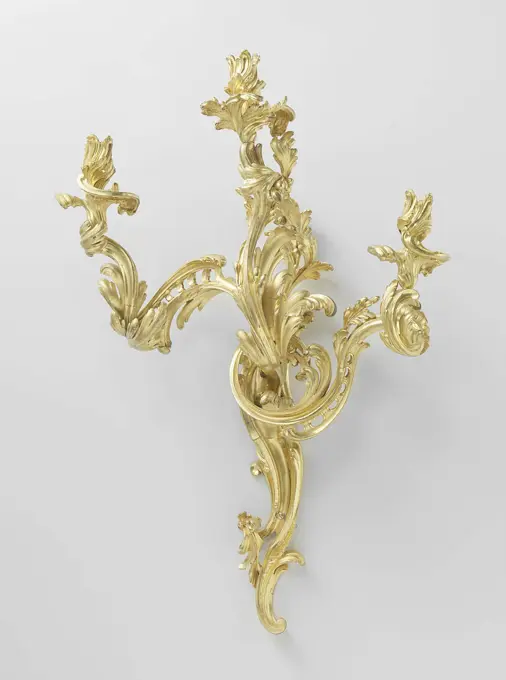
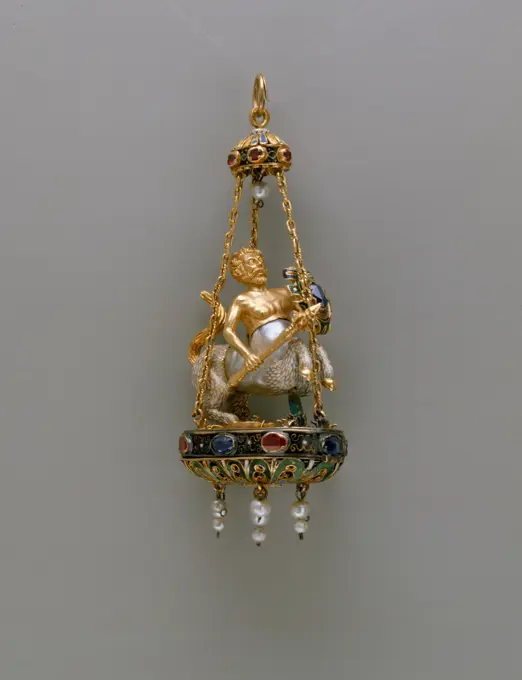
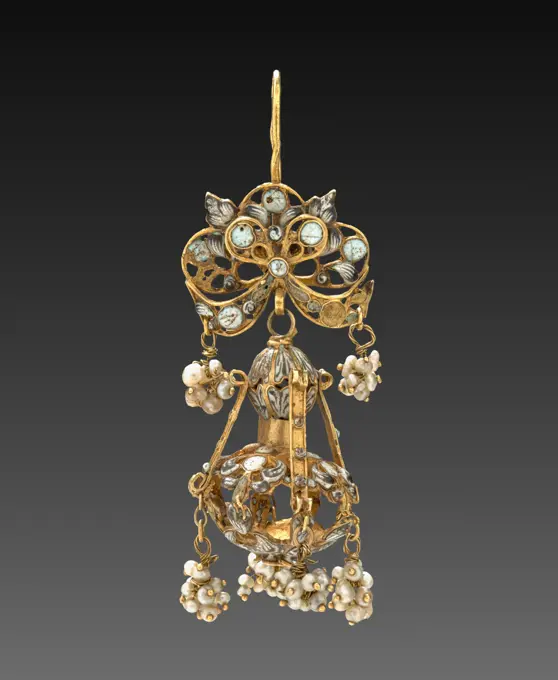
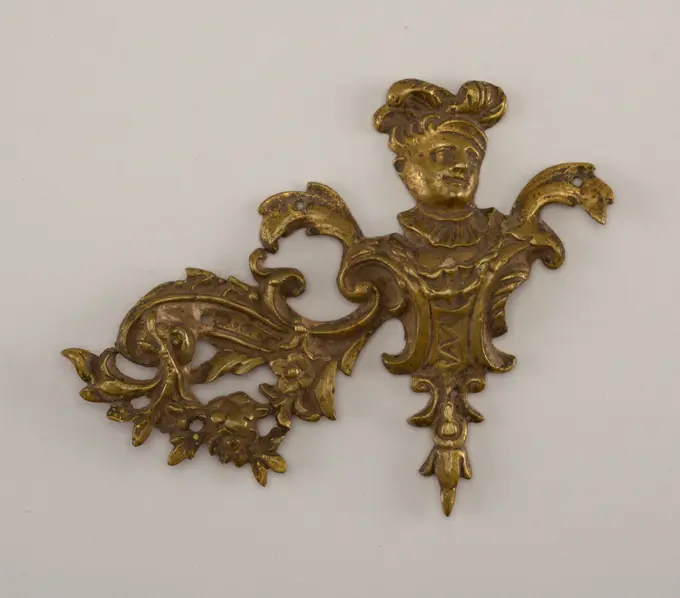
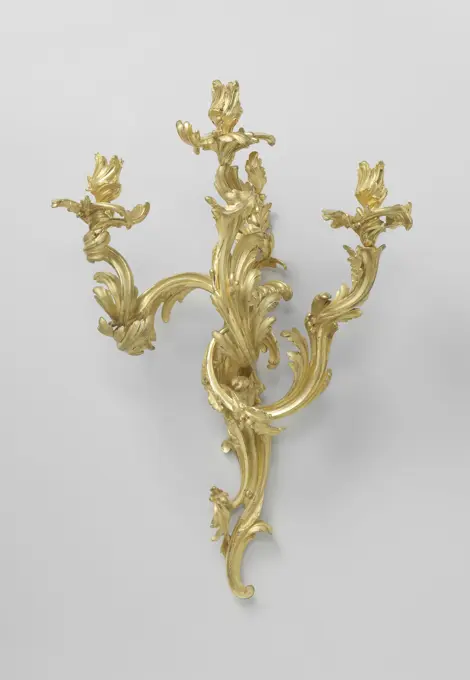
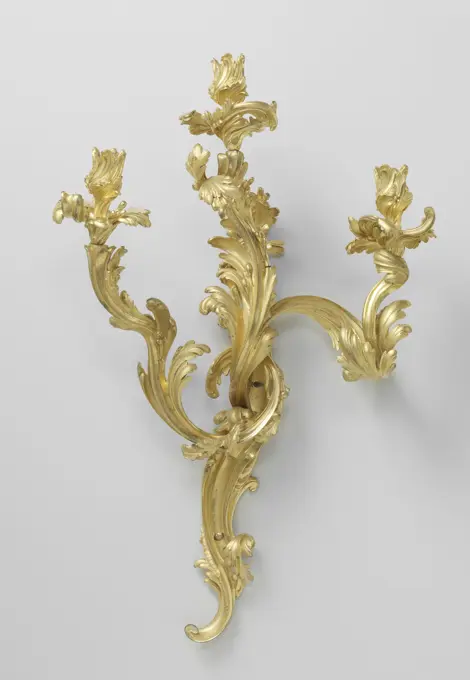
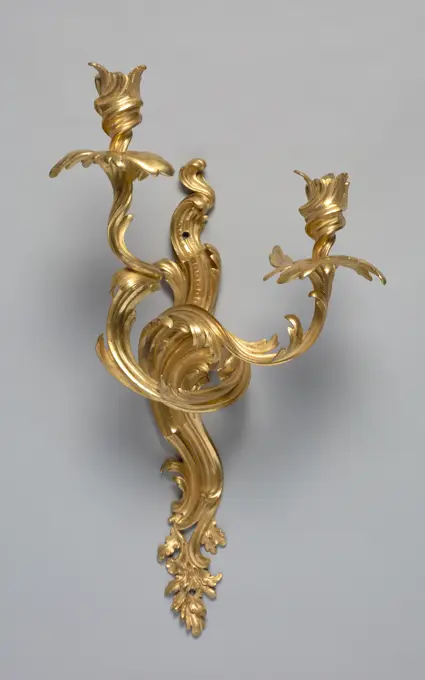
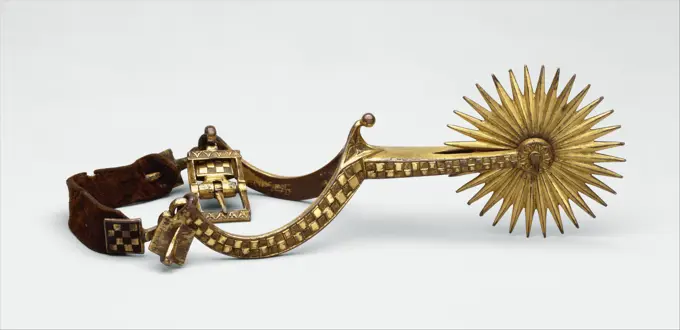
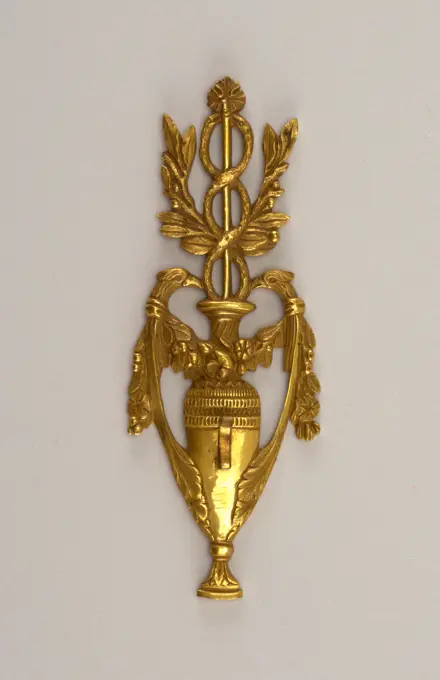
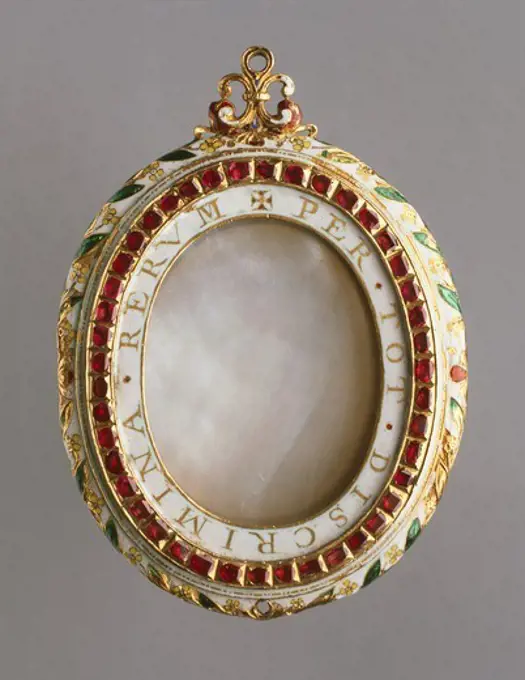
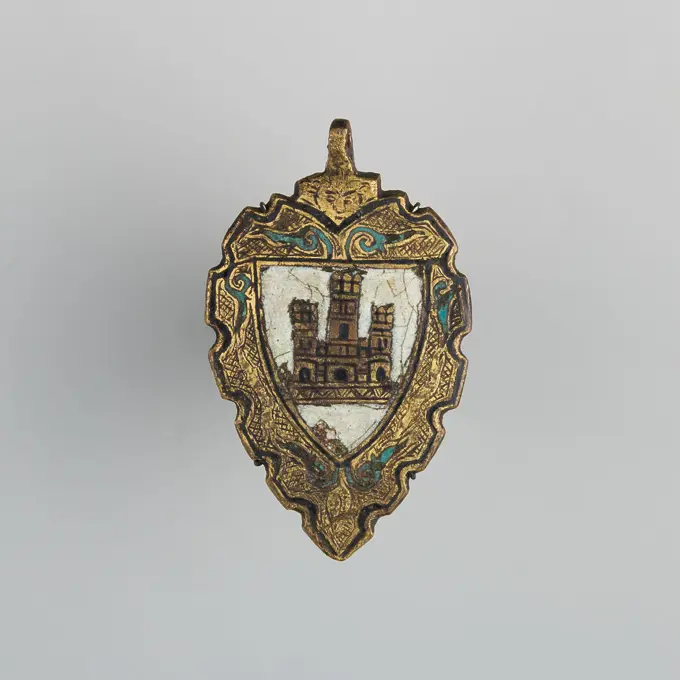
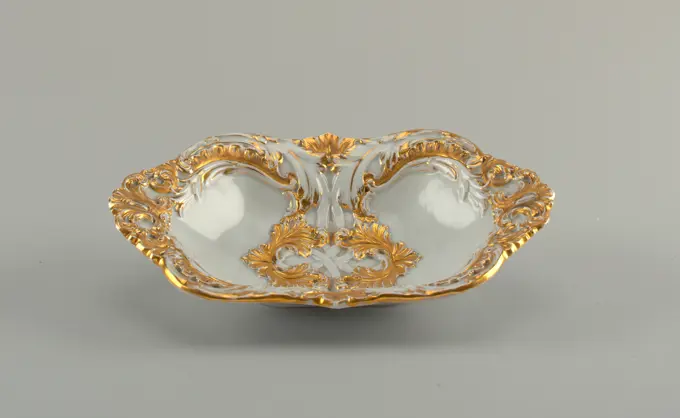
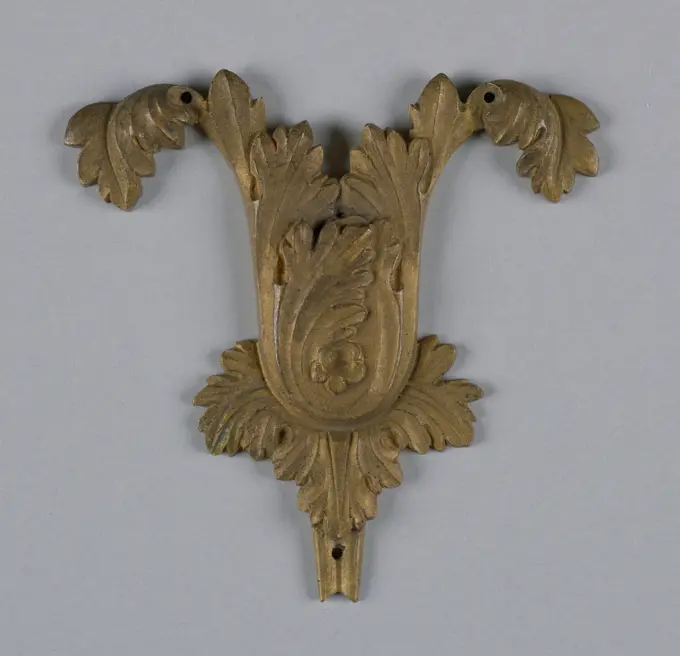
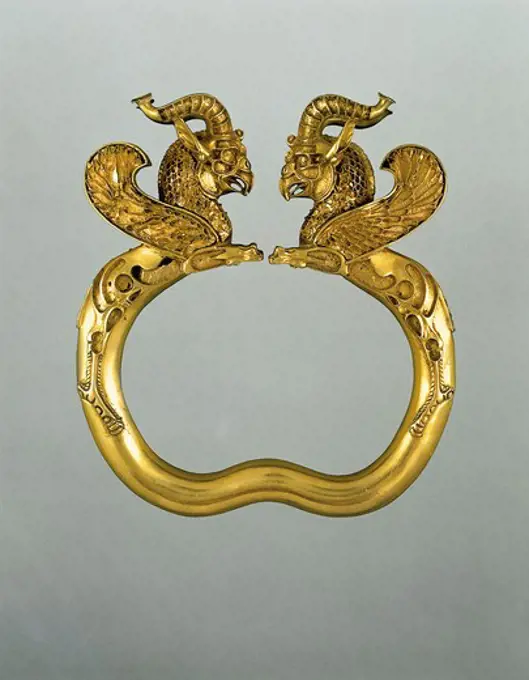
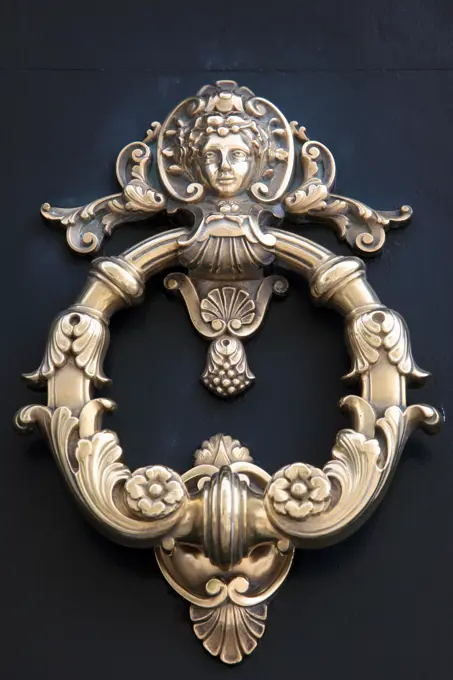
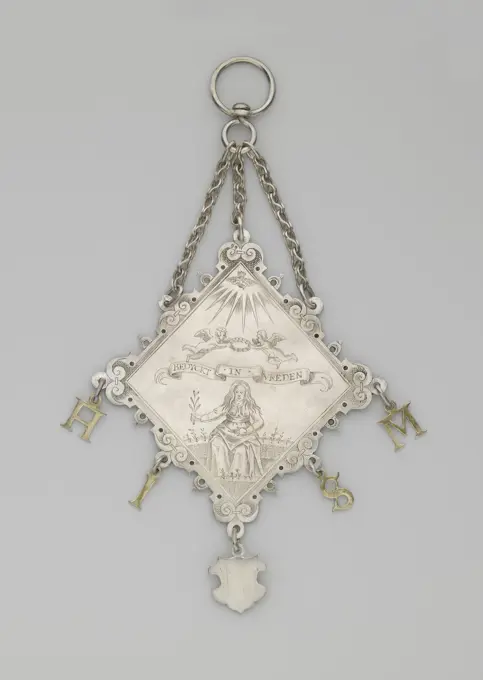
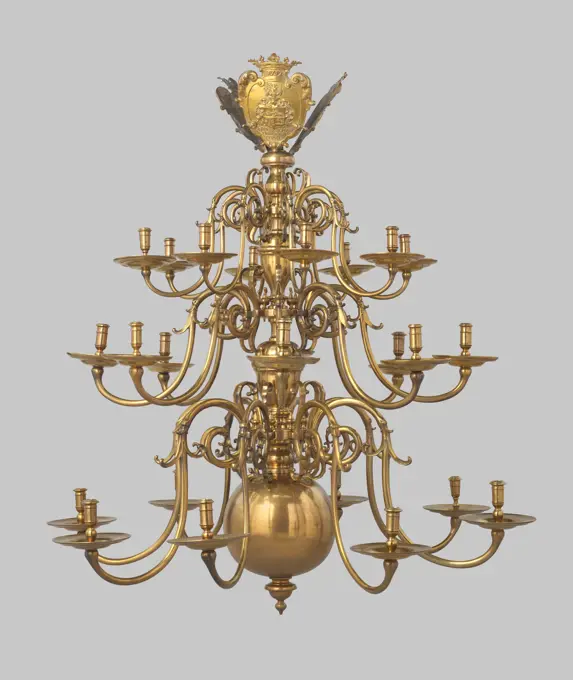
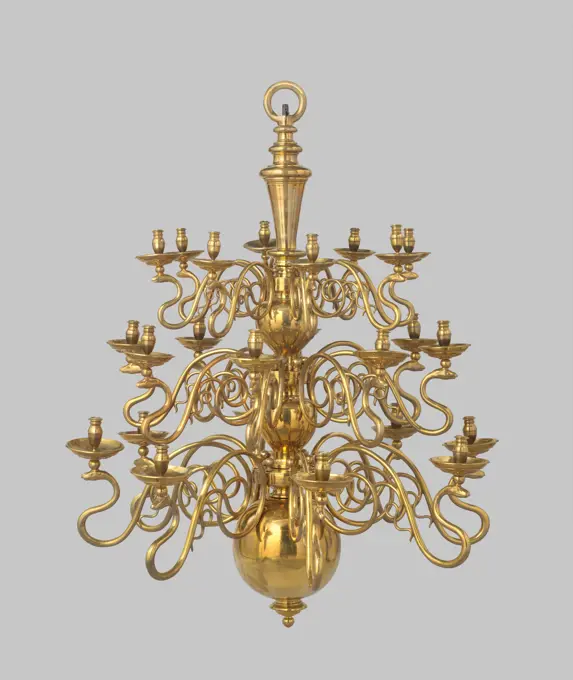
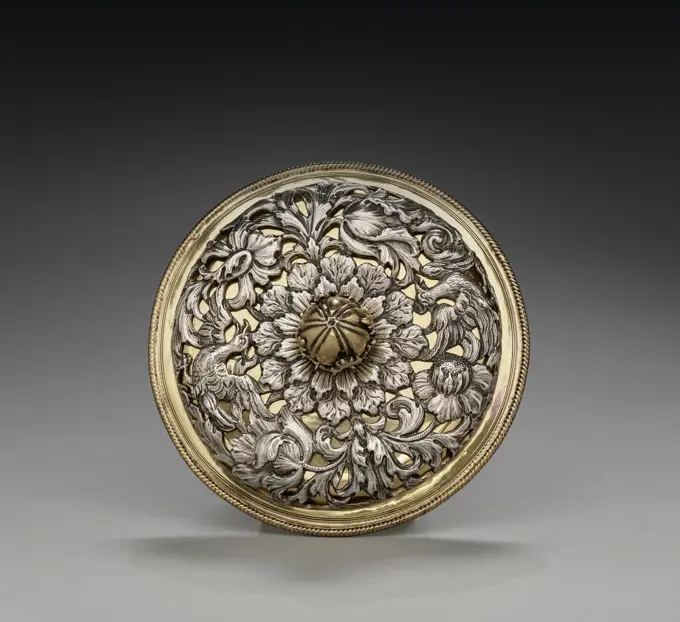
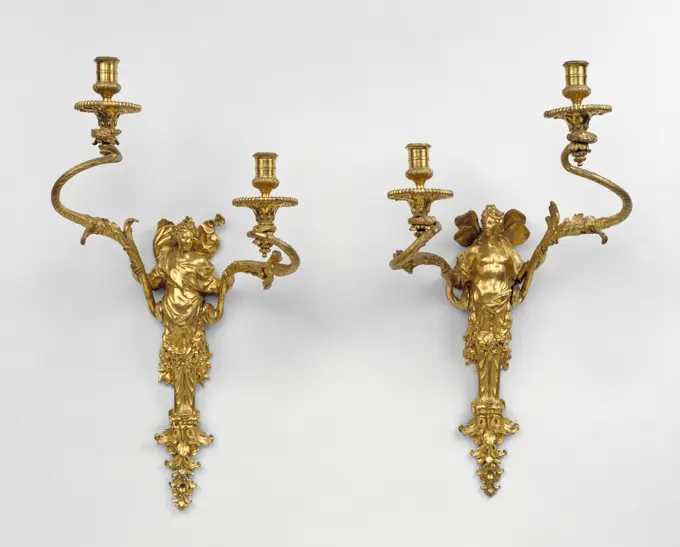
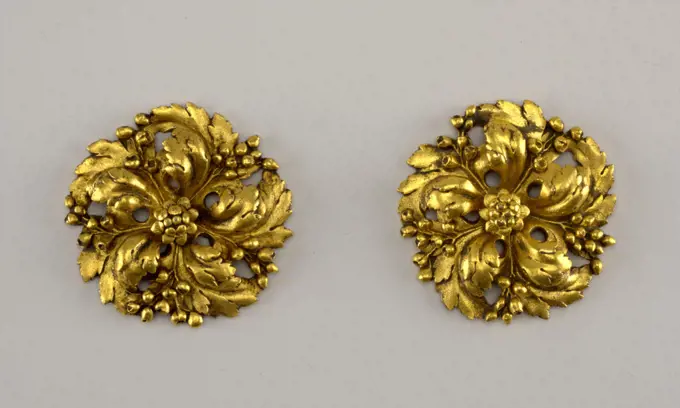
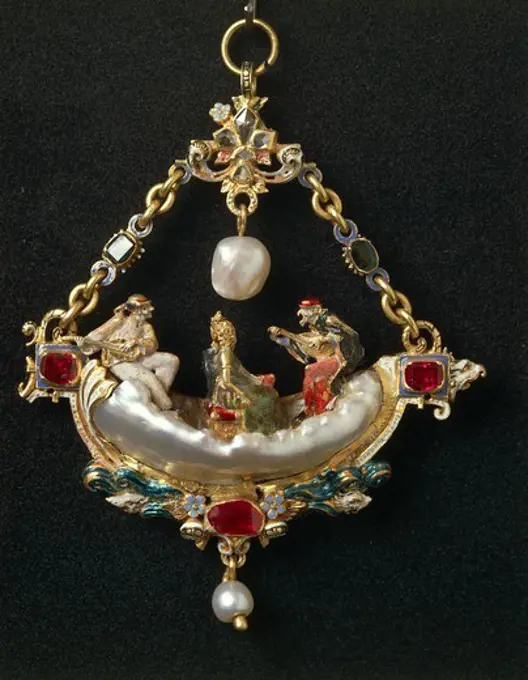
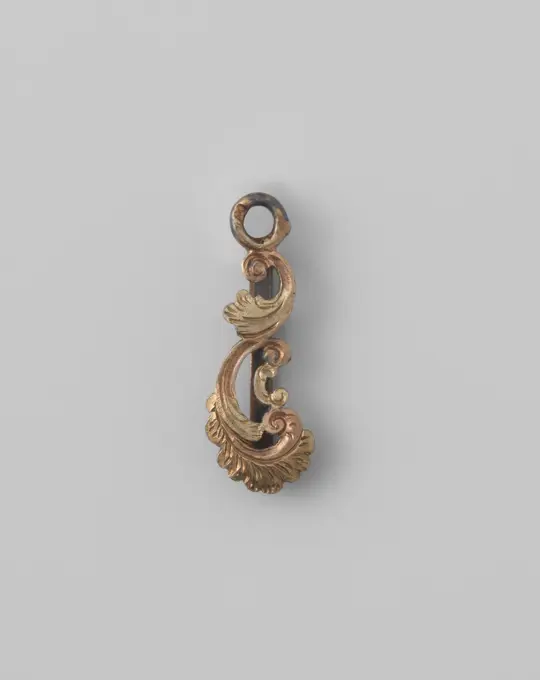
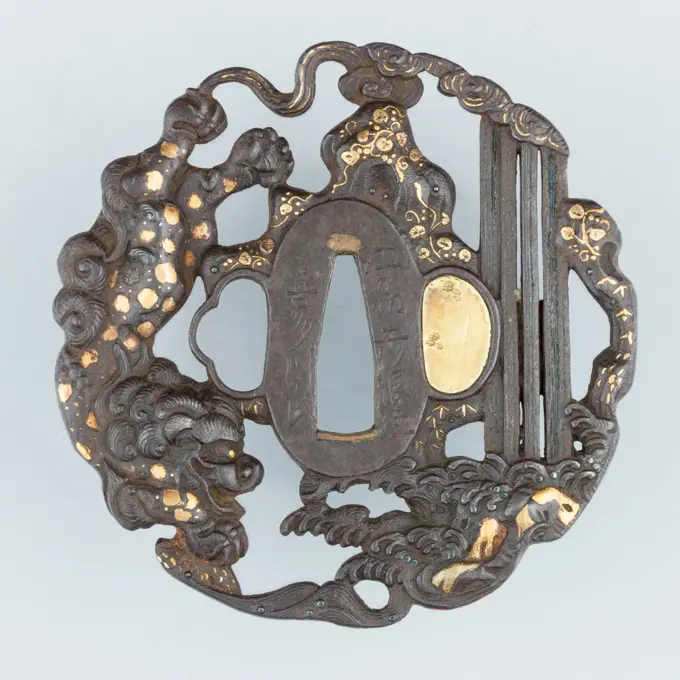
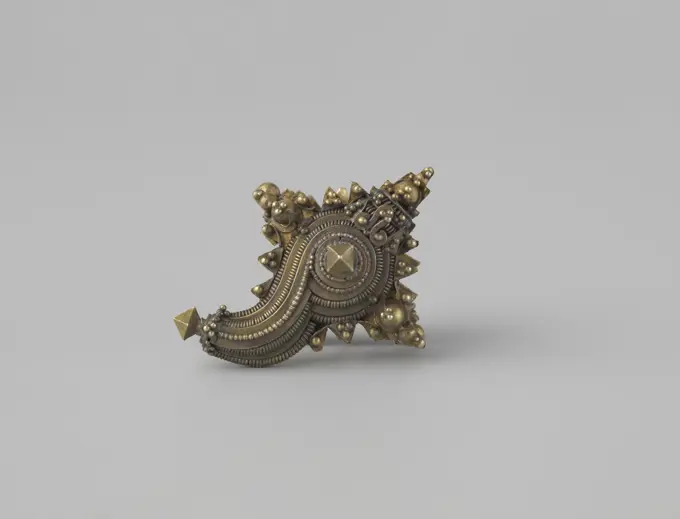
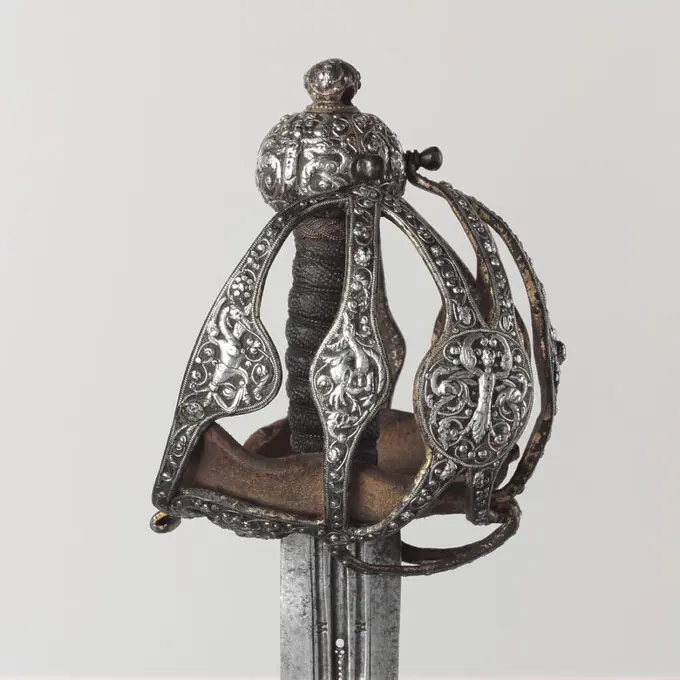
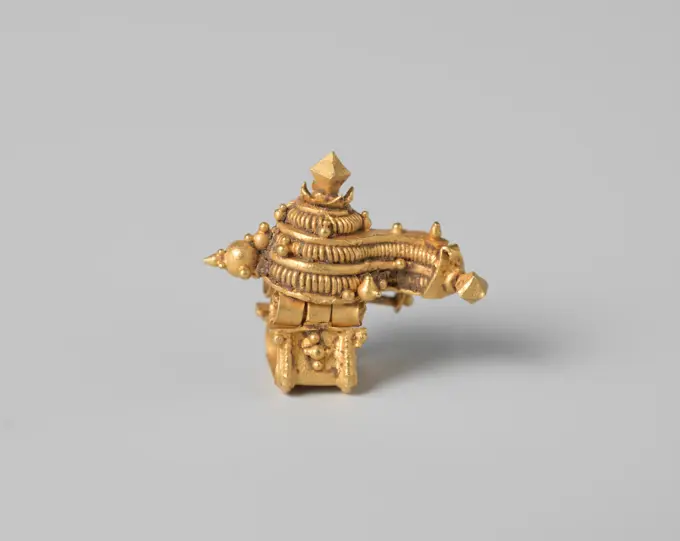
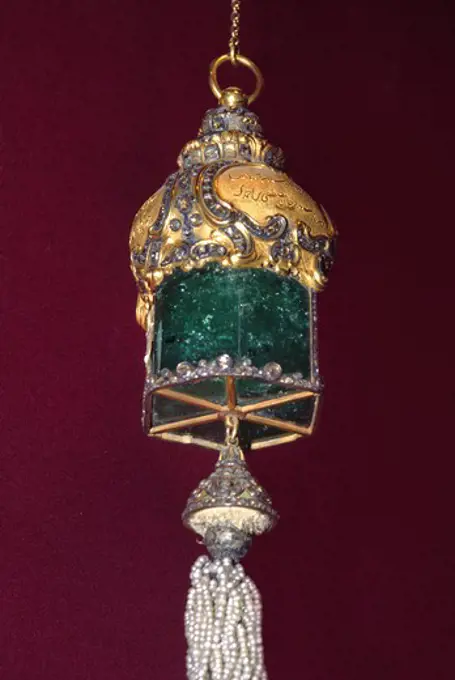
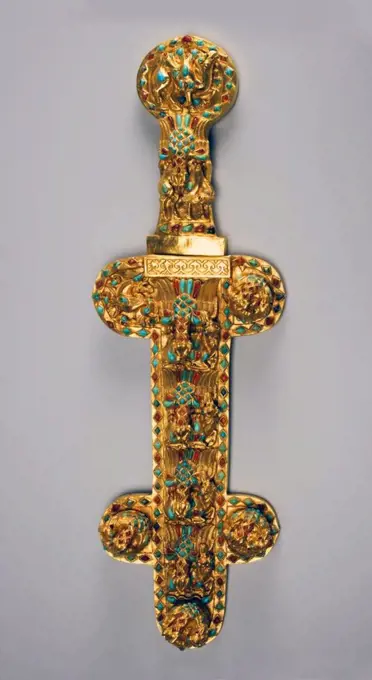
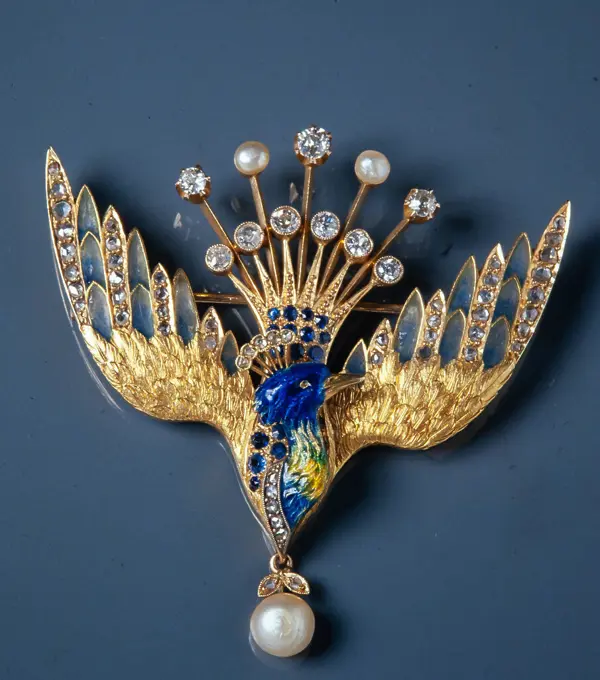
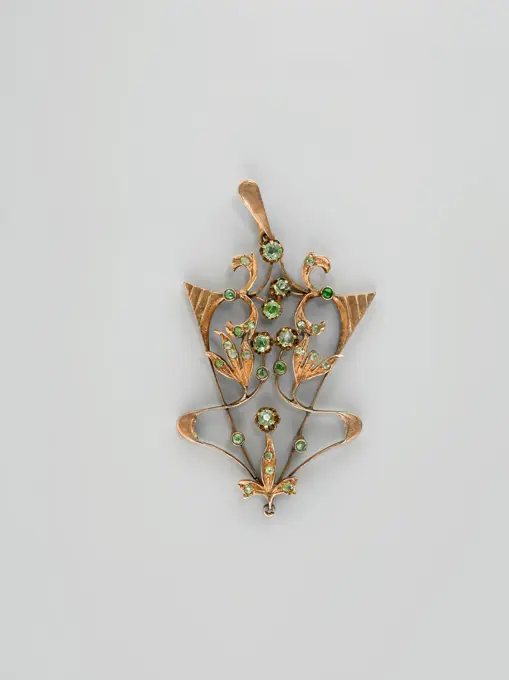
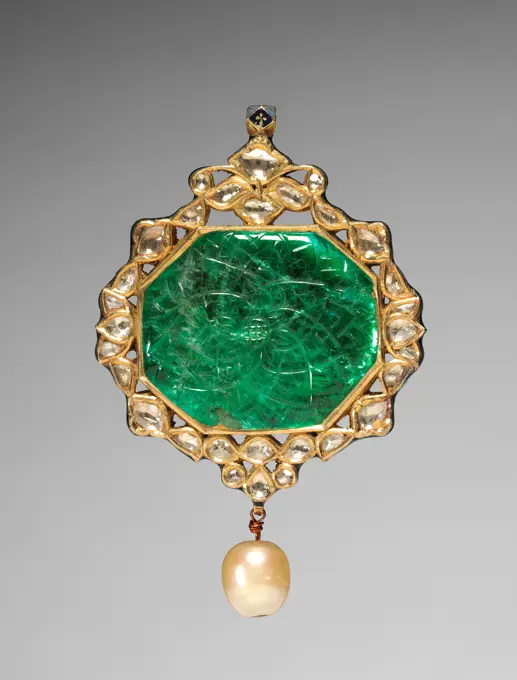
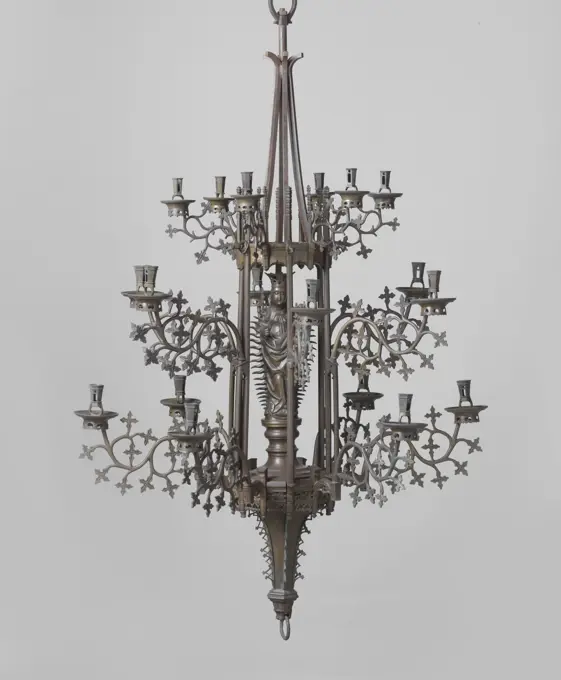
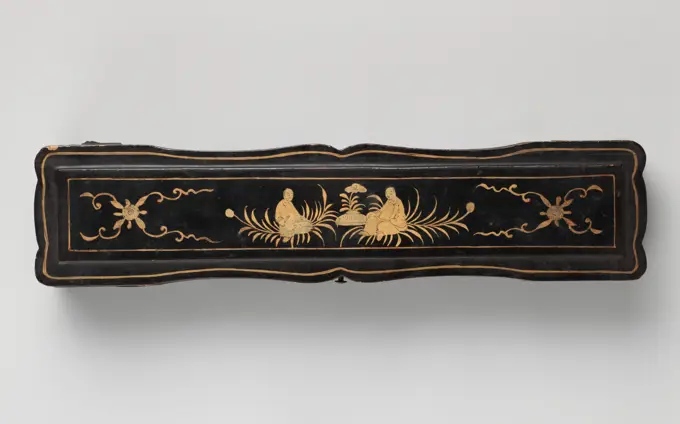
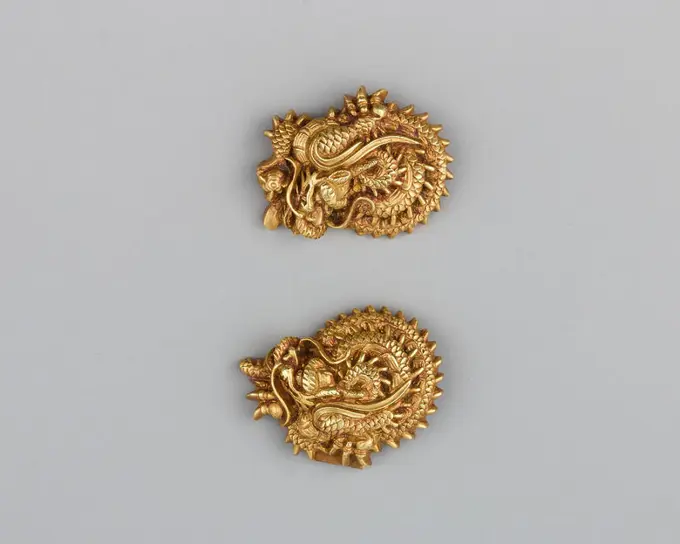
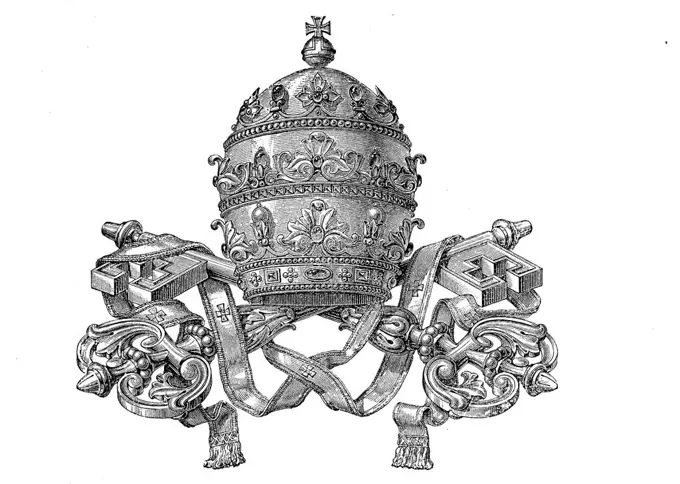
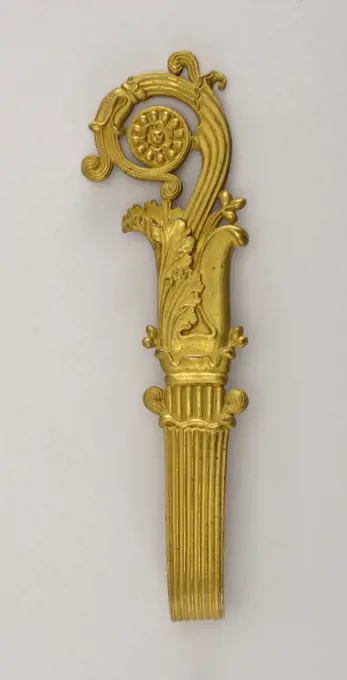
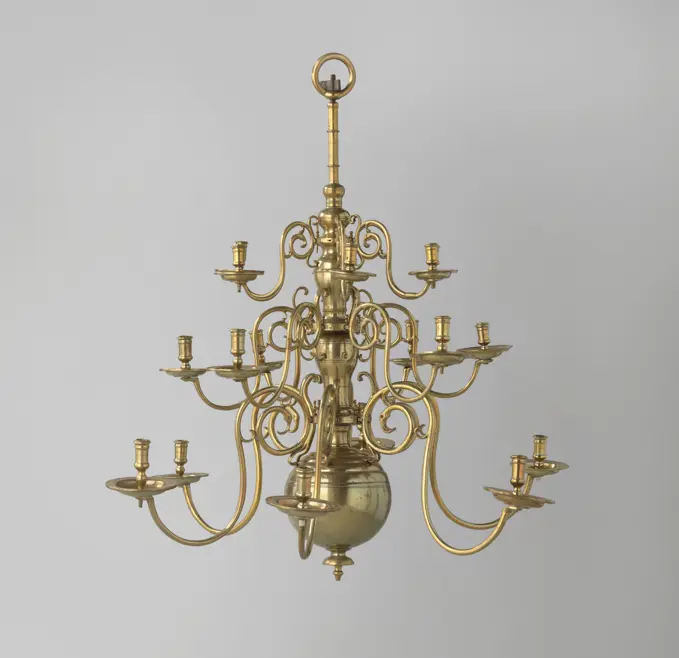
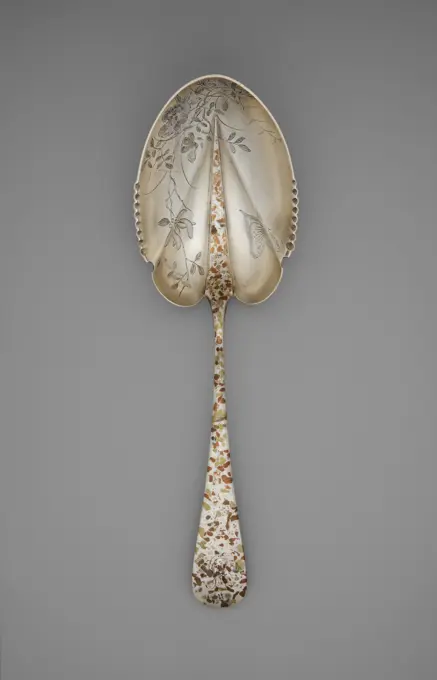
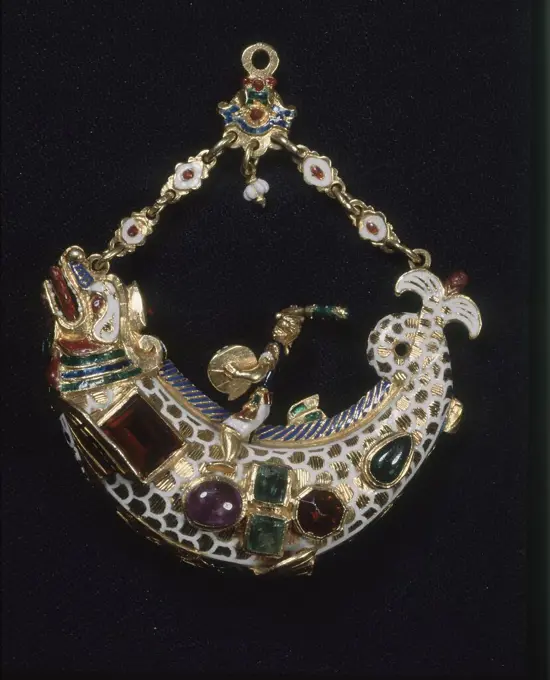
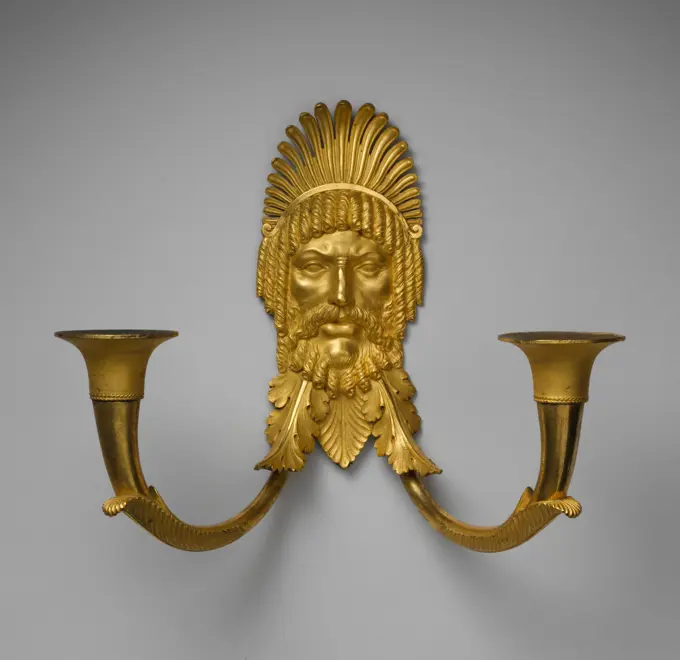
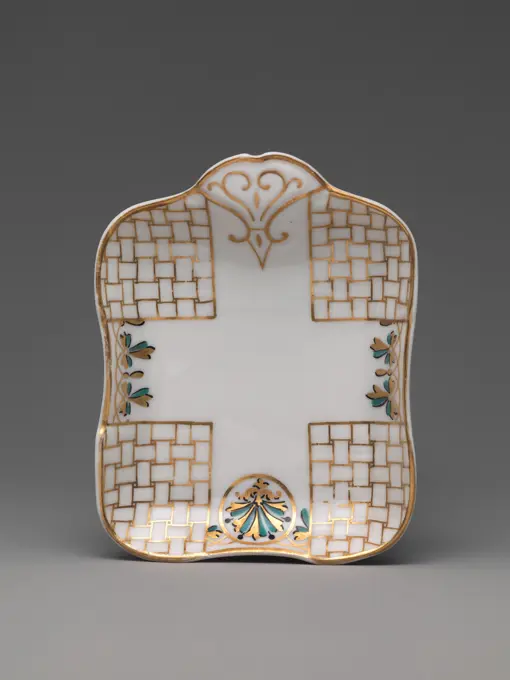
Badge or Harness Pendant 14th century Spanish Heraldry, or coat-of-arms, were vitally important in Europe throughout the Middle Ages and the Renaissance. Heraldic emblems were used to identify noble families, cities, regions, and even countries. In addition to being displayed on shields and flags, heraldry was incorporated into architectural decoration on the interior and the exterior of buildings, on furniture, works of art, clothing, and horse equipment. Harness pendants, like this example, would have been attached to a headstall, bridle, or other straps making up the tack of a horse ridden by a nobleman or noblewoman, or a member of their household. Many harness pendants also have decoration that is simply ornamental, or have symbols that are not specifically heraldic in nature.. Badge or Harness Pendant. Spanish. 14th century. Copper, gold, enamel. Miscellaneous-BadgesMountArm with candle holder of candle crown of two heights, each with eight arms, 1525 - 1550 Candle arm belonging to a candle crown of two heights with maria figure at the top. The arm is bent twice and is decorated with nine grape bunches and five vine leaves. The round fat catcher is decorated at the bottom with six round lobes. The candle holder is six -flared, opened, placed on a double hollow -round -profiled pedestal, transferring to a protruding with thread. This is the first arm of the bottom ring, numbered with 1 round point. The candle holder is unnumbered. Southern Netherlands brass (alloy) casting Candle arm belonging to a candle crown of two heights with maria figure at the top. The arm is bent twice and is decorated with nine grape bunches and five vine leaves. The round fat catcher is decorated at the bottom with six round lobes. The candle holder is six -flared, opened, placed on a double hollow -round -profiled pedestal, transferring to a protruding with thread. This is th. Wall lights with candles were an important source of illumination in French interiors. They were always hung in pairs, often flanking a mirror that reflected the candlelight. The gilt bronze (ormolu) was in keeping with the gilded carving found on the walls of many rooms.Pendant in the form of a centaur late 16th-early 17th century possibly Spanish Baroque pearls provided a special challenge to the imagination of the Renaissance goldsmith. The rather difficult shape of this irregular pearl has been used in an ingenious way to suggest the hybrid form of the centaur, the half-human, half-equine creature of classical myth. The base of the jewel incorporates an earlier piece of gold filigree work in a lobed pattern associated with Hispano-Moresque design. In addition, although reenameled, it displays traces of the dull enameled colors used by Hispano-Moresque goldsmiths. The jewel-decorated band on the side of the base, the chains, and the canopy from which the chains are suspended are later additions.. Pendant in the form of a centaur. possibly Spanish. late 16th-early 17th century. Baroque pearl with enameled gold mounts set with sapphires and rubies, and with pendent pearls. Wall arm of gold-plated bronze, with three arms. The trunk and the poor are made up of asymmetrical S and C-shaped leaf motifs, as well as the fat catchers and candle holders. The old inventory number 14 is applied to the wall arms. See also: BK-16895-b.Earring, 1700s - 1800s. Italy, Sicily, 18th-19th century. Gold and enamel with pearls; overall: 6.7 cm (2 5/8 in.).Spoon rack with six spoons, anonymous, c. 1600 - c. 1699 Spoon rack with six spoons. An ornament is engraved in the plate of the spoon rack. The spoons are round with a stem that is profiled at the end and ends in a button. The spoon rack is not marked. Some spoons are marked with a Zwijnskop (cf. inventory no. BK-NM-111177-236). Amsterdam silver (metal) Spoon rack with six spoons. An ornament is engraved in the plate of the spoon rack. The spoons are round with a stem that is profiled at the end and ends in a button. The spoon rack is not marked. Some spoons are marked with a Zwijnskop (cf. inventory no. BK-NM-111177-236). Amsterdam silver (metal)MountLouis XVI Style Candle Bracket, c. 1775-1790. France, style of Louis XVI, 18th Century. Gilded bronze; overall: 40.7 x 28 x 14 cm (16 x 11 x 5 1/2 in.).. Hair jewelry in the shape of a horn shell. Behind the button a rectangular bracket, hinged to one of the sides. Decoration consists of spirals, small bubbles and a rosette in the middle.Kul Oba Brooch Brooch; Made by Fortunato Pio Castellani & Sons (Italy); Italy; goldNetsuke 19th century Japan. Netsuke. Japan. 19th century. Ivory, stained. Edo (1615-1868) or Meiji period (1868-1912). NetsukeMount; 1904-22-3Escutcheon; 1904-21-84Loop A row of stones.MountWall arm of gilded bronze with three arms built from asymmetrical C and S-Voluten., Anonymous, c. 1750 - c. 1760 Wall arm of gilded bronze, with three arms. The trunk and the arms are made up of asymmetrical S and C-shaped leaf motifs, as well as the fat catchers and candle holders. The old inventory number 14 is applied to the wall arms. See also: BK-16895-B. Paris bronze (metal) gilding Wall arm of gilded bronze, with three arms. The trunk and the arms are made up of asymmetrical S and C-shaped leaf motifs, as well as the fat catchers and candle holders. The old inventory number 14 is applied to the wall arms. See also: BK-16895-B. Paris bronze (metal) gildingChandelier 19th or 20th century German The chandelier has two series of eight S-shaped branches around a baluster shaft resting on a massive globe and with a finial shaped as a double-headed eagle. It is a coarse cast and overly elaborated model.. Chandelier. German. 19th or 20th century. Brass. MetalworkBadge or Harness Pendant 15th century Spanish Heraldry, or coat-of-arms, were vitally important in Europe throughout the Middle Ages and the Renaissance. Heraldic emblems were used to identify noble families, cities, regions, and even countries. In addition to being displayed on shields and flags, heraldry was incorporated into architectural decoration on the interior and the exterior of buildings, on furniture, works of art, clothing, and horse equipment. Harness pendants, like this example, would have been attached to a headstall, bridle, or other straps making up the tack of a horse ridden by a nobleman or noblewoman, or a member of their household. Many harness pendants also have decoration that is simply ornamental, or have symbols that are not specifically heraldic in nature.. Badge or Harness Pendant. Spanish. 15th century. Copper, gold, enamel. Miscellaneous-BadgesArm of a candle crown in two heights, Anonymous, 1890 - 1910 The arm has an S-shape, ending out in a snake head and on the other end in bird heads. The arm is decorated with curls there. Screws have been applied in the protrusion on the candle holder, the arm or at the end of the connecting rod. In the middle the arm also has a stylized animal head. This is the second arm of the lower position ring, numbered with the number 2. Netherlands brass (alloy) casting The arm has an S-shape, ending out in a snake head and on the other end in bird heads. The arm is decorated with curls there. Screws have been applied in the protrusion on the candle holder, the arm or at the end of the connecting rod. In the middle the arm also has a stylized animal head. This is the second arm of the lower position ring, numbered with the number 2. Netherlands brass (alloy) castingCandle crown in two heights, each with six arms, Anonymous, 1890 - 1910 The object is built as follows with the following loose parts: the richly profiled button with a loose tensile ring, the smooth ball, a hollow -round connection part, a vase -shaped connection part, the position ring, a vase -shaped connection part, the position ring, a vase -shaped connection part, a baluster and nodus -shaped Connection part, the upper as a whole cast piece in the form of two balusters with a stand ring in between, the smooth button with fixed hanging ring, the round smooth iron connecting rod, twelve unkind pins, twice six arms with six fat catchers and six candle holders. The two stand rings and the associated six arms are numbered with the same figures 1 to 6. The arms have an S-shape, end up in a hose heads and on the other end in bird heads. They are decorated with curls there. The lower six arms also have a stylized animal head in the middle. Screw wires have been applied in or on the protrCurtain Loop Ornament Or Valance Mount (USA); gilded copper and remnants of textileWall arm of gilded bronze with arms, anonymous, c. 1750 - c. 1760 Wall arm of gilded bronze, with three arms. The trunk and the arms are made up of asymmetrical S and C-shaped leaf motifs, as well as the fat catchers and candle holders. The old inventory number 14 is applied to the wall arms. See also: BK-16895-B. Paris bronze (metal) gilding Wall arm of gilded bronze, with three arms. The trunk and the arms are made up of asymmetrical S and C-shaped leaf motifs, as well as the fat catchers and candle holders. The old inventory number 14 is applied to the wall arms. See also: BK-16895-B. Paris bronze (metal) gildingBrons frame, Anonymous, c. 1750 The swan is placed in a gilded bronze frame in Rococo style, in the form of a three-armed candeletry, to which flowers of porcelain in blue, pink, green and violet are attached. The swan in marked. maker: Parisporcelain company: MeissenMeissenporcelain company: Vincennesporcelain company: Sèvres porcelain. bronze (metal) gilding The swan is placed in a gilded bronze frame in Rococo style, in the form of a three-armed candeletry, to which flowers of porcelain in blue, pink, green and violet are attached. The swan in marked. maker: Parisporcelain company: MeissenMeissenporcelain company: Vincennesporcelain company: Sèvres porcelain. bronze (metal) gildingCandle Bracket, c. 1750-1760. Attributed to Jean Joseph de Saint-Germain (French, 1720-1791). Gilt bronze; overall: 52.7 x 30.5 cm (20 3/4 x 12 in.).Pendant in the form of a cock, anonymous, c. 1600 Pendant in the form of a rooster. The body is formed by a mother parel. The pendant is partially enameled and decorated with diamonds and rubies. Germany gold (metal). pearl. ruby (mineral) Pendant in the form of a rooster. The body is formed by a mother parel. The pendant is partially enameled and decorated with diamonds and rubies. Germany gold (metal). pearl. ruby (mineral)Rowel Spur ca. 1400 French or Spanish, Catalonia This luxurious spur made of gilded copper alloy, holding a large rowel shaped as a sunburst, is engraved all over with a chequy pattern and some trefoils. The tabs with hooks holding the straps are enameled in black and white or light blue. The chequy may refer to the heraldry of its original owner, in this case possibly a member of the French Dreux or the Catalan Urgell family. However, the variety of colors of the enameled tabs also suggests that this pattern may be only ornamental.As a knights status was closely related to his horse, spurs became one of the symbols of chivalry, and one of the tokens given to him during his knighting. The wealthy knights and princes would sometimes commission rich examples, gilded, engraved, enameled, or even inlaid with pearls and precious stones. The first rowel spurs, featured with a revolving disc or star at the end of the neck, appeared in western Europe around the mid-13th century. They cohabitaMount; 1907-18-3-aGoldsmith's art, England, 16th century. Gold, mother-of-pearl, rubies and emeralds pendant of the Spanish Armada, 1580-1600, mm. 60x22. Side of a now lost portrait, bearing inscription ""per tot discrimina rerum"" (""through all adversities"").Badge. Culture: Spanish. Dimensions: H. 3 1/8 in. (7.9 cm); W. 1 7/8 in. (4.7 cm); Wt. 1 oz. (28.3 g). Date: 14th-15th century. Museum: Metropolitan Museum of Art, New York, USA.MountSweetmeat Dish Dish; Manufactured by Meissen Porcelain Manufactory (Germany); porcelain, vitreous enamel, goldMountGoldsmithery, Oxus treasure, solid gold bracelet A.D.orned by winged griffins. Buckle of gold in Art Nouveau style. Decorated with floral motifs (anemones).Spain, Madrid, Door Handle,Earring with lotus and filigree 6th-5th century B.C. Greek. Earring with lotus and filigree 242671Carriage sign of the Rederijkerskamer in Honselaarsdijk, Anonymous, c. 1600 - c. 1625 Fruit -shaped carrying sign of silver from the Rederijkerskamer in Honselaarsdijk. Engraved on the front with a sitting woman with a palm branch in hand. At the bottom the letters are hanging: H i s M. Master sign: twice an ax. Northern Netherlands silver (metal)   Honselersdijk Fruit -shaped carrying sign of silver from the Rederijkerskamer in Honselaarsdijk. Engraved on the front with a sitting woman with a palm branch in hand. At the bottom the letters are hanging: H i s M. Master sign: twice an ax. Northern Netherlands silver (metal)   HonselersdijkKraantjeskan, with three taps, with driven rocailles, flower and flam motifs, Jacobus Rensing (attributed to), 1761 The pear -shaped can, with a loose lid, rest on three legs and is equipped with three taps and two ears. The legs are each made up of two C-volutes, the bottom decorated with leaf motifs, the upper one with a vines and flowers under a shell-shaped rocaille, and crowned by an asymmetrical cartouche inside foam edges. The jug is provided with a driven decoration over the entire surface. The flooded bottom has a foam edge around the smooth middle. In addition, the abdomen is divided into six cartouches, alternating asymmetrical, against which the legs are attached, and symmetrical, flanked by palm leaves that contain the taps. The decoration of the part above the abdomen is turned. Above the cartouches with the legs, similar, elongated cartouches have been installed, with an even more erratic frame of C-volutes, foam edges and rocailles with cabochons and flame motifs. In thArm with candle holder of candle crown of two heights, c. 1525 - c. 1575 Candle arm belonging to a candle crown of two heights with naked woman at the top. The arm has a sphere and hollow-rounded nodus in the middle and thickens a little on both sides. At the trunk she ends in a spiral curl. She flows out in the screw end of iron. On it is the round fat catcher with a rim at the bottom. The round in each other's extended openwork candle holder has a holy -round base that is screwed onto the arm. This is the first arm of the upper ring, numbered with 1 triangular point. The candle holder is unnumbered. Northern Germany (Possible) brass (alloy) casting Candle arm belonging to a candle crown of two heights with naked woman at the top. The arm has a sphere and hollow-rounded nodus in the middle and thickens a little on both sides. At the trunk she ends in a spiral curl. She flows out in the screw end of iron. On it is the round fat catcher with a rim at the bottom. The round in each other'Arm of a candle crown in three heights, Anonymous, 1717 chandelier The S-shaped arm is equipped with a ridge on the tribe side to secure it with a pin in the stand ring. At the trunk, the arm is decorated at the end and to the center with two stylized dolphin heads and with curls, the shape of which is derived from the lobe ornament. To the outside, the arm ends in a thickening, in which a hole provided with a thread is applied to attach the candle holder to the fat catcher. The arm is cast using the same model as the other arms of the wreath. The candle holder is cylinder -shaped with profiled excellent edge and with a baluster foot, which turns into a threaded end, in which the center hole at the bottom. The fat catcher is deepened twice at the top towards the center. At the bottom it is profiled around the hole in the somewhat spherical center and the edge is ribbed. The fat catcher has been cast using the same model as the other fat catchers of this wreath. The pin is equipped withArm of a candle crown in three heights, Anonymous, 1625 - 1650 The arm is provided with a ridge on the tribe side, in which a hole is applied to secure them with a pin in the stand rings. The S-shaped arm has the shape of a hose with a tail-wrinkled tail and outside a lifted head with a round button on it, in which the hole provided with a thread is applied to confirm the candle holders with the fat catchers. The arm is cast using the same model as the other arms of the wreath. The round candle holder is vase -shaped with a profiled rib. At the top she has two holid profile, and a protruding edge and at the bottom of a foot consisting of two holy -round profiles. The foot runs out in a rejuvenating screw end with a center hole. The convex fat catcher is smooth at the top and has fish bladder -like godrons and a rib at the bottom. The fat catcher is cast using the same model as the other fat catchers of the wreath. The pins are decorated with convex buttons. This is the fifth arm of theArm of a candle crown in three heights, Anonymous, 1625 - 1650 The arm is provided with a ridge on the tribe side, in which a hole is applied to secure them with a pin in the stand rings. The S-shaped arm has the shape of a hose with a tail-wrinkled tail and outside a lifted head with a round button on it, in which the hole provided for a thread is applied to confirm the candle holders with the fat catchers. The arm is cast using the same model as the other arms of the wreath. The round candle holder is vase -shaped with a profiled rib. At the top she has two holid profile, and a protruding edge and at the bottom of a foot consisting of two holy -round profiles. The foot runs out in a rejuvenating screw end with a center hole. The convex fat catcher is smooth at the top and has fish bladder -like godrons and a rib at the bottom. The fat catcher is cast using the same model as the other fat catchers of the wreath. The pins are decorated with convex buttons. This is the seventh arm of thGoldsmith's art, Flanders, 16th century. Enamelled gold pendant set with pearls, diamonds and rubies, depicting a rooster holding a caduceus, 1580, mm. 70x54MountPair of Wall Lights. UnknownCandle holder. Baluster with rotatable arm and candle holder, from brass.Monstrance from De Toren clandestine church, anonymous, c. 1675 Monstrans of gilded silver. The foot has the shape of a printed four pass. At the front of the cylinder, a piece of jewelry is attached with diamonds and brilliants. Antwerp (possibly) gold (metal). silver (metal). glass. diamond (mineral) gilding Monstrans of gilded silver. The foot has the shape of a printed four pass. At the front of the cylinder, a piece of jewelry is attached with diamonds and brilliants. Antwerp (possibly) gold (metal). silver (metal). glass. diamond (mineral) gildingCover for a Two-Handled Cup, 1677. England, London, 17th century (Charles II). Silver and silver gilt; overall: 17.2 x 11.5 cm (6 3/4 x 4 1/2 in.). Due to its size and ornament, the vessel accompanying this lid may have functioned as a caudle cup, containing a mixture of ale or wine and bread, oatmeal, eggs, sugar, and spices that was given to women after childbirth to help them regain their strength. The scrolling foliage and exotic birds along the exterior of the cup were likely based on prints circulating in the 1600s. The reclining female figures capping the handles and the acanthus bud finial on the lid recall common architectural motifs.Straw ca. 1230-50 German. Straw 475517Pair of Wall Lights. UnknownRosette mounts, Gilt bronze, Mounts shaped as round blossoms., France, ca. 1770-75, metalwork, Decorative Arts, Rosette mountsGoldsmith's art, Italy, 16th century. Enamelled gold pendant representing a gondola with masked lovers aboard with pearls, diamonds, emeralds and rubies, 1568, mm. 65x52. Attributed to Giovanni Battista Scolari (active 1567-1583).Eight fat catchers and eight candle holders; Parts of a candle wreath. .Netsuke Japan 19th century View more. Netsuke. Japan. 19th century. Ivory, stained. Edo (1615-1868) or Meiji period (1868-1912). NetsukeSlide with an eye, possibly for a neck velvet, anonymous, c. 1850 Slider in two colors of gold. It has the shape of an S-Volut with leaves; wide at the top and narrowing towards the eye. On the back is a long, narrow slider. Possibly for a neck velvet. Netherlands (possibly) gold (metal) Slider in two colors of gold. It has the shape of an S-Volut with leaves; wide at the top and narrowing towards the eye. On the back is a long, narrow slider. Possibly for a neck velvet. Netherlands (possibly) gold (metal)Pendant Watch, anonymous, c. 1600 Watch of rock crystal, email and gold. Decorated on the front with tendrils in translucid email. France gold (metal). Watch of rock crystal, email and gold. Decorated on the front with tendrils in translucid email. France gold (metal).MountSword Guard (Tsuba) late 17th century Japanese A tsuba is a sword guard and part of a sword mounting. It is mounted between the swords blade and grip to protect the users hands.. Sword Guard (Tsuba) 32207Pair of Shell-Shaped Ear Clips, c. 1300 - c. 1500 Ear pendant of gold in the form of a shell, part of a few. Indonesia gold (metal) Ear pendant of gold in the form of a shell, part of a few. Indonesia gold (metal)Basket-Hilted Sword. Culture: British. Dimensions: L. 39 3/8 in. (100 cm); L. of blade 33 in. (83.8 cm); W. 5 3/4 in. (14.6 cm); Wt. 3 lb. 13 oz. (1729 g). Date: 1600-1625.This sword is believed to have belonged to Sir William Twysden (1566-1628), who was knighted by King James I in 1603, served in Parliament for many years, and was a collector of books and manuscripts. It is one of the finest examples of a silver encrusted English basket-hilted sword of this period. Museum: Metropolitan Museum of Art, New York, USA.Stud 18th century-19th century French. Stud 102511Europe, Italy. Gold pendant. Etruscan.Goldsmith's art, England, 16th century. Gold, mother-of-pearl, rubies and emeralds pendant of the Spanish Armada, 1580-1600, mm. 60x22HeaddressOrnament in the shape of a Schelphorn. Ornament in the shape of a Schelphorn.Giant emerald pendant from the Ottoman Empire Treasury - Topkapi Palace Museum - Istanbul, TurkeyA Sarmatian golden dagger and scabbard studded with turquoise and carnelian, 1st century CE, from Datschi Kurgan, near Rostov. Azov Museum. Image released to the press in 2009. The Scythians were an ancient Iranian people of horse-riding nomadic pastoralists who throughout Classical Antiquity dominated the Pontic-Caspian steppe, known at the time as Scythia. By Late Antiquity the closely-related Sarmatians came to dominate the Scythians in the west.Pair of Altar Candlesticks; Unknown; Italy, Europe; early 18th century; Bronze, partially gilded; Various, see extensions. Bracket broker bracket bracket bag. High-rich symmetrical scalloped bracket with coarse engraving of a landscape with mill and parrots. Heavy smoking with a flat, scalloped cartouche with parrots. Silver brands: Dolphin (= Tax stamp 1859-1893), G (annual letter 1789) Coat of arms (Rotterdam) and i.v.i. (= Unidentified Master Sign). Bag of silk brocade in bag model, with loose flower branches in gray, gold, rose and eggplant on a cream and silver fond.Button, 1800s. Balkans, 19th century. Silver; average: 8.3 cm (3 1/4 in.).Pendant Shaped as a Dove 1600-1699 France. Baroque pearls, gold, and enamel .Lluís Masriera / Broche con forma de ave, 1903. Colección privada. Author: LLUÍS MASRIERA I ROSÉS.Art Nouveau pendant. Andriejew, Iwan Fiedorowicz (fl. ca 1900-1918), jewellerPendant, 1700s. India, Rajasthan, Jaipur, 18th century. Gold, emerald, diamonds, enamel, and pearl; overall: 7.4 x 4.8 cm (2 15/16 x 1 7/8 in.).Candle crown for four candles. A candle wreath for four candles; of silver plated brass, middle rod with an enclosure of decoration to which rings, globe and jerk; Four arms with candle holders of thick silver plated thread with recruiting decorations; Between arms loose rings hanging from copper necklace.ANFORAS DE PLATA DECORADAS - SIGLO XVIII - BARROCO ESPAÑOL. Location: MONASTERIO DE SANTO DOMINGO EL ANTIGUO. Toledo. SPAIN.'Cover Coats of Arms for the Funeral of Peter I. Astrakhan Coat of Arms'. Russia, 1725. Dimensions: 42,5x44,8 cm. Museum: State Hermitage, St. Petersburg.Candle of candle crown, c. 1475 - c. 1485 Candle arm belonging to a candle crown of three heights with Maria Chapel in the middle. The arm is bent twice and has eleven leaves. The fat catcher rests at the end, which has a vertical serrated edge with cruciferous motifs on the underside. The candle holder is six-flagged with a perforated side on the front and back and has a vertical ring-shaped lower piece. This is the third arm of the bottom ring (pedestal), numbered with 3 dots. Southern Netherlands brass (alloy) casting Candle arm belonging to a candle crown of three heights with Maria Chapel in the middle. The arm is bent twice and has eleven leaves. The fat catcher rests at the end, which has a vertical serrated edge with cruciferous motifs on the underside. The candle holder is six-flagged with a perforated side on the front and back and has a vertical ring-shaped lower piece. This is the third arm of the bottom ring (pedestal), numbered with 3 dots. Southern Netherlands brass (allRosette Mounts (France); gilt bronze; diam.: 5.1 cm (2 in.)Pair of sconcesApply, oval, with wall arm, multicolored painted, anonymous, c. 1755 - c. 1770 Oval wall arm of multicolored painted faïence. A flower drink is painted in the middle with a scalloped edge with flowers in relief. A candle holder is attached to the bottom of the wall arm. Germany earthenware. tin glaze. Oval wall arm of multicolored painted faïence. A flower drink is painted in the middle with a scalloped edge with flowers in relief. A candle holder is attached to the bottom of the wall arm. Germany earthenware. tin glaze.Fan box Chinese 19th century View more. Fan box. Chinese. 19th century. Wood and silk. FansPair of Sword-Grip Ornaments (Menuki). Culture: Japanese. Dimensions: L. of each 15/16 in. (2.4 cm); Wt. of each 0.2 oz. (5.7 g). Date: 18th century. Museum: Metropolitan Museum of Art, New York, USA.MountPapal Crown with Key, Tiara, Historical, digital reproduction of an original from the 19th centuryCurtain tieback, gilt bronze, France, ca. 1820-30, metalwork, Decorative Arts, Curtain tiebackArm with candle holder of candle crown of three heights, c. 1675 - c. 1725 Candle belonging to a brass candle crown of three heights. The S-shaped arm has a curl and turns outside into the flat thickening with a screw hole. The candle holder is secured with the fat catcher. The fat catcher is ribbed at the bottom of the opening and also has twice two grooved rings. The cylindrical candle holder, who has a profiled excellent edge, two grooved rings and a thickening, turns into a baluster with the end of threads at the bottom and a button in which the center hole can be seen. This is the third arm of the upper position ring, numbered with 3 round points. The pin, to attach the arm to the stand ring, has a round button on top. Southern Netherlands (possibly) brass (alloy) casting Candle belonging to a brass candle crown of three heights. The S-shaped arm has a curl and turns outside into the flat thickening with a screw hole. The candle holder is secured with the fat catcher. The fat catcCandle crown of three heights, each with six arms, anonymous, c. 1675 - c. 1725 The object consists of a wrought iron rod, an iron split pin and the following and parts of yellow copper and the hanging ring, three last parts, the bulb, the button, three times six arms with the accompanying fat catchers, candle holders and pins. The upper strain, decorated with grooved rings, is largely pipe -shaped and has a thickening at the bottom. The pipe has two ribs interrupted by four notches each. These notches are unnoticed at the top, or marked with one, two or three dots smashed. The middle rings decorated with grooved rings is spherical and marked there (), Then turns into a torn and partially repaired stand ring with openings for the six arms. They are unnoticed or indicated with a dots taken up to five. In the upper segment, the sphere is profiled in wide ribs. The widely protruding button forged on the rod ends on the almost flat bottom in a pear -shaped button. The more or less octagonaCairo” pattern serving spoon. Manufacturer: Gorham Manufacturing Company, American, founded 1831JOYA-PINJANTE CON DELFIN Y JINETE - 1590-1610- ORO CON ESMALTE Y PIEDRAS PRECIOSAS. Location: MUSEE D'ARTS DECORATIFS. MADRID. SPAIN.. Key of iron and plated bronze, with Monogram JPC from Johann Philipp von Walendersdorff, Keurvorst van Trier (1756-1768). Key belongs to Bureau that was manufactured by Abraham Roentgen about 1765 (BK-16676).Bracket; L x W x D: 34.3 x 3.5 cm (13 1/2 x 1 3/8 in.)EarringHutsul Necklation (Zgarda)Hanging Wall Font And Frame (possibly Italy); embossed silverTwo-light wall bracket ca. 1804-14 Attributed to Antoine-André Ravrio This crowned and bearded mask of an old man bears the inventory number of the Palais des Tuileries. One of a pair, this wall sconce was, according to the 1833 inventory, in the pavillon de la Conciergerie in the apartment of Emmanuel-Louis-Nicolas Viollet-Le-Duc, keeper of the palace and father of the famous architect Eugène Emmanuel. An elongated ornament pendent from the palmette motif between the two branches is missing. This ornament is still present on a similar wall light, one of a pair that was supplied in 1808 to the chteau de Fontainebleau by bronze caster and chaser Ravrio who was most likely also responsible for the Museums wall sconce. Ravrio worked for the French court before the Revolution and later for Napoleon.. Two-light wall bracket 189747 Maker: Attributed to Antoine-Andr? Ravrio, 1759?1814, Two-light wall bracket, ca. 1804?14, Gilt bronze, Overall: 9 ? 11 1/2 ? 5 3/4 in. (22.9 ? 29.2 ? 14.6 cm)Design for Church Lamp Stand 1889 B. Mansfield British. Design for Church Lamp Stand 363864Condiment Dish 1885 Union Porcelain Works Union Porcelain Works was one of the most important and inventive American porcelain manufacturers in the second-half of the nineteenth century. In addition to their imaginative works designed by the German-born artistic director, Karl H. L. Müller, the firms mainstay was the production of heavy porcelain hotel dinnerware. This extensive service was made by Thomas Carll Smith, head of the Union Porcelain Works, as a gift to his daughter, Pastora Forest Smith Chace. The neoclassical decoration of the gilt bellflower and basket motif is complimented by turquoise enamel. Unlike the firms more eccentric and lavish designs created for their display at the Philadelphia Centennial Exposition in 1876, the pottery favored a more restrained classical style for their dinner services. This service descended in the Chace family.. Condiment Dish 2245