Ornate Decorative Items

A collection of decorative elements like pendants and candle holders, showcasing intricate craftsmanship and historical significance in design.
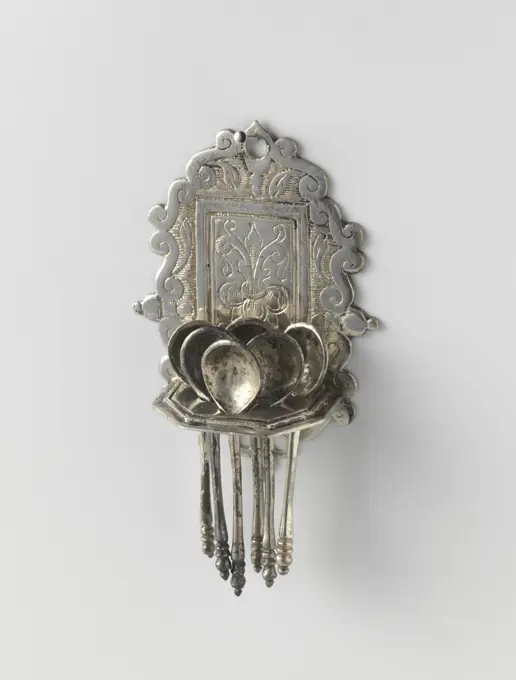
Spoon rack with six spoons, anonymous, c. 1600 - c. 1699 Spoon rack with six spoons. An ornament is engraved in the plate of the spoon rack. The spoons are round with a stem that is profiled at the end and ends in a button. The spoon rack is not marked. Some spoons are marked with a Zwijnskop (cf. inventory no. BK-NM-111177-236). Amsterdam silver (metal) Spoon rack with six spoons. An ornament is engraved in the plate of the spoon rack. The spoons are round with a stem that is profiled at the end and ends in a button. The spoon rack is not marked. Some spoons are marked with a Zwijnskop (cf. inventory no. BK-NM-111177-236). Amsterdam silver (metal)
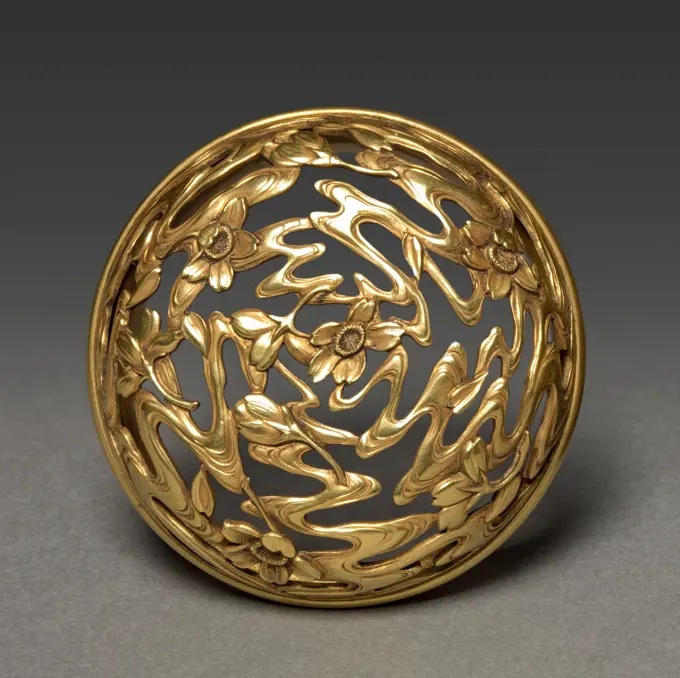
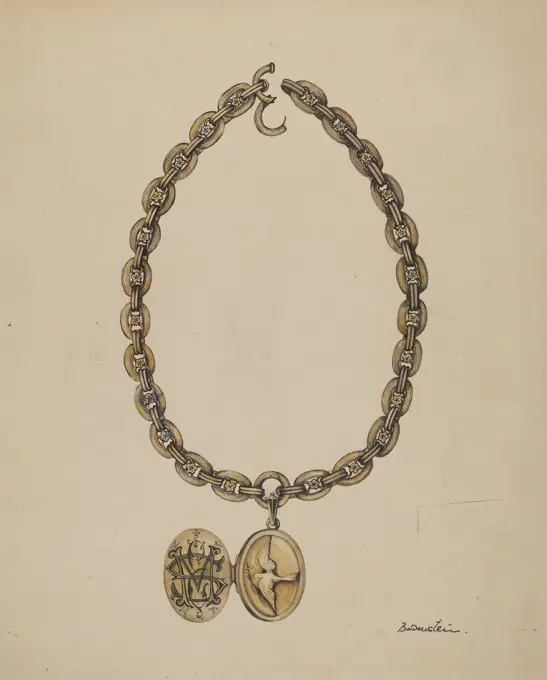
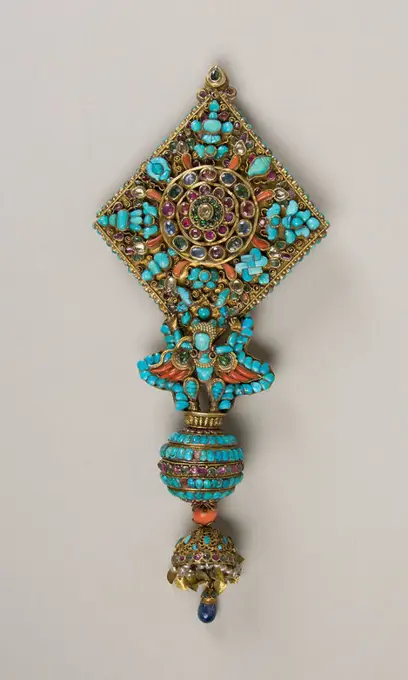
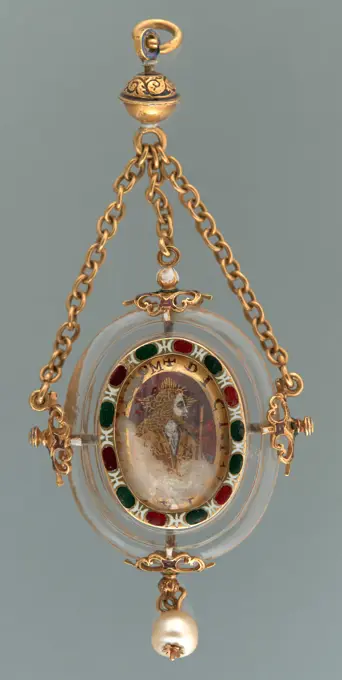
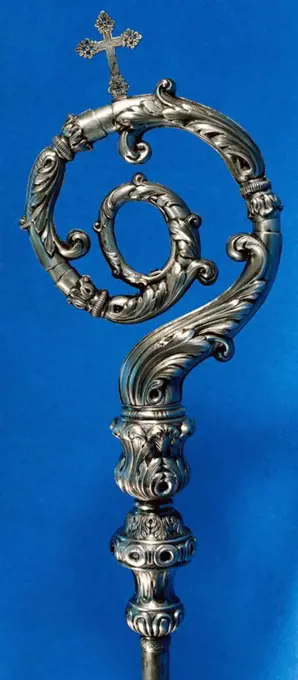
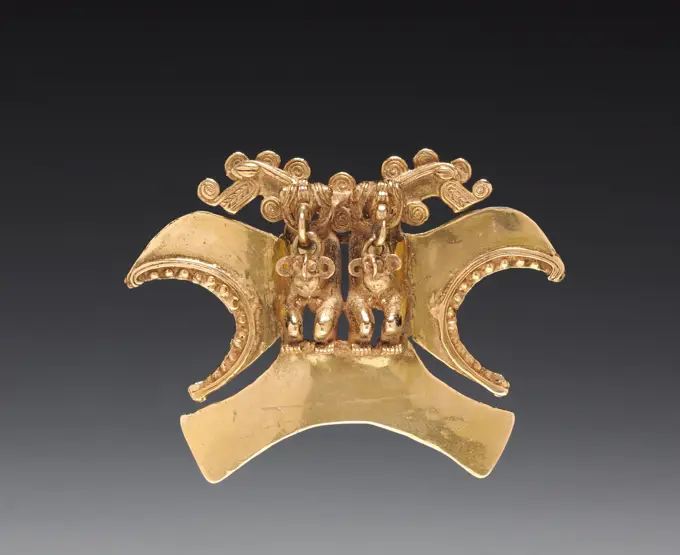
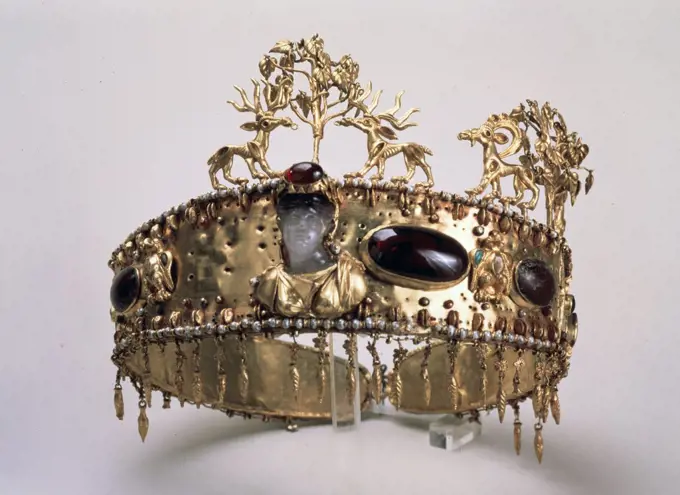
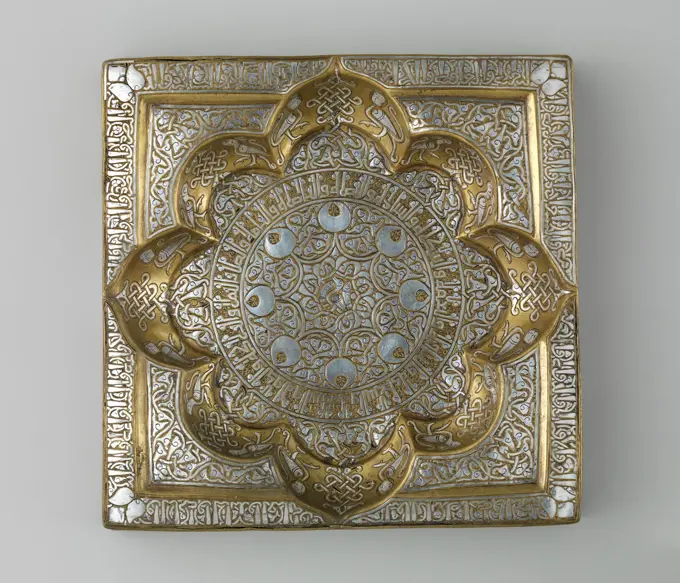
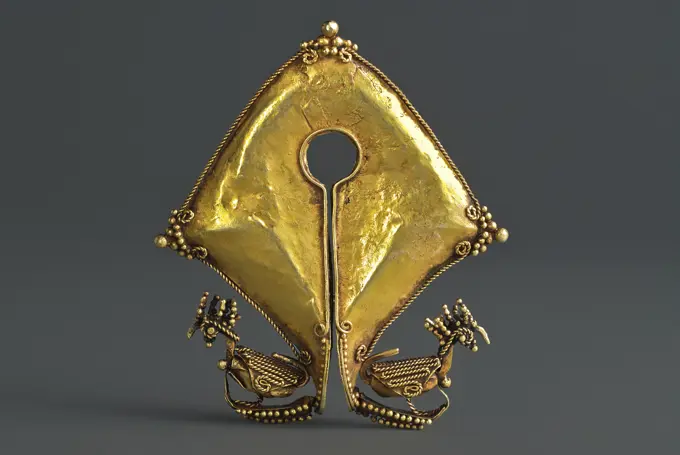
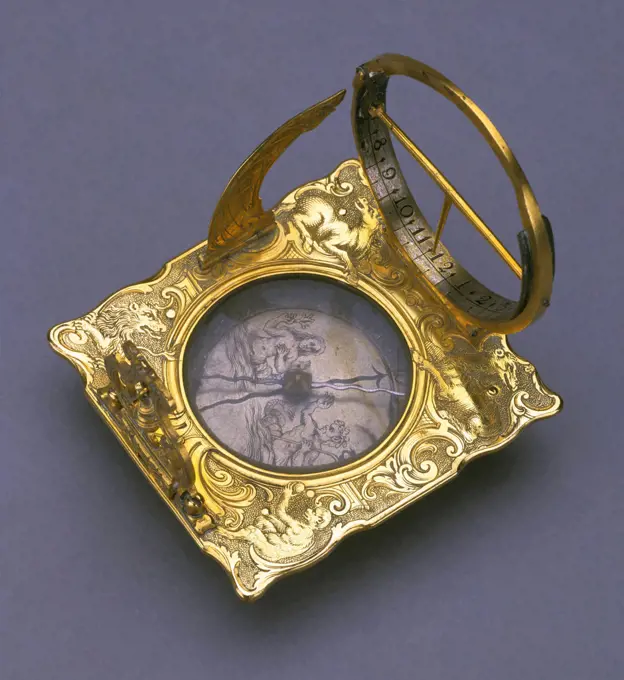
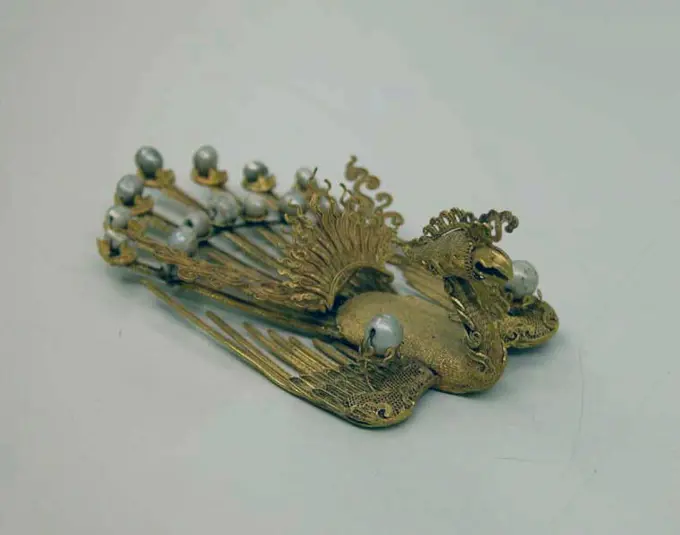
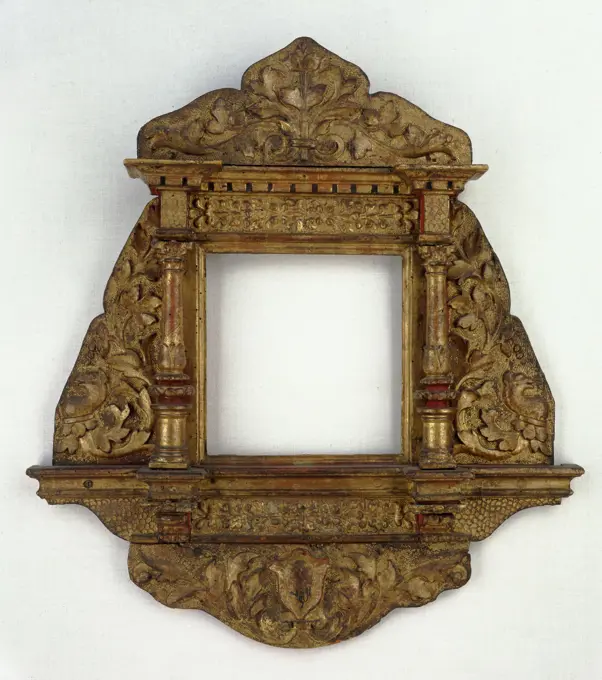
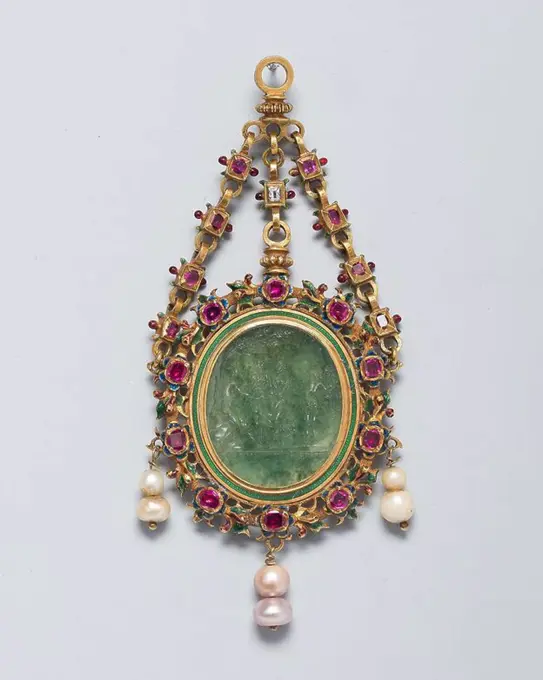
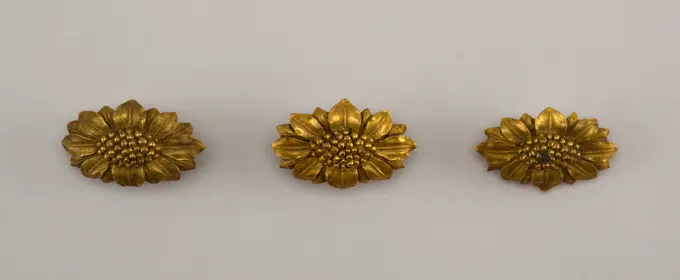
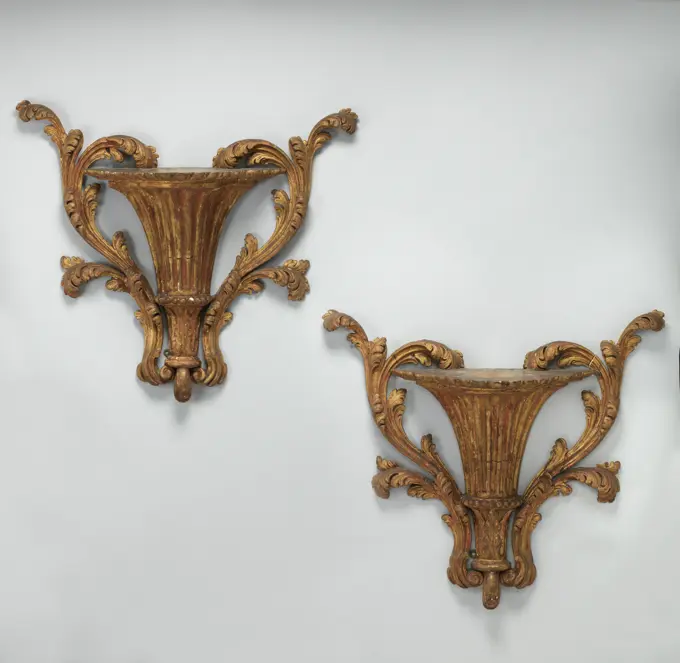
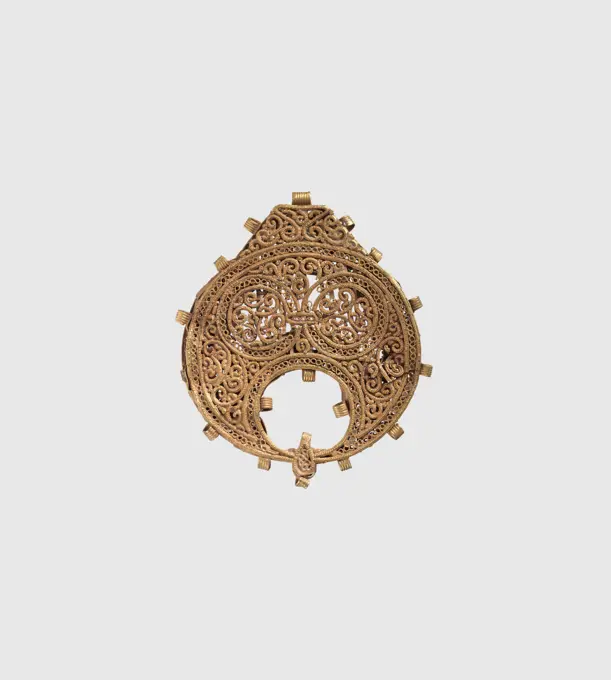
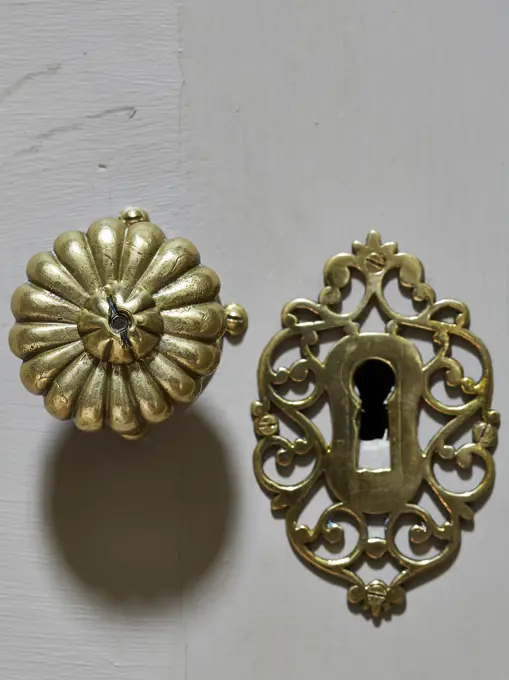
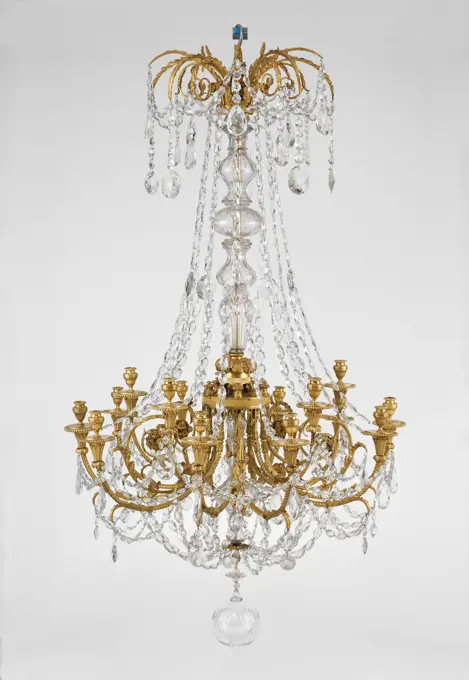
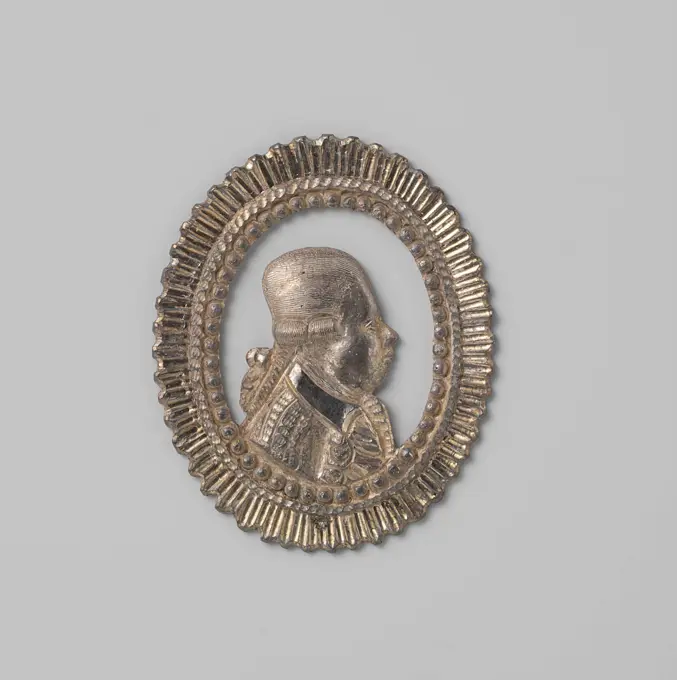
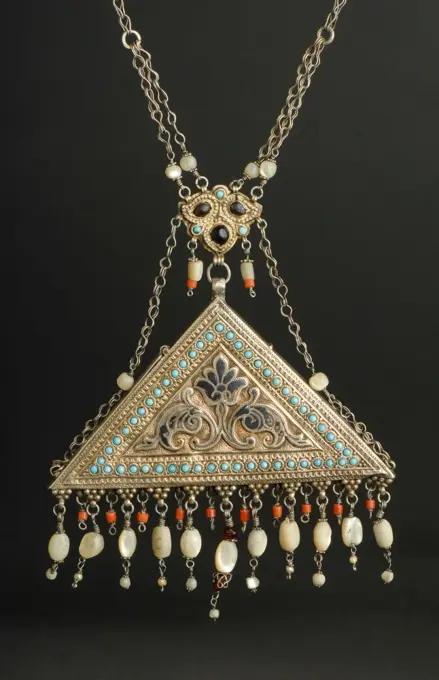
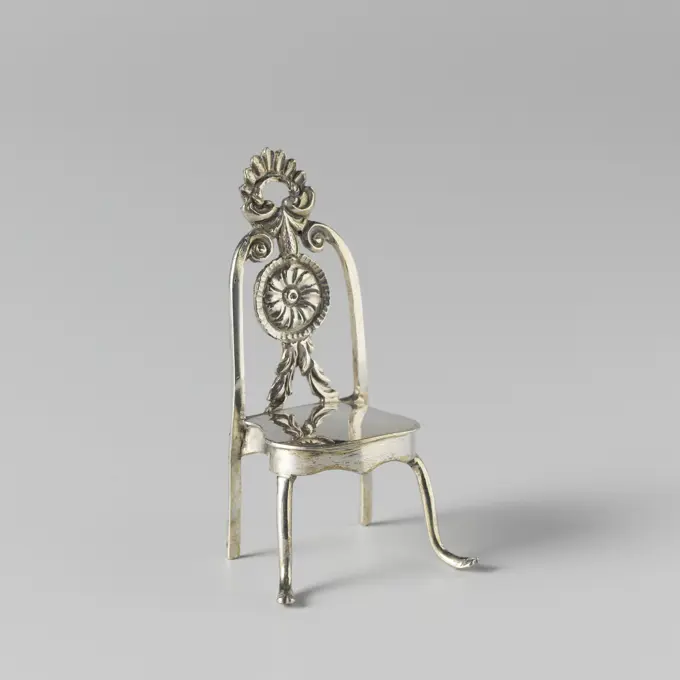
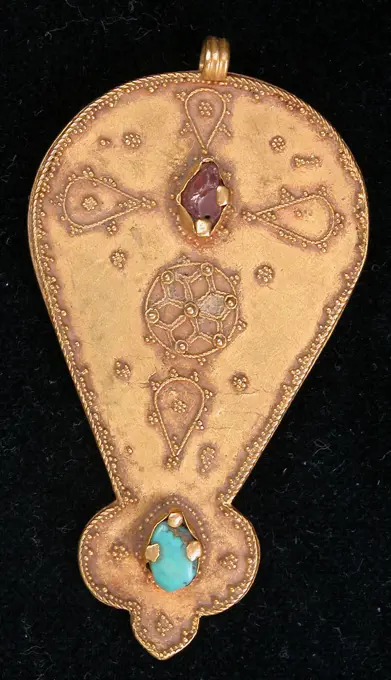
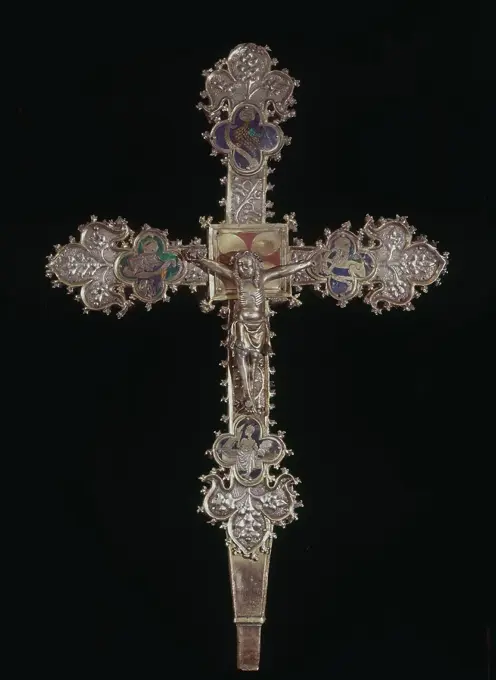
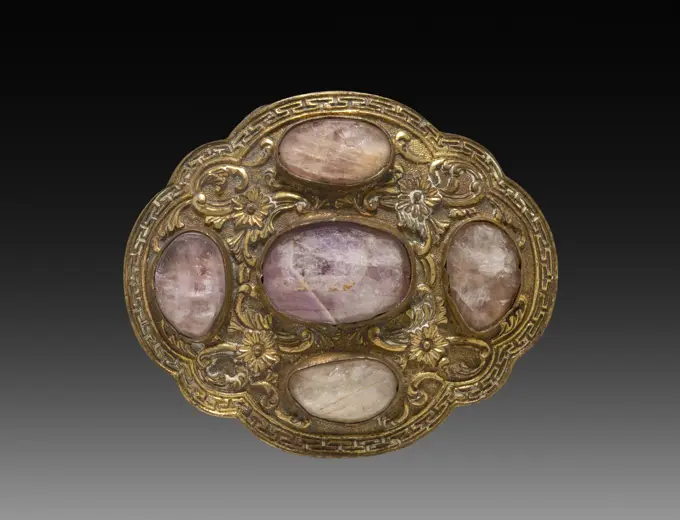
Buckle, 1900s. China, 20th century. Gilt brass, engraved and set with rose quartz; diameter: 7.7 cm (3 1/16 in.).Fragment of Headdress late 17th-early 18th century China. Fragment of Headdress. China. late 17th-early 18th century. Gold, pearls, feathers. Qing dynasty (1644-1911). JewelryRELICARIO CON LA ESPINA DE LA CORONA DE CRISTO. Location: CONVENTO DE LAS CLARISAS / MUSEO DE ARTE SACRO. MONFORTE DE LEMOS. LUGO. SPANIEN.MedallionFrame, element for scrapbooking, isolated on a white background, with clipping path Frame, element for scrapbooking, isolated on a white background, with clipping path Copyright: xZoonar.com/OleksandrxKostiuchenkox 9747031Special Agent Badge of the Federal Bureau of Investigation (FBI); the domestic intelligence and security service of the United States and its principal federal law enforcement agency. 2021.Incense Burner with Floral Scroll (lid), early to mid-1800s. Japan, Edo period (1615-1868). Bronze; diameter: 7.4 cm (2 15/16 in.); with cover: 6.8 cm (2 11/16 in.); without cover: 5.9 cm (2 5/16 in.).A plateMirror frame. unknown, authorLinstock 17th century Italian. Linstock 25848Molly Bodenstein, Necklace and Locket, c 1937 Necklace and LocketMountCross Made 1450-1499 Ethiopia. In Ethiopian Christianity processional crosses in wood or metal are carried on tall wooden staffs and draped with rich fabrics during festivals and ceremonies. The blank area in the center of this example, which incorporates copper for the decorative finial, bronze for the shaft, and brass for the joining rivets, may have been intended for an image that was never realized. The stylized bird heads on the sides of the shaft are a symbol of Christís resurrection.. Copper, bronze, and brass .Ear Ornament for a Deity. Culture: Nepal. Dimensions: 9 15/32 x 4 in. (24.1 x 10.2 cm). Date: 17th-19th century.The eight auspicious symbols (astamangala) are embedded in these pendants as a way of consecrating and making sacred the image to which they were attached. Museum: Metropolitan Museum of Art, New York, USA.Przeszo Przyszoci unknownBACULO EPISCOPAL. Realizado por Antoni Rosell en plata dorada. Tamaño: 216 x 23 cm. Barcelona. Fechado hacia el año 1850. Propiedad del obispo Pedro Cirilo Uriz i Labuyru (1850-1861), quien lo donó al Museu Diocesà de Lleida. Cataluña.silver vase. Decorative silver metal vase isolated on whiteMirror second half 17th century French. Mirror 196724Double Bird-Headed Figure Pendant, c. 1000-1500. Costa Rica, Diquís region, 11th-16th century. Cast and hammered gold; overall: 7.2 x 9.4 cm (2 13/16 x 3 11/16 in.). Among the pendants shown here are a crustacean (1943.290), an animal-headed figure (1948.18), and two pendants featuring birds (1951.442 and 1946.223). The latter were dubbed aguilas (eagles) by Christopher Columbus, who saw natives wearing them as necklace ornaments. Modern researchers are not as sure of the species shown, but some believe that they are birds of prey because talons and beaks are prominent and often clutch something, in one example here a small, disembodied head that holds a clapper. In both examples, two tufts in the form of crocodiles in profile flank the birds heads.Poincon.Royal crown by unknown artist, gold, coral, pearl, amethyst , 1st century, Russia, St Petersburg, State Hermitage, 15x61Lluís Masriera / Colgante con figura femenina, 1903. Colección privada. Author: LLUÍS MASRIERA I ROSÉS.Square Tray with Recessed Medallion early 13th century By the early thirteenth century, the new approach to the decoration of metalwork was fully developed. Now intricate inlaid designs enliven the entire surface. The motifs on this tray reflect the extensive decorative repertoire of this period, including a central duckandfish composition, humanheaded harpies in the lobes, and seated figures on the sides. Against a ground of spiraling scrolls, the foliated kufic inscription conveys lengthy benedictions in Arabic to an anonymous owner.. Square Tray with Recessed Medallion 451339Watch case. Culture: French, for Turkish market. Dimensions: Overall (confirmed): 1 15/16 × 1 7/8 × 5/8 in. (4.9 × 4.8 × 1.6 cm). Maker: Case maker: possibly George Harrison (British, active beginning 1760); Case maker: possibly Gyles Hooper (British, active beginning 1773). Date: probably ca. 1770.In the second half of the eighteenth century, English watchmakers exported a large number of watches for use in Arabic-speaking territories. The numerals on the dials were not exactly those used in Arabic arithmetic, however, but were apparently adaptations made by European clockmakers. Museum: Metropolitan Museum of Art, New York, USA.Ear Ornament(Mamuli)Mirror 1725-1775 Venice. Gilded wood, engraved mirror glass .Portable Equatorial, Gilt and engraved brass, cut and blued steel, glass, Scrolled square frame with animal allegories of the Four Continents: camel, horse, lion and monkey; hinged quadrant, hour circle with gnomon and pendulum; in center, recessed circular box with compass needle, the face engraved with mermaid and triton; set on three adjustable legs., Augsburg, Germany, 1748, timepieces & measuring devices, Decorative Arts, Sundial and Compass, Sundial and CompassDisk Brooch 7th century Frankish. Disk Brooch 465370 Frankish, Disk Brooch, 7th century, Silver, coated with gold, paste, Overall: 1 1/8 x 3/8 in. (2.8 x 1 cm). The Metropolitan Museum of Art, New York. Gift of J. Pierpont Morgan, 1917 (17.192.64)Ornament China. Ornament. China. Gold, pearls. Song dynasty (960-1279). JewelryAbruzzo, L'Aquila, L'Aquila, Museo Nazionale d'Abruzzo, Italy, 20th century, photo, photography, EuropeBelt with Attached Chain 17th-19th century Tibet. Belt with Attached Chain. Tibet. 17th-19th century. Silver and gold, with turquoise and rubies. JewelryEurope, England. Crown of an English Queen. 14th cent.Restello early 16th century Italian, Venice Essentially a tabernacle with decorative relief panels, this carved and gilt mirror frame is structurally similar to a type of tabernacle frame made for private devotional images in Venice and the Veneto during the first third of the sixteenth century. The present mirror is a modern replacement. Holes in the base molding, now plugged, evidently held hooks for hanging combs and brushes. Mirror frames of this type must have been common at one time, though surviving examples are relatively rare. The Lehman example is decorated with polychrome and pastiglia (applied ornament of gesso). Detached candelabrum-style columns support imposts punched with a scale pattern and a dentilated cornice with blue recesses. The base of the frame is supported on consoles above a relief panel in the form of an antependium, which is carved with acanthus leaves around a shield. The top and sides of the frame are similarly extended with relief panels of summary griffPendant with an Intaglio of the Judgment of Paris. European. Date: 1500-1599. Dimensions: 8.8 × 4.2 cm (3 7/16 × 1 5/8 in.). Gold, chalcedony, enamel, rubies, diamond, and pearls. Origin: Europe. Museum: The Chicago Art Institute, Chicago, USA.Display in Issyk Museum, Kazakhstan.Saltcellar 19th century, after 16th century original British, after German original This electrotype is after a sixteenth-century original in the Victoria and Albert Museum, London, at the time of reproduction.. Saltcellar 185885Cover of gilt bronze, c. 1850 - c. 1899 Lid of gilded bronze made in Europe, belonging to a vase of Chinese porcelain with gilded bronze frame. The lid is opened with leaf vines and the button is in the shape of a flower. Europe bronze (metal). gold (metal) gilding Lid of gilded bronze made in Europe, belonging to a vase of Chinese porcelain with gilded bronze frame. The lid is opened with leaf vines and the button is in the shape of a flower. Europe bronze (metal). gold (metal) gildingNecklace late 16th century probably French. Necklace 193667MountPurse 1824 American or European. Purse. American or European. 1824. leather, steel, paperHeart Shaped Gold Enamelled Pendant, James Cromar Watt (Aberdeen, Scotland, 1862 - 1940) c. 1907Pendant Brooch, c. 1905. Potter Studios (American). Enamel, gold, citrines; overall: 7 x 4.2 x 0.5 cm (2 3/4 x 1 5/8 x 3/16 in.).Brooch. A brooch of black iron, fer de berlin. Consisting of a rosette with three supporters, completely open.Pair of brackets ca. 1750-60 British. Pair of brackets. British. ca. 1750-60. Wood. Woodwork-FurnitureNose Ornament with Decapitators and Human Heads, c. 100-300. Peru, North Coast, Moche culture (50-800), Early Intermediate Period (AD 0-700). Gold alloy and silver; overall: 8.8 x 14 cm (3 7/16 x 5 1/2 in.).Pendant 11th century This gold pendant has been fabricated with filigree openwork, beaded granulation, and several loops around the perimeter and interior which once attached gems. These characteristics, along with its crescent (hilal) shape, are typical of jewelry from the Fatimid Period (909-1171). A cloisonné panel, which has been lost, would originally have embellished the front side of this pendant (akin to 30.95.37).. Pendant. 11th century. Gold; wire and granulation. Made in Egypt. JewelryDoor handle. Strawberry Hill House, Twickenham, United Kingdom. Architect: Horace Walpole, 1747.Pair of wall brackets ca. 1750 Northern Italian or British. Pair of wall brackets. Northern Italian or British. ca. 1750. Carved and gilded spruce. Woodwork-FurnitureBorder (France); block-printed on machine-made paper; 46 x 5 cm (18 1/8 x 1 15/16 in.)TESORO DEL CARAMBOLO - PECTORAL DE ORO - S VI/VII AC - ARTE TARTESICO. Location: MUSEO ARQUEOLOGICO-COLECCION. Sevilla. Seville. SPAIN.STRATY WOJENNE MNKBliżej Kultury unknownLluís Masriera / Colgante con busto de mujer, siglo XX. Colección privada. Author: LLUÍS MASRIERA I ROSÉS.CONJUNTO DE 24 BRACTEAS MAS DOS TRIANGULOS DE ORO BATIDO. Nº INV. 2388-23904 23991-23992. MUSULMAN. (EXPOSICION :ARTE ISLAMICO ESPAÑOL)(DEPOSITO: MUSEO DE MALLORCA).Old gilded golden wooden frame isolated with clipping path inside and outsideWatch Case, 1600s. Italy, 17th century. Crystal, gilt metal, enamel; overall: 6.1 x 4.2 cm (2 3/8 x 1 5/8 in.).Pair of Firedogs. UnknownCrown French 19th centuryBrooch.  Manufacturer: Pennino Brothers, American, 1926-1966Spectacle case, 19th-20th century, 6 1/8 in. (15.6 cm), silk,metal threads, China, 19th-20th centuryCommemorative badge of the 50th anniversary of the outbreak of the January Uprising in LvivTower Czechowski, JanModernist pin, butterfly-shaped. Enamel piece with precious stones inlaid. Modernism. Jewelry. Private Collection.Fifteen-light chandelier ca. 1790 French. Fifteen-light chandelier 205443Mirror 1550-1580 Paris. Gilt bronze and mirrored glass .Newspaper Wall Rack. Dated: 1941. Dimensions: overall: 64.7 x 34.4 cm (25 1/2 x 13 9/16 in.) Original IAD Object: Extreme length: 21 1/2"; widest pt., 14 1/2". Medium: watercolor, colored pencil, and graphite on paper. Museum: National Gallery of Art, Washington DC. Author: Nicholas Amantea.Tapered Hoop EarOrnamentRibbed EarOrnamentMount; bronze, giltWillem V, Prince of Orange-Nassau. Willem V, Prince of Orange-Nassau, one-sided silver oval openworking sign. Front: breastpiece man in pearl edge, ribbed edge and beams. Downside: blankancient antique pendant with stones on black background. Middle-Asian vintage jewelry. old Oriental ornamentsBrooch (USA); gold, red stained ivory, enamelAuthor: LLUÍS MASRIERA I ROSÉS.Silver loop between 1819 and 1838.glow, silver,18th century, hermitage of Nossa Senhora Da Ajuda, Evora museum, Evora, Alentejo, Portugal, Europe.Harry Jennings, Earrings, 1935 1942 EarringsLotus Blossom Star. UnknownVulture amulet 664-380 B.C. Late Period. Vulture amulet 561530Pair of light arms, 1700-1725. Golden bronze. Salle 33. Paris, Carnavalet museum. Light arm pair Wall light, light arm, bronze, lamp, lighting, room 33Hanging Vase 19th century Japan. Hanging Vase. Japan. 19th century. Clay covered with crackled, transparent glaze and enamels (Kiyomizu ware). Edo (1615-1868) or Meiji period (1868-1912). CeramicsFrame collage Old antique frame with clipping path included Copyright: xZoonar.com/Baloncicix 14637771Doubled strip of a climbing side with daisies. A coarse mesh stock (square mesh) with marbriefs above beads of pearls. In 1966 a wrinkled strip side with a tulip pattern was sewn at the top. Valenciennes side.Triangular Plaque mid-7th-9th century Northwest China/Eastern Central Asia. Triangular Plaque. Northwest China/Eastern Central Asia. mid-7th-9th century. Gold. period of Tibetan rule. MetalworkMedallion with Spring 1775-1799 Burslem12/31/1905. Necklace and Earrings.A gold lamp hanging from the ceilingChandelier. UnknownGold Pectoral in the Form of a Vulture with Spread Wings Inlaid with Lapis, Carnelian, Glass, Gold, Silver, Turquoise, Lapis Lazuli, Obsidian. from the tomb of King Tutankhamen 1336 - 1326 B.C. Phoenix Bird Form Plaque, one of a pair, 2nd century BCE- 2nd century CE, 5 5/16 x 5 3/4 x 13/16 in. (13.49 x 14.61 x 2.06 cm), Gilt bronze, China, 2nd century BCE- 2nd century CEChair, Jan Bonket, 1779 Chair with smooth, pumpal seat and volute -shaped front legs. The open worked backrest is crowned by a crest. The center of the backrest is formed by a rosette and leaf hangers. The chair is marked: stk. = Amsterdam, Jrl. = 1779, Mt. = Jan Bonket. The chair belongs to five identical copies (BK-NM-1177-169, BK-NM-1177-170, BK-NM-11177-172, BK-NM-11177-173 and BK-NM-11177-174). Amsterdam silver (metal) Chair with smooth, pumpal seat and volute -shaped front legs. The open worked backrest is crowned by a crest. The center of the backrest is formed by a rosette and leaf hangers. The chair is marked: stk. = Amsterdam, Jrl. = 1779, Mt. = Jan Bonket. The chair belongs to five identical copies (BK-NM-1177-169, BK-NM-1177-170, BK-NM-11177-172, BK-NM-11177-173 and BK-NM-11177-174). Amsterdam silver (metal)Traditional style, Brass, incense dish with a Ganesha motif, Indian 21st centuryCruz Procesional, siglo XV, Nº Inv. 190. Museo Episcopal de Vic.Amulet, Head of an Apis Bull 664-332 B.C. Late Period. Amulet, Head of an Apis Bull. 664-332 B.C.. Serpentinite, ivory. Late Period. From Egypt. Dynasty 26-29Escutcheon; 1904-21-52MountBrooch with clematis in gold by Rene Lalique (1860-1945)Pendant 11th-12th century Although the religious establishment discouraged wearing precious metals and luxury jewelry, women were allowed to bedeck themselves with jewels especially if they were wedding presents. This pendant may have had a talismanic property, as the colored stones that adorn it often carried particular meanings - protection from evil eye or disease.. Pendant. 11th-12th century. Gold; granulation, set with pearls, turquoise and pink tourmaline. Attributed to Iran. JewelryCRUCIFIJO DE PLATA Y ESMALTES. Location: MUSEE D'ARTS DECORATIFS. MADRID. SPANIEN.Close up of old door in Florence, Italy.. Five-part INRO decorated with a gagaku dancer. Signed "shokasai".