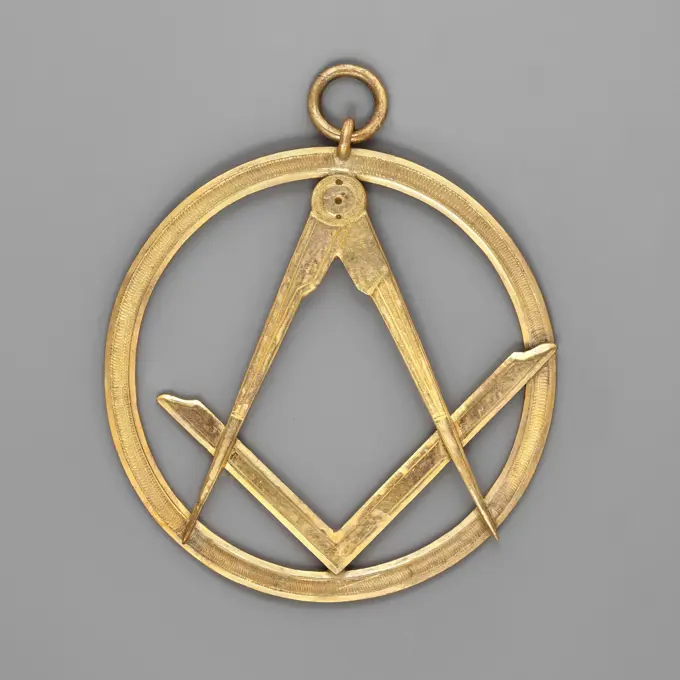
Ornate Decorative Metalwork

Exquisite metalwork pieces featuring intricate designs, including book clasps and decorative mounts, showcasing artistry from 17th-century Italy.

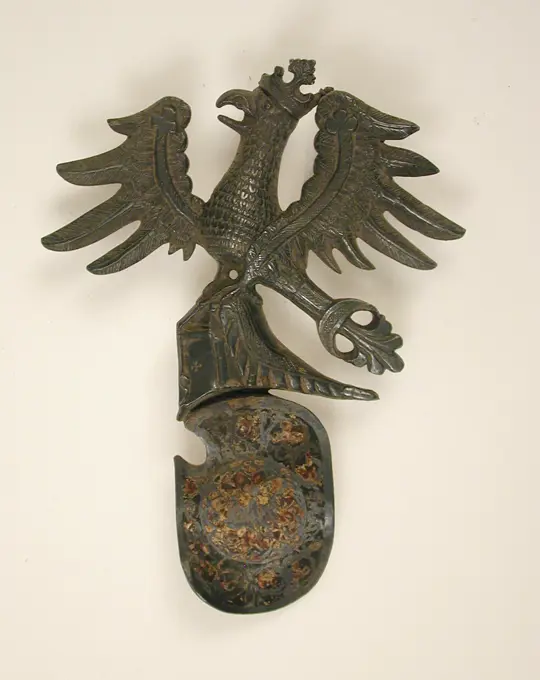
Escutcheon; bronze, gilt
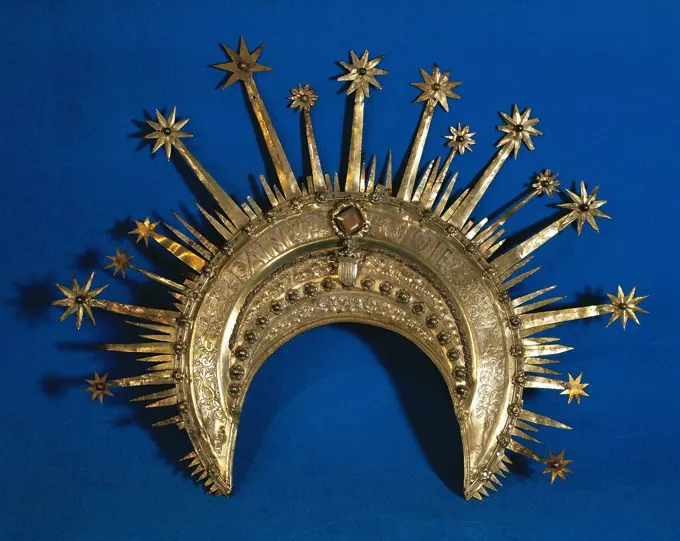
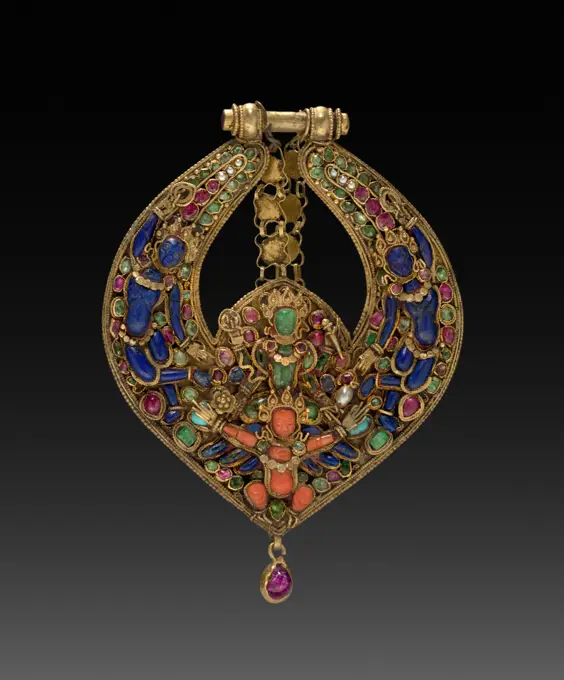
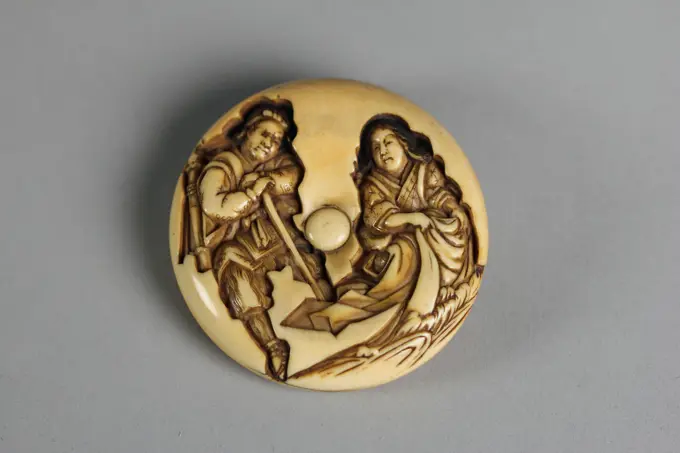
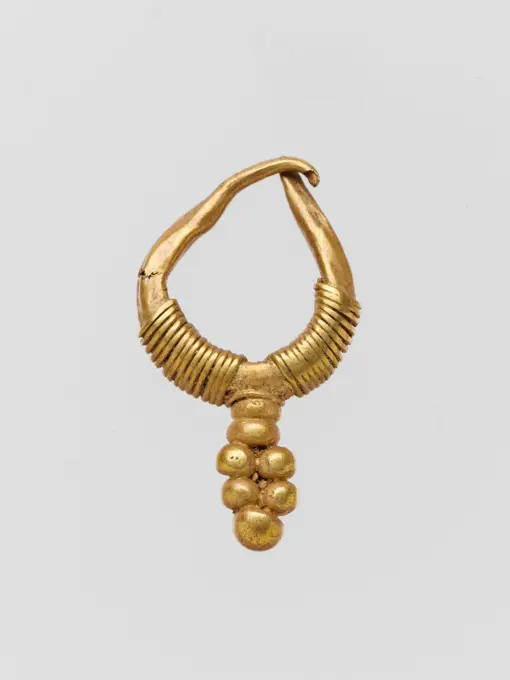
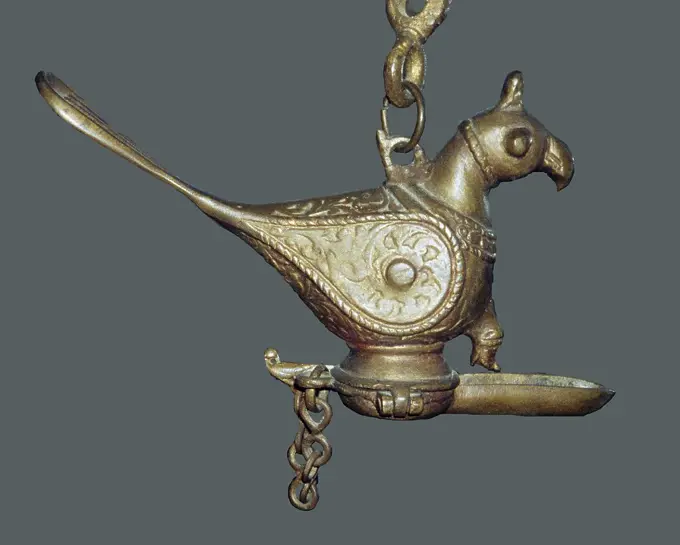
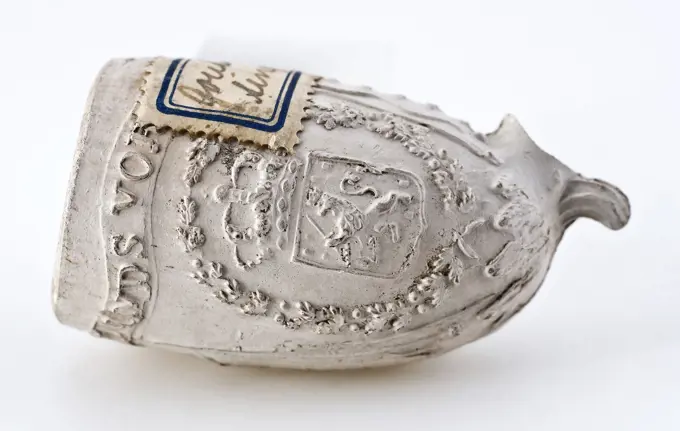
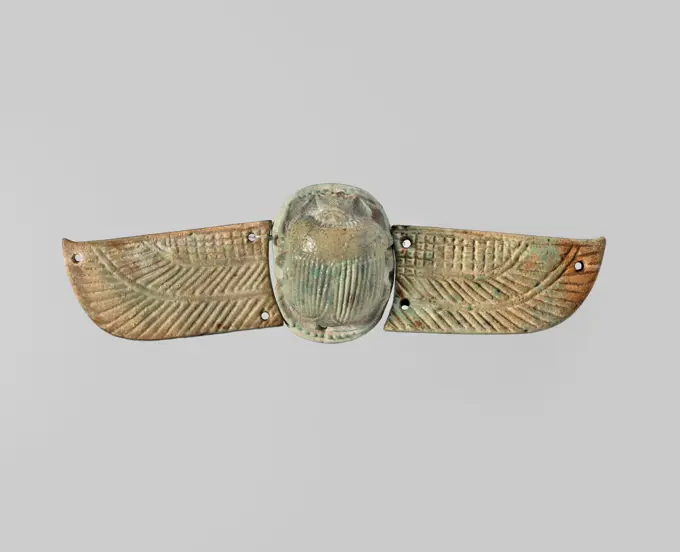
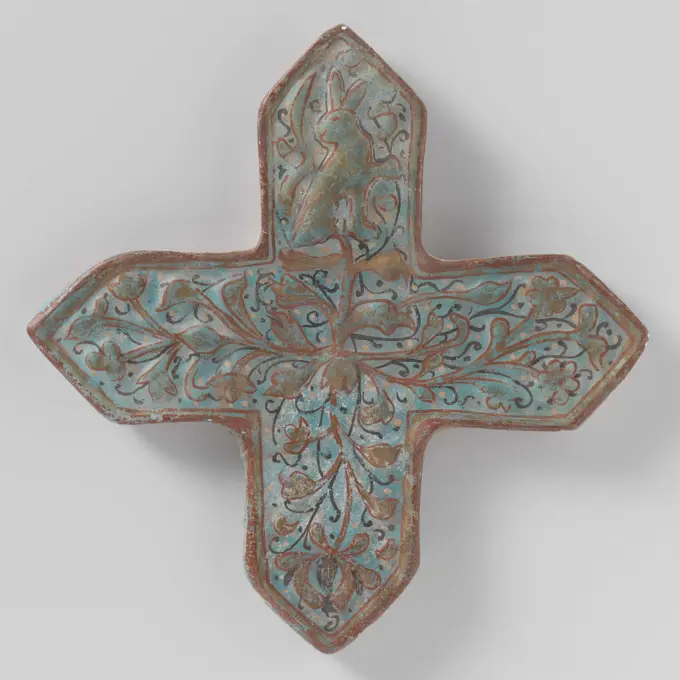
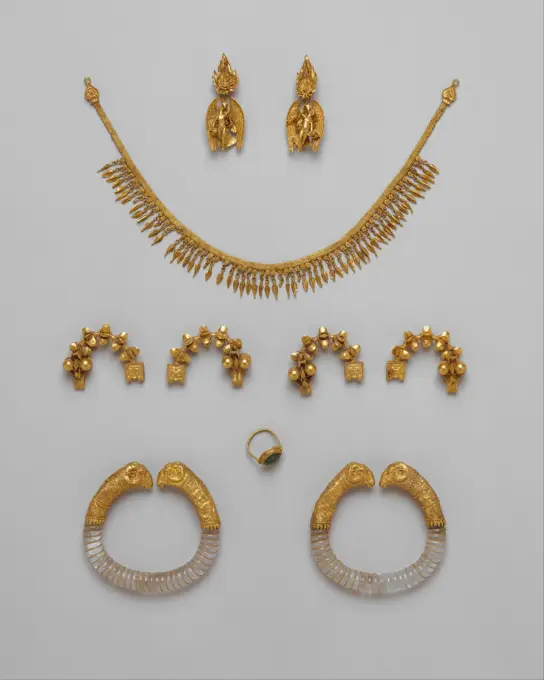
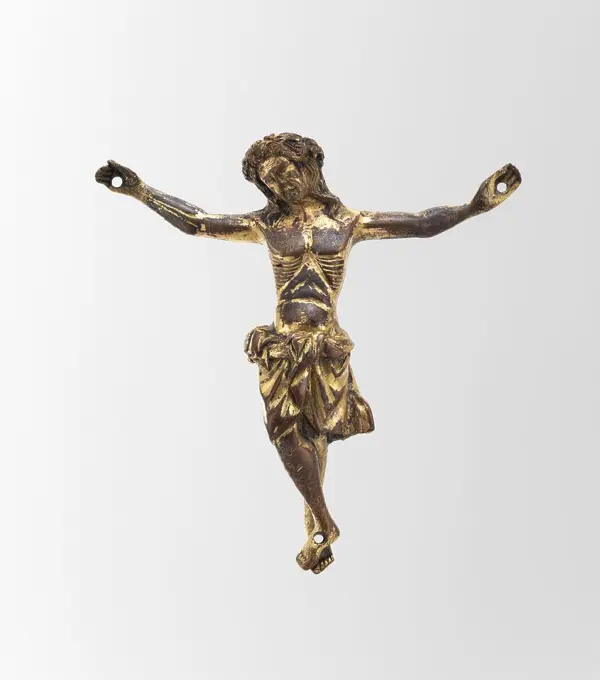
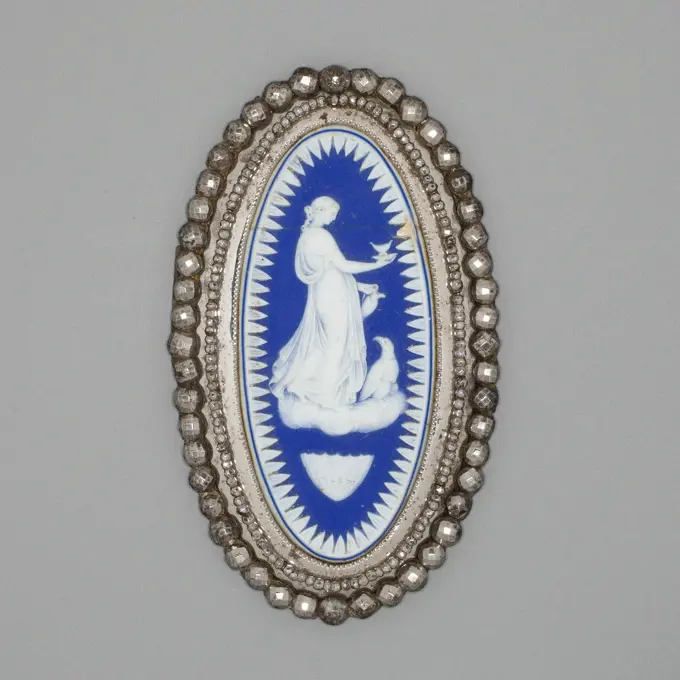
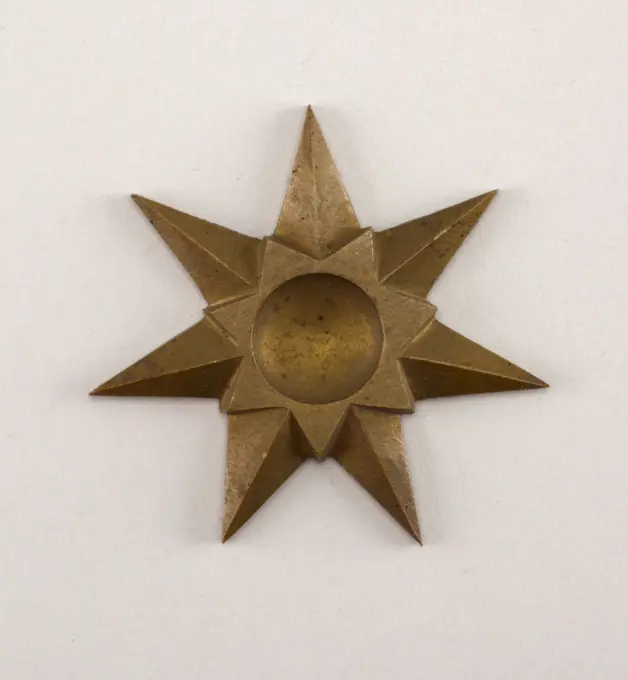
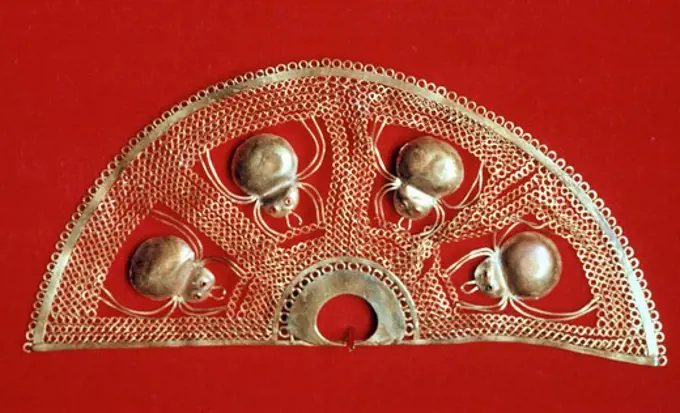
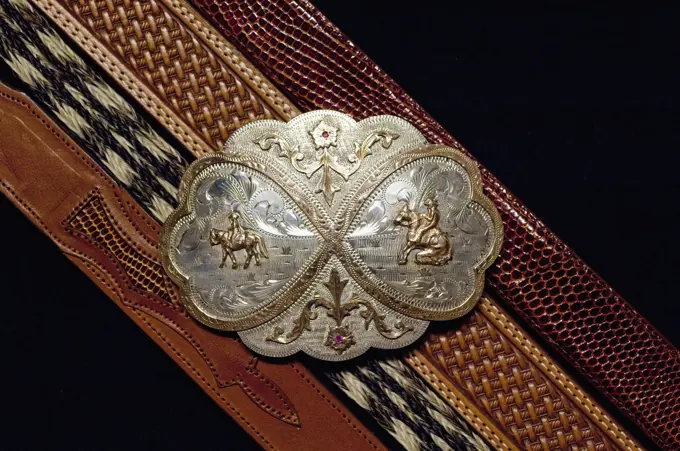
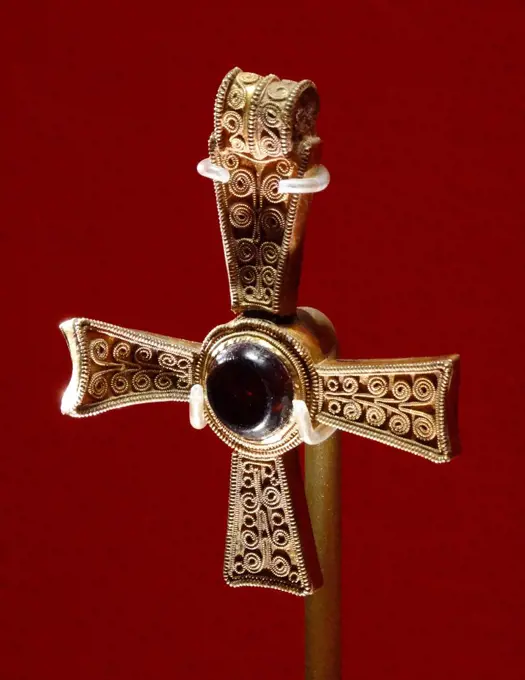
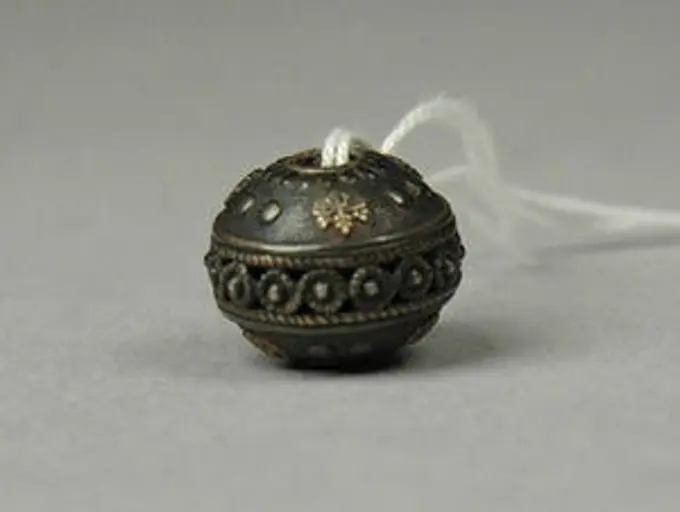
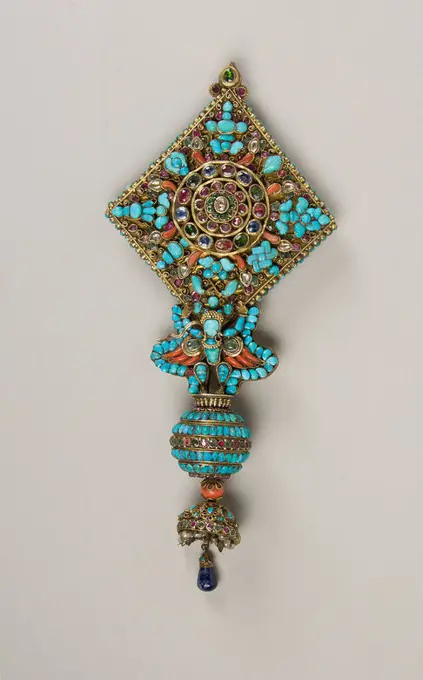
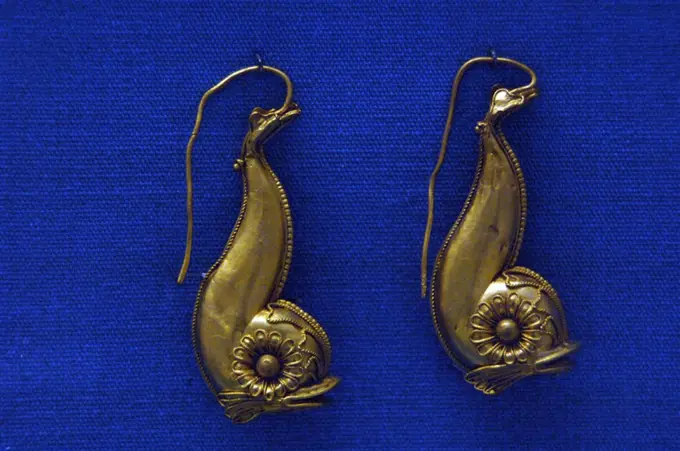
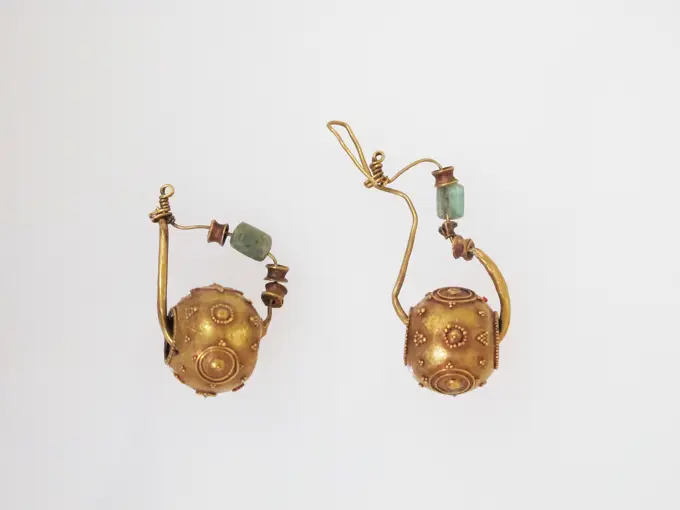
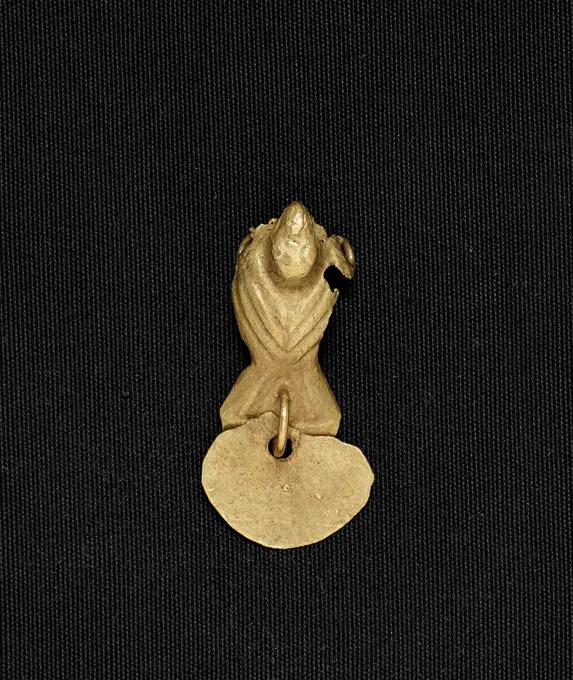
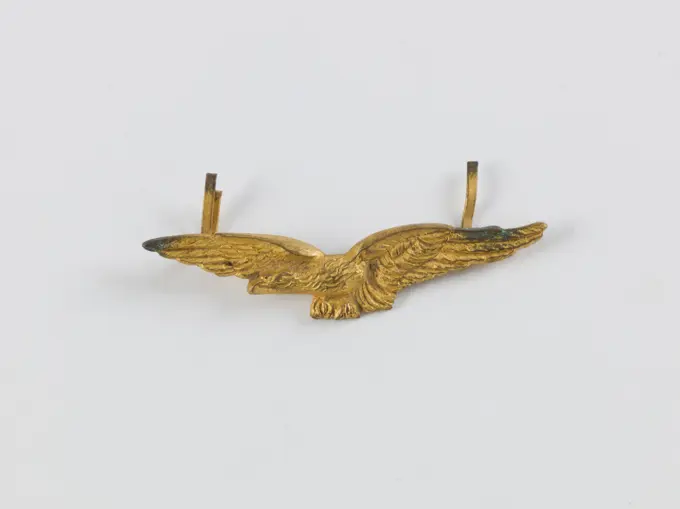
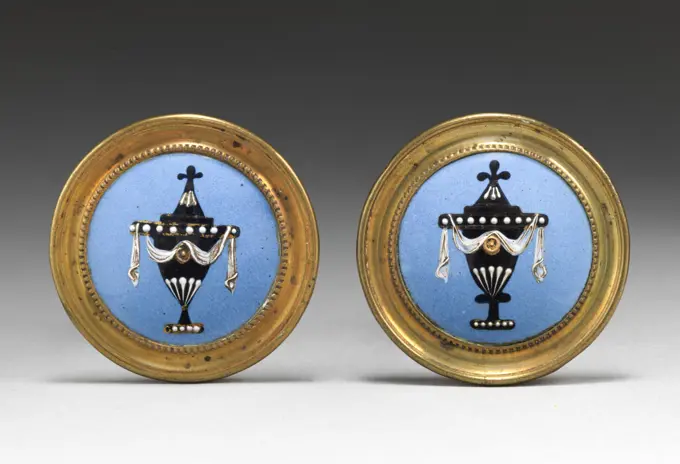
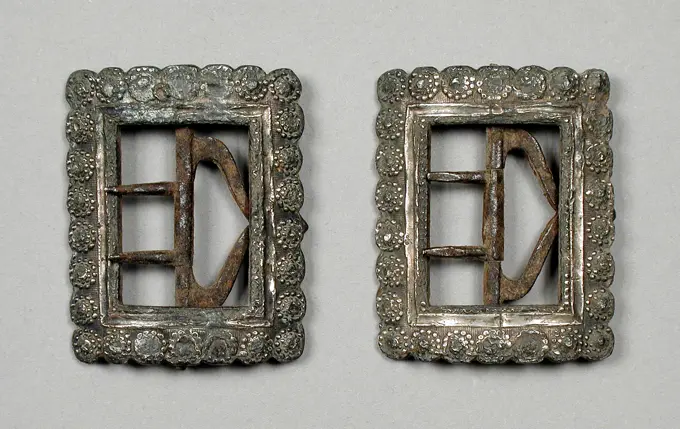
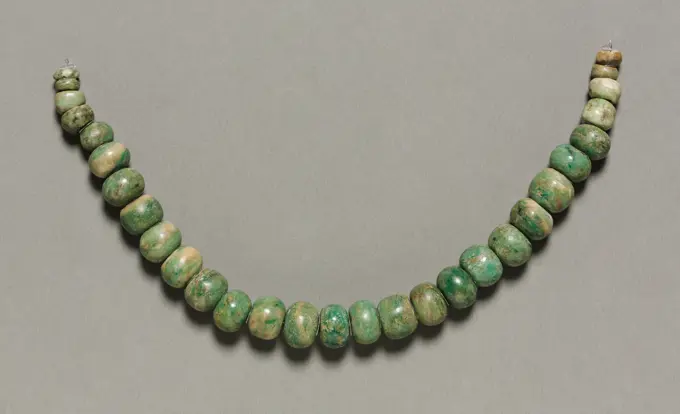
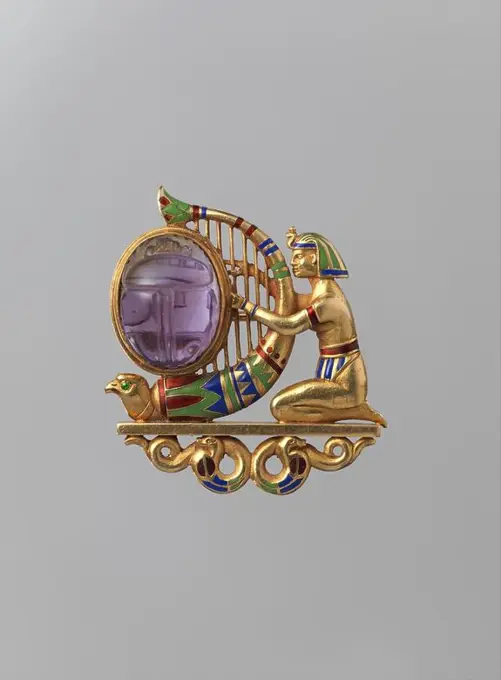
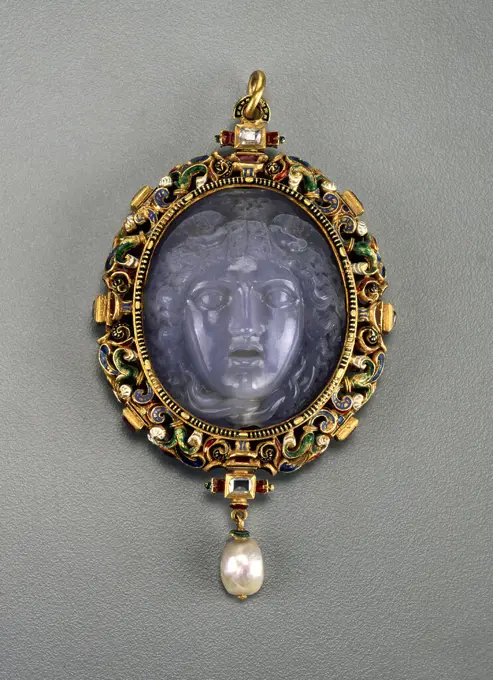
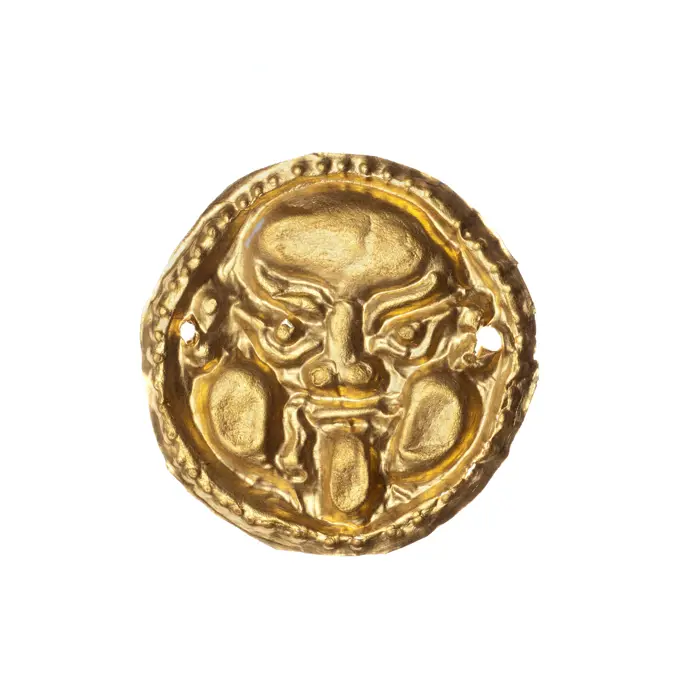
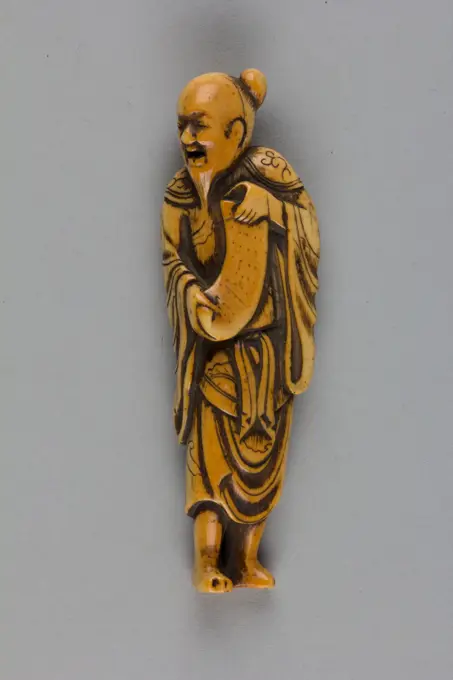
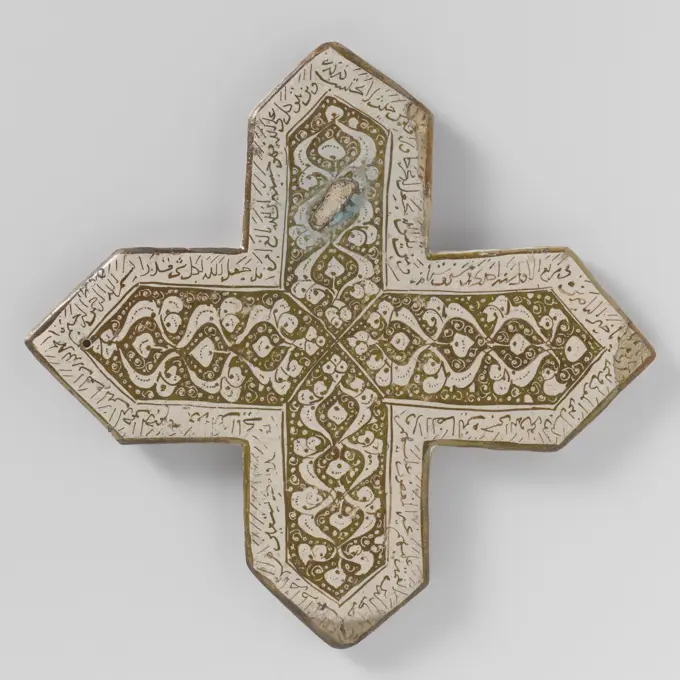
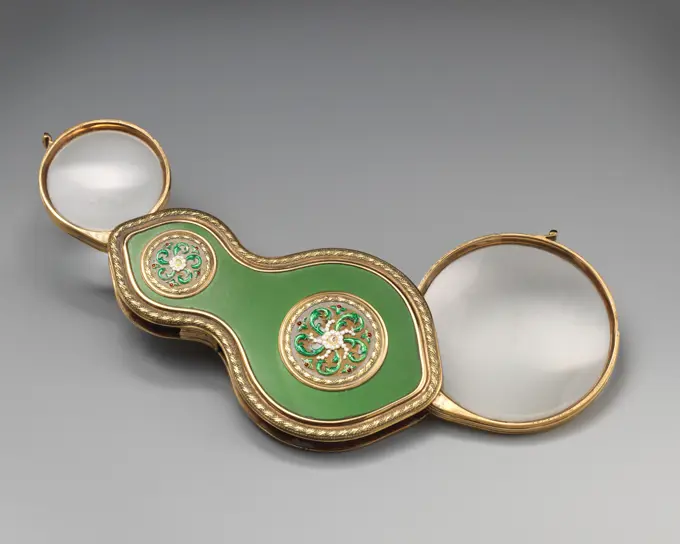
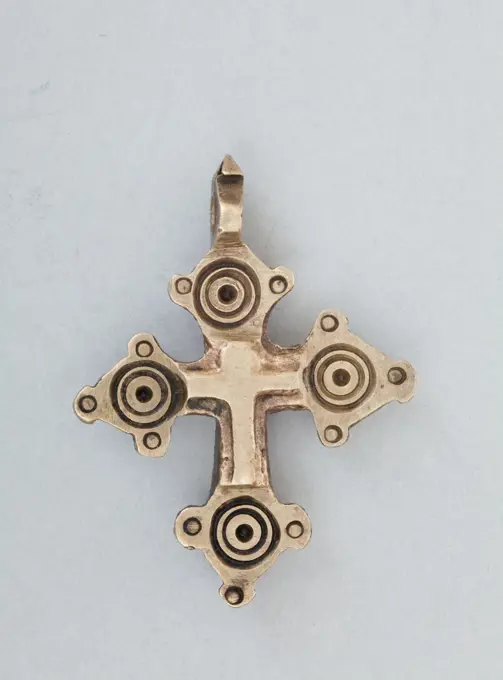
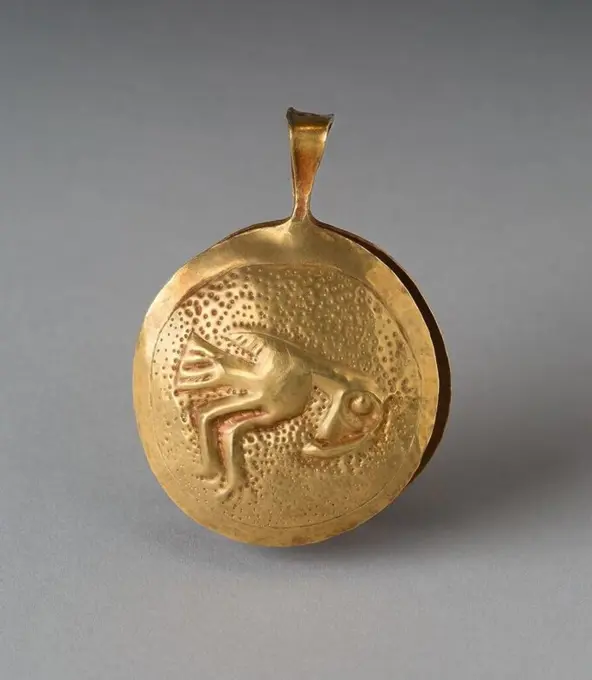
Circular Tweezers with Bird in Relief Against a Stippled Background. Probably Chimú; North coast, Peru. Date: 1000-1400. Dimensions: 6 x 4.3 cm (2 3/8 x 1 11/16 in.). Gold. Origin: Peru. Museum: The Chicago Art Institute, Chicago, USA.Crown of Constable. Silver Gold. Size: 49,3 x 61 x 2,5 cm. 1465. Catalonia. Relic of Portugal's Constable (Pedro IV appointed by the Generalitat agains Juan II). Diocesan Museum. Girona. Catalonia, Spain.Pendant 500 B.C.-A.D. 300 Indonesia. Pendant 53889Gold earring with clustered sphere. Culture: Roman. Dimensions: Other: 1 1/16 in. (2.7 cm). Date: 2nd-3rd century A.D..The hoop is slender; at the lowest point is a cluster of hollow gold balls, rendered as if attached to the hoop by a lashing gold wire. Museum: Metropolitan Museum of Art, New York, USA.Inro Decorated with the Animals of the Zodiac 1801-1900 Japan. Lacquer . Koma KyuhakuTwo Stylized Figure Pendants 10th-16th century () Darien. Two Stylized Figure Pendants 310262Loop .Bit Boss. Culture: probably Netherlandish. Dimensions: Diam. 3 in. (7.6 cm); Wt. 3.3 oz. (94 g). Date: first half 17th century.Bit bosses were ornamental elements decorating both sides of a horse bit. This circular bit boss is adorned with a domed faceted center and a serrated rim. This object belongs to a large group of bosses featuring a series of rims and centers combined in different ways. The exact center of production of these bosses is still unclear. If the motifs used are Italian, the scale of the production and the process of combining a series of rims and center recalls contemporary German practices. Some of them, however, are identical or very similar to bosses seen in several early 17th-century Netherlandish paintings, a likely origin for the manufacture of these objects. Museum: Metropolitan Museum of Art, New York, USA.Deity Earring with Vishnu on Garuda (front) and chepu (monster mask) (back), 1600s or 1700s. Nepal, Kathmandu Valley. Gold set with precious and semi-precious stones; 9.5 x 6.9 cm (3 3/4 x 2 11/16 in.).matchsafe, brass, 1850, containers, Decorative Arts, matchsafeList of gilded wood with cutting with mirror, anonymous, 1700 - 1725 List of gilded wood. The sculpture consists of openwork Acanthusbladvoluten. In the middle of the sides, two harnesses are incorporated with flags in the middle of the sides and two shields with heads in the middle of the bottom line. The center of the upper rule shows two bust; The one to the left and the other used to the right. They stand on a pedestal and are placed for crossed flags and between mortars. See also: BK-1959-42-B. Northern Netherlands wood (plant material). gilding (material). looking glasses. amalgam gilding List of gilded wood. The sculpture consists of openwork Acanthusbladvoluten. In the middle of the sides, two harnesses are incorporated with flags in the middle of the sides and two shields with heads in the middle of the bottom line. The center of the upper rule shows two bust; The one to the left and the other used to the right. They stand on a pedestal and are placed for crossed flags and betCáliz, siglo XV. Museo parroquial de Longares.Busk 1675-1725 European The crown of Spain surmounts foliate scrolls, flowers, fruits, and ornament.. Busk 85404Price medal National and international competition of the mutual Amsterdam screen course, achieved by the association of non -commissioned officers of the Schutterij in Amsterdam, first column price for screens on the Degen, Anonymous, 1885 award medal Gilded silver medal covered by royal crown with eye, ring and ribbon.  penning: silver (metal). penning: gilding (material). lint: textile materials gildingBliżej Kultury Gontarczyk, WiktorFigurine Bell, c. 1200-1519. Mexico, Mixtec, 13th-16th century. Gold; overall: 2.2 x 1.8 cm (7/8 x 11/16 in.).Netsuke with Two Carved Figures 19th century Japan. Netsuke with Two Carved Figures 60314Sword Guard (Tsuba). Culture: Japanese. Dimensions: H. 3 5/8 in. (9.2 cm); W. 3 1/2 in. (8.9 cm); thickness 3/16 in. (0.5 cm); Wt. 6.5 oz. (184.3 g). Date: ca. 1615-1868. Museum: Metropolitan Museum of Art, New York, USA.Gold earring with clustered sphere 2nd-3rd century A.D. Roman The hoop is slender; at the lowest point is a cluster of hollow gold balls, rendered as if attached to the hoop by a lashing gold wire.. Gold earring with clustered sphere. Roman. 2nd-3rd century A.D.. Gold. Imperial. Gold and SilverColgante, obra de Ramon Teixé. Colección privada.Mirror early 17th century possibly Italian. Mirror 196727Small Gold EarOrnamentCANDIL EN FORMA DE PAJARO(COLGANDO). Location: EXTERIOR. AGRA. India.White pipe cup decorated entirely in relief, orange pipe, clay pipe smoking equipment smoke floor pottery ceramics pottery, pressed baked White clay pipe head orange pipe fully embossed decorated with annealed decoration. On the kettle under streamer with text the coat of arms of the Netherlands and on the other side two years inside oak wreath two windpins with text On the pipe embossed on the pennant text: LIFE NEERLANDS FORMS in streamer above the years text: NEERLANDS REPAIRING around the oak wreath text: UNDER THE HOUSE OF ORANJE NASSAU Jaartallen in middenveld: 1813 - 1863 archeology Rotterdam City center Stadsdriehoek Goudsesingel indigenous product smoking tobacco royal house Oranjehuis Oranje archaeological find in the soil: Goudsche Singel Rotterdam.Skarabeusz uskrzydlony. unknown, authorBroche, siglo XIX. Museu del Disseny de Barcelona.. Tile of quartz frying goods with a hare in turquoise fond between flower drinks.Torque, 13 1/2 x 11 x 3 3/4 in. (34.29 x 27.94 x 9.53 cm), Silver, ChinaGalvanoplastic reproduction of a dish with a border with tendrils and flowers. Galvanoplastic reproduction of a dish with a border with tendrils and flowers. Gold plated.Ganymede jewelry ca. 330-300 B.C. Greek The pieces in this group are said to have been found together in Macedonia, near Thessaloniki, before 1913. The assemblage forms an impressive parure (matched set) - earrings, necklace, fibulae (pins), bracelets, and a ring - but it is not certain that they belong together, for the pieces do not show a clear uniformity of style.The gold strap necklace, dated circa 300 B.C., is made of three double loop-in-loop chains with double interlinking and a fringe of beechnut pendants. The terminals take the form of an ivy or grape leaf and have a border of beaded wire and a rosette in the center. Strap necklaces have been found in many areas of the Greek world, including southern Italy, Asia Minor, and the Northern Pontus region (around the Black Sea).The superb gold earrings, dated circa 330-300 B.C., consist of a large honeysuckle palmette below which hangs a finely worked three-dimensional figure of the Trojan prince Ganymede in the clutches of Zeus, wCrucified Christ. Culture: North French or Mosan. Dimensions: Overall: 5 5/16 x 5 15/16 x 1 1/16 in., 0.732lb. (13.5 x 15.1 x 2.7 cm, 332g). Date: second half 13th century. Museum: Metropolitan Museum of Art, New York, USA.Bactrian Gold: Belt (Detail) Artist Unknown Kabul Museum, Afghanistan Terracotta fragment of a kylix (drinking cup) 500-480 B.C. Greek, Attic Interior, hair on the back of a woman's head; part of an inscription, ...PHE..; Exterior, left leg and bit of drapery of figure to right; right foot and left leg of male to left; knobby stick and leg of male to right. Terracotta fragment of a kylix (drinking cup) 709535Buckle 1775-1799 Burslem. Stoneware (jasperware) and cut steel frame . Wedgwood Manufactory (Manufacturer)MountIsis amulet 664-380 B.C. Late Period. Isis amulet. 664-380 B.C.. Gold sheet. Late Period. From Egypt, Memphite Region, Saqqara. Dynasty 26-29Moche Nose Ornament, Peru Pre-Columbian Morse with the Trinity. Dated: c. 1400/1410 (Trinity and Angels); 1884/1897 (setting). Dimensions: Overall (diameter): 12.6 cm (4 15/16 in.) overall (God the Father, height): 5.9 cm (2 5/16 in.) overall (Christ, height): 3.2 cm (1 1/4 in.) overall (each angel, height): 0.7 cm (1/4 in.). Medium: gold, enamel, and pearls. Museum: National Gallery of Art, Washington DC. Author: French 15th Century (setting western European late 19th Century).Star of the Order of the Persian Sun and Lion Rothe, C.F.Goldsmith's art, Italy, 19th century. Gold demi parure with cameos attributed to Fortunato Pio Castellani (1794-1865), 1820-1825. Detail.Gold and enamel ring. Culture: Greek. Dimensions: Length: 5/8 in. (1.6 cm). Date: 6th century B.C..Seated sphinx. Museum: Metropolitan Museum of Art, New York, USA.Alfred André, Pendant with the Head of Medusa, 1885 1890 Alfred André (French, 1839 - 1919 ), Pendant with the Head of Medusa, 1885/1890, chalcedony; gold enameled in black, white, pale blue, translucent red, blue and green; 6 diamonds, 4 rubies, 1 pearl, Widener Collection. .Close up of old door in Sicily, Italy.Silver trophy buckle on leather beltAnglo Saxon, Pectoral cross which hung around the neck of a high-ranking churchman, noble, king or queen. 687 AD.Frog Pendant 11th-16th century Chiriqui (). Frog Pendant. Chiriqui (). 11th-16th century. Gold (cast). Panama. Metal-OrnamentsFair in a shield -shaped model of red velvet and silver brocade, on which a triple heart pierced on two sides with arrows, anonymous, c. 1700 - c. 1800 Silver brokaat exhibition. Two shield -shaped pattes are connected soufflés of red velvet. On a ground of silver is a triple heart pierced with arrows, in beige (discolored rose), red and black. Above a golden crown and two bay branches along the arch. A silver passion covers the seams, lining of Rose Tafzijde, no closure. France (possibly) whole:. Decoration: Cotton (textile). Soufflés: Velvet (Fabric Weave). Lining: Silk cutting Silver brokaat exhibition. Two shield -shaped pattes are connected soufflés of red velvet. On a ground of silver is a triple heart pierced with arrows, in beige (discolored rose), red and black. Above a golden crown and two bay branches along the arch. A silver passion covers the seams, lining of Rose Tafzijde, no closure. France (possibly) whole:. Decoration: Cotton (textile). Soufflés: Velvet (Fabric Weave).Two badges, anonymous, c. 1450 - c. 1499 Carrying sign of partially gilded silver. The round plate is decorated with an edge of open worker ornament in relief, between which animals and hunters. On the album: Maria as the mother of Smarten, flanked on the edge through St. Jacobus and the H. Christoffel. Nijmegen silver (metal). gilding  Mook Carrying sign of partially gilded silver. The round plate is decorated with an edge of open worker ornament in relief, between which animals and hunters. On the album: Maria as the mother of Smarten, flanked on the edge through St. Jacobus and the H. Christoffel. Nijmegen silver (metal). gilding  MookOjime 19th century Japan. Ojime. Japan. 19th century. Edo period (1615-1868). OjimeKeyhole escutcheon, Gilt bronze, France, ca. 1750, metalwork, Decorative Arts, Keyhole escutcheonCollar and pectoral, worn by Tutankhamen. rom the tomb treasures of Tutankhamen, discovered in 1922. Tutankhamen was an Egyptian pharaoh of the 18th dynasty (ruled c. 1332-1323 BC). Now on display in the Cairo Museum.Devotional pendant late 16th or early 17th century probably Spanish. Devotional pendant 461705Ear Ornament for a Deity. Culture: Nepal. Dimensions: H. 9 1/2 in. (24.1 cm); W. 4 in. (10.2cm). Date: 17th-19th century.The eight auspicious symbols (astamangala) are embedded in these pendants as a way of consecrating and making sacred the image to which they were attached. Museum: Metropolitan Museum of Art, New York, USA.Medallion with the crowned monogram of Henriotta Amalia from Anholt-Dessau. Golden, partially enamelled medallion with the crowned Henriotta Amalia monogram from Anholt-Dessau,Earrings with shaped like a dolphin. Gold. From Taranto. British Museum. London. England. United Kingdom.Escutcheon early 20th century (original dated 14th century) Polish. Escutcheon 463091Decorative hair comb made from gold metal from Italy. Dated 19th CenturyEcuador, Pre-Columbian civilization, Goldsmithery, Golden nose pendantsEarring with beads. Earring with beads. Gold. Gold and SilverPendantBird Bead, c. 900-1550. Colombia, Muisca style, 10th-16th century. Cast gold; Muisca metalwork divides into two categories: ornaments to be worn, such as these, and offering figurines, in the case to the right. The elaborate bird pendant features delicate herringbone moldings, openwork patterns, and wing details-all part of the wax model from which the pendant was cast (see nearby computer animation). The dangles were attached after casting.Anonymous. "Insigne called" scavenger "of the air force for hairstyle/shoulder leg". Metal. 1945-1970. General Leclerc Museum of Hauteclocque and the Liberation of Paris, Jean Moulin Museum. 158813-26Pair of mirror knobs late 18th century British. Pair of mirror knobs. British. late 18th century. Enamel on copper, brass. Enamels-PaintedEarrings, Metal, gilt, A and B: band with filigree ornament, studded with three small turquoise stones and six small concave disc pendants., France, late 19th century, jewelry, Decorative Arts, EarringsPair of Man's Breeches Buckles. United States, mid-18th century. Costumes; Accessories. MetalNecklace, 150-200. Central Mexico, Teotihuacán, Classic Period. Jadeite-albitite; overall: 40.3 cm (15 7/8 in.).Earrings ca. 1810 Indian. Earrings 124296Perfume bottle 1760s Probably English Imported from overseas, bloodstone has long been thought to have healing and protective properties beneficial to people who own it or carry it on their person. In addition, the perfume stored inside this elegant bottle not only made up for the lack of personal hygiene but also helped to ward off foul odors, which were though to carry disease. This gemstone owes its name to the randomly arranged red splashes of iron oxide minerals which look like spattered blood.. Perfume bottle. Probably English. 1760s. Gold, bloodstone. Metalwork-Gold and PlatinumBrooch. Artist: Theodore B. Starr (American, New Rochelle, New York 1837-1907 Ridgefield, Connecticut). Culture: American. Dimensions: 1 1/4 × 1 1/8 in. (3.2 × 2.9 cm). Date: ca. 1900. Museum: Metropolitan Museum of Art, New York, USA.Pendant with the Head of Medusa. Dated: 1885/1890. Dimensions: overall: 12 x 6.8 x 2.5 cm (4 3/4 x 2 11/16 x 1 in.). Medium: chalcedony; gold enameled in black, white, pale blue, translucent red, blue and green; 6 diamonds, 4 rubies, 1 pearl. Museum: National Gallery of Art, Washington DC. Author: Alfred André.Apply in the shape of the main gorgons;  V-IV century BC () (-500-00-00--300-00-00);Piątkowski Albert (Ca. 2004), Purchase (provenance)Netsuke of Man Holding a Scroll 19th century Japan. Netsuke of Man Holding a Scroll 60413Tile in the shape of a cross with phrases from the Quran and scrolls, anonymous, c. 1262 - c. 1263 Cross tile of earthenware (quartz-fritry), painted on the tinglaze with a brown lust decorative decorations with ranks saved. Korant texts along the edge; Sura 1 and Sura 65: 3, together with a text that has not yet been deciphered. is the earthenware. glaze. luster (textile) painting / vitrification Cross tile of earthenware (quartz-fritry), painted on the tinglaze with a brown lust decorative decorations with ranks saved. Korant texts along the edge; Sura 1 and Sura 65: 3, together with a text that has not yet been deciphered. is the earthenware. glaze. luster (textile) painting / vitrificationPair of Sword-Grip Ornaments (Menuki) 18th century Japanese Menuki are a pair of ornamental sword fittings attached to either side of a sword hilt.. Pair of Sword-Grip Ornaments (Menuki). Japanese. 18th century. Gold. Sword Furniture-MenukiSample of gold glitter gel with small particles isolated on white background, texture of cosmetic products like highlighter, lipstick, and blushDrachma; Gotarzes II (King of Parta; 40-51); 38-51 (45-00-00-46-00-00);Reading glass with two lens (loupe) ca. 1780 French This reading glass with two lenses demonstrates the interest in optical enhancement that took hold during the eighteenth century. Each lens, of different magnification, pivots from the central enameled and gold case. Handheld loupes with one or more lenses were distinct from eyeglasses and opera glasses. Designed to enlarge objects at a short distance from the user, a similar loupe was allegedly carried by Madame de Pompadour to assist her eyesight with reading.. Reading glass with two lens (loupe). French. ca. 1780. Gold, enamel, glass. Metalwork-Gold and PlatinumPunic Carthaginian Jewellery, c3rd-4th Century AD. Located in the Bardo Museum, Tunis.Cuff link ca. 1873 Jacob Ulrich Holfeldt Tostrup. Cuff link 189047Italy, Cross of the Duke Gisulfo, goldSmall Cross (Single Armed) unknownA German Steckzahl with the number 60Badge - gem of the champion of the "slowly" chair, Lublin;  around 1900 (1895-00-00-1905-00-00);Lublin (Lubelskie Voivodeship), Wagner, Jan (Ca 1929), Circus and Węgielnica (Masonic emblems), Freemasonry, Freemasonry, FreemasonrySun mask with facial features of August II (the Strong) as Apollo, the Sun God. Date/Period: 1709. Arts and crafts. 49 cm (19.2 in). Author: Johann Melchior Dinglinger.Himdu pendent isolated on white background.